Canadian Poutine Poutine

title 1
Canadian Poutine Poutine
⏱️ cook time 40 minutes
🍽️ servings 4
⚡ Difficulty medium

intro

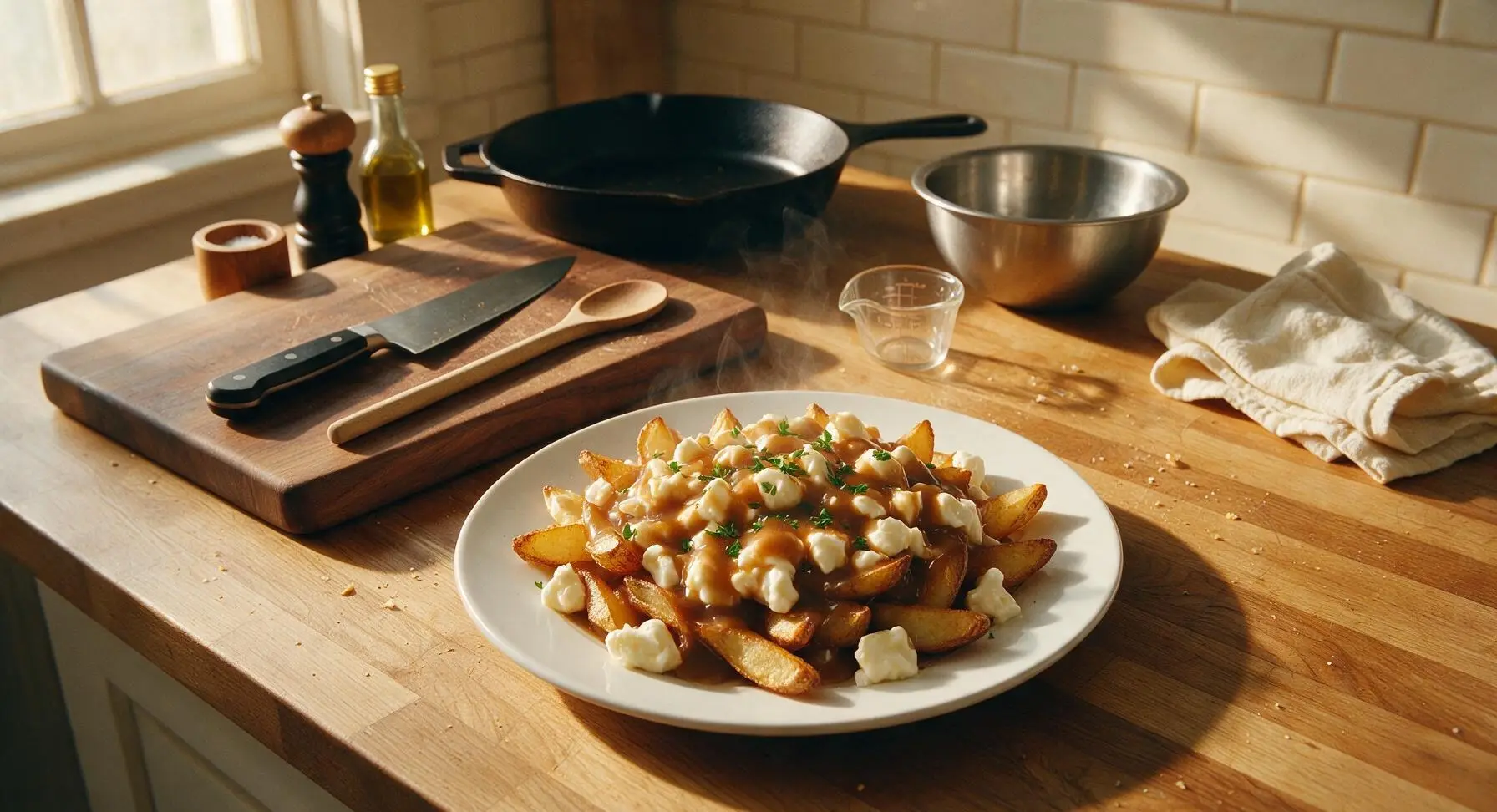
Crispy double-fried potatoes, squeaky fresh cheese curds, and rich savory brown gravy: Canada’s most beloved cozy comfort food, perfect for sharing.

Ingredients
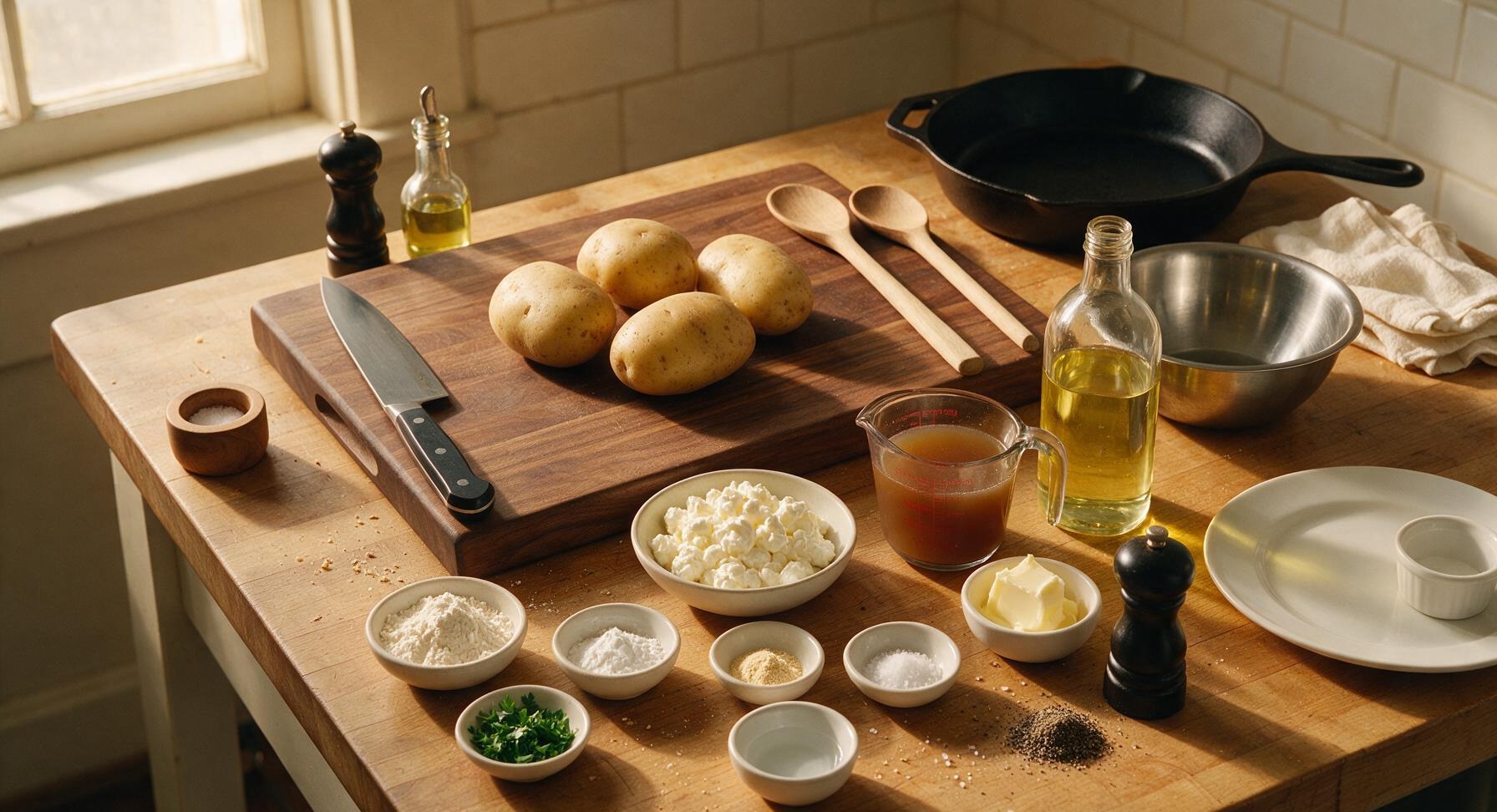
Russet potatoes 1kg (approx. 4 large)
Fresh white cheese curds 250g
Low-sodium beef stock 750ml
Neutral frying oil (canola/sunflower) 2L
Unsalted butter 3 tbsp
All-purpose flour 3 tbsp
Cornstarch 1 tbsp
Cold water 2 tbsp
Garlic powder 1 tsp
Coarse kosher salt 1.5 tsp, divided
Freshly ground black pepper 0.5 tsp
Fresh flat-leaf parsley 1 tbsp, chopped

Steps

1

Cut potatoes into fries

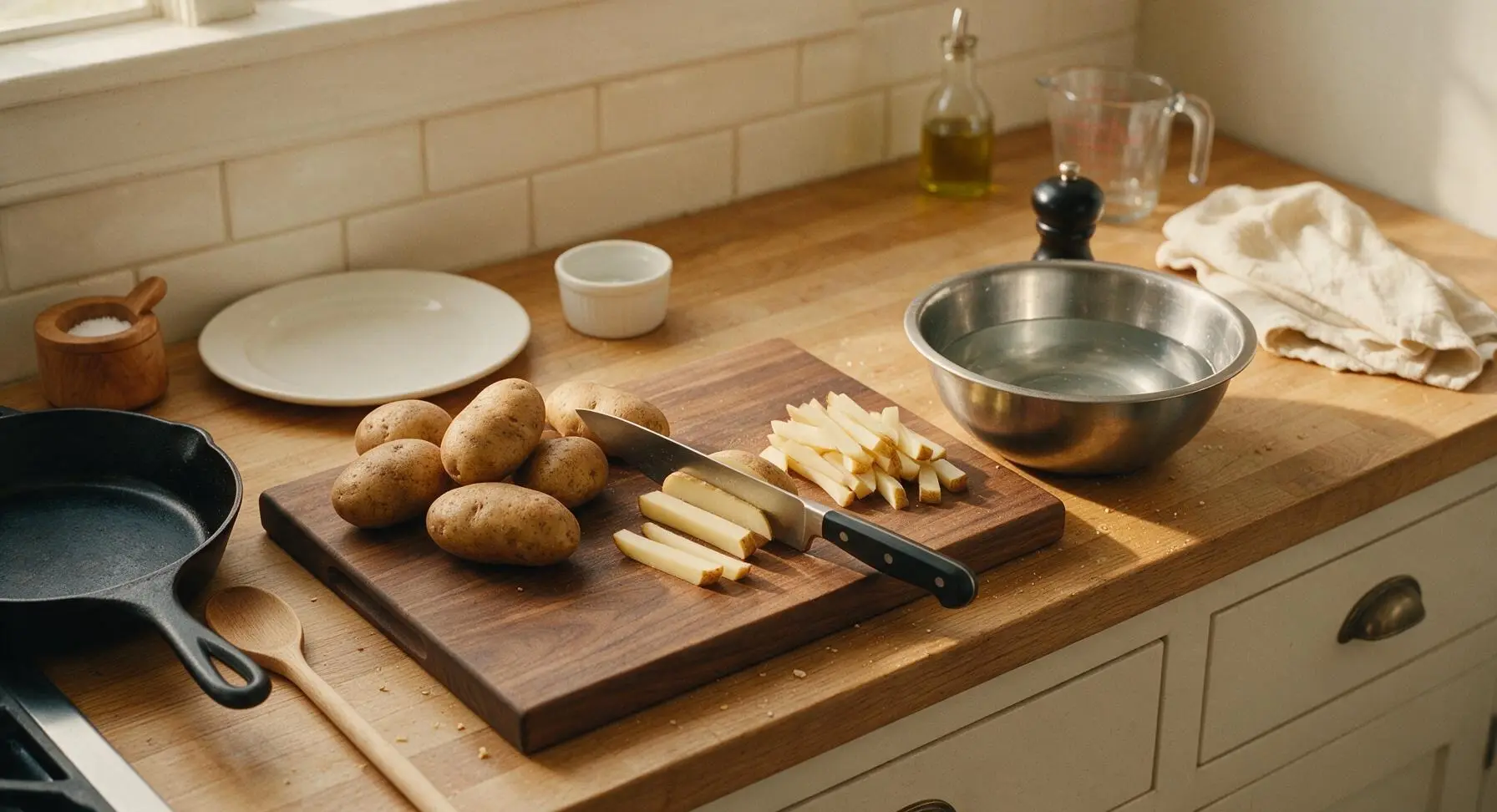
Scrub 1kg russet potatoes clean (do not peel for extra rustic texture) and place on the large maple cutting board. Using the 8-inch walnut-handle chef knife, cut potatoes lengthwise into uniform 1cm-thick sticks, taking care to keep cuts even to ensure consistent cooking. Transfer cut fries to the medium stainless steel mixing bowl filled with cold water, and soak for 15 minutes to leach out excess surface starch, the key to ultra-crispy fries.
Step 1
step1:Cut potatoes into fries
2

Dry soaked fries

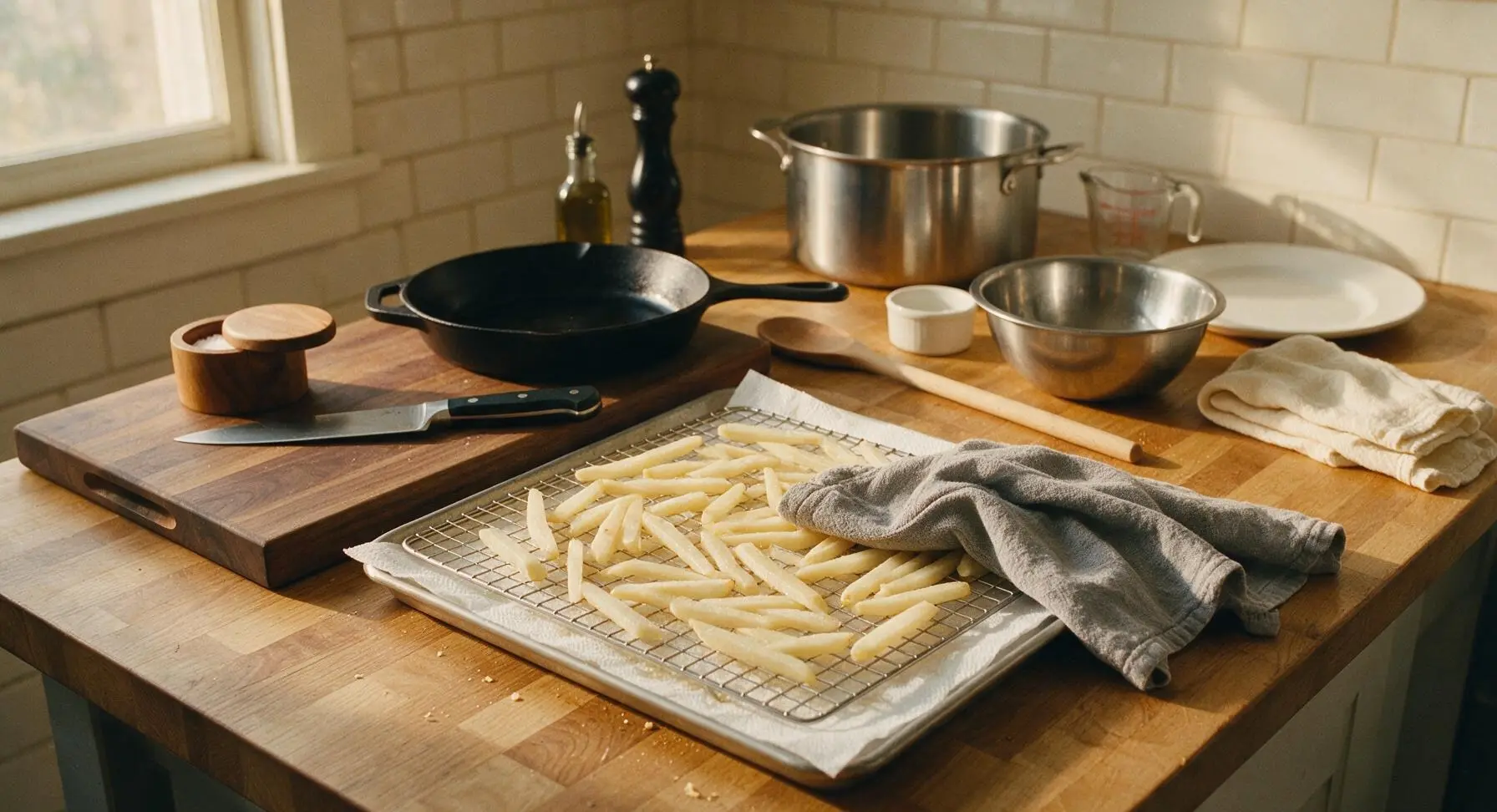
Drain the water from the bowl of cut fries completely, then spread fries in a single, even layer across the paper towel-lined wire rack set over the aluminum baking sheet. Pat fries thoroughly dry with a corner of the heather grey cotton kitchen towel, removing every trace of surface moisture—remaining water will cause dangerous oil splatter and prevent crispy crust formation. Let fries air dry for 5 minutes while heating the frying oil.
Step 2
step2:Dry soaked fries
3

Blanch fries in oil

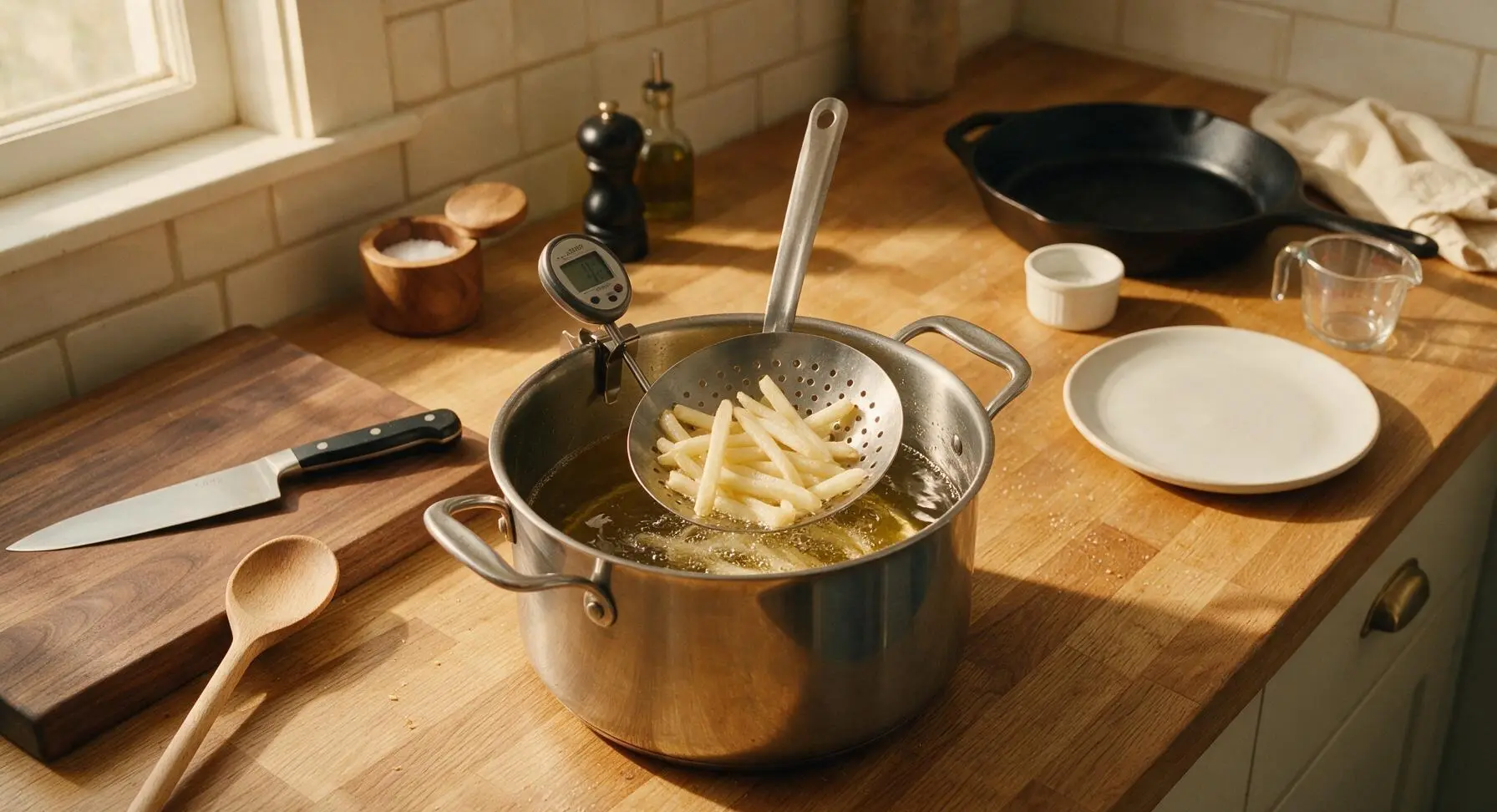
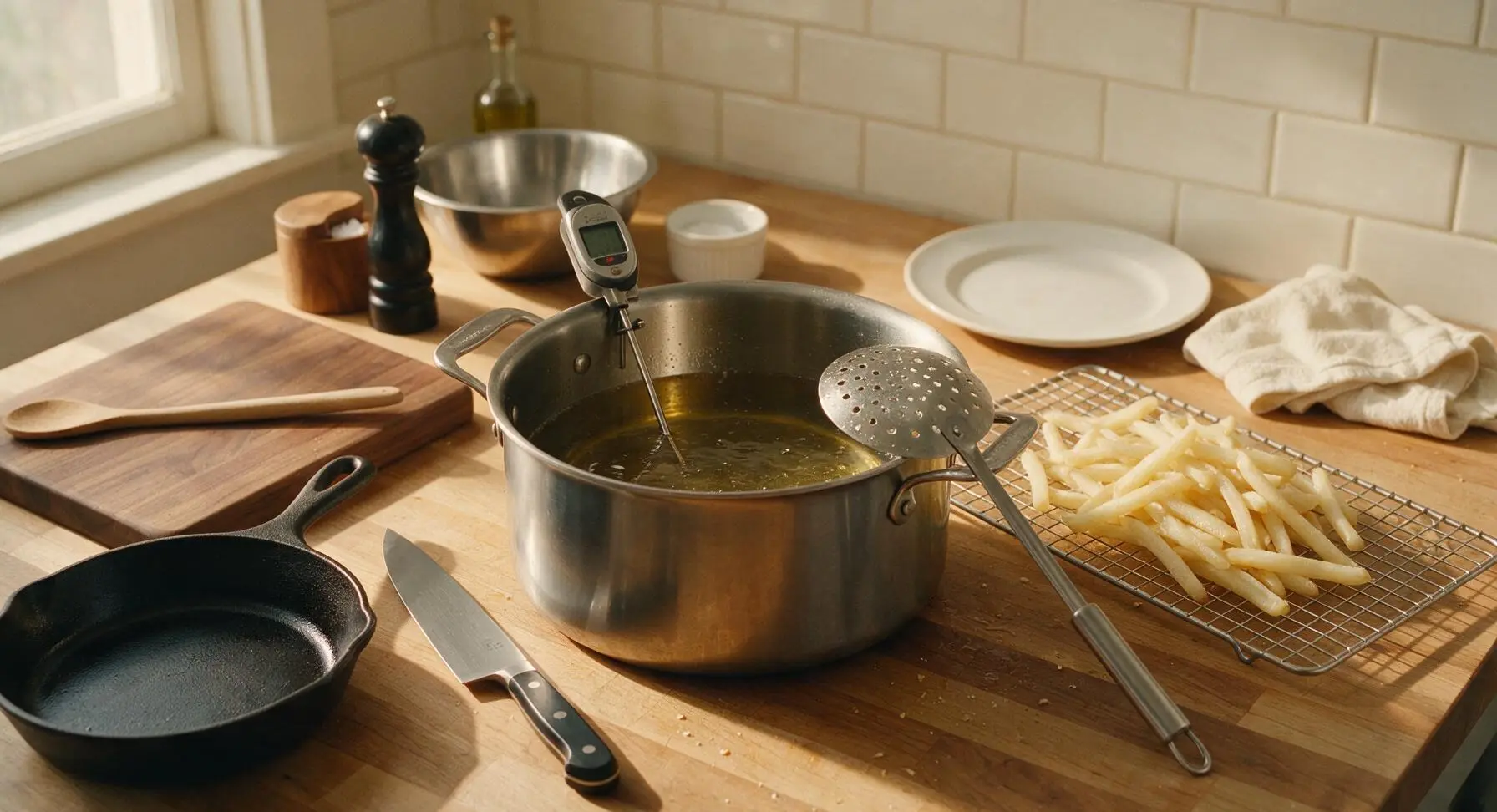
Pour 2L neutral canola or sunflower oil into the 5L stainless steel stock pot, clip the instant-read digital thermometer to the pot rim, and heat oil to a steady 160C (320F). Working in 3 small batches (to avoid dropping oil temperature), lower fries into the oil using the slotted stainless steel skimmer. Blanch each batch for exactly 3 minutes: fries will be pale, soft, and floppy with no golden browning. Remove blanched fries with the skimmer and return them to the wire rack to drain and rest for 10 minutes.
Step 3
step3:Blanch fries in oil
Step 3
step3:Blanch fries in oil
4

Cook gravy roux

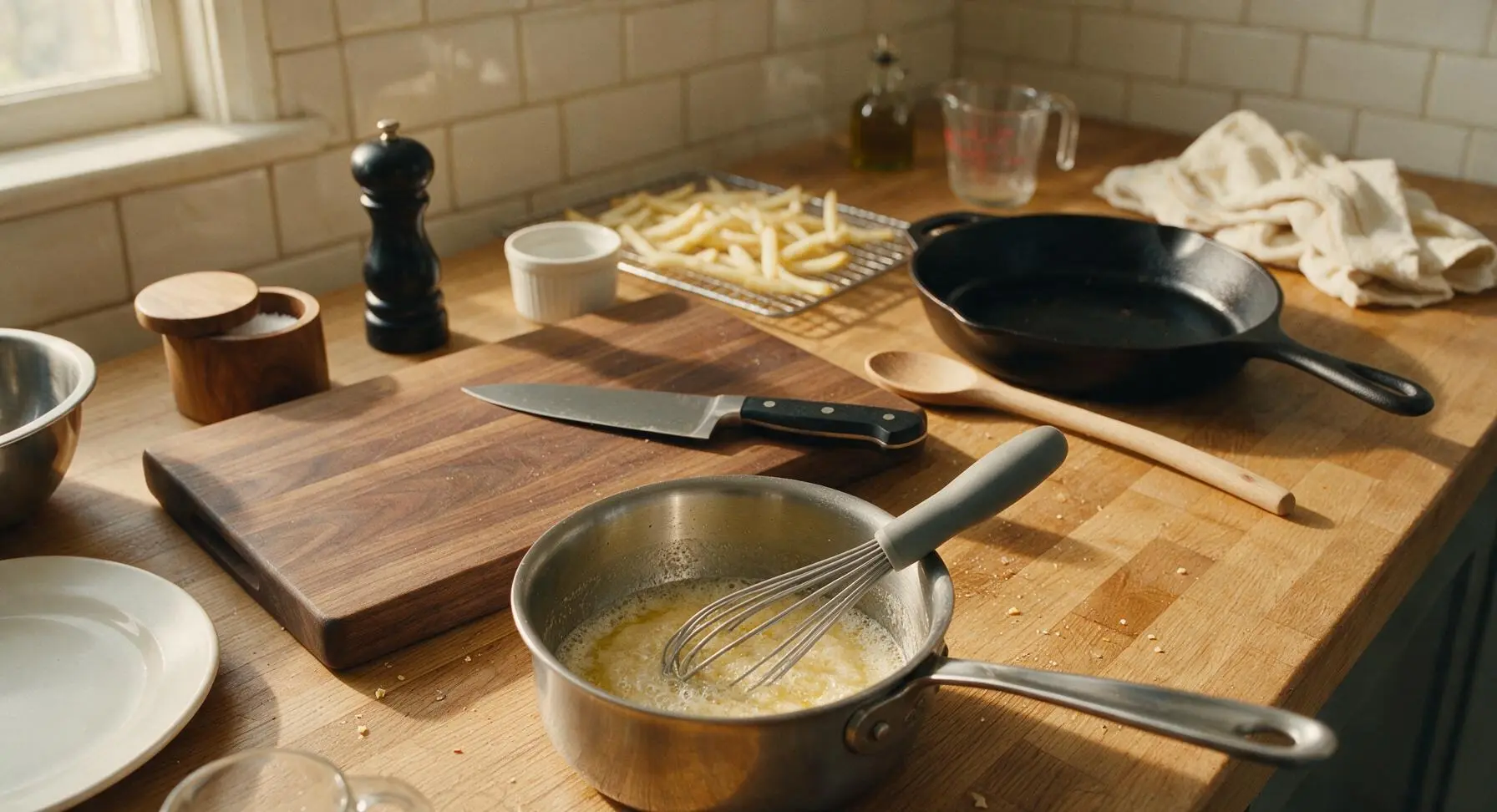
While blanched fries rest, place the 1.5L stainless steel saucepan on the front section of the counter over medium-low heat. Add 3 tbsp unsalted butter and melt fully, then whisk in 3 tbsp all-purpose flour using the grey-handled silicone whisk. Cook the roux for 4 full minutes, stirring constantly, until it turns a pale golden tan and smells faintly nutty, with no raw flour aftertaste remaining.
Step 4
step4:Cook gravy roux
5

Simmer thick gravy

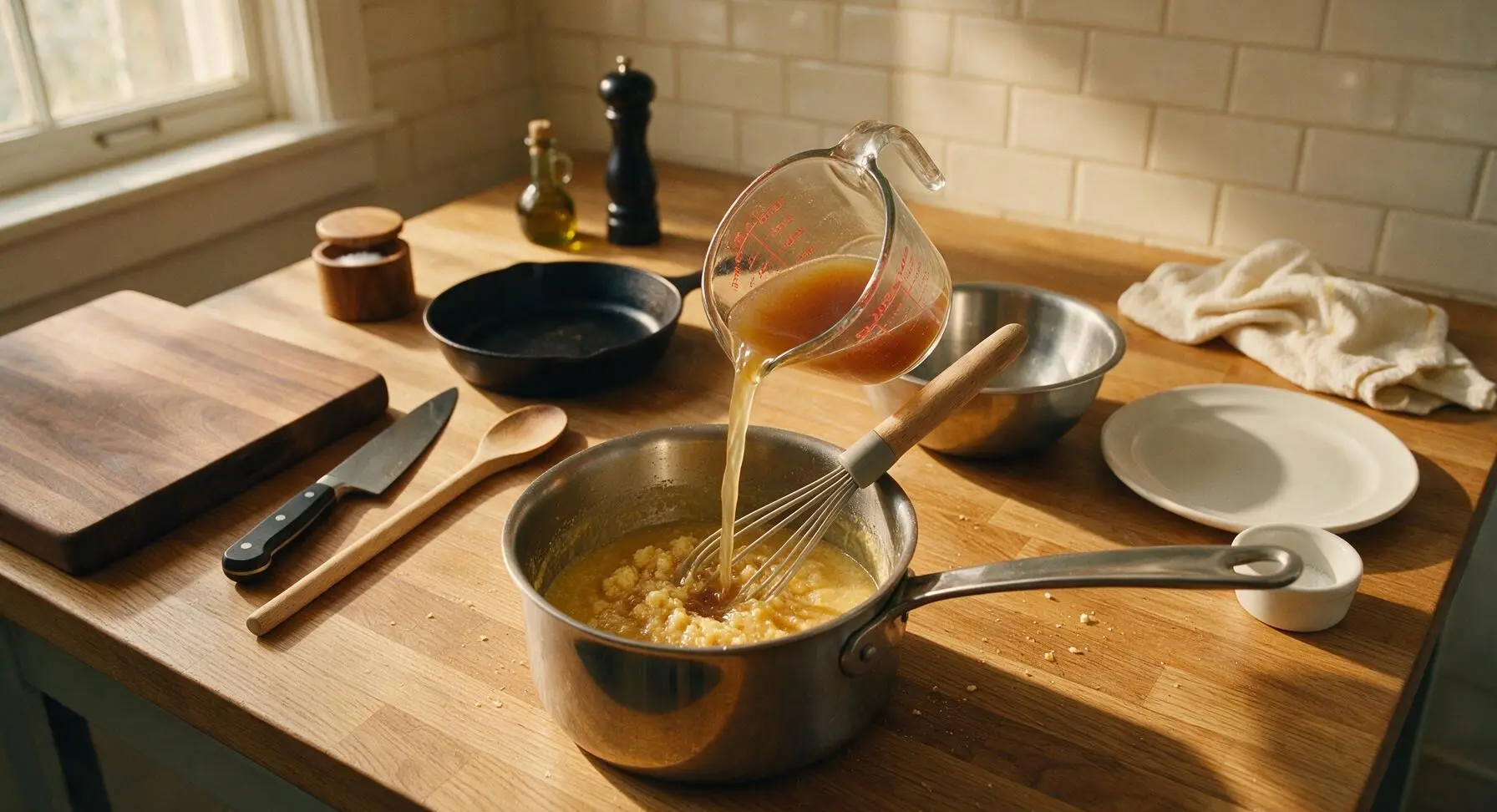
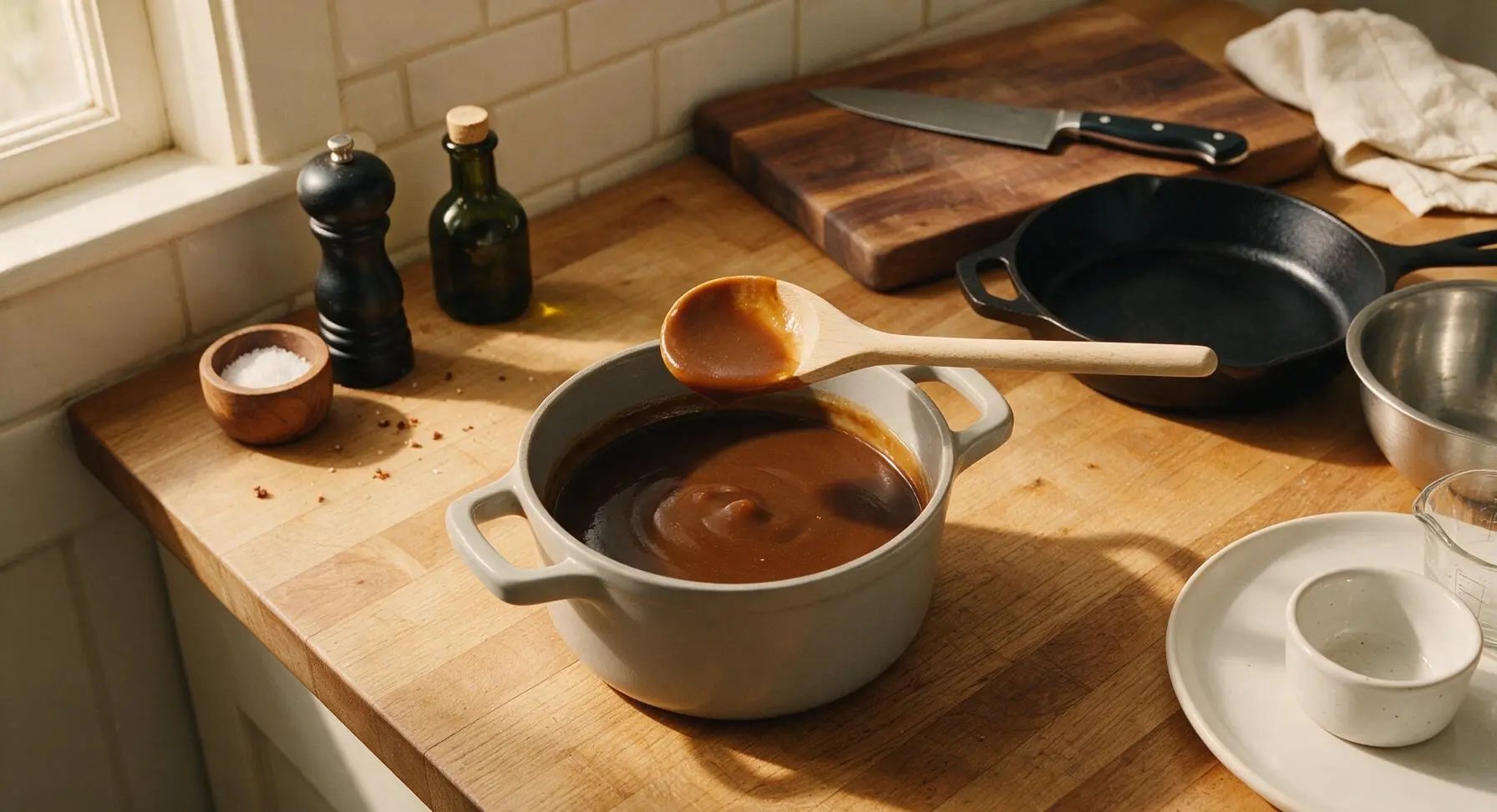
Slowly whisk 750ml low-sodium beef stock into the roux, adding a small amount at a time to prevent lumps from forming. Stir in 1 tsp garlic powder, 0.5 tsp freshly ground black pepper, and 0.5 tsp kosher salt. Bring the gravy to a gentle simmer, then mix 1 tbsp cornstarch with 2 tbsp cold water to make a smooth slurry, and whisk into the gravy. Simmer for 8-10 minutes, stirring occasionally with the birch wooden spoon, until gravy is thick enough to leave a clear coating on the back of the spoon. Turn heat to the lowest setting to hold gravy warm for serving.
Step 5
step5:Simmer thick gravy
Step 5
step5:Simmer thick gravy
6

Crisp fries at high heat

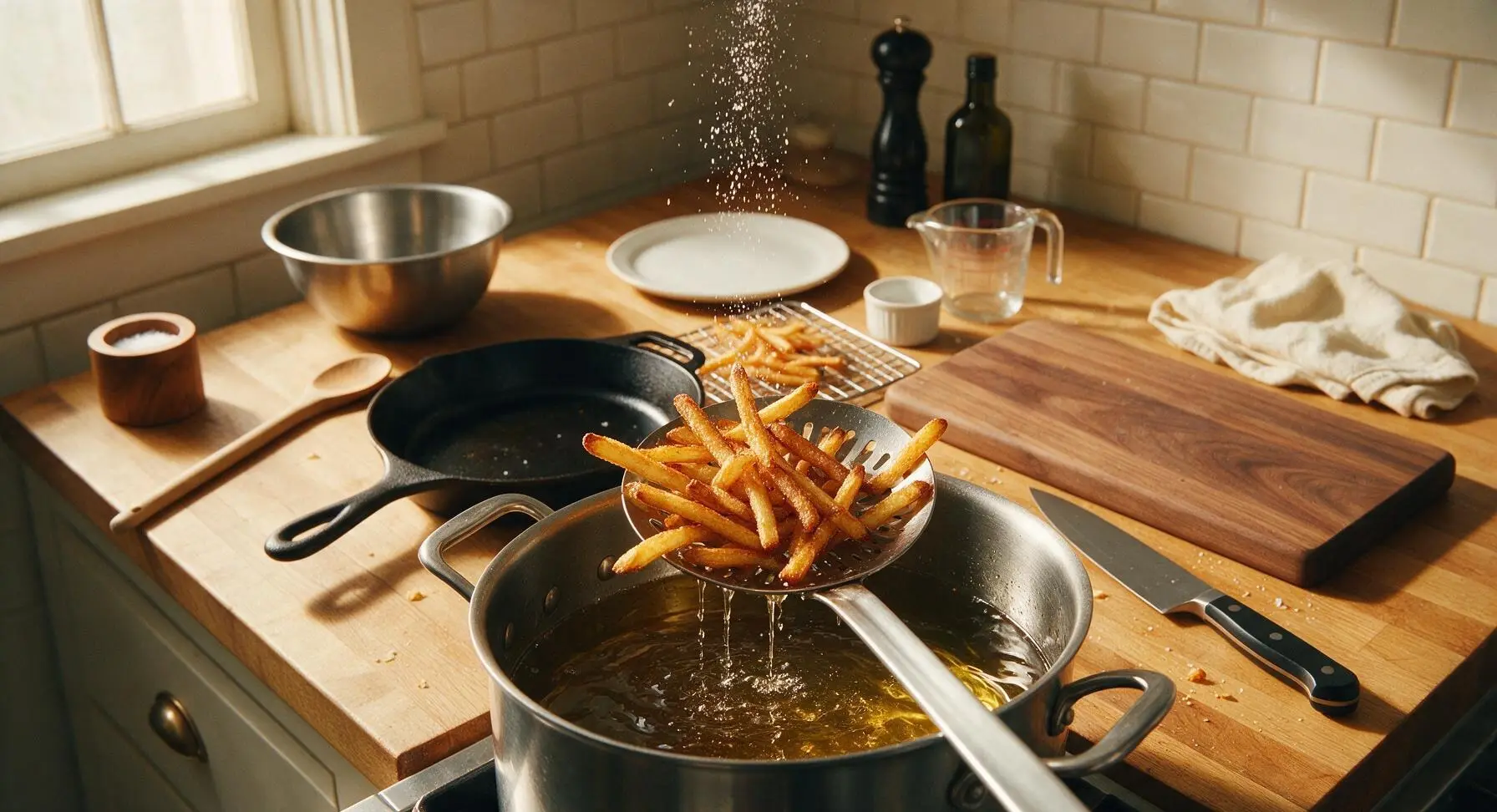
Turn up the heat under the stock pot to bring oil temperature up to 190C (375F). Again working in 3 small batches, fry the rested blanched fries for 2-3 minutes per batch, until deep golden brown with a shatteringly crisp outer crust and fluffy cooked interior. Remove finished fries with the slotted skimmer, return to the wire rack, and immediately toss with the remaining 1 tsp kosher salt while fries are still piping hot.
Step 6
step6:Crisp fries at high heat
7

Layer fries and curds

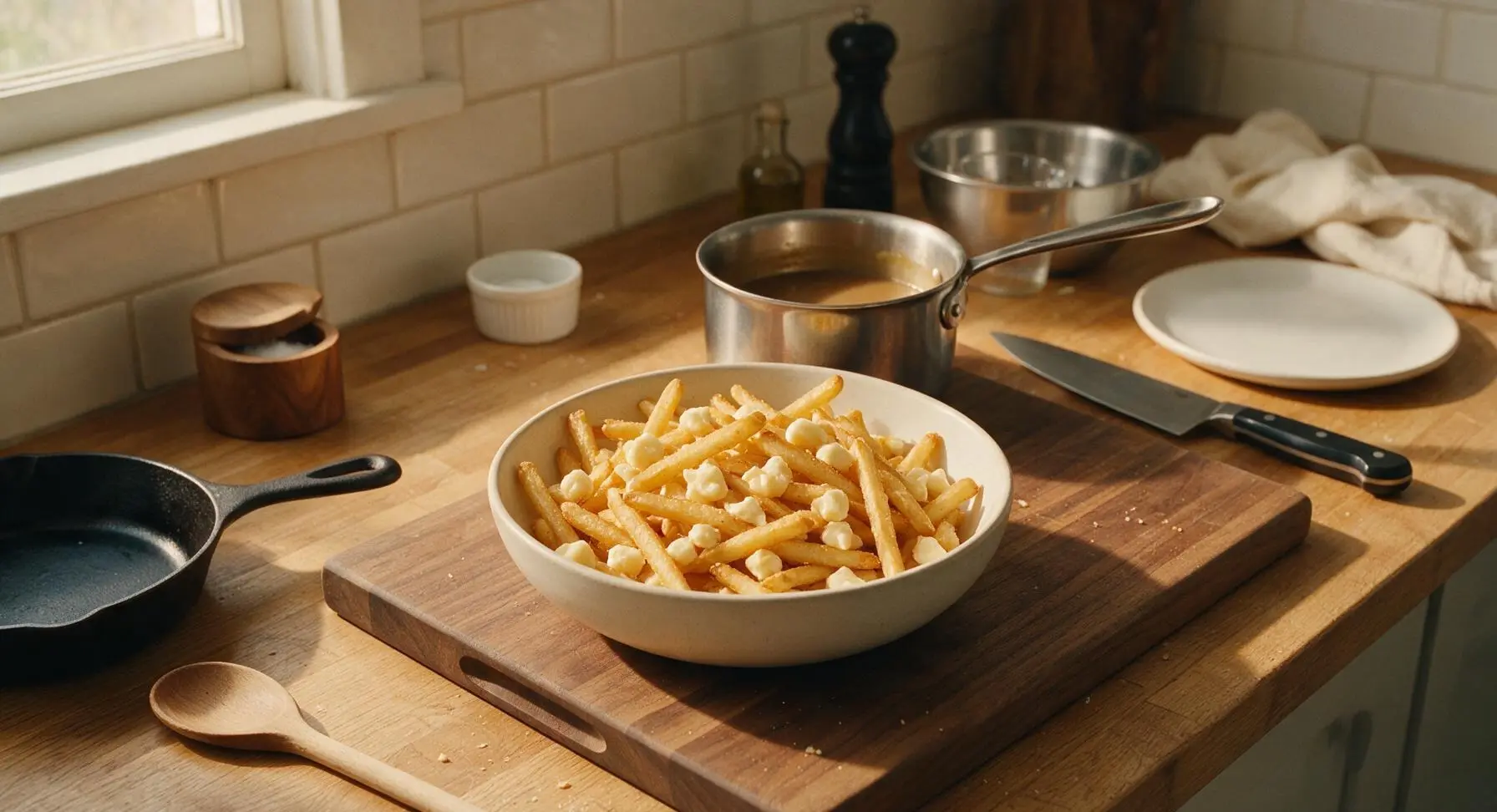
Transfer the hot, salted crispy fries directly into the matte off-white ceramic serving bowl, piling them loosely to leave small air gaps (do not press fries down, as this will make them soggy). Break any extra-large cheese curds into 2cm pieces, then scatter them evenly across the entire surface of the hot fries, so the heat from the fries immediately starts to soften the curd edges.
Step 7
step7:Layer fries and curds
8

Pour gravy and serve

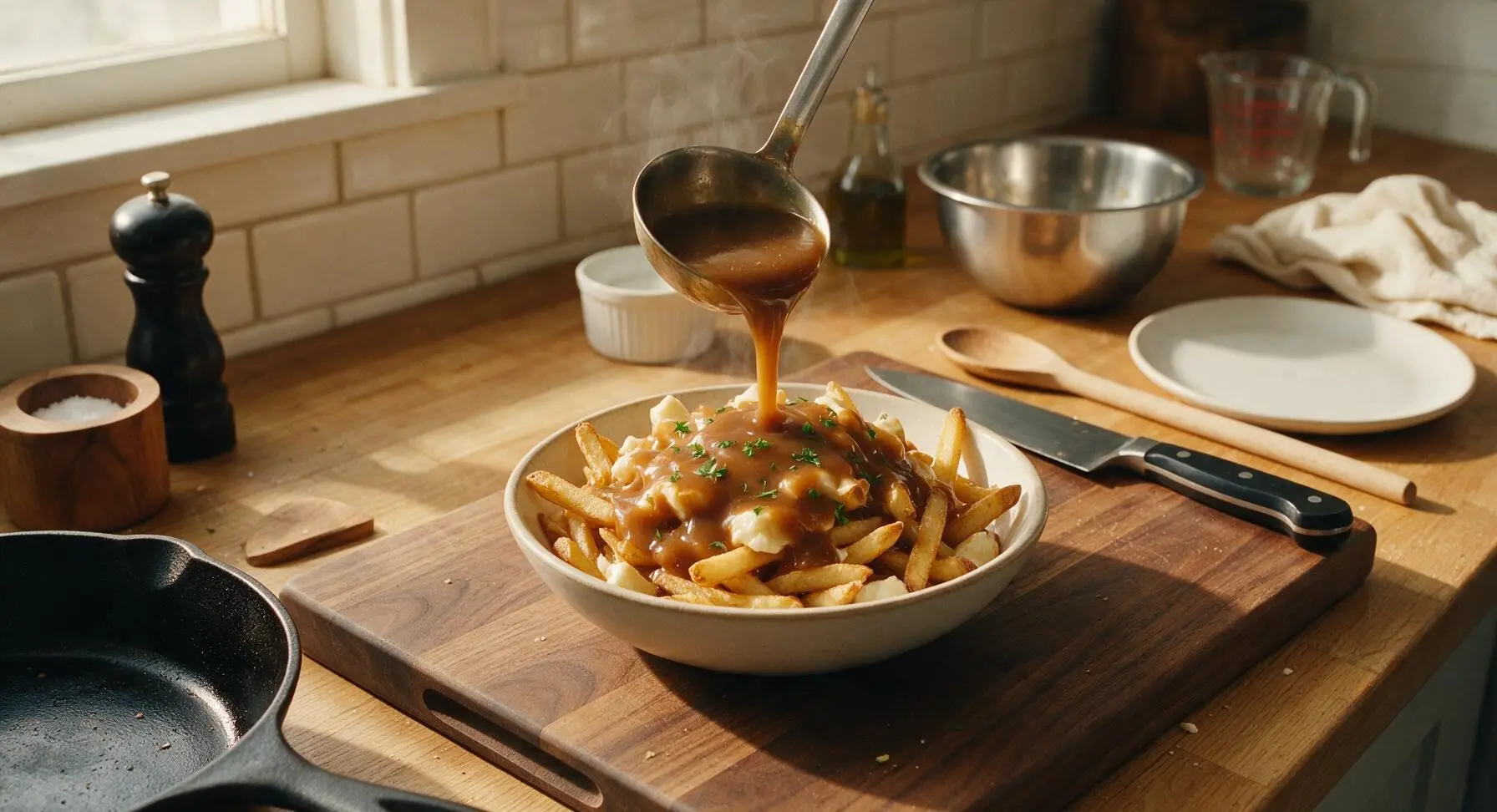
Use the stainless steel ladle to pour hot gravy evenly over the fries and curds, covering most curds but leaving a few curd edges peeking out for texture contrast. Do not over-pour gravy, as this will turn the bottom layer of fries soggy—gravy should coat and drizzle, not drown the dish. Sprinkle with 1 tbsp chopped fresh parsley for a pop of color, and serve immediately while curds still have their signature squeaky texture.
Step 8
step8:Pour gravy and serve

Tips

1.Skip pre-shredded mozzarella as a curd substitute: Fresh cheese curds have a unique, springy 'squeaky' texture when bitten into, and melt into soft, stretchy pockets without turning greasy. For the most authentic experience, seek out curds that are less than 24 hours old, sold in the refrigerated dairy section of grocery stores or cheese shops.
2.Don’t rush the double-fry process: The low-temperature first fry cooks the potato interior to a light, fluffy consistency, while the high-temperature second fry creates a crisp, starch-sealed crust that resists sogginess when hot gravy is poured over top. Skipping the first fry will result in either burnt, undercooked fries or soggy, limp poutine.
3.Avoid pouring boiling hot gravy over curds: Gravy that is hotter than 82C (180F) will completely melt curds into a greasy, runny puddle, while gravy that is too cool won’t soften curds enough to create that ideal melt-in-pockets texture. Let gravy rest for 2 minutes after simmering before pouring for perfect results.
✨ You May Also Like

Main Course
🍜 United Kingdom

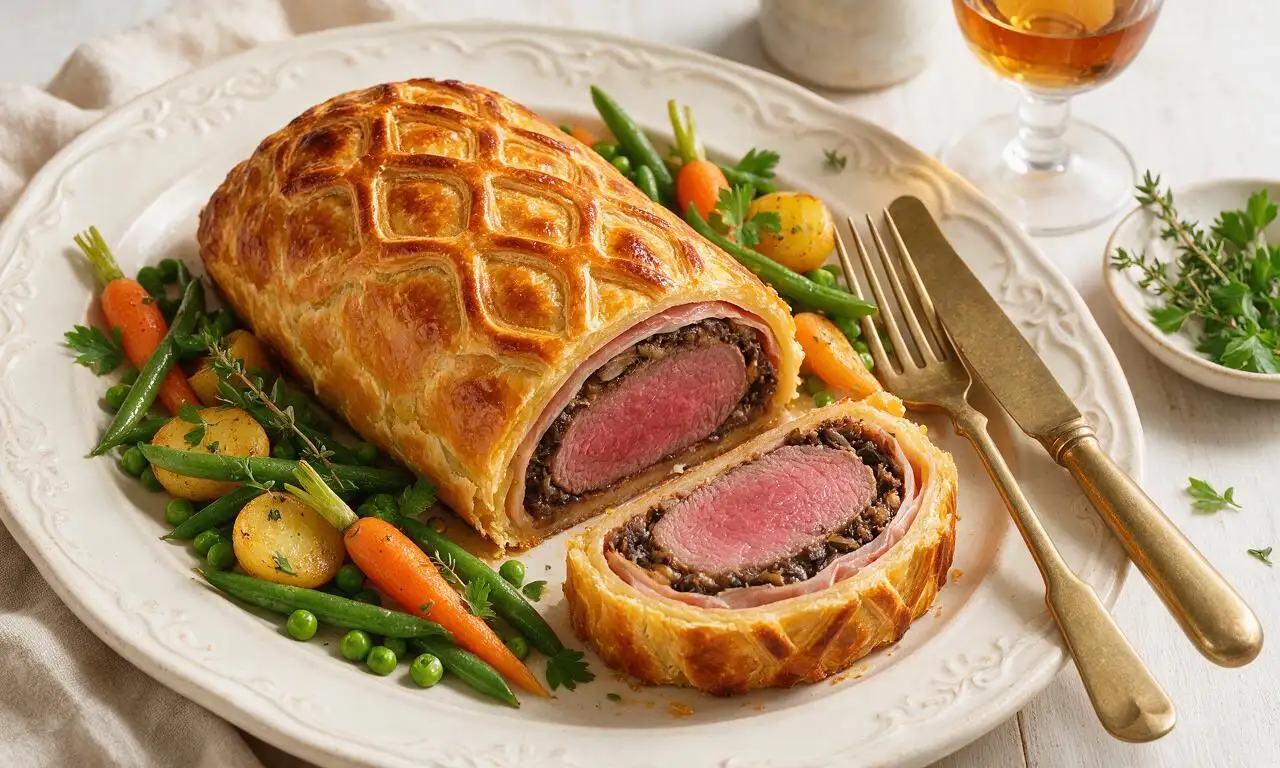
A showstopping classic of tender seared beef, savory mushroom duxelles, and crisp prosciutto wrapped in flaky golden puff pastry, baked to juicy perfection.

⏱️ 2 hours 1Main Course ★ 4.7
Main Course
🍜 India

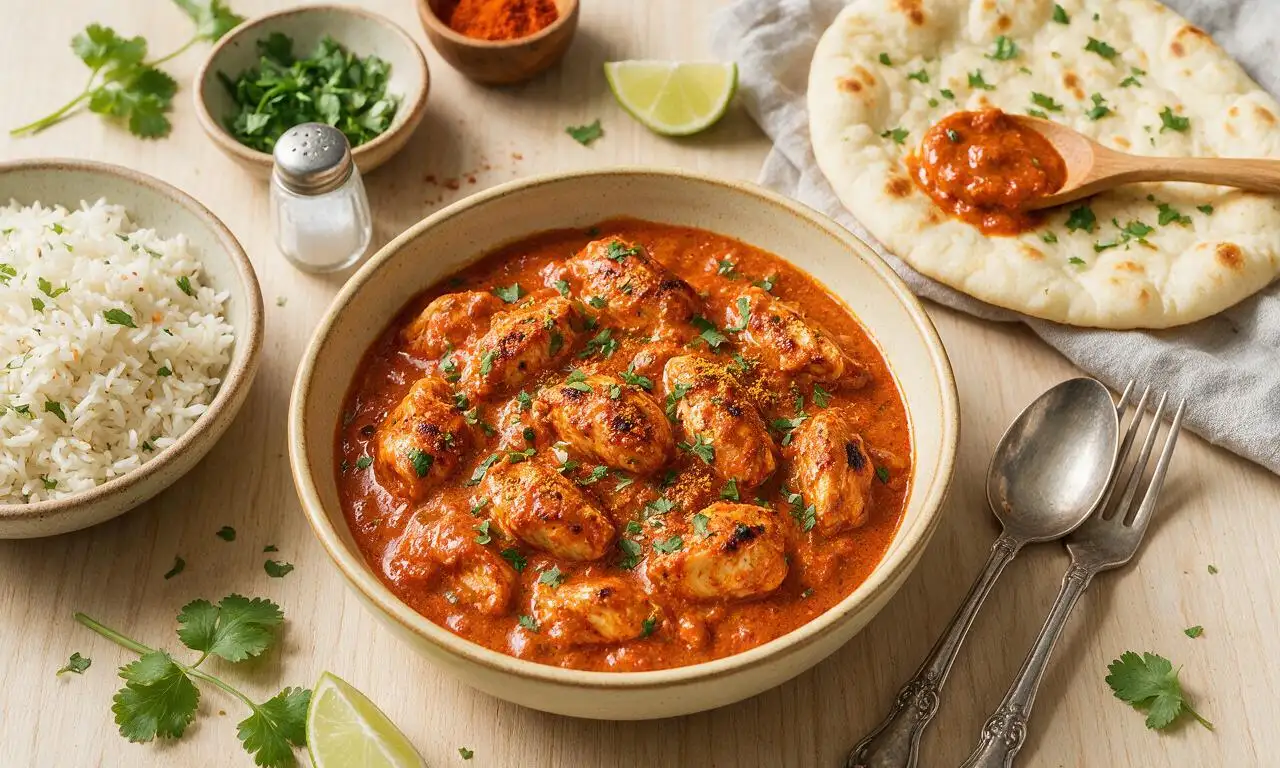
Tender charred marinated chicken simmered in a rich, spiced creamy tomato sauce, this iconic Anglo-Indian curry pairs perfectly with basmati rice or warm naan.

⏱️ 50 minuteMain Course ★ 4.6
Main Course
🍜 Thailand

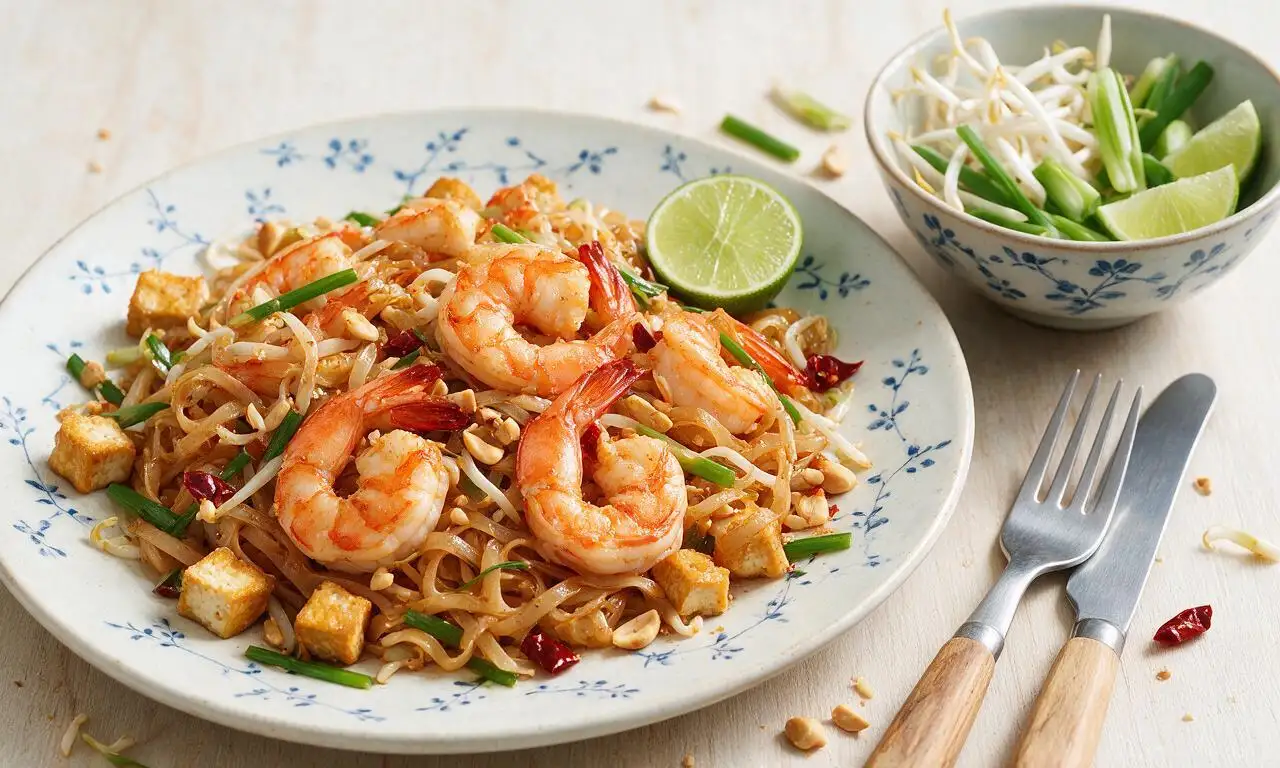
Classic tangy, sweet, and savory Thai stir-fried rice noodles with shrimp, tofu, and crunchy garnishes, balancing all five core Thai flavor profiles.

⏱️ 30 minuteMain Course ★ 4.5
Main Course
🍜 United Kingdom

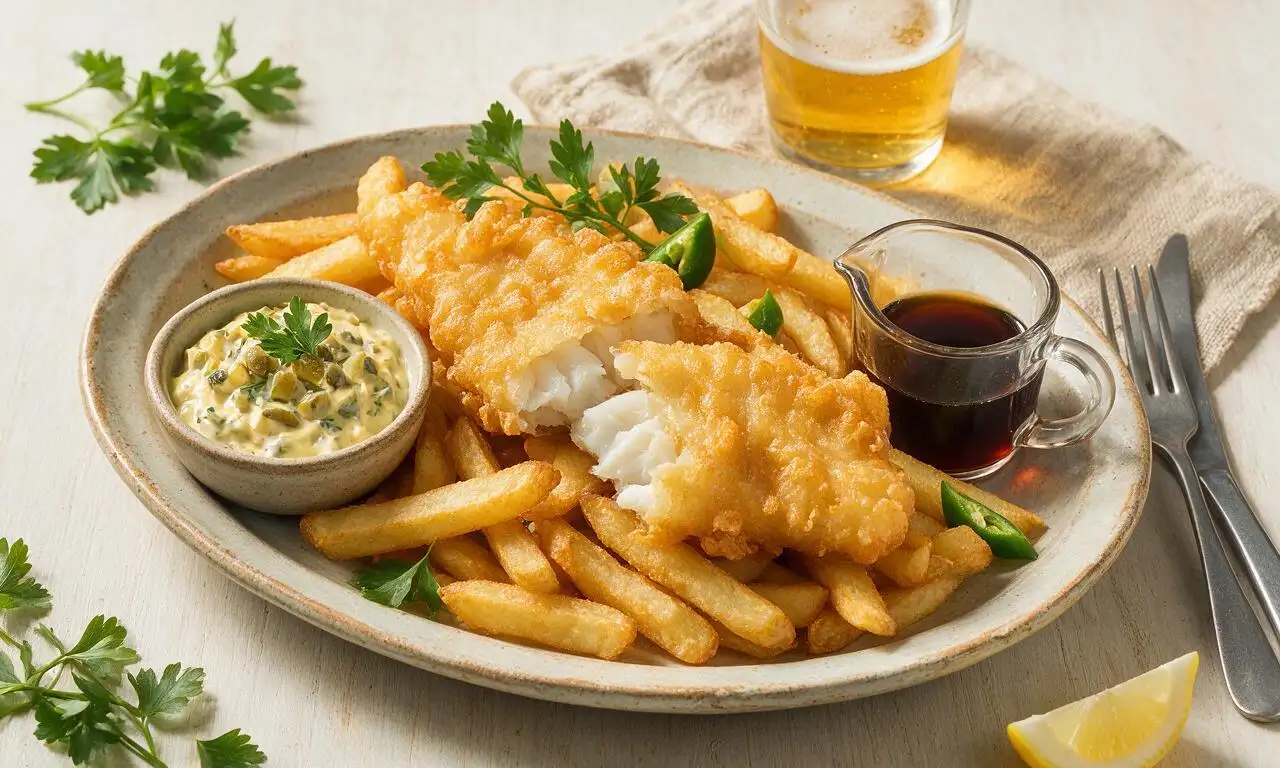
Crispy golden beer-battered cod and fluffy double-fried chips, served with tangy tartar sauce and malt vinegar: the timeless, beloved British pub comfort classic.

⏱️ 45 minuteMain Course ★ 4.7
Main Course
🍜 Mexico

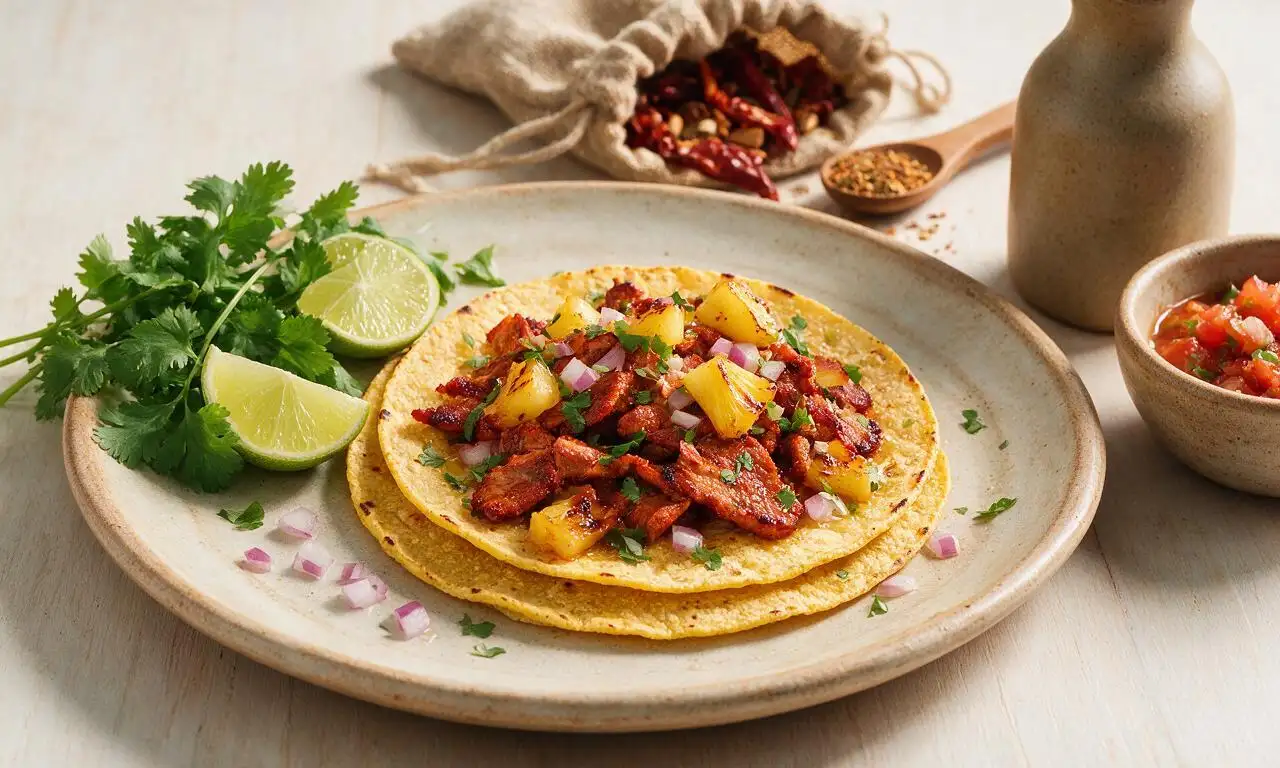
Smoky, chile-marinated pork tacos with caramelized pineapple, fresh cilantro, and lime: a beloved classic Mexican street food perfect for casual summer gatherings.

⏱️ 1 hour 45Main Course ★ 4.8
Main Course
🍜 United States

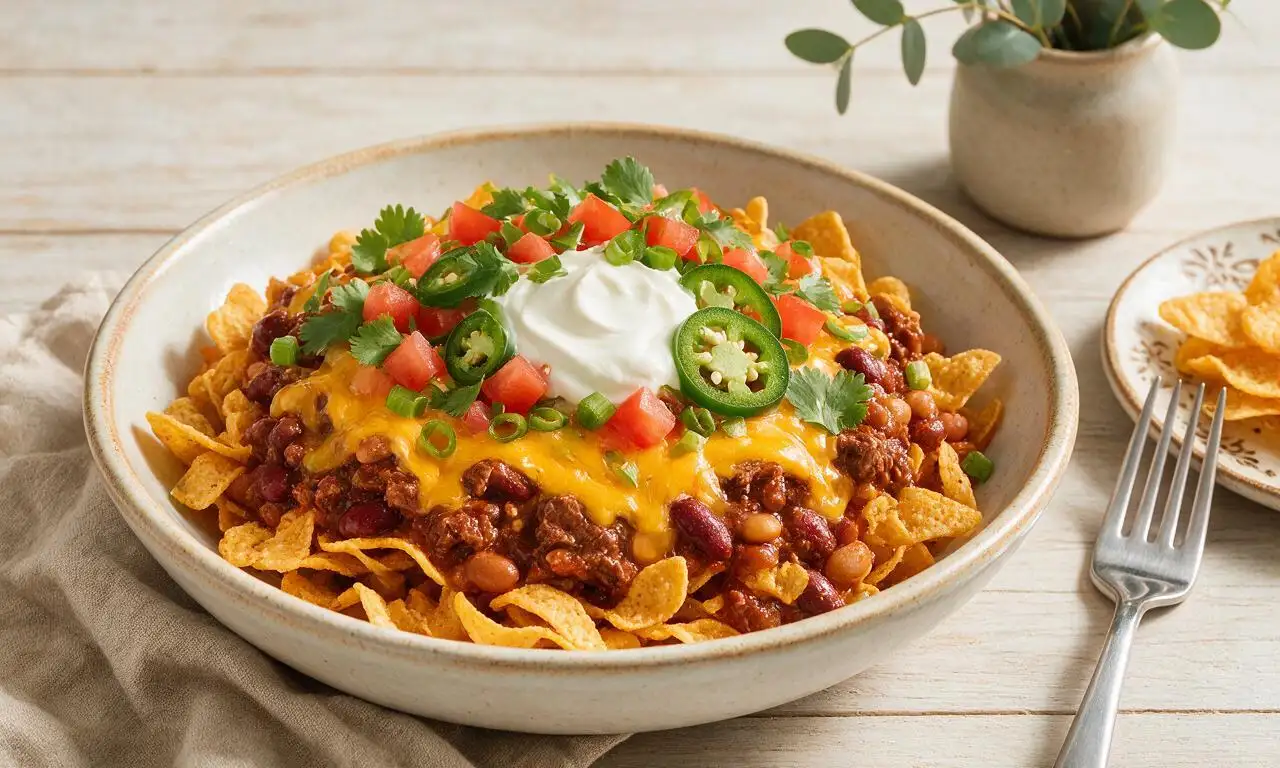
Crunchy Fritos corn chips layered with savory beef chili and melted cheddar, topped with cool, zesty fixings for a beloved, cozy Tex-Mex comfort food.

⏱️ 35 minuteMain Course ★ 4.8

Canadian Poutine Poutine:Frequently Asked Questions

1.What makes classic Canadian poutine different from regular loaded cheese fries? ▾
The classic version sticks strictly to three non-negotiable core components: shatteringly crisp double-fried russet potato fries, fresh squeaky white cheese curds, and smooth, savory thin brown beef gravy. Unlike loaded fries, it skips random add-ons like chili or bacon to let each iconic element shine, with gravy warm enough to soften curds slightly without melting them fully.
2.Why do recipes call for russet potatoes specifically for poutine fries? ▾
Russets have the ideal high starch, low moisture content that makes perfect poutine fries. Their fluffy, dry interior turns light and tender when fried, while their exterior crisps up beautifully to hold up to hot gravy without turning soggy immediately. Waxy potato varieties like red or Yukon Gold will turn mushy too fast once gravy hits them, so skip those for classic results.
3.What exactly are cheese curds, and can I substitute them if I can’t find them? ▾
Fresh cheese curds are mild, springy young cheddar bits that make that iconic “squeak” when you bite into them, the hallmark of great poutine. If you can’t source them, the closest swap is cut-up blocks of very fresh, young mild white cheddar, but skip pre-shredded cheese—it melts too fast and won’t give that signature curd texture.
4.Why do I need to double-fry the potatoes for poutine? ▾
The double-fry method is non-negotiable for gravy-resistant crispy fries. The first lower-temperature fry (325°F) cooks the potato interior all the way through to fluffy tenderness, while the second higher-temperature fry (375°F) crisps and gilds the exterior. This creates a sturdy crust that won’t turn soggy the second you pour hot gravy over it.
5.Do I have to soak the potato fries before frying them? ▾
Yes, soaking cut russet fries in cold water for 30 to 60 minutes (then patting them completely dry) pulls excess surface starch off the potatoes. This prevents fries from sticking together while frying, helps them get extra crispy, and cuts down on dangerous oil spattering from excess moisture when you lower fries into hot oil. Don’t skip the drying step!
6.How fresh do cheese curds need to be for the best poutine? ▾
For that iconic squeak, cheese curds should be as fresh as possible, ideally less than 24 hours old from the cheesemaker, and left at room temperature for 15 minutes before assembling. As curds age, they lose their springy texture and squeak, hardening into regular firm cheddar. Avoid refrigerated curds more than 3 days old for the most authentic bite.
7.Why use low-sodium beef stock for the gravy? ▾
Low-sodium beef stock lets you control the salt level of your gravy perfectly, so it doesn’t turn out overly salty once it reduces and concentrates as it simmers. Regular full-sodium stock can easily lead to a gravy that overpowers the mild curds and earthy potato flavor, leaving you with a too-salty final dish that masks the other components.
8.What oil is best for frying the poutine fries? ▾
Stick to neutral, high-smoke-point oils like canola or sunflower oil, as listed in the recipe. These oils won’t burn at the high frying temperatures needed for crispy fries, and they don’t add any strong, off-flavors that would compete with the rich gravy and mild cheese curds. Avoid olive oil or butter for frying, as they have too low a smoke point.
9.How thick should the poutine gravy be? ▾
Classic poutine gravy is thinner than a standard Thanksgiving turkey gravy, about the consistency of heavy cream. It needs to be thin enough to trickle down through the pile of fries and coat each curd slightly, but thick enough that it doesn’t pool into a soggy mess at the bottom of your serving dish. It should never be gummy or paste-thick.
10.Should I melt the cheese curds all the way when assembling poutine? ▾
No! The ideal poutine has curds that are slightly softened and warmed through by the hot gravy, but still hold their shape and have that signature squeak when you bite into them. Fully melted curds turn into a stringy, greasy cheese layer that’s more like standard cheese fry topping, not authentic poutine. Pour gravy right after it comes off the heat for perfect warming.
11.Can I bake the fries instead of double-frying them for a lighter version? ▾
You can, though you won’t get the exact same shatteringly crisp texture as double-fried fries. For the best baked results, toss cut, thoroughly dried fries with a thin coating of canola oil, arrange in a single layer on a sheet pan, and bake at 425°F for 35 to 40 minutes, flipping halfway, until deeply golden and crisp before adding curds and gravy.
12.Why use unsalted butter when making the gravy? ▾
Unsalted butter gives you full control over the final seasoning of your gravy, just like low-sodium beef stock does. Salted butter adds an unmeasured amount of salt that can throw off the flavor balance, especially as the gravy simmers and reduces. You can always add a pinch of extra salt at the end to taste, but you can’t easily fix an over-salted gravy.
13.How do I keep my fries from getting soggy after adding gravy? ▾
The key is to assemble poutine right before serving, never ahead of time. Make sure your fries are straight out of the second fry (or oven) and piping hot, your curds are at room temp, and your gravy is hot but not boiling when you pour it. Don’t douse the fries in too much gravy—add just enough to coat, not drown, the pile.
14.Is it okay to make the gravy ahead of time? ▾
Absolutely! You can make the beef gravy up to 3 days ahead, store it in an airtight container in the fridge, and reheat it gently on the stovetop over low heat right before you’re ready to assemble poutine. Just give it a good stir, and thin it with a splash of extra beef stock if it thickens too much in the fridge to get that perfect pourable consistency.
15.What causes the famous “squeak” of fresh cheese curds? ▾
That signature squeak comes from the tight, elastic protein structure in very fresh, unaged young cheddar curds. When you bite into them, the protein strands rub against your tooth enamel to create that high-pitched squeaky sound. As curds age, those proteins break down, the curds get firmer, and the squeak fades completely after a few days of refrigeration.
16.How much oil do I need for frying the fries? ▾
You’ll need enough canola or sunflower oil to fill your heavy-bottomed pot or deep fryer to a depth of 3 to 4 inches, making sure you leave at least 4 inches of empty space at the top of the pot to prevent bubbling oil from overflowing when you add fries. Always use a deep-fry thermometer to track oil temperature for consistent, crisp results.
17.Can I add extra toppings to classic poutine? ▾
The classic Canadian version sticks to just fries, curds, and gravy, but you can absolutely customize it if you want—just know those additions move it out of “classic” territory. Popular add-ons include pulled pork, caramelized onions, crispy bacon, or hot sauce, but I recommend trying the unadorned classic first to appreciate its simple, balanced comfort.
18.What’s the best way to serve poutine for a group? ▾
For sharing, pile hot double-fried fries on a large, warm platter, scatter room-temperature fresh curds evenly over the top, then pour hot gravy evenly over the whole pile right before carrying it to the table. Don’t mix it up—let guests dig in to get layers of crisp fry, squeaky curd, and savory gravy in every bite, and serve immediately before it gets soggy.

Comments (7)

2 days ago

OMG I made this for our family game night last weekend and everyone went back for seconds! I was worried the cheese curds would be hard to find but my local grocery store stocked them right in the dairy section. The gravy is so much better than the fast food poutine I’ve tried before, 10/10. Only note is I added a tiny extra pinch of black pepper because we love spice in our house.

yesterday

Wait did you use fresh curds or the vacuum sealed ones? I tried making poutine once with the shelf stable curds and they got all rubbery, would love to avoid that mistake this time!

2 hours ago

So glad your game night crew loved it, Molly! Great call on the extra black pepper. To answer Jake’s question too – always go for fresh, refrigerated cheese curds if you can! They have that perfect squeak and melt just right without getting rubbery.

3 days ago

Took me a couple tries to get the fries crispy enough (first batch I didn’t dry the potato wedges well enough, oops) but once I nailed that? This poutine tasted exactly like the stuff I had on a trip to Toronto a few years back. Medium difficulty is no joke, don’t rush the fry steps y’all.

2 days ago

So glad you stuck with it, Greg! Drying the potatoes completely is such a key step for that crispy fry texture that holds up to the gravy – nice work troubleshooting that first batch!

2 hours ago

Game changer! My kids loved it! I swapped the regular fries for sweet potato fries on a whim because that’s what I had in the freezer, and the sweet/savory combo was insane. Will absolutely be adding this to our weekly dinner rotation, especially on cold rainy nights.

yesterday

Wait, is there a good vegetarian swap for the gravy? My partner is vegetarian and I’ve been dying to make this for our date night in, but I don’t want the gravy to taste bland or off. Any tips would be so appreciated!

2 hours ago

I did this last week! Used mushroom broth instead of beef broth, added a tiny splash of soy sauce and a pinch of smoked paprika to get that deep umami flavor, it was amazing! My meat-eating roommate didn’t even notice the difference.

30 minutes ago

Great question, Mike! Jenna’s tip is spot on – mushroom broth with a touch of soy sauce or veggie Worcestershire makes a fantastic vegetarian gravy. You can also sauté a handful of finely chopped mushrooms into the gravy base for extra depth.

2 weeks ago

Made this for meal prep this week! Pro tip: don’t pour the gravy over all of it if you’re saving leftovers! Keep the gravy, fries, and curds separate and heat them up individually when you’re ready to eat, otherwise the fries get super soggy. Learned that the hard way with my first meal prep attempt, ha.

1 week ago

Such a smart meal prep tip, Tasha! Soggy fries are the worst, so storing components separately is absolutely the move for leftovers. Thanks for sharing that hack with everyone!

30 minutes ago

SO good. I brought a big batch of this to our office potluck last week and people were lined up to get seconds! I added a little crumbled bacon on top for extra flair, and the whole pan was gone in 15 minutes flat. Will 100% be making this for every work event and football watch party from now on.

5 minutes ago

Just made this for the first time and I’m kicking myself for waiting so long to try homemade poutine! The gravy has that perfect rich, savory flavor that doesn’t overpower the cheese curds, and the 40 minute total cook time was totally doable even when I was rushing to get dinner on the table after work. My only tiny complaint is I wish I made a double batch, because my roommate ate half the pan before I even got a second serving.

just now

Same! I made a single batch last week and it was gone so fast, I did a triple batch for my buddy’s birthday cookout over the weekend and there were still zero leftovers. You’ve been warned, double batch is the minimum!