Classic Scrambled Eggs

title 1
Classic Scrambled Eggs
⏱️ cook time 5 minutes
🍽️ servings 2
⚡ Difficulty easy

intro

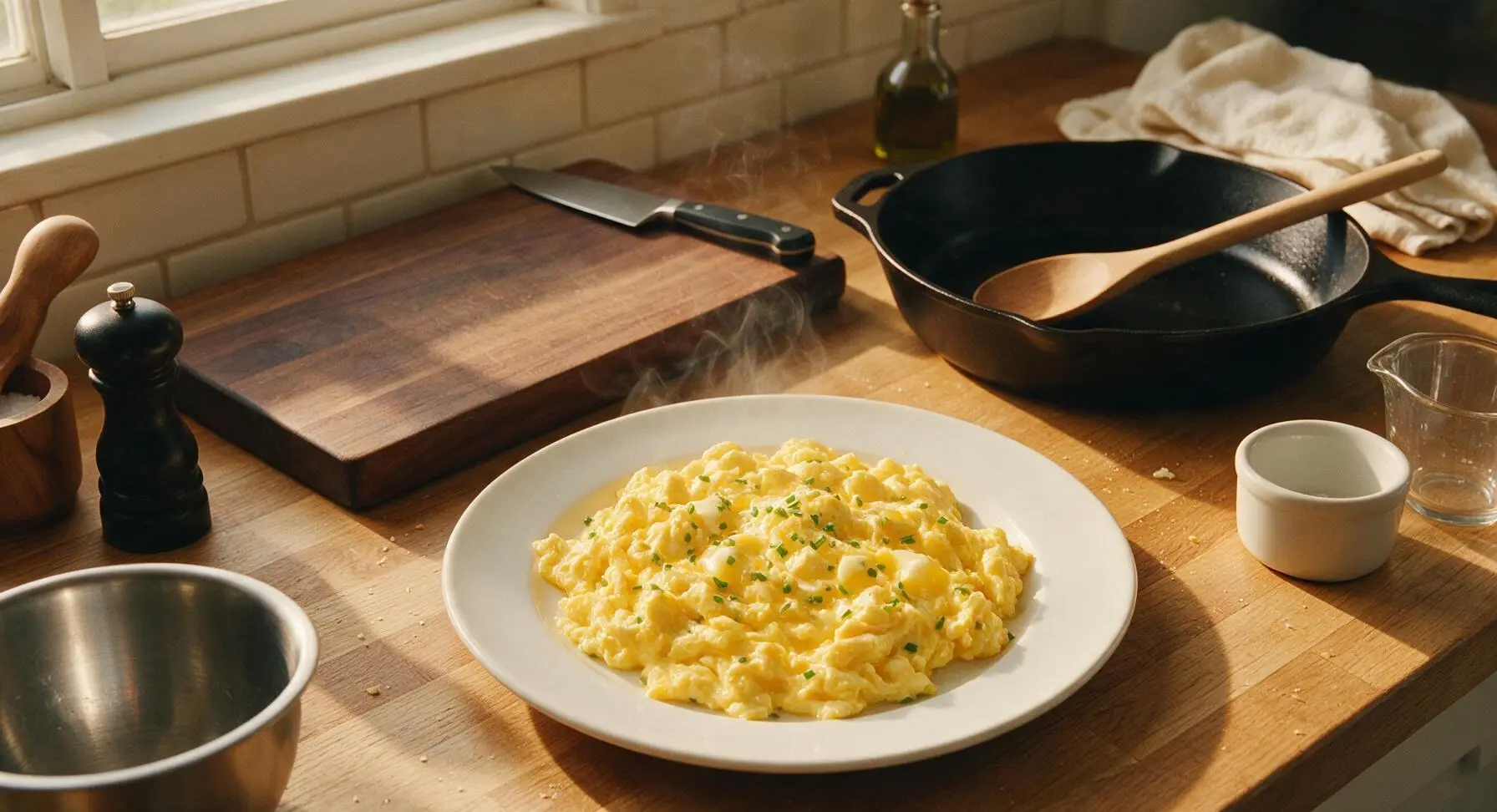
Silky, melt-in-your-mouth soft scrambled eggs, cooked low and slow for pillowy curds, finished with butter and fresh chives for a timeless, ultra-comforting quick meal.

Ingredients
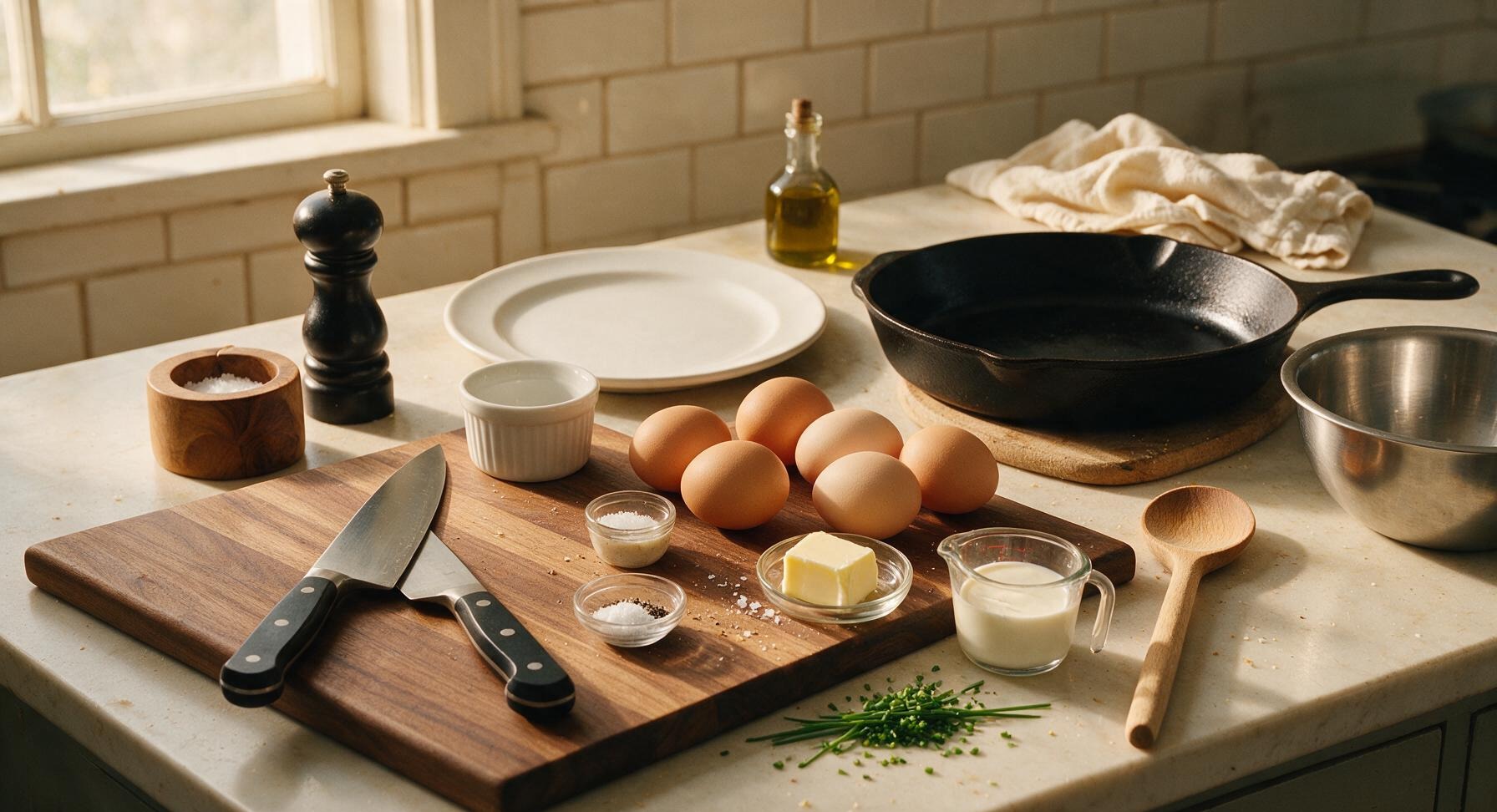
Large eggs 6 (about 300g)
Unsalted butter 1 tablespoon (15g)
Heavy cream 2 tablespoons (30ml)
Kosher salt 1/4 teaspoon
Freshly ground black pepper 1/8 teaspoon
Fresh chives 1 tablespoon (5g, finely chopped)

Steps

1

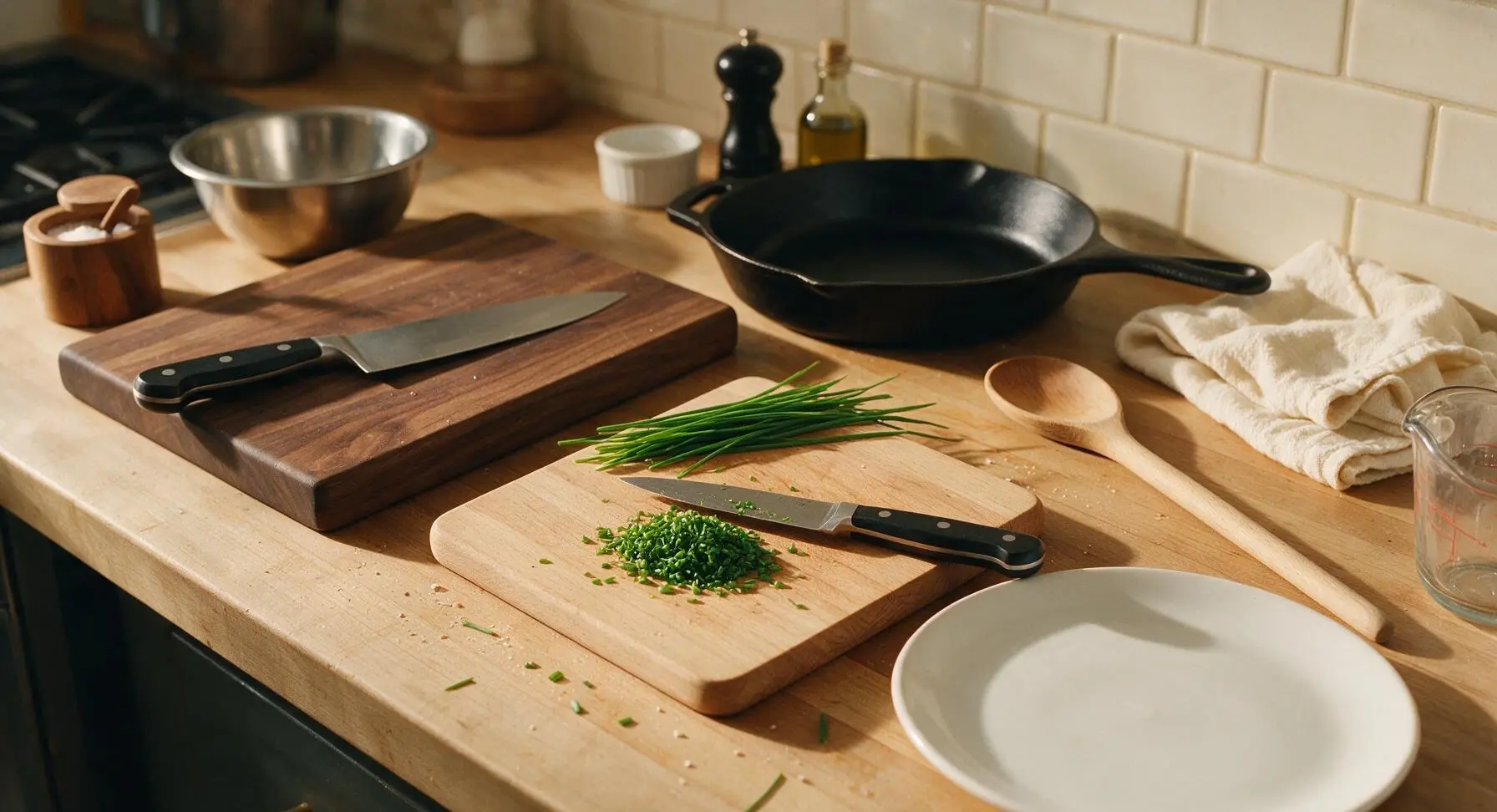
Chop fresh chives

Place the tied bunch of fresh chives on the small beech wood cutting board. Using the paring knife, finely chop chives into 3mm pieces, setting aside a small pinch for final garnish. Discard any tough, woody stem ends; this prep takes roughly 1 minute.
Step 1
step1:Chop fresh chives
2

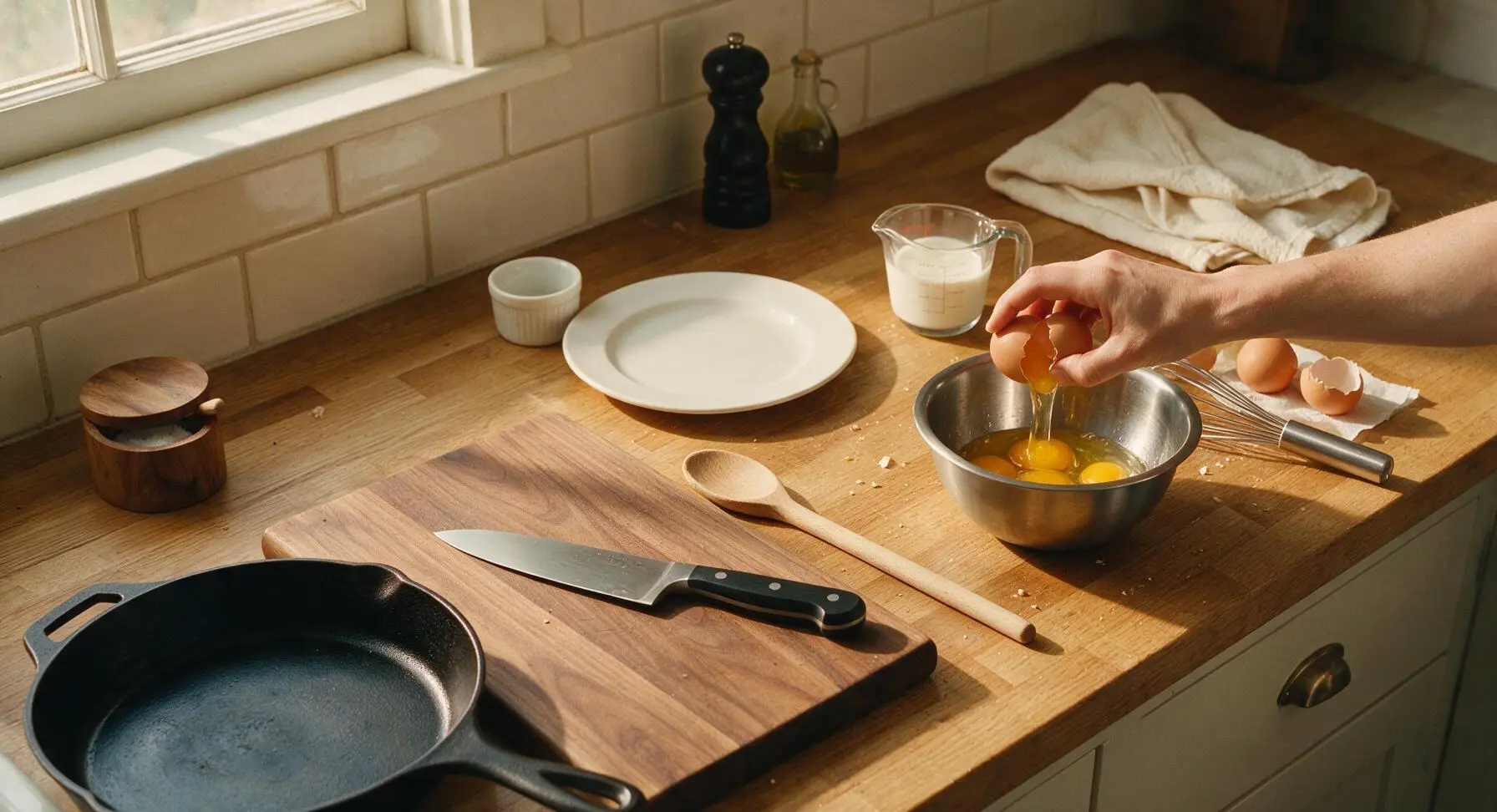
Whisk egg mixture

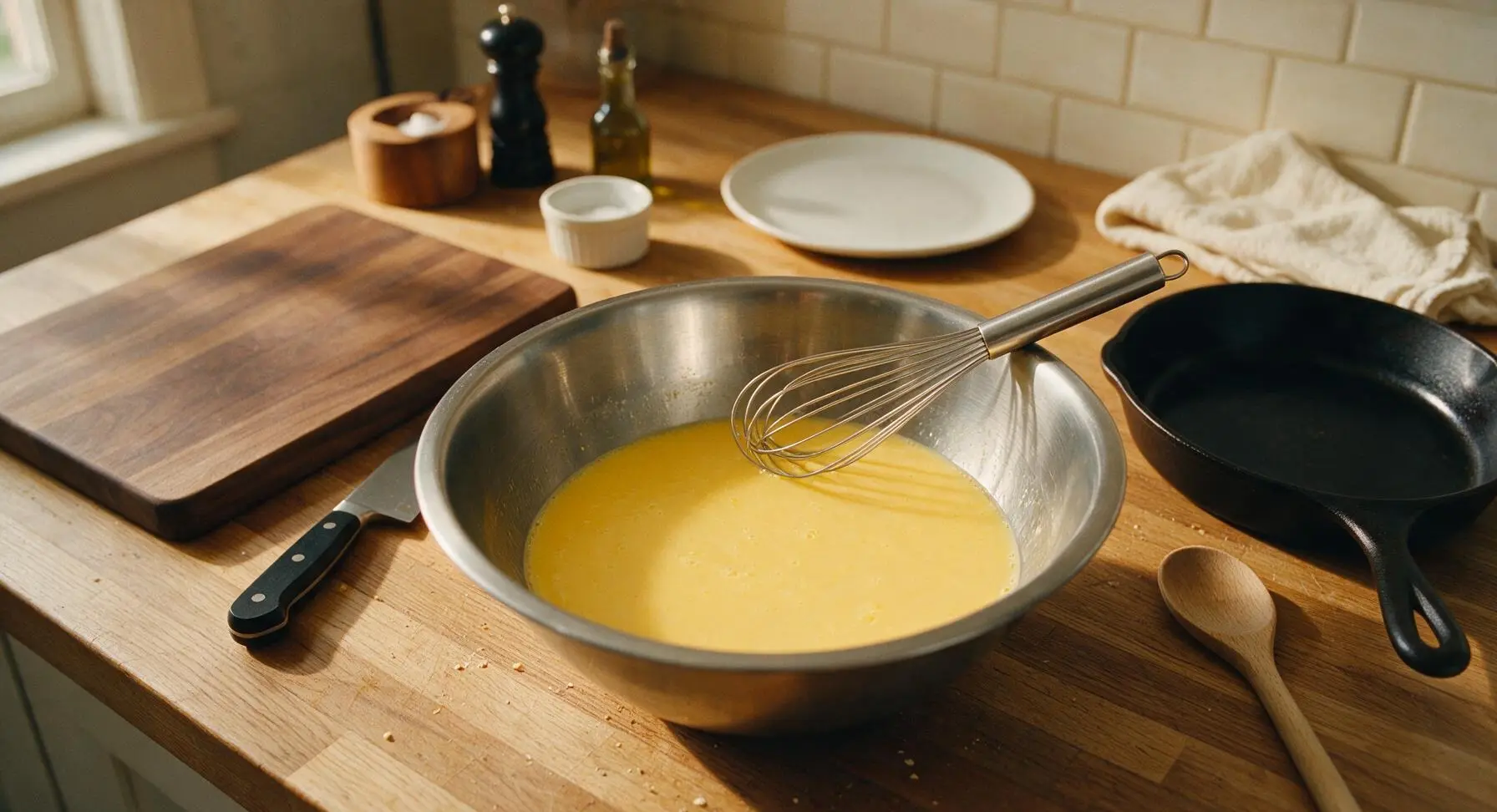
Crack all 6 large eggs into the medium brushed stainless steel mixing bowl. Add 2 tablespoons heavy cream and 1/4 teaspoon kosher salt. Whisk gently with the stainless steel wire whisk just until yolks and whites are fully combined—do not over-whisk, as excess air creates tough, watery eggs. Stop when the mixture is a uniform pale yellow with no streaks of clear egg white remaining, about 30 seconds of gentle whisking.
Step 2
step2:Whisk egg mixture
Step 2
step2:Whisk egg mixture
3

Warm pan over low heat

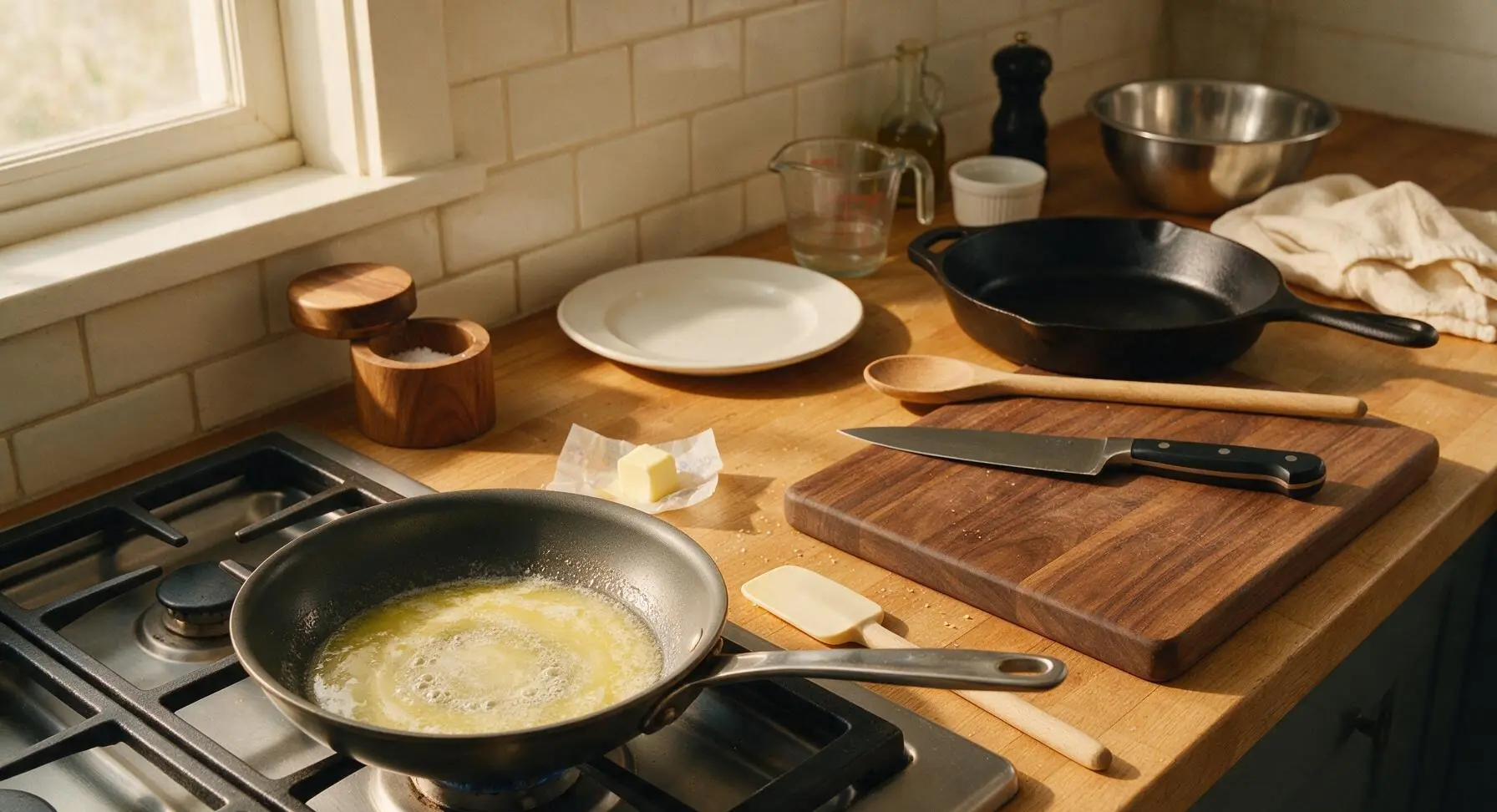
Place the 8-inch non-stick skillet on the stovetop burner set to the lowest possible heat setting. Add 2 teaspoons (10g) of unsalted butter, and let it melt slowly until it foams slightly but does not turn golden brown, about 1 minute. Swirl the pan to coat the entire interior surface evenly with melted butter. If butter sizzles loudly on contact, the pan is too hot—remove it from heat for 30 seconds to cool before adding eggs.
Step 3
step3:Warm pan over low heat
4

Add eggs to skillet

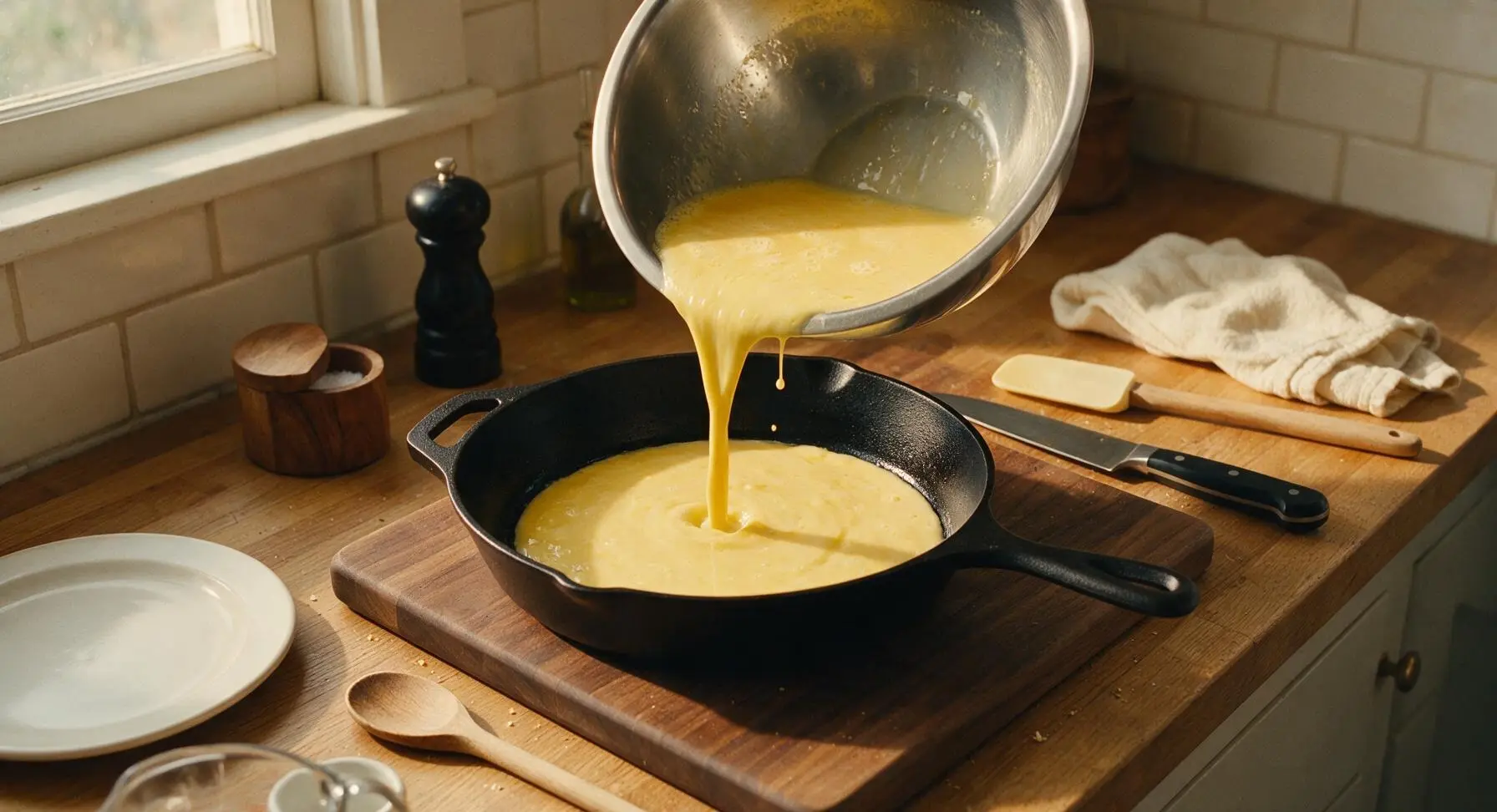
Pour the whisked egg mixture into the preheated buttered pan in one smooth, steady pour. Let the eggs sit undisturbed for 15 seconds, so the thin layer touching the hot pan forms soft, tender initial curds. Do not stir immediately, as this breaks curds too early and creates small, dry egg pieces.
Step 4
step4:Add eggs to skillet
5

Stir soft curds gently

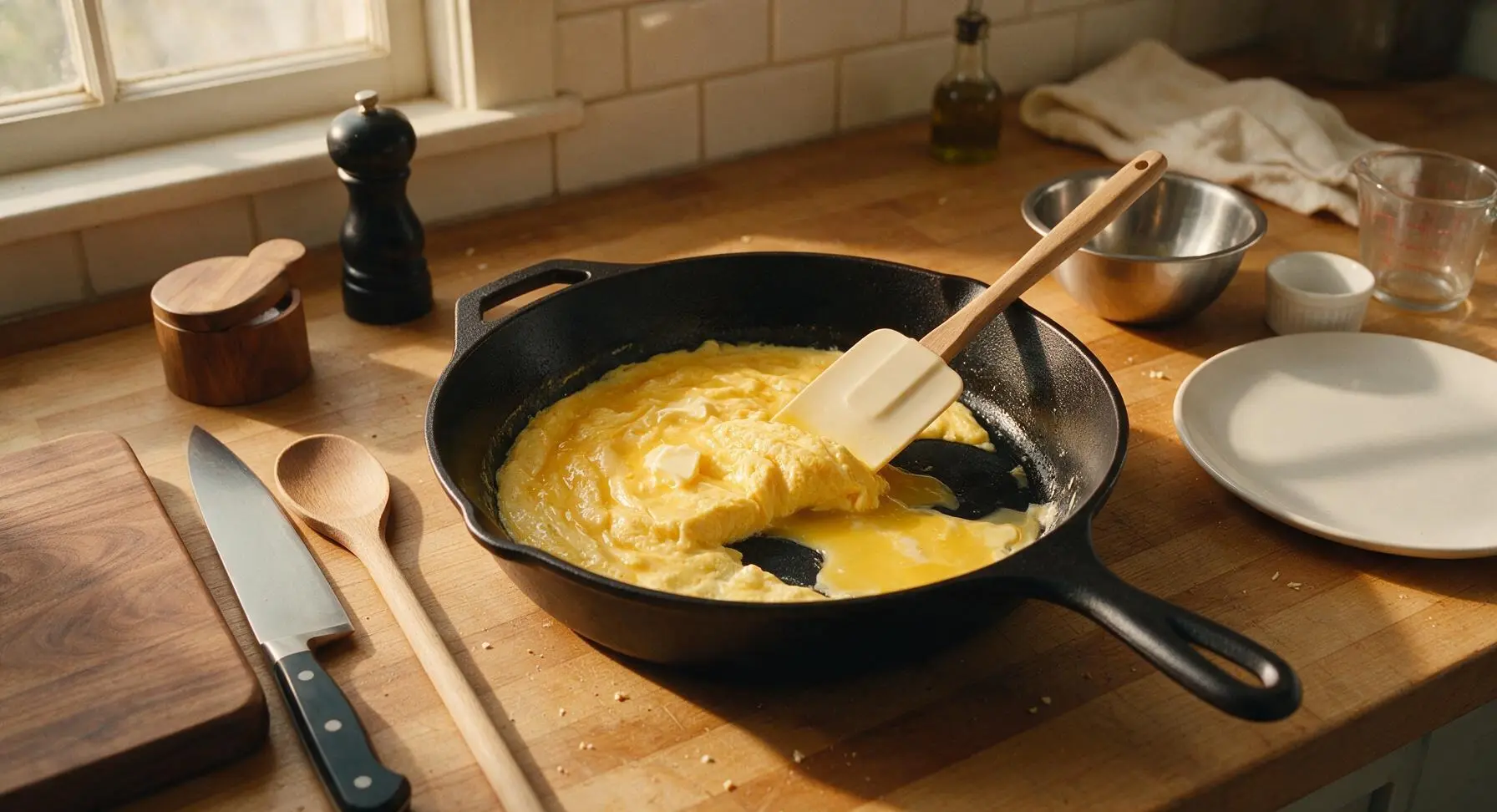
Use the cream silicone spatula to slowly push set egg edges toward the center of the pan, tilting the pan as you work to let uncooked, runny egg flow into the empty pan spaces. Repeat this slow pushing motion every 10-15 seconds, never scraping the pan hard or stirring constantly. Cook for 3 to 4 minutes total, until eggs form large, soft, pillowy curds that are slightly runny in spots—remember eggs will continue to cook after removal from heat. Stop before eggs look fully solid to avoid dry, rubbery texture.
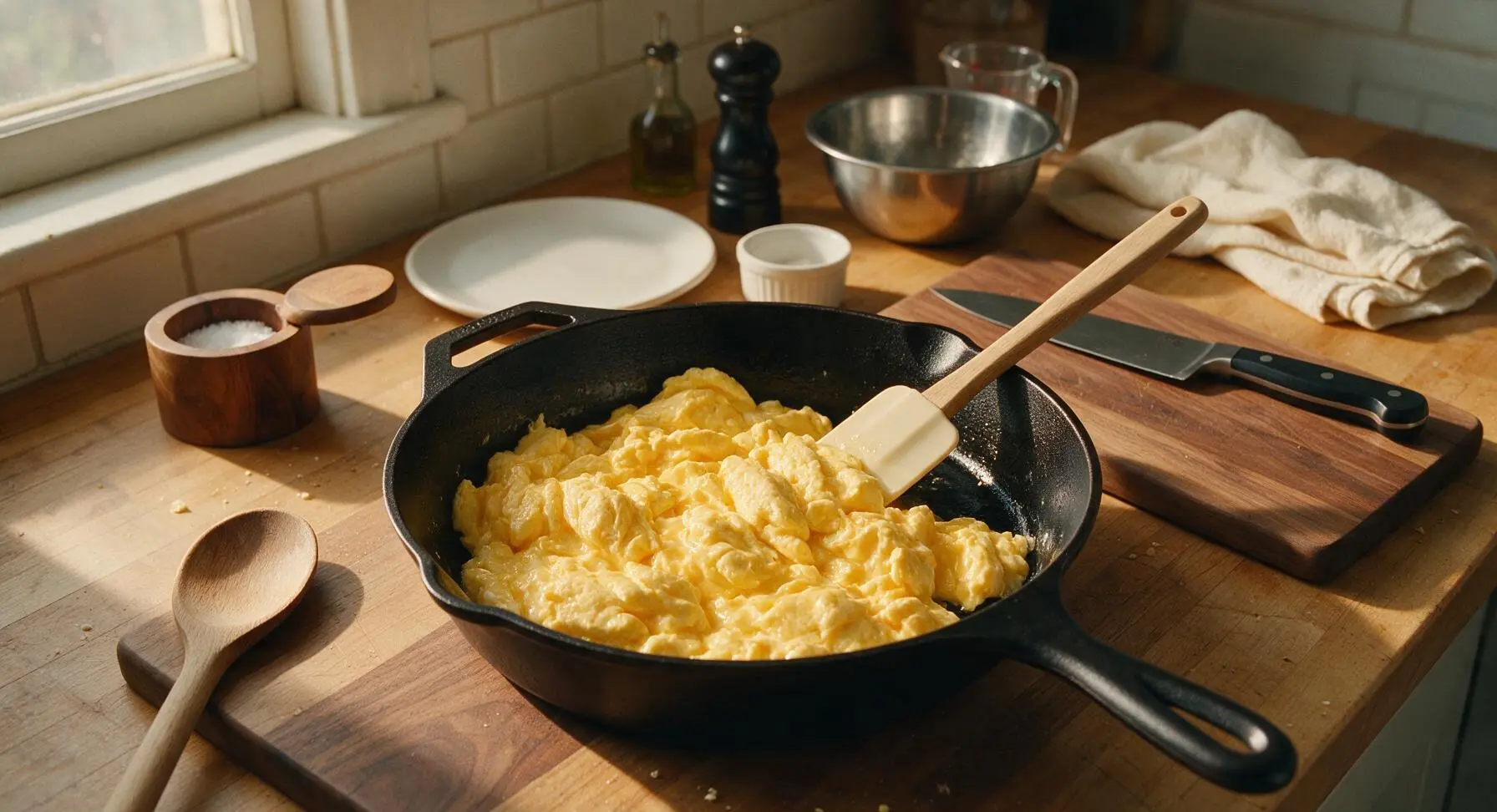
Step 5
step5:Stir soft curds gently
Step 5
step5:Stir soft curds gently
6

Finish with cold butter

Once eggs are 90% set (with just a small amount of soft, runny egg remaining between curds), turn off the stovetop heat. Add the remaining 1 teaspoon (5g) of cold butter to the pan, and stir gently once to let residual pan heat melt the butter and finish cooking the eggs, about 10 seconds. The cold butter adds a rich, glossy finish and stops the eggs from overcooking.
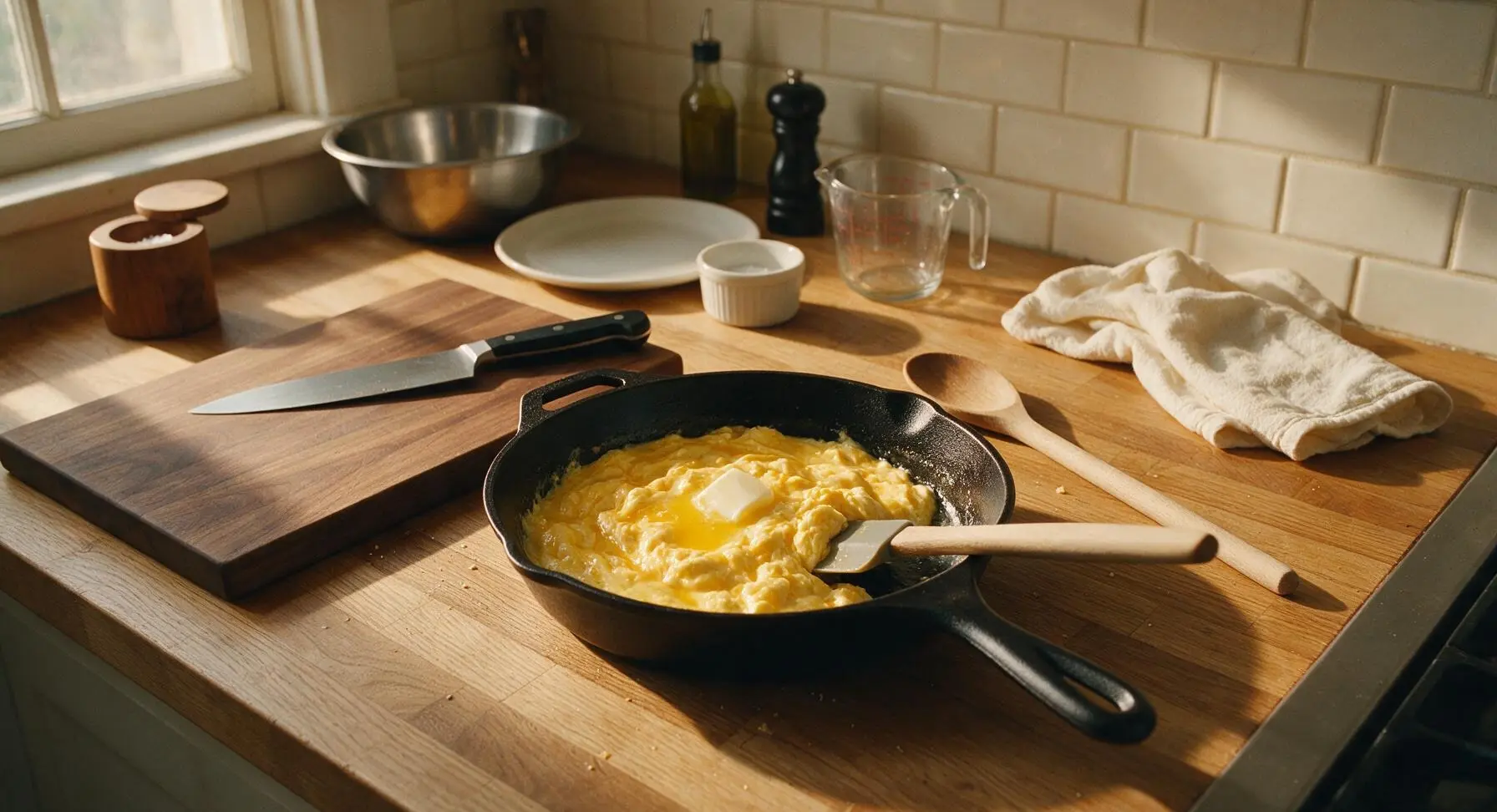
Step 6
step6:Finish with cold butter
7

Plate and garnish eggs

Gently slide the finished scrambled eggs from the pan onto the center of the matte cream white ceramic breakfast plate. Do not press or pack the eggs down—keep them light and fluffy to preserve soft texture. Sprinkle the reserved finely chopped chives over the top, add a light pinch of freshly ground black pepper, and serve immediately while hot.
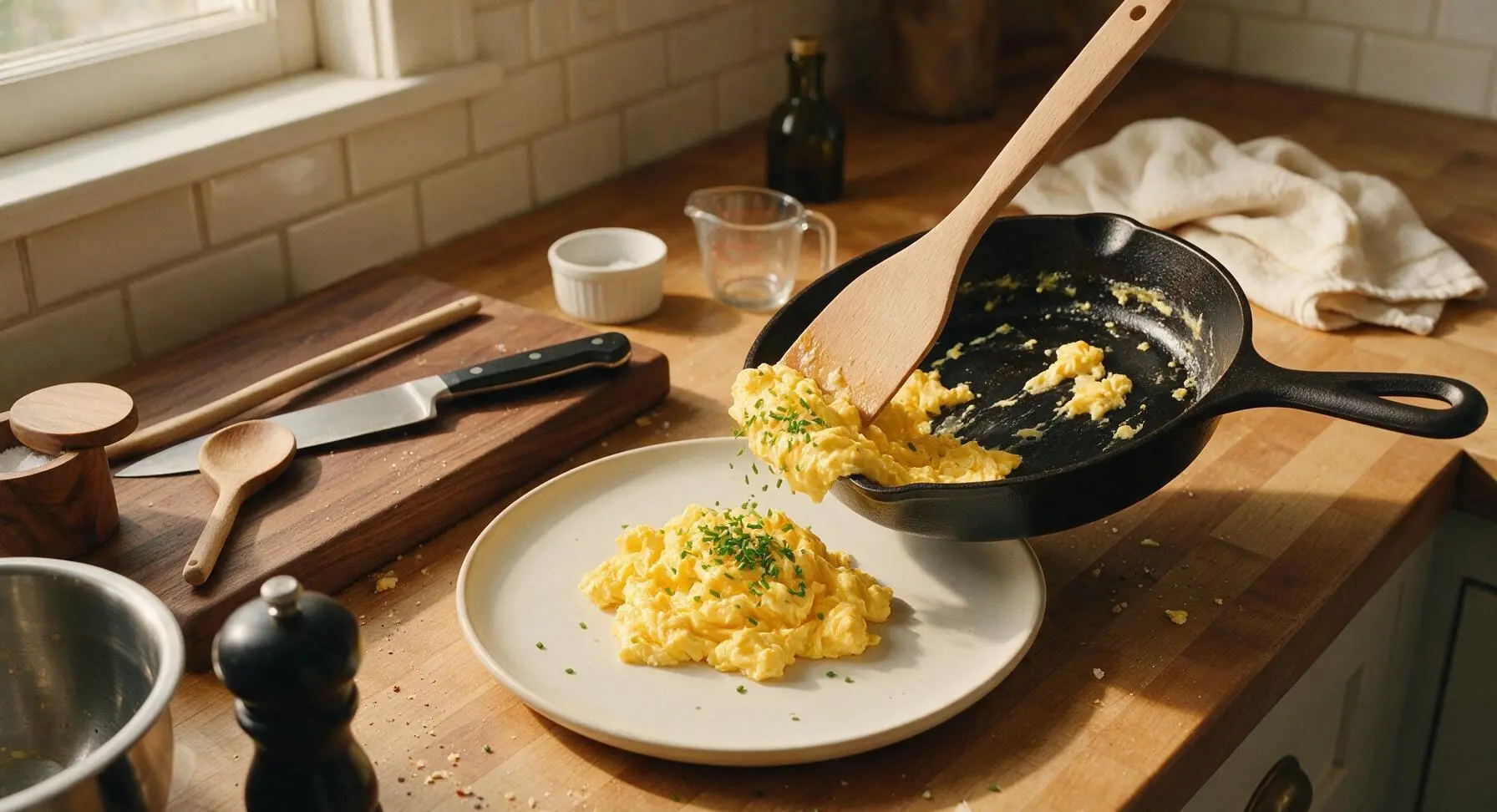
Step 7
step7:Plate and garnish eggs

Tips

1.Skip adding milk or water to your egg mixture: Heavy cream adds rich, creamy flavor without watering down curds, while milk or water can separate during cooking and leave eggs watery, tough, or bland.
2.Never cook scrambled eggs over medium or high heat: High heat causes egg proteins to seize up quickly, creating dry, rubbery curds with browned edges; low, slow heat builds soft, melt-in-your-mouth texture.
3.Remove eggs from heat before they look fully done: Residual heat from the pan and plate will continue to cook eggs for 30-60 seconds after plating, so stopping when eggs are slightly underdone prevents overcooking by the time you take your first bite.
✨ You May Also Like

Breakfast
🍜 United States

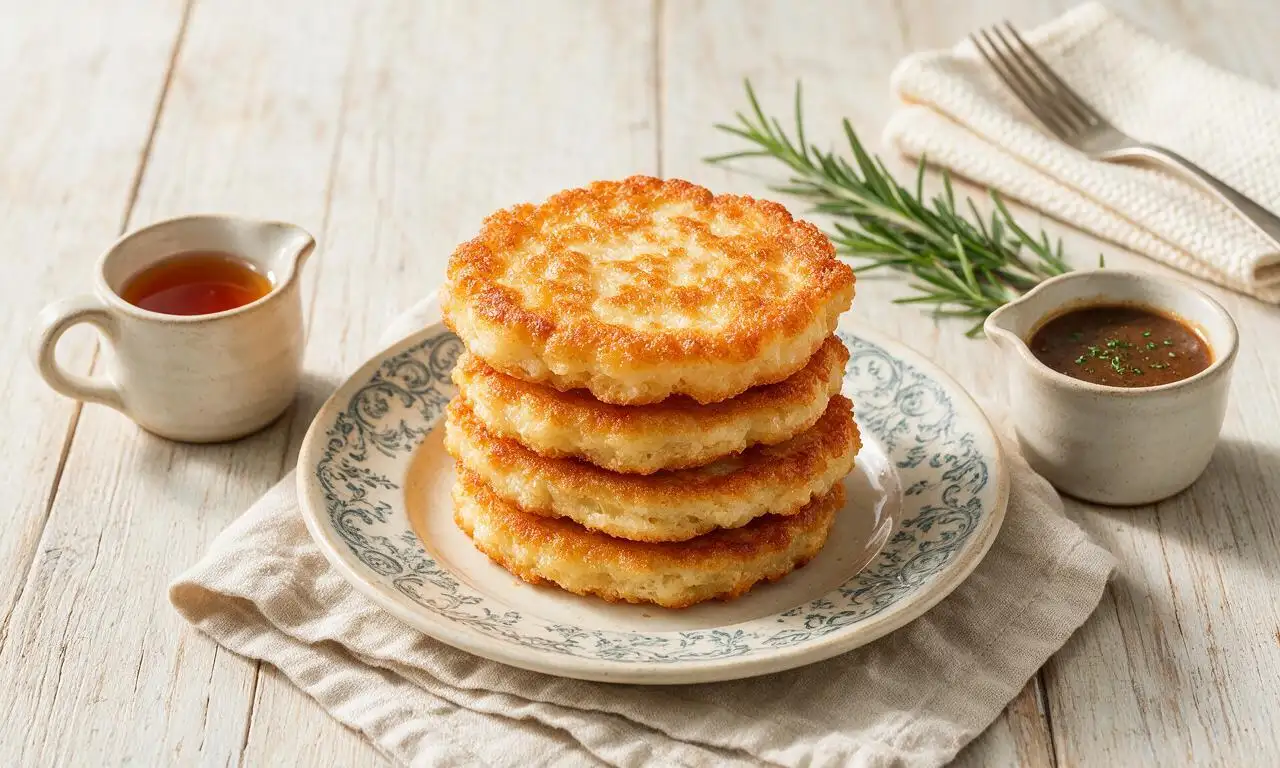
Crisp-edged, fluffy lard griddle cakes are a nostalgic homestyle staple, with rich savoriness from rendered lard, perfect topped with maple syrup or savory gravy.

⏱️ 25 minuteBreakfast ★ 4.8
Breakfast
🍜 United States

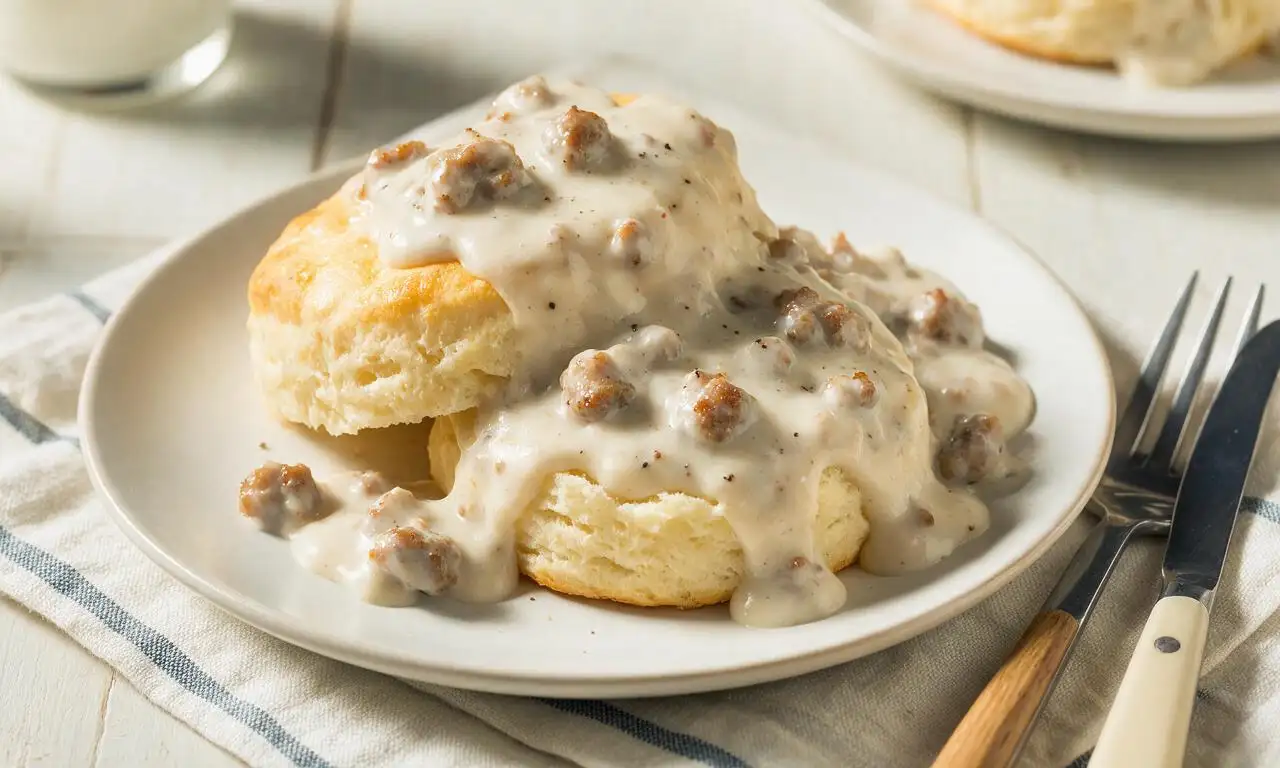
Flaky, buttery homemade buttermilk biscuits smothered in creamy, peppery pork sausage gravy: a beloved, hearty Southern American comfort food classic.

⏱️ 35 minuteBreakfast ★ 4.8
Breakfast
🍜 United States

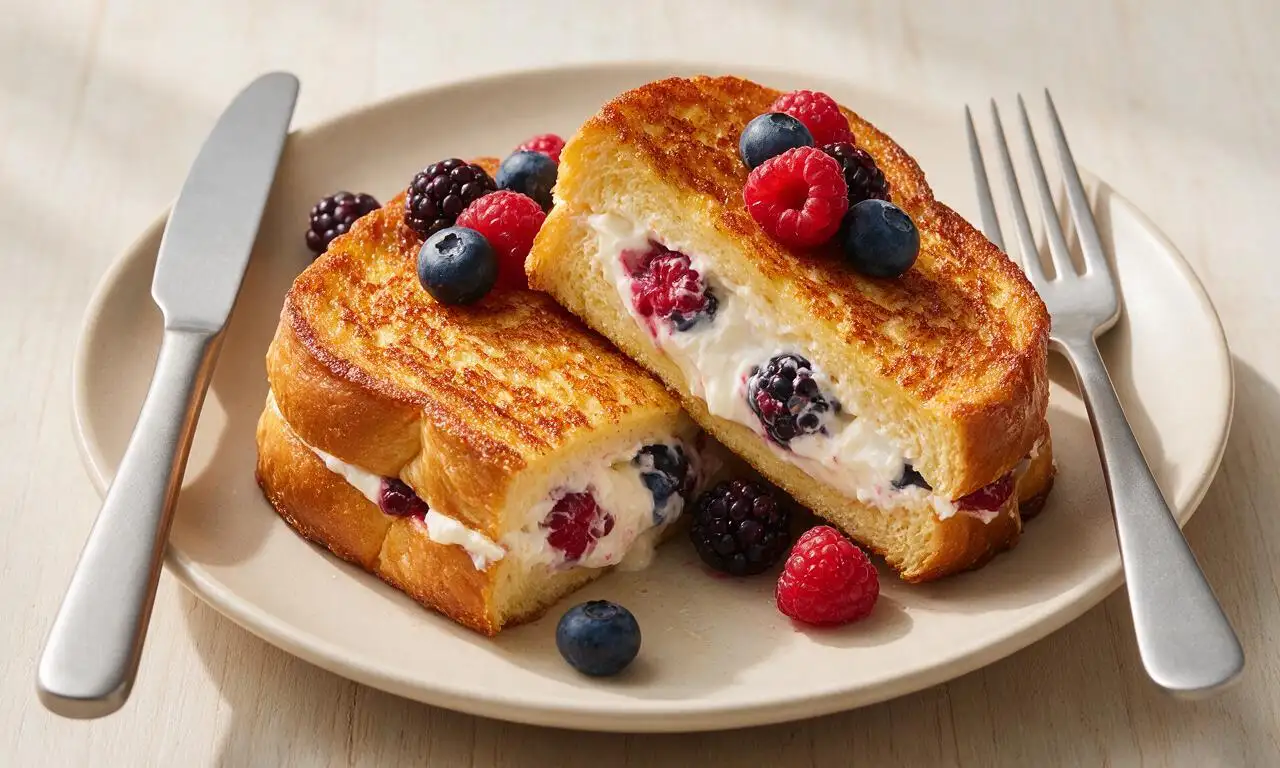
Golden, custardy brioche stuffed with sweet cream cheese and fresh berries, pan-fried to crisp perfection. An indulgent, cozy breakfast perfect for slow weekend mornings.

⏱️ 30 minuteBreakfast ★ 4.7
Breakfast
🍜 United States

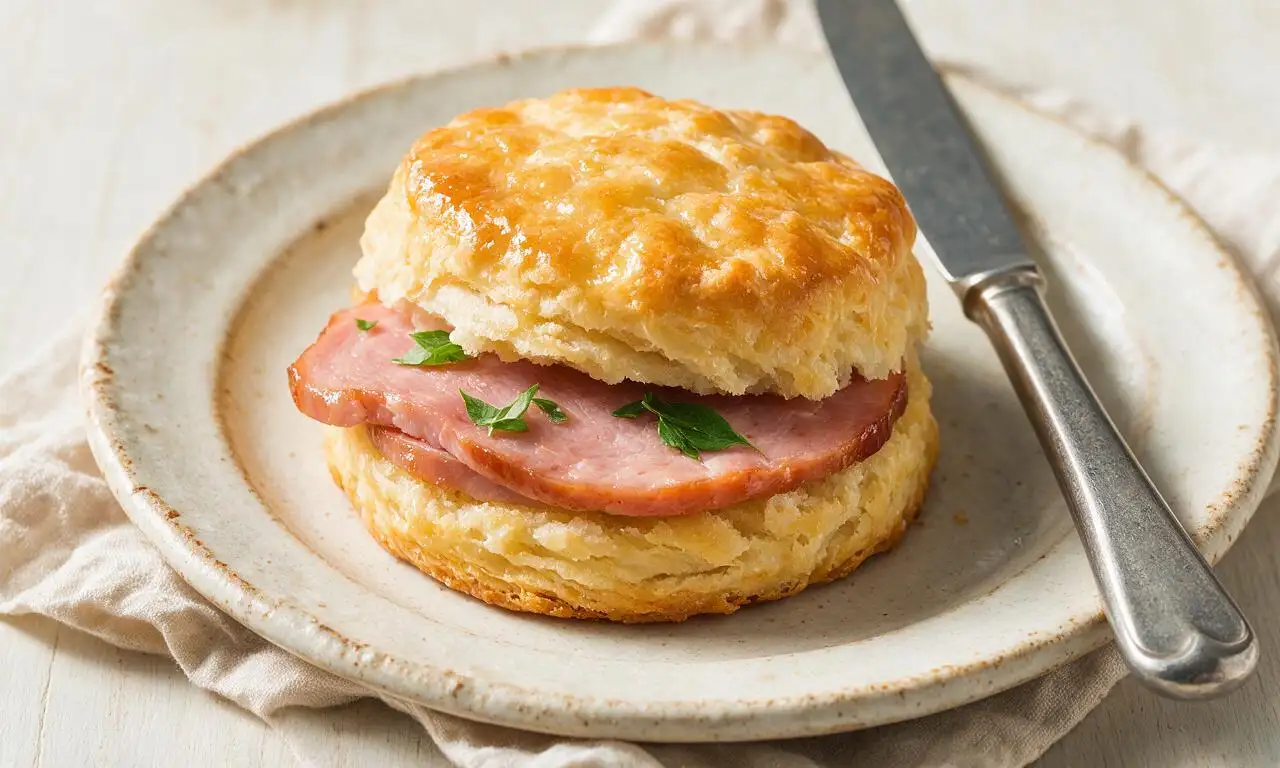
Flaky, buttery Southern-style biscuits stuffed with savory salty country ham, a portable, satisfying classic perfect for casual on-the-go meals.

⏱️ 25 minuteBreakfast ★ 4.8
Breakfast
🍜 United States

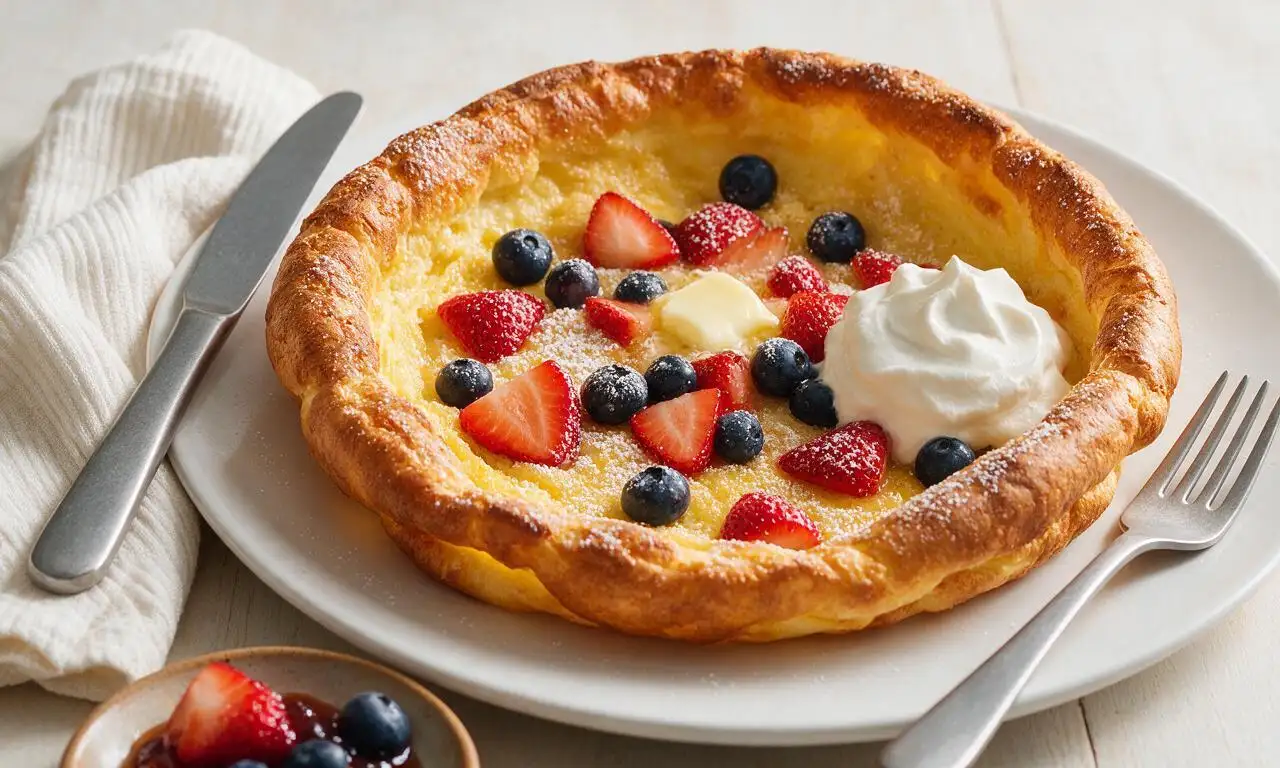
Iconic puffy baked pancake popularized in Seattle, with crisp golden edges and soft custardy center, served warm with classic sweet toppings.

⏱️ 35 minuteBreakfast ★ 4.6
Breakfast
🍜 United States

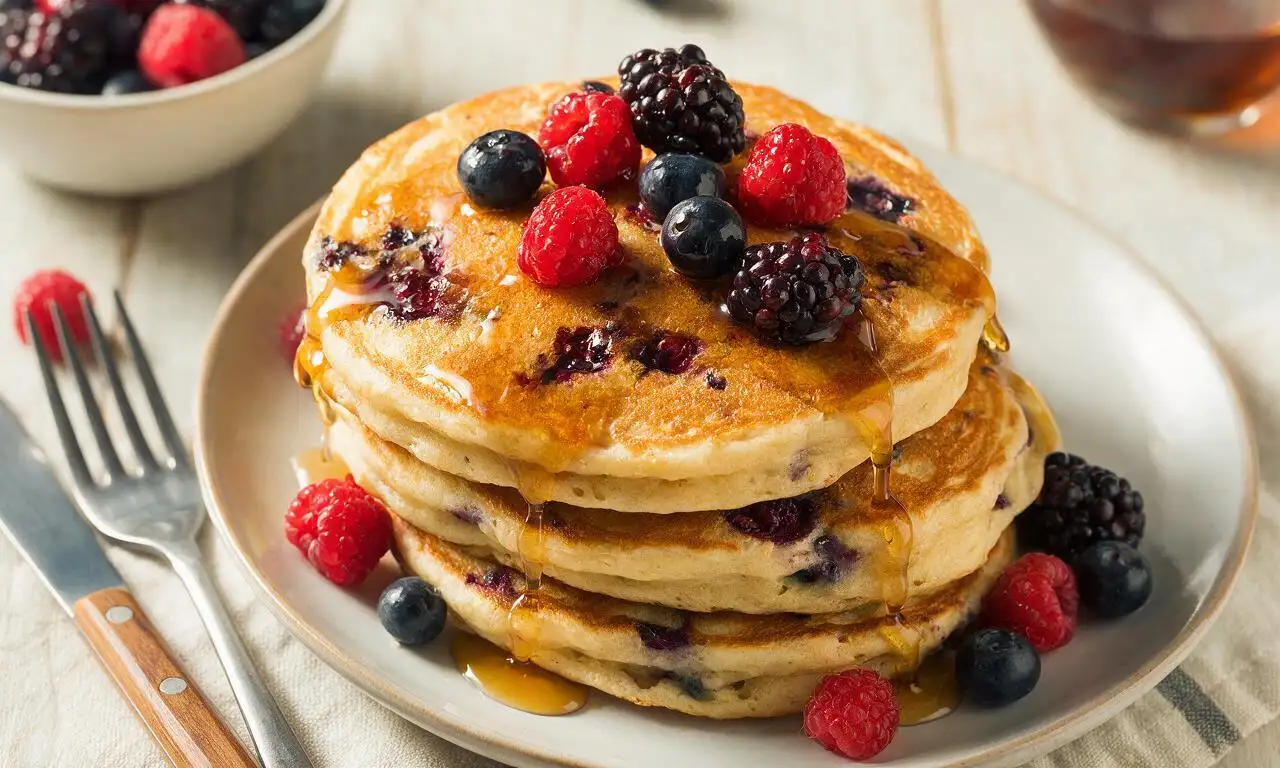
Fluffy, golden pancakes studded with juicy peak-summer mixed berries, drizzled with maple syrup for a bright, comforting, crowd-pleasing family breakfast.

⏱️ 25 minuteBreakfast ★ 4.7

Classic Scrambled Eggs:Frequently Asked Questions

1.What heat level should I use to avoid rubbery, overcooked soft scrambled eggs? ▾
Stick to low to medium-low heat the entire time—high heat is the number one culprit for tough, dry curds. Low heat lets eggs set slowly into pillowy curds instead of seizing up the second they hit the pan, so you have plenty of time to control texture perfectly without rushing the process.
2.Do I really need heavy cream, or can I swap it for milk or a dairy-free alternative? ▾
Heavy cream delivers the richest, silkiest texture thanks to its high fat content, but half-and-half works as a direct swap if that’s what you have. Skip skim milk, which adds excess water that makes curds watery, and use unsweetened oat milk as a reliable dairy-free swap, cutting the amount by 1 teaspoon to avoid sogginess.
3.How many eggs per person is a standard serving for this recipe? ▾
Plan for 2 to 3 large eggs per adult serving, depending on what you’re pairing the eggs with. If you’re serving them as part of a full spread with toast, bacon, and fruit, 2 eggs per person works; if the eggs are the main star, go with 3 per person for a filling, satisfying portion.
4.Should I salt the eggs before cooking, or wait until they’re fully done? ▾
Salt your eggs 15 minutes before cooking if you have time, or right before you pour them into the pan—salting early breaks down egg proteins for extra tender curds. Never wait to salt until after eggs are fully cooked, because salt won’t distribute evenly and you’ll get random salty bites instead of uniformly seasoned curds.
5.What kind of pan works best for making soft scrambled eggs? ▾
A small to medium nonstick skillet is the most foolproof option, since it prevents delicate curds from sticking and tearing as you stir. If you don’t have nonstick, a well-seasoned carbon steel or cast iron pan works too—just add an extra pat of butter to create a nonstick barrier before pouring in your eggs.
6.How often do I need to stir the eggs as they cook? ▾
Stir gently but consistently every 10 to 15 seconds with a heatproof silicone spatula, making sure to scrape the bottom and sides of the pan as you go. This pulls small, soft curds away from hot pan surfaces as they set, instead of letting large, tough chunks form or letting eggs burn on the pan edges.
7.When do I know the eggs are done so I don’t accidentally overcook them? ▾
Pull the eggs off the heat when they form soft, wet, pillowy curds and still look slightly underdone in spots—residual heat from the pan will finish cooking them in 30 to 60 seconds. If you wait until they look fully set in the pan, they’ll be overcooked, dry, and rubbery by the time they hit your plate.
8.Can I make these soft scrambled eggs ahead of time for meal prep? ▾
Soft scrambled eggs are really best eaten immediately after cooking, as they don’t hold their silky texture well when refrigerated and reheated—they tend to turn rubbery or release watery liquid even when reheated gently. The whole recipe only takes 5 to 7 minutes total, so it’s easy to make fresh right when you want to eat.
9.Why do my scrambled eggs sometimes turn out watery instead of creamy? ▾
Watery scrambled eggs usually come from one of three common issues: using too high heat that makes eggs separate and release moisture, adding too much thin liquid like skim milk instead of higher-fat heavy cream, or cooking eggs too long until their protein structure breaks down and leaches water. Sticking to low heat and measured, high-fat add-ins fixes this fast.
10.Do I have to finish the eggs with extra butter, or can I skip that step? ▾
That final pat of cold butter stirred in at the end isn’t just for flavor—it adds a glossy, luxurious finish and stops the cooking process instantly to lock in that soft, melt-in-your-mouth texture. If you’re avoiding extra dairy, you can swap it for a tiny splash of extra heavy cream, but the butter adds a signature richness you won’t get otherwise.
11.Can I add mix-ins like cheese, veggies, or cooked meats to these eggs? ▾
Absolutely, but add mix-ins strategically to keep the soft, creamy texture intact. Fold in shredded cheese, drained sautéed veggies, or cooked chopped bacon right as you pull the pan off the heat, so they warm through without making the eggs watery. Save delicate fresh herbs like chives for the very end to keep their bright flavor.
12.What’s the difference between these soft scrambled eggs and regular firmer scrambled eggs? ▾
The biggest differences are cooking temperature and stirring technique. Regular firm scrambled eggs are usually cooked over medium heat with less frequent stirring to make larger, denser curds cooked all the way through. These soft scrambles cook low and slow with gentle, consistent stirring to make tiny, pillowy, creamy curds that are just set, not firm.
13.I don’t have fresh chives—what other garnishes work well for this recipe? ▾
If you don’t have fresh chives, you can swap in thinly sliced scallion greens, a tiny sprinkle of fresh dill or parsley, an extra twist of freshly ground black pepper, or even a light pinch of flaky sea salt for a simple finish. Skip dried chives here—they have a muted, grassy flavor that doesn’t match the bright, fresh pop of fresh herbs against the rich, creamy eggs.

Comments (7)

2 days ago

OMG these are the BEST scrambled eggs I’ve ever made at home!!! I always thought you needed fancy add-ins to make eggs taste restaurant-level, but the low heat slow stir trick is a total game changer. My kids begged for seconds before I even sat down to eat this morning. 10/10 will be making this every weekday from now on!

1 day ago

Wait did you use salted or unsalted butter? I tried this last week and mine came out a little saltier than I expected, wondering if I messed up the butter choice!

1 day ago

So glad your family loved these, Mia! Quick note for anyone wondering: we recommend unsalted butter so you can control the salt level to taste, especially if you’re also adding a pinch of flaky salt on top at the end!

30 minutes ago

As someone who’s basically survived on microwave meals and burnt eggs for the last two years of college, this recipe was so easy to nail even I couldn’t mess it up! 5 minutes total, zero fancy equipment, and they came out so creamy I almost cried. No more sad dining hall eggs for me!

5 minutes ago

That’s what we love to hear! These eggs are perfect for new cooks because they’re so forgiving as long as you keep the heat low. Pro tip: stir in a tiny splash of half-and-half right before taking them off the heat for extra richness if you have it on hand!

1 week ago

SO good! I made these for our Sunday potluck brunch last weekend and everyone was asking for the recipe. I added a sprinkle of chives from my windowsill garden on top and it’s chef’s kiss. Will be adding this to my regular rotation for sure.

3 days ago

Wait, quick question — I followed the cook time exactly but my eggs came out a little runnier than I like? I like my soft scrambled just barely set, not super wet, any tips? Flavor was amazing though, just the texture was a little off for my preference. Gave it 4 stars because I know it was user error!

2 days ago

I had the same issue the first time! Just leave them on the heat for 30-60 seconds longer, and make sure you’re not stirring nonstop the whole time — let them set for a couple seconds between stirs. Game changer for me!

2 days ago

Great question Greg! Soft scrambled texture is totally personal preference — if you like them a little firmer, just keep them on low heat for an extra 45 seconds to a minute, and pull them right when they hit your ideal set. Remember they keep cooking for a minute from residual heat even after you take them off the pan!

5 days ago

I was skeptical that soft scrambled eggs would hold up for meal prep, but I made a big batch on Sunday and they were perfect all week for quick breakfast wraps! I undercooked them just a tiny bit on Sunday so reheating them in the microwave for 30 seconds didn’t make them rubbery. Total win for busy work mornings.

3 days ago

Oh that’s such a smart tip to undercook them a little for meal prep! I tried making eggs for meal prep last month and they got so rubbery, can’t wait to try this trick this weekend!

5 minutes ago

Tried this for my girlfriend’s birthday breakfast in bed this morning and she said they were better than the fancy brunch spot we went to for our anniversary! I added a little sprinkle of parmesan and black pepper on top, paired with some sourdough toast and berries. Absolute home run, no notes.

just now

That sounds like the perfect birthday breakfast! Adding parmesan is such a delicious upgrade — we love seeing people put their own spin on this basic recipe. Hope you two had a great celebration!

2 hours ago

I’ve been overcomplicating scrambled eggs for years with hot sauce, cheese, veggies, you name it. Tried this plain classic version this morning and wow, sometimes simple really is better. So creamy, so buttery, zero fuss. Why did I wait so long to make eggs the right way?!