1.Can I use yellow mustard seeds instead of brown mustard seeds for this recipe?
▾
Brown mustard seeds are non-negotiable for that signature sharp, earthy, lightly spicy Dijon bite, since yellow mustard seeds are far milder and sweeter. If you prefer a less pungent finished mustard, you can swap up to 25% of the brown seeds for yellow, but using 100% yellow will give you basic yellow mustard, not classic Dijon.
2.Why do you specify unoaked Burgundian Chardonnay for this recipe?
▾
Unoaked Burgundian Chardonnay delivers the crisp, mineral-rich, tart fruit base that defines authentic Dijon, which hails from France’s Burgundy region. Oaked Chardonnay adds buttery, vanilla, toasty notes that throw off its bright, sharp profile. If you don’t have it, swap for any dry, high-acid, unoaked white like Sauvignon Blanc or dry Pinot Grigio—skip sweet wines entirely.
3.Do I really need to soak the mustard seeds before blending?
▾
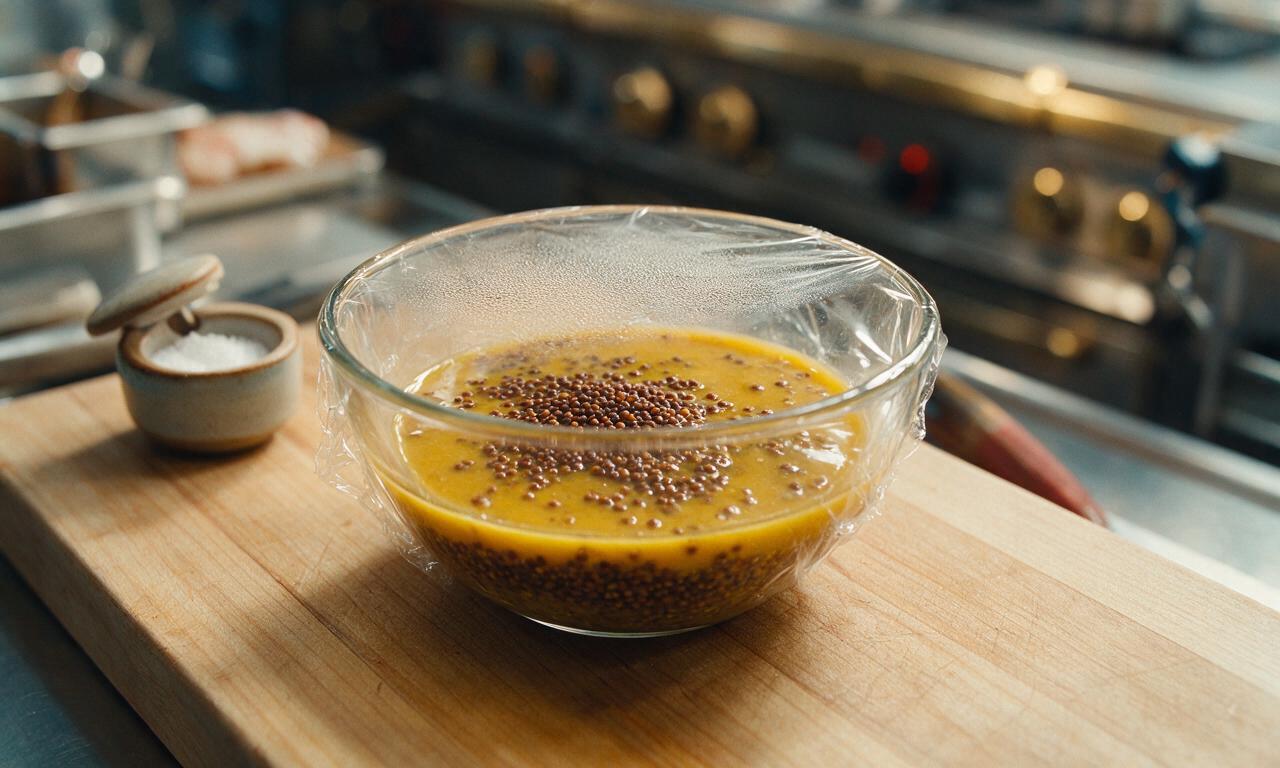
Yes, soaking is a critical step you can’t skip. Dry mustard seeds are too hard to blend into a perfectly smooth, creamy texture, and soaking softens their tough outer hulls, mellows harsh raw bitterness, and lets wine and vinegar flavors infuse deep into the seeds for balanced flavor. Aim for a minimum 12-hour soak at room temperature, or up to 24 hours for extra depth.
4.How long does homemade Dijon mustard last in the fridge?
▾
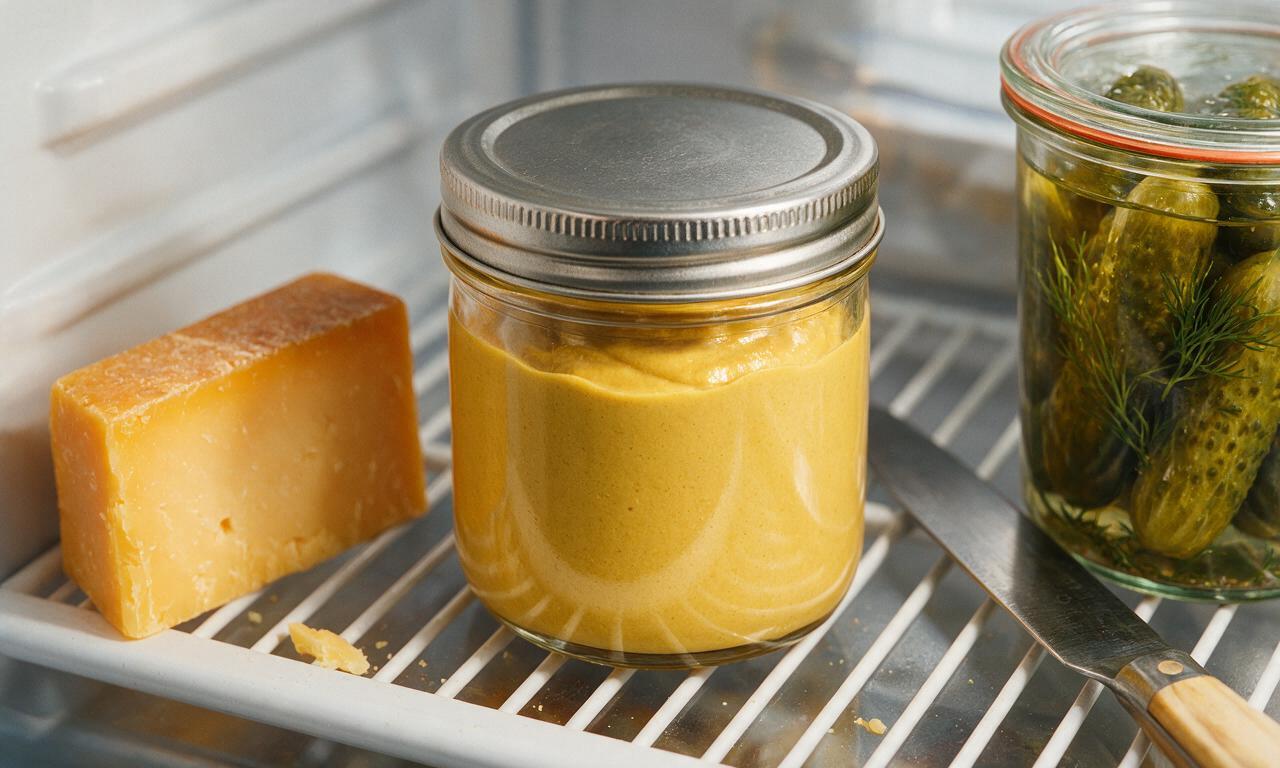
Properly stored in a tightly sealed, sterilized glass jar, this homemade Dijon will stay fresh and flavorful in the fridge for up to 1 year. The high acid content from wine and vinegar acts as a natural preservative, though you may notice slight mellowing of its sharp bite after 6 months. Always use a clean utensil to scoop it to avoid spoilage-causing bacteria.
5.My mustard turned out really bitter right after blending—did I do something wrong?
▾
Don’t worry, that’s totally normal! Freshly blended Dijon has a harsh, bitter, overly sharp bite that fades dramatically as it rests. Let the sealed jar sit in the fridge for a minimum of 48 hours before tasting, to give flavors time to meld and bitter compounds to mellow. If it’s still slightly bitter after that, a tiny pinch of salt or 1/4 teaspoon of honey will round it out.
6.Can I leave out the shallot and garlic if I don’t have them on hand?
▾
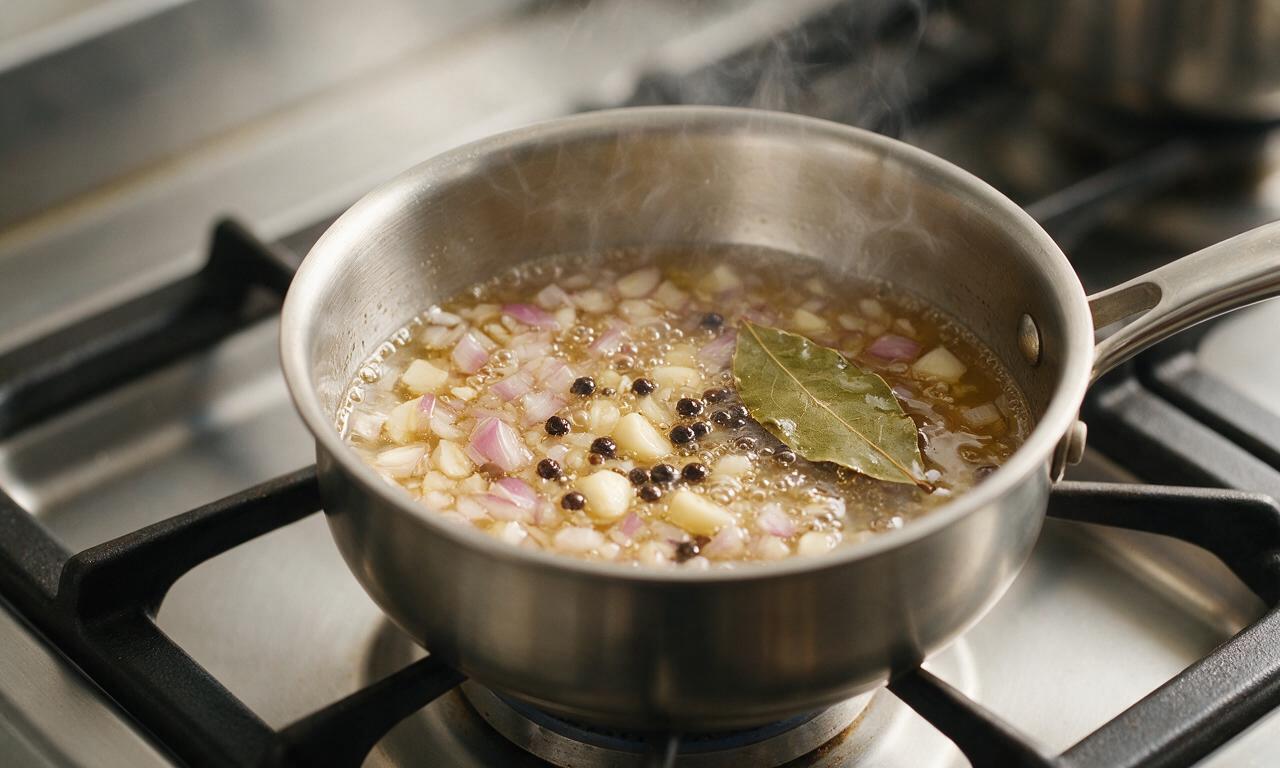
You can, but your finished Dijon will lack the subtle, savory depth that balances its bright tang and sharp mustard heat. Skip garlic or onion powder as a replacement, since those add a flat, processed off-flavor. Instead, swap in 1 tablespoon of finely minced sweet yellow onion for the shallot, and a pinch of dried garlic flakes if you don’t have fresh.
7.Why is my Dijon grainy instead of smooth even after blending?
▾
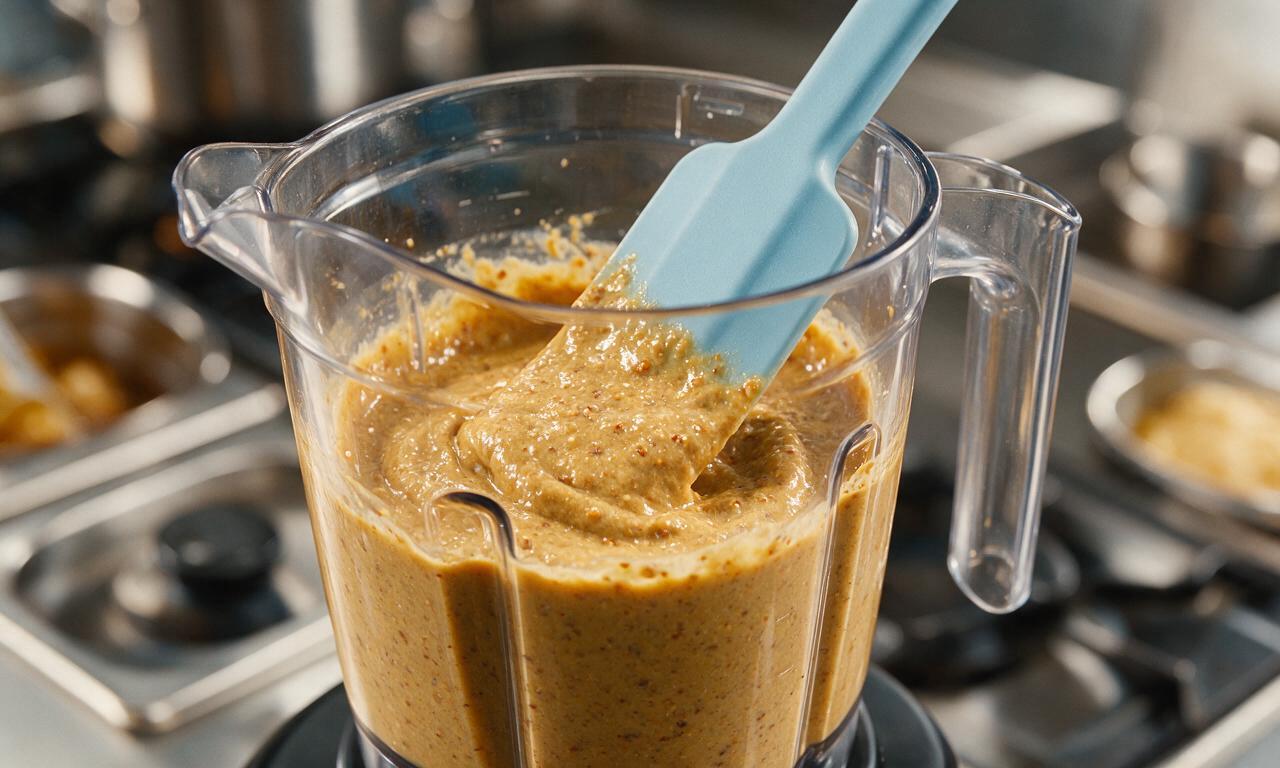
Grainy Dijon usually happens for one of two reasons: you didn’t soak the seeds long enough for the hulls to fully soften, or you’re using a standard blender that isn’t powerful enough to break down tough seed hulls completely. For extra-smooth results, soak seeds for 24 full hours, and blend on high for 2 to 3 minutes, scraping down the jar sides as needed.
8.Can I make this Dijon without alcohol for a non-alcoholic version?
▾
Absolutely! To make a non-alcoholic version with that classic bright tang, swap the white wine for an equal amount of high-quality non-alcoholic unoaked Chardonnay, or a mix of 3 parts no-sugar-added white grape juice and 1 part extra white wine vinegar to mimic the wine’s tart, fruity profile. The result will be slightly fruitier, but still have that signature Dijon sharpness.
9.What’s the best way to sterilize jars for storing this mustard?
▾
The easiest, most reliable method is to wash glass jars and their lids in hot, soapy water, rinse well, then place them on a baking sheet in a 225°F oven for 10 minutes to fully dry and kill lingering bacteria. You can also run them through a full dishwasher sanitize cycle right before filling. Let jars cool slightly before pouring in mustard to avoid thermal shock.
10.Can I add extra flavors to customize this base Dijon recipe?
▾
Of course! This classic base is incredibly versatile for fun tweaks. For herbed Dijon, stir in 1 teaspoon of finely chopped fresh tarragon or thyme after blending. For a little extra zing, add a pinch of cayenne or finely minced seeded jalapeño. For a richer profile, stir in 1 teaspoon of raw honey, just don’t add so much that you overpower the core tangy mustard flavor.
11.Is this Dijon spicy, and can I adjust the heat level?
▾
Classic Dijon has a sharp, sinus-clearing mild heat from brown mustard seeds, not the burning capsaicin heat you get from hot peppers. If you want a milder batch, swap 1/3 of the brown mustard seeds for yellow mustard seeds, and soak seeds for a full 24 hours to mellow their bite. For extra heat, add 1/4 teaspoon of ground horseradish right before jarring.
12.Do I need to strain the mustard after blending to get it perfectly smooth?
▾
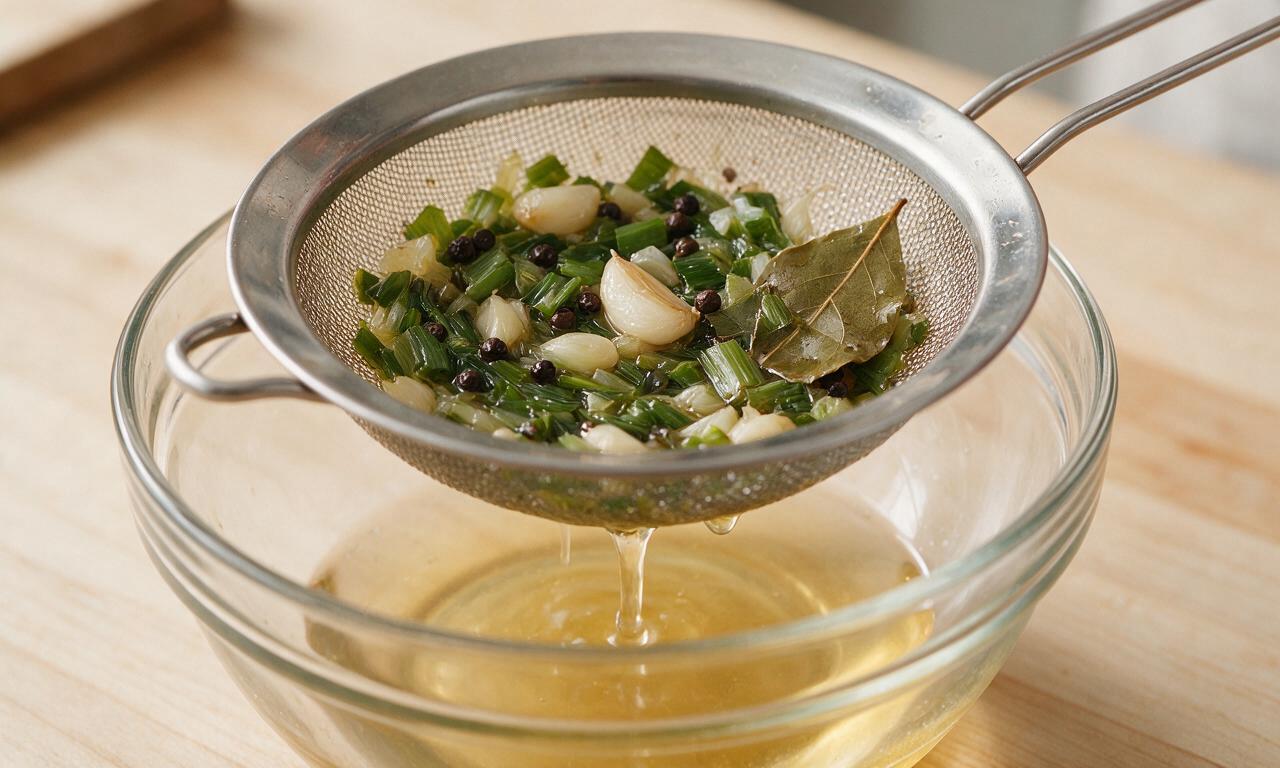
If you have a high-speed blender and soaked your seeds for a full 24 hours, you won’t need to strain it at all for a restaurant-worthy smooth texture. If you’re using a less powerful blender and notice tiny, gritty seed hull bits after 3 minutes of blending, pour the mustard through a fine-mesh sieve, pressing with a spatula to push smooth puree through, and discard coarse hulls.
13.Can I use red wine vinegar instead of white wine vinegar?
▾
I don’t recommend it for classic Dijon. Red wine vinegar has a deeper, fruitier, more robust flavor and a faint pink tint that will turn your Dijon a dull, rosy color and overpower its delicate white wine and shallot notes. If you’re out of white wine vinegar, swap for an equal amount of champagne vinegar, which has the same mild, bright, pale tang that works perfectly with the other ingredients.
14.Why does my homemade Dijon taste stronger than store-bought Dijon?
▾
That’s a good thing! Most mass-produced store-bought Dijon uses extra water, preservatives, and added sweeteners to mellow mustard flavor and extend shelf life, which dilutes that signature sharp tang. Your homemade version uses traditional ratios of seeds, wine, and vinegar, so it has a brighter, bolder, more complex flavor that will mellow slightly as it sits in the fridge.
15.What are the best ways to use this homemade classic Dijon?
▾
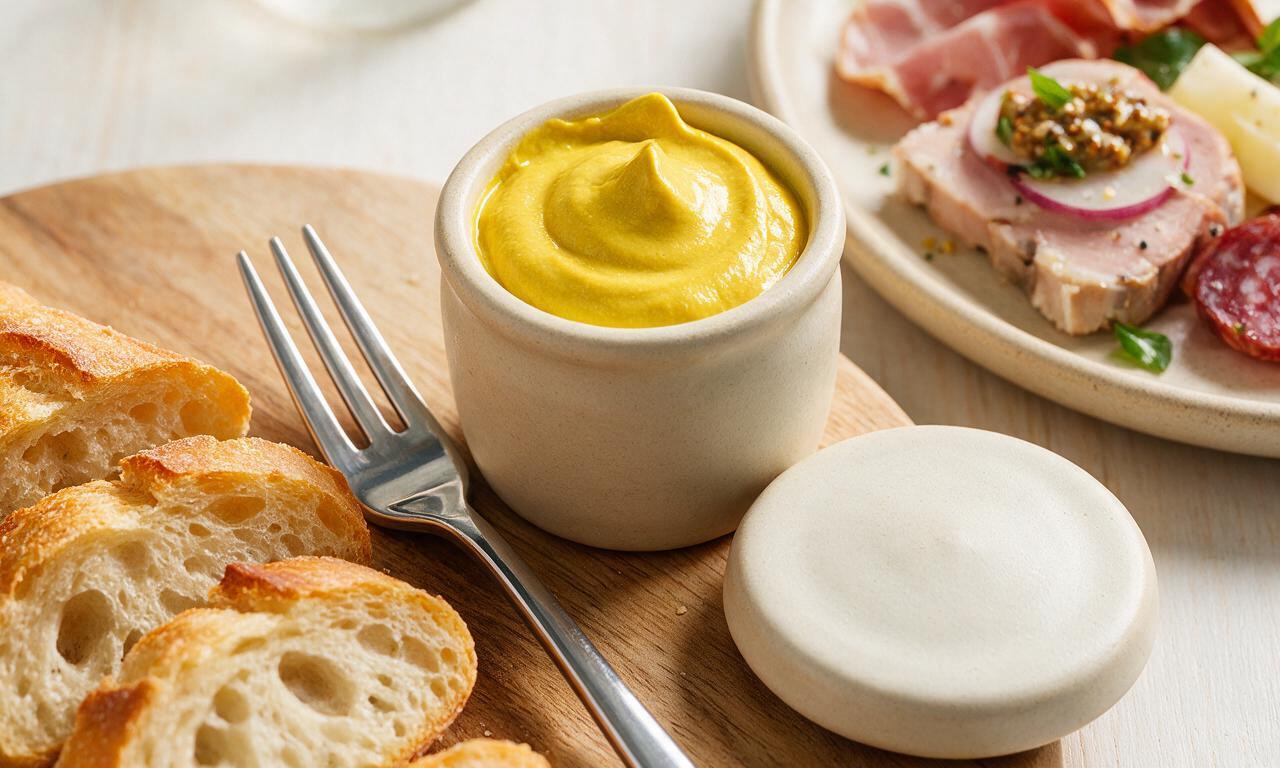
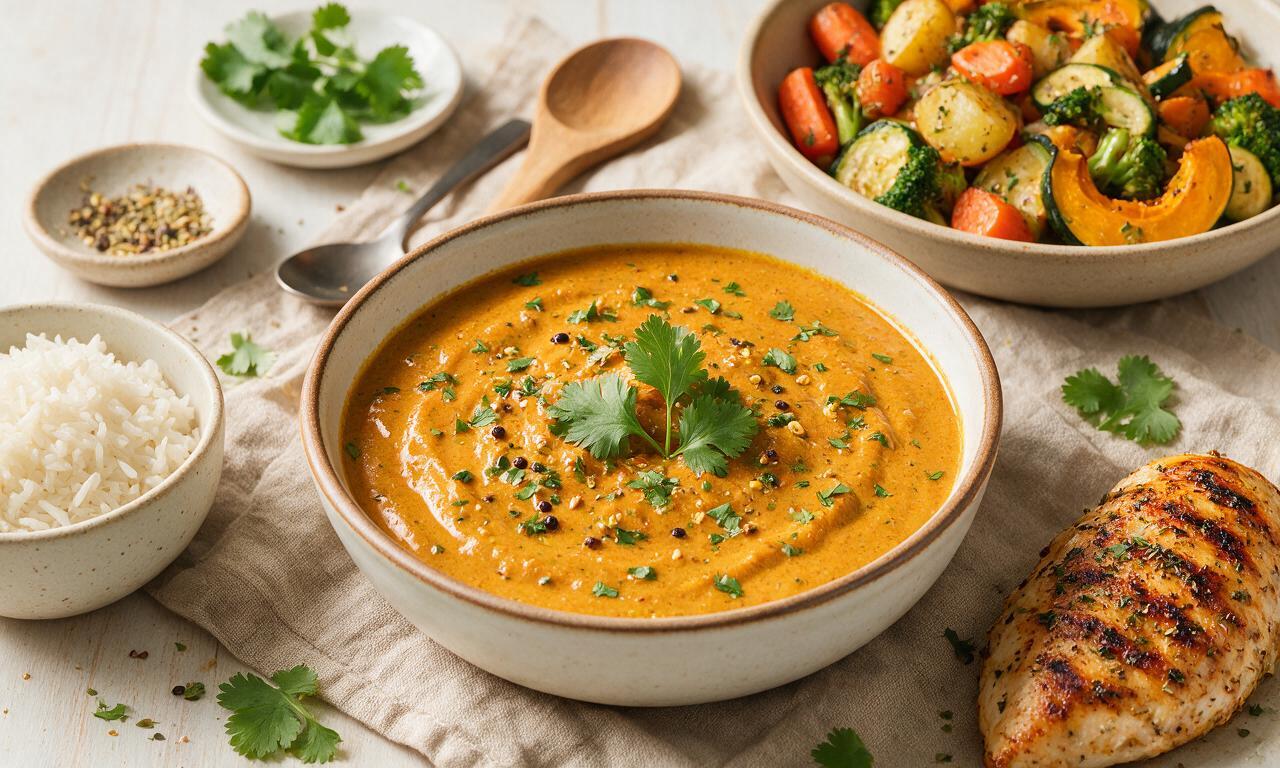
This versatile condiment works for so much more than sandwiches! Stir it into vinaigrettes for green salads or potato salad, slather it on chicken or pork before roasting for a tangy crust, serve it alongside charcuterie and cured meats, mix it into mayo for a zesty sandwich spread, or whisk it into pan sauces for steak or salmon to cut through rich, fatty flavors.
16.Can I freeze leftover Dijon mustard to make it last longer?
▾
I don’t recommend freezing Dijon, as the freezing and thawing process breaks down its emulsified texture, leaving it watery, grainy, and separated once it thaws, even if you stir it vigorously. Since it lasts a full year in the fridge when properly stored, there’s no need to freeze it—just portion it into smaller sterilized jars to reduce air exposure if you don’t use it quickly.
17.My Dijon thickened up a lot after a few days in the fridge—how do I fix that?
▾
That’s totally normal! As the mustard seeds continue to absorb liquid during the initial rest period, the whole batch will thicken to a spreadable, sometimes almost paste-like consistency. To thin it to your preferred texture, stir in 1 teaspoon of cold white wine vinegar or dry white wine at a time, mixing well after each addition, until it hits your ideal thickness.

OMG this Dijon is a total game changer!!! I made a batch last week for our family cookout, everyone was asking where I bought it — little did they know it was homemade! I used it on bratwursts, potato salad, even mixed a little into my honey mustard dressing for salads. The 5 day wait was SO worth it, way better than the grocery store stuff that’s full of weird preservatives. 10/10 will be making this monthly for meal prep!
SO good! My kids are obsessed with dipping their chicken nuggets in this, I never thought homemade mustard would be such a hit. It was way easier than I expected too, I was intimidated at first but the steps were super straightforward. Already have a second batch curing in my pantry right now!
Solid recipe, turned out great! Only giving 4 stars because I wish it mentioned how long it stays good in the fridge? I jarred mine in sterilized jars, just trying to figure out if I need to give half away to my neighbors before it goes bad. Flavor is perfect though, exactly that sharp, classic Dijon tang I was going for.
Wait a second — I got so excited to make this I completely missed the 5 day resting time! I mixed it up yesterday and was ready to serve it at our book club potluck tonight, is it totally unusable right now? It tastes a little bitter straight out the bowl, I’m panicking a little 😂
This is so easy to make I can’t believe I’ve been buying Dijon for years! I added a tiny pinch of cayenne to my batch for a subtle kick, and it’s chef’s kiss. Tossed it with roasted veggies, used it on my smoked turkey sandwich, even stirred a spoonful into my mac and cheese sauce for extra depth. Game changer for my weekly meal prep rotation!
Made a double batch of this to can for holiday gifts this year! I was worried canning might mess with the flavor, but it held up perfectly. All my test jar tasters said it’s better than the fancy imported stuff I usually splurge on. Super easy, minimal active time, perfect for when you have other kitchen projects to work on while the ingredients simmer. 10/10!