1.Why do you soak beef liver in milk before cooking?
▾
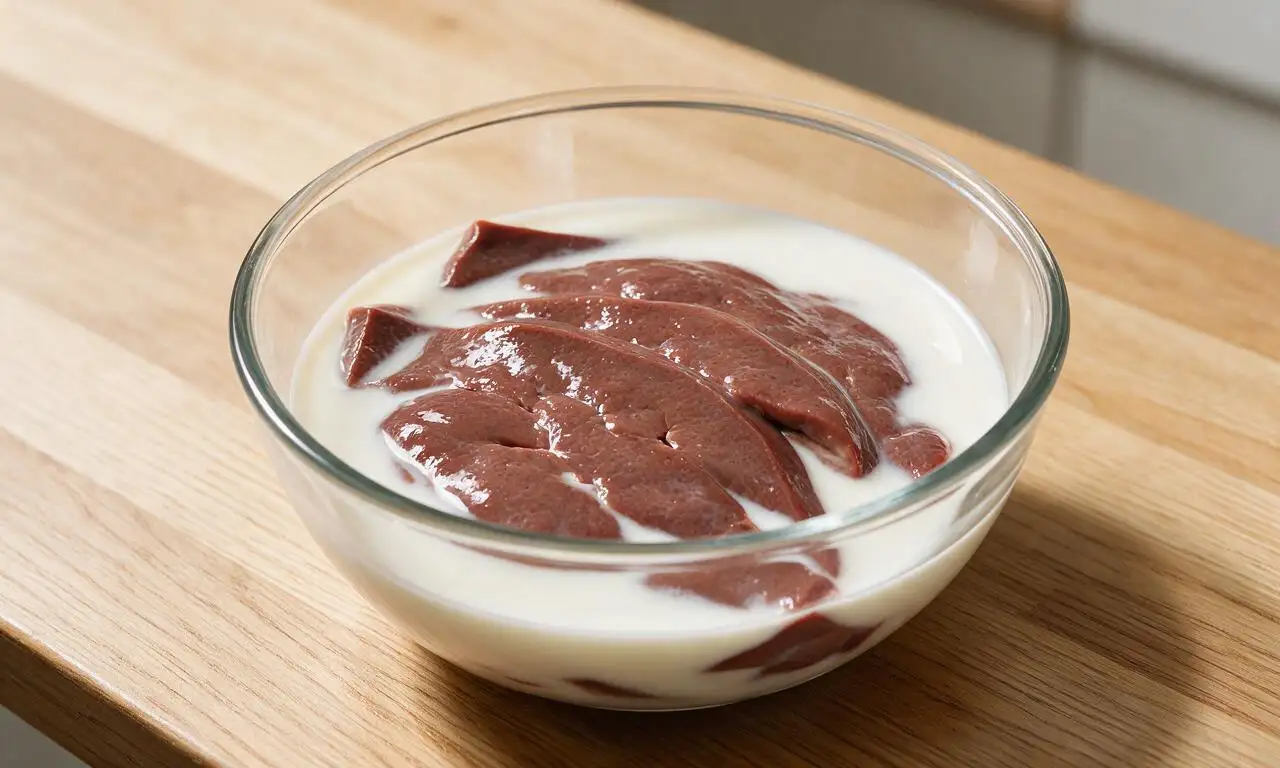
Soaking 1/4-inch sliced beef liver in whole milk for 1 to 2 hours (stored covered in the fridge) cuts the harsh, metallic, bitter off-flavor many people dislike. The mild lactic acid gently tenderizes the tissue without making it mushy, and draws out residual blood that causes that sharp taste. Always pat slices completely dry after soaking for an even, crisp sear.
2.Can I skip the milk soak if I’m short on time?
▾
If you’re crunched for time, you can do a quick 30-minute milk soak at cool room temperature (don’t leave it out longer than that for food safety), but don’t skip soaking entirely. Even a short soak mutes bitter notes and helps the flour coating stick evenly, so you get a light crisp exterior instead of a gummy, uneven crust.
3.How do I keep liver from turning tough and rubbery?
▾
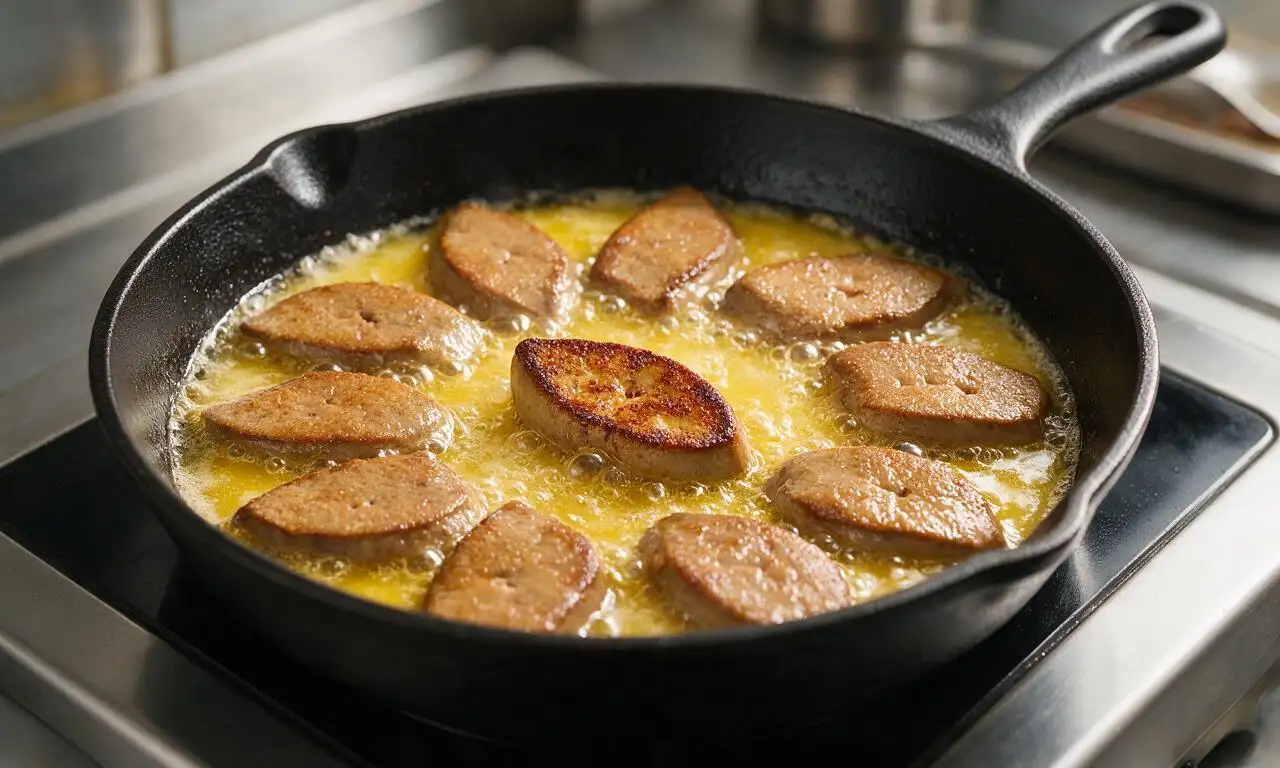
The number one rule for tender liver is to never overcook it! Sear your 1/4-inch slices over medium-high heat for only 1.5 to 2 minutes per side, until the center is just faintly pink. Cooking liver past medium doneness makes its protein seize up fast, turning it dry, rubbery, and grainy no matter how long you soaked it beforehand.
4.What type of liver works best for this recipe?
▾
Sliced young calf liver is ideal here—it has a milder, more tender texture than mature beef liver. If you only have access to mature beef liver, add an extra 30 minutes to your milk soak to mellow its stronger, gamier flavor. Skip pre-frozen liver if possible, as it often develops a mushy, watery texture when thawed and seared.
5.How thick should I slice the liver for best results?
▾
Aim for uniform 1/4-inch thick slices, which cook quickly and evenly without getting tough. If slices are thicker than 1/2 inch, the outside will overcook and turn rubbery before the center cooks through. If they’re paper-thin, they’ll curl and dry out almost instantly in the hot pan. Ask your butcher to slice it for perfectly even cuts every time.
6.Why do my caramelized onions turn out burnt instead of sweet?
▾
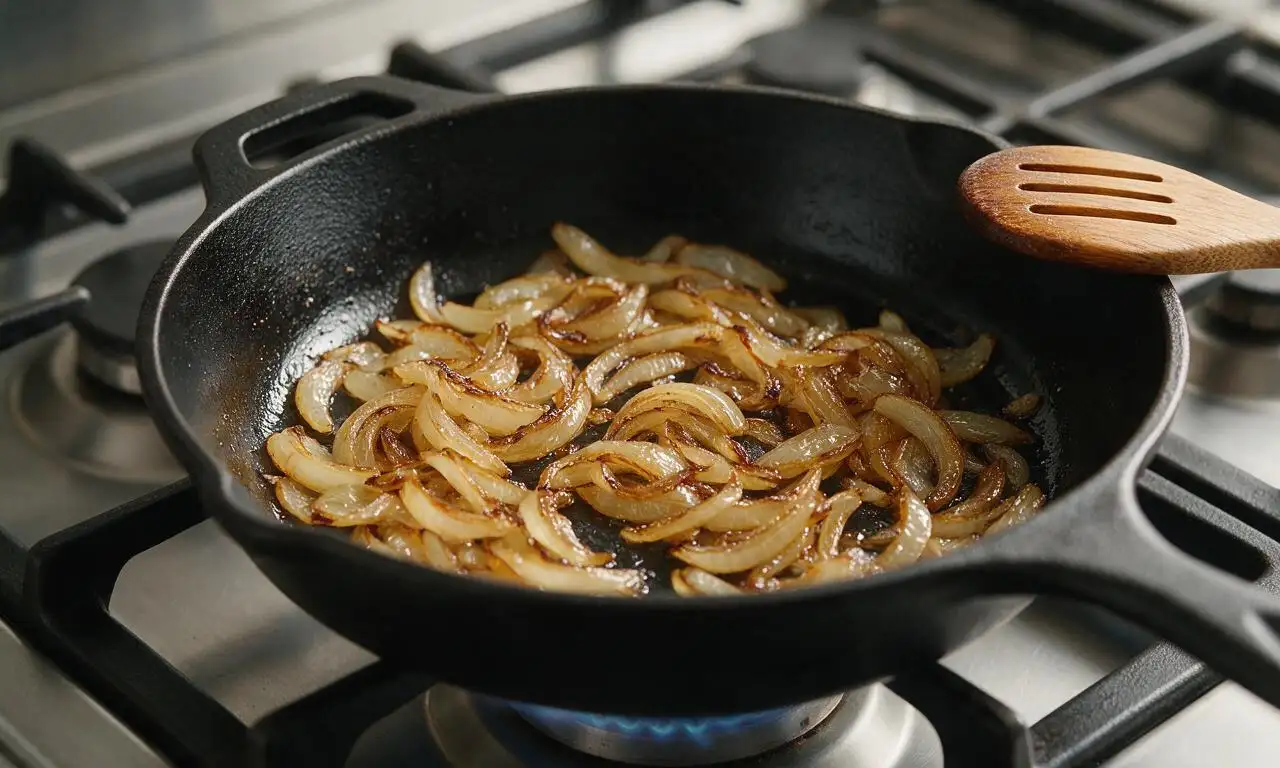
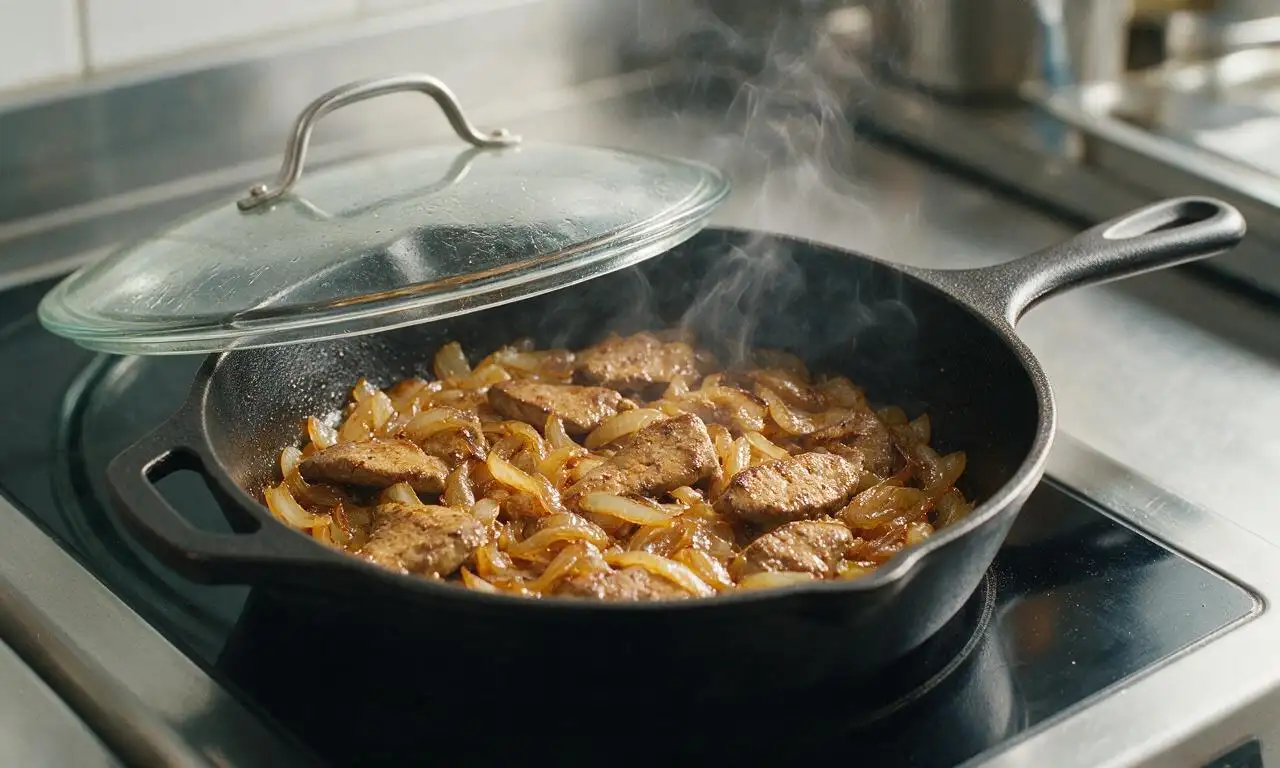
Caramelized onions need low, slow heat to break down their natural sugars without burning. Melt your butter over medium-low, add the thinly sliced half-moon onions, and cook for 20 to 25 minutes, stirring occasionally, until deep golden and jammy. Cranking heat to speed the process will char outer layers before insides soften and sweeten.
7.Can I make this recipe gluten-free?
▾
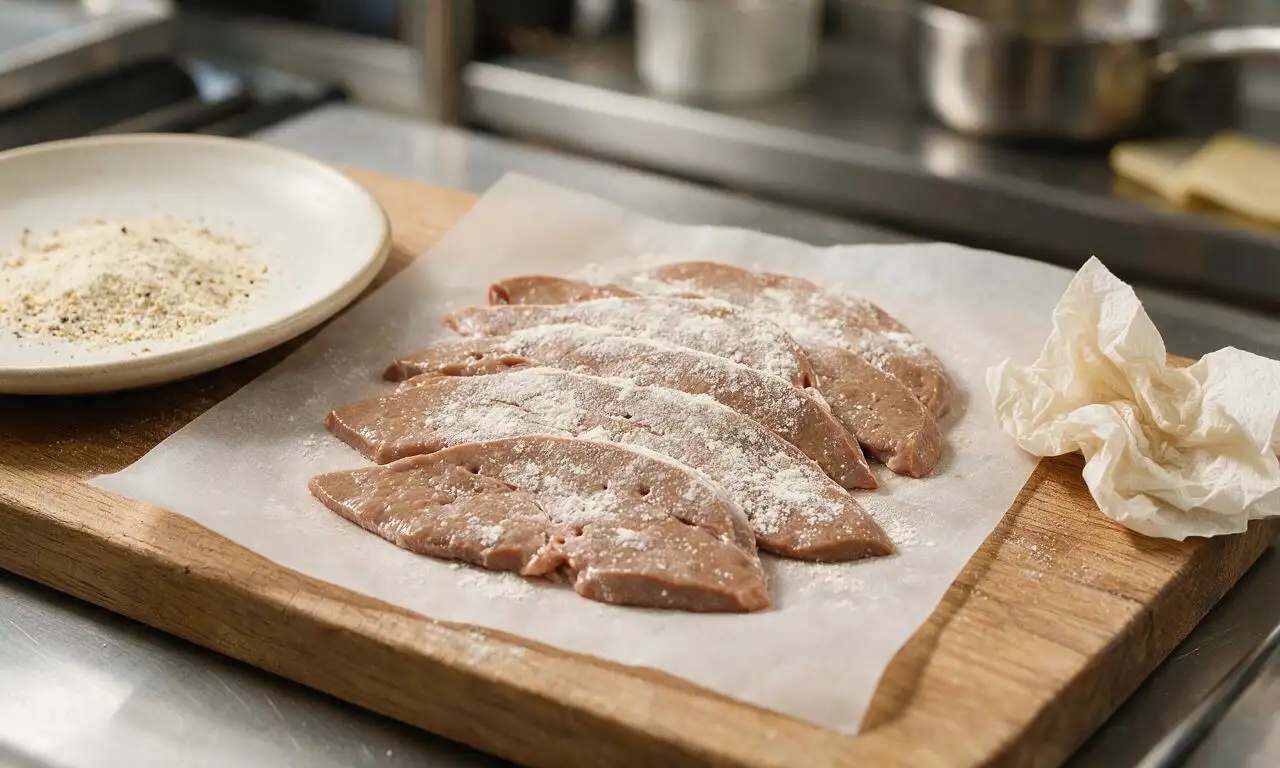
Absolutely! Swap the all-purpose flour for a 1:1 gluten-free all-purpose flour blend that contains xanthan gum, or use fine cornmeal for a slightly crunchier, more rustic crust. Just make sure you pat the soaked liver completely dry before dredging, so the coating sticks evenly and doesn’t slide off during searing, no matter which coating you use.
8.Do I need to remove the membrane from liver before cooking?
▾
Yes, take 1 minute to peel off the thin, silvery outer membrane from each liver slice, and snip out any small, tough connective tissue veins you spot before soaking. That membrane shrinks tight when it hits hot butter, making slices curl, cook unevenly, and add an unpleasantly chewy, rubbery texture even if you cook the liver perfectly.
9.What kind of pan is best for searing liver and onions?
▾
A heavy-bottomed stainless steel or cast iron skillet works best here, because it holds even, consistent heat and creates a nice light crust on the liver without sticking. Skip thin, lightweight nonstick pans for this recipe—they don’t get hot enough to give liver that savory, crisp sear, leading to steamed, mushy slices instead.
10.Can I make this recipe ahead for meal prep?
▾
Liver and onions is best eaten fresh right after cooking, since liver gets tough and grainy when reheated, and onions lose their bright, sweet caramelized texture. If you need to prep ahead, you can soak the liver and caramelize onions 1 to 2 days in advance, stored separately in airtight fridge containers, then quickly sear the liver right before serving.
11.Why does my flour coating turn gummy instead of crispy?
▾
Gummy coating almost always traces back to two common mistakes: not patting the liver completely dry after its milk soak, or overcrowding the pan. Any excess moisture on the liver will steam the flour instead of crisping it, and too many slices drops pan temperature fast, leading to steamed, gummy crust. Cook in batches if needed, leaving 1 inch between slices.
12.Is it safe to eat liver that’s slightly pink in the center?
▾
Yes, it is perfectly safe to eat beef liver cooked to medium doneness with a faint pink center, as long as it reaches an internal temperature of 160°F measured with an instant-read thermometer. That temp kills any harmful bacteria while keeping texture tender; cooking it to well-done (no pink) is what leads to that dry, rubbery texture most people dislike.
13.Can I use oil instead of butter for this recipe?
▾
You can use a neutral oil like avocado or canola if you don’t have butter, but butter adds that rich, nutty, home-style flavor that pairs perfectly with sweet onions and savory liver. If you’re worried about butter burning at high searing heat, mix 1 tablespoon of oil with 2 tablespoons of butter to raise the smoke point while keeping that classic buttery taste.
14.What sides pair well with classic liver and onions?
▾
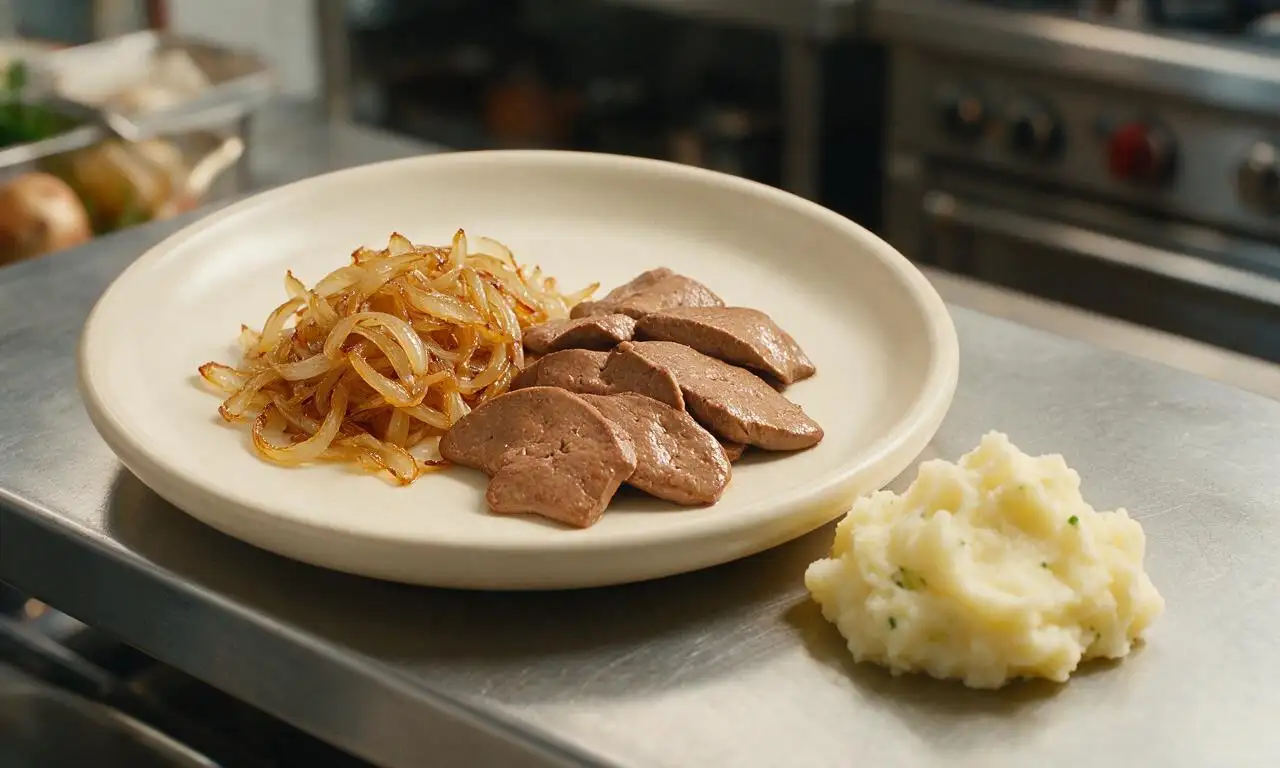
This home-style classic pairs perfectly with simple, comforting sides that balance its rich, savory flavor. Go for fluffy mashed potatoes, buttered green peas, steamed white rice, or crusty sourdough to soak up the sweet onion and pan drippings. A small side of tangy dill pickles or a light splash of apple cider vinegar also cuts through the richness beautifully.
15.My liver still tastes bitter even after soaking—what went wrong?
▾
If your liver still tastes bitter, you likely either used very strong, mature beef liver without a long enough soak, or you overcooked it. Burnt, overcooked liver develops a sharp, acrid bitter flavor no amount of soaking can fix. For next time, opt for milder calf liver, soak for a full 2 hours in milk, and stick to the quick 1.5 to 2 minute per side sear time.
16.Can I freeze leftover cooked liver and onions?
▾
I don’t recommend freezing cooked liver, as its delicate protein breaks down during freezing and thawing, turning unpleasantly mushy and grainy when reheated. Caramelized onions freeze beautifully for up to 3 months in an airtight bag, but cooked liver loses almost all its tender texture and nice flavor, so cook only as much as you plan to eat in one sitting.

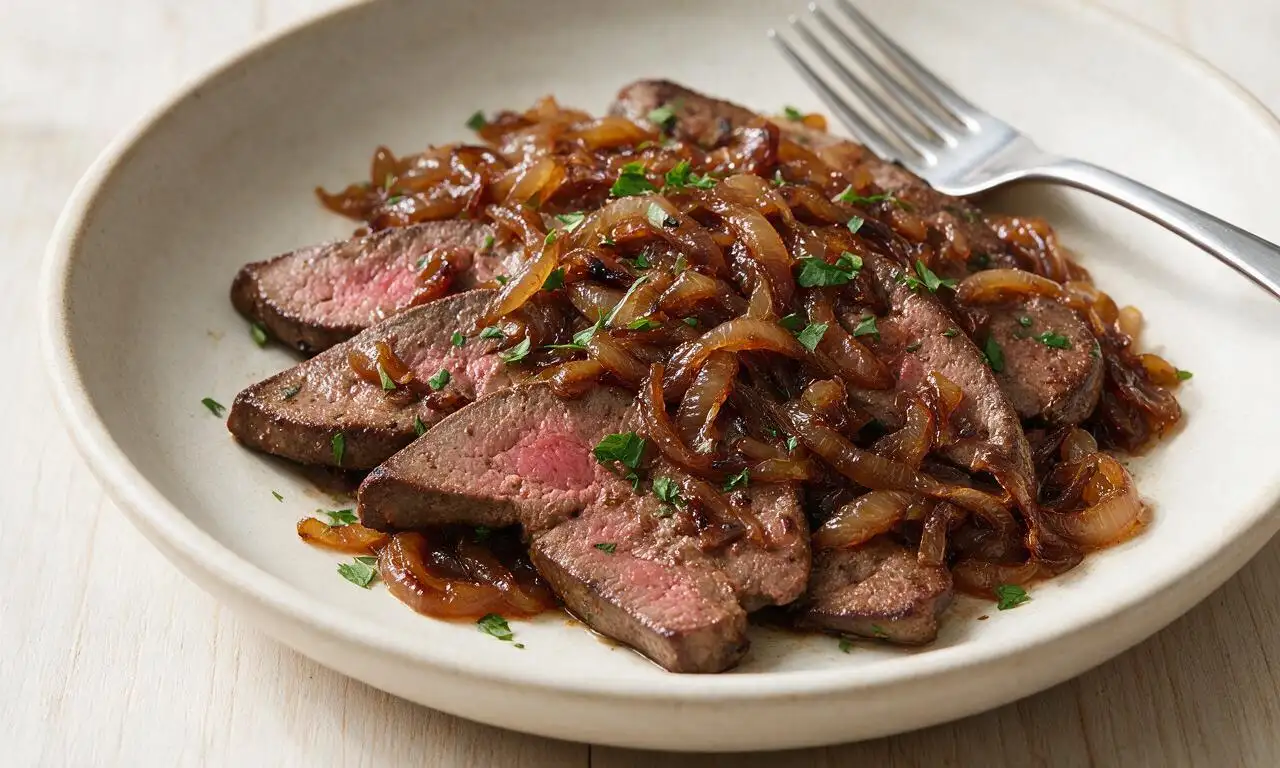
OMG, I’ve been messing up liver and onions for YEARS—always comes out rubbery no matter what I try. This recipe is a total game changer! I soaked the liver in milk like the directions said, didn’t overcook it, and it came out melt-in-your-mouth tender. Served it with mashed potatoes and green beans for Sunday dinner, even my super picky teen asked for seconds. 10/10 will make again for our next family potluck!
SO good! I was looking for quick, budget-friendly weeknight meals and this checked every box. Only took 30 minutes total like the recipe said, the liver stayed tender even when I reheated a portion for lunch today. I added a little extra garlic powder to the onions and it was chef’s kiss. Perfect easy meal to add to my weekly rotation!
This tasted exactly like the liver and onions my mom used to make when I was a kid! I’ve been chasing that flavor for decades and this recipe nailed it. The onions get perfectly caramelized without being mushy, and the liver is so tender you don’t even need a knife to cut it. Brought a batch over to my neighbor last night and she asked for the recipe before she even finished her first plate.