1.Why do you use a mix of whole milk and water instead of only milk for this oatmeal?
▾
Using a 50/50 split of whole milk and filtered water delivers rich, creamy texture without the scalded, curdled mess that can happen when cooking oats straight in all milk over direct stovetop heat. It also keeps the flavor light enough that your mix-ins don’t get overpowered by heavy dairy, so the bowl never tastes cloying first thing in the morning.
2.Can I use instant or quick-cook oats instead of old-fashioned rolled oats here?
▾
You can, but the texture will be noticeably softer and less toothsome, with total cook time dropping to 2 to 3 minutes. Stick to old-fashioned rolled oats for that classic chewy, creamy bite—quick oats are rolled thinner so they break down much faster, and instant oats often have added stabilizers that make the final bowl gummy instead of smooth.
3.Why do you add fine sea salt to sweet oatmeal? Doesn’t that make it taste savory?
▾
A tiny pinch of fine sea salt won’t make your oatmeal taste salty—it amplifies the natural, nutty sweetness of the rolled oats and makes any sweet toppings you add (like maple syrup, brown sugar, or fresh fruit) taste brighter and more balanced. Skip it, and your bowl will taste flat, no matter how many fun mix-ins you pile on top.
4.How do I keep my oatmeal from sticking and burning to the bottom of the pot?
▾
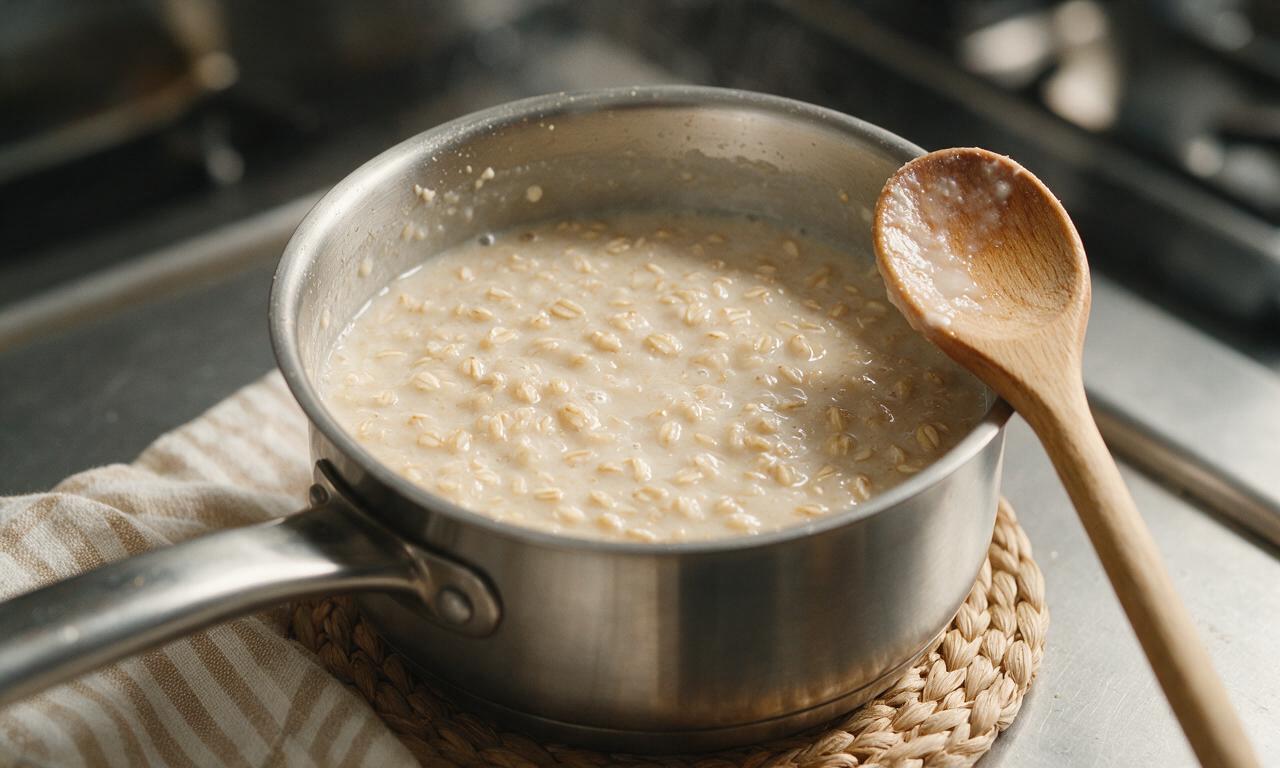
First, use a heavy-bottomed saucepan to distribute heat evenly, so you don’t get ultra-hot spots that burn oats to the base. Stir the oats every 30 to 45 seconds as they simmer, and don’t crank the heat higher than medium-low—rapid boiling causes oats to settle, stick, and scald fast, leaving a crusty, hard-to-clean mess.
5.What’s the point of adding a pat of unsalted butter at the end of cooking?
▾
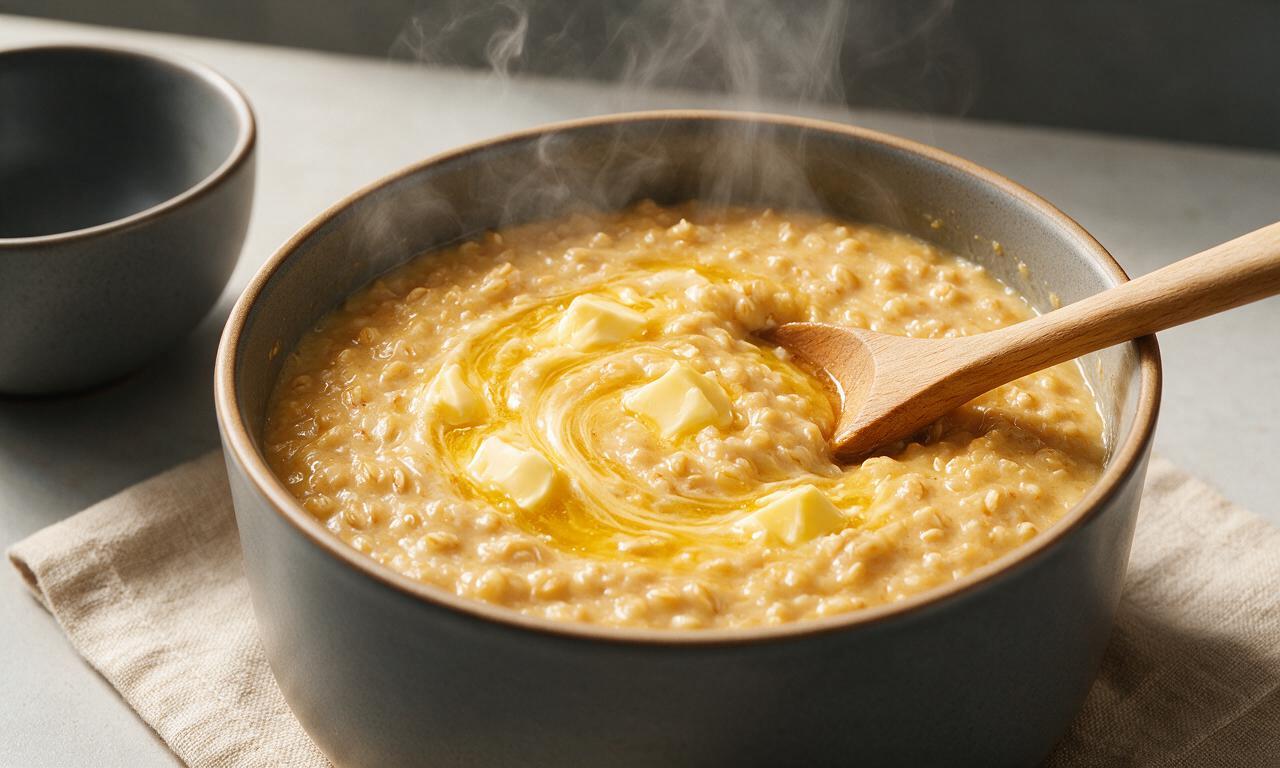
That small pat of unsalted butter, stirred in right after you take the oats off heat, adds a luxuriously silky, rich mouthfeel that makes this oatmeal taste like it came from a fancy brunch spot, not your home kitchen. It rounds out the earthy grain flavor of the oats and keeps the texture smooth instead of gluey as the bowl cools.
6.Can I make this oatmeal ahead of time for busy weekday mornings?
▾
Absolutely! Cook a full batch on Sunday, let it cool completely, then store it in an airtight container in the fridge for up to 4 days. When you’re ready to eat, scoop a portion into a bowl, stir in a splash of extra milk or water to loosen it, and reheat in the microwave or on the stovetop for 1 to 2 minutes, stirring halfway through.
7.What’s the ideal ratio of oats to liquid for perfectly creamy, not mushy oatmeal?
▾
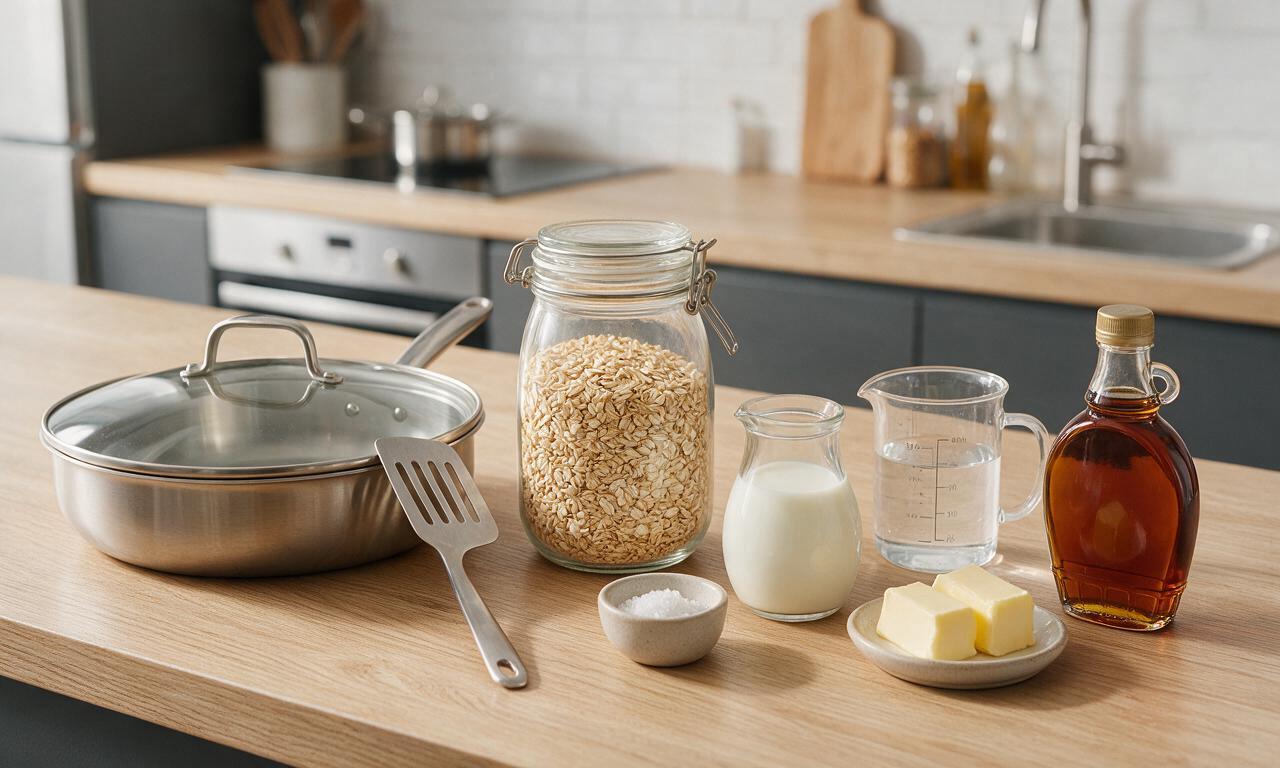
For old-fashioned rolled oats, use a 1:2 ratio of oats to total liquid (that’s the combined milk and filtered water) for the ideal creamy, chewy texture. That means ½ cup of rolled oats to 1 cup of total liquid for one standard serving. Too little liquid makes dry, tough oats; too much leaves you with a thin, soupy bowl instead of that rich, spoon-coating consistency.
8.I’m dairy-free—can I swap the whole milk and butter for plant-based alternatives?
▾
Definitely! Swap the whole milk for unsweetened oat, soy, or cashew milk (skip thin almond milk, it makes oats watery) for a similarly creamy texture, and use your favorite plant-based butter or a teaspoon of coconut oil in place of dairy butter. Keep the same liquid ratio and cook time, and you’ll get nearly identical, delicious results.
9.How long should I cook rolled oats on the stovetop to get that perfect creamy texture?
▾
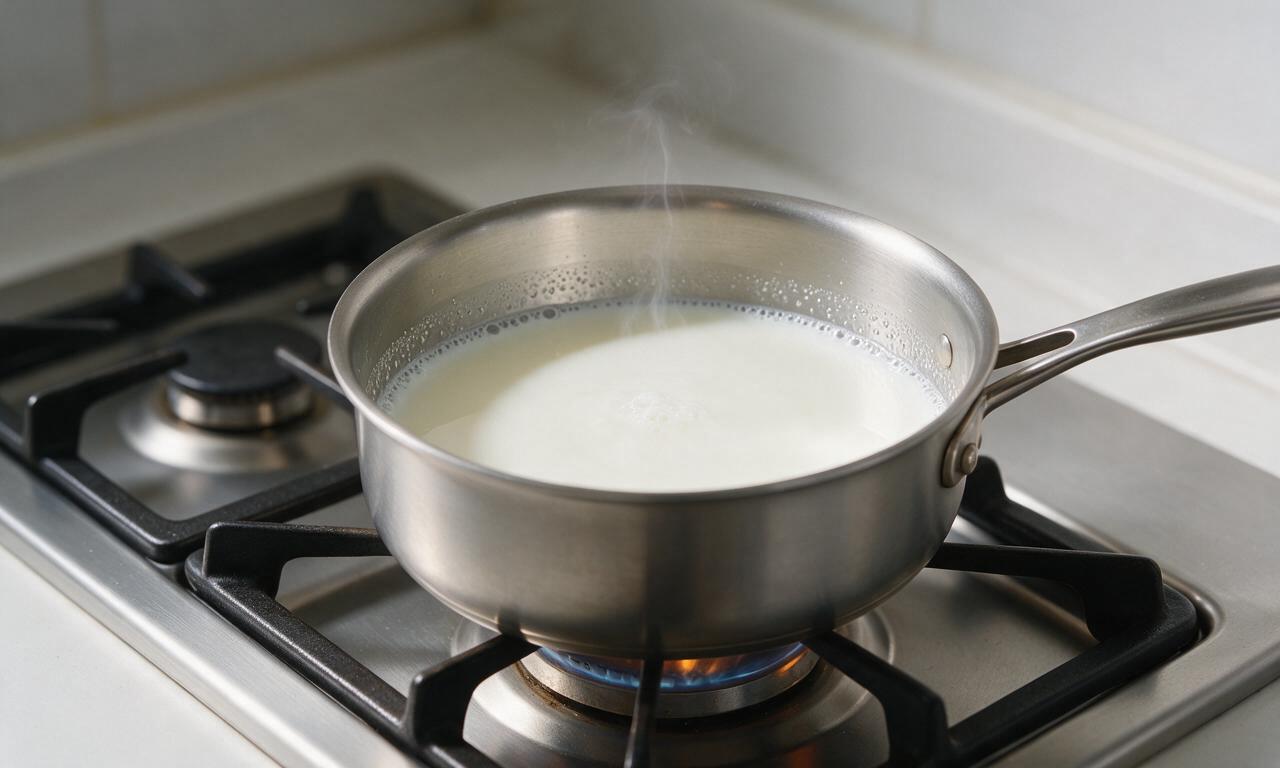
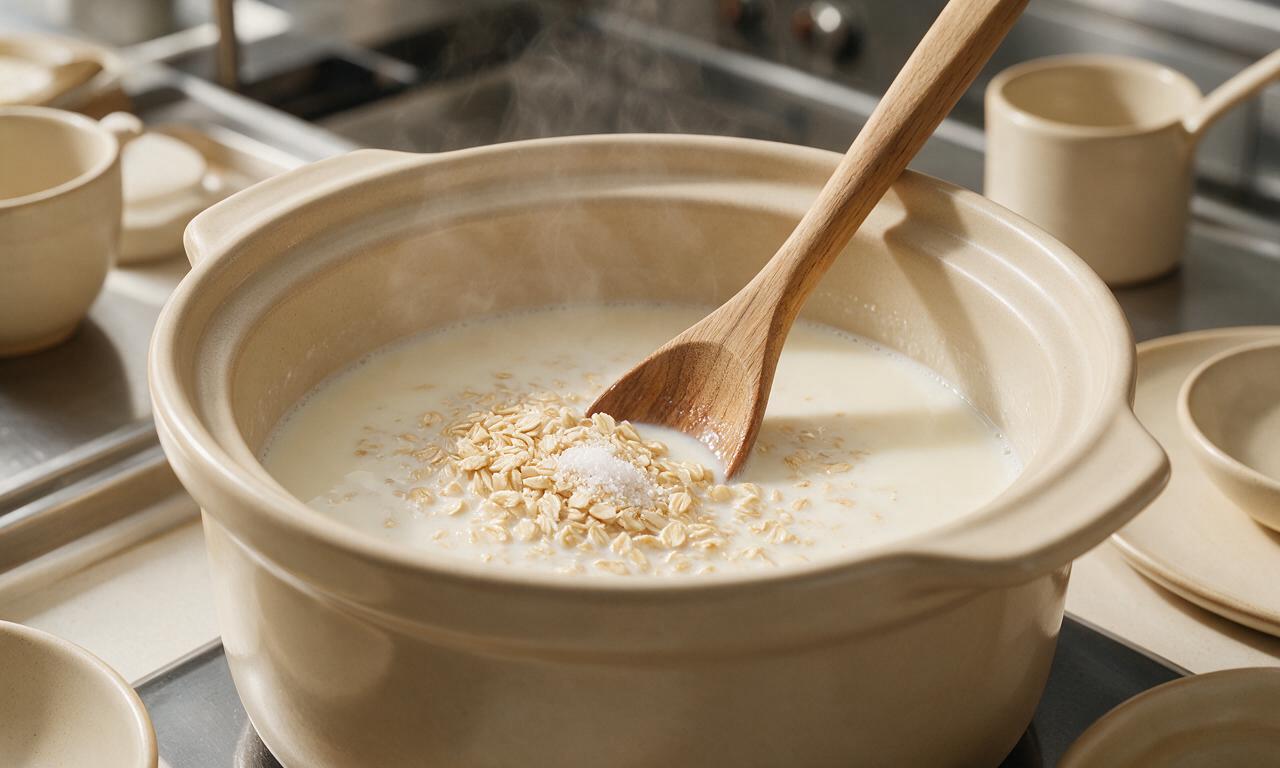
Once your liquid comes to a gentle simmer, stir in the oats and salt, then cook for 7 to 8 minutes over medium-low heat, stirring regularly. That adds up to the 10-minute total timeline noted in the recipe, just long enough for oats to soften and release natural starches for creaminess, without turning into mushy, overcooked paste.
10.Why does stovetop oatmeal turn out creamier than microwave-made oatmeal?
▾
Stovetop cooking lets you stir oats regularly as they simmer, which gently releases their natural starches to create that smooth, velvety texture without overprocessing the grains. Microwave cooking heats oats unevenly, often too fast, so starches don’t break down consistently, leaving a mix of gummy, dry, and watery patches even with mid-cook stirring.
11.Should I add my toppings while the oats cook, or after I take them off the heat?
▾
Save most of your toppings for after you take the pot off the heat and stir in the butter. Hearty add-ins like chia seeds, chopped nuts, or dried fruit can go in the last minute of cooking to soften slightly, but fresh fruit, sweeteners, nut butters, and yogurt will break down, burn, or curdle if boiled for the full cook time.
12.My oatmeal always gets thick and gluey right after I take it off the heat—how do I fix that?
▾
That’s totally normal! Rolled oats keep absorbing liquid and releasing starches for a few minutes after you remove them from heat, so thickening as they rest is expected. Just stir in an extra splash of cold milk or water, a tablespoon at a time, until you hit your preferred consistency. Don’t undercook oats to avoid this, as that leaves tough, raw-tasting grains.

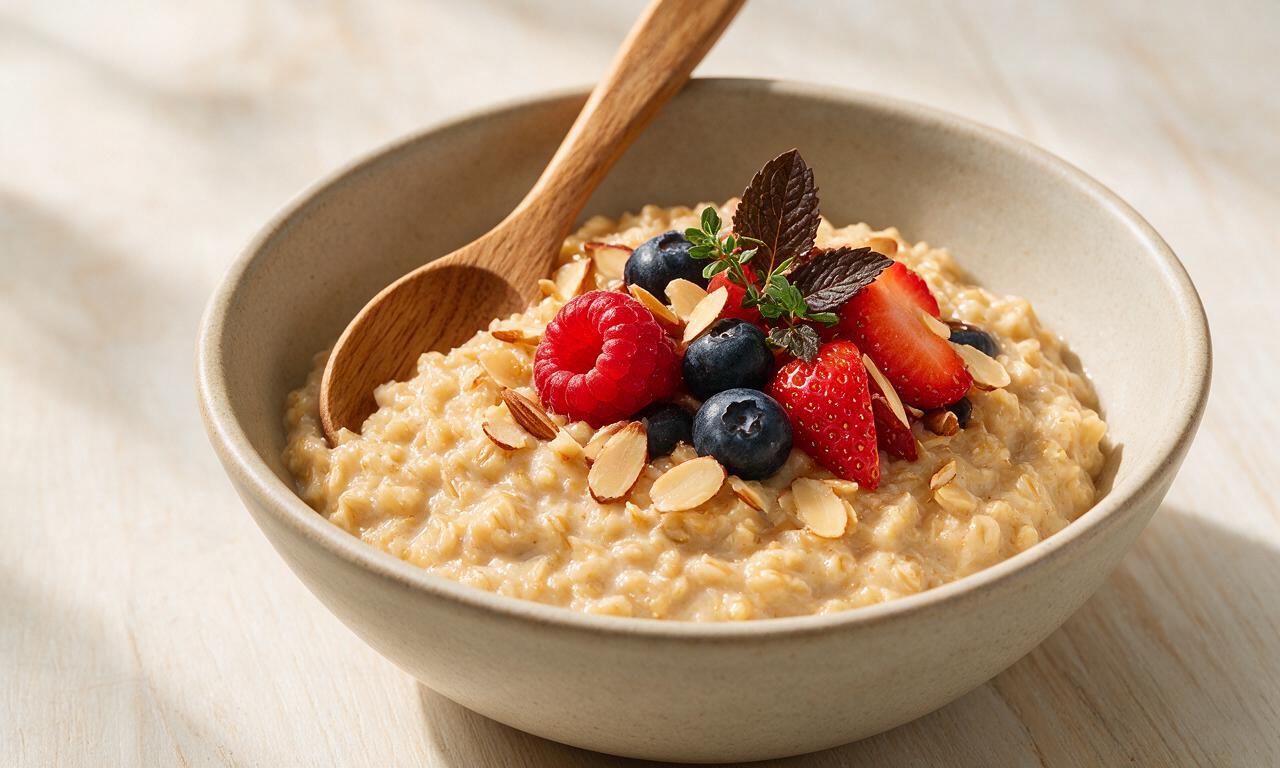

OMG this is the only oatmeal recipe I will ever use from now on! I’ve been making watery, sad rolled oats for years for weekly meal prep and this 10 minute stovetop version is SO creamy. My 7 and 9 year old gobbled it up this morning before school, didn’t even beg for extra sugar on top! Total game changer.
This was so easy to throw together on a busy school morning! I topped mine with a dollop of peanut butter, some sliced banana, and a sprinkle of cinnamon, and even my picky toddler ate a whole bowl. The 10 minute cook time is no joke, I didn’t even have to rush through packing lunches while it cooked. We’ll be making this every week for sure!
Made this before heading out for a day hike in the Cascades over the weekend and it kept me full for HOURS, no mid-hike energy crash like I get from the sugary instant oatmeal packets. I stirred in a handful of frozen blueberries right at the end and a splash of vanilla, chef’s kiss. Way easier than I thought it would be, I was convinced stovetop oats was a whole big production but it’s literally 10 minutes tops. Only reason I’m not giving 5 stars is I forgot to add a pinch of salt and it was a little bland at first, totally my bad though!
Brought this to a neighborhood potluck a couple days ago (made it on the stovetop first then transferred to a slow cooker on the warm setting to serve) with a whole topping bar: granola, chia seeds, fresh berries, maple syrup, mini chocolate chips, chopped pecans. Everyone was raving and asked for the recipe! Who knew basic creamy oatmeal could be such a hit at a potluck?