1.Do I need an expensive commercial smoker to make this cold-smoked salmon at home?
▾
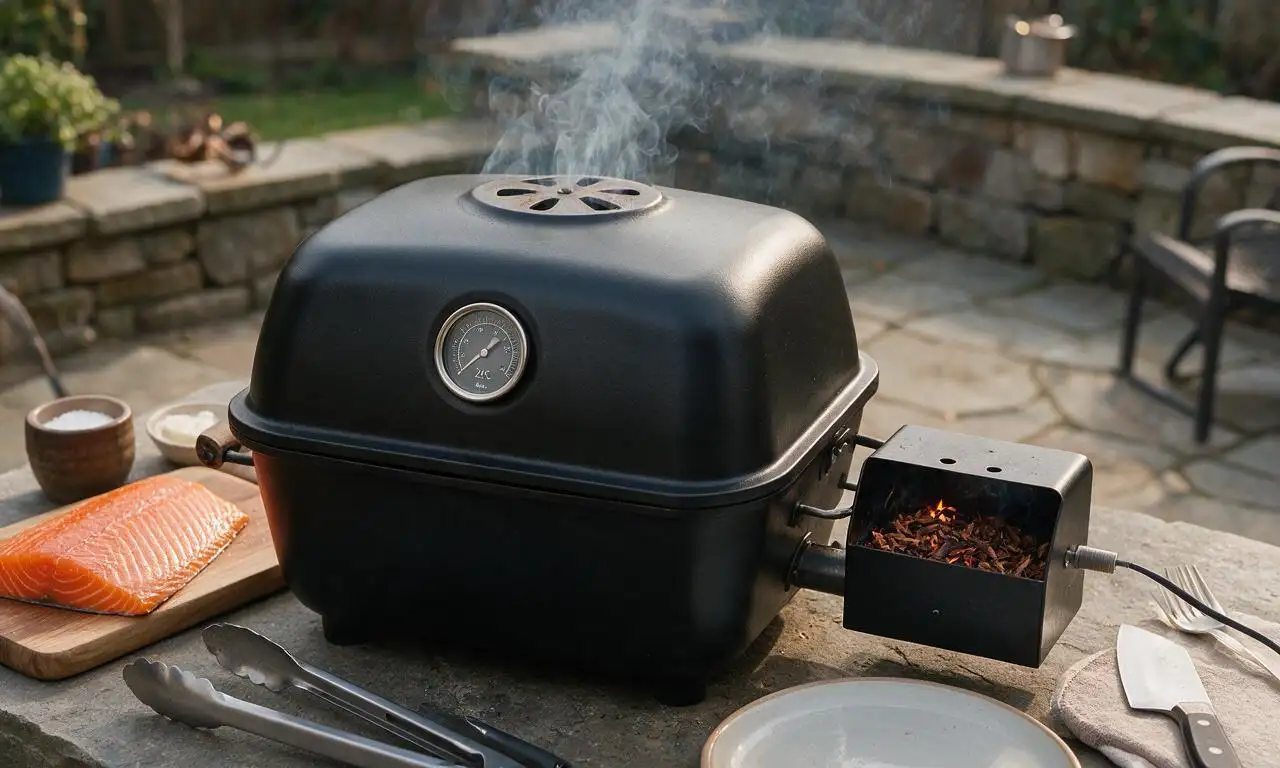
Not at all! This recipe is built for home cooks with accessible, simple gear. You can use a stovetop cold smoker, a standard charcoal kettle grill fitted with an affordable cold smoke generator, or a basic DIY smoke box setup, as long as you keep chamber temperatures consistently below 90°F to avoid cooking the delicate fish.
2.Why is center-cut, skin-on salmon the recommended cut for this recipe?
▾
Center-cut fillets are a uniform 2.5cm (roughly 1 inch) thick, so they cure and smoke evenly without thin, over-seasoned, over-smoked edges. The skin acts as a natural barrier during curing and smoking, preventing excess salt or smoke from penetrating the fillet base, and it holds the delicate flesh together as you handle it.
3.How do I make sure I remove every pin bone from the salmon before I start prepping?
▾
Run your clean fingertips gently against the grain of the flesh, feeling for small, hard pin bones poking up along the thick center line of the fillet, spaced about half an inch apart. Use a pair of clean needle-nose pliers or kitchen tweezers to pull each bone straight out in the direction it angles, so you don’t tear the delicate salmon flesh.
4.What purpose do the kosher salt and light brown sugar serve in the pre-smoke cure?
▾
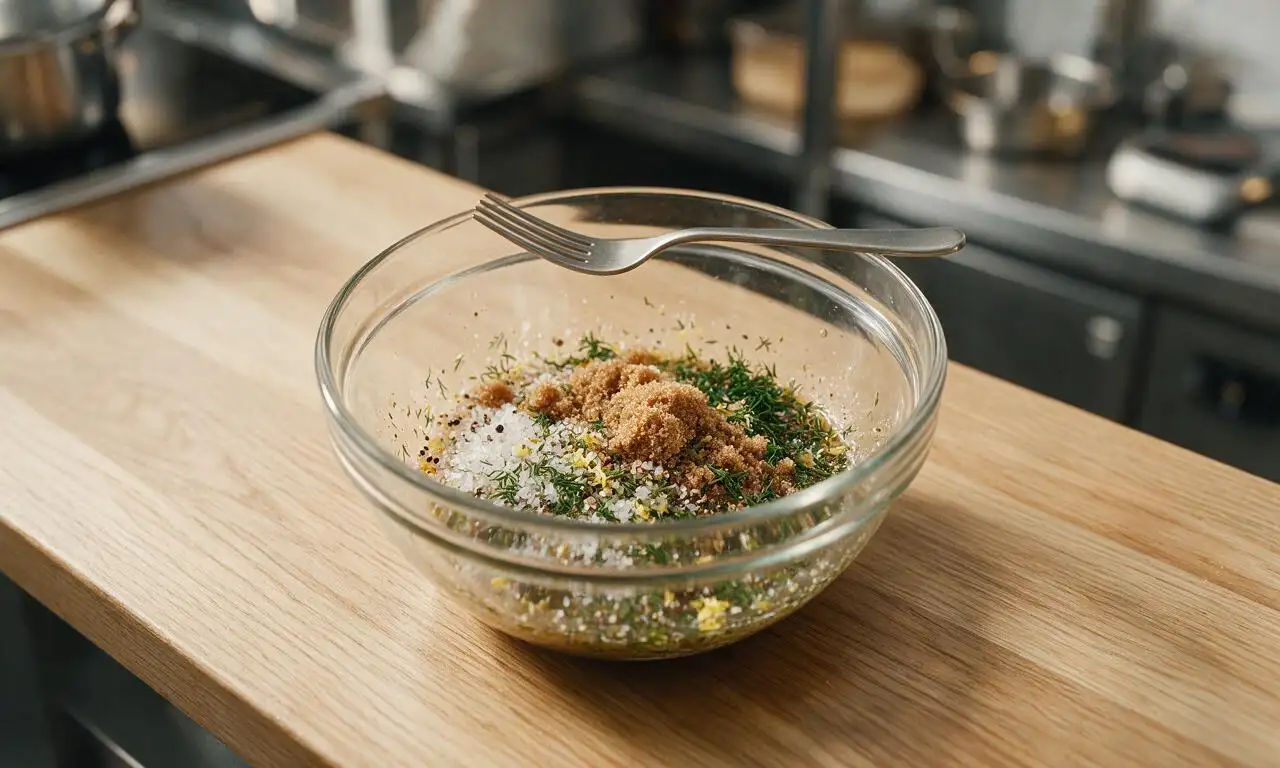
Kosher salt draws out excess moisture from the salmon to create that signature firm, silky texture, inhibits bacterial growth for safer cold smoking, and seasons the flesh all the way through. Packed light brown sugar balances the salt’s sharpness, adds subtle caramel notes, and mellows out acrid, harsh edges from the wood smoke.
5.How long should I let the salmon cure in the salt, sugar, dill, and pepper rub?
▾
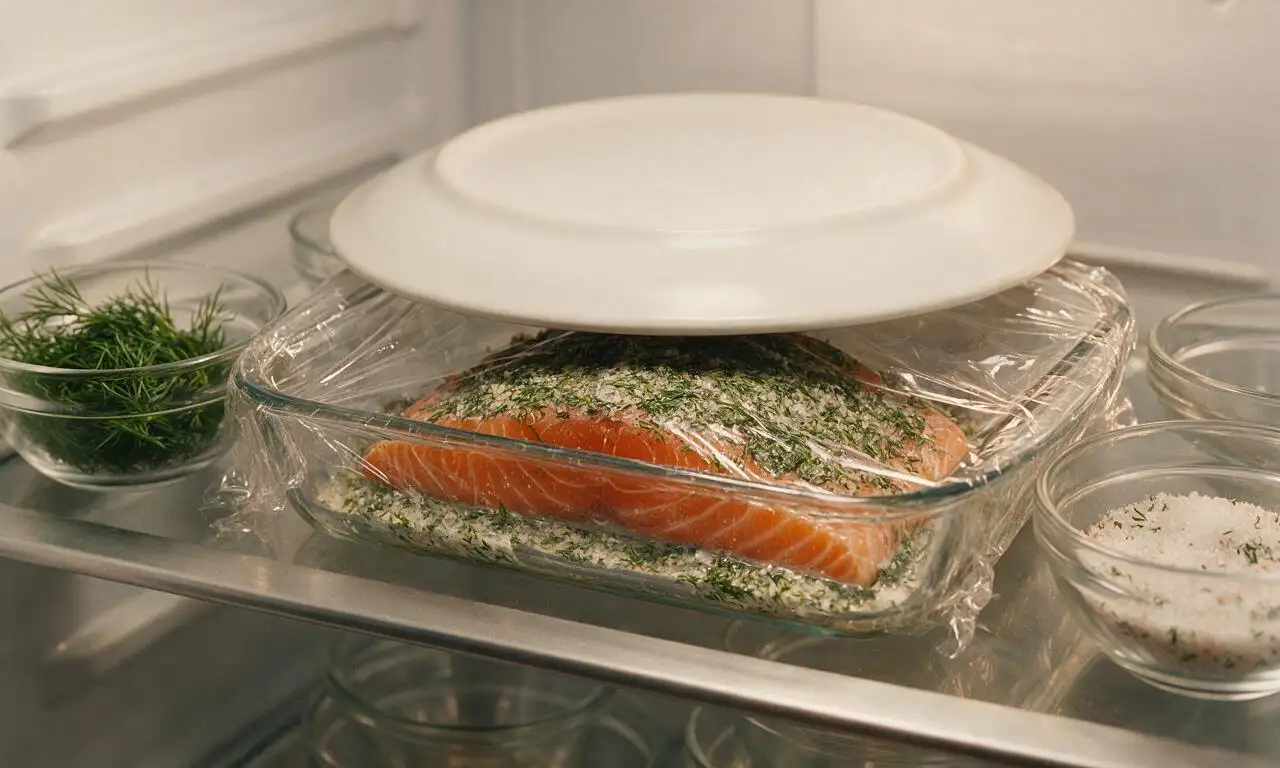
For a 2.5cm (1-inch) thick center-cut fillet, let it cure covered in the fridge for 10 to 12 hours, with the rub coated evenly across all sides of the fish. You’ll know it’s ready when the flesh feels noticeably firmer to the touch, and it has lost roughly 10% of its original weight from drawn-out moisture.
6.Do I need to rinse the cure off the salmon before I move on to smoking?
▾
Yes, absolutely. After the curing time elapses, rinse every bit of salt, sugar, dill, and pepper residue completely off the fillet under cold running water. If you leave cure on the surface, the salmon will turn out overly salty, and leftover herb and sugar bits will burn and turn bitter during smoking, ruining the delicate flavor.
7.Why do recipes recommend forming a pellicle on the salmon before smoking?
▾
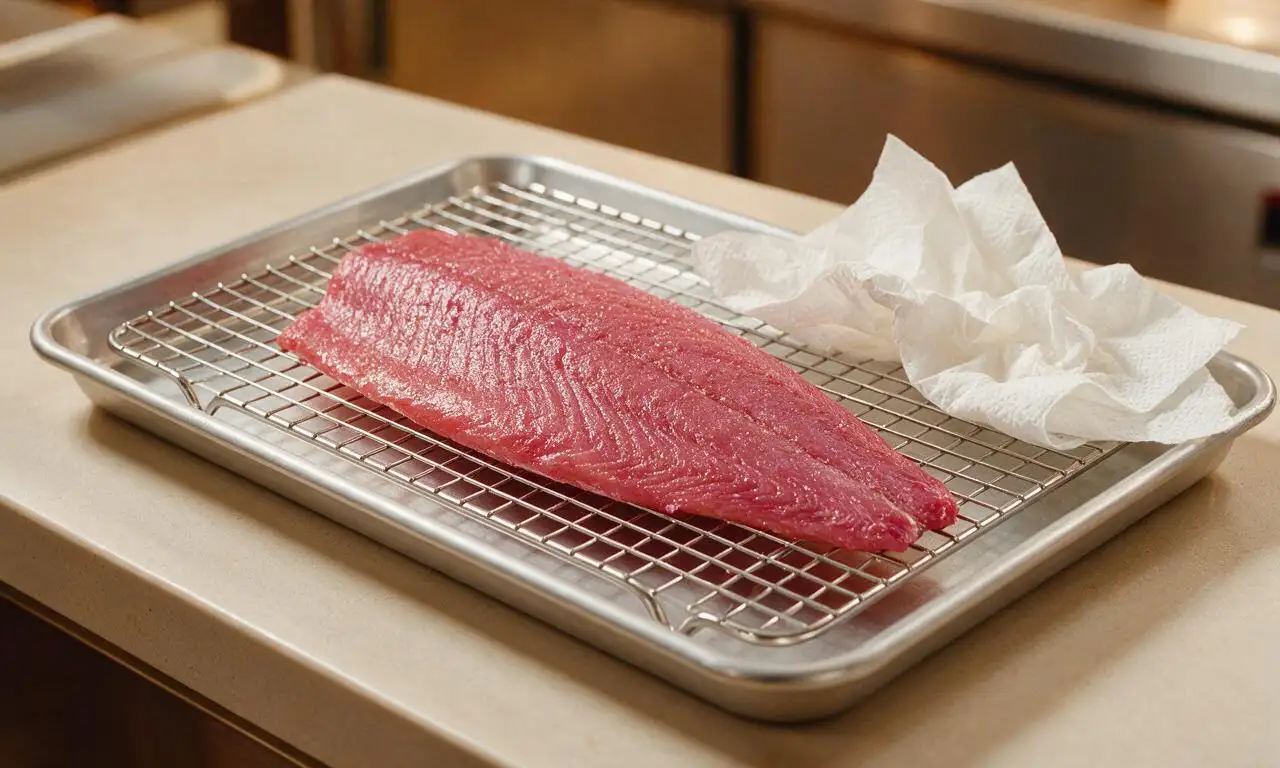
The pellicle is a thin, tacky, dry layer that forms on the cured salmon after you rinse it and let it air dry on a rack in the fridge for 2 to 4 hours. That sticky layer lets cold smoke adhere evenly to the fish instead of beading up and sliding off, so you get consistent, well-balanced smoky flavor in every bite.
8.What type of wood works best to get that classic cold-smoked salmon flavor?
▾
Stick to mild, subtly sweet hardwoods for the most traditional result: alder is the iconic Pacific Northwest pick for salmon, but fruit woods like apple, cherry, or pear work beautifully too. Skip strong, resinous woods like pine, fir, mesquite, or hickory, which will overpower the delicate salmon and leave a harsh, bitter aftertaste.
9.What temperature range do I need to maintain for proper cold smoking?
▾
Keep the smoking chamber temperature consistently between 60°F and 90°F for the entire smoking process. If temperatures climb above 90°F, you’ll start to cook the fish, turning it opaque, flaky, and dry instead of the signature translucent, silky, melt-in-your-mouth texture that makes cold-smoked salmon so special.
10.How long does the cold smoking process take for this 2.5cm thick salmon fillet?
▾
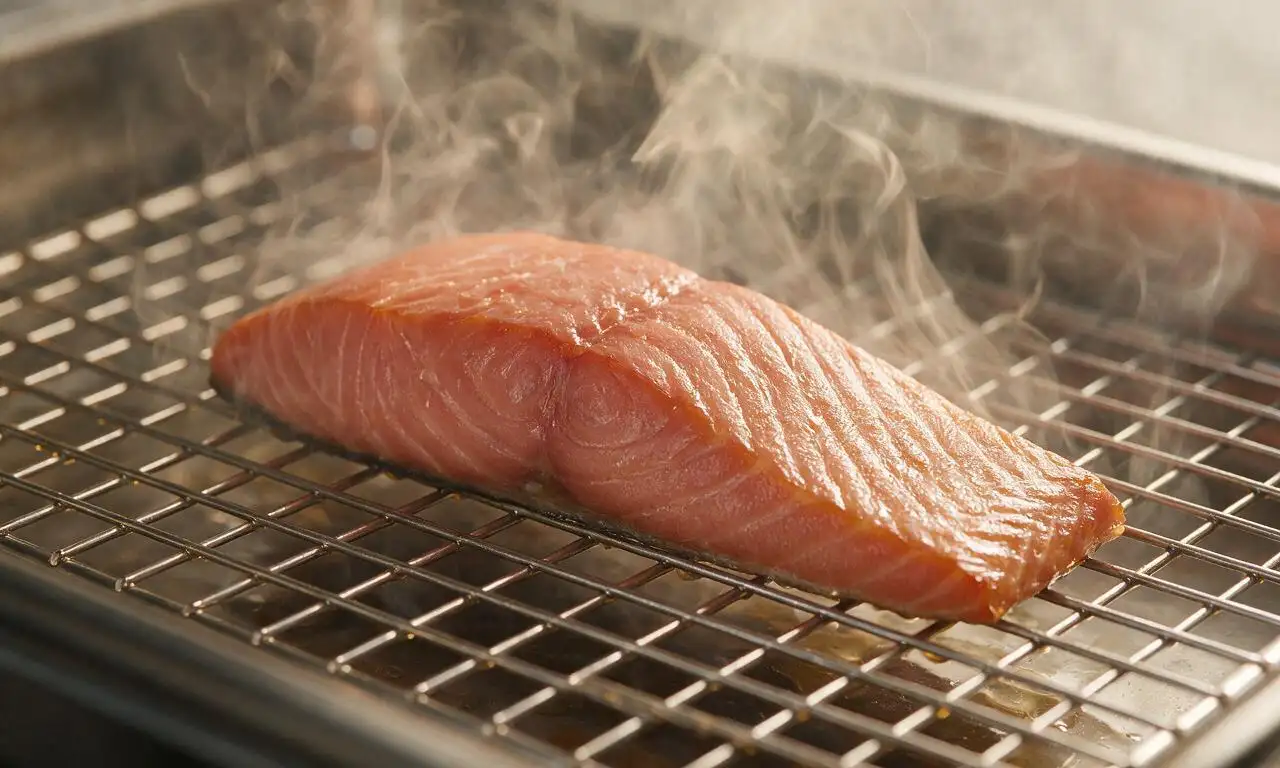
Plan for 4 to 6 hours of cold smoking, depending on how bold you like your smoky flavor. Start checking at the 4-hour mark: the salmon is done when it has a light golden-brown outer hue, a soft but firm texture, and a delicate, not overpowering, smoky aroma when you lift the chamber lid.
11.Can I leave fresh dill on the salmon while it smokes for an extra herby kick?
▾
I don’t recommend it. While chopped fresh dill is a core part of the cure, adding loose dill during smoking will make the delicate herb burn in the smoke flow, creating a bitter, grassy off-flavor. If you want extra dill notes, garnish the finished sliced salmon with fresh chopped dill right before serving.
12.Is homemade cold-smoked salmon safe to eat without cooking it first?
▾
When made correctly with properly cured salmon, consistent cold smoke temperatures under 90°F, and careful food-safe handling, yes, it’s safe to eat as-is just like store-bought cold-smoked salmon. Always start with high-quality, sushi-grade salmon to minimize risk, especially if serving kids, pregnant people, or immunocompromised guests.
13.How long will finished homemade cold-smoked salmon stay fresh in the refrigerator?
▾
Once smoking is complete, wrap the uncut salmon tightly in plastic wrap or vacuum-seal it, and store it in the coldest part of your fridge for up to 10 days. If you slice it ahead of serving, use the sliced salmon within 3 to 4 days for best texture and flavor, and always keep it chilled below 40°F.
14.Can I freeze homemade cold-smoked salmon to enjoy later?
▾
Absolutely! For best results, vacuum-seal whole or portioned salmon, pressing out as much air as possible to prevent freezer burn, and store it in the freezer for up to 3 months. Thaw it slowly in the fridge overnight before serving, and never refreeze previously thawed cold-smoked salmon, as that will ruin its silky texture.
15.Why did my finished cold-smoked salmon turn out overly salty?
▾
Overly salty salmon almost always stems from one of two simple mistakes: either you left the cure on the fillet longer than the recommended 10 to 12 hours for a 1-inch thick cut, or you didn’t rinse all surface cure off completely before drying and smoking. Next time, set a cure timer and give the fillet a thorough cold rinse post-cure.
16.How thin should I slice cold-smoked salmon for the best eating experience?
▾
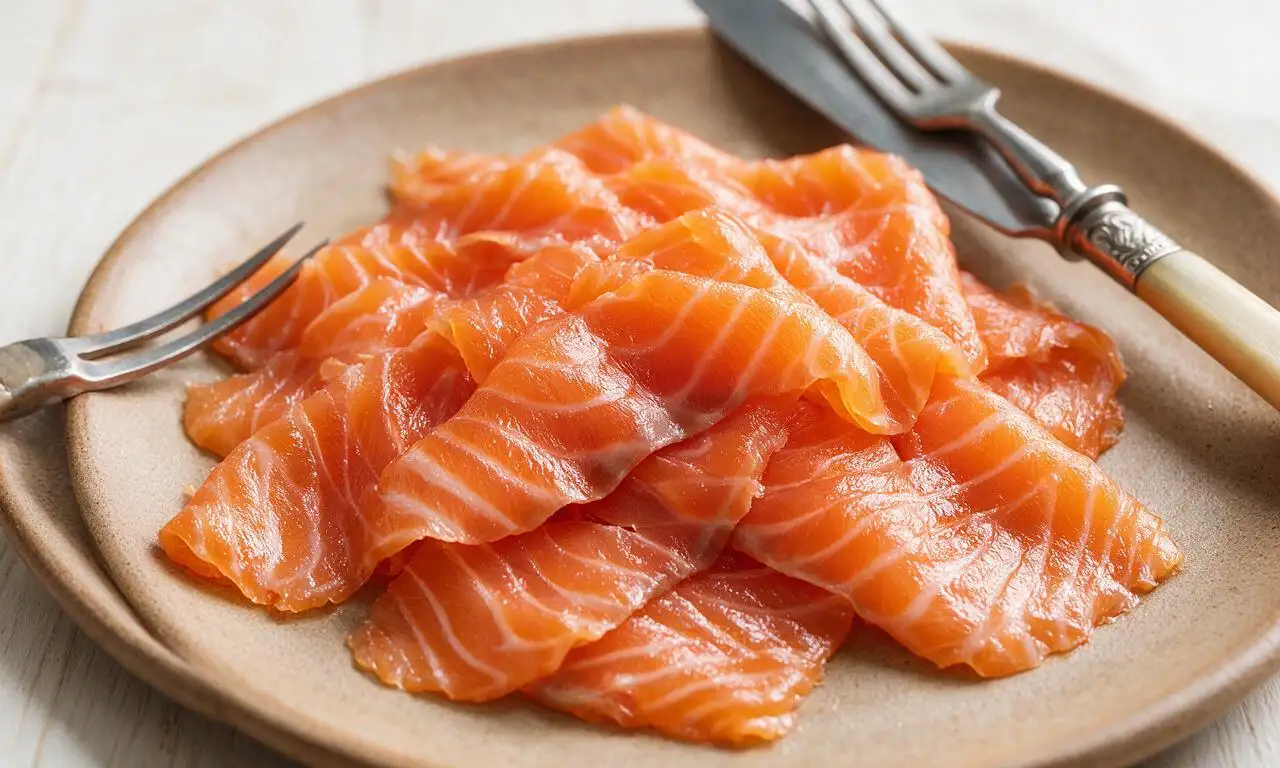
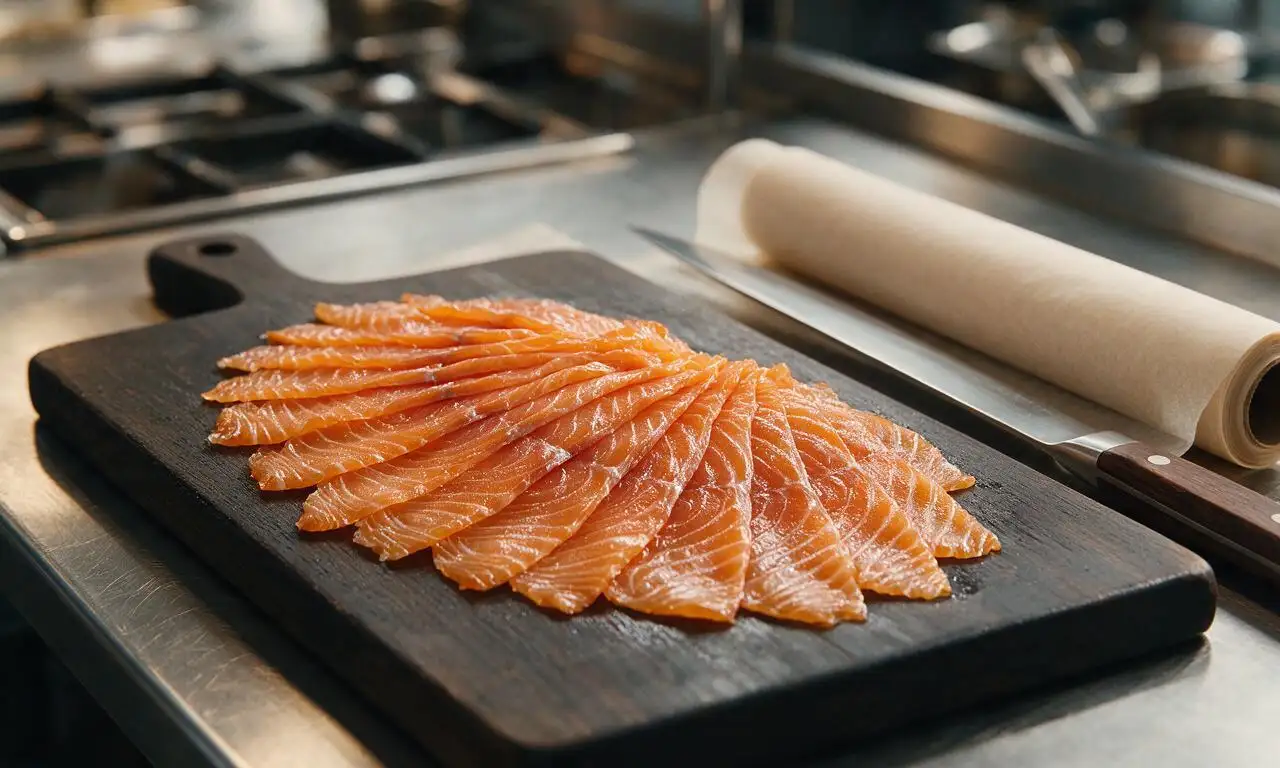
For that classic deli-style texture, slice the finished salmon paper-thin against the grain, holding your knife at a 45-degree angle to the fillet to get wider, more elegant slices. A sharp, long slicing knife makes this much easier, and you can pop the salmon in the freezer for 15 minutes first to firm it up for cleaner, smoother slices.
17.Is this salmon only for fancy holiday platters, or can I use it for everyday meals like bagels?
▾
It works perfectly for both! This salmon has the same delicate, silky texture and mild smoky flavor you love from premium store-bought versions, so it’s ideal for topping bagels with cream cheese, folding into scrambled eggs, piling on toast, or arranging on a holiday charcuterie platter with capers, red onion, and lemon wedges.
18.The recipe calls for coarsely ground black pepper—can I use fine ground pepper instead?
▾
I recommend sticking to coarsely ground black pepper for the best results. Fine ground pepper can get embedded in the salmon flesh even after rinsing, leading to uneven, overly peppery, gritty bites, while coarse grind adds a subtle warm spice kick that distributes evenly during the cure and rinses off cleanly post-cure.
19.My last batch of cold-smoked salmon turned out mushy instead of silky—what went wrong?
▾
Mushy salmon almost always traces back to one of three missteps: skipping the pellicle air-drying step, not curing the fish long enough to draw out excess moisture, or letting smoking temperatures climb too high too quickly. Next time, cure for the full 10-12 hours, dry to a tacky pellicle, and keep smoke temps under 90°F the whole time.

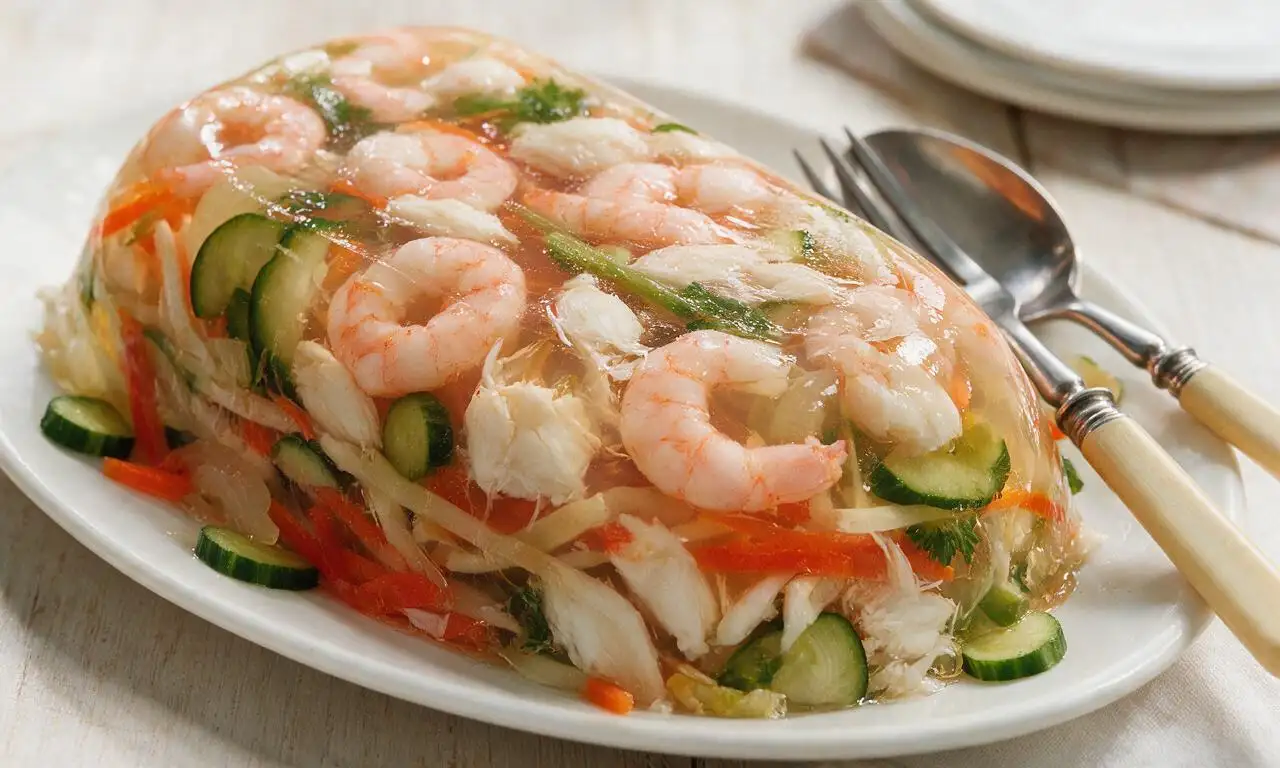
OMG, this cold-smoked salmon recipe is an absolute game changer! I’ve messed up cold smoke so many times before getting that weird mushy texture, but following the brine ratio here and the temp checks? It came out perfectly silky, just like the fancy stuff I pay $20/lb for at the seafood counter. Served it on bagels for Sunday brunch with the whole family, my kids begged for seconds.
SO good! I made a big batch of this on Sunday for meal prep, and it’s been perfect for quick breakfasts, salad toppers, and even rolled up with cream cheese for midday snacks. The 30 minute active prep is no joke, most of the time is just waiting for the smoke and cure which is totally hands off.
Full transparency, I’ve never used a smoker for anything other than ribs and brisket before, so I was super nervous to try cold smoked salmon. The difficulty said medium which almost made me bail, but the step by step instructions were so clear! Only thing I messed up was not patting the salmon dry enough before smoking, so it was a little tacky, but flavor was still chef’s kiss. Will definitely nail it next time.
Brought this to our neighborhood block party potluck last weekend and people were hovering over the platter the whole time! I served it with rye crisps, capers, red onion, and a little dill cream cheese dip, and every single person asked for the recipe. Total win, I felt like such a rockstar.
Full disclosure, I’m usually not a huge smoked salmon fan because I find most store-bought versions way too salty. This recipe’s brine is perfectly balanced—just enough salt to cure it, a hint of brown sugar and lemon that cuts through the richness, no overwhelming salt bomb at all. Even my wife who hates fish ate two servings, wild.
Wait, has anyone tried this with sockeye vs Atlantic salmon? I have a big frozen sockeye fillet in my deep freeze I’ve been waiting to use, but I don’t want to waste it if it’ll turn out too dry.
Wait, I don’t have a dedicated cold smoke attachment for my smoker—can I still pull this off? I’ve seen hacks online using a tube smoker with ice trays to keep the temp low, but I don’t want to accidentally cook the salmon instead of cold smoking it.
Game. Changer. I’ve been dropping $15 a week on lox from my local bagel shop for weekend breakfasts, and this recipe tastes identical if not better. I added a little extra dill to the brine because I’m obsessed with dill, and it was chef’s kiss. Already planning my next batch to freeze for later.
This was such a hit at our family dinner last night! I served it over cucumber slices for a gluten free appetizer option, and even my gluten-eating cousins were skipping the crackers to eat it on cukes it was that good. The cure ratio is spot on, no weird fishy aftertaste at all. Will be making this for every holiday gathering from now on.
Wait, quick question—do I have to leave the skin on while smoking? I bought a skinless fillet by accident when I was grocery shopping, and I’m worried it’ll fall apart or absorb too much smoke.