1.Why do you recommend using head-on, shell-on spot prawns instead of pre-peeled ones?
▾
Head-on, shell-on prawns lock in far more sweet, briny juiciness during searing, as the shell acts as a protective buffer against high heat. The heads also hold rich, flavorful tomalley and roe that melts into the garlic butter for extra depth you simply cannot get from pre-peeled, processed prawns.
2.How do I devein spot prawns without removing the shell?
▾
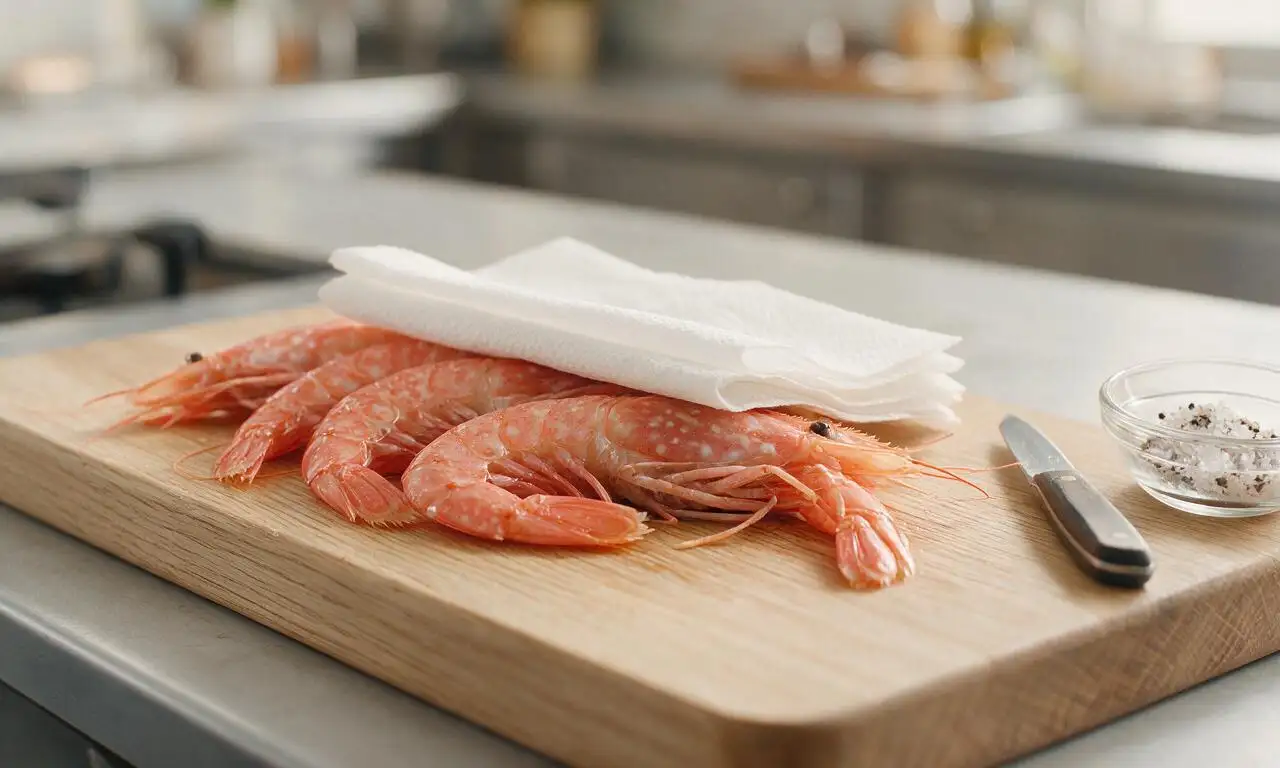
Use small, sharp kitchen shears to snip a ¼-inch shallow cut straight down the center of the prawn’s back, right through the shell, from just below the head to the start of the tail. Gently pull out the dark digestive tract with the shear tip or a wooden pick, then pat prawns fully dry before cooking.
3.Can I use frozen spot prawns if fresh wild ones aren’t available?
▾
Absolutely, as long as you thaw them correctly. Move frozen prawns to the fridge to thaw slowly for 12 to 18 hours, then pat them completely dry with paper towels before searing. Skip quick-thawing in warm water, as that makes the delicate flesh mushy and leaches out their signature sweet, briny flavor.
4.What kind of pan works best for searing these prawns?
▾
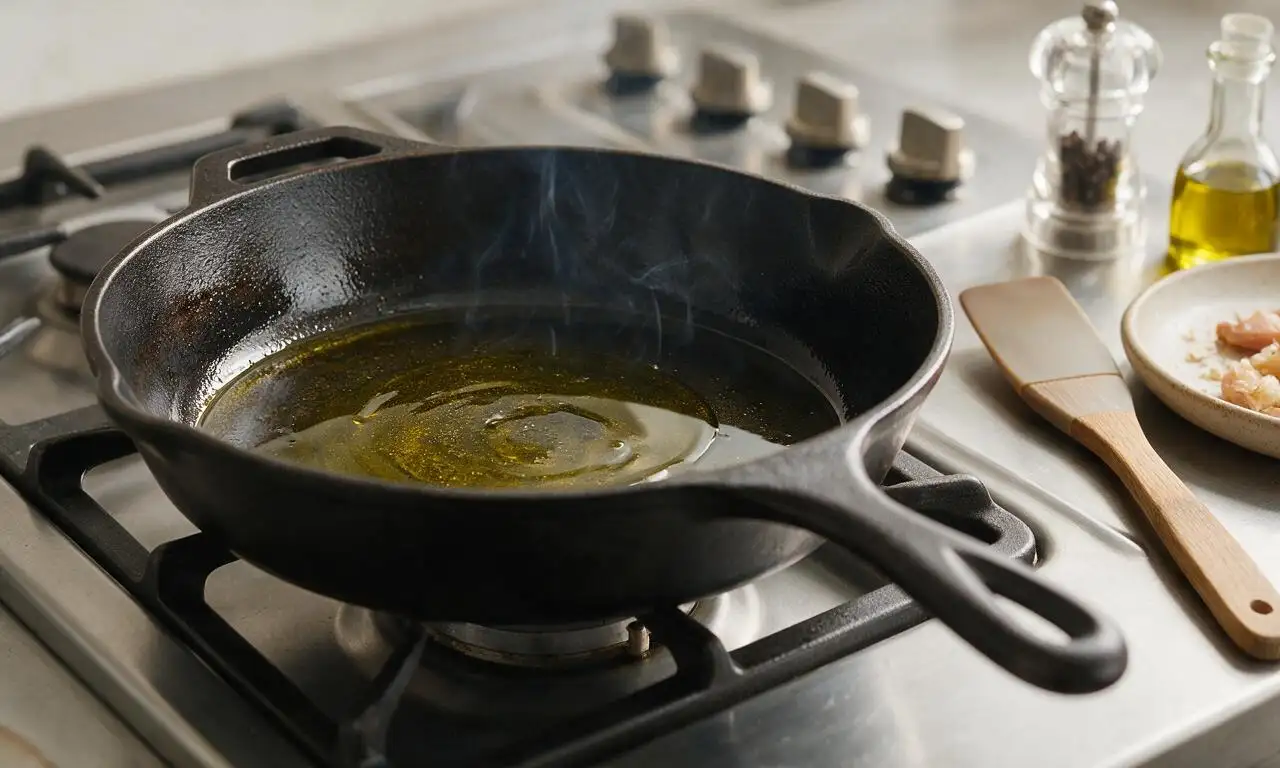
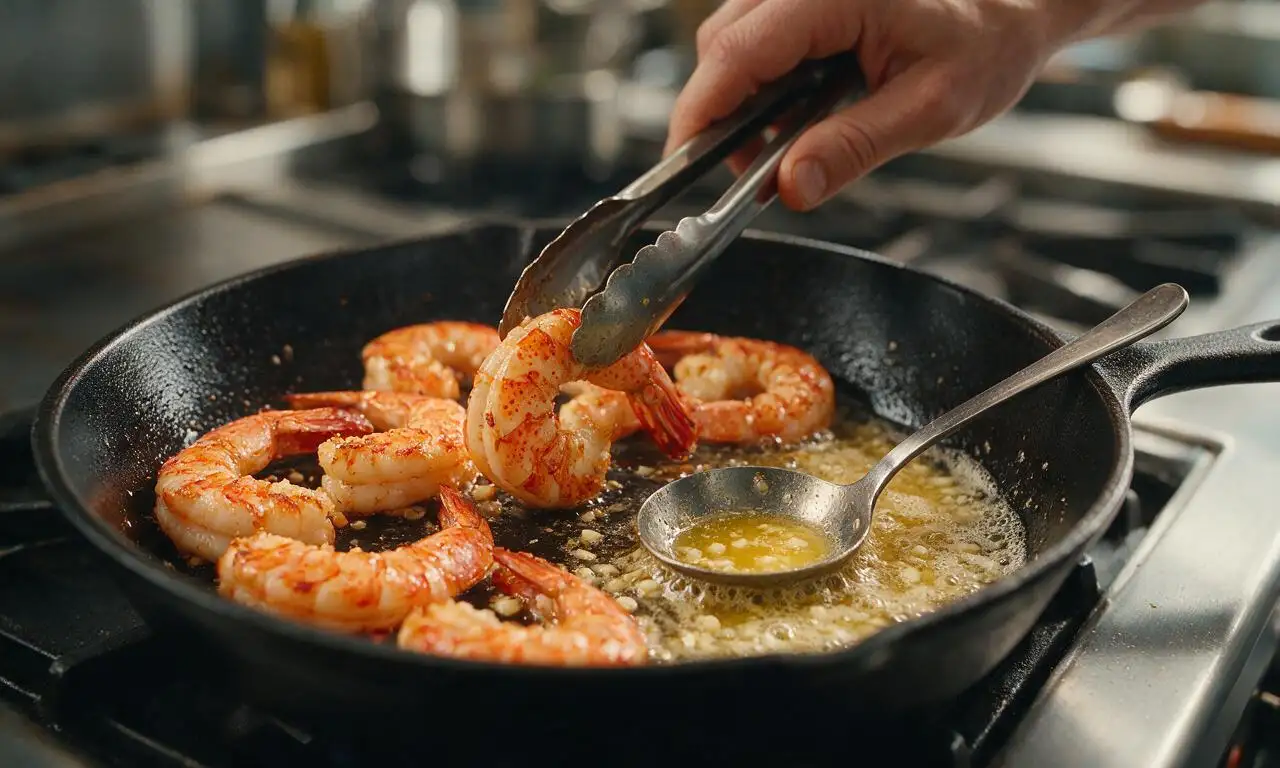
Reach for a heavy-bottomed stainless steel or cast iron skillet, as these hold consistent high heat without warping and create that perfect light, golden sear on prawn shells. Avoid nonstick pans—they don’t get hot enough to build a nice caramelized crust, and sustained high heat can damage nonstick coatings over time.
5.Why does the recipe call for both olive oil and butter?
▾
Extra-virgin olive oil has a higher smoke point than butter, so it prevents the milk solids in butter from burning when you first sear prawns over high heat. Adding butter partway through cooking lends that rich, nutty, luxurious flavor to the sauce, without the risk of bitter, burnt butter ruining the dish.
6.How long do I sear the prawns to avoid tough, rubbery texture?
▾
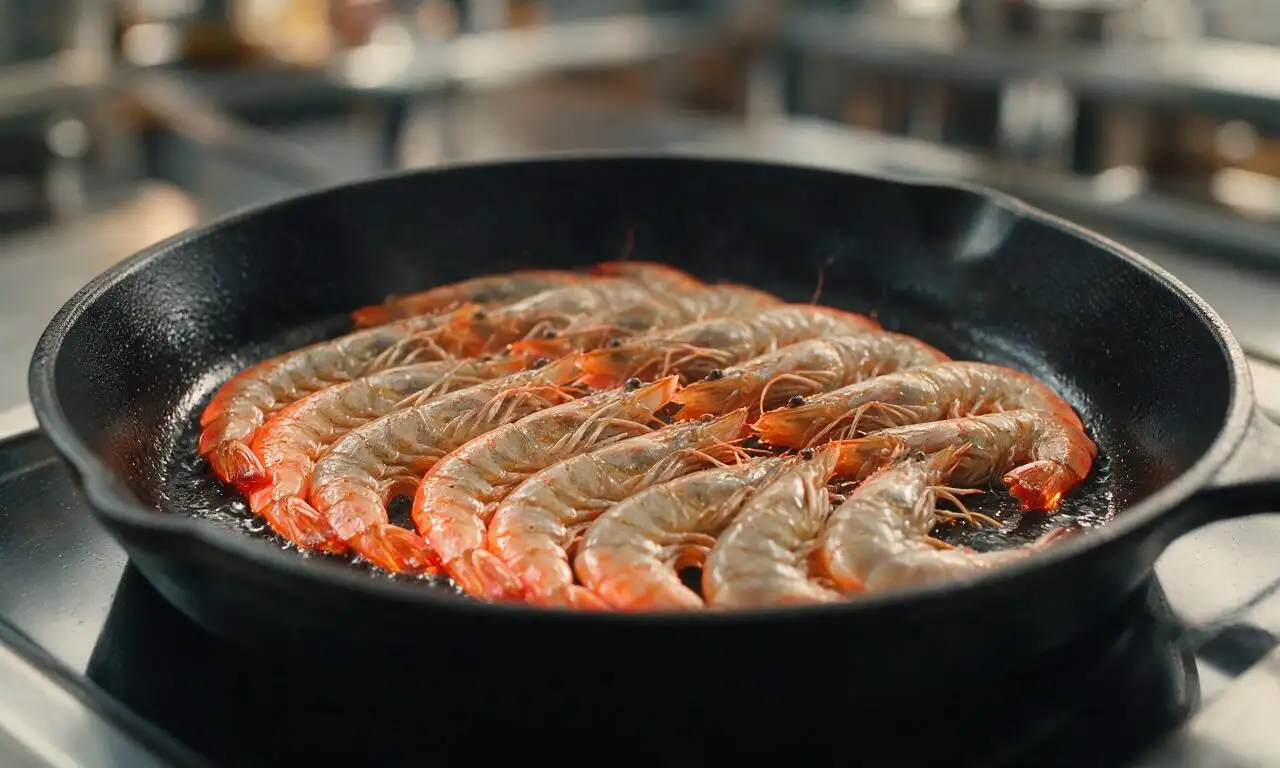
Sear them for exactly 1.5 to 2 minutes per side over medium-high heat, no longer. They’re done when shells turn bright, opaque coral-pink, and the flesh just turns white with a tiny hint of translucency at the center—they’ll keep cooking off heat from residual warmth, so don’t leave them on the pan too long.
7.Which dry white wine is best for this recipe, per the recommendations?
▾
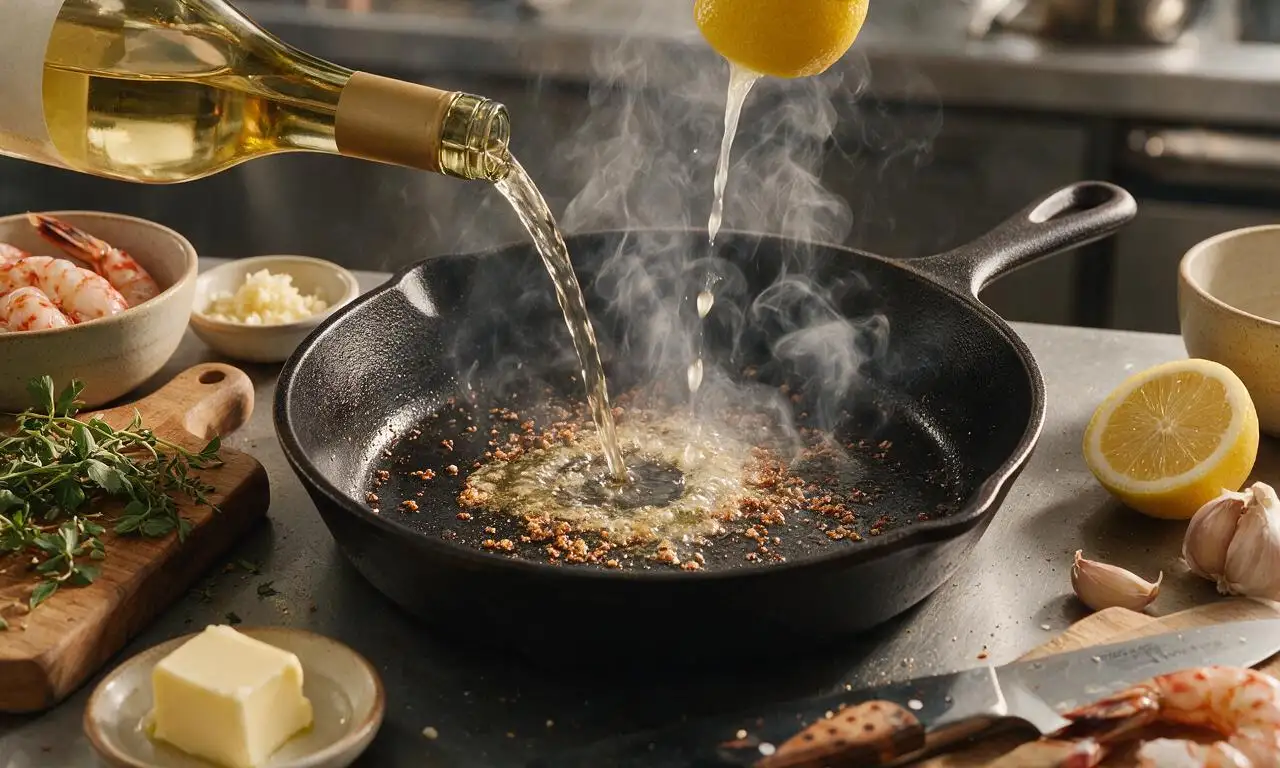
Stick to crisp, unoaked dry whites like Pinot Grigio or Sauvignon Blanc, as the recipe notes. These have bright, citrusy acidity that cuts through the rich butter and highlights the prawns’ natural sweetness. Skip oaky Chardonnay, as its heavy, vanilla notes will overpower the dish’s light, coastal flavor profile.
8.Can I substitute the dry white wine if I don’t cook with alcohol?
▾
Sure, swap the white wine for equal parts low-sodium seafood or chicken stock mixed with 1 teaspoon fresh lemon juice and ½ teaspoon white wine vinegar to mimic that bright, acidic cut. Skip sweet non-alcoholic white wines, as added sugar will throw off the savory, garlicky butter balance of the dish.
9.How do I keep the minced garlic from burning in the pan?
▾
Add the finely minced garlic right after you flip the prawns to their second side, when there’s only about 90 seconds of searing time left. Residual pan heat will soften and mellow the garlic into a sweet, fragrant note without turning it bitter. If your pan runs extra hot, turn the heat down a touch after adding garlic.
10.Should I rinse spot prawns before cooking them?
▾
Give them a quick, cold rinse right after deveining to wash away loose shell fragments or residual bits of the digestive tract, but immediately pat them extremely dry with paper towels afterward. Any excess surface moisture will make prawns steam instead of sear, leaving you with soggy shells and no caramelized crust.
11.Why are my prawns sticking to the pan when I try to sear them?
▾
This almost always stems from one of two issues: your pan wasn’t hot enough when you added the prawns, or the prawns weren’t fully patted dry. Let the oil shimmer before adding prawns, and don’t move them for the first full minute of searing—they’ll release naturally once the shell forms a golden crust.
12.Can I prep these prawns ahead of time for a dinner party?
▾
You can devein, rinse, and pat prawns completely dry up to 12 hours ahead, storing them in a single layer on a paper-towel lined baking sheet covered in plastic wrap in the fridge. Wait to mince garlic and make the pan sauce until right before you cook, so garlic doesn’t turn bitter and prawns stay firm.
13.Do I need to remove the prawn tails before cooking?
▾
Leave the tails (and heads and shells!) on for the best flavor and texture. The tail shell acts as a convenient little handle when peeling prawns at the table, and it also holds in moisture while searing. If you strongly prefer no tails, you can snip them off, but you’ll lose a little shell-infused butter flavor.
14.What sides pair best with these garlic butter spot prawns?
▾
Crusty sourdough bread to soak up every drop of garlic butter sauce is non-negotiable, in my book. For heartier sides, go for simple buttered pasta, roasted asparagus, lemony herb rice, or a light arugula salad with lemon vinaigrette to cut through butter richness without overpowering the prawns’ sweetness.
15.Can I use regular large shrimp instead of wild spot prawns?
▾
You can, but adjust your cook time! Spot prawns are larger, sweeter, and have a more delicate, almost lobster-like texture than standard warm-water shrimp, so smaller 16/20 count shrimp will only need 45 to 60 seconds per side to cook through. Opt for wild-caught shrimp to get closest to that bright, briny spot prawn flavor.
16.How do I add a bright, fresh note to cut the richness of the butter?
▾
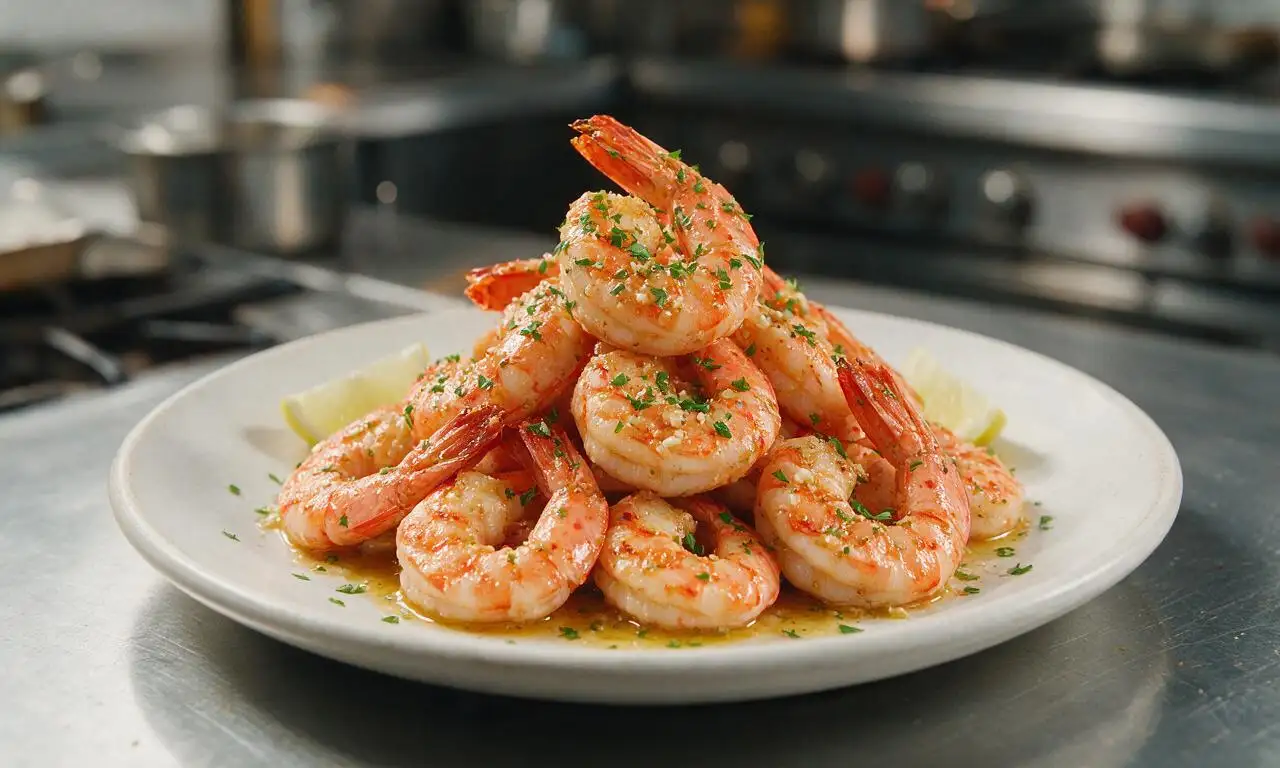
Right after you pull the pan off the heat, stir in a squeeze of fresh lemon juice (about 1 tablespoon per pound of prawns) and a pinch of flaky sea salt, plus a tiny sprinkle of chopped fresh parsley if you have it. Don’t add lemon juice while the pan is screaming hot, as it can turn bitter.
17.What makes spot prawns different from regular large prawns I see at the grocery store?
▾
Wild Pacific spot prawns are a cold-water species with noticeably sweeter, firmer, almost lobster-like flesh compared to warm-water farmed prawns, which tend to be milder and softer. They have a short late-spring to early-summer West Coast season, which is part of what makes this simple, garlicky dish feel like such a special, luxurious coastal treat.
18.What’s the best way to eat these head-on, shell-on prawns?
▾
Peel the shells off at the table, dipping the tender prawn meat into extra garlic butter sauce as you go, or suck the rich, briny juices right out of the heads if you’re feeling adventurous—most West Coast spot prawn fans consider that the best part! Keep a small bowl for discarded shells handy for easy cleanup.
19.Can I save leftover garlic butter sauce from the pan for other uses?
▾
Absolutely! Strain out any bits of shell or overcooked garlic, pour it into an airtight container, and keep it in the fridge for up to a week. It’s fantastic tossed with roasted veggies, melted over grilled fish, stirred into pasta, or used as a bread dip—just warm it gently over low heat so it doesn’t separate.

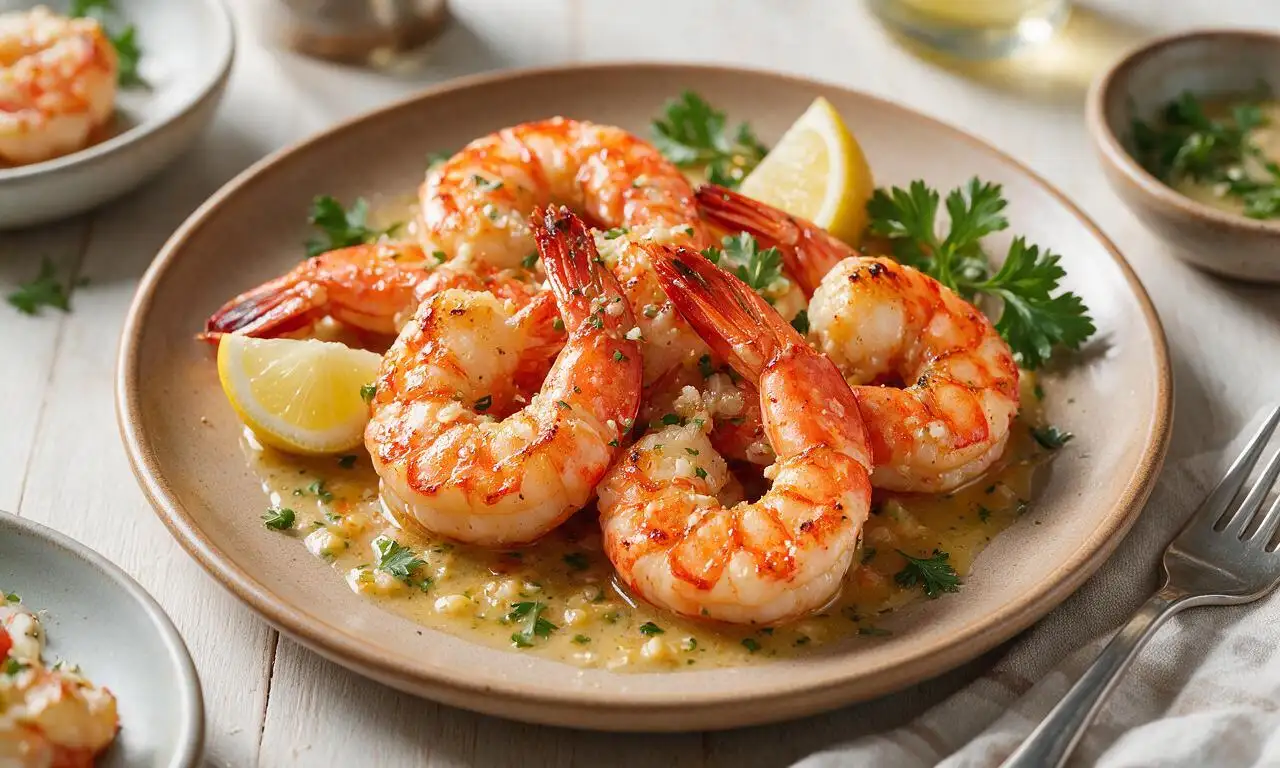
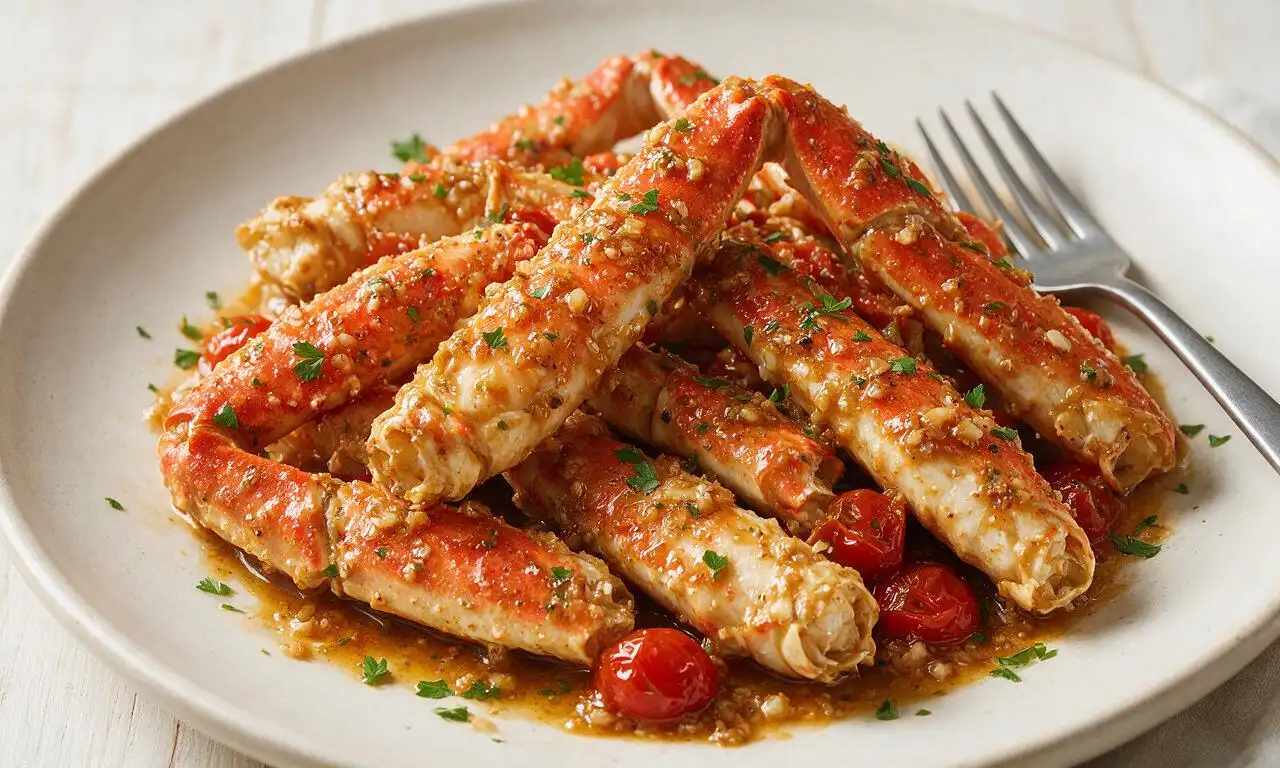
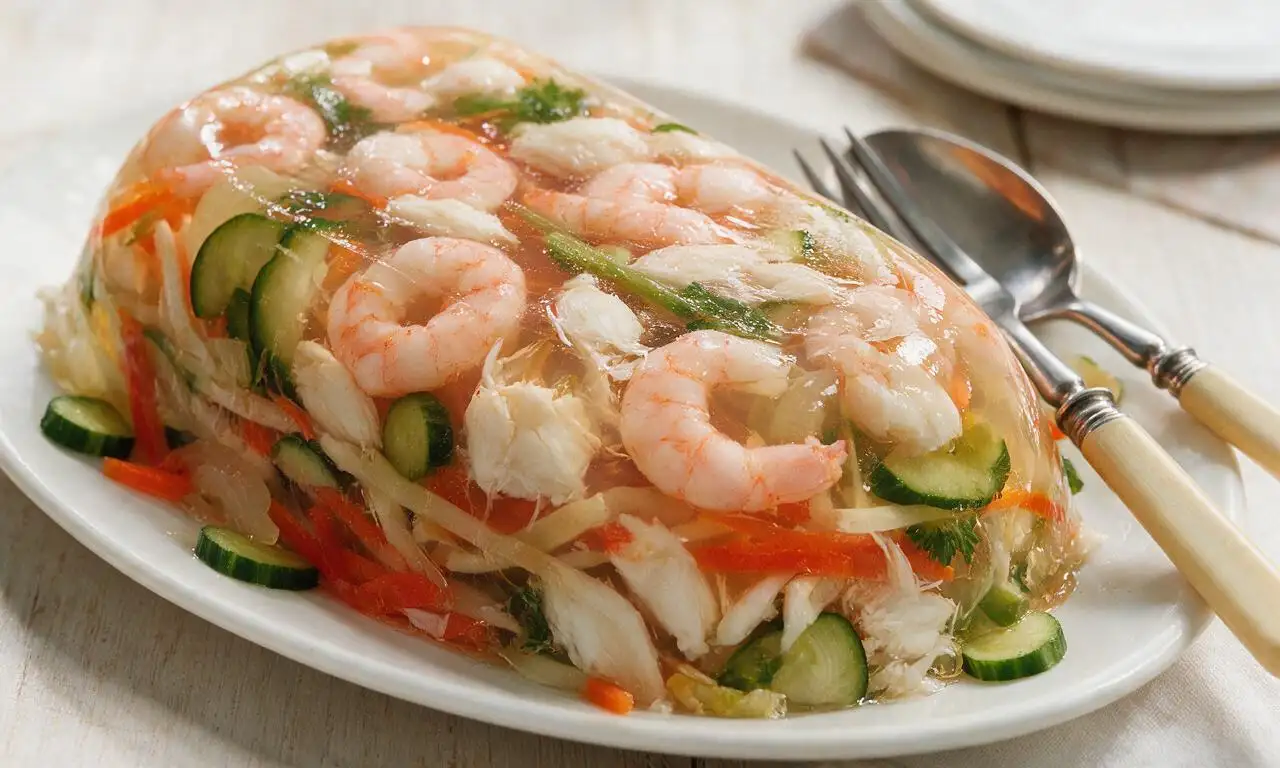
OMG these pan-seared garlic butter spot prawns were a total game changer for our family dinner last weekend! I was worried spot prawns would be fussy to cook since they’re such a nice splurge, but this recipe was so easy — 20 minutes total start to finish, and my whole crew was raving. I added a tiny pinch of red pepper flakes for a little subtle kick, and sopped up all the extra garlic butter with crusty sourdough. 10/10 will absolutely be making this for our next neighborhood potluck!
SO good! My kids are usually super picky about seafood and they went back for seconds — even my 6 year old who swears he “hates all fish” asked for an extra helping. I paired it with roasted asparagus and buttered rice for a quick weeknight meal, no fancy hard-to-find ingredients needed which is a total win for busy school nights. The only swap I made was using salted butter because that’s what I had hanging out in the fridge, and it worked perfectly!
Made these for meal prep this week and they held up way better than I expected! I was so scared seafood would get rubbery when reheated, but if you undercook them by just a minute when searing, they’re perfect after a quick zap in the microwave for lunch. Tossed them with some zucchini noodles and the leftover garlic butter sauce, and half my coworkers were leaning over my desk asking for the recipe. Super easy, minimal cleanup, will 100% be in my regular weeknight rotation from now on!