
bacon pudding

intro
Hearty traditional British bacon pudding wraps smoky bacon and sweet onion in tender suet pastry, slow-steamed to juicy, cozy perfection for cold-weather family meals.
Ingredients
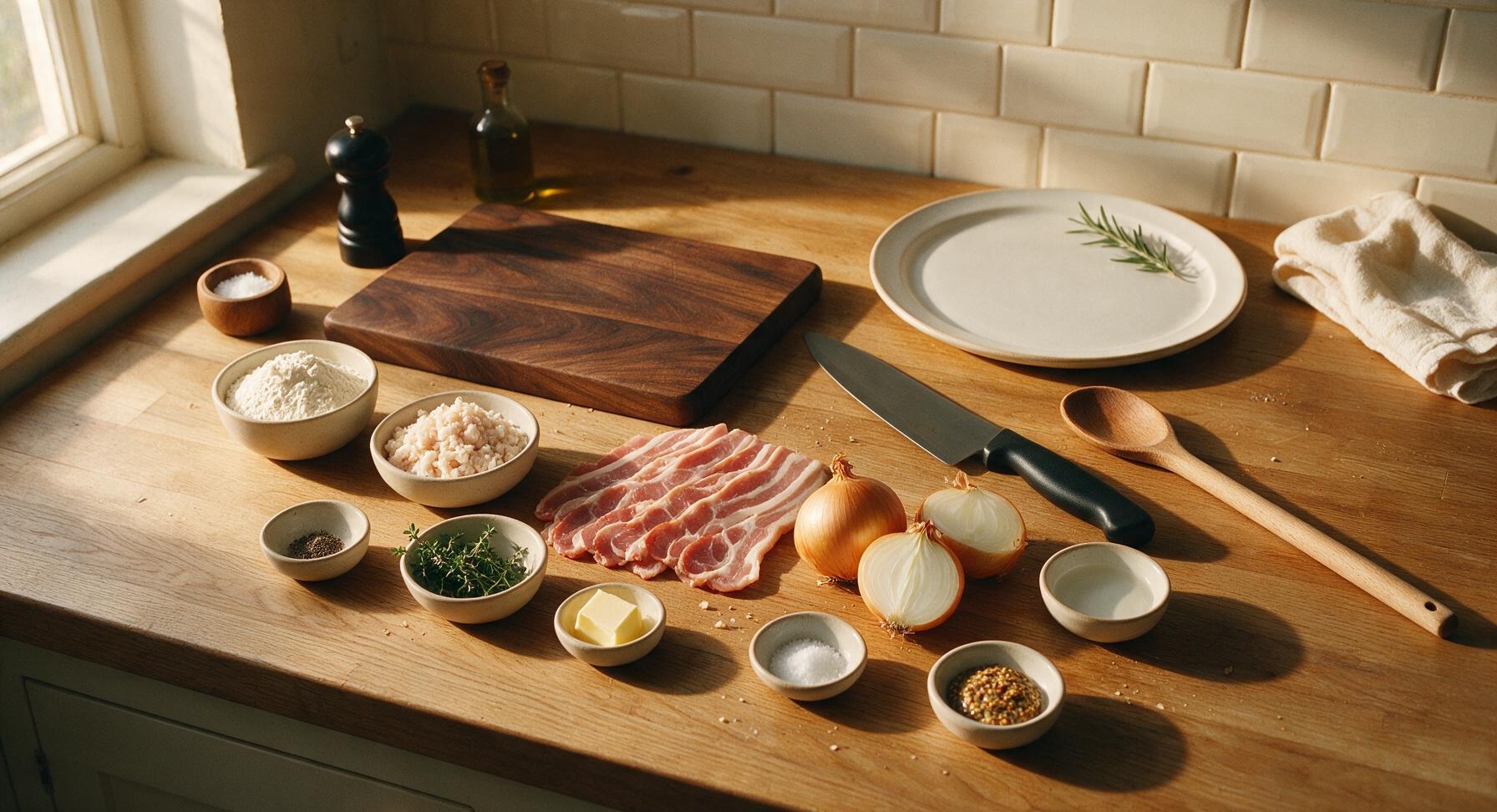
Steps
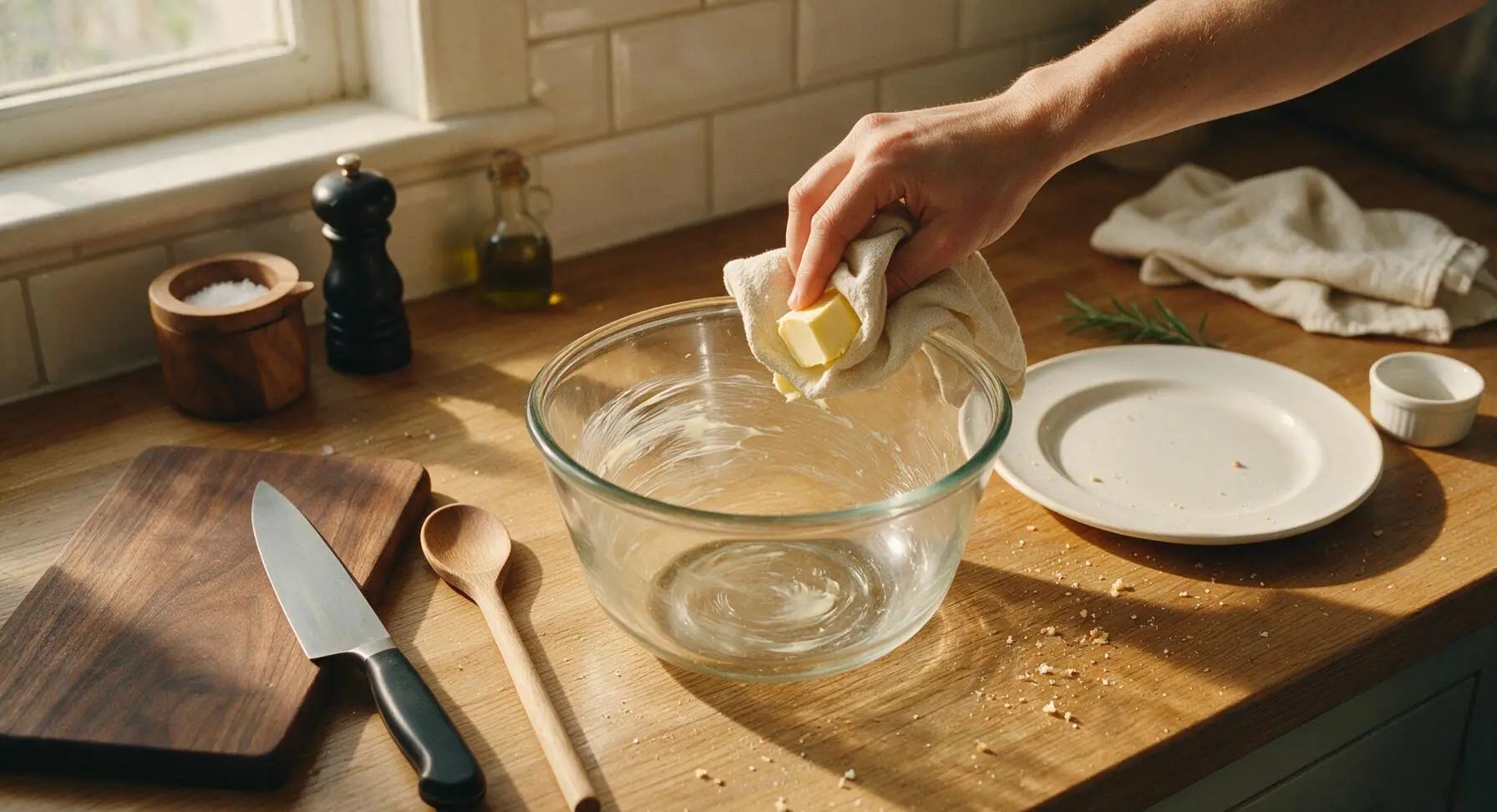
Grease Pudding Basin
Use the 10g unsalted butter to thoroughly grease the entire interior of the 1L heatproof glass pudding basin, making sure to coat the base and sides evenly to prevent sticking. Set the greased basin aside on the center of the counter. The butter should leave a thin, glossy coating across all glass surfaces with no dry patches.
Mix Suet Pastry
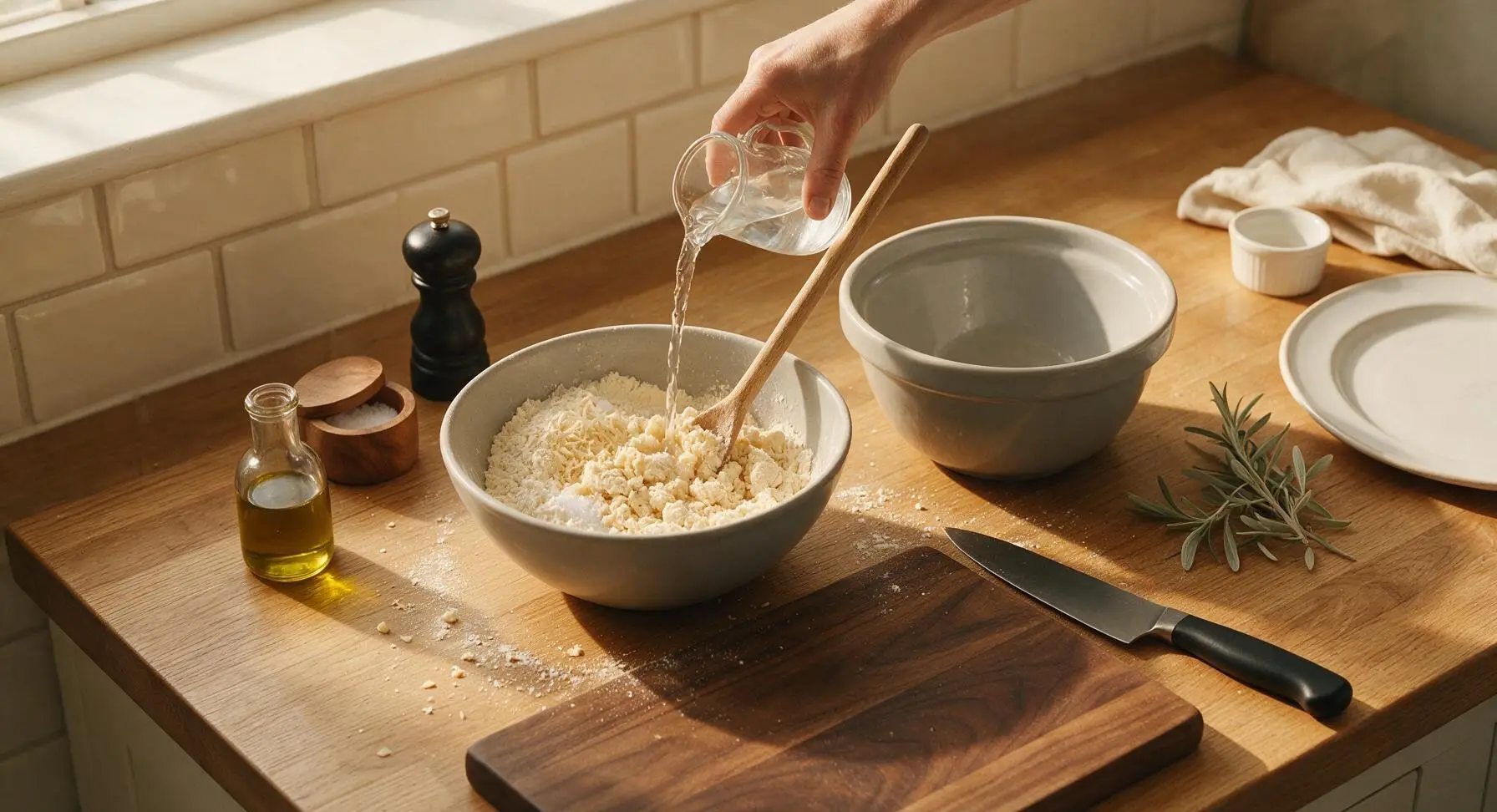
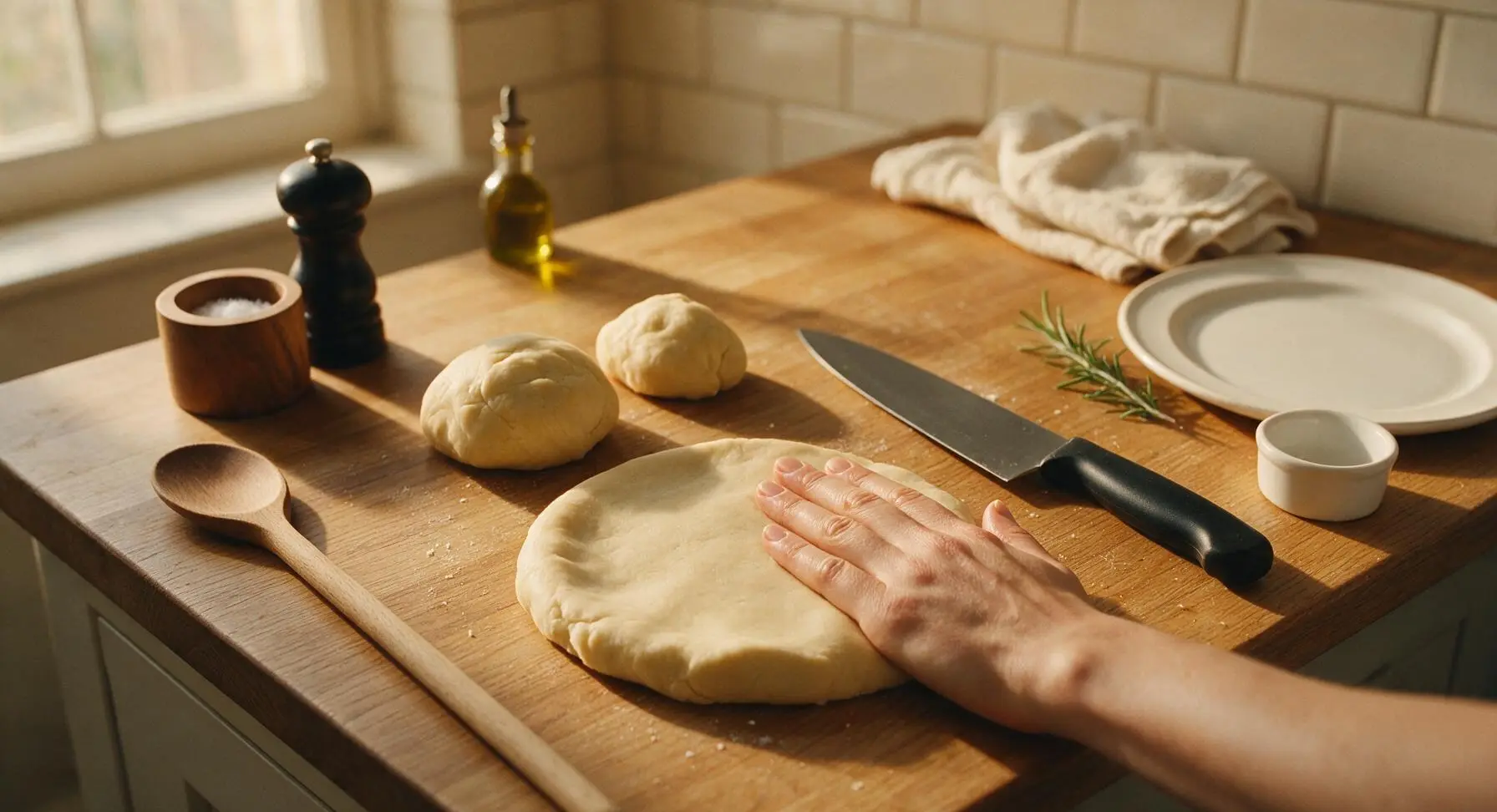
In the medium matte light grey mixing bowl, combine 250g self-raising flour, 1 teaspoon fine salt, and 125g shredded suet. Stir to combine evenly, then gradually add 100ml cold water, mixing with a round-bladed knife until the mixture comes together into a soft, not sticky, dough. Turn the dough out onto the lightly floured beech cutting board and knead gently for 30 seconds until smooth, with no dry crumbs remaining. Reserve one third of the dough for the pudding lid, roll the remaining two thirds into a 30cm circle large enough to line the greased basin.
Line Basin with Pastry
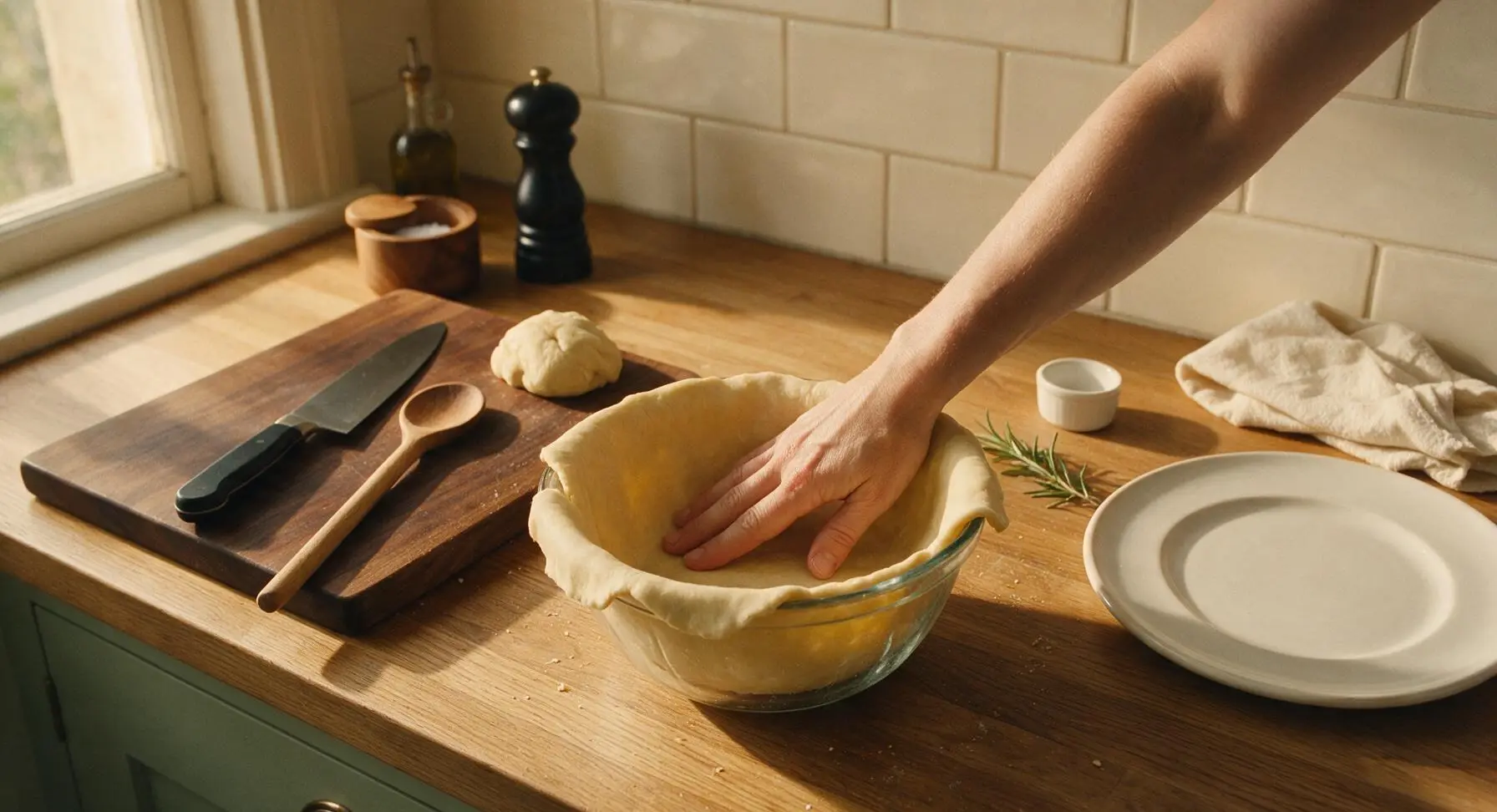
Carefully lift the rolled large pastry circle and lower it into the greased glass pudding basin, pressing it gently against the base and up the sides, leaving a 2cm overhang of pastry around the basin rim. Take care not to stretch the pastry, as this will cause it to shrink during steaming; patch any small tears with extra pieces of pastry to create a solid, even lining with no holes.
Layer Bacon Filling
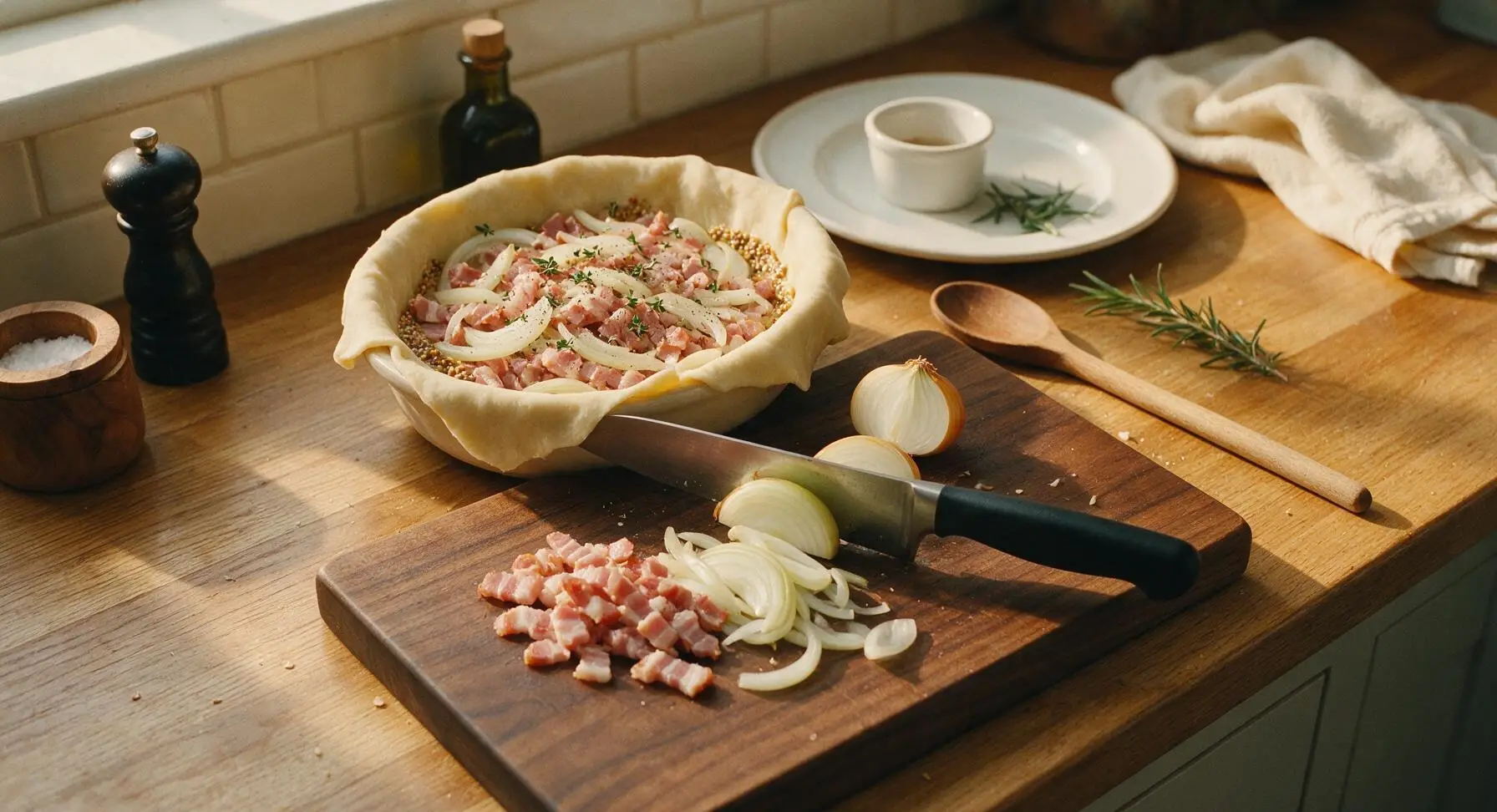
Use the 8-inch stainless steel chef knife on the beech wood cutting board to chop 400g rindless smoked streaky bacon into 2cm pieces, and thinly slice the two large yellow onions into half-moons. Spread 1 tablespoon whole grain mustard across the base of the pastry-lined basin, then layer in the chopped bacon, sliced onion, and 1 tablespoon picked fresh thyme leaves, seasoning with 1/2 teaspoon ground black pepper between layers. Press the filling down firmly to eliminate air gaps, leaving a 1cm gap at the top of the basin for the lid.

Seal Pudding Lid
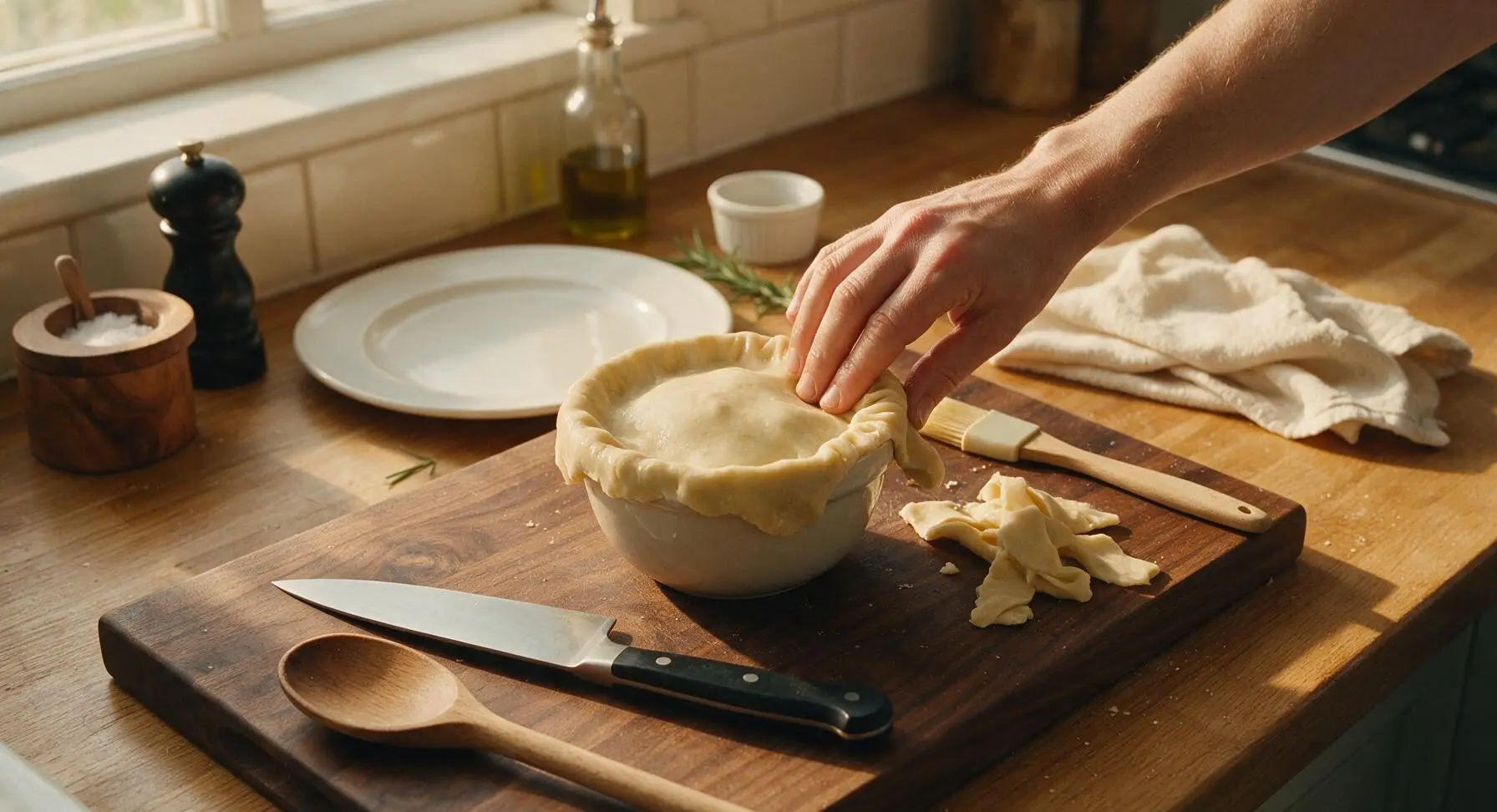
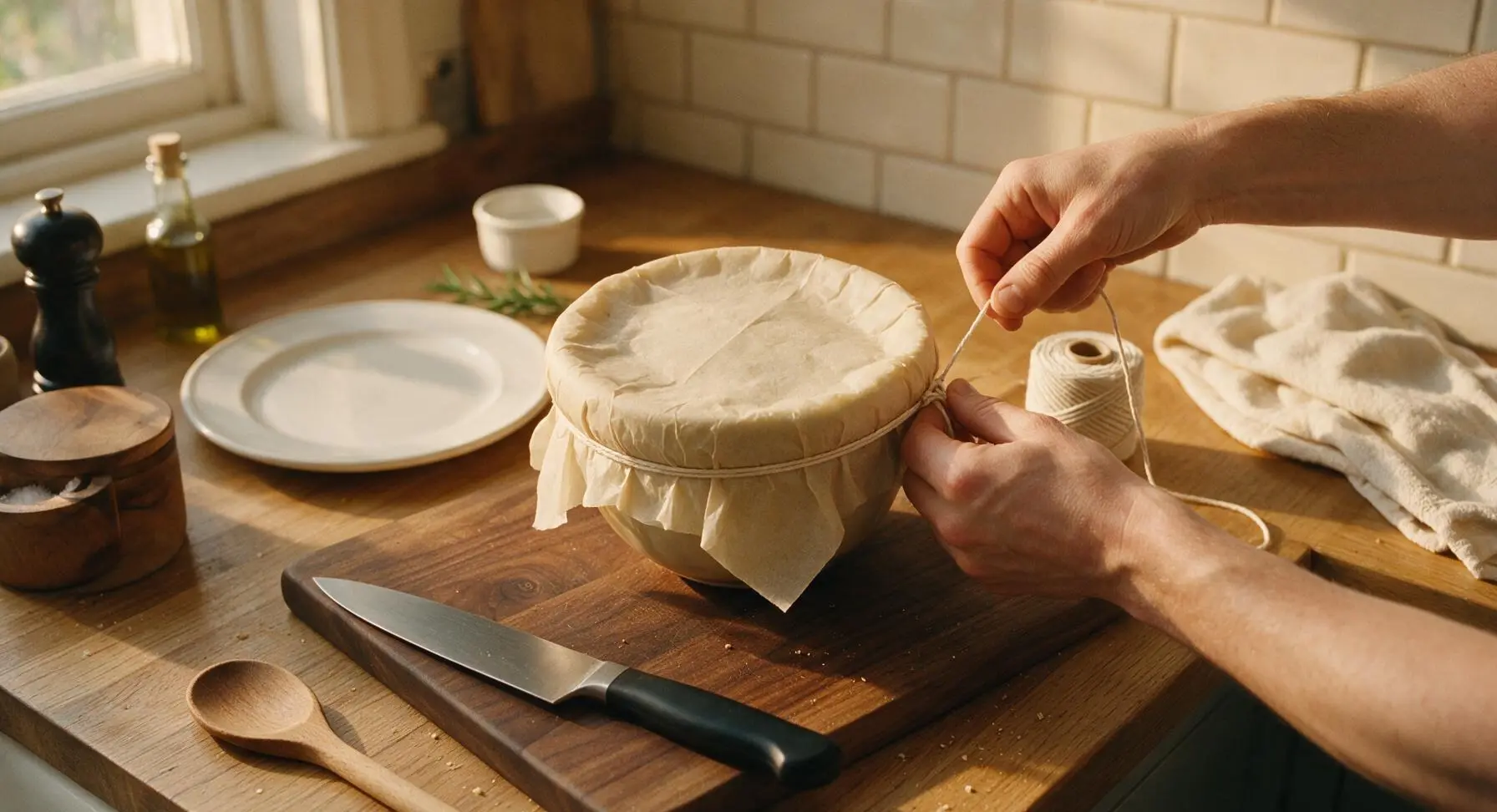
Roll the reserved one third of pastry into a 17cm circle, large enough to cover the top of the basin. Use the silicone pastry brush to brush the pastry overhang around the basin rim with a little cold water, then lay the pastry lid over the filling, pressing the edges firmly to the overhanging pastry to create a tight seal. Trim any excess pastry with the chef knife, crimping the sealed edge neatly with your fingers. Cut a 30cm square of unbleached baking parchment, fold a 4cm pleat across the center to allow for expansion during steaming, and lay it over the top of the basin. Tie the parchment securely in place around the basin rim with a length of unbleached cotton string, creating a string handle across the top to make lifting the hot pudding easier.
Steam Pudding Slowly
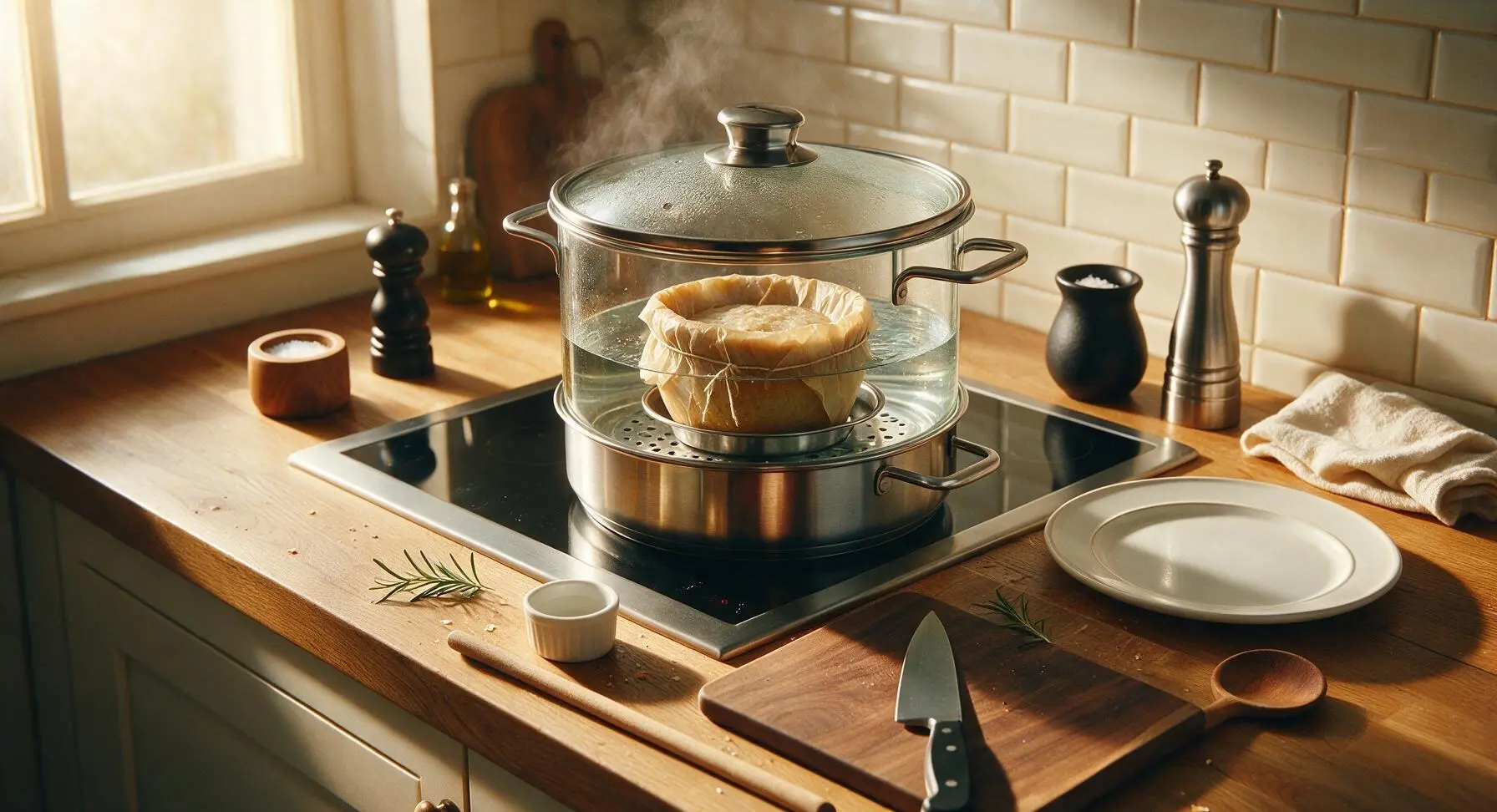
Place the small stainless steel steamer trivet in the base of the 1.2L stainless steel steaming pot, then set the tied pudding basin on top. Pour boiling water into the pot until it comes halfway up the sides of the basin, then cover the pot with the glass lid. Bring the water to a gentle simmer over medium-low heat, then steam the pudding for 2 full hours, checking the water level every 30 minutes and topping up with more boiling water as needed to prevent the pot from boiling dry. The pudding is done when the pastry is firm to the touch and pale golden, with no raw dough visible when a skewer is inserted through the lid into the center.
Unmold and Plate
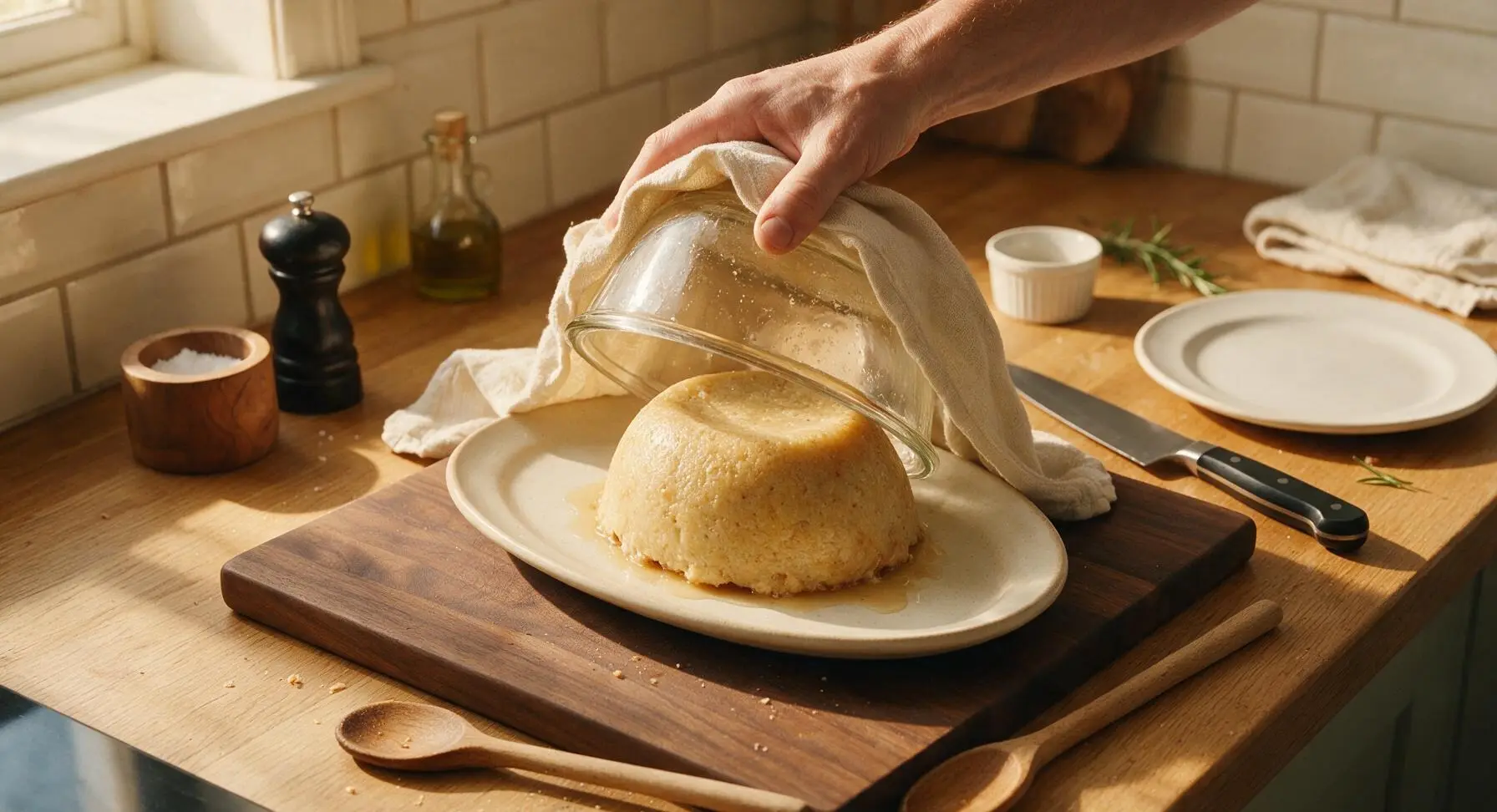
Carefully lift the hot pudding basin from the steaming pot using the string handle, set it on the counter for 5 minutes to rest. Remove the string and parchment cover, run a thin knife around the edge of the basin to loosen the pastry, then invert the pudding onto the cream white matte stoneware oval serving platter. Tap the base of the basin gently to release the pudding, then lift the basin away to reveal the golden cooked pastry exterior. Garnish with fresh thyme sprigs before serving.
Tips
2.Only use boiling water when topping up the steamer during cooking: adding cold water will drop the pot temperature rapidly, interrupting the steady simmer and leading to uneven cooking and a soggy, undercooked pastry base.
3.Let the pudding rest for 5 full minutes after removing it from the steamer before unmolding: this short rest allows the tender suet pastry to set slightly, so it holds its clean round shape instead of breaking apart when you lift the basin away.






OMG, I made this for our Sunday family dinner last week and it was a total hit! I was a little nervous because I’d never made a suet pudding before, but the instructions were super clear even for a medium-difficulty recipe. The salty bacon with that soft, steamy pudding? *Chef’s kiss* My kids went back for seconds, even my super picky 8 year old!
Brought this to our neighborhood potluck last weekend and people were asking me for the recipe before I even set the dish down! It’s so hearty, perfect for the cooler fall weather we’ve been having here in Colorado. Only note is I added a little extra black pepper because we love a kick, and it was chef’s kiss. 10/10 will make again for game night.
SO good! I made a big batch on Sunday to portion out for work lunches all week, and it reheats like a dream. I was worried the pudding would get soggy in the fridge, but it held up perfectly. The 2 hour cook time felt long at first but it’s 90% hands-off, so I was able to fold laundry and catch up on shows while it steamed. Total game changer for weekday lunches.
Wait, I’ve never steamed a pudding before! I have a regular metal steamer basket that fits in my big stock pot — will that work, or do I need a special pudding basin? I don’t want to spend extra money on specialty equipment if I don’t have to, this recipe looks too tasty to pass up.
I grew up eating my grandma’s version of this when she’d visit from London, and I swear this recipe tastes exactly like I remember! I was worried I’d never get the texture right, but the suet crust was so light and fluffy, and the bacon was perfectly salty without being overpowering. Made me so nostalgic.
Tried making this last night and I messed up the suet to flour ratio the first time, oops! Ended up with a crust that was a little too crumbly, but the flavor was still insane. My wife said it’s one of the best things I’ve ever cooked, even with the wonky texture. Gonna give it another go this weekend to get the crust right.
I swapped the regular all-purpose flour for a 1:1 gluten free baking flour and it turned out amazing! I was worried the texture would be off, but it was just as soft and pillowy as the photos look. My whole family is gluten free and we’ve been missing cozy, hearty savory dishes like this, so this is going into our regular rotation for sure.
Wait, 2 hours of cook time? Is there any way to cut that down? I live in a tiny dorm with a tiny kitchen and I don’t want to leave my stove on that long if I can help it, but this looks so dang good.
Game changer! I added a layer of caramelized onions between the bacon and the crust like my mom used to do in her steak and kidney pudding, and it took the flavor to a whole new level. The sweet onions cut the saltiness of the bacon so well, highly recommend that little add-in if you have extra time.
Made this before our big fall camping trip last weekend and we heated slices up over the campfire for breakfast! It was so filling, kept us full for hours of hiking, and the smoky flavor from the campfire made it even better. Who knew a steamed bacon pudding would be the perfect camping food? 10/10, will be making this for every trip from now on.
I’ve been looking for a proper traditional bacon pudding recipe forever! So many versions online cut corners with biscuit dough instead of proper suet crust, and that’s just not the real deal. This one is so authentic, tasted exactly like the ones I had on a trip to the Cotswolds a few years back. Worth every minute of the 2 hour cook time, trust me.
SO good. I used thick-cut applewood smoked bacon instead of regular back bacon because that’s what I had in the fridge, and the subtle smoky apple flavor was insane. Next time I might add a little drizzle of maple syrup on the side for dipping, don’t @ me, I know that’s not traditional but it slaps.
I made this for my husband for our first fall dinner in our new house, and he said it’s better than his mom’s meatloaf (don’t tell his mom I said that). The instructions were easy to follow even though it’s marked medium difficulty, I didn’t have any major mess-ups even as a pretty new cook. We ate almost the whole thing in one sitting, oops.
Help! I tried making this yesterday and the water in my pot boiled completely dry while it was steaming, and the bottom of my pudding got a little burnt. The top half still tasted great, but how do I make sure I don’t do that next time? I set a timer but I got caught up binging a show and forgot to check it.
I made a vegetarian version for my sister who doesn’t eat meat, swapping the bacon for smoked tempeh and adding a little extra smoked paprika to get that salty smoky flavor, and even the meat eaters at my table loved it! The crust recipe is so versatile, I’m already thinking of other fillings to try, like mushroom and onion or cheese and leek.
This is the ultimate cold weather comfort food, no cap. I served it with lashings of brown gravy and a side of buttery mashed potatoes, and it felt like a hug in a bowl. I was worried the medium difficulty tag meant I’d be stressed the whole cook time, but it was actually really chill, mostly just waiting for it to steam. 10/10, adding to the Sunday dinner rotation permanently.