1.What sets traditional boudin vert apart from standard Cajun boudin?
▾
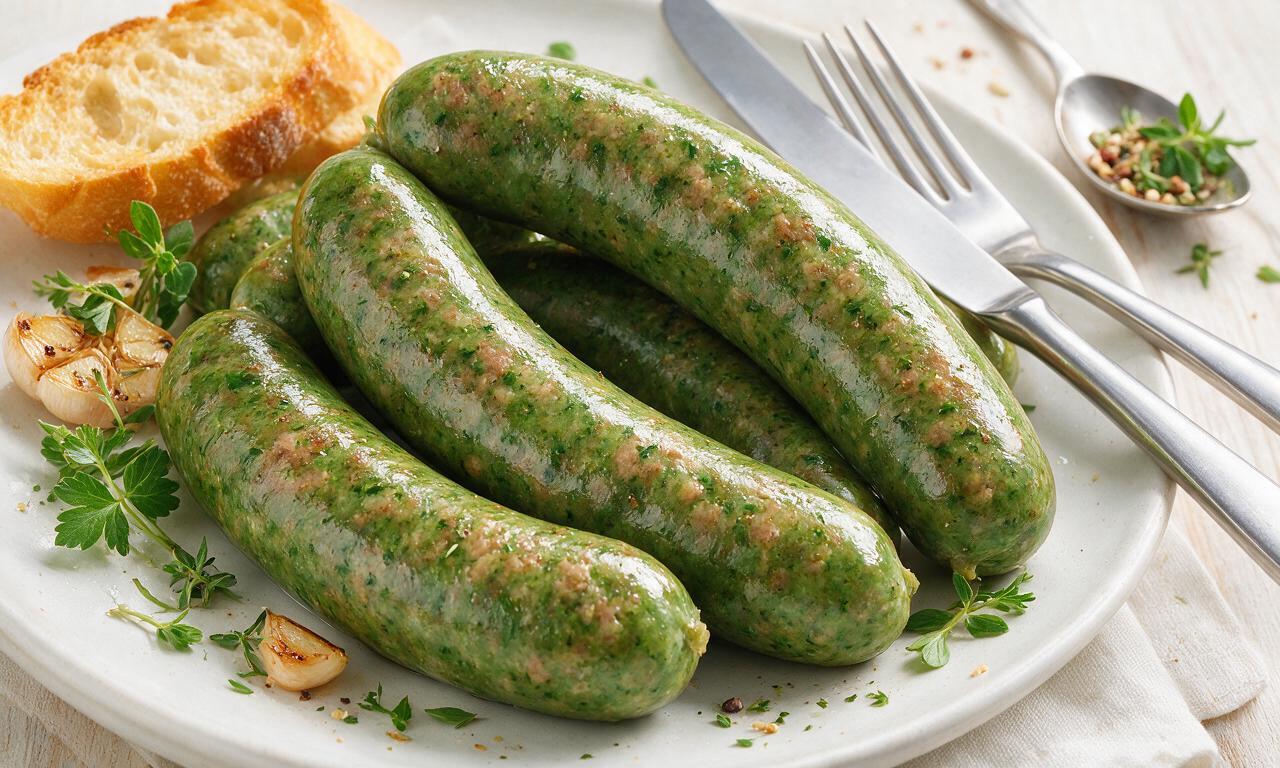
Great question! Unlike regular Cajun pork and rice boudin, boudin vert leans into bright, leafy green notes (hence the name) from curly kale, with a warmer, more herbaceous spice profile. It pulls from old French country charcuterie roots, with a lighter, fresher bite than the richer, often heavily cayenne-spiked classic boudin most folks know.
2.Can I skip the pork liver if I don’t care for organ meat?
▾
You can, but I don’t recommend cutting it out entirely! Pork liver adds that deep, savory umami backbone that makes boudin taste rich instead of flat and bland. If you’re liver-averse, cut the amount in half first, or swap it for equal weight ground pork heart for similar depth without the strong liver flavor many people dislike.
3.Do I have to use curly kale, or can I swap in other leafy greens?
▾
Curly kale is traditional for its sturdy texture that holds up to cooking and stuffing, but you can absolutely swap in other greens if that’s what you have. Mustard greens, turnip greens, or collards work beautifully—just skip tender greens like spinach, which turn mushy and watery and leave your sausage filling soggy.
4.What size should I cut the pork shoulder and liver for this recipe?
▾
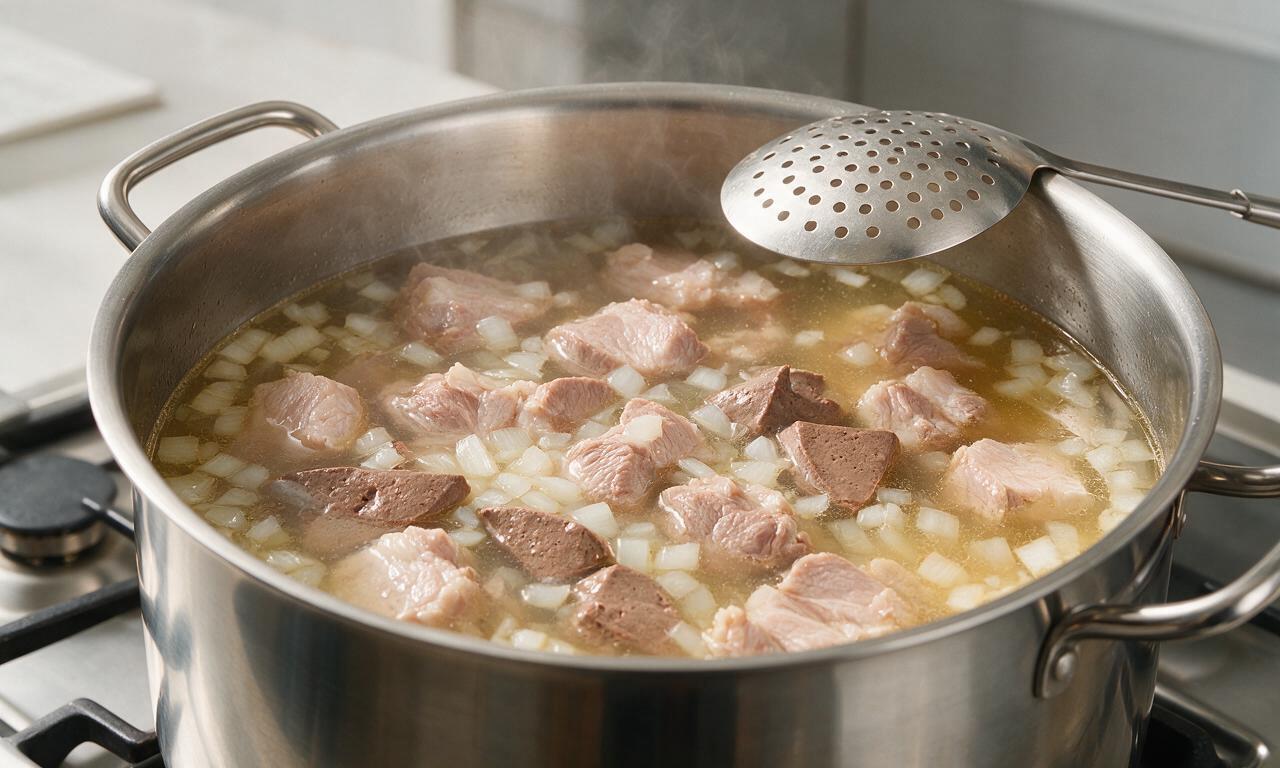
Cut both the boneless pork shoulder and pork liver into uniform 2cm (roughly ¾-inch) cubes before cooking. This size ensures every piece cooks evenly at the same rate, with no undercooked tough chunks or overcooked rubbery liver bits, and makes grinding the filling to that perfect coarse boudin texture super easy.
5.Why does this recipe call for cooked long-grain white rice instead of raw?
▾
Raw rice will absorb too much moisture from the meat and greens as it cooks inside the casing, leading to dense, dry, starchy sausage that splits easily as the rice expands. Pre-cooked long-grain white rice stays light and separate, giving boudin that signature soft, fluffy, evenly textured filling without frustrating blowouts.
6.Do I need special sausage-stuffing equipment to make this at home?
▾
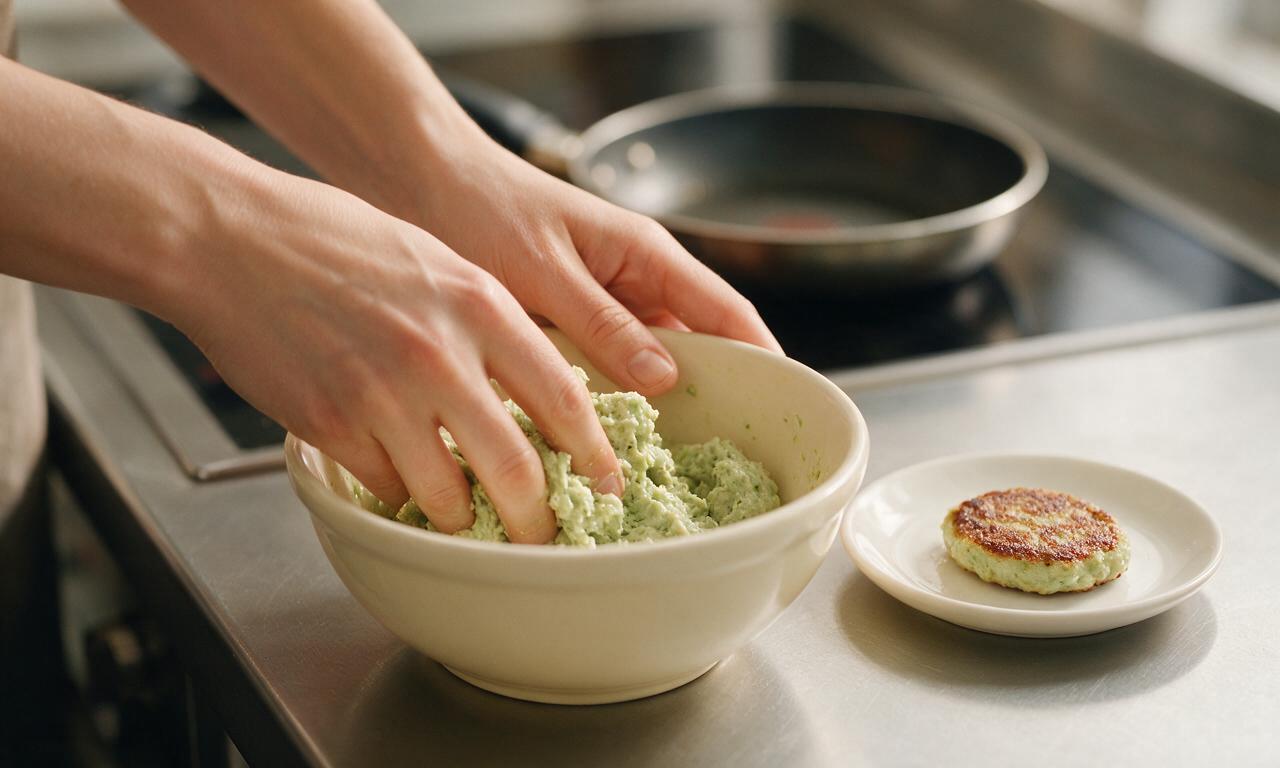
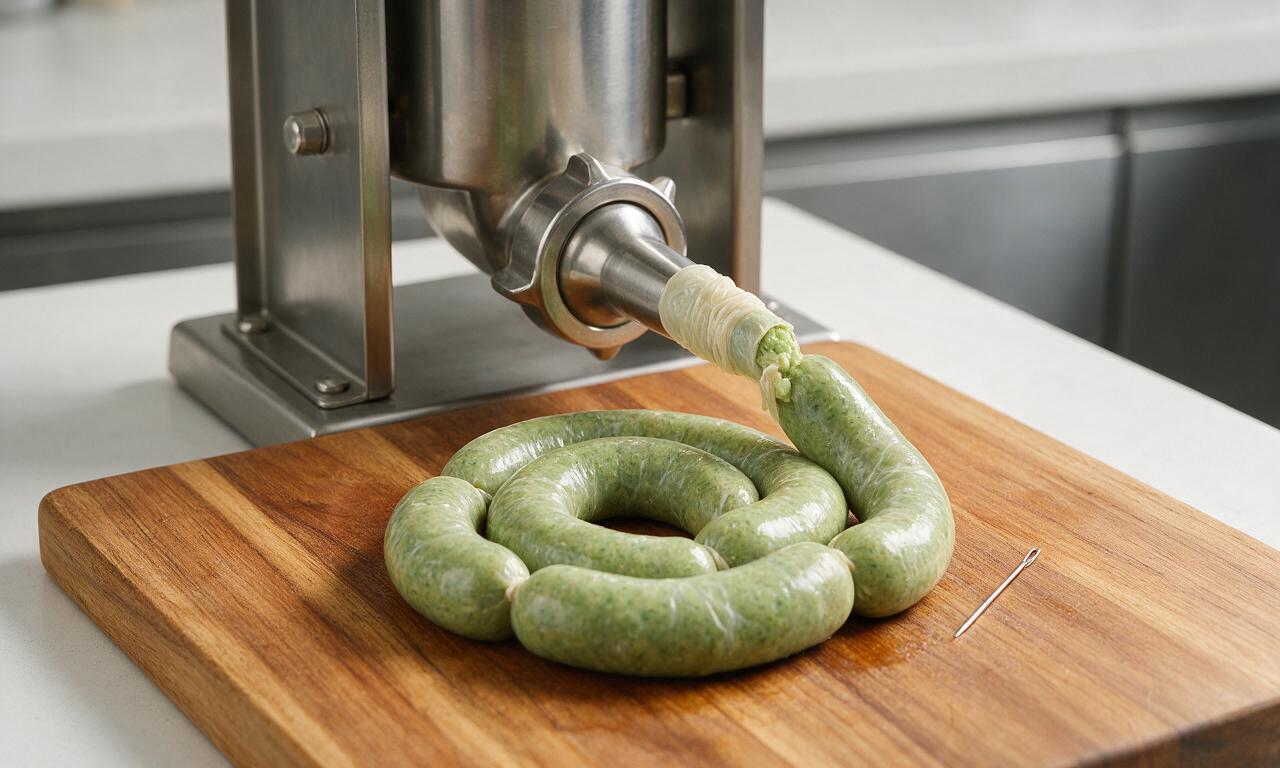
You don’t! While a stand mixer sausage stuffing attachment makes the job faster, you can stuff casings by hand using a wide-mouth funnel and the end of a wooden spoon to push filling through. If you don’t want to mess with casings at all, form the filling into patties and pan-fry them for a no-fuss version.
7.What kind of casings work best for traditional boudin vert?
▾
Natural hog casings sized 32-36mm are the traditional pick here. They have the perfect tender, snappy bite that holds up to poaching and grilling without being tough. Just be sure to rinse them thoroughly and soak in warm water for 30 minutes before stuffing to flush excess salt and make them pliable.
8.How finely should I dice the yellow onion for the filling?
▾
Aim for a fine, uniform ¼-inch dice for your yellow onion, so pieces soften completely during the initial cooking step and distribute evenly throughout the filling. Big, chunky onion bits create uneven texture and overpower the delicate balance of pork, greens, and spice in every bite, so take that extra minute to dice evenly.
9.Do I really need to remove the thick stems from curly kale before using it?
▾
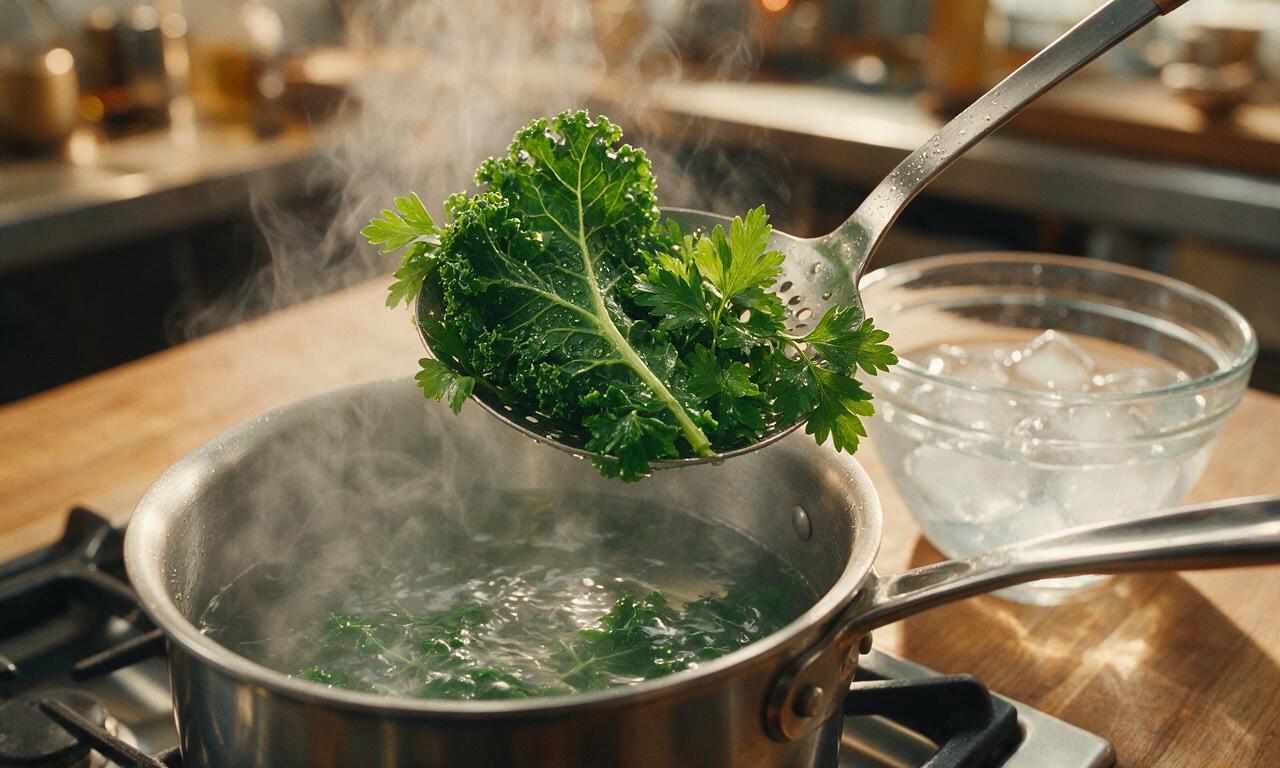
Absolutely—those thick, tough kale stems are fibrous and woody, even after long cooking, and they’ll leave unpleasant chewy bits in your finished sausage. Strip the tender leafy parts off the stems completely, give leaves a rough chop, and blanch quickly before mixing into your filling to cut any bitter edge.
10.What warm spices pair best with this boudin to stay true to tradition?
▾
Stick to a simple, balanced blend to let the greens and pork shine: white pepper, a pinch of nutmeg, a light touch of cayenne for gentle heat, dried thyme, and a tiny bit of allspice. Skip heavy, bold blends like chili powder or smoked paprika, which overpower the bright, herbaceous green profile that makes this boudin special.
11.How do I prevent my boudin casings from splitting while cooking?
▾
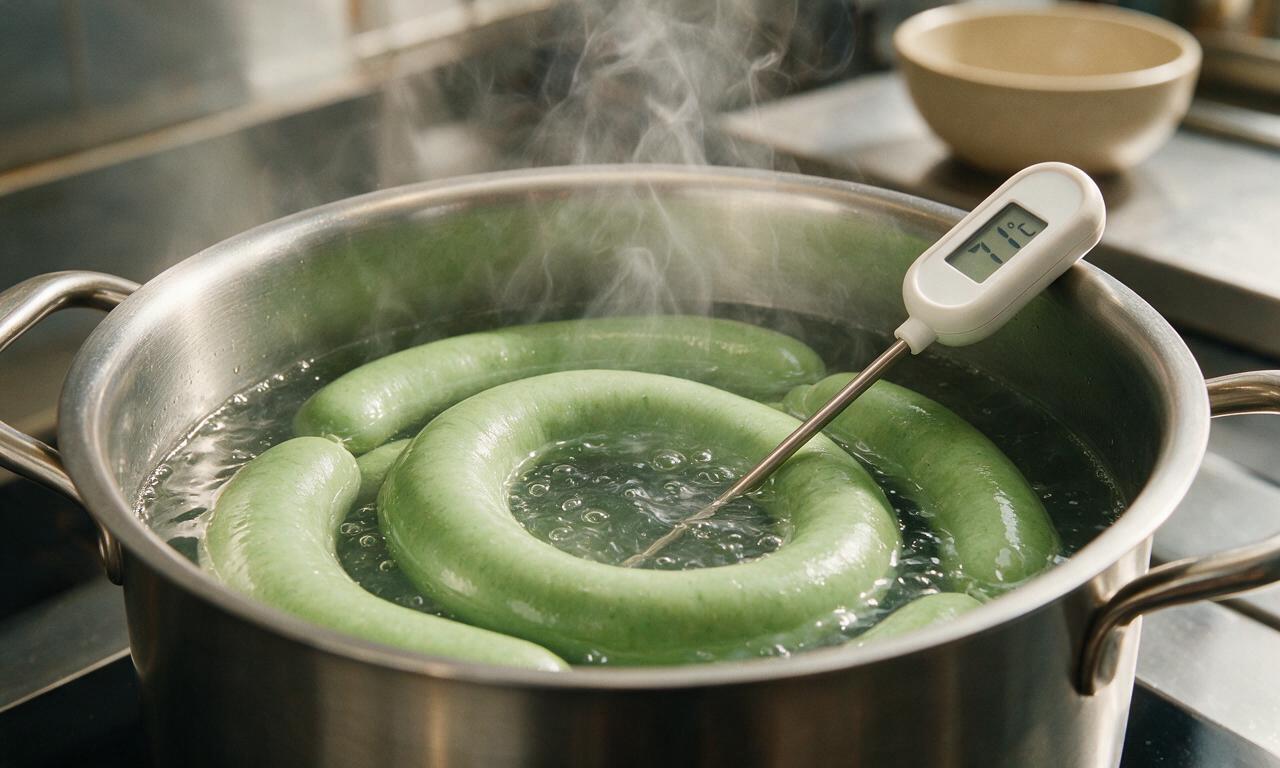
Two easy tricks here: first, don’t overstuff the casings—leave a little slack, and twist into links every 4-5 inches so filling has room to expand as it heats. Second, never boil boudin! Keep poaching water at a gentle 160-170°F, because rolling boiling water creates too much pressure and makes casings pop every time.
12.Can I make this boudin ahead of time, and how long does it keep?
▾
You sure can! Once stuffed and poached, let links cool completely, then store in an airtight container in the fridge for up to 4 days, or wrap tightly in freezer paper and freeze for up to 3 months. Thaw frozen boudin in the fridge overnight before reheating to keep the texture from getting mushy.
13.What’s the best way to reheat leftover boudin vert?
▾
My go-to method is a quick sear in a cast iron skillet over medium-low heat for 3-4 minutes per side, which crisps the casing perfectly and warms filling through without drying it out. You can also steam links for 5-6 minutes, or wrap in damp paper towels and microwave for 1 minute per link if you’re short on time.
14.Is boudin vert supposed to have a coarse or smooth filling texture?
▾
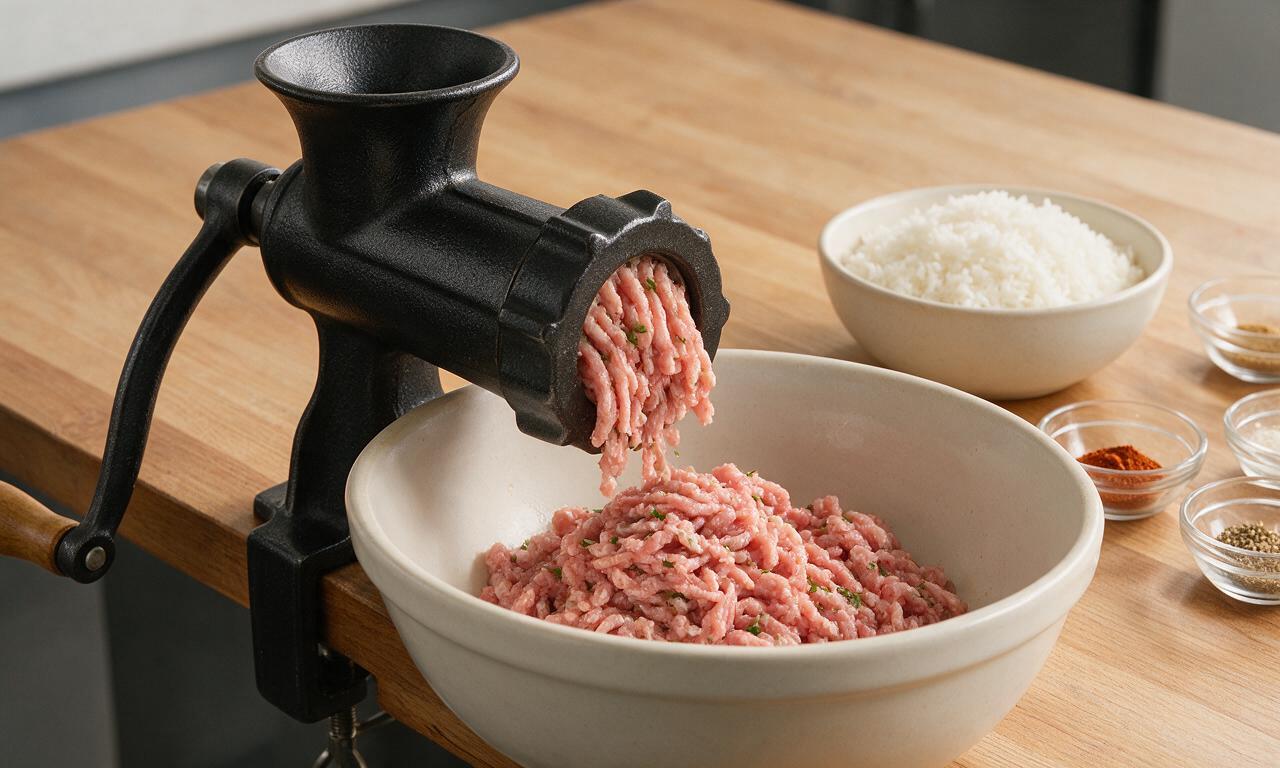
Traditional boudin vert has a pleasantly coarse, rustic texture, not a smooth hot dog-style paste. When grinding your cooked pork, liver, greens, and onion, use a ¼-inch grinder plate, then fold in cooked rice by hand so grains stay whole and fluffy instead of getting mashed into a dense paste.
15.Do I need to cook the pork shoulder and liver before grinding the filling?
▾
Yes! Unlike fresh Italian sausage or bratwurst that uses raw ground meat, boudin filling is made with fully cooked pork and liver simmered until tender before grinding. This creates that signature soft, spreadable texture, and cuts final cook time so you only need to reheat links through instead of cooking raw meat inside.
16.What are the most traditional side dishes to serve with boudin vert?
▾
Keep it cozy and Cajun-inspired! Serve links with creamy potato salad, pickled okra, crusty French bread, a side of stewed red beans, or a simple green salad with tangy vinaigrette. A drizzle of spicy whole-grain mustard or hot vinegar pepper sauce on the side cuts through the richness perfectly.
17.My test batch had bitter kale—how do I fix that for next time?
▾
That’s an easy fix! After stripping the kale leaves, blanch them in boiling, heavily salted water for 2 minutes, then shock them in an ice bath to stop the cooking. Squeeze every last bit of excess water out before adding to the filling—this cuts raw bitter edge, keeps color bright, and prevents watery filling.
18.Can I make a gluten-free version of this boudin vert?
▾
This recipe is naturally gluten-free as written! The only things to watch for are pre-made spice blends, which sometimes hide gluten-based anti-caking agents, and your casings—some cheaper pre-packaged casings are packed in brine with wheat-based preservatives, so double-check labels for unprocessed natural hog casings.
19.Why is boudin vert sometimes called “green sausage”?
▾
The name comes directly from the generous amount of leafy greens mixed right into the filling, which tints the entire sausage a soft, pale green hue once cooked. It’s a direct descendant of old French boudin vert made with foraged spring greens, adapted by Cajun cooks to use hardy local kale and turnip greens.
20.What’s the biggest mistake home cooks make when making boudin vert for the first time?
▾
The most common misstep is overworking the filling, especially mashing the rice when mixing, which leads to a gummy, dense texture instead of that light, fluffy boudin consistency. Fold cooked rice in gently at the very end, right before stuffing, and stop mixing as soon as all ingredients are evenly distributed.

OMG, this boudin vert is exactly like the stuff my Louisiana grandpa used to make for our family reunions! I was so nervous I’d mess up the green herb ratio but it turned out perfect — even my picky 7 year old asked for seconds. Game changer for our Sunday dinner rotation, 10/10.
Made these for a tailgate last weekend and they were a total hit! Knocked a star off only because I struggled a little getting the sausage casings tied tight enough, a couple popped while boiling. Flavor was chef’s kiss though, everyone kept asking where I got the recipe. Will definitely make again once I practice my casing game.
SO good! I prepped a big batch on Sunday to eat for lunches all week, and the flavor actually got better after a day or two in the fridge. I added a little extra cayenne for a kick because I love spicy food, and it paired so well with roasted sweet potatoes and collard greens. Perfect meal prep staple.
I’ve been making boudin vert for over 40 years and this recipe is spot on! The mix of parsley, green onions, and spinach gives it that perfect bright green color without tasting bitter, and the cook time is exactly right so the rice doesn’t get mushy. I brought a batch to my church potluck last Sunday and every last link was gone before I even got through the potluck line.
Tried smoking these instead of boiling them like the recipe says, and holy cow it was unreal. The smoke added such a nice depth to the herby pork and rice filling. Only thing is I wish I’d read the note about not overstuffing first, lost a couple links to blowouts on the smoker. Tasted incredible though, will be making these for our next camping trip.
Made these for our neighborhood block party and people were literally coming back for thirds! I served them with a little side of spicy mustard for dipping and it was the perfect combo. Even a couple folks who said they “don’t like weird sausage” went back for more. 100% adding this to my go-to potluck recipe list.
First time ever making sausage from scratch and I was so stressed it would be a disaster, but this recipe walked me through every step! The instructions for stuffing the casings were super clear, even for a total newbie like me. My roommate walked in, smelled it cooking, and immediately asked if we could have this every week. So stoked how it turned out!
Really solid recipe! I added a handful of chopped jalapeños and a little extra garlic to the filling because I love bold flavors, and it was chef’s kiss. My only note is that 1 hour 45 minute cook time felt a little long for my stove — mine were done in about an hour 20, so I’d recommend checking them a little early if you have a gas range.