cabbage and shrimp

title 1
cabbage and shrimp
⏱️ cook time 12 minutes
🍽️ servings 4
⚡ Difficulty easy

intro

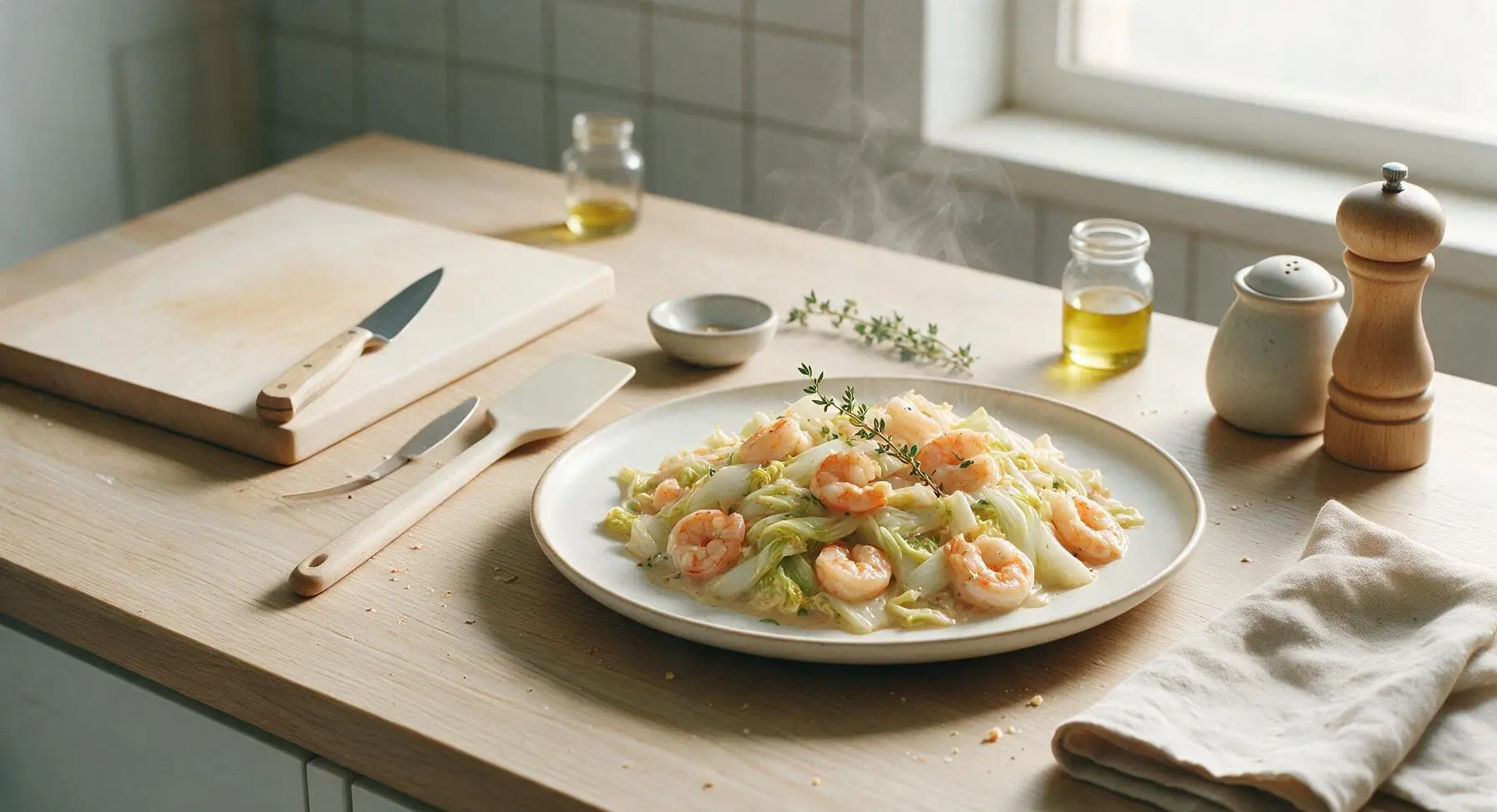
Tender-crisp sweet napa cabbage stir-fried with plump briny shrimp in a light savory sauce, a comforting Cantonese home-style dish ready in under 25 minutes.

Ingredients
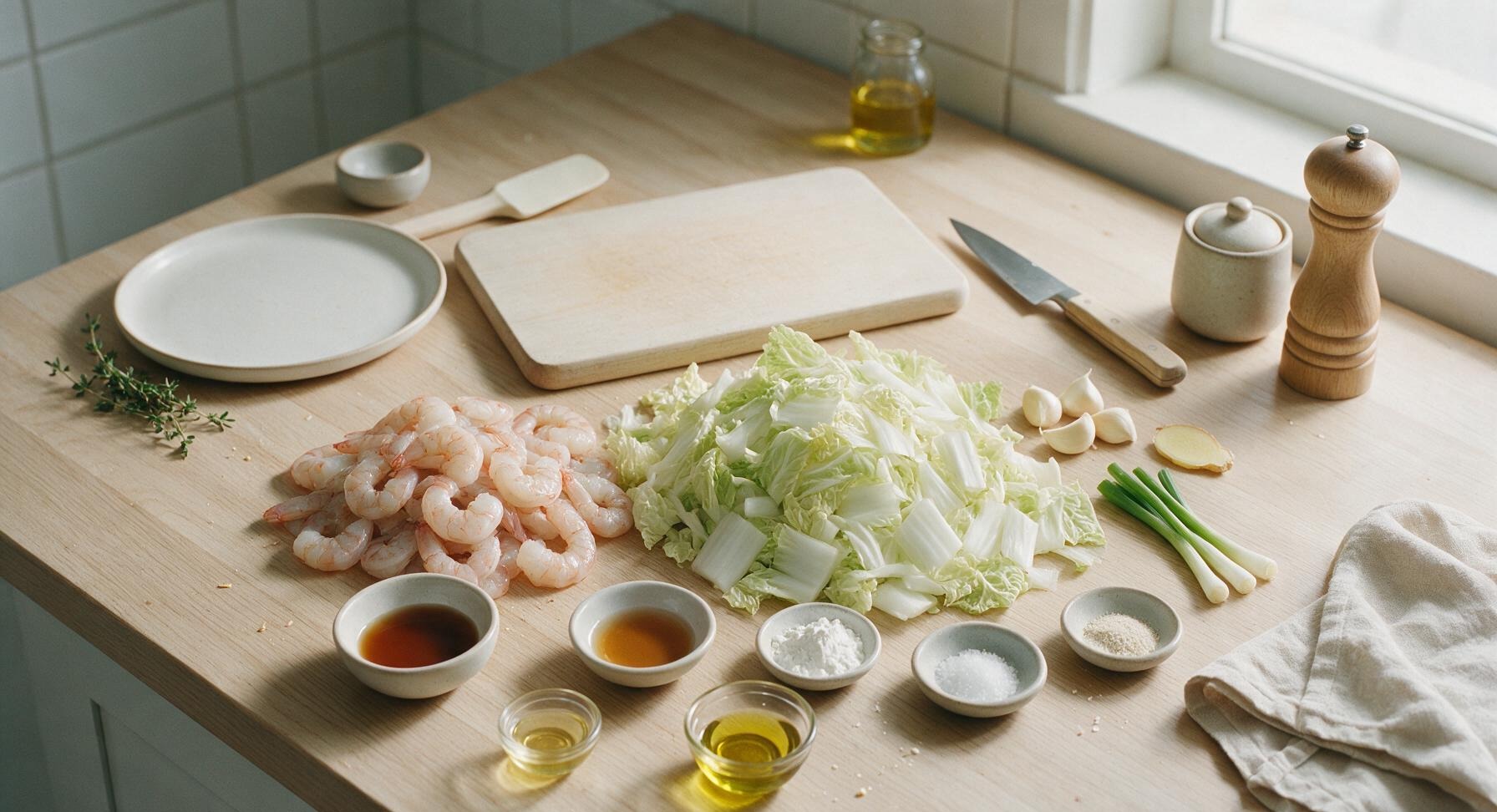
Raw large shrimp, peeled and deveined 400g (about 21-25 count)
Napa cabbage 600g (1 small head)
Garlic cloves 4 cloves (12g)
Fresh ginger 5g (1 thin slice)
Scallions 2 stalks (20g)
Light soy sauce 2 tbsp (30ml)
Shaoxing cooking wine 1 tbsp (15ml)
Cornstarch 1 tsp (3g)
Kosher salt 1/2 tsp (3g)
Ground white pepper 1/4 tsp (1g)
Toasted sesame oil 1 tsp (5ml)
Canola oil 2 tbsp (30ml)

Steps

1

Rinse and Drain Ingredients

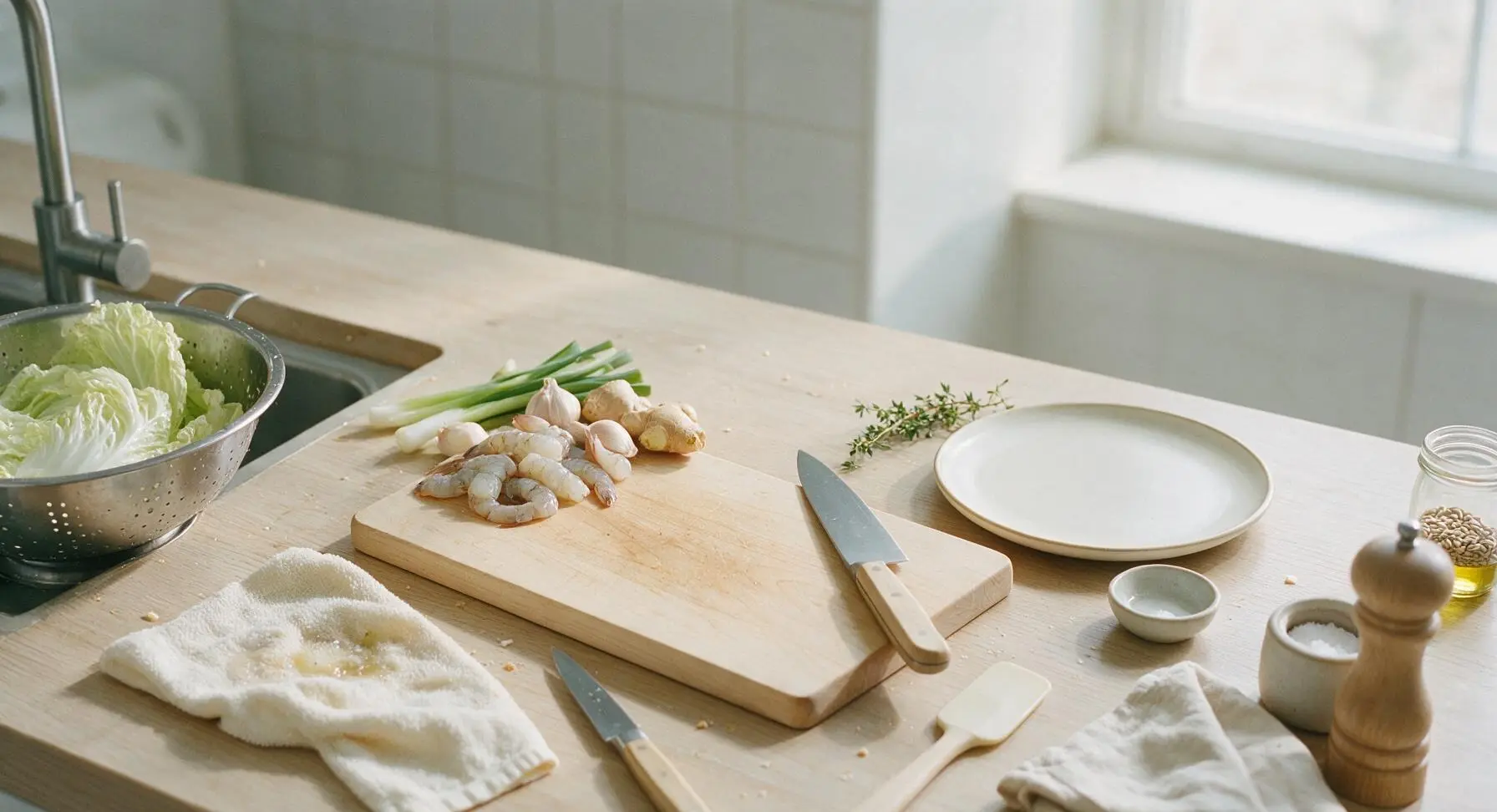
First, rinse the napa cabbage under cool running water in the stainless steel colander, shaking off excess moisture. Peel and devein the shrimp if not already prepped, patting them lightly dry with paper towel. Rinse the scallions, ginger, and garlic, setting all rinsed ingredients on the edge of the maple cutting board. Pat cabbage leaves completely dry with the cream cotton towel to avoid splattering during stir-frying.
Step 1
step1:Rinse and Drain Ingredients
2

Chop Cabbage and Aromatics

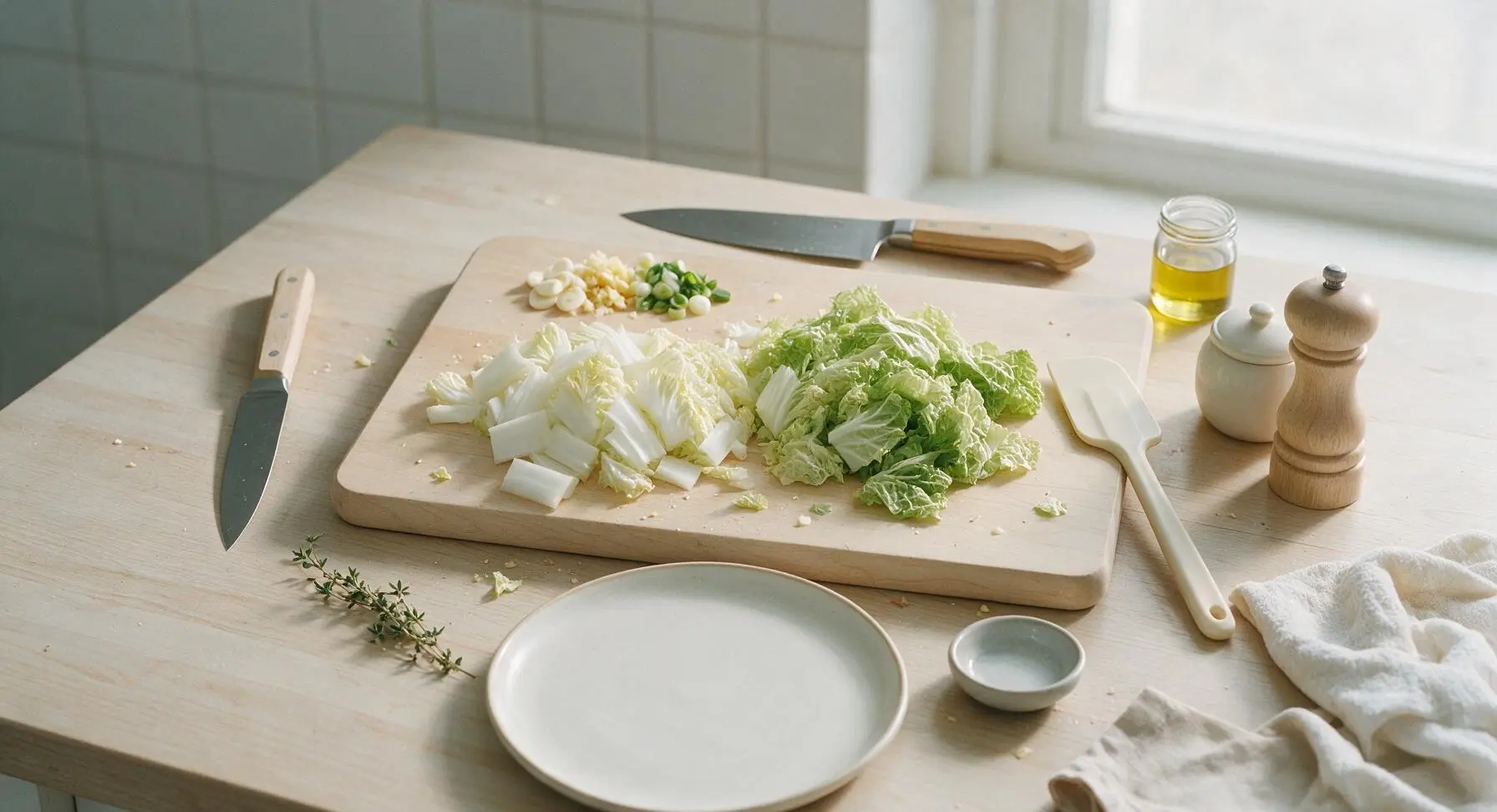
Place the dry napa cabbage on the maple cutting board. Use the chef knife to cut the cabbage into 5cm (2-inch) wide pieces, separating the thicker white stems from the thinner green leaves. Thinly slice the garlic, mince the ginger, and cut the scallions into 3cm (1-inch) segments, keeping the white scallion parts separate from the green parts. Discard any tough, damaged cabbage outer leaves.
Step 2
step2:Chop Cabbage and Aromatics
3

Marinate Raw Shrimp

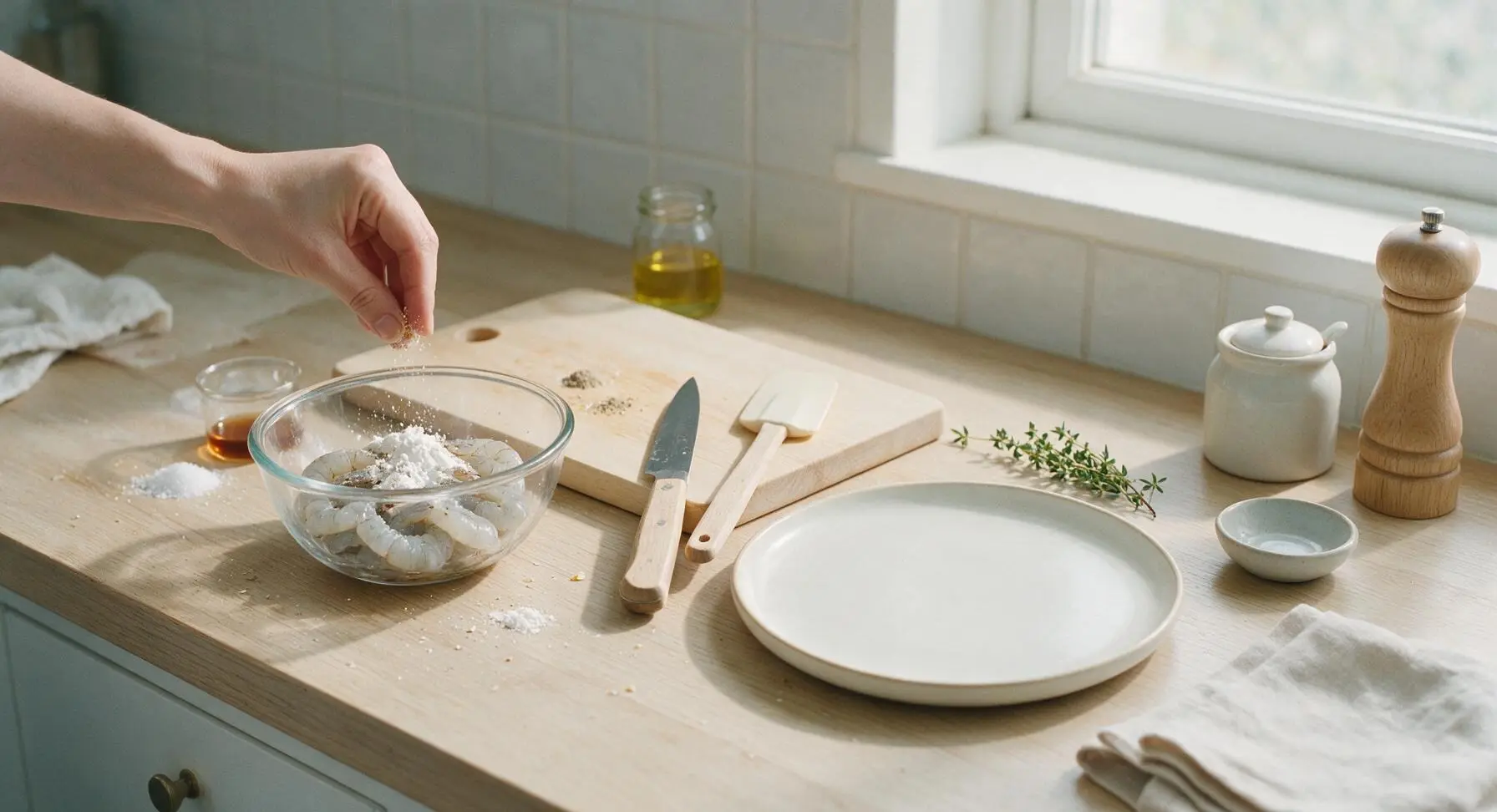
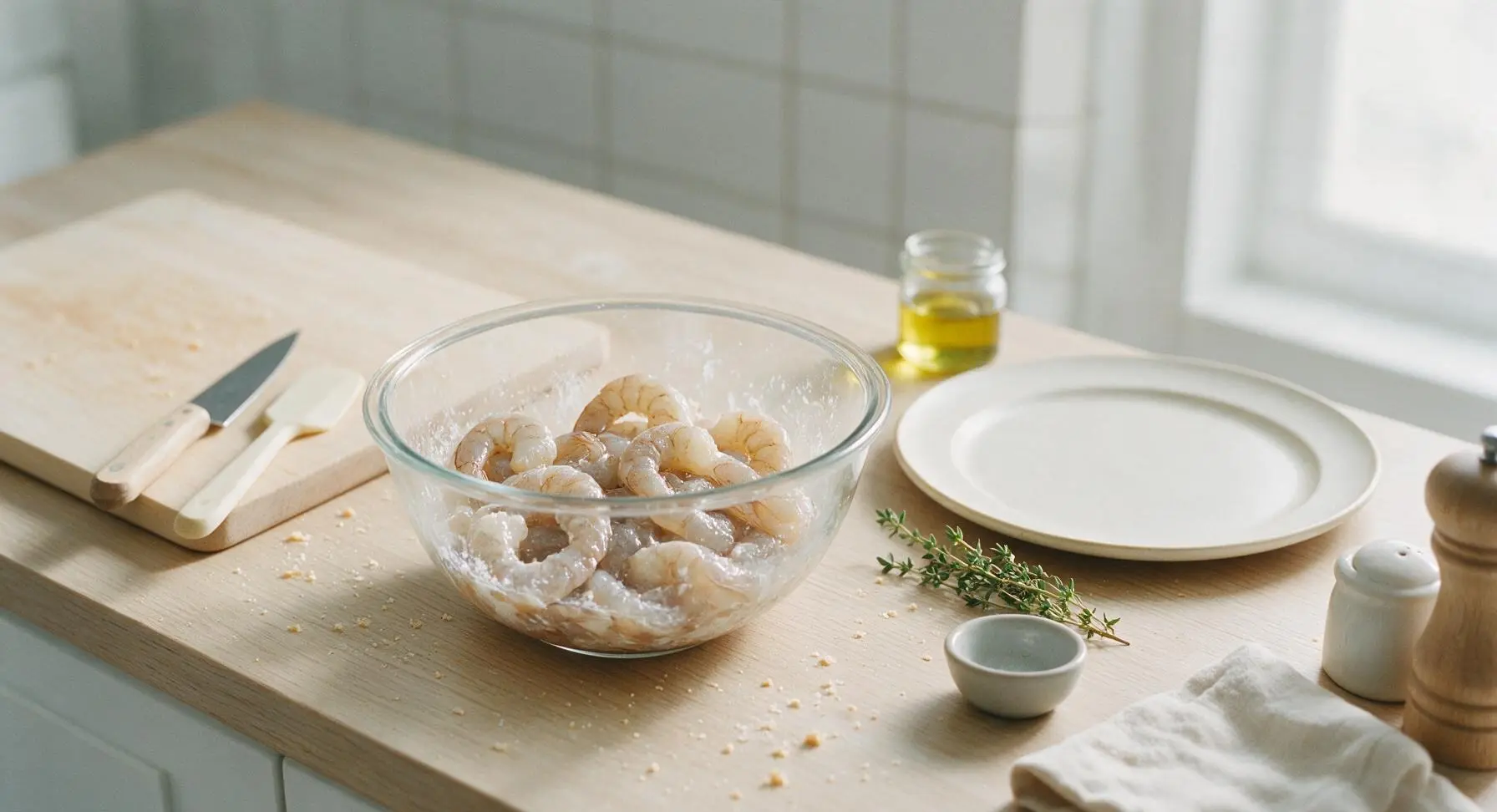
Place the patted-dry shrimp into the 12cm clear glass mixing bowl. Add 1/4 tsp kosher salt, 1/8 tsp white pepper, 1 tsp cornstarch, and 1/2 tsp Shaoxing wine to the bowl. Toss gently with your fingers to coat every shrimp evenly, then let the shrimp rest for 8 minutes at room temperature to absorb the marinade, which will keep them plump and tender during cooking.
Step 3
step3:Marinate Raw Shrimp
Step 3
step3:Marinate Raw Shrimp
4

Preheat Wok for Stir-Fry

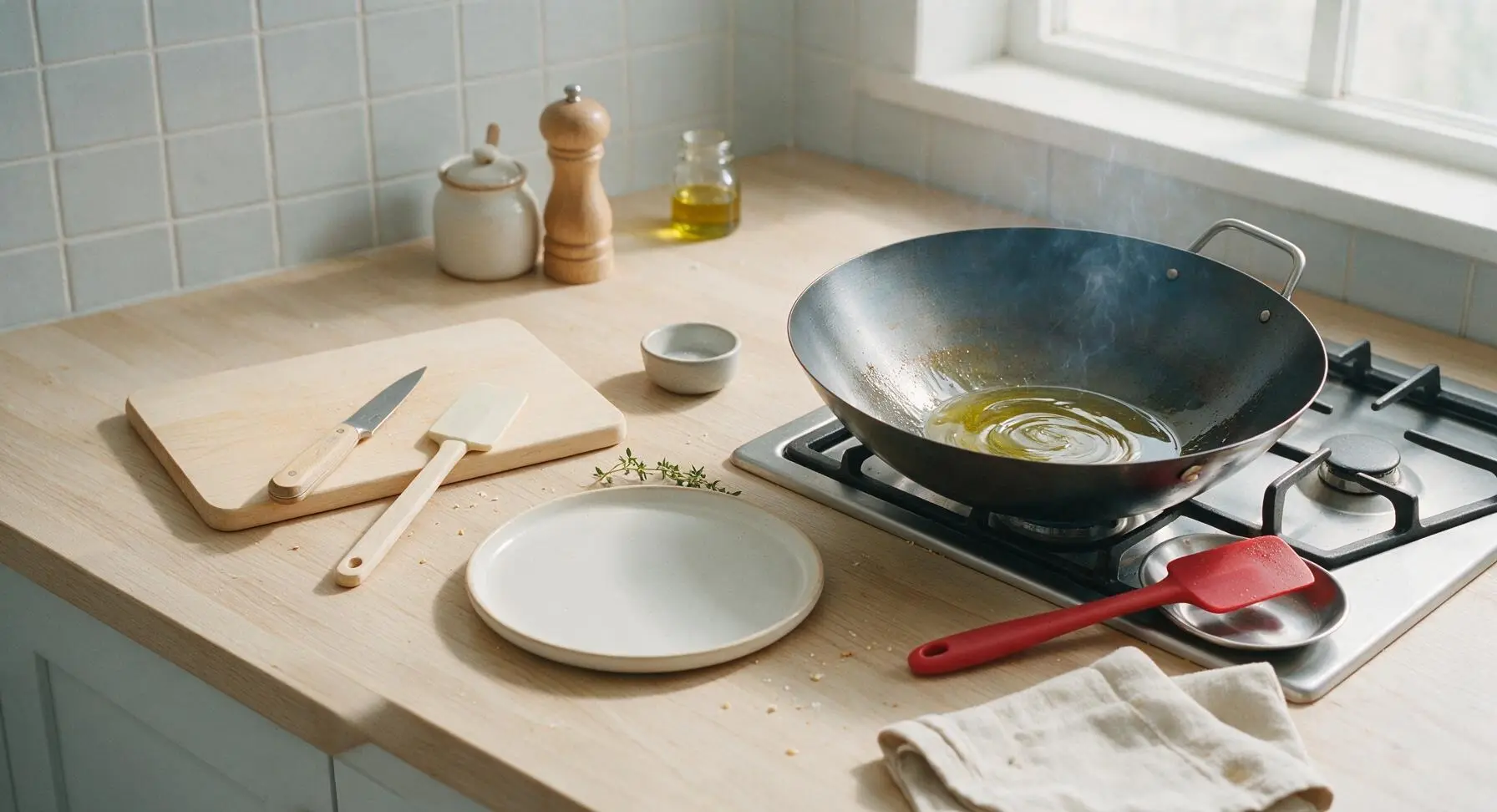
Place the 30cm carbon steel wok on the gas stovetop, turn heat to medium-high. Add 1 tbsp of canola oil, swirling the wok to coat the sides evenly as the oil heats. Wait until the oil shimmers and just starts to send up tiny wispy trails of smoke (around 190C/375F), which indicates the wok is properly hot for searing.
Step 4
step4:Preheat Wok for Stir-Fry
5

Sear Marinated Shrimp

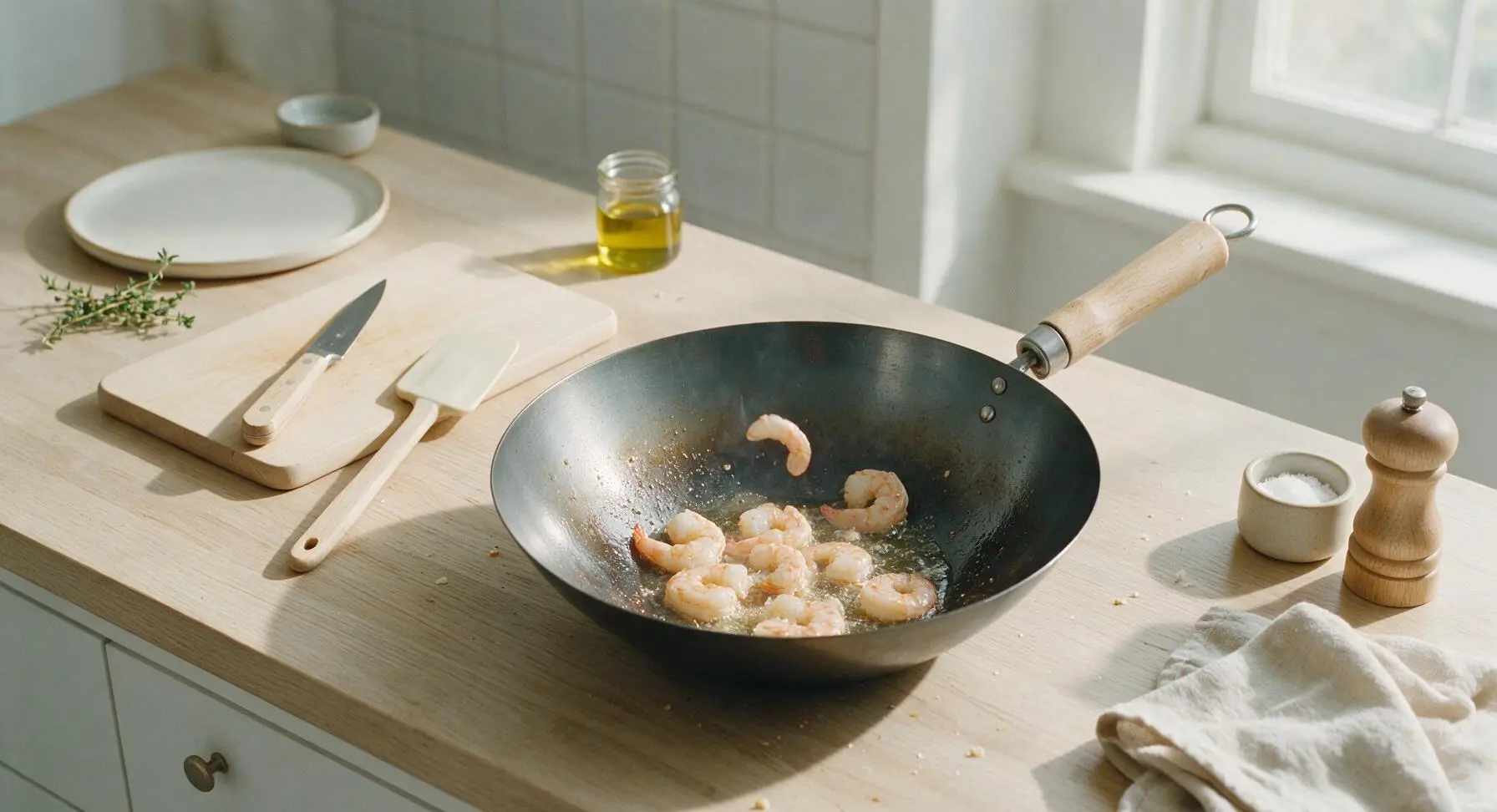
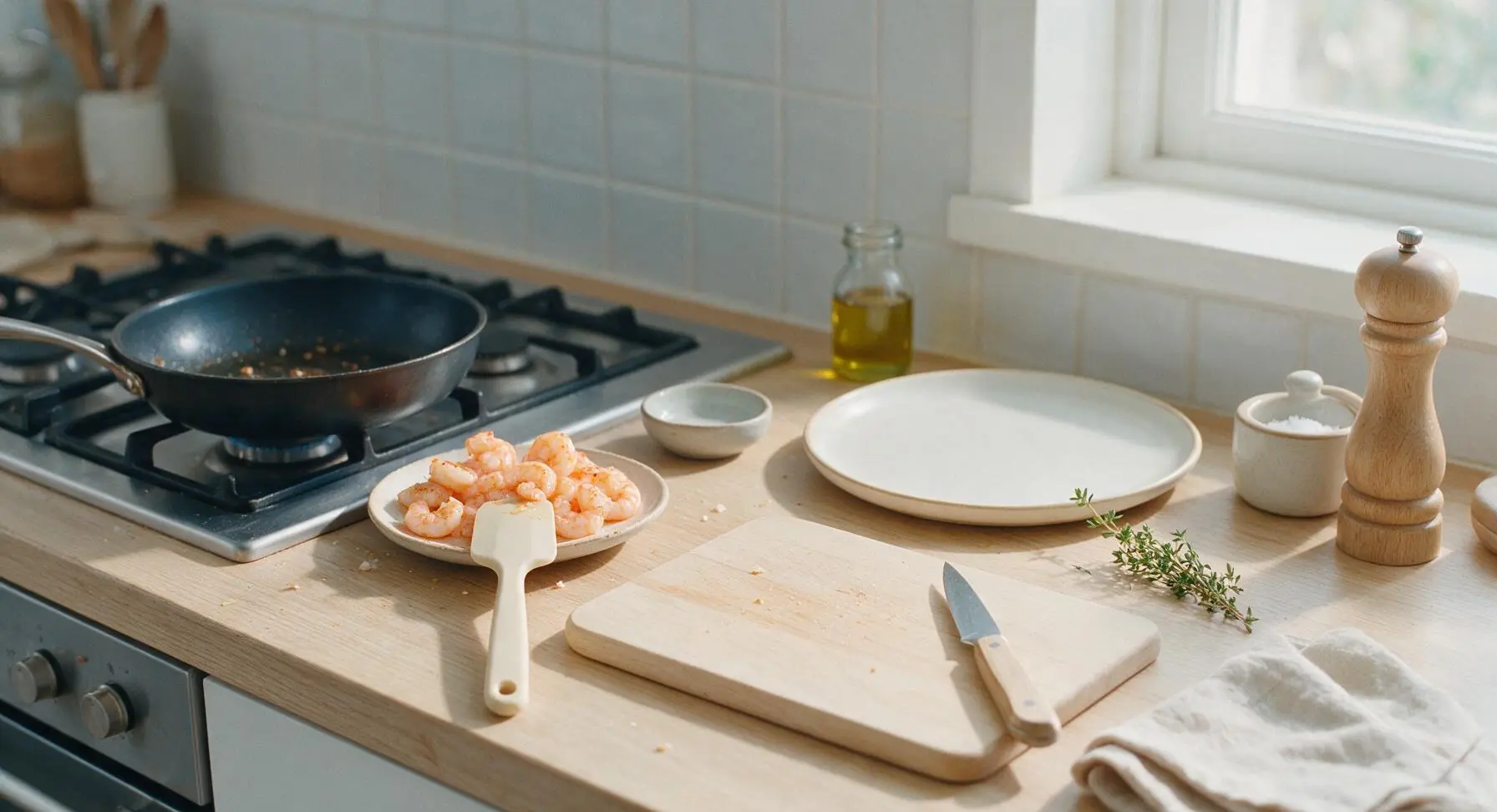
Carefully add the marinated shrimp to the hot wok in a single layer, leaving space between each piece to avoid steaming. Let the shrimp sear undisturbed for 45 seconds, then use the silicone spatula to flip them, searing the other side for another 30 seconds until the shrimp are pale pink, slightly opaque, and just cooked through. Scoop the seared shrimp out of the wok onto a small clean plate, leaving the remaining oil in the wok.
Step 5
step5:Sear Marinated Shrimp
Step 5
step5:Sear Marinated Shrimp
6

Cook Cabbage Stems First

Add the remaining 1 tbsp canola oil to the same wok, still on medium-high heat. Toss in the sliced garlic, minced ginger, and white scallion segments, stirring for 10 seconds until fragrant (do not let the garlic burn). Add the thicker white cabbage stem pieces to the wok, stir-frying constantly for 2 minutes until the stems start to turn translucent and soften slightly, as they take longer to cook than the tender leaves.
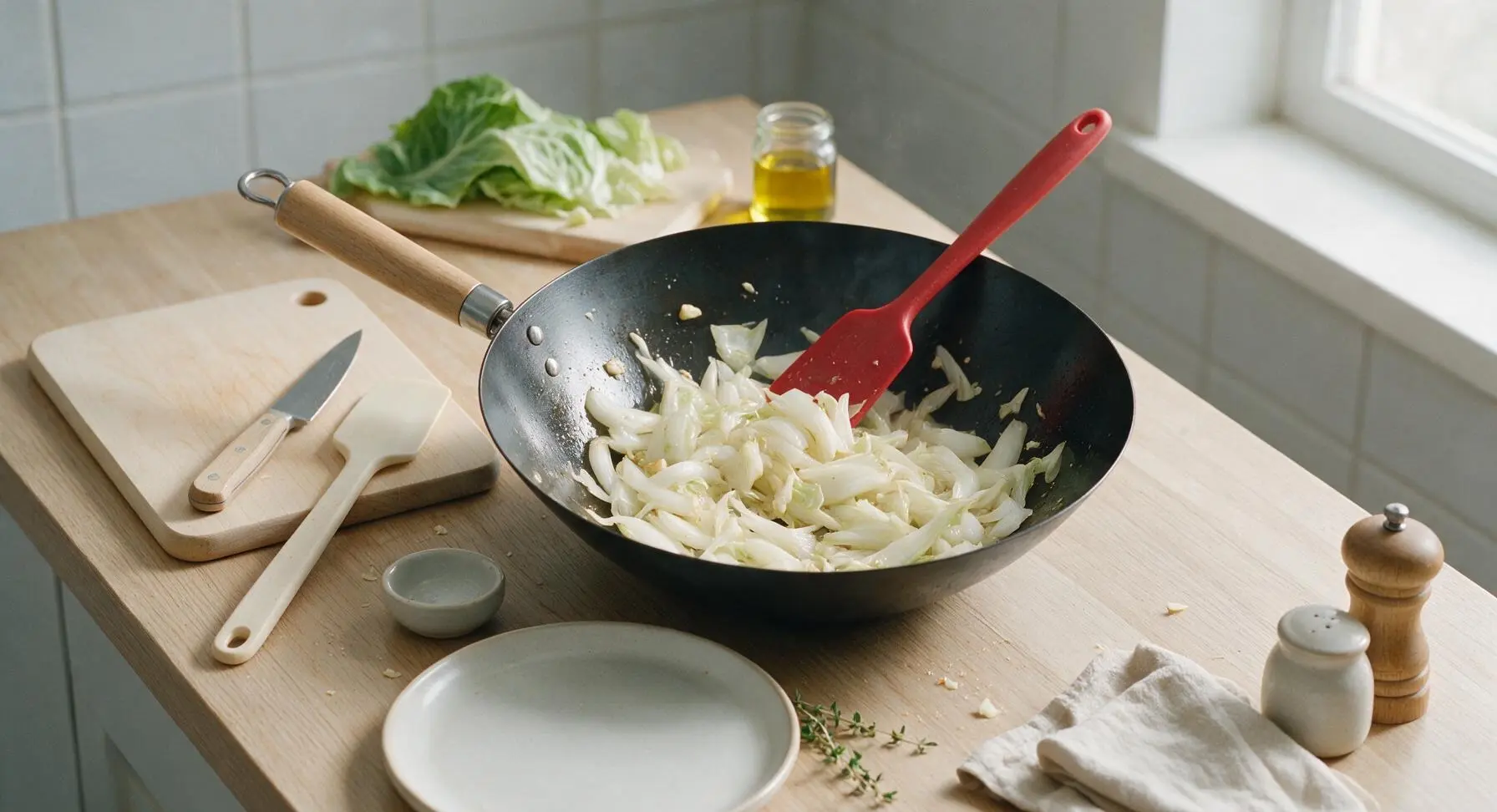
Step 6
step6:Cook Cabbage Stems First
7

Add Leaves and Season

Add the tender green cabbage leaves to the wok, tossing continuously with the spatula to combine with the stems and aromatics. Stir-fry for 1.5 minutes until the leaves just wilt and turn bright glossy green. Drizzle in the remaining 2 tbsp light soy sauce, remaining 1/2 tbsp Shaoxing wine, remaining 1/4 tsp kosher salt, and remaining 1/8 tsp white pepper, tossing quickly to coat all cabbage evenly in the seasoning.
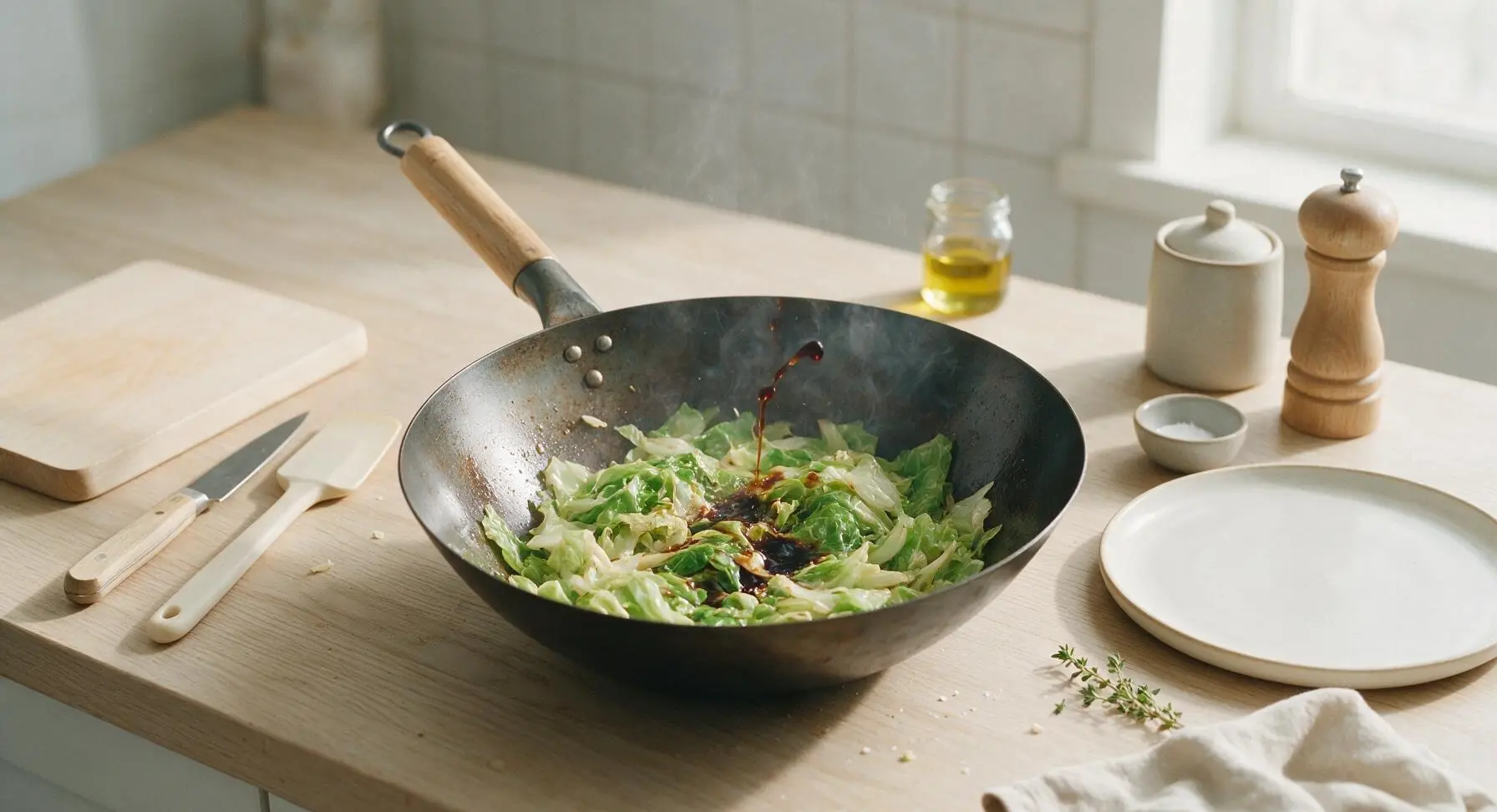
Step 7
step7:Add Leaves and Season
8

Combine and Finish Dish

Return the seared shrimp to the wok with the cabbage, tossing everything together for 30 seconds to let the shrimp reheat and absorb the sauce. Turn off the heat, drizzle with 1 tsp toasted sesame oil, and toss once more to incorporate. Do not overcook, as the shrimp will turn rubbery and the cabbage will become mushy if left on heat too long.
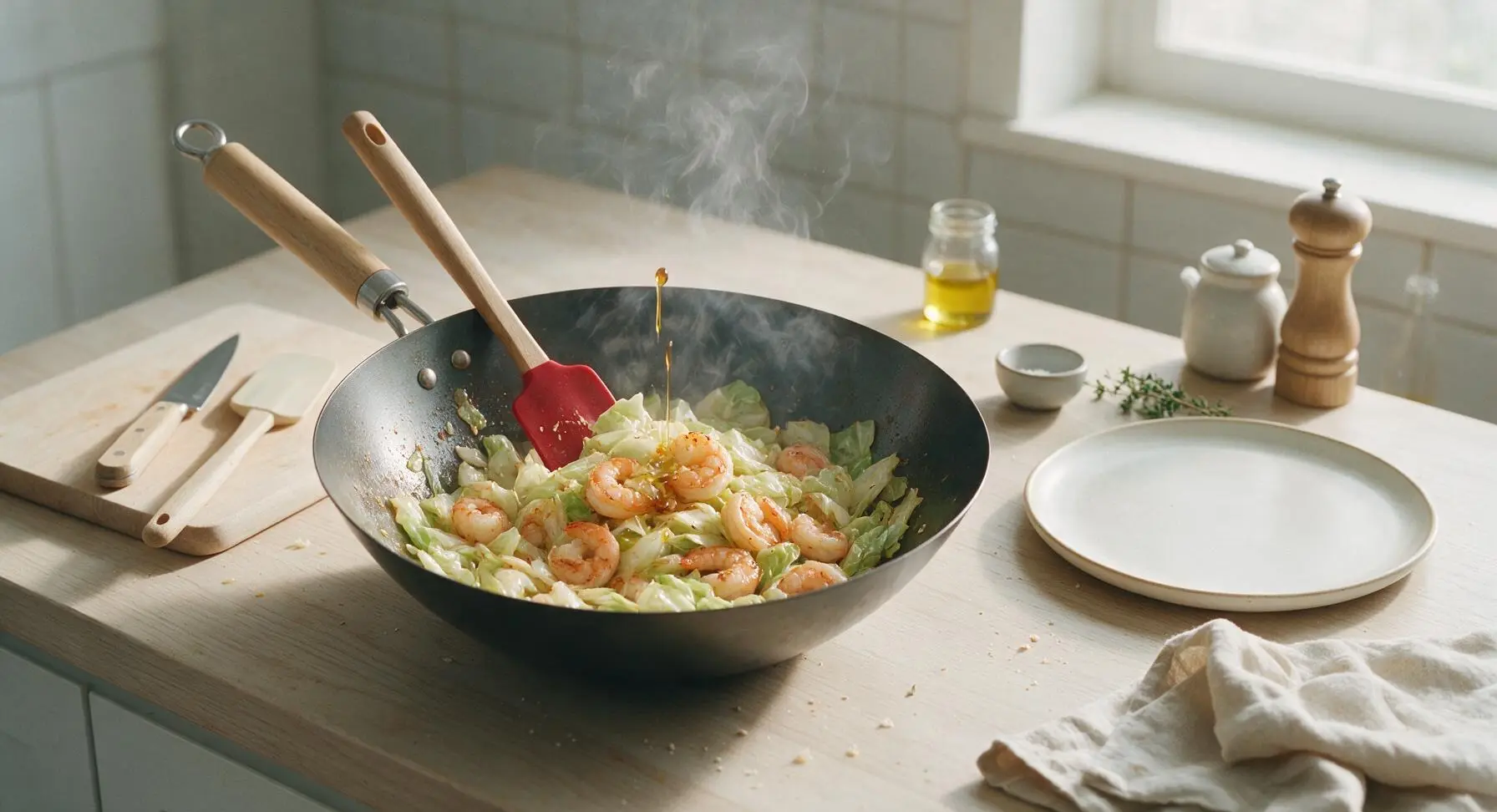
Step 8
step8:Combine and Finish Dish
9

Plate and Garnish

Transfer the finished cabbage and shrimp to the matte off-white ceramic dinner plate, piling it gently in the center of the plate. Sprinkle the reserved green scallion segments over the top as a bright, fresh garnish. Serve immediately while hot, alongside steamed white rice if desired.
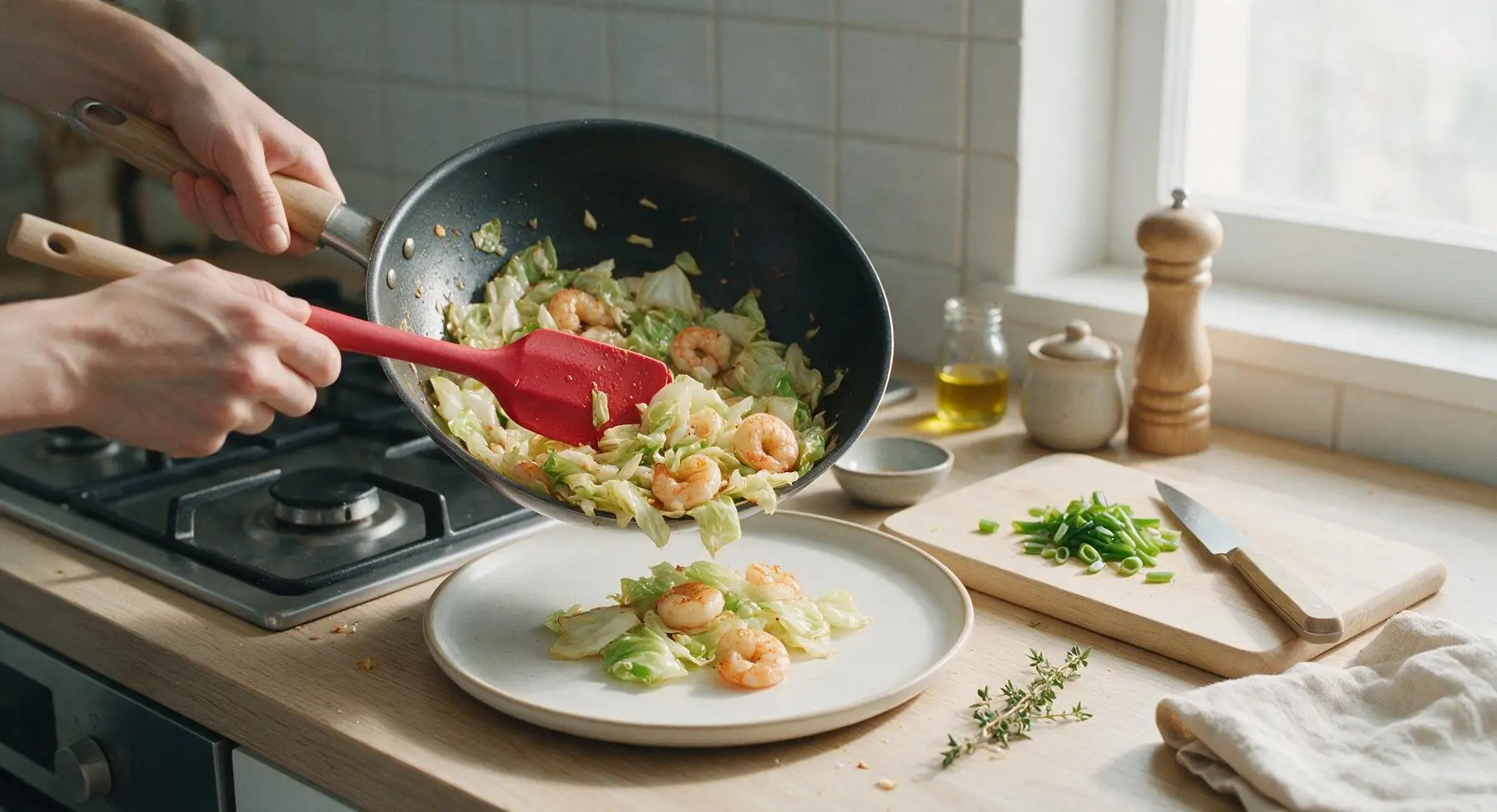
Step 9
step9:Plate and Garnish

Tips

1.Pat both shrimp and cabbage completely dry before cooking: excess surface moisture will drop the wok’s high temperature, cause dangerous oil splatters, and steam the ingredients instead of searing them, leading to soggy cabbage and less flavorful shrimp.
2.Separate cabbage stems from leaves and cook the stems first: the dense, thick white stems take 2 minutes longer to soften than the delicate green leaves, and this method ensures every bite has the same perfect tender-crisp texture, with no raw crunchy stems or mushy overcooked leaves.
3.Sear shrimp first and remove them from the wok before cooking cabbage: shrimp turn rubbery if cooked for more than 2 minutes total over high heat, and removing them early prevents overcooking while the cabbage cooks, with only a final 30-second toss needed to reheat them and meld flavors.

✨ You May Also Like

Main Course
🍜 United Kingdom

A showstopping classic of tender seared beef, savory mushroom duxelles, and crisp prosciutto wrapped in flaky golden puff pastry, baked to juicy perfection.

⏱️ 2 hours 1Main Course ★ 4.7
Main Course
🍜 India

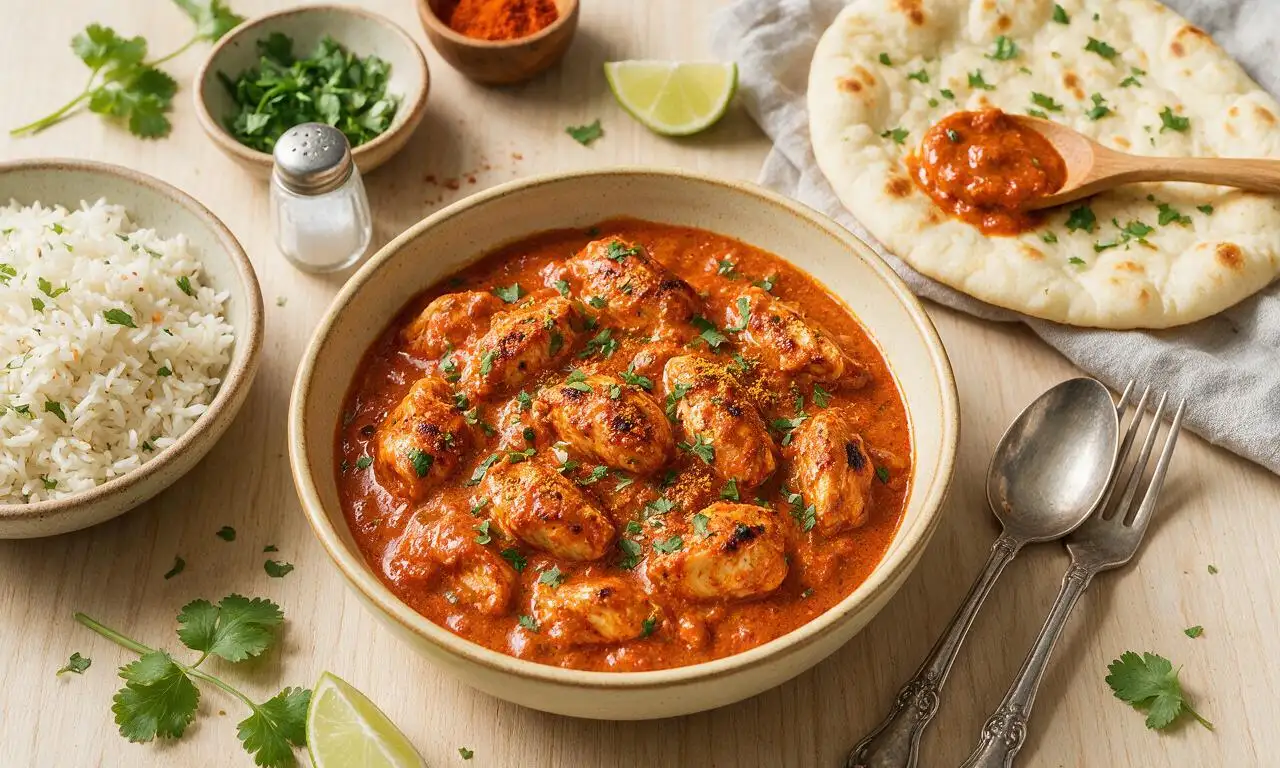
Tender charred marinated chicken simmered in a rich, spiced creamy tomato sauce, this iconic Anglo-Indian curry pairs perfectly with basmati rice or warm naan.

⏱️ 50 minuteMain Course ★ 4.6
Main Course
🍜 Thailand

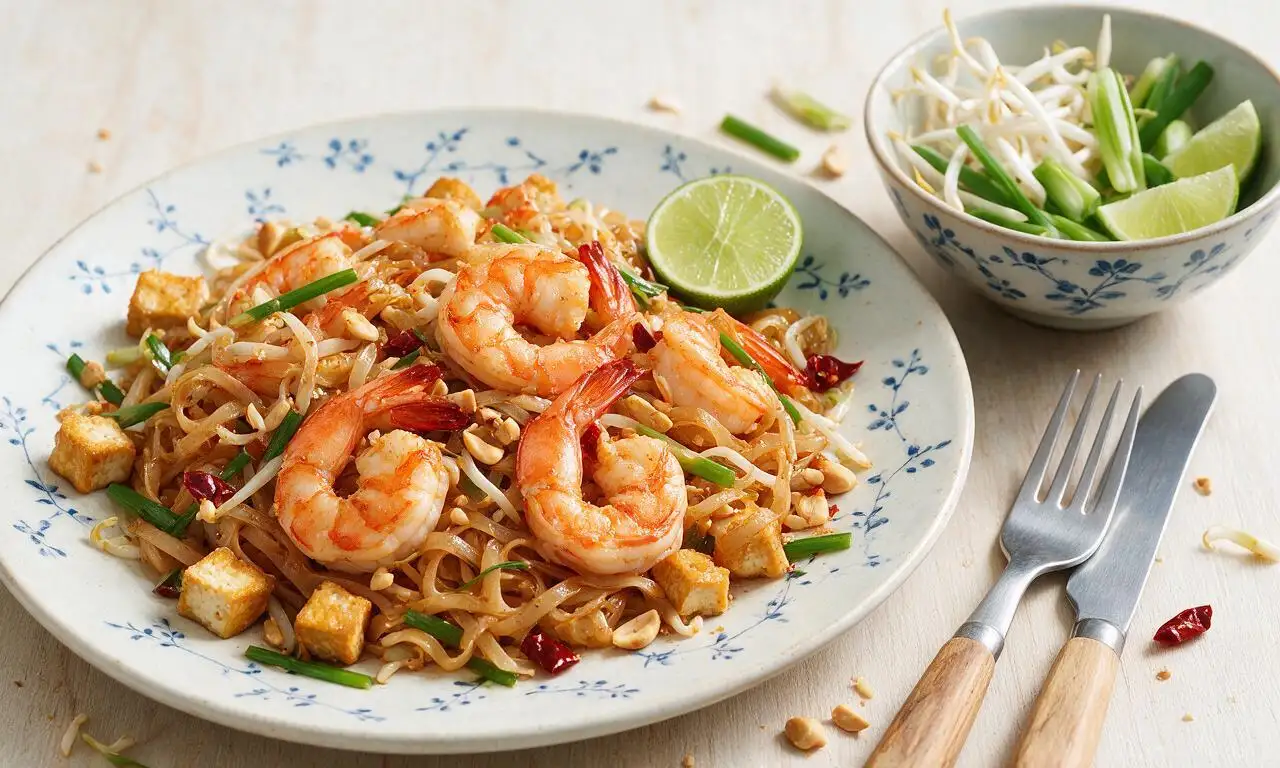
Classic tangy, sweet, and savory Thai stir-fried rice noodles with shrimp, tofu, and crunchy garnishes, balancing all five core Thai flavor profiles.

⏱️ 30 minuteMain Course ★ 4.5
Main Course
🍜 United Kingdom

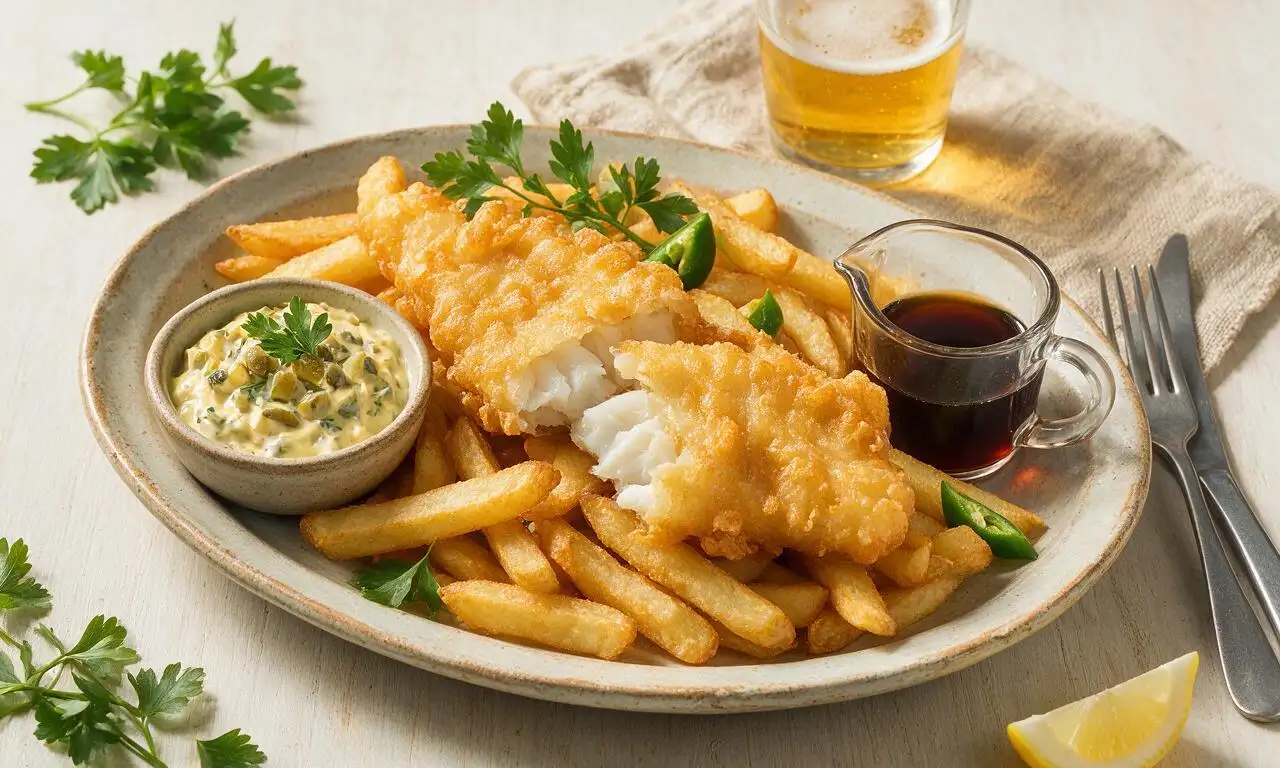
Crispy golden beer-battered cod and fluffy double-fried chips, served with tangy tartar sauce and malt vinegar: the timeless, beloved British pub comfort classic.

⏱️ 45 minuteMain Course ★ 4.7
Main Course
🍜 Mexico

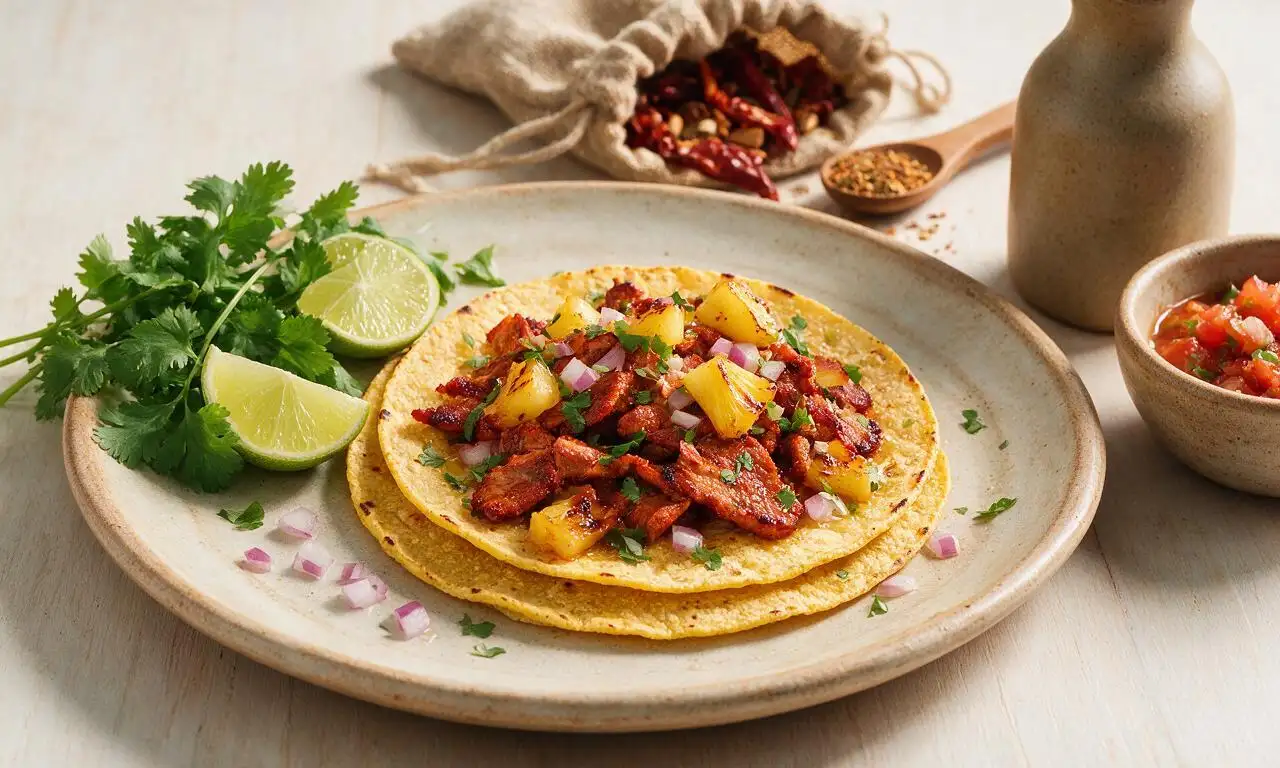
Smoky, chile-marinated pork tacos with caramelized pineapple, fresh cilantro, and lime: a beloved classic Mexican street food perfect for casual summer gatherings.

⏱️ 1 hour 45Main Course ★ 4.8
Main Course
🍜 United States

Crunchy Fritos corn chips layered with savory beef chili and melted cheddar, topped with cool, zesty fixings for a beloved, cozy Tex-Mex comfort food.

⏱️ 35 minuteMain Course ★ 4.8

cabbage and shrimp:Frequently Asked Questions

1.Can I substitute regular green cabbage for napa cabbage in this recipe? ▾
You absolutely can, though you’ll get a slightly crunchier, less sweet result than traditional napa cabbage delivers. Slice green cabbage ¼-inch thinner than you would napa, and add it to the wok or pan 1–2 minutes earlier so it cooks to that ideal tender-crisp texture without staying tough and unpleasantly raw.
2.How do I keep my shrimp plump and not rubbery when stir-frying? ▾
The biggest trick is to avoid overcooking them! First, pat peeled shrimp completely dry before searing, cook them over high heat for just 45–60 seconds per side until they turn opaque and pink, then scoop them out temporarily while you cook the cabbage. Toss them back in at the end to coat in sauce, and they’ll stay perfectly juicy.
3.Do I need a wok to make this stir-fry, or can I use a regular skillet? ▾
You don’t need a specialized wok to pull this off! A large, heavy-bottomed stainless steel or cast iron skillet works perfectly. Just preheat it for 2–3 minutes before adding oil, and don’t overcrowd the pan, so you get that same high-heat sear you’d get from a traditional wok without steaming your ingredients.
4.What’s in the classic light savory sauce for this Cantonese dish? ▾
The traditional, simple sauce uses 1 tablespoon low-sodium soy sauce, 1 teaspoon oyster sauce, ¼ teaspoon white pepper, ½ teaspoon sugar, and 2 teaspoons cornstarch mixed with 2 tablespoons chicken broth or water. It’s intentionally light so it doesn’t overpower the sweet cabbage and briny shrimp, with no heavy, gloppy texture.
5.Can I use frozen shrimp instead of fresh raw shrimp for this recipe? ▾
Frozen shrimp works fantastically here—most "fresh" shrimp sold at U.S. grocery stores is previously frozen anyway! Just thaw it completely in the fridge overnight, drain it really well, and pat every piece totally dry with paper towels before searing to avoid excess water making your stir-fry soggy and diluting flavor.
6.How do I cut napa cabbage properly for even cooking in this stir-fry? ▾
First, separate the leaves and rinse them well to dislodge any dirt trapped near the core. Slice the thicker, paler stem sections into ½-inch wide pieces, and the thinner, leafy green tops into 1-inch wide pieces. Keep the two piles separate so you can add the denser stems first, since they take longer to cook.
7.Can I make this dish ahead of time for weekly meal prep? ▾
This stir-fry holds up really well for 3–4 days in an airtight container in the fridge, making it great for meal prep. Just note that the cabbage will soften a bit as it sits, so undercook the cabbage by 1 minute when you first make it, so it stays tender-crisp when you reheat it quickly.
8.Why does my stir-fry always turn out soggy instead of crisp? ▾
Soggy stir-fry almost always stems from two common mistakes: not drying your ingredients (especially shrimp and washed cabbage) completely before cooking, and using heat that’s too low. Make sure all produce and protein is patted dry, preheat your pan until it’s almost smoking, and cook in small batches if needed to avoid steaming.
9.Is there a vegetarian swap for the shrimp in this recipe? ▾
Absolutely! For a satisfying vegetarian version, swap the shrimp for pan-fried pressed extra-firm tofu cubes or shelled edamame. If you skip all animal products, swap the oyster sauce in the light sauce for mushroom-based vegetarian oyster sauce to keep that same rich, deep umami flavor without any fish or seafood ingredients.
10.What’s the purpose of adding ginger, garlic, and scallions at the start of cooking? ▾
Those three aromatics are the classic flavor base of Cantonese home-style stir-fries! Cook them in hot oil for just 10–15 seconds before adding other ingredients—don’t let them burn—to release their warm, savory, fragrant oils. That subtle, aromatic base makes the whole dish taste bright and cohesive, not flat or one-note.
11.How do I know when the napa cabbage is perfectly done cooking? ▾
You’re aiming for that signature tender-crisp sweet spot: the thicker stem sections should be just fork-tender with a little snap left, and the leafy parts should be wilted but not mushy or slimy. That usually takes 2–3 minutes total over high heat—any longer, and the cabbage will release too much water and turn limp.
12.Can I add other vegetables to this stir-fry to bulk it up? ▾
Of course! This is a flexible home-style dish, so feel free to add quick-cooking veggies like sliced shiitake mushrooms, julienned carrot, snow peas, or bell pepper. Add denser veggies a minute before the cabbage stems, and softer add-ins right with the cabbage leaves so everything finishes cooking at the same time.

Comments (3)

2 hours ago

OMG this stir-fry was such a game changer for my weeknight dinner rotation! I had a napa cabbage sitting in my fridge I had no clue what to do with, plus a bag of frozen shrimp, and this came together in literally 10 minutes flat. My 7 year old who HATES veggies asked for seconds, and my husband said it tasted better than the takeout we get from our local Cantonese spot down the street. Only swap I made was adding a tiny pinch of extra white pepper, since we love a little warmth. SO good, will be making this every other week for meal prep too!

1 hour ago

Wait I also have random napa cabbage in the crisper I was about to toss! Did you use raw frozen shrimp or thawed first? Asking because I always mess up shrimp texture when I cook straight from frozen.

30 minutes ago

So happy your family loved this recipe, Mia! Quick tip for you too Tim: if using frozen shrimp, thaw them first and pat really dry with paper towels before searing—that keeps them snappy and not watery! That extra white pepper swap sounds delicious, by the way.

3 days ago

Super easy recipe, no fancy ingredients needed which I loved. Threw this together last minute for a work potluck when I realized I forgot to pick up something for the spread, and people were coming back for thirds. Only tweak I made was adding a little extra soy sauce because I like my stir-fries a bit saltier, and it worked perfectly. Cook time was spot on too, didn’t take me more than 12 minutes total from pulling ingredients out to plating. Great beginner stir-fry for people who don’t have a ton of wok experience!

2 days ago

Thanks so much for sharing, Jake! Love that this worked for a last-minute potluck dish—this recipe is totally customizable, so adding extra soy sauce to match your taste is exactly what we recommend for home cooks. Great point about it being beginner-friendly too, no fancy wok skills required; a regular large skillet works just fine if you don’t have a wok!

1 week ago

Tried this last night when I was craving something light but flavorful after my evening workout, and wow! I used savoy cabbage instead of napa because that’s what my local grocery store had in stock, and it still turned out crispy and delicious. I paired it with some microwaved jasmine rice and it was the perfect quick post-gym meal, no heavy greasy takeout needed. Will absolutely be adding this to my quick meal rotation for busy gym nights.