1.Why does this recipe call for chicken thighs instead of chicken breast?
▾
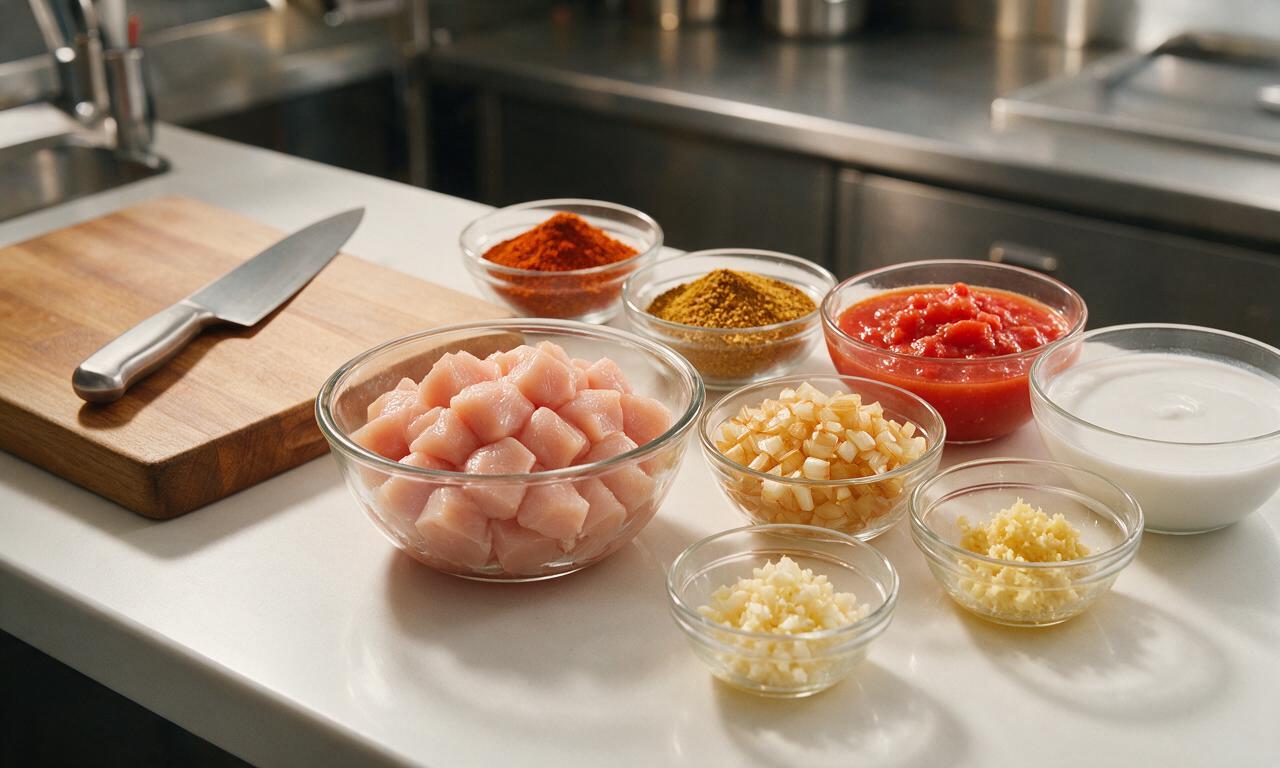
Chicken thighs are ideal here because their slightly higher fat content stays juicy and tender through the long, spiced simmer, unlike lean chicken breast which easily turns rubbery or dry in curries. They also have a deeper, savorier flavor that holds up perfectly to the bold, tangy tomato and spice base of authentic Madras. Trim any large excess fat patches before cubing if preferred.
2.Is authentic Chicken Madras extremely spicy?
▾
This traditional version has gentle, building warmth rather than searing, mouth-numbing heat, so it’s approachable for most eaters. The classic spice blend leans into earthy, warm notes rather than overwhelming chile heat, though you can easily bump up the heat with extra cayenne or fresh green chiles if you prefer a fierier curry, or add a splash of coconut cream for sensitive palates.
3.Can I make this recipe with bone-in chicken instead of boneless?
▾
Absolutely! Bone-in, skin-on chicken thighs or drumsticks work beautifully for this recipe, and will even add extra depth to the curry sauce as they simmer. Just add 5 to 7 minutes to your total cook time to make sure chicken reaches a safe 165°F internal temperature, and skim any excess rendered skin fat off the top of the sauce before serving if you prefer a lighter finish.
4.Why use yellow onion instead of red onion for this curry?
▾
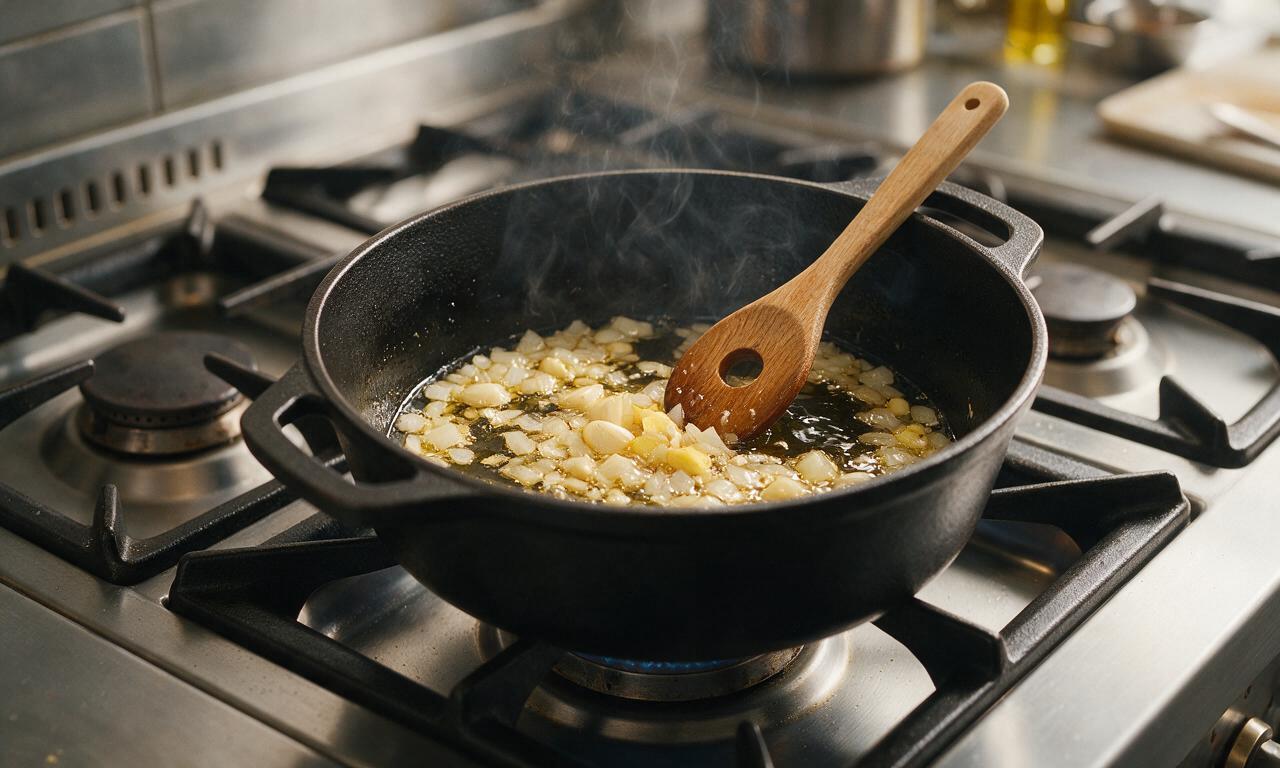
Yellow onion has a balanced, sweet, mellow flavor when slow-caramelized that forms the perfect savory base for this tomato-forward Madras, without the sharp, bright bite lightly cooked red onion can bring. Cook it low and slow in vegetable oil until soft and deep golden, which builds the rich foundational sweetness that balances tangy tomatoes and warm spices.
5.Do I have to use fresh garlic and ginger, or is jarred okay?
▾
Fresh garlic and ginger make a noticeable difference in the bright, clear flavor of authentic Chicken Madras, as jarred versions often have a flat, preserved, slightly vinegary taste that throws off the curry’s balance. If you’re in a pinch, use refrigerated, no-additive jarred versions, and use 25% less than the fresh amount called for to avoid overpowering preserved flavor.
6.What sets Chicken Madras apart from other tomato-based Indian chicken curries?
▾
Unlike creamier, milder tomato curries like butter chicken, authentic Chicken Madras leans into bright tang from tomatoes, warm layered earthy spices, and subtle gentle heat, with no added cream or dairy in the traditional base. It originated as a South Indian curry that became a beloved staple on British Indian restaurant menus, with a brighter, less rich profile.
7.Can I use olive oil instead of vegetable oil for this recipe?
▾
You can use light or refined olive oil if that’s what you have on hand, but skip extra-virgin olive oil—its low smoke point and strong, grassy flavor will burn when you sauté onions and bloom spices, throwing off the curry’s warm, balanced taste. Vegetable oil has a neutral flavor and high smoke point perfect for building the curry base without competing notes.
8.How do I get that deep, restaurant-style Madras flavor at home?
▾
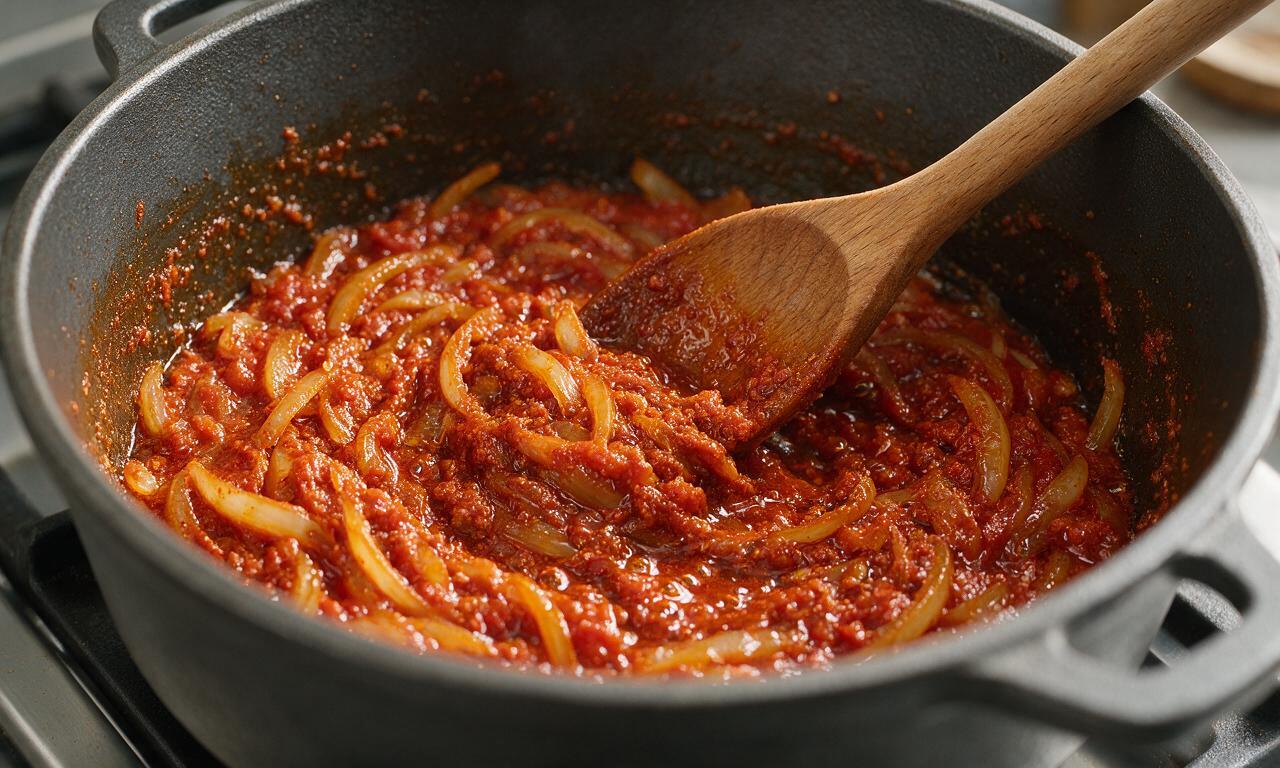
The secret to restaurant-worthy Chicken Madras is taking time to slow-cook your yellow onion until deep golden, bloom your whole and ground spices directly in hot oil for 30 to 60 seconds before adding tomatoes, and let the sauce simmer low so flavors meld fully. Rushing the onion sauté or spice blooming step will leave you with flat, raw-tasting curry.
9.What are the best sides to serve with Chicken Madras?
▾
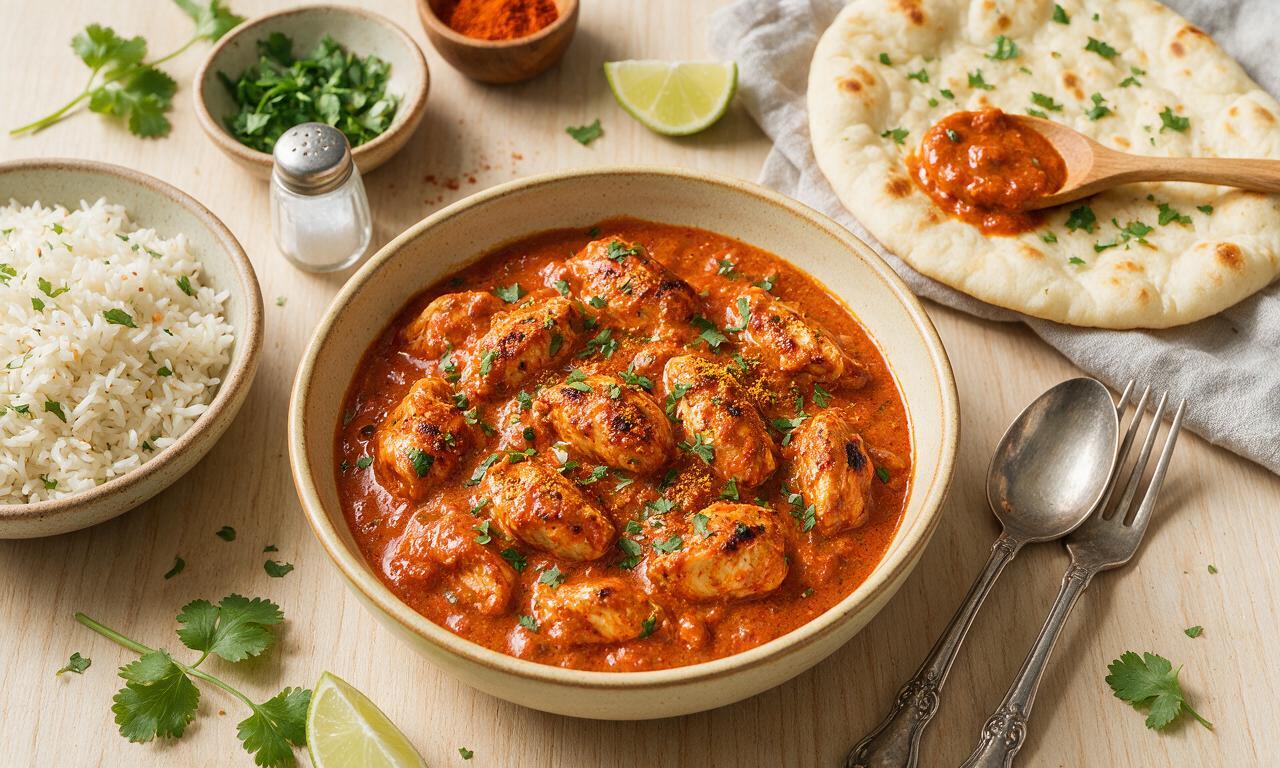
Fluffy, properly steamed basmati rice is the classic pairing, as its light, nutty flavor and fluffy texture soaks up the tangy, spiced tomato sauce perfectly. You can also serve it with warm buttered naan, roti, or a side of cool cucumber raita to cut through the gentle heat, but plain basmati will always be the most traditional, authentic match.
10.Does Chicken Madras work well for weekly meal prep?
▾
Absolutely—Chicken Madras actually tastes even better the next day, as the spices meld and deepen as it rests in the fridge. Let the curry cool fully, store it in an airtight container for up to 4 days, and reheat gently on the stovetop or microwave, adding a splash of water if the sauce thickens too much as it sits. It also freezes well for up to 3 months.
11.Why is my Madras sauce coming out watery, and how do I fix it?
▾
Watery Madras sauce usually comes from either not cooking your tomatoes down long enough to evaporate excess liquid, or adding too much water when you simmer the chicken. To fix it, let the sauce simmer uncovered for 10 to 15 extra minutes after the chicken is cooked through, stirring occasionally, until it thickens to a rich, coating consistency that clings to the chicken.
12.Do I need a special pre-made Madras curry powder for this recipe?
▾
You don’t need a branded pre-made Madras curry powder to make an authentic version—you can build the classic warm, tangy spice profile with common pantry staples: coriander, cumin, turmeric, fenugreek, a pinch of cayenne for heat, and a hint of black pepper. Just make sure your spices are less than 6 months old for the brightest, most vibrant flavor, as stale spices taste flat.
13.Can I add extra vegetables to this Chicken Madras?
▾
You absolutely can mix in vegetables to bulk up the curry and add extra nutrition. Diced potatoes, bell peppers, spinach, or cauliflower all work beautifully—just add heartier veggies like potato and cauliflower 10 minutes before the chicken finishes cooking so they soften fully, and stir in leafy greens like spinach in the last 2 minutes so they wilt into the sauce.
14.Is this recipe the same as the Chicken Madras I order at local British Indian takeout spots?
▾
This recipe matches the beloved British Indian takeout style of Chicken Madras, which is slightly tangier and has a smoother sauce than the spicier, more textured South Indian regional version. It balances the warm, layered spice profile that made the dish a takeout staple, without the artificial color or over-thickened sauce many commercial spots use to cut costs.
15.How do I keep the chicken from turning tough and rubbery in the curry?
▾
The key to tender chicken is two-fold: first, use boneless, skinless chicken thighs as called for, as they stay far more tender than breast during simmering, and second, don’t boil the curry at a high rolling heat. Keep the simmer low and gentle once you add the chicken, so it cooks slowly and evenly instead of seizing up from high, rapid heat.
16.Can I adapt this recipe to be dairy-free or vegan?
▾
This base recipe is naturally dairy-free, as traditional Chicken Madras doesn’t use cream, ghee, or yogurt in its core preparation. To make a vegan version, swap the chicken thighs for cubed firm tofu, chickpeas, or a mix of hearty root vegetables, and double-check that any store-bought spice blends you use don’t contain hidden dairy additives for a fully plant-based take.

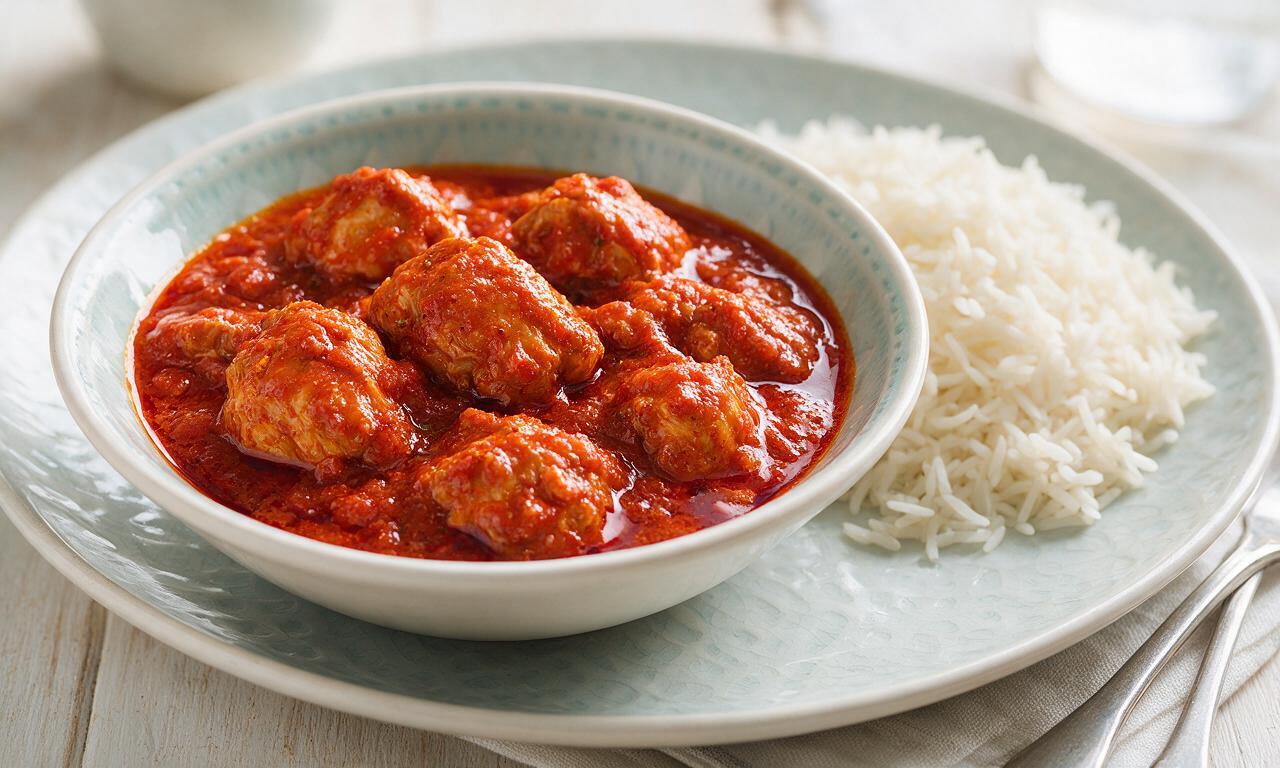

OMG this chicken madras is a total game changer for our weekly family dinner! I was worried it’d be too spicy for my 8 and 10 year old so I cut the cayenne in half, and they both went back for seconds. SO good, even my picky husband raved about it. Already added this to my regular meal prep rotation!
Tasted pretty close to the chicken madras I get at my favorite local Indian spot, but I had a couple issues. The cook time said 45 minutes but it took me closer to an hour because I had to toast and grind all the spices fresh, maybe note that prep time is extra? Flavor was on point though, just wish I’d planned better.
First time making any Indian curry from scratch and this was so approachable! Medium difficulty felt totally fair, I didn’t feel overwhelmed at any point. The only swap I made was using coconut yogurt instead of regular because I’m dairy free, and it turned out creamy and delicious. 10/10
Made a double batch of this on Sunday for meal prep and it’s even better on day 3! The flavors really meld together in the fridge, I’ve been serving it over basmati rice with a side of naan for lunches all week. Coworkers kept stopping by my desk asking what smelled so good lmao
Y’all, this slapped. I added an extra serrano because I love that extra kick, and threw in a handful of curry leaves because I had them growing on my windowsill. Tasted just like the madras I ordered on my trip to Chennai a few years ago, total authenticity win.