Coconut Scrambled Eggs

title 1
Coconut Scrambled Eggs
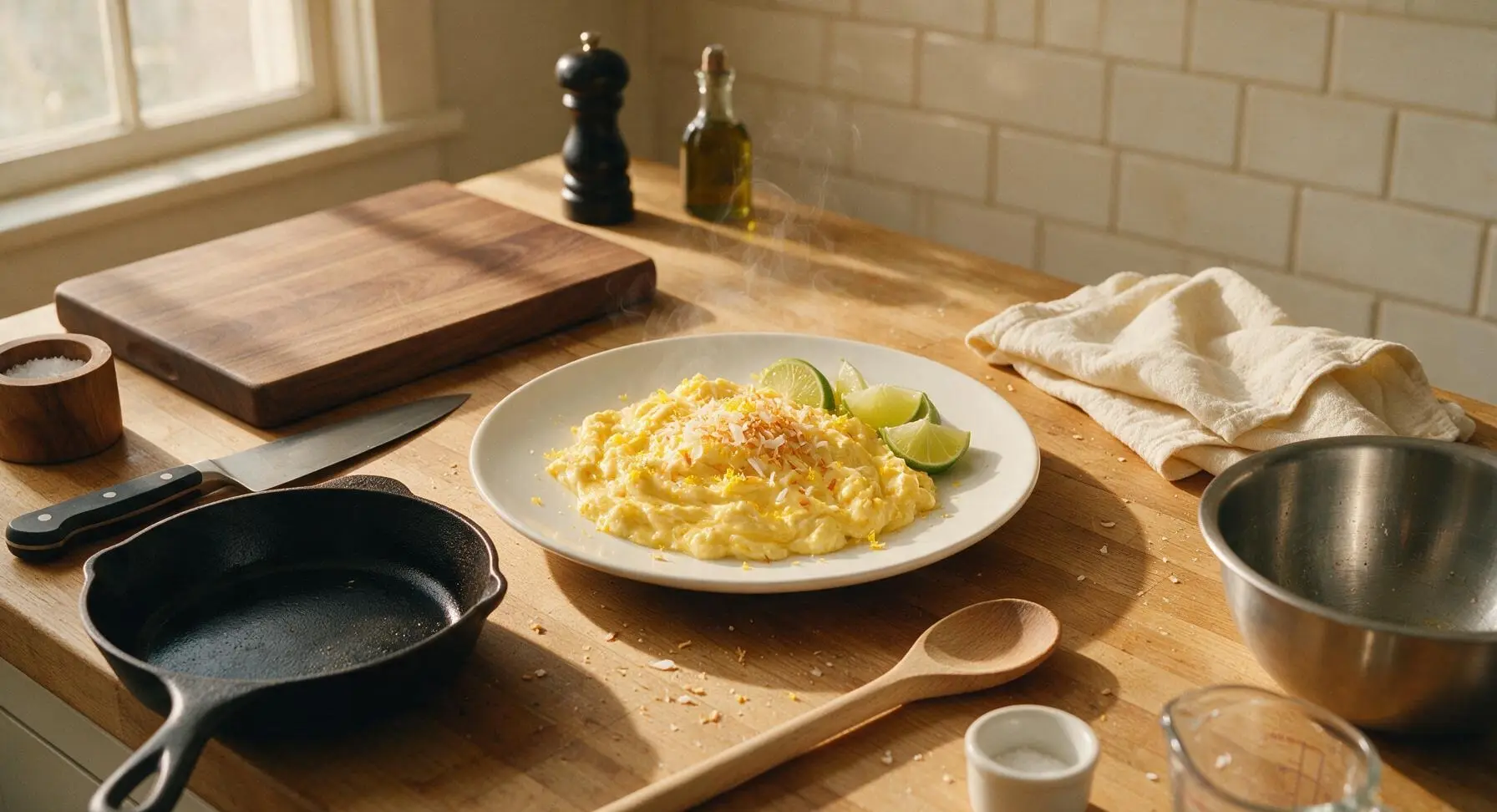
⏱️ cook time 5 minutes
🍽️ servings 2
⚡ Difficulty easy

intro

Silky, rich scrambled eggs infused with creamy coconut milk, brightened with lime and toasted coconut, for a luxe tropical twist on a classic breakfast staple.

Ingredients
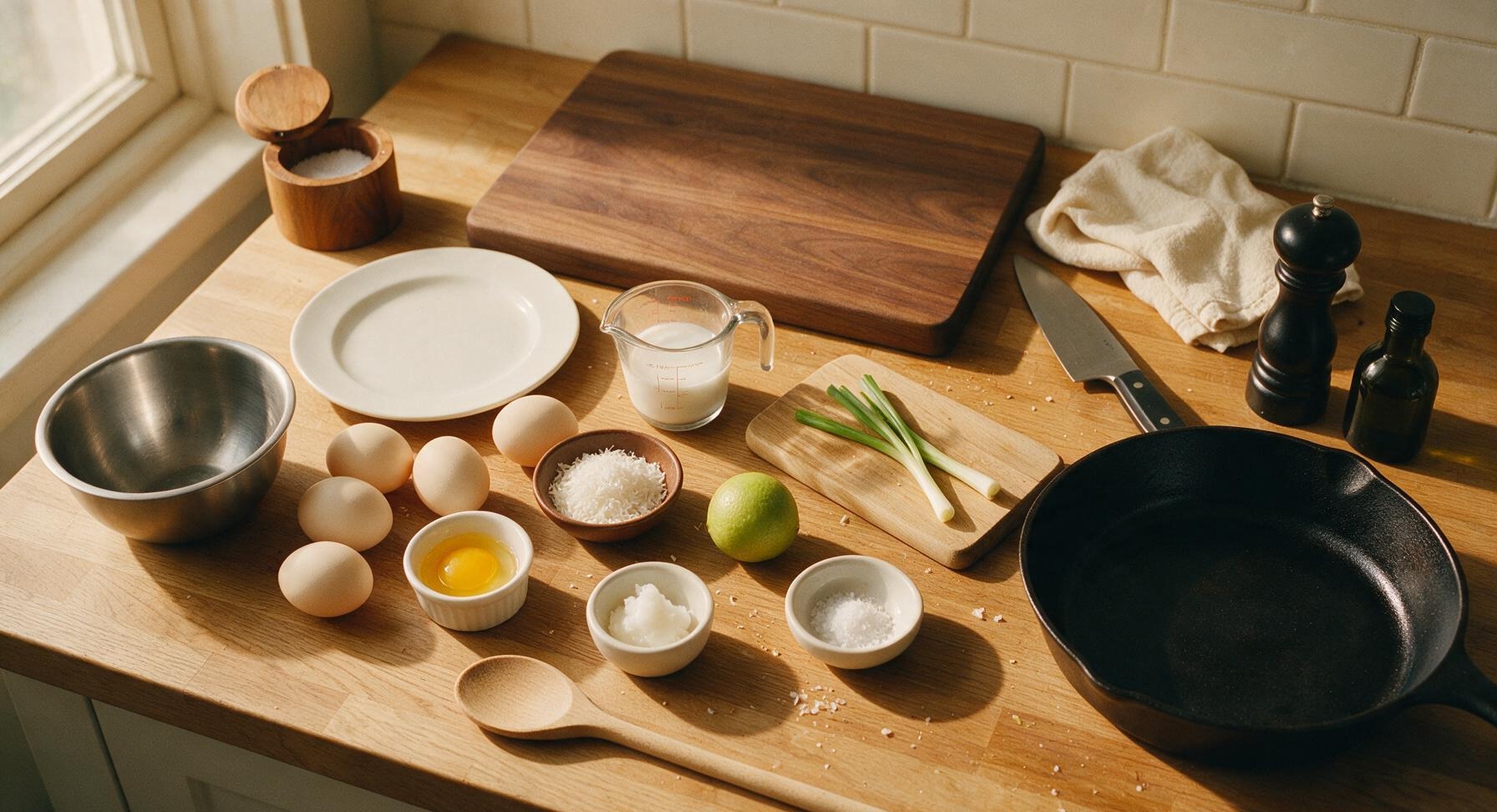
Large eggs 6 (about 300g total)
Full-fat canned coconut milk 1/4 cup (60ml, shaken well before measuring)
Unsweetened shredded coconut 2 tablespoons (10g)
Unrefined virgin coconut oil 1 teaspoon (5g)
Fresh lime 1 whole (for zest, juice, and serving wedges)
Scallions 2 stalks (green tops only, thinly sliced)
Flaky sea salt 1/4 teaspoon, plus extra for serving
Freshly ground black pepper 1/8 teaspoon, plus extra for serving

Steps

1

Toast Shredded Coconut

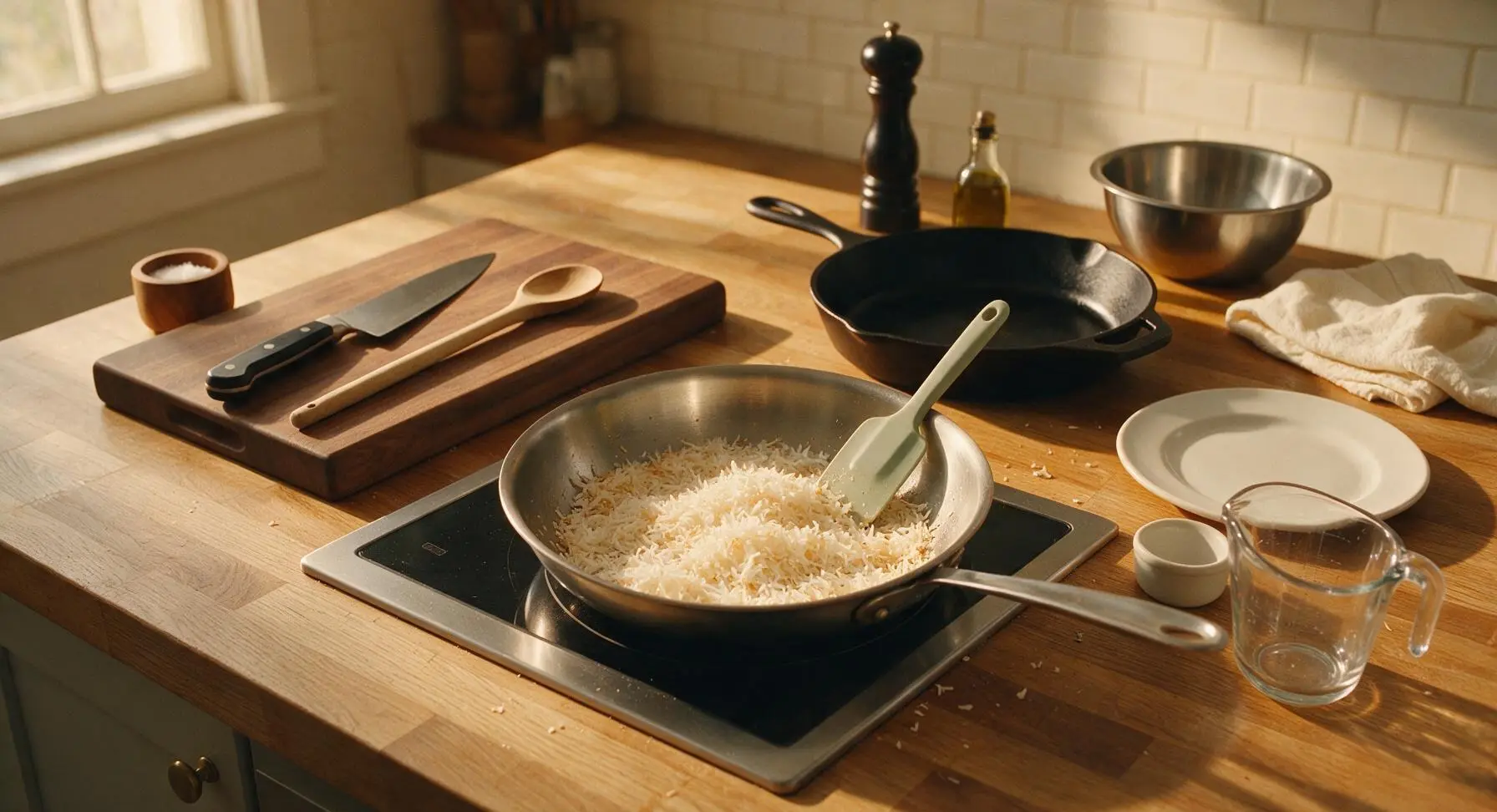
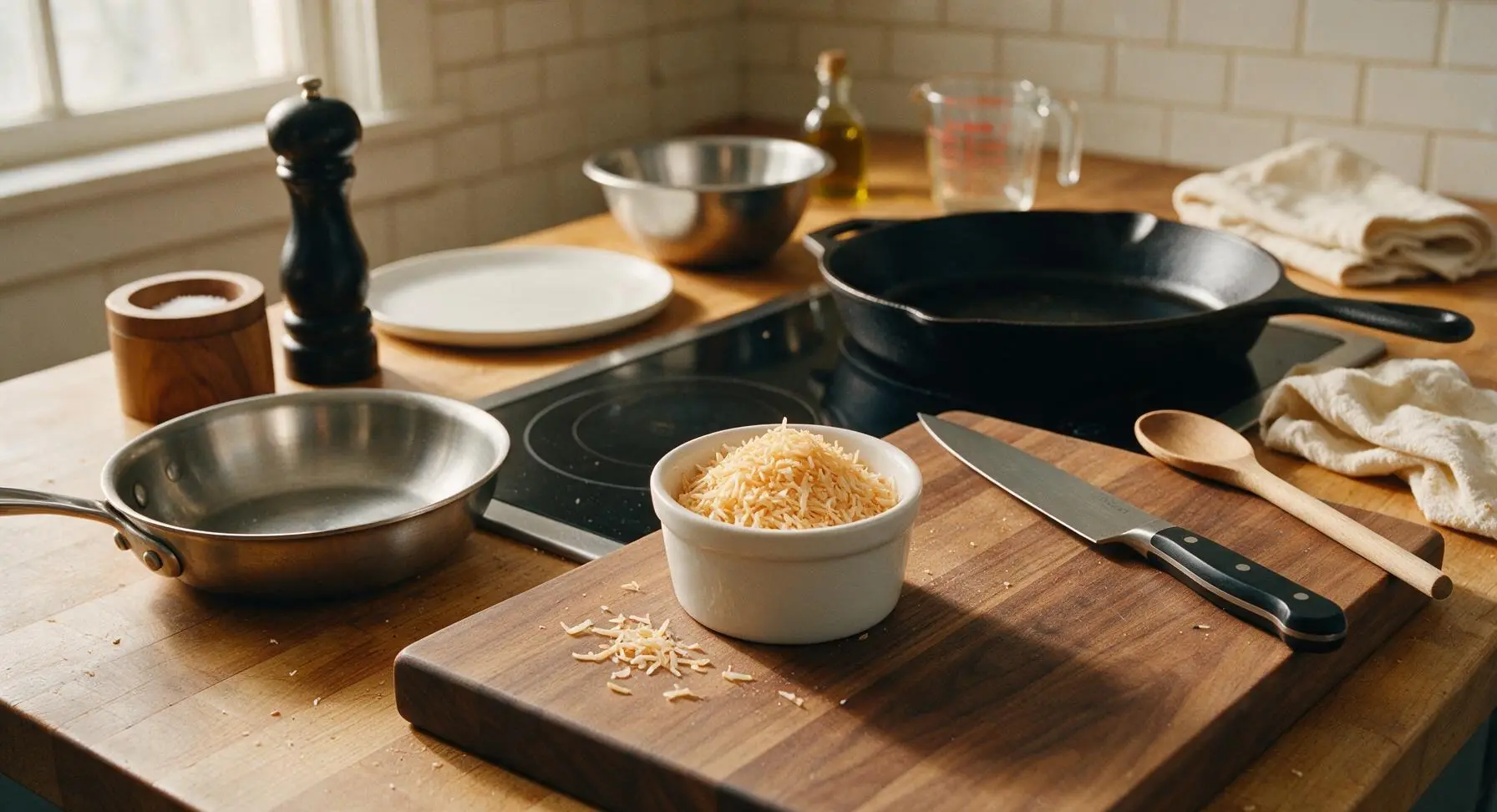
Place the 12cm stainless steel dry skillet on the central induction burner over medium-low heat. Add the 2 tablespoons of shredded coconut, and stir constantly with the pale sage silicone spatula for 1-2 minutes, until the coconut turns pale golden brown and releases a warm nutty aroma. Immediately pour the toasted coconut into one of the small matte white ramekins to stop it from burning, and set aside. Watch closely, as shredded coconut can burn in as little as 30 seconds once hot.
Step 1
step1:Toast Shredded Coconut
Step 1
step1:Toast Shredded Coconut
2

Prep Lime and Scallions

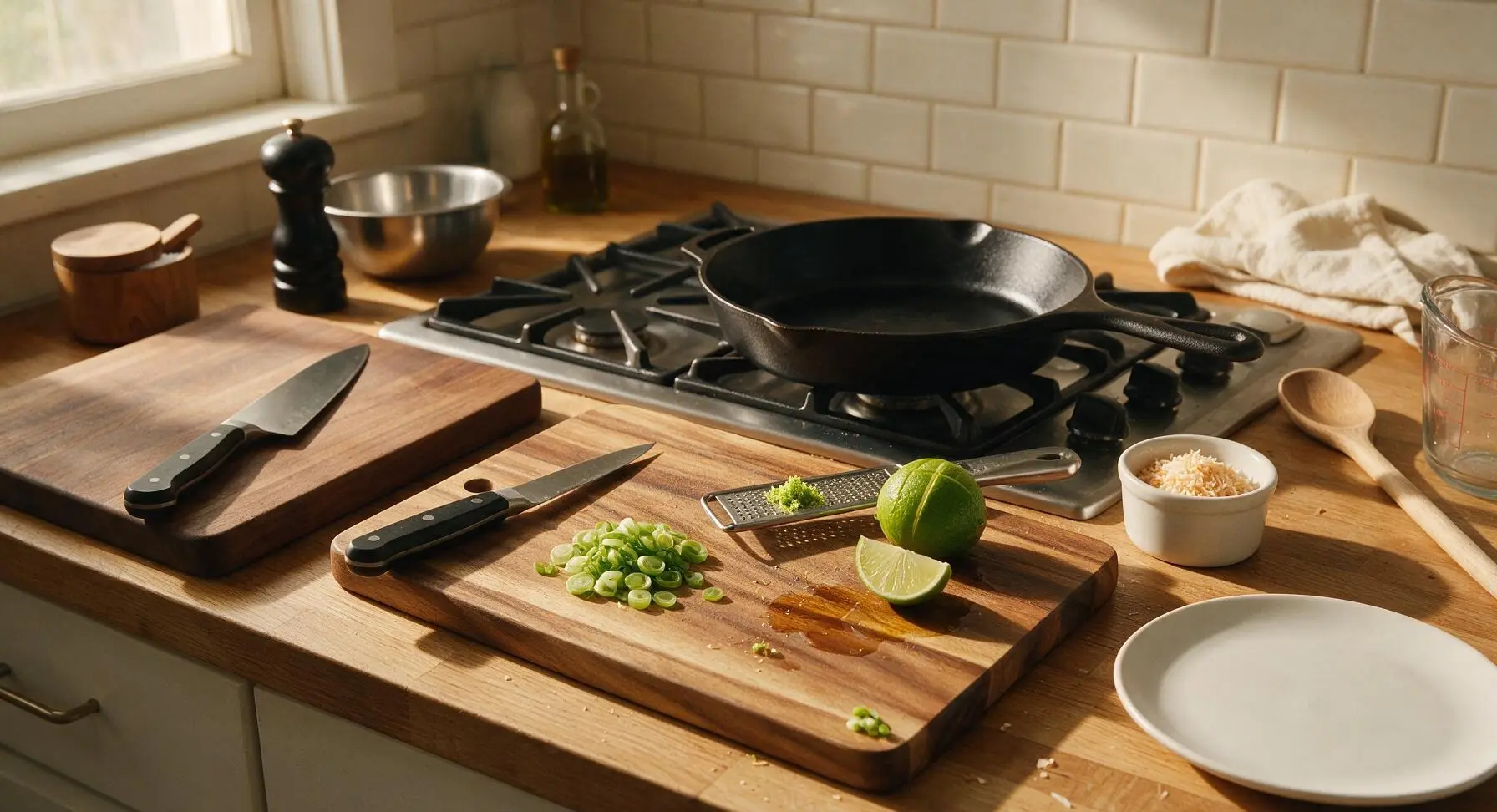
Place the small acacia wood cutting board in the central counter space in front of the burner. Use the 10cm paring knife to trim the dry root ends from the scallions, then thinly slice the bright green tops into 2mm rounds, and transfer to the second small matte white ramekin. Use the stainless steel microplane zester to grate 1/2 teaspoon of fine lime zest from the whole lime, then cut one 5mm thick wedge from the lime for serving, squeezing 1/4 teaspoon of fresh juice from the remaining fruit into a small pile on the cutting board. Push any stray scallion bits into a small pile at the edge of the board.
Step 2
step2:Prep Lime and Scallions
3

Whisk Coconut Egg Base

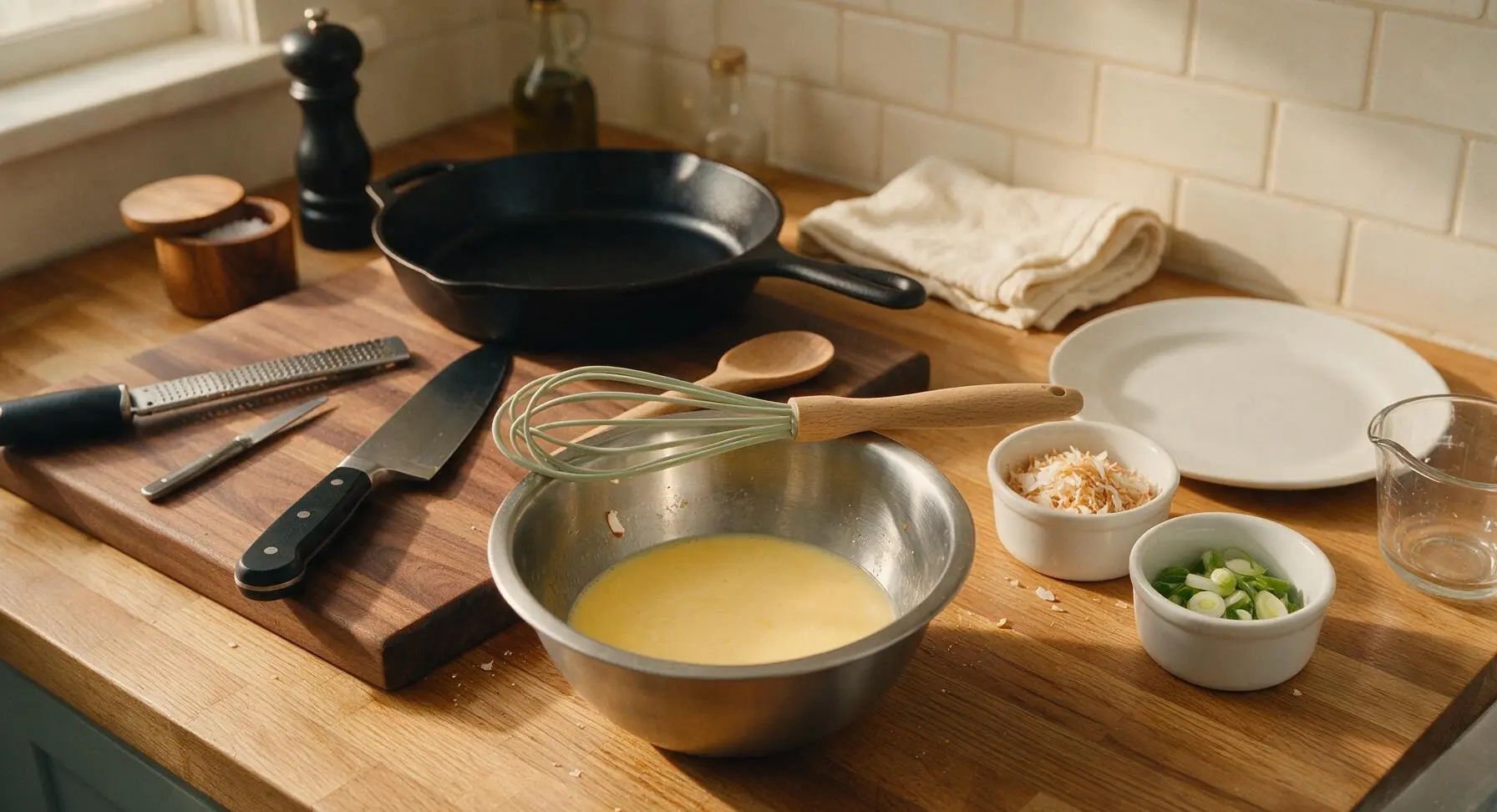
Crack all 6 large eggs into the brushed stainless steel mixing bowl. Add the measured 1/4 cup of well-shaken coconut milk, 1/4 teaspoon flaky sea salt, 1/8 teaspoon black pepper, 1/2 teaspoon lime zest, and 1/4 teaspoon fresh lime juice. Use the pale sage silicone whisk to beat the mixture for 30-45 seconds, until the yolks and whites are fully combined into a uniform pale yellow liquid, with no visible streaks of clear egg white. Do not over-whisk, as excess air will create tough, spongy egg curds.
Step 3
step3:Whisk Coconut Egg Base
4

Heat Skillet Gently

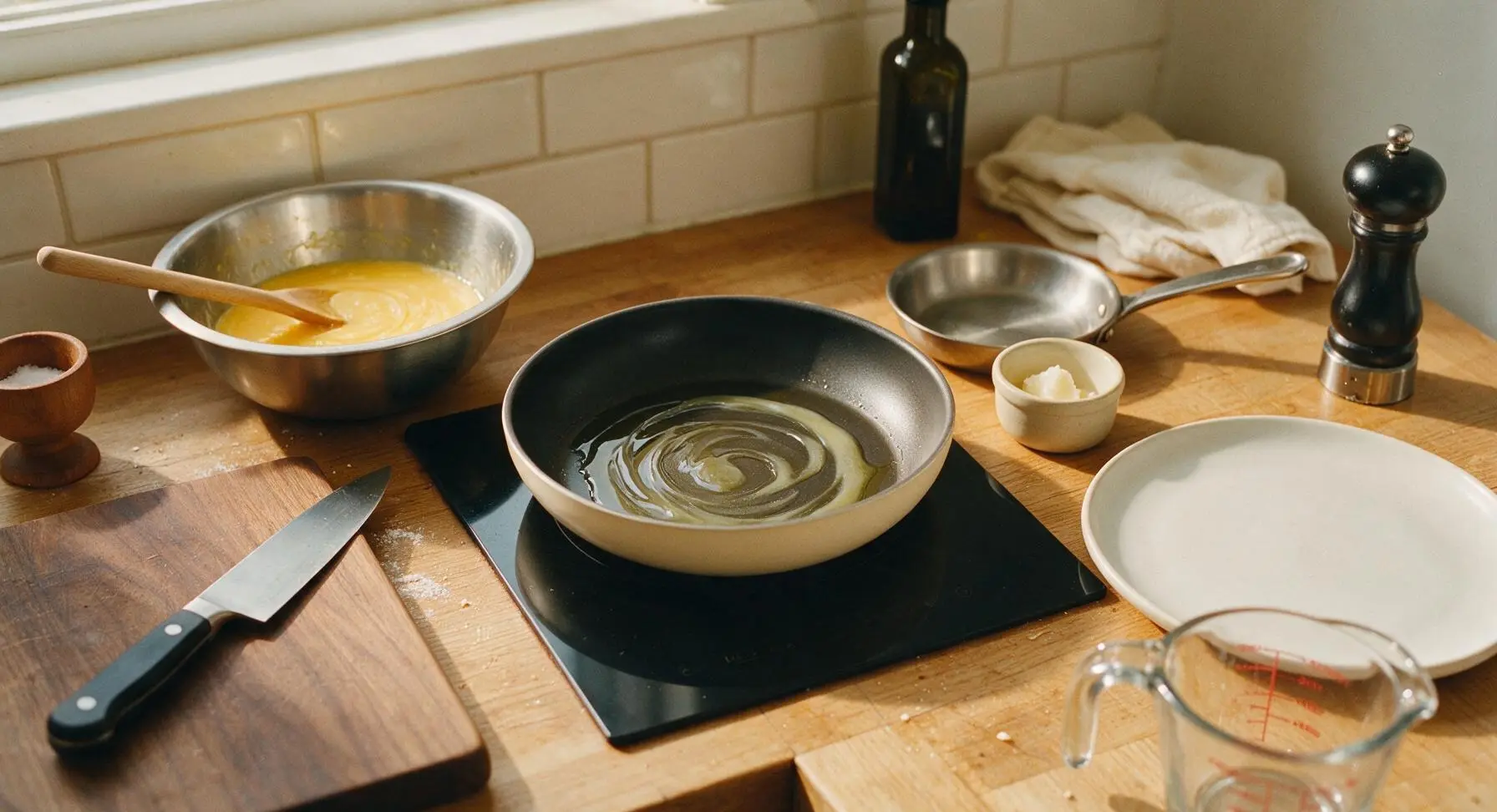
Remove the small stainless steel dry skillet from the induction burner and set it to the right of the ramekins. Place the 20cm matte cream non-stick skillet on the central induction burner, set to low heat (heat setting 3 out of 10, target pan surface temperature 120C/250F, not hot enough to make oil smoke). Add the 1 teaspoon of unrefined coconut oil to the pan, and swirl to coat the entire bottom surface as it melts, about 30 seconds.
Step 4
step4:Heat Skillet Gently
5

Cook Eggs Gently

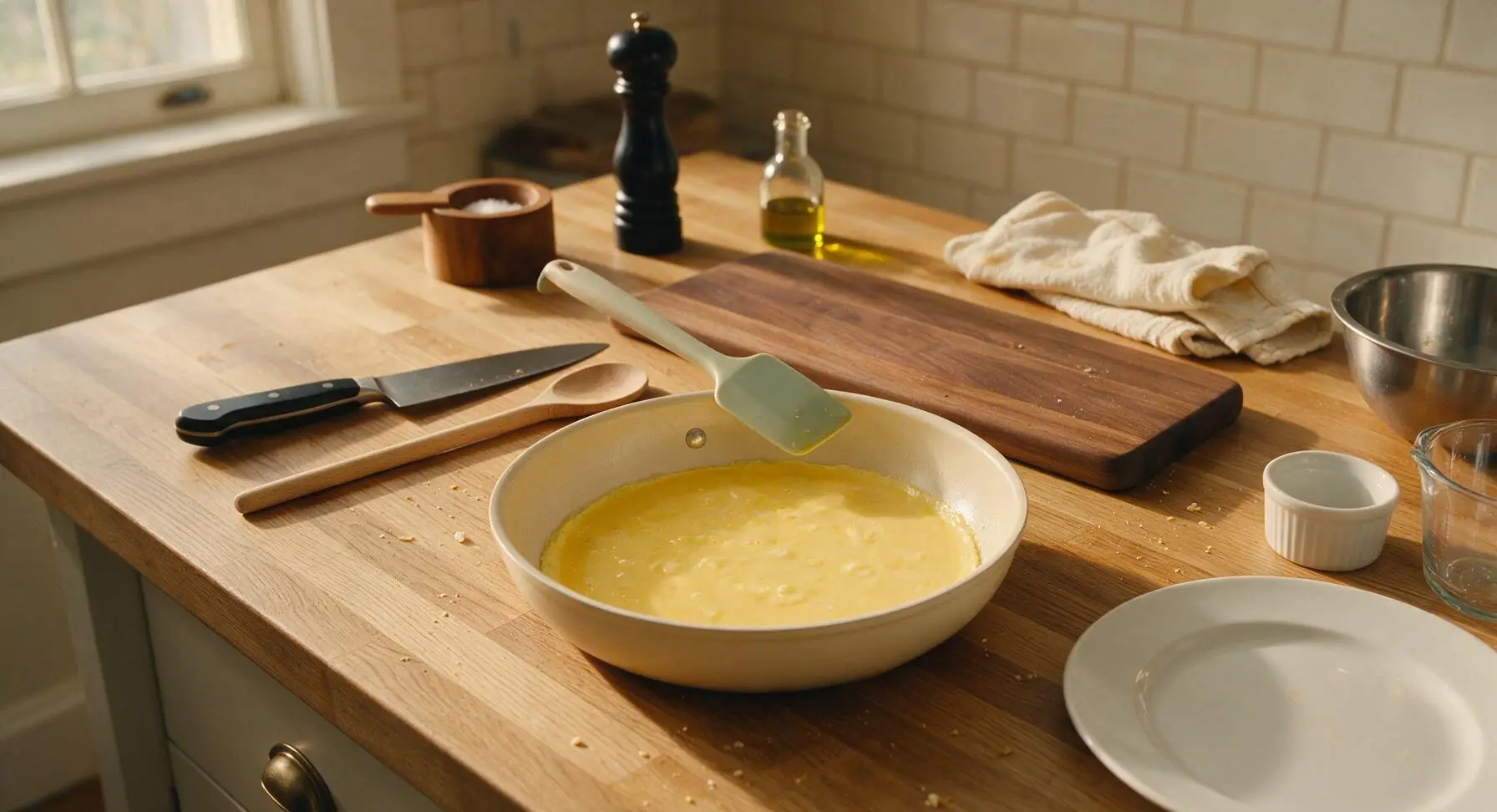
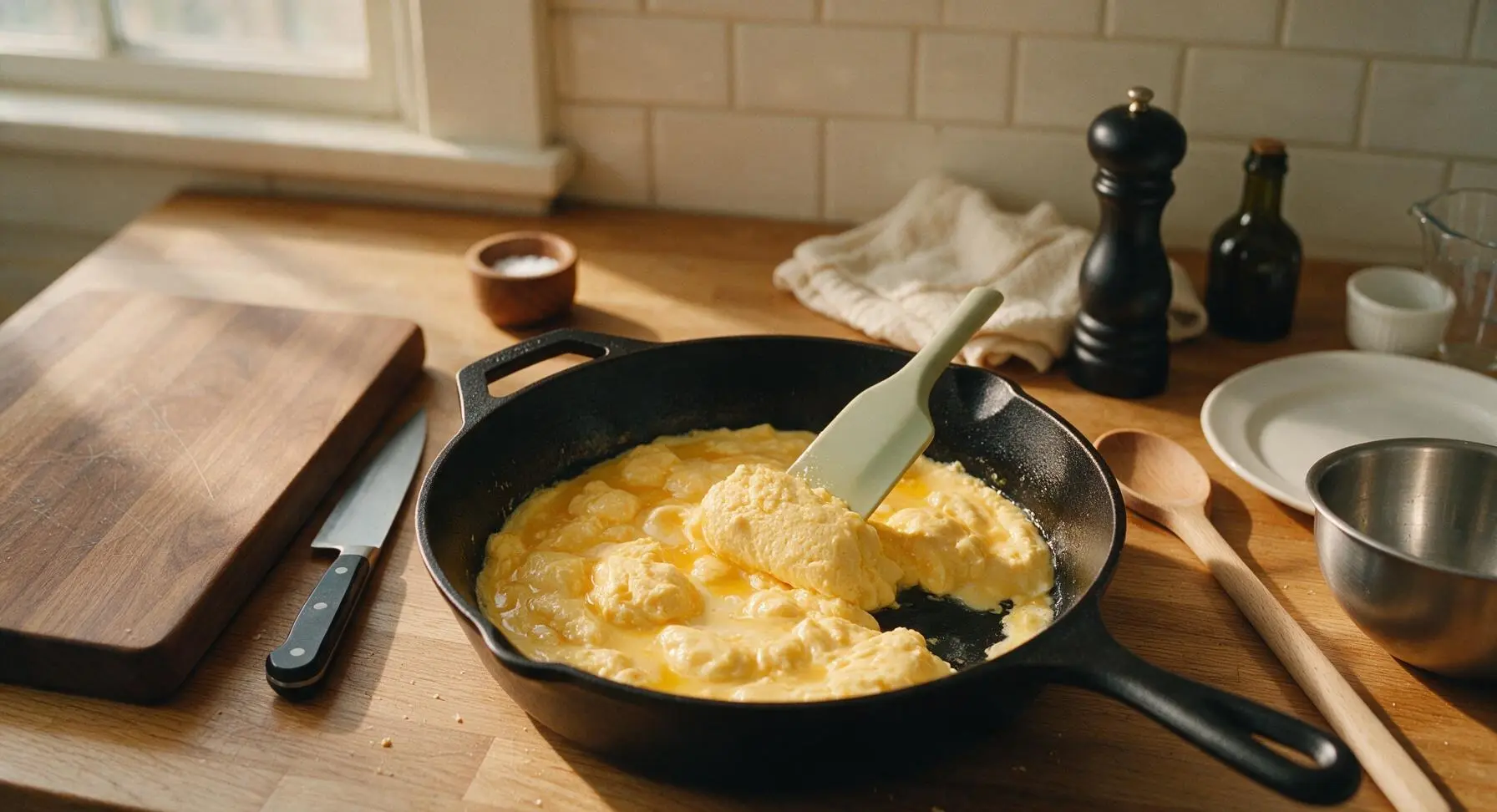
Pour the whisked egg and coconut milk mixture into the preheated, oiled skillet. Let the eggs sit undisturbed for 15-20 seconds, until the edges just start to set into soft, pale golden curds. Use the pale sage silicone spatula to gently push the set curds from the edge of the pan toward the center, tilting the pan to let uncooked runny egg flow into the empty pan spaces. Repeat this gentle push-and-tilt process every 10 seconds for 3-4 minutes total, until the eggs are 80% set, with large, soft creamy curds and just a small amount of runny uncooked egg remaining. Do not stir constantly or turn heat up, as this will create small, tough, rubbery curds.
Step 5
step5:Cook Eggs Gently
Step 5
step5:Cook Eggs Gently
6

Finish Eggs Off Heat

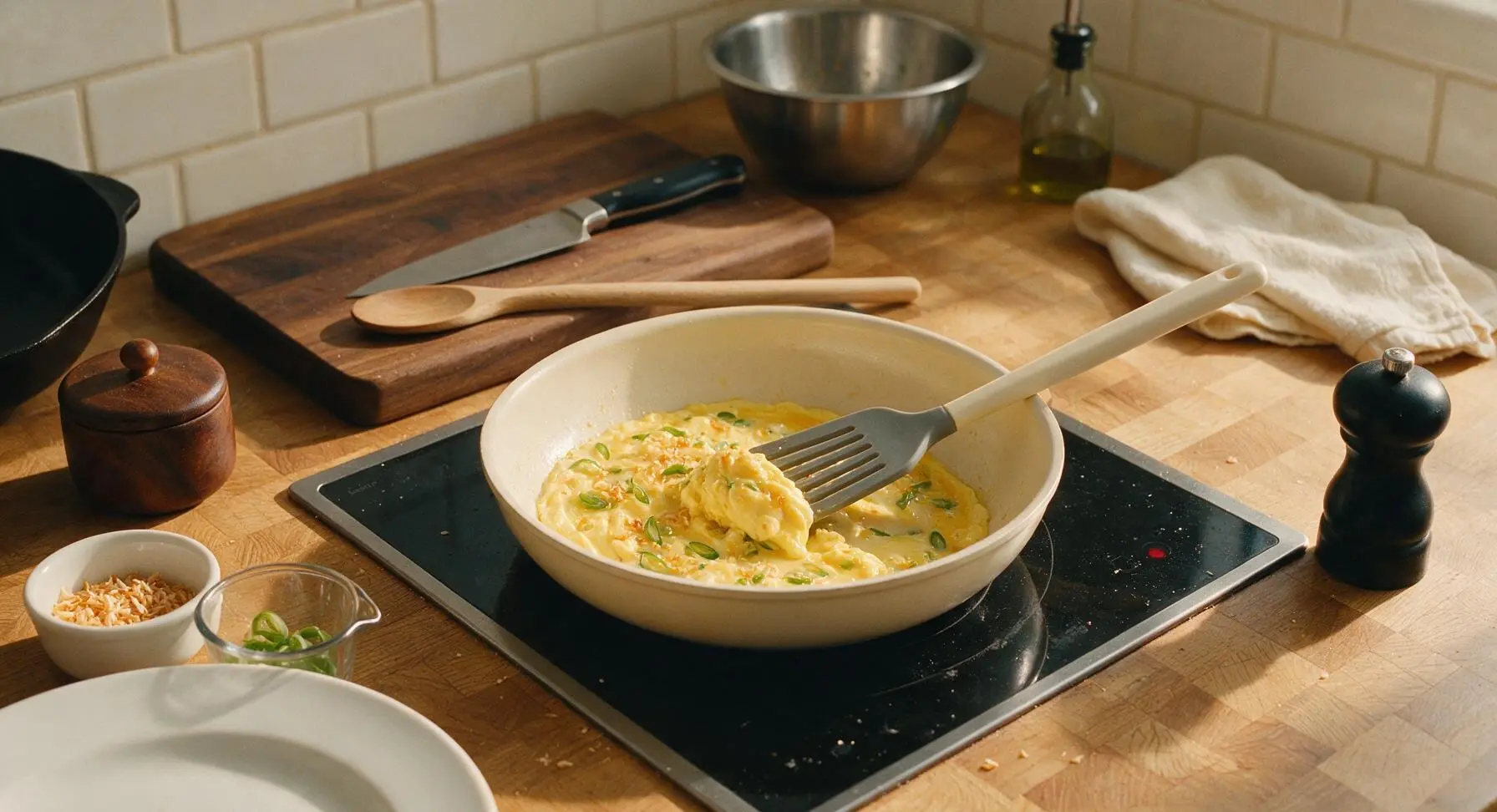
Turn off the induction burner, and pull the skillet 5cm forward off the burner element. The residual heat in the pan will finish cooking the eggs in 30 seconds, leaving them soft, creamy, and slightly custardy, with no dry or rubbery sections. Stir in 1 teaspoon of the toasted coconut and half of the sliced scallions, folding gently with the silicone spatula to distribute evenly.
Step 6
step6:Finish Eggs Off Heat
7

Plate and Garnish

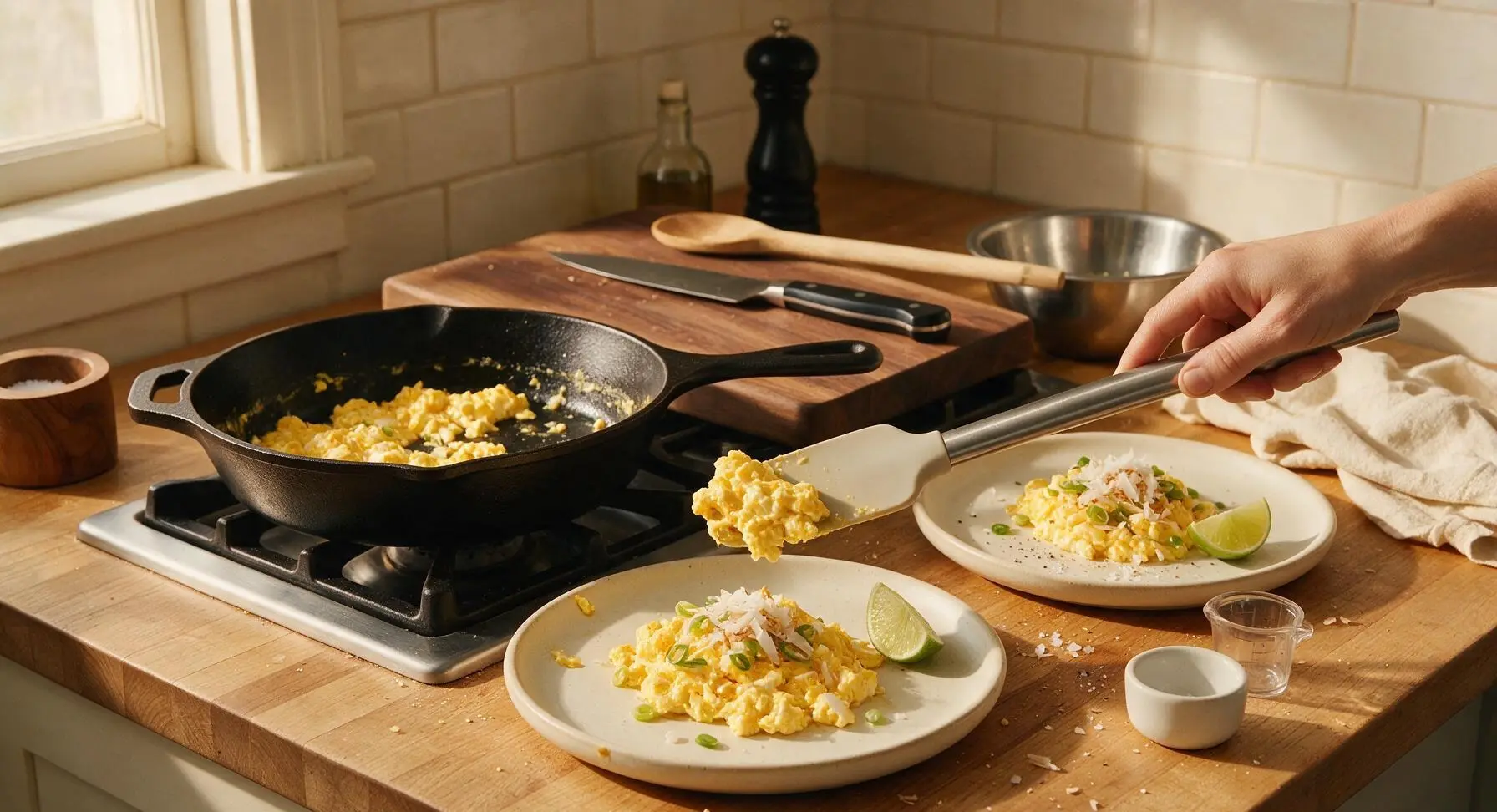
Scoop the finished scrambled eggs evenly between the two matte cream ceramic breakfast plates, mounding them gently in the center of each plate. Top with the remaining toasted coconut, remaining sliced scallions, a light pinch of extra flaky sea salt, a twist of fresh black pepper, and place a lime wedge on the edge of each plate. Serve immediately, while the eggs are warm and creamy, as they will continue to firm up as they cool.
Step 7
step7:Plate and Garnish

Tips

1.Always use full-fat canned coconut milk, not light coconut milk or carton coconut beverage: the high, stable fat content in canned full-fat coconut milk creates the signature rich, creamy texture without making eggs watery, while light versions have added water that will break curds and create a soggy final dish.
2.Cook eggs exclusively over low heat: high heat causes egg proteins to seize and tighten quickly, creating rubbery, dry curds, while low heat slowly builds soft, melt-in-your-mouth curds that hold coconut flavor evenly. If your pan sizzles loudly the second eggs hit the surface, it is too hot—remove it from the burner for 30 seconds before continuing.
3.Remove eggs from heat when they look slightly underdone: residual pan heat will continue to cook the eggs for 30 seconds after you take them off the burner, and waiting until eggs look fully set in the pan will result in overcooked, dry eggs by the time they reach the table.
✨ You May Also Like

Breakfast
🍜 United States

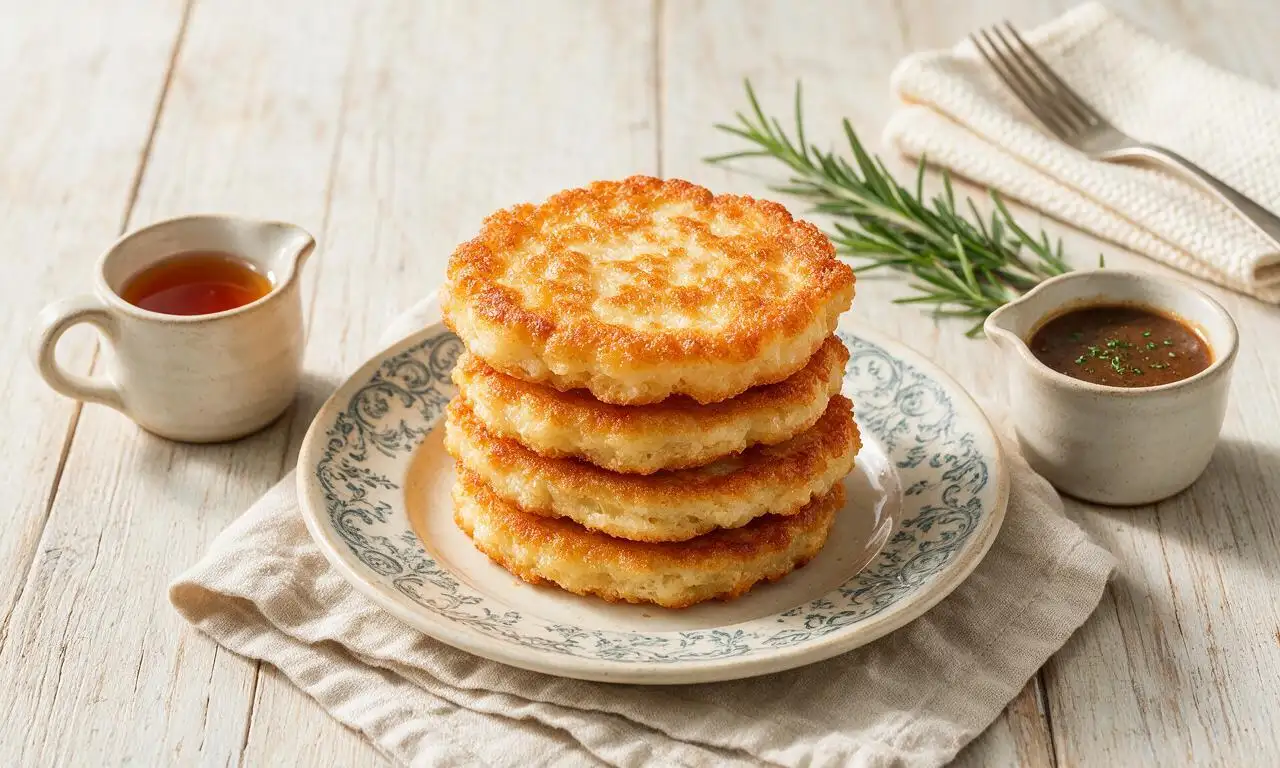
Crisp-edged, fluffy lard griddle cakes are a nostalgic homestyle staple, with rich savoriness from rendered lard, perfect topped with maple syrup or savory gravy.

⏱️ 25 minuteBreakfast ★ 4.8
Breakfast
🍜 United States

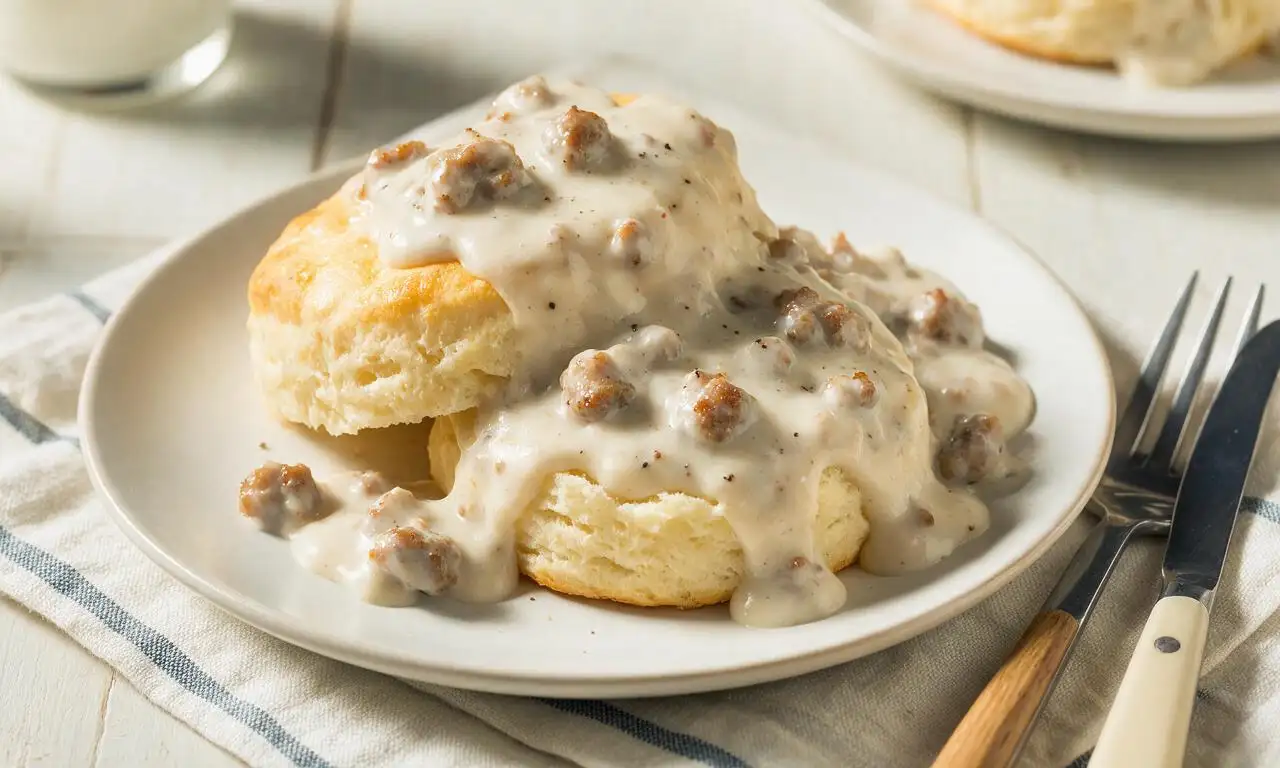
Flaky, buttery homemade buttermilk biscuits smothered in creamy, peppery pork sausage gravy: a beloved, hearty Southern American comfort food classic.

⏱️ 35 minuteBreakfast ★ 4.8
Breakfast
🍜 United States

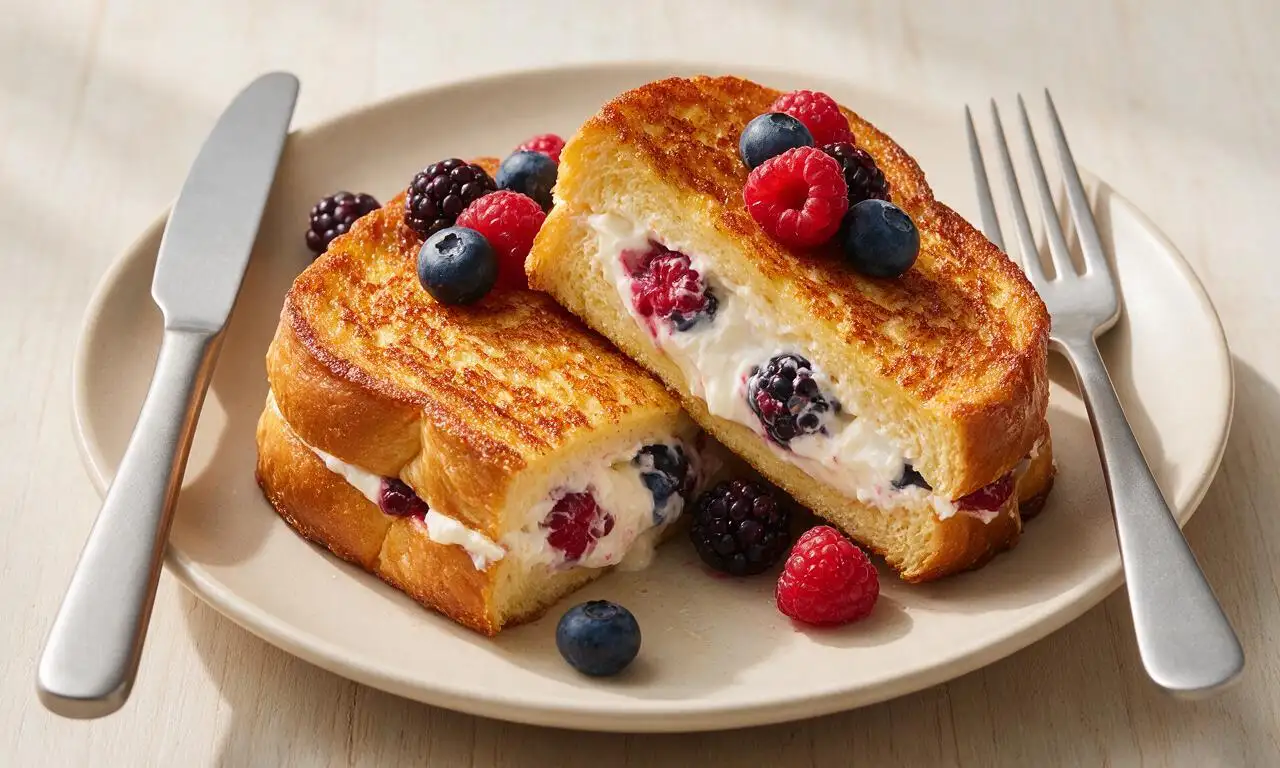
Golden, custardy brioche stuffed with sweet cream cheese and fresh berries, pan-fried to crisp perfection. An indulgent, cozy breakfast perfect for slow weekend mornings.

⏱️ 30 minuteBreakfast ★ 4.7
Breakfast
🍜 United States

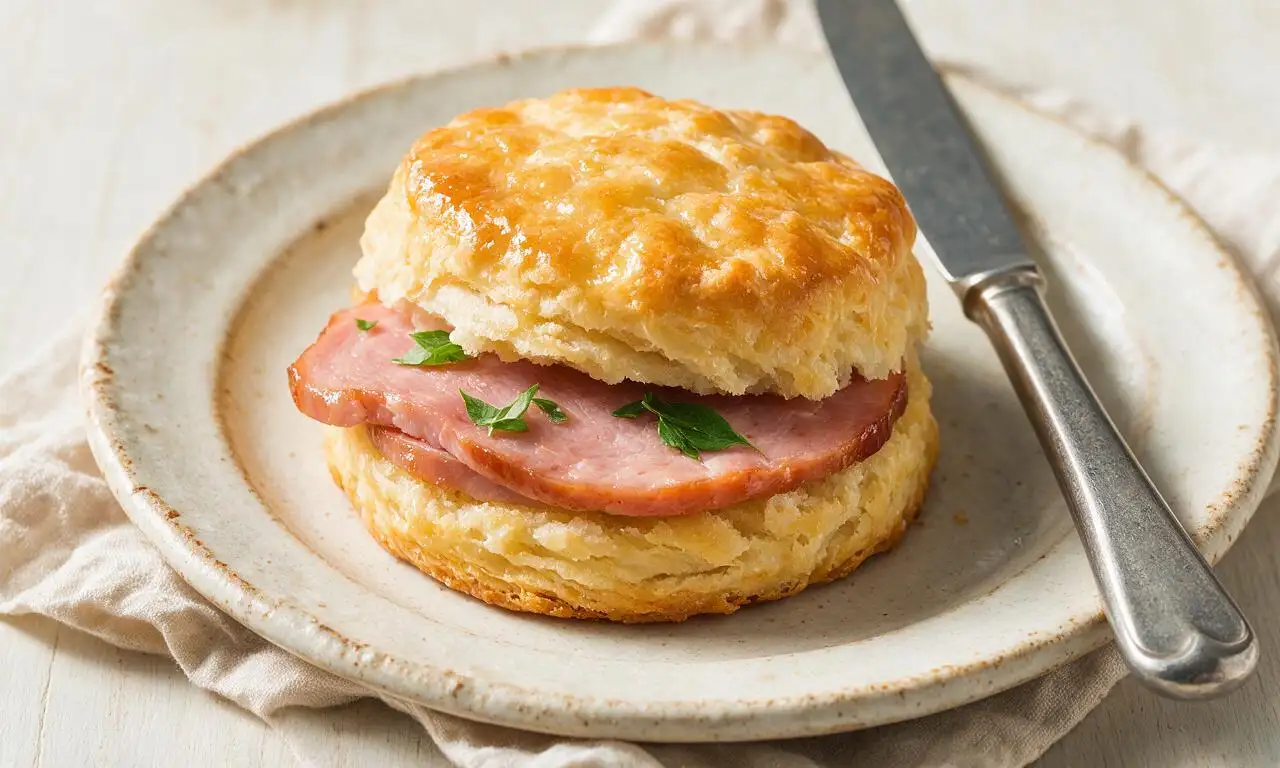
Flaky, buttery Southern-style biscuits stuffed with savory salty country ham, a portable, satisfying classic perfect for casual on-the-go meals.

⏱️ 25 minuteBreakfast ★ 4.8
Breakfast
🍜 United States

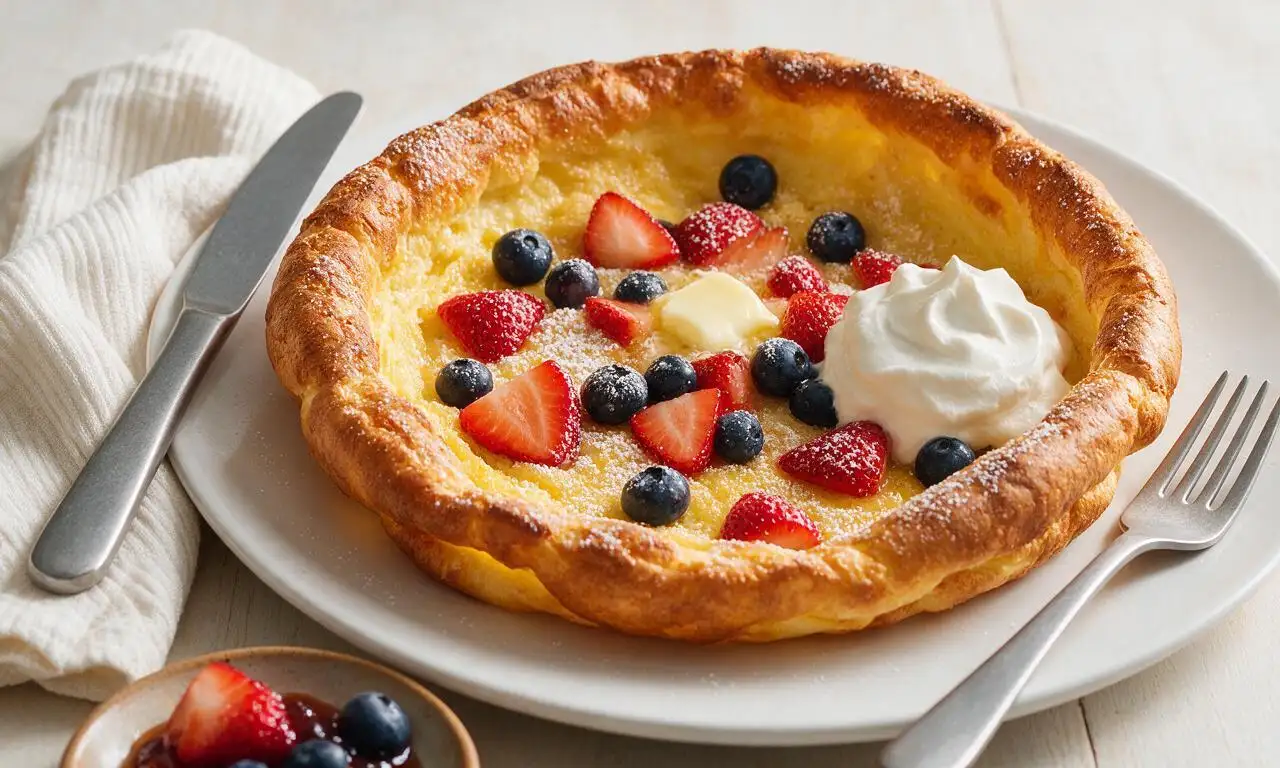
Iconic puffy baked pancake popularized in Seattle, with crisp golden edges and soft custardy center, served warm with classic sweet toppings.

⏱️ 35 minuteBreakfast ★ 4.6
Breakfast
🍜 United States

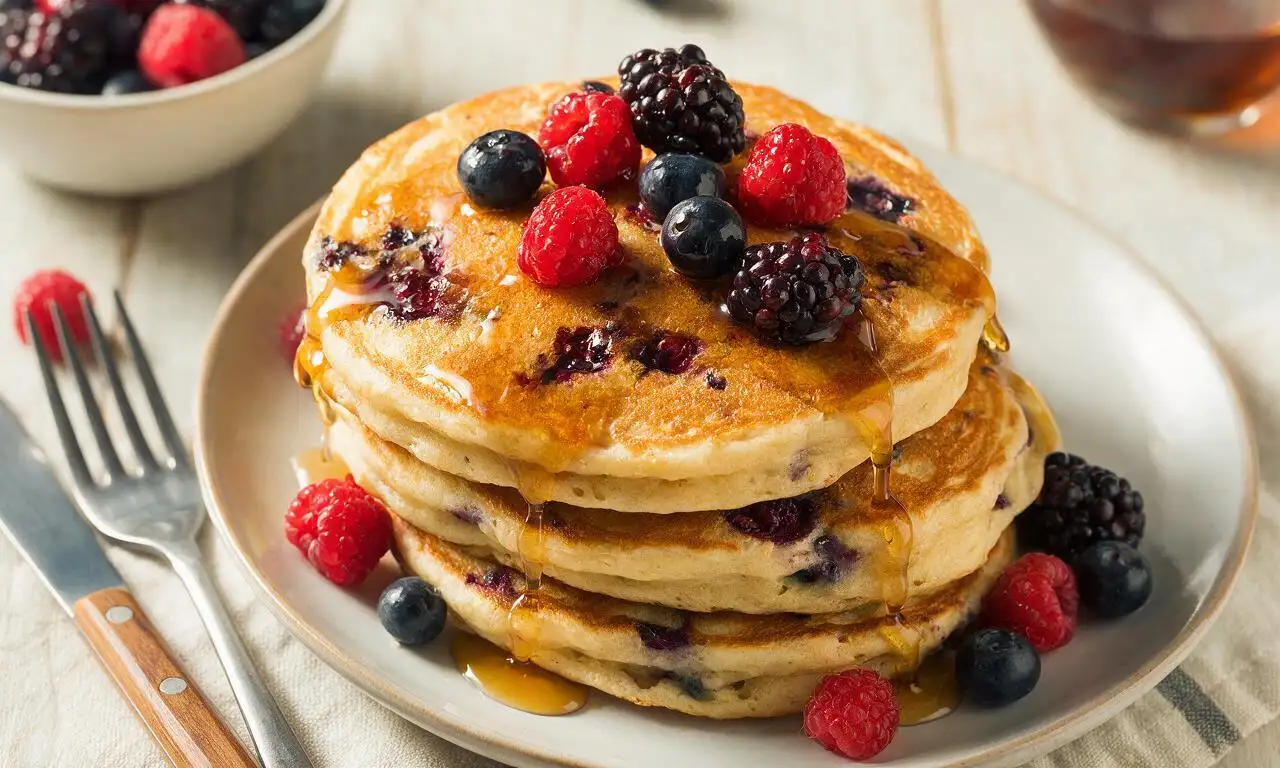
Fluffy, golden pancakes studded with juicy peak-summer mixed berries, drizzled with maple syrup for a bright, comforting, crowd-pleasing family breakfast.

⏱️ 25 minuteBreakfast ★ 4.7

Coconut Scrambled Eggs:Frequently Asked Questions

1.Can I use light canned coconut milk instead of full-fat for this recipe? ▾
Full-fat canned coconut milk is strongly recommended for that signature rich, silky texture and deep coconut flavor. Light coconut milk has a much higher water content, which can make eggs watery and dilute that nice tropical taste. If you must use it, reduce the measured amount by 2 tablespoons and skip any extra liquid in the egg mixture.
2.Why do my coconut scrambled eggs turn out watery? ▾
Watery eggs almost always stem from one of three common mistakes: cooking on too high heat, over-measuring coconut milk, or using untoasted shredded coconut. Cook low and slow, stick to ½ tablespoon of coconut milk per egg, and toast shredded coconut first to cook out residual moisture that leaches into eggs as they cook.
3.Is this recipe dairy-free as written? ▾
This coconut scrambled eggs recipe is 100% dairy-free as written, since it uses coconut oil and coconut milk instead of butter or cow’s milk. Just double-check your canned coconut milk label for hidden dairy fillers like casein, which some cheap generic brands add, to keep it safe for lactose-intolerant or dairy-free eaters.
4.How do I toast shredded coconut without burning it? ▾
Toast unsweetened shredded coconut in a dry small skillet over medium-low heat, stirring constantly with a heatproof spatula, for 2 to 3 minutes total. It will turn light golden brown and smell rich and nutty the second it’s done. Transfer it to a cool plate immediately, as residual pan heat will burn it fast if left in the hot skillet.
5.What mix-ins pair well with coconut scrambled eggs? ▾
Quick-cooking, complementary mix-ins work beautifully here: diced ripe bell pepper, wilted spinach, crumbled feta, diced fresh mango, or chopped cilantro all match the bright tropical profile. Skip super watery mix-ins like raw diced tomato, which will break down during cooking and leave your eggs soggy and diluted.
6.What heat setting gives the silkiest soft scramble? ▾
Stick to low to medium-low heat the entire time, using a heavy-bottomed nonstick or well-seasoned cast iron skillet. High heat will curdle eggs quickly, create rubbery curds, and mute the delicate coconut flavor. Stir slowly with a silicone spatula, pulling soft curds from the pan edge as they form, for luxe, creamy results.
7.Can I use sweetened shredded coconut instead of unsweetened? ▾
I don’t recommend it, because sweetened shredded coconut is coated in added sugar and preservatives that will make eggs taste oddly sweet and clump as it cooks. If that’s all you have on hand, rinse it under cool water to remove the sugar coating, pat it completely dry with paper towels, then toast it as directed to cut excess sweetness.
8.How long do leftover coconut scrambled eggs last in the fridge? ▾
Store fully cooled leftover eggs in an airtight container in the fridge for up to 3 days. Skip freezing them, as the coconut milk and egg curds will separate and turn grainy when thawed. Reheat gently in the microwave in 20-second bursts, stirring between each, to avoid overcooking and turning eggs rubbery.
9.Do I have to use unrefined virgin coconut oil, or can I swap it for another fat? ▾
Unrefined virgin coconut oil adds a subtle, warm coconut aroma that ties the whole dish together, but you can swap it for refined coconut oil if you prefer a milder coconut note, or unsalted butter if you don’t need the recipe to be dairy-free. Avoid strong fats like toasted sesame oil or extra-virgin olive oil, which clash with the bright tropical flavor.
10.When should I add lime juice so it doesn’t curdle the eggs? ▾
Add fresh lime juice right at the very end of cooking, after you’ve pulled the pan completely off the heat. Stirring in lime too early, when eggs are still exposed to high heat, will cause egg proteins to seize up and create grainy, sour-tasting curds. Add a pinch of lime zest too for an extra bright, aromatic pop.
11.How much coconut milk should I use per egg to avoid soggy eggs? ▾
Stick to ½ tablespoon of full-fat canned coconut milk per large egg—so for 4 eggs, that’s 2 tablespoons total. Whisk the coconut milk into beaten eggs just before you pour the mixture into the pan; don’t let the mix sit too long, or the coconut cream may separate and create uneven, watery pockets in your finished scramble.
12.Can I use refrigerated carton coconut milk instead of canned? ▾
Skip refrigerated carton coconut milk for this recipe—it’s heavily diluted with water, thickeners, and often added sugar, so it won’t deliver that rich, creamy texture or deep coconut flavor. Canned full-fat coconut milk is concentrated, with a thick cream layer that emulsifies perfectly into eggs for that luxe, silky mouthfeel.
13.What sides pair best with coconut scrambled eggs? ▾
These tropical eggs pair beautifully with crispy bacon or chicken breakfast sausage, sliced fresh mango or pineapple, buttered toasted sourdough, or a small side of coconut rice for a more filling brunch. For a bright, savory kick, top with a sprinkle of chopped cilantro or pinch of red pepper flakes to cut through the rich coconut flavor.
14.Why do my egg curds turn rubbery even when I cook on low heat? ▾
Rubbery curds usually happen if you overcook the eggs, even on a low temperature setting. Pull the pan off the stove when eggs are just set and still look slightly soft and wet—residual pan heat will finish cooking them in 30 to 60 seconds as you plate them. If eggs look fully done in the pan, they’ll be overcooked by the time you eat them.
15.Can I meal prep these eggs for quick weekday breakfasts? ▾
You can prep components ahead to cut down on morning cook time: toast the shredded coconut and squeeze fresh lime juice up to 3 days in advance, stored in separate small containers in the fridge. I don’t recommend cooking the eggs fully ahead, though—they taste best fresh, when curds are soft and the coconut flavor is brightest.
16.Can I make this recipe lower in fat without losing that signature coconut flavor? ▾
To cut fat slightly, use ¼ tablespoon of full-fat coconut milk per egg instead of ½, and swap half the coconut oil for neutral nonstick cooking spray to coat the pan. Keep the toasted shredded coconut and fresh lime, though—those two ingredients pack huge flavor, so you won’t miss the extra fat, and you’ll still get that tropical taste.

Comments (5)

2 hours ago

OMG these coconut scrambled eggs are a total game changer! I made them for my kids before school this morning and they both asked for seconds. I sprinkled a little extra toasted shredded coconut on top like the recipe note suggested and it added the perfect subtle sweetness, no weird gritty texture at all. The 5 minute cook time is perfect for our chaotic weekday mornings, will be adding this to our regular meal prep rotation for sure!

30 minutes ago

Wait do you use full fat coconut milk or the light stuff? I’ve been scared to try coconut in eggs because I don’t want it to taste like random piña colada eggs lmao

5 minutes ago

Great question! Full fat coconut milk works best for that rich, creamy texture without an overwhelming coconut flavor—light will work too but you’ll get less of that silky scramble we love. No piña colada vibes, promise!

yesterday

SO good, I whipped these up for my post-gym breakfast yesterday and they kept me full clear through my lunch meeting. I added a pinch of red pepper flakes for a little heat and it paired so well with the coconut cream I stirred in. Super easy even for someone who burns toast half the time, 10/10.

3 days ago

I brought these to our neighborhood brunch potluck last weekend and everyone was hounding me for the recipe! A couple people thought I put fancy gourmet cheese in them because they were so creamy, nobody could guess the secret was coconut. Only thing I messed up was cooking them on too high heat at first so they got a little rubbery, make sure you keep the stove on low like the directions say!

2 days ago

So happy they were a hit at your potluck! Low and slow is definitely the key to perfect, silky scrambled eggs no matter what mix-ins you use—great tip for other folks making them for the first time!

1 week ago

I swapped the regular eggs for Just Egg to make this vegan and it worked so perfectly! The coconut milk adds such a luxe texture that I never get with plain Just Egg scrambles. I served it over sourdough toast with avocado and everything bagel seasoning, chef’s kiss.

5 days ago

Oh that’s such a good swap idea! I’ve been looking for ways to make my vegan scrambles less boring, can’t wait to try this this weekend

2 weeks ago

Wait why did I never think to add coconut to scrambled eggs before?? I had a half can of coconut milk leftover from making curry last night and decided to give this a go this morning, and it’s the fluffiest scramble I’ve ever made. No weird coconut aftertaste, just rich, creamy eggs. 10/10 will make again even when I don’t have leftover coconut milk.

1 week ago

Wait I also always have leftover coconut milk from curry! This is the perfect hack to use it up instead of letting it go bad in the back of my fridge, thanks for the inspo

5 days ago

Love that you used leftover coconut milk for this! It’s such a versatile ingredient, and it works so well here to make those eggs extra silky without needing a ton of butter or cheese.