1.Can I use dried lemongrass, galangal, or kaffir lime leaves if I can’t find fresh versions?
▾
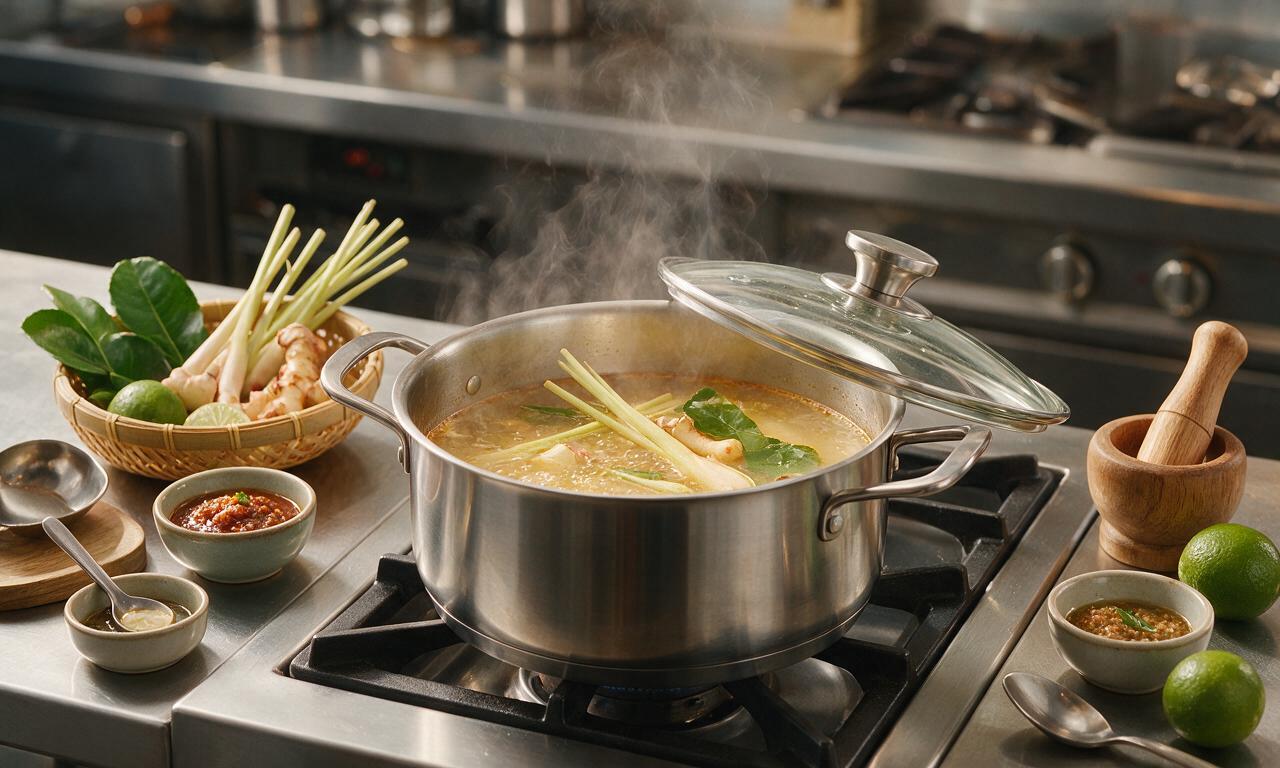
Fresh aromatics deliver the brightest, most authentic flavor, but dried versions work in a pinch. Use 1/3 the measured amount of dried lemongrass, galangal, and kaffir lime leaves, rehydrating them in warm broth for 10 minutes before adding other ingredients. Skip powdered versions, as they leave a gritty, muddy texture and flat, unbalanced flavor, and always remove tough dried aromatics before serving.
2.Do I really need to leave shrimp tails on, or can I peel shrimp completely?
▾
Leaving tails on does two key things: it adds subtle, briny shrimp flavor as the tails simmer in the broth, and it gives the finished soup a polished, restaurant-style presentation. If you prefer easier, no-peel eating, you can remove tails entirely—just toss peels and tails into the simmering broth for 5 minutes, then strain them out before adding mushrooms and shrimp to retain that deep seafood flavor.
3.Why does the recipe call for low-sodium chicken broth instead of regular or homemade stock?
▾
Low-sodium chicken broth gives you full control over the soup’s salt balance, since tom yum gets its salty umami kick from fish sauce added later in the recipe. Regular broth or heavily salted homemade stock can easily make the final soup too briny once other seasonings are added. If you only have regular broth, cut it with 1/4 cup plain water and hold off on fish sauce until you taste and adjust at the end.
4.What kind of mushrooms work best for authentic tom yum goong?
▾
The traditional pick is straw mushrooms, which have a mild, earthy bite and tender texture that holds up beautifully to the bold broth. If you can’t find canned or fresh straw mushrooms, swap in sliced cremini, oyster mushrooms, or shiitakes with tough stems removed. Avoid portobello mushrooms, as their dark, gilly texture and strong, meaty flavor will overpower the soup’s bright, delicate aromatic base.
5.How spicy is authentic tom yum, and can I adjust the heat level to my preference?
▾
Traditional tom yum has a noticeable, zingy heat that balances its sour and salty notes, but it’s not so spicy it masks other bright flavors. To adjust heat, add more or fewer fresh Thai bird’s eye chilies; lightly crush them to release extra capsaicin if you love fiery food. For mild soup, use just 1-2 whole, uncrushed chilies so they release only subtle, gentle warmth.
6.Why is my tom yum soup bitter instead of bright and tangy?
▾
Bitter tom yum almost always comes from overcooking or over-prepping the aromatic herbs. Don’t chop lemongrass, galangal, or kaffir lime leaves too finely, and never boil them for longer than 10 minutes before adding other ingredients, as their bitter, woody compounds will leach into the broth. Also, skip the tough, woody top 2/3 of lemongrass stalks, which add no sweet, aromatic flavor, only bitterness.
7.Do I need to add coconut milk to tom yum goong?
▾
Authentic Central Thai tom yum goong is a clear, bright soup with no coconut milk—coconut milk is the key addition that turns it into tom kha, or the creamier tom yum variant often served at Western Thai restaurants. If you prefer a richer, silkier texture, stir in 1/4 cup full-fat coconut milk at the very end, but hold off on extra lime juice until you taste, as coconut milk mutes sour notes.
8.How do I prep lemongrass correctly for this soup?
▾
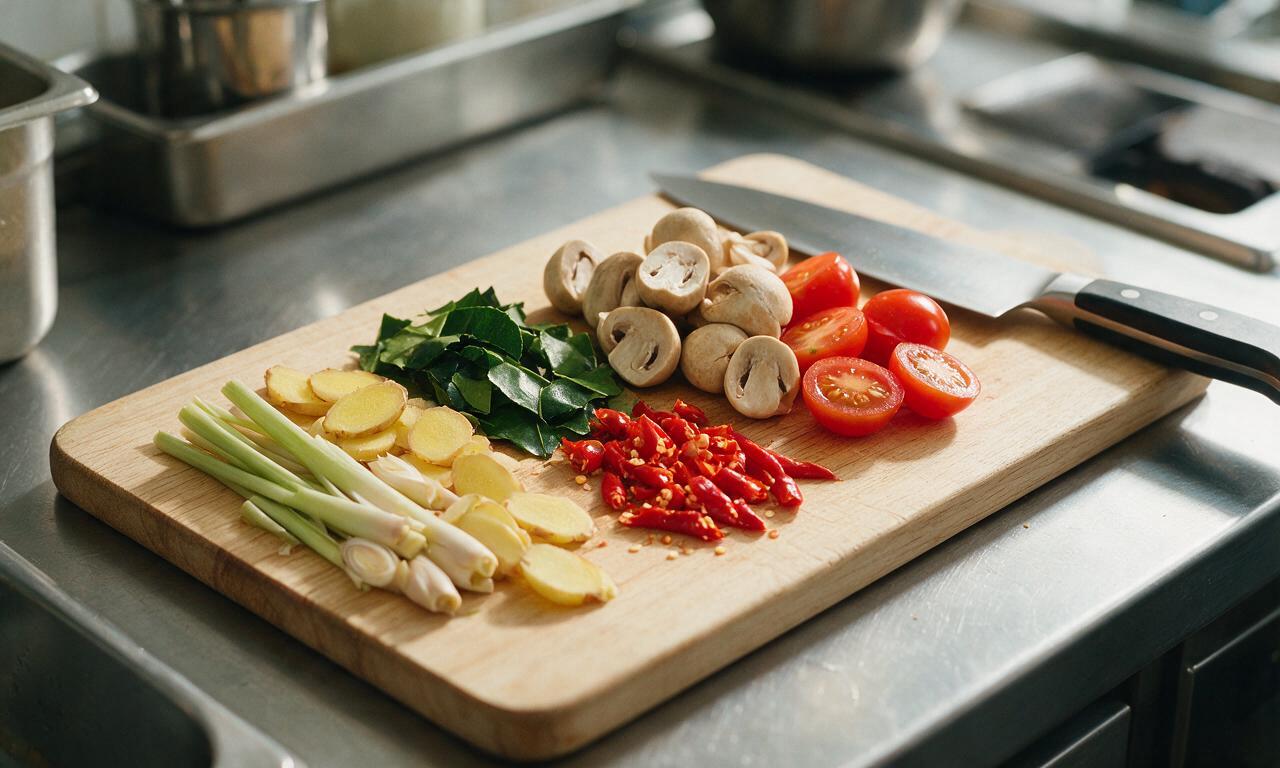
Start by trimming off the dry, woody top 2/3 of each stalk and the hard root end, so you’re left with the tender, pale lower 4 inches. Peel off the tough outer 1-2 layers, then use the flat side of your knife to lightly smash the stalk to release its aromatic oils. Cut it into 2-inch chunks, and don’t chop it finely—these chunks are meant to infuse broth, not be eaten whole.
9.Can I make this soup ahead of time for meal prep?
▾
You can prep the aromatic broth base (lemongrass, galangal, kaffir lime leaves, broth, and base seasonings) up to 3 days ahead, storing it in an airtight container in the fridge. Wait to add shrimp, mushrooms, lime juice, and fresh cilantro until right before serving, though—shrimp gets rubbery when reheated, lime juice turns bitter with long storage, and mushrooms get mushy sitting in broth.
10.What if I can’t find fresh galangal? Is ginger an acceptable substitute?
▾
Fresh galangal has a sharper, earthier, more citrusy flavor than common ginger, so it’s not a perfect 1:1 swap, but it works in a pinch. Use slightly less young ginger than the amount of galangal called for, and add a tiny extra pinch of lime zest to mimic galangal’s bright, citrusy edge. Avoid old, fibrous ginger, which has a harsher, spicier bite that throws off the soup’s balance.
11.How do I keep the shrimp from getting rubbery in the soup?
▾
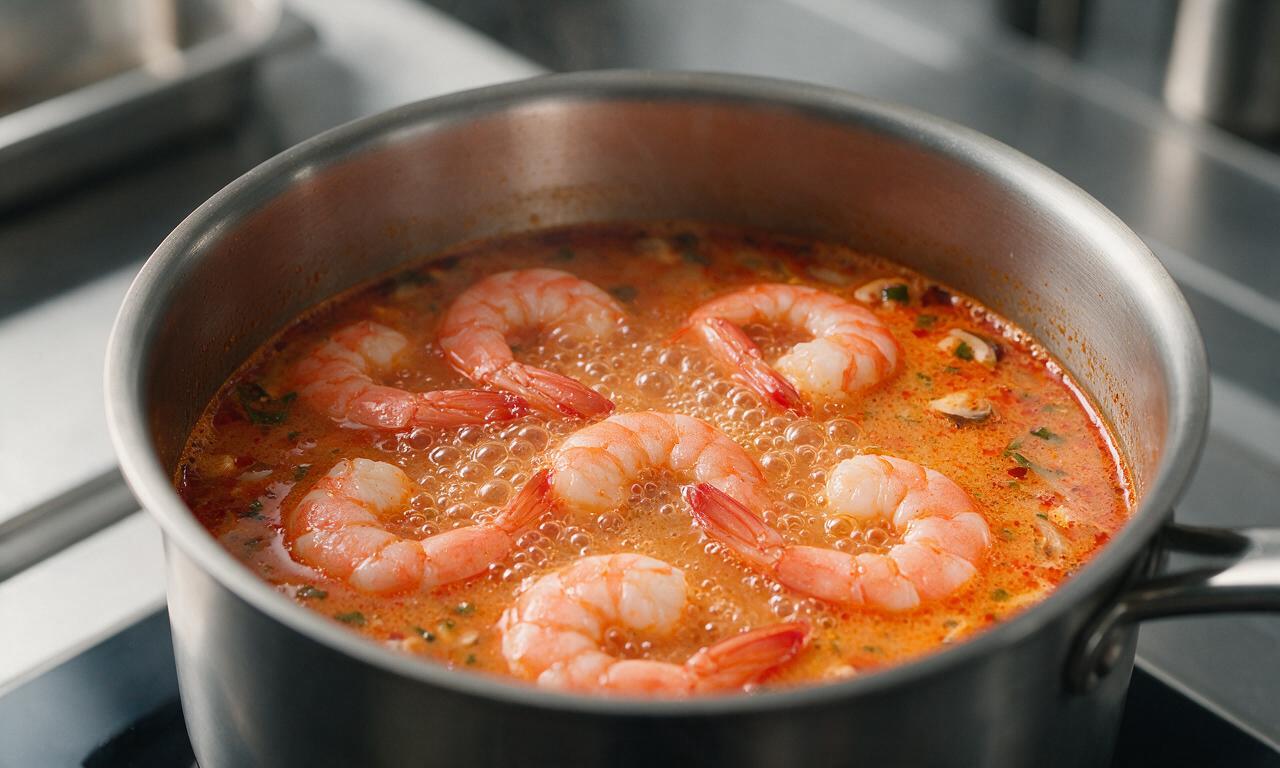
Shrimp turn rubbery when overcooked, so add them at the very end of the cooking process, once your broth is fully seasoned and your mushrooms are tender. Simmer them for just 2-3 minutes total, until they turn opaque pink and curl into a loose C shape. Pull the pot off the heat immediately after—residual heat will finish cooking them through without making them tough or chewy.
12.What gives tom yum its signature tang, and can I use bottled lime juice?
▾
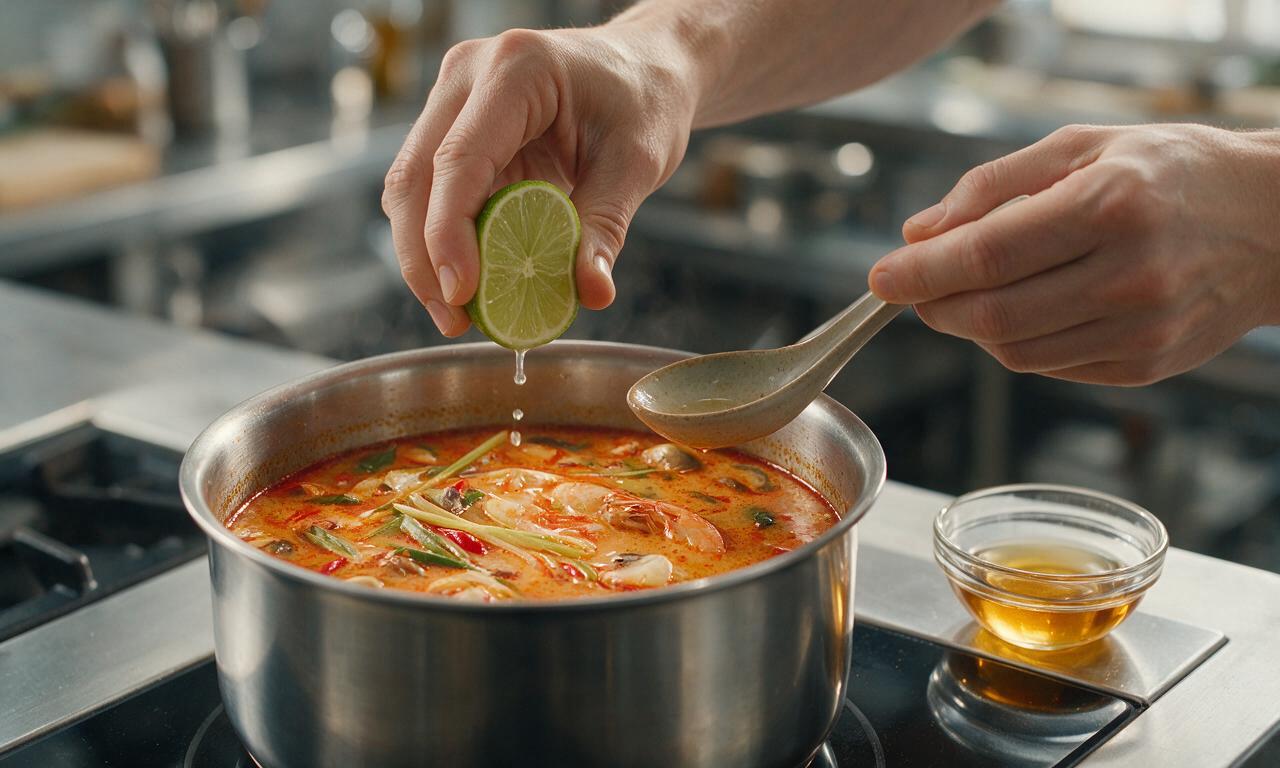
That signature bright tang comes from fresh-squeezed lime juice, added off heat at the very end of cooking. Bottled lime juice has a flat, metallic, overly sharp flavor that can’t match fresh, so skip it if at all possible. If you have no other option, use 25% less bottled lime juice than fresh, add a tiny pinch of sugar to round out its harsh edge, then adjust to taste.
13.Are the lemongrass, galangal, and kaffir lime leaves meant to be eaten?
▾
Those woody aromatics are added strictly to infuse the broth with flavor, and they’re not meant to be eaten—they’re very tough, fibrous, and can be bitter if you bite into them. You can either fish them out before serving, or just warn guests to push them to the side of their bowl, like you would a bay leaf in Western soups or a cinnamon stick in mulled cider.
14.What can I serve with tom yum goong to make a full meal?
▾
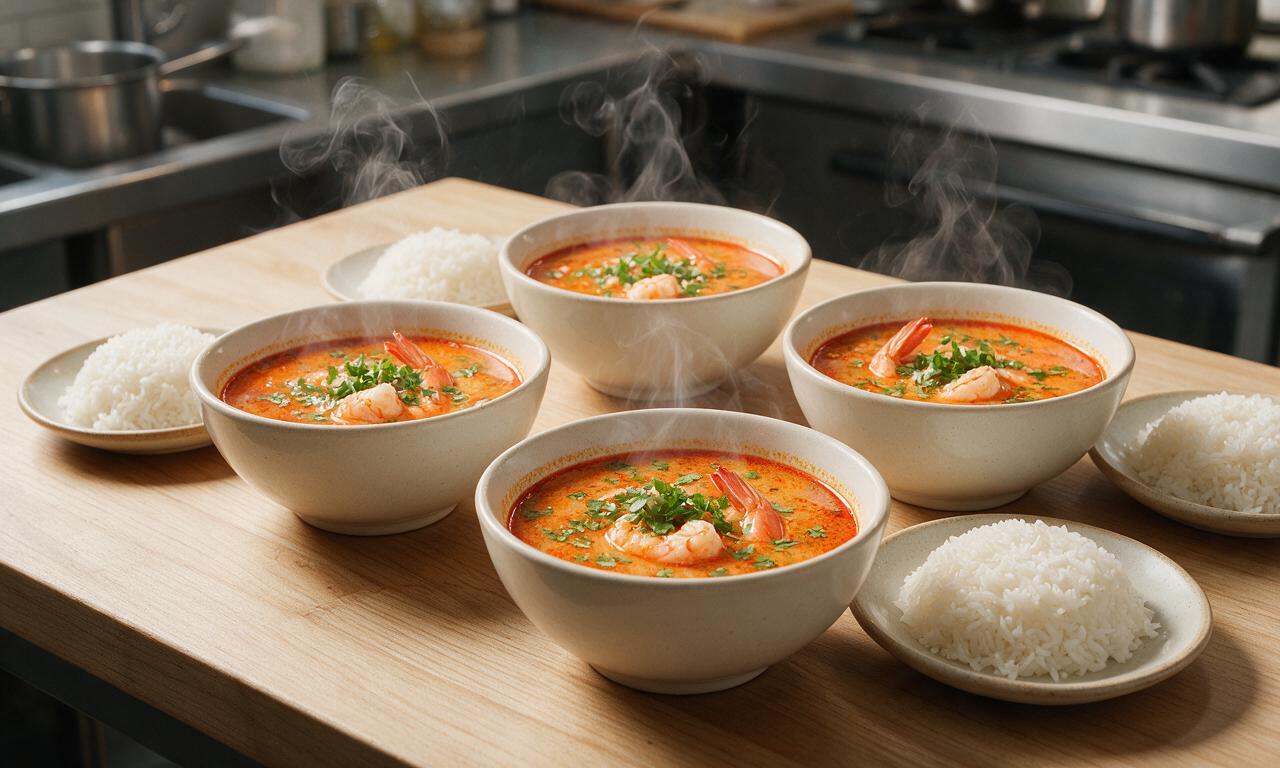
Tom yum pairs perfectly with fluffy steamed jasmine rice, which soaks up the bold, tangy broth and balances the soup’s heat. For a fuller spread, serve it alongside crispy Thai spring rolls, green papaya salad, or stir-fried Chinese broccoli with oyster sauce. If you’re serving it as a starter, keep portions small, as its bright, bold flavors are designed to wake up your palate before the main course.
15.I don’t eat shrimp—can I make this tom yum with another protein?
▾
Absolutely! While goong refers to shrimp, you can swap in thinly sliced chicken breast, firm white fish like cod or tilapia, cubed firm tofu, or even a mix of seafood like scallops and squid for a delicious version. Adjust cooking times as needed: thinly sliced chicken needs 4-5 minutes to cook through, while tofu and white fish only need 2-3 minutes to stay tender, just like shrimp.
16.How do I use kaffir lime leaves correctly to get the best flavor?
▾
Before adding kaffir lime leaves to the broth, hold each leaf firmly and tear it slightly along the central vein to release its intensely aromatic, citrusy oils. If you’re using dried leaves, double check for any tough, thick central veins and remove those before adding, as they add unwanted bitterness. Don’t add leaves whole without tearing, as they won’t release nearly enough of their signature bright, floral citrus flavor.
17.My soup tastes flat—what seasonings am I likely missing?
▾
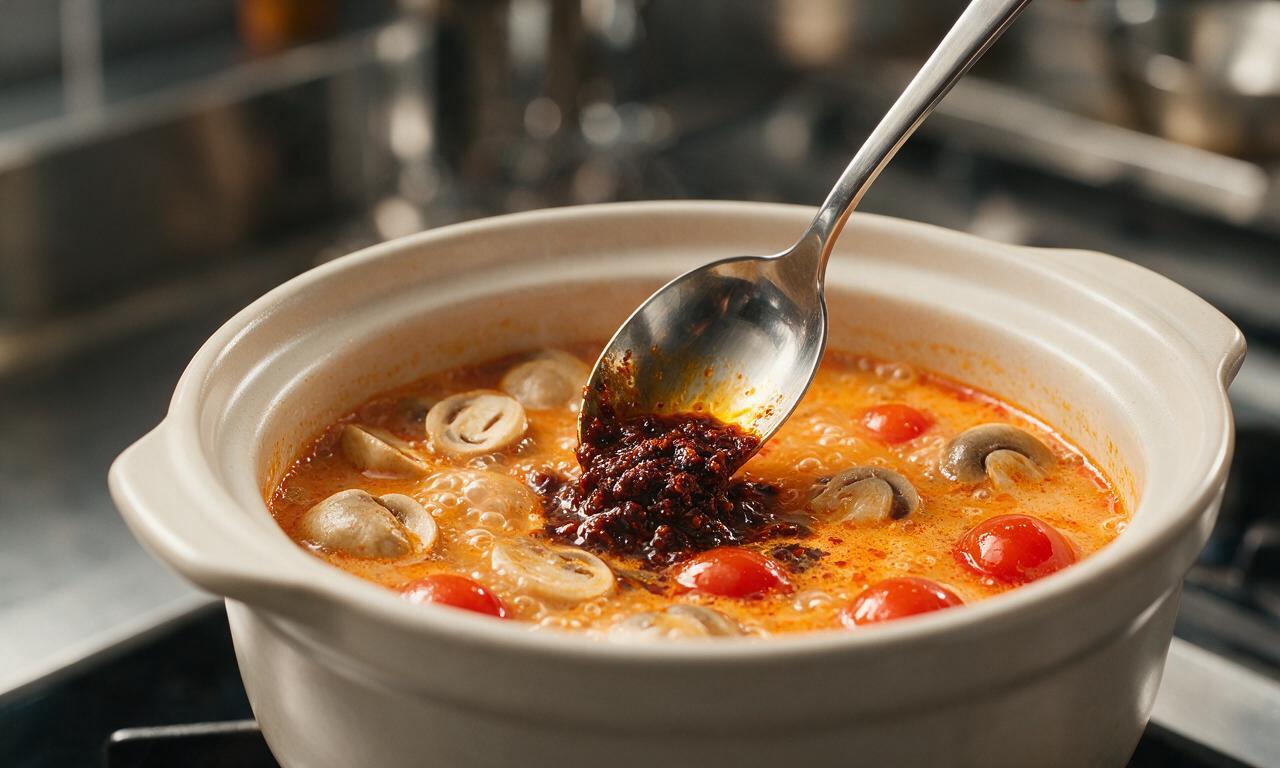
Tom yum is all about balancing four core tastes: sour, salty, spicy, and umami. If it tastes flat, start by adjusting a tiny bit at a time: add a squeeze more lime for sour, a splash of fish sauce for salty umami, a pinch of sugar to round out harsh edges, or a lightly crushed chili for heat. Don’t add too much of any one seasoning at once—small tweaks will get you that perfectly balanced, bright, restaurant-quality flavor.
18.Can I freeze leftover tom yum soup for later?
▾
Freeze only the strained, aromatic broth base (no shrimp, mushrooms, lime juice, or fresh herbs) for up to 2 months in a sealed, freezer-safe container. When you’re ready to eat, thaw the broth in the fridge overnight, bring it to a gentle simmer, then add fresh mushrooms, shrimp, lime juice, and herbs to finish. Don’t freeze soup with cooked shrimp or mushrooms, as they will turn mushy and rubbery when thawed and reheated.

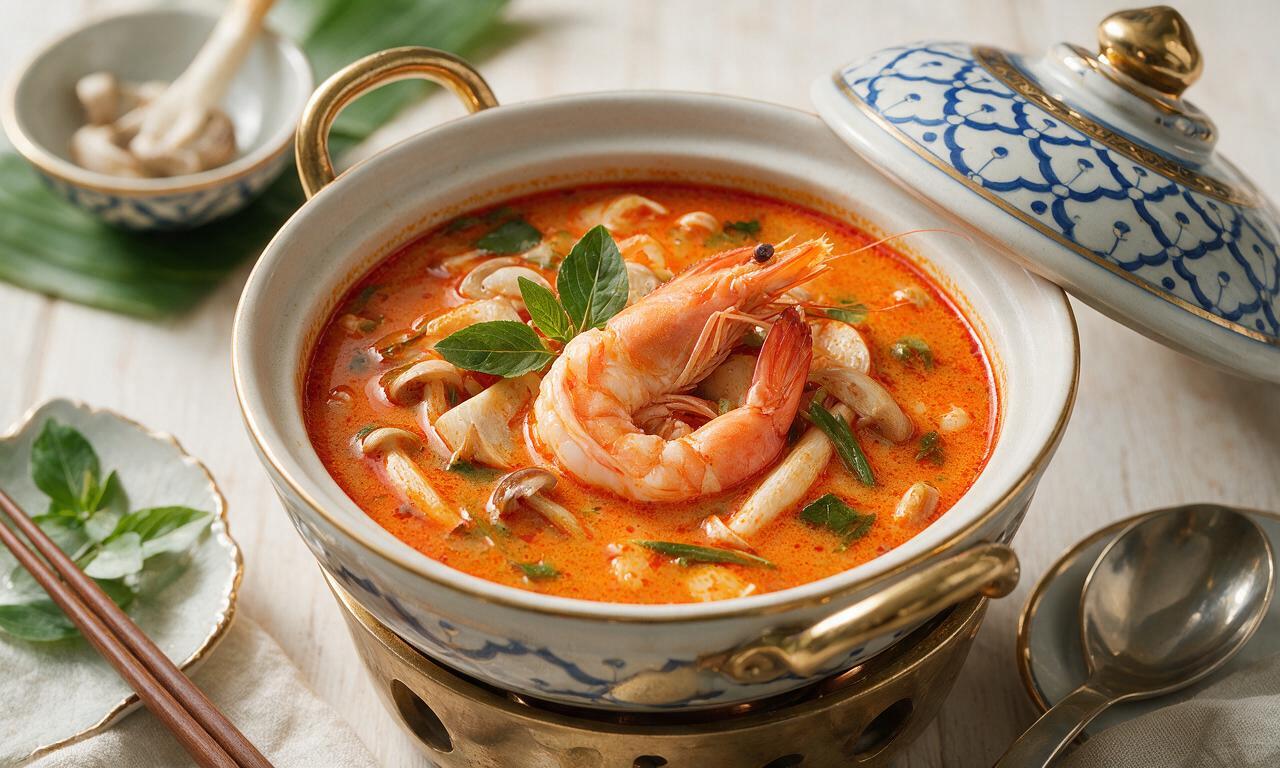
OMG this tom yum is SO good! I’ve been chasing the exact flavor I had at a tiny Thai spot in Brooklyn last year and this recipe totally nailed it. I threw in extra straw mushrooms and a handful of cherry tomatoes because my partner loves them, and we slurped every last drop for dinner last night. My 8 year old even asked for seconds, which is basically a miracle for any soup that’s not chicken noodle. Total game changer for weeknight meals, I can’t believe it only takes 30 minutes to put together!
Made this for my neighborhood potluck over the weekend and people were practically begging for the recipe before the night was over! I was a little nervous about how spicy it would be for a crowd, so I cut the number of bird’s eye chilis in half for a milder batch, and it was still perfectly tangy, bright, and packed with that classic tom yum flavor. Super easy to throw together even when you’re running around prepping 3 other dishes for the get-together. 10/10 will be making this on repeat all fall once soup season is in full swing.
Meal prepped a big batch of this on Sunday and it held up really well all week for work lunches! I tossed in some cubed extra-firm tofu for extra protein alongside the shrimp, and squeezed a splash of fresh lime juice on top right before eating each serving to keep that zingy, bright flavor. Way better than the sad, over-salted takeout soups I usually grab on my lunch break, and way cheaper too. Only reason I’m not giving 5 stars is I wished the recipe noted how long it stays good in the fridge — mine was totally fine after 5 days but I was low-key nervous eating the last serving! Definitely adding this to my regular meal prep rotation.