1.Why does this recipe call for boneless skinless chicken thighs instead of chicken breast?
▾
Boneless, skinless chicken thighs stay juicy and tender even when simmered in creamy curry, unlike lean breast which can turn chalky and dry if overcooked by even a minute. Their mild, rich savoriness pairs perfectly with warm yellow curry spices. If you prefer breast, cut it slightly larger and add it 5 minutes before finishing to avoid overcooking.
2.Do I have to use full-fat coconut milk, or will light coconut milk work?
▾
Full-fat coconut milk is non-negotiable for that luxe, velvety, rich texture this curry is known for, and it prevents the sauce from separating or tasting watery. Light coconut milk is cut with water and stabilizers that make curry thin, bland, and prone to a grainy finish when simmered. Save light coconut milk for smoothies, not this dish.
3.Can I use a different potato variety instead of Yukon Gold?
▾
Yukon Golds are ideal here because they have a creamy, fluffy texture that holds its shape when simmered without turning mushy or mealy. If you don’t have them, use red potatoes cut into 1.5-inch chunks as a close substitute. Skip starchy russets, as they break down too easily and make the curry sauce unpleasantly grainy.
4.How spicy is Thai yellow curry compared to red or green Thai curry?
▾
Traditional Thai yellow curry is the mildest of the three common Thai curry pastes, with warm, turmeric-forward notes and just a subtle heat kick from dried chiles. Most store-bought pastes land at a mild to medium heat level, making it great for people who don’t love super spicy food, though you can add extra chiles for more fire.
5.Why did my coconut milk separate and look curdled when I cooked it?
▾
That almost always happens if you add cold coconut milk to a screaming hot pan, or use a low-quality coconut milk loaded with extra stabilizers. Fix it by stirring in 2-3 tablespoons of warm water or chicken broth over low heat, whisking gently until smooth. For best results, let coconut milk sit at room temp 10 minutes before using.
6.Can I adapt this recipe to be vegetarian or vegan?
▾
Absolutely! Swap the chicken thighs for 1-inch chunks of pressed extra-firm tofu, cubed pumpkin, or cauliflower florets, and double-check that your yellow curry paste is shrimp-free (many traditional pastes include shrimp paste). Use low-sodium vegetable broth instead of chicken stock, and keep the full-fat coconut milk and potatoes for that classic hearty texture.
7.How long should I simmer the potatoes so they’re not undercooked or mushy?
▾
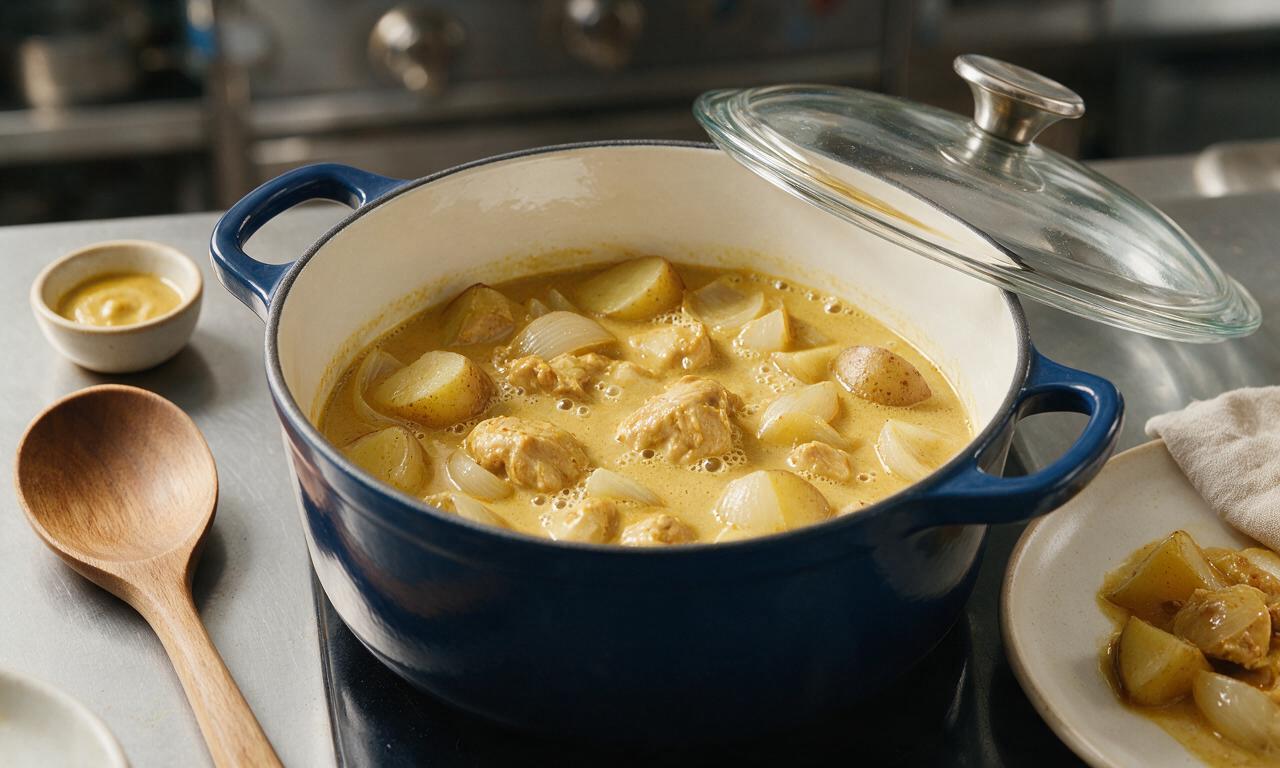
Cut your Yukon Golds into uniform 1.5-inch chunks so they cook evenly, then simmer them in the curry sauce over medium-low heat for 12 to 15 minutes. Test doneness by piercing a chunk with a paring knife—it should slide in easily with just a little center resistance, which fades as the curry rests 5 minutes before serving.
8.Is there a big flavor difference between store-bought and homemade yellow curry paste?
▾
Good-quality store-bought Thai yellow curry paste (look for brands like Maesri or Mae Ploy) works incredibly well for weeknight cooking and delivers authentic, balanced flavor. Homemade paste has a brighter, fresher, more complex spice note, but it requires sourcing hard-to-find ingredients like galangal, so it’s totally optional for casual meals.
9.Can I add extra vegetables to this curry?
▾
Of course! Great mix-ins that pair well with the warm, sweet-savory flavor include 1-inch carrot chunks, roasted bell pepper, steamed green beans, or bite-sized broccoli florets. Add firmer veggies like carrots with the potatoes so they cook through, and toss in softer veggies like green beans during the last 3-4 minutes of simmering to stay crisp-tender.
10.Why do you recommend sautéing curry paste before adding coconut milk?
▾
Sauté diced yellow onion until soft first, then cook the curry paste in a little thick coconut cream scooped from the top of the can for 1 to 2 minutes over medium heat to bloom the dried spices and aromatics. This step deepens flavor dramatically, getting rid of that raw, tinny taste that happens if you stir paste straight into cold liquid and simmer it.
11.How do I fix curry that tastes bland or unbalanced?
▾
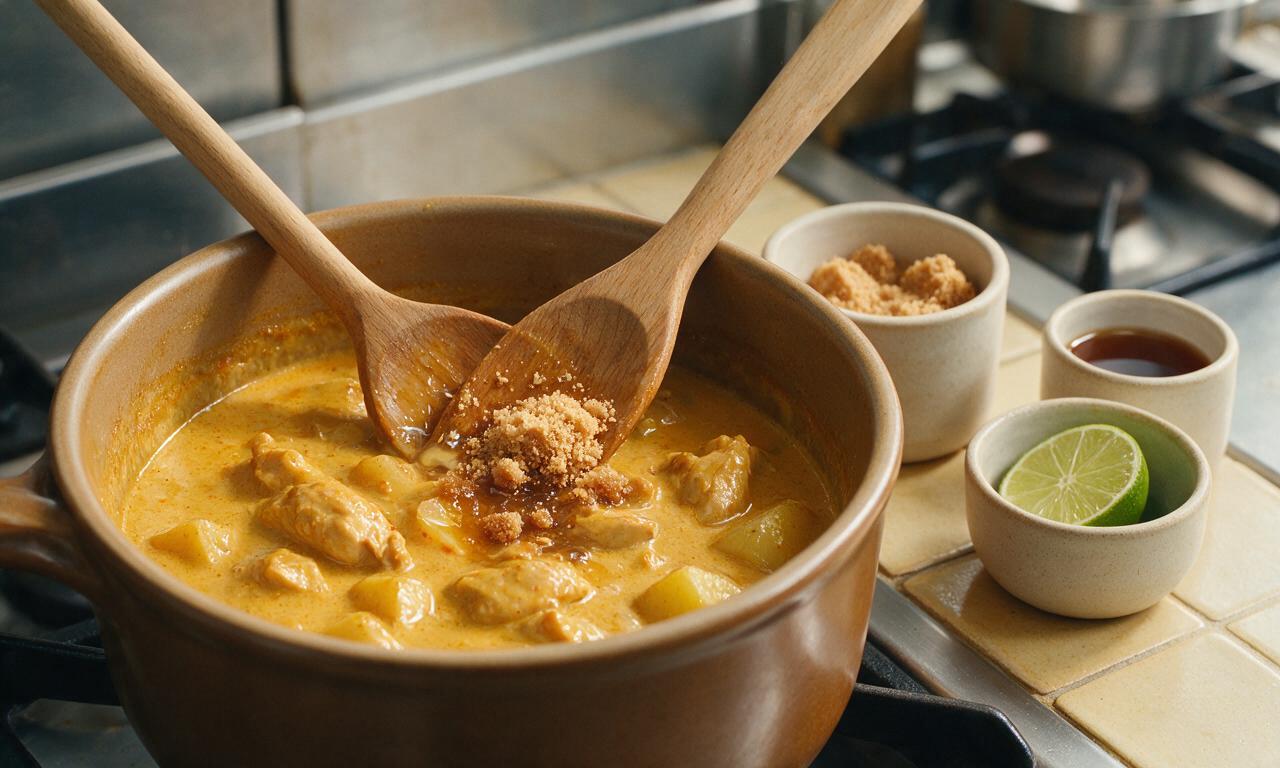
Start with a small pinch of light brown sugar (or palm sugar, if you have it) to amp up sweetness, a squeeze of fresh lime juice for bright sourness, and a tiny splash of fish sauce for umami depth. Add these in 1-teaspoon increments, tasting as you go, so you don’t overdo it—small tweaks go a long way to hit that classic flavor balance.
12.Does this curry work well for weekly meal prep?
▾
Definitely! This curry actually tastes better the next day, as the spices meld into the coconut milk and potatoes as it chills. Store it in an airtight container in the fridge for up to 4 days, and reheat gently over low heat on the stovetop or in 30-second microwave bursts, stirring often, to keep coconut milk from separating.
13.Can I freeze leftover curry for later?
▾
You can, with one small caveat: the potato texture will get a little softer and slightly grainy after freezing and thawing, but the flavor will still be fantastic. Freeze in sealed, freezer-safe containers for up to 3 months, and thaw in the fridge overnight before reheating low and slow. Undercook potatoes by 2 minutes if you plan to freeze a batch.
14.What should I serve with this curry besides jasmine rice?
▾
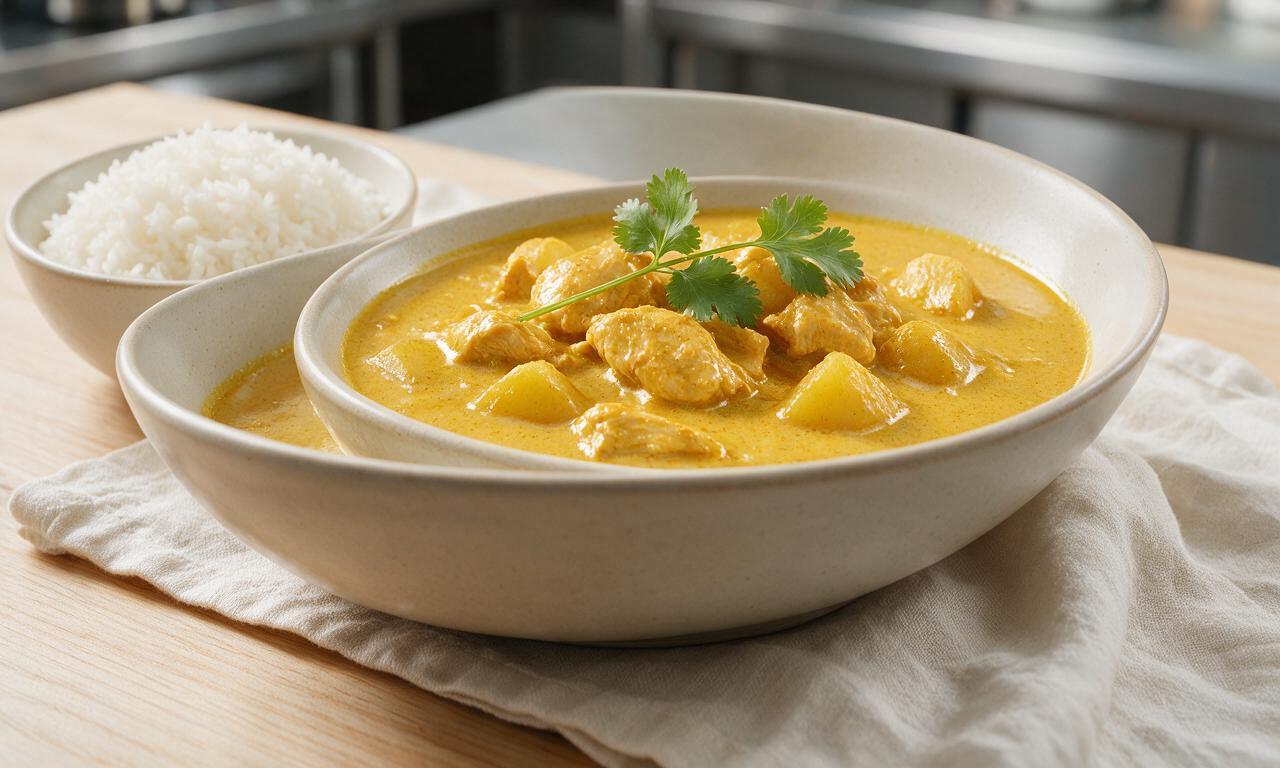
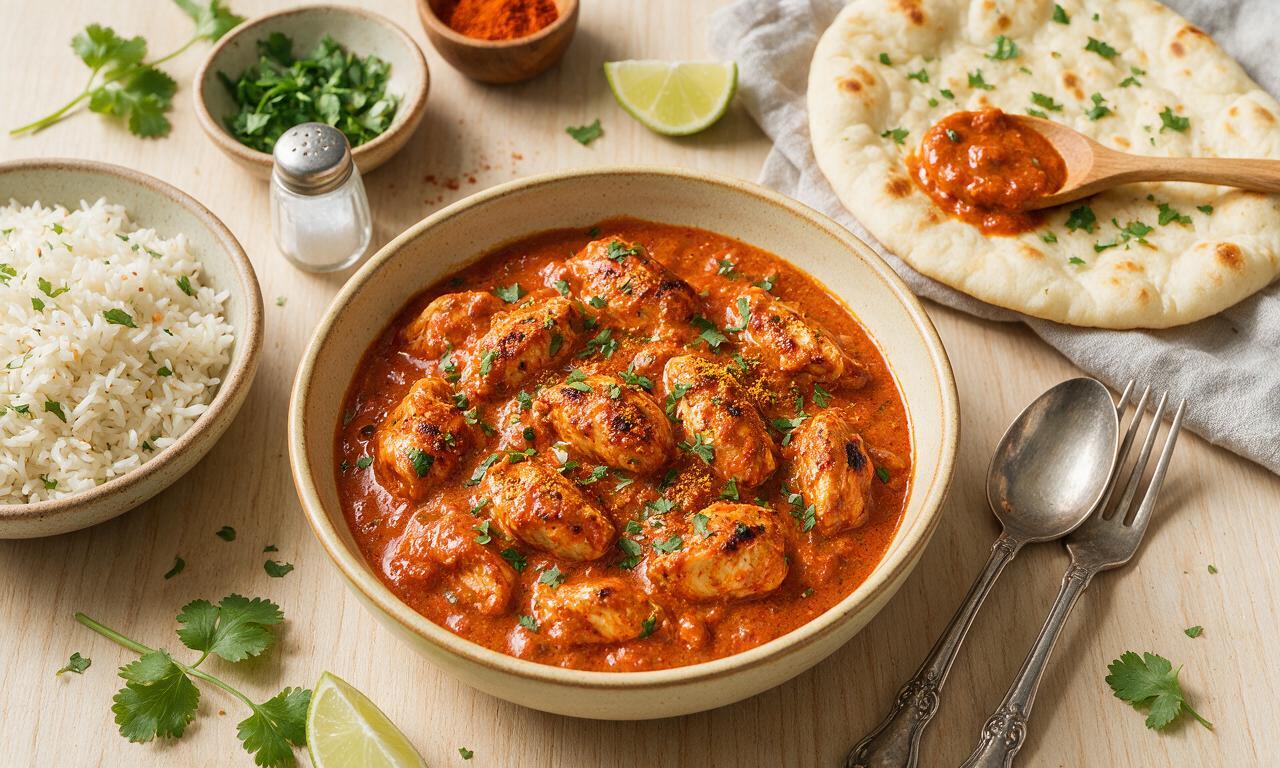
Steamed jasmine rice is the classic pairing, as its fluffy, slightly sweet texture soaks up creamy sauce perfectly, but you can also serve it over riced cauliflower for a lower-carb option, or with warm roti or naan for dipping. A small side of quick pickled cucumbers adds a bright, crunchy contrast that cuts through rich coconut milk beautifully.
15.My curry turned out way too thick—how do I fix that?
▾
It’s super easy to thin out overly thick curry! Stir in 2 to 4 tablespoons of warm low-sodium chicken broth, water, or extra coconut milk, 1 tablespoon at a time, until you reach your preferred consistency. Don’t pour in cold liquid all at once, as that can cause coconut milk to seize up. Keep heat on low as you stir to keep the sauce smooth.
16.My curry turned out too spicy—how can I tone down the heat without diluting flavor?
▾
If your curry is too spicy, stir in an extra splash of coconut milk, a spoonful of unsweetened plain Greek yogurt (for non-vegan batches), or a small pinch more brown sugar to mellow the heat. Skip adding plain water, which will make the sauce watery and bland. Serve with extra plain jasmine rice on the side to cut heat for sensitive eaters.

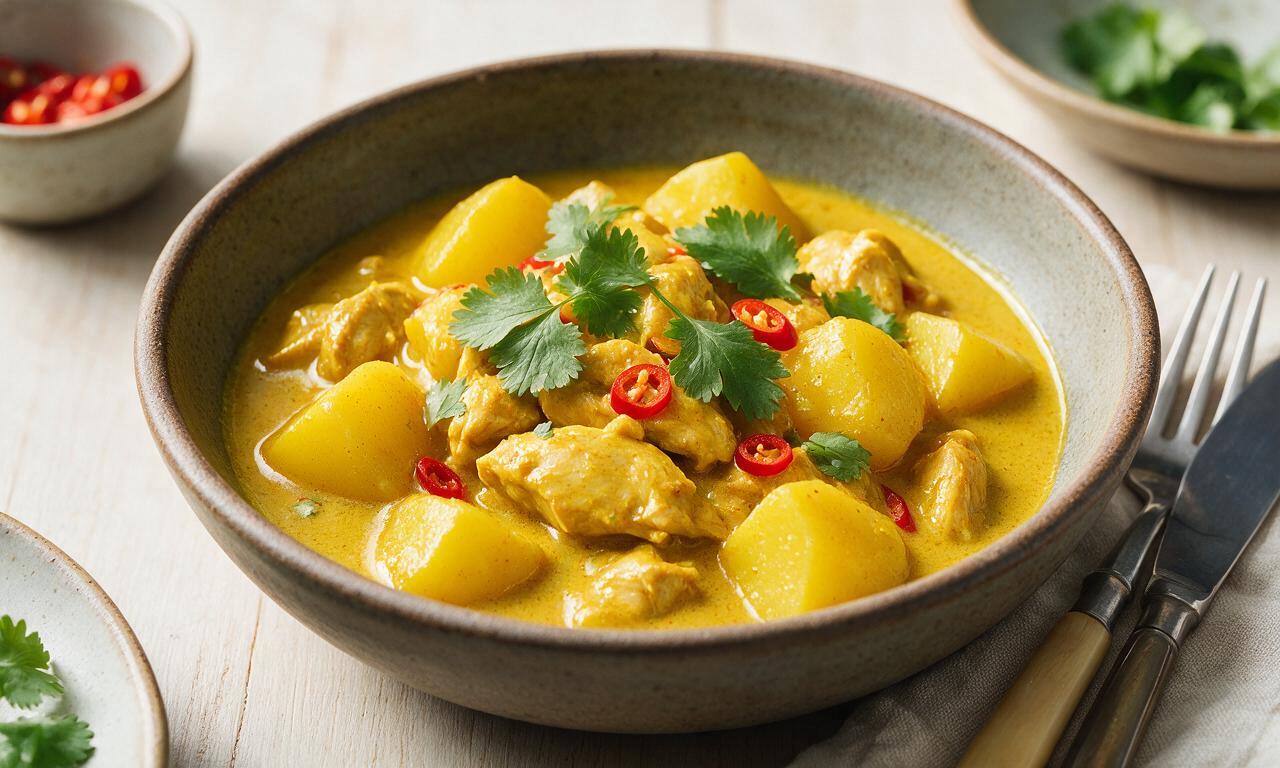
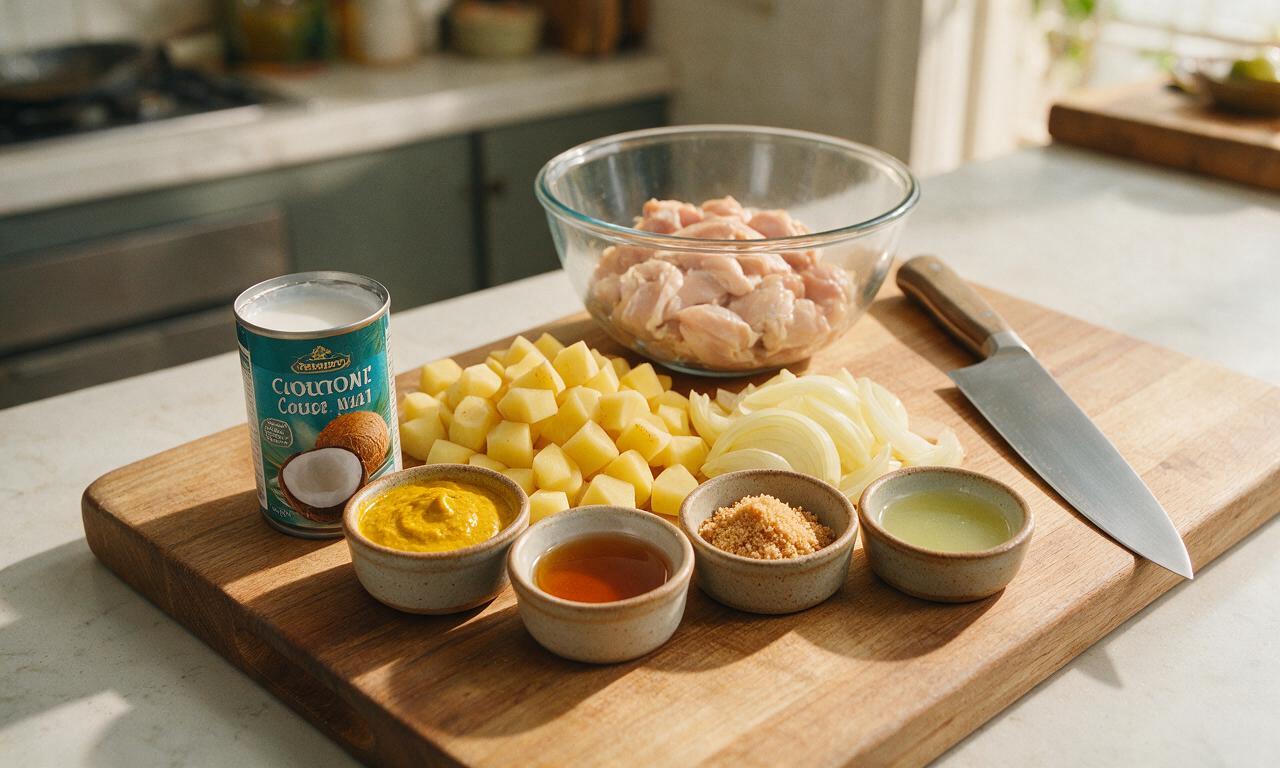
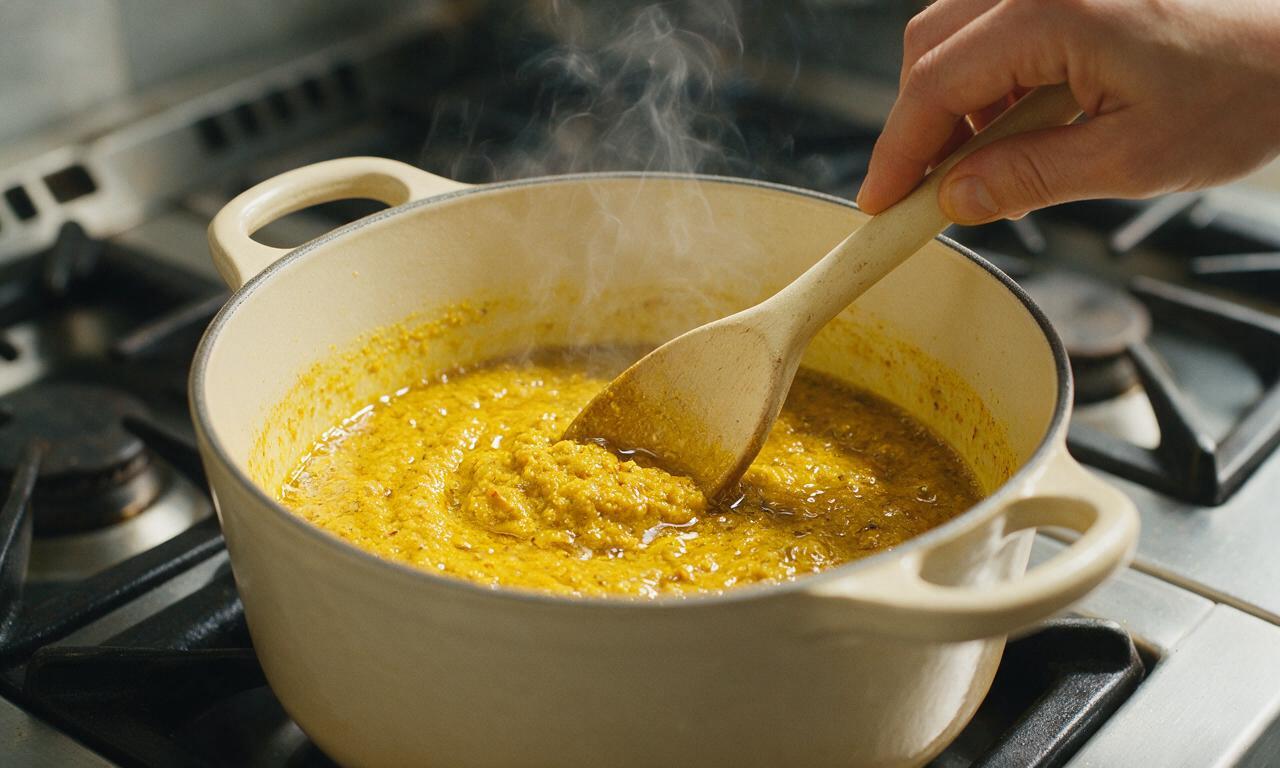
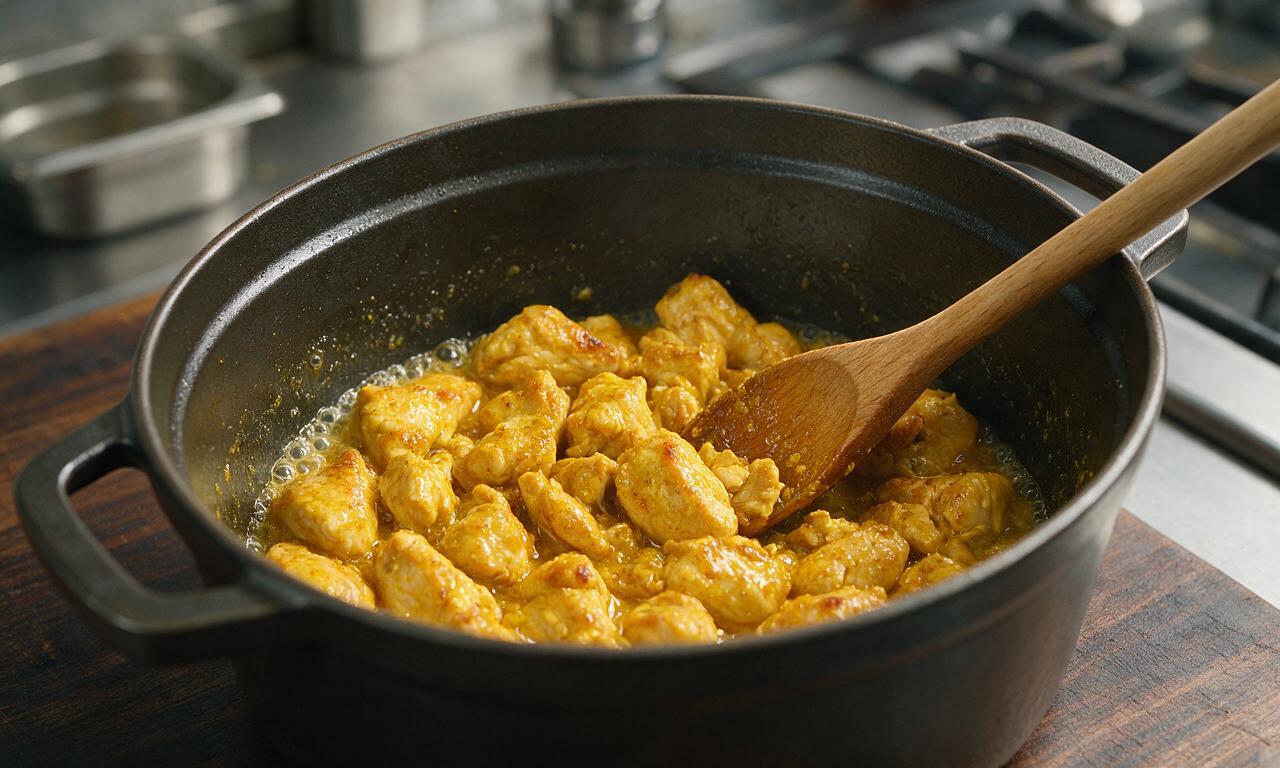


OMG this was SO good! I made this for family dinner last night and my kids loved it—both my picky toddlers went back for seconds! I swapped regular potatoes for sweet potatoes because that’s what I had on hand, and it still turned out perfect. The cook time is totally accurate too—35 minutes from start to finish, which is a lifesaver on busy weeknights. 10/10 will be adding this to our regular meal prep rotation!
Total game changer. I’ve tried so many store-bought yellow curry pastes and they never taste right, but following this recipe? The creaminess level is exactly what I get at my favorite local Thai spot, no joke. Super easy too—I was worried I’d mess it up since I don’t cook a lot of Thai food, but the steps were so straightforward. Brought leftovers for lunch today and my coworkers were begging for the recipe!
So happy I found this! It’s naturally gluten free if you use a gluten free fish sauce, which I appreciated. I added a handful of spinach at the end for some extra veggies, and it paired so nicely with the creamy curry sauce. My only tiny note is I wish it was a little spicier, so next time I’ll add an extra chopped Thai chili. Otherwise, 10/10!
As someone who burns toast on a regular basis, I was shocked how easy this was to pull off! 35 minute cook time is no joke, I didn’t even have to rush through the steps. The flavor is insane—rich, creamy, perfectly savory with that little hint of sweetness yellow curry has. Served it over jasmine rice and my roommate thought I ordered takeout lmao
Made a big batch of this on Sunday for the work week, and it held up so great all 4 days! The potatoes didn’t get weird and mushy, the sauce didn’t separate when I reheated it in the microwave, and the chicken stayed juicy. Way better than spending $15 on takeout for lunch every day. Will be making this monthly for sure!
Made this for my partner for our anniversary dinner at home, and they said it’s better than the Thai restaurant we went to on our first date! I added a handful of roasted cashews on top for crunch, which was a chef’s touch if I do say so myself. Super impressive for how little effort it takes.
The potatoes in this are *chef’s kiss*. I used Yukon golds like the recipe suggested, and they soaked up every bit of that creamy curry flavor so they weren’t bland at all. I was worried they’d be undercooked but the simmer time is totally spot on. Even my super picky dad who swears he hates “ethnic food” had two full servings. Wild.
Made this with extra-firm tofu instead of chicken (pressed it super well first and pan fried it until crispy before tossing it in the sauce) and it was incredible! The sauce is so flavorful that the crispy tofu soaked it right up. My meat-obsessed brother didn’t even notice it wasn’t chicken until I told him. Will absolutely be making this again for my vegetarian friend group.
Pro tip: make a double batch. The leftovers are somehow even better the next day after all the flavors have time to meld together in the fridge. I ate this for breakfast, lunch, and dinner the day after I made it and I’m not even sorry. It’s so cozy, so perfectly balanced, zero complaints. If you’re on the fence about making this, DO IT.