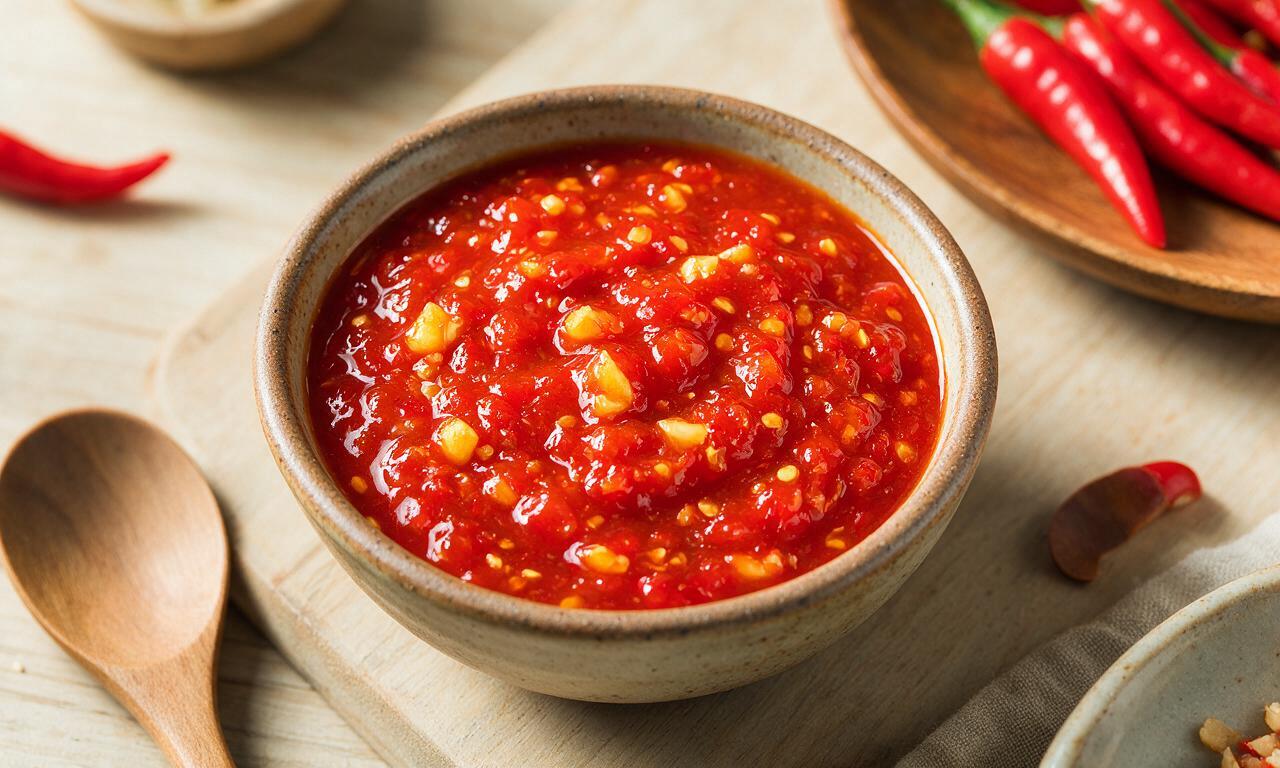
Sriracha

Sriracha
⏱️ cook time 30 minutes active prep, plus 5 days fermentation
🍽️ servings 24
⚡ Difficulty medium

intro

Bright, fiery, garlicky fermented hot sauce with balanced tang and sweet-savory heat, perfect for drizzling, dipping, and glazing grilled foods.

Ingredients

Ripe red jalapeño peppers 450 g (about 1 lb, stems trimmed)
Garlic cloves 30 g (about 8 cloves, peeled)
Kosher salt 1 tbsp (18 g)
Light brown sugar 3 tbsp (40 g)
Distilled white vinegar 120 ml (½ cup)
Filtered water 60 ml (¼ cup)

Steps

1

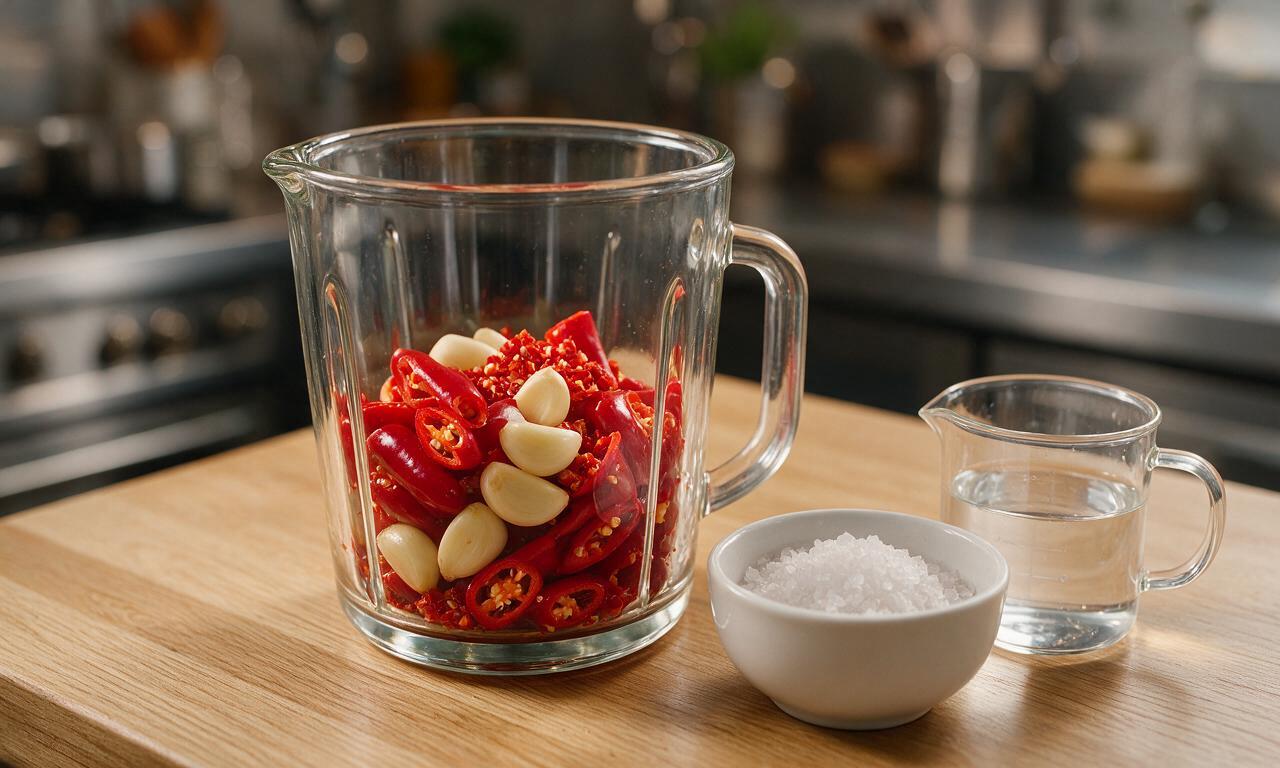
Wash 450g of ripe red jalapeño peppers, pat dry, trim off green stems, and cut each pepper in half lengthwise. Leave all seeds and membranes intact for medium-hot sriracha (2,500-8,000 SHU), remove half the seeds for mild heat, or remove all seeds for very mild sriracha. Peel 8 garlic cloves (30g total), add peppers and garlic to a high-speed blender with 60ml filtered water and 1 tbsp (18g) kosher salt, then blend on medium speed for 30 seconds until a coarse, chunky pulp forms with no large chunks remaining.
Step 1
step1:
2

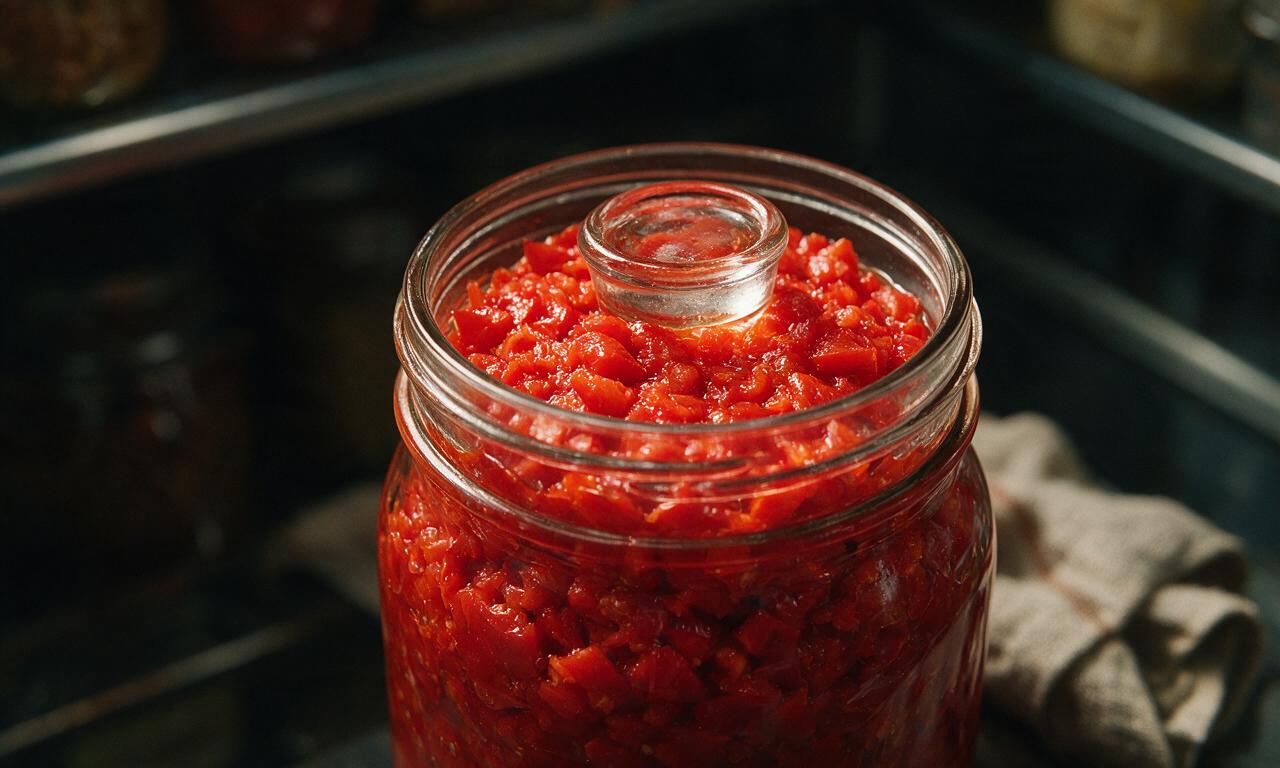
Transfer the coarse chili-garlic pulp to a clean, sterilized 500ml glass mason jar, pressing down firmly with a clean silicone spoon to eliminate trapped air pockets. Ensure all pulp is fully submerged under its own brine; top with a small glass fermentation weight if needed to keep solids under liquid. Loosely seal the jar lid (do not tighten fully, to allow fermentation gases to escape) and place it in a cool, dark spot (60-65°F / 15-18°C) for 3 days, checking daily to press any risen pulp back under the brine surface.
Step 2
step2:
3

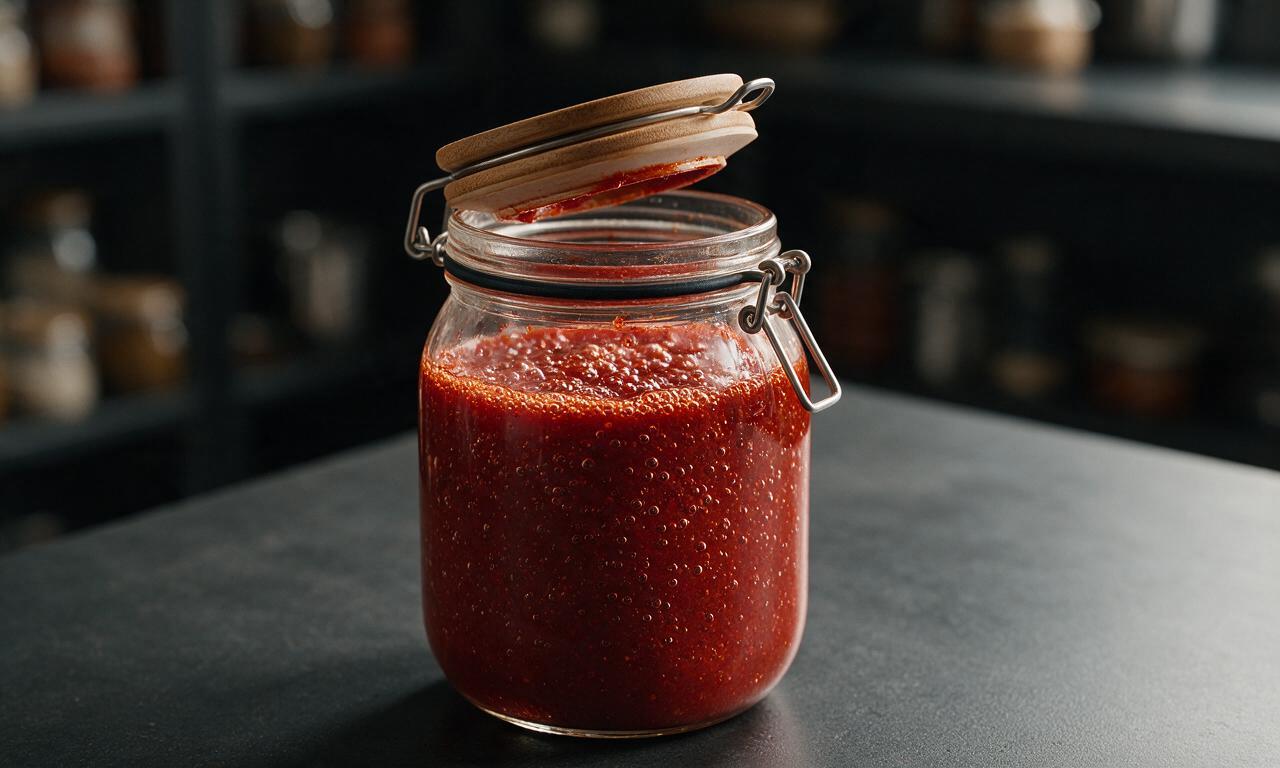
After 3 days, check the ferment: the pulp should be slightly paler, have tiny visible bubbles rising through the brine, and smell bright, tangy, and savory with no foul or rotten odors. Tighten the jar lid fully, shake gently to redistribute solids, and return it to the same cool dark spot for 2 additional days to deepen umami flavor, for a total of 5 days of cool-room-temperature fermentation.
Step 3
step3:
4

After 5 days of fermentation, pour all of the fermented chili pulp and brine into a small 1L stainless steel saucepan. Add 3 tbsp (40g) light brown sugar and 120ml (½ cup) distilled white vinegar, stirring fully to combine. Bring the mixture to a gentle simmer over medium-low heat (stovetop setting 4 out of 10, no rolling boil), then cook for 10 minutes, stirring occasionally to prevent sticking to the pan bottom, until the sharp raw vinegar aroma mellows and the sauce thickens slightly.
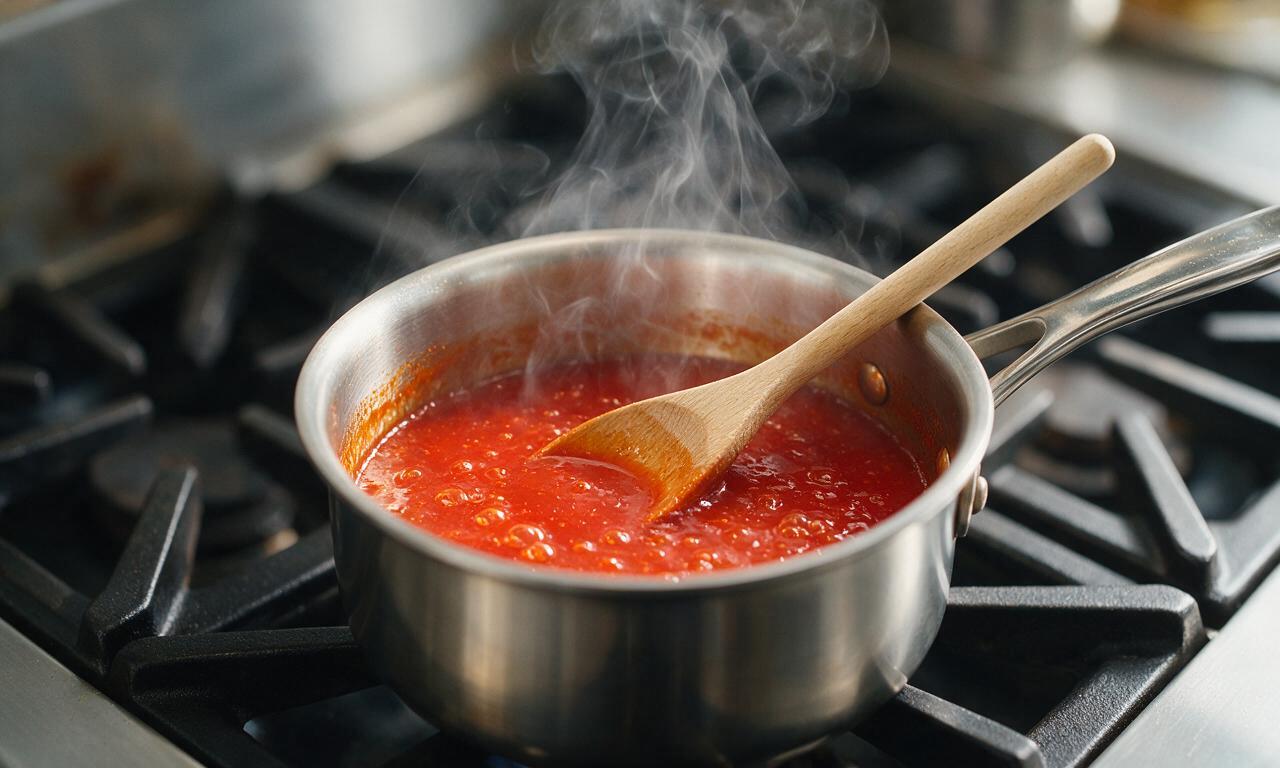
Step 4
step4:
5

Remove the saucepan from heat and let the mixture cool for 15 minutes until it reaches room temperature (70°F / 21°C). Transfer the cooled mixture back to the clean, rinsed blender, then blend on high speed for 60 seconds until completely smooth, with no visible seed or skin flecks. For an extra-silky restaurant-style texture, pour the blended sauce through a fine-mesh sieve, pressing with a spatula to extract all liquid and discard any remaining fibrous seed and skin solids.
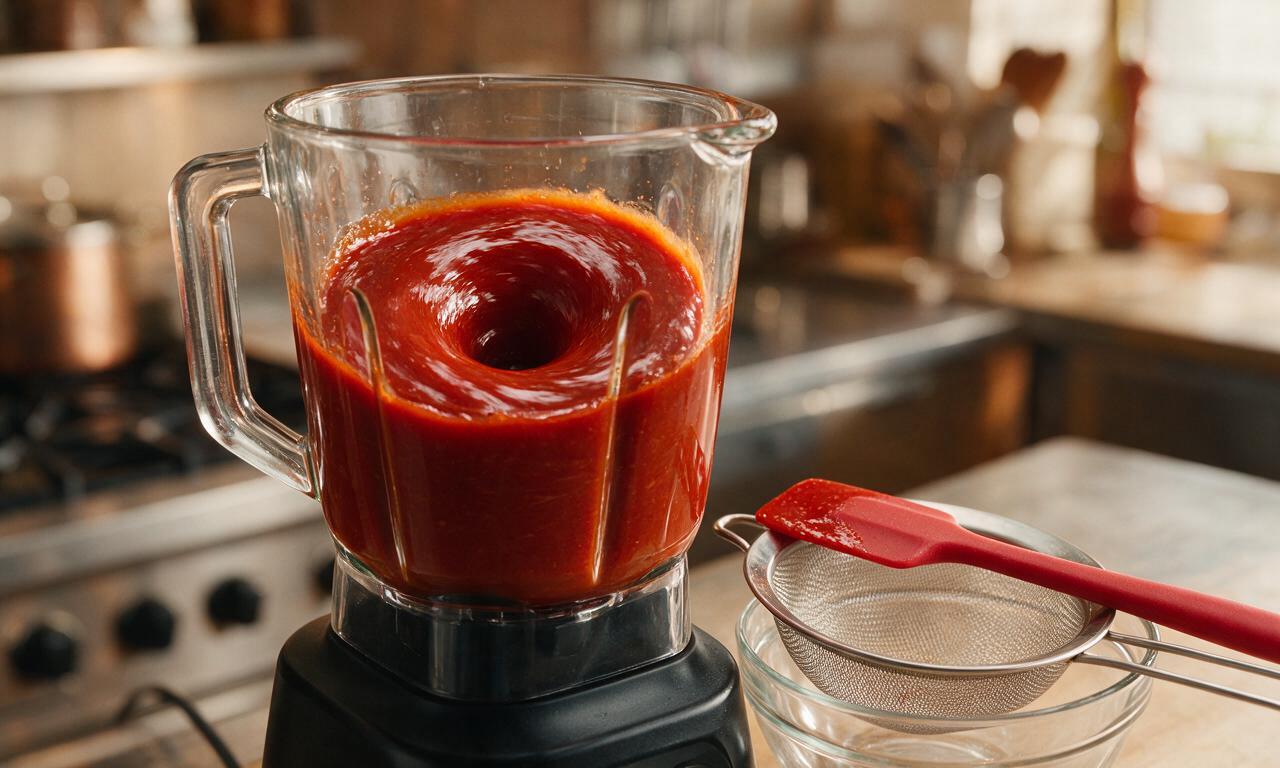
Step 5
step5:
6

Funnel the finished smooth sriracha into sterilized, airtight 150ml glass hot sauce bottles or jars. Seal tightly and refrigerate for up to 6 months; the flavor will continue to mellow and deepen over the first 2 weeks of storage. For best balanced flavor, let the sauce rest for 24 hours in the refrigerator before first use, to allow all flavors to fully meld.
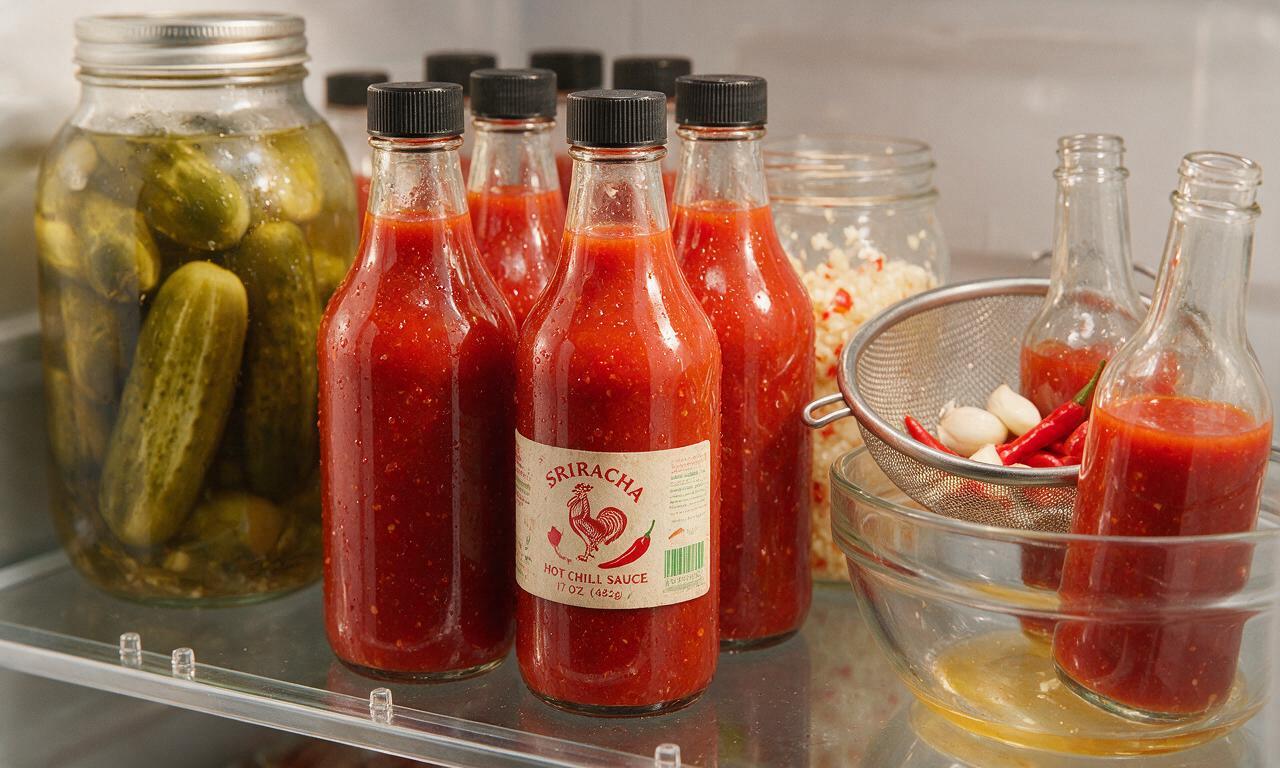
Step 6
step6:

Tips

1.Always wear disposable food-safe nitrile gloves when handling hot peppers to avoid painful capsaicin burns on your skin or eyes; never touch your face while working with cut chilis.
2.Discard the entire batch immediately if you see fuzzy white, green, or black mold growing on the ferment surface — this happens when equipment is unsterilized or pulp is exposed to air above the brine, and the sauce is unsafe to eat.
3.Adjust heat to your taste: swap jalapeños for serrano peppers for extra heat (10,000-23,000 SHU), or add 1-2 habanero peppers for a fiery version, and always taste the sauce before bottling to adjust sugar or salt levels as needed.
✨ You May Also Like

BBQ & Grilling
🍜 United States

Tender, melt-in-your-mouth beef brisket with a crisp, spiced bark, slow-smoked to deep smoky perfection, the iconic centerpiece of Texas backyard barbecue.

⏱️ 12 hours BBQ & Grilling ★ 4.7
BBQ & Grilling
🍜 Korea

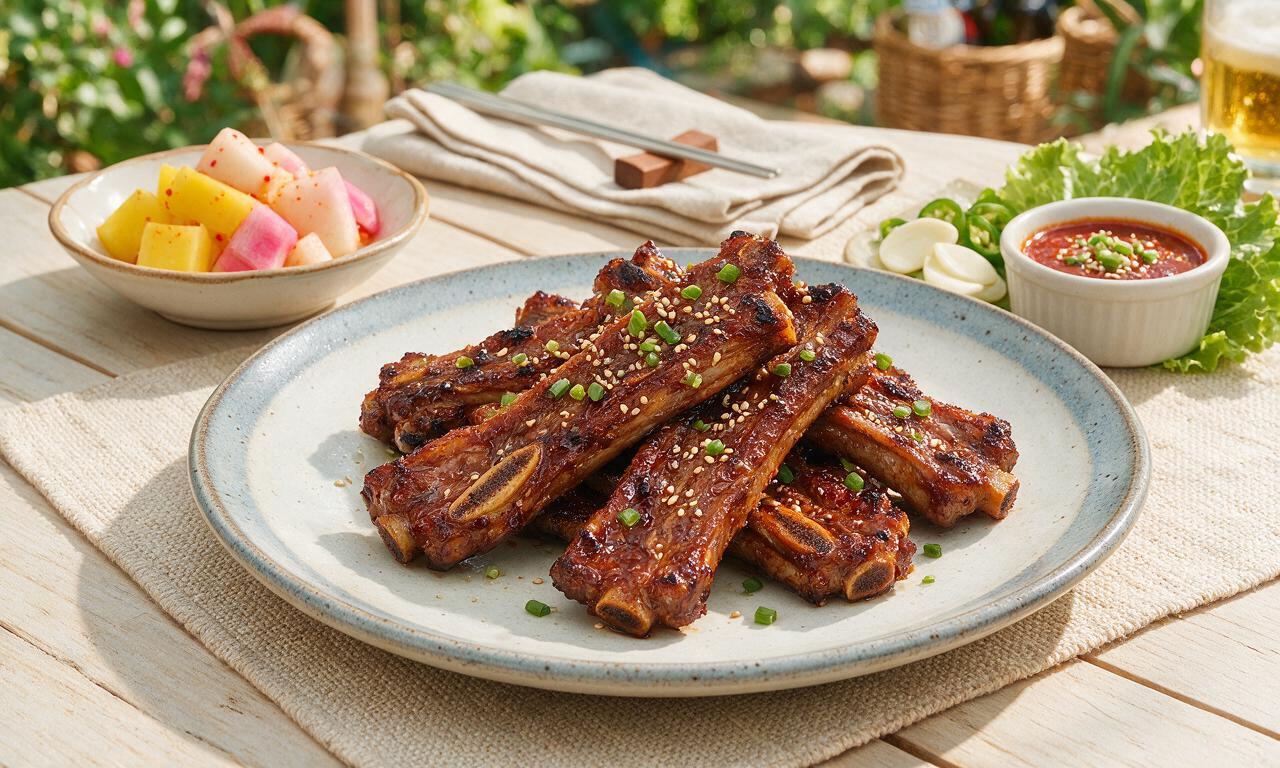
Tender, sweet-savory marinated beef short ribs, a beloved Korean BBQ staple with caramelized, slightly charred edges and deep umami flavor, perfect for outdoor summer gatherings.

⏱️ 4 hours 2BBQ & Grilling ★ 4.7
BBQ & Grilling
🍜 United States

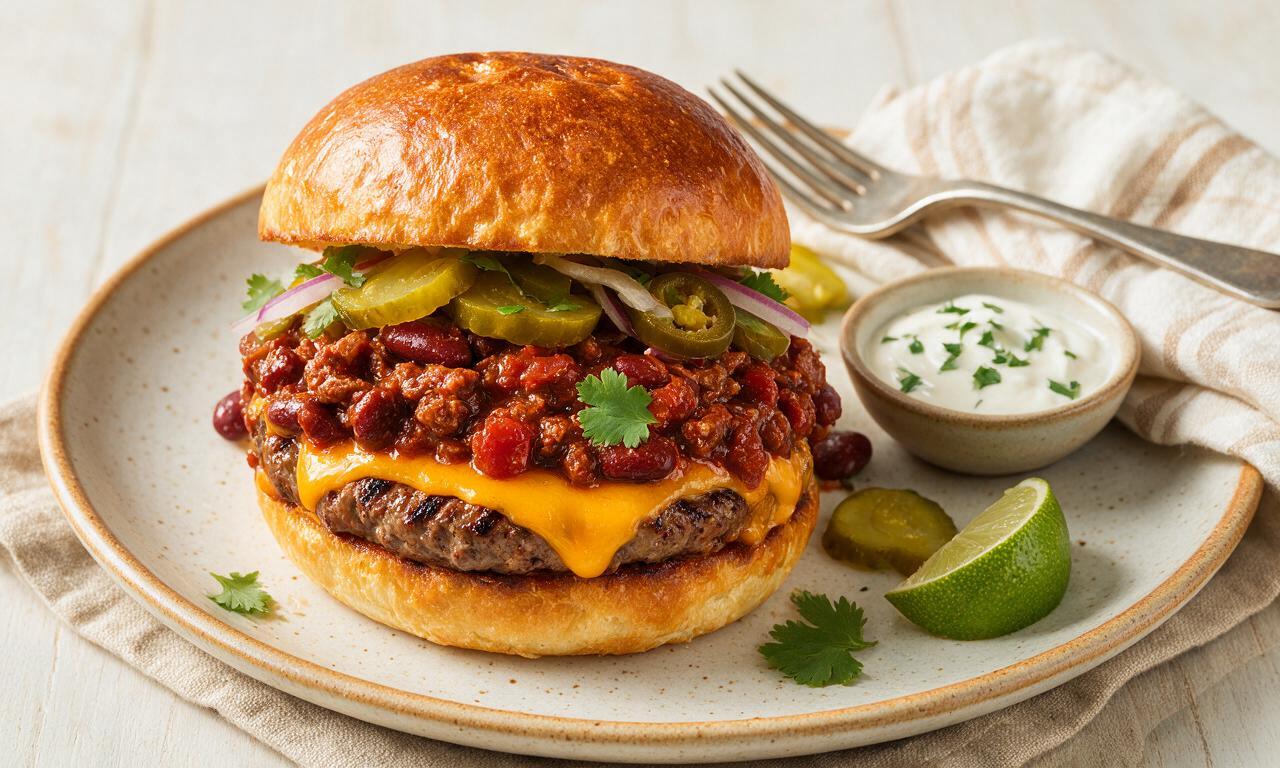
Juicy grilled beef patties topped with smoky homemade chili, melted cheddar, and tangy pickles on toasted brioche buns for a hearty, flavor-packed handheld meal.

⏱️ 40 minuteBBQ & Grilling ★ 4.9
BBQ & Grilling
🍜 United States

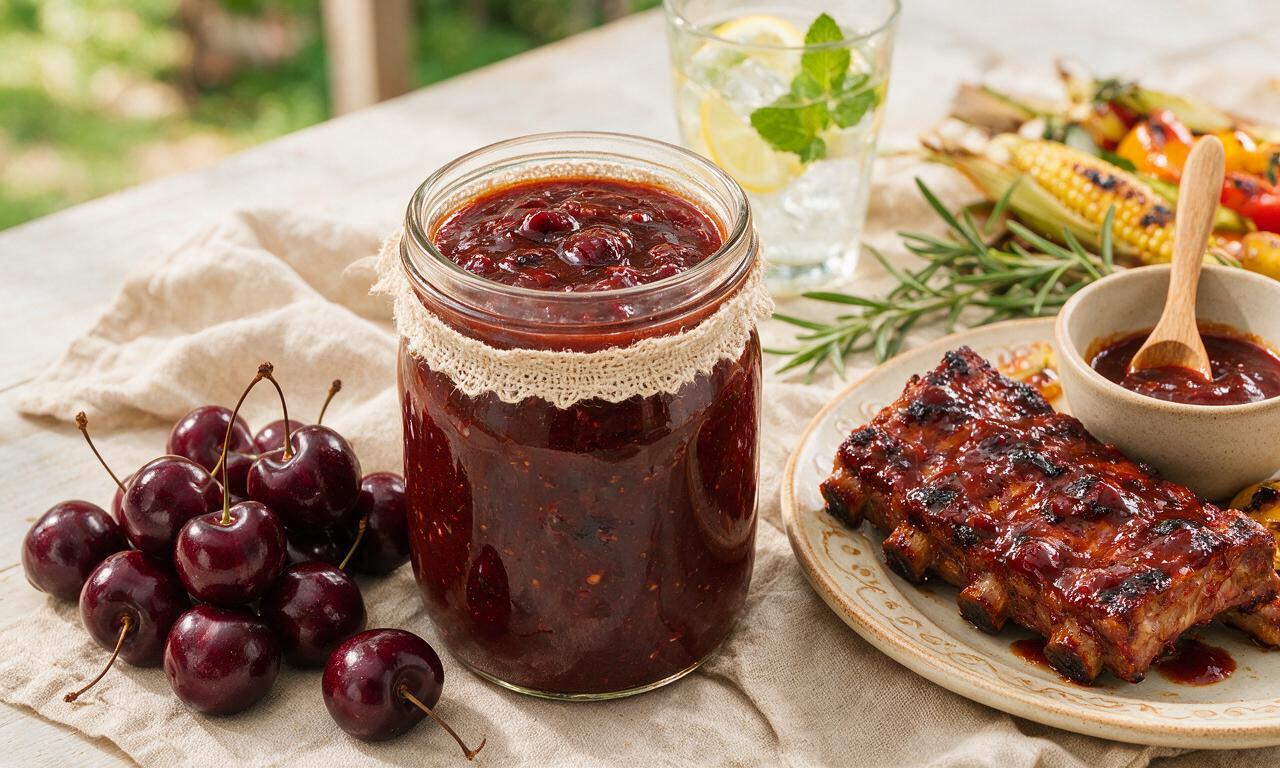
A sweet, smoky, tangy BBQ sauce brightened with peak-season dark cherries, ideal for glazing grilled ribs, chicken, pork, or summer roasted veggies.

⏱️ 35 minuteBBQ & Grilling ★ 5
BBQ & Grilling
🍜 United States

Rich, smoky, slightly sweet homemade bourbon BBQ sauce with deep caramel notes, ideal for glazing grilled ribs, chicken, and burgers at cookouts.

⏱️ 25 minuteBBQ & Grilling ★ 4.8
BBQ & Grilling
🍜 United States

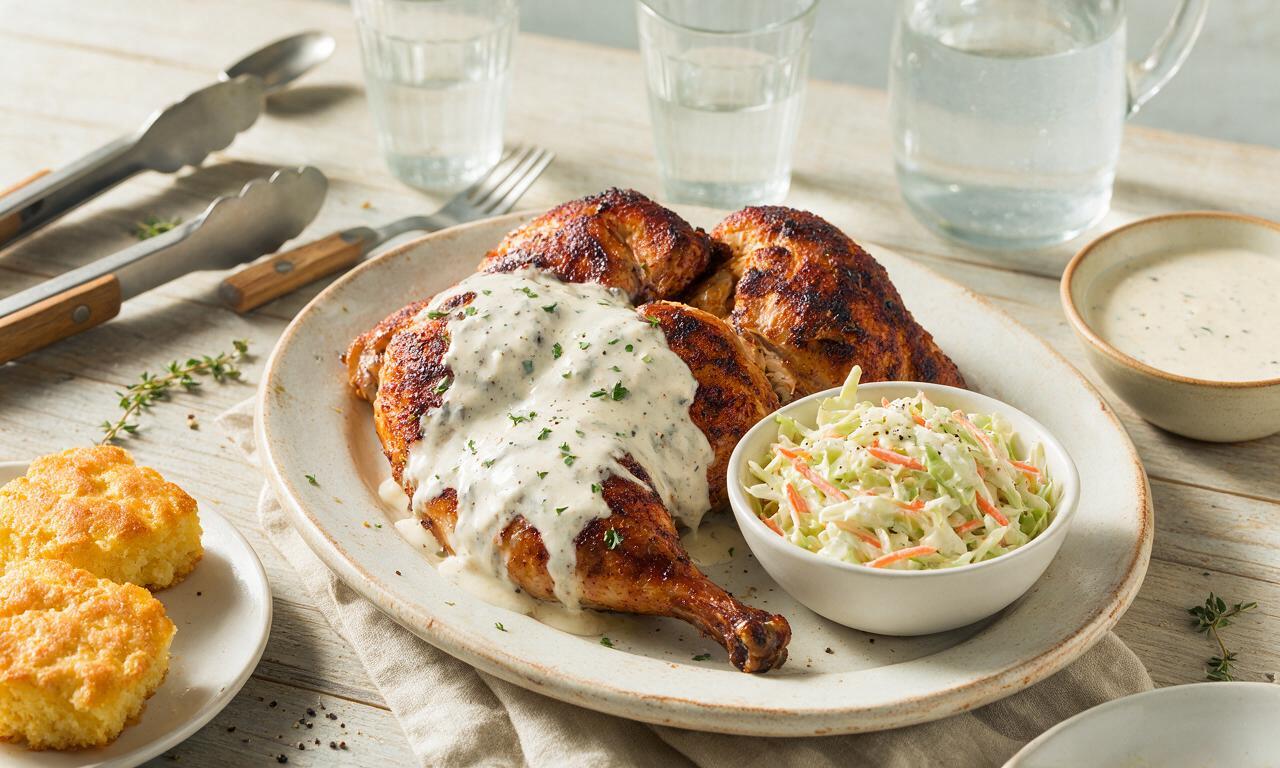
Iconic Alabama-style BBQ featuring tender hickory-smoked chicken slathered in tangy creamy white sauce, a beloved regional Southern cookout staple.

⏱️ 3 hoursBBQ & Grilling ★ 4.6

Sriracha:Frequently Asked Questions

1.Can I use other types of red peppers if I can’t find ripe red jalapeños?
Absolutely! Swap in red serranos for extra heat, Fresno chiles for a fruitier, milder profile, or a mix of red cayennes and jalapeños if that’s what you have. Just stick to fully ripe, unblemished red peppers—any soft, moldy spots will ruin the ferment. Skip unripe green peppers, which will give the sauce a bitter, grassy off-flavor instead of classic bright sriracha sweetness.
2.How long do I need to ferment the peppers and garlic to get that classic sriracha tang?
Aim for a minimum of 7 days at a steady 65–75°F, which is standard room temperature for most American homes, for a mild, bright tang. For deeper, more complex umami, you can ferment up to 3 weeks. Taste it every 2 days after the first week, and stop the ferment when the tang balances garlic and pepper heat, before it turns overly sour.
3.Do I need a special airlock fermentation setup to make this safely?
Nope, you don’t need any fancy gear! A clean glass mason jar, a glass weight to keep all solids fully submerged under brine, and a loosely screwed-on lid (burped daily to release built-up CO2) works perfectly. If you already own an airlock lid, it cuts down on daily burping work, but it’s totally not required for safe, great-tasting results.
4.Why is it so important to keep all the peppers and garlic fully submerged during fermentation?
Any bits of pepper or garlic that poke above the brine surface are exposed to oxygen, which raises the risk of mold, unwanted kahm yeast overgrowth, and stale off-flavors. Use a glass fermentation weight, a clean food-grade plastic disk, or even a sealed small bag of extra brine to hold everything down for a consistent, safe ferment.
5.Can I adjust the amount of garlic without ruining the fermentation process?
Absolutely! Classic sriracha is pretty garlic-forward, but if you want a milder garlic profile, cut the amount by half, or add 2–3 extra cloves if you’re a total garlic lover. Just don’t skip garlic entirely—it adds key savory depth that balances the chile heat, tang, and light brown sugar sweetness in the final sauce.
6.What should I do if I see a thin white filmy layer on top of my ferment?
That’s almost always kahm yeast, a harmless (though slightly funky-tasting) aerobic yeast that forms when bits of solid peek above the brine. Just skim it off completely with a clean spoon, make sure all solids are fully weighted down, and keep fermenting. Toss the whole batch only if you see fuzzy green, black, or pink mold, which signals unsafe spoilage.
7.Why does this recipe call for light brown sugar instead of white granulated sugar?
Light brown sugar adds a subtle molasses-kissed caramel note that matches the classic sriracha sweet-savory balance, instead of the flat, plain sweetness of white sugar. It also feeds the beneficial lactic acid bacteria at the start of fermentation to kickstart the process just like white sugar would, but with far better depth of flavor.
8.How much kosher salt do I need to make a safe brine that doesn’t turn out too salty?
Use a 2–3% salt brine ratio relative to the total weight of your peppers, garlic, and water—for most home batches, that works out to about 1 tablespoon of Diamond Crystal kosher salt per 2 cups of non-chlorinated water. That salt level blocks bad bacteria from growing, but is low enough for good lactic acid bacteria to thrive and build bright tang.
9.Can I use regular tap water to mix my fermentation brine?
Skip heavily chlorinated tap water if you can, because chlorine can kill the good lactic acid bacteria you need for a successful ferment, leading to a slow, flat, or off-tasting batch. Use filtered water, bottled spring water, or tap water left out on the counter for 24 hours to let chlorine dissipate before mixing your brine.
10.Why is distilled white vinegar added after fermentation instead of at the start?
Adding vinegar after fermentation stops the process cold, locks in that perfect balanced tang level, and gives the sauce that signature sharp sriracha brightness. If you added it before fermenting, the acid would kill the beneficial starter bacteria, so you’d never get that deep, complex fermented flavor, just a plain vinegary hot sauce.
11.How smooth should I blend the final sauce, and do I need to strain it?
Blend the fermented peppers, garlic, reserved brine, sugar, and vinegar on high for 30–60 seconds until it’s almost completely smooth. For restaurant-style silky sriracha, strain it through a fine-mesh sieve to remove tough seed and skin bits, pressing to extract all flavorful pulp. Skip straining if you prefer a thicker, rustic, extra-fiery sauce with more texture.
12.How should I store the finished sriracha, and how long will it stay fresh?
Pour the cooled finished sauce into clean, sealed glass bottles or jars, and store it in the refrigerator. The high acid and salt content means it will stay fresh, bright, and flavorful for up to 6 months in the fridge. You don’t need to can it for shelf stability, though a water bath canner process will let you store unopened pantry jars for up to a year.
13.My finished sauce turned out way hotter than I expected—can I mellow the heat out?
Definitely! Stir in an extra 1–2 teaspoons of light brown sugar, a splash more distilled white vinegar, or even a small amount of blended roasted red bell pepper to cut the heat without throwing off the classic sriracha flavor profile. For your next batch, swap 1/3 of the red jalapeños for sweet red bell peppers upfront for a milder end result.
14.Is it normal for the ferment to bubble and look fizzy during the first week?
That’s actually a sign of a perfectly successful ferment! The beneficial lactic acid bacteria produce CO2 as they break down the sugars in the peppers and garlic, which creates those bubbles and a slightly fizzy texture. Just remember to “burp” your jar once a day by cracking the lid briefly to release pressure, so it doesn’t build up and leak.
15.Can I add extra flavors to the ferment without ruining that classic sriracha taste?
Small, complementary additions work great! Try adding a 1-inch slice of peeled ginger, a couple of dried lime leaves, or a pinch of smoked paprika to the ferment for extra depth. Just avoid adding oily ingredients like toasted sesame oil or fatty seasonings during fermentation, since those can go rancid and create off-flavors in your finished sauce.
16.Why does my homemade fermented sriracha taste different from the store-bought bottle?
Homemade fermented sriracha has a brighter, deeper tang and fresher garlic flavor than most mass-produced sriracha, which often uses preservatives and much shorter fermentation times. If you want to get closer to that classic store-bought profile, strain it extra smooth, add a tiny extra pinch of brown sugar, and let it mellow in the fridge for 1 week to let flavors meld.

Comments (12)

1 week ago

OMG this fermented sriracha is a total game changer! I’ve been buying store-bought for years and never realized how much brighter and deeper the flavor is when you make it yourself. I brought a jar to our neighborhood potluck last weekend and people were begging for the recipe before I even left. Only thing I messed up was not wearing gloves when I chopped the peppers — my hands were burning for HOURS, learn from my mistake y’all!

5 days ago

Ugh same with the glove thing! I did that last batch and accidentally touched my eye mid-chop, thought I was gonna have to go to urgent care lmao. Worth it for the sauce though, right?

5 days ago

So glad it was a hit at the potluck! Pro tip for next time: keep a little bowl of dairy milk nearby if you get capsaicin on your skin, it cuts the burn way faster than regular soap. And never touch your face while handling hot peppers, trust me!

2 days ago

SO good! I whipped this up on Sunday to use for meal prep all week, and it’s perfect on eggs, rice bowls, even tossed in with my roasted veggies. My kids were wary at first because they thought it would be too spicy, but they’ve been drizzling it on literally everything now. Fermentation was way less intimidating than I thought it would be, too!

yesterday

Love that the whole family is enjoying it! It’s such a versatile sauce, I even stir a spoonful into my mayo for a spicy sandwich spread sometimes. So happy the fermentation process felt approachable for you!

2 hours ago

Okay I was super nervous to try fermentation because I thought I’d end up with moldy, gross sludge, but this recipe was so easy to follow! Mine just finished day 5 of fermenting and it smells exactly like the sriracha I get at my favorite Thai spot, can’t wait to blend it up and jar it tonight. Fingers crossed it tastes as good as it smells!

2 weeks ago

I make a new hot sauce every couple months to add to my shelf, and this one is easily top 3 for me. The fermented garlic adds such a nice mellow kick that you don’t get from the vinegar-heavy store brands. I added a tiny bit of smoked paprika to my batch for an extra layer and it’s chef’s kiss. Only note is that my kitchen was pretty cold when I set it out to ferment, so I ended up leaving it an extra 2 days to get that perfect tang.

1 week ago

Oh good call on the extra fermentation time for cold kitchens! My apartment stays pretty chilly year-round, I was worried 5 days wouldn’t be enough. How did the smoked paprika ratio work out? Thinking of trying that on my next batch!

1 week ago

Love the smoked paprika add-in, that sounds incredible! You’re totally right that cooler temperatures slow fermentation — if you don’t see little bubbles after 5 days, it’s totally safe to let it go a couple extra days until you get that signature tangy smell.

3 days ago

Made this last night for our weekly taco night and wow, it paired so perfectly with our carnitas. My partner said it’s better than the fancy $12 bottle we bought at the specialty grocery store last month. 10/10, will be making this on repeat from now on.

2 days ago

Wait how did it pair with fish tacos? I’m making baja fish tacos this weekend and trying to decide if I should make a batch of this or use my usual hot sauce!

yesterday

Took me a minute to track down red jalapeños at my local grocery store, but it was so worth the extra stop. Prep only took me about 25 minutes, which was perfect because I only had a narrow window between getting home from work and taking my kid to soccer practice. Already planning to make a double batch next time so I don’t run out mid-week.

5 days ago

I grew a ton of red jalapeños in my backyard garden this summer and had no idea what to do with all of them, so this recipe was perfect! I canned half the batch to give away as holiday gifts for my coworkers, and kept the other half for myself. Tasted amazing right after blending, I can only imagine how much better it’ll get after sitting in the fridge for a week.

3 days ago

Homegrown peppers make the best hot sauce, what a great use for your garden harvest! Your coworkers are going to love those gifts — homemade fermented sriracha is such a thoughtful, delicious present. The flavor does mellow and blend really nicely in the fridge, too!

3 days ago

Wait, is it normal for the airlock to be bubbling like crazy on day 2? I got nervous I did something wrong because I’ve never fermented anything before, but it doesn’t smell bad, just super garlicky and peppery. Tasted a tiny bit of the brine and it’s nice and tangy already, so I guess it’s working?

2 days ago

Totally normal! Vigorous bubbling means the good bacteria are doing their thing, that’s a sign it’s fermenting perfectly. As long as it doesn’t smell rotten or have fuzzy colorful mold, you’re golden!

2 days ago

@FermentNerd is exactly right! Bubbles are a great sign that fermentation is off to a strong start. The garlicky, peppery, tangy smell is exactly what you want — if you ever get a foul, rotten smell or fuzzy mold that’s not white kahm yeast, that’s when you’d toss it, but yours sounds perfect!

1 week ago

Brought a bottle of this to our college football tailgate last weekend and people were putting it on brats, burgers, even chips and queso. Had three people ask me for the recipe before the first quarter even ended. Game day staple from now on, no cap.

5 days ago

No way, I’m always looking for new tailgate recipes! Did you leave the seeds in for extra heat? My friends all love super spicy food so I wanna crank up the Scoville level for our next tailgate.

30 minutes ago

So happy this is naturally vegan and gluten free without any weird additives! I’ve been trying to cut out processed foods with weird preservatives, and this fits perfectly into my diet. Tossed it with some tofu and broccoli for stir fry last night and it was *chef’s kiss*. Will be a permanent staple in my fridge from now on.

yesterday

I’ll be honest, I thought homemade sriracha would never live up to the rooster bottle I’ve been buying my whole adult life, but I stand corrected. The flavor is so much fresher, and I can adjust the heat and garlic level exactly how I like it. My only complaint is that now I’m ruined for store-bought, lol. Worth it.

2 hours ago

Haha that’s the best kind of complaint to get! It’s so fun to be able to tweak the ratios to your exact taste — some people love extra garlic, some want more sugar, some leave all the seeds in for max heat, it’s totally customizable. So glad you gave it a shot!

2 weeks ago

Made a double batch for my Fourth of July cookout a couple weeks ago and it was gone before the burgers were even done cooking. Everyone kept asking what brand it was, they couldn’t believe I made it from scratch. The fermentation step seemed scary at first but the instructions were so clear, even a beginner like me pulled it off no problem.

1 week ago

Wait how long does this keep in the fridge? I wanna make a big batch for my end of summer pool party but I don’t wanna make it too early and have it go bad before the party.

1 week ago

So glad it was a cookout hit! If stored in a clean, sealed glass jar in the fridge, this sriracha will keep for up to 6 months — the fermentation actually helps preserve it, so it lasts way longer than fresh non-fermented hot sauces. Just make sure to use a clean spoon every time you dip into it to keep it fresh longer!