1.Why does the recipe call for 2-inch thick filet mignon instead of thinner cuts?
▾
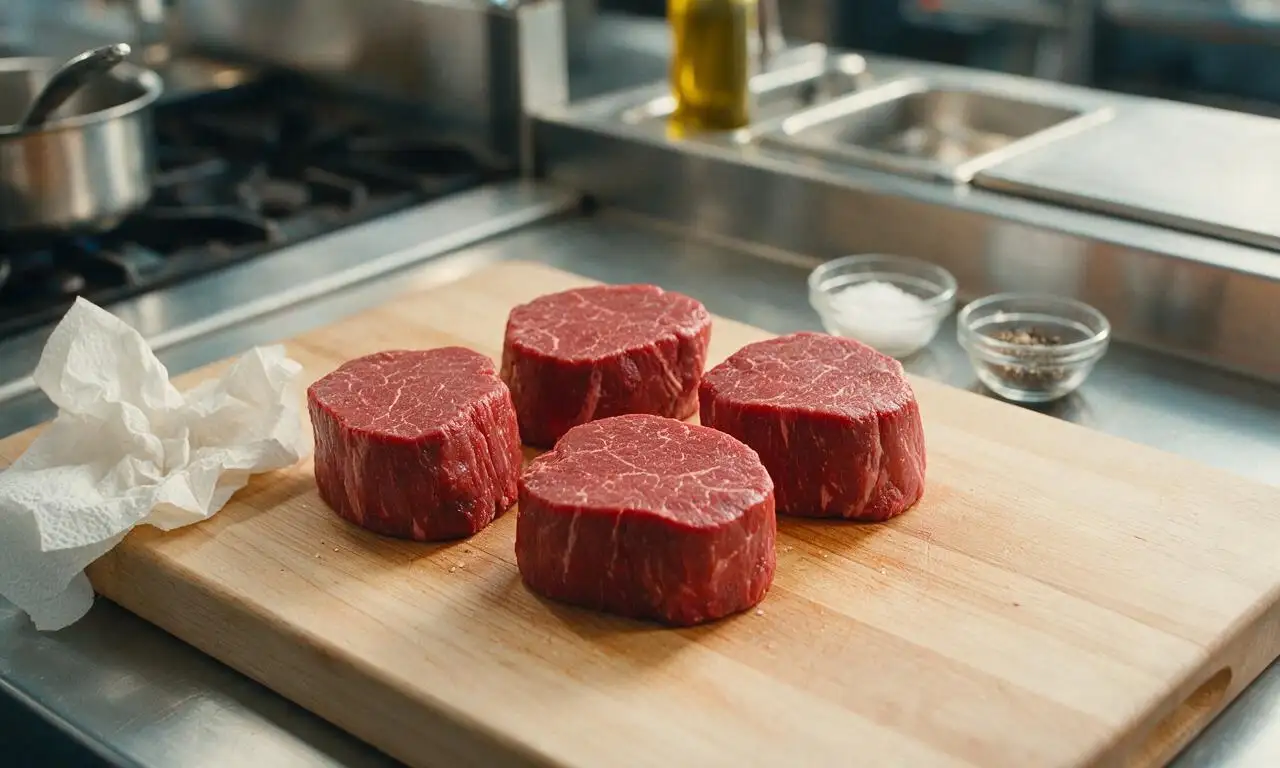
That 2-inch (5cm) thickness is key for perfect results. It lets you build a deep, crispy, golden sear on all sides without overcooking the tender center, so you get that ideal contrast of crunchy crust and juicy, evenly cooked interior. Thinner cuts cook too fast to develop that signature crust before the inside overheats.
2.Should I take my filet mignon out of the fridge before searing?
▾
Absolutely—pull your steaks out 30 to 45 minutes before cooking to let them come to room temperature. This ensures even cooking edge to edge, so you won’t end up with a thick band of overcooked gray meat around a cold, underdone center. Always pat steaks completely dry with paper towels right before searing to build a crisp crust.
3.Why do I need both olive oil and butter for this recipe?
▾
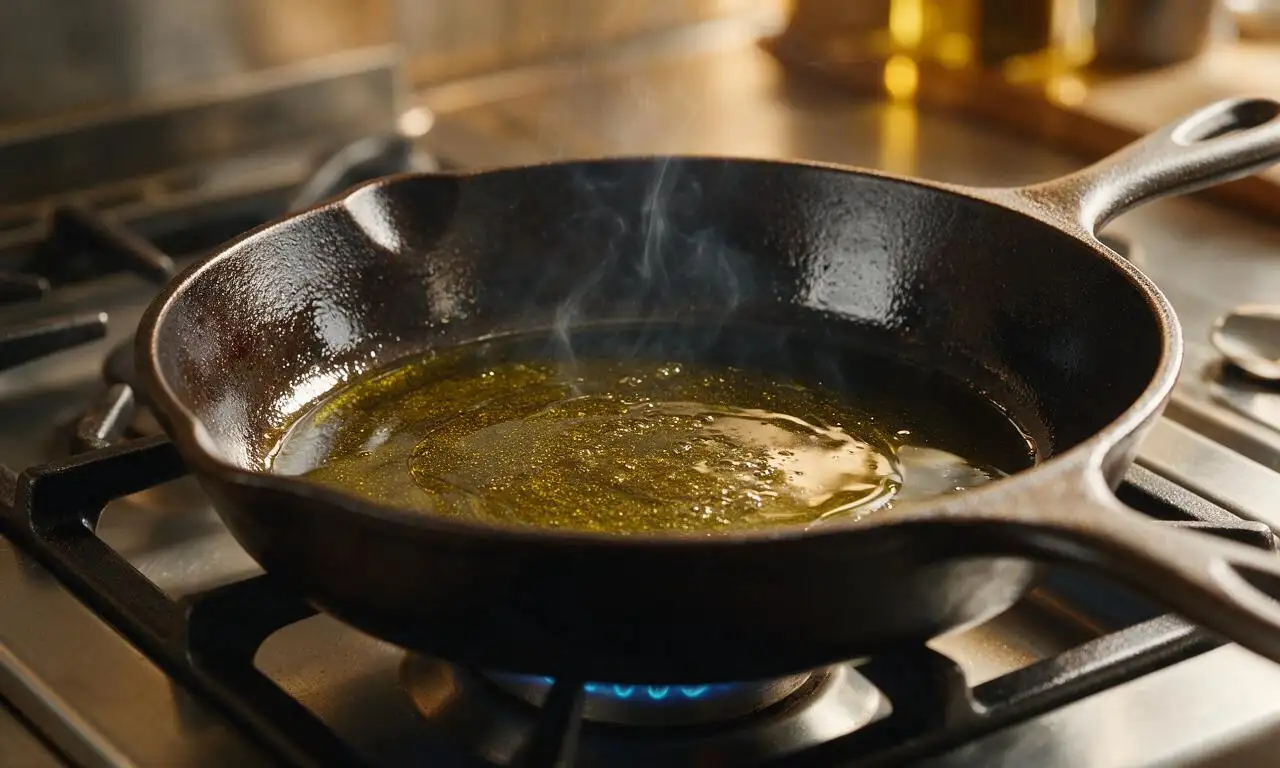
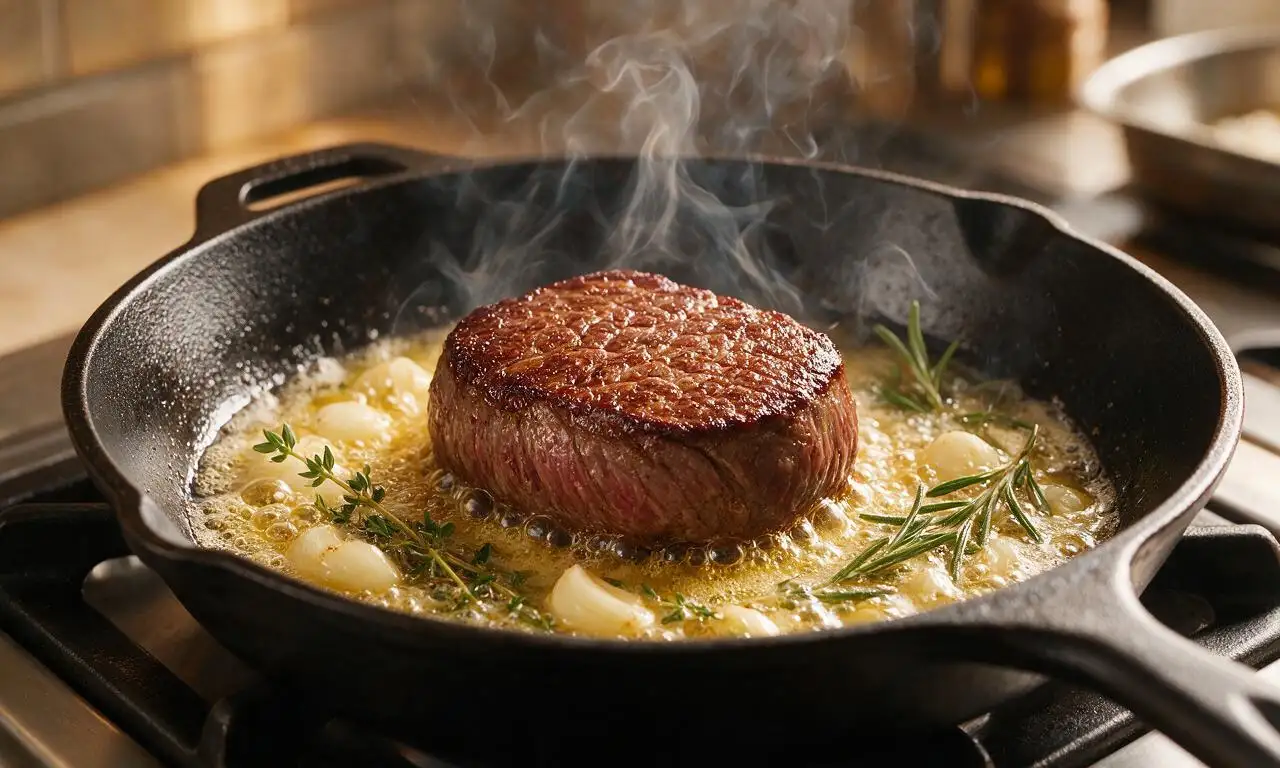
Extra-virgin olive oil has a higher smoke point than butter, so it starts the sear without burning quickly as you build that golden crust. We add the unsalted butter later, along with garlic and thyme, for basting—this lets the butter add rich, nutty flavor without turning bitter or acrid from prolonged high heat.
4.How do I get that crispy, restaurant-style crust on my filet?
▾
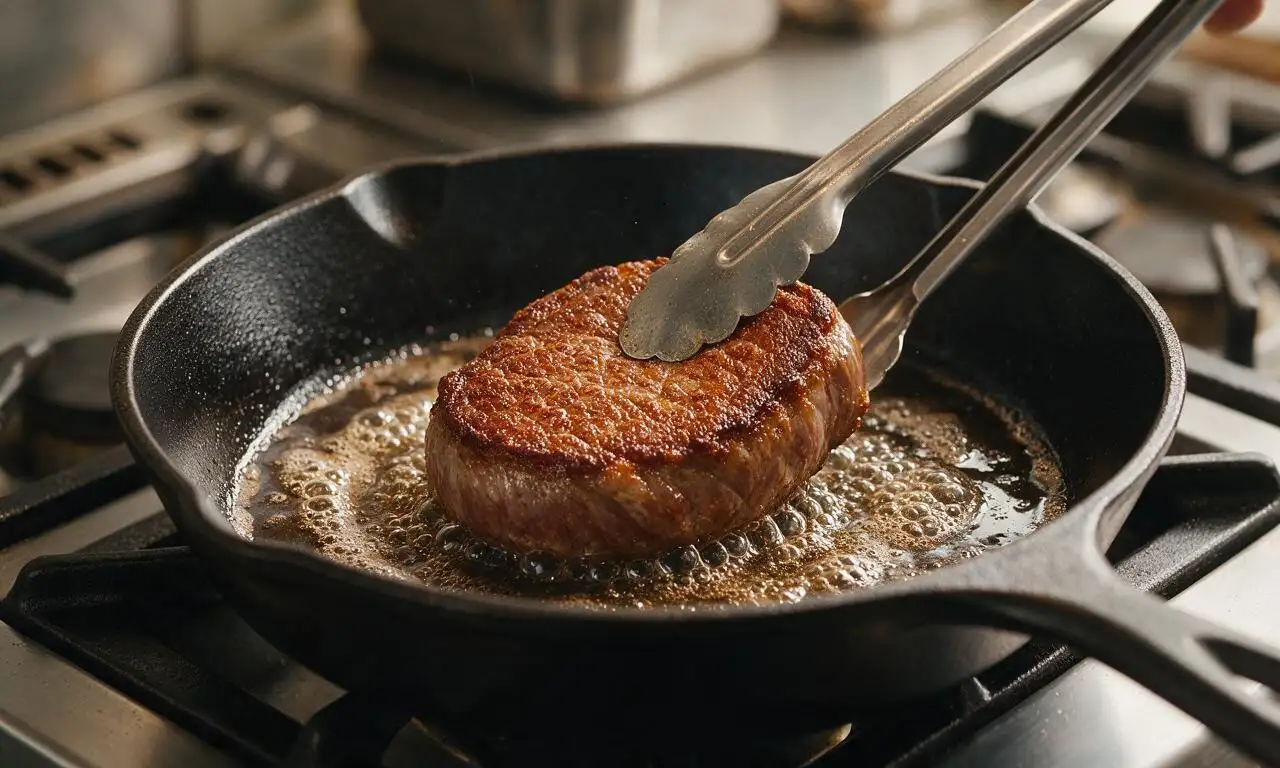
The two non-negotiables are very dry steaks and a screaming hot pan. Pat filets completely dry with paper towels, season generously with kosher salt and black pepper, then lay them in a preheated heavy-bottomed pan. Don’t move them for 3 to 4 minutes, so the Maillard reaction can build that deep, crispy, flavorful crust.
5.What kind of pan is best for searing filet mignon?
▾
A heavy-bottomed cast iron skillet is ideal, because it holds consistent, high heat evenly across the cooking surface with no hot spots. If you don’t have cast iron, a thick stainless steel skillet works great too. Avoid thin, lightweight nonstick pans—they can’t hold the high heat needed for a proper crisp crust.
6.When do I add garlic and thyme so they don’t burn?
▾
Add the lightly crushed garlic and fresh thyme sprigs right when you add the butter for basting, after you’ve already seared both sides of the steak. Keep the heat at medium once the butter goes in, and tilt the pan to spoon the bubbling butter over the steak continuously to keep garlic and herbs from scorching.
7.How do I baste the steak properly without making a huge stovetop mess?
▾
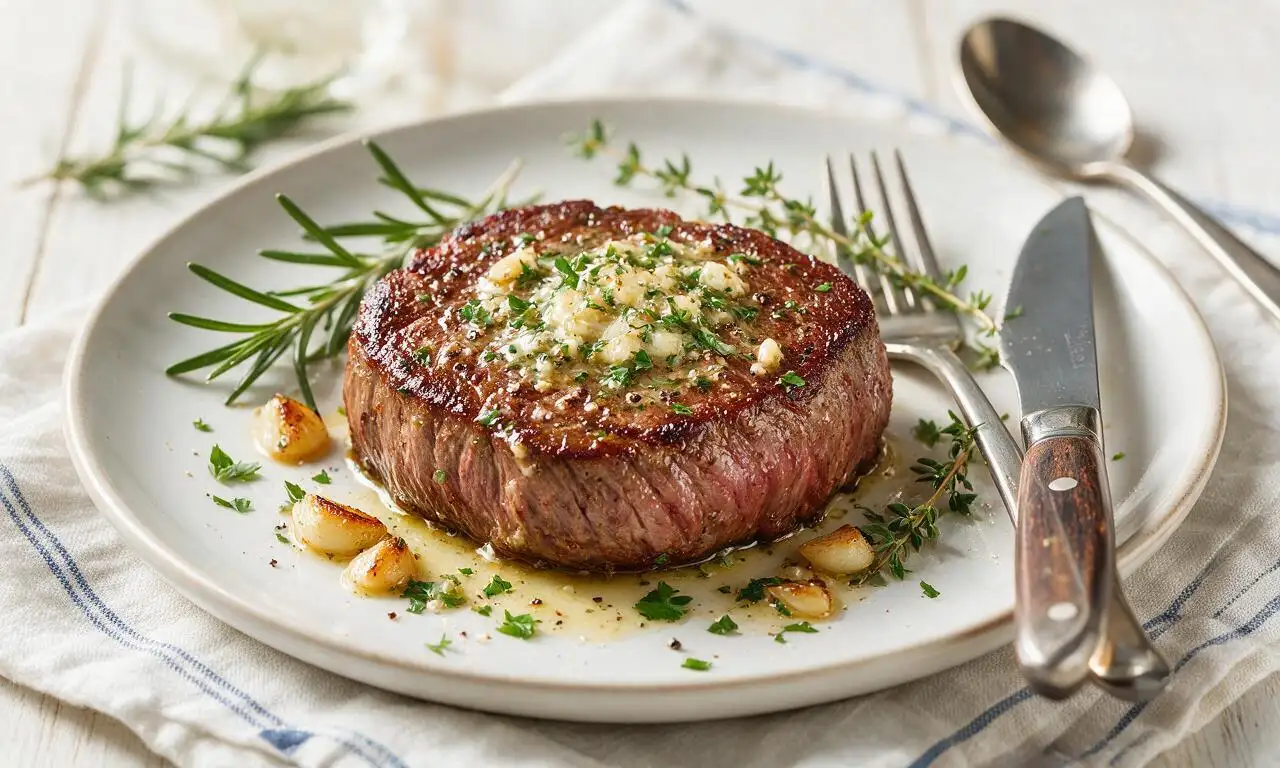
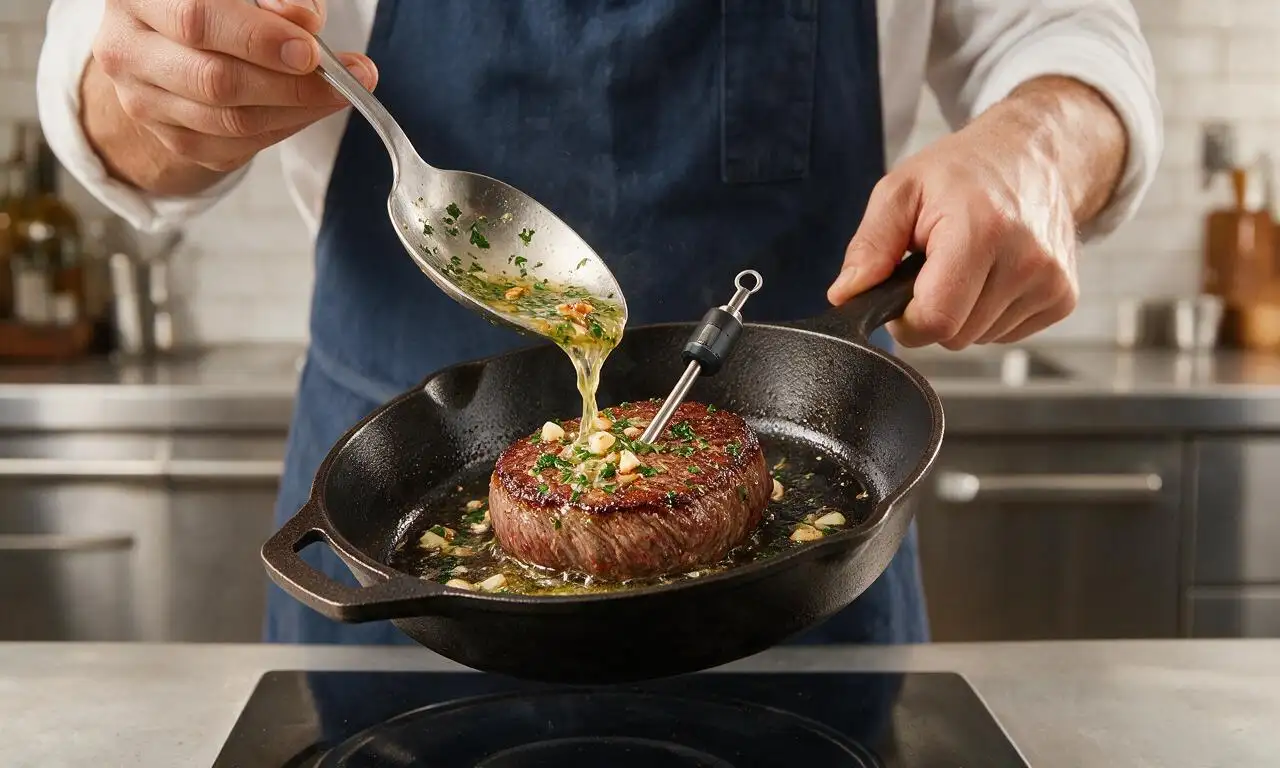
Once the butter is melted and foaming slightly, tilt your pan at a 45-degree angle so the butter pools at one edge near the handle. Use a large metal spoon to scoop that fragrant, herb-and-garlic infused butter and pour it repeatedly over the top of the steak for 1 to 2 minutes. Keep a splatter screen nearby to cut down on mess.
8.What internal temperature should I aim for perfect medium-rare filet?
▾
For perfect medium-rare, the ideal doneness for tender filet mignon, pull the steak when it hits 125–130°F on an instant-read thermometer inserted into the thickest part. The temperature will rise 3–5°F as it rests, landing you at a perfect 130–135°F final temp with a warm, pink, juicy center.
9.Do I really need to let the steak rest after cooking?
▾
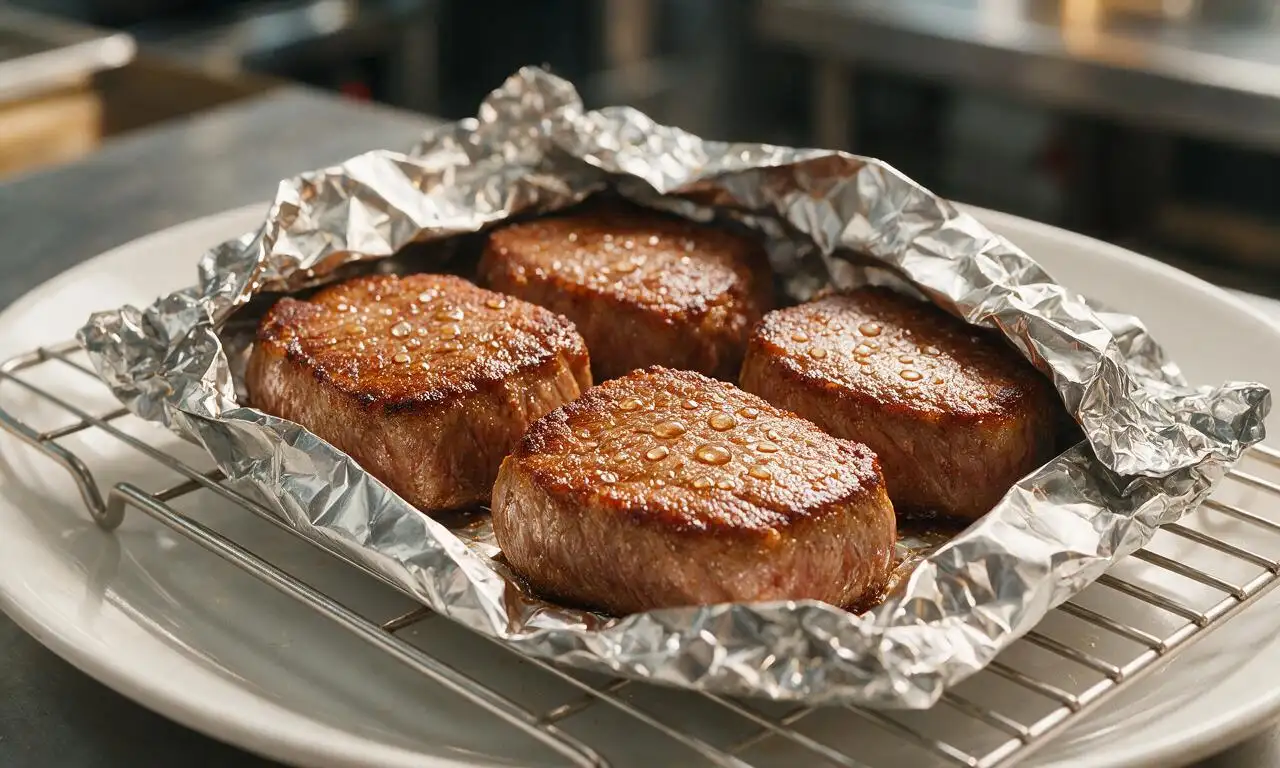
Yes, always rest your seared filet for 5 to 7 minutes after taking it out of the pan, tented loosely with foil. Resting lets the muscle fibers relax and reabsorb all the juicy, flavorful moisture that gets pushed to the surface during high-heat cooking, so you won’t lose all that delicious juice onto your plate when you slice.
10.Can I use salted butter instead of unsalted for the garlic herb butter?
▾
You can, but you’ll want to cut back on any added salt you use to season the steaks before searing to avoid over-salting. Unsalted butter gives you full control over the final sodium level, and it has a fresher, sweeter cream flavor that lets the garlic and fresh thyme shine without off notes.
11.Why does the recipe call for lightly crushed garlic instead of minced garlic?
▾
Lightly crushed garlic releases its mellow, aromatic flavor into the basting butter much more gently than finely minced garlic. Minced garlic has far more exposed surface area, so it will burn and turn bitter in seconds on the hot pan, while crushed cloves add warm, sweet garlic flavor without harsh, burnt bits.
12.How long should I sear each side for a 2-inch thick filet?
▾
For a 2-inch thick filet cooked to medium-rare, sear the first flat side for 3.5 to 4 minutes without moving it, then flip and sear the second flat side for another 3 minutes. Stand the steak on its edge to sear the thin side edges for 30 seconds each, then baste with butter for 1 to 2 minutes until you hit your target temp.
13.Can I add other herbs to the garlic butter besides thyme?
▾
Absolutely! Fresh rosemary, sage, or a couple of fresh oregano sprigs work beautifully in the basting butter, as long as you use woody, sturdy herbs that hold up to hot butter. Tender herbs like parsley or chives are best added right at the end of basting or as a garnish to avoid wilting or bitterness.
14.My steak is sticking to the pan when I try to flip it—what did I do wrong?
▾
That almost always means your pan wasn’t hot enough, or you tried to flip the steak too early. A properly seared steak will release naturally from the pan once the Maillard reaction forms that crisp crust. If it’s sticking, give it another 30 to 60 seconds—once the crust is fully formed, it will lift easily without tearing.
15.Should I season the steak ahead of time, or right before cooking?
▾
For the juiciest, most evenly seasoned result, you can salt your filets 45 minutes to an hour before cooking, which lets the salt draw out moisture that then reabsorbs to tenderize the meat. If you’re short on time, season right before searing—just avoid salting 10-15 minutes ahead, as that leaves surface moisture that ruins your crisp crust.
16.Can I finish these steaks in the oven after searing instead of stovetop basting?
▾
You absolutely can, especially if you prefer your steak cooked past medium-rare. After searing both sides on the stovetop, add the butter, garlic, and thyme to the pan, then transfer the whole skillet to a 400°F oven for 2 to 4 minutes, basting once halfway, until you hit your target internal temp.
17.What’s the best way to trim filet mignon before cooking?
▾
Use a sharp paring knife to trim away any thick, silvery connective tissue from the outside of the filets, since that tissue is tough and chewy even after searing. You don’t need to remove every last bit of external fat—filet is very lean, so a thin layer of fat will add flavor, but thick silverskin should always go.
18.Why is my filet coming out tough instead of melt-in-your-mouth tender?
▾
The most common culprits are overcooking, cutting the steak with the grain, or skipping the rest period. Filet is extremely lean, so it gets tough and dry when cooked past medium. Always use a thermometer to avoid overcooking, let it rest, and slice against the muscle fibers when serving for maximum tenderness.
19.Can I make the garlic herb butter ahead of time?
▾
Definitely! Mix softened unsalted butter with crushed garlic, chopped fresh thyme, and a pinch of salt and pepper, then roll it into a log in parchment paper and chill for up to a week, or freeze for 3 months. When ready to cook, slice a thick pat to add to the pan for basting, or top rested steaks with a pat to melt.
20.What are the best sides to serve with this pan-seared filet?
▾
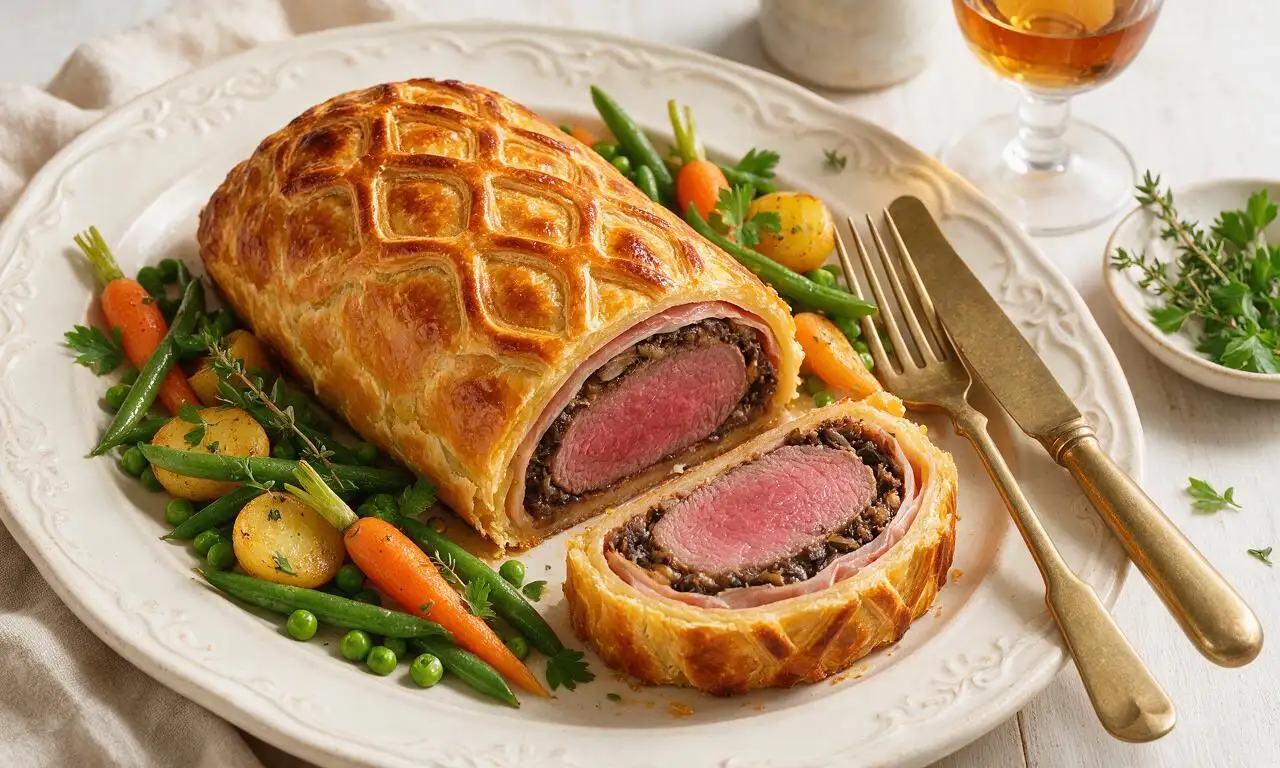
This rich, buttery steak pairs beautifully with simple sides that don’t overpower its delicate, beefy flavor. Classic options include creamy mashed potatoes, roasted asparagus, crispy roasted potatoes, a simple arugula salad with lemon vinaigrette, or sautéed mushrooms. Skip heavy, overly sauced sides that compete with the garlic herb butter.


OMG, this recipe was an absolute game changer for our anniversary dinner last night! I’ve always been intimidated to cook filet mignon at home because I thought I’d mess it up, but the step-by-step pan sear instructions and that garlic herb butter? *Chef’s kiss* My husband said it was better than the steak we had at the fancy downtown steakhouse for our first date. SO good, I’m already planning to make this for my parents when they visit next month!
Took this for a test run before our big neighborhood potluck this weekend and wow, it did not disappoint. I was a little worried about nailing cook times since I like my steak medium-rare and my wife likes medium, but the timing guide was spot on for both when I added an extra minute per side for hers. That garlic herb butter is so flavorful I might put it on everything from now on — roasted veggies, grilled chicken, you name it.
As someone who’s still learning to cook in my tiny apartment kitchen, I was shocked how easy this was to pull off! 30 minutes total is perfect for my weeknight meal prep — I made two filets on Sunday and sliced one up for steak salads all week. Only tweak I made was adding a little extra rosemary because I had a bunch lying around, 10/10 would make again.
Made this for my kids’ special birthday dinner (they begged for “fancy steak” instead of pizza this year) and they both cleaned their plates! Even my super picky 8 year old asked for seconds, which never happens. The only bummer was I didn’t make enough of the garlic herb butter — I could’ve drank that stuff tbh.
Okay, real talk: I’ve tried like 4 different pan-seared filet recipes and this is the only one that got that crispy, golden crust right without overcooking the pink center. Medium-rare perfection every single time. I did have one small issue though — my butter started burning a little when I tossed in the garlic? Wondered if I had the heat cranked too high.
This was such a hit at our Sunday family dinner! My brother-in-law is a total steak snob and he asked me for the recipe halfway through dinner, which is the highest possible compliment in my book. Served it with roasted asparagus and mashed potatoes just like the recipe suggested, and the whole meal felt like a fancy restaurant experience for a fraction of the cost.
Game. Changer. I used to only grill my filets because I thought pan searing made them too greasy, but this method locks in so much juicy flavor. The garlic herb butter melts into every little crevice and it’s just *chef’s kiss*. Will never make steak any other way now, no cap.
Made this last night for date night and my partner thought I ordered takeout from the fancy steak place downtown! I was a little nervous because I’ve never made filet before, but the instructions were so clear even for a medium difficulty recipe. The only thing I wish I had was a meat thermometer — I had to guess on doneness but it still turned out perfect medium-rare somehow, total win.
Made this after a long day of hiking last weekend and it was the perfect post-adventure meal! I didn’t have fresh thyme so I used dried and it still tasted amazing. The pan sauce from the butter and steak drippings was so good sopped up with a little crusty bread, I didn’t even need a fancy side dish.