French Scrambled Eggs

title 1
French Scrambled Eggs
⏱️ cook time 8 minutes
🍽️ servings 2
⚡ Difficulty easy

intro

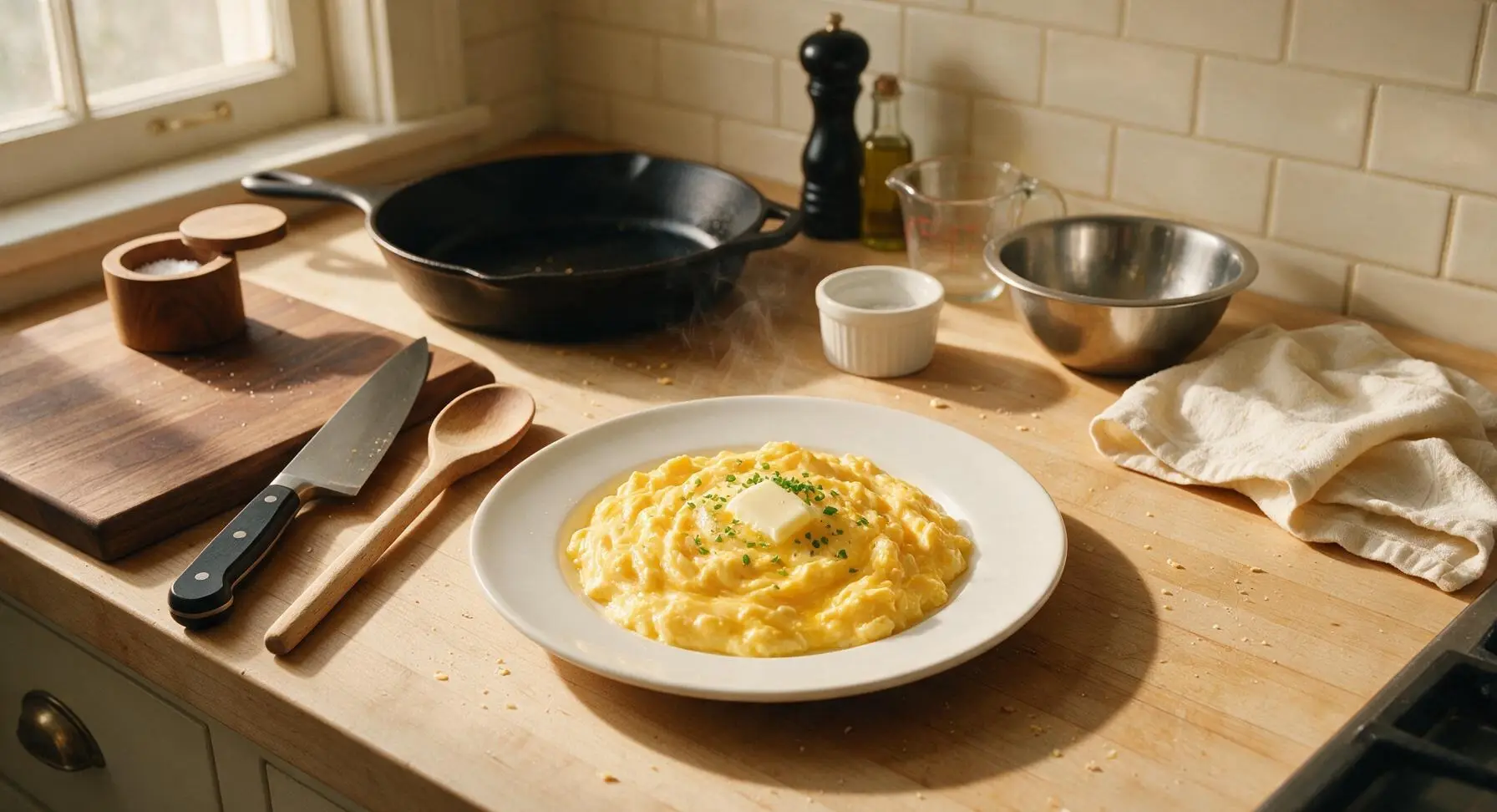
Silky, custard-like French scrambled eggs, slow-cooked to soft melt-in-your-mouth curds, finished with butter and fresh chives for a simple, luxurious bite.

Ingredients
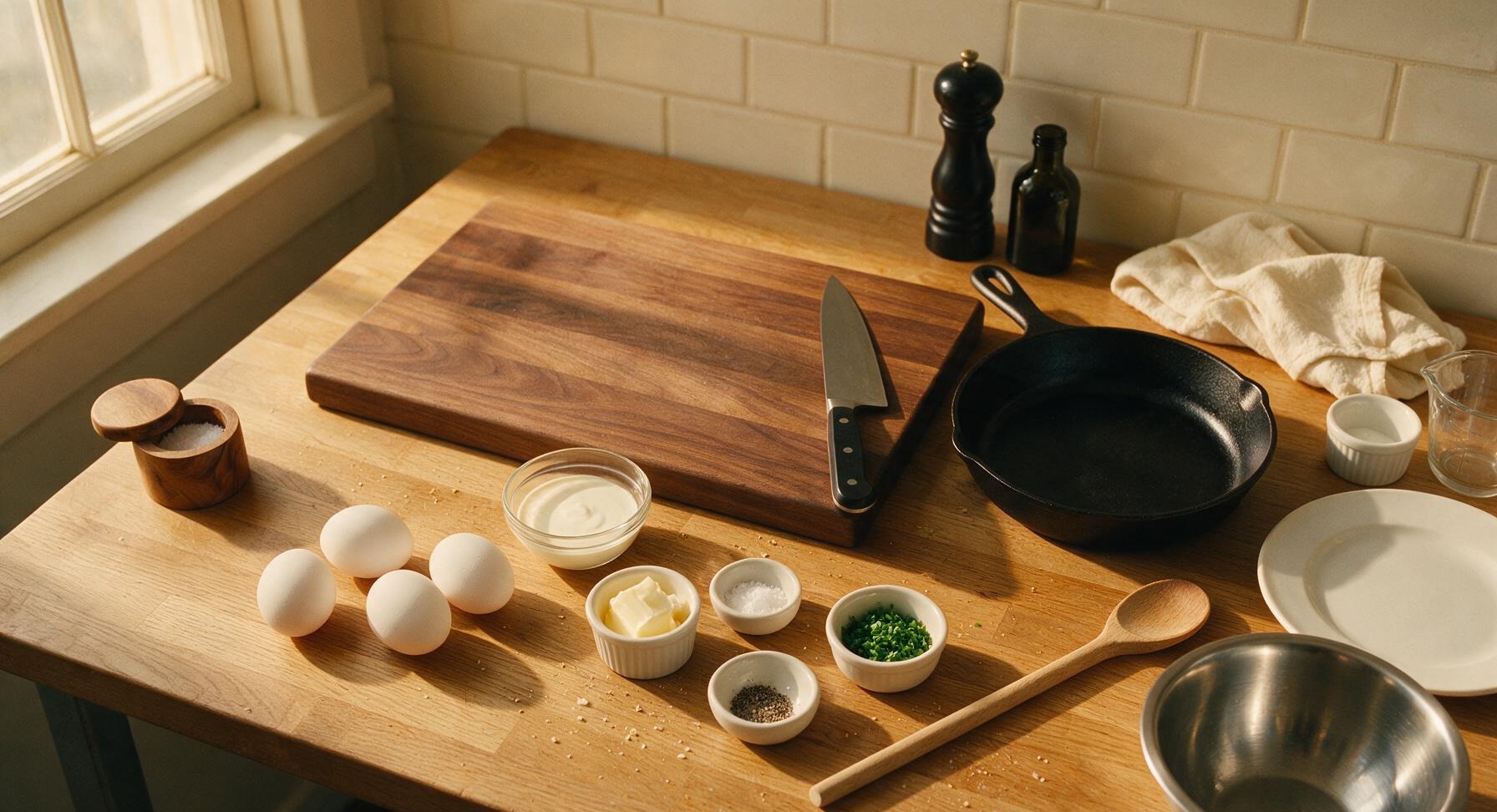
Large eggs 4 large
Unsalted butter 2 tbsp (28g), divided
Heavy cream 2 tbsp (30ml)
Flaky sea salt 1/4 tsp
Freshly ground black pepper 1/8 tsp
Fresh chives 1 tbsp, finely chopped

Steps

1

Crack Eggs Into Bowl

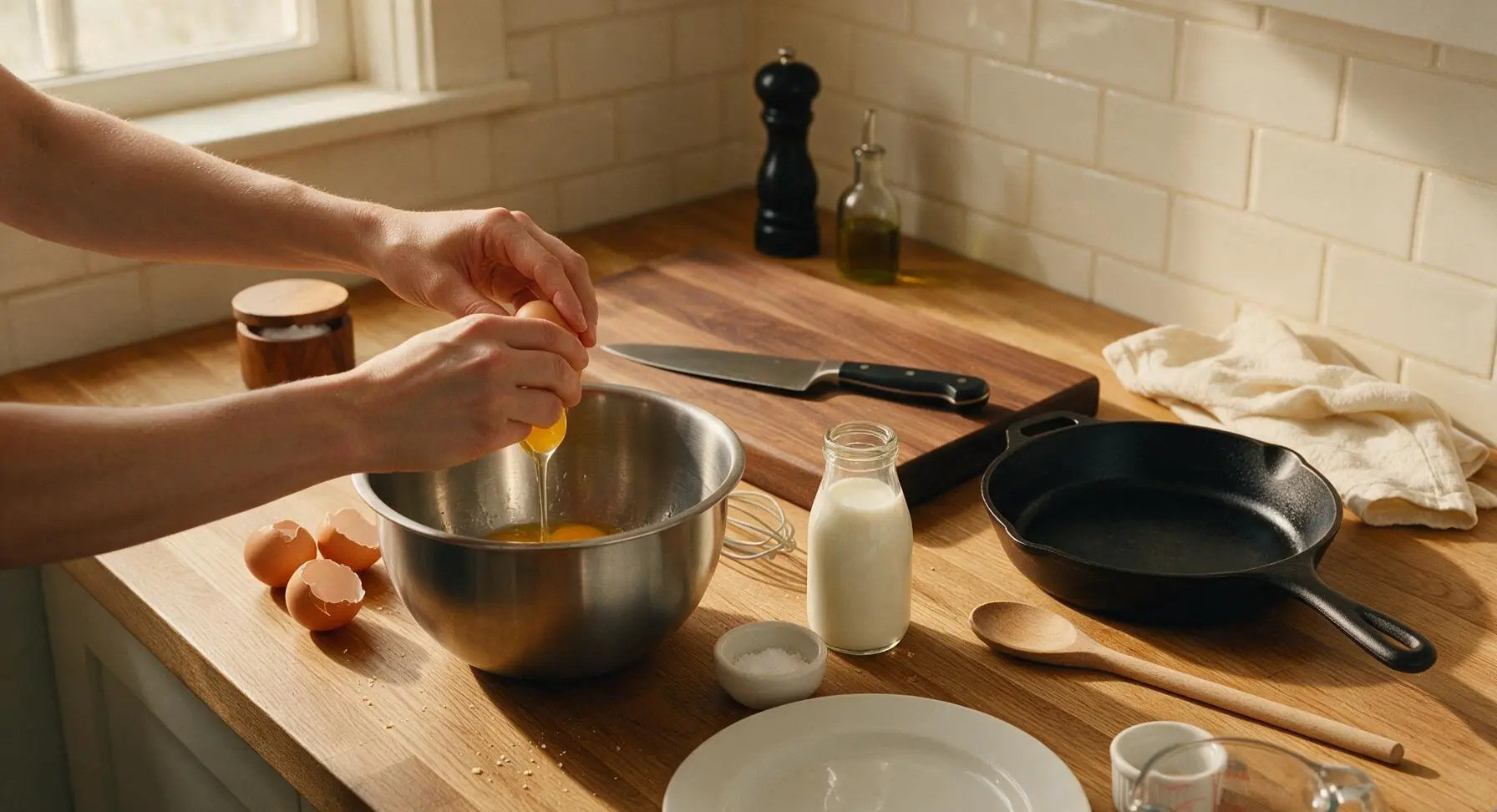
Gently crack all 4 large eggs into the small stainless steel mixing bowl, taking care not to drop small shell fragments into the mixture. If any shell pieces fall in, use the edge of a cracked eggshell to lift them out easily. Add 2 tbsp heavy cream and 1/8 tsp flaky sea salt to the bowl with the eggs.
Step 1
step1:Crack Eggs Into Bowl
2

Whisk Egg Mixture

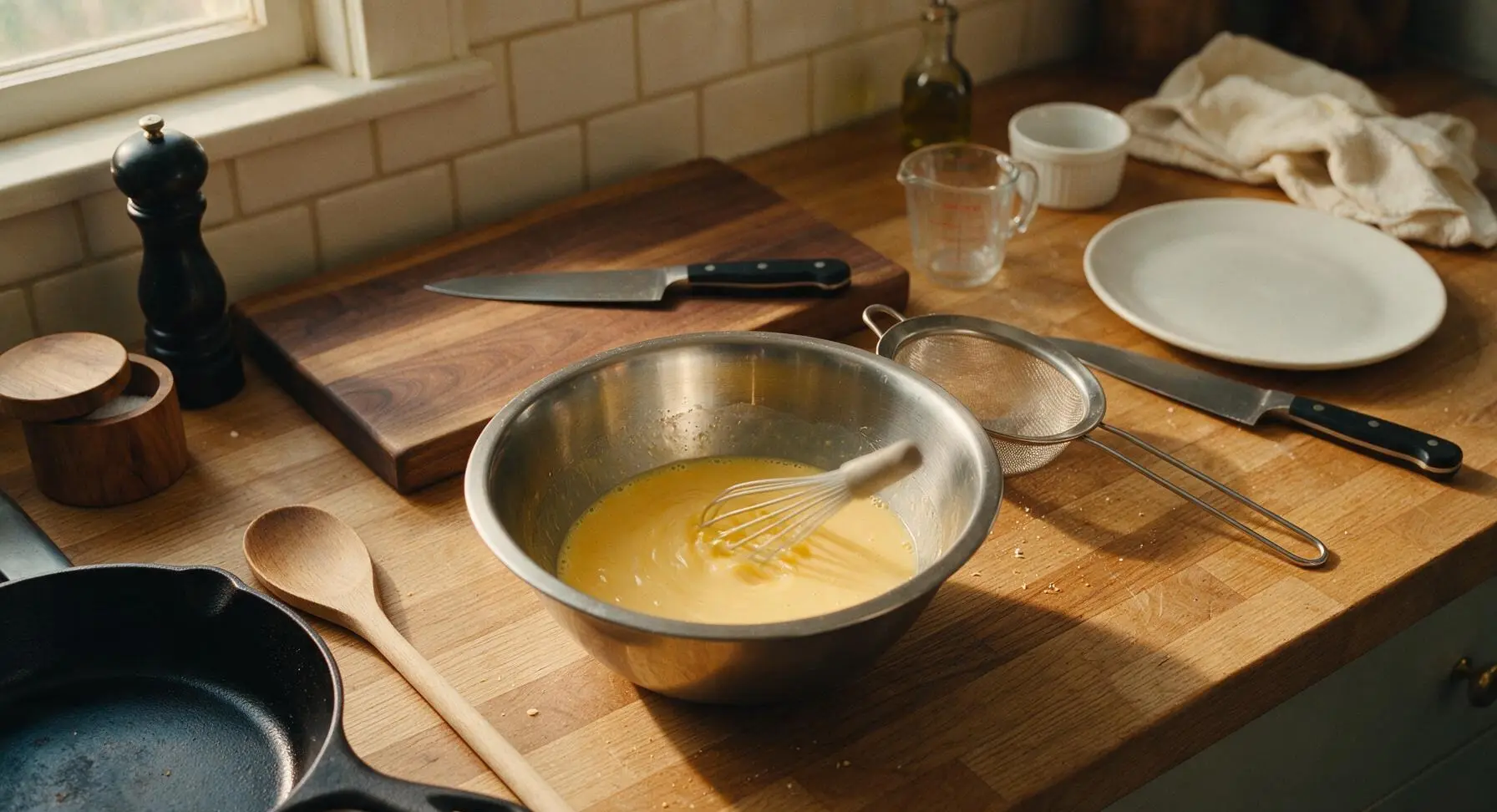
Use the small silicone whisk to gently beat the egg, cream, and salt mixture for 30 seconds, just until yolks and whites are fully combined with no streaks of clear egg white remaining. Do not over-whisk to incorporate large air bubbles, as this creates a fluffy rather than silky custard texture. The finished mixture should be a uniform pale golden color.
Step 2
step2:Whisk Egg Mixture
3

Strain For Smoothness

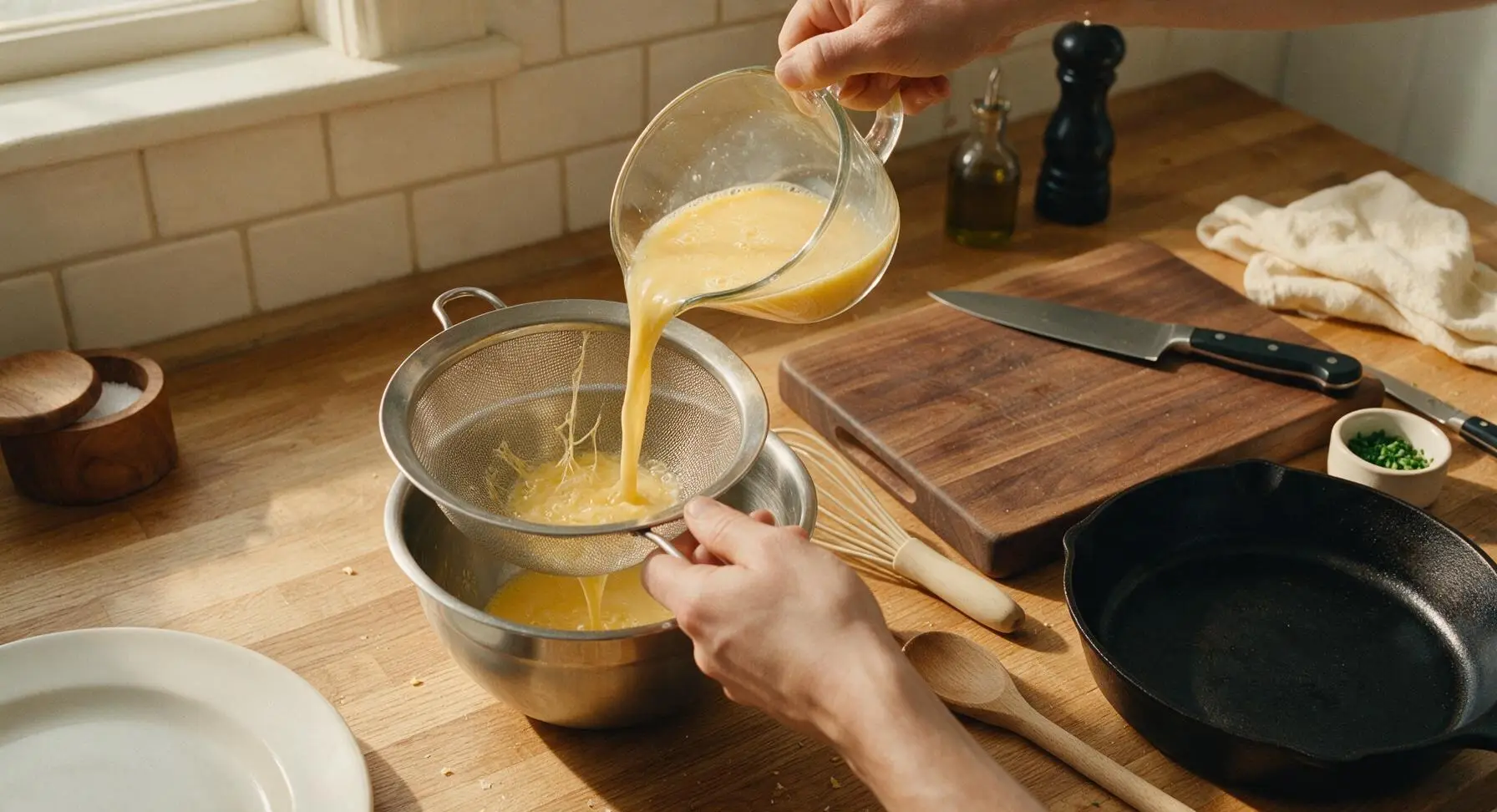
Hold the fine-mesh stainless steel sieve over the mixing bowl, and pour the whisked egg mixture through the sieve to catch stringy chalaza and unblended egg white bits. This step creates the ultra-silky, lump-free texture signature to classic French scrambled eggs. Discard any small solids left trapped in the sieve after straining.
Step 3
step3:Strain For Smoothness
4

Chop Fresh Chives

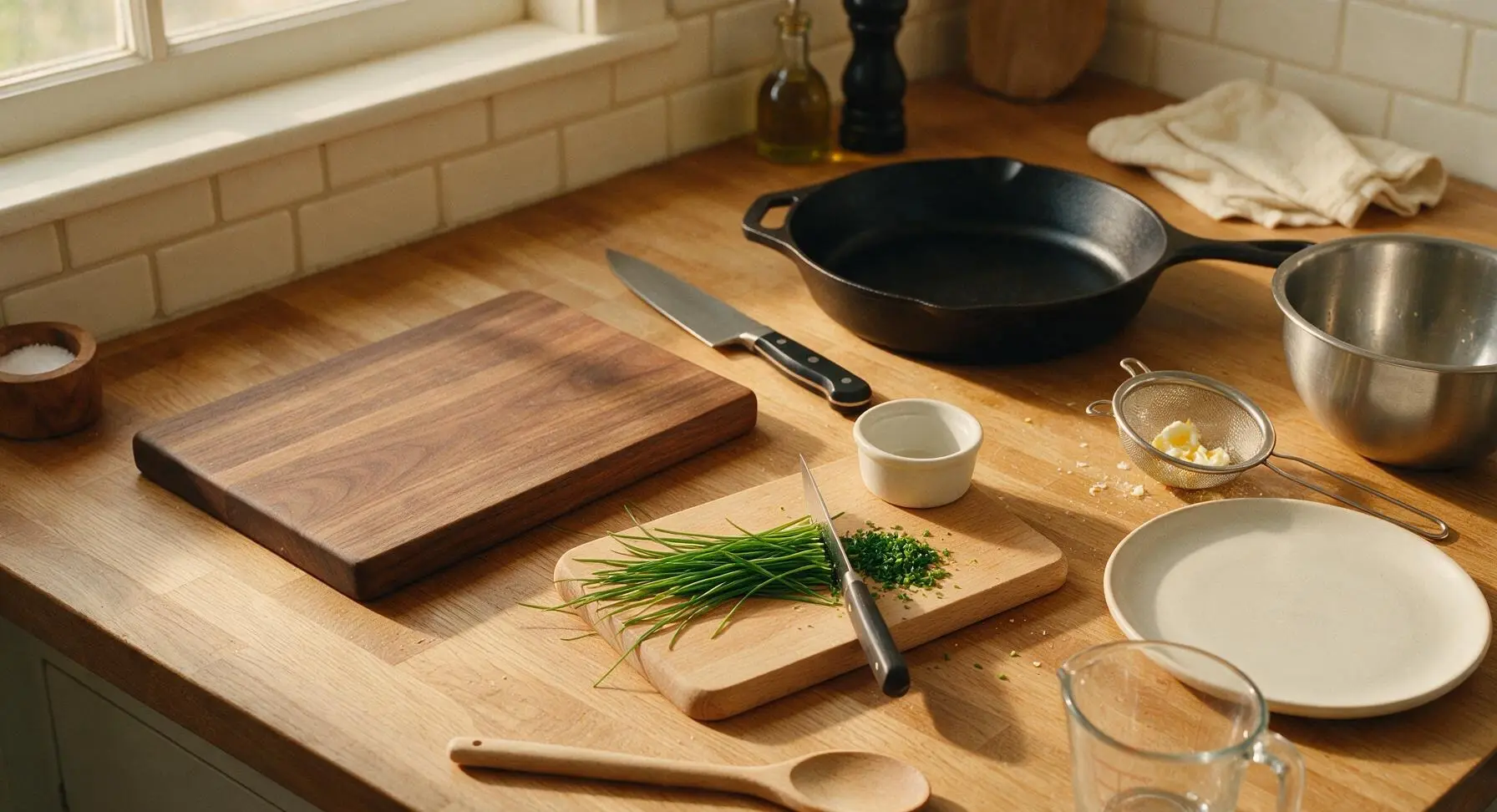
Rinse the fresh chives and pat dry with a corner of the linen towel, then place on the small beech wood cutting board. Use the small paring knife to finely chop chives into 2mm pieces, then transfer the chopped chives to the small matte white ceramic ramekin. Set aside for final garnish.
Step 4
step4:Chop Fresh Chives
5

Melt Butter Gently

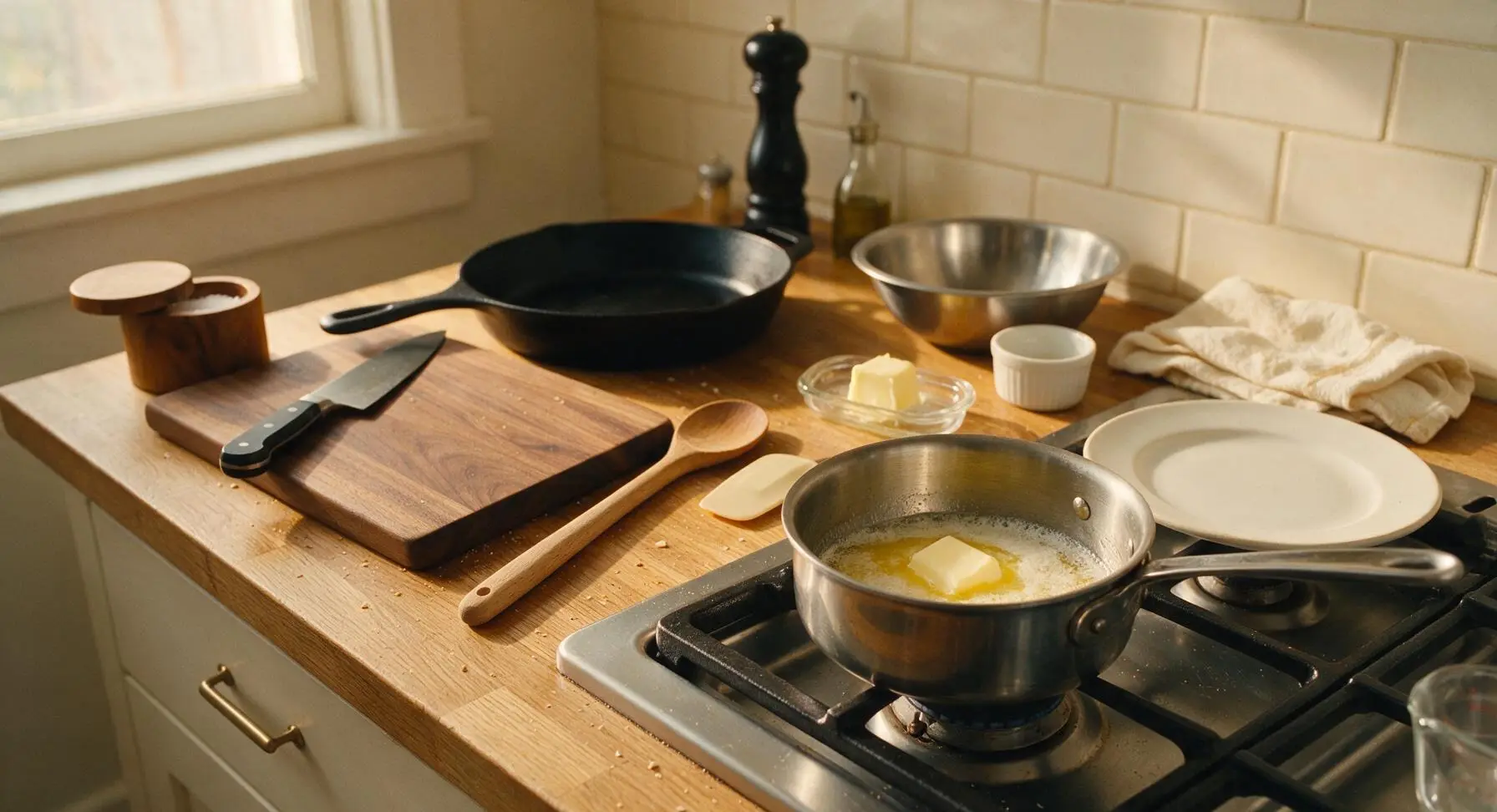
Place the small heavy-bottomed stainless steel saucepan on the stovetop over the lowest possible heat setting. Add 1.5 tbsp of unsalted butter to the pan, and allow it to melt slowly over 1-2 minutes, swirling occasionally, until fully liquid and foamy but not browned or nutty-smelling. The pan should feel warm, not hot, to avoid cooking eggs too quickly.
Step 5
step5:Melt Butter Gently
6

Slow-Cook Egg Curds

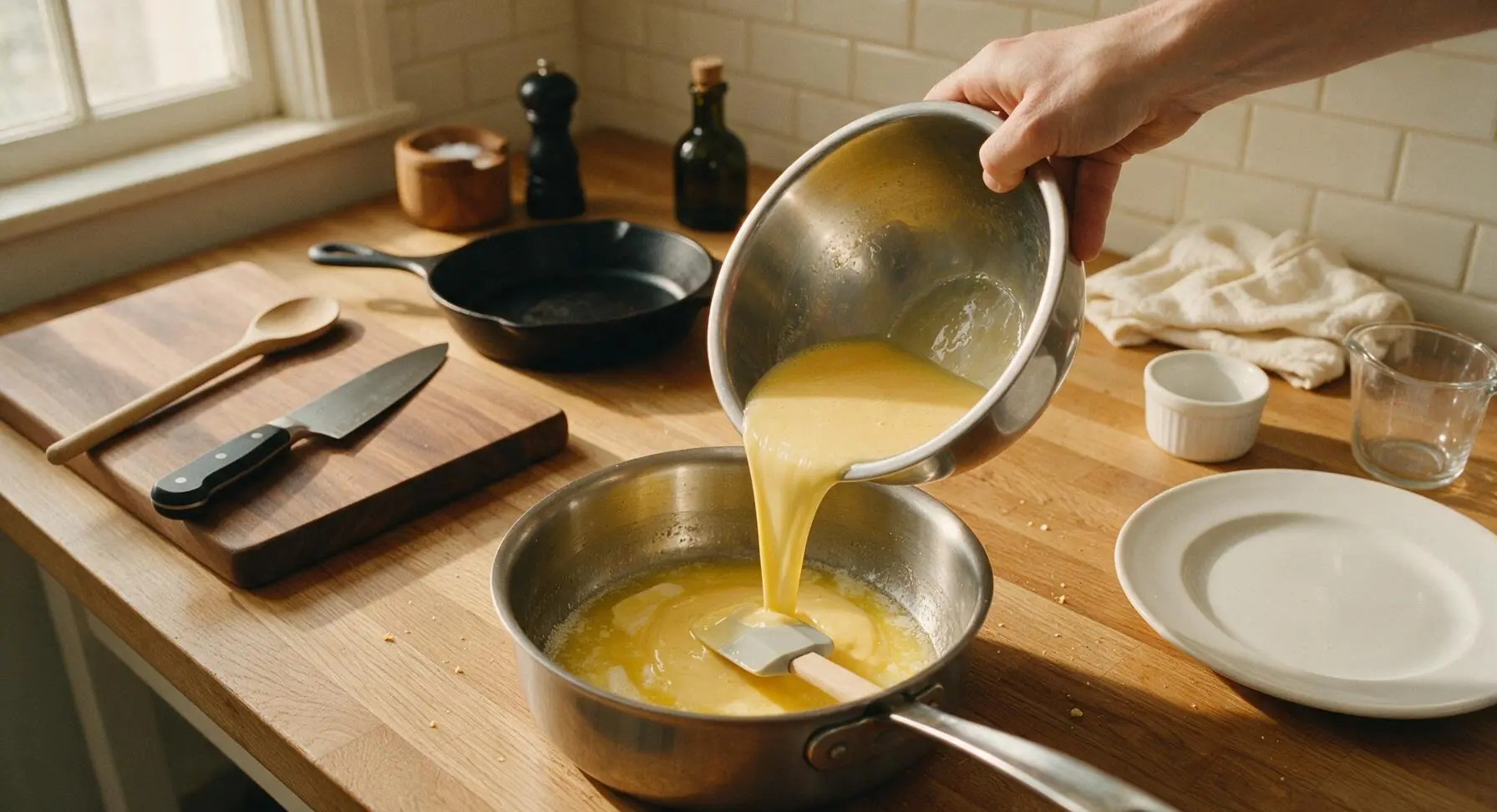
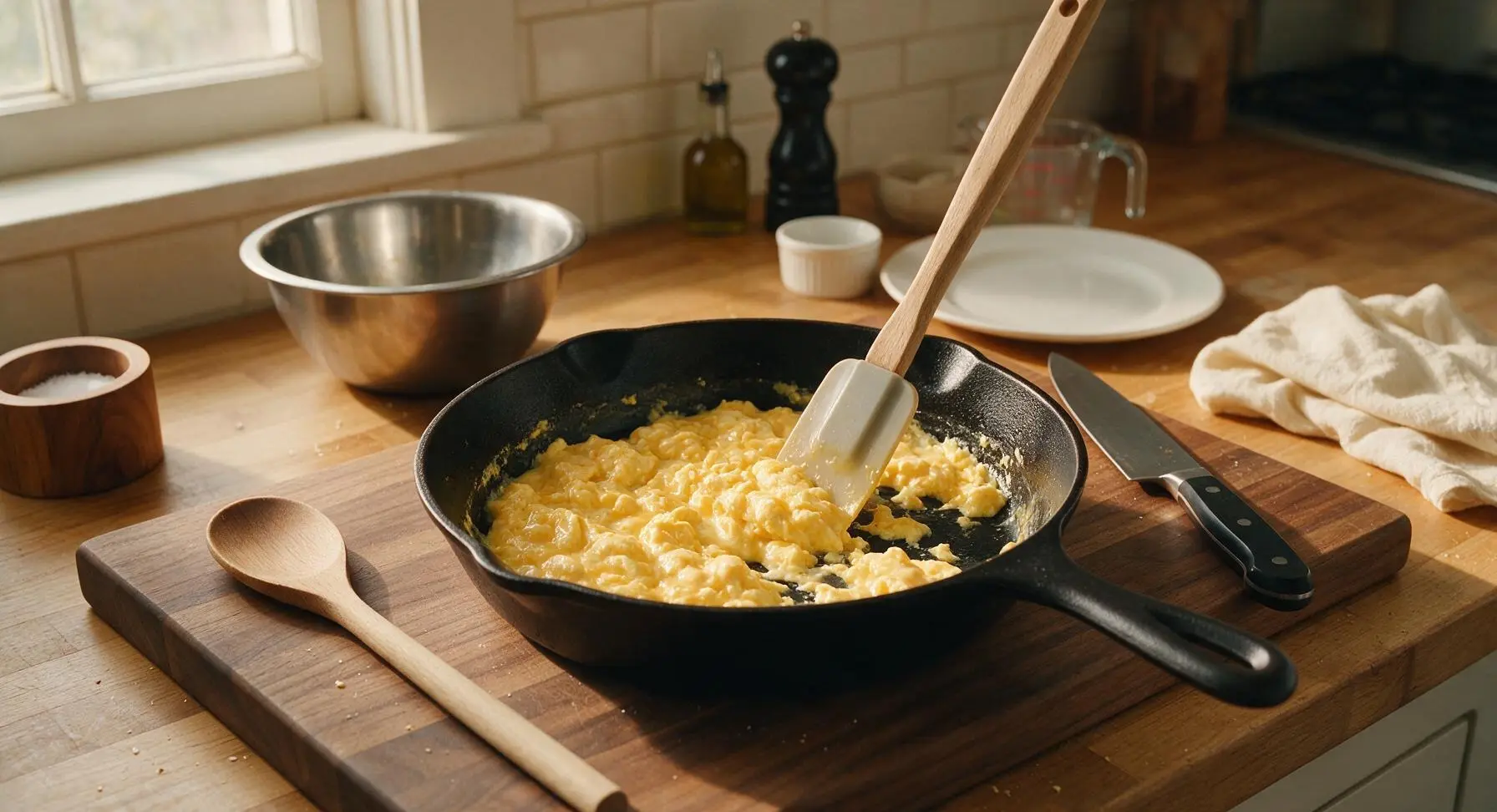
Pour the strained egg mixture into the pan with melted butter. Use the flexible silicone spatula to stir eggs constantly in slow, small circular motions, scraping the entire pan bottom and sides every 2-3 seconds, for 6-7 minutes total. Eggs will slowly form soft, tiny, custard-like curds; remove the pan from heat when eggs are 80% set, still slightly runny in spots, as residual heat will finish cooking them. Final texture should be loose and creamy, not firm or dry.
Step 6
step6:Slow-Cook Egg Curds
Step 6
step6:Slow-Cook Egg Curds
7

Finish With Butter

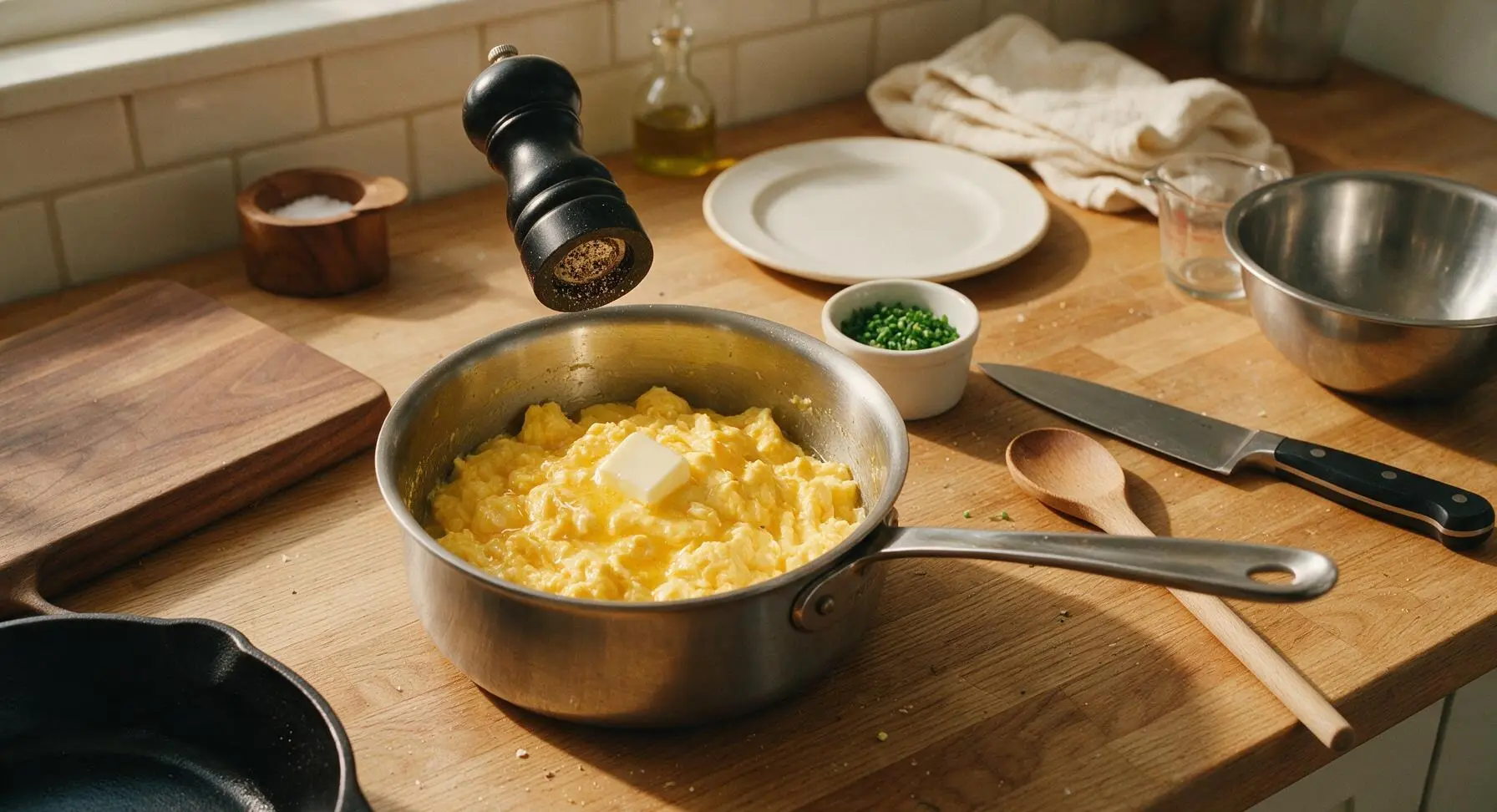
Remove the pan from heat completely. Add the remaining 0.5 tbsp of cold unsalted butter to the eggs, stirring gently with the silicone spatula to melt the butter into the curds, which stops the cooking process and adds a rich, glossy finish. Taste and adjust with a tiny pinch of extra flaky sea salt if needed, then stir in 1/8 tsp freshly ground black pepper.
Step 7
step7:Finish With Butter
8

Plate And Garnish

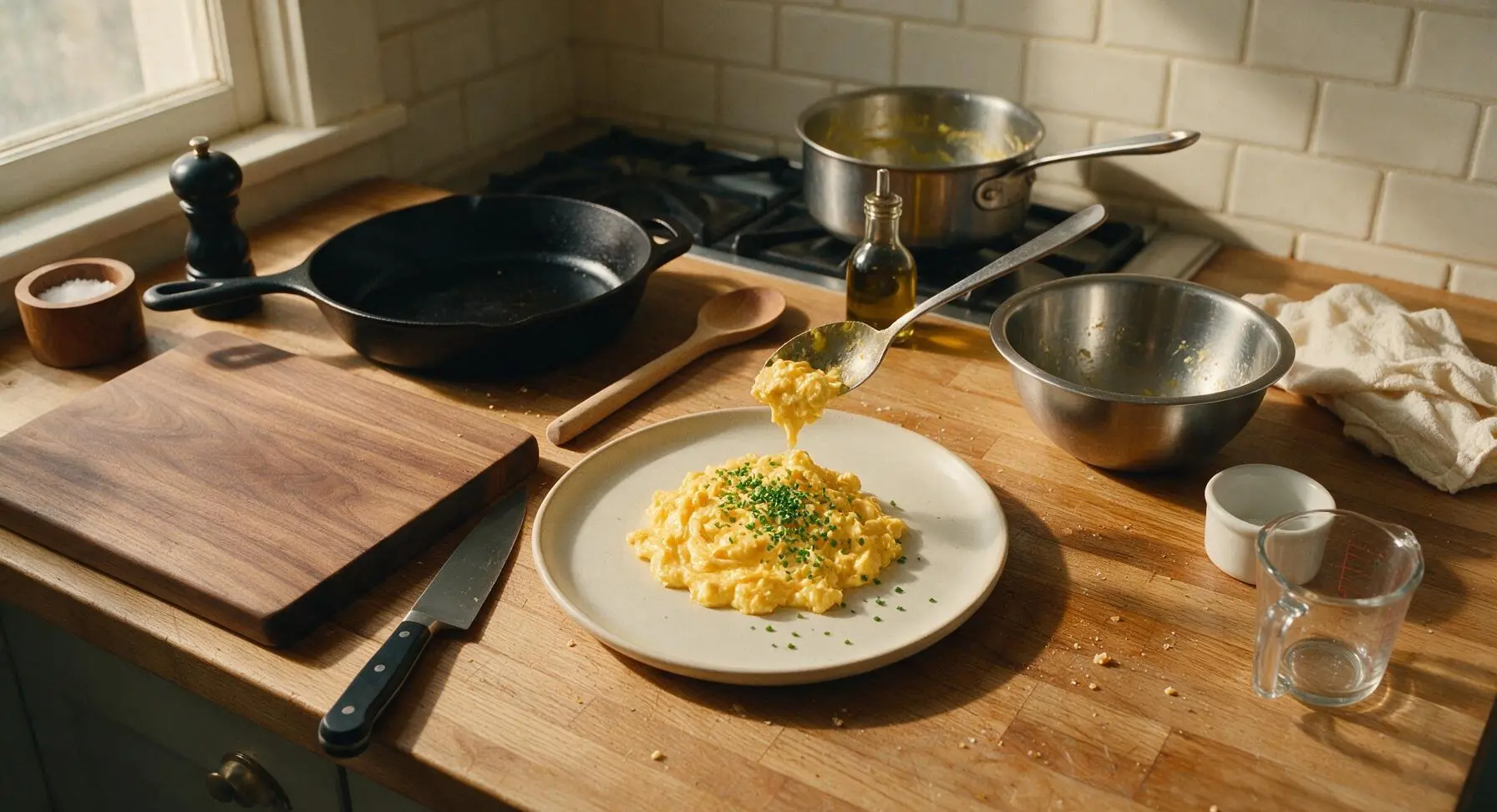
Gently spoon soft scrambled eggs onto the center of the off-white matte ceramic breakfast plate, mounding them loosely rather than pressing flat. Sprinkle finely chopped chives evenly over the eggs, adding one light crack of black pepper if desired. Serve immediately, as eggs will continue to set if left to rest.
Step 8
step8:Plate And Garnish

Tips

1.Never cook French scrambled eggs over medium or high heat: high heat causes large, dry, rubbery curds to form instantly, ruining the signature silky custard texture. Low, slow heat is non-negotiable for the correct consistency.
2.Do not skip the straining step: stringy chalaza and unblended egg white bits create small, tough lumps in finished eggs, and straining ensures every bite is uniformly smooth without requiring over-whisking that adds unwanted air bubbles.
3.Pull eggs from heat before they look fully done: residual heat from the pan and cold finishing butter will continue to cook curds for 1-2 minutes after the pan is removed from the stove; waiting until eggs look set in the pan will result in dry, overcooked eggs by the time they reach the plate.
✨ You May Also Like

Breakfast
🍜 United States

Crisp-edged, fluffy lard griddle cakes are a nostalgic homestyle staple, with rich savoriness from rendered lard, perfect topped with maple syrup or savory gravy.

⏱️ 25 minuteBreakfast ★ 4.8
Breakfast
🍜 United States

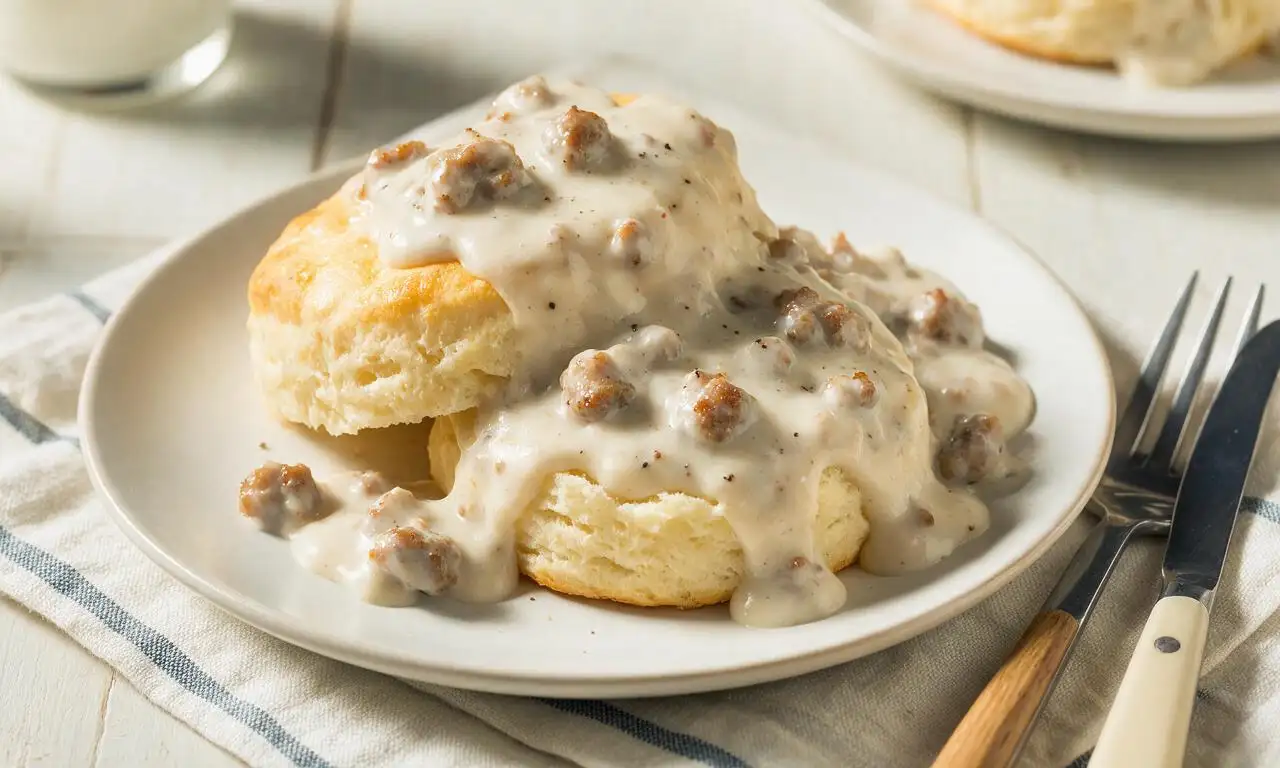
Flaky, buttery homemade buttermilk biscuits smothered in creamy, peppery pork sausage gravy: a beloved, hearty Southern American comfort food classic.

⏱️ 35 minuteBreakfast ★ 4.8
Breakfast
🍜 United States

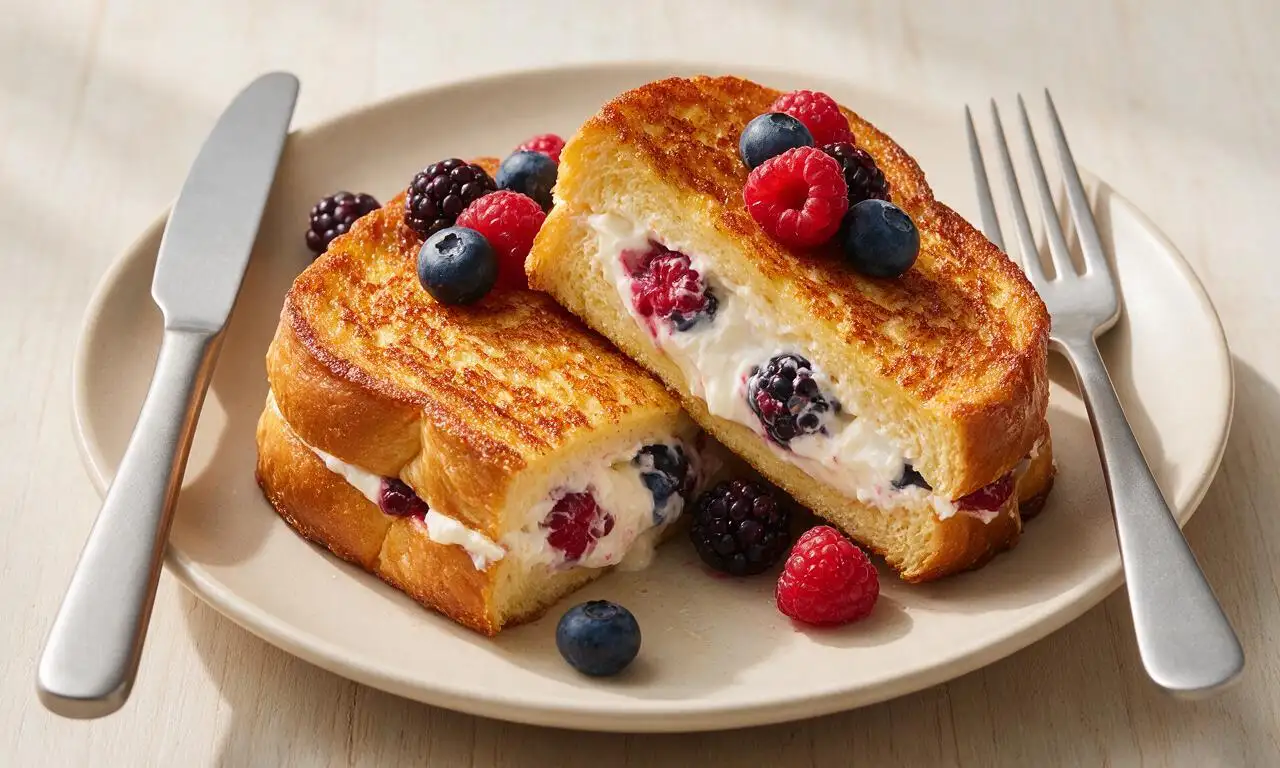
Golden, custardy brioche stuffed with sweet cream cheese and fresh berries, pan-fried to crisp perfection. An indulgent, cozy breakfast perfect for slow weekend mornings.

⏱️ 30 minuteBreakfast ★ 4.7
Breakfast
🍜 United States

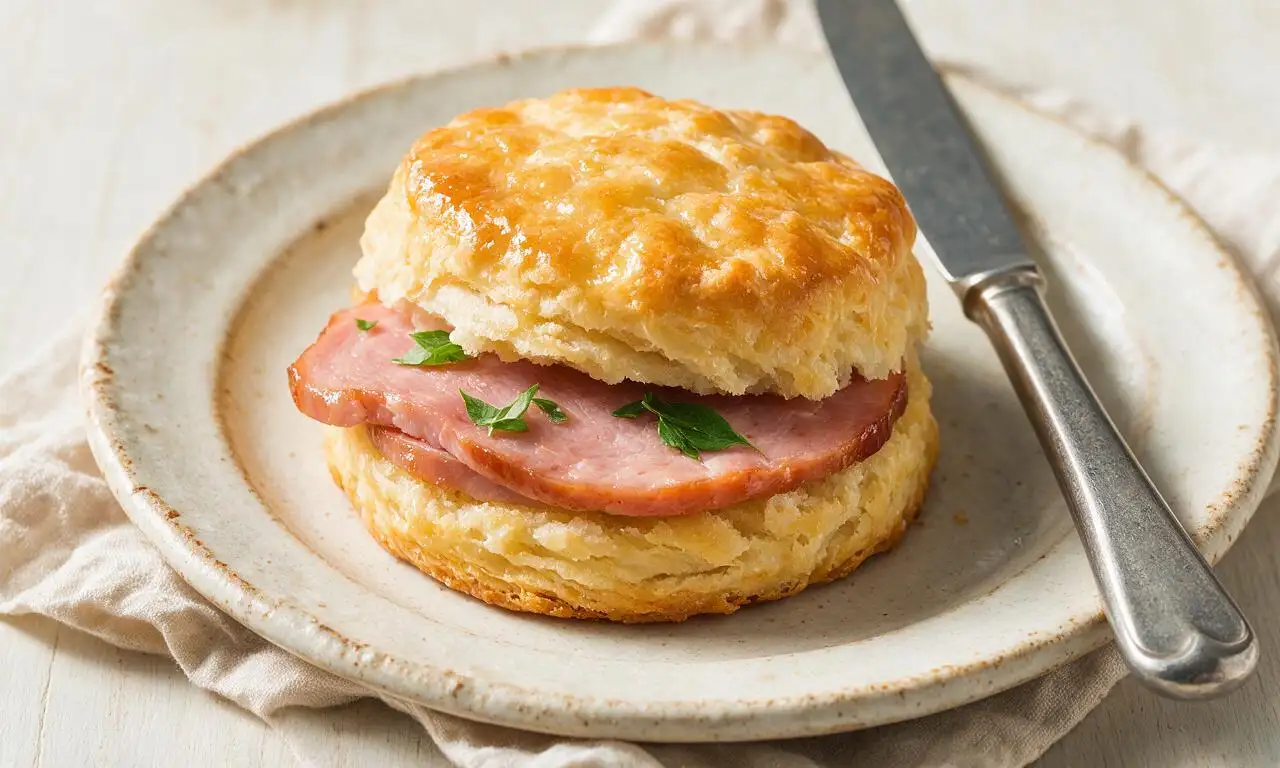
Flaky, buttery Southern-style biscuits stuffed with savory salty country ham, a portable, satisfying classic perfect for casual on-the-go meals.

⏱️ 25 minuteBreakfast ★ 4.8
Breakfast
🍜 United States

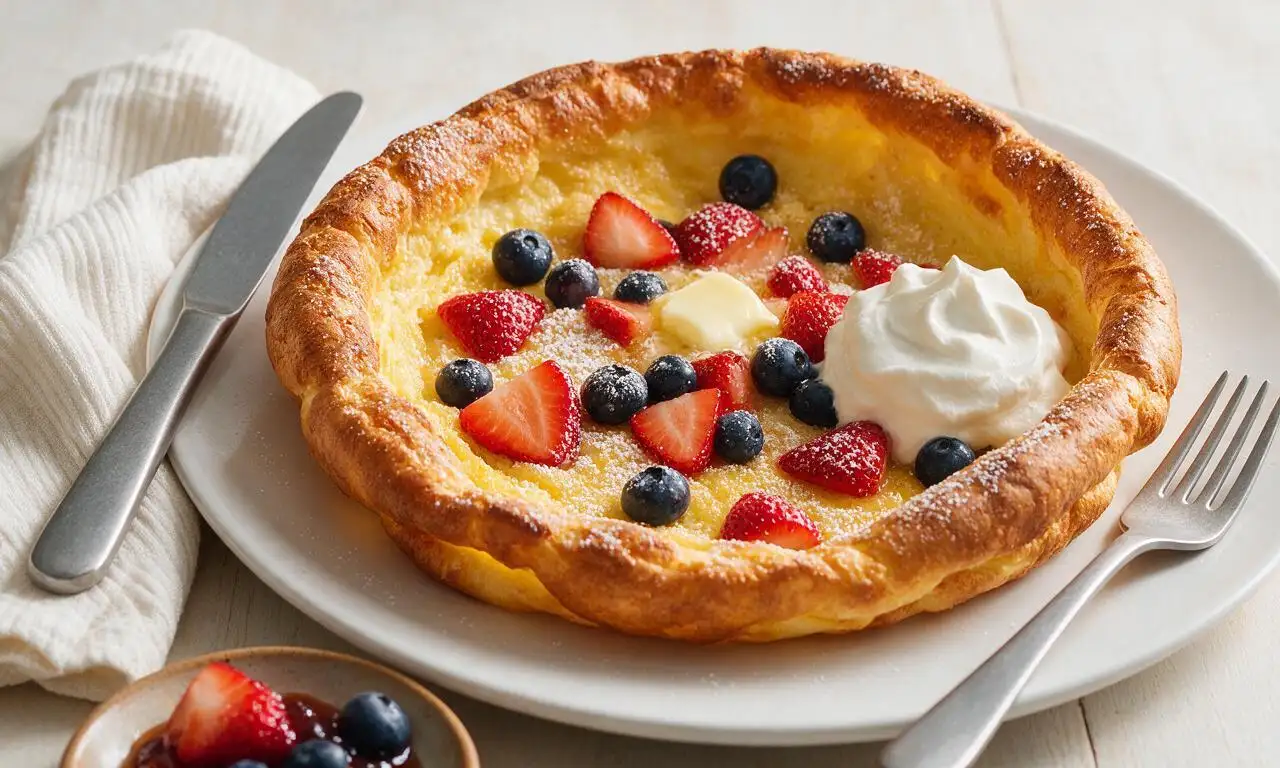
Iconic puffy baked pancake popularized in Seattle, with crisp golden edges and soft custardy center, served warm with classic sweet toppings.

⏱️ 35 minuteBreakfast ★ 4.6
Breakfast
🍜 United States

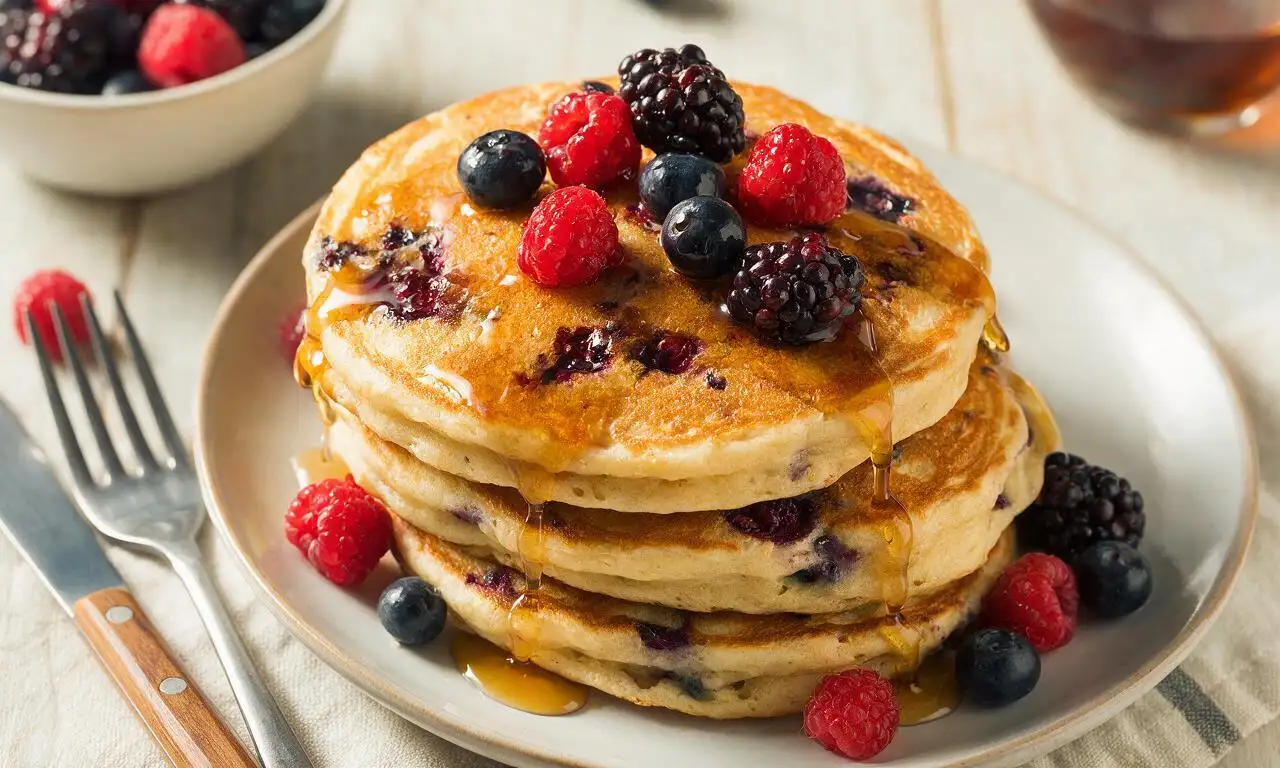
Fluffy, golden pancakes studded with juicy peak-summer mixed berries, drizzled with maple syrup for a bright, comforting, crowd-pleasing family breakfast.

⏱️ 25 minuteBreakfast ★ 4.7

French Scrambled Eggs:Frequently Asked Questions

1.What makes French scrambled eggs different from regular American scrambled eggs? ▾
The biggest difference is cooking method and final texture! Unlike firmer, large-curd American scrambled eggs cooked over medium-high heat, French-style eggs are cooked low and slow, stirred constantly to form tiny, melt-in-your-mouth custardy curds, with extra butter folded in at the end for richness, zero browned edges allowed.
2.Can I turn the heat up to speed up cooking time, or do I really need low heat? ▾
I get wanting a quick weekday breakfast, but high heat is the number one cause of rubbery, watery scrambled eggs! Keep your stovetop on the lowest setting so egg proteins set slowly without seizing up, which creates that signature silky texture. Rushing this step will leave you with tough, dry curds with none of that luxurious custard bite.
3.Can I use regular milk instead of heavy cream in this recipe? ▾
You can, but you won’t get that same rich, velvety result. Heavy cream’s high fat content coats egg proteins to keep curds extra tender, while lower-fat milk has higher water content that can make eggs watery or less lush. If you must swap, use half-and-half as a closer middle ground, and skip filler-heavy non-dairy creamers.
4.How do I tell when the eggs are perfectly done, so I don’t overcook them? ▾
Pull them off the heat right when they form soft, wet, barely set curds that look slightly underdone at first glance—residual heat from the pan will keep cooking them for 30 to 60 seconds after you remove them from the burner. Dry, crumbly curds or any browning on the pan is a sure sign you’ve cooked them too long.
5.Do I need a special pan to make French scrambled eggs correctly? ▾
You don’t need fancy, expensive equipment, but a heavy-bottomed nonstick skillet is your best bet here. The thick, heavy base distributes low heat evenly so there are no random hot spots that cook eggs too fast, and the nonstick surface lets you stir constantly without eggs sticking and leaving tough, browned bits behind.
6.When should I add salt? I heard salting eggs early makes them tough. ▾
That common kitchen myth is totally wrong! Salting your beaten eggs 10 to 15 minutes before cooking actually breaks down egg proteins slightly to make curds extra tender, not tough. If you forget to salt early, add flaky sea salt right at the end of cooking instead of mid-pan to avoid uneven seasoning, then finish with a crack of fresh black pepper.
7.Can I add mix-ins like cheese, bacon, or veggies to these eggs? ▾
Absolutely, just add them the right way so you don’t ruin that delicate silky texture! Cooked, drained mix-ins like crumbled bacon, sautéed spinach, or shredded Gruyère should be folded in the second you pull the pan off heat. Skip watery raw veggies like fresh tomatoes, which will leach liquid and make your eggs runny.
8.My finished eggs always turn out watery—what am I doing wrong? ▾
Watery French scrambled eggs usually come from one of three common missteps: cooking on too high heat that makes egg proteins seize and squeeze out moisture, adding watery mix-ins directly to the hot pan, or leaving eggs on a warm burner too long after cooking. Fold in your final pat of butter and chopped chives off-heat, and serve immediately.

Comments (4)

2 hours ago

OMG these are SO good! I’ve been making boring dry scrambled eggs for my kids for years and this method was a total game changer. Cooked them up for breakfast this morning before school and both of my picky eaters asked for seconds! The low and slow with butter makes all the difference, no more rubbery eggs for us. 10/10 will be adding this to our weekly meal rotation.

30 minutes ago

Wait did you use salted or unsalted butter? I tried these last week and mine came out a little too rich, wondering if I picked the wrong butter!

5 minutes ago

Hi there! Great question from both of you — I recommend unsalted butter so you can control the sodium level to your taste, which helps keep the eggs from feeling too rich! If you prefer a lighter result, you can also cut the butter by a tablespoon and add a tiny splash of whole milk or heavy cream while stirring. So glad your kids loved them, Mia!

2 days ago

Wow, can’t believe how easy this is for how fancy it tastes! I made these for a little brunch potluck with my friends yesterday and everyone was asking me for the recipe. The 8 minute cook time is no joke too, I didn’t even feel stressed prepping a whole spread of other brunch dishes while these came together. Only thing I added was a tiny sprinkle of fresh chives on top, chef’s kiss.

yesterday

So happy these were a hit at your potluck, Jake! Fresh chives are such a perfect topping — that bright, mild onion flavor pairs so nicely with the rich, creamy eggs. Great call adding them! If you ever want to mix it up, a little flaky sea salt on top right before serving takes them to the next level too.

1 week ago

Perfect easy recipe for weekday meal prep! I make a big batch of these on Sunday nights to eat on sourdough toast all work week, and they reheat way better than regular scrambled eggs because they’re so creamy. No more sad desk breakfast for me! I tossed in a little crumbled feta the last time I made them and it was chef’s kiss.

30 minutes ago

Wait hold on, is this supposed to be super soft and almost runny? I tried making these today and the texture was way looser than the scrambled eggs I’m used to, did I mess up the cook time? I pulled them off right at 8 minutes like the recipe said.

5 minutes ago

That’s totally normal for French scrambled eggs! They’re supposed to be soft, silky, almost like a gently curdled custard instead of the firmer, drier American style scramble. If you like them firmer you can cook them 1-2 minutes longer, just keep stirring constantly over low heat so they don’t stick to the pan!