1.What does a “Frenched” rack of lamb mean, and do I have to buy it prepped that way?
▾
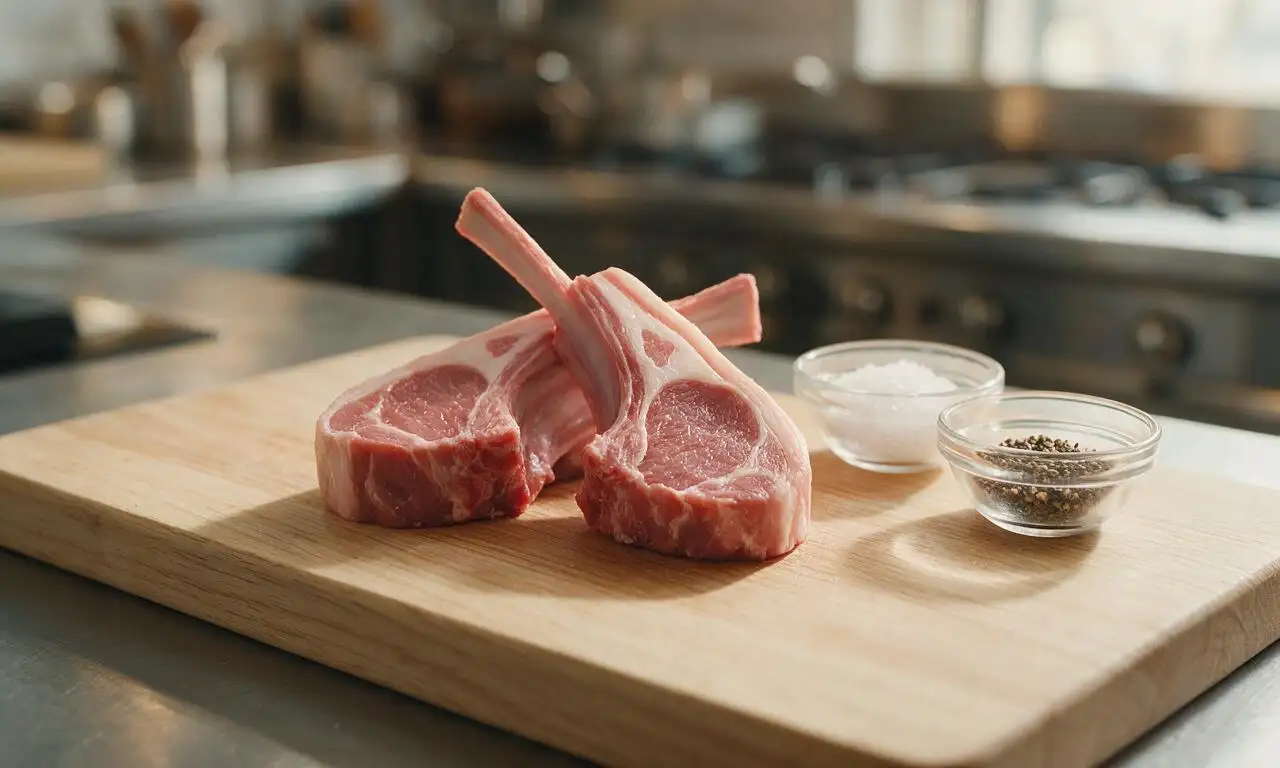
Frenched means the meat, fat, and connective tissue between the exposed rib bones is scraped clean for a polished, restaurant-style presentation. Most butchers will do this for free if you ask, which saves 10 minutes of messy paring knife work at home. You can French it yourself, just take care not to cut into the main tender eye of meat.
2.What internal temperature should I aim for to get perfect medium-rare lamb?
▾
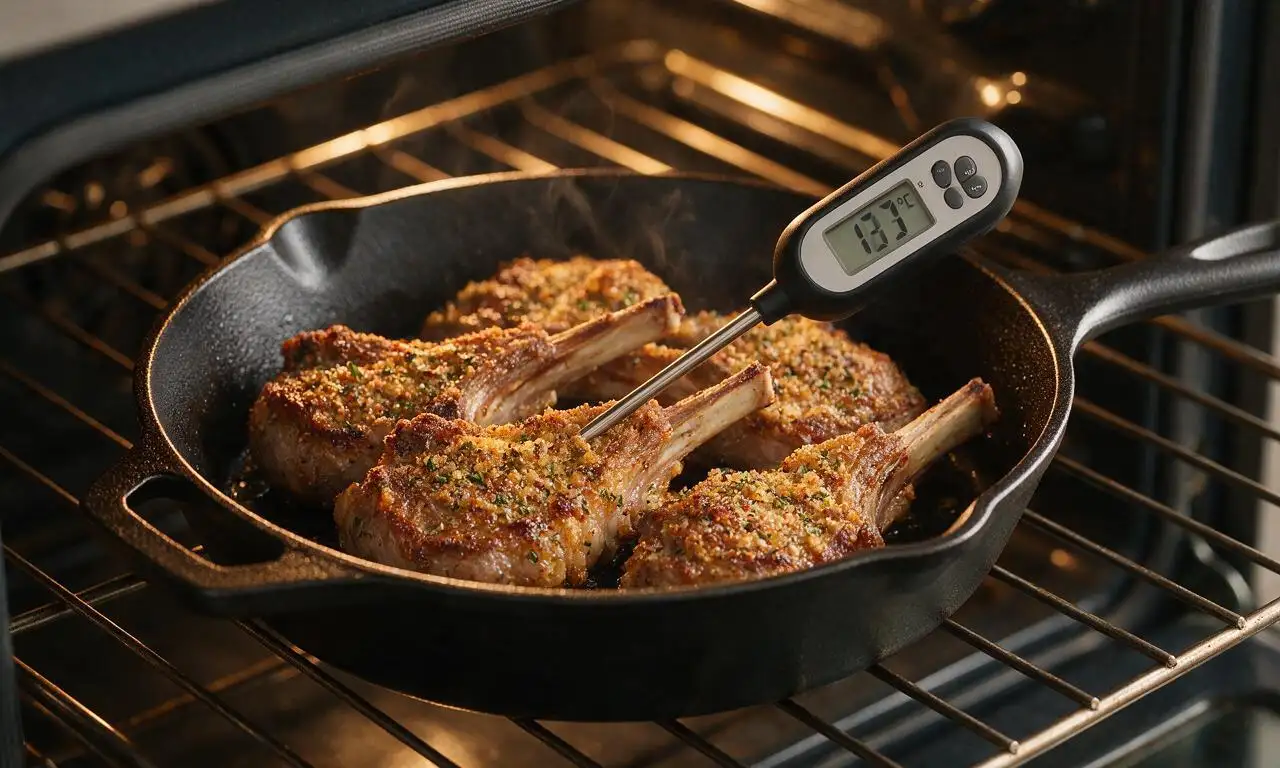
Pull the lamb when the thickest part of the meat (not touching bone, which reads hotter) hits 125°F on an instant-read thermometer. It will continue to cook 5–10°F from residual heat as it rests, landing at that ideal 130–135°F medium-rare: juicy, faintly pink, and not overly gamey. Avoid cooking past 140°F before resting, as the meat will get tough and dry.
3.Can I mix the herb crust ahead of time to save prep work on cooking day?
▾
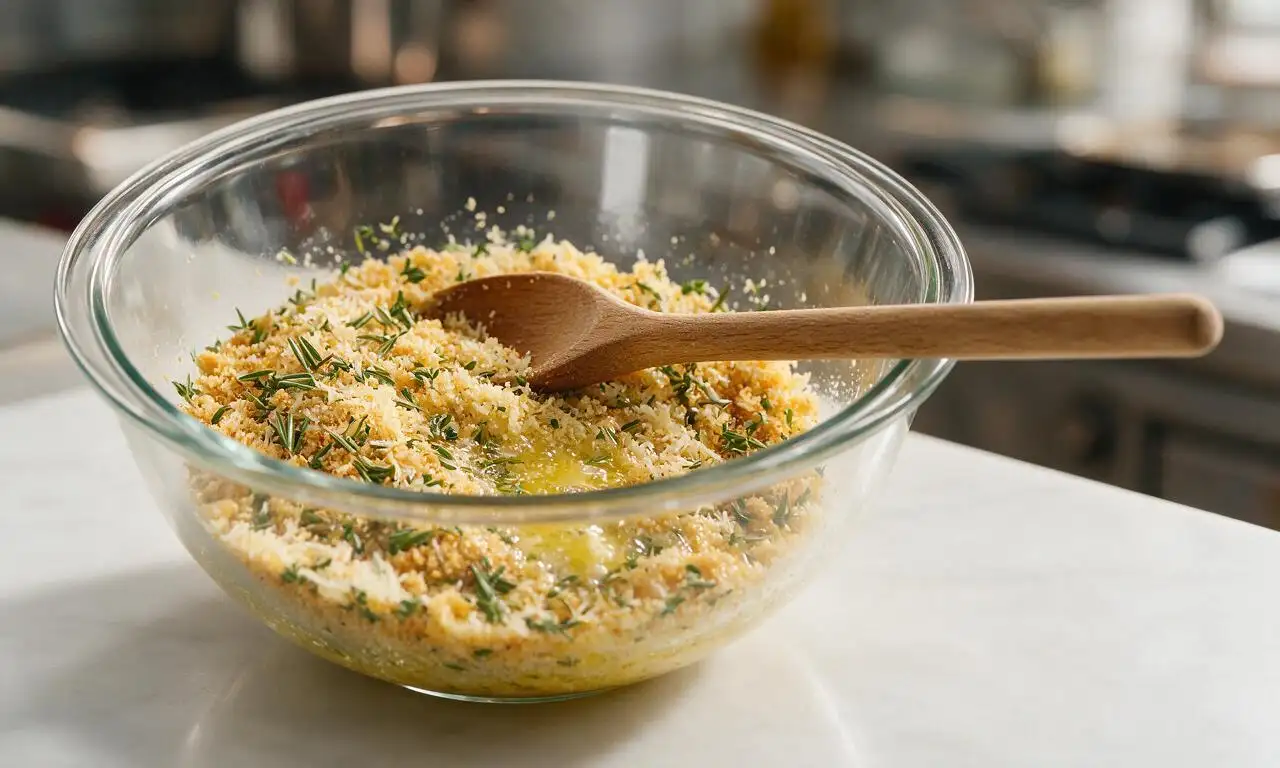
Absolutely! Mix the finely chopped rosemary, thyme, minced garlic, and grated parmesan up to 3 days ahead, stored in an airtight container in the fridge. Hold off on applying Dijon until right before you add the crust to seared lamb—Dijon gets watery as it sits, which will make the crust soggy if prepped too early.
4.Why does the recipe use Dijon mustard under the herb crust?
▾
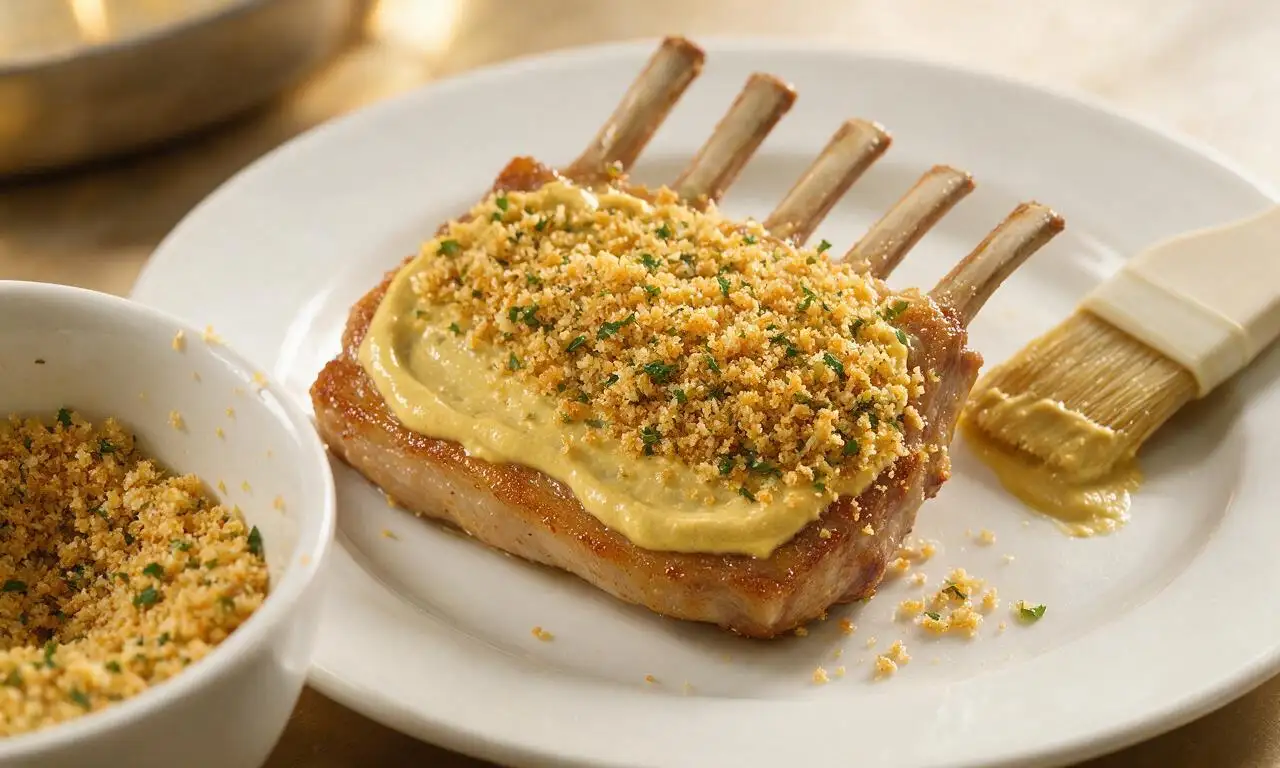
Dijon pulls double duty here: first, it acts as a tangy, flavorful glue that holds the herb-parmesan crust firmly to the lamb so it doesn’t slide off during roasting. Second, its bright, sharp, slightly tangy flavor cuts through the rich, earthy taste of lamb to balance every bite, working far better than a plain egg wash for this recipe.
5.Do I need to sear the lamb before roasting, or can I put it straight in the oven?
▾
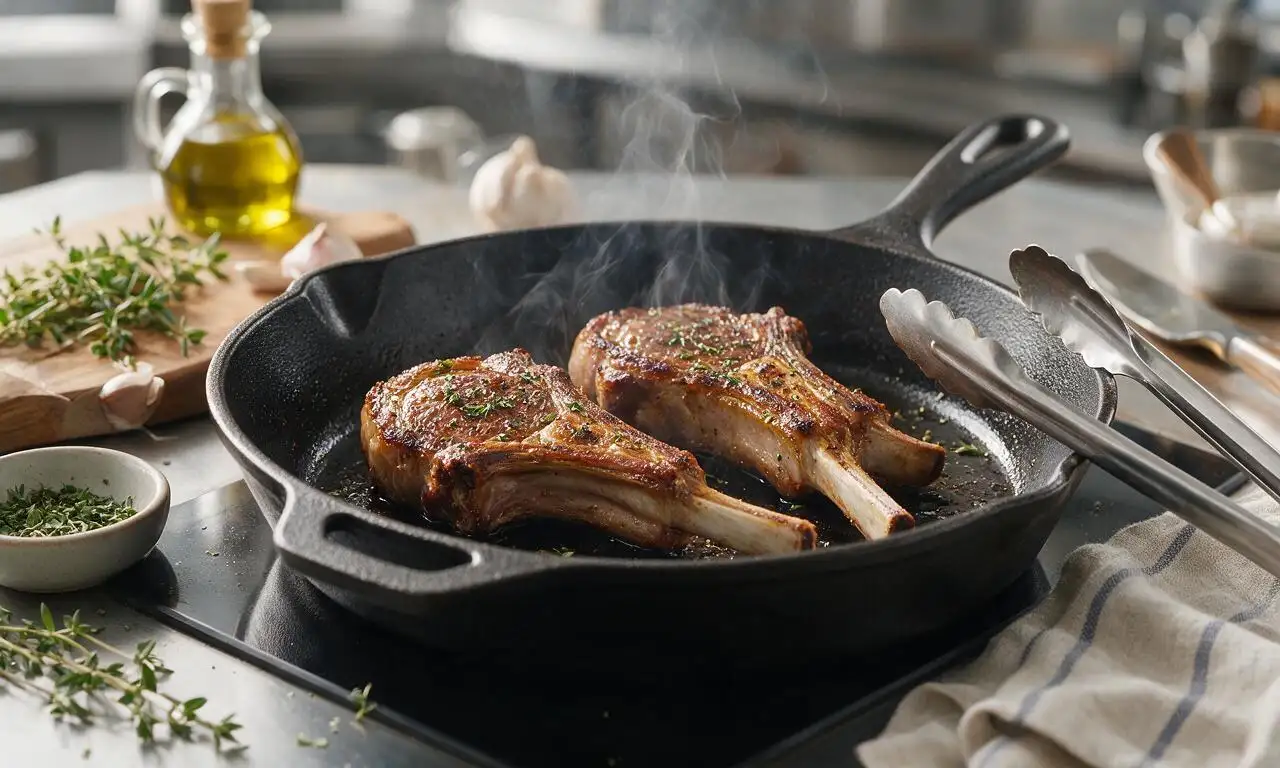
I strongly recommend a quick 2-minute sear on all meaty sides in a hot cast iron skillet before adding the crust and roasting. Searing builds deep, savory browned flavor from the Maillard reaction, and it creates a dry, even surface so the Dijon and crust adhere tightly, instead of getting soggy from moisture on raw lamb.
6.Can I use dried rosemary and thyme if I don’t have fresh on hand?
▾
You can in a pinch, but fresh herbs deliver a brighter, more aromatic crust that’s worth seeking out. If using dried, cut the measured amount by two-thirds, since dried herbs are far more concentrated: use 1 teaspoon dried rosemary and 1 teaspoon dried thyme per tablespoon of fresh, crumbling them between your fingers first to release their oils.
7.How long do I need to let the lamb rest after roasting, and why is that step important?
▾
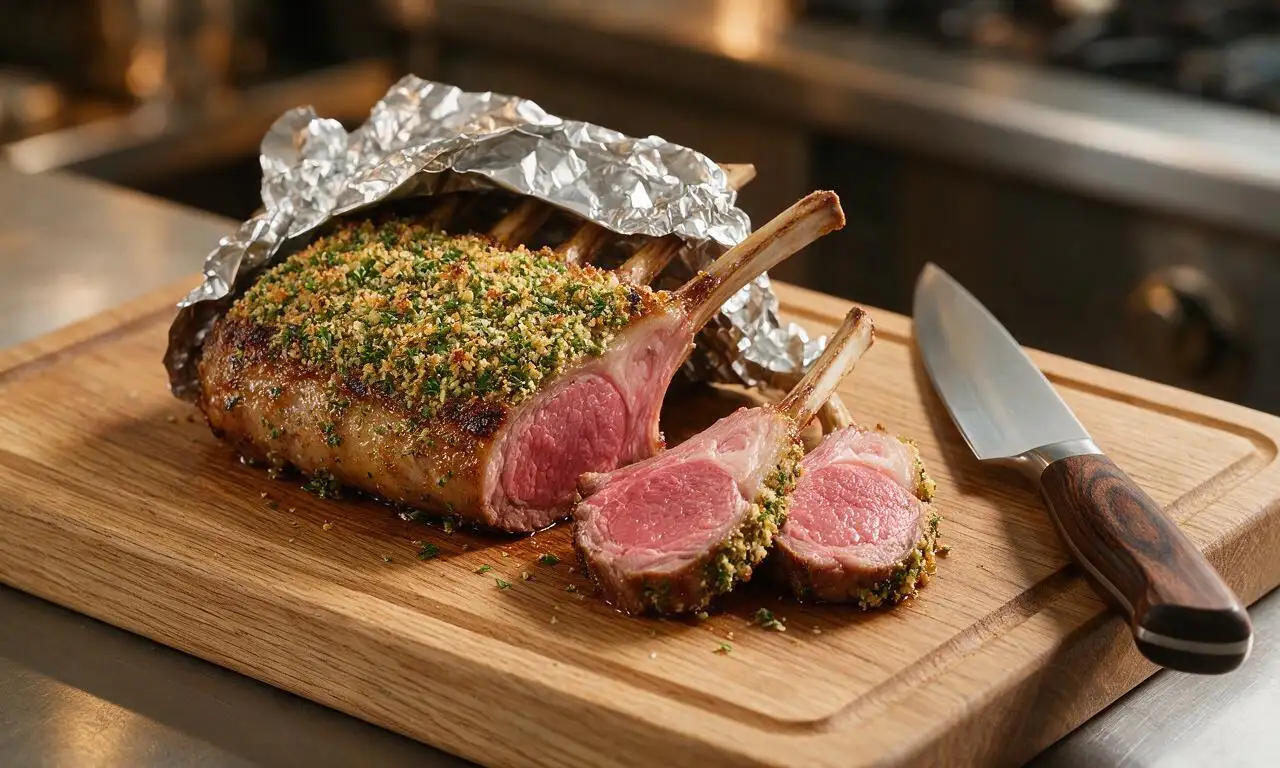
Let the racks rest for a full 10 minutes, tented loosely with a small piece of foil, before slicing between the ribs. Resting lets the tight, hot muscle fibers relax and reabsorb all the juicy, flavorful juices that get pushed to the surface during cooking, so you won’t lose all that moisture to a puddle on your plate when you cut in.
8.Can I make this without parmesan for dairy-free guests?
▾
Totally! Swap the parmesan for ¼ cup of fine, lightly toasted panko breadcrumbs to get that same crispy, crunchy crust texture without dairy. Add a tiny pinch of lemon zest and an extra ¼ teaspoon of kosher salt to the crumb mix to make up for the savory, umami kick parmesan adds, and press the mix firmly onto the Dijon-coated lamb so it sticks.
9.How many people will two 8-rib racks of lamb serve?
▾
Two 8-rib Frenched racks will comfortably serve 4 to 6 people, depending on your menu. If you’re hosting a celebratory meal with multiple hearty sides, plan for 2 to 3 ribs per guest. If the lamb is the clear star of a smaller dinner party with light sides, budget 3 to 4 ribs per person for generous portions.
10.Can I cook the lamb to well-done for guests who don’t like pink meat?
▾
You can, but be careful not to overcook it to the point of dry, tough meat. For guests who prefer no visible pink, pull the lamb at 140°F internal temp, which will rest to 150°F (medium-well) with just a faint blush at the center. Cooking past that point will make the lean lamb chewy, dry, and unpleasantly gamey.
11.Why did my herb crust fall off the lamb when I made this before?
▾
This almost always traces back to one of three easy fixes: you didn’t pat the lamb completely dry before searing and applying Dijon, you didn’t press the herb mix firmly into the Dijon to set it, or your oven temp was too low, making the crust steam instead of crisp and adhere. Press the crust hard enough to leave small finger indentations.
12.Can I prep the entire rack of lamb the night before I plan to cook it?
▾
You can prep the lamb itself 24 hours ahead: trim it, set it on a wire rack over a tray, and store it uncovered in the fridge. This actually dries the surface for a better, crispier sear. Wait to apply the Dijon and herb crust until right after you sear, right before roasting, so the crust doesn’t get soggy sitting on moist mustard overnight.
13.What oven temperature gives the best crispy crust and even cook?
▾
Roast the lamb at 400°F for the most consistent results. That temp is high enough to set and crisp the herb-parmesan coating without burning the herbs before the lamb cooks through to medium-rare, and it avoids low, slow roast heat that would make the crust soggy and leave surface fat rubbery instead of fully rendered.
14.How much fat should I trim off the lamb racks before cooking?
▾
Trim any thick, hard chunks of surface fat down to a thin, even 1/8-inch layer. You don’t want to remove all the surface fat, because that thin layer bastes the lamb as it roasts for richer flavor and juiciness, and it helps the crust stick. Leave the soft, marbled fat inside the meat eye completely intact—that’s what keeps each bite tender.
15.What sides pair best with this herb-crusted rack of lamb?
▾
Stick with bright, simple sides that complement, rather than compete with, the aromatic crust and rich lamb flavor: roasted garlic mashed potatoes, buttered roasted asparagus, a crisp arugula salad with lemon vinaigrette, or creamy parmesan polenta all work beautifully. Skip heavy, overly sauced sides that will overpower the dish’s delicate flavors.
16.Can I freeze leftover lamb, and how do I reheat it without drying it out?
▾
Yes, wrap leftover sliced lamb tightly in plastic wrap and a layer of foil, and freeze for up to 3 months. To reheat, thaw slices in the fridge overnight, then warm them in a 325°F oven for 8 to 10 minutes, tented loosely with foil, until just warmed through. Skip the microwave—it will turn tender meat tough and make the herb crust soggy.

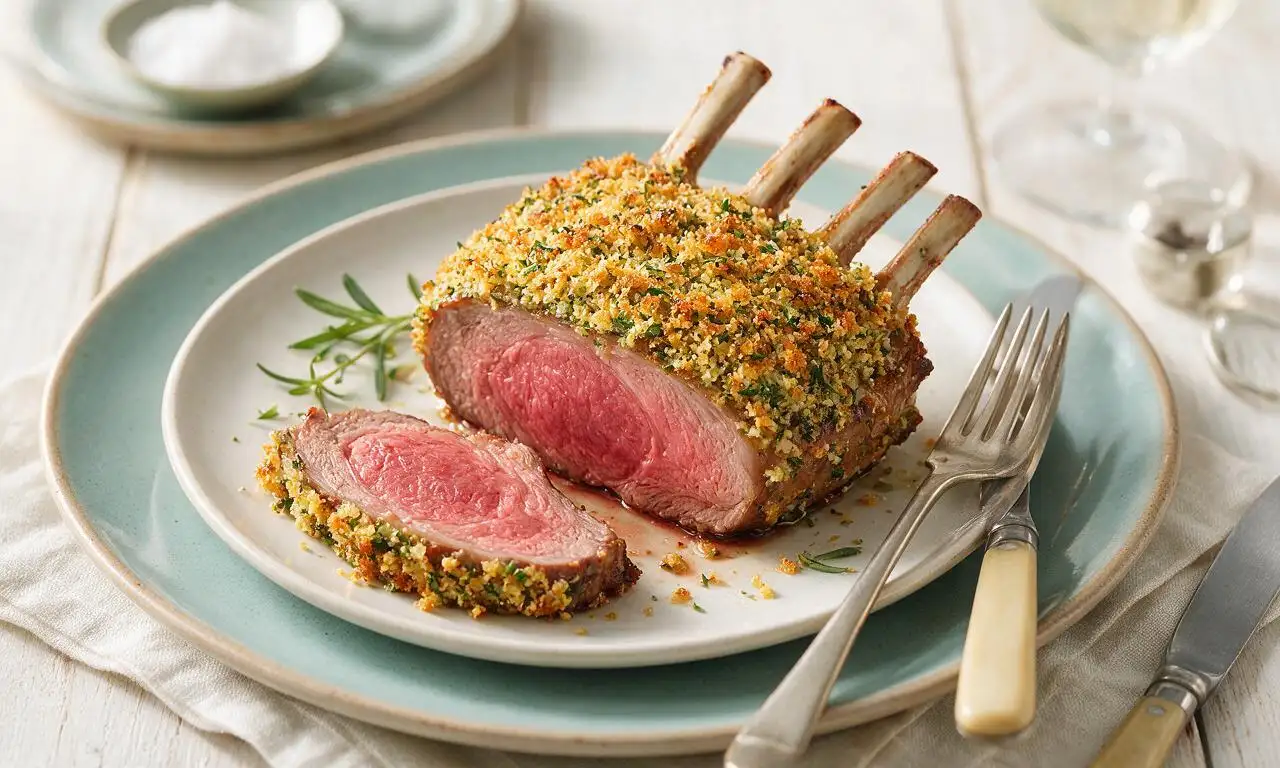
OMG this herb-crusted rack of lamb was an absolute showstopper for our Sunday family dinner! I was low-key stressed because I’ve never cooked lamb before and the medium difficulty rating had me second-guessing, but the steps were so straightforward it turned out perfectly medium-rare just how we like it. That herb crust is unreal — so much bright, herby garlic flavor, zero weird gamey aftertaste. My husband and both my kids went back for seconds, even my super picky 7-year-old who turns her nose up at anything that isn’t chicken nuggets! I’m already planning to make this for our next dinner party with friends, it’s SO good.
Total game changer for quick fancy weeknight meals! That 45 minute cook time is no joke, I threw this together right after getting home from the gym last night for me and my partner, and we were both blown away. The crust gets so perfectly crispy in the oven, I paired it with roasted garlic potatoes and air fryer asparagus and it felt like a $50 restaurant entree for a fraction of the cost. Quick hack: I only had dried herbs in the pantry instead of fresh, and it still slapped hard. Would absolutely recommend to anyone on the fence about making lamb at home.
Made this for our family Easter potluck and every single person at the table was hounding me for the recipe! The herb crust has the perfect balance of rosemary, thyme, and garlic, I used my instant read thermometer and pulled it at 135°F like the recipe said then let it rest, and every bite was juicy and tender. Only mistake I made was not making two racks — people were picking at the last few slices before I even got to go back for a second helping! 10/10, no notes, this is going into my regular rotation for special meals.