1.What exactly is classic za’atar manakish?
▾
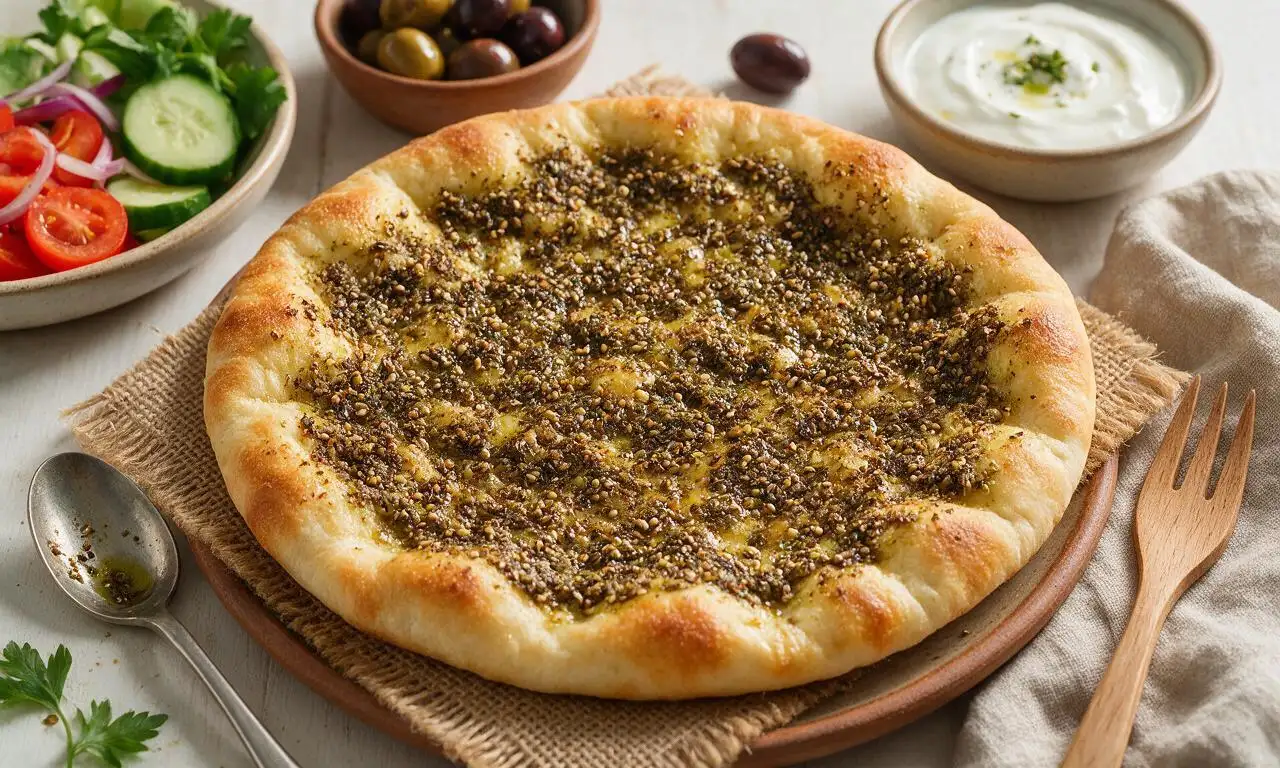
It’s a beloved Eastern Mediterranean soft, personal-sized flatbread topped with a fragrant blend of za’atar spice and extra-virgin olive oil before baking. It bakes up with pillowy soft centers and crisp, golden edges, and is commonly eaten for breakfast, as a quick portable snack, or as part of a casual shared mezze spread for gatherings.
2.Can I use whole wheat flour instead of all-purpose flour for the dough?
▾
Absolutely! For a nuttier, more fiber-dense version, you can swap up to 50% of the all-purpose flour for whole wheat flour without ruining the soft texture. I don’t recommend using 100% whole wheat, as that will produce a denser, tougher flatbread that won’t get that signature pillowy crumb and crisp edge when baked.
3.How warm should the water be to activate the instant yeast?
▾
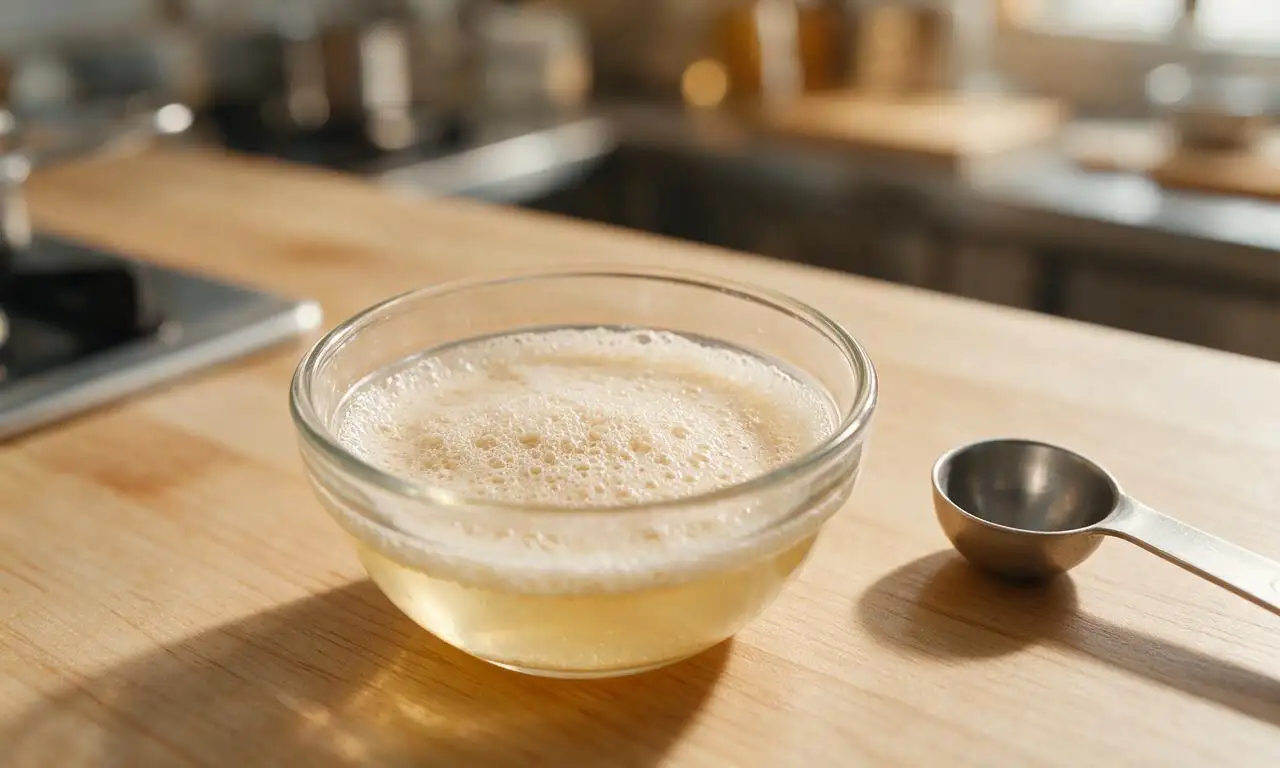
Aim for water between 105–110°F, which feels like comfortably warm bath water to the touch. If it’s too hot (over 120°F), it will kill the yeast and your dough won’t rise; if it’s too cold, the yeast will activate too slowly, leading to a dense, under-risen flatbread that lacks that light, airy texture we want.
4.Do I need to let the dough rise twice for this recipe?
▾
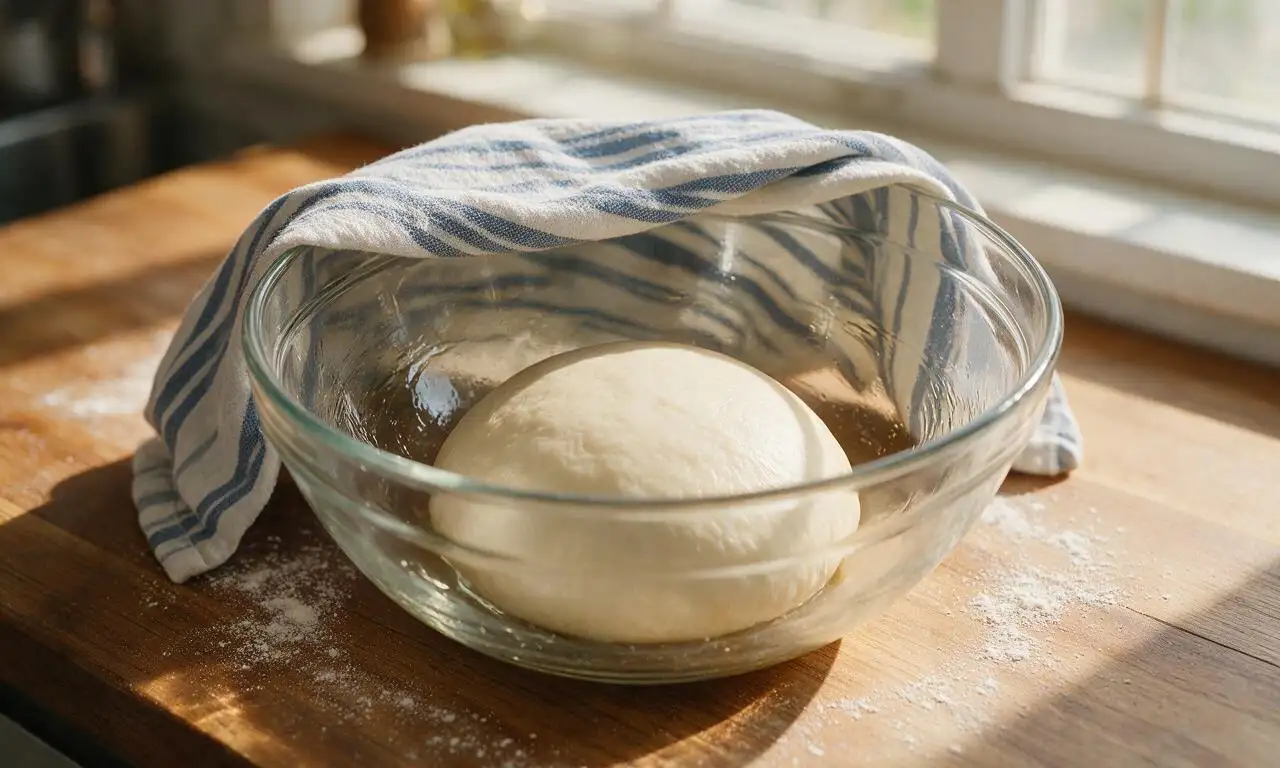
You only need one main bulk rise for this manakish dough, which takes about 1 to 1.5 hours in a warm, draft-free spot until it doubles in size. After dividing and shaping the dough into small rounds, you only need a short 10-minute rest before adding the za’atar topping and baking, no second long rise required to keep the process approachable.
5.Can I make the dough a day ahead of when I plan to bake?
▾
Definitely! After the dough finishes its first rise, punch it down, seal it tightly in an airtight container, and store it in the fridge for up to 3 days. When you’re ready to bake, pull it out, let it come to room temperature for 20 minutes, portion and shape it, then add your topping and bake as directed for the same great texture.
6.What kind of za’atar works best for the topping?
▾
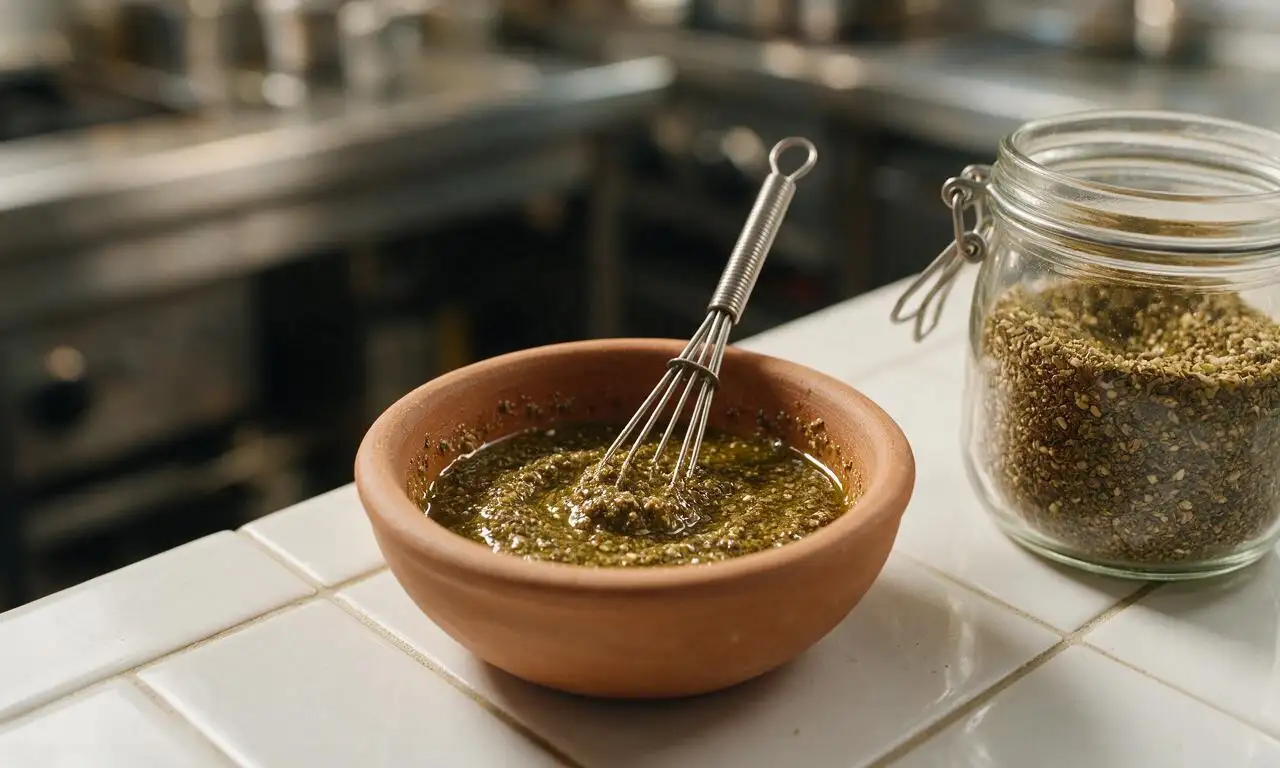
Look for high-quality, freshly blended za’atar that contains dried wild thyme, sumac, toasted sesame seeds, and salt, with no added fillers or artificial flavors. Avoid cheap za’atar blends cut with large amounts of bulk dried oregano or wheat filler, as those will taste flat, grassy, and lack that signature bright, nutty, tangy flavor.
7.How much olive oil should I mix with the za’atar for the topping?
▾
Mix 2 parts za’atar spice with 1 part extra-virgin olive oil to create a loose, spreadable paste that’s not so runny it drips off the dough edges. You want it thick enough to spread evenly across the top of each shaped dough round without pooling, which would make the center of the manakish soggy instead of tender.
8.Can I bake manakish on a regular baking sheet if I don’t have a pizza stone?
▾
Yes! Just preheat your rimmed baking sheet in the oven for 10 minutes before adding the shaped, topped manakish, and it will produce beautifully crisp edges. For extra insurance against sticking, line the preheated sheet with parchment paper before setting the dough on it, so you don’t fight to lift the finished flatbread off the pan.
9.How do I know when the manakish is done baking?
▾
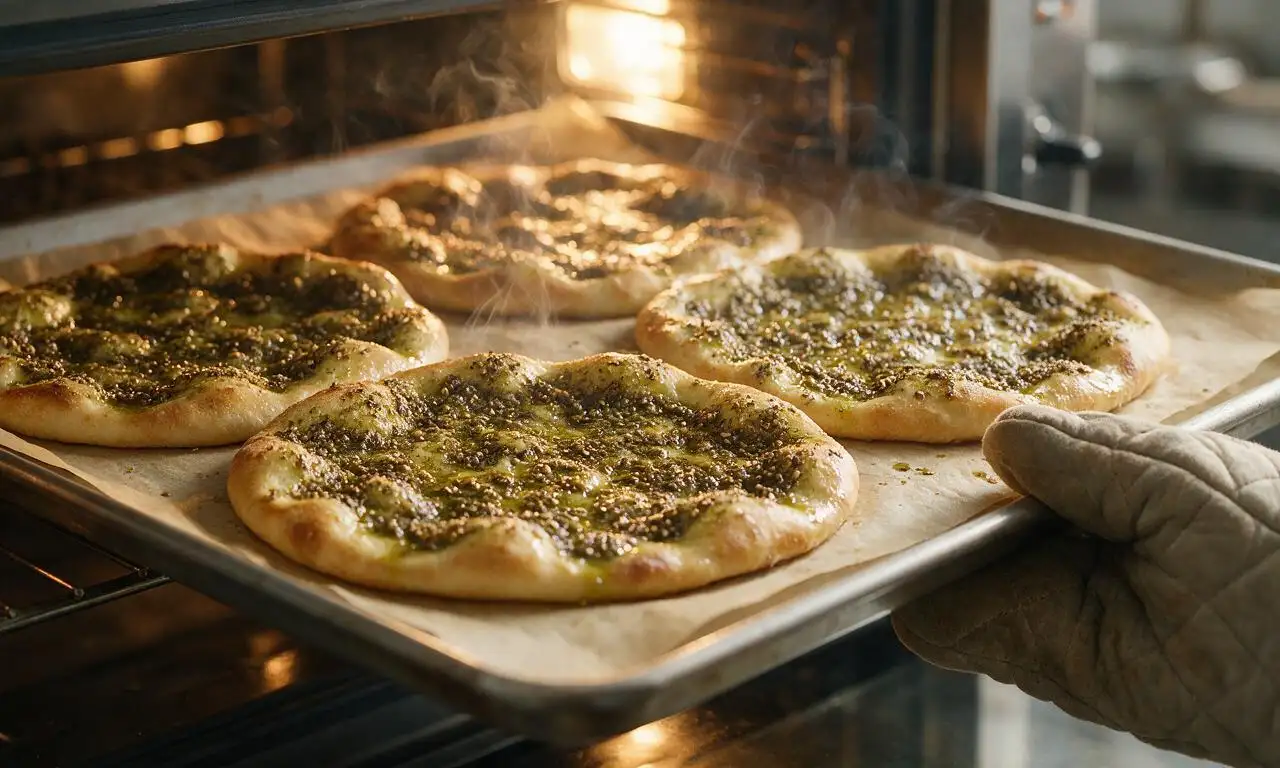
Bake at 475°F for 7 to 9 minutes, until the edges are deep golden brown and slightly crisp, the dough is puffed in spots, and the za’atar topping is fragrant and just starting to bubble a little from the olive oil. Avoid underbaking, which leaves the center doughy, and overbaking, which will burn the sesame seeds in the za’atar and turn them bitter.
10.Can I add cheese to my za’atar manakish?
▾
Of course! While classic za’atar manakish doesn’t include cheese, a sprinkle of crumbled feta, shredded halloumi, or a light layer of stretchy akkawi cheese under or over the za’atar topping is a super popular variation. Just don’t overload the dough with too much cheese, as that will weigh down the light flatbread and make the center soggy.
11.Why is my manakish dough coming out tough instead of soft and pillowy?
▾
Tough dough almost always comes from one of two issues: either you added too much flour when kneading and shaping, which dries out the dough, or you overkneaded it, which develops too much gluten and creates a dense, chewy texture. Keep your work surface lightly floured, and knead just until the dough is smooth and elastic, not stiff.
12.How should I store leftover baked manakish?
▾
Let fully baked manakish cool completely, then wrap each flatbread tightly in plastic wrap or stack them between layers of parchment paper in an airtight container. Store in the fridge for up to 3 days, or freeze for up to 3 months. Reheat in a 350°F oven or toaster oven for 3 to 4 minutes to crisp the edges back up.
13.Do I need to knead this dough by hand, or can I use a stand mixer?
▾
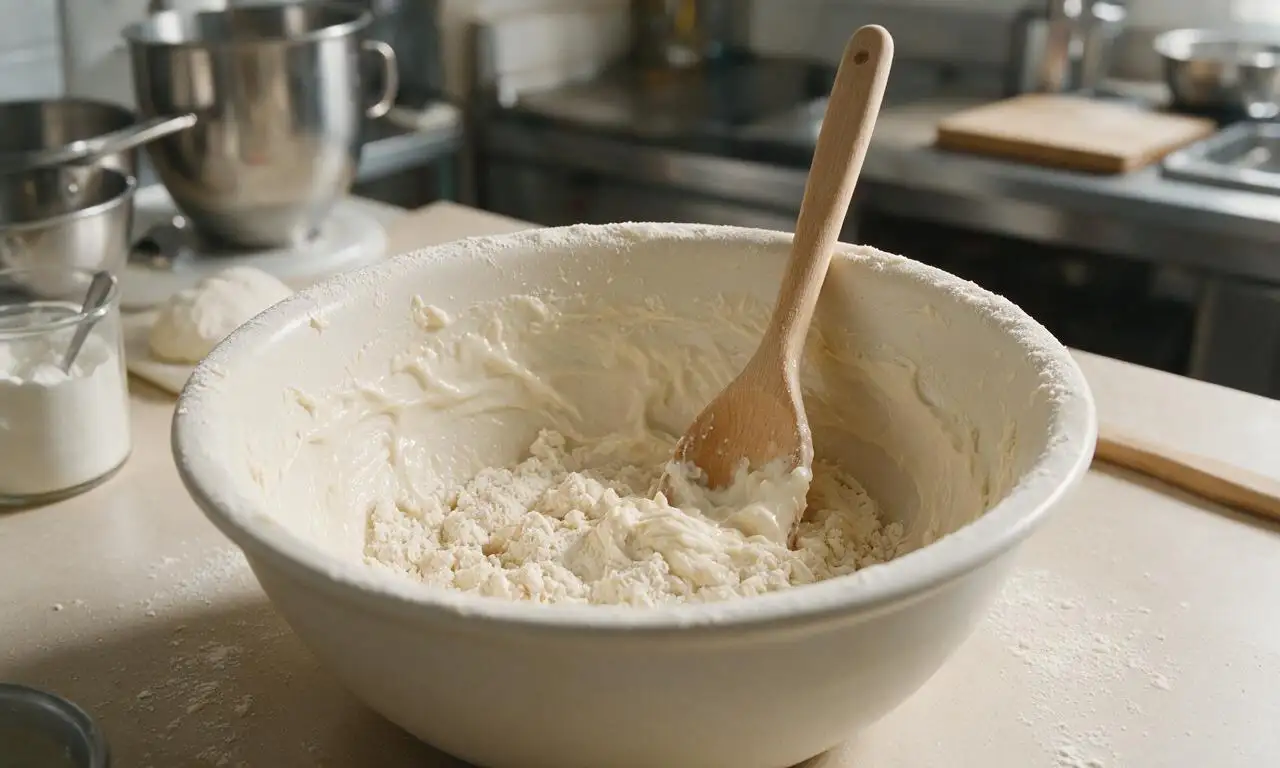
Either method works perfectly! If using a stand mixer, fit it with the dough hook and knead on low speed for 4 to 5 minutes, until the dough pulls away from the sides of the bowl and is smooth. If kneading by hand, turn the dough out onto a lightly floured surface and knead for 7 to 8 minutes, until soft and elastic.
14.My dough didn’t rise at all—what went wrong?
▾
The most common culprit is expired or dead instant yeast that was no longer active, even if it was within its printed best-by date. It can also happen if your water was too hot and killed the yeast, or if you let the dough rise in a too-cold, drafty spot. Test yeast first by mixing it with warm water and a pinch of sugar to see if it foams.
15.What size should I shape each manakish for the best results?
▾
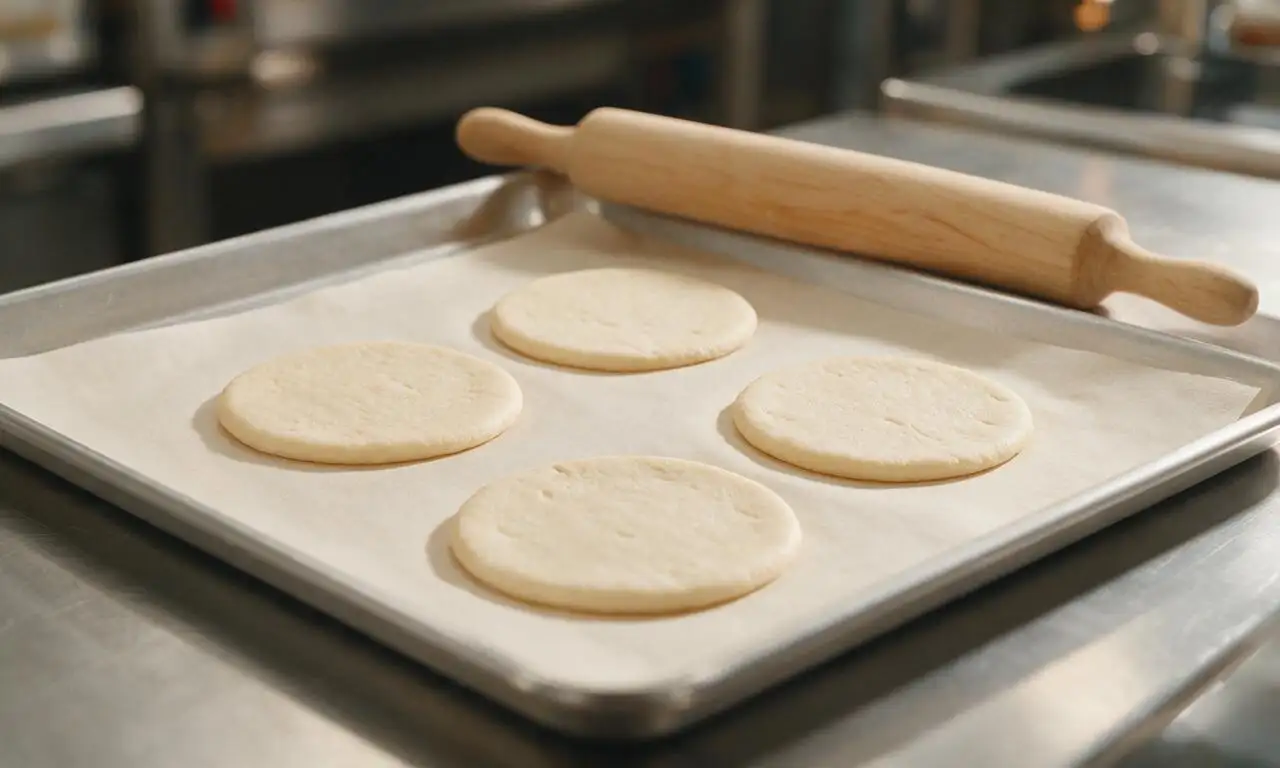
Aim for 6 to 7 inch rounds, about ¼-inch thick, with a very slightly thicker edge to hold the za’atar topping in place. Don’t roll them too thin, or they’ll turn crispy all the way through like a cracker, and don’t leave them too thick, or the center will stay doughy even after the edges turn deep golden brown.
16.Can I make this recipe vegan?
▾
This recipe is almost naturally vegan as written! The base dough uses only flour, yeast, water, sugar, and salt, with no dairy or animal products, so all you need to do is confirm your za’atar blend doesn’t have hidden dairy additives (most don’t) and use standard extra-virgin olive oil for the topping, which is already classic for the dish.
17.What are the best things to serve alongside za’atar manakish?
▾
It pairs perfectly with creamy dips like hummus, baba ganoush, or labneh, plus briny olives, sliced fresh cucumber and tomato, and pickled turnips for a full mezze spread. For breakfast, serve it with a side of fried eggs and fresh mint, or wrap it around sliced grilled veggies and tahini for a quick, portable, herby lunch.
18.Why is the center of my baked manakish soggy?
▾
Soggy centers usually happen because your za’atar and olive oil topping was too runny, you spread the topping all the way to the very edge of the dough so oil seeped under it, or your oven wasn’t fully preheated when you put the manakish in. Mix your topping to a thick paste, leave a ¼-inch bare border, and ensure your oven is fully hot to avoid this issue.



As someone who grew up eating manakish in Detroit, I’m super picky about how these turn out, and this recipe nailed it. The dough isn’t too thick or too thin, the za’atar spread doesn’t run all over the place when you bake it, and it has that perfect slight crisp on the edges that I remember from my childhood. 10/10, no notes. Already made it twice in the last week.
These were such a hit at my book club meetup yesterday! I made a half batch with just za’atar and half with a sprinkle of crumbled feta and thinly sliced red onion, and both platters were completely empty in 10 minutes. Even my friend who swears she doesn’t like “weird foreign food” went back for three pieces. So easy to throw together even with my chaotic after-school schedule.
Wait, quick question before I make these this weekend—can I prep the dough the night before and leave it in the fridge to rise? I want to have these ready for brunch on Saturday but don’t want to wake up at 6am to wait for dough to rise lol. Also, does anyone toast their za’atar mix first before mixing with olive oil? Curious if that makes a difference!
OMG this za'atar manakish recipe is an absolute game changer! I’ve been grabbing pre-made ones from my local Lebanese bakery for ages because I thought homemade dough would be too much work, but this was so easy! The dough came out perfectly pillowy, and the za’atar to olive oil ratio is chef’s kiss. My kids loved it so much they asked for seconds before they even finished their first piece. I’m already planning to make a double batch for our neighborhood potluck this weekend. SO good!
Made these for a quick weeknight dinner last night and was blown away by how simple they were to pull off. Cook time was totally accurate even for someone like me who burns toast half the time. The only swap I made was using whole wheat flour for half the all-purpose, and they still came out light and chewy. Will be adding these to my regular rotation for sure.
Wait, I tried making these last night and my dough came out way too sticky? I followed the measurements exactly, using the spoon and level method for flour, but when I went to roll it out it kept sticking to my counter even with flour. Did I do something wrong? They still tasted amazing, I just couldn’t get them into those nice round shapes everyone is posting about 😂