1.Can I use canned chickpeas instead of dried for this soup?
▾
Absolutely—canned chickpeas are a huge time-saver that work perfectly here. Rinse two 15-ounce cans thoroughly under cold water to cut excess sodium and that faint starchy canned aftertaste before adding them to the pot. If you prefer dried, soak 1 cup overnight, simmer until tender first, for an even creamier final texture.
2.How long does this soup keep in the fridge?
▾
Stored in a sealed, airtight container, this soup stays fresh in the fridge for 4 to 5 days. The flavors actually meld and deepen a bit overnight, so it tastes even better the second day! Just give it a good stir when you reheat it on the stovetop or microwave, and add a tiny splash of water or broth if it thickens too much.
3.Can I freeze this chickpea soup for later?
▾
Yes, it freezes beautifully for up to 3 months. Let the soup cool completely first, then portion it into freezer-safe containers or heavy-duty zip-top bags, leaving a half-inch of headspace for expansion. Thaw it in the fridge overnight before reheating, and hold off on adding fresh lemon juice until right before serving for the brightest flavor.
4.Is this soup naturally vegan and gluten-free?
▾
As written, the base recipe is 100% vegan and gluten-free, as long as you use a gluten-free vegetable or chicken broth if you opt for broth instead of water. Double-check labels on any store-bought broth to rule out hidden gluten, and skip optional Parmesan rind add-ins if you’re keeping it strictly plant-based.
5.What makes this soup taste “coastal Mediterranean” instead of regular chickpea soup?
▾
That bright, sunny coastal profile comes from a few key touches: generous extra-virgin olive oil, aromatic mirepoix, lots of fresh herbs, and a zesty finish of fresh lemon juice added right at the end. It skips heavy, warm spices like cumin or paprika common in heartier chickpea stews to keep flavors light and evocative of seaside meals.
6.Can I add greens to this soup for extra nutrition?
▾
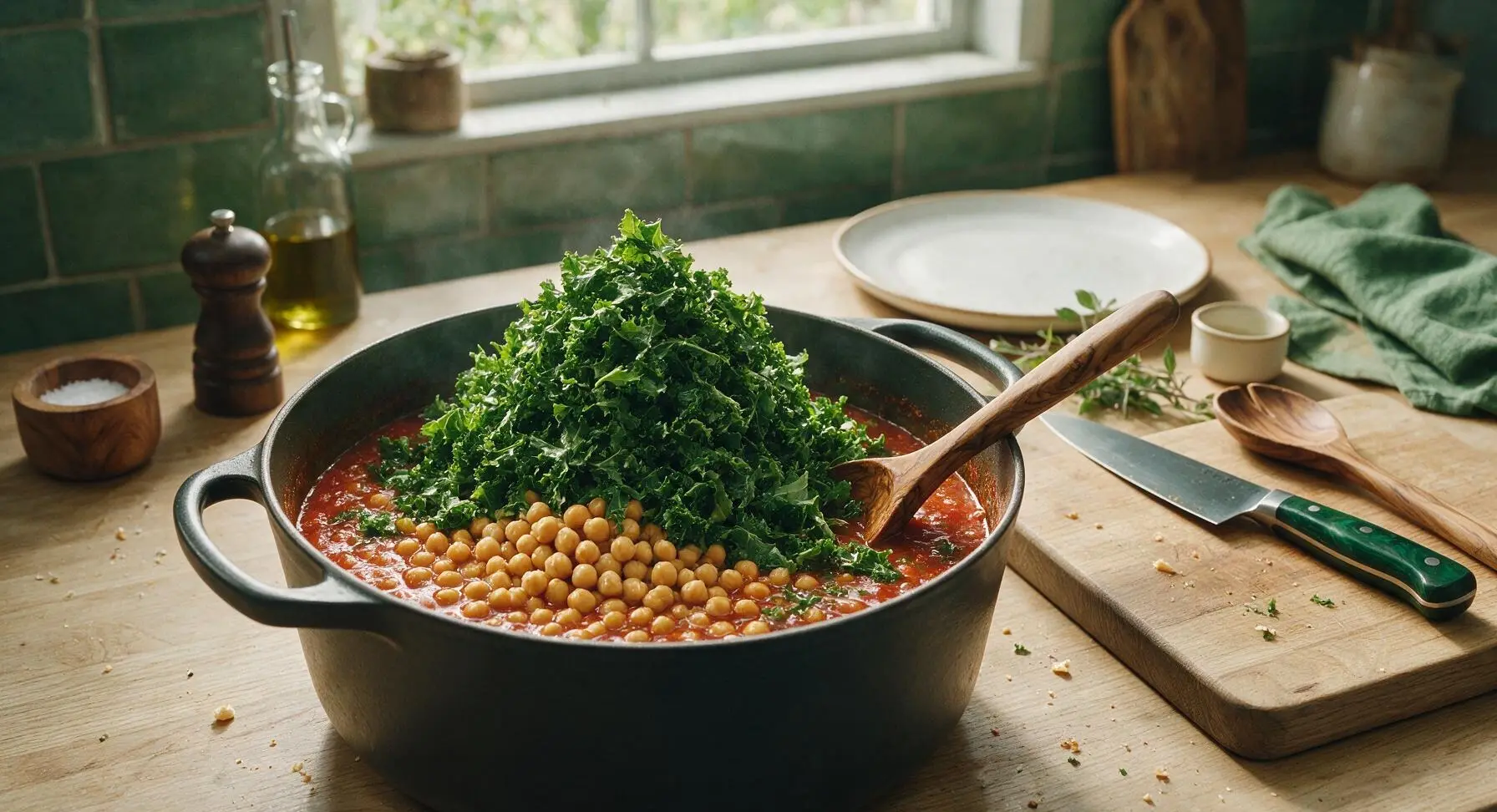
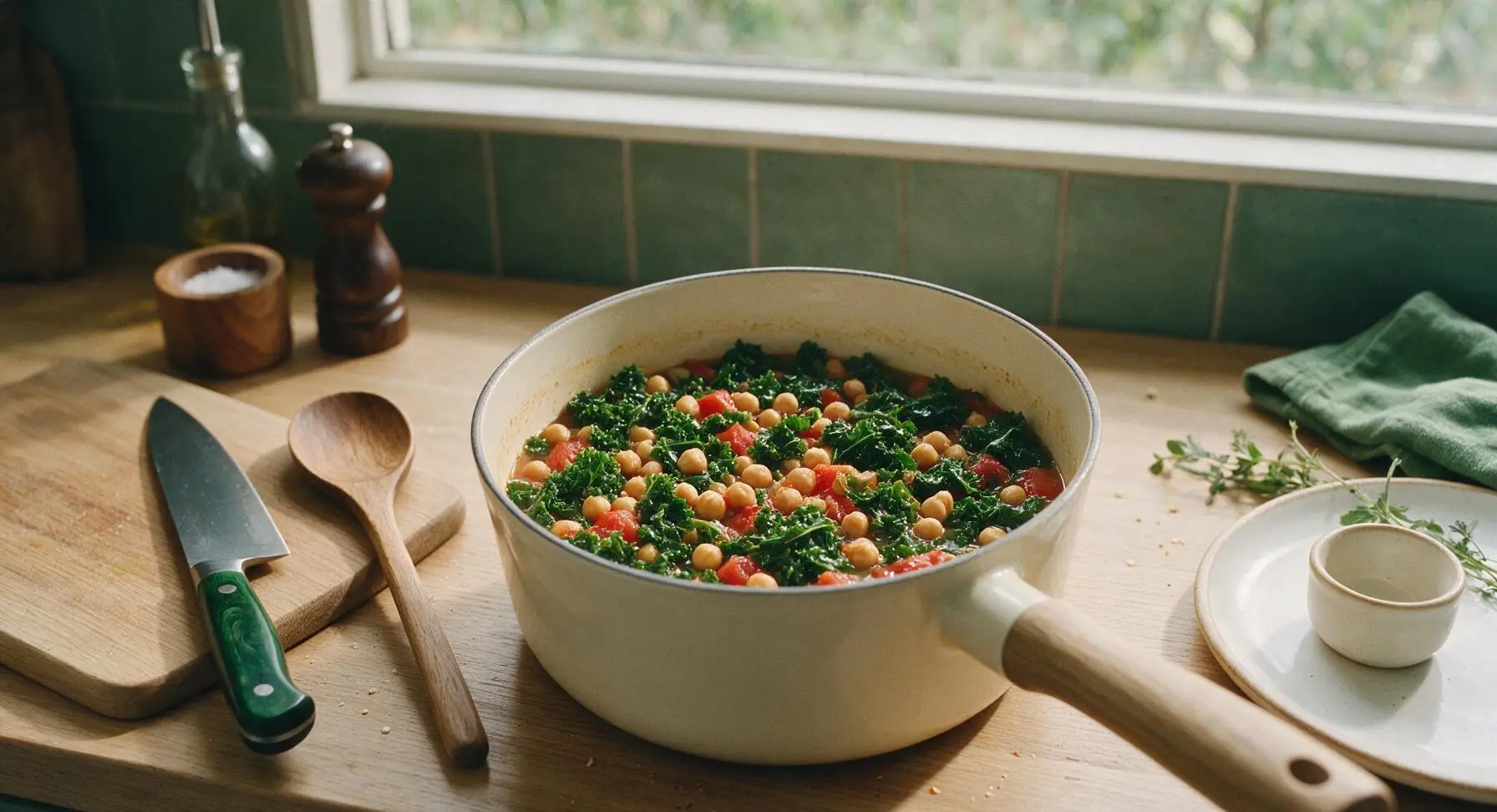
Absolutely! Tender greens are a fantastic, classic addition to this style of Mediterranean soup. Stir in a few big handfuls of baby spinach, chopped kale, or Swiss chard during the last 3 to 5 minutes of cooking, and let them wilt fully before adding the final lemon squeeze. They add great color, fiber, and earthy flavor that pairs perfectly with chickpeas.
7.Do I need to use extra-virgin olive oil, or can I substitute a different cooking oil?
▾
Extra-virgin olive oil is a core flavor component here, not just a cooking fat, so it’s worth using for that signature fruity, Mediterranean base. If you don’t have it on hand, light olive oil works as a substitute, but skip neutral oils like canola or vegetable—they won’t contribute that bright, peppery depth that makes the soup feel sunny and coastal.
8.How do I keep the carrots and celery from getting mushy in the soup?
▾
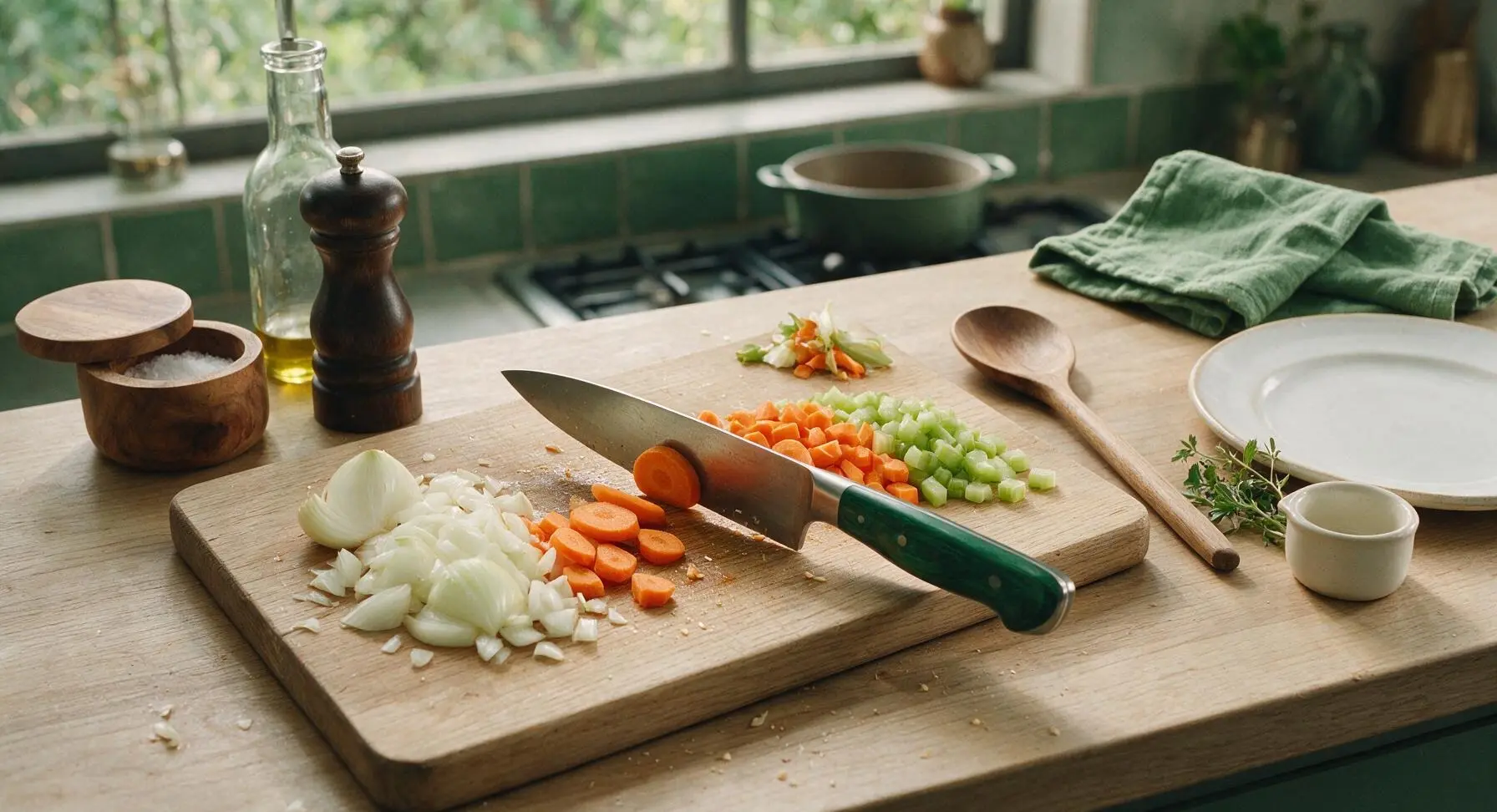
The trick is to dice your carrots and celery into uniform ¼-inch pieces, and sauté them just until crisp-tender before adding liquid, rather than boiling them the entire cook time. Simmer the soup gently over medium-low heat instead of a rolling boil, too—rapid boiling breaks down veggie texture fast and leaves mushy, flavorless bits.
9.Can I make this soup in a slow cooker?
▾
Definitely! Sauté your onion, garlic, carrots, and celery in a pan first to build that deep aromatic base, then transfer everything to your slow cooker along with chickpeas and broth. Cook on low for 6 to 7 hours or high for 3 to 3.5 hours, then stir in fresh herbs and lemon juice right before serving to keep bright flavors intact.
10.What’s the best way to serve this soup for a full Mediterranean-style meal?
▾
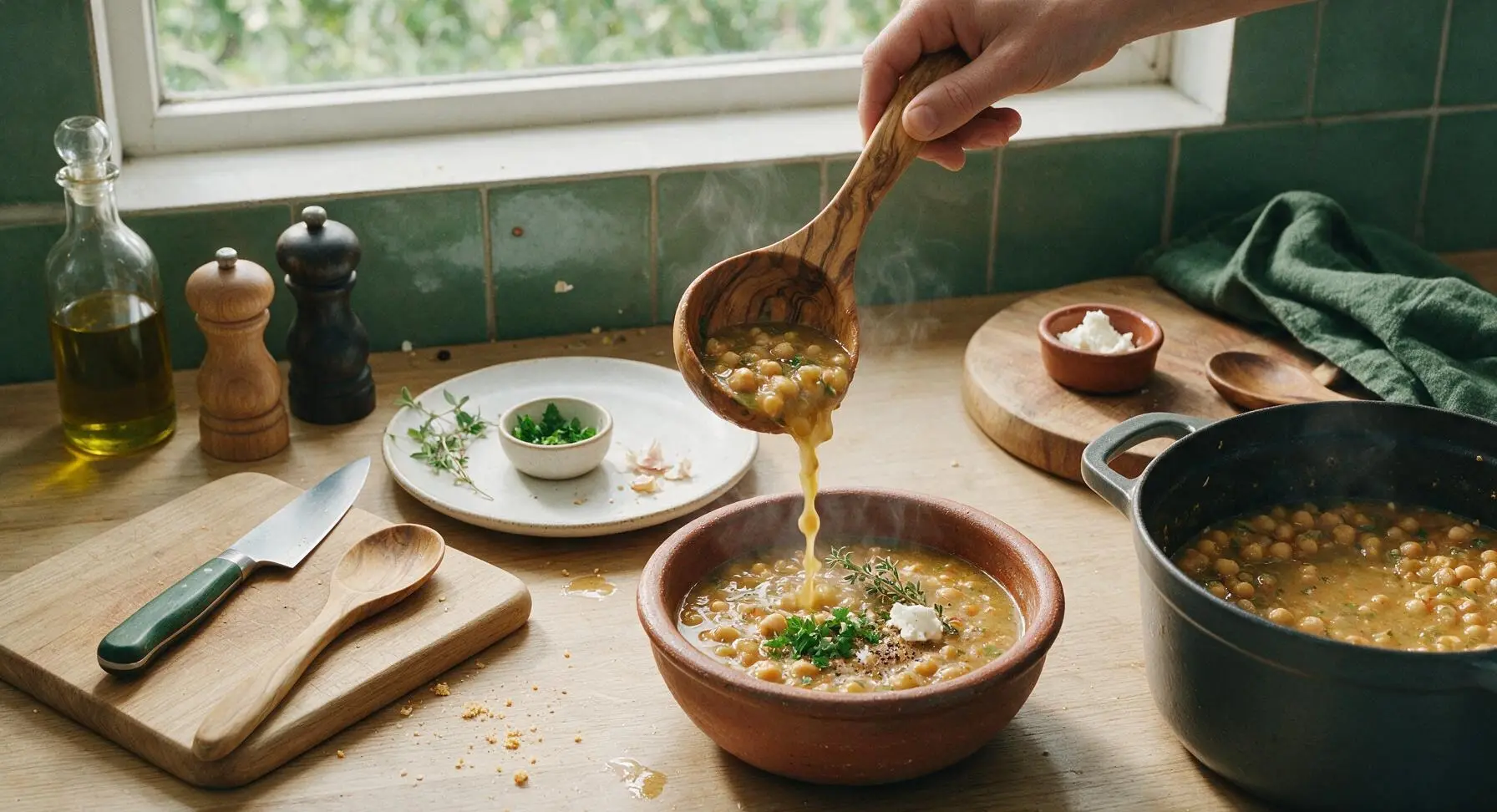
Serve it piping hot with a side of crusty sourdough or warm pita for dipping, a little extra drizzle of good extra-virgin olive oil on top, a sprinkle of fresh parsley or dill, and a pinch of flaky sea salt. You can also add a dollop of plain Greek yogurt or tzatziki on top if you want a little creamy tang.
11.I don’t have celery on hand—can I leave it out or substitute it?
▾
If you’re out of celery, you can swap it for an equal amount of diced fennel bulb for an even brighter, coastal anise note that works beautifully with the lemon and herbs. If you don’t have fennel either, just add an extra half carrot and a pinch of celery salt to make up for that savory, aromatic depth celery adds to the mirepoix.
12.How much lemon should I add at the end, and can I use bottled lemon juice?
▾
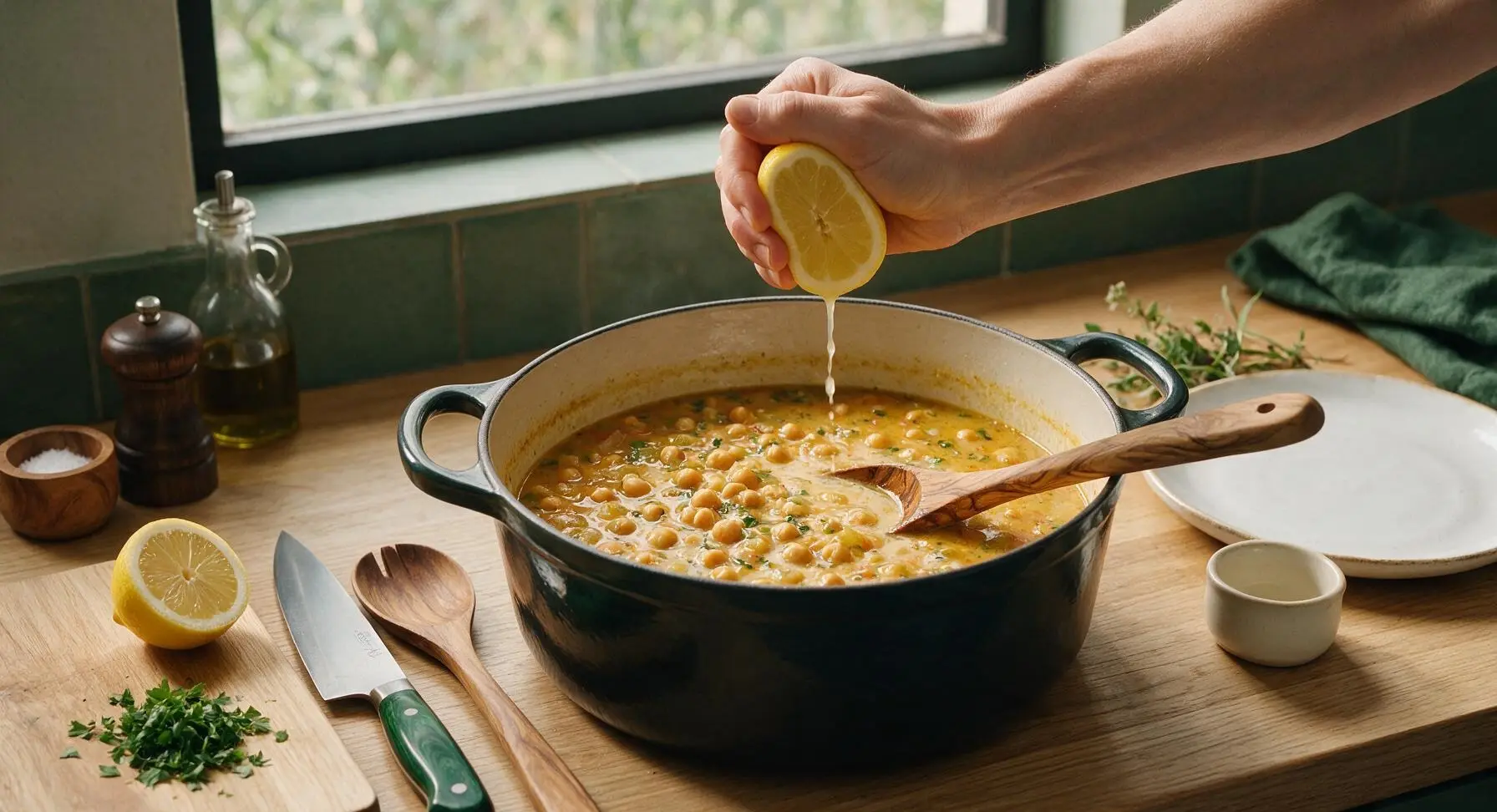
Start with 2 tablespoons of fresh lemon juice for a bright, balanced zing, then taste and add up to a full tablespoon more if you want extra tartness. Fresh lemon juice is strongly preferred here—bottled juice has a flat, slightly metallic aftertaste that dulls that bright, sunny coastal flavor, so fresh is absolutely worth the small effort.
13.Can I add protein like chicken or shrimp to make this a heartier meal?
▾
Absolutely! Diced, cooked rotisserie chicken is an easy add—stir it in during the last 10 minutes of cooking to warm it through. If you’re using shrimp, add peeled, deveined shrimp during the last 3 to 4 minutes of simmering, just until they turn pink and opaque. Both additions pair beautifully with lemon and herbs without weighing the soup down.
14.Why do you add the lemon juice at the end instead of simmering it with the soup?
▾
Lemon juice turns bitter and loses its bright, fresh zing when cooked for long periods, so adding it right after you turn off the heat preserves that bright, sunny tartness that defines this coastal soup. Simmering lemon also can make other vegetable flavors taste flat and muted, so that last-minute addition is key for balanced flavor.
15.What fresh herbs work best in this soup?
▾
Classic Mediterranean herbs are perfect here: flat-leaf parsley, fresh dill, and a little fresh oregano are my go-tos. Add hardy oregano during the last 10 minutes of cooking to let its flavor mellow, and stir in delicate parsley and dill right at the end with lemon juice to keep their fresh, grassy flavor bright. Skip heavy herbs like rosemary that overpower the light profile.
16.My soup turned out too thick—how do I fix it?
▾
It’s totally normal for chickpea soup to thicken as it sits, especially as chickpeas release starch. Just stir in small splashes of vegetable broth, chicken broth, or even plain water, a quarter cup at a time, until it reaches your preferred consistency. Taste after each addition and add a tiny pinch of salt or extra lemon if the flavor gets diluted from added liquid.
17.Can I make this soup with no added oil for a whole-food, plant-based version?
▾
Yes! Instead of sautéing your aromatics in olive oil, cook the diced onion, garlic, carrots, and celery in a few tablespoons of broth over medium heat, stirring frequently, until they soften and turn fragrant. You can still add a tiny drizzle of olive oil on top when serving if you want that fruity note, but the base works beautifully without added oil.
18.Should I puree part of the soup for a creamier texture?
▾
That’s totally a matter of preference! If you like a thicker, creamier soup without added dairy, use an immersion blender to puree 1 to 2 cups of the soup right in the pot once the veggies are tender, then stir to combine. Leave most of the chickpeas and veggie chunks intact so you still get that nice, hearty, textured bite in every spoonful.
19.How do I prevent the garlic from burning when sautéing the aromatics?
▾
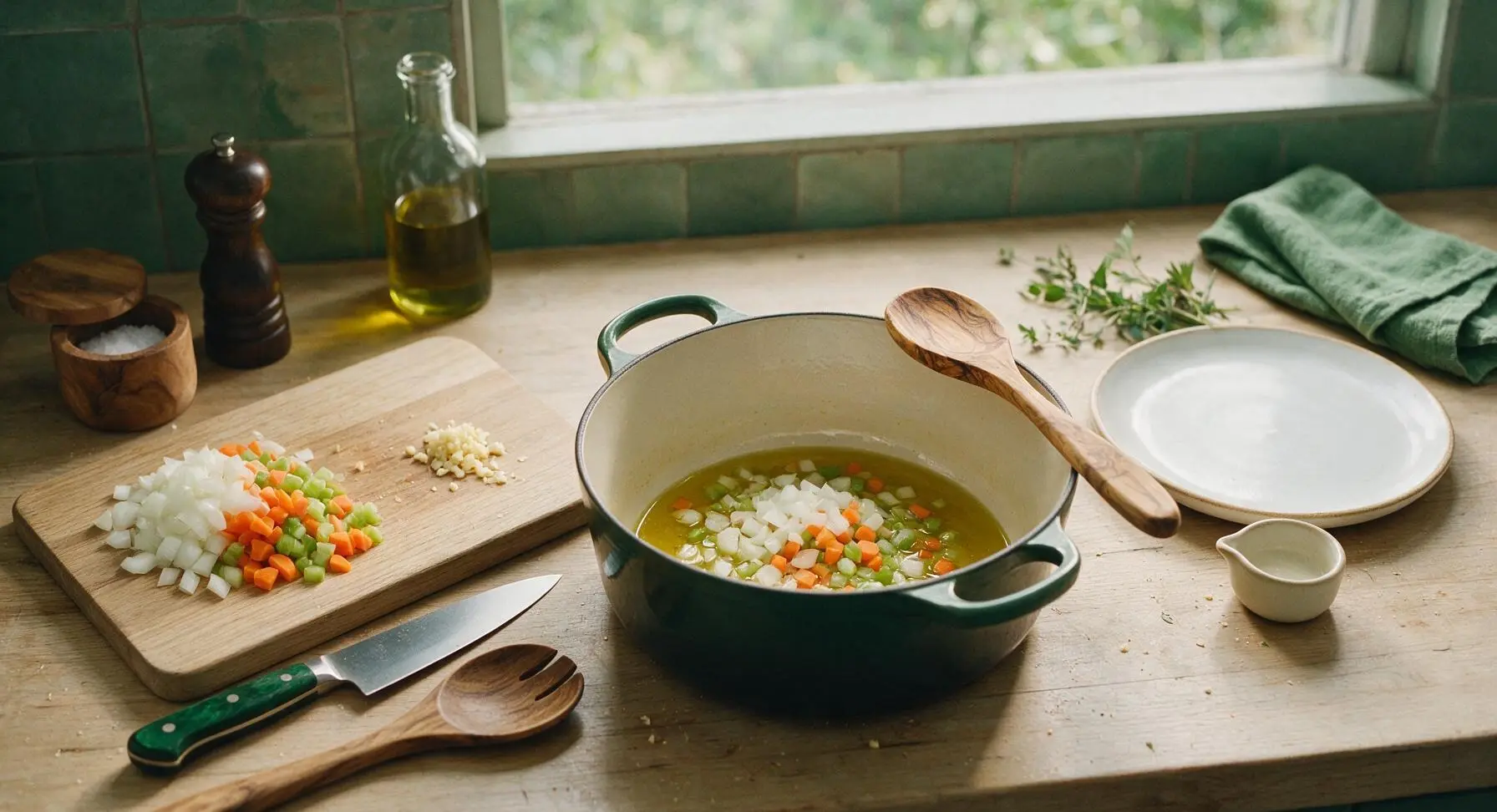
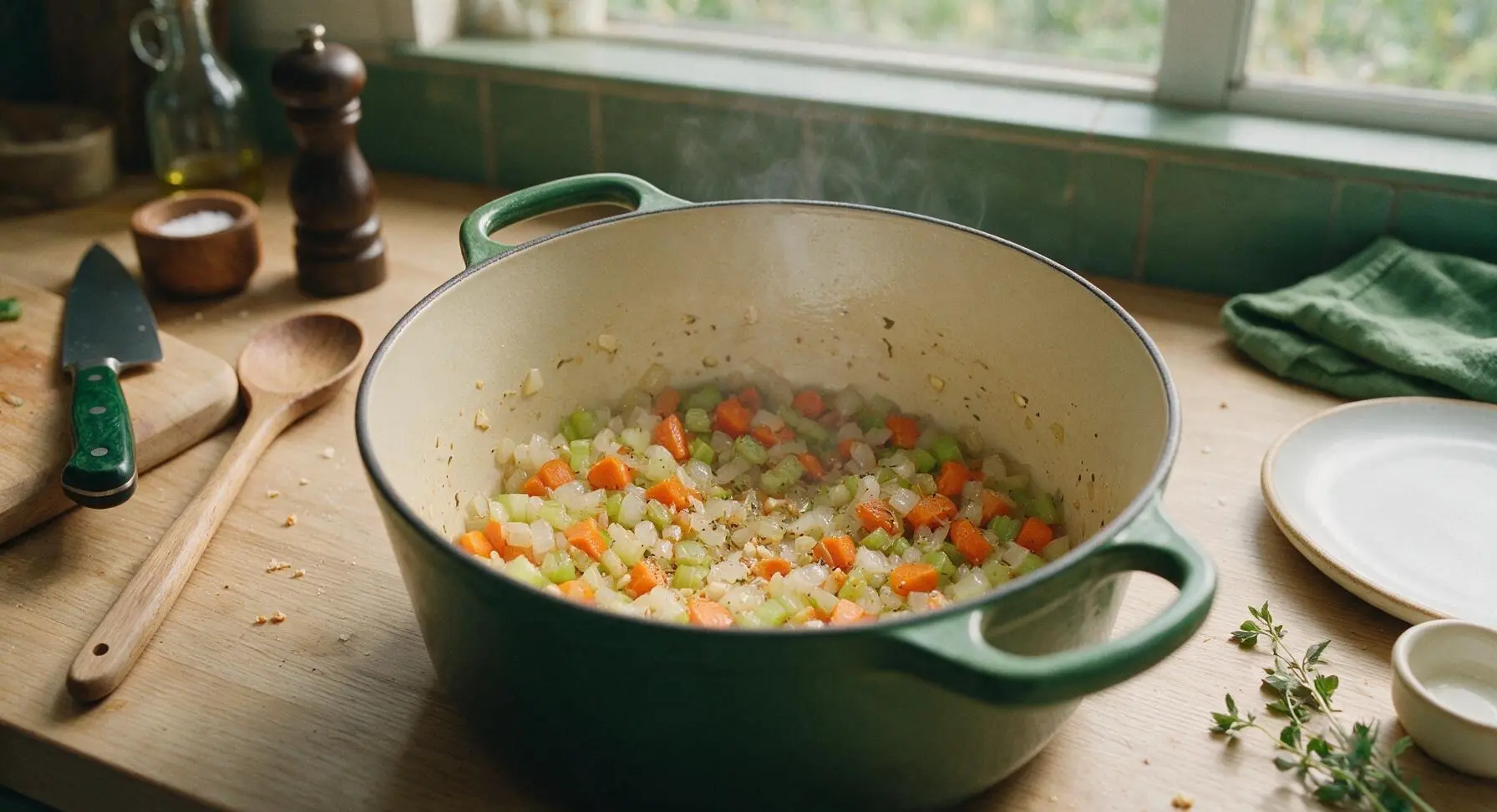
Burned garlic adds a sharp, bitter taste that throws off the soup’s bright, sunny flavor, so add your minced garlic to the pan only after the onion, carrots, and celery have softened for 5 to 6 minutes. Cook the garlic for just 30 to 60 seconds, stirring constantly, until it smells fragrant, then immediately add your liquid to stop it from cooking too fast.

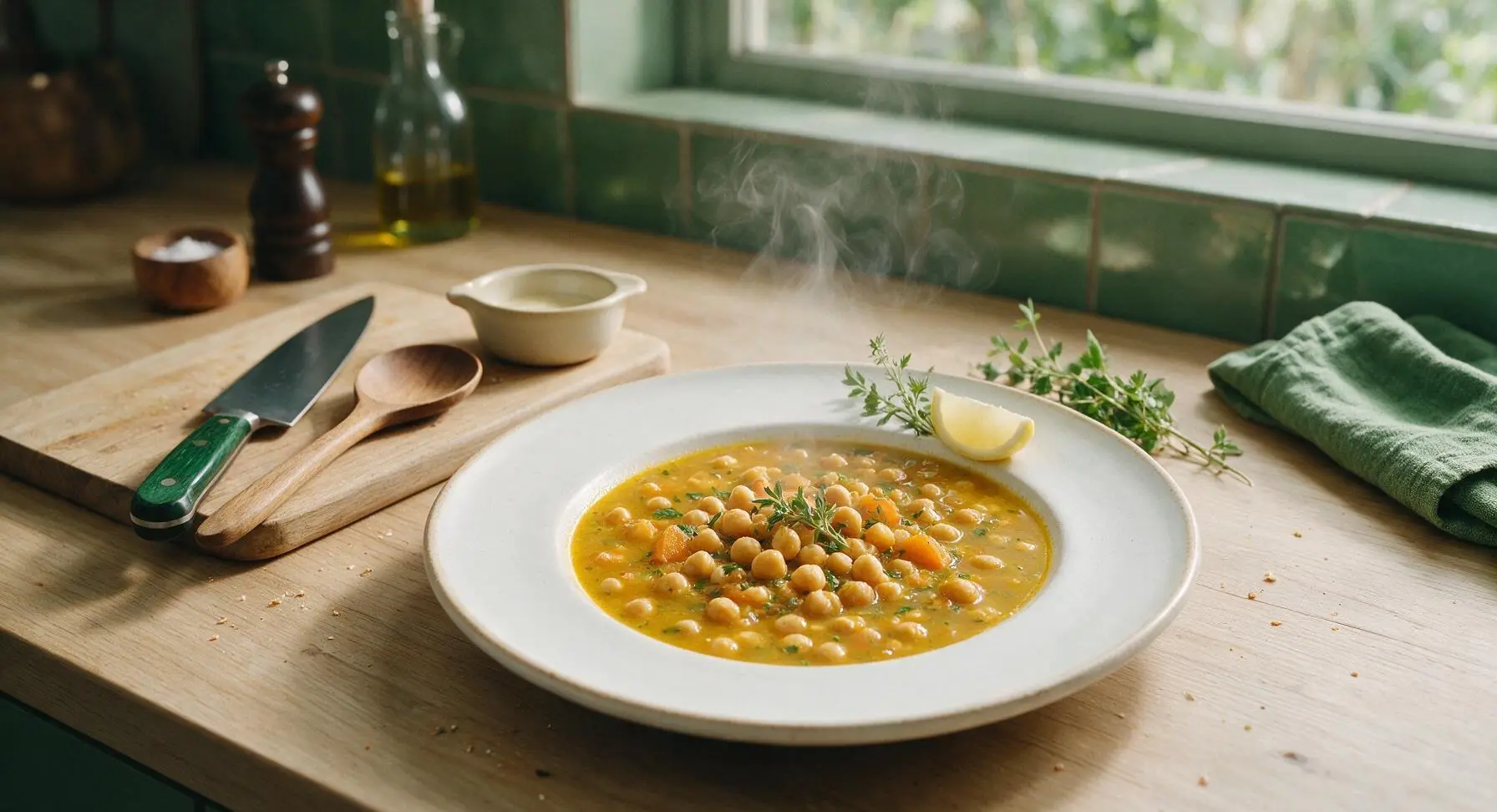
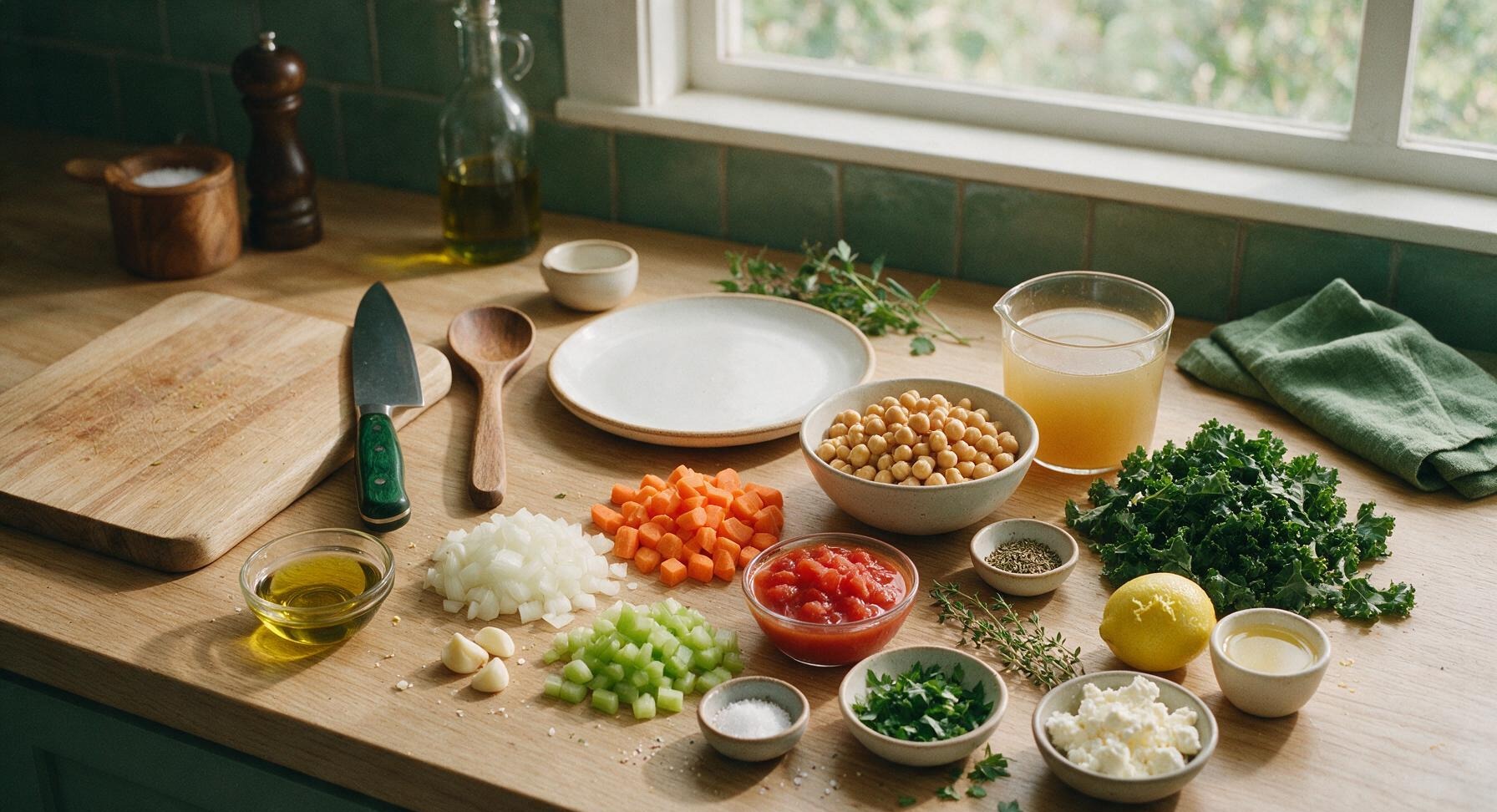
OMG this soup is SO good! I threw it together last night for a quick weeknight family dinner and even my super picky 7 year old asked for seconds. The lemon zest and fresh rosemary make it taste like a sunny coastal cafe, not a random 25 minute weeknight meal. Total game changer for my meal prep rotation too!
Brought this to my neighborhood block party potluck this weekend and people were begging for the recipe before I even set the pot down! It’s light but filling, works great warm even on a slightly humid Florida afternoon, and it was so easy I didn’t stress about messing it up before the event. Only tiny tweak: I added a handful of chopped Kalamata olives on top for a little briny kick.
Perfect easy meal for when I’m swamped with assignments and don’t have energy for a complicated cook. 25 minutes is no joke, I had it on the table while my pasta water was still boiling for my roommate’s dinner lmao. Tastes way fancier than the effort it takes, 10/10.
Made this after a long rainy hike this weekend and it hit every single spot. I swapped the vegetable broth for chicken broth because that’s what I had in the pantry, and topped it with a little crumbled feta — chef’s kiss. Only complaint? I wish I made a double batch because I ate half the pot in one sitting.
This is now my go-to Sunday meal prep soup! It holds up so well in the fridge all week, doesn’t get mushy like some veggie soups do, and the flavor actually gets better the longer it sits. I portion it out with a little side of crusty sourdough for work lunches and my coworkers keep asking where I order it from lol.
Super solid base recipe! I added a pinch of red pepper flakes and a dash of smoked paprika to give it a little warm heat, and it was incredible. Great for anyone who likes to tweak recipes to their taste because the core flavor is so bright and balanced it doesn’t fall apart if you add little extras.
Full transparency, this is the first soup I’ve ever made from scratch that didn’t come out of a can, and I was shocked how easy it was! The steps are super straightforward, no weird fancy ingredients I had to run to three grocery stores to find, and my roommate said it tasted like something from a nice restaurant. Definitely making this again.
Finally a yummy soup recipe that doesn’t require any weird substitutions to make it gluten free! I served it at my girls’ night last week with a side of gluten free garlic bread and everyone went back for seconds. It’s so light I didn’t feel bloated after eating a big bowl, which is a major win for me.