1.Why is it called mock turtle soup if it doesn’t contain any turtle?
▾
This vintage recipe earned its name as an accessible, budget-friendly substitute for the ultra-luxury green turtle soup popular in 18th and 19th century high society. Slow-simmered boneless beef shank replicates the rich, gelatinous, deeply meaty texture and savor of turtle meat, with zero actual turtle required for the classic profile.
2.Why is boneless beef shank the recommended cut instead of other beef options?
▾
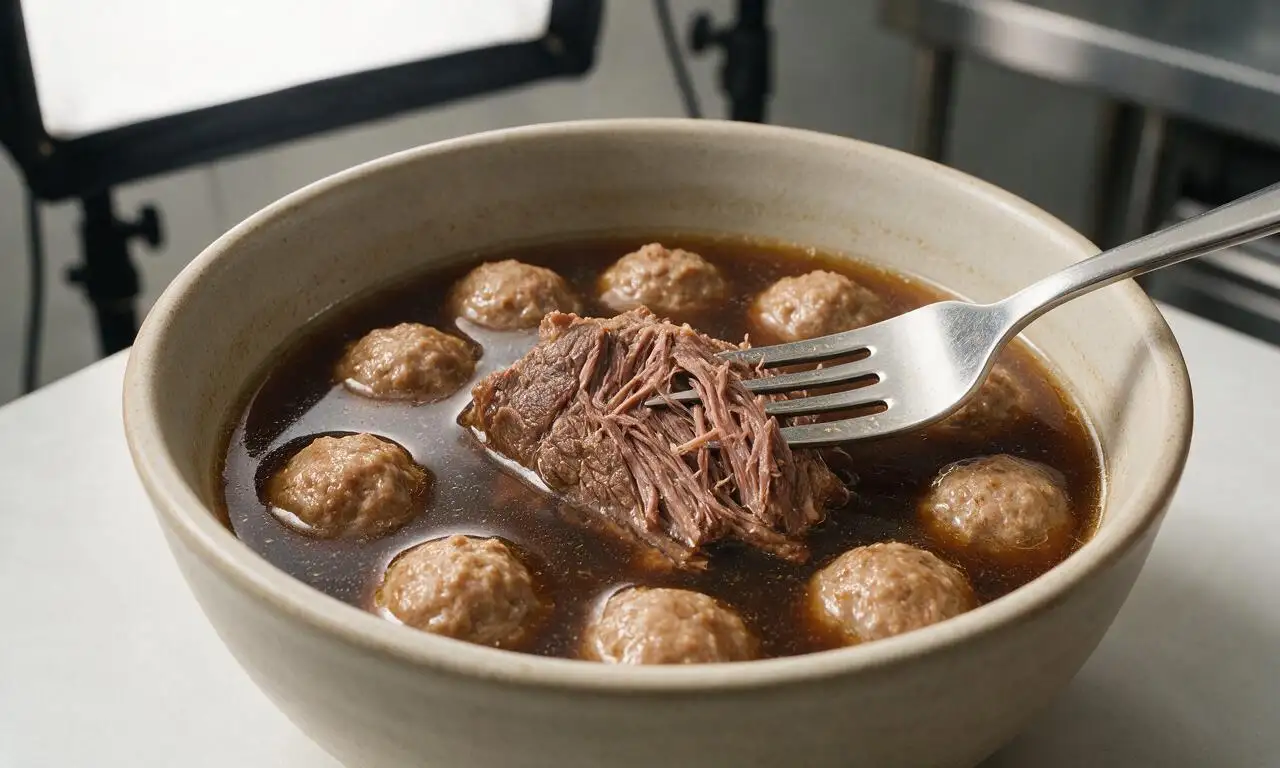
Beef shank is ideal because it’s a collagen-rich, well-worked cut that breaks down to meltingly tender bites after slow simmering. It releases natural gelatin that gives the soup its signature luxuriously thick, silky mouthfeel without added thickeners. Leaner cuts like chuck or sirloin will turn dry or tough with long cooking and won’t deliver that same richness.
3.Do I have to use unsalted butter for sautéing, or can I use salted butter instead?
▾
I strongly recommend unsalted butter here, as it lets you fully control sodium levels across the long simmer. Broths, seasoning blends, and finishing touches all add salt, and salted butter can easily push the final soup into overly salty territory. If you only have salted butter, cut added salt in half at the start and adjust seasoning right before serving.
4.What role do yellow onion, carrots, and celery play in this recipe?
▾
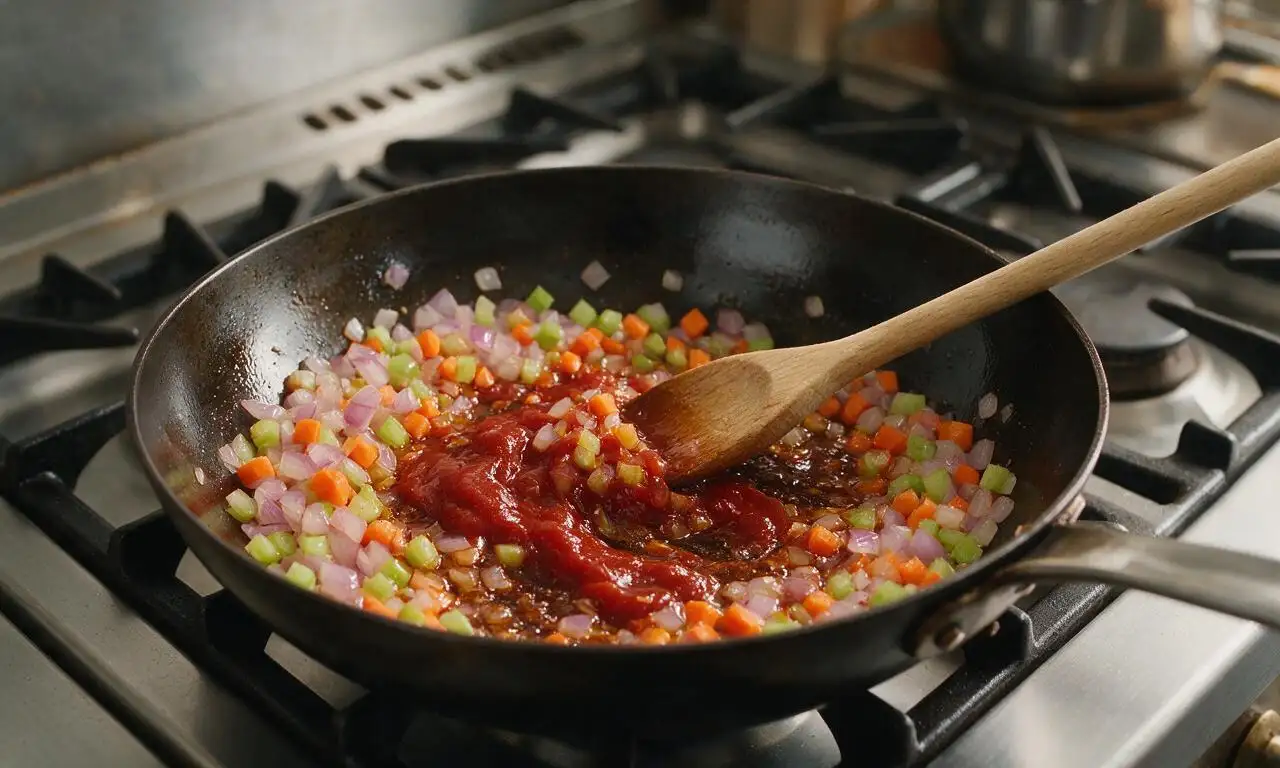
That classic trio is mirepoix, the aromatic flavor base for this and most slow-simmered soups. Yellow onion adds deep, sweet savor, carrots contribute subtle earthy sweetness, and celery brings bright, herby, fresh depth. Sautéed slowly in unsalted butter, they build the layered foundation that keeps the soup tasting rich instead of flat.
5.How long do I need to simmer this soup to get the best possible flavor?
▾
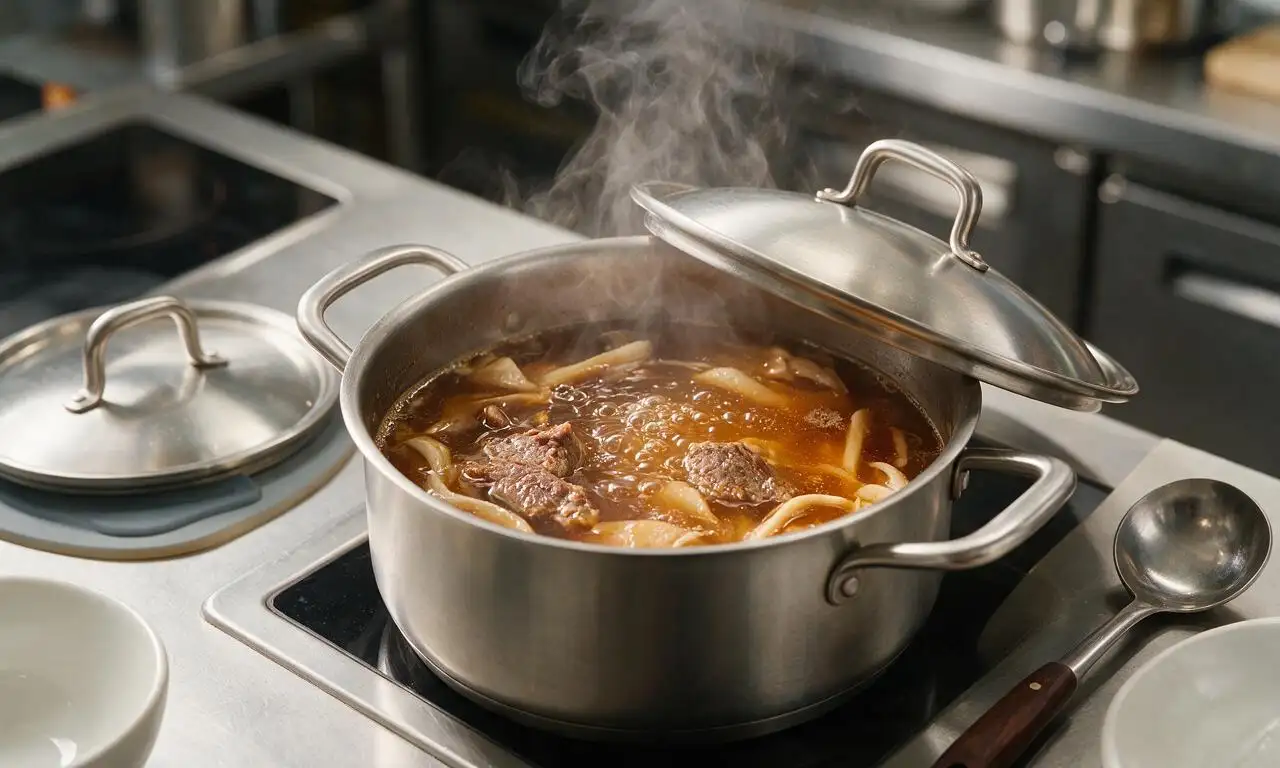
Plan for a low, slow simmer of 2.5 to 3 hours total, covered, at a bare bubble rather than a rolling boil. That gives the beef shank time to turn fall-apart tender, collagen to melt into silky broth, and herbs and aromatics to fully meld into a cohesive, deep flavor instead of tasting like separate, disjointed ingredients.
6.I see a lot of recipes add hard-boiled eggs to mock turtle soup—Is that a traditional touch?
▾
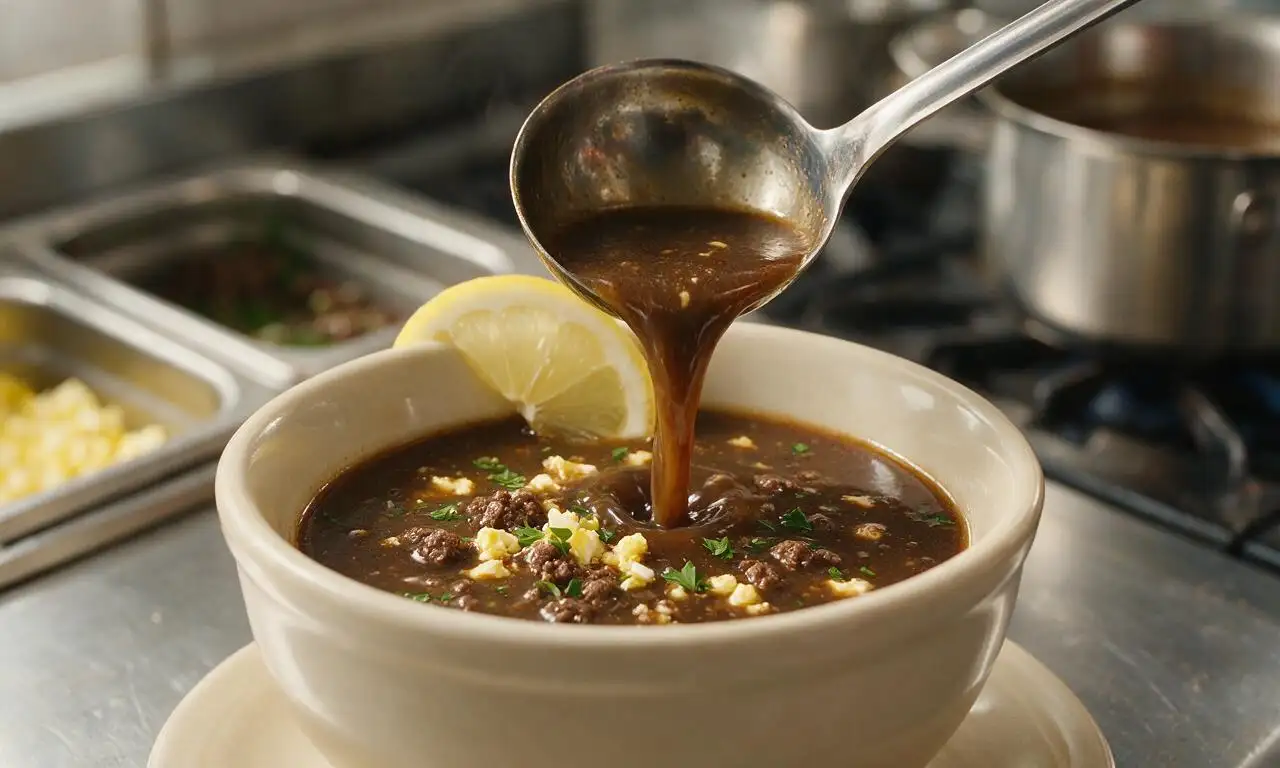
That is a very common regional American touch, especially across the Midwest and Ohio River Valley! Many vintage versions call for thin-sliced hard-boiled eggs stirred in right at the end, often with a splash of sherry, to add extra richness and textural contrast. It’s totally optional, but a fun, authentic old-school add-in.
7.What gives traditional mock turtle soup its signature bright tangy finish?
▾
That bright, zingy balance to the rich, meaty broth almost always comes from a small amount of acid added right at the end of cooking. Most classic recipes use dry sherry, fresh lemon juice, a splash of red wine vinegar, or a combination, added just enough to cut through the heaviness of beef and butter without making the soup taste sour.
8.Can I make this soup in a slow cooker instead of on the stovetop?
▾
Absolutely! First, sear your beef and sauté your mirepoix in butter on the stovetop to build that deep, caramelized flavor you can’t get from raw ingredients in a slow cooker. Transfer everything to the appliance and cook on LOW for 6 to 7 hours until beef is pull-apart tender, then add finishing acid and adjust herbs right before serving.
9.Do I really need to brown the beef shank before simmering it for soup?
▾
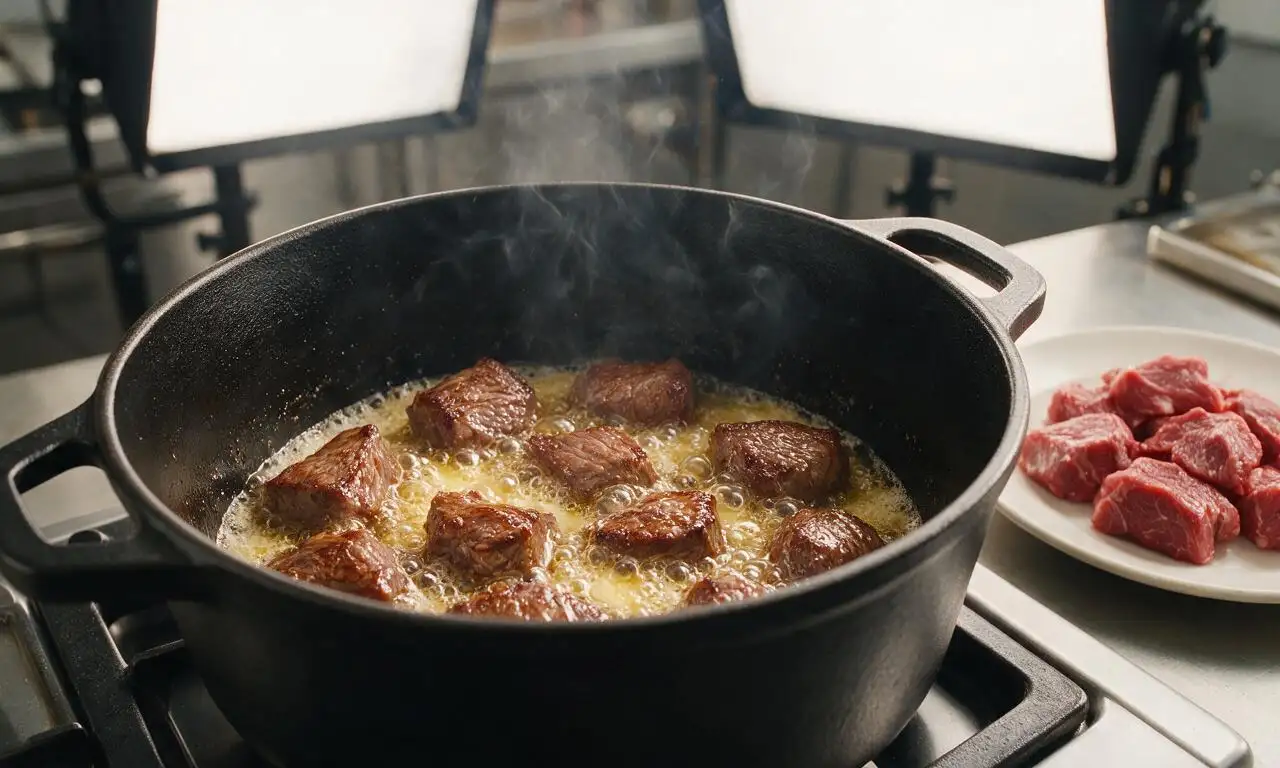
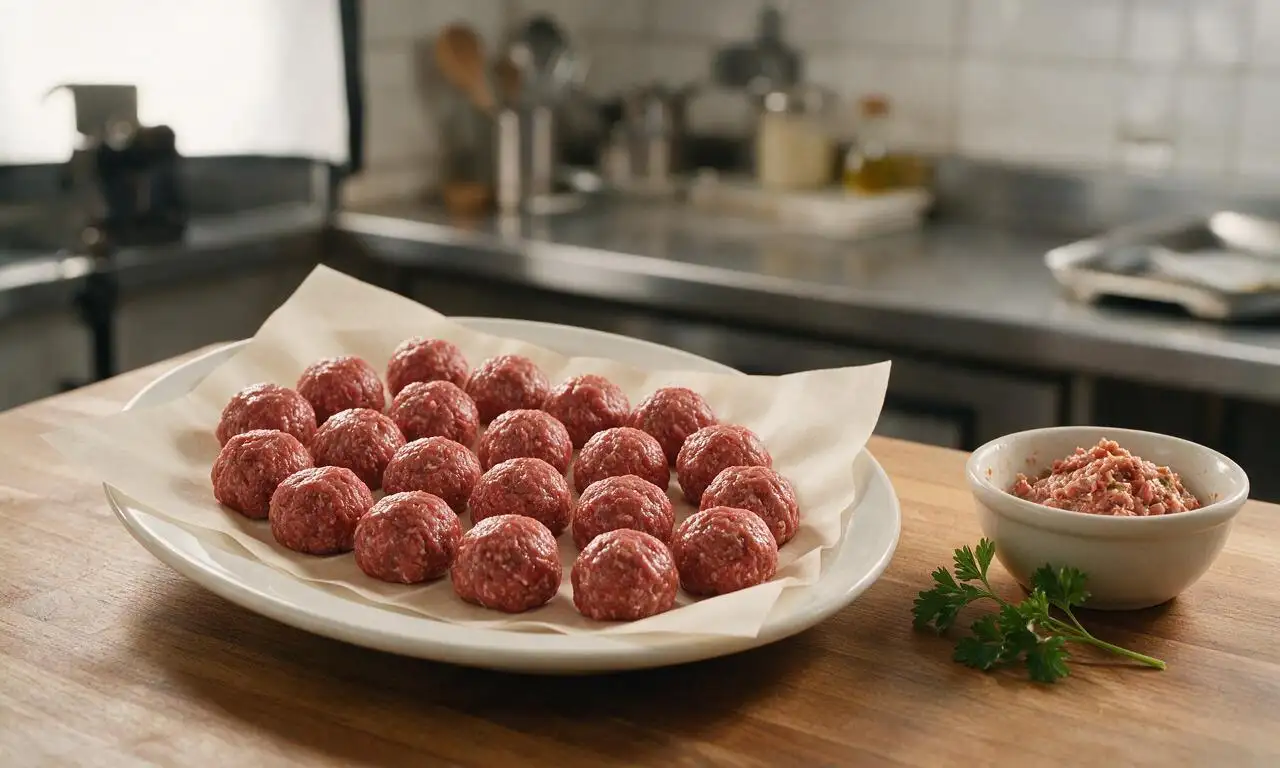
100% yes—don’t skip this step! Pat the shank dry and sear it on all sides in hot butter before adding aromatics and liquid to build deep, nutty Maillard reaction flavor you simply can’t get from boiling raw beef. That caramelized crust on the meat is responsible for a huge portion of the soup’s rich, complex savor.
10.What herbs are traditional for that classic deep herby flavor in this soup?
▾
Most traditional versions lean on woody, earthy herbs that hold up well to long simmering: a sachet of fresh thyme, a bay leaf, a few sprigs of parsley, and a tiny pinch of ground allspice or mace is the standard vintage blend. Skip delicate herbs like basil or dill, as they’ll turn bitter or lose all their flavor during the long cook.
11.Can I freeze leftover mock turtle soup, and how long will it stay good?
▾
This soup freezes beautifully, thanks to the natural gelatin from the beef shank that keeps texture stable when thawed. Let it cool completely, store in airtight freezer-safe containers with ½ inch of headspace for expansion, and it will keep for up to 3 months. Thaw in the fridge overnight, reheat gently on the stovetop, and adjust seasoning as needed.
12.My soup turned out thinner than I expected—what’s the best way to thicken it?
▾
First, remember the broth will thicken slightly as it cools, thanks to gelatin from the beef shank. If it’s still too thin when hot, either simmer it uncovered for 10 to 15 minutes to reduce and concentrate, or mash a small portion of the cooked carrots and celery into the broth for a natural, flavor-matched thickener without added flour or cornstarch.
13.Is traditional mock turtle soup the same as New Orleans-style turtle soup?
▾
Not quite! New Orleans turtle soup typically uses actual turtle meat (usually snapping turtle) and leans into Creole seasonings like cayenne, paprika, and tomatoes. Traditional mock turtle soup skips turtle entirely for beef shank, uses a simpler mirepoix and herb base, and has a bright tangy finish rather than a spicier, tomato-forward profile.
14.Should I trim all the connective tissue off the beef shank before cooking?
▾
No, leave that connective tissue intact! It might look tough and chewy when raw, but after 2+ hours of slow simmering, that collagen-rich tissue melts completely into the broth, creating that signature silky, luxurious mouthfeel and adding tons of rich, meaty flavor. You can pluck out any un-melted tough bits right before serving if you spot them.
15.What are the best classic toppings or sides to serve with this soup?
▾
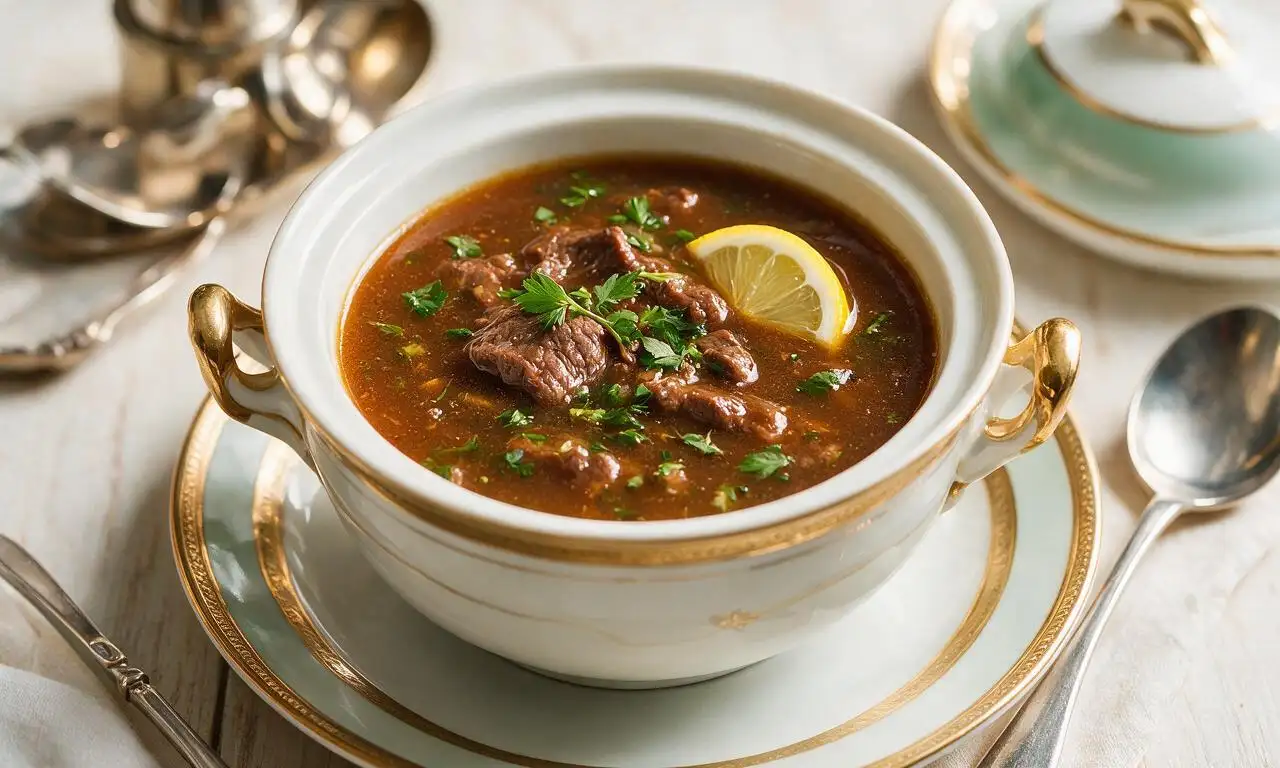
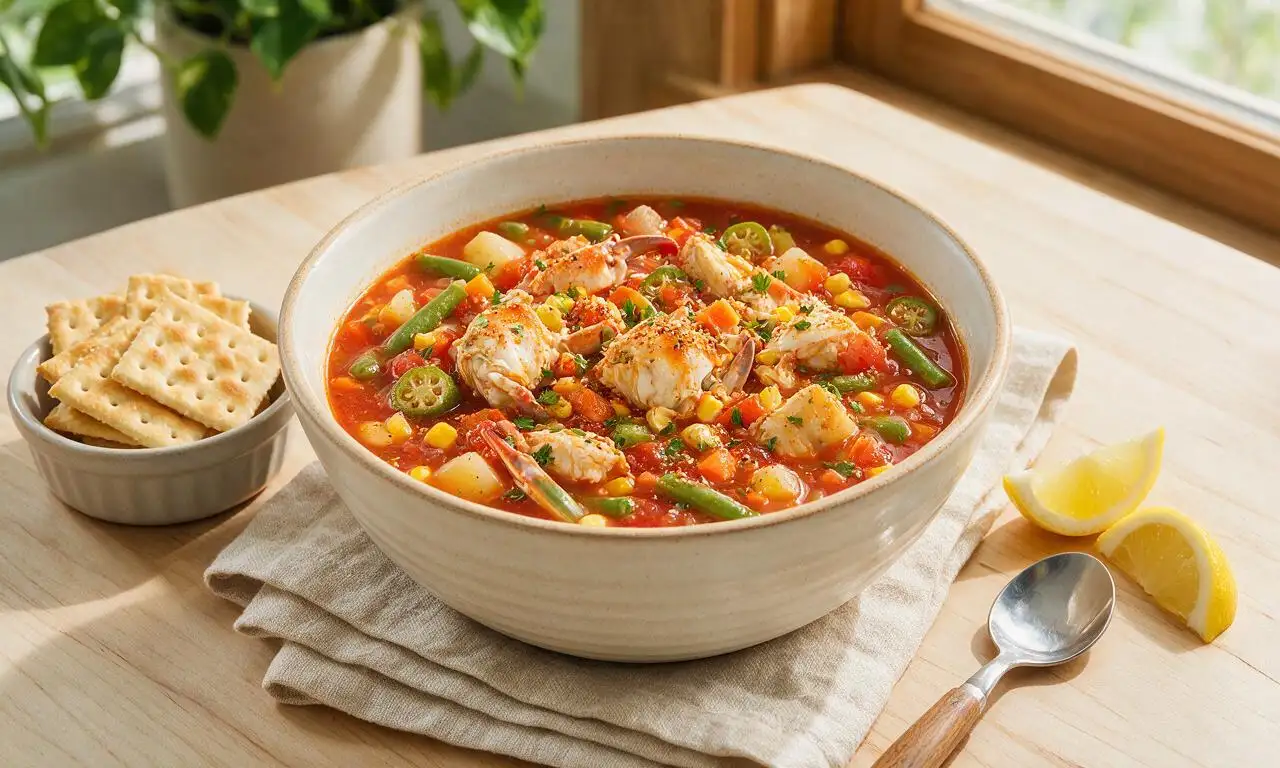
Traditional servings pair this rich soup with a sprinkle of fresh chopped parsley, a thin lemon slice on the rim for extra tang, and buttery oyster crackers or crusty sourdough bread on the side for dipping. Many old-school tavern servings also offer a tiny splash of extra dry sherry tableside for guests who want a little extra brightness.
16.Can I make this soup ahead of time, and does it taste better the next day?
▾
It actually tastes even better when made a day ahead! As the chilled soup rests in the fridge, flavors meld and deepen, and the solidified fat from the butter and beef rises to the top so you can easily skim it off for a cleaner, brighter broth. Store covered in the fridge for up to 3 days, reheat gently, and add finishing acid right before serving.
17.I don’t eat beef—can I substitute a different protein for this soup?
▾
While beef shank is traditional for that rich, gelatinous texture, you can swap it for bone-in, skin-on turkey thighs for a lighter, poultry-based version. You’ll still get tender meat and collagen from the turkey bones to create a silky broth, and the mirepoix, herbs, and tangy finish will carry the classic mock turtle flavor profile nicely.
18.Why do some older mock turtle soup recipes call for calf’s head instead of beef shank?
▾
Early 19th century versions of the recipe often used boiled calf’s head because its tender, gelatinous, mild meat was the closest textural match to actual turtle meat, and far cheaper than imported turtle. As home cooking evolved, beef shank became the standard swap because it’s much easier to source, simpler to prep, and delivers a very similar rich result.
19.How should I add salt to avoid overseasoning this long-simmered soup?
▾
Hold off on adding most of your salt until the very end of the simmer for the most accurate seasoning. As the broth reduces over 2+ hours of cooking, salt concentrates, so adding a full measure at the start can easily lead to oversalted soup. Start with ¼ teaspoon when you add cooking liquid, then taste and adjust in small pinches once the soup is fully cooked.

OMG I made this for our Sunday family dinner last weekend and everyone went back for seconds! I was nervous mock turtle soup would be too weird for my picky teens but they asked when I’m making it again. The slow simmer time is totally worth it, don’t skip the sherry splash at the end! Total game changer.
Took this to my neighborhood potluck last week and people were hounding me for the recipe all night! I used a little extra hot sauce for a kick since our crowd likes spicy food, and it paired so good with my cast iron cornbread. Only knock is it takes a minute to prep all the veggies, but the medium difficulty rating is totally spot on.
I’ve been making mock turtle soup for over 40 years, ever since I worked at a little diner outside Cincinnati back in the 80s, and this recipe is the closest I’ve found to that classic version I grew up serving. The balance of herbs, bright lemon, and minced hard-boiled egg garnish is exactly right. Don’t rush the 2 hour simmer, that’s where all that deep, rich flavor comes from.
First time ever making soup from scratch (read: normally I live off instant ramen and microwave mac and cheese) and this actually turned out edible?? I was intimidated by the medium difficulty tag but the steps were way easier to follow than I expected. My roommates thought I was a professional chef lmao.
Made a big batch of this for my weekly meal prep and it held up perfectly all week in the fridge! The flavors actually got better each day, which is my favorite kind of recipe. Packed it for work lunches and my coworkers kept stopping by my desk asking what smelled so good.
My grandma used to make mock turtle soup every Christmas Eve and I’ve been chasing that flavor for years. This recipe hit so close to home I actually teared up a little when I took my first bite. The allspice measurement is exactly what she used, I can tell. SO good, feels like a hug in a bowl.
Wait, can I make this in a slow cooker instead of simmering on the stove? Between work and kid soccer practice I don’t have 2 hours to stand by the stove during the week, but this looks too good to pass up for our weeknight dinners.
I couldn’t find veal at my local grocery store so I used ground beef and a little bit of spicy pork sausage instead, and it turned out amazing! I know that’s not totally traditional, but it gave the soup such a rich, meaty depth that my whole family raved about. My kids loved it, even the 8 year old who swears he hates all soup.
Tried this last night and it was solid, but I added way too much lemon juice on accident the first go-round — squeezed a whole half lemon instead of a wedge, whoops. Ended up balancing it out with a little extra beef broth and a tiny pinch of sugar, and it turned out great. Pro tip for other clumsy cooks like me: add lemon a little at a time, taste as you go!
If you’re on the fence about making this, just do it. I filled a thermos of it to bring on my fall leaf peeping hike last weekend and it was the perfect warm pick-me-up when the wind picked up and the temps dropped. Hearty, savory, just the right amount of herb flavor, 10/10, no notes.
Served this at our annual fall block party and it was the first dish to get completely wiped out! I set out little bowls of garnish: chopped hard boiled egg, extra lemon wedges, hot sauce, fresh parsley, so people could top it however they wanted. 10/10, will be making this every year from now on.
Made this for my car camping trip last weekend and it was chef’s kiss after a long day of hiking in 30 degree weather. The only thing I’ll do different next time is make a double batch, because my camping crew ate every last drop before I even got a second bowl! SO good, definitely a new cold weather staple.
I was so scared to try this because I’ve never had mock turtle soup before and the name kinda freaked me out ngl. I kept thinking there was gonna be weird turtle meat in it or something? But it’s literally just the coziest, most savory, herby beef soup? No weird flavors at all, I don’t know why I was so nervous. I’ll be adding this to my regular dinner rotation for sure.
As someone who collects old 19th century cookbooks, I was so excited to see a traditional mock turtle soup recipe that doesn’t cut corners! A lot of modern recipes skip the hard boiled egg and mace, but those little touches are what make it taste authentic. The 2+ hour cook time is exactly what the old recipes recommend too, so worth the effort.