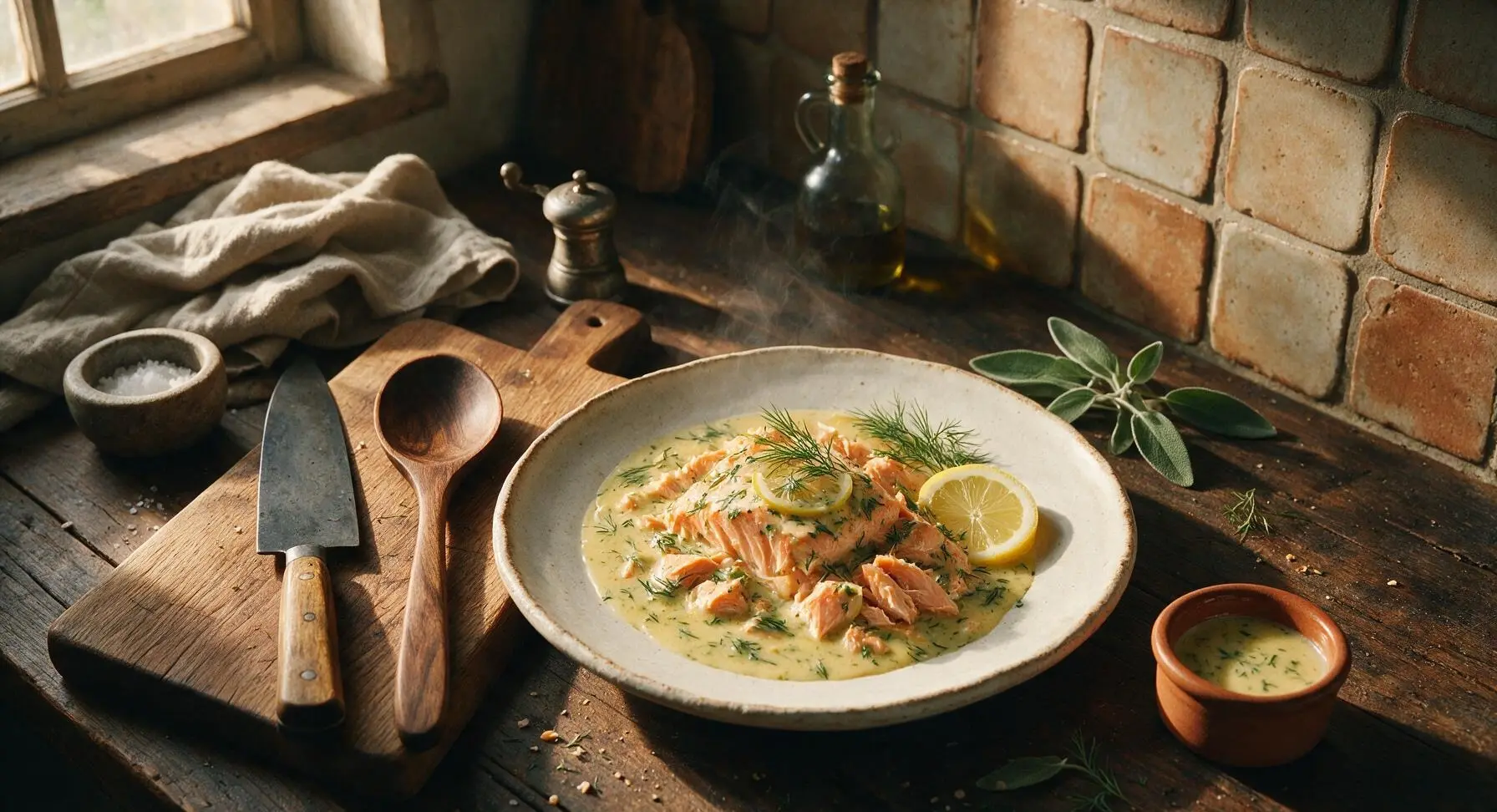
salmon sauce

title 1
salmon sauce
⏱️ cook time 12 minutes
🍽️ servings 4
⚡ Difficulty easy

intro

Silky, bright lemon-dill butter sauce crafted to pair perfectly with salmon, balancing rich, flaky fish with tangy citrus, aromatic dill, and a luxuriously smooth emulsified texture.

Ingredients
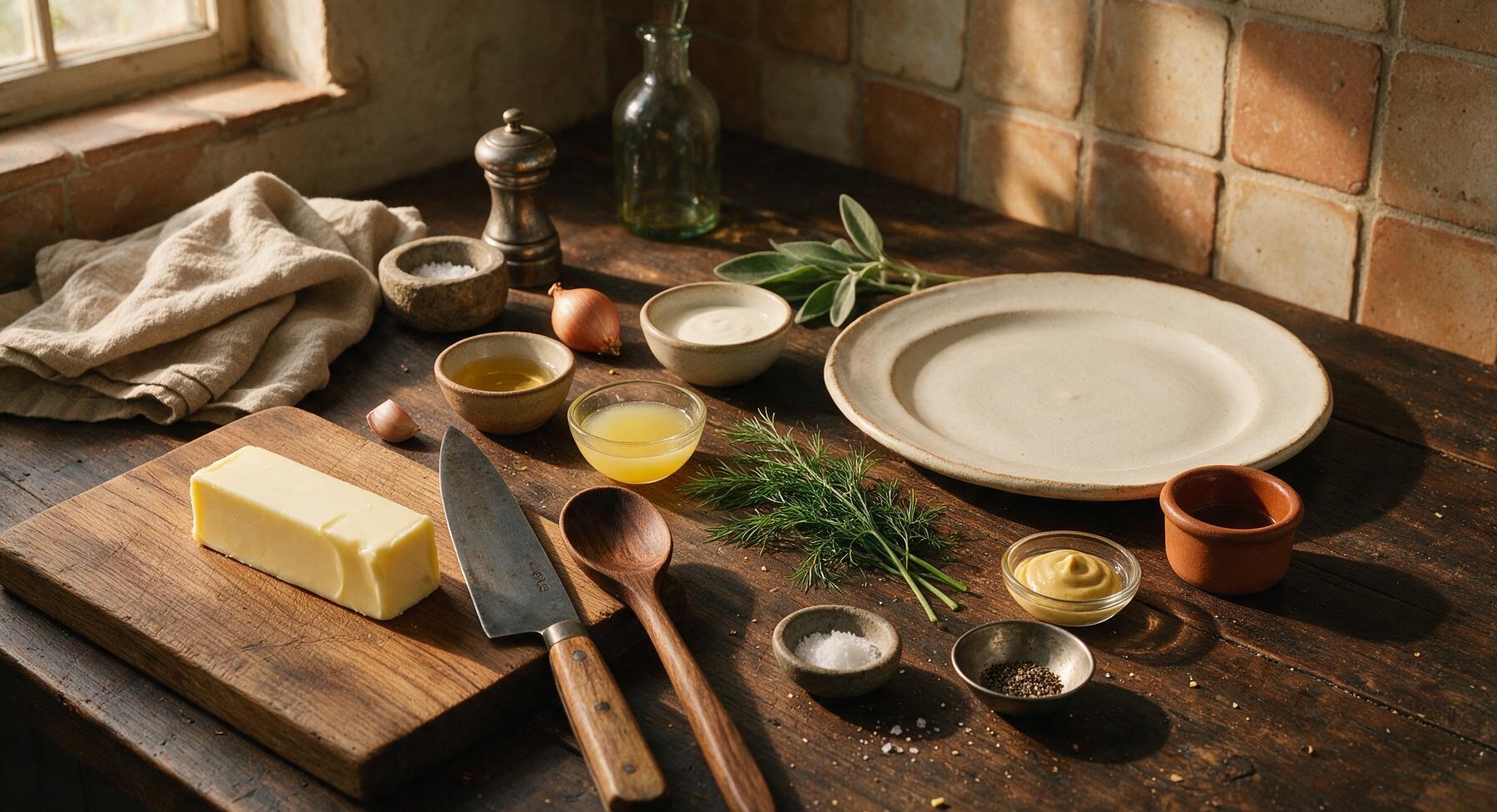
Unsalted butter 113g (1 stick, cold)
Dry white wine (Sauvignon Blanc or Pinot Grigio) 60ml (1/4 cup)
Shallot 1 small (30g)
Garlic clove 1 (5g)
Fresh lemon juice 30ml (2 tbsp, strained)
Fresh dill 15g (1/4 cup chopped, plus extra fronds for garnish)
Heavy cream 15ml (1 tbsp)
Dijon mustard 5ml (1 tsp)
Kosher salt 1/4 tsp
Freshly ground black pepper 1/8 tsp

Steps

1

Prep Aromatic Ingredients

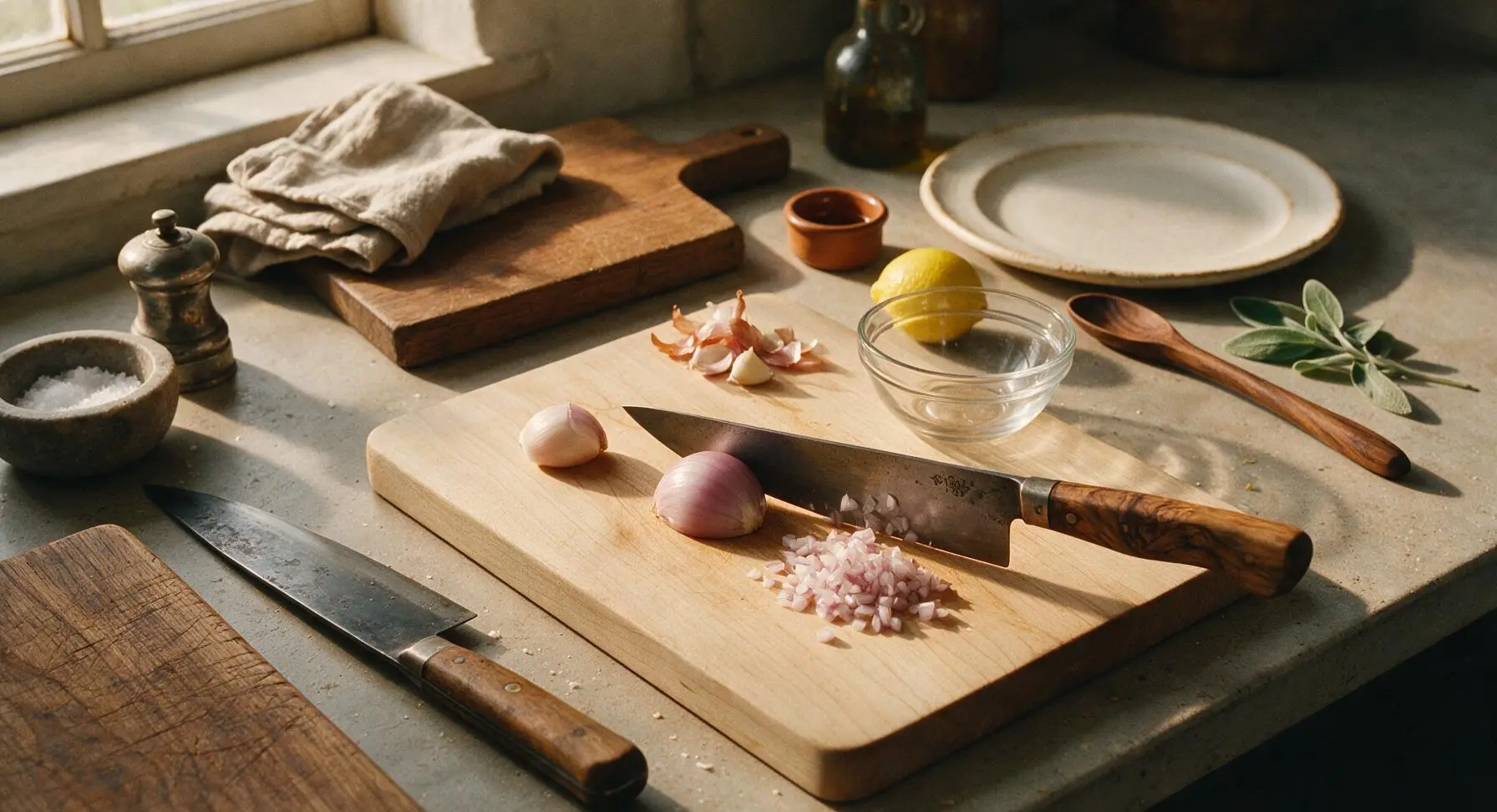
Place the small shallot and garlic clove on the light maple cutting board. Using the 6-inch chef's knife with olive wood handle, finely dice the shallot into uniform 2mm pieces, and crush the garlic clove lightly with the flat of the knife blade (do not mince to a fine paste, as this will make the sauce bitter). Juice the fresh lemon, straining out any seeds, and measure 2 tablespoons of juice into one of the small clear glass prep bowls. Set prepped ingredients aside; this step takes approximately 3 minutes.
Step 1
step1:Prep Aromatic Ingredients
2

Simmer Wine Reduction

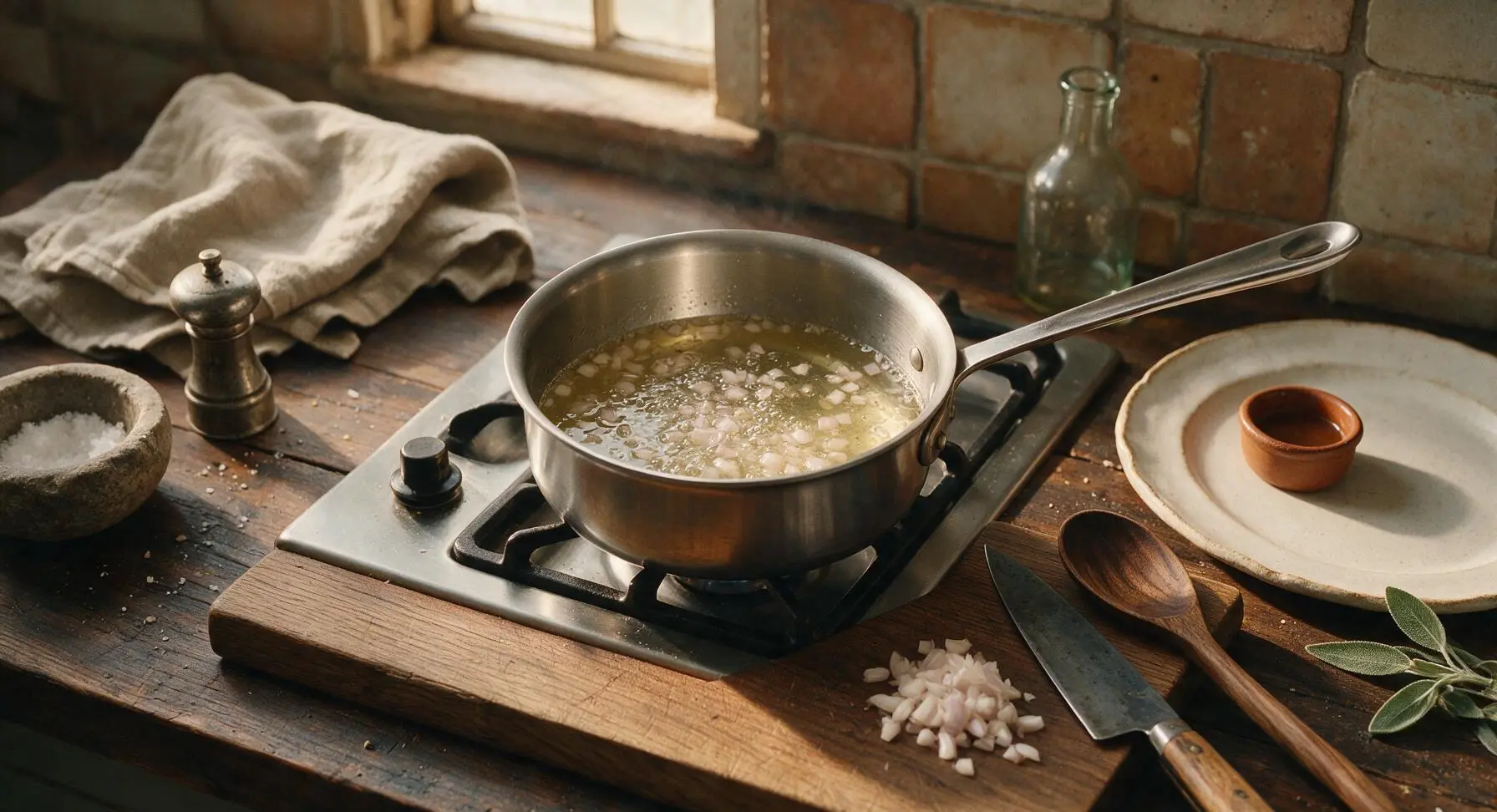
Turn the stovetop burner under the 1-quart stainless steel saucepan to medium-low heat (325°F / 160°C). Add the diced shallot, crushed garlic, and 1/4 cup dry white wine. Bring to a gentle, steady simmer (do not allow a rolling boil, which will cook off too much flavor too quickly) and cook for 5 minutes, until the wine is reduced by 2/3, leaving approximately 1 tablespoon of fragrant, aromatic liquid in the pan. The shallots will be soft and translucent, with no sharp raw alcohol scent remaining.
Step 2
step2:Simmer Wine Reduction
3

Stir in Cream Base

Use the light beech wood stirring spoon to fish out and discard the crushed garlic clove from the saucepan, to avoid harsh, overcooked garlic flavor. Add 1 tablespoon heavy cream and 1 teaspoon Dijon mustard to the pan, mixing continuously with the sage-handled silicone whisk until fully smooth. Bring the mixture back to a gentle simmer for 1 minute, until it thickens just enough to leave a thin, even coating on the back of a spoon. The Dijon acts as a natural emulsifier to help stabilize the sauce, while the cream adds richness that prevents later separation.
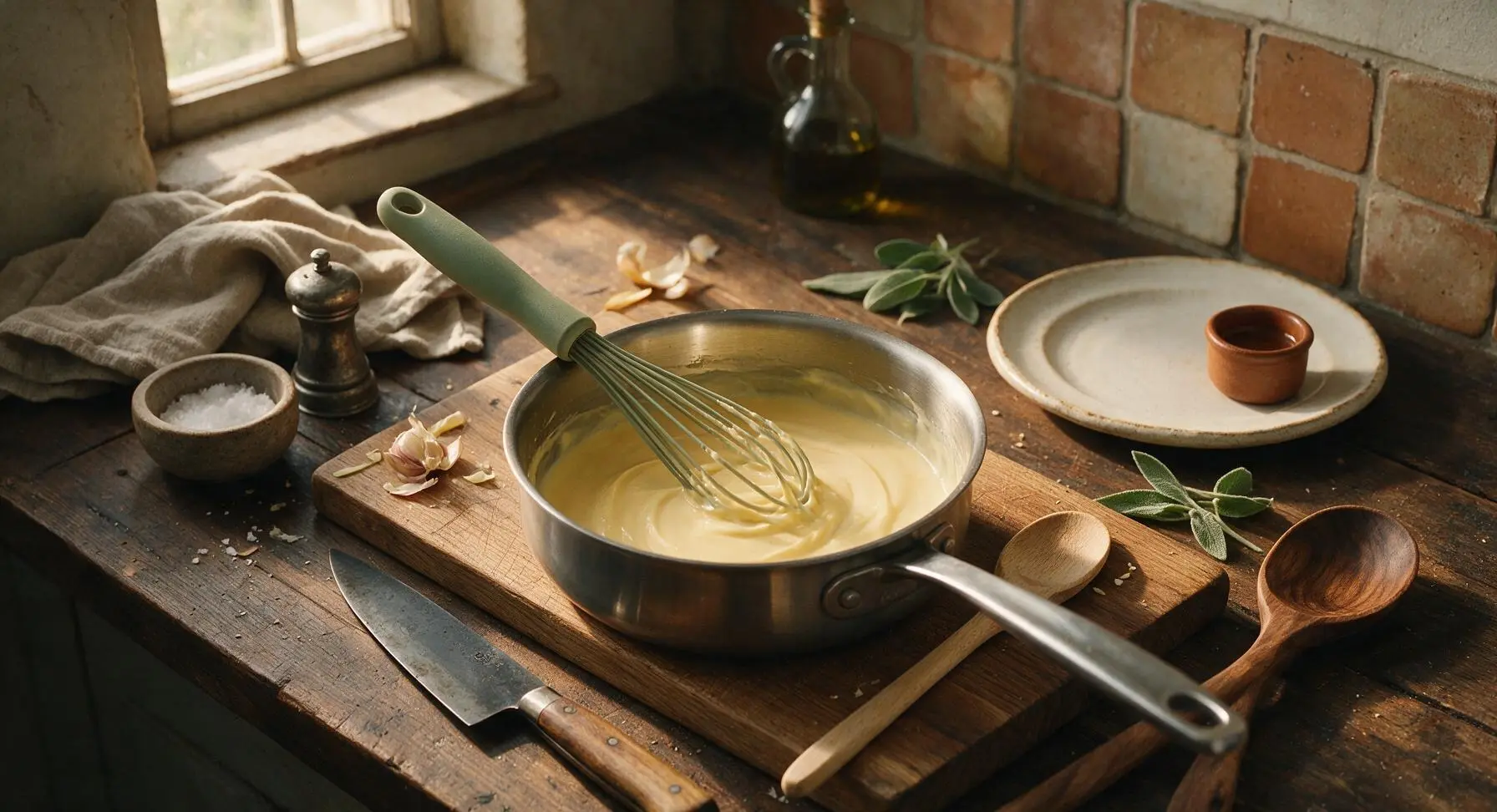
Step 3
step3:Stir in Cream Base
4

Emulsify Cold Butter

Reduce stovetop heat to low (200°F / 95°C). Cut the cold unsalted butter into 8 equal 1-tablespoon cubes on the maple cutting board. Add one butter cube at a time to the saucepan, whisking constantly and vigorously in a slow figure-8 pattern with the silicone whisk. Wait until each cube is fully melted and incorporated into a smooth, glossy sauce before adding the next cube. This emulsification process takes 4-5 minutes total; never rush by adding multiple cubes at once, as this will shock the fat out of suspension and cause the sauce to separate into greasy liquid and solids. The finished emulsified base will be thick, shiny, and coat the back of a spoon without running off quickly.
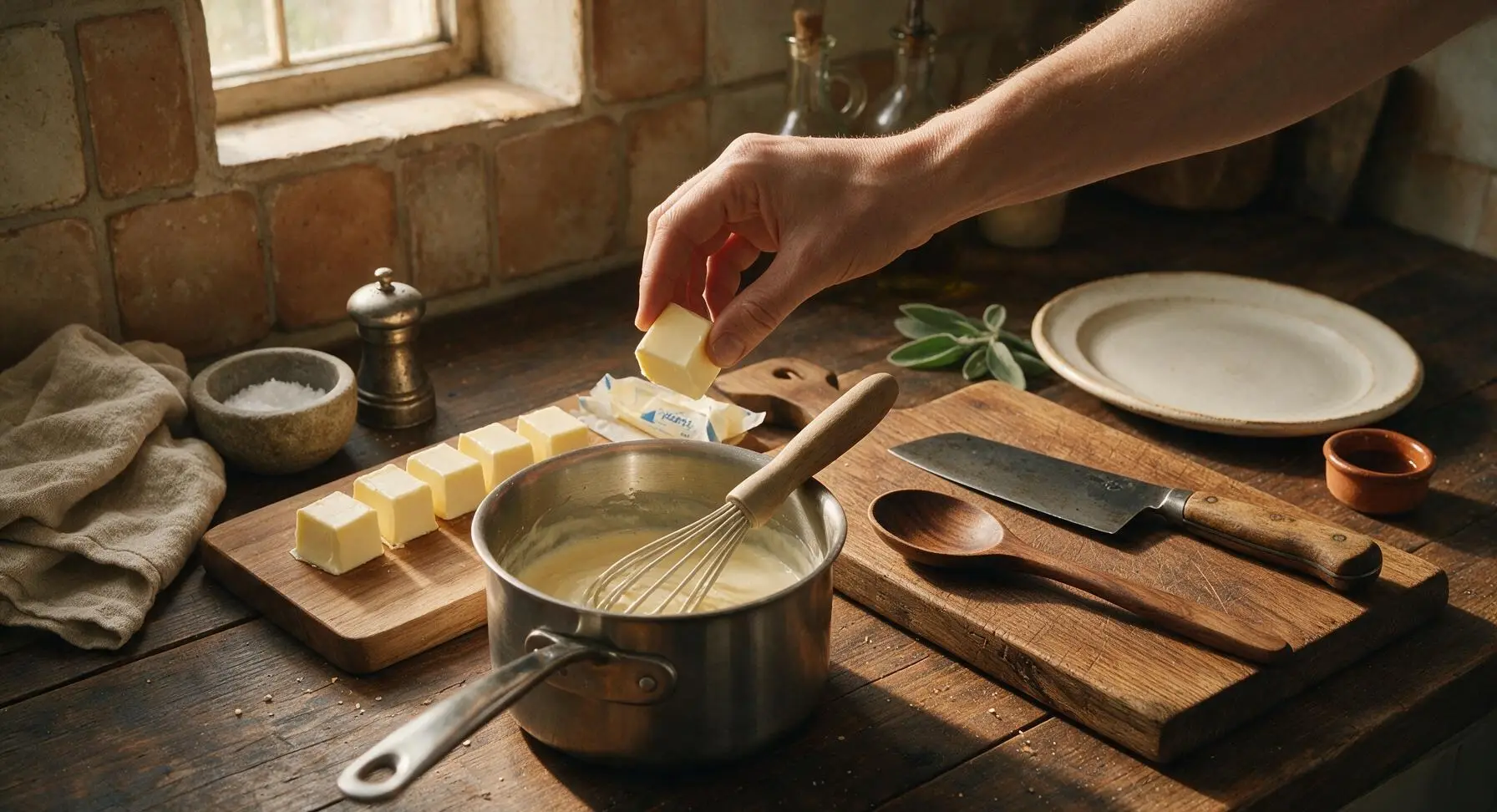
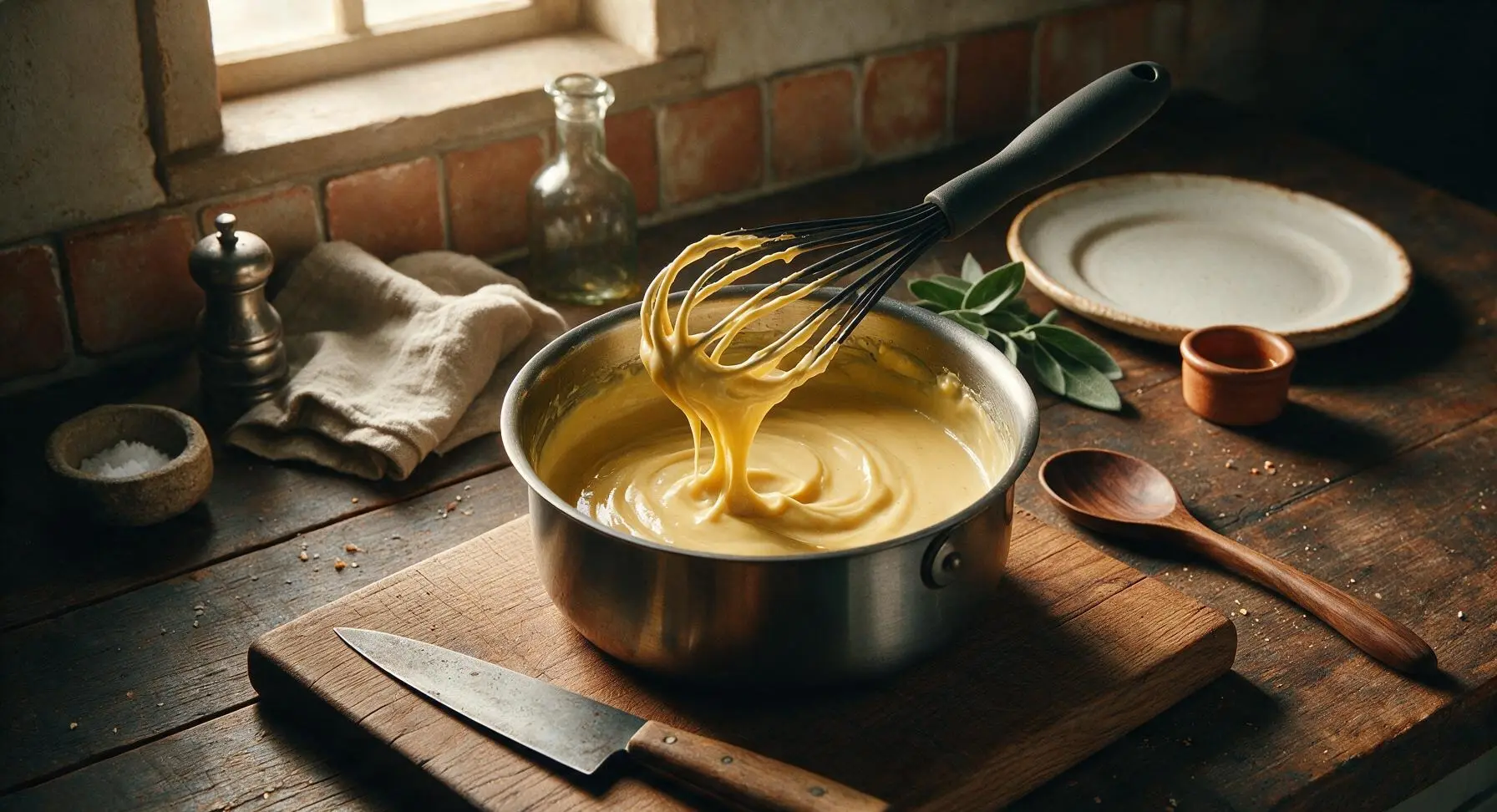
Step 4
step4:Emulsify Cold Butter
Step 4
step4:Emulsify Cold Butter
5

Strain for Silkiness

Set the 10cm fine-mesh stainless steel sieve over one of the clear glass prep bowls. Pour the warm butter sauce through the sieve, pressing gently on the soft cooked shallot pieces with the back of the beech wood spoon to extract all flavorful liquid. Discard the strained shallot solids left in the sieve. This step creates a perfectly silky, lump-free sauce texture that drapes smoothly over salmon, rather than having chewy bits of cooked shallot.
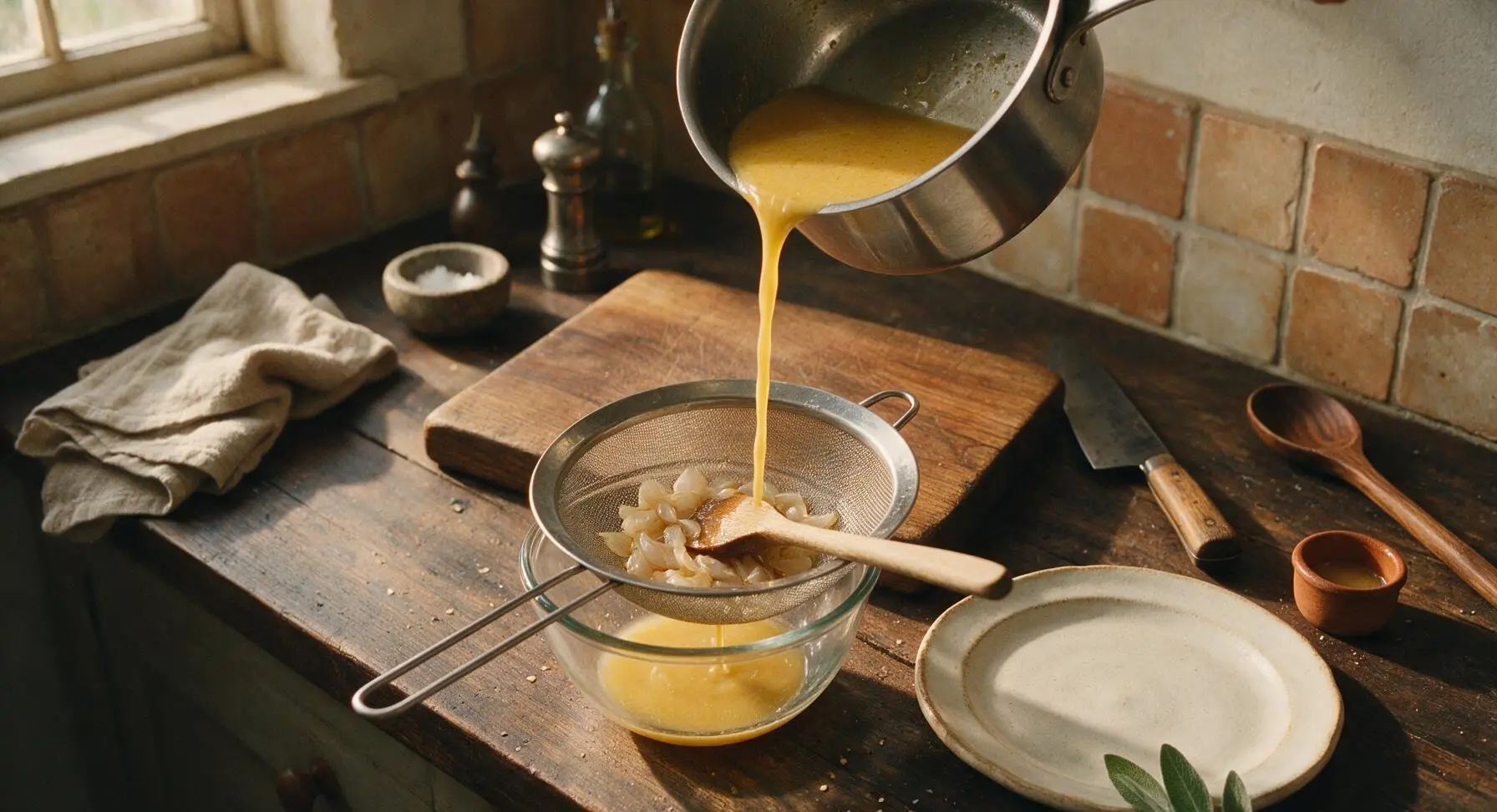
Step 5
step5:Strain for Silkiness
6

Season and Add Dill

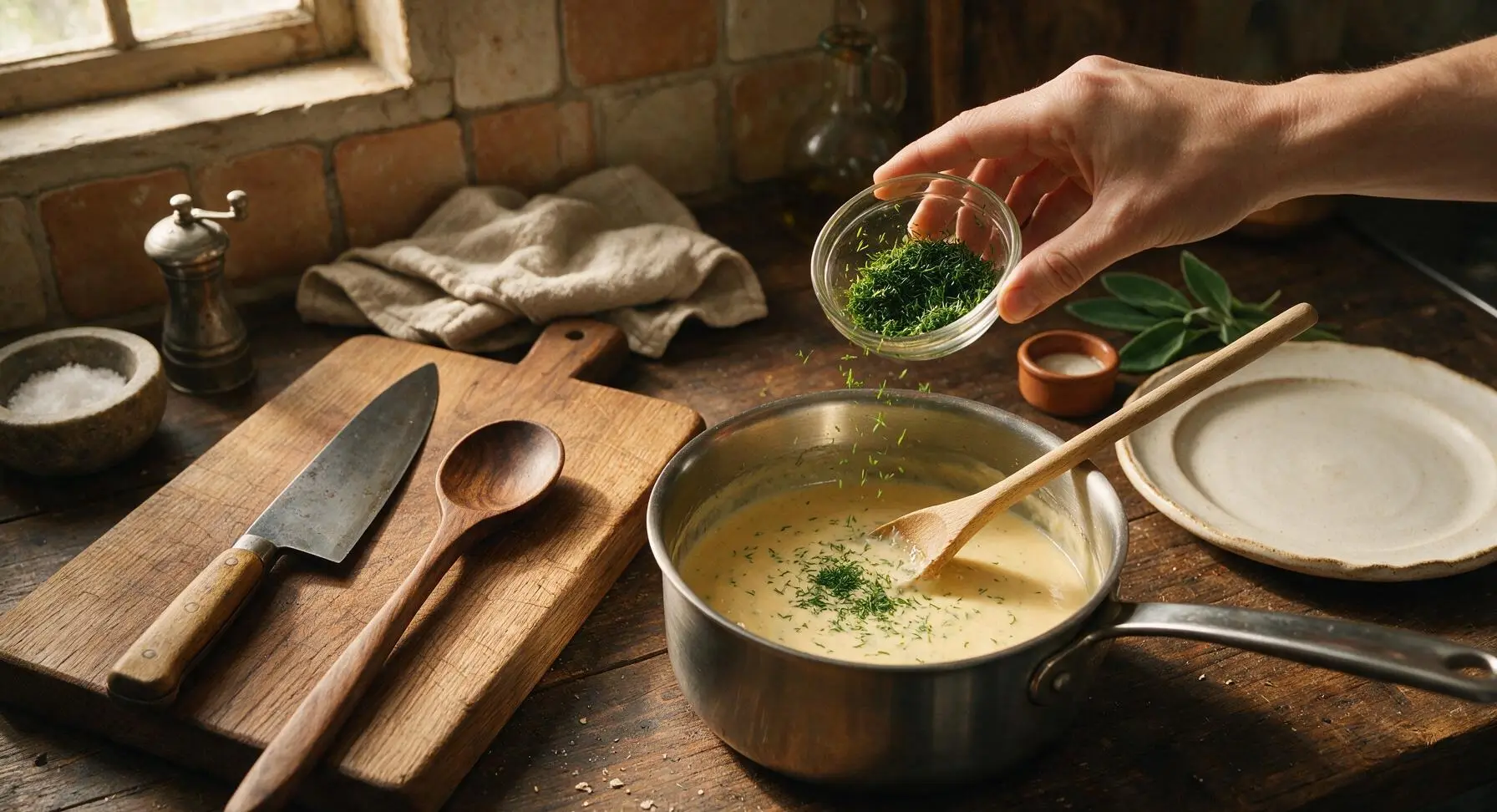
Pour the strained sauce back into the warm (not scalding hot) stainless steel saucepan. Stir in 2 tablespoons fresh lemon juice, 1/4 teaspoon kosher salt, 1/8 teaspoon freshly ground black pepper, and 3 tablespoons of finely chopped fresh dill (reserve a few whole dill fronds for garnish). Taste and adjust seasoning: add a pinch more salt if the sauce tastes flat, or an extra 1/2 teaspoon lemon juice if it feels too heavy and rich. Do not boil the sauce after adding lemon juice, as high heat will turn the citrus flavor bitter and dull the dill's bright taste.
Step 6
step6:Season and Add Dill
7

Plate and Serve Sauce

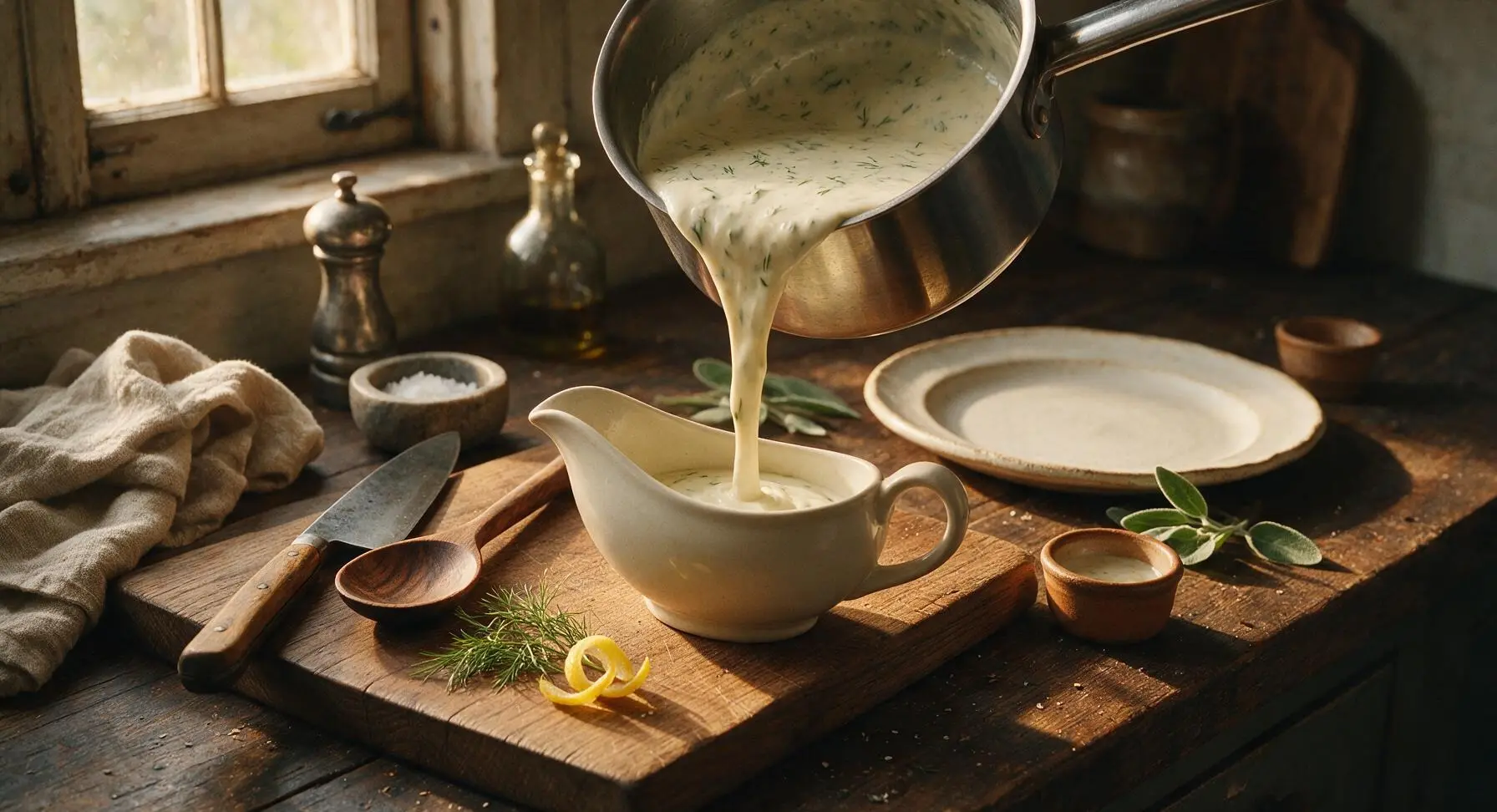
Pour the finished warm sauce into the matte cream white ceramic sauce boat. Top with a small sprig of reserved fresh dill and a thin curled twist of lemon zest as garnish. Serve immediately alongside pan-seared, baked, or grilled salmon, drizzling 2-3 tablespoons of sauce over each fillet. If holding the sauce for longer than 5 minutes before serving, keep it warm in a double boiler over barely simmering water (do not heat directly on high heat, as this will break the emulsion).
Step 7
step7:Plate and Serve Sauce

Tips

1.Always use butter straight from the refrigerator for emulsification: room-temperature or melted butter blends too quickly and will not form a stable, silky suspension, leading to a greasy, separated sauce that will not cling to salmon.
2.If your sauce breaks (look for clear yellow butter oil pooling on the surface), drop in one single ice cube and whisk vigorously over low heat for 10 seconds: the sudden cold temperature will shock the emulsion back together into a smooth, glossy sauce.
3.Avoid using dried dill for this recipe: dried dill has a flat, dusty, grassy flavor that clashes with the sauce's bright, delicate profile; fresh dill has a bright, subtle anise note that perfectly cuts through the richness of salmon and butter.
✨ You May Also Like

Seafood
🍜 United States

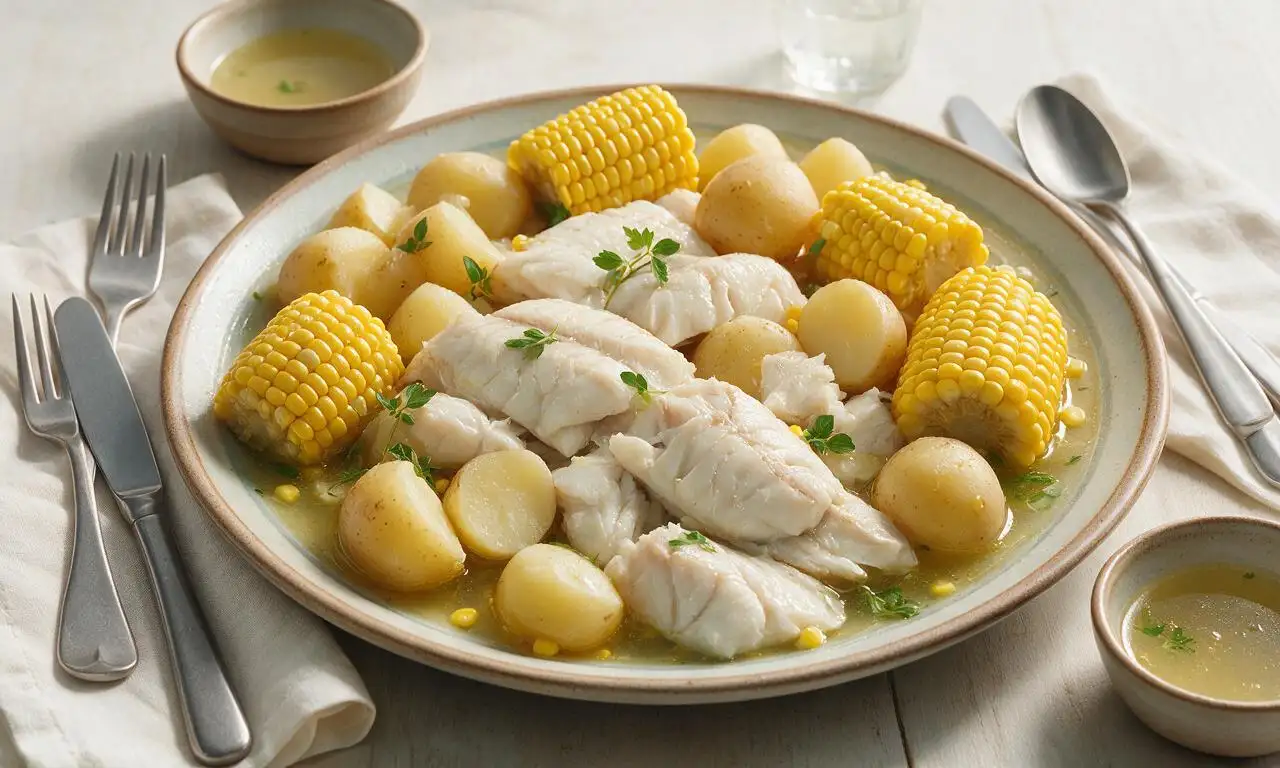
An iconic Door County, Wisconsin tradition of flaky boiled whitefish, tender potatoes, and sweet corn, cooked outdoors for casual, communal summer gatherings.

⏱️ 45 minuteSeafood ★ 4.7
Seafood
🍜 United States

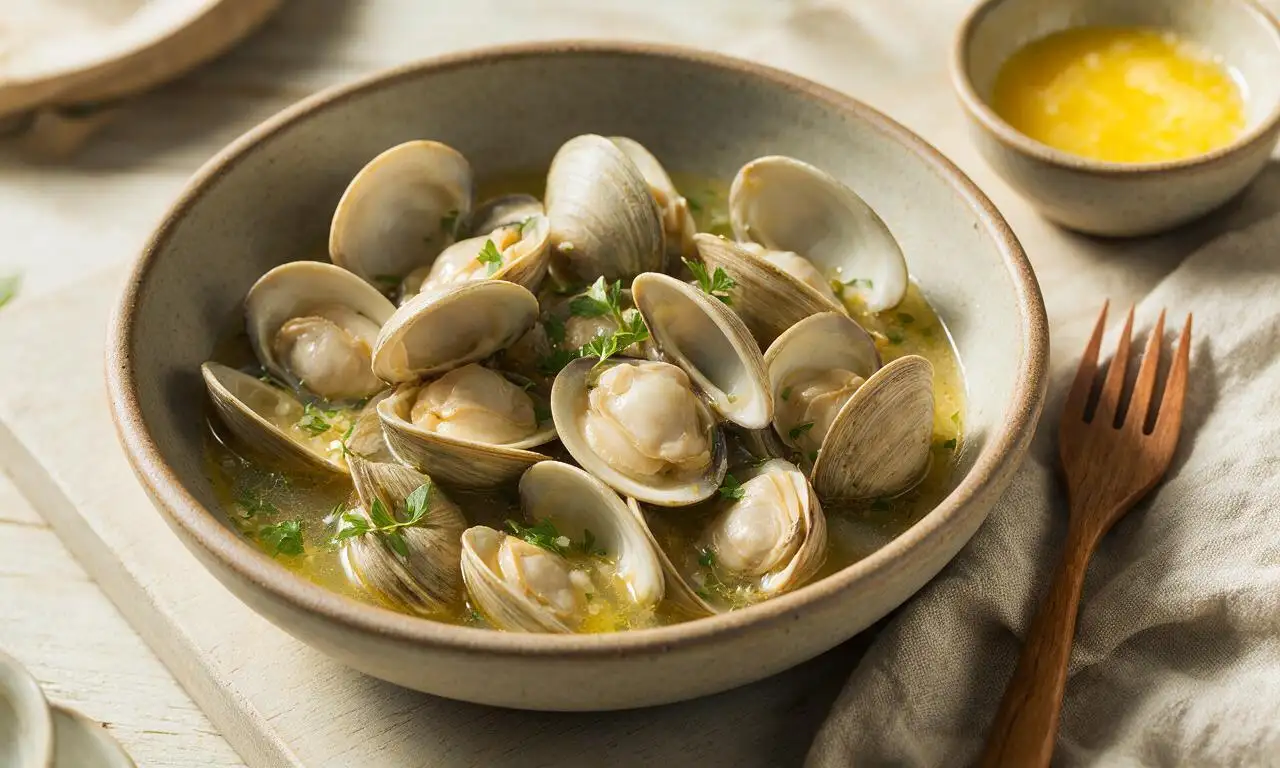
Tender, briny soft-shell clams steamed in garlicky white wine broth, served with warm broth and melted butter for dipping—classic coastal comfort food.

⏱️ 30 minuteSeafood ★ 4.7
Seafood
🍜 United States

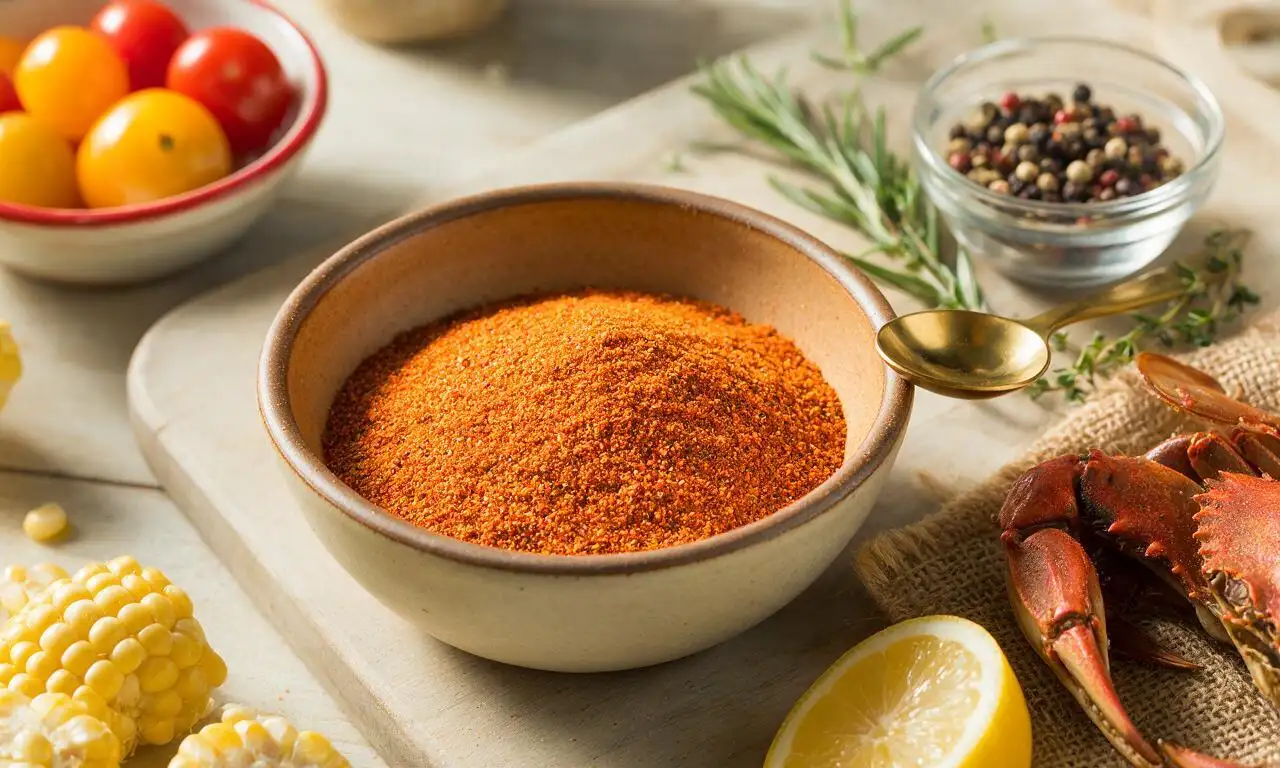
Iconic zesty, savory spice blend from Maryland’s Chesapeake Bay, perfect for seafood boils, grilled fare, fries, and corn, made fresh without preservatives.

⏱️ 10 minuteSeafood ★ 4.9
Seafood
🍜 China

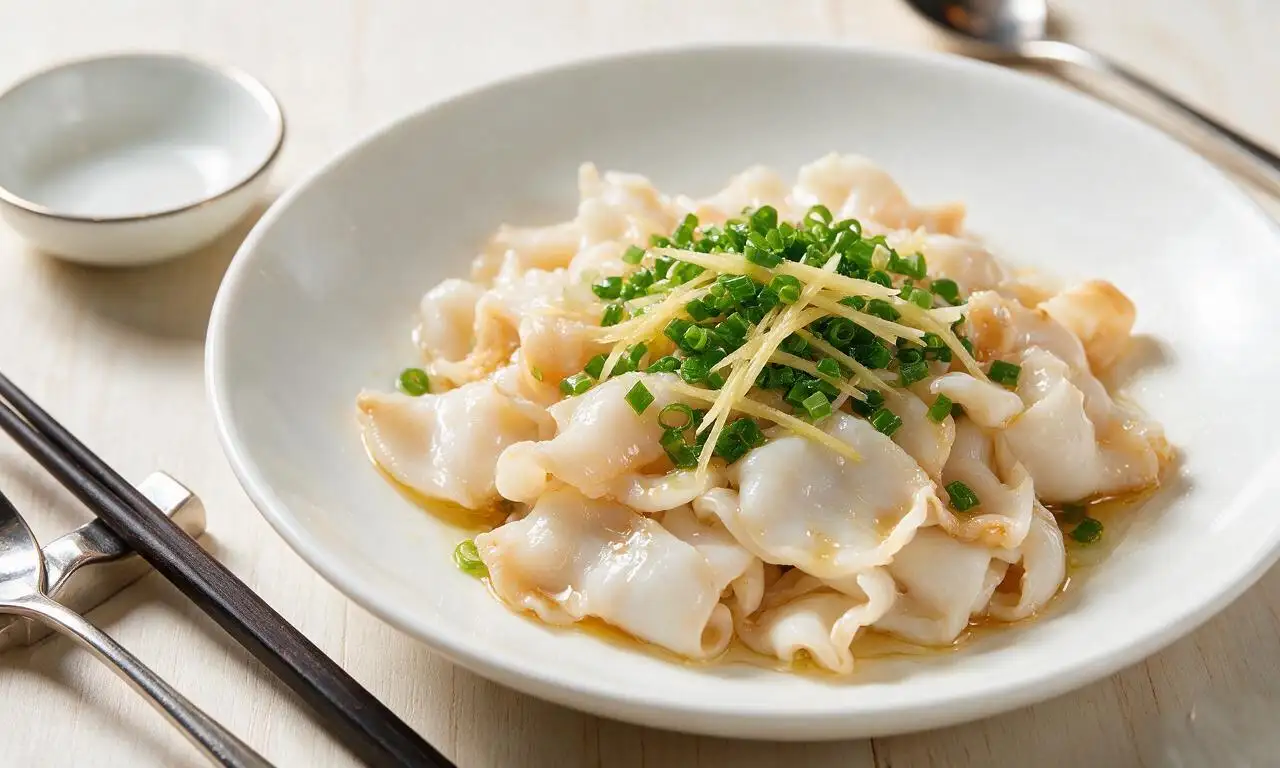
Tender, crisp, sweet blanched geoduck topped with fragrant sizzled ginger and scallion, a luxurious Cantonese dish highlighting the clam’s natural briny, delicate flavor.

⏱️ 30 minuteSeafood ★ 4.7
Seafood
🍜 United States

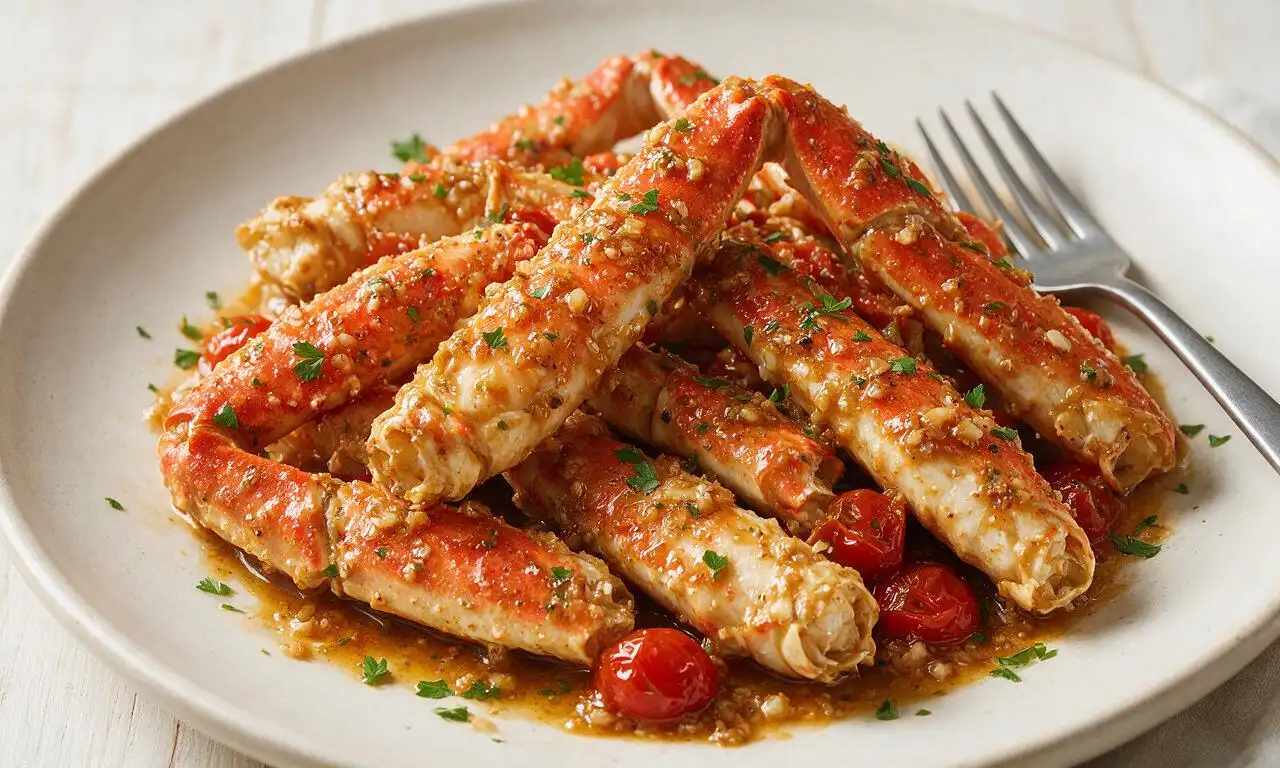
Succulent sweet crab legs coated in rich garlic butter, steamed to tender perfection for a juicy, indulgent seafood feast that requires minimal prep and cook time.

⏱️ 25 minuteSeafood ★ 4.7
Seafood
🍜 United States

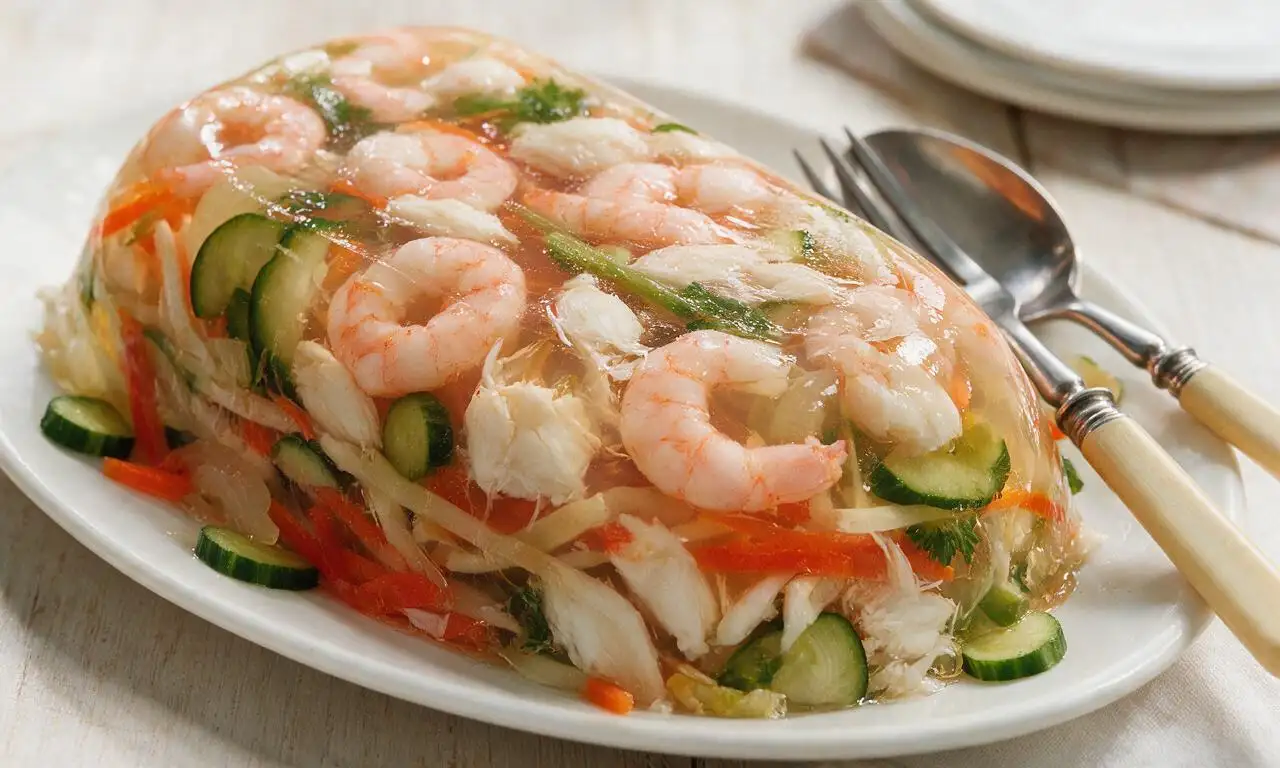
A nostalgic chilled jellied seafood staple of 1950s American potlucks, loaded with tender shrimp, lump crab, crisp veggies, and bright creamy tang.

⏱️ 4 hours 2Seafood ★ 4.6

salmon sauce:Frequently Asked Questions

1.Can I make this sauce without alcohol if I don’t have dry white wine? ▾
Absolutely! Swap the Sauvignon Blanc or Pinot Grigio for equal parts low-sodium chicken or vegetable broth mixed with 1 teaspoon of white wine vinegar to mimic that bright, acidic bite. Skip grocery store cooking wine—it’s loaded with added salt and preservatives that throw off the sauce’s delicate, balanced flavor, and simmer the replacement just as you would wine to mellow the vinegar sharpness.
2.Why does my sauce keep breaking or turning greasy instead of staying silky? ▾
That almost always happens from adding butter too fast, or using heat that’s too high. This is an emulsified butter sauce, so turn your burner to low, whisk in one small cube of cold unsalted butter at a time, and don’t add the next cube until the last is fully incorporated. If it breaks, whisk in a teaspoon of ice-cold water off heat to bring it back together fast.
3.Can I use dried dill instead of fresh dill for this sauce? ▾
Fresh dill is always best for that bright, grassy, aromatic pop, but you can use dried in a pinch—just use 1/3 the amount the recipe calls for, since dried herbs are far more concentrated. Stir dried dill in right as you finish the sauce, instead of adding it early, to keep its flavor from turning bitter or flat as it simmers.
4.How do I avoid harsh, bitter garlic flavor in the finished sauce? ▾
Garlic burns in seconds, so always mince it finely and add it to the pan after your shallot has softened, cooking it for only 30 to 45 seconds over medium-low heat until you just smell that warm, garlicky aroma. Don’t let it turn golden or brown, as that will give the whole sauce a sharp, bitter edge that clashes with bright lemon and smooth butter.
5.I don’t have shallots on hand—can I use regular yellow onion instead? ▾
You can, but use half the amount of finely minced yellow onion the recipe lists for shallots, and cook it a minute or two longer to soften its sharp, oniony bite. For the closest flavor match, add a tiny pinch of granulated garlic along with the fresh garlic to mimic shallots’ mild, slightly sweet profile that doesn’t overpower delicate salmon.
6.Should I add the fresh lemon juice while the sauce cooks, or at the end? ▾
Always stir fresh lemon juice in off the heat, right after you finish emulsifying the butter, to keep its bright, tangy flavor intact. If you boil lemon juice for too long, it turns harsh and bitter, and can even cause the emulsified butter to separate, ruining that luxuriously smooth texture made to pair with flaky salmon.
7.Can I freeze leftover sauce, or store it for later meals? ▾
This butter-based sauce doesn’t freeze well, as the emulsion will break completely when thawed and leave you with a greasy, separated texture. You can store leftovers in an airtight container in the fridge for up to 3 days, then reheat very gently over low heat, whisking constantly with a splash of cold water to restore the silky texture.
8.Is this sauce only meant for salmon, or can I use it on other dishes? ▾
While it’s crafted to complement rich, flaky salmon perfectly, it works beautifully on other mild, firm fish like cod or halibut, seared scallops, roasted asparagus, or even grilled chicken. Just hold back a little on the lemon juice if pairing it with lighter, more delicate proteins to keep flavors balanced instead of overpowering.
9.How do I fix the sauce if it turns out too thick or too thin? ▾
If your sauce gets too thick as it sits off heat, whisk in a tiny splash of warm water or leftover white wine a teaspoon at a time until it reaches a light, pourable consistency that coats the back of a spoon. If it’s too thin, return it to very low heat and whisk in one extra cold butter cube to tighten the emulsion.

Comments (3)

3 days ago

OMG this sauce is a total game changer! I threw this together last night for our weekly family salmon dinner and even my super picky 7 year old who swears he 'hates all green flecks in food' licked his plate clean. It's so fast to make too — that 12 minute cook time is no joke, perfect for chaotic weeknights when I don't have time to mess around with fancy steps. I added a tiny extra pinch of garlic powder because our whole family are garlic fiends and it was absolute chef's kiss. 10/10 will be making this on repeat for meal prep too!

2 days ago

Wait adding extra garlic powder sounds genius! Quick question — did you use fresh dill or dried? I only have dried dill in my pantry right now and really don't feel like making a special grocery run lol

yesterday

So glad your family loved it, Molly! Great call on the extra garlic — that's such a tasty, easy tweak. For Jake, dried dill works totally fine here, just use 1/3 the amount the recipe calls for fresh since dried herbs are way more concentrated! Hope you both love how it turns out.

1 week ago

I made this for my office potluck last weekend and literally everyone was hounding me for the recipe before we even finished lunch! It's so rich and creamy but doesn't feel heavy at all, and the bright lemon-dill flavor is perfectly balanced so it never overpowers the salmon. I was low-key stressed making it since I'm pretty new to cooking, but the easy difficulty rating was totally spot on — zero lumps in the sauce on my first try, no kitchen disasters to report. My only little tweak was squeezing a tiny bit of extra fresh lemon on top right before serving for an extra zing.

5 days ago

We love hearing this, Luna! So proud of you nailing the sauce on your first try, especially for a potluck — that's such a win. The extra lemon squeeze right at the end is one of our favorite little pro tips too, it really makes all the flavors pop!

5 minutes ago

Really solid, reliable sauce! I was scrambling last minute for something to dress up the frozen salmon fillets I had stashed in the freezer and this absolutely hit the spot. Cook time was exactly as advertised, no weird unexpected steps or ingredients. I paired it with roasted asparagus and quinoa for a super quick, filling weeknight meal and it was SO good. Already added this to my regular dinner rotation.