1.Why do I need to use dry-packed sea scallops instead of cheaper wet-packed options?
▾
Great question! Wet-packed scallops are treated with a sodium tripolyphosphate preservative that makes them absorb extra water, so they steam instead of searing when heated, leaving pale, rubbery, slightly soapy-tasting results. Dry-packed scallops have no added additives, so they develop that perfect crisp golden crust and have a clean, sweet, briny natural flavor.
2.How do I properly pat scallops dry to get a good sear?
▾
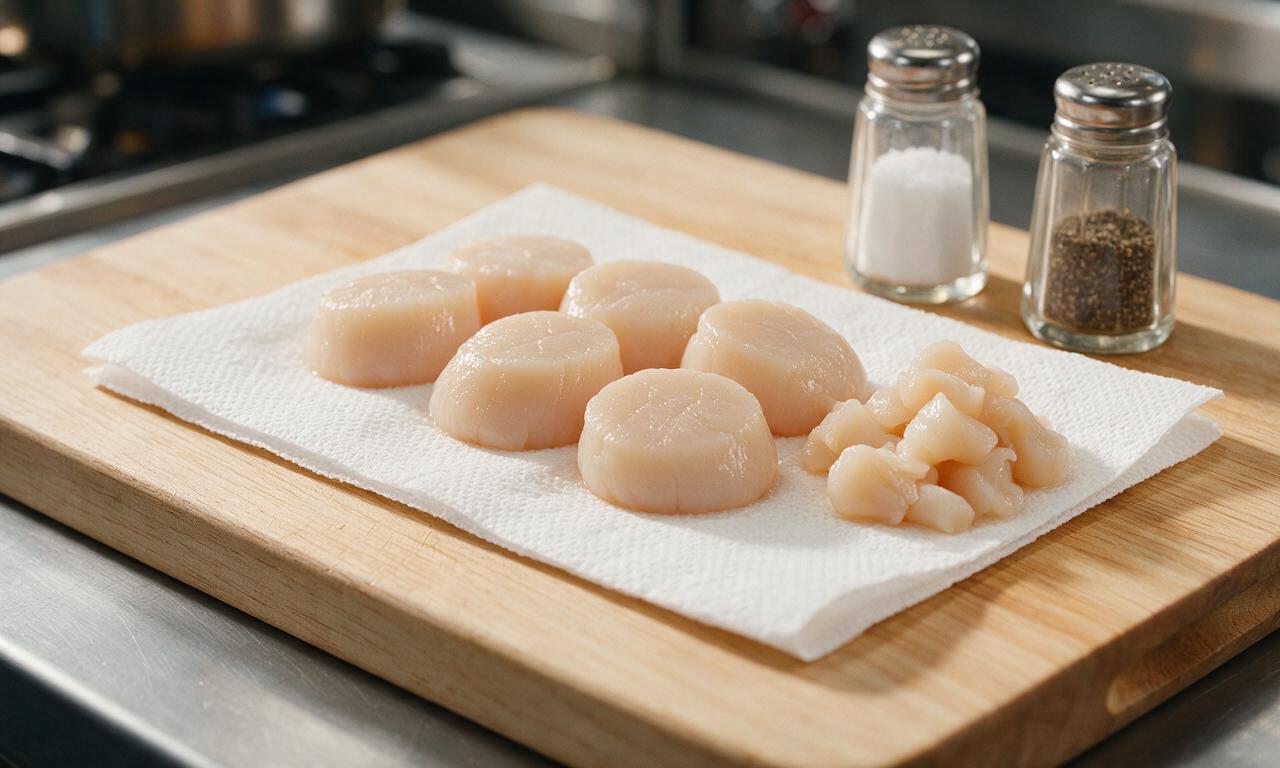
This step is non-negotiable for that signature crisp crust! Lay scallops out on a double layer of paper towels, pat the tops firmly with another paper towel, then let them air dry for 5 minutes at room temperature right before seasoning. Any lingering surface moisture will make them steam instead of forming that golden, crunchy sear you want.
3.What size scallops work best for pan-searing?
▾
Stick to large sea scallops, usually labeled U-10 or U-15, which means there are 10 or 15 per pound respectively. Smaller bay scallops are too delicate and tiny for this high-heat searing method—they cook in seconds, overcook easily, and won’t develop that satisfying thick, crisp crust this recipe is designed for.
4.Why do you use both olive oil and butter for searing scallops?
▾
That combo gives you the best of both worlds! Extra-virgin olive oil has a higher smoke point than butter alone, so it prevents fat from burning at the high heat needed for a good sear. The unsalted butter adds rich, nutty flavor that pairs perfectly with sweet scallops, and helps the crust turn an even, deep golden brown.
5.How hot should my pan be before adding scallops?
▾
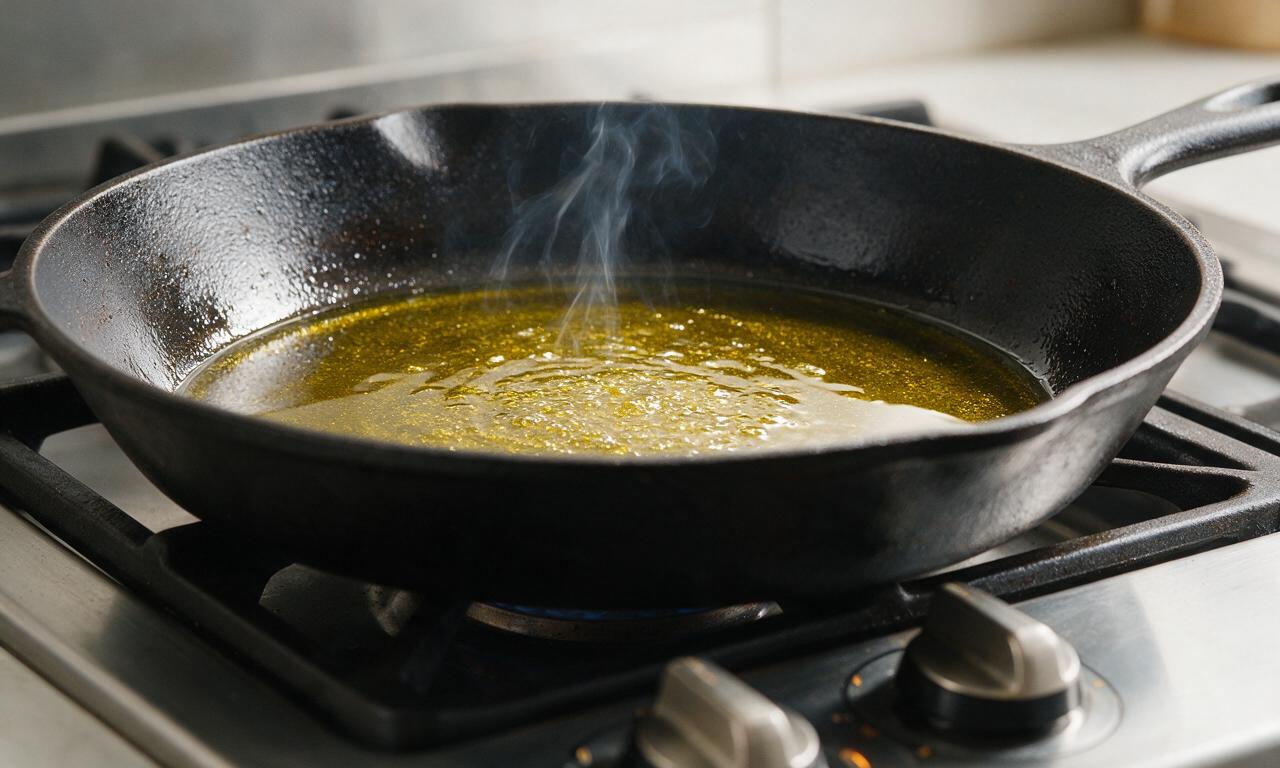
Your pan needs to be screaming hot! Heat the oil over medium-high heat until it just starts to shimmer and send up tiny wisps of smoke. If the pan isn’t hot enough, scallops will stick, release internal moisture, and steam instead of searing. Test one tiny edge first: if it sizzles loudly on contact, you’re ready to cook.
6.How do I keep scallops from sticking to the pan?
▾
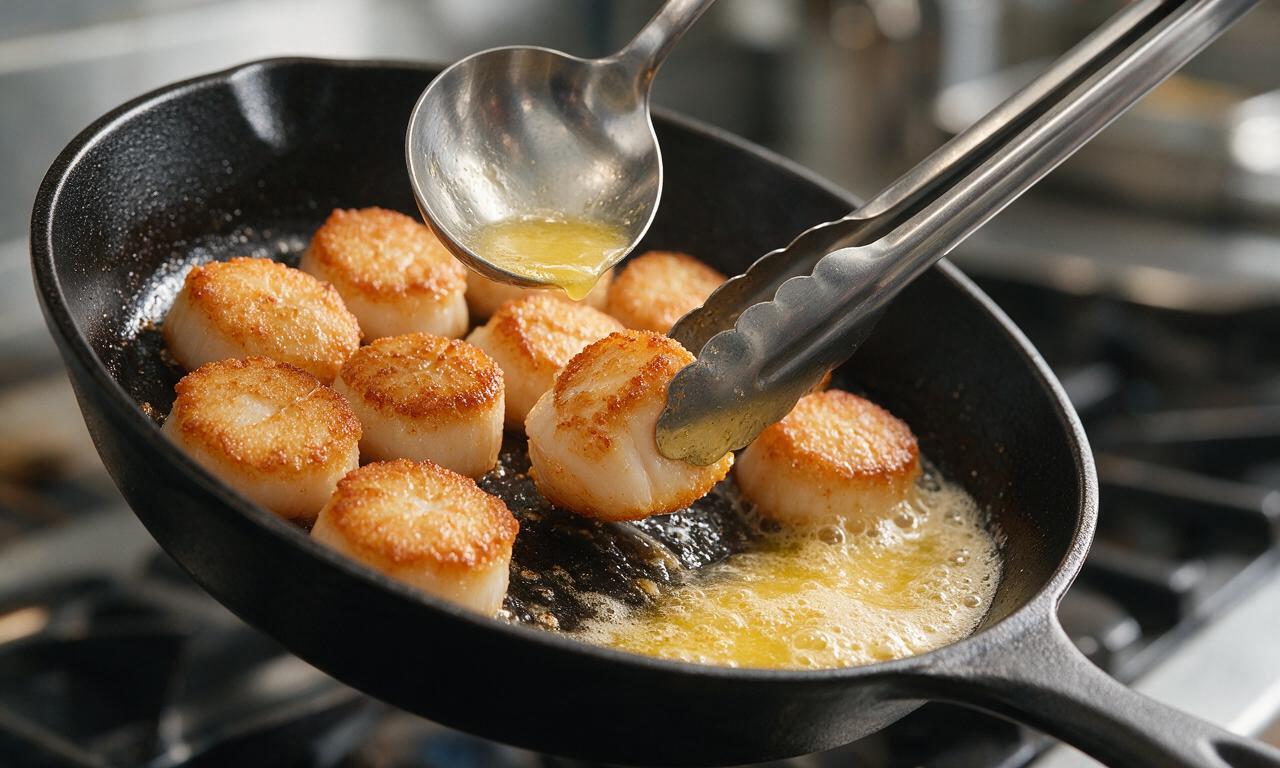
Three easy rules prevent sticking: start with completely dry scallops, make sure your pan and oil are fully preheated to that sizzle-ready shimmer point, and don’t move the scallops once you set them down. If you try to flip too early, they’ll tear and stick—they release naturally once the crisp crust is fully formed, after 2 to 3 minutes.
7.How long do I cook scallops on each side for perfect results?
▾
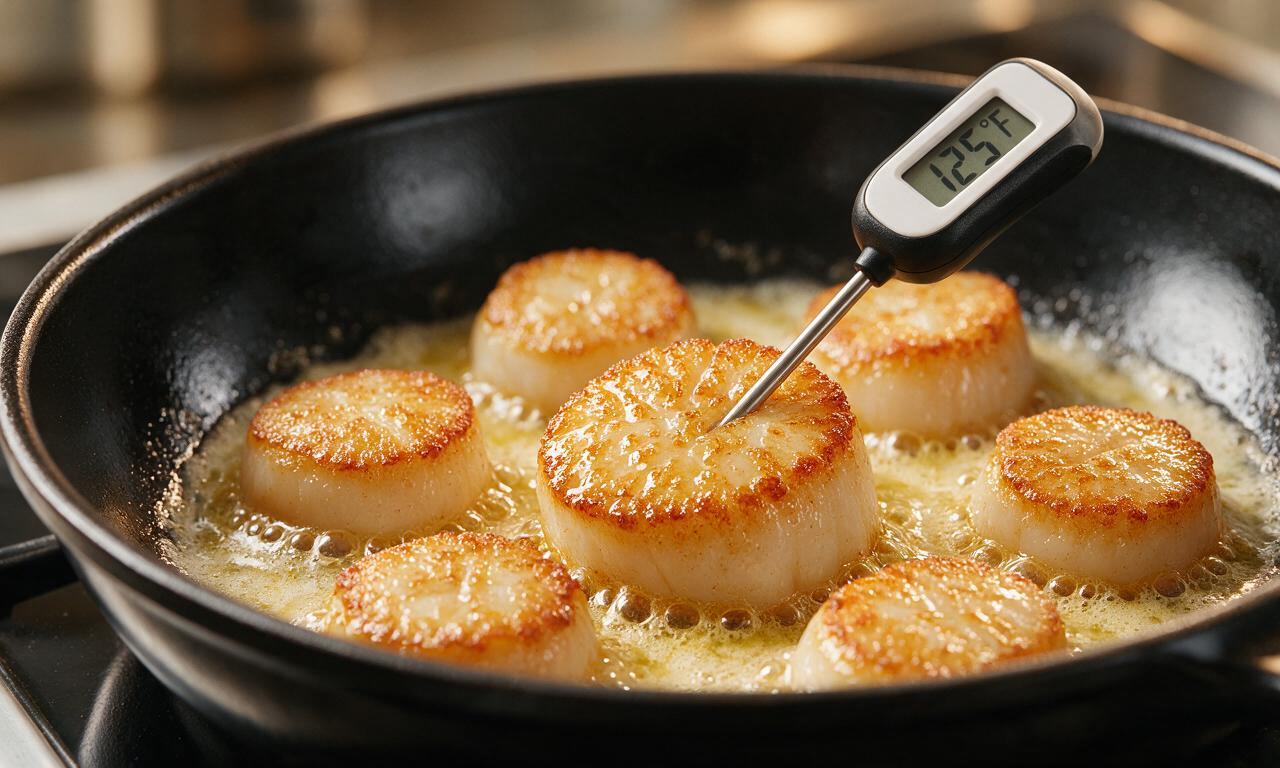
For large U-10 sea scallops, cook 2 to 2.5 minutes on the first side until you see a deep golden, crisp crust climb 1/3 of the way up the scallop side, then flip and cook just 1 to 1.5 minutes on the second side. The center should be slightly translucent and spring back gently when touched for that tender, buttery bite.
8.How do I know when scallops are done so I don’t overcook them?
▾
Overcooked scallops turn rubbery and tough fast, so watch for two key cues: they’ll have a thick golden crust on the first seared side, and the center will be opaque around the edges with just a faint pearlescent, soft center when nudged with a fork. Remember, they’ll keep cooking for a minute off heat from residual carryover, so err on the early side.
9.When is the right time to season scallops with salt and pepper?
▾
Season them right before you add them to the pan! Pat them dry first, then sprinkle both sides generously with kosher salt and freshly ground black pepper the second your pan is fully heated and ready to go. If you salt them too early, the salt will draw out excess moisture, ruining that dry surface you worked to create for a crisp sear.
10.Can I use frozen scallops for this recipe?
▾
Absolutely, as long as you thaw and prep them correctly! Choose frozen dry-packed sea scallops, thaw them slowly in the fridge overnight, then drain off all excess liquid and pat them extremely dry with paper towels—even more thoroughly than fresh scallops—to remove all surface moisture before searing, and you’ll get nearly identical results to fresh.
11.Should I remove that little tough side muscle from scallops before cooking?
▾
Yes, always! That small, rectangular, slightly rubbery muscle attached to the side of each scallop stays chewy when cooked. Just pinch it with your thumb and forefinger and pull it gently away from the scallop before you pat them dry. It comes off easily, and removing it ensures every bite is perfectly tender with no unexpected chewy bits.
12.Why do my scallops always turn out rubbery?
▾
Rubbery scallops almost always come from two common mistakes: overcooking them, or using a pan that isn’t hot enough so scallops sit in the pan releasing moisture and steaming instead of searing fast. Stick to the short cook times, preheat your pan properly, don’t overcrowd the pan, and pull them when the center is just barely soft to avoid that tough texture.
13.How many scallops can I cook in the pan at one time?
▾
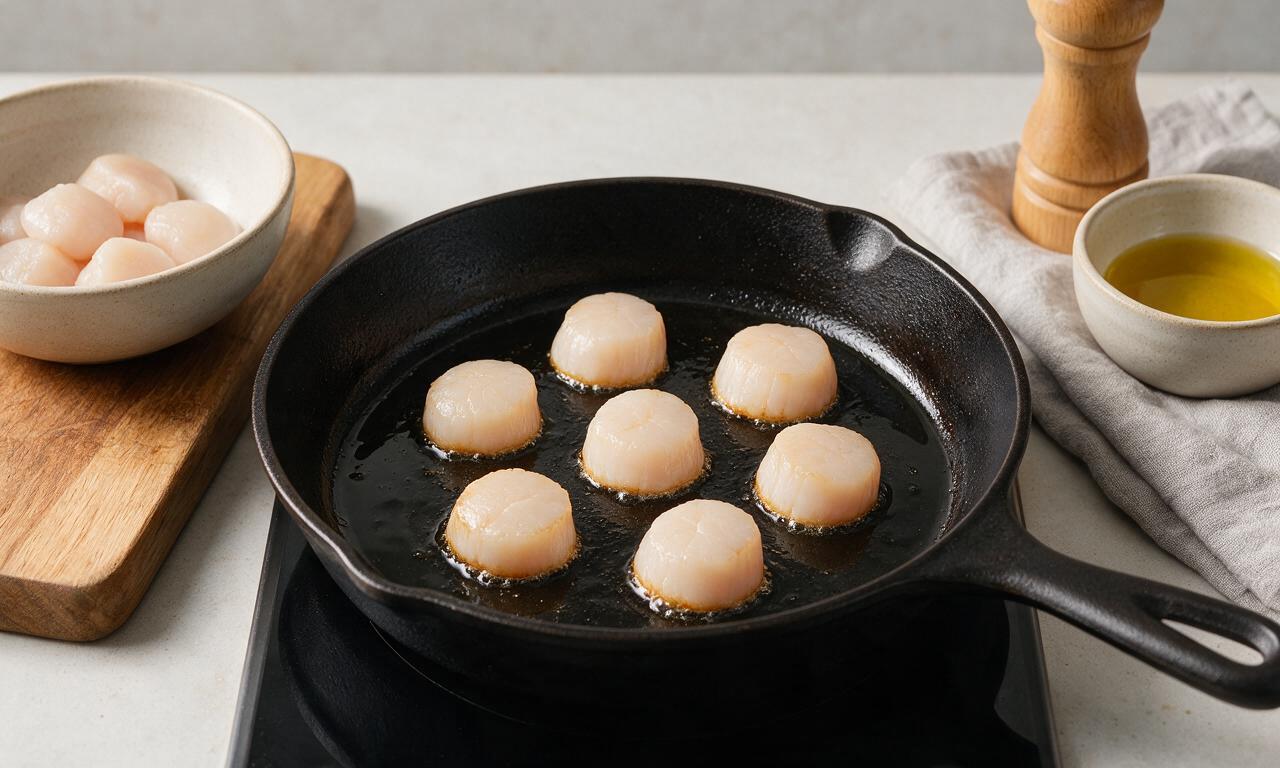
Don’t overcrowd the pan—leave at least 1 inch of space between each scallop, even if that means cooking them in 2 batches. If you cram too many in at once, the pan temperature drops dramatically, and scallops will release their juices and steam instead of searing, leaving you with pale, soggy scallops instead of crisp-crusted ones.
14.Do I need a cast iron pan to make perfect pan-seared scallops?
▾
Cast iron works fantastically because it holds high, even heat really well, but you don’t need one! A heavy-bottomed stainless steel skillet works just as beautifully, as long as it’s thick enough to maintain consistent heat without hot spots. Avoid thin nonstick pans, since they usually can’t handle the high heat needed for a deep golden crust.
15.Can I add garlic or fresh herbs to the pan while cooking?
▾
You absolutely can, but add them at the very end! After you flip the scallops for the final 1 minute of cook time, toss in a smashed garlic clove, a sprig of fresh thyme, or a pinch of lemon zest, and baste the scallops with the melted infused butter. Adding them earlier will make them burn and turn bitter at high searing heat.
16.Should I rinse scallops under water before cooking them?
▾
Give them a very quick, light rinse only if you see bits of broken shell or sand on them, then pat them completely dry immediately after. Don’t soak them in water, and never rinse for longer than a few seconds—scallops absorb water really easily, and all that extra moisture will make them steam instead of searing, even with thorough patting.
17.What’s that white milky liquid that comes out of scallops as I cook them?
▾
That’s excess moisture leaching out of the scallops, usually from wet-packed scallops treated with preservatives, under-dried scallops, or a pan that wasn’t hot enough when you added them. When that liquid releases, it pools in the pan and steams the scallops instead of letting them sear, which is why drying and high heat are so critical for great results.
18.What are the best sides to serve with these scallops for a special meal?
▾
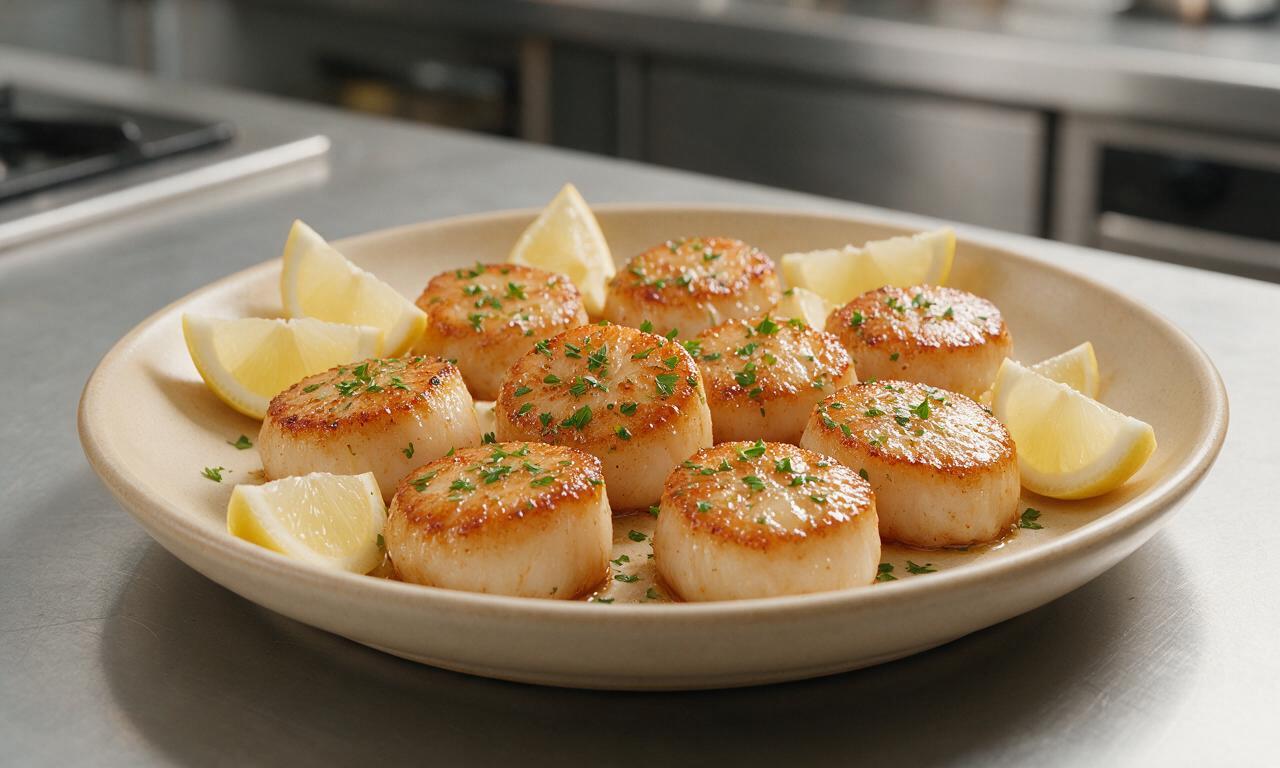
These scallops are rich and delicately flavored, so pair them with light, simple sides that don’t overpower their sweet, briny taste. Serve them over creamy risotto, roasted asparagus, lemon butter pasta, or a simple arugula salad with light lemon vinaigrette. A tiny squeeze of fresh lemon right before serving brightens the flavor perfectly without extra fuss.
19.How do I store and reheat leftover cooked scallops without making them tough?
▾
Leftover scallops will keep in an airtight container in the fridge for up to 2 days, but reheat them gently to avoid rubbery texture. Warm them low and slow in a skillet over low heat with a tiny pat of butter for 1 to 2 minutes, just until heated through—skip the microwave or high-heat reheating, which will turn them tough and chewy fast.

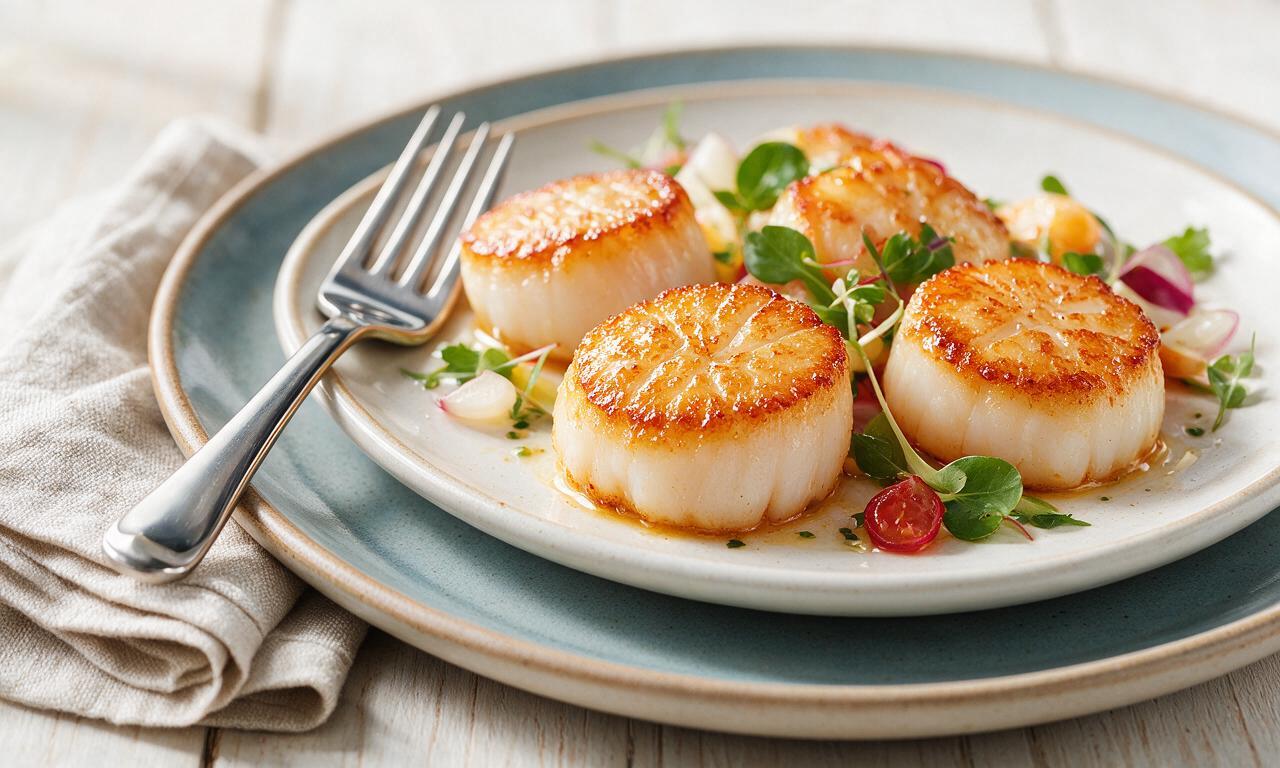
OMG these came out SO good! I’ve been scared to cook scallops at home for years because I always overcook them into rubbery little pucks, but this method worked perfectly on the first try! Served them over garlic butter pasta for my husband’s birthday dinner and he raved the whole meal. Total game changer, will be making these at least twice a month now!
15 minute cook time is no joke! I made these last night for meal prep to toss on salads all week, and they held up way better than I thought they would. Only thing I added was a tiny squeeze of fresh lemon at the end, chef’s kiss. My roommate stole three off my plate before I even finished plating lmao
Caught a bunch of fresh sea scallops on my deep sea fishing trip last weekend and used this recipe to cook em up for the guys at our camp potluck. Everyone was asking for the recipe by the end of the night! Crust was perfectly crispy, inside was sweet and tender, couldn’t have asked for better results.
Uh, mine stuck really bad to the pan even though I used canola oil? What did I do wrong? I heated the pan for like a minute I think, maybe not long enough? Flavor was still good but half the scallop ripped off when I tried to flip them 😭
My kids loved it!!! I was so sure they’d turn their noses up at scallops because they always complain about “fancy seafood” but they ate every last bite and asked if we can have this for our Sunday family dinner every week. I served it with roasted asparagus and parmesan risotto, such a perfect easy fancy meal for when we have friends over too!
Added a pinch of red pepper flakes to the garlic butter baste and WOW, that little kick was insane. If you like a tiny bit of heat, do not sleep on that hack! Seared up perfectly, 10/10 will be making this for our next game night spread.
Made these for my partner’s birthday date night at home and they thought I ordered from a fancy downtown steakhouse! Total win, the recipe was so straightforward even though I was nervous to mess up a fancy dish. Worth every minute, even with the extra step of patting the scallops dry.
So happy this recipe is naturally gluten free! I’ve been looking for easy appetizers for my sister’s bridal shower next month and these are going to be perfect – bite sized, fancy, and everyone loves scallops. Quick question – can I use frozen scallops for this or do I have to splurge on fresh?