1.Why does this recipe call for broken long-grain white rice instead of regular long-grain rice?
▾
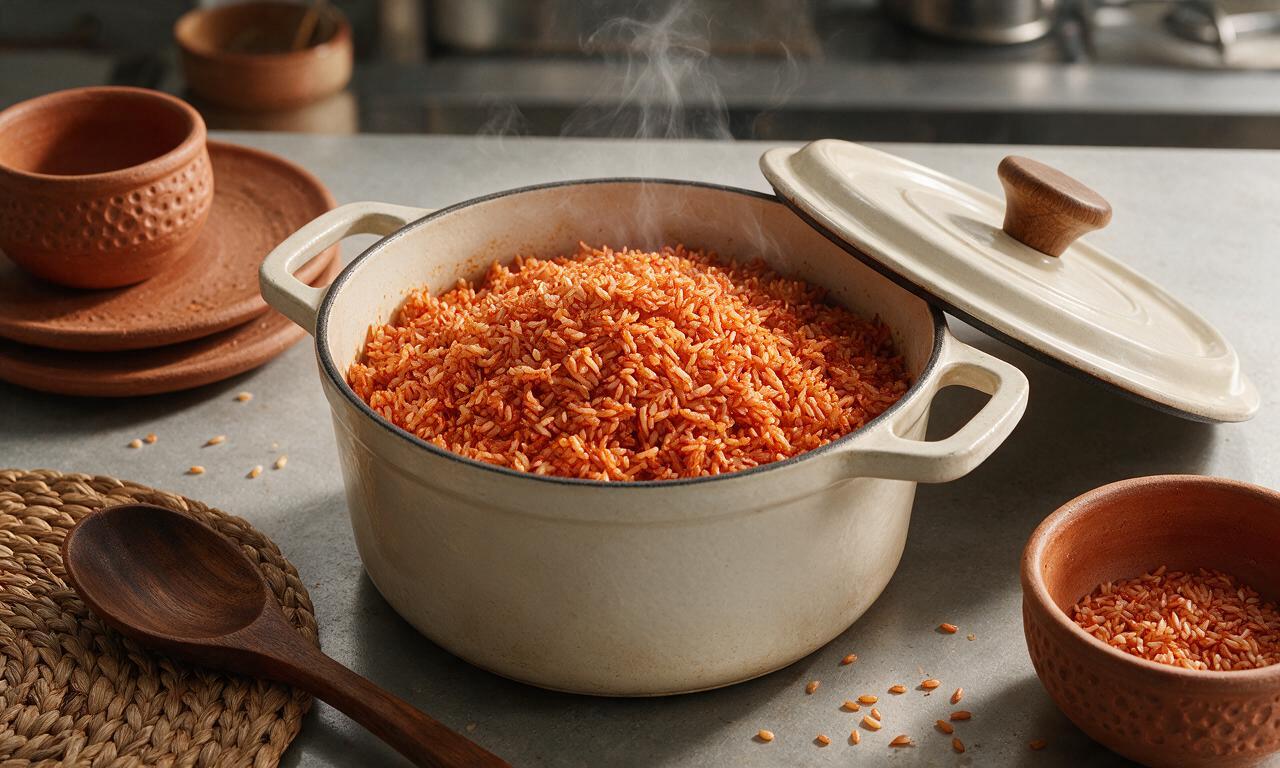
Broken long-grain rice is the traditional choice for Thieboudienne because it absorbs the rich, spiced simmering liquid far better than whole long-grain grains, creating that signature fluffy, evenly seasoned texture without turning mushy. If you only have whole long-grain, gently crush a small portion in a dry blender for 2-3 seconds to mimic the broken grain size before cooking.
2.Can I use boneless, skinless fish fillets instead of skin-on red snapper steaks?
▾
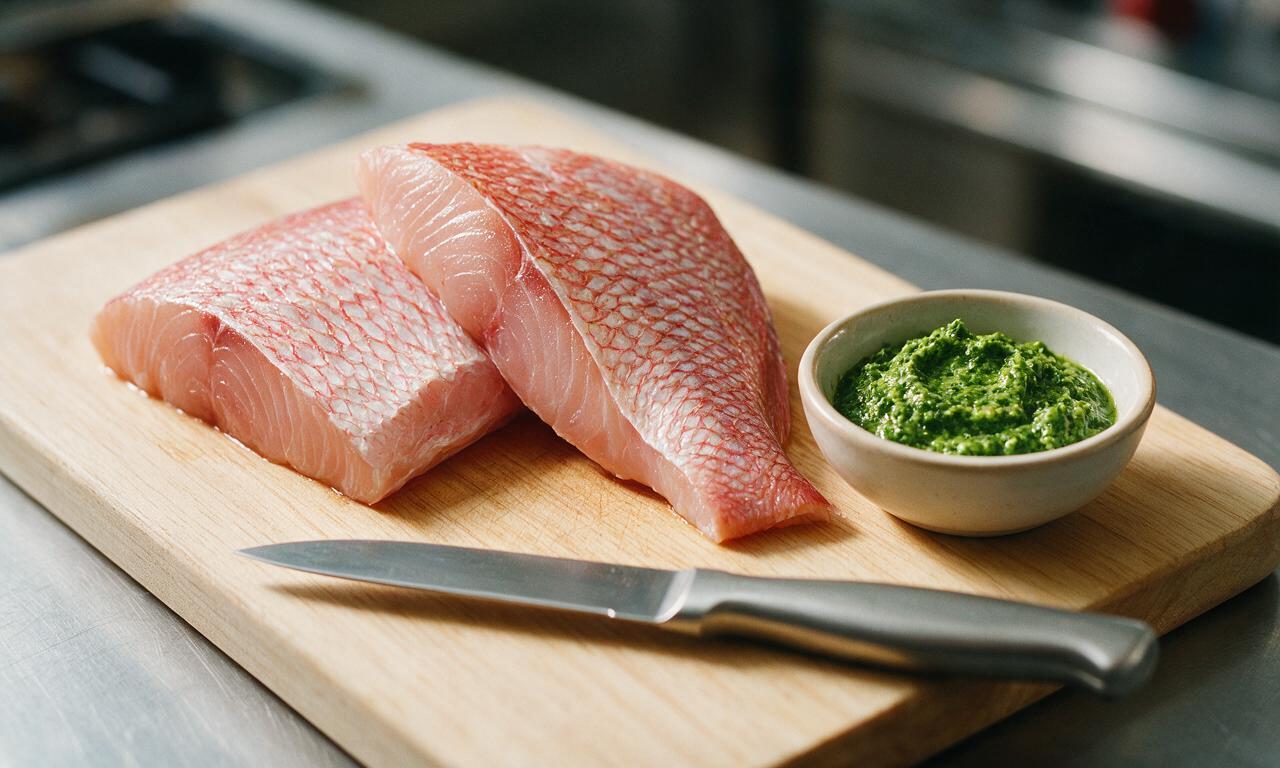
Skin-on, bone-in 1-inch thick snapper steaks are ideal because the skin and bone add deep savoriness to the simmering broth as the dish cooks, and the thick cut holds up well to slow simmering without falling apart. If you use boneless, skinless fillets, cut them extra thick and add them 10 minutes later in the cook time to avoid tough, overcooked fish.
3.Do I have to use vegetable oil for this recipe, or can I swap it for a different oil?
▾
Neutral vegetable oil is traditional for building Thieboudienne’s flavorful base, as it won’t overpower the warm, aromatic spices and delicate fish flavor. You can swap it for canola or refined peanut oil if that’s what you have on hand, but avoid strongly flavored oils like extra-virgin olive oil, as they will clash with the dish’s balanced, warm spice profile.
4.What root vegetables are traditionally added to Thieboudienne?
▾
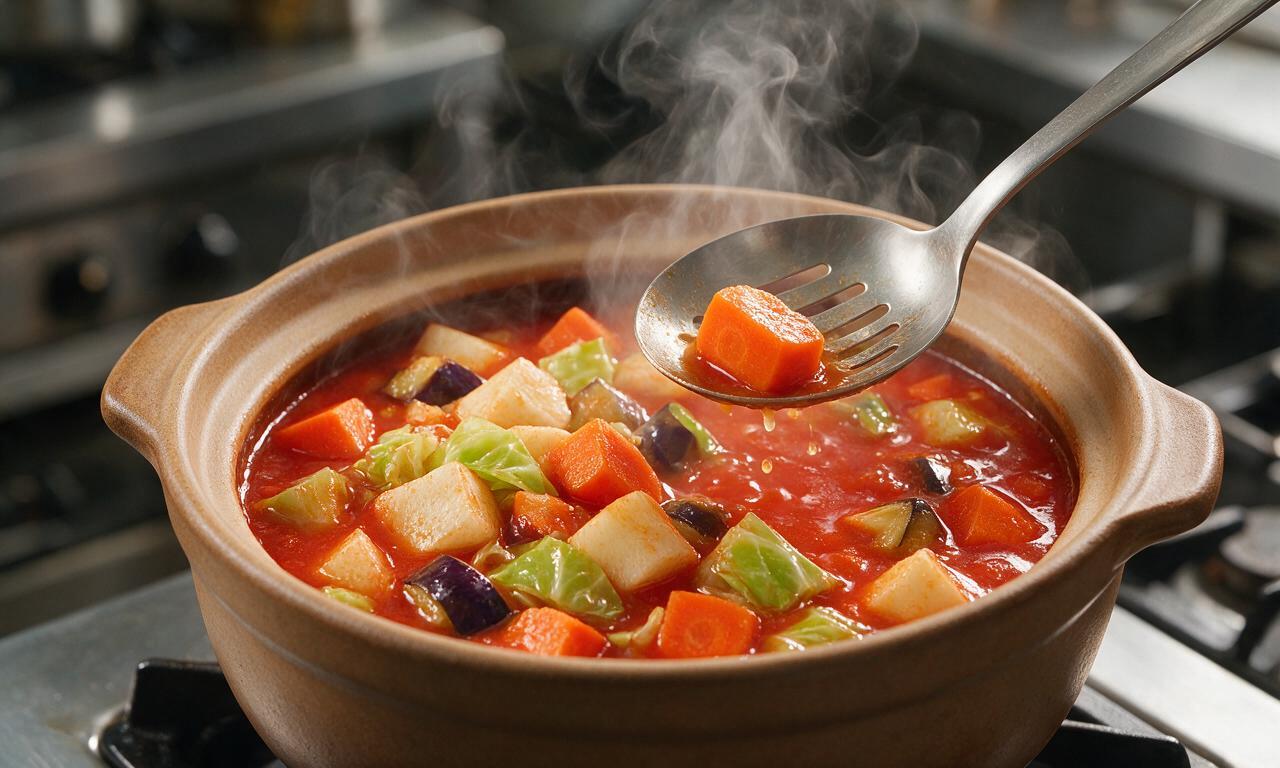
Classic Thieboudienne uses hearty, slow-simmered root veggies that hold their shape during long cooking, including cassava, sweet potato, carrot, and turnip, plus occasional chunks of green cabbage or eggplant. Cut all veggies into large 2-inch chunks so they don’t turn mushy, and add firmer veggies like cassava a few minutes early for even doneness.
5.Why is Thieboudienne such a beloved communal meal in Senegal?
▾
Thieboudienne is designed to cook in one large shared pot and serve family-style on a single big platter for groups to gather around, making it a natural fit for family gatherings, holidays, and community events. Its deeply comforting flavor and easily scalable recipe work just as well for a crowd of 10 as for a small weeknight family dinner.
6.How do I keep the fish steaks from falling apart while the rice simmers?
▾
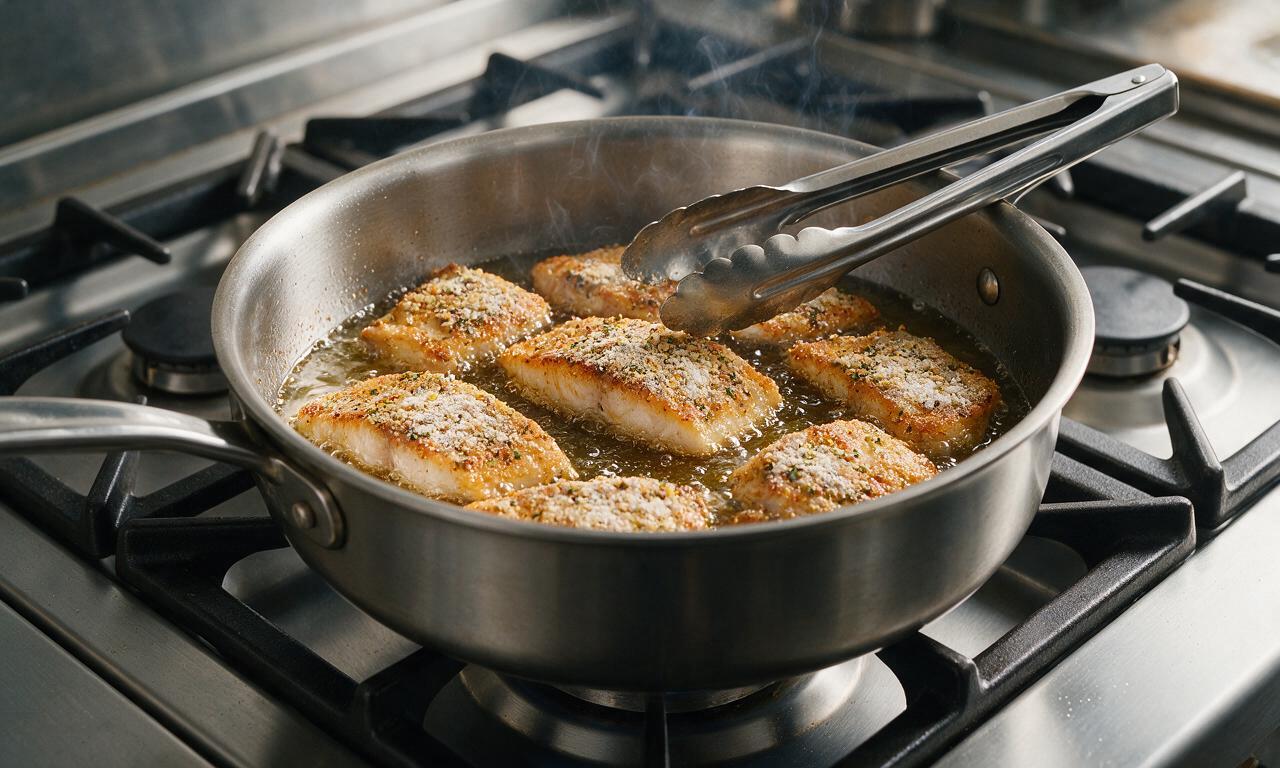
Start by patting your 1-inch thick snapper steaks completely dry before searing them in hot oil to build a crisp, firm outer layer that holds together during simmering. Avoid stirring the pot aggressively once rice and fish are added; instead, gently shake the pot to distribute ingredients, and simmer undisturbed over low heat to prevent breakage.
7.What spices are typically used to season authentic Thieboudienne?
▾
The signature warm, aromatic spice blend usually includes ground cumin, coriander, smoked paprika, a pinch of cayenne for gentle heat, crumbled dried bay leaves, and a small amount of tomato paste for depth and rich color. Many home cooks add a spoonful of fermented locust bean for umami, though you can skip it if it’s hard to source.
8.Can I make Thieboudienne ahead of time for a gathering?
▾
Thieboudienne actually tastes even better when made a day ahead, as the rice has time to absorb more of the spiced broth flavor as it rests. Let the fully cooked dish cool completely, then store it in an airtight container in the fridge for up to 3 days. Reheat gently in a covered pot over low heat with a splash of water to fluff rice back up.
9.My rice always comes out mushy when I make one-pot rice dishes—how do I avoid that here?
▾
First, stick to a ratio of 2 parts liquid to 1 part broken rice, as extra liquid will turn grains mushy. Once you bring the pot to a simmer, turn heat to the lowest setting, cover tightly with a lid, and resist lifting the lid to stir while the rice steams. Let it rest 10 minutes off heat after cooking to let excess moisture evaporate before fluffing.
10.Is there a vegetarian or vegan version of Thieboudienne I can make?
▾
Absolutely! To make a plant-based version, swap the fish for extra-firm pressed tofu or large portobello mushroom chunks seared until crisp, and use vegetable broth instead of fish-based simmering liquid. Keep all traditional spices, vegetables, and broken rice the same, and add a spoonful of fermented soybean paste for matching deep umami flavor.
11.How finely do I need to dice the large yellow onion for the recipe’s flavor base?
▾
Dice your large yellow onion into small, uniform 1/8-inch pieces so it softens and melts completely into the simmering broth as you cook the base, rather than leaving large, crunchy onion chunks in the finished rice. Finely diced onion caramelizes gently in hot oil, building a sweet, savory foundation that carries all the dish’s spice notes evenly.
12.Do I need to rinse the broken rice before cooking it for Thieboudienne?
▾
Yes, always rinse your broken long-grain rice under cold running water until the water runs completely clear before adding it to the pot. Rinsing removes excess surface starch that would otherwise make finished rice gummy and sticky, rather than light, fluffy, and separate as it should be in authentic Thieboudienne. Drain rice well after rinsing to avoid extra unmeasured water.
13.What is the traditional way to serve Thieboudienne?
▾
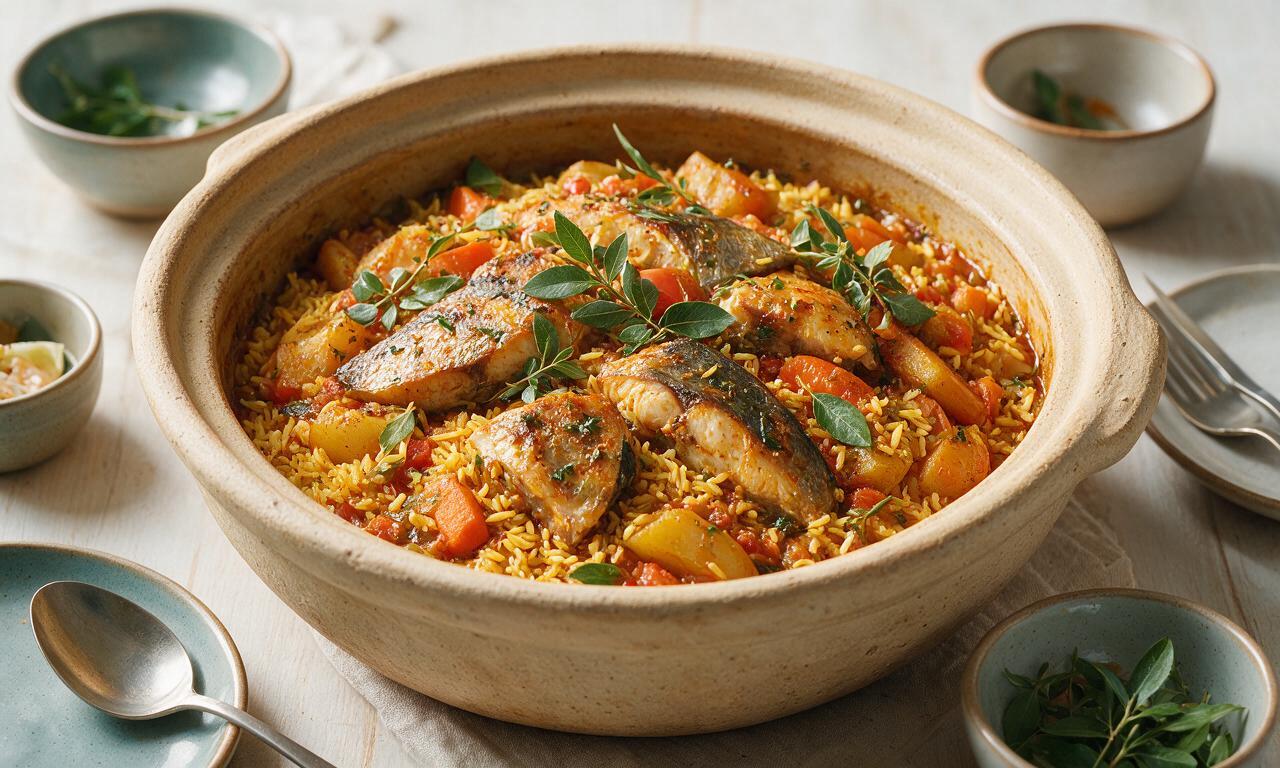
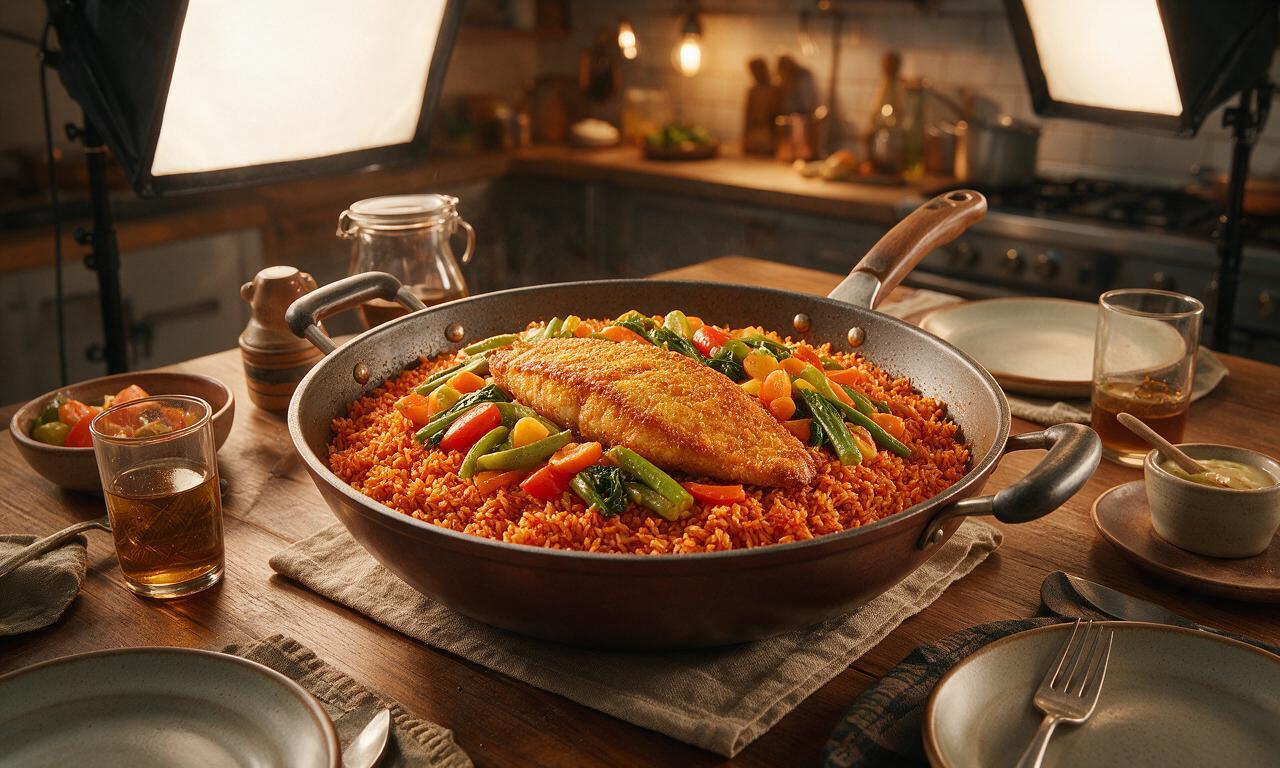
Traditionally, Thieboudienne is mounded high on a single large shared platter, with tender fish steaks and soft root vegetables arranged on top of the fragrant spiced rice. It’s served with small bowls of extra hot sauce on the side for people who want more heat, plus fresh lime wedges to squeeze over top for a bright, zesty kick.
14.Can I cook Thieboudienne in a rice cooker instead of on the stovetop?
▾
You can adapt Thieboudienne for a rice cooker with a few small adjustments: first, sear the fish, sauté the onions, minced garlic, and spices, and simmer the vegetables on the stovetop, then transfer all ingredients plus rinsed broken rice and measured liquid to your rice cooker. Run it on the standard white rice setting, then rest 10 minutes on warm before fluffing gently.
15.How do I know when the snapper steaks are fully cooked and safe to eat?
▾
Your 1-inch thick snapper steaks will be fully cooked after 8-10 minutes of gentle simmering with the rice, when the flesh is opaque all the way through, flakes easily with a fork, and reaches an internal temperature of 145°F measured at the thickest point. Take care not to overcook the fish, as it will turn dry and rubbery if left to simmer too long.
16.Can I add other proteins besides red snapper to Thieboudienne?
▾
While red snapper is the classic protein, many Senegalese home cooks add other firm, white, skin-on fish like grouper, sea bass, or thick tilapia steaks, and some even add chunks of lamb or dried smoked fish for extra depth. Avoid soft, delicate fish like cod or sole, as these will fall apart too easily during the long, slow simmer.
17.Why is my Thieboudienne missing that deep, rich reddish color I see in authentic versions?
▾
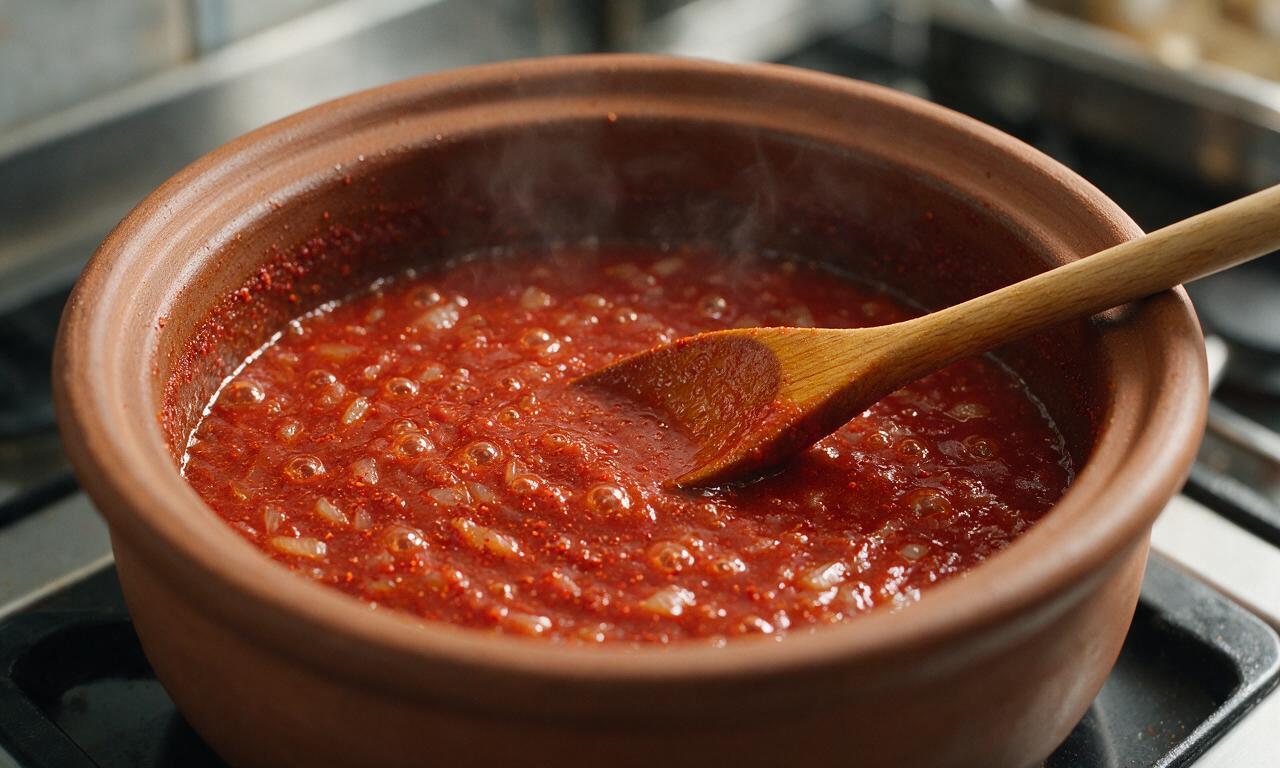
That signature deep reddish hue comes from slowly cooking tomato paste in hot oil with the finely diced onions and minced garlic for 2-3 minutes until it darkens and caramelizes, rather than stirring it in at the end. If you skip this step, tomato paste will taste raw and leave rice pale; a pinch of smoked paprika also boosts that warm, rich color.
18.How should I store leftover Thieboudienne, and how long will it keep?
▾
Let leftover Thieboudienne cool to room temperature within 2 hours of cooking, then transfer it to an airtight container and refrigerate for up to 3 days. You can also freeze it for up to 3 months, though vegetables may soften a bit when thawed. Reheat portions in the microwave or stovetop with a tablespoon of water per serving to keep rice from drying out.


OMG, this Thieboudienne was the star of our Sunday family dinner! I was a little nervous about the medium difficulty since I mostly stick to quick weeknight meals, but the steps were so clear even I didn’t mess it up. The spiced rice is so aromatic, my kids went back for seconds before I even sat down! I brought the leftovers to work today and my coworker begged for the recipe link. SO good.
Made this for our neighborhood potluck last weekend and people were raving! Only reason I’m knocking off a star is I thought the 90 minute cook time was a touch ambitious for me — it took me closer to 2 hours total with all the veg chopping. Flavor is 10/10 though, will absolutely make again, just block off extra time next go around.
Game changer for my weekly meal prep! I was getting so bored of my usual chicken and rice rotation, and this spiced rice and fish is such a fun, flavorful switch up. The flavors hold up so well in the fridge for 4 days, I didn’t get sick of it at all even eating it for lunch all week. 10/10 will be in my regular rotation from now on.
Flavor was great but I ran into a problem with the rice getting mushy? I followed the measurements exactly, but I think my stovetop runs hotter than average. Any tips for getting that fluffy, separate rice texture everyone is talking about? My husband still ate two servings so it wasn’t a total loss, just not as pretty as the photos!
I grew up eating West African rice dishes and I was so excited to try this Senegalese version! The spice blend is spot on — that hint of scotch bonnet gives it the perfect warm kick without being overpowering. I added a handful of extra carrots like my mom always does and it fit right in. My roommate thought I ordered takeout from a fancy African restaurant, no cap.
Made this on a camping trip last weekend with my cast iron dutch oven over the campfire and it blew every other campsite meal out of the water. We caught fresh trout from the lake nearby instead of using snapper and it worked so well with the spices. Everyone at our campground kept wandering over asking what smelled so amazing, we ended up sharing half the pot with our neighbors!
Really delicious base recipe! I made a vegetarian version swapping the fish for marinated portobello steaks and using vegetable broth instead of fish stock, and it was so flavorful. The spice mix is so versatile, I’m already thinking of using it on roasted veggies next week. Definitely don’t skip the cabbage and eggplant, those veggies soak up all the seasoning so well!