1.What makes traditional Spanish natillas different from other custards like flan or crème brûlée?
▾
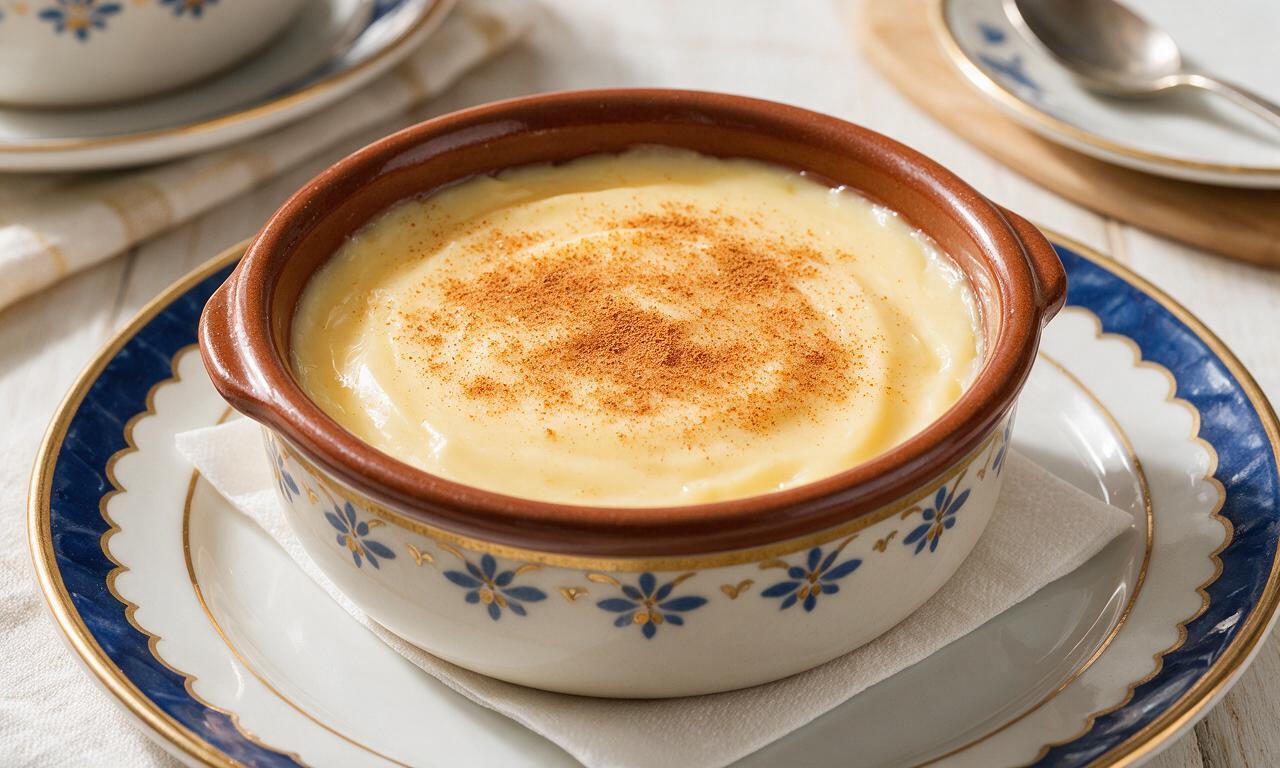
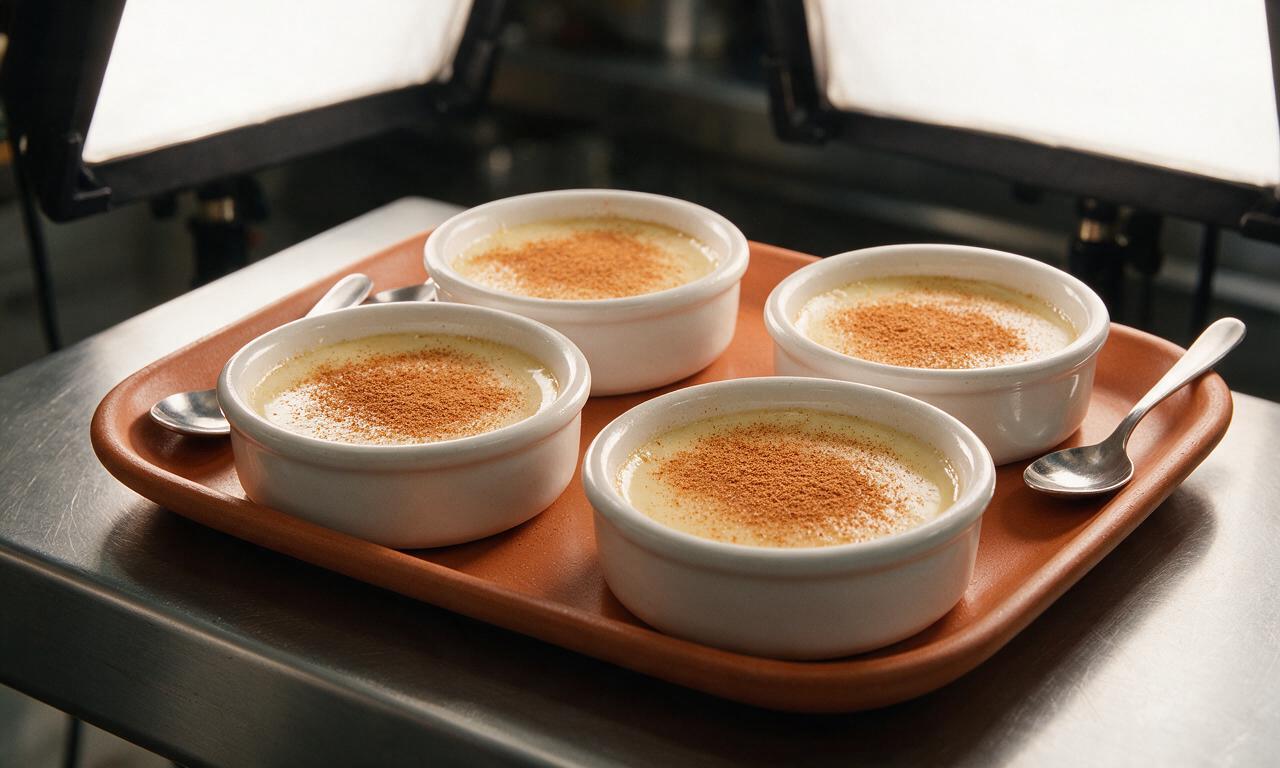
Great question! Unlike dense, caramel-topped flan or torched crème brûlée, natillas have a lighter, silky, softly spoonable texture thanks to cornstarch as a stabilizer, with no baked water bath required. They’re gently stovetop-cooked, infused with warm cinnamon stick, and served chilled with a simple cinnamon dusting instead of a caramelized top for a softer, less rich bite.
2.Can I use low-fat or skim milk instead of whole milk for this recipe?
▾
I don’t recommend it for authentic, creamy texture! Whole milk’s 3.25% fat content creates that signature rich, silky mouthfeel that defines great natillas. Skim or low-fat milk will produce a thin, watery custard that tastes flat, even with extra cornstarch. If you need a lighter swap, use 2% milk mixed with 2 tablespoons of heavy cream to mimic whole milk’s fat profile.
3.Why do I need a whole cinnamon stick instead of ground cinnamon for the milk infusion?
▾
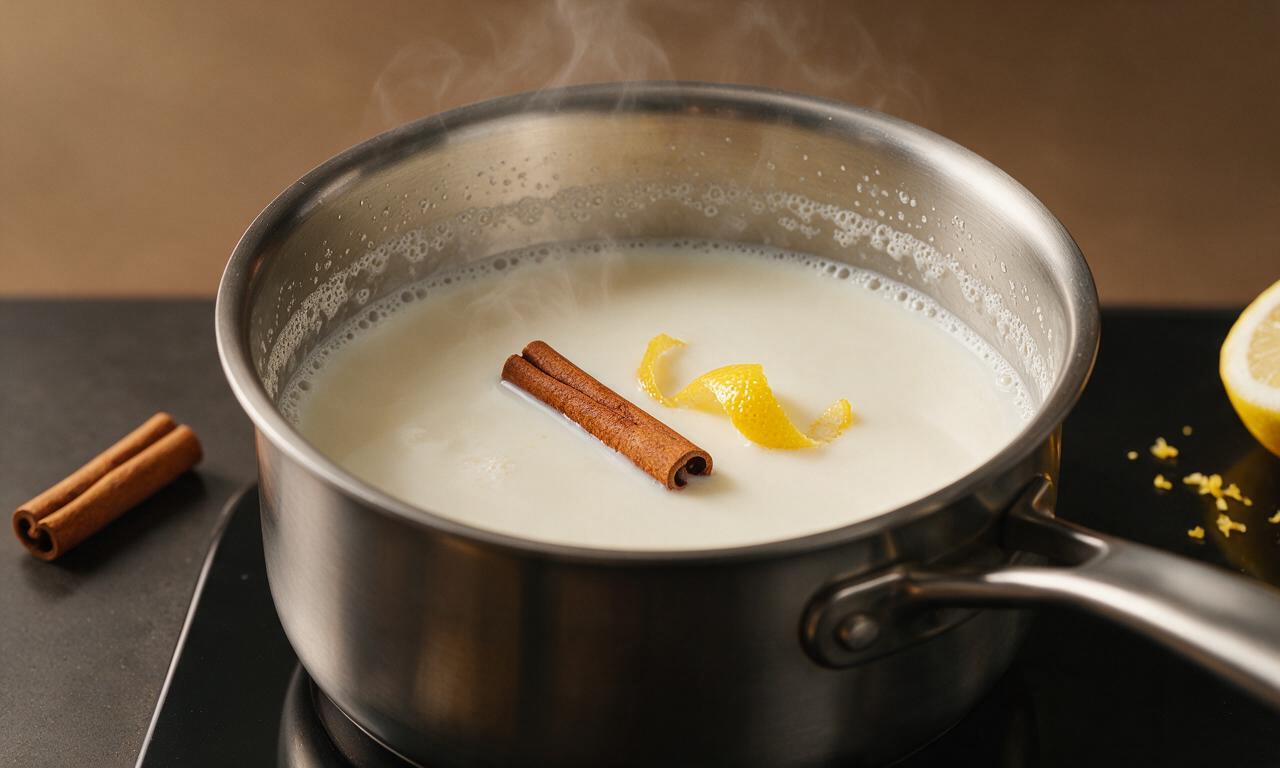
Ground cinnamon will make your natillas grainy and leave a murky, muddy appearance instead of that pale, creamy off-white look we want. A whole cinnamon stick steeped in warm milk releases smooth, warm cinnamon flavor without any grit, and you fish it out before mixing in the egg yolk base, so every bite stays perfectly silky with no powdery texture.
4.How do I keep my natillas from getting lumpy while I cook them?
▾
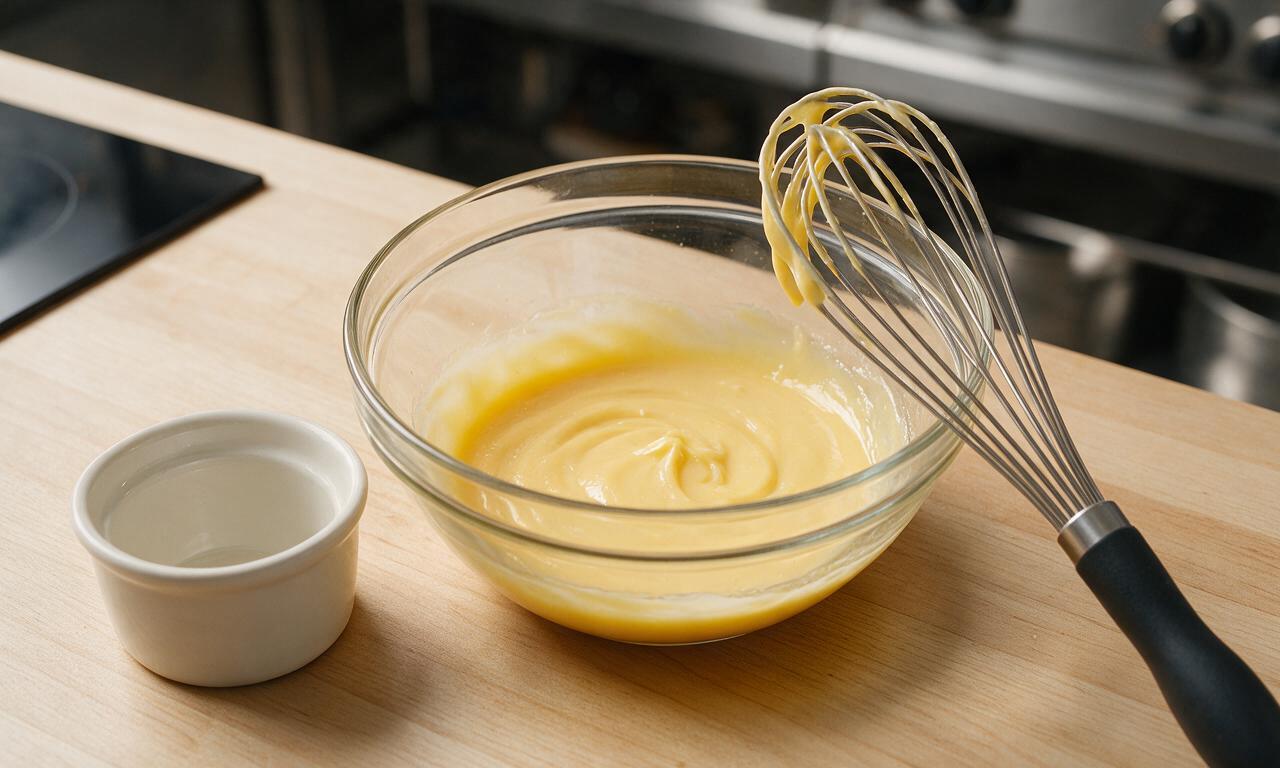
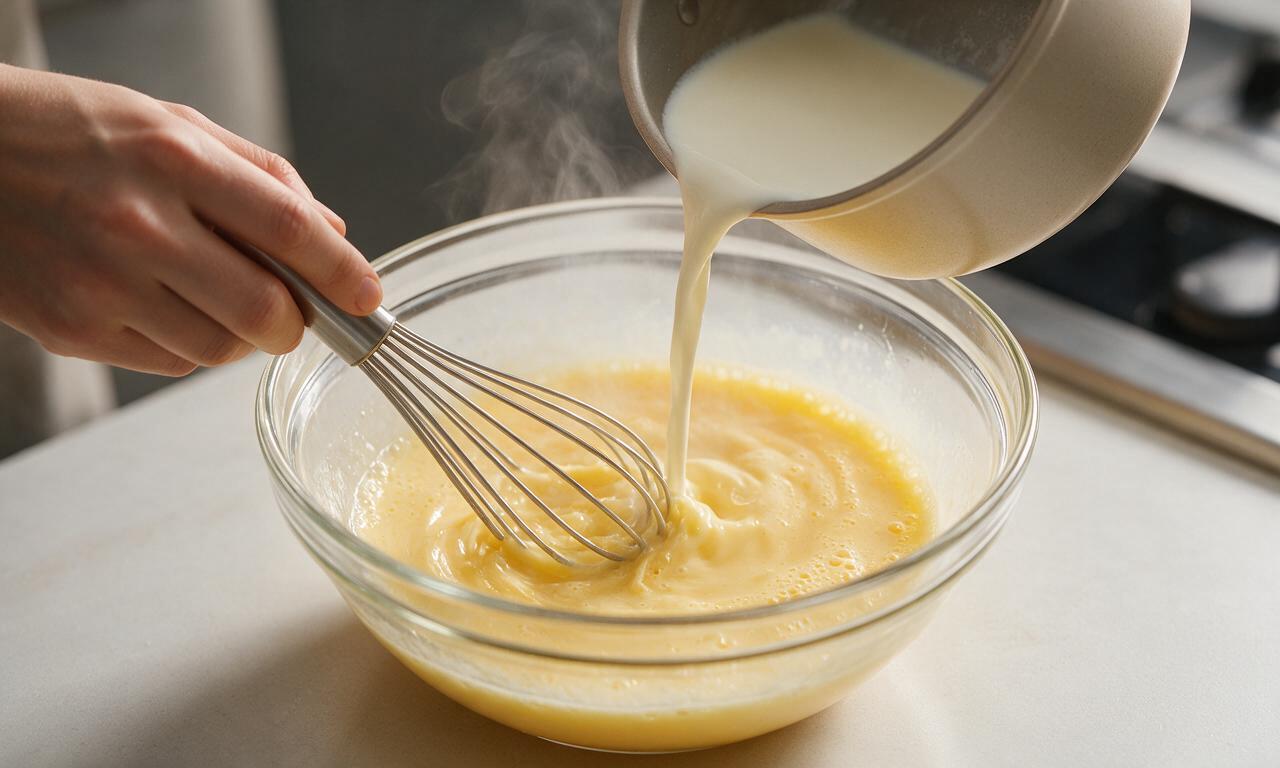
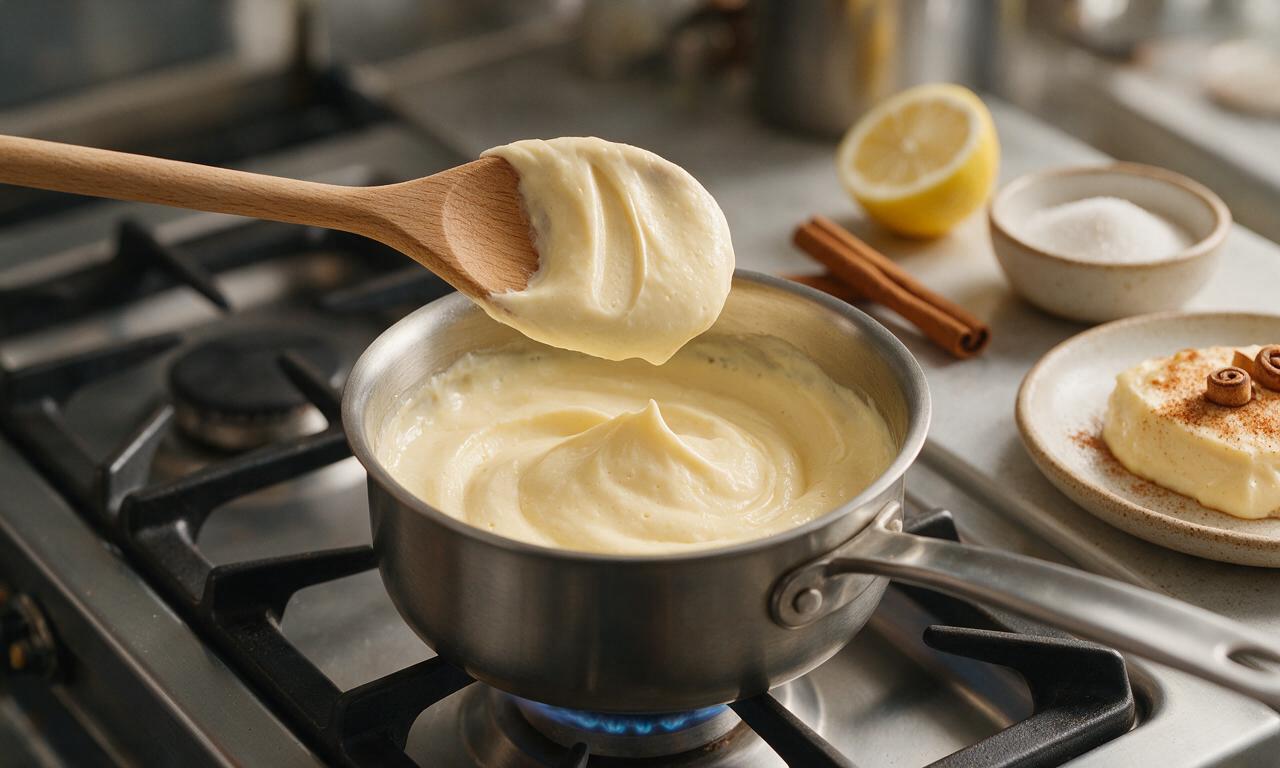
Lumps almost always come from adding hot milk too fast to the egg yolks, or cooking over too high heat. First, temper your yolks by slowly whisking ¼ cup of warm infused milk into the yolk-sugar-cornstarch mix before pouring it back into the pot. Cook over medium-low heat, whisking constantly, and pull it off heat the second it thickens to a coat-the-spoon consistency.
5.My natillas curdled while cooking—what went wrong, and can I fix it?
▾
Curdling happens when egg yolks get too hot, usually from cooking over high heat or skipping the tempering step. Don’t panic! Pour the curdled custard immediately into a blender, add 1 tablespoon of ice-cold milk, and blend on high for 20 to 30 seconds. Strain through a fine-mesh sieve to catch any remaining egg bits, and you’ll get a smooth, usable custard in most cases.
6.Do I really need cornstarch in this recipe, or can I leave it out?
▾
Cornstarch is non-negotiable for traditional natillas texture! It stabilizes the egg yolks so you don’t end up with runny, loose custard that curdles easily, and it creates that signature soft, spoonable (not rubbery) set. Without it, you’ll have thin crème anglaise, not classic natillas. Don’t swap it for flour, either—it will leave a raw, pasty aftertaste.
7.How long do I need to chill natillas before they’re ready to serve?
▾
For the best texture, cover the surface of the natillas directly with plastic wrap (to prevent a skin from forming) and chill for a minimum of 4 hours, ideally overnight. Quick 1-hour chills won’t let the custard set fully, and the flavors won’t have time to meld into that soft, cinnamon-kissed profile we love. They keep well in the fridge for up to 3 days.
8.Why does a tough skin form on top of my natillas as they chill, and how do I stop it?
▾
That skin forms when the top layer of custard is exposed to air and loses moisture as it cools. The easiest fix is to press a piece of plastic wrap directly onto the surface of the natillas right after you pour them into serving dishes, before refrigerating. Don’t just cover the dish—make sure the plastic touches the custard itself, and no skin will form.
9.Can I make natillas ahead of time for a dinner party or gathering?
▾
Absolutely! Natillas are actually better when made a day ahead, because the cinnamon flavor deepens and the texture sets perfectly. Make them up to 2 days before your event, keep them tightly covered with plastic pressed to the surface in the fridge, and wait to dust the top with ground cinnamon right before serving so it doesn’t get soggy.
10.Can I use egg substitutes instead of fresh large egg yolks for this recipe?
▾
For the best, most authentic flavor and texture, fresh large egg yolks are non-negotiable. Liquid egg substitutes often have added water and stabilizers that create a weird, rubbery set or odd aftertaste, and they don’t deliver that rich, eggy depth that balances the cinnamon and sugar. Save leftover egg whites for meringues or omelets to cut down on waste!
11.How thick should natillas be when I take them off the stovetop?
▾
They should be thick enough to coat the back of a wooden spoon, and when you run your finger through the coating on the spoon, it should leave a clean line that doesn’t run. Remember, they’ll thicken a lot more as they chill, so don’t cook them until they’re pudding-thick on the stove—that leads to a gummy, dense texture once cold instead of that light, silky bite.
12.Is there a way to make this recipe dairy-free without ruining the texture?
▾
You can, though it won’t be strictly traditional! Swap the whole milk for a barista-blend oat milk (it has the closest creaminess to dairy, with no weird aftertaste) and add an extra ½ teaspoon of cornstarch to account for its thinner consistency. Stick with the cinnamon stick and egg yolk base, and you’ll get a surprisingly close, creamy dairy-free version.
13.What are traditional toppings for natillas, besides ground cinnamon?
▾
A light dusting of ground cinnamon is the most classic topping, but many Spanish home cooks add a couple of simple, beloved extras too. You can top each serving with a thin, crisp Maria cookie propped on the edge, a tiny sprinkle of lemon zest (if you added a peel strip during steeping), or a small dollop of freshly whipped cream for extra richness.
14.Can I add extra flavors to the base without ruining the traditional profile?
▾
Small, complementary additions work beautifully! The most common traditional twist is adding a 1-inch strip of lemon peel (no bitter white pith) to the milk while it steeps with the cinnamon stick, for a bright, citrusy note. Avoid heavy add-ins like chocolate chunks or thick fruit puree, though—those will overpower the delicate, creamy cinnamon flavor.
15.Why did my natillas turn out rubbery instead of soft and silky?
▾
Rubbery texture almost always comes from two common mistakes: adding too much cornstarch, or cooking the custard for too long over high heat. Remember, the custard will thicken significantly as it chills, so you only need to cook it until it coats the back of a spoon on the stove. Measure cornstarch accurately (don’t pack it!) and keep heat on medium-low to avoid that tough set.
16.Do I need to bake natillas in a water bath like I do for flan or crème caramel?
▾
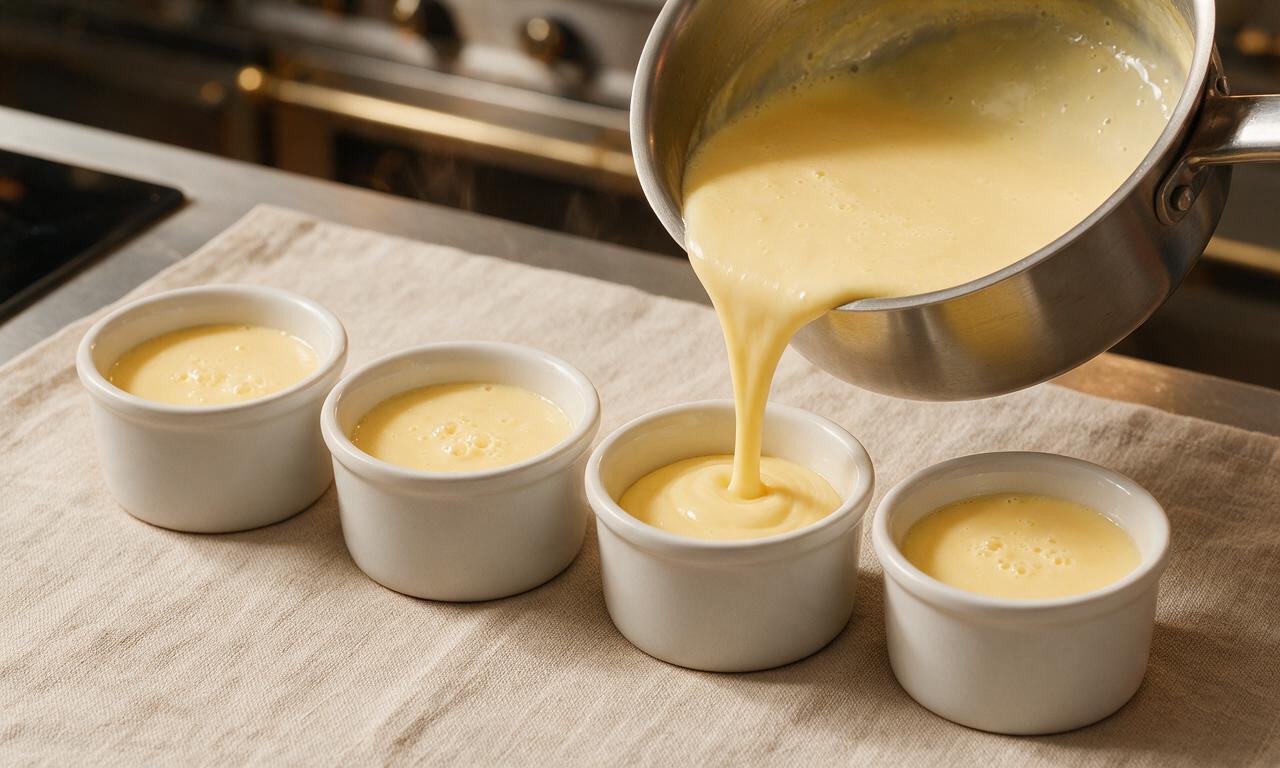
Nope! That’s one of the best parts of this low-fuss recipe—no oven, no fussy water bath required. Natillas are cooked entirely on the stovetop over low, gentle heat, with cornstarch to stabilize the eggs so they don’t curdle easily. Just pour the cooked custard straight into individual serving dishes, chill, and serve for an easy, comforting sweet treat.

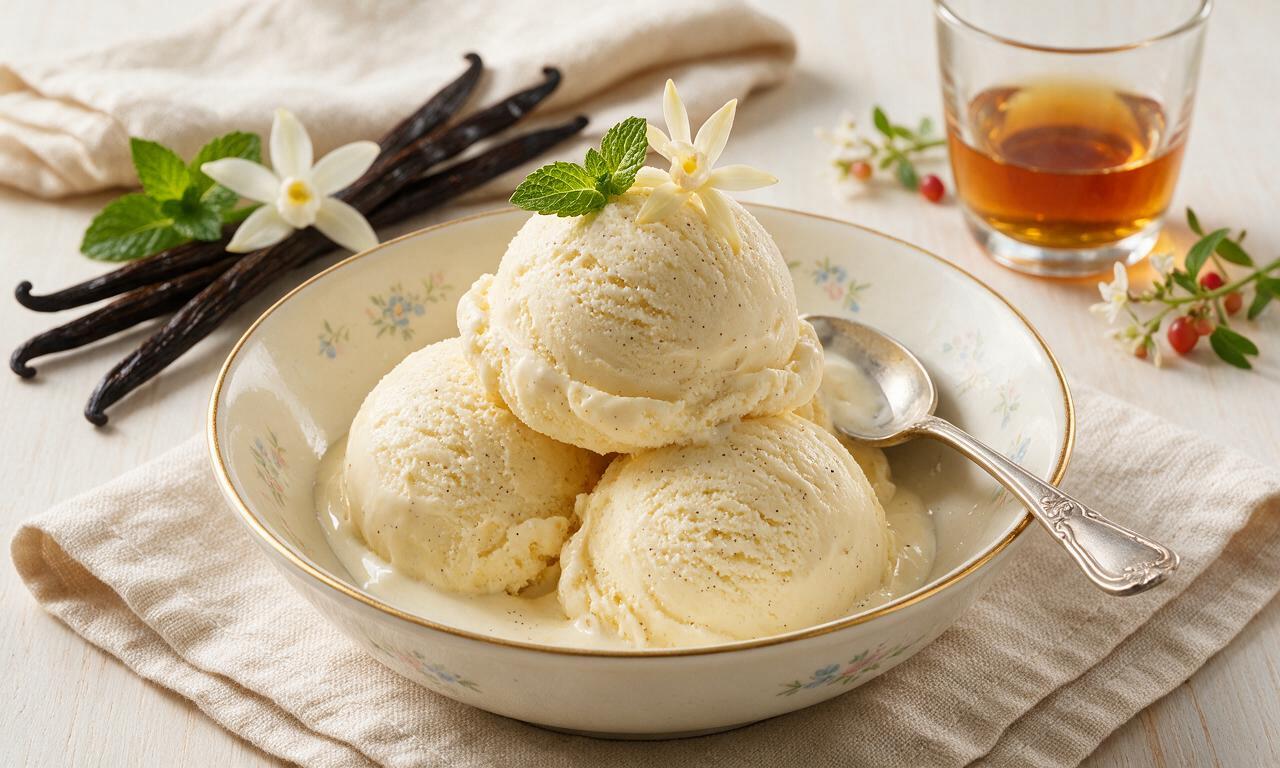
OMG, made this for our Sunday family dinner last night and it was a total hit! I was worried custard would be fussy but the easy difficulty rating was totally accurate—so easy even my 10 year old helped stir the pot. The cinnamon flavor is perfect, not too overpowering, and it’s so creamy without being heavy. My kids loved it so much they begged for second helpings, even my super picky eater who turns his nose up at 90% of the desserts I make! We topped ours with a little extra cinnamon and crumbled Maria cookies like my abuela used to serve, 10/10 will be making this for our next neighborhood potluck too.
Total game changer for my weekly meal prep! I was hunting for a make-ahead dessert that doesn’t require a ton of active time, and this checks every single box. 30 minutes of work on Sunday, pop it in the fridge to chill, and I’ve got a perfect little sweet treat to grab after dinner all work week. I did cut the sugar by about 2 tablespoons because I prefer less sweet desserts, and it still turned out perfectly silky, no weird lumps or burnt milk at all. Super straightforward, even for someone who doesn’t bake much. SO good, I already sent the recipe link to my whole friend group chat.
Y’all, I was so nervous to try custard for the first time because I’ve always heard it’s super easy to mess up and end up with scrambled eggs, but this recipe was totally foolproof! I followed the directions exactly, took my time with the egg tempering step, and it came out so smooth and creamy, zero lumps or weird curdled bits. The cinnamon and vanilla combo is so cozy, it tastes exactly like the natillas I ordered at a tiny tapas bar when I visited Madrid a few years ago. I made sure to let it chill the full 2 hours like the recipe said and the texture was chef’s kiss, can’t wait to play around with a little lemon zest twist next time!