alton brown breakfast sausage

title 1
alton brown breakfast sausage
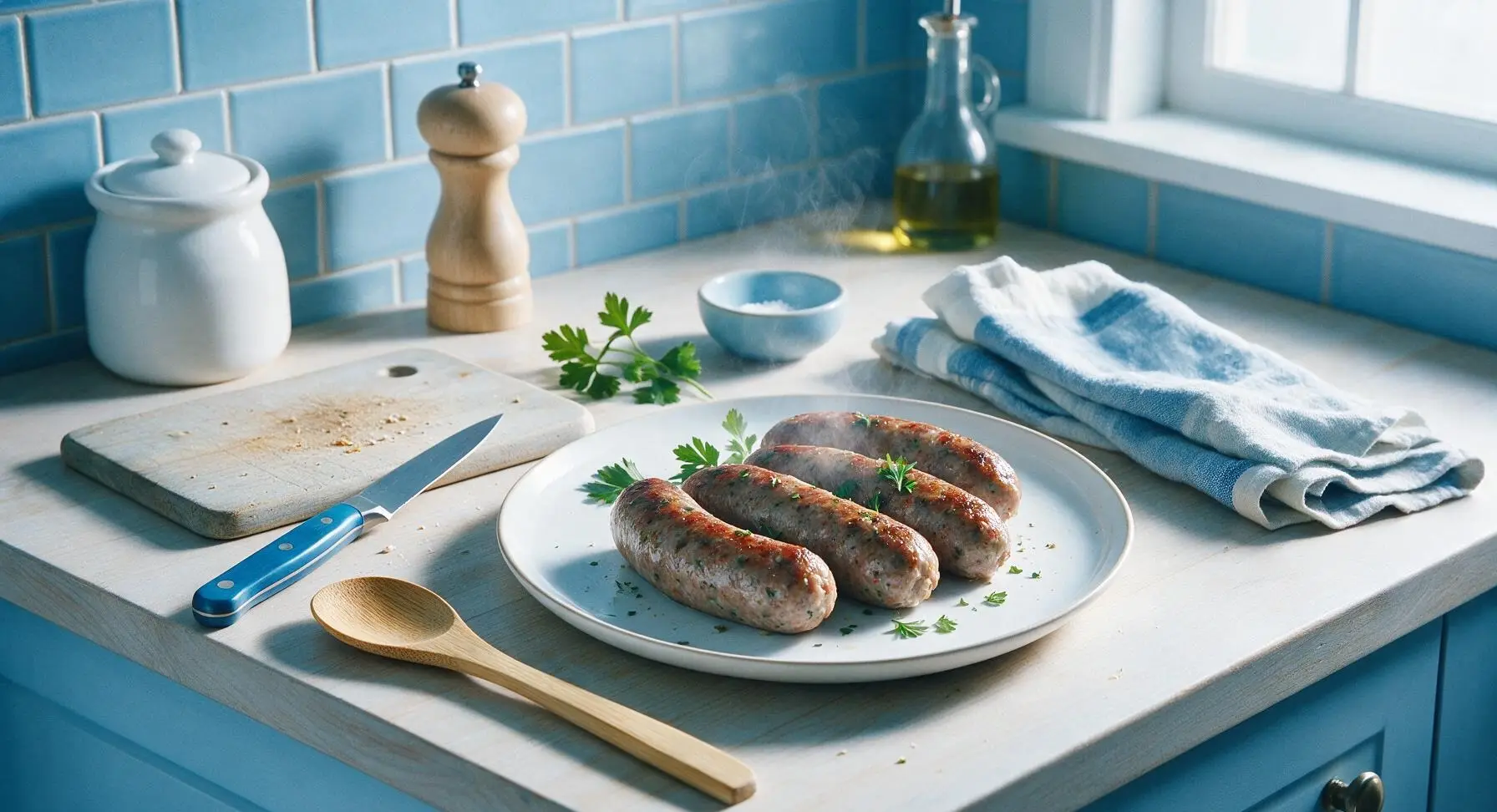
⏱️ cook time 10 minutes
🍽️ servings 6
⚡ Difficulty easy

intro

Juicy, sage-kissed homemade breakfast sausage from Alton Brown, perfectly seasoned with warm spices, no fillers or preservatives, ideal for eggs, biscuits, or breakfast sandwiches.

Ingredients
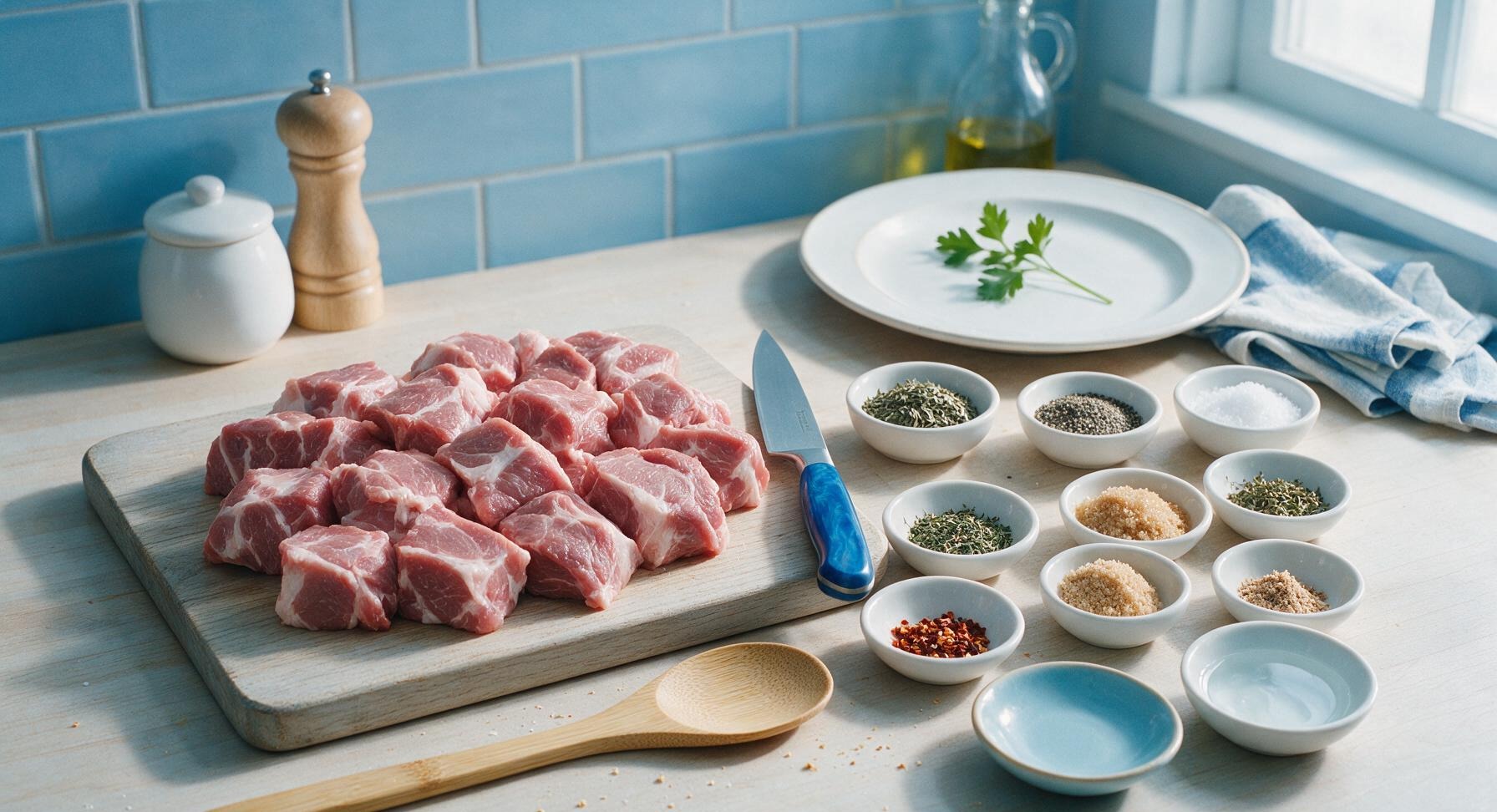
Boneless pork shoulder (70/30 lean-to-fat ratio, chilled) 900g (2 lbs)
Kosher salt 1.5 tsp
Freshly ground black pepper 1 tsp
Dried rubbed sage 1.5 tsp
Dried thyme 0.5 tsp
Light brown sugar 0.5 tsp
Dried marjoram 0.25 tsp
Crushed red pepper flakes 1/8 tsp (pinch)
Freshly grated nutmeg 1/8 tsp (pinch)
Ice-cold water 1 tbsp

Steps

1

Blend Spice Mixture

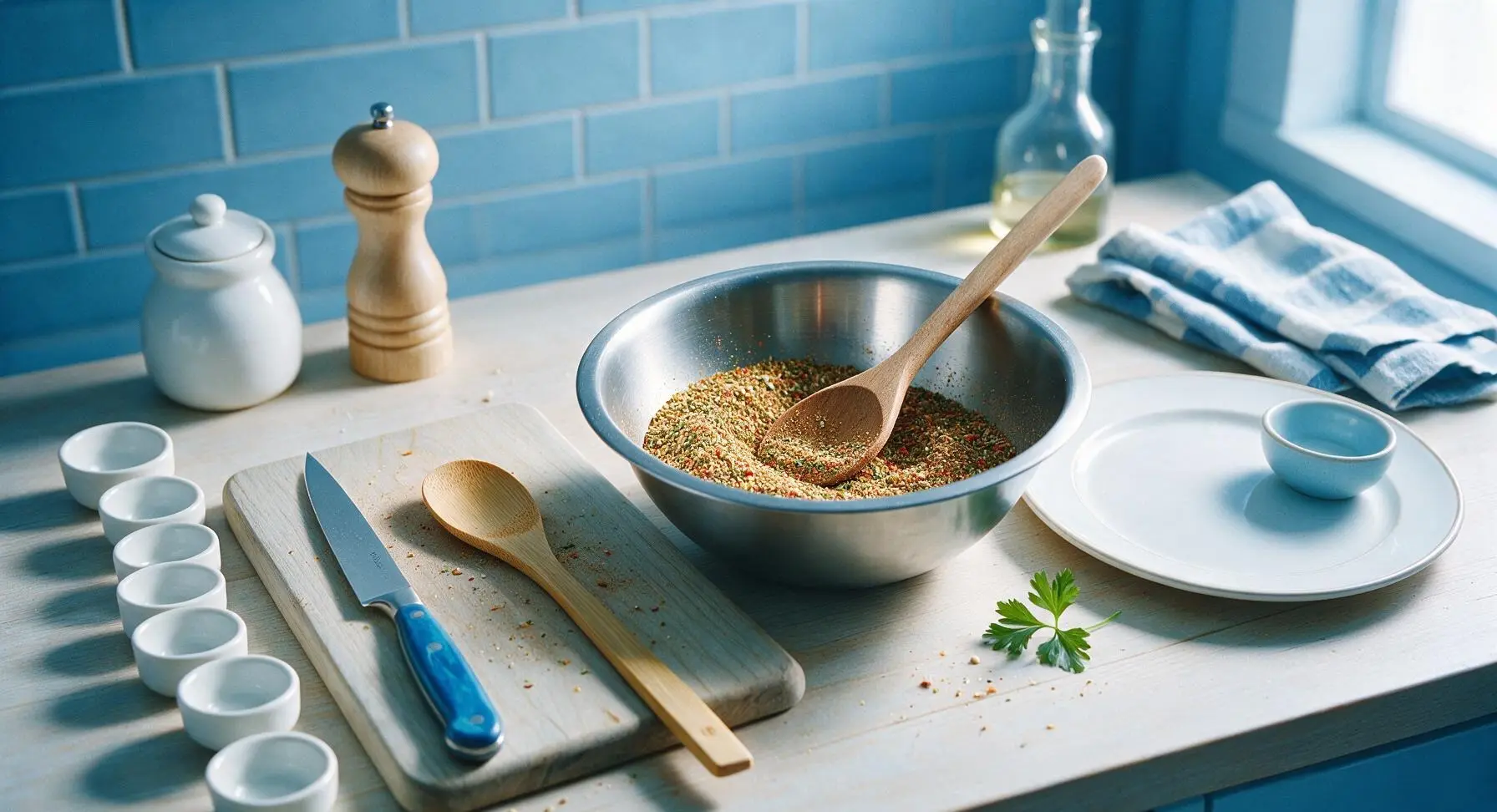
In the medium stainless steel mixing bowl, combine 1.5 teaspoons kosher salt, 1 teaspoon freshly ground black pepper, 1.5 teaspoons dried rubbed sage, 0.5 teaspoon dried thyme, 0.5 teaspoon light brown sugar, 0.25 teaspoon dried marjoram, 1/8 teaspoon crushed red pepper flakes, and 1/8 teaspoon freshly grated nutmeg. Stir with the beech wood spoon until fully evenly combined, breaking up any clumps of brown sugar until no lumps remain.
Step 1
step1:Blend Spice Mixture
2

Cut Pork into Cubes

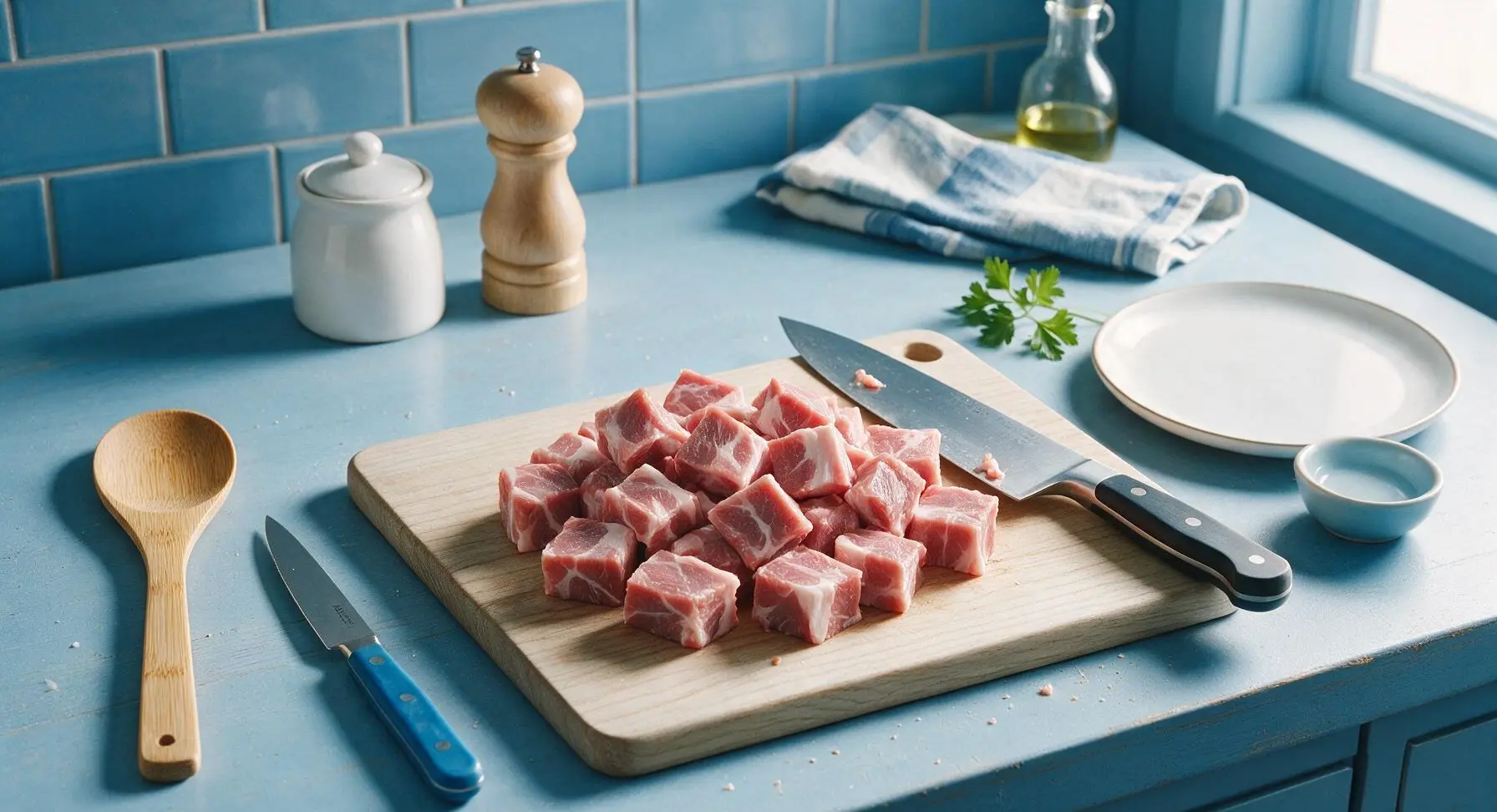
Place the fully chilled boneless pork shoulder on the maple cutting board. Using the 8-inch chef knife, cut the pork into uniform 1-inch cubes, ensuring even distribution of fat and lean meat across all pieces. Return cubed pork to the refrigerator for 10 minutes to keep it very cold, which is critical for a tender, non-crumbly sausage texture.
Step 2
step2:Cut Pork into Cubes
3

Mix Sausage Base

Add the cold cubed pork and 1 tablespoon ice-cold water to the spice mixture in the stainless steel bowl. Toss gently with the beech wood spoon until every cube of pork is lightly coated in spice, taking care not to overwork the meat. Return the bowl to the refrigerator for 15 minutes to chill again before grinding.
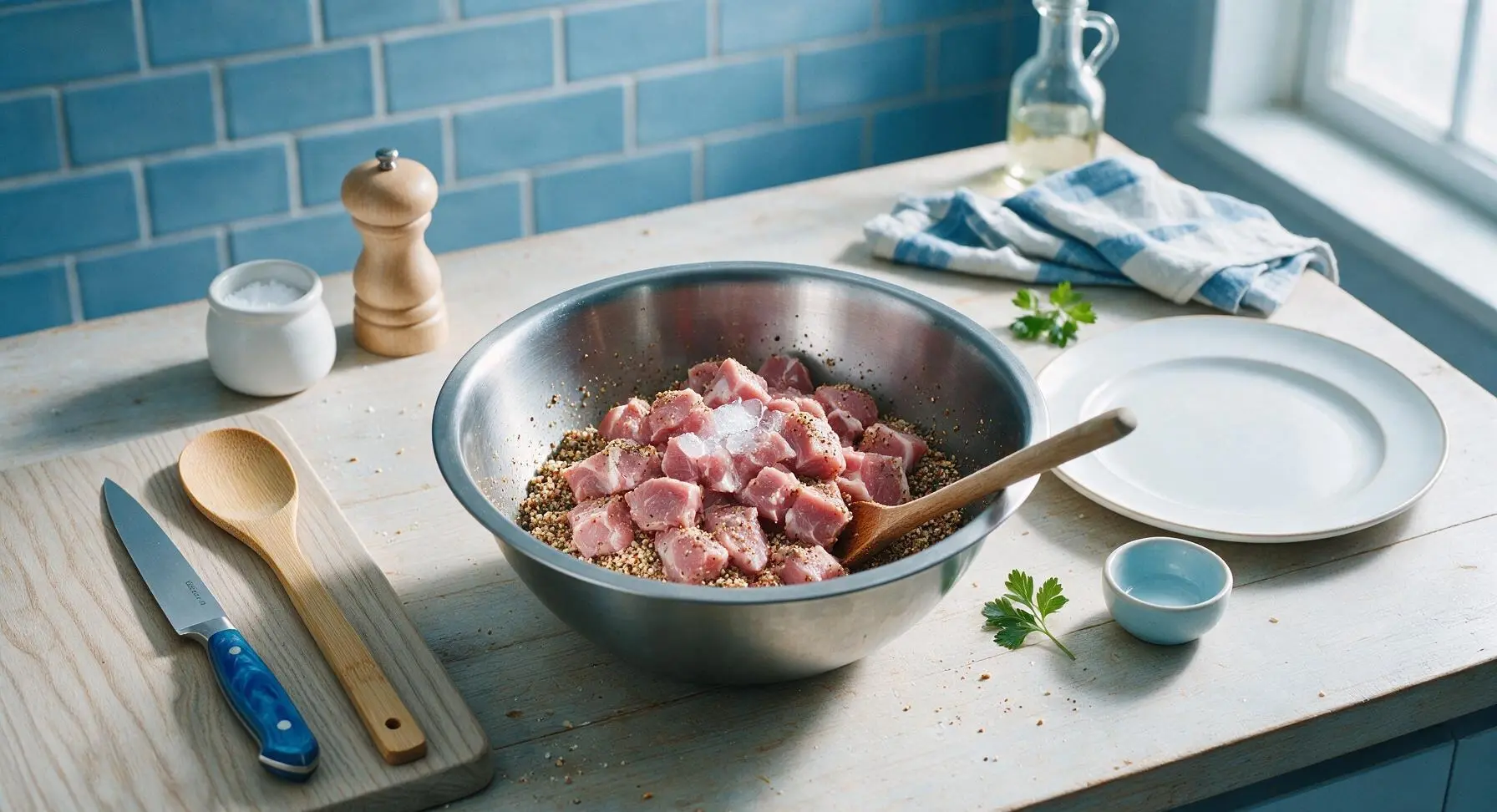
Step 3
step3:Mix Sausage Base
4

Grind or Process Pork

Working in small 1-cup batches, pulse the cold spiced pork cubes in the food processor (or run through a meat grinder fitted with a 3/16-inch plate) until the meat is coarsely ground, with distinct small pieces of fat and lean visible. Do not over-process into a smooth paste—this will result in tough, rubbery sausage. Return all ground sausage to the stainless steel mixing bowl after processing, and chill for 5 minutes before proceeding.
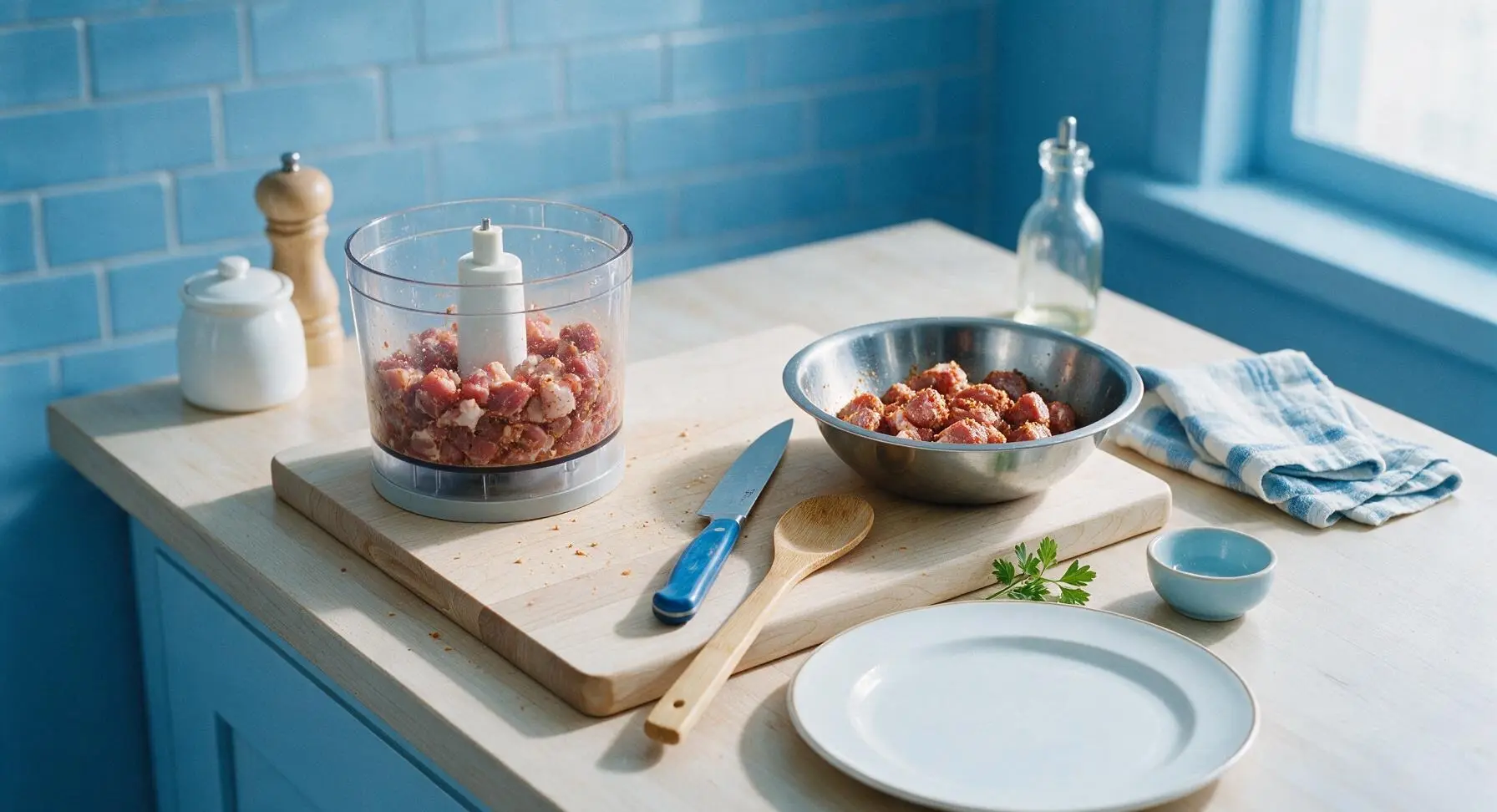
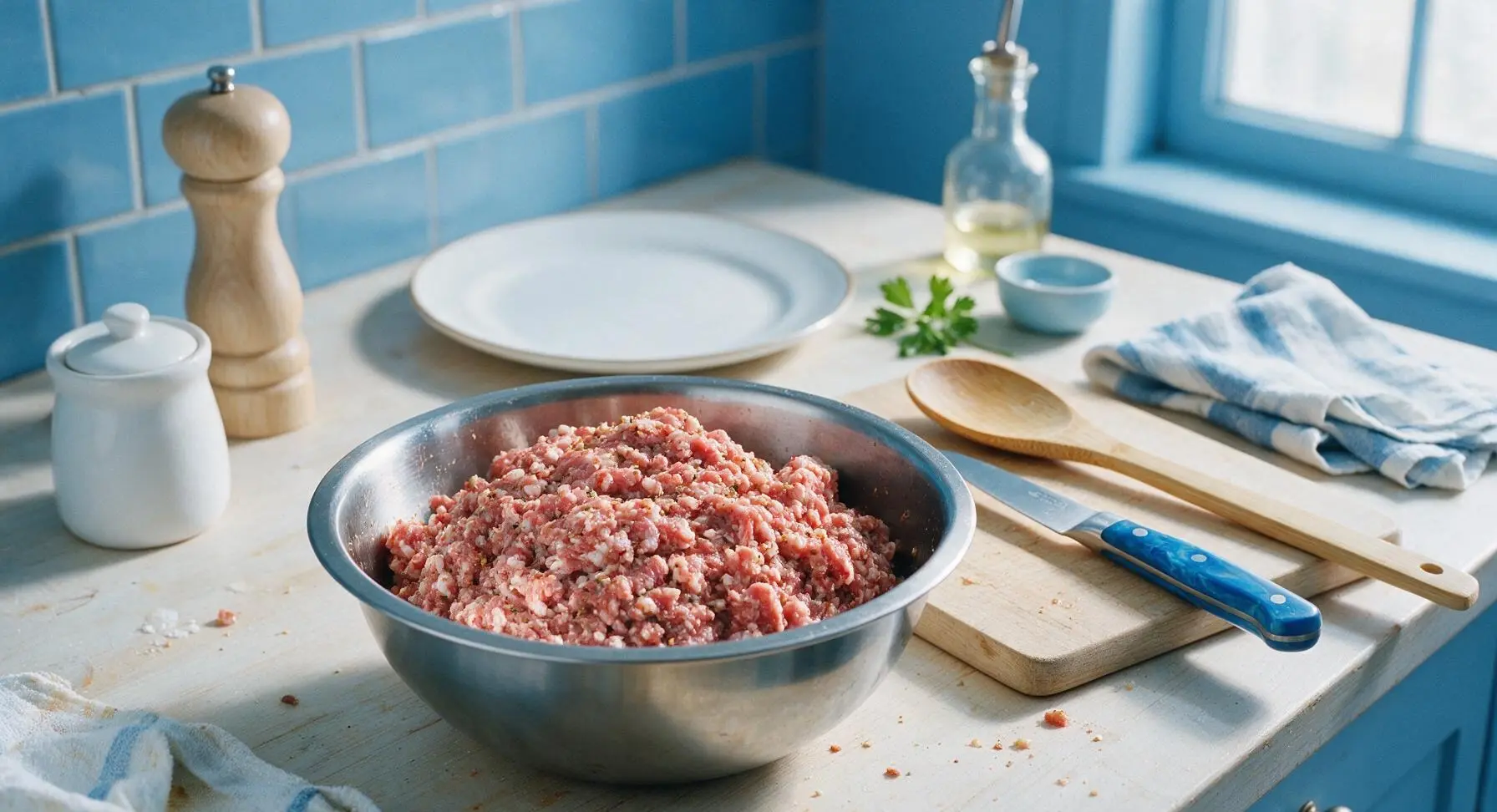
Step 4
step4:Grind or Process Pork
Step 4
step4:Grind or Process Pork
5

Cook Test Patty

Heat a small section of the cast iron skillet over medium heat. Pinch off a 1-tablespoon piece of the ground sausage mixture, flatten into a thin patty, and cook for 1 minute per side until cooked through to 160°F. Taste the test patty, and adjust salt, pepper, or red pepper flake levels in the remaining raw sausage mixture as needed to match your preference.
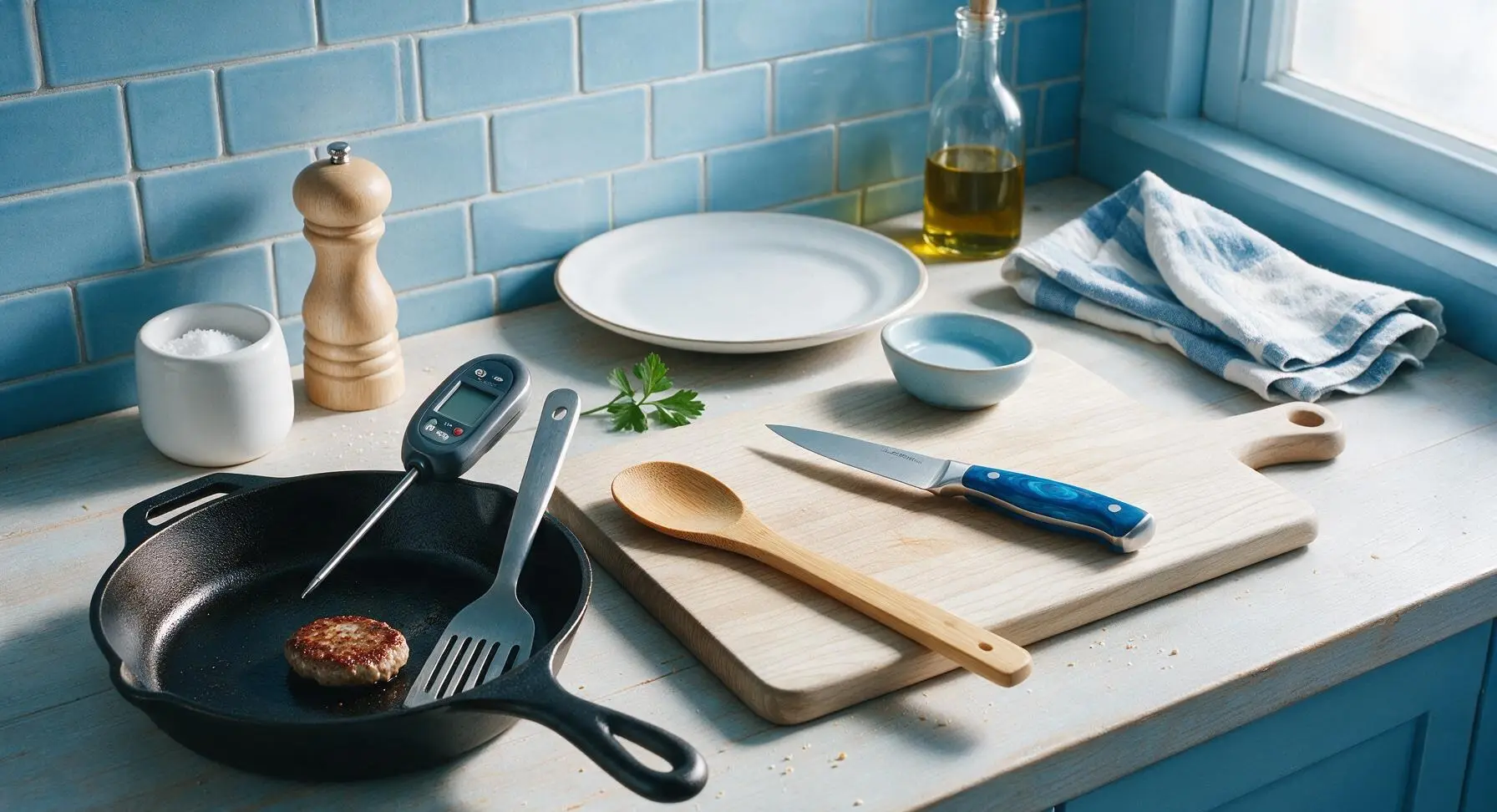
Step 5
step5:Cook Test Patty
6

Shape Sausage Patties

Divide the remaining ground sausage mixture into 12 equal 2-ounce portions, rolling each into a loose ball between your palms. Flatten each ball into a 1/2-inch thick patty, pressing a small dimple into the center of each patty with your thumb to prevent curling during cooking. Arrange formed patties on a small sheet of parchment paper on the maple cutting board as you work.
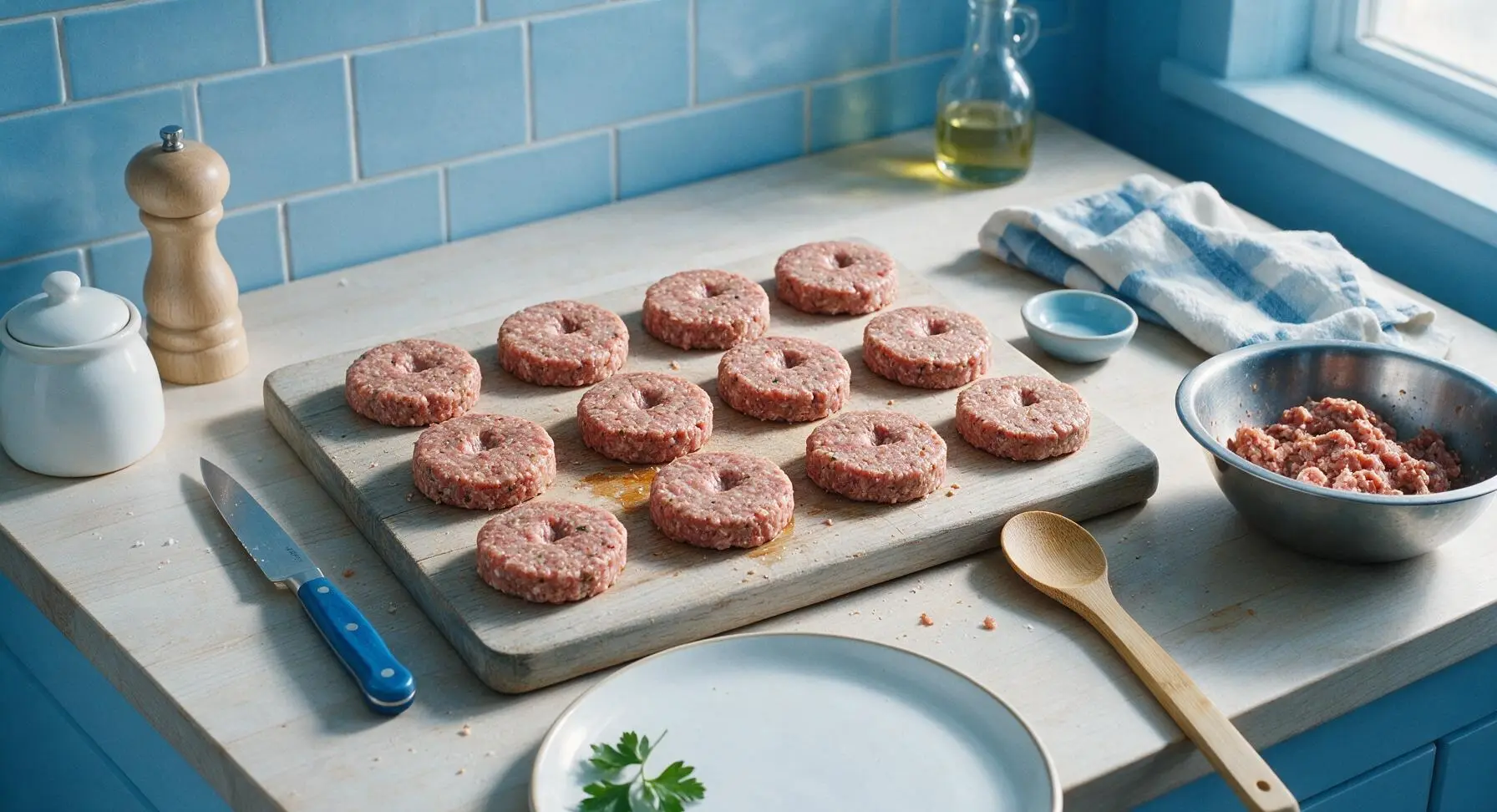
Step 6
step6:Shape Sausage Patties
7

Pan-Fry Patties

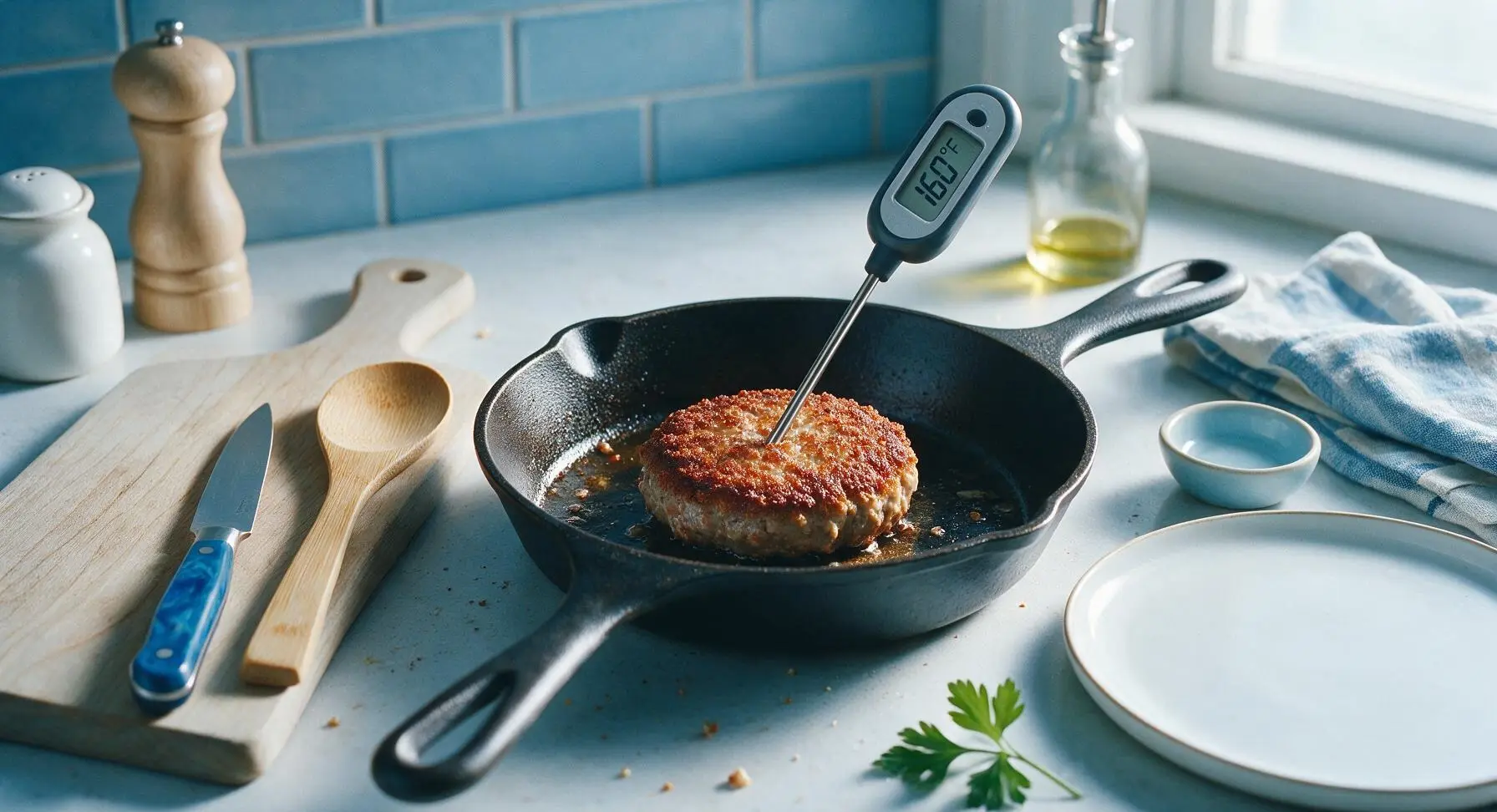
Heat the full surface of the cast iron skillet over medium heat to 350°F. Working in batches of 3 patties at a time to avoid crowding the pan, place patties in the skillet and cook for 4 to 5 minutes per side, until the exterior is deep golden brown and crispy, and the internal temperature reaches 160°F as measured with the instant-read thermometer. Use the slotted spatula to transfer cooked patties to the off-white ceramic plate as they finish, tenting loosely with a corner of the linen towel to keep warm.
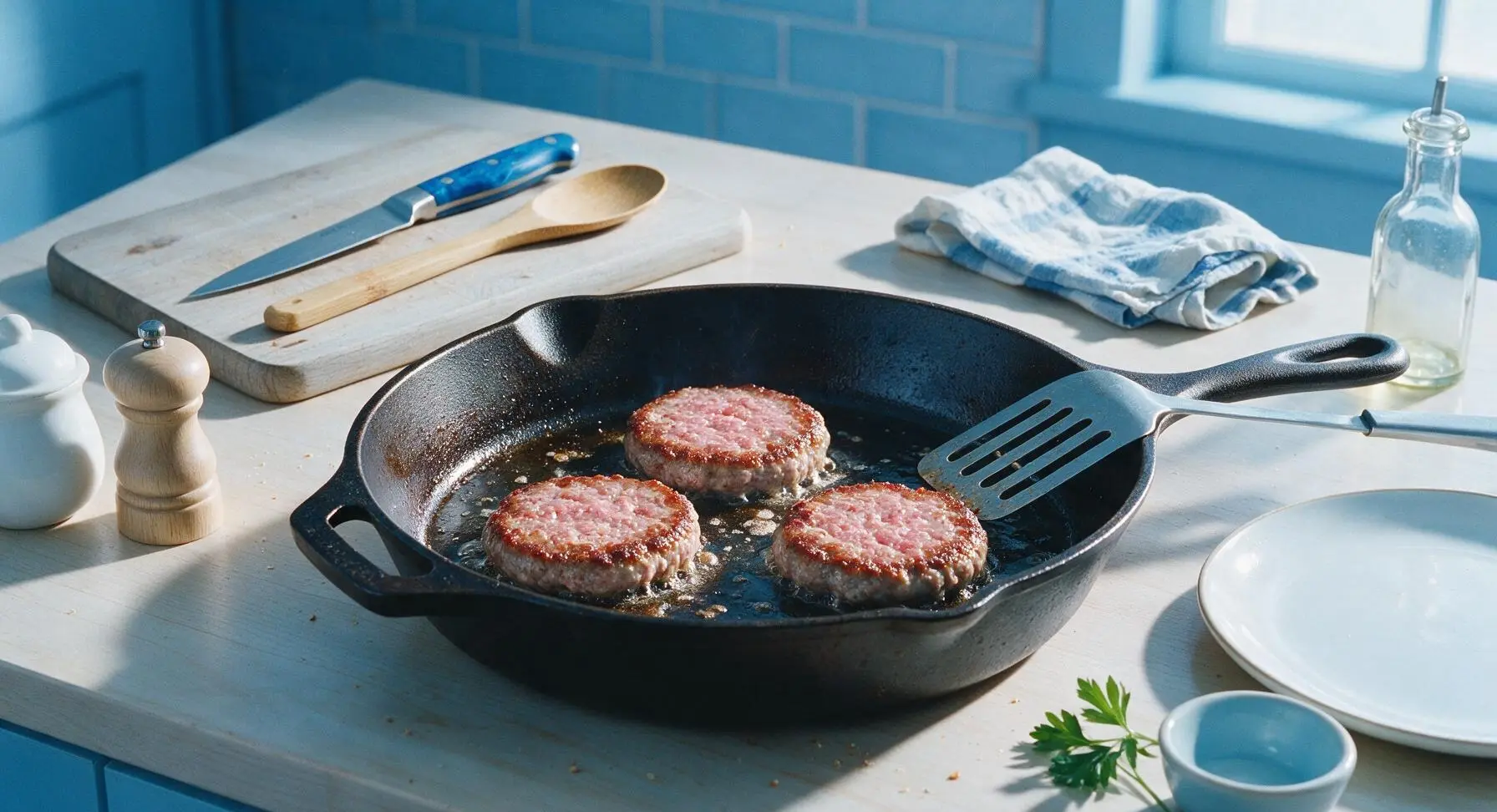
Step 7
step7:Pan-Fry Patties
Step 7
step7:Pan-Fry Patties
8

Rest and Plate

Once all patties are cooked, let them rest on the off-white ceramic plate for 2 minutes to allow juices to redistribute, which prevents juice runoff when you bite into the sausage. Tuck a single fresh sage leaf among the patties for a simple garnish before serving.
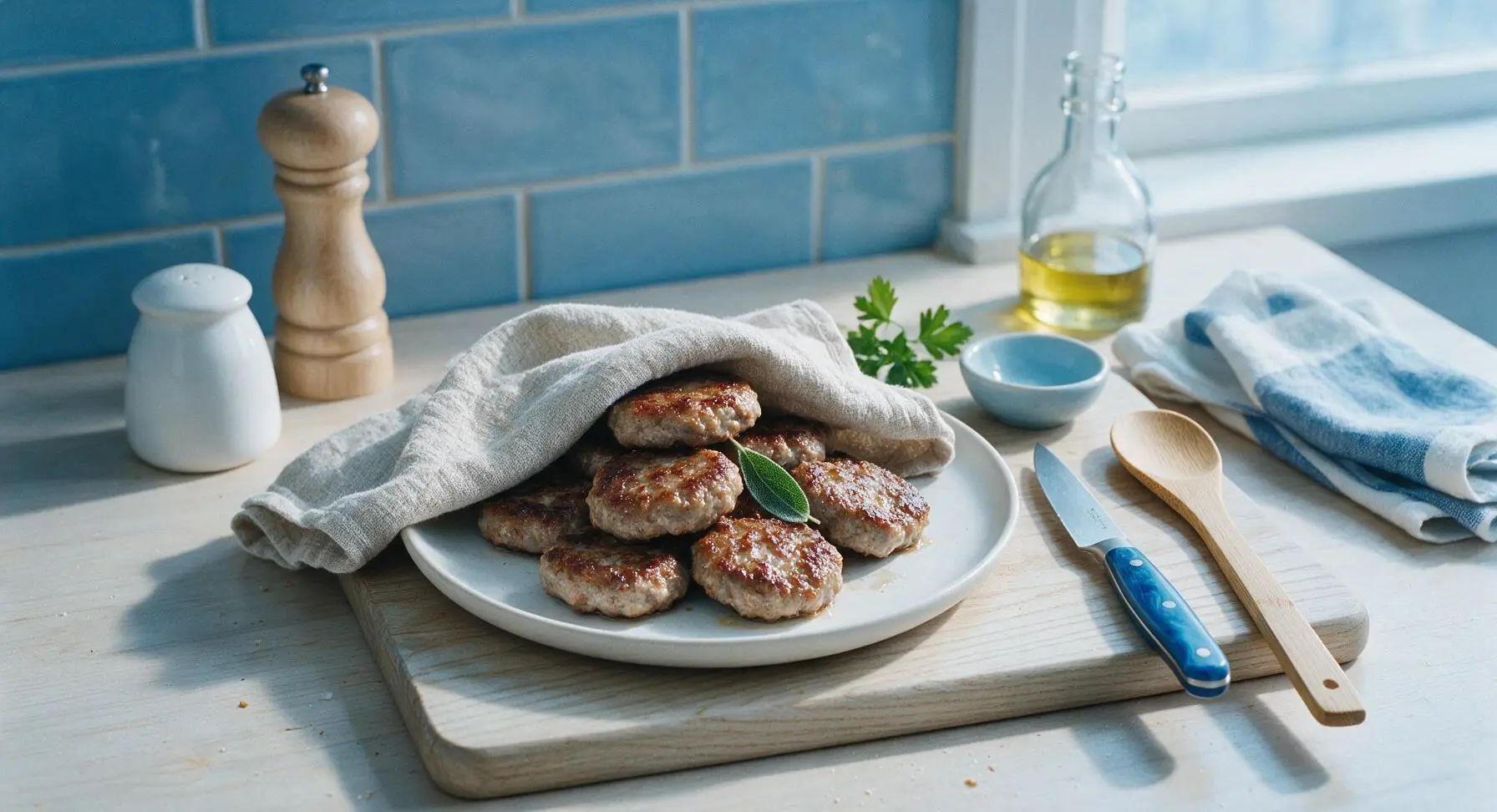
Step 8
step8:Rest and Plate

Tips

1.Keep pork, bowls, and processing blades ice cold throughout prep: warm fat smears during grinding, leading to dry, crumbly patties instead of juicy, tender sausage. Pop equipment in the freezer for 10 minutes before starting if your kitchen is above 72°F.
2.Resist overworking the meat when mixing or shaping patties: over-mixing develops tough protein bonds in the pork, creating a rubbery, dense texture similar to overworked meatloaf. Toss and shape gently for the best tender bite.
3.Skip extra-lean pre-ground pork if possible: pre-ground pork is often ground too fine, which makes dense sausage. Grinding your own from cubed 70/30 pork shoulder gives the perfect coarse, juicy texture Alton’s recipe is known for.

✨ You May Also Like

Breakfast
🍜 United States

Crisp-edged, fluffy lard griddle cakes are a nostalgic homestyle staple, with rich savoriness from rendered lard, perfect topped with maple syrup or savory gravy.

⏱️ 25 minuteBreakfast ★ 4.8
Breakfast
🍜 United States

Flaky, buttery homemade buttermilk biscuits smothered in creamy, peppery pork sausage gravy: a beloved, hearty Southern American comfort food classic.

⏱️ 35 minuteBreakfast ★ 4.8
Breakfast
🍜 United States

Golden, custardy brioche stuffed with sweet cream cheese and fresh berries, pan-fried to crisp perfection. An indulgent, cozy breakfast perfect for slow weekend mornings.

⏱️ 30 minuteBreakfast ★ 4.7
Breakfast
🍜 United States

Flaky, buttery Southern-style biscuits stuffed with savory salty country ham, a portable, satisfying classic perfect for casual on-the-go meals.

⏱️ 25 minuteBreakfast ★ 4.8
Breakfast
🍜 United States

Iconic puffy baked pancake popularized in Seattle, with crisp golden edges and soft custardy center, served warm with classic sweet toppings.

⏱️ 35 minuteBreakfast ★ 4.6
Breakfast
🍜 United States

Fluffy, golden pancakes studded with juicy peak-summer mixed berries, drizzled with maple syrup for a bright, comforting, crowd-pleasing family breakfast.

⏱️ 25 minuteBreakfast ★ 4.7

alton brown breakfast sausage:Frequently Asked Questions

1.Why does the recipe call for 70/30 lean-to-fat pork shoulder instead of leaner ground pork? ▾
That 70/30 lean-to-fat ratio is non-negotiable for juicy, well-textured sausage with no dry, crumbly bits. Leaner ground pork (like 90/10) turns tough and chalky when pan-fried, since there’s not enough fat to carry herb and spice flavors. The rendered fat also creates perfectly crisp, golden edges without needing extra added cooking oil.
2.Do I have to keep the pork shoulder chilled before grinding it? ▾
Absolutely—keep the pork shoulder ice-cold (32–34°F, almost frozen on the edges) to prevent fat from smearing when you grind it, which causes mushy, mealy sausage instead of a tender, crumbly texture. Pop cut pork cubes in the freezer for 20–30 minutes before grinding to hit that perfect temperature, no exceptions.
3.Can I use pre-ground pork from the grocery store instead of grinding my own shoulder? ▾
You can, but stick to explicitly labeled 70/30 ground pork shoulder, not generic ground pork which often has an inconsistent fat ratio and mushy texture from over-processing. For the closest match to Alton’s original texture, grind your own chilled shoulder with a coarse 3/8-inch plate for that perfect rustic crumble.
4.Why does this recipe use dried rubbed sage instead of fresh sage? ▾
Dried rubbed sage has a concentrated, warm, earthy flavor that distributes evenly through ground pork without adding extra moisture that would make sausage mushy. Fresh sage has a brighter, sharper taste that can read as bitter in uncured sausage, and it doesn’t hold up as well to pan-frying for that classic breakfast sausage profile.
5.How long do I need to let the seasoned sausage rest before cooking it? ▾
Let the seasoned, mixed sausage rest covered in the fridge for at least 2 hours (and up to 24 hours) before cooking. That rest time lets the salt, sage, thyme, and pepper penetrate the meat evenly, so every bite is consistently seasoned instead of having pockets of spice only on the meat’s surface.
6.Can I add other spices like red pepper flakes or nutmeg to the base recipe? ▾
Absolutely—this base recipe is a perfect blank slate for custom flavor. Add 1/4 teaspoon of crushed red pepper flakes for a spicy kick, a pinch of freshly grated nutmeg for warm depth, or a tiny splash of maple syrup for sweet-savory balance. Just don’t overdo add-ins, so you don’t overpower the classic sage and thyme core.
7.How do I keep the sausage from being too crumbly when I form it into patties? ▾
Don’t overmix the seasoned meat, which will make sausage tough, but give it a quick 30-second gentle knead once spices are incorporated to build just enough myosin protein to hold patties together. Chill formed patties for 15 minutes before pan-frying too, so they hold their shape instead of breaking apart in the pan.
8.What’s the best pan temperature to cook these sausage patties without burning the spices? ▾
Cook patties or crumbled sausage over medium-low heat in a cast iron or heavy-bottomed skillet. High heat will burn dried sage and thyme on the outside before the interior cooks through, while too-low heat makes sausage steam instead of developing a crisp crust. Aim for a 160°F internal temperature for food safety.
9.This recipe has no preservatives—how long will it stay fresh in the fridge? ▾
Since there are no added nitrates or artificial preservatives, store raw, seasoned sausage in a tightly sealed airtight container in the coldest part of your fridge for up to 3 days. Fully cooked patties will stay fresh for up to 4 days refrigerated, which makes this recipe perfect for quick weekday breakfast prep.
10.Can I freeze this homemade breakfast sausage for later use? ▾
Definitely! Portion raw sausage into 1/4-pound patties or 1-pound bulk packs, wrap tightly in plastic wrap then a layer of aluminum foil to prevent freezer burn, and freeze for up to 3 months. Thaw frozen sausage in the fridge overnight before cooking; never thaw it on the counter at room temperature for food safety.
11.Why does the recipe specify kosher salt instead of regular table salt? ▾
Kosher salt has larger, flakier crystals that distribute more evenly through ground meat than fine-grained table salt, which can clump and create overly salty pockets. If you only have table salt on hand, cut the salt amount by half, since table salt is much denser per volume than kosher salt.
12.Do I need to add any binders like breadcrumbs or egg to this sausage recipe? ▾
No binders or fillers are needed for this recipe, which is one of Alton’s core goals for this homemade version. The 70/30 fat ratio and gentle mixing creates a perfectly cohesive texture without breadcrumbs, egg, or other fillers that can make sausage taste rubbery or dilute the pure pork and sage flavor.
13.How thick should I form the sausage patties for even cooking? ▾
Form patties to about 1/2-inch thick, with a slight dimple pressed into the center of each patty. That dimple prevents the patty from puffing up into a dome shape as it cooks, so every patty cooks evenly edge to center, with no raw middle or overcooked, dry, tough edges.
14.Can I use this sausage recipe for things other than plain breakfast sides? ▾
Absolutely! This versatile sage-forward sausage works perfectly crumbled into sawmill gravy for biscuits and gravy, stuffed into breakfast burritos, formed into sliders for breakfast sandwiches, or cooked and crumbled as a savory topping for hash or breakfast casseroles. It pairs perfectly with eggs, buttermilk biscuits, and melted cheese.
15.The recipe calls for dried thyme—can I substitute fresh thyme if that’s what I have? ▾
You can substitute fresh thyme, but use 3 times the amount of dried thyme called for, since dried herbs are far more concentrated than fresh. Strip leaves from woody stems and chop them finely before mixing into the pork, so you don’t get tough, woody bits in the finished sausage. Skip ground dried thyme, which has a flat, dusty flavor.
16.Why is my cooked sausage greasy even though I used the recommended 70/30 fat ratio? ▾
A small amount of rendered fat is normal, but excessive grease usually means you cooked the sausage at too low a temperature, so fat rendered out slowly before the exterior could seal. If you end up with extra grease in the pan, simply drain it off halfway through cooking instead of letting sausage sit in pooled fat as it finishes.
17.Do I need to cure this sausage with curing salt like shelf-stable store-bought breakfast sausage? ▾
No curing salt (like Prague powder) is needed for this fresh breakfast sausage, since it’s meant to be cooked fully right before eating, not aged or stored long-term like cured smoked sausage. Curing salt would add an unnecessary pink color and tangy, cured flavor that clashes with the fresh, sage-forward profile Alton’s recipe is known for.
18.Can I make this sausage if I don’t own a dedicated meat grinder? ▾
You don’t need a fancy dedicated meat grinder! You can use the coarse grinding attachment for a standard stand mixer, or ask your local butcher to grind your chilled 70/30 pork shoulder on the 3/8-inch coarse setting right at the counter. Skip ultra-fine, pre-packaged ground pork in sealed grocery store tubs, which is over-processed and leads to mushy sausage.

Comments (4)

2 days ago

OMG this is SO good! I’ve been buying pre-made breakfast sausage for years for my kids’ weekend breakfasts and I can’t believe how much better homemade is. The spice balance is perfect, not too much sage, just enough kick. I made a double batch for meal prep this week and it’s been amazing for breakfast burritos too. 10 minutes cook time is no joke, super quick to throw together even on busy school mornings. Total game changer!

1 week ago

Tried this for a potluck brunch last weekend and everyone was asking for the recipe! I added a tiny extra pinch of red pepper flakes because my crew likes a little more heat, but otherwise followed the recipe exactly. It’s super easy, even for someone who barely cooks breakfast food usually. Only tiny issue is mine came out a little crumbly? Did I overmix the meat maybe?

5 days ago

So glad it was a hit at your potluck! Crumbly sausage usually happens if the meat is overmixed or if you don’t let the patties rest a few minutes after forming them before cooking. Next time try mixing just until the spices are evenly distributed, and they’ll hold together perfectly! The extra red pepper flakes sound like a great tweak for heat lovers, too.

30 minutes ago

Meal prepped a batch of these on Sunday and I’ve been eating them every morning with eggs and toast all week! They freeze so well too — I just pop a patty in the microwave for 45 seconds and it tastes totally fresh. Way better than the frozen grocery store ones that are loaded with weird preservatives. My super picky husband even said this is his new favorite breakfast, which is basically a 10/10 review on its own!

5 minutes ago

Wait how long do these last in the freezer? I want to make a triple batch for when my in-laws visit next month, so I don’t have to cook every morning!

yesterday

Wow, this is exactly the breakfast sausage I remember my grandpa making when we’d go camping as a kid! I was worried it’d be too much work but it’s literally just mixing ground pork with spices and pan frying — that 10 minute cook time is not an exaggeration at all. I used ground turkey once instead of pork when I forgot to pick it up from the store, and it was still great, just a little leaner. 10/10, will be making this on repeat forever.

2 hours ago

Ooh the ground turkey swap is genius! I’m trying to cut back on red meat right now, so I’ll have to try that next time — did you add any extra fat to make up for it being so lean?

just now

Love that this recipe brought back such fun camping memories for you! For folks swapping in ground turkey, we recommend adding a tablespoon of olive oil or melted butter to the mix to keep the patties nice and juicy, since turkey is much leaner than pork. So glad you’re enjoying the recipe!