
Lefse (Minnesota)
intro
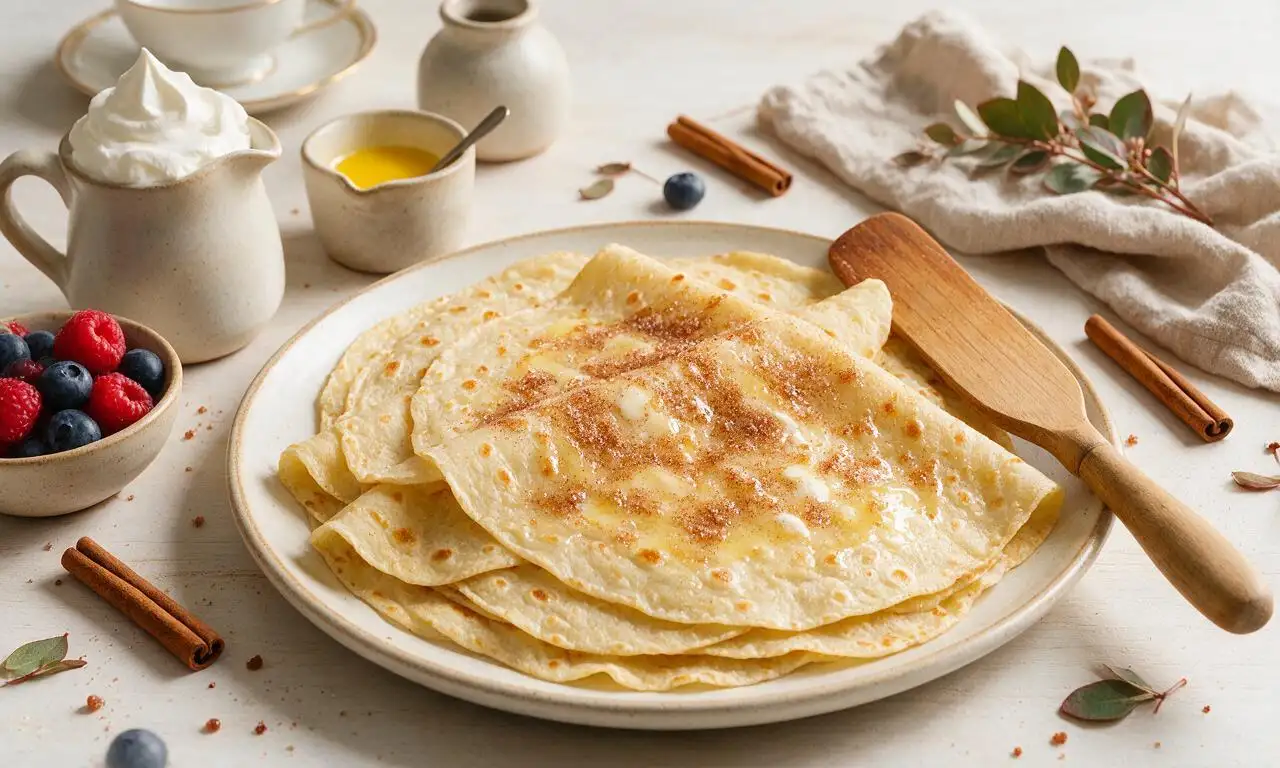
Tender, paper-thin potato flatbread, a beloved Norwegian-American Minnesota Christmas staple, griddled until softly spotted and served warm with butter.
Ingredients
Steps
Boil the Cubed Potatoes
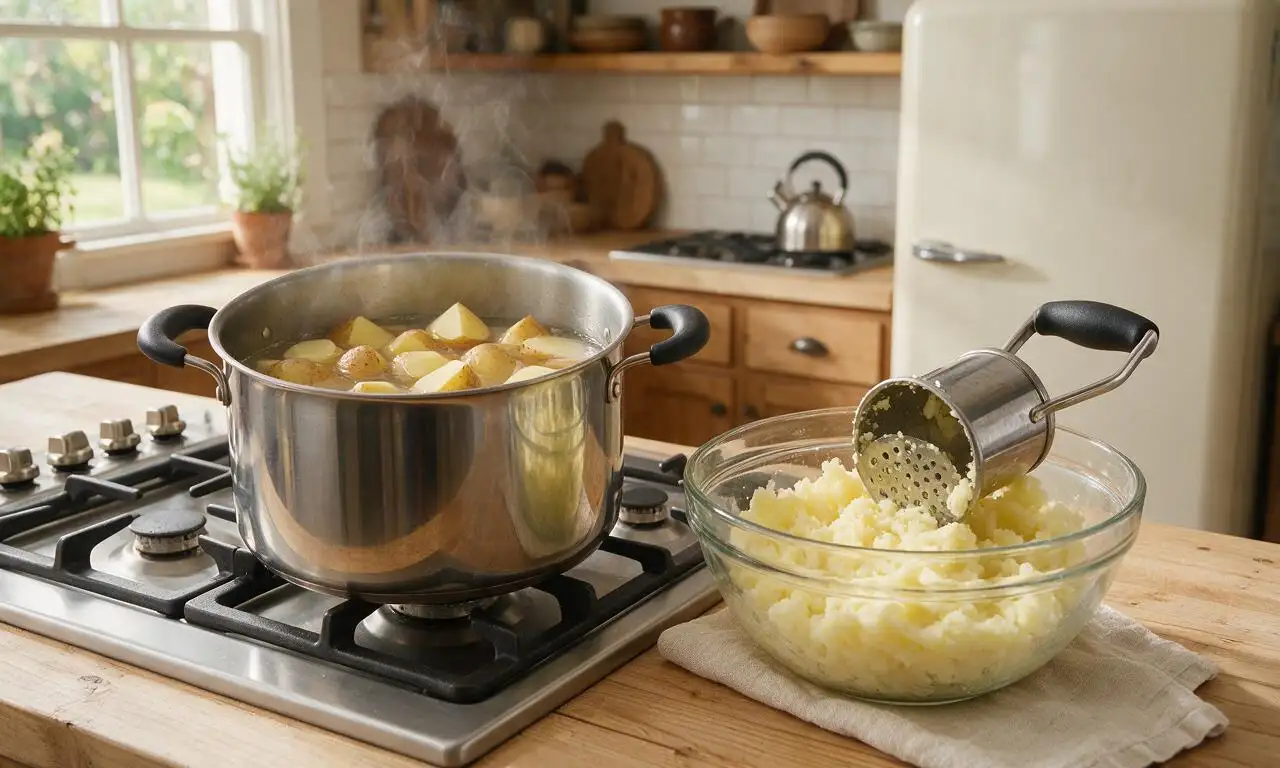
Place 900 grams of peeled, 5cm-cubed russet potatoes in a large stockpot, cover with 2 liters of cold lightly salted water, and bring to a rolling boil over medium-high heat. Reduce heat slightly to maintain a steady simmer, and cook for 18-20 minutes until a fork slides through potato cubes with no resistance. Drain potatoes completely to remove all excess water, then press through a potato ricer into a large mixing bowl while still hot.
Mix Smooth Potato Mash
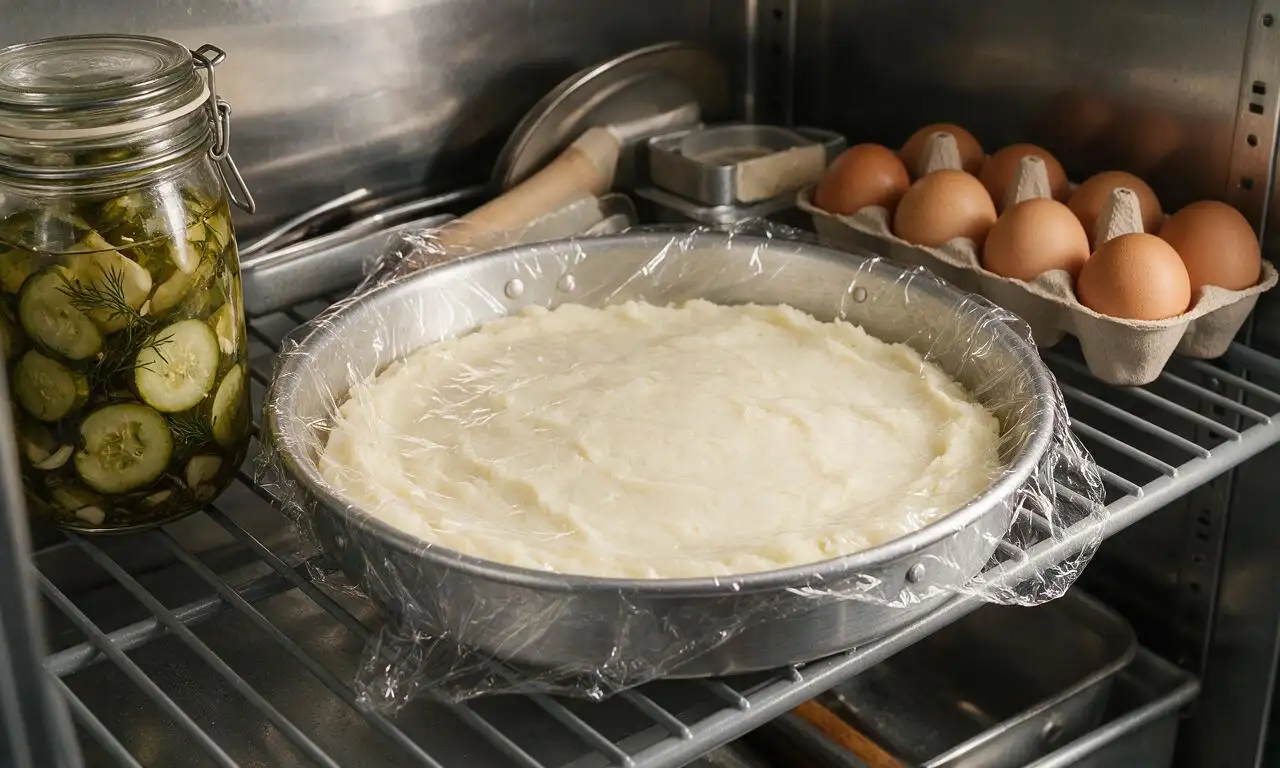
Add 60 grams of melted unsalted butter, 60 ml of warmed heavy cream, and 5 grams of fine sea salt to the hot riced potatoes, stirring gently with a wooden spoon until fully combined into a smooth, lump-free mixture. Spread the potato mixture in a 2cm-thick even layer on a rimmed baking sheet, cover tightly with plastic wrap, and chill in the refrigerator for 30 minutes until completely cold to the touch (no residual warmth, to prevent sticky dough).
Add Flour in Batches
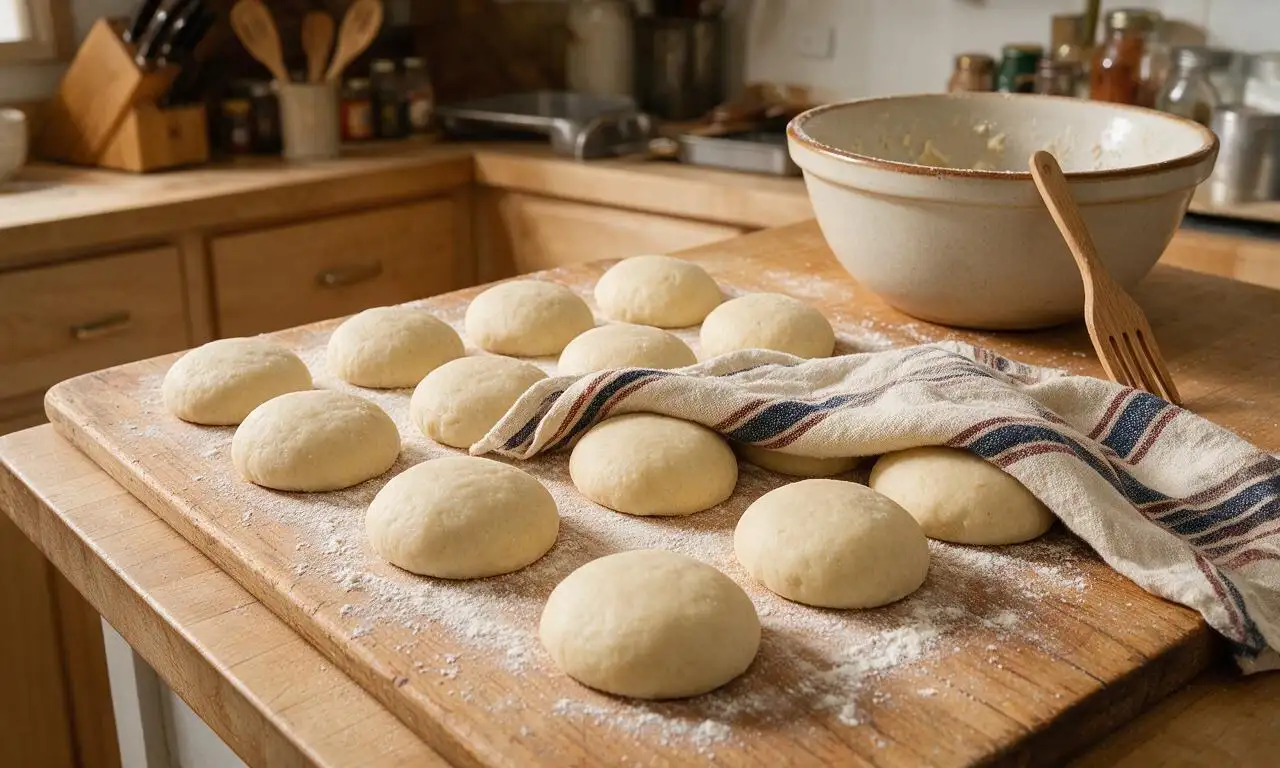
Transfer the fully chilled potato mixture back to the mixing bowl, and gradually add 120 grams of all-purpose flour, 2 tablespoons (15 grams) at a time, stirring gently with a fork after each addition until a soft, pliable, non-sticky dough forms. Do not overmix, as this will develop gluten and create tough lefse. Divide the dough into 12 equal 40-gram portions, rolling each into a smooth round ball, and cover all portions with a damp kitchen towel to prevent drying while rolling.
Roll Out Lefse Dough
Lightly dust a canvas pastry cloth and grooved wooden lefse rolling pin (or standard rolling pin) with extra all-purpose flour to prevent sticking. Take one dough ball, flatten it into a 5cm disc, then roll outward from the center into a paper-thin 20cm (8-inch) round, turning the dough a quarter turn after every 2 rolls to maintain even thickness and prevent sticking. Stack finished rolled rounds between sheets of parchment paper on a baking sheet to avoid tearing.
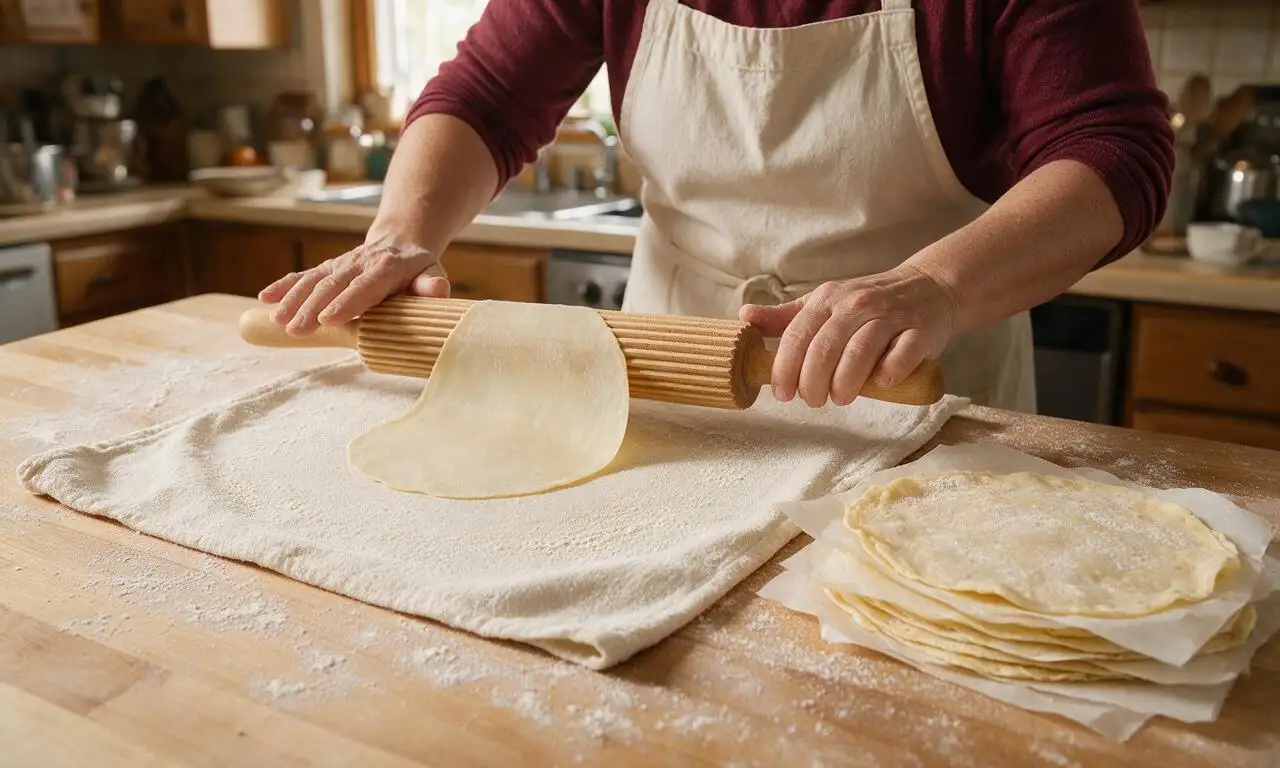
Cook Lefse on Griddle
Preheat a dry, ungreased cast iron griddle or flat skillet to medium heat (190°C / 375°F). Carefully lift one rolled lefse round with a long thin wooden lefse stick or wide offset spatula, and lay it flat on the preheated griddle. Cook for 45-60 seconds on the first side, until small air bubbles form across the top and light golden-brown spots appear on the bottom. Flip the lefse, and cook the second side for 30-45 seconds until matching light golden spots form.
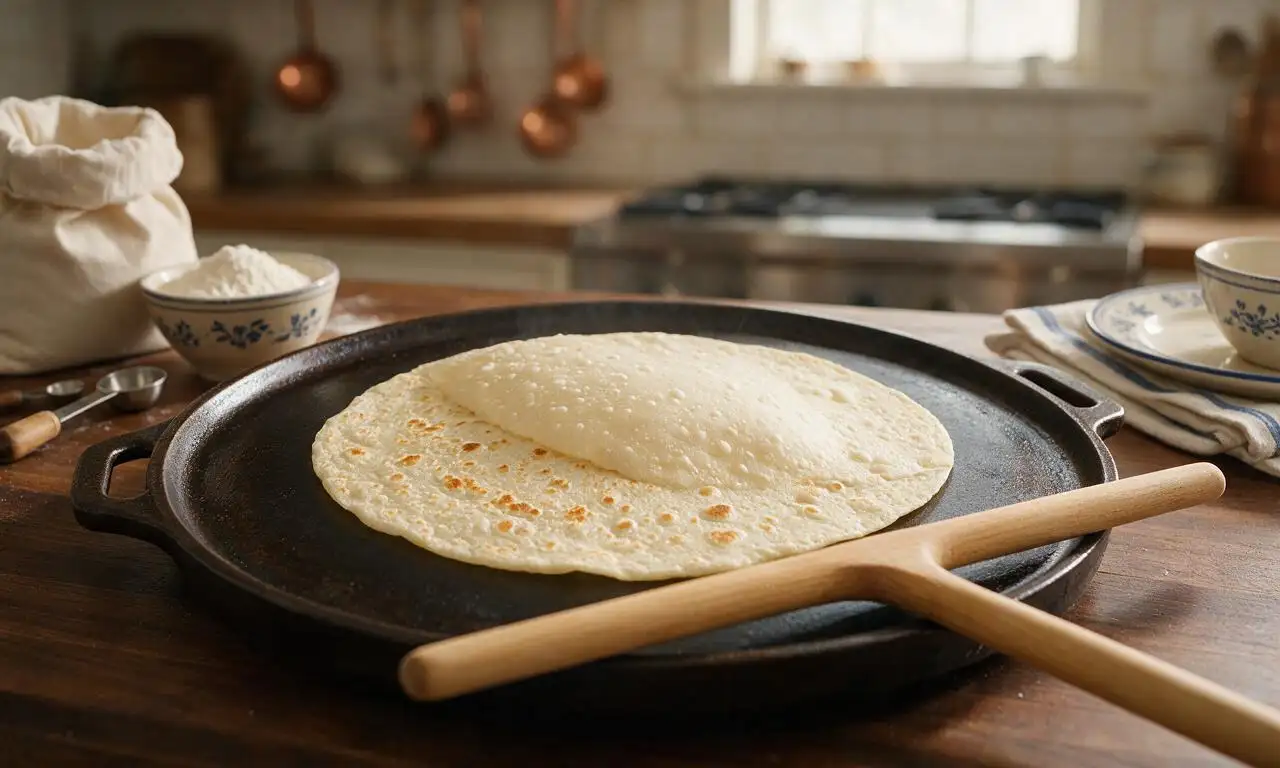
Keep Lefse Soft While Cooling
As each lefse finishes cooking, transfer it to a clean linen kitchen towel set on a wire cooling rack, folding the towel over the growing stack to trap steam and keep the lefse soft and pliable as it cools. Let the stack cool for 10 minutes, then serve warm with softened butter, granulated sugar, or cinnamon sugar. Leftover cooled lefse can be wrapped tightly in plastic wrap and refrigerated for up to 1 week.
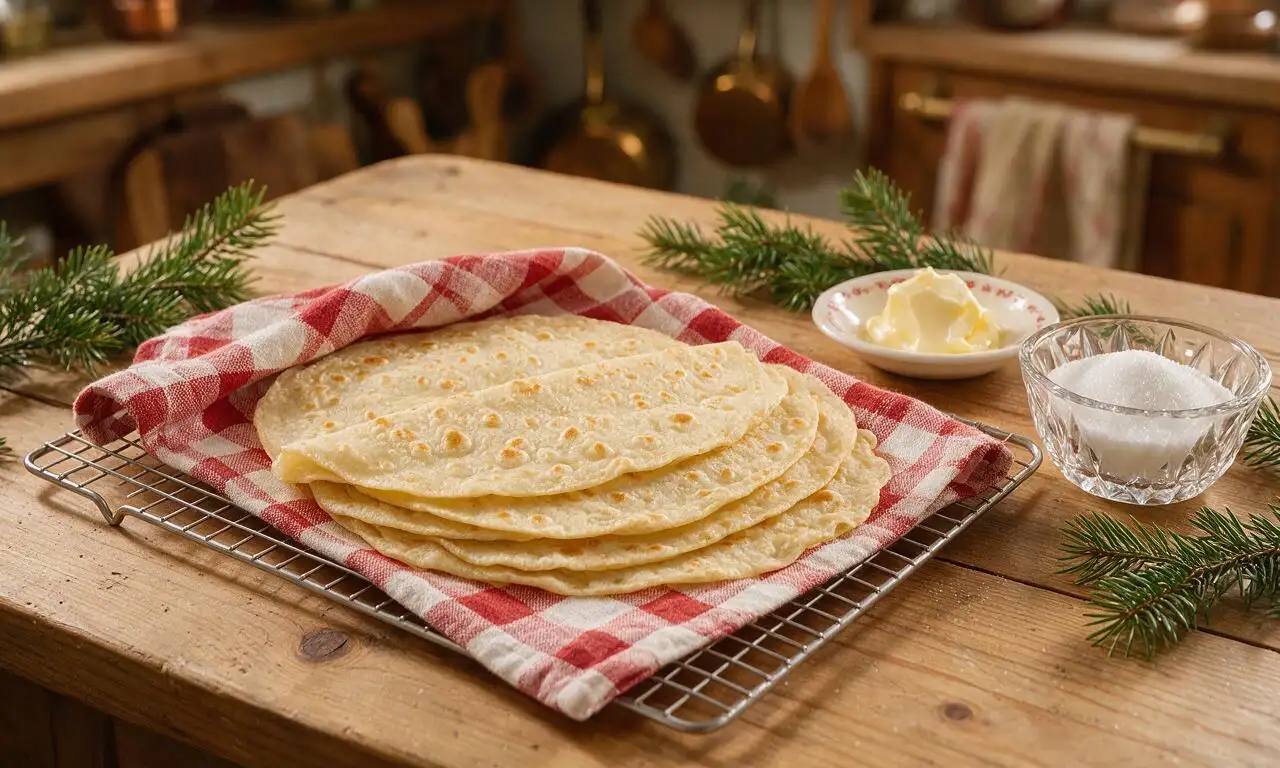
Tips
2.Keep dough portions cold while rolling: if the dough becomes warm and sticky as you work, return it to the refrigerator for 10 minutes to firm up, as warm dough will tear easily when lifted and transferred to the hot griddle.
3.Do not overcook lefse or grease the cooking surface: overcooking creates crispy, cracker-like rounds instead of soft, foldable flatbread, and oil or butter on the griddle will cause uneven browning and soggy spots.


Made this for our church potluck last Sunday and it was the first dish gone! I grew up eating lefse at every family holiday but was always too intimidated to make it myself. The recipe steps were so clear, especially the note about using a pastry cloth and grooved rolling pin—total game changer. My kids loved it slathered with butter and sugar, just like I did when I was little.
OMG made this for our ice fishing trip up north last weekend and the whole crew devoured it! Used butter and cinnamon sugar on top just like my grandma used to make, SO good. Took a couple tries to get the rolling thin enough but totally worth the effort.
Help! I followed the recipe exactly but my lefse keeps tearing when I try to transfer it to the griddle. Did I add too much flour? I’m so frustrated, this is the third batch that’s fallen apart on me.
Not bad for an online recipe! I’ve been making lefse for 60 years, and I’ll admit I was skeptical, but this is pretty close to the recipe my Norwegian immigrant mother taught me. Only tweak I made was adding a tiny pinch of nutmeg to the potato mix, gives it a little extra warmth. Cooked perfectly on my old cast iron griddle.
Tried this for my dorm international food night! I was super nervous because I’ve never made anything like lefse before, but my roommate who’s from Minnesota said it tasted exactly like home. Pro tip: don’t skip the ricer, lumpy potatoes make it impossible to roll out thin. 10/10 would make again.
Has anyone tried freezing these after cooking? I want to make a big batch on Sunday to have for quick breakfasts during the work week, but I don’t want them to get all soggy when I thaw them.
Wait, hear me out—put taco meat and cheese in leftover lefse instead of tortillas. Game changer. I know it’s not traditional but trust me on this. The soft, slightly sweet potato wrap works so good with savory fillings.
This recipe brought back so many childhood memories! My mom used to make lefse every Christmas Eve when we lived in Minneapolis, and I haven’t had it that good since I moved down south. The texture was perfect, not too gummy, just the right amount of potato flavor. I served it with lingonberry jam for our family dinner last night and everyone asked for the recipe.
I brought this to our neighborhood block party last weekend and everyone was begging for the recipe! I was worried it would be too time consuming for a weeknight prep, but breaking it up over two days (cooking and ricing the potatoes the night before, then rolling and cooking the next day) made it so manageable. SO good, will absolutely be making this again for Thanksgiving.