1.Can I use salted butter instead of unsalted butter for this sponge pudding?
▾
You absolutely can, just skip any small pinch of added salt the recipe calls for, as standard salted butter packs roughly 1/4 teaspoon of salt per stick. Unsalted is preferred for full control over the sweet, buttery flavor that pairs so well with raspberry jam, but salted works in a pinch without ruining the light, fluffy sponge texture.
2.Why do the eggs need to be at room temperature for this recipe?
▾
Room-temperature eggs mix far more smoothly into creamed butter and sugar, creating a stable, light batter that rises evenly in the oven. Cold eggs can cause the batter to curdle, leading to a dense, heavy sponge instead of the soft, pillowy crumb and crisp golden top this pudding is known for. Short on time? Submerge cold eggs in warm tap water for 5 minutes to temp them quickly.
3.I don’t have caster sugar on hand—can I substitute regular granulated sugar?
▾
You can, but for the lightest sponge, blitz granulated sugar in a food processor for 10 to 15 seconds to mimic caster sugar’s finer grain. Finer sugar dissolves faster when creamed with butter, trapping more air to help the pudding rise properly. Plain granulated sugar will work, but it may leave you with a slightly coarser, less tender crumb on your finished pudding.
4.What if I don’t have self-raising flour? Can I make my own substitute?
▾
You can easily make a DIY version for this recipe: for every 1 cup of all-purpose flour, add 1 1/2 teaspoons of baking powder and a tiny 1/4 teaspoon of fine salt, then whisk thoroughly to combine. Sift the mixture twice to make sure leavening is evenly distributed, so your sponge rises evenly without any dense, unrisen spots across the top.
5.Can I use a different jam instead of raspberry for the oozing middle layer?
▾
Absolutely! Raspberry is classic for its bright, tart balance to the sweet vanilla sponge, but you can swap it for seedless blackberry, strawberry, apricot, or even lemon curd for a brighter twist. Just make sure your spread is thick enough not to soak entirely into the sponge as it bakes, so you get that signature oozing layer when you cut into it.
6.Why does my sponge pudding turn out dense and heavy instead of light and fluffy?
▾
Dense sponge almost always traces back to three common missteps: overmixing the batter once you add flour, using cold ingredients that don’t trap air properly, or using expired leavening that can’t help the pudding rise. Cream butter and sugar until pale and fluffy first, fold flour gently, and double-check your self-raising flour is in date for that pillowy texture.
7.Do I have to serve this pudding with custard, or are there other good serving options?
▾
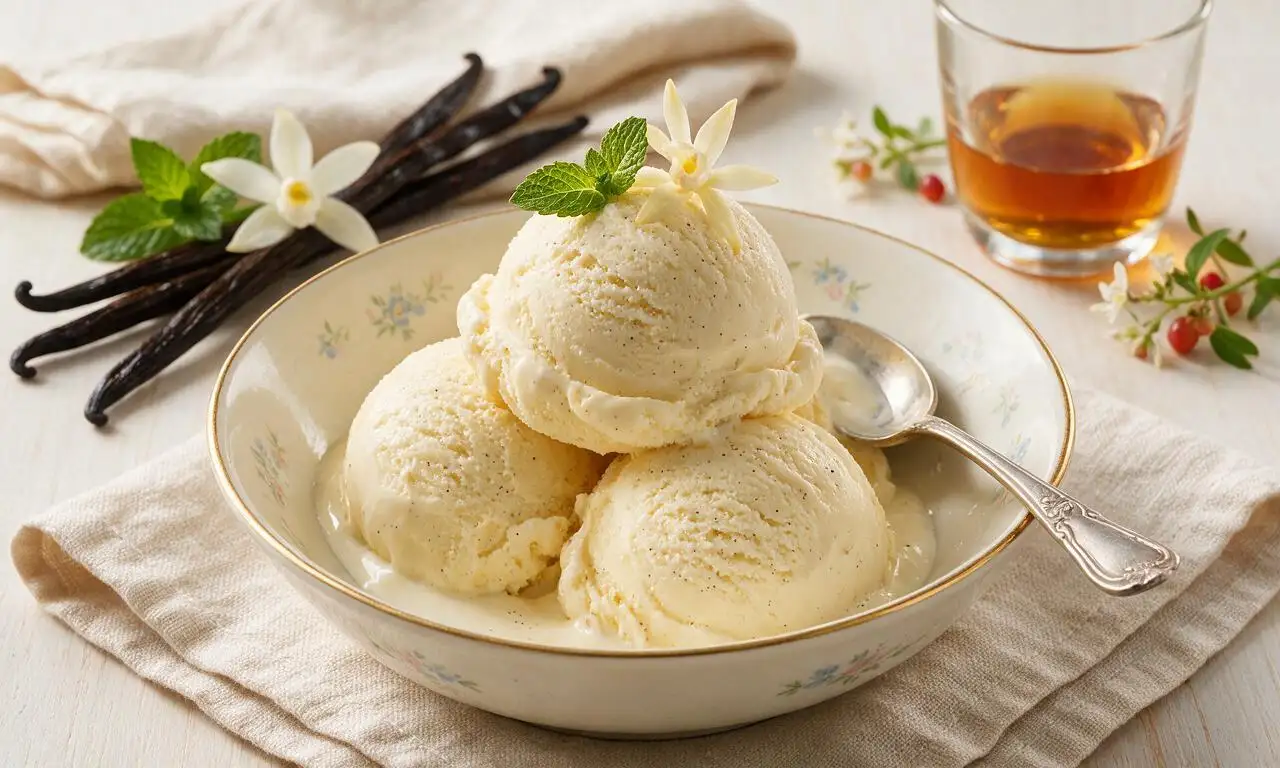
Warm, creamy vanilla custard is the classic pairing that cuts through the sweet sponge and jam, but it’s far from mandatory. You can serve slices with freshly whipped heavy cream, a scoop of vanilla bean ice cream that melts into the warm pudding, a drizzle of heavy cream, or even a dollop of crème fraîche for a slightly tangy contrast.
8.Can I make this sponge pudding ahead of time for a dinner party?
▾
You can bake the pudding up to 24 hours ahead, then let it cool completely, cover tightly, and store it at room temperature. When you’re ready to serve, reheat individual portions in the microwave for 20 to 30 seconds, or warm the whole dish in a low 300°F oven for 10 to 12 minutes until heated through, so the jam layer is oozing and the sponge is soft.
9.What size baking dish works best for this classic sponge pudding?
▾
A 1.5-quart (6-cup) shallow ceramic or glass baking dish is ideal for this recipe, as it gives the batter enough room to rise up and form that signature crisp golden top, while leaving space for the jam layer to sit underneath. Avoid overly deep dishes, as they can leave the middle of the sponge underbaked even when the top looks done.
10.Can I use low-fat or skim milk instead of whole milk?
▾
Whole milk gives the sponge a rich, tender crumb and subtle creamy depth that pairs perfectly with vanilla and jam, but you can use 2% milk in a pinch. Skim or light non-dairy milks like unsweetened almond milk will work, but they produce a slightly less tender, less flavorful sponge, so add an extra tablespoon of softened butter to make up for missing fat.
11.How do I get that perfect oozing jam layer that doesn’t sink all the way to the bottom?
▾
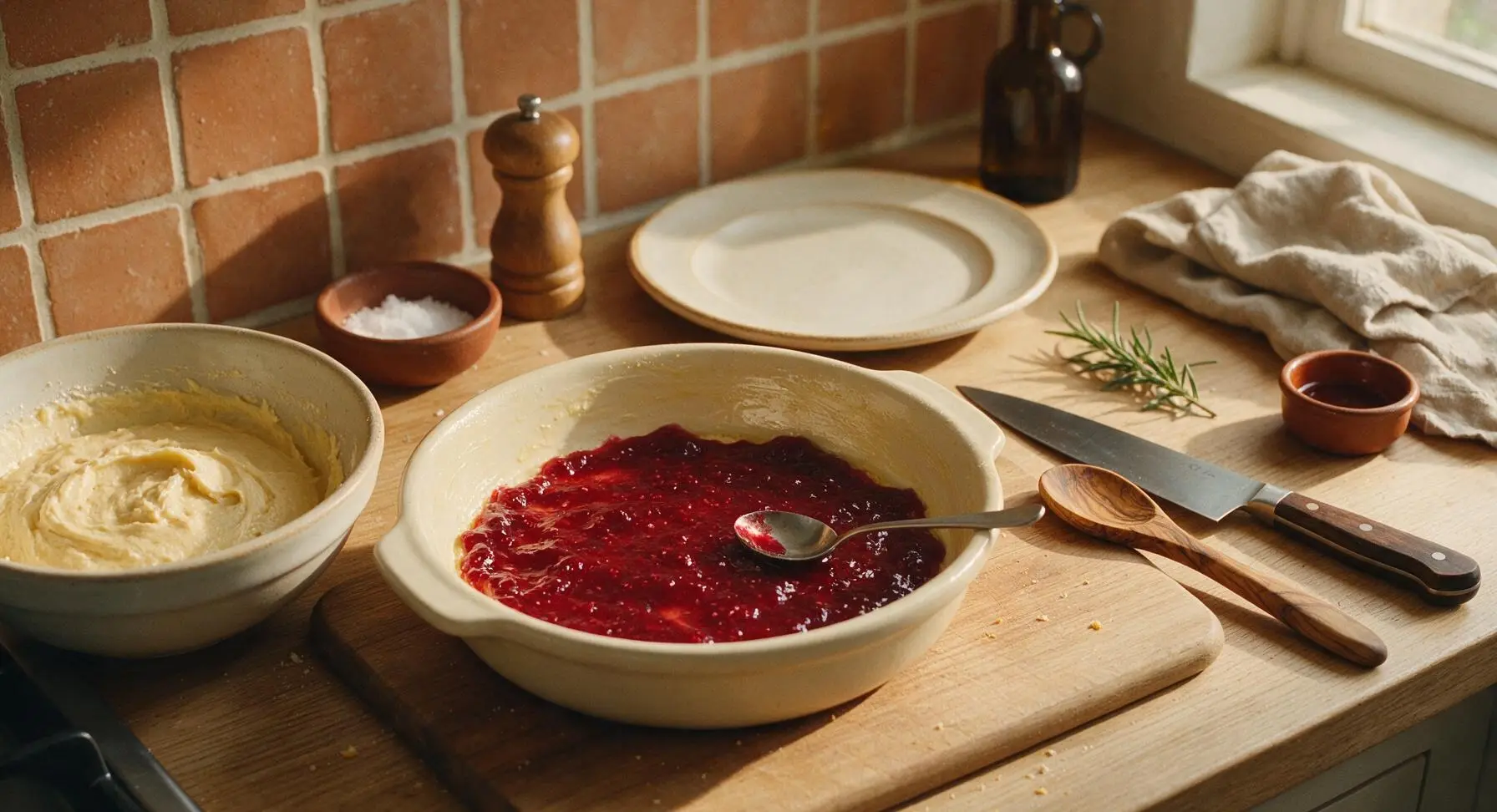
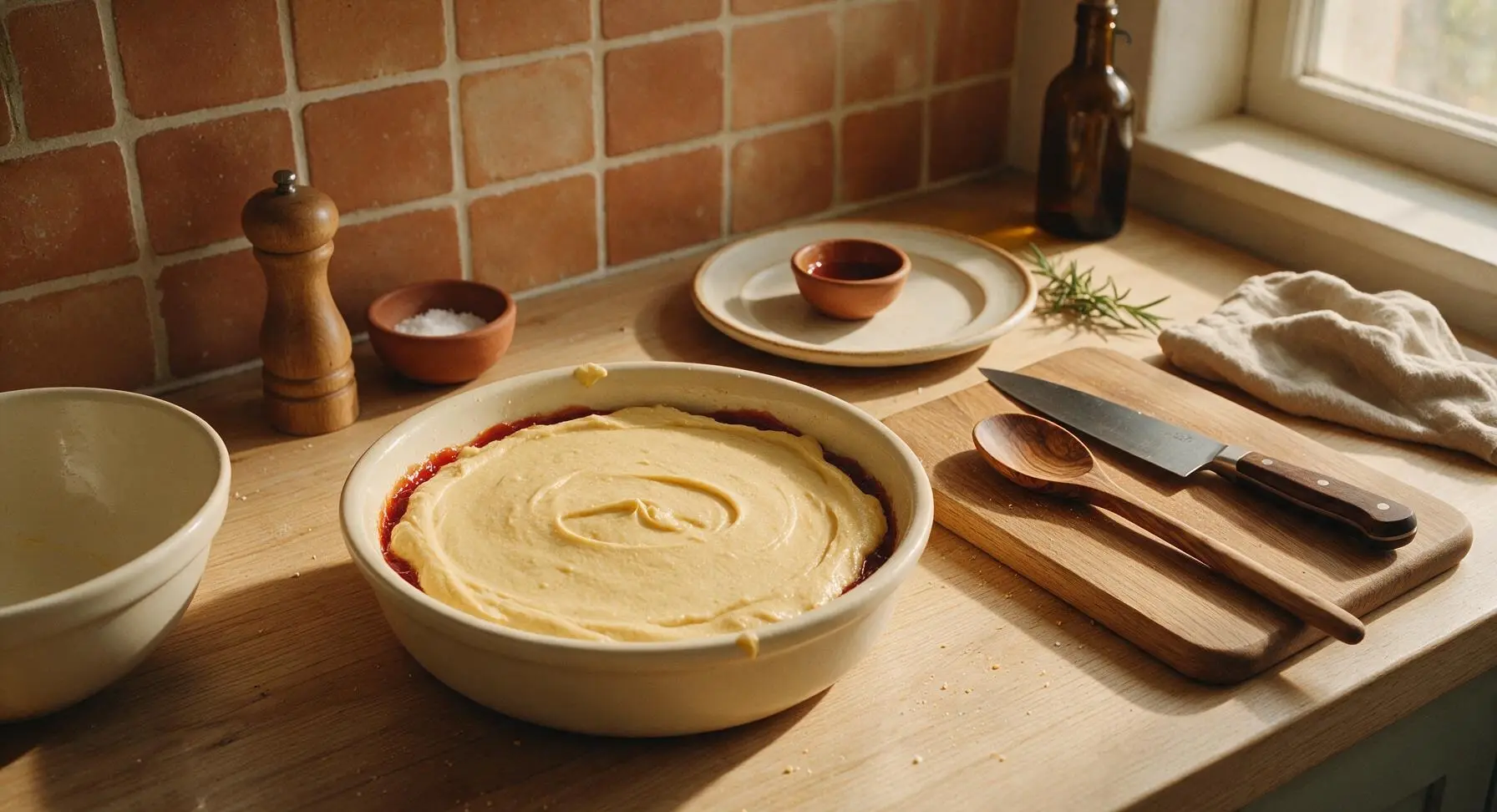
To keep the jam as a distinct, oozing middle layer, spread it evenly over the base of your greased baking dish first, then dollop the sponge batter gently over the top and spread it carefully without mixing it into the jam. Use thick, room-temperature jam rather than runny, warm jam, which is more likely to seep through the batter as it bakes.
12.How do I know when the baked sponge pudding is fully done baking?
▾
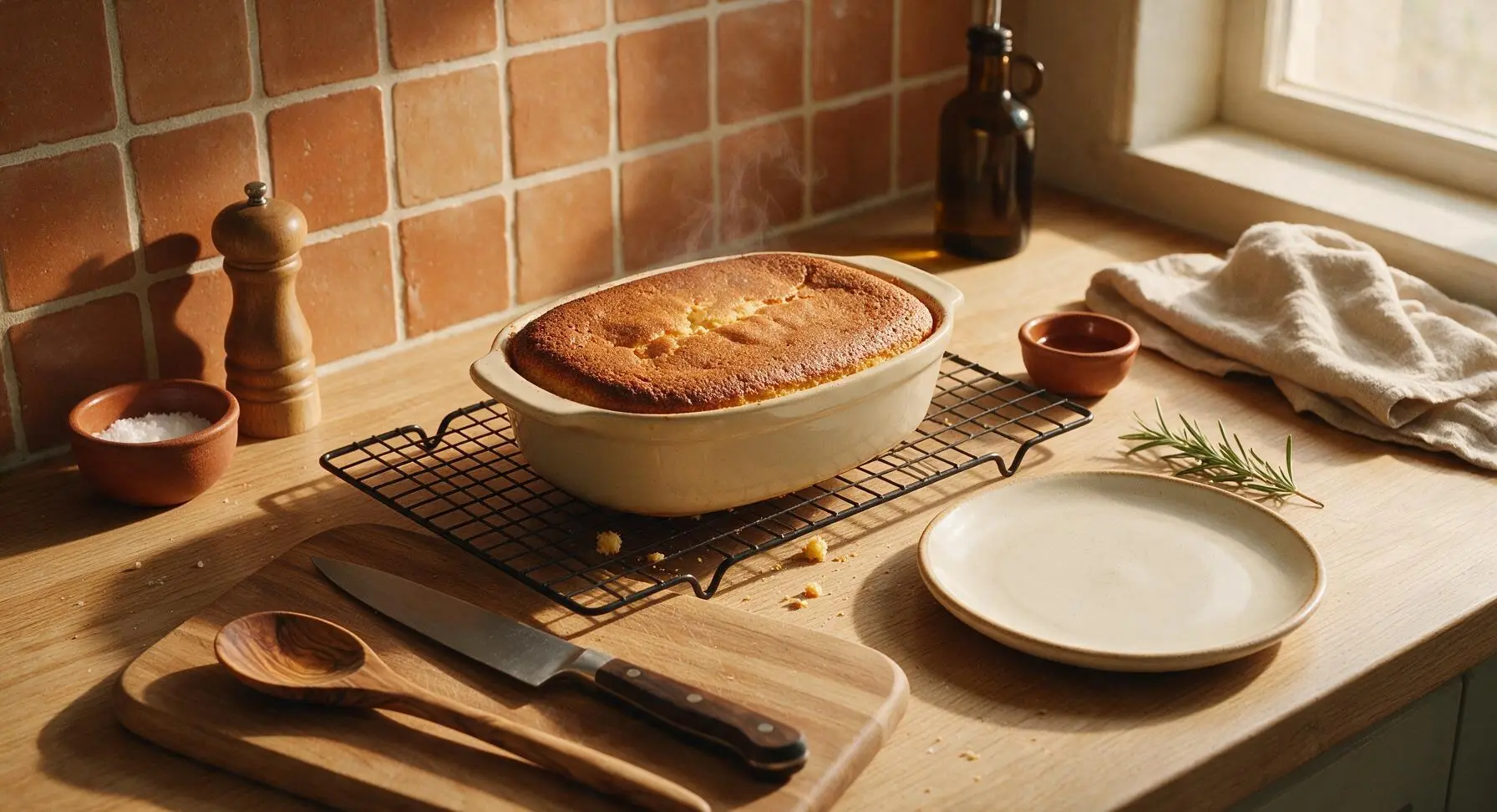
The pudding is done when the top is a deep, crisp golden brown, and a wooden skewer inserted into the center of the sponge (not all the way down to the jam layer) comes out clean with just a few moist crumbs attached, no wet batter. It usually takes 35 to 40 minutes at 350°F, and edges will pull slightly away from the sides of the dish when it’s ready.
13.Can I add extra flavors to the plain vanilla sponge base?
▾
Absolutely! The mild vanilla base is super versatile. You can stir in a teaspoon of lemon zest for a bright, citrusy note, a half teaspoon of almond extract to complement the raspberry jam, a handful of white chocolate chips folded into the batter, or a light sprinkle of ground cinnamon for a warm, spiced twist perfect for cold weather.
14.Why is the top of my sponge pudding too pale and not crisp?
▾
A pale, soft top usually means your oven temperature was too low, or you placed the dish too low in the oven. For a crisp golden top, preheat your oven fully for at least 15 minutes before baking, and place the dish on the middle rack. You can also sprinkle a light dusting of caster sugar over the batter before baking to encourage extra crisping and caramelization.
15.Can I make this recipe gluten-free for guests with dietary restrictions?
▾
You can easily make a gluten-free version by swapping the self-raising flour for a gluten-free self-raising flour blend designed for baking (look for one with xanthan gum in the ingredient list). Give the batter an extra 5 minutes of resting time after mixing to let the flour absorb wet ingredients, which prevents a gritty texture in the finished fluffy sponge.
16.How should I store leftover baked sponge pudding?
▾
Let leftover pudding cool completely to room temperature, then cover the baking dish tightly with plastic wrap or transfer slices to an airtight container. It will keep well in the fridge for up to 3 days. Avoid storing it at room temperature for longer than 2 days, as the moist jam layer can encourage mold growth faster than plain baked goods. Reheat gently before serving.
17.Do I need to grease my baking dish before adding the jam and batter?
▾
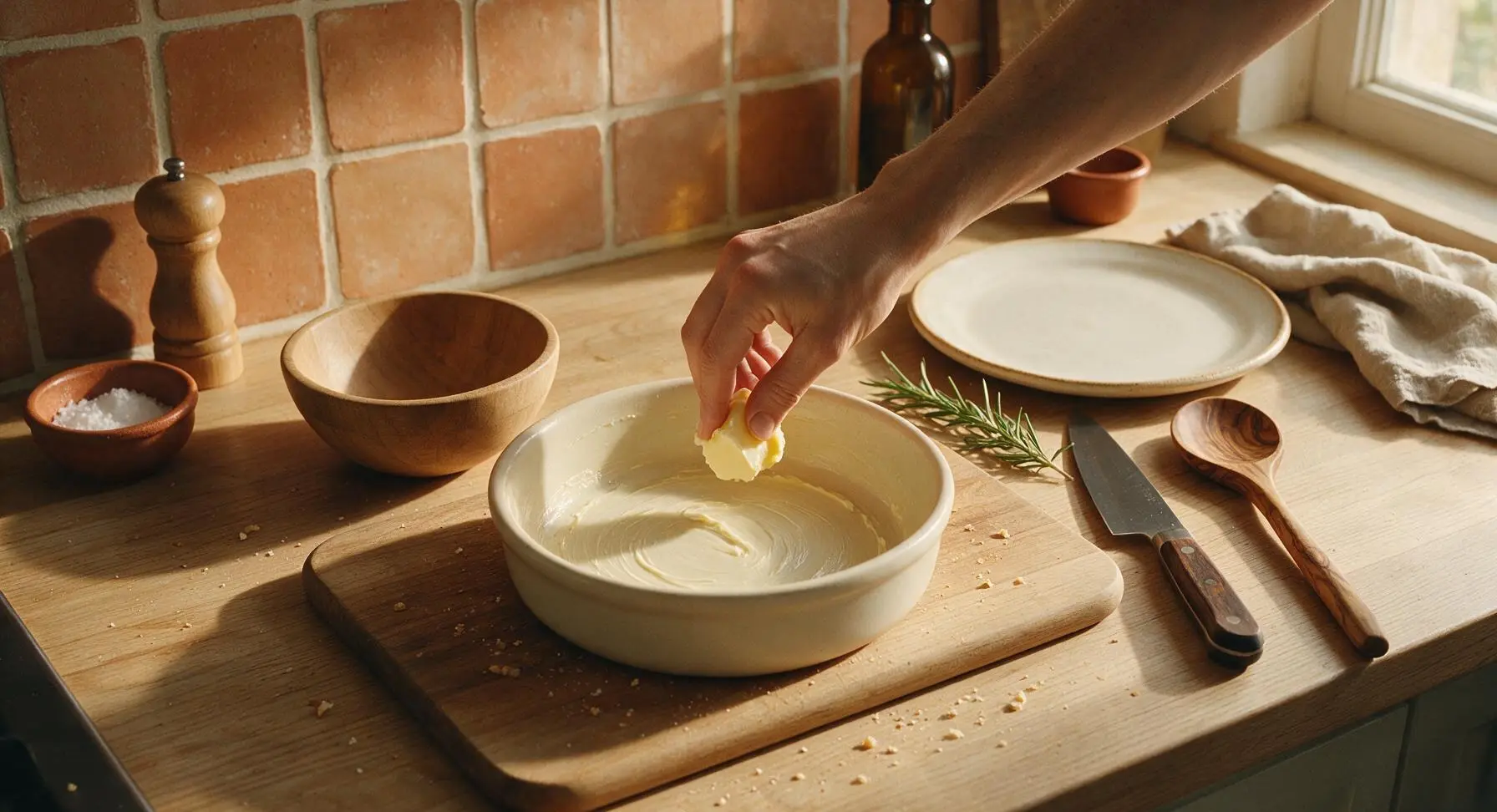
Yes, always grease the inside of your baking dish thoroughly with softened butter or non-stick baking spray before adding anything. This prevents the edges of the sponge and sticky jam layer from gluing themselves to the dish as it bakes, making it much easier to scoop out clean portions, and it helps edges crisp up nicely instead of sticking and turning soggy.
18.Can I bake this pudding in individual ramekins instead of one large dish?
▾
Absolutely! Divide the jam evenly between 6 to 8 standard 6-ounce ramekins, then top with equal portions of the sponge batter. Bake at the same 350°F temperature for 20 to 25 minutes, until the tops are golden and a skewer inserted into the sponge comes out clean. Individual portions are perfect for dinner parties, as everyone gets their own crisp-topped serving with oozing jam.
19.My batter curdled when I added the eggs—did I ruin the whole pudding?
▾
Don’t panic! Curdling happens when eggs are too cold, or added too quickly to the creamed butter and sugar. You can fix it by stirring in a tablespoon of the measured flour after each egg addition to stabilize the mixture. Even if it stays slightly curdled, the pudding will still bake up just fine, though it may be a tiny bit less fluffy than a perfectly smooth batter.
20.Can I freeze leftover baked sponge pudding to enjoy later?
▾
Yes, this pudding freezes really well. Let it cool completely, then cut it into individual portions and wrap each tightly in plastic wrap and a layer of aluminum foil to prevent freezer burn. It will keep for up to 3 months in the freezer. Thaw portions in the fridge overnight, then reheat in the microwave for 30 to 40 seconds until warm, and serve with fresh custard.

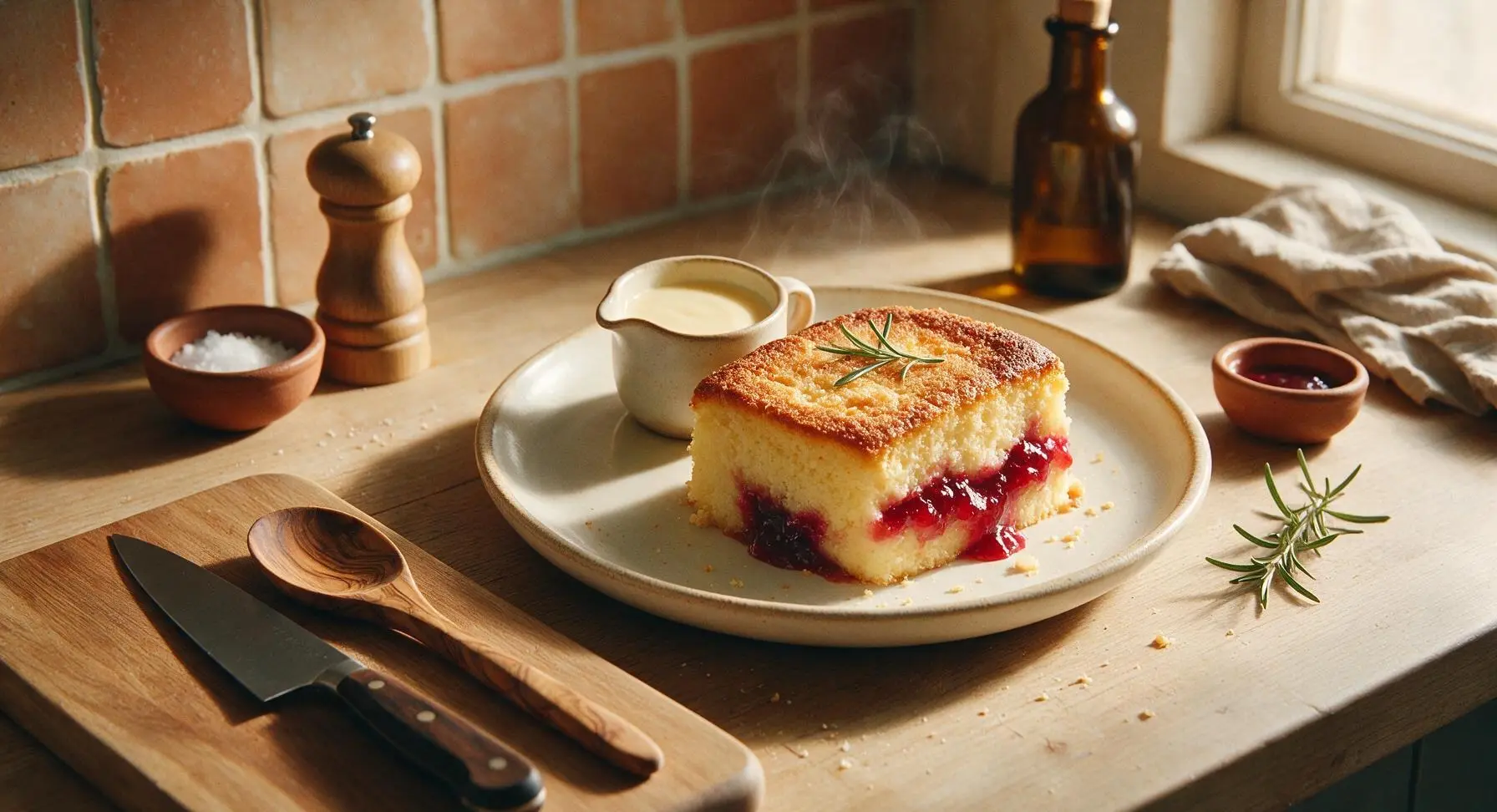
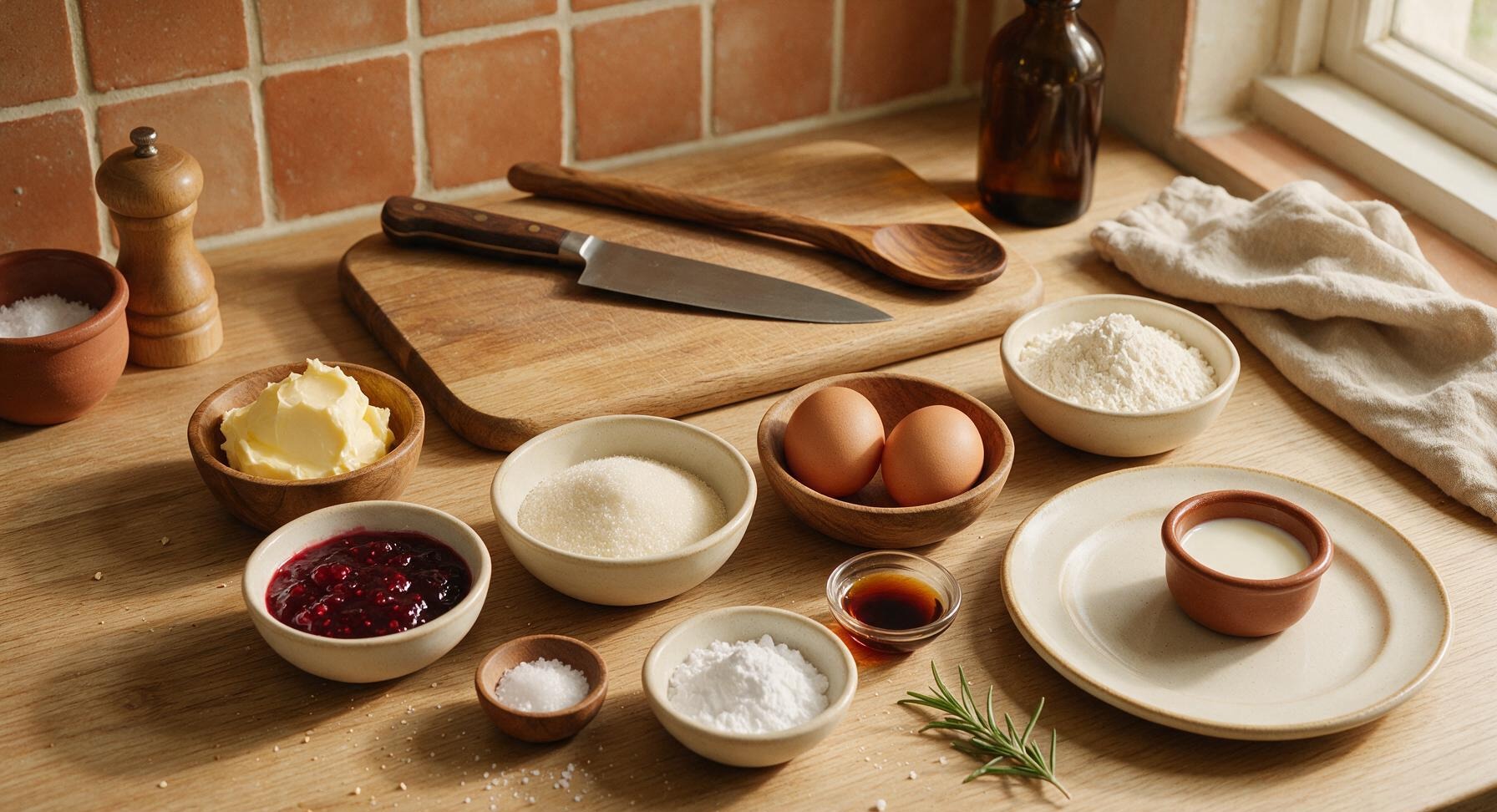
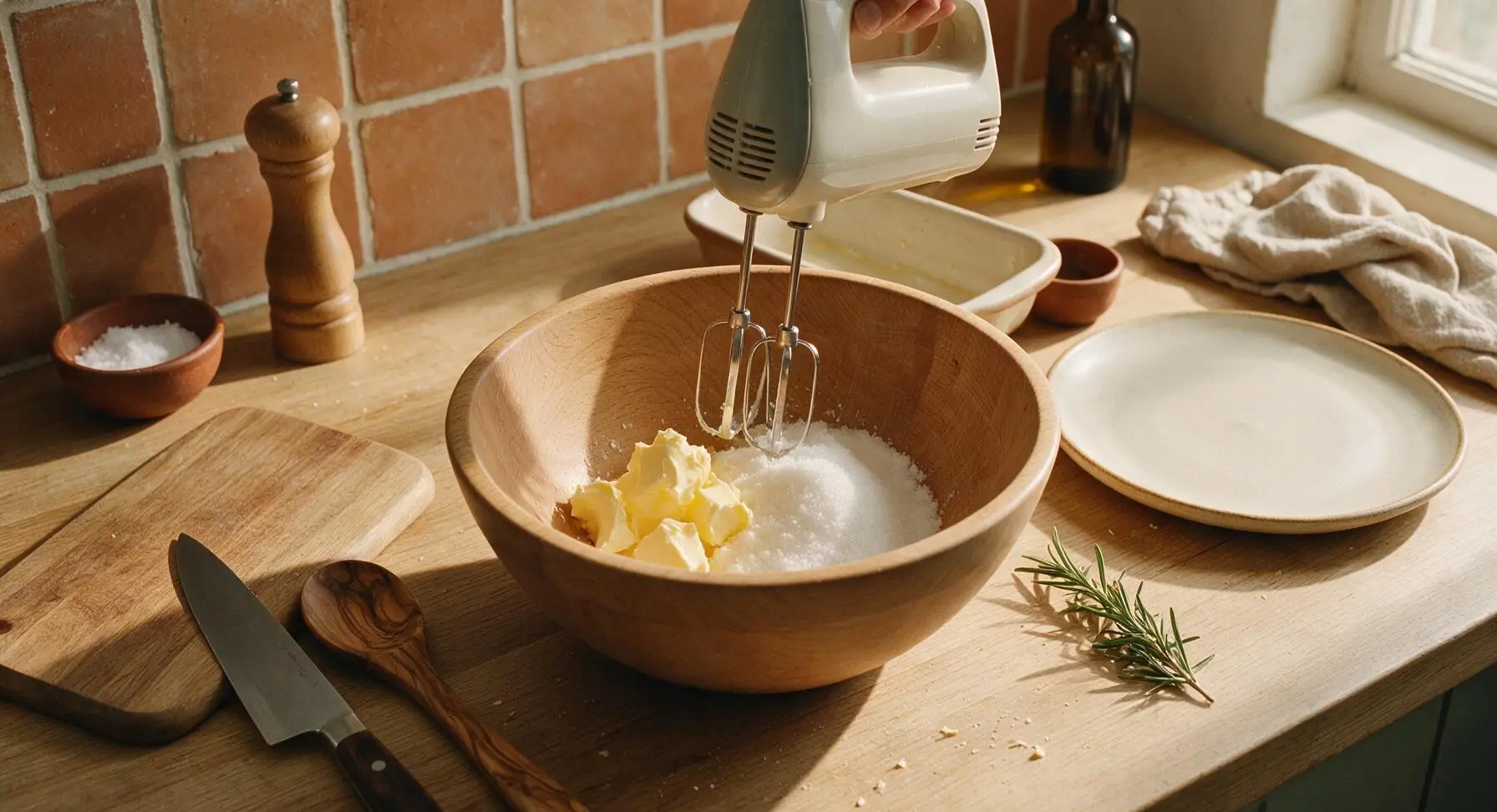

OMG this classic baked sponge pudding was such a hit at our Sunday family dinner last night! I tossed a handful of fresh berries on top before serving and my kids begged for second helpings. It was so easy to throw together even on a busy weeknight, total game changer for quick desserts.
Took me a minute to get the batter consistency right but once it was in the oven? *Chef’s kiss* SO good, light and fluffy not dense like other sponge pudding recipes I’ve tried. Cook time was spot on 35 minutes for my oven too, no adjustments needed.
Made this for my dorm floor potluck last week and people were asking me for the recipe left and right! Super easy, didn’t need any fancy equipment, and it was cheap to make with stuff I already had in my pantry. 10/10 will make again.
Wait, can I swap the regular all-purpose flour for a 1:1 gluten free baking flour for this? I have a family member with celiac coming for dinner next week and this looks like the perfect easy dessert.
I was worried this would be too fussy for a weeknight dessert but nope! 10 minutes of prep, pop it in the oven while we eat dinner, and it’s ready right when we’re done clearing plates. Served it with vanilla bean ice cream and my husband said it’s better than the pub version he grew up eating in England.
Brought this to our neighborhood block party last weekend and it was gone in 10 minutes flat! I added a little lemon zest to the batter for a bright kick and it was chef’s kiss. Super easy to transport too, didn’t get all soggy or messy on the drive over.
Okay I’m a total baking newbie and I didn’t mess this up!!! I was so nervous I’d overmix the batter and make it tough but I followed the directions exactly and it came out light, fluffy, perfectly sweet. My roommates are obsessed.
Has anyone tried making this with a sugar substitute? I’m cutting back on added sugar but I’ve been craving a good warm sponge pudding forever.
Made this for my daughter’s birthday dessert because she asked for something ‘warm and cozy’ and she absolutely loved it! I might have overbaked it by 3 minutes because I got distracted helping with presents, but the edges were nice and crispy and the middle was still soft. Win in my book.
I make this on Sunday nights and portion it out for quick dessert treats all week long! It holds up really well in the fridge for 4-5 days, just 20 seconds in the microwave and it tastes like it’s fresh out of the oven. Perfect for when I don’t have time to bake after work.
I added a layer of peach preserves at the bottom of the dish before pouring the batter on top and y’all. It was like a fancy upside down cake but so much easier! The sweet, fruity layer pairs so perfectly with the light sponge, I’m never making it plain again.
Wait, do you have to use dairy milk for this? I only keep oat milk in the house, would that work as a swap?
I’ve been making sponge pudding for 50 years and this recipe is just as good as the one my mom used to make! It’s simple, no fancy frills, just perfectly sweet, fluffy sponge every single time. I served it with warm custard for my grandkids last weekend and they ate every last bite.
Made this for our football watch party last weekend instead of the usual cookies and brownies and it was a total smash! I topped it with a little caramel drizzle and whipped cream and people kept coming back for more. So easy to make in a big baking dish to feed a crowd, will be adding this to my regular tailgate rotation.