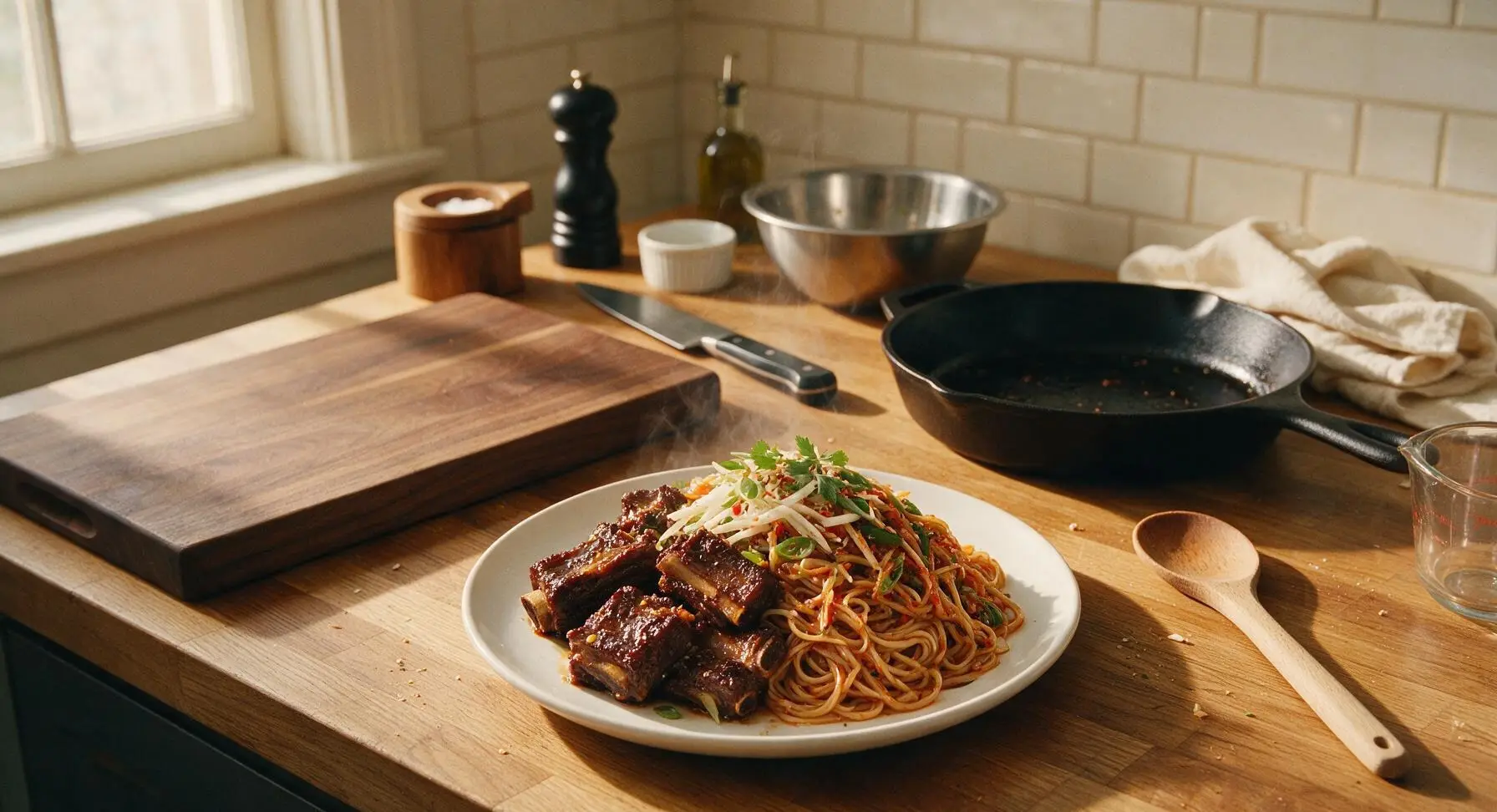
Bibim Guksu Ribs

title 1
Bibim Guksu Ribs
⏱️ cook time 1 hour 10 minutes
🍽️ servings 4
⚡ Difficulty medium

intro

Tender soy-glazed short ribs paired with chewy cold noodles tossed in spicy-tangy bibim sauce—bright, savory, and perfectly balanced for warm-weather family meals.

Ingredients
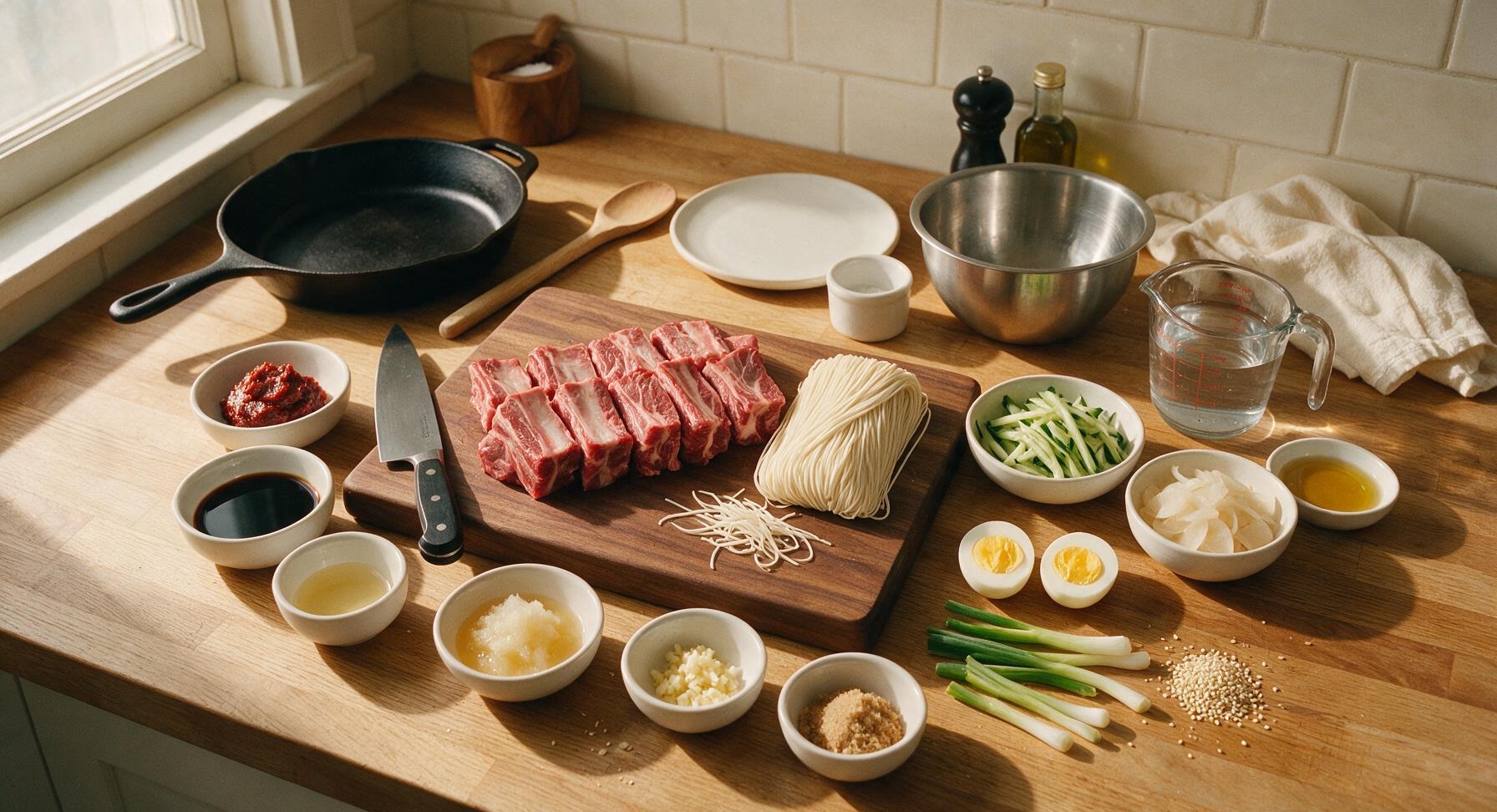
Bone-in beef short ribs (cut into 3cm thick pieces, trimmed) 800g
Somyeon (thin Korean wheat noodles) 300g
Gochujang (Korean red chili paste) 3 tbsp
Low-sodium soy sauce 1/3 cup (divided)
Rice vinegar 2 tbsp
Bosc pear (grated, juice reserved) 1/2 cup (divided)
Garlic (minced) 4 cloves (2 tbsp)
Toasted sesame oil 2 tbsp (divided)
Light brown sugar 1 tbsp (divided)
Persian cucumber (julienned) 1 cup
Pickled daikon radish (thinly sliced) 1/2 cup
Scallions (sliced, greens and whites separated) 4 stalks
Toasted white sesame seeds 1 tbsp
Hard-boiled eggs (peeled, halved) 2
Water 2 cups

Steps

1

Trim Beef Short Ribs

Place the 800g of short ribs on the honey oak cutting board. Use the 8-inch chef knife to trim excess hard fat and silver skin from rib surfaces, leaving a thin 3mm layer of fat for flavor. Pat ribs completely dry with a corner of the linen towel, then season lightly with 1/4 tsp freshly ground black pepper. Dry ribs will develop a deep, even sear without steaming.
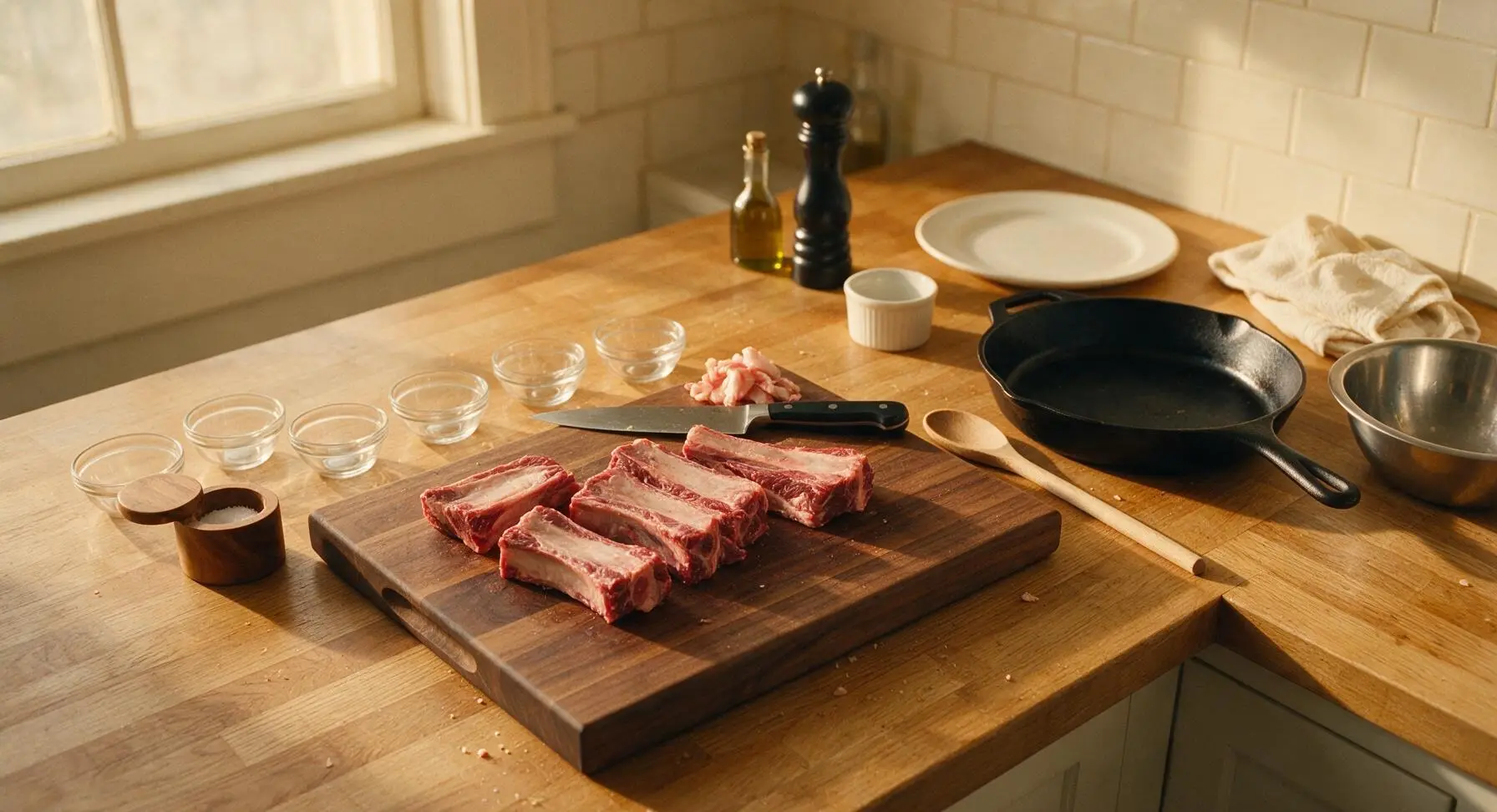
Step 1
step1:Trim Beef Short Ribs
2

Sear and Braise Ribs

Heat the 5.5L stainless steel Dutch oven over medium-high heat for 2 minutes. Add 1 tsp toasted sesame oil, then place ribs fat-side down in a single layer, working in batches if needed to avoid crowding. Sear 3 minutes per side until deep golden brown on all surfaces. Pour in 2 cups water, 1/4 cup soy sauce, all but 2 tbsp of the grated pear (reserve remainder for sauce), 1 tbsp minced garlic, 2/3 tbsp brown sugar, and scallion whites. Bring to a gentle simmer, reduce heat to low, cover, and cook for 1 hour until ribs are fork-tender but firmly attached to the bone. Remove the lid for the final 10 minutes to reduce braising liquid to a thick, glossy glaze that coats the back of the beech wood spoon.
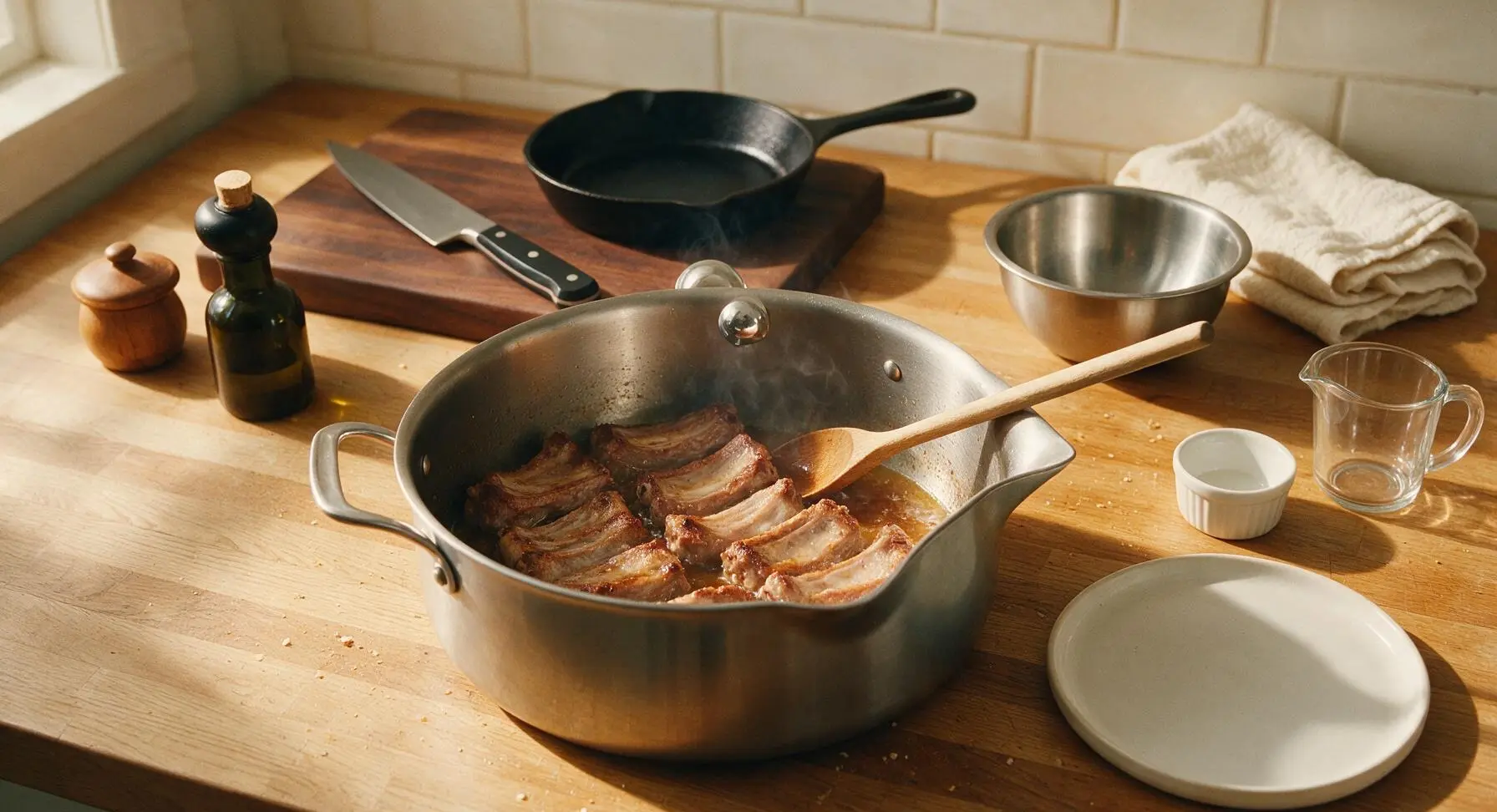
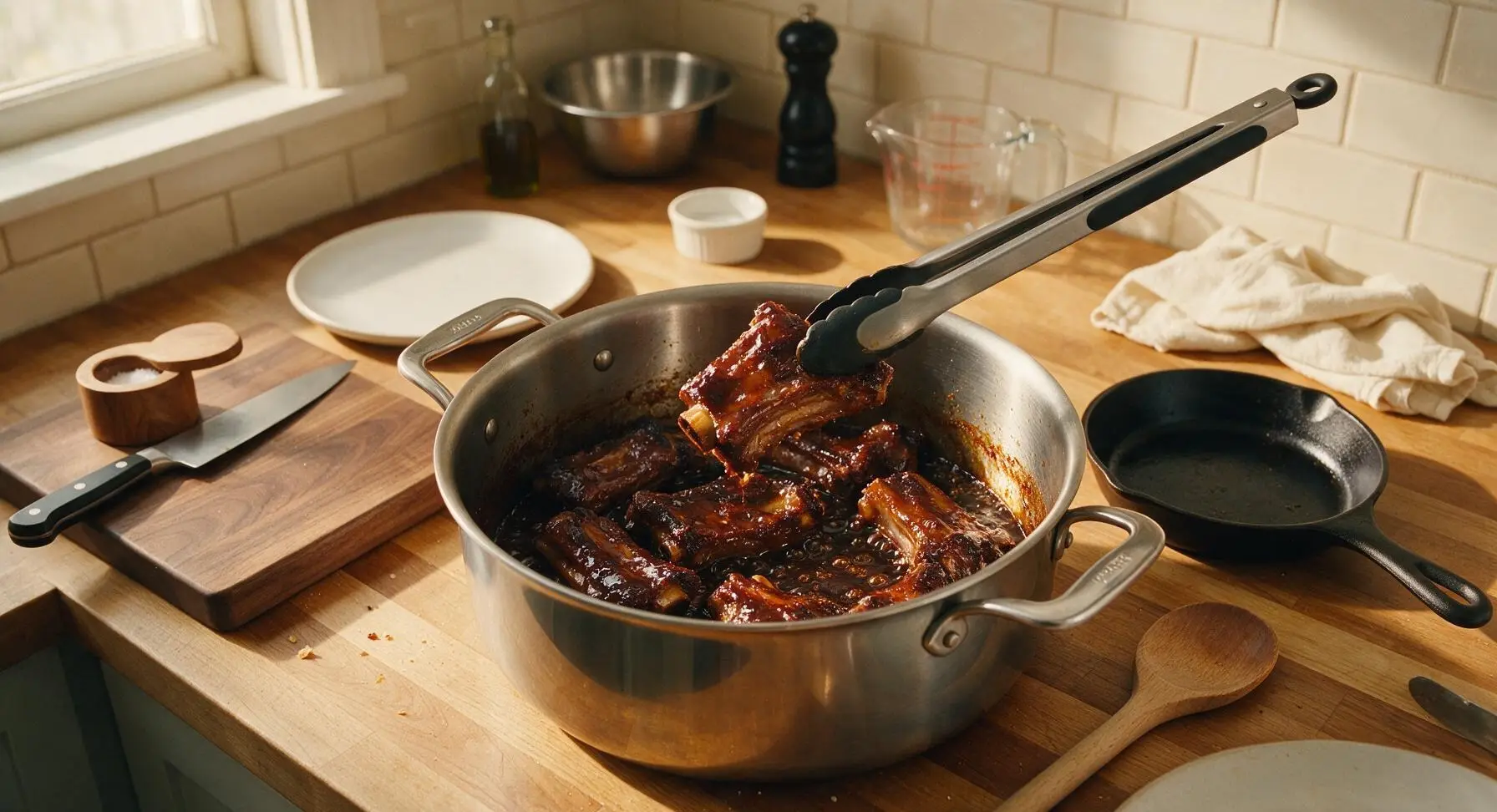
Step 2
step2:Sear and Braise Ribs
Step 2
step2:Sear and Braise Ribs
3

Cook and Chill Noodles

Fill the 6-quart stainless steel stock pot with 4L of water, bring to a rolling boil over high heat, and add 1 tbsp coarse salt. Add 300g somyeon noodles, stirring gently with the beech wood spoon to prevent sticking. Cook for exactly 3 minutes—do not overcook, as noodles should retain a firm, chewy bite. Drain immediately in the fine-mesh colander, then rinse thoroughly under cold running water for 2 minutes until noodles are completely cold to the touch and all surface starch is washed away. Toss noodles gently in the colander to drain off all excess water; set aside.
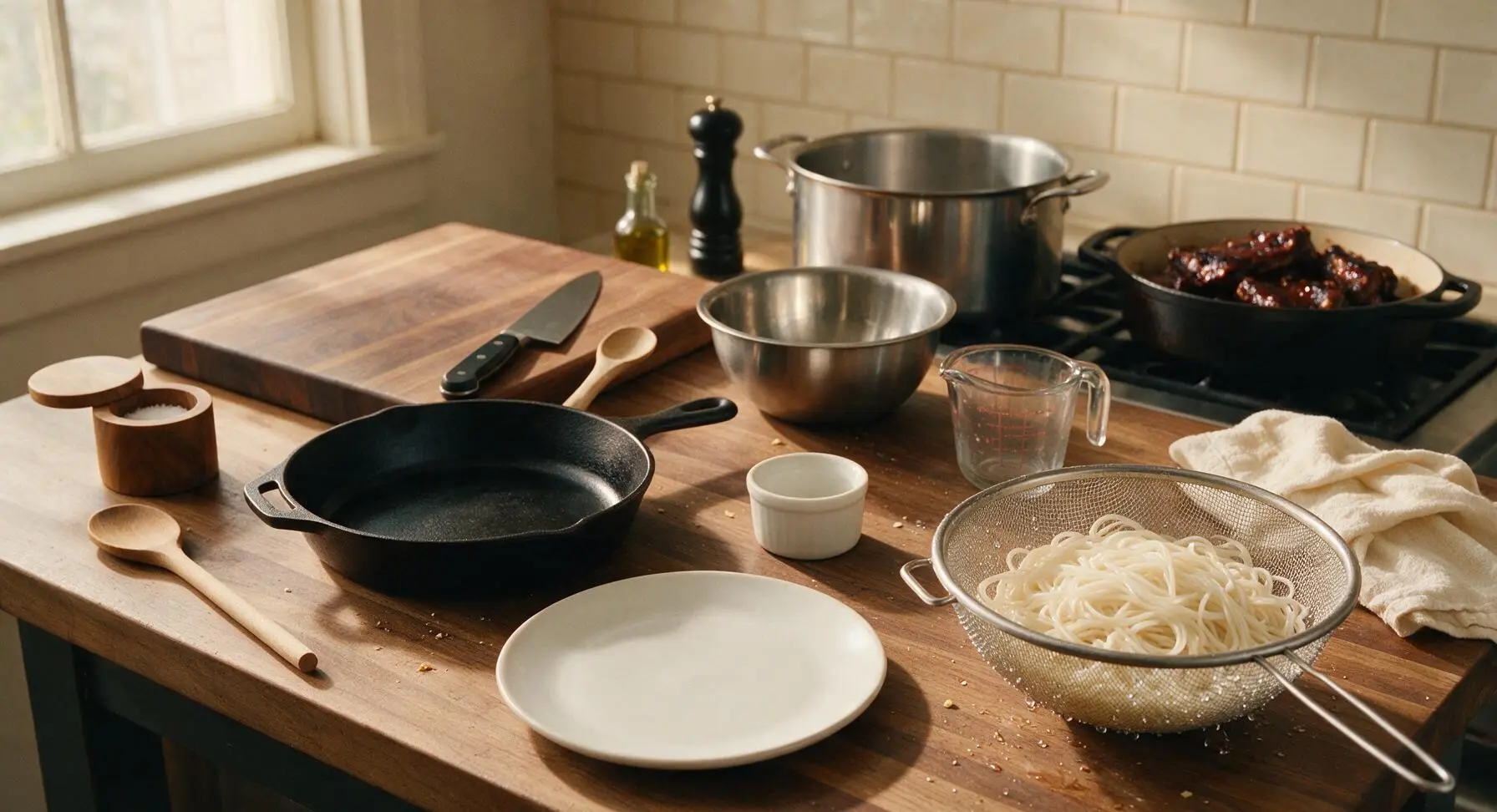
Step 3
step3:Cook and Chill Noodles
4

Mix Bibim Sauce Base

In the large stainless steel mixing bowl, combine 3 tbsp gochujang, remaining 2 tbsp soy sauce, 2 tbsp rice vinegar, reserved 2 tbsp grated pear, remaining 1 tbsp minced garlic, 1 tbsp toasted sesame oil, and remaining 1/3 tbsp brown sugar. Stir thoroughly with the beech wood spoon until the sauce is completely smooth, with a thick, drizzleable consistency. Taste and adjust: add extra rice vinegar for tang, or a pinch more sugar if the gochujang is overly spicy.
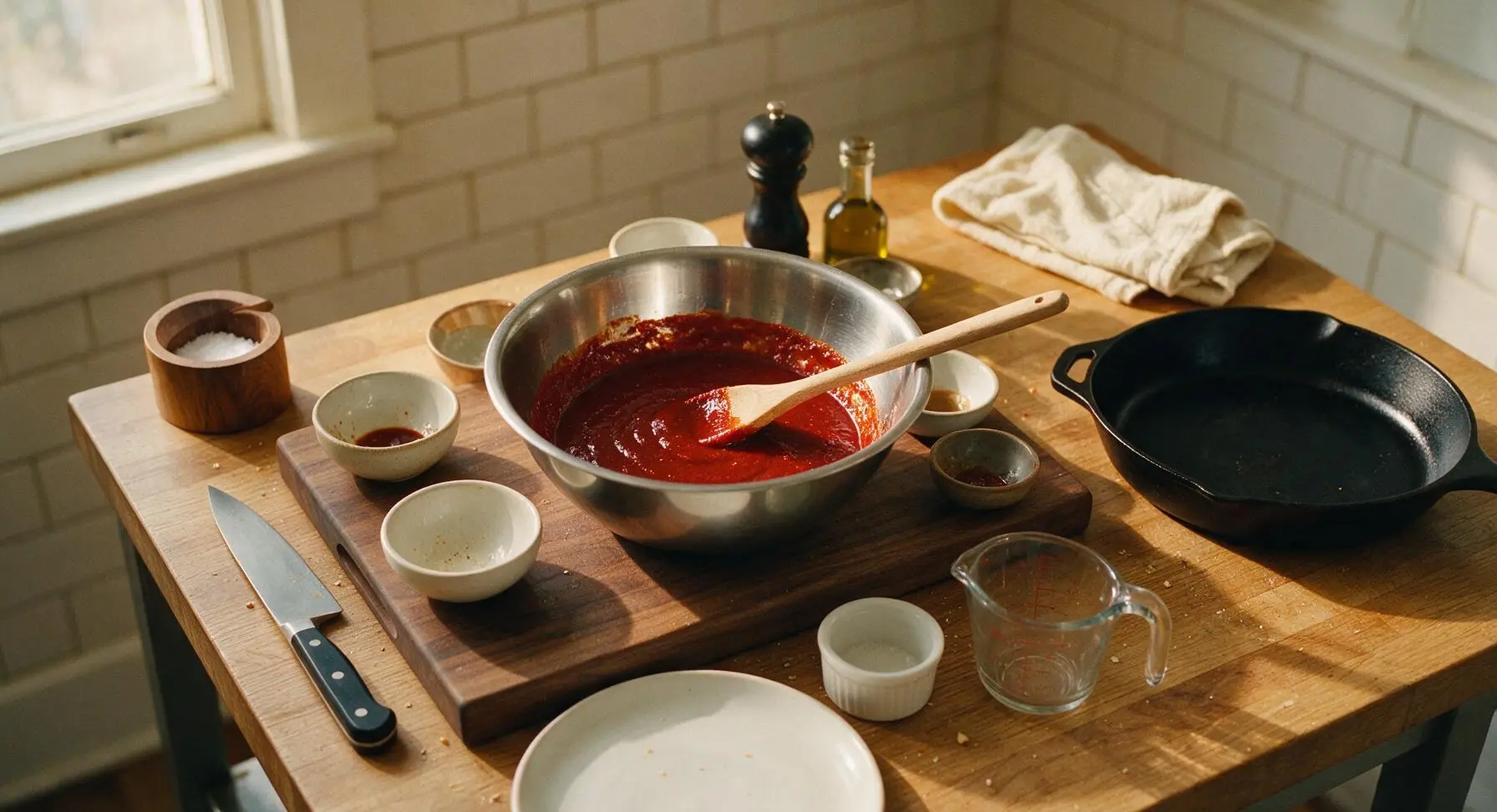
Step 4
step4:Mix Bibim Sauce Base
5

Toss Noodles in Sauce

Add the fully drained cold somyeon noodles to the mixing bowl with bibim sauce. Use the silicone-tipped tongs to lift and turn the noodles for 1-2 minutes, until every strand is evenly coated in bright red sauce. Do not press or mash the noodles; they should remain loose and chewy, with no pale uncoated clumps visible.
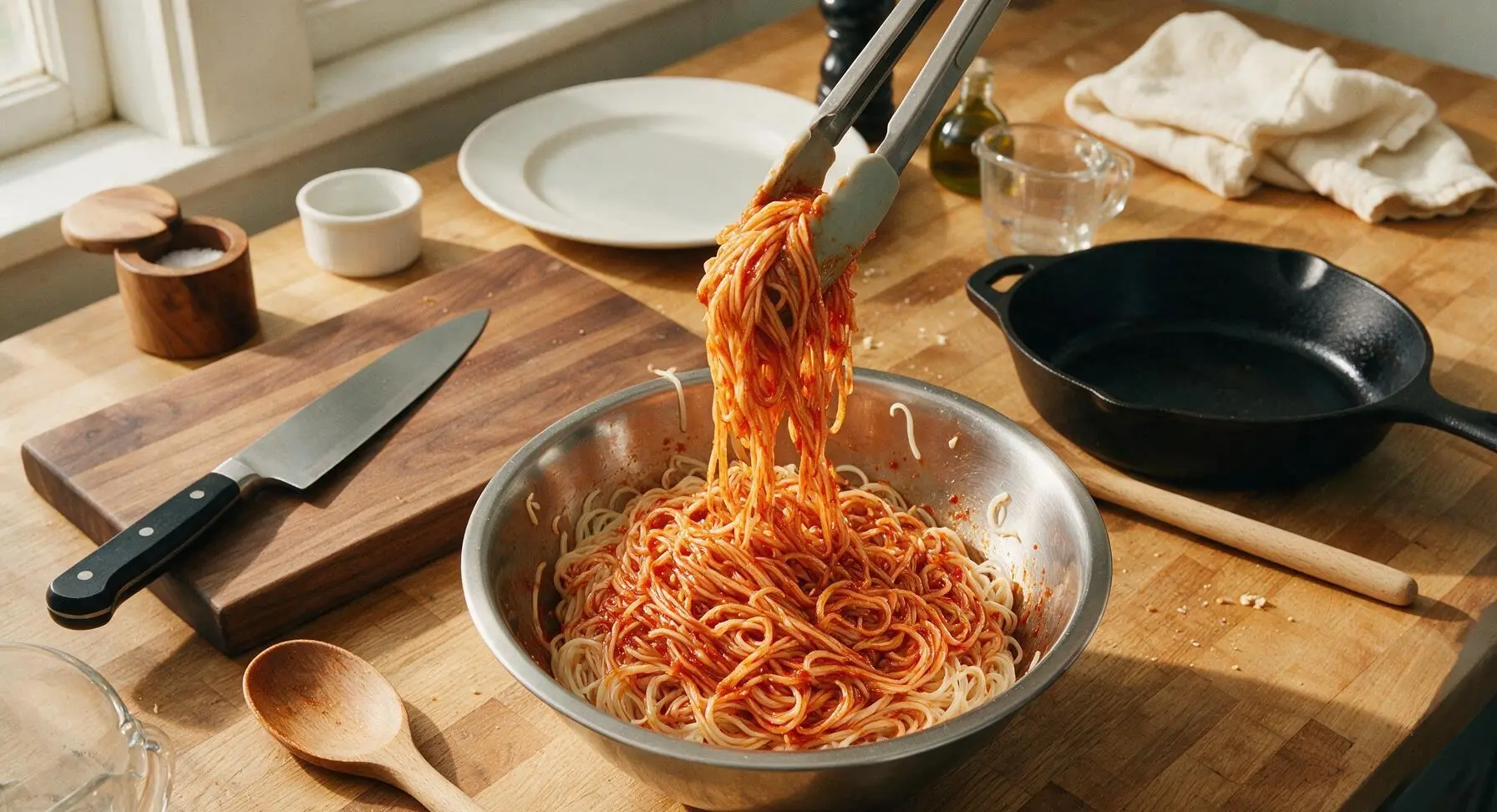
Step 5
step5:Toss Noodles in Sauce
6

Arrange Bowl Components

Divide sauced noodles evenly between the 4 matte cream ceramic shallow bowls, mounding noodles loosely in the center to leave room around the edges for toppings. Place 2-3 glazed short ribs per bowl, propped against the noodle mound so the shiny glaze-coated side faces up. Add a small 1/4 cup pile of julienned cucumber and 2 tbsp pickled daikon to one side of each noodle mound, and tuck one hard-boiled egg half against the opposite side. Drizzle 1 tsp of reduced rib glaze over the ribs for extra shine.
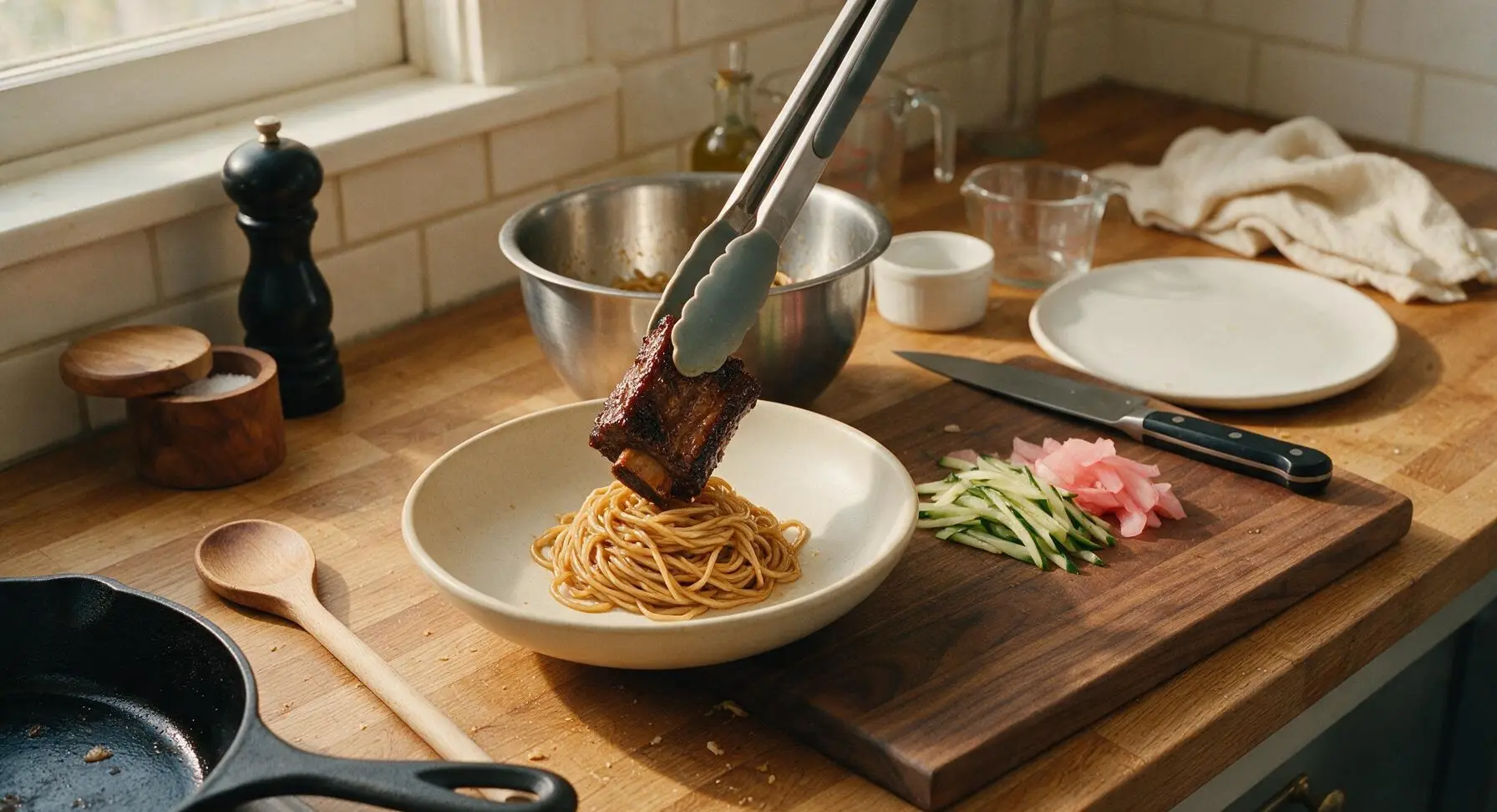
Step 6
step6:Arrange Bowl Components
7

Garnish and Serve

Sprinkle 1/4 tsp toasted white sesame seeds over each bowl, followed by a pinch of sliced scallion greens. Add a tiny 1/4 tsp drizzle of remaining toasted sesame oil over the top for nutty aroma. Do not mix garnishes into the noodles; leave them bright and visible on top for texture and color contrast. Serve right away to preserve the ideal contrast of warm, tender ribs and cold, chewy noodles.
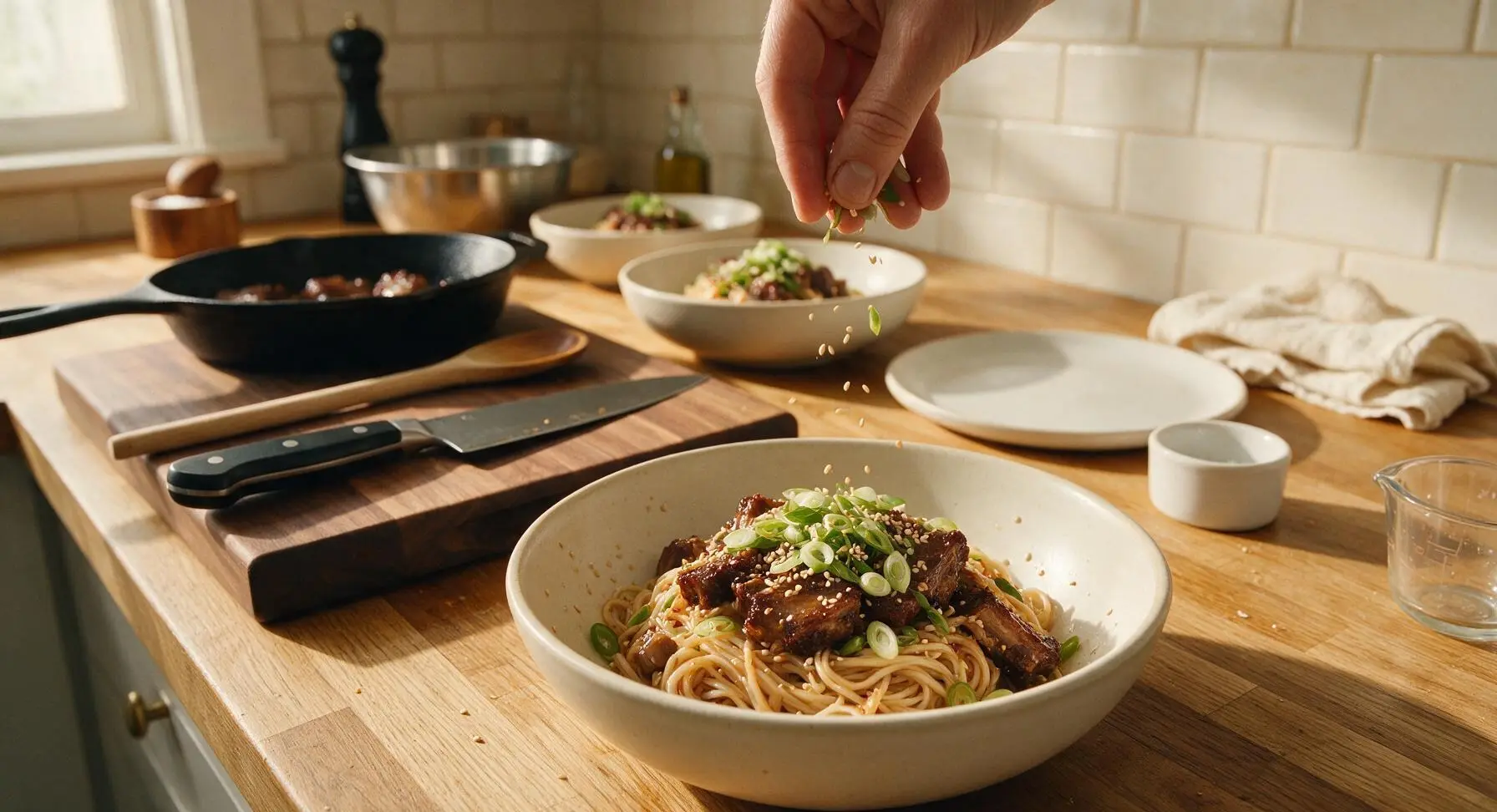
Step 7
step7:Garnish and Serve

Tips

1.Rinse cooked somyeon under very cold water until noodles are fully chilled: this washes away excess surface starch to prevent noodles from clumping together as they cool, and creates the signature snappy, chewy texture that defines good bibim guksu.
2.Do not discard the reduced rib braising liquid: this soy-and-pear infused glaze adds deep, savory umami that bridges the flavor between the rich ribs and bright, spicy noodle sauce, tying the whole dish together.
3.Avoid overcooking the short ribs: stop braising when ribs are fork-tender but still firmly attached to the bone—ribs that fall off the bone will be too soft to hold their shape when plated, and will render excess fat that makes the cold noodles greasy.
✨ You May Also Like

Main Course
🍜 United Kingdom

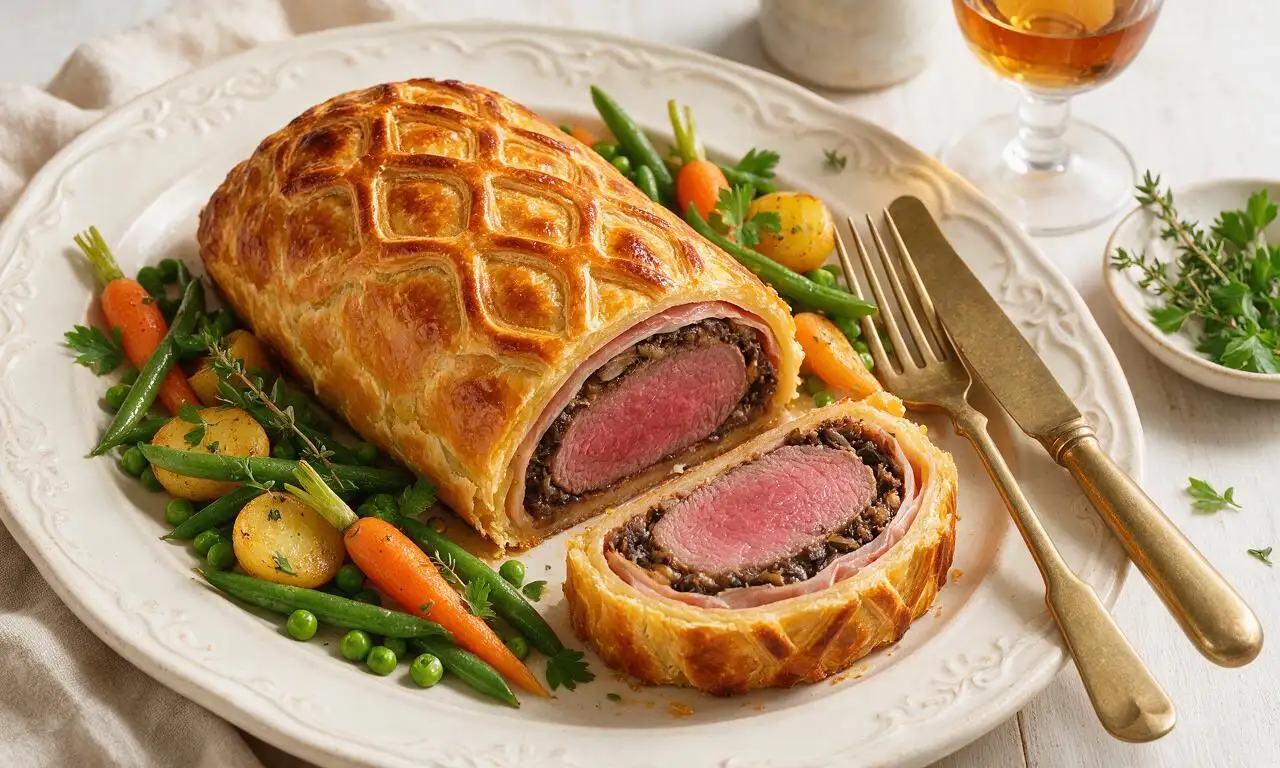
A showstopping classic of tender seared beef, savory mushroom duxelles, and crisp prosciutto wrapped in flaky golden puff pastry, baked to juicy perfection.

⏱️ 2 hours 1Main Course ★ 4.7
Main Course
🍜 India

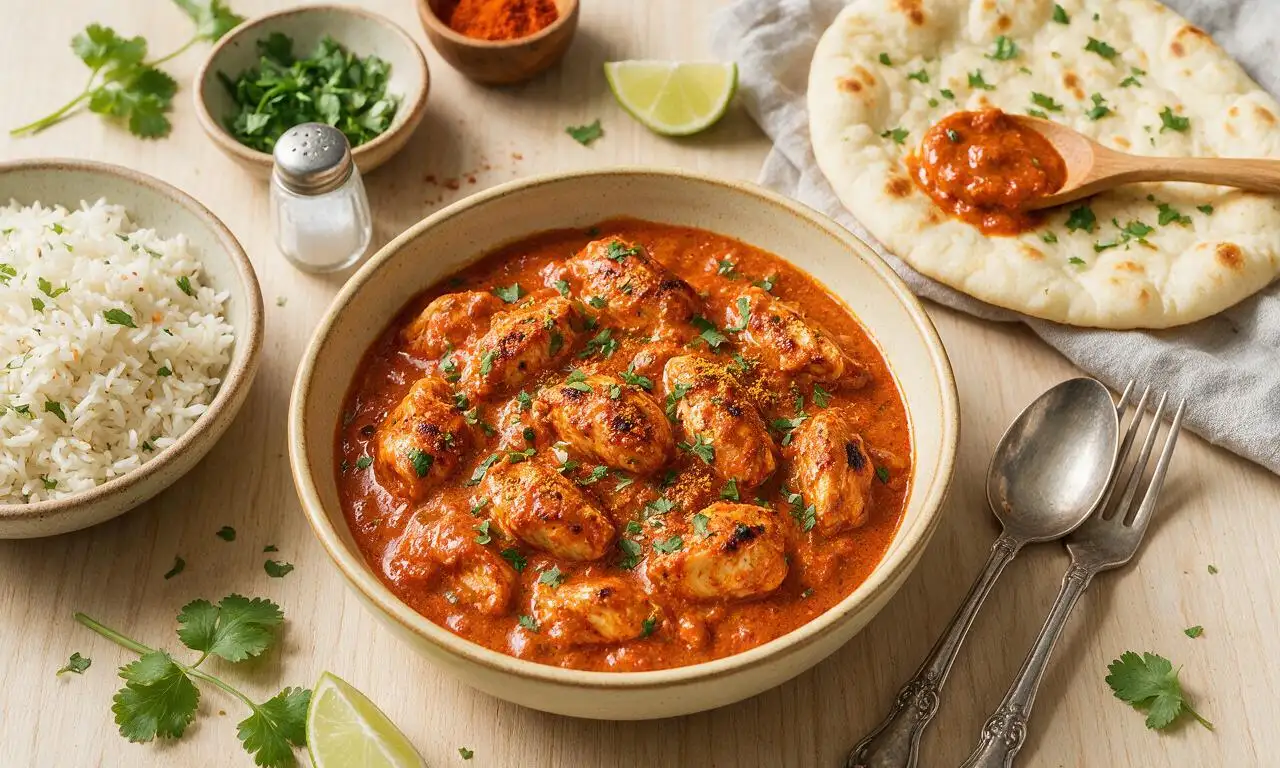
Tender charred marinated chicken simmered in a rich, spiced creamy tomato sauce, this iconic Anglo-Indian curry pairs perfectly with basmati rice or warm naan.

⏱️ 50 minuteMain Course ★ 4.6
Main Course
🍜 Thailand

Classic tangy, sweet, and savory Thai stir-fried rice noodles with shrimp, tofu, and crunchy garnishes, balancing all five core Thai flavor profiles.

⏱️ 30 minuteMain Course ★ 4.5
Main Course
🍜 United Kingdom

Crispy golden beer-battered cod and fluffy double-fried chips, served with tangy tartar sauce and malt vinegar: the timeless, beloved British pub comfort classic.

⏱️ 45 minuteMain Course ★ 4.7
Main Course
🍜 Mexico

Smoky, chile-marinated pork tacos with caramelized pineapple, fresh cilantro, and lime: a beloved classic Mexican street food perfect for casual summer gatherings.

⏱️ 1 hour 45Main Course ★ 4.8
Main Course
🍜 United States

Crunchy Fritos corn chips layered with savory beef chili and melted cheddar, topped with cool, zesty fixings for a beloved, cozy Tex-Mex comfort food.

⏱️ 35 minuteMain Course ★ 4.8

Bibim Guksu Ribs:Frequently Asked Questions

1.Can I use boneless short ribs instead of bone-in for this recipe? ▾
You absolutely can, though bone-in short ribs add deep, rich savoriness from cooking marrow that boneless cuts can’t quite match. If using boneless, trim excess hard fat, cut pieces into 5cm chunks, and reduce braising time by 15 minutes to avoid drying the meat out, checking for fork-tenderness early.
2.How do I get short ribs perfectly tender without them falling completely apart? ▾
Start by searing trimmed ribs well over medium-high heat to lock in flavor, then braise them low and slow at 325°F (160°C) for 1.5 to 2 hours, never at a rolling boil. Pull them when a fork pierces the meat easily but the ribs still hold their shape, right before meat starts to slip off the bone.
3.What if I can’t find Somyeon, the thin Korean wheat noodles called for? ▾
You can substitute dried Japanese somen noodles or even very thin angel hair pasta in a pinch. Cook the noodles 1 minute less than package directions for a firm bite, then shock them immediately in ice water after draining to get that signature chewy, non-mushy cold noodle texture.
4.How can I adjust the bibim sauce to be less spicy for kids or heat-sensitive eaters? ▾
Cut the gochujang amount in half, and replace the missing portion with mild doenjang (Korean soybean paste) or smooth unsweetened applesauce to keep the sauce’s thick, clingy texture. Add an extra teaspoon of rice vinegar and a pinch of sugar to keep the bright tangy balance, tasting as you mix to adjust heat levels.
5.Can I prep components of this dish ahead for faster weeknight serving? ▾
Definitely! Braise the short ribs and mix the bibim sauce up to 3 days ahead, stored in separate airtight containers in the fridge. When you’re ready to serve, gently reheat the ribs in their glaze on the stovetop, and cook and shock the noodles right before eating—cold noodles lose their chewy texture after a few hours refrigerated.
6.Why do I need to shock noodles in ice water instead of just rinsing with cold tap water? ▾
Ice water stops the cooking process instantly to lock in somyeon’s springy, chewy texture, and rinses off excess surface starch so noodles don’t clump together as they cool. Regular cold tap water is rarely cold enough, which can leave noodles mushy, gummy, or stuck in tight clumps when tossed with bibim sauce.
7.I only have regular full-sodium soy sauce, not low-sodium—how do I adjust? ▾
If using regular full-sodium soy sauce, cut the total soy amount by ⅓, and replace the missing liquid with a splash of water or unsalted beef broth to keep braising liquid and glaze volume consistent. Taste both the braise and sauce before adding extra salt, as regular soy is far saltier and can easily over-season the dish.
8.Can I make this dish gluten-free for guests with dietary restrictions? ▾
Yes, with a few simple swaps: trade regular low-sodium soy sauce for gluten-free tamari, pick a gochujang labeled gluten-free (many traditional versions contain wheat), and use certified gluten-free thin rice noodles instead of wheat somyeon. All other core components work as-is, with no major loss of flavor or texture.
9.How do I get a glossy, non-runny soy glaze on the short ribs? ▾
After braising ribs until tender, strain ½ cup of the braising liquid into a small skillet, bring it to a gentle simmer over medium heat, and reduce it for 3 to 4 minutes until it’s thick enough to coat the back of a spoon. Toss warm ribs in this reduced glaze right before serving so it sticks evenly without dripping.
10.What toppings or add-ins pair best with Bibim Guksu Ribs? ▾
Bright, fresh toppings cut through the rich ribs and spicy sauce beautifully: thin-sliced pickled radish, shredded napa cabbage, julienned cucumber, halved soft-boiled eggs, toasted sesame seeds, and thinly sliced scallions. A small handful of crushed roasted seaweed adds extra umami, and a lime wedge adds a bright acid kick.
11.Can I cook the short ribs in a slow cooker instead of the oven? ▾
Absolutely. After searing ribs on all sides, transfer them to your slow cooker with the braising liquid, and cook on LOW for 4 to 5 hours until fork-tender. Skip the HIGH heat setting, as that can make rib meat tough and stringy. Finish by tossing ribs in reduced braising liquid for that glossy glaze right before serving.
12.How do I keep the cold noodles from getting soggy next to the warm ribs? ▾
Make sure shocked noodles are fully drained of all excess ice water before tossing them in bibim sauce, and plate the dish right before eating: lay a mound of sauced cold noodles down first, then arrange warm glazed ribs on top rather than mixing ribs directly into the noodles. This keeps the chewy noodle texture perfectly intact.

Comments (6)

2 days ago

OMG this Bibim Guksu Ribs recipe was an absolute game changer for our Sunday family dinner! I was a little nervous about the medium difficulty since I’m not super confident with Korean fusion flavors, but the steps were so easy to follow. My kids devoured the ribs and even asked for seconds of the noodle portion! 10/10 will be making this for our next neighborhood potluck too.

yesterday

Wait did you adjust the gochujang amount for kids? My toddler can’t handle too much spice so I’m curious if cutting it in half would mess up the flavor balance!

2 hours ago

So glad your family loved it, Mia! @BBQdad99 Cutting the gochujang in half and adding a tiny extra splash of rice syrup works perfectly for a milder version that’s still packed with flavor—great question!

3 days ago

SO good. I made a big batch on Sunday for weekly meal prep and the ribs stayed juicy even when I reheated them in the office microwave for lunches. The tangy, spicy bibim sauce coats the noodles so evenly, I didn’t even get sick of eating it three days in a row. Total cook time hit the listed 1 hour 10 minutes right on the mark for me, no annoying unexpected steps or surprise ingredients.

1 week ago

Took me a little longer than the listed 1 hour 10 minute cook time because I had to run to the store for pear puree, but wow it was worth it. The ribs had that perfect fall-off-the-bone tenderness and the sauce had that amazing sweet-spicy-umami kick I love. Only note is I wish there was a tip for getting a nice char on the ribs at the end without drying them out!

5 days ago

Thanks for the great feedback, Lena! For that perfect end char, try cranking your broiler to high for the last 3-4 minutes of cooking, brushing on an extra layer of sauce and keeping a close eye so they don’t burn. Works every time!

5 days ago

Brought this to my office potluck last week and people were literally coming up to ask for the recipe before we even finished eating! I served it with quick pickled cucumbers on the side and it was chef’s kiss. Only heads up is it makes a pretty generous portion, which is perfect for groups but might be a lot if you’re only cooking for one or two people.

30 minutes ago

Wow, this recipe blew me away! I usually make regular bibim guksu with just veggies and a boiled egg, but adding the tender short ribs takes it to a whole new level. I added an extra tablespoon of gochugaru because I love extra heat, and it was perfect for my taste. My roommate even stole a bite off my plate before I could sit down to eat lmao.

5 minutes ago

Oh the extra gochugaru move is genius! I’m a total spice fiend too, I’ll have to try that when I make this this weekend

yesterday

I was worried this would be too complicated for a weeknight meal since it’s rated medium difficulty, but I split the rib prep the night before and it came together so quick after work! The flavor is unreal—salty, sweet, spicy, everything you want. My partner said it’s better than the Korean restaurant we go to downtown, which is the highest compliment possible tbh.

2 hours ago

Wait how did you split the prep? Did you marinate the ribs overnight? I’m always looking for ways to cut down weeknight cook time!

30 minutes ago

What a fantastic tip to split prep ahead for weeknights! @BusyMomof3 Marinating the ribs overnight in the sauce base not only cuts down cook day work, it makes the ribs even more flavorful—highly recommend trying that trick!