1.What’s the best type of bread to use for classic homemade bread pudding?
▾
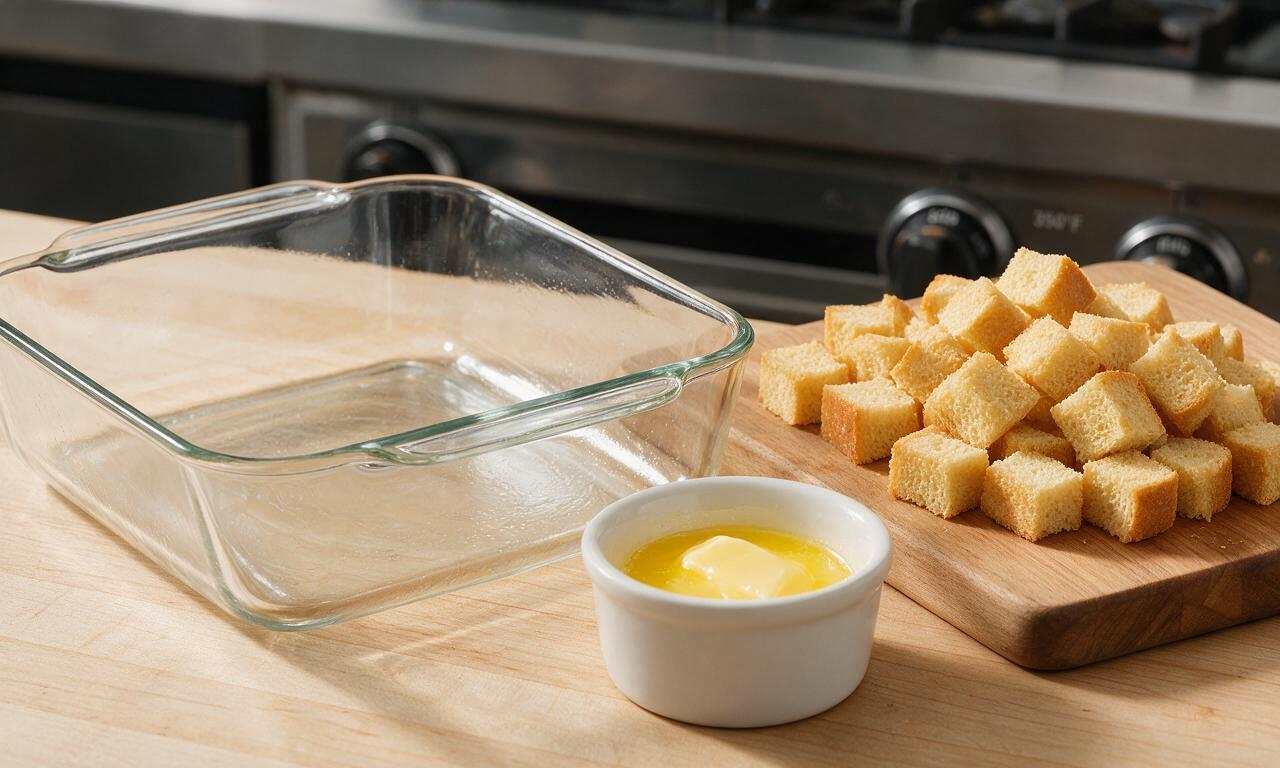
Stale crusty white bread is non-negotiable for ideal texture, with brioche and sourdough as my top recommended picks. Brioche delivers a rich, buttery, ultra-luxurious crumb, while sourdough adds a subtle tang that cuts through sweet custard. Skip ultra-soft sliced sandwich bread—it turns mushy and gummy once soaked, no matter how stale it is.
2.Why does the recipe call for stale bread instead of fresh bread?
▾
Stale bread has lost enough surface moisture to soak up creamy custard without disintegrating into a mushy mess. Fresh bread holds too much trapped moisture, so it turns soggy and collapses as it bakes, leaving dense, uneven pudding instead of that light, custardy, perfectly set texture we want. If your bread is fresh, toast cubes at 300°F for 10 minutes to dry them fast.
3.Do I need to remove the crusts from the bread before making bread pudding?
▾
You don’t have to remove crusts, especially if using crusty sourdough or brioche—the crusts add a pleasant, subtle chewy texture and deep, toasty flavor as the pudding bakes. If you prefer an ultra-soft, uniform texture with zero chew, you can trim crusts before cubing, but I recommend leaving them on for more depth and less food waste. It’s totally a personal preference call.
4.What ratio of milk, cream, and eggs creates a perfectly set, not-too-heavy custard?
▾
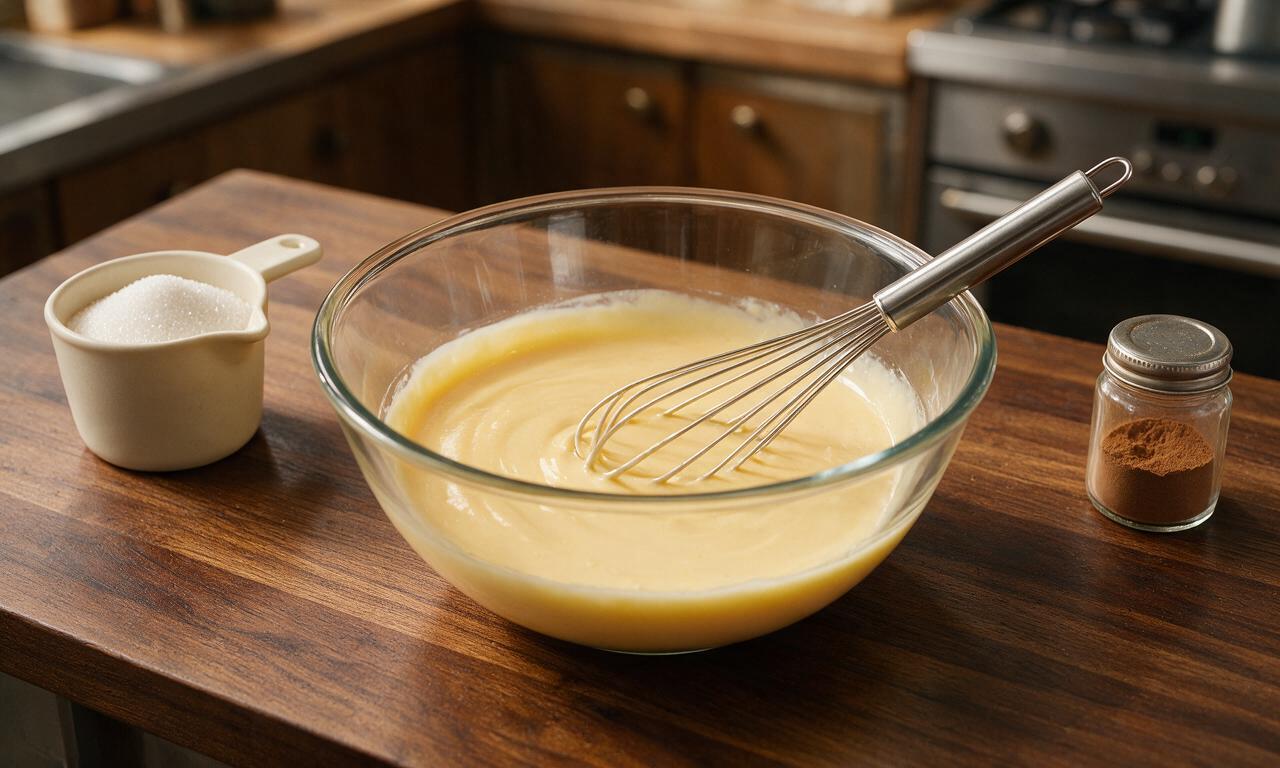
For classic, balanced custard, stick to the recipe’s blend of whole milk, heavy whipping cream, and large eggs: roughly 2 cups whole milk, 1 cup heavy cream, and 4 large eggs for a standard 9x13 pan of pudding. This balance delivers rich, melt-in-your-mouth custard without making the pudding greasy or overly dense, and it sets firmly enough to hold its shape when served warm.
5.Why did my bread pudding turn out rubbery instead of soft and custardy?
▾
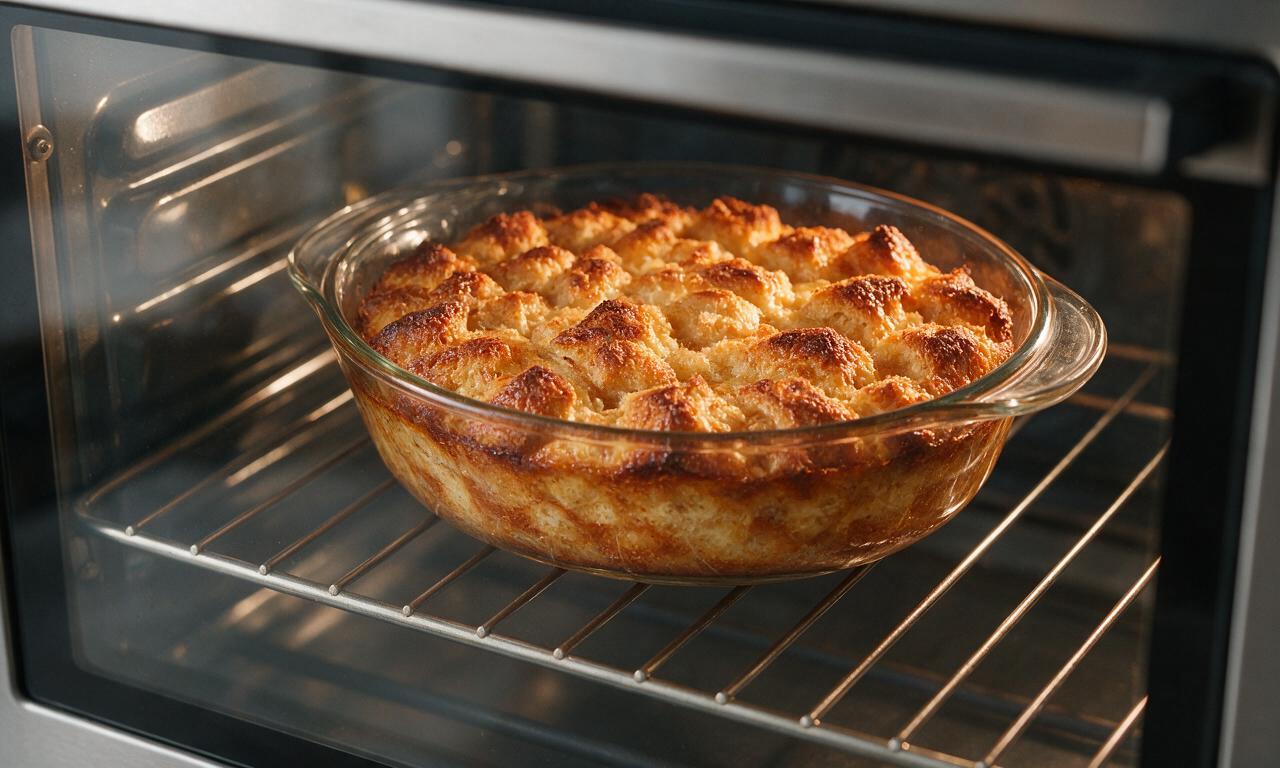
Rubbery bread pudding almost always stems from two common missteps: overbaking, or using too many eggs relative to the dairy in your custard. Once custard bakes past that soft, jiggly center stage, egg proteins curdle and tighten, creating that tough, springy texture. Always pull the pudding when the center has a slight jiggle—it finishes setting as it rests 10 minutes out of the oven.
6.How do I tell when my bread pudding is fully done baking?
▾
Stick a sharp knife or wooden skewer 2 inches from the pan’s center: it should come out with a few thick, creamy custard clings, not completely clean and not coated in runny liquid. The very center should have a soft, Jell-O-like jiggle when you nudge the pan, and top edges should be golden and slightly crisp. It keeps setting as it cools 10 minutes post-bake.
7.Can I add mix-ins to the classic recipe, and what options work best?
▾
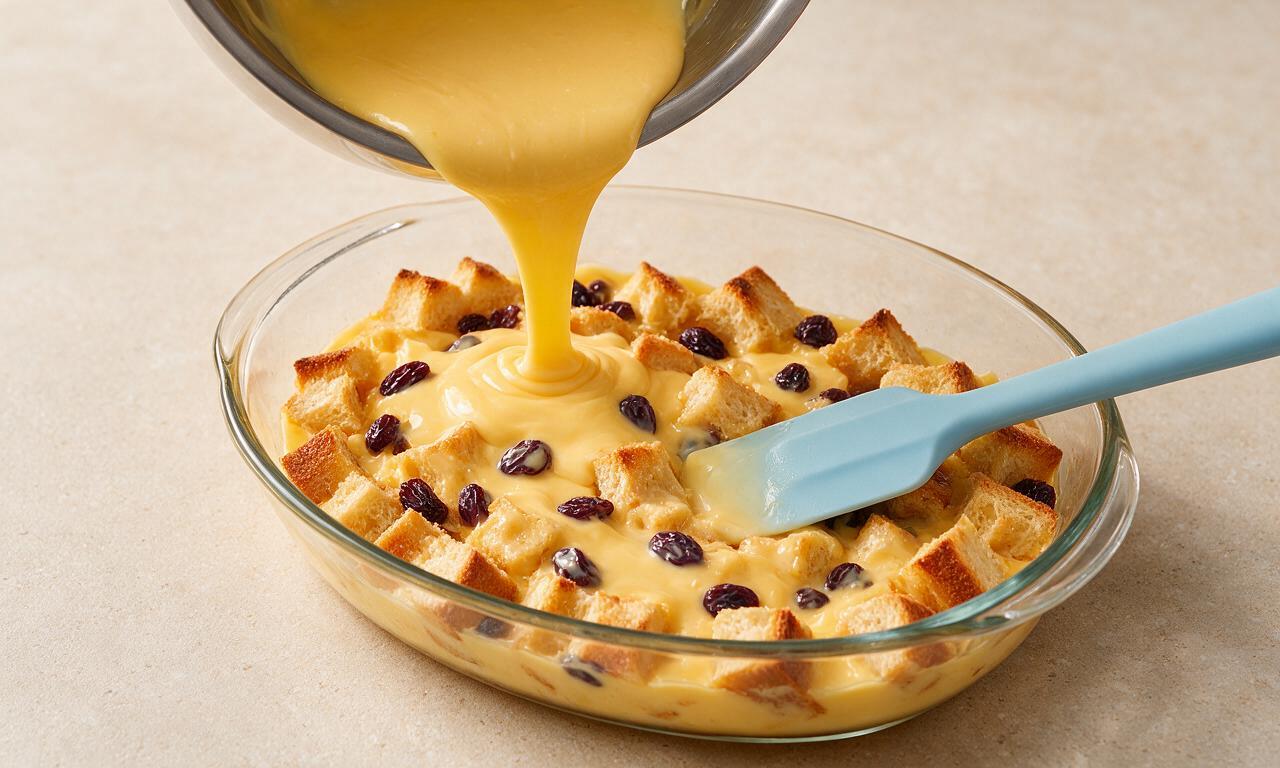
Absolutely—classic bread pudding is a wonderfully flexible base! Great mix-ins include plumped raisins (soak in rum or warm water first), dried cranberries, chopped toasted pecans or walnuts, chocolate chips, or diced cooked apple. Toss ½ to 1 cup of mix-ins with bread cubes before pouring custard over for even distribution, and don’t overdo it, or you’ll weigh the custard down.
8.Why is the center of my bread pudding always soggy and underbaked?
▾
Soggy centers usually happen if you don’t let bread soak long enough in custard before baking, if your pan is too deep for even heat circulation, or if you cut bake time too short. Let bread cubes rest in custard 20 to 30 minutes pre-bake to soak all the way through, use a shallow 9x13 baking dish, and rely on the skewer test instead of only following estimated bake time.
9.What are the best toppings for classic homemade bread pudding?
▾
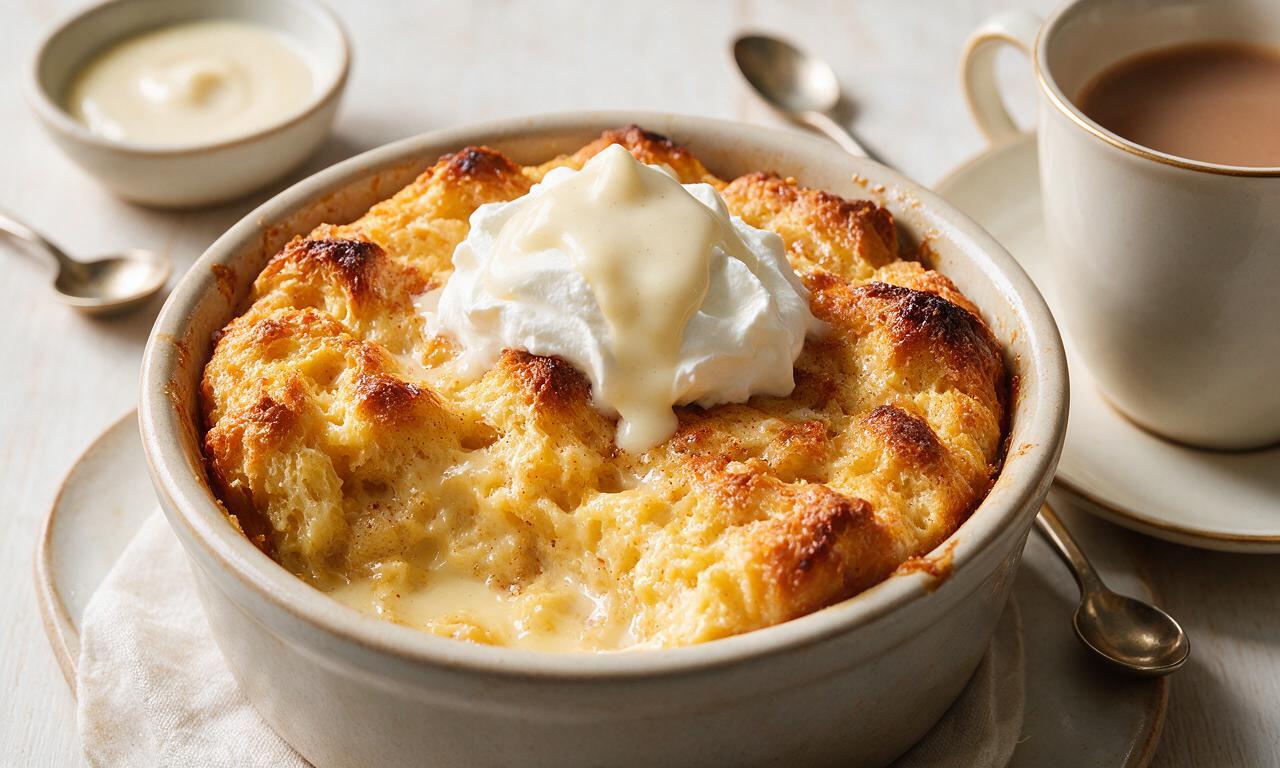
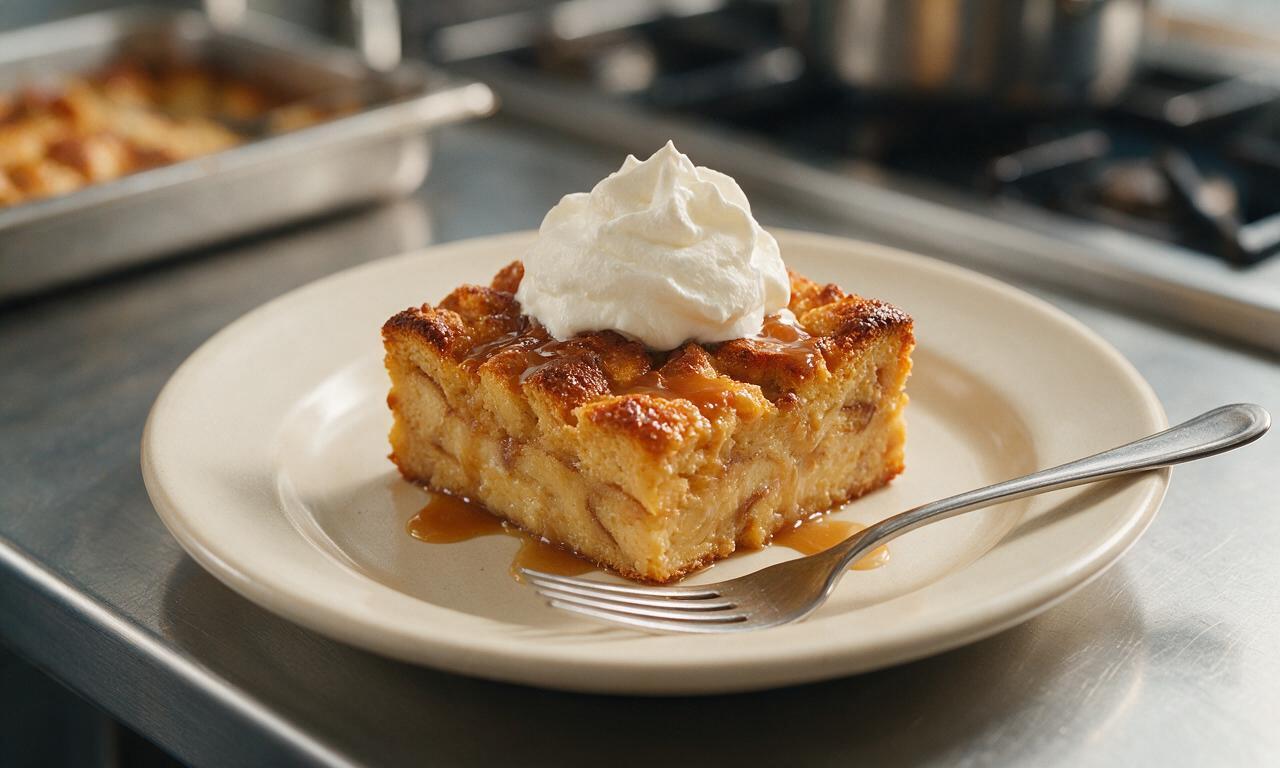
The classic, most beloved topping is warm vanilla bean sauce (crème anglaise) poured over individual servings right before eating. Lightly sweetened freshly whipped cream is another perfect, lighter pick, and you can also add a dusting of cinnamon, drizzle of salted caramel, scoop of vanilla ice cream, or sprinkle of powdered sugar for extra cozy flair.
10.Can I make bread pudding ahead of time for a gathering or holiday meal?
▾
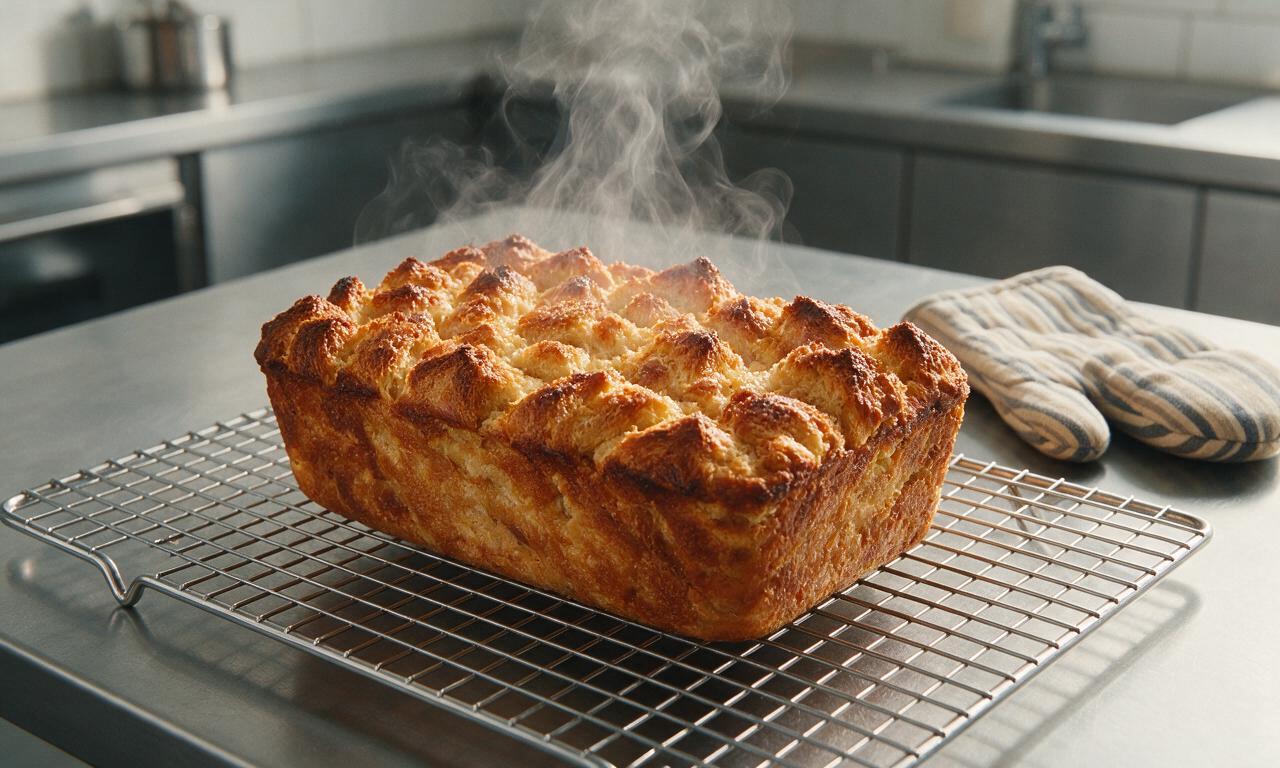
Absolutely! You can assemble the entire unbaked pudding, cover it tightly, and store it in the fridge for up to 24 hours before baking—this actually lets flavors meld deeper and gives bread more time to soak up custard. If you bake it ahead, cool completely, cover, and fridge for up to 3 days, then reheat slices in the microwave or oven before serving.
11.How should I store leftover bread pudding, and how long does it keep?
▾
Let leftover bread pudding cool completely to room temperature first, then wrap the pan tightly with plastic wrap or transfer slices to an airtight container. It will keep well in the refrigerator for 3 to 4 days. I don’t recommend freezing it long-term, as the custard tends to separate and turn grainy when thawed, and the bread gets unpleasantly mushy once defrosted.
12.Can I use low-fat dairy or non-dairy substitutes to make a lighter version?
▾
For the best classic texture, stick to whole milk and heavy whipping cream, but you can swap 1 cup of heavy cream for an extra cup of whole milk for a lighter result—just know it will be slightly less rich. If you need non-dairy, use full-fat oat milk and canned full-fat coconut cream for the closest texture; skim or thin almond milk makes watery custard that won’t set properly.
13.Do I need to bake bread pudding in a water bath?
▾
You don’t have to use a water bath for classic home-style bread pudding, which is traditionally baked directly in the oven for a slightly crisp top and soft, custardy center. If you want ultra-silky, restaurant-style custard with zero curdling risk, set the baking pan inside a larger pan filled with 1 inch of hot water while baking, adding 10 to 15 minutes to total bake time.
14.How much cinnamon should I add for that classic warm, spiced flavor?
▾
For that perfect subtle, cinnamon-kissed flavor that doesn’t overpower creamy custard and bread, use 1 to 1 ½ teaspoons of ground cinnamon mixed directly into the custard base before pouring it over bread. If you love warm spice, add an extra ½ teaspoon plus a tiny pinch of nutmeg, but avoid going over 2 teaspoons total, as excess cinnamon tastes bitter and overly sharp.
15.Can I use brown sugar instead of granulated white sugar in this recipe?
▾
Granulated white sugar gives the classic, clean, sweet flavor that lets custard and bread shine, but you can swap up to half the granulated sugar for light brown sugar if you want a deeper, caramel-like, molasses-kissed flavor. I don’t recommend using 100% brown sugar, as it makes pudding heavier, darker, and overly rich, masking the delicate, soft custard texture.
16.Why does my bread pudding sometimes have a strong, unpleasant eggy taste?
▾
That strong eggy flavor happens when you use too many eggs for the amount of dairy and sugar, or when you bake pudding at too high a temperature, which makes egg proteins cook too fast and take on a sulfurous, scrambled-egg note. Stick to the recipe’s egg-to-dairy ratio, bake at 350°F, and add a teaspoon of vanilla extract to custard to mellow eggy notes.


OMG this bread pudding was the star of our Sunday family dinner! I used leftover brioche from the weekend farmers market and tossed in a handful of cinnamon chips instead of raisins because my husband hates raisins. SO good, even my picky 7 year old asked for seconds. Total game changer for leftover bread!
Wait, quick question—can I make this ahead of time and reheat it for a work potluck tomorrow? I don’t want it to get all soggy if I assemble it tonight.
This was so easy to throw together after work! I had a stale loaf of sourdough sitting on the counter that I didn’t want to throw out, and this recipe turned it into the coziest dessert. I topped mine with a dollop of whipped cream and a drizzle of salted caramel, chef’s kiss.
Tastes exactly like the bread pudding my grandma used to make! The only thing I messed up was I forgot to let the bread soak long enough, so a couple bits in the middle were a little dry. Still delicious though, I’ll definitely remember that step next time.
Super easy recipe for a broke college student! I used cheap white sandwich bread I had left from meal swipes, added some chocolate chips, and my whole dorm floor came knocking when they smelled it baking. 10/10, no fancy ingredients needed.
Has anyone tried making this with gluten free bread? My son has celiac and I’ve been searching for a solid bread pudding recipe that doesn’t turn out gummy.
Made this for brunch today instead of our usual french toast casserole and it was a hit! I added a little nutmeg and a handful of dried cranberries, served it with warm maple syrup. Even my cousin who swears he ‘hates sweet breakfasts’ had two servings.
Wait the recipe says cook time is 1 hour 15 minutes—does that include prep time? I’m trying to time this right for my kid’s soccer team dinner tonight.
I’ve been looking for a classic, no-frills bread pudding recipe forever! So many recipes these days add weird fancy ingredients that don’t belong. This one is perfect—simple, rich, tastes like the old school diner version I grew up eating.
Help! I followed the recipe exactly but my custard came out curdled? What did I do wrong? I was so excited to make this for my partner’s birthday 😭
How long does this keep in the fridge? I want to make a batch on Sunday to have for quick desserts all week after work.
Y’all, this is SO good. I added a splash of bourbon to the custard (don’t judge, it’s a southern thing) and topped it with that classic bourbon sauce my mom always makes. Took this to our neighborhood block party and people were practically scraping the pan clean.
Wait, has anyone tried swapping the dairy and eggs for vegan alternatives? I’m hosting a game night next week and a couple of my friends are vegan, would love to serve this!
I’m not much of a baker, but this recipe was impossible to mess up! My kids have been begging for bread pudding ever since we had it at a restaurant on vacation, and they said this version was even better. Win for dad!
Is it sacrilege to leave the raisins out? I can’t stand the texture of cooked raisins, but every other part of this recipe sounds incredible.