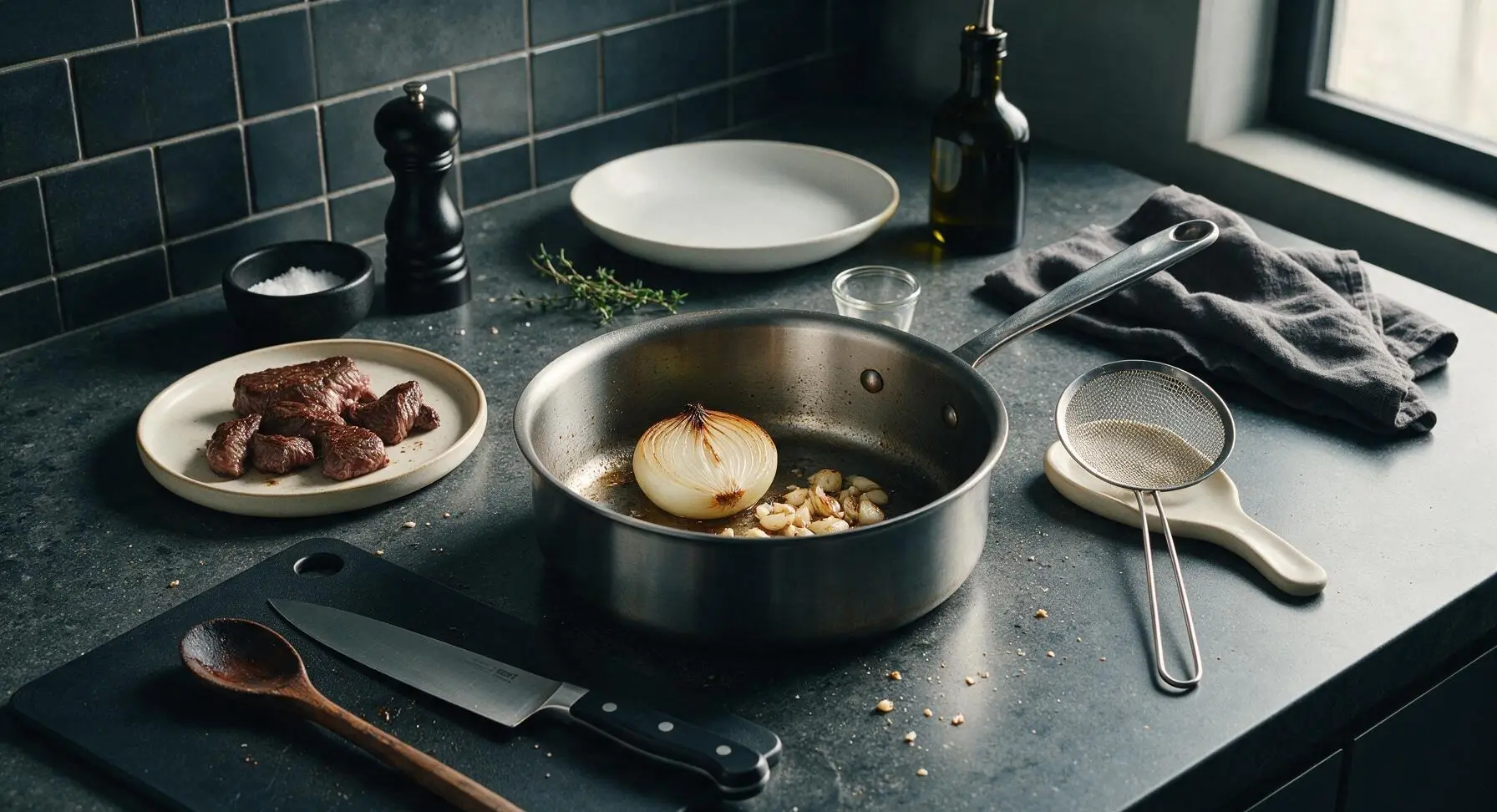
1.Why do you leave the root end intact on the halved onion for this Caldo de Res recipe?
▾
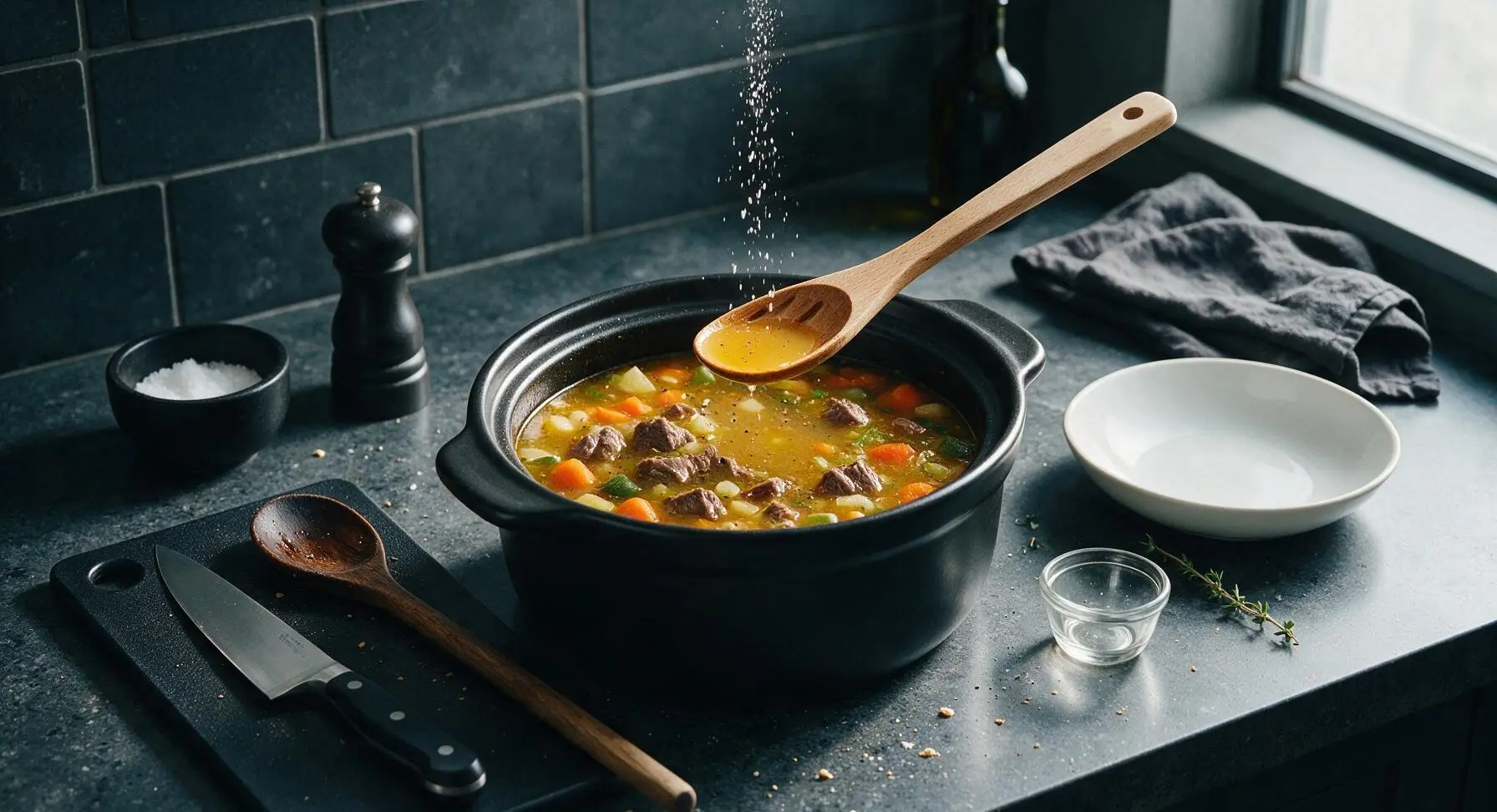
Leaving the root end intact holds the onion layers together while the soup simmers, so it doesn’t break apart into tiny, mushy bits that cloud the clear, traditional broth. You can easily fish the large onion halves out once the broth is fully flavored, or leave them in for soft, sweet bites. It also cuts down on stray onion pieces floating in your finished soup.
2.How do I keep my Caldo de Res broth clear instead of cloudy?
▾
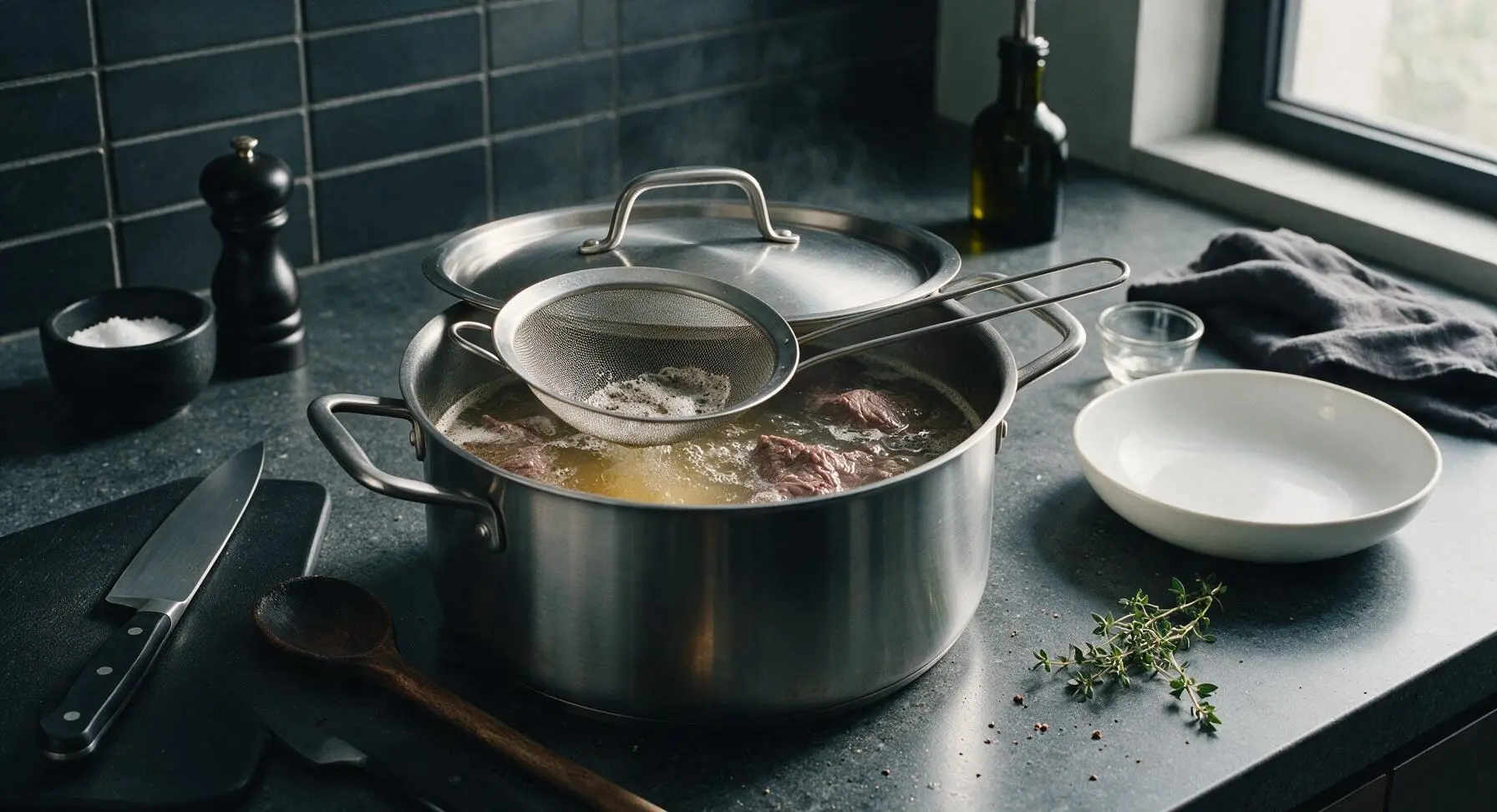
For a perfectly clear, bright broth, keep the soup at a gentle, steady simmer rather than a rolling boil the entire time it cooks. A hard boil agitates fat and protein particles into the liquid, making it murky. Skim any foamy scum that rises to the surface in the first 30 minutes with a fine mesh skimmer, and avoid overly vigorous stirring once veggies are added.
3.Can I make Caldo de Res in a slow cooker instead of on the stovetop?
▾
Absolutely! Sear the beef chunks first for deeper flavor, then add all the initial base ingredients (beef, onion, garlic, bay leaves, salt) to your slow cooker, cover with water, and cook on LOW for 6 to 7 hours until the beef is fork-tender. Add chopped vegetables during the last 45 minutes to 1 hour of cooking so they don’t turn mushy, then adjust salt before serving.
4.What traditional vegetables are added to Caldo de Res beyond the base aromatics?
▾
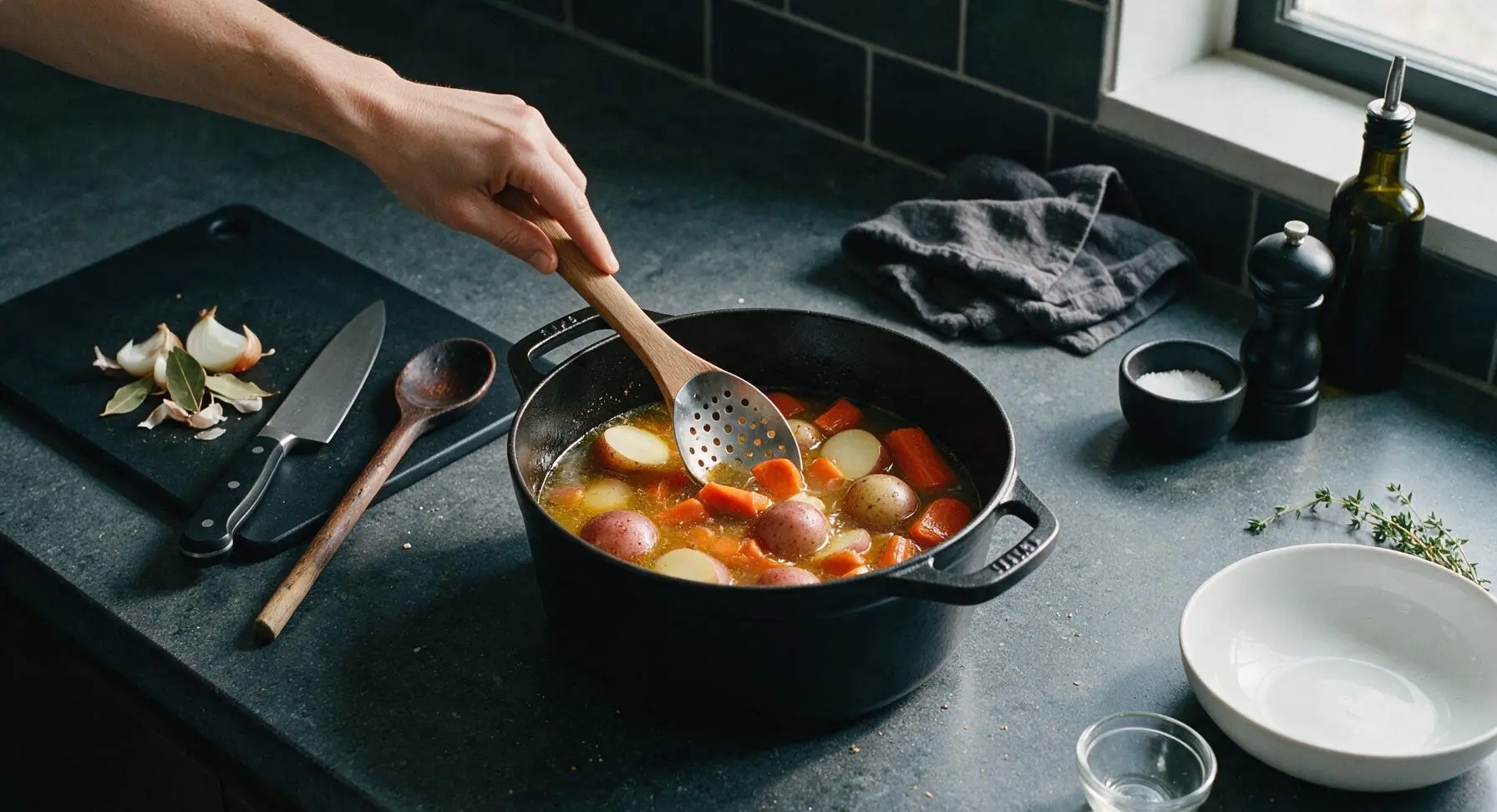
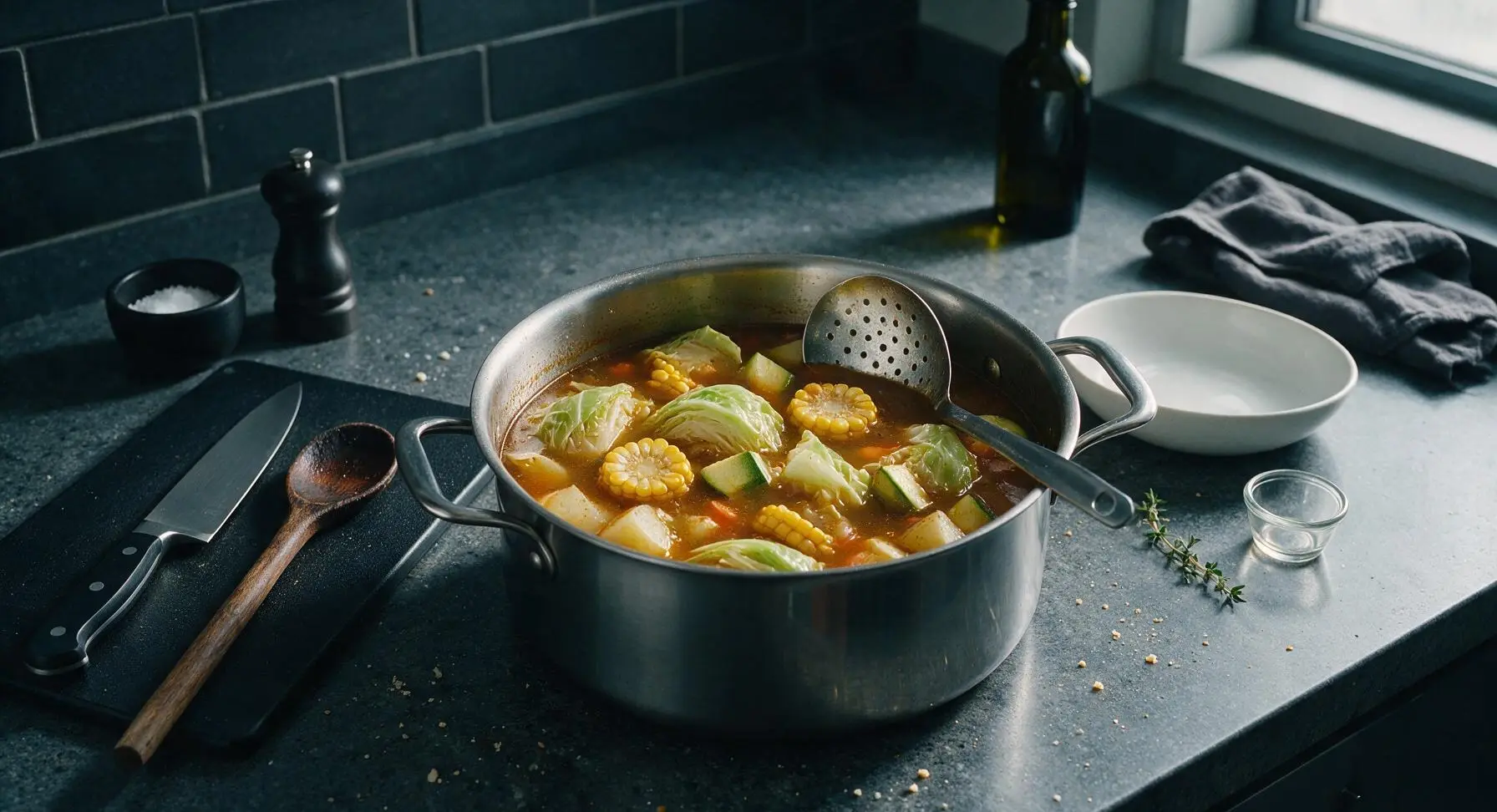
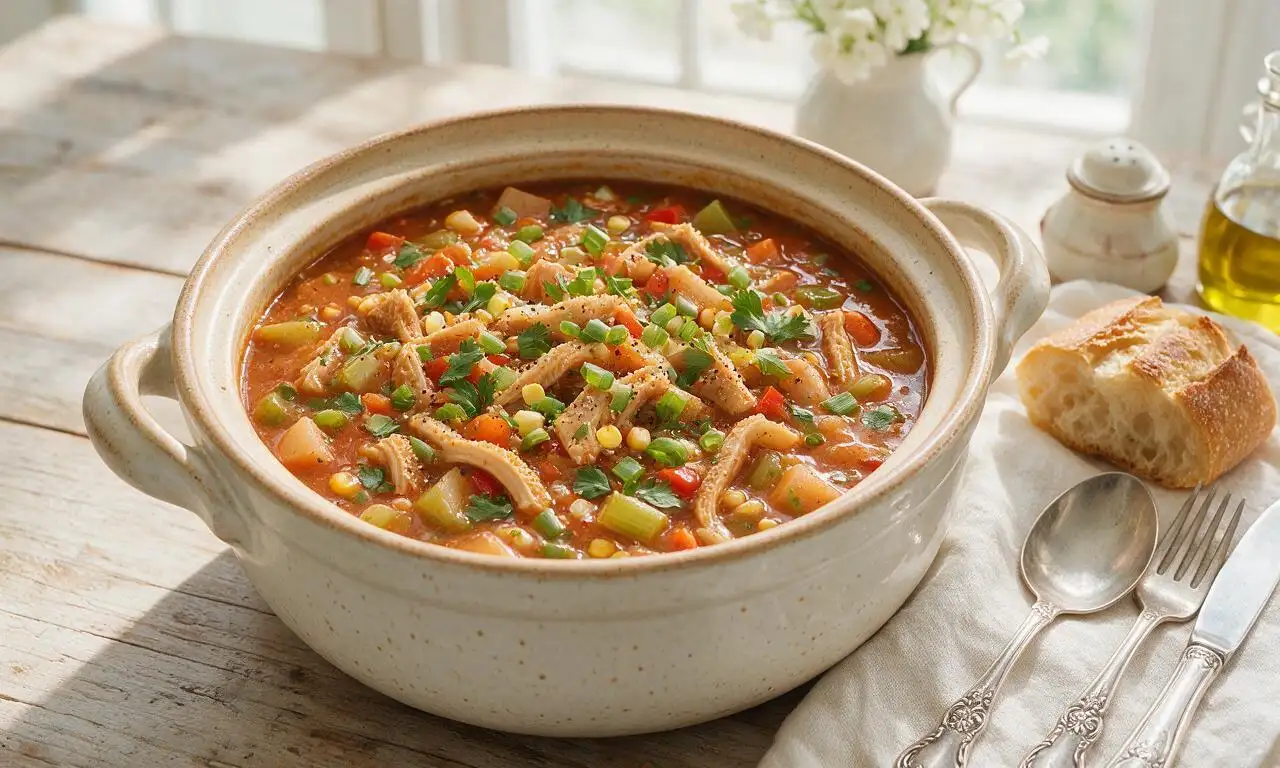
Classic add-ins added once the beef is nearly tender include large chunks of corn on the cob, red potatoes, carrots, celery, chayote squash, zucchini, and green cabbage. Cut all veggies into roughly 5cm chunks so they hold their shape during simmering. Avoid cutting veggies too small, as they will overcook and turn mushy long before the beef is ready.
5.How long do I need to simmer the beef before adding vegetables?
▾
Simmer the bone-in beef chunks with the onion, garlic, bay leaves, and salt for 1.5 to 2 hours on the stovetop first, until the beef is almost fork-tender but not falling apart. Adding vegetables too early means they will overcook, turn mushy, and leach too much of their bright flavor into the broth before the beef is ready to eat. Skim scum regularly during this initial simmer.
6.Is it necessary to sear the beef before simmering it for the soup?
▾
Searing beef chunks in a hot, dry pot before adding water is not strictly traditional for a light, clear broth, but it adds deep, caramelized beefy flavor that elevates the final dish. If you want an ultra-classic light broth, skip searing and blanch the beef quickly first to remove surface impurities, but I highly recommend searing for a richer, cozier flavor profile.
7.How much coarse kosher salt should I add, and when is the best time to season?
▾
Add roughly 1 tablespoon of coarse kosher salt per 4 quarts of water when you first start simmering the beef, to give salt time to penetrate the meat and build a flavorful broth base. Always taste and adjust salt right before serving, since liquid reduces as it simmers, and added vegetables can dilute seasoning slightly. Avoid adding all salt at the end, as it won’t soak into the beef.
8.Can I use store-bought beef broth instead of water to make the soup base?
▾
You can, but be cautious with store-bought beef broth, as it is often very high in sodium and can overpower the fresh, clean flavor of traditional Caldo de Res. If you use pre-made broth, dilute it 50/50 with water, skip adding initial salt, and adjust seasoning at the end. The bone-in chuck creates plenty of rich, beefy flavor on its own when simmered in plain water.
9.What are the best toppings to serve with Caldo de Res?
▾
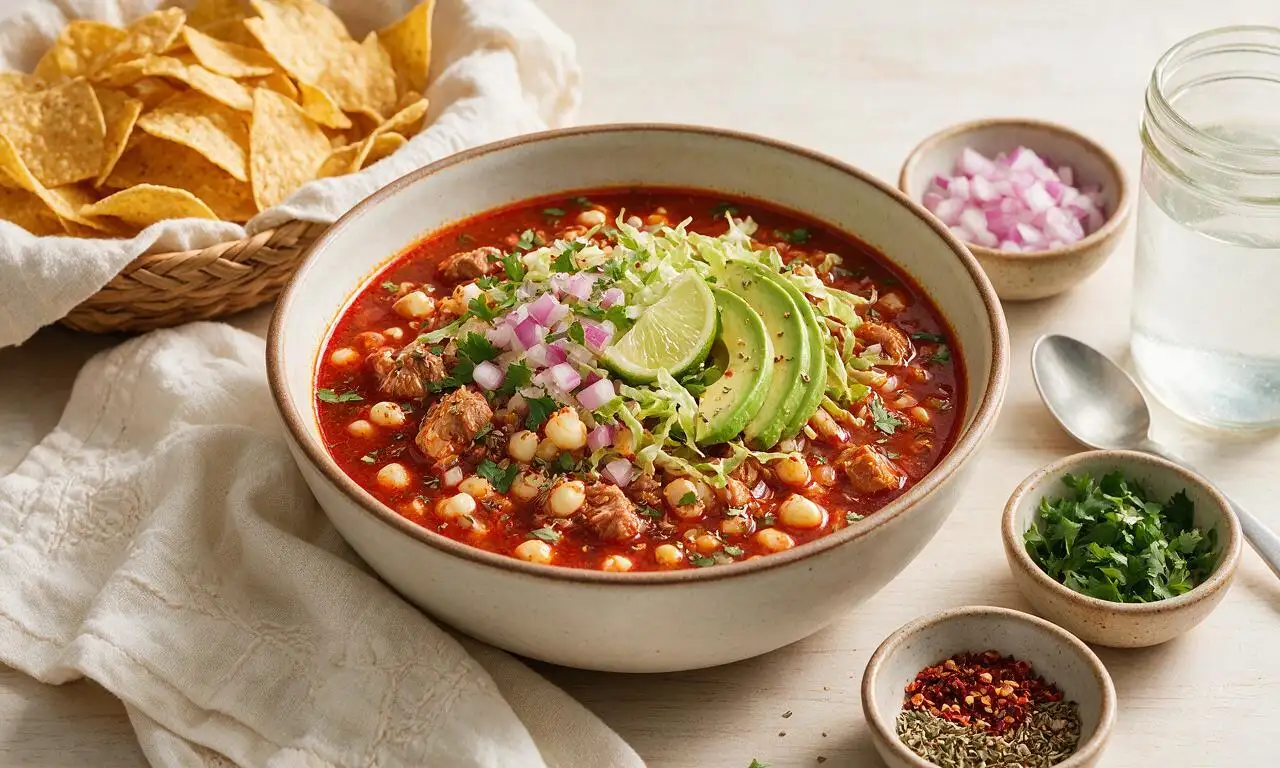
Traditional toppings include fresh chopped cilantro, diced white onion, lime wedges for squeezing, sliced jalapeños, and warm corn tortillas on the side. Many people also serve it with a side of fluffy white rice or a small dish of spicy salsa roja to add to individual bowls. Letting diners customize their own bowls makes this soup perfect for casual family gatherings.
10.Why did my beef turn out tough even after simmering for a long time?
▾
Tough, chewy beef in Caldo de Res almost always comes from cooking the soup at too high a temperature, or not simmering it long enough. High heat causes muscle fibers in chuck to seize up and get tough, even with long cook times. Keep heat low enough to maintain a gentle bubble, and give beef at least 1.5 hours on the stovetop for collagen to break down into silky, tender gelatin.
11.Can I freeze leftover Caldo de Res, and how long will it keep?
▾
Yes, this soup freezes beautifully! Let leftovers cool completely, then portion into airtight, freezer-safe containers, leaving a half-inch of headspace for expansion as it freezes. It will keep for up to 3 months in the freezer, and 3 to 4 days stored in the refrigerator. When reheating, warm gently on the stovetop over low heat, and add a splash of water if the broth has reduced too much.
12.Do I leave the dried bay leaves in the soup when serving?
▾
No, you should fish out the dried bay leaves (and the large onion halves, if you prefer) before adding vegetables or serving the soup. Bay leaves add a subtle, earthy herbal note while simmering, but they stay stiff and sharp even after hours of cooking, and pose a minor choking hazard if left in individual bowls. Remove them easily with a slotted spoon once the broth is fully flavored.
13.Can I make this recipe with boneless beef if that’s all I have on hand?
▾
You can use boneless beef chuck if bone-in isn’t available, but you’ll miss out on the rich marrow and collagen that bones add to the broth. To make up for that depth, add 1 to 2 beef marrow bones or a single small oxtail to the pot while the beef simmers, then remove them before adding veggies. Skip very lean boneless cuts, as they will turn dry and tough no matter how long you simmer them.
14.How do I prevent potatoes and squash from getting mushy in the soup?
▾
Cut all root vegetables and squash into uniform, large 5cm chunks, and only add them once the beef is almost fully tender. Add firmer veggies like potatoes and carrots first, cooking them for 20 minutes before adding softer veggies like zucchini, chayote, and cabbage, which only need 10 to 15 minutes of simmer time. Don’t boil the soup rapidly after adding veggies, as that will break them down faster.
15.Is traditional Caldo de Res a spicy soup?
▾
Basic, classic Caldo de Res is not spicy at all—the rich, clear broth is savory and mild, designed to be customized at the table. If you want a little heat in the base, you can add a dried arbol chile or two while the beef simmers, but most home cooks leave the base mild so kids and people who avoid spice can enjoy it, with spicy add-ons served on the side.
16.Why do you lightly crush garlic cloves instead of mincing them for this recipe?
▾
Lightly crushed garlic releases its mellow, sweet flavor slowly into the broth as it simmers, without leaving tiny, harsh minced garlic bits floating in the clear soup. Minced garlic can also burn easily if you sear the beef first, and it will break down into bitter, gritty particles over long simmer times. You can fish the soft garlic cloves out before serving, or mash them into the broth for extra flavor.
17.Can I make Caldo de Res in an Instant Pot to cut down on cook time?
▾
Absolutely! For faster weeknight cooking, sear the beef chunks right in the Instant Pot insert using the sauté function, add the base aromatics, salt, and water, then seal and cook on HIGH pressure for 35 minutes with a 15-minute natural pressure release. Add your chopped vegetables, seal again, cook on HIGH for 3 minutes, quick release pressure, adjust salt to taste, and serve.

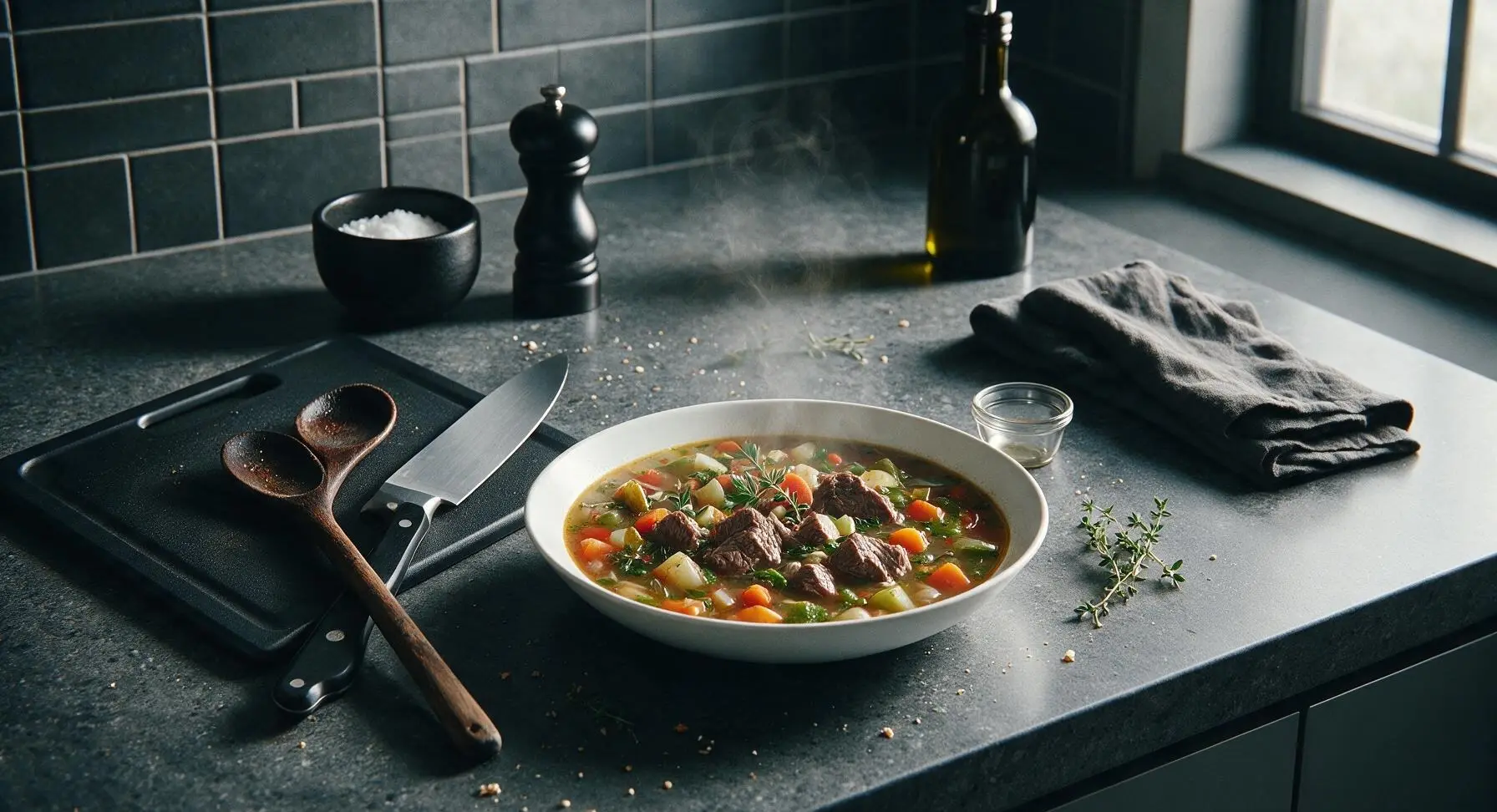
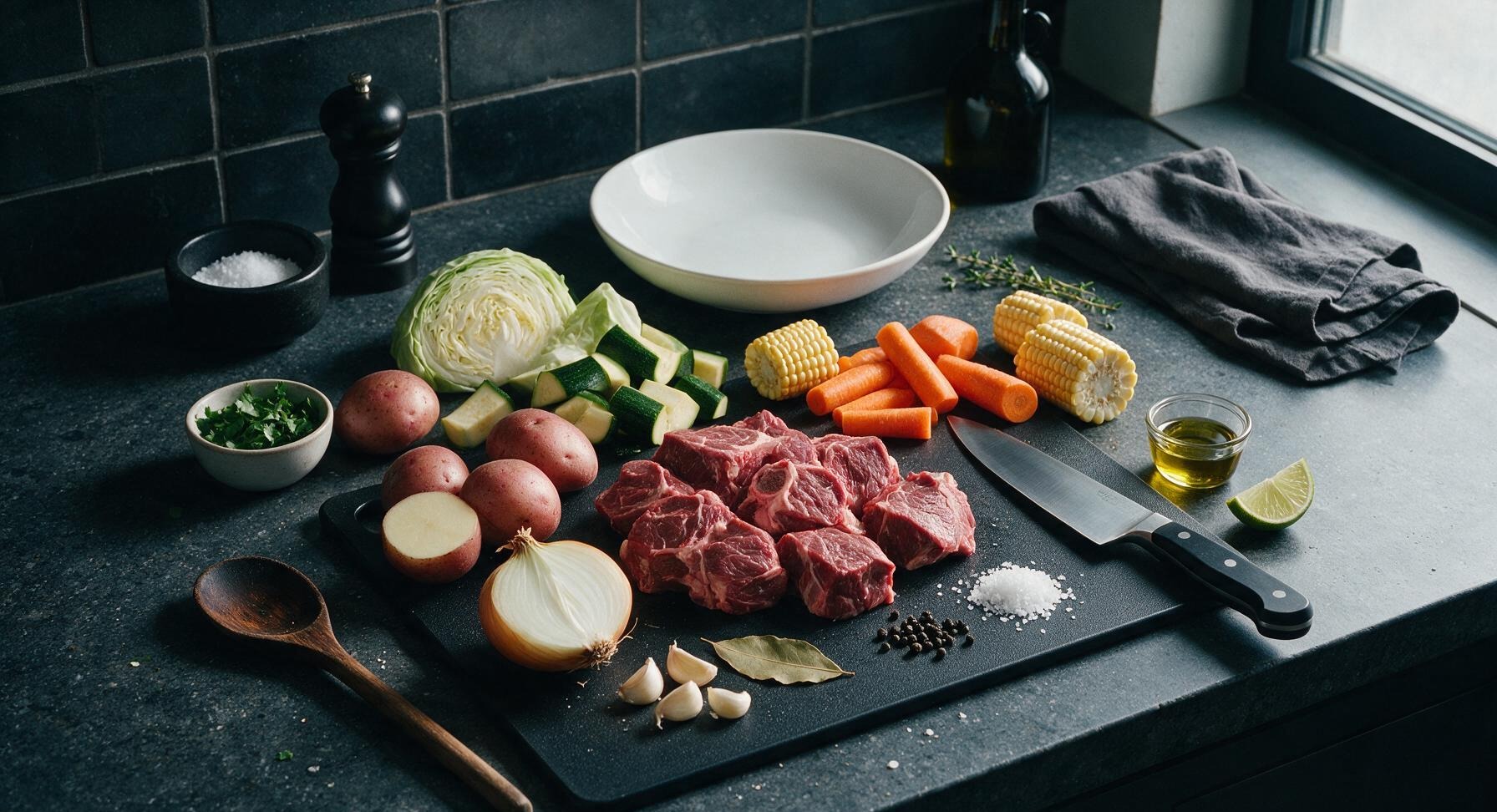
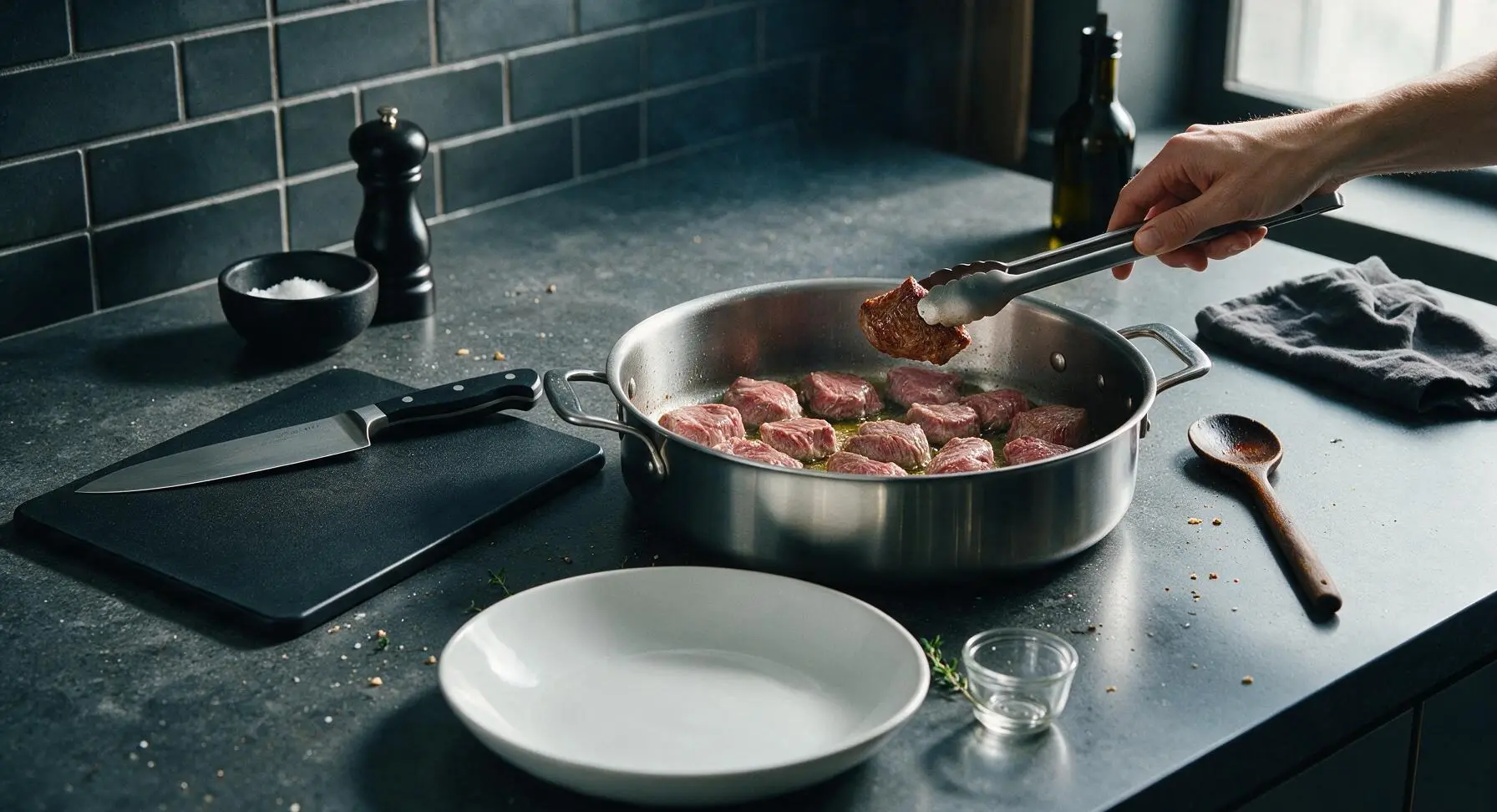
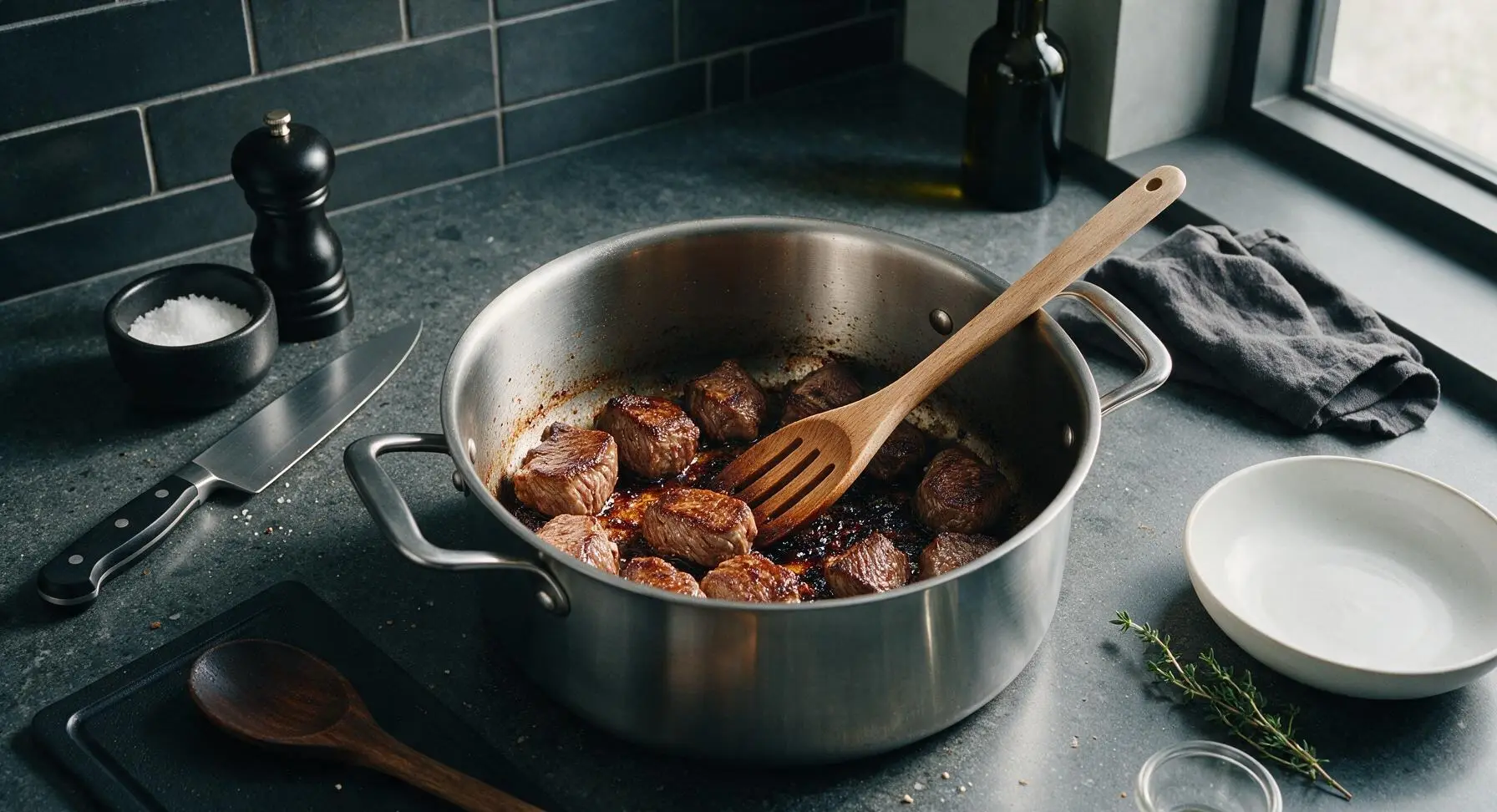


OMG this caldo de res is SO good!!! I made it last night for family dinner when it was 40 degrees out and my kids went back for SECONDS, even my picky 7 year old who hates veggies. I added a little extra lime on top per my abuela’s tip and it was chef’s kiss. So easy too, I thought it would be way more complicated for how rich the broth is! 10/10 will be making this all winter.
Total game changer for my Sunday meal prep! This makes such a big batch, I portioned it out for lunches all week and it tastes even better on day 3 when the flavors have melded. I used beef shank like the recipe said and the marrow made the broth so decadent. No sad desk lunches for me this week!
Grew up eating my tia’s caldo de res and this recipe tastes exactly like hers! I was worried I wouldn’t be able to replicate it in my tiny NYC apartment kitchen but it was so straightforward. The chayote and corn add that perfect sweet contrast to the savory beef. Already sent the link to my whole family.
Brought this to my office potluck last week and people were begging me for the recipe before we even finished lunch! I set out little bowls of lime wedges, diced onion, cilantro, and hot sauce on the side so people could top their own, and it was a huge hit. Zero leftovers, which is always the sign of a win.
Wait as a broke college student who can barely make mac and cheese without burning it, this was actually doable??? The instructions were so clear, I didn’t have to buy any fancy equipment, and it made enough to feed me and my three roommates for two nights. Only thing I messed up was cutting the potatoes too small but it still slapped. 10/10 for beginner cooks.
Made this before a big winter hike last weekend, poured it into a thermos and it stayed hot for 6 hours straight. It was so filling and warm, exactly what we needed after trekking through snow for 4 miles. I added a little extra jalapeño for a kick and it was perfect. Will be my go-to cold outdoor adventure meal from now on.
I’ve been making caldo de res for 40 years and I have to say, this recipe is spot on! I usually don’t follow online recipes because they cut corners on flavor, but the cook time here is exactly right to get the beef fall-apart tender. The only tweak I make is adding a handful of fresh mint to the broth, it adds such a bright note.
Obsessed!!! I’ve been trying to nail caldo de res for months and every other recipe came out with bland broth or tough beef. This one? The broth is so deep and flavorful, the beef was melt-in-your-mouth tender after the 2 hour simmer. I served it with warm corn tortillas on the side and it felt like a hug in a bowl.
My whole family has been under the weather with colds this week and this soup was exactly what we needed. It’s so nourishing, the broth feels like it’s healing your throat the second you sip it. I added extra carrots and celery like my mom used to, and even my husband who ‘doesn’t like soup’ ate two big bowls. Will be keeping this recipe saved for sick days forever.
Great base recipe! I swapped the beef for bone-in chicken once when I didn’t have red meat on hand and it was still amazing, though the beef version is definitely my favorite. I love that you can mix up the veggies based on what you have in the fridge—last time I threw in some zucchini and it worked perfectly. Super flexible recipe.
Made this on my smoker last weekend for the football watch party and let me tell you, smoking the beef for an hour before adding it to the soup pot took the flavor to a whole other level. My buddies were raving about it the whole game. Even better with a cold cerveza on the side, trust me.
I taught my teen granddaughter how to make this last weekend and it was such a fun bonding activity! The recipe was easy enough for her to follow along without getting frustrated, and she was so proud when she served it to the whole family for Sunday dinner. It turned out perfect, just like I remember my own mom making it.
Wait can I make this in the slow cooker? I work 9 hour days and would love to throw everything in before I leave so it’s ready when I get home. I don’t want to mess up the texture of the veggies or anything if I cook it on low all day!
Found this recipe when I was craving caldo after eating it at a local taqueria last month and it’s even better than the restaurant version! I didn’t skip searing the beef like the recipe said, and that step is so key to getting that deep, rich flavor. Worth the extra 10 minutes for sure.
Perfect weeknight dinner! The cook time is 2 hours, but most of that is hands-off simmer time, right? I was able to help my kid with homework, fold laundry, and pack lunches while it simmered on the stove, I didn’t have to stand over it the whole time. It feels fancy but requires barely any active effort, which is my favorite kind of meal.