caramel egg pudding

title 1
caramel egg pudding
⏱️ cook time 40 minutes
🍽️ servings 4
⚡ Difficulty medium

intro

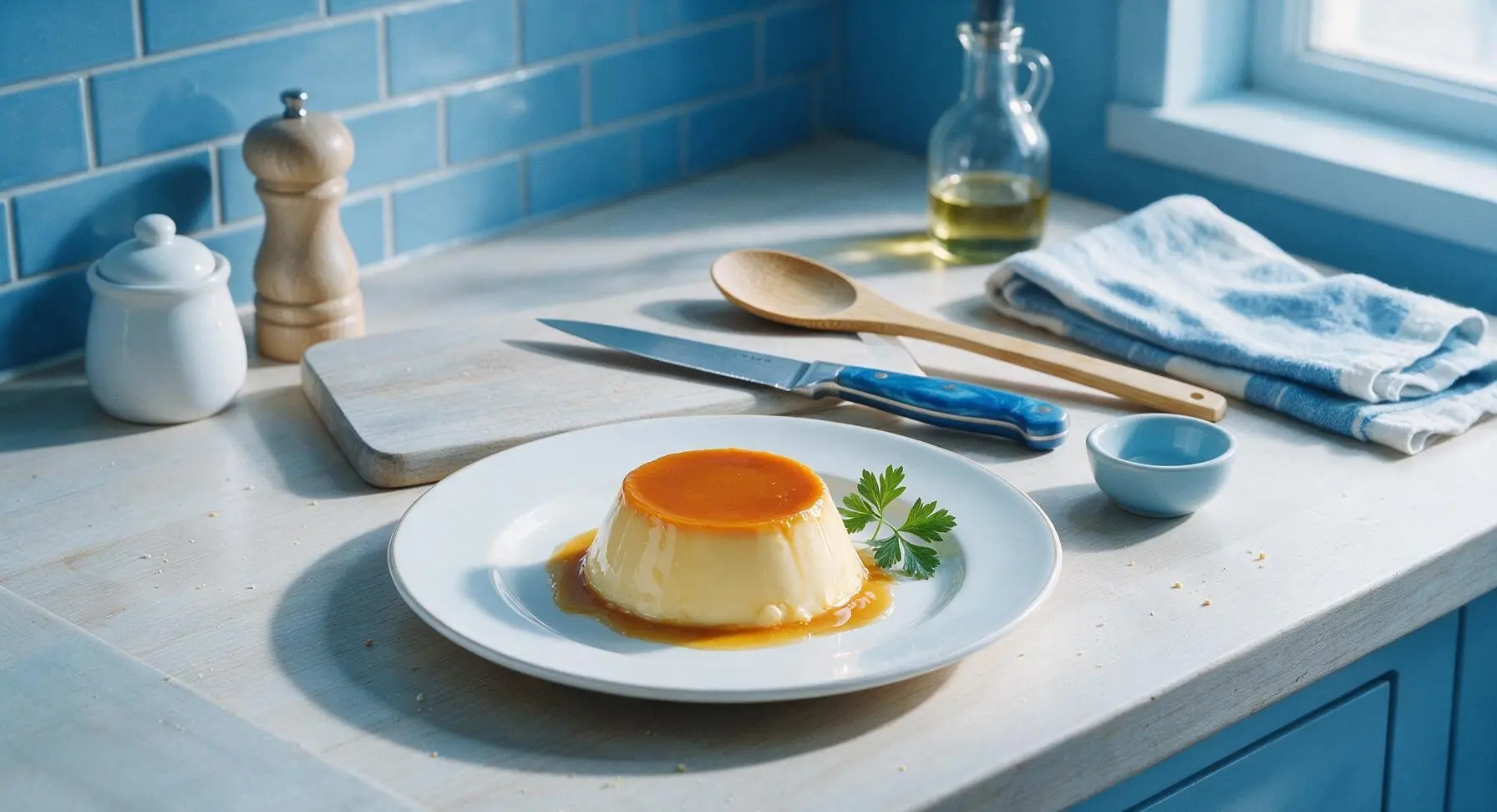
Silky, wobbly egg custard topped with bittersweet golden caramel, chilled to perfect creaminess. A nostalgic, not-too-sweet dessert that melts smoothly on the tongue.

Ingredients
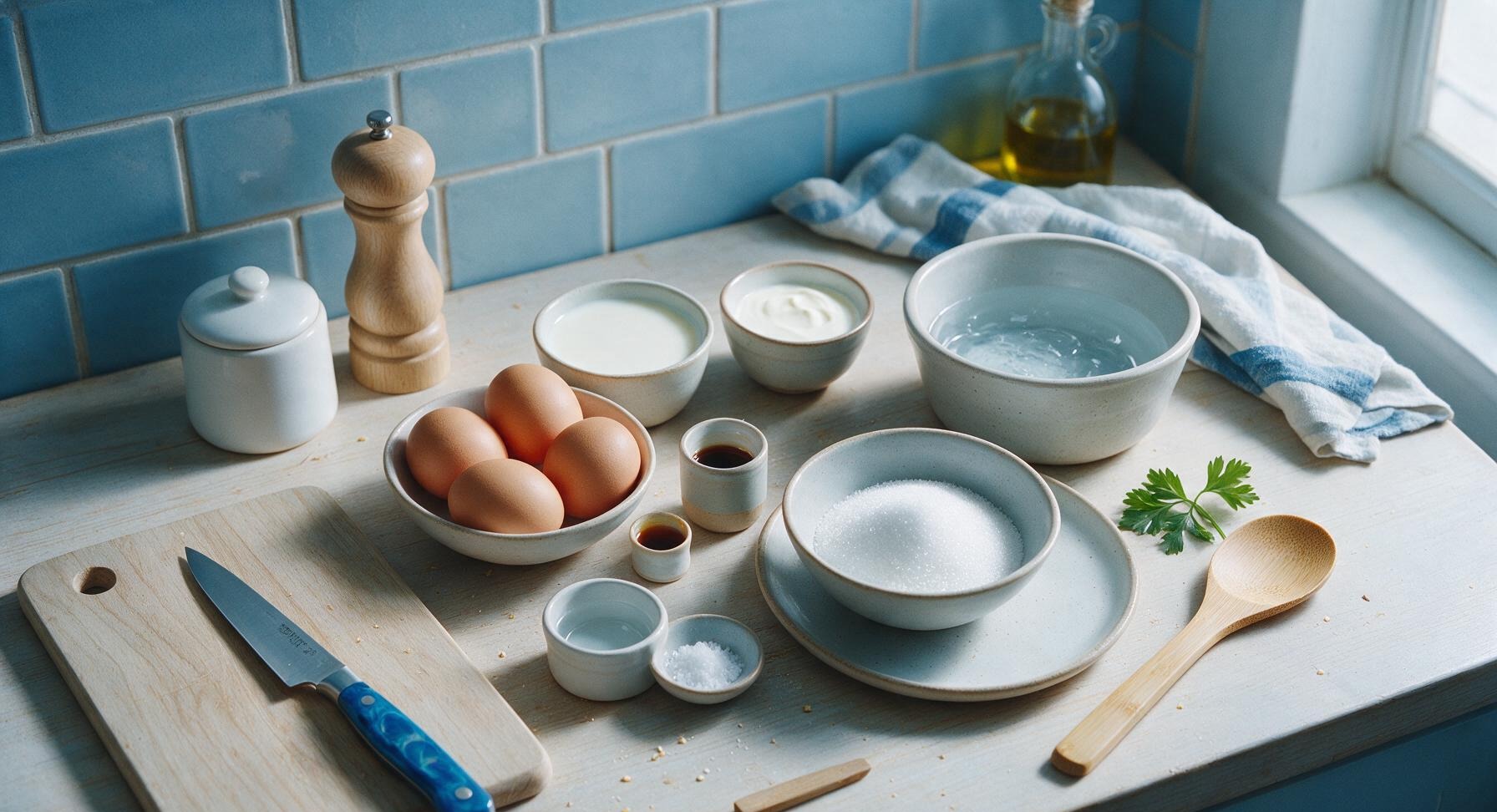
Large whole eggs 4 (about 200g, shelled)
Whole milk 400ml
Heavy cream 100ml
Granulated white sugar 130g (100g for caramel, 30g for custard)
Pure vanilla extract 1 tsp
Fine sea salt 1 pinch
Filtered water 2 tbsp (for caramel)
Boiling water 1L (for water bath)

Steps

1

Cook the amber caramel

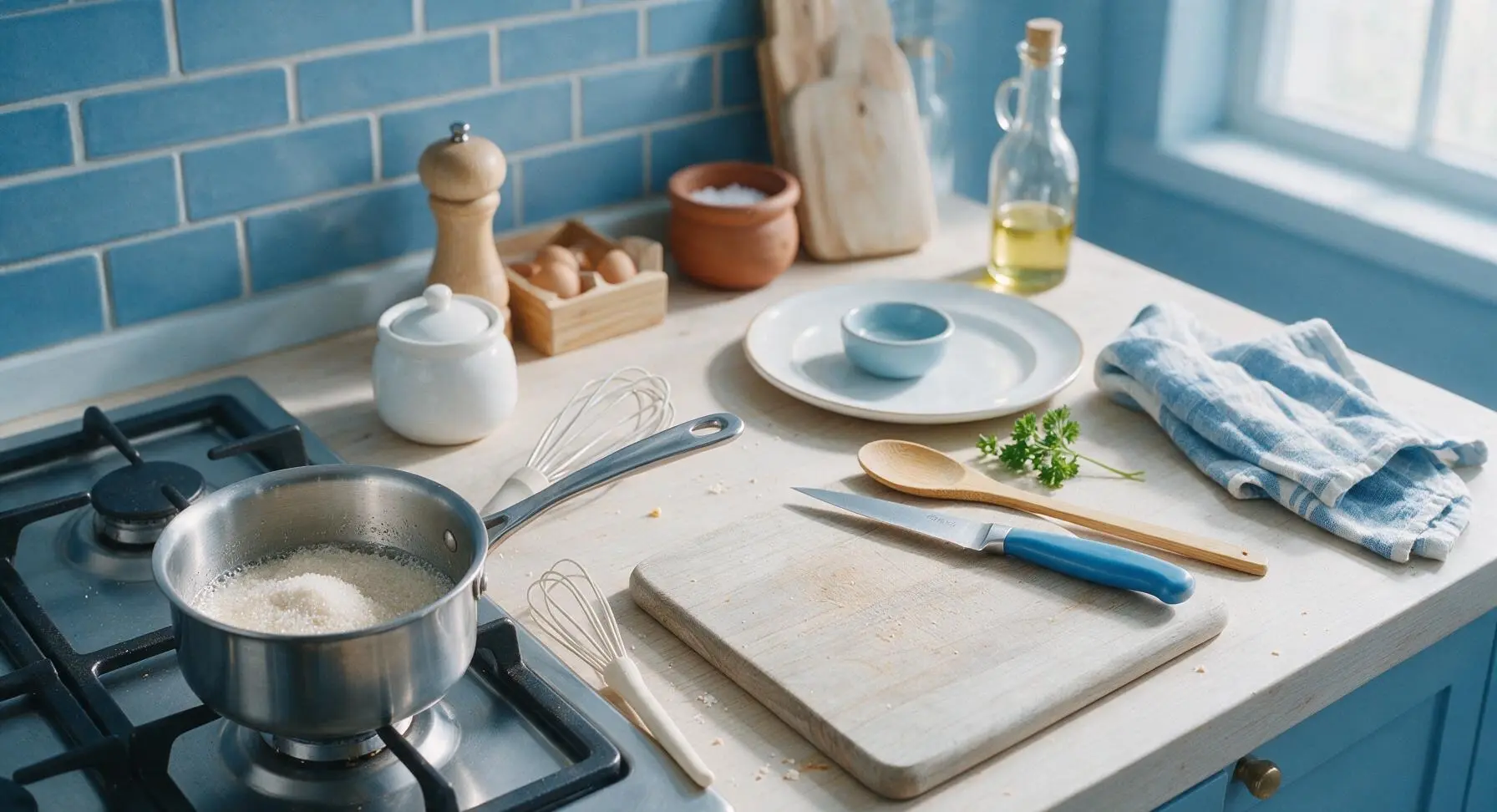
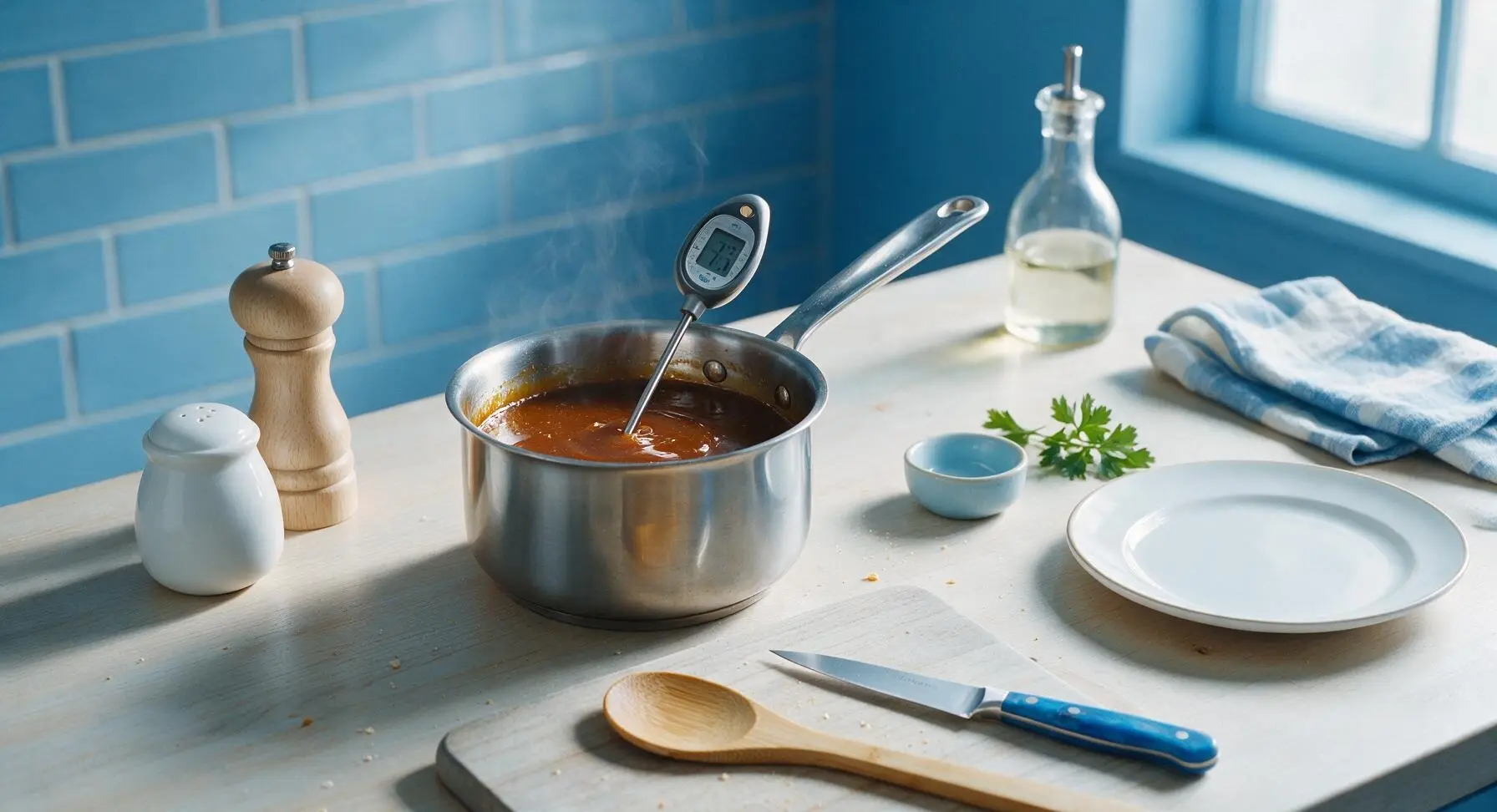
Preheat oven to 160°C (320°F) with the middle rack positioned. Set the small heavy-bottomed stainless steel saucepan on the left stovetop burner over medium-low heat. Add 100g granulated sugar and 2 tablespoons filtered water, stirring gently just until all sugar is moistened to a wet sand consistency. Stop stirring once the mixture comes to a simmer. Cook undisturbed for 6–8 minutes, swirling the pan gently every 1–2 minutes, until the melted sugar turns a clear, deep golden amber (170°C/340°F on the instant-read thermometer). Immediately remove the pan from heat, stir in the tiny pinch of fine sea salt to balance sweetness—caramel burns in seconds once it reaches temperature.
Step 1
step1:Cook the amber caramel
Step 1
step1:Cook the amber caramel
2

Coat ramekin bases

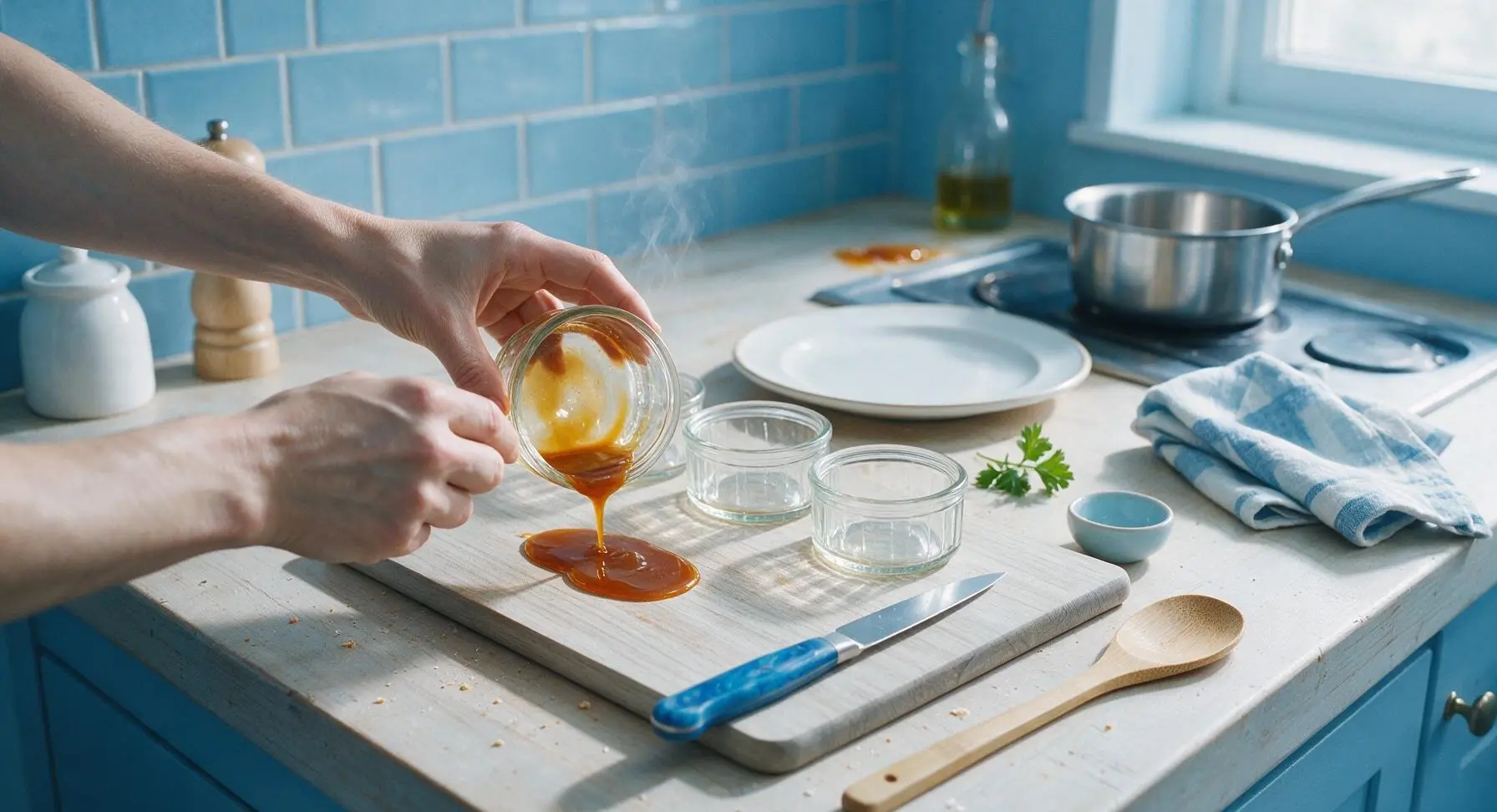
Working quickly (caramel sets fast as it cools), carefully pour 1–1.5 tablespoons of the hot amber caramel into the base of each of the 4 clear glass ramekins. Tilt each ramekin gently to spread the caramel evenly across the bottom, taking care not to get caramel on the sides of the ramekins. Set the coated ramekins aside on the central prep zone to let the caramel harden fully for 5 minutes; it will form a solid, glassy layer at the bottom of each dish.
Step 2
step2:Coat ramekin bases
3

Whisk the custard mixture

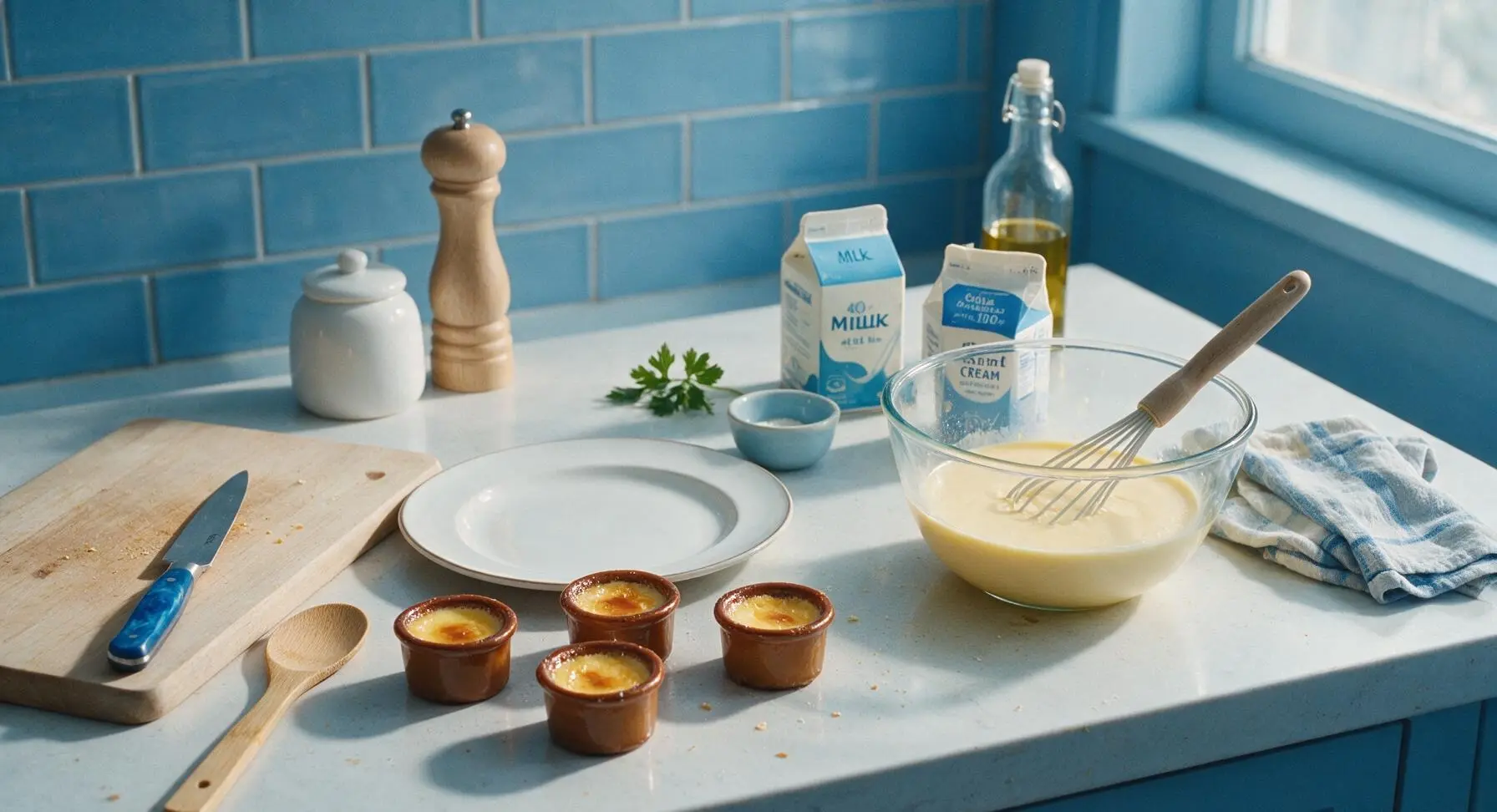
In the 2L clear tempered glass mixing bowl, crack all 4 large eggs and add the remaining 30g granulated sugar. Use the long-handled silicone whisk to stir slowly and gently (avoid whipping air into the mixture, which creates unsightly holes in the finished custard) until the sugar is fully dissolved and eggs are completely smooth, about 1 minute. Warm the 400ml whole milk and 100ml heavy cream in the small saucepan over low heat until just lukewarm (40°C/104°F, no hotter—hot liquid will curdle the eggs), then slowly pour the warm dairy into the egg mixture while stirring constantly in a slow, steady motion. Stir in the 1 teaspoon pure vanilla extract until fully combined.
Step 3
step3:Whisk the custard mixture
4

Strain for silky texture

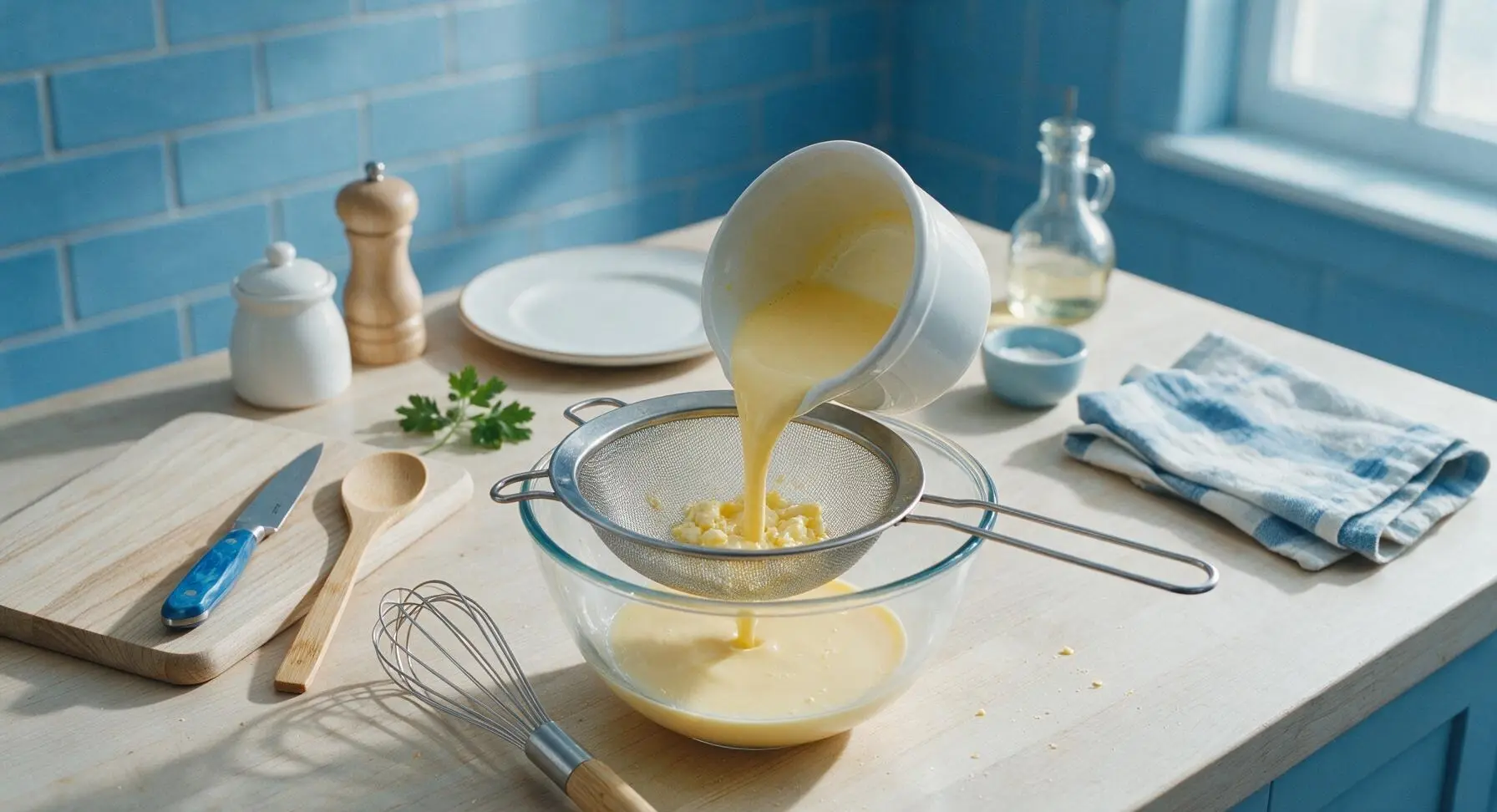
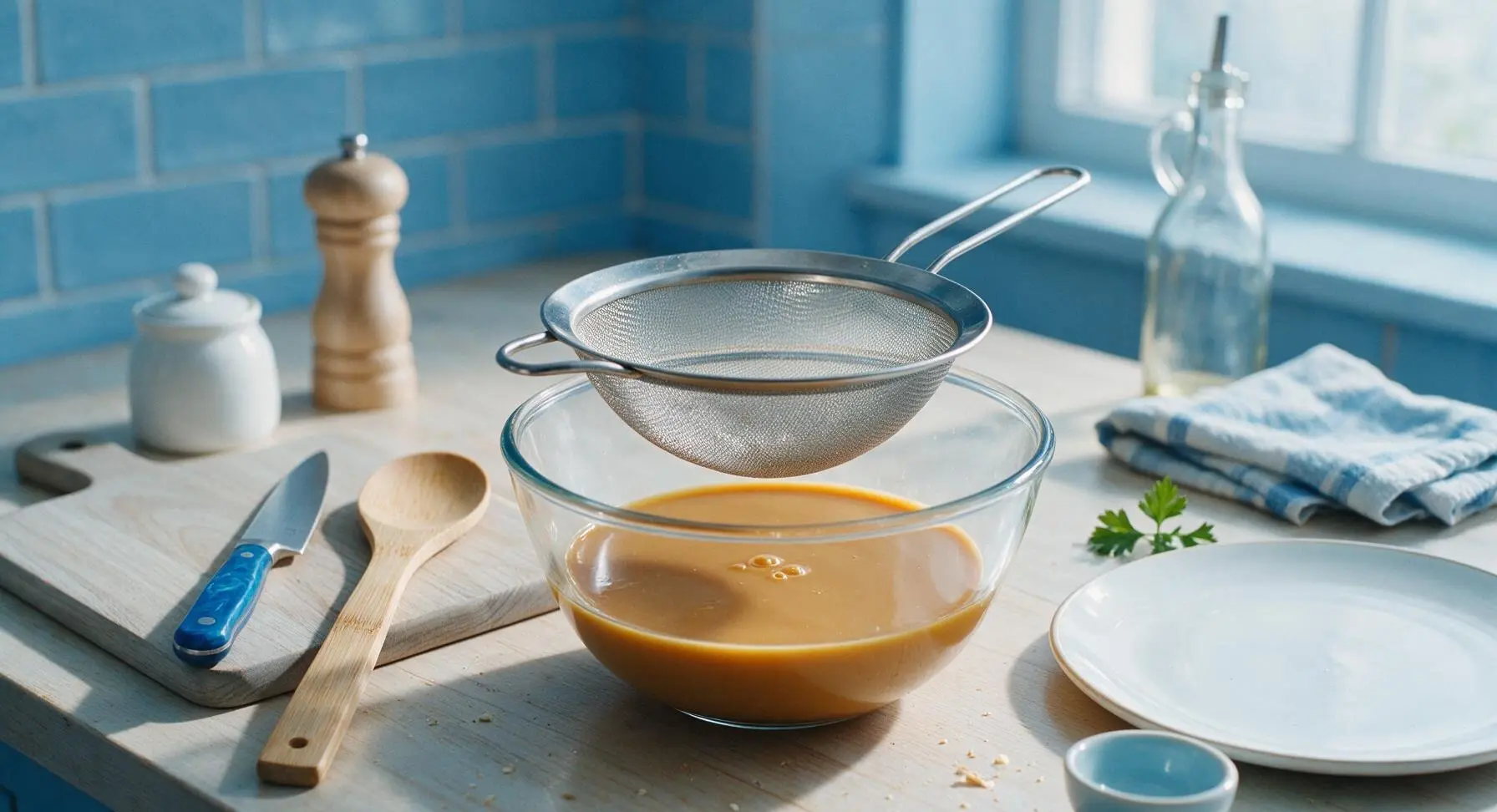
Set the fine-mesh stainless steel sieve directly over the mixing bowl, then pour the custard mixture through the sieve to catch any tiny egg lumps or chalaza, resulting in a perfectly silky, lump-free custard. Discard any solid bits left in the sieve. Let the strained custard rest for 5 minutes, then skim any tiny surface bubbles with a spoon to ensure a smooth top on the finished pudding.
Step 4
step4:Strain for silky texture
Step 4
step4:Strain for silky texture
5

Arrange baking water bath

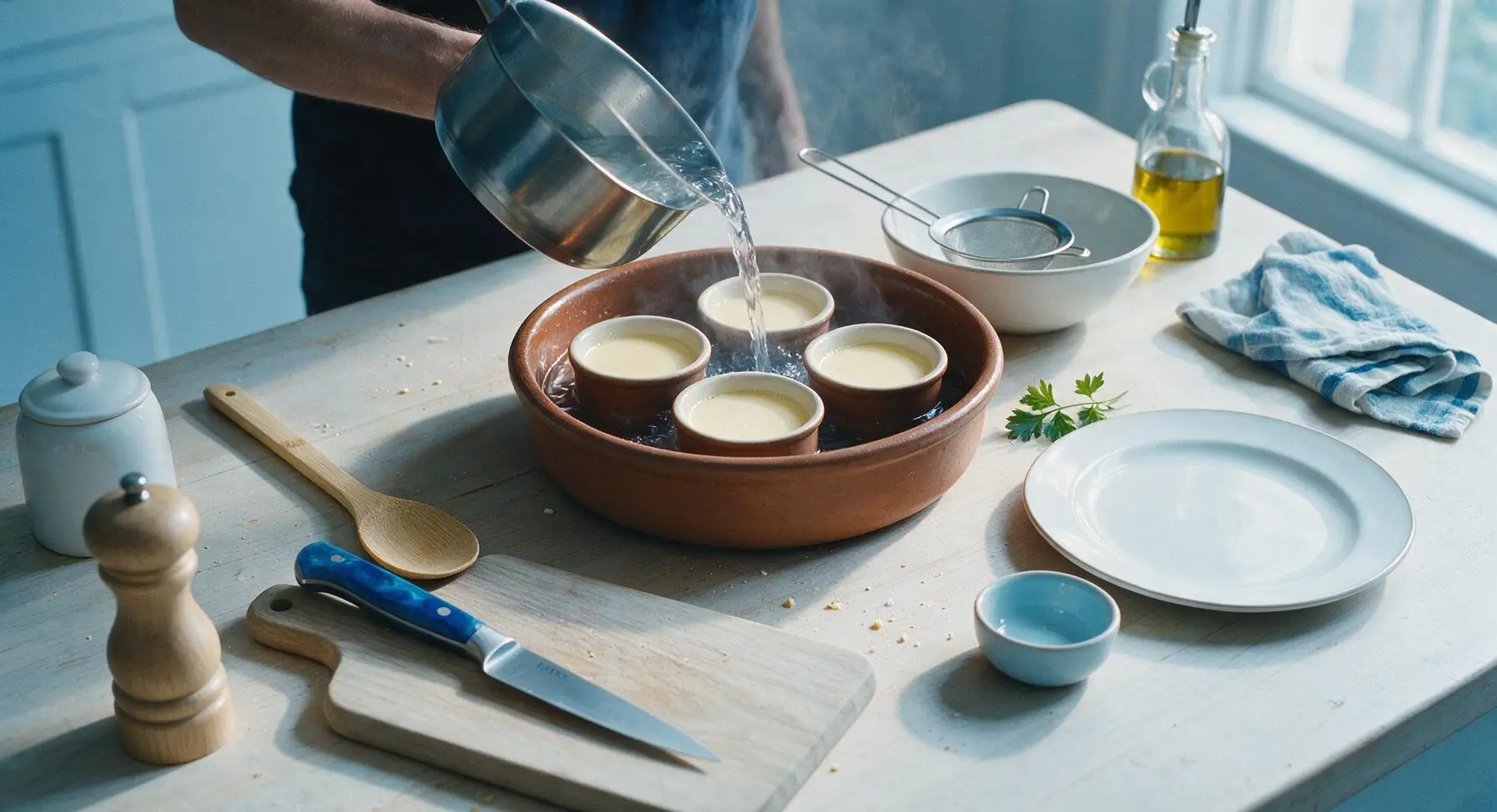
Bring 1L of water to a rolling boil. Arrange the 4 caramel-lined ramekins inside the deep rectangular terracotta baking dish, spacing them evenly so they do not touch each other or the sides of the dish. Pour the strained custard evenly into each ramekin, filling each to about 5mm below the rim. Carefully pour the boiling water into the baking dish until the water reaches halfway up the sides of the ramekins, taking care not to splash any water into the custard-filled ramekins.
Step 5
step5:Arrange baking water bath
6

Bake until just set

Carefully transfer the baking dish with the water bath and ramekins to the preheated oven. Bake for 35–40 minutes, until the edges of the custard are fully set but the very center of each pudding still jiggles slightly like soft Jell-O when you gently nudge the dish (it will finish setting as it chills). Do not overbake, as this will cause the custard to become rubbery and develop a grainy texture.
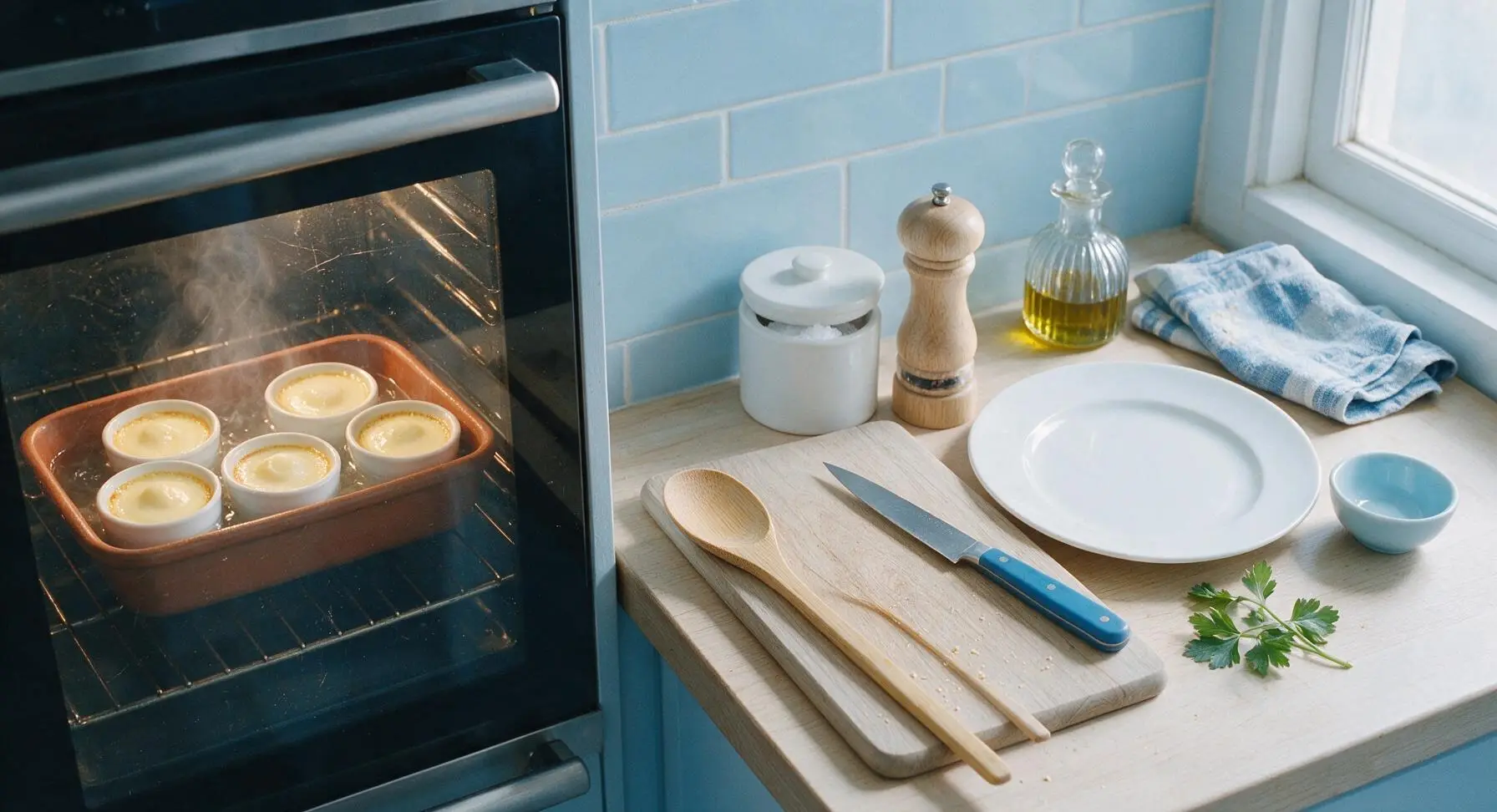
Step 6
step6:Bake until just set
7

Chill to set fully

Once baked, carefully remove the baking dish from the oven, lift the ramekins out of the hot water bath, and set them on the thin metal wire cooling rack to cool to room temperature, about 30 minutes. Once cool, cover each ramekin tightly with plastic wrap and refrigerate for a minimum of 4 hours (preferably overnight) to let the custard set fully and the caramel soften into a pourable sauce.
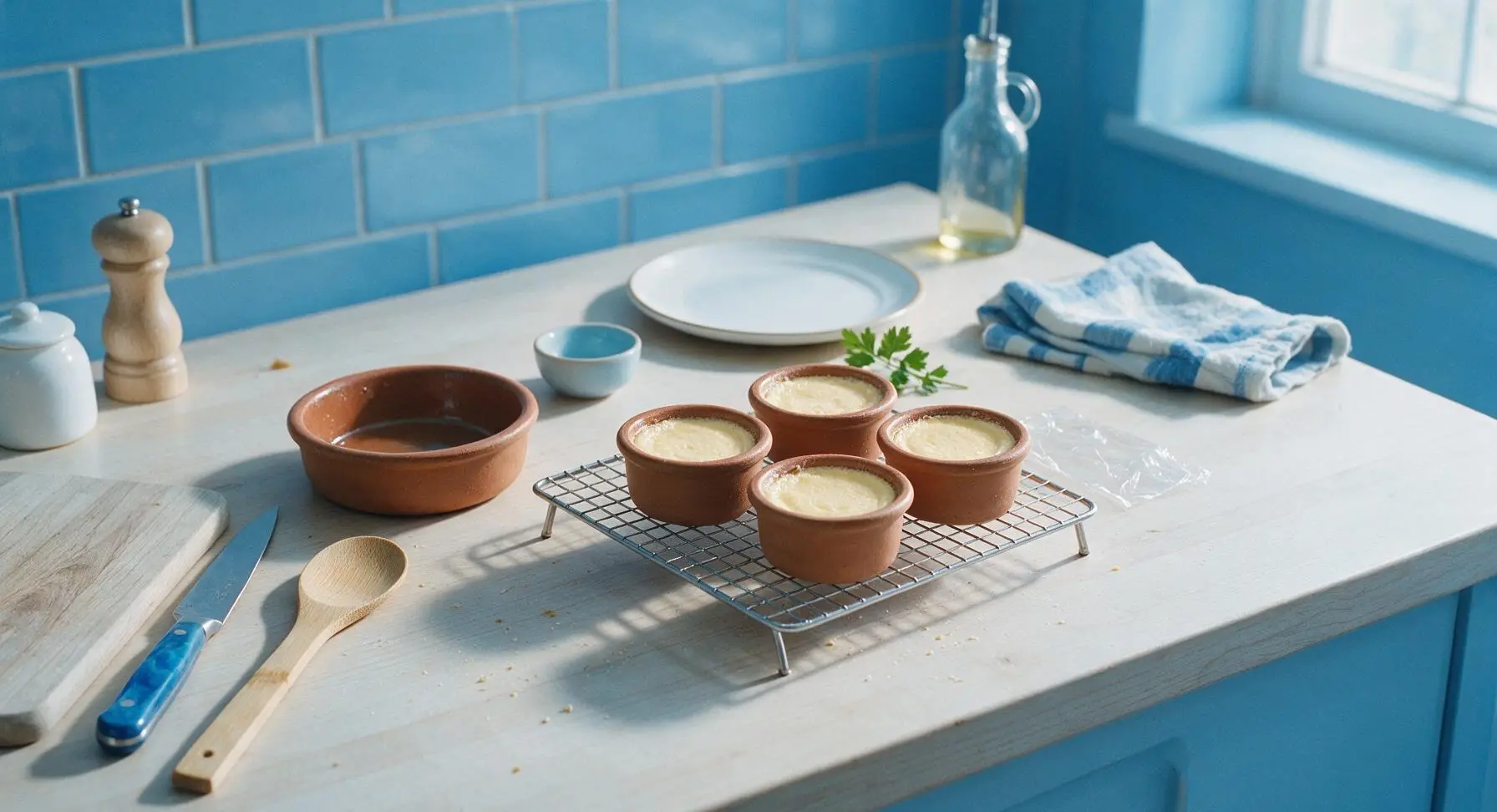
Step 7
step7:Chill to set fully
8

Unmold and plate pudding

When ready to serve, remove the plastic wrap from one chilled ramekin. Run the tip of the small paring knife around the inner edge of the ramekin to loosen the custard from the sides. Place one matte cream ceramic dessert plate upside down over the top of the ramekin, hold the plate and ramekin tightly together, and flip them over in one quick, smooth motion. Gently lift the ramekin straight up to release the pudding; the soft caramel will flow down the sides of the custard to pool on the plate. Garnish with a single small mint leaf if desired.
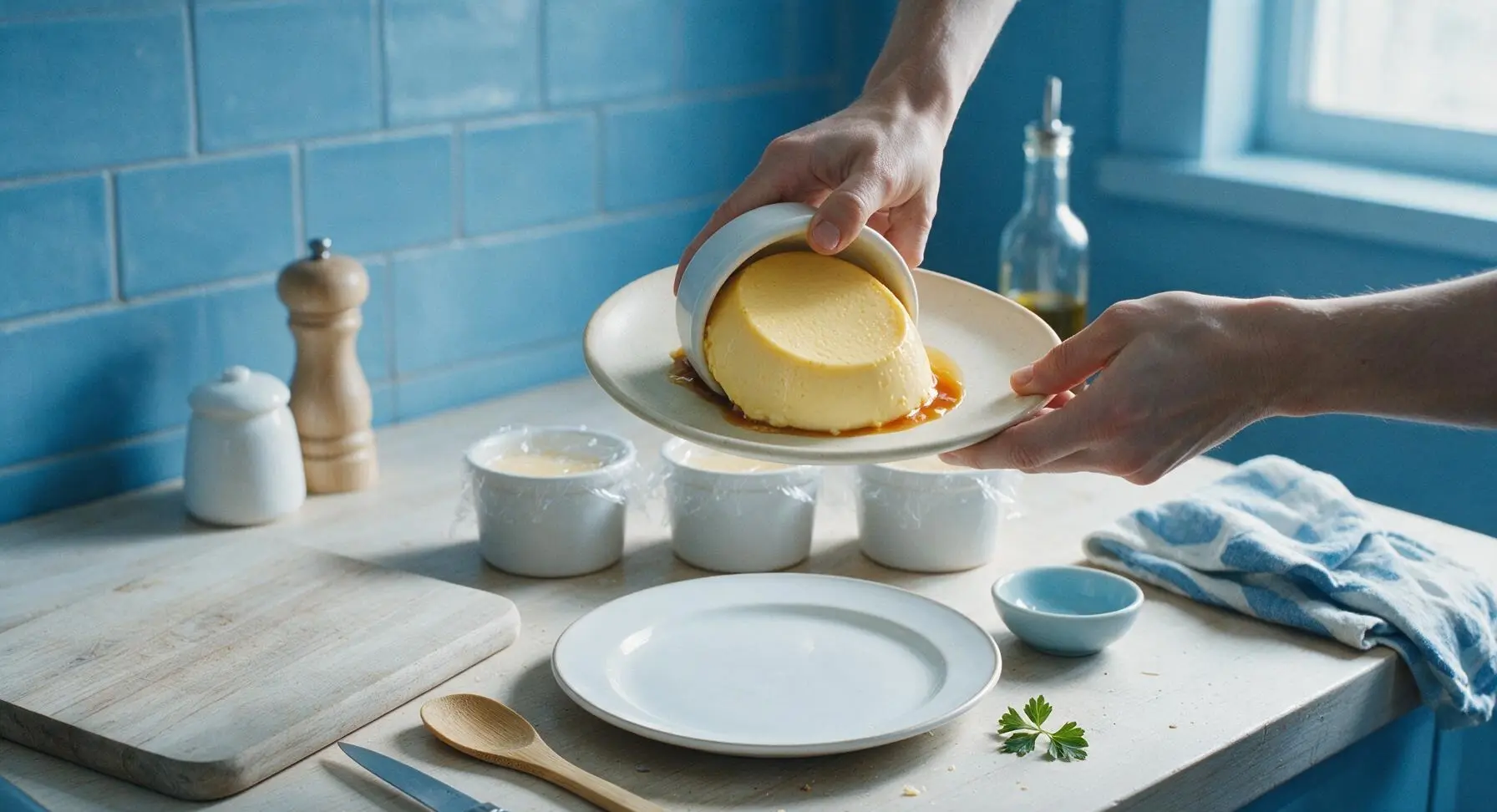
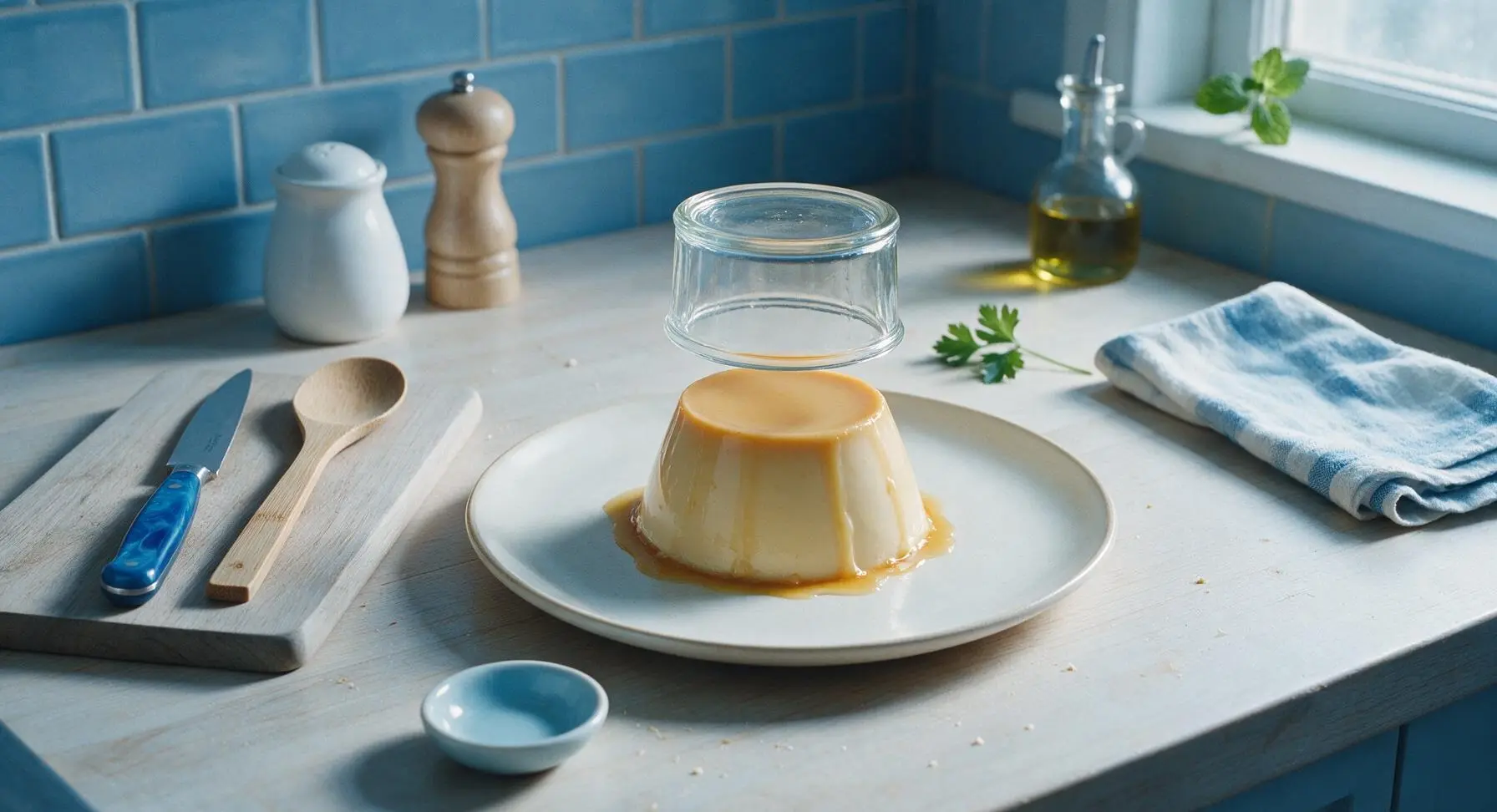
Step 8
step8:Unmold and plate pudding
Step 8
step8:Unmold and plate pudding

Tips

1.When cooking caramel, never stir the sugar once it comes to a simmer: stirring can cause sugar crystals to form and seize the mixture, resulting in a grainy, lumpy caramel instead of a smooth, glossy sauce. Swirl the pan gently to distribute heat evenly instead.
2.Do not skip the hot water bath when baking: the humid, evenly distributed heat from the surrounding water prevents the custard from curdling, developing a rubbery texture, or cracking on top, and ensures a silky, consistent texture from edge to center.
3.Resist the urge to unmold the pudding before it has chilled for a full 4 hours: insufficient chilling leads to soft, misshapen puddings that fall apart when the ramekin is lifted, and prevents the caramel from fully melting into a smooth, pourable sauce.

✨ You May Also Like

Desserts & Baking
🍜 Italy

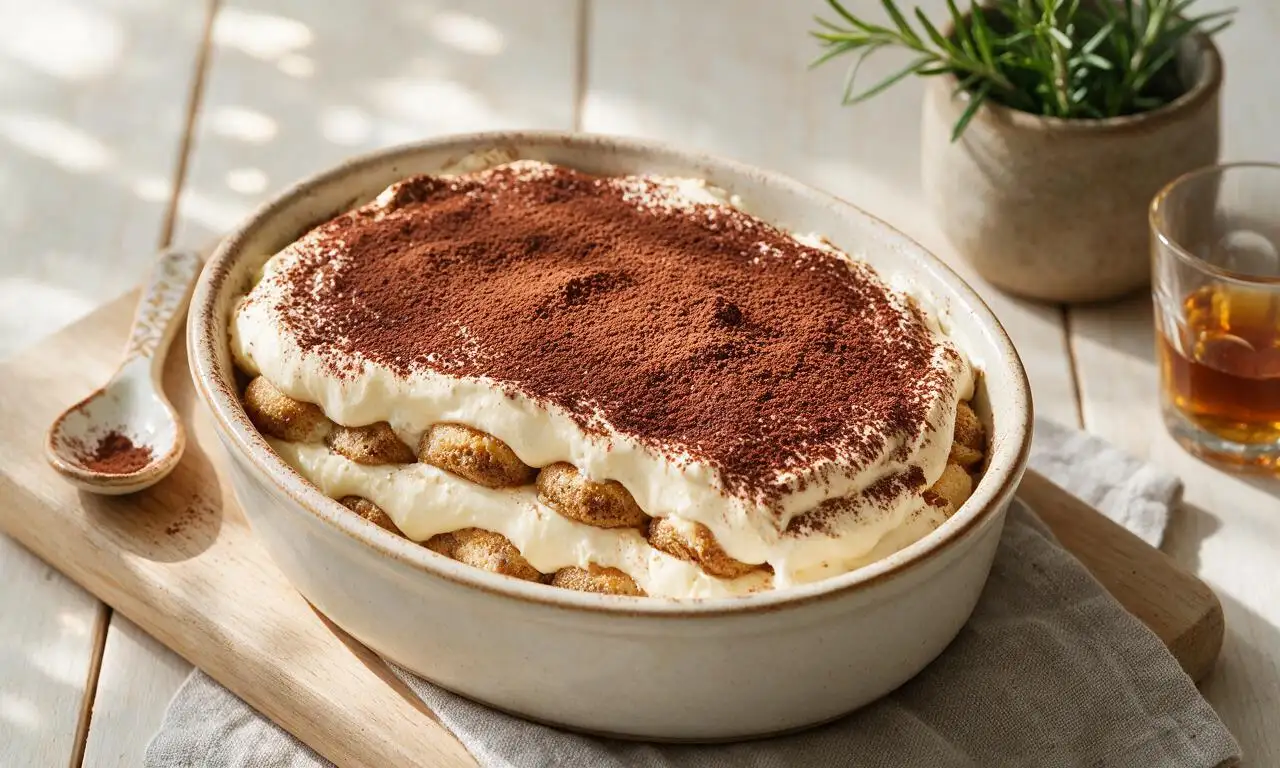
Creamy, coffee-kissed classic Northern Italian no-bake dessert, with layers of rum-spiked mascarpone cream, soft ladyfingers, and a rich cocoa dusting.

⏱️ 4 hours 3Desserts & Baking ★ 4.7
Desserts & Baking
🍜 France

Flaky, shatteringly crisp, buttery French croissants with golden exteriors and soft, airy layered interiors, perfect for pairing with coffee for a special morning treat.

⏱️ 12 hours Desserts & Baking ★ 4.5
Desserts & Baking
🍜 United States

Warm, spiced baked apples topped with a fluffy golden biscuit crust, this cozy dessert pairs perfectly with vanilla ice cream for cool-weather comfort.

⏱️ 55 minuteDesserts & Baking ★ 4.6
Desserts & Baking
🍜 United States

A star-spangled classic American blueberry pie with buttery flaky crust and bright sweet-tart filling, perfect for summer patriotic gatherings.

⏱️ 1 hour 25Desserts & Baking ★ 4.7
Desserts & Baking
🍜 United States

A beloved no-bake regional Maine candy with a chewy coconut-potato center coated in rich dark chocolate, a New England holiday staple since the 1870s.

⏱️ 2 hours 3Desserts & Baking ★ 4.8
Desserts & Baking
🍜 France

Luxuriously creamy, floral frozen custard made with aromatic Tahitian vanilla beans, boasting a smooth, rich texture that melts slowly on the tongue.

⏱️ 3 hours 3Desserts & Baking ★ 4.5

caramel egg pudding:Frequently Asked Questions

1.Why does my caramel turn grainy instead of smooth and glossy? ▾
Grainy caramel almost always comes from undissolved granulated white sugar crystals getting trapped in boiling syrup. Avoid stirring once sugar starts bubbling—swirl the pan gently instead, and brush down pan sides with a wet pastry brush to melt stray crystals. A tiny pinch of cream of tartar also prevents crystallization without adding obvious tang.
2.How do I get that perfectly silky, hole-free custard texture? ▾
Those tiny rubbery holes come from overcooking or cooking at too high a heat, which makes egg proteins curdle. Temper eggs slowly with warm dairy to avoid shock, bake the pudding in a water bath at 325°F, and pull it out when edges are set but the center has a gentle wobble—it finishes setting as it chills.
3.Can I make this pudding without heavy cream to cut down on fat? ▾
You can swap heavy cream for an equal amount of half-and-half for a lighter, still silky result, but skip using plain skim or 1% milk as a full replacement—you’ll lose that rich, melt-in-your-mouth texture and end up with watery, rubbery custard. If using only whole milk, add one extra egg yolk to boost creaminess.
4.How long do I need to chill the pudding before it’s ready to eat? ▾
For the best set and texture, let baked pudding chill uncovered in the fridge for a minimum of 4 hours, though overnight is even better. Rushing chill time leaves custard soft, runny, and less smooth, and the caramel won’t have time to melt into that syrupy layer that runs down the sides when you unmold it.
5.Why does my custard have a weird eggy aftertaste? ▾
A strong eggy flavor usually comes from two common missteps: using too many eggs relative to your dairy, or overcooking the custard at too high a temperature. Stick to the recipe ratio of large whole eggs to milk and cream, don’t skip the vanilla extract—it balances egg flavor beautifully—and never bake above 325°F.
6.How do I easily unmold the pudding without it breaking apart? ▾
First, run a thin, sharp paring knife around the very edge of the ramekin to loosen the custard from the sides. Fill a shallow dish with hot tap water, dip the bottom of each ramekin for 10 to 15 seconds to soften the caramel base, then place a plate over the ramekin and flip quickly in one smooth motion.
7.Can I use vanilla bean paste instead of pure vanilla extract? ▾
Absolutely! Vanilla bean paste is a fantastic swap that adds pretty, tiny vanilla seed specks for an artisanal look, and it has the same rich, warm vanilla flavor as pure extract. Use it in a 1:1 ratio for the extract called for—just skip imitation vanilla, which has a harsh, artificial aftertaste that clashes with delicate flavors.
8.Do I really need to use a water bath to bake this pudding? ▾
Yes, the water bath (or bain-marie) is non-negotiable for that silky, even texture. The surrounding hot, humid water keeps oven temperature gentle and consistent, so custard edges don’t overcook and curdle before the center sets, and it prevents a tough, rubbery skin from forming on the pudding top as it bakes.
9.How long will this pudding stay fresh in the refrigerator? ▾
Stored properly, the pudding will stay fresh and creamy for up to 4 days in the fridge. Keep it tightly covered with plastic wrap pressed directly to the custard surface after the first 2 hours of chilling to prevent picking up off-flavors from other fridge items, and never leave it out at room temp for more than 2 hours for food safety.
10.Why is my caramel layer rock hard and stuck to the bottom of the ramekin? ▾
That hard, stuck caramel happens when you pour the custard base into ramekins too slowly after adding hot caramel, so the molten sugar sets before you add the custard. Pour custard in right after dividing hot caramel between ramekins; don’t worry if it feels hard at first, it softens into syrupy sauce as the custard bakes and chills.
11.Can I add mix-ins like chocolate or fruit to this pudding? ▾
You absolutely can, just add them sparingly so you don’t disrupt the silky custard set. Try sprinkling a teaspoon of flaky sea salt on the caramel for a salted caramel twist, adding a thin layer of fresh berries at the ramekin bottom, or folding mini dark chocolate chips into the cooled base right before baking.
12.What size eggs should I use for the best custard texture? ▾
Stick to large whole eggs, as specified in the recipe, for the most consistent texture. Egg sizes change the ratio of egg white to yolk relative to your dairy—extra-large eggs make custard too firm and eggy, while medium eggs leave it too soft and watery to set properly, even after a full overnight chill.
13.Why does my custard have a bubbly, foamy top after baking? ▾
That foamy top comes from too many air bubbles whipped into the custard base when you mix eggs and dairy together. Mix ingredients gently until just combined, don’t whisk vigorously, and strain the custard through a fine-mesh sieve before pouring into caramel-lined ramekins to catch lumps and pop bubbles for a smooth top.
14.Can I make this pudding in one large dish instead of individual ramekins? ▾
Yes, you can bake the full recipe in a 1.5-quart heatproof baking dish instead of individual ramekins, just adjust your bake time. Add 15 to 20 minutes to the total bake time, since the larger custard volume takes longer to set through, and still use the hot water bath to keep texture silky and even across the whole dish.

Comments (6)

2 days ago

OMG this silky caramel egg pudding was such a game changer for our Sunday family dinner! I was worried it’d be too tricky since the difficulty is medium, but the steps were so straightforward. My kids devoured half the pan before we even got to dessert, no joke. The texture is literally like silk, no weird lumps at all! 10/10 will be making this for our next block potluck too.

yesterday

Wait did you adjust the caramel at all for high altitude? I’m in Denver and my last caramel attempt burnt to a crisp 😅

2 hours ago

Great question! If you’re at high altitude, reduce the heat slightly when cooking the caramel and keep a close eye on it — it’ll come together a minute or two faster than the recipe states, so no need to walk away while it cooks!

3 days ago

SO good! I made this last night to have with my morning iced latte all week for meal prep, and it held up perfectly in the fridge. The caramel doesn’t get grainy at all, which is the problem I always have with homemade flan-type desserts. Only thing I did was add a tiny pinch of flaky salt on top right before serving, chef’s kiss.

2 days ago

Love the flaky salt addition! That sweet-salty kick takes the caramel to the next level, so glad the meal prep worked out for you — this pudding stays great in the fridge for up to 4 days when tightly covered!

1 week ago

Took this to my office potluck last week and people were begging for the recipe! I was nervous about getting the silky texture right because my first attempt at egg pudding had weird rubbery bits from overcooking, but the water bath tip worked like a charm. Cook time was exactly 40 minutes for me, no extra time needed. Will absolutely make again.

5 days ago

Okay I definitely messed up the caramel layer my first go around 😂 I let it get too dark and it tasted bitter, but my second attempt was perfect! The pudding itself is so creamy, way better than the store bought pudding cups I used to live on. My roommate said it tastes like the fancy dessert we got at that brunch spot last month.

3 days ago

Same thing happened to me! I turned my back for 20 seconds to grab my vanilla extract and the caramel went from perfect to burnt. Don’t walk away while that sugar is melting, folks!

2 days ago

So glad you gave it a second try! Caramel can be super finicky — as soon as it hits that deep amber color and smells nutty, pull it off the heat immediately, it’ll keep cooking a little from the residual pan heat.

yesterday

Made this for my partner’s birthday dinner last night and they said it’s the best dessert I’ve ever made! I didn’t have ramekins so I used a single glass baking dish and it worked perfectly, just added 5 minutes to the cook time. The silky texture is no joke, it melts in your mouth. 10/10.

30 minutes ago

Oh good to know the single baking dish works! I don’t have ramekins either and was gonna run out to buy some just for this recipe, now I don’t have to.

2 weeks ago

I was looking for a not-too-sweet dessert to make for my book club and this was perfect! It’s light, the caramel flavor is rich but not cloying, and everyone asked for seconds. I was worried the medium difficulty rating would mean I’d be stuck in the kitchen for hours, but 40 minutes total cook time is totally doable even on a busy weeknight. Will be adding this to my regular dessert rotation for sure!