1.Why does my alfredo sauce end up grainy instead of smooth?
▾
Grainy sauce almost always traces back to two common missteps: overheating the base once you add cheese, or using pre-grated parmesan coated in anti-caking starch. Keep your sauce on low heat when stirring in cheese, pull the pan off the burner if it starts to bubble, and use freshly grated Parmigiano-Reggiano for that signature silky finish.
2.How thick should I cut the chicken breast cutlets for this recipe?
▾
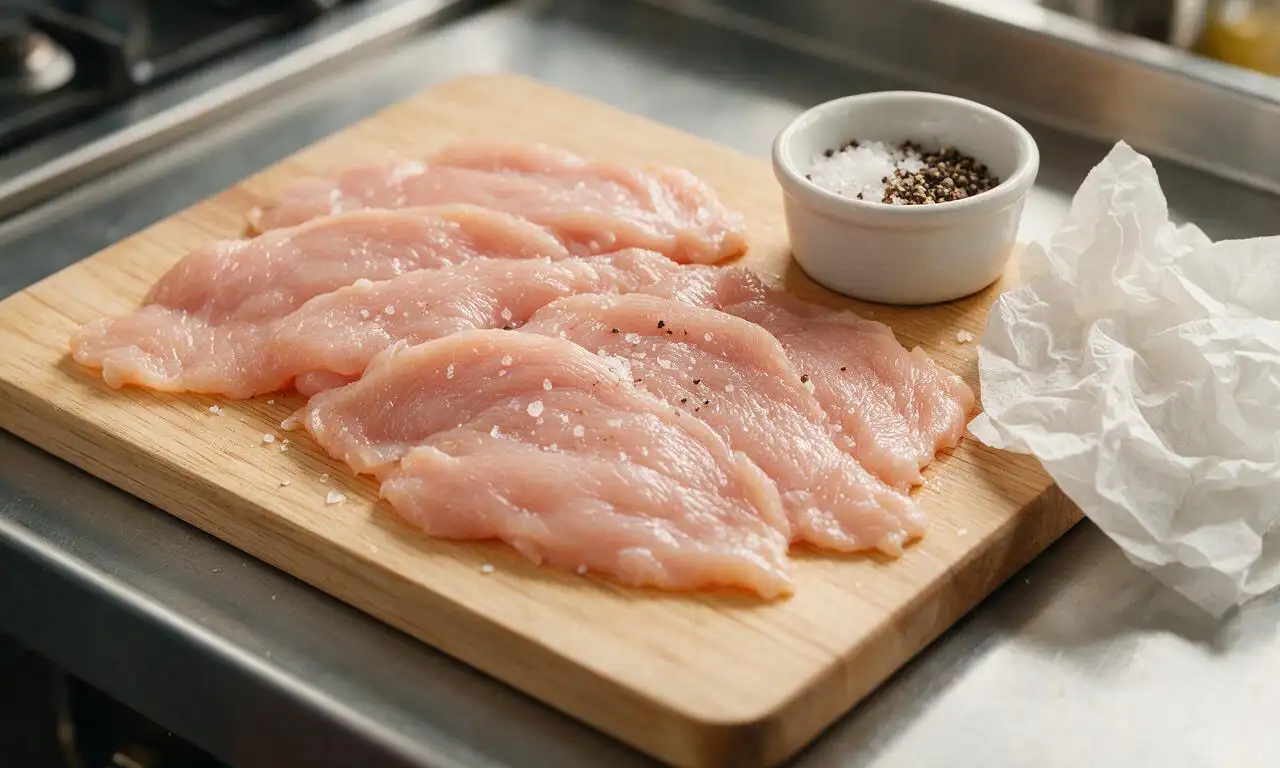
Cut your boneless, skinless chicken breasts into uniform 1.2cm (roughly ½-inch) cutlets, as noted in the recipe. This thickness cooks evenly in 3-4 minutes per side on medium-high heat, so you get a golden, seared exterior and juicy, tender interior without overcooking or drying out the meat.
3.Can I use pre-shredded parmesan from the grocery store instead of grating it fresh?
▾
I don’t recommend it. Most pre-shredded parmesan is coated in potato starch or natamycin to prevent clumping, which stops it from melting smoothly into the cream base and leaves your sauce with a gritty, odd texture. Grab a Parmigiano-Reggiano wedge and grate it on a small box grater right before use for best results.
4.My sauce turned out too thin—how do I thicken it without making it gummy?
▾
First, resist the urge to add flour or cornstarch, which will make the sauce taste pasty and dull. Instead, let the sauce simmer gently on low heat for 2-3 extra minutes to reduce slightly, then stir in an extra 2-3 tablespoons of freshly grated parmesan to create a perfectly rich, thick consistency.
5.Can I use a different pasta shape instead of fettuccine?
▾
Fettuccine is traditional because its wide, flat surface catches and holds the thick, creamy sauce perfectly, but you can swap it for other wide, sturdy shapes if that’s what you have. Linguine, pappardelle, or rigatoni work great—just avoid thin, delicate shapes like angel hair that get mushy under the rich sauce.
6.How do I keep my chicken from drying out when I sear it?
▾
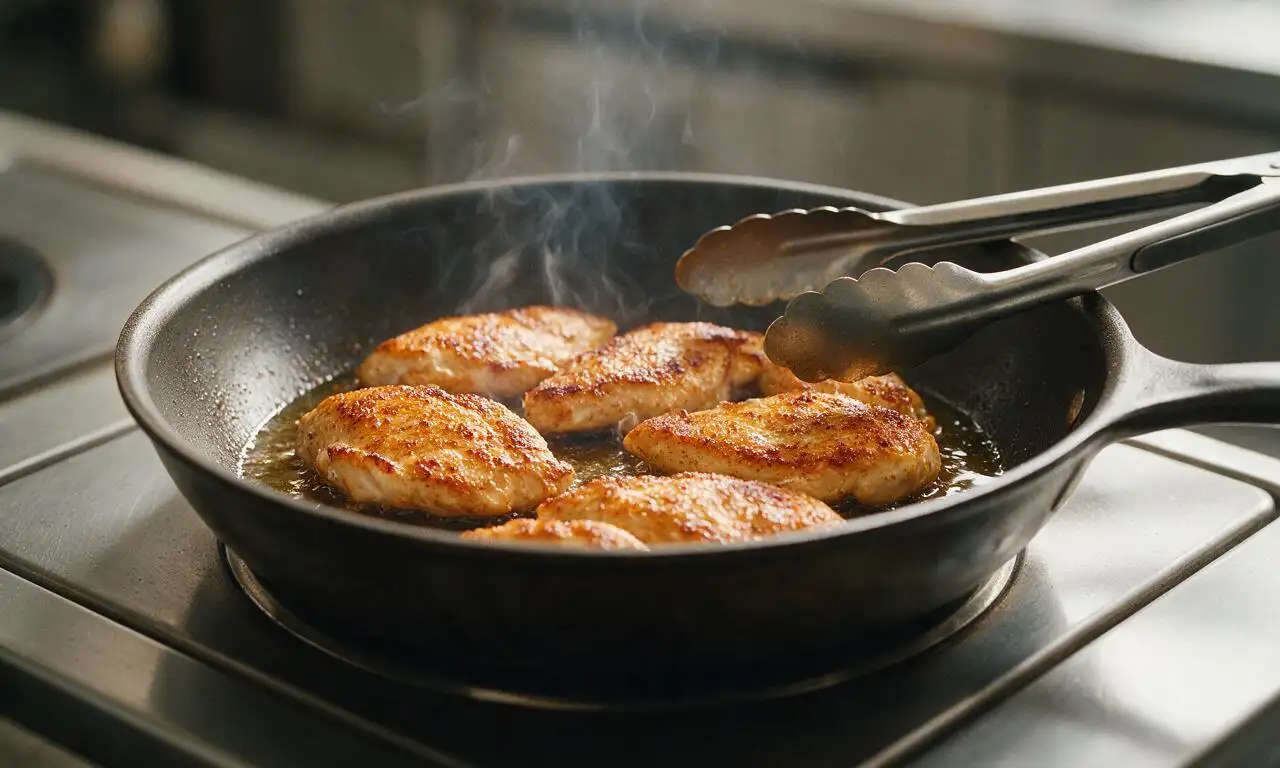
Start by letting your cutlets come to room temperature for 15 minutes before cooking so they cook evenly, and pat them completely dry with paper towels to get a crisp sear. Don’t move the chicken around the pan for the first 3 minutes, pull it when it hits 165°F internal temp, and let it rest 2 minutes before slicing.
7.Can I make this recipe ahead of time for meal prep?
▾
Alfredo is best served fresh right after cooking, as the cream sauce tends to break and turn greasy when stored long-term. You can prep components ahead, though: sear and store chicken for up to 3 days, grate cheese in advance, and portion out pasta, then toss the sauce together right before serving.
8.Why is there a layer of oil separating from my alfredo sauce?
▾
Separation happens when the sauce gets too hot, causing the butterfat in the cream and cheese to split from the milk solids. If this happens, pull the pan off the heat immediately, stir in a tablespoon of cold heavy cream, and whisk vigorously for 30 seconds to bring the smooth emulsion back together.
9.Can I use half-and-half instead of heavy whipping cream to cut down on fat?
▾
You can, but the sauce won’t be quite as rich or heat-stable. Half-and-half has a lower fat content, so it’s more prone to curdling if heated too high, and won’t thicken as nicely on its own. If you use it, keep heat extra low, and add an extra ¼ cup of grated parmesan to boost thickness.
10.Do I need to salt the pasta water when cooking the fettuccine?
▾
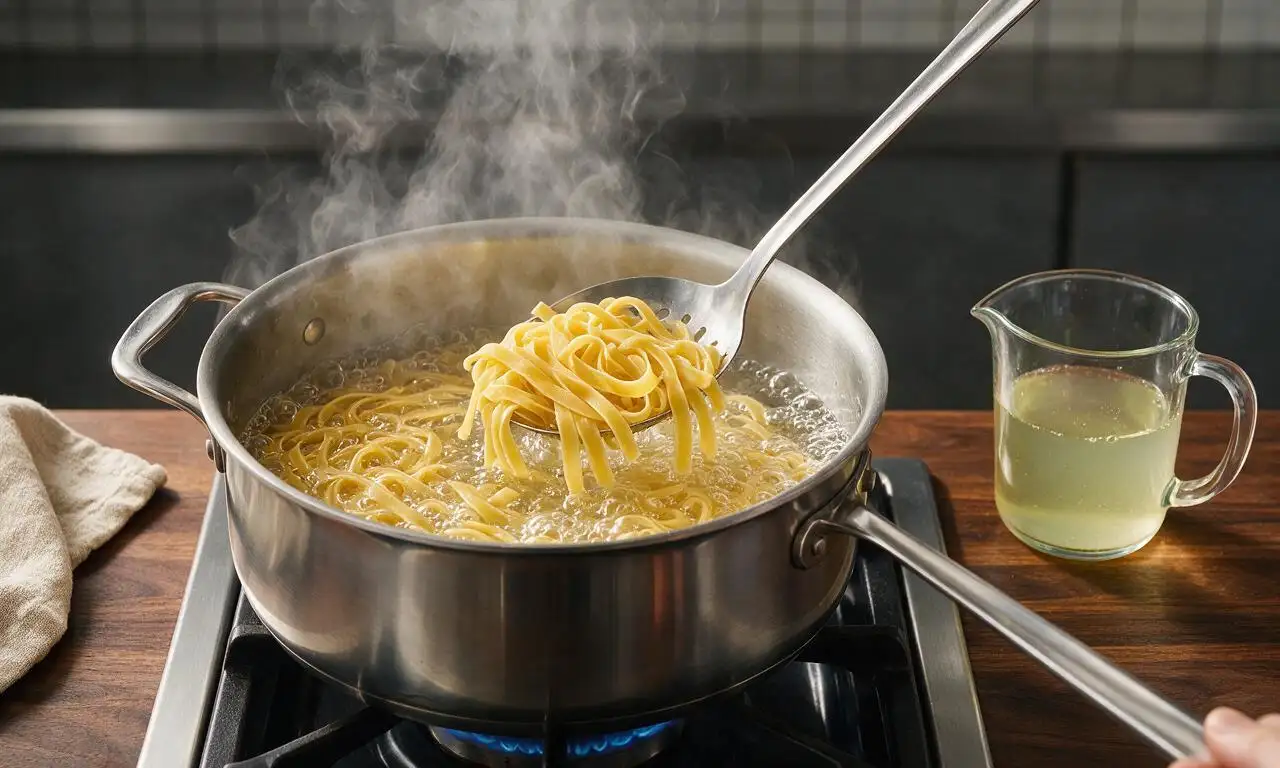
Absolutely—this is non-negotiable for well-seasoned pasta. Salt your pasta water until it tastes as salty as seawater, which seasons the noodles from the inside out as they cook. Don’t rely on the sauce alone for salt; bland, unsalted pasta will make the whole dish taste flat even with rich, cheesy sauce.
11.How do I reheat leftover chicken alfredo without the sauce turning greasy?
▾
Skip the microwave, which heats unevenly and breaks the sauce fast. Instead, place leftovers in a skillet over low heat, add a splash of heavy cream or whole milk, and stir gently as it warms through for 3-4 minutes. The extra liquid will help re-emulsify the sauce so it’s creamy, not separated and greasy.
12.Can I add extra veggies to this dish without ruining the sauce?
▾
Of course! Just make sure to cook veggies separately and pat them completely dry before tossing them in, so excess water doesn’t thin out the creamy sauce. Roasted broccoli, sautéed spinach, oil-packed sun-dried tomatoes, or roasted bell peppers all pair beautifully to cut through the dish’s richness.
13.Should I rinse my cooked fettuccine before tossing it with the sauce?
▾
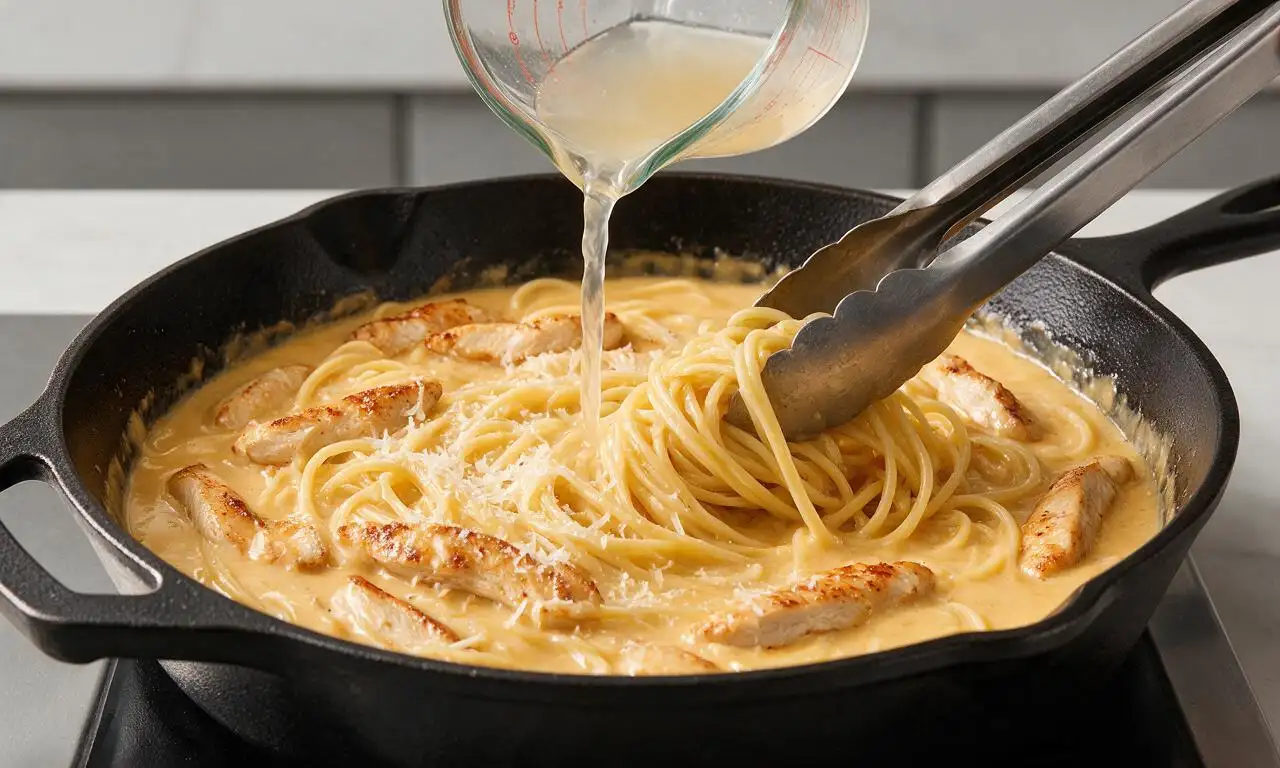
Never rinse your pasta for alfredo! Rinsing washes off the starchy coating on the outside of the noodles, which is what helps the creamy sauce cling to every strand instead of sliding off to the bottom of the bowl. Reserve ½ cup of starchy pasta water before draining to loosen the sauce as needed.
14.Can I use chicken thighs instead of chicken breast for this recipe?
▾
Absolutely! Boneless, skinless chicken thighs are a fantastic swap if you prefer juicier, more deeply flavored meat. Cut them to the same ½-inch thickness as the breast cutlets, and sear them the same way—just note they may take an extra 1-2 minutes per side to reach a safe 165°F internal temperature.
15.How much sauce should I toss with the cooked fettuccine?
▾
Aim for a light, even coating on every noodle, rather than drenching the pasta in a pool of sauce at the bottom of the bowl. Toss the pasta in the pan with the sauce over low heat for 1 minute, adding splashes of reserved starchy pasta water as needed, so the sauce emulsifies and sticks to noodles.
16.What’s the best way to get a nice golden sear on my chicken cutlets?
▾
First, pat the cutlets completely dry on both sides with paper towels—wet chicken will steam instead of searing, leaving you with pale, bland meat. Heat your pan over medium-high until butter is foaming but not burnt, lay cutlets in a single uncrowded layer, and don’t flip for 3 full minutes to build a crisp crust.
17.Do I need to add garlic, herbs, or extra seasonings to the alfredo sauce?
▾
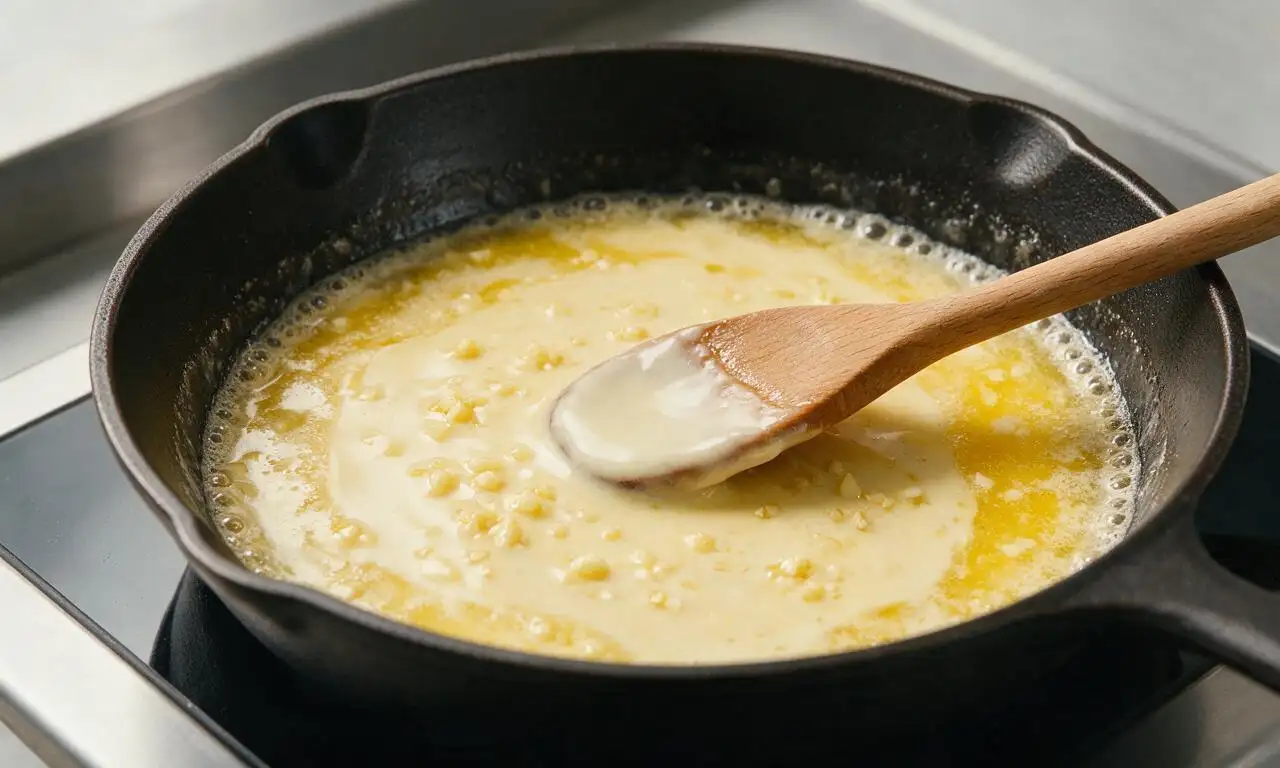
Classic alfredo relies on the rich, nutty flavor of good Parmigiano-Reggiano, creamy butter, and sweet heavy cream, so you don’t need lots of extra add-ins. If you want extra depth, sauté one minced garlic clove in butter for 30 seconds before adding cream, plus a pinch of freshly cracked black pepper—skip heavy spices that overpower the delicate, luxe sauce flavor.

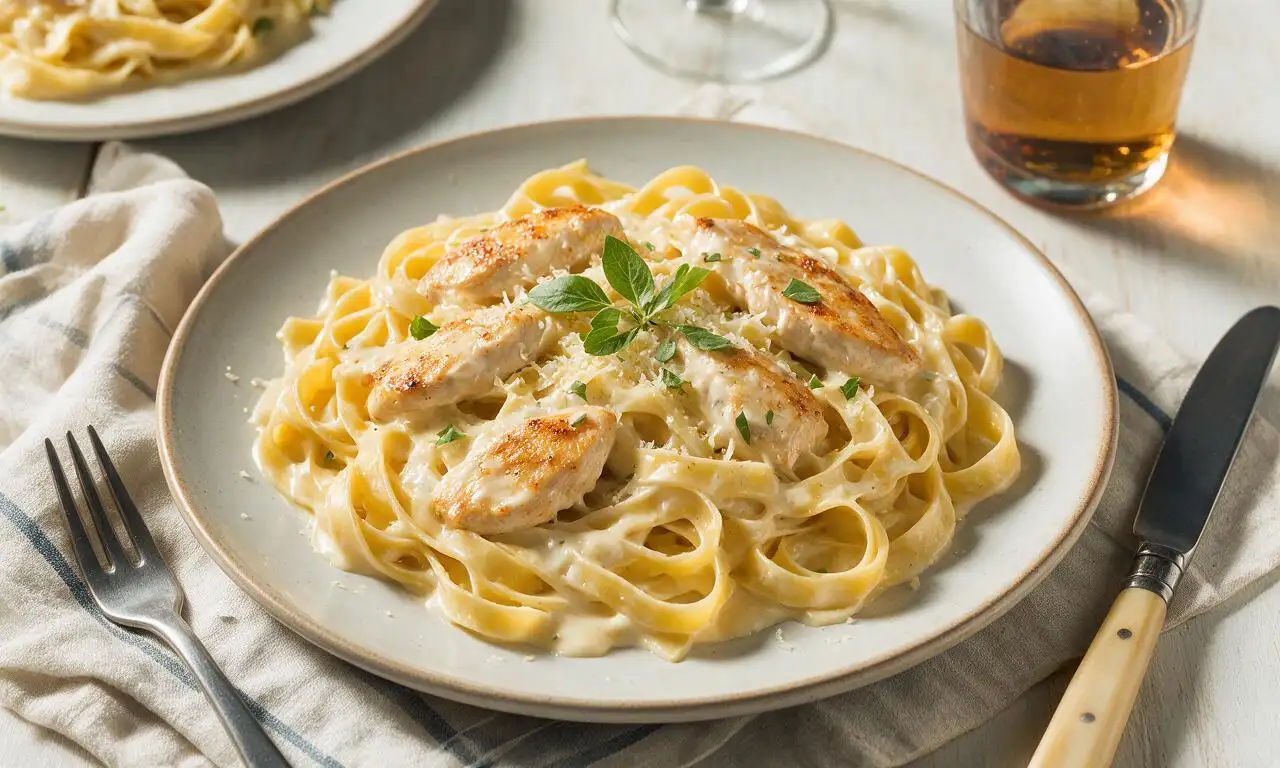
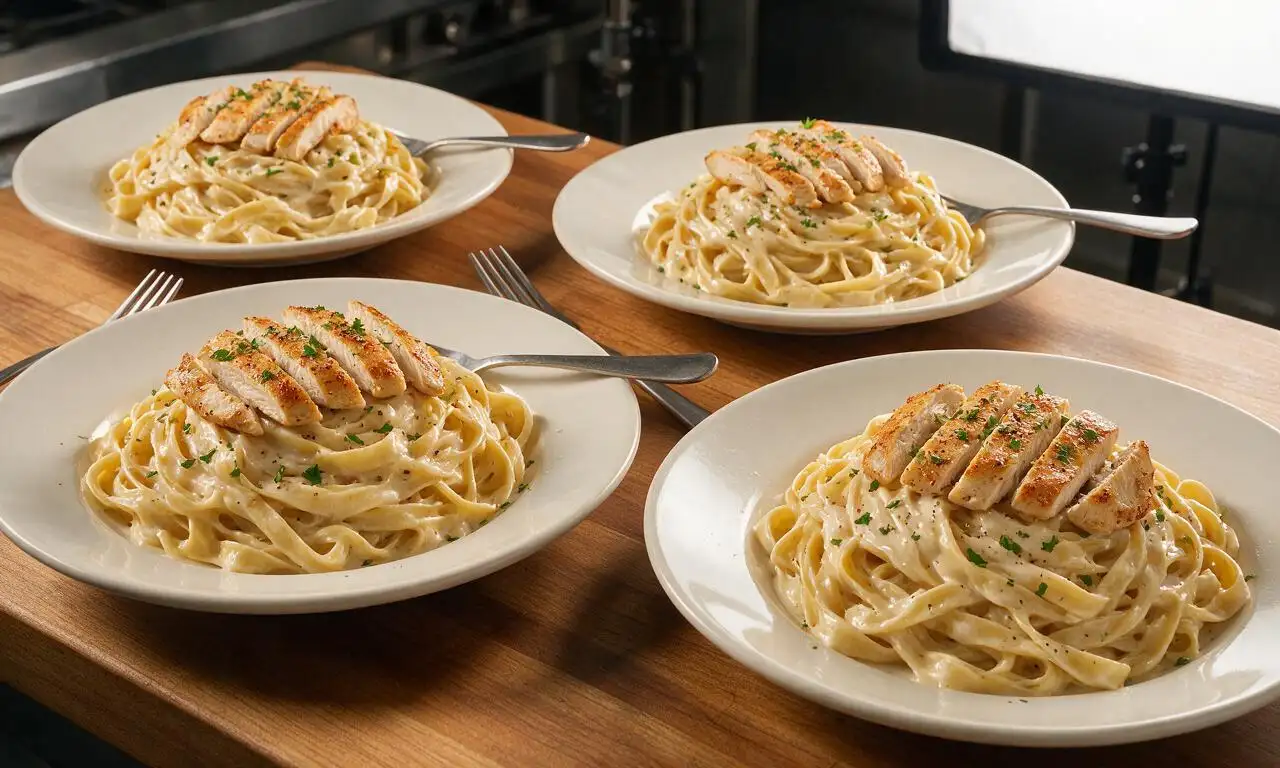



OMG this was such a game changer for our weeknight family dinner! I was so intimidated to make alfredo from scratch because I thought it’d be super fussy, but it was actually so easy and came together in 35 minutes flat just like the recipe said. My kids usually turn their noses up at anything that isn’t boxed mac and cheese, but they all went back for seconds — even my middle one who hates all white sauces! 10/10 will be adding this to our regular meal prep rotation.
Brought this to our neighborhood block party potluck last weekend and people were hounding me for the recipe before we even finished serving! The sauce is so silky, no weird grainy texture like the other homemade alfredo recipes I’ve tried before. I added a little extra garlic and a pinch of red pepper flakes for a tiny kick, and it was chef’s kiss. SO good, will absolutely make this again for our next college football game night with friends.
Wow, I’m just learning to cook for myself after moving out of my parents’ house and this was the first fancy-ish meal I didn’t completely mess up! It was so straightforward, no weird hard-to-find ingredients, and the leftovers held up amazingly for lunch all week. I pan-seared the chicken with a little Italian seasoning like the recipe tip suggested and it came out so juicy, no dry rubbery chicken at all. Only reason I’m not giving 5 stars is I wish the recipe noted how much salt to add to the pasta water — I overdid it a little on my first try! Still totally delicious though, already sent the recipe link to all my roommates.