
clootie pudding

title 1
clootie pudding
⏱️ cook time 3 hours
🍽️ servings 8
⚡ Difficulty medium

intro

A spiced, fruit-studded traditional Scottish steamed pudding wrapped in a floured cloth, served warm with custard—dense, fragrant, and perfect for festive winter gatherings.

Ingredients
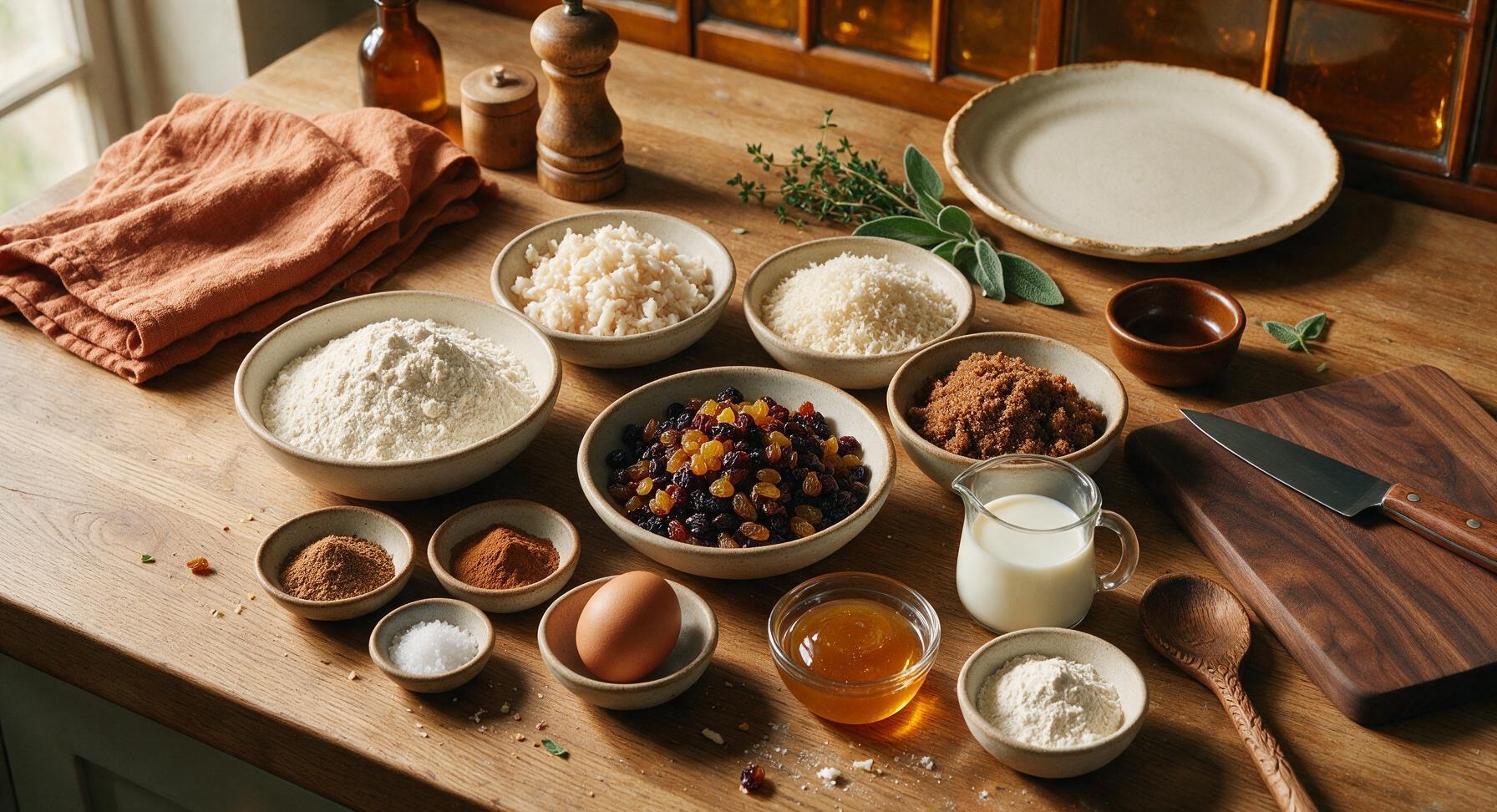
Self-raising flour 225g
Shredded beef suet 115g
Fresh white breadcrumbs 115g
Soft dark brown sugar 115g
Mixed dried fruit (currants, sultanas, raisins) 225g
Ground mixed spice 1 tsp
Ground cinnamon 1 tsp
Fine sea salt 1/2 tsp
Large egg 1
Golden syrup 2 tbsp
Whole milk 150ml
Plain flour (for cloth dusting) 50g

Steps

1

Prep and flour cloot

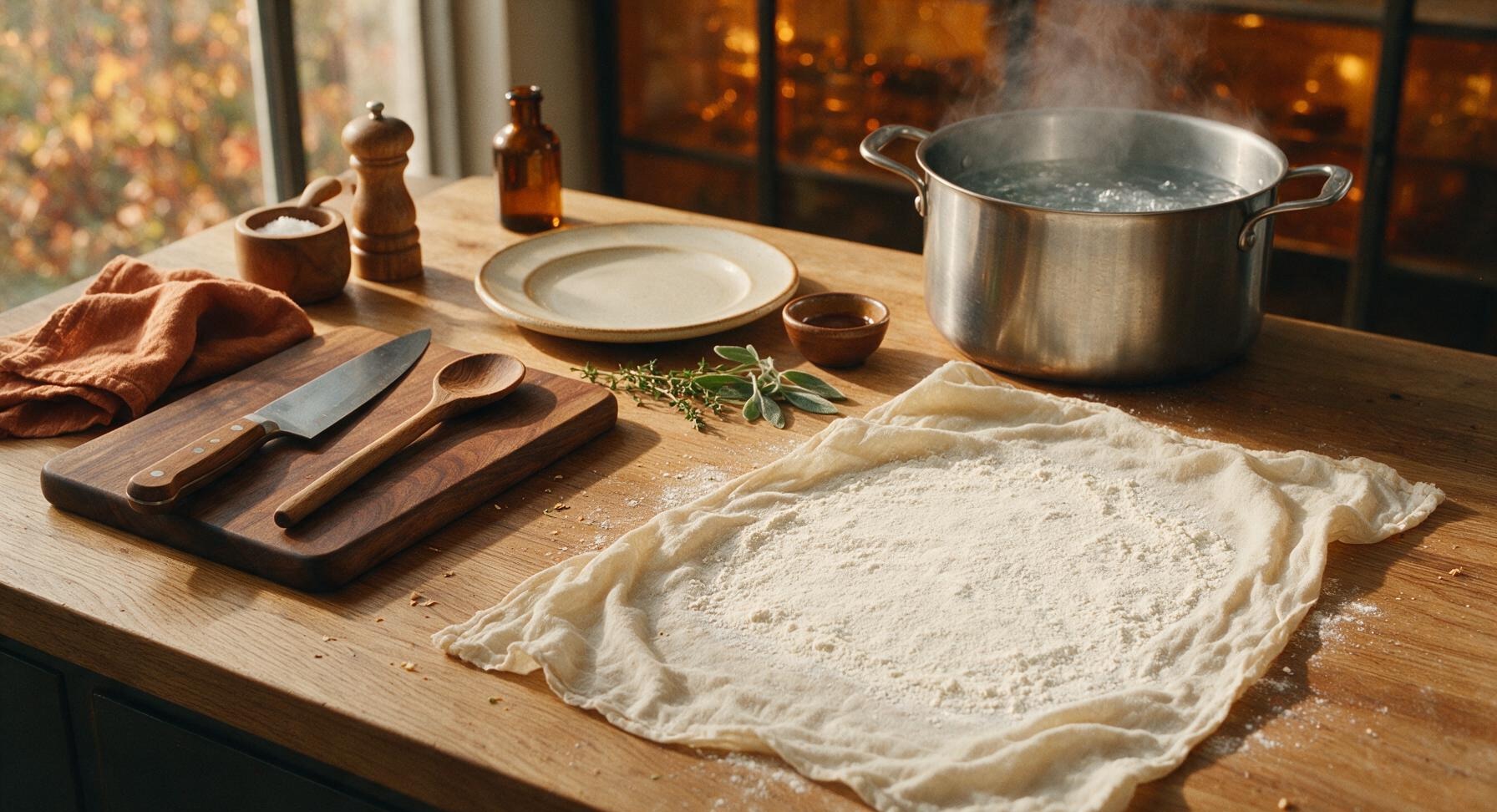
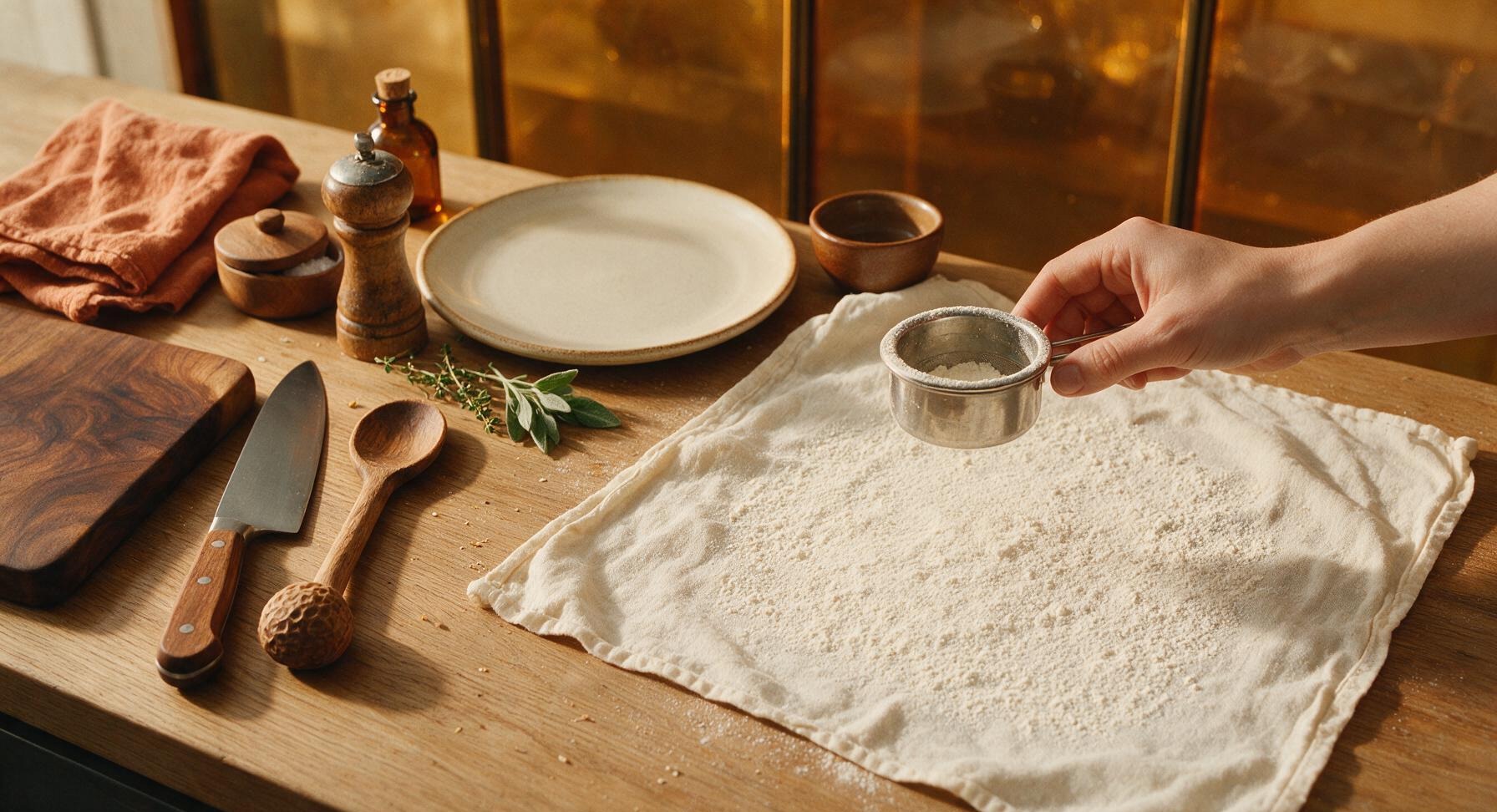
Fill the 8L stainless steel stock pot ¾ full of cold water, place over high heat, and bring to a rolling boil. While the water heats, submerge the unbleached cotton cloot fully in a sink of boiling water for 2 minutes to soften. Wring out the cloth thoroughly until it is damp but not dripping, lay it flat on the counter space to the right of the mixing bowl, and use the stainless steel flour dredger to coat the entire center 40cm of the cloth evenly with the 50g plain flour, rubbing the flour into the fabric to create a non-stick barrier. The floured surface should be fully opaque, with no bare cloth patches visible.
Step 1
step1:Prep and flour cloot
Step 1
step1:Prep and flour cloot
2

Combine dry ingredients

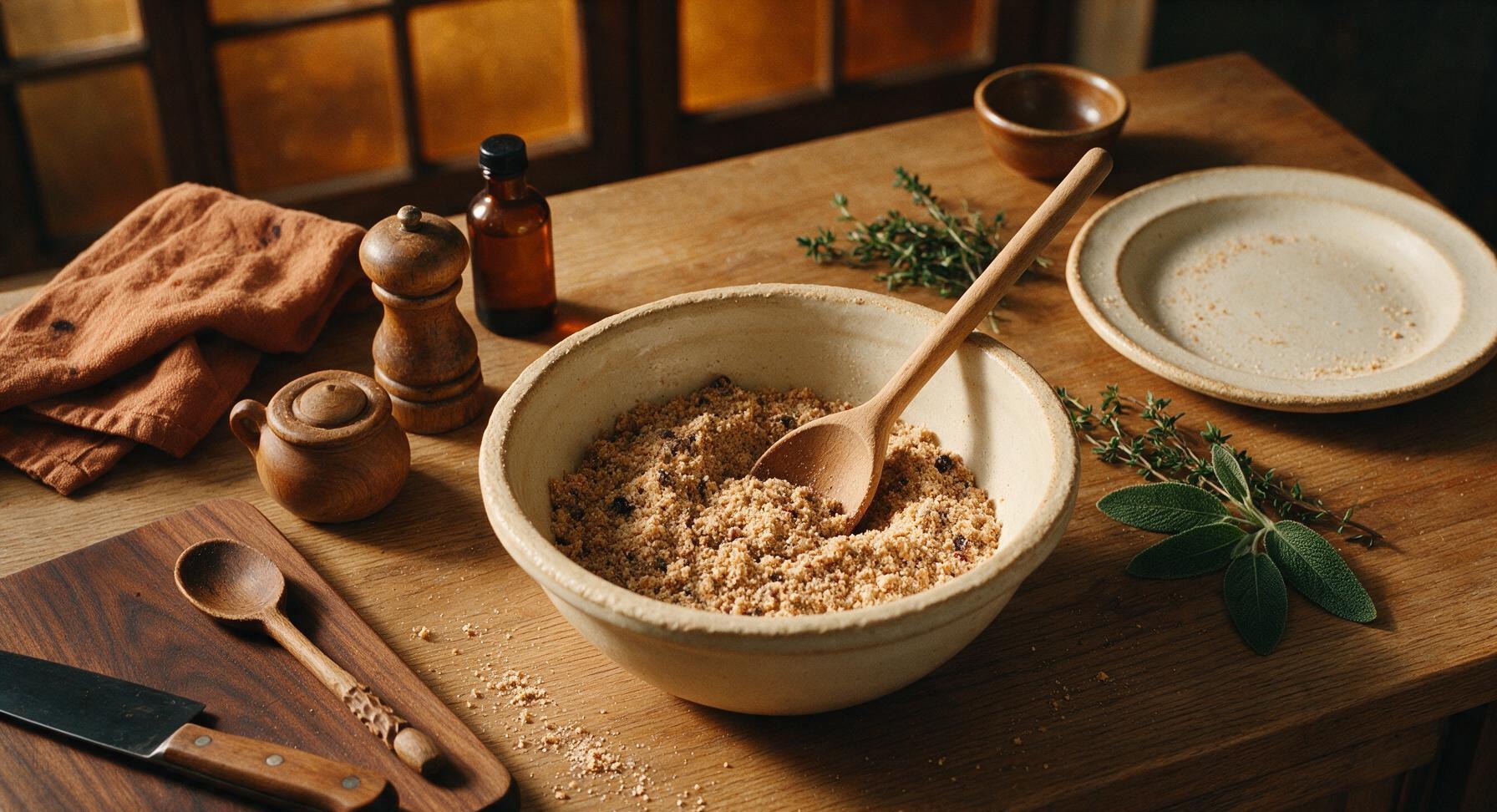
Add the 225g self-raising flour, 115g shredded suet, 115g fresh white breadcrumbs, 115g soft dark brown sugar, 225g mixed dried fruit, 1 tsp ground mixed spice, 1 tsp ground cinnamon, and 1/2 tsp fine sea salt to the cream ceramic mixing bowl. Use the beech wood mixing spoon to stir all dry ingredients together for 1 minute until fully combined, with no clumps of suet or sugar visible, and dried fruit evenly distributed throughout the crumbly, light brown mixture.
Step 2
step2:Combine dry ingredients
3

Blend in wet ingredients

Crack the large egg into a small dish, beat lightly with a fork, then add to the dry mixture along with the 2 tbsp golden syrup and 150ml whole milk. Stir steadily with the beech wood mixing spoon for 2 minutes until a thick, sticky, spoon-coating batter forms. The batter should hold its shape when lifted on the spoon, not run freely; add 1 extra tbsp whole milk if the mixture feels too dry and crumbly to come together.
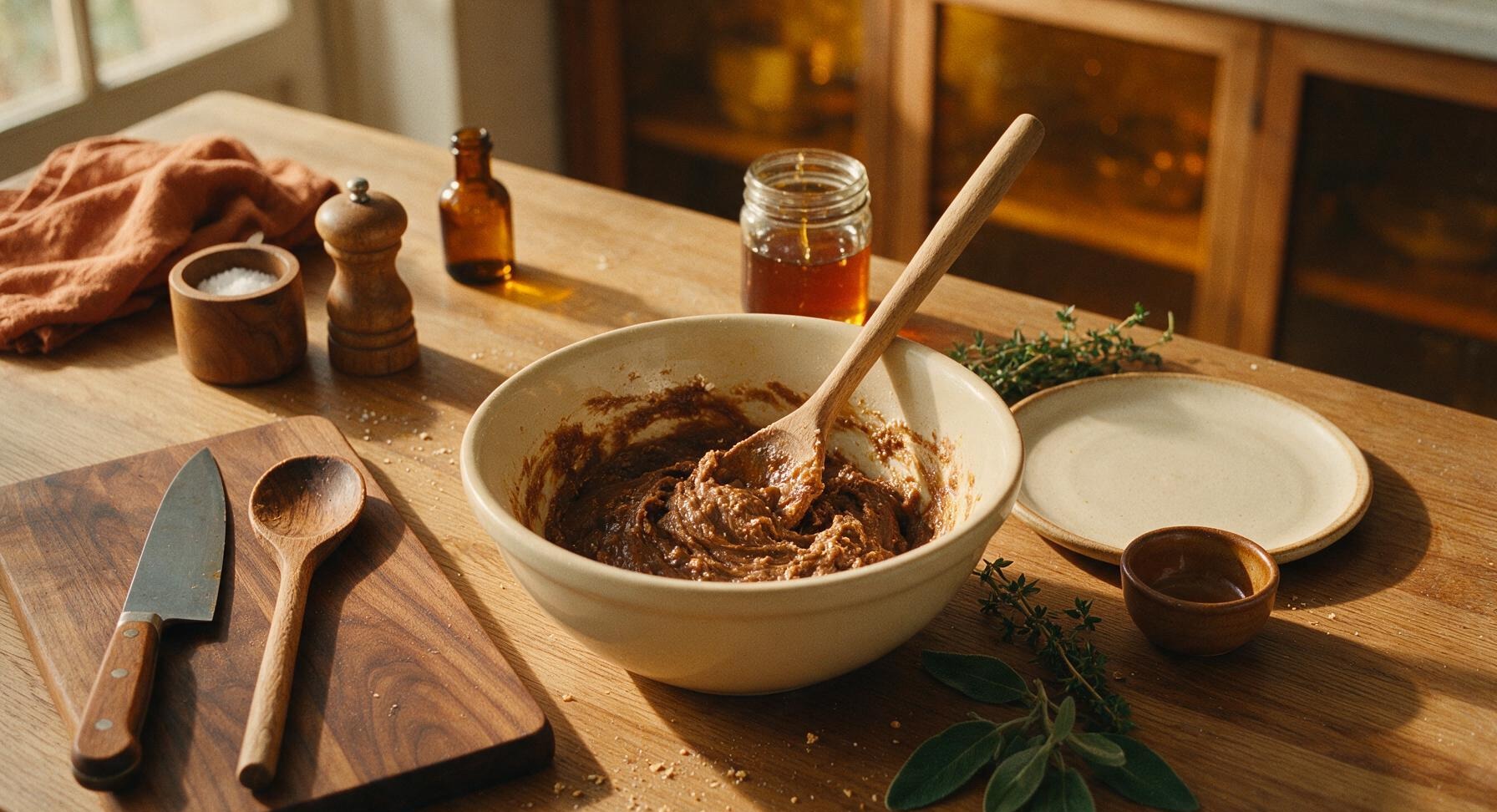
Step 3
step3:Blend in wet ingredients
4

Wrap and tie pudding

Scoop the entire thick batter into the center of the floured section of the prepared cloot. Gather the edges of the cloth up around the batter, pulling it taut but leaving a 2cm gap at the top to allow the pudding to expand as it steams. Tie the gathered cloth tightly closed just above the pudding with a 30cm length of natural cotton kitchen twine from the wooden spool, securing it with a double knot. Trim any excess loose cloth above the tie to prevent it from dipping into the boiling water during cooking.
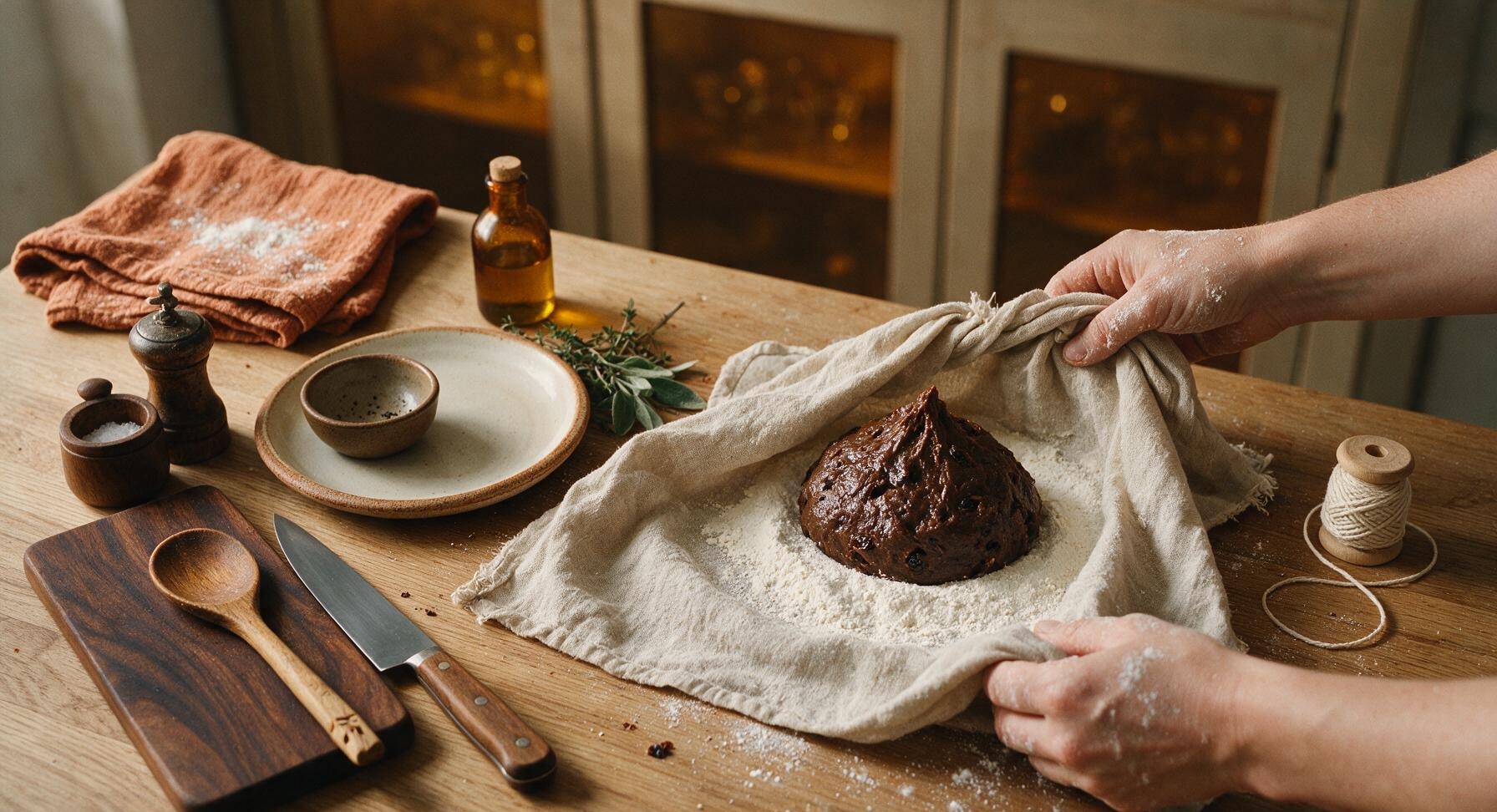
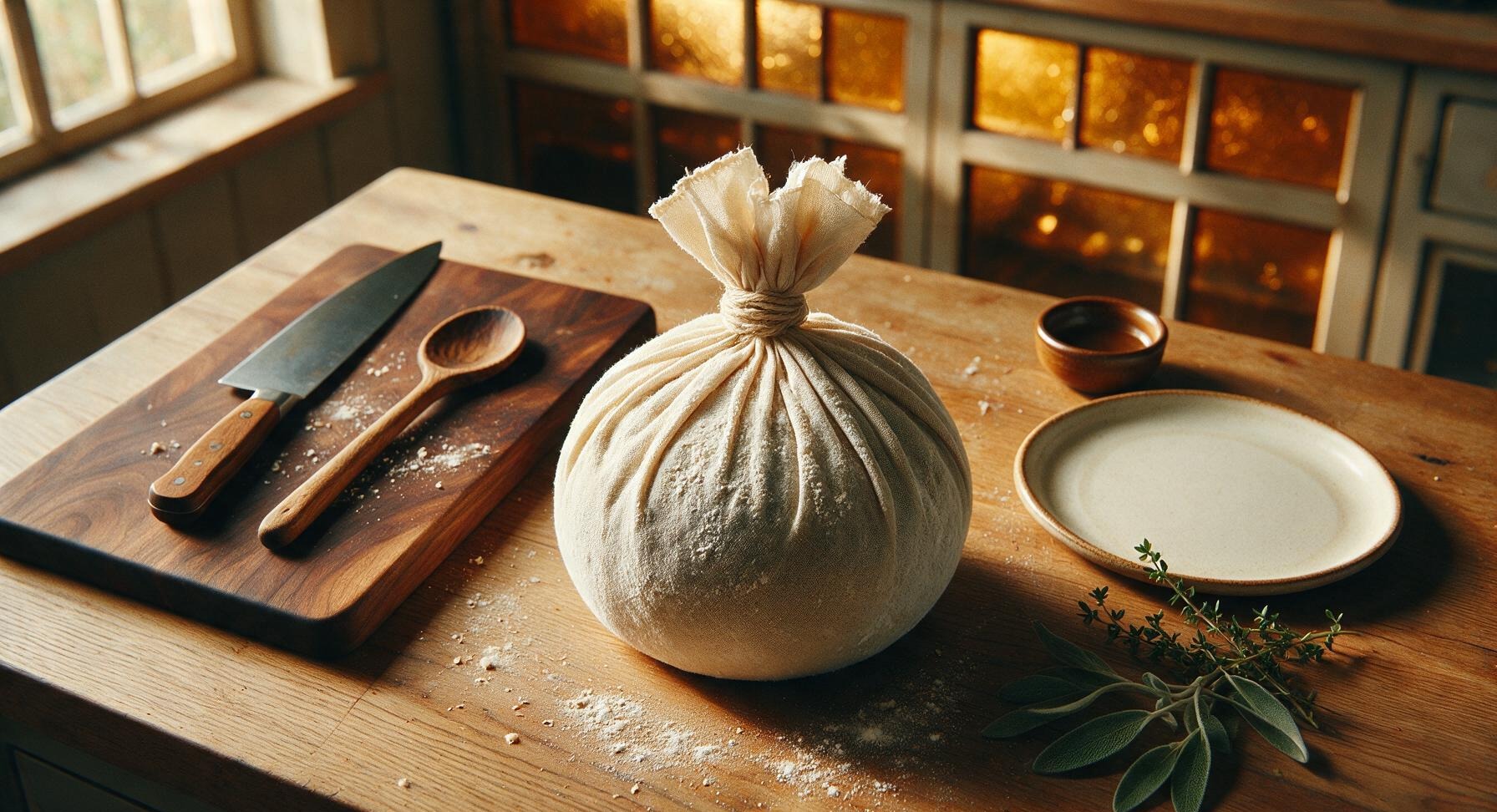
Step 4
step4:Wrap and tie pudding
Step 4
step4:Wrap and tie pudding
5

Slow steam pudding

Carefully lower the tied cloot-wrapped pudding into the 8L stock pot of boiling water, ensuring the water comes ¾ of the way up the wrapped pudding. Place the lid tightly on the pot, reduce heat to medium-low to maintain a gentle steady simmer, and steam the pudding for 3 full hours. Check the water level every 45 minutes, topping up with boiling water from the clear glass jug as needed to keep the level consistent; never let the pot boil dry. The pudding will swell slightly inside the cloth as it cooks.
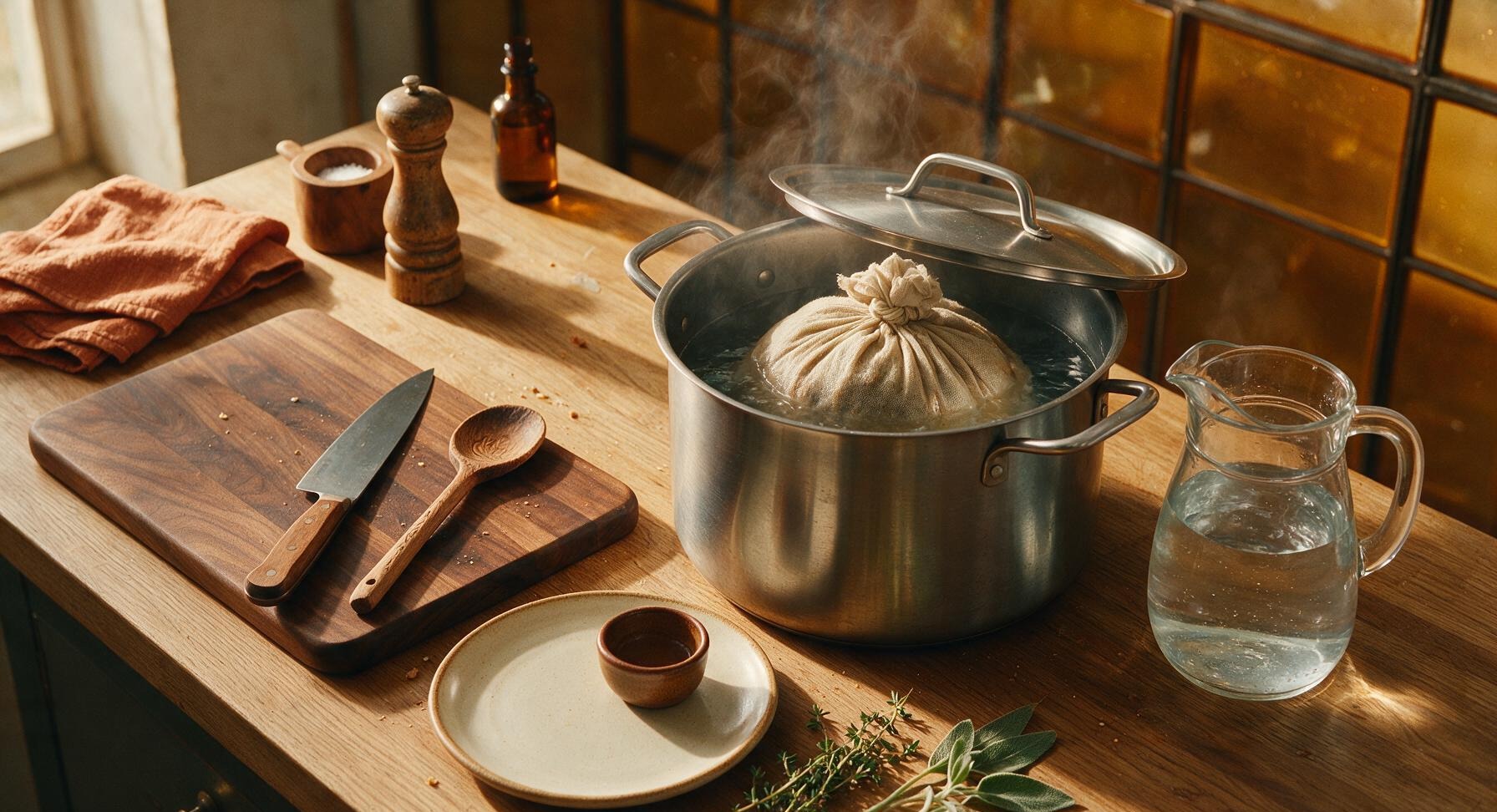
Step 5
step5:Slow steam pudding
6

Unwrap cooked pudding

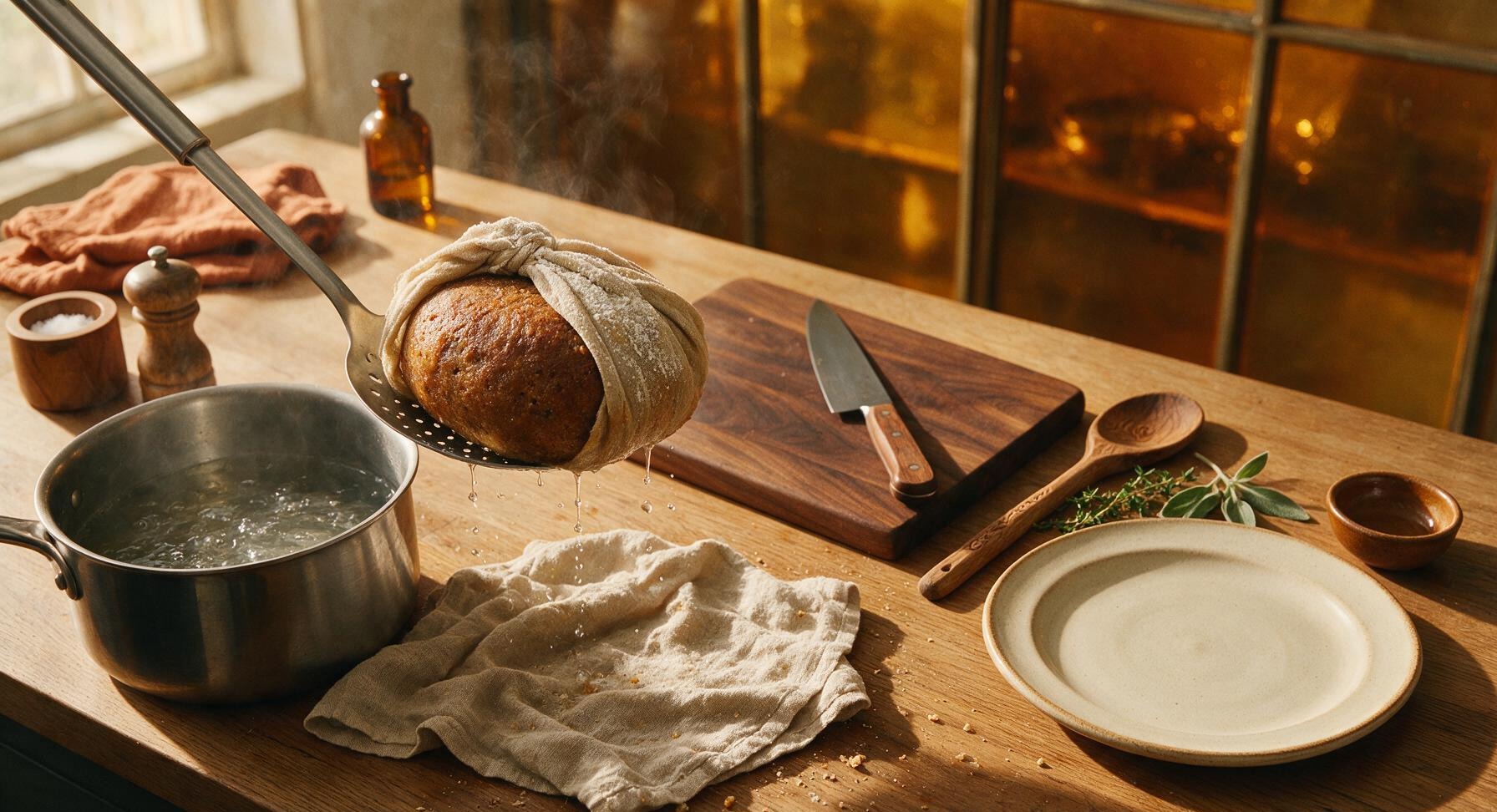
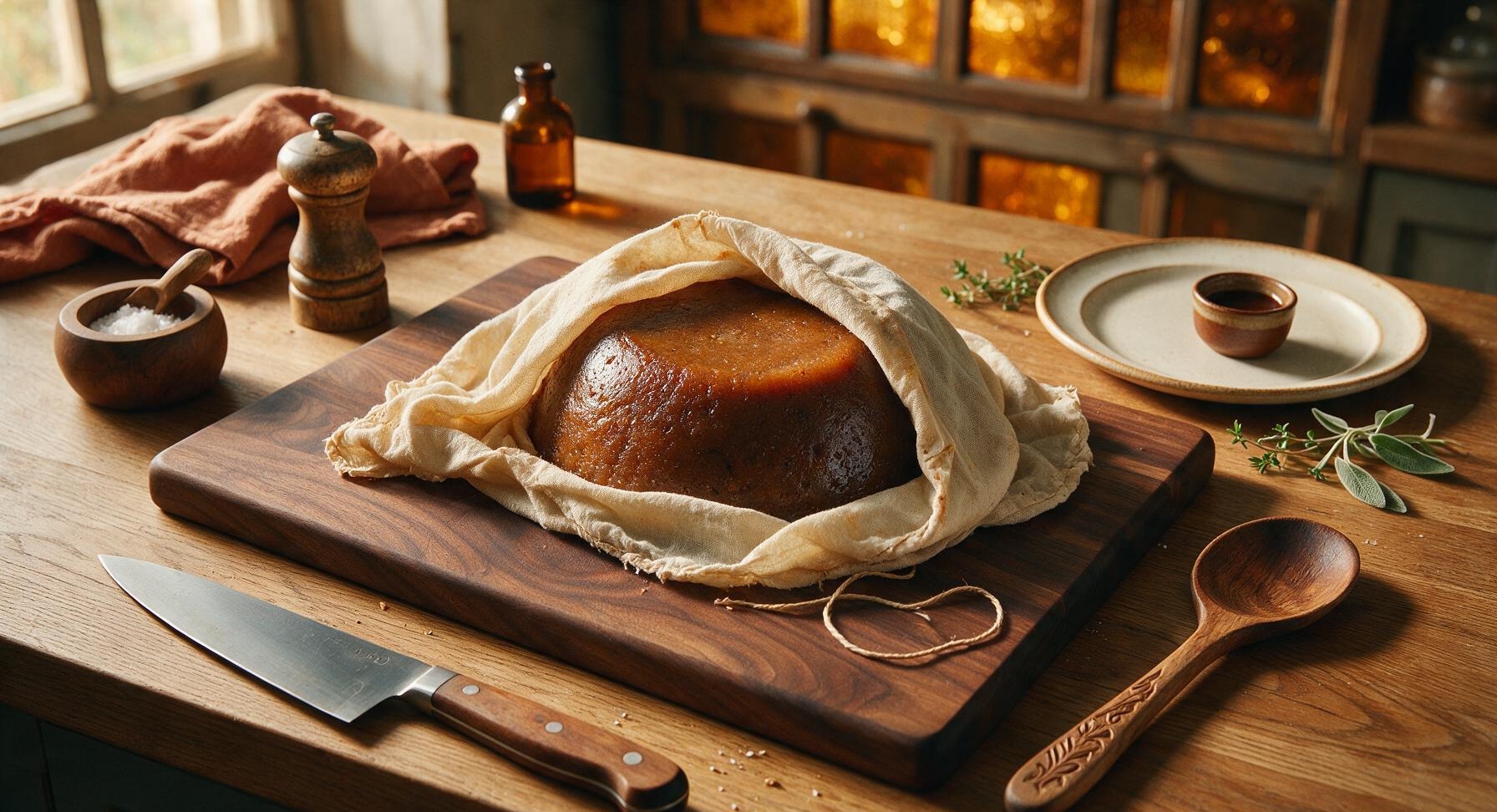
After 3 hours of steaming, turn off the heat, use the stainless steel slotted spoon to carefully lift the hot pudding out of the water, letting excess water drain off for 1 minute. Set the pudding on the folded linen tea towel for 5 minutes to cool slightly, then carefully untie the twine and peel the cloth back from the top and sides of the pudding. The fully cooked pudding will be dark golden brown, firm to the touch, with a slightly textured skin from the floured cloth.
Step 6
step6:Unwrap cooked pudding
Step 6
step6:Unwrap cooked pudding
7

Finish and plate pudding

Carefully transfer the unwrapped pudding to the cream ceramic tartan-rim serving plate. For a traditional crisp outer skin, place the plate in a preheated 180C (350F) oven for 10 minutes to dry the surface slightly (this step is optional). Drizzle 2 tbsp of warm vanilla custard over the top of the pudding, tuck the holly sprig next to the pudding as a festive garnish, and serve hot with extra custard or thick double cream on the side.

Step 7
step7:Finish and plate pudding

Tips

1.Generously rub flour into the damp cloot rather than just dusting the surface. This creates a starchy, non-stick seal that prevents the pudding from tearing when you unwrap it, and forms the traditional slightly rough, matte outer skin that defines a classic clootie pudding.
2.Leave a 2cm expansion gap when tying the cloth. The self-raising flour in the batter will cause the pudding to rise as it steams; tying the cloth too tightly will restrict rise, leading to a dense, heavy pudding, or cause the cloth to split during cooking.
3.Top up the steaming pot with boiling water, not cold. Adding cold water drops the pot temperature rapidly, which can stop steady steam production and lead to an unevenly cooked, soggy pudding with a dense, undercooked center.

✨ You May Also Like

Desserts & Baking
🍜 Italy

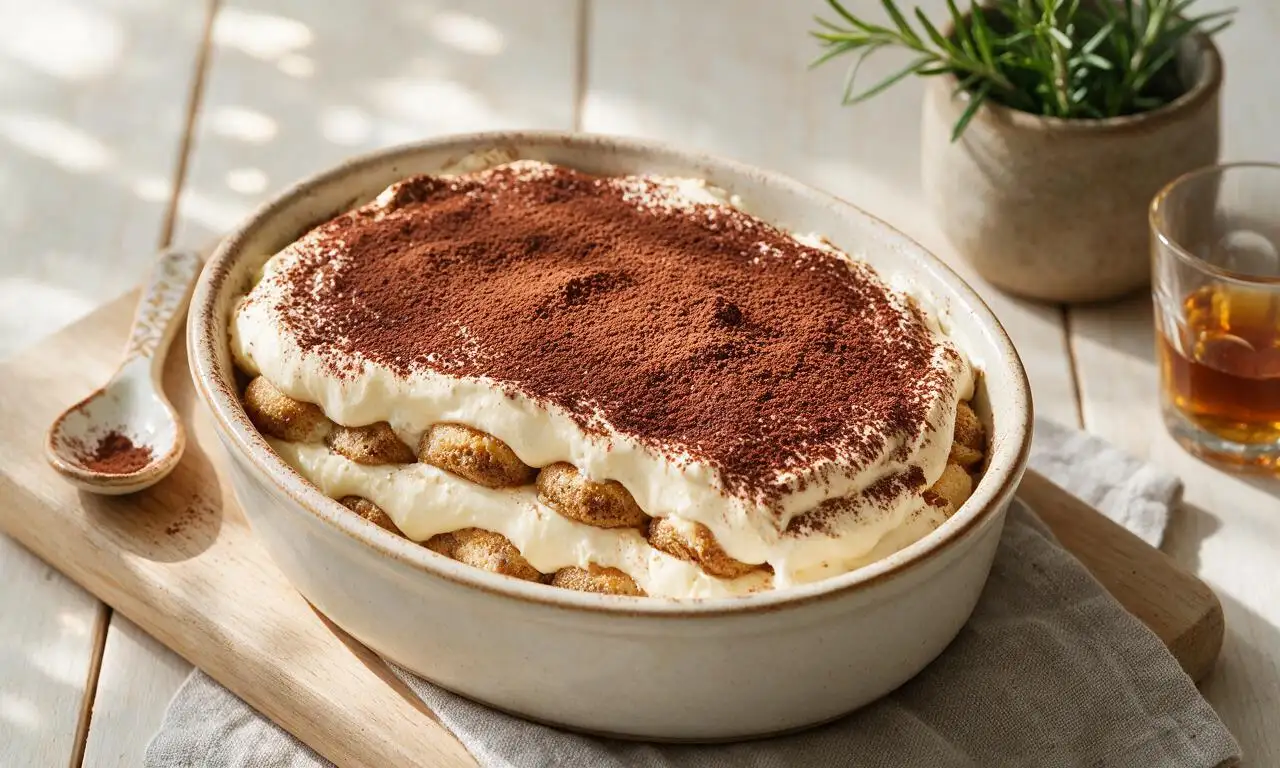
Creamy, coffee-kissed classic Northern Italian no-bake dessert, with layers of rum-spiked mascarpone cream, soft ladyfingers, and a rich cocoa dusting.

⏱️ 4 hours 3Desserts & Baking ★ 4.7
Desserts & Baking
🍜 France

Flaky, shatteringly crisp, buttery French croissants with golden exteriors and soft, airy layered interiors, perfect for pairing with coffee for a special morning treat.

⏱️ 12 hours Desserts & Baking ★ 4.5
Desserts & Baking
🍜 United States

Warm, spiced baked apples topped with a fluffy golden biscuit crust, this cozy dessert pairs perfectly with vanilla ice cream for cool-weather comfort.

⏱️ 55 minuteDesserts & Baking ★ 4.6
Desserts & Baking
🍜 United States

A star-spangled classic American blueberry pie with buttery flaky crust and bright sweet-tart filling, perfect for summer patriotic gatherings.

⏱️ 1 hour 25Desserts & Baking ★ 4.7
Desserts & Baking
🍜 United States

A beloved no-bake regional Maine candy with a chewy coconut-potato center coated in rich dark chocolate, a New England holiday staple since the 1870s.

⏱️ 2 hours 3Desserts & Baking ★ 4.8
Desserts & Baking
🍜 France

Luxuriously creamy, floral frozen custard made with aromatic Tahitian vanilla beans, boasting a smooth, rich texture that melts slowly on the tongue.

⏱️ 3 hours 3Desserts & Baking ★ 4.5

clootie pudding:Frequently Asked Questions

1.What is a 'cloot' anyway, and do I need special equipment to wrap the pudding? ▾
Great question! 'Cloot' is simply the Scots word for cloth, and you don’t need fancy specialty gear. A clean, lint-free unbleached cotton kitchen towel (free of fabric softener or detergent residue) works perfectly. Just boil it briefly, wring it out, and coat it generously with flour before wrapping to get that signature chewy outer skin.
2.Can I substitute the shredded beef suet if I don’t eat meat? ▾
Absolutely! The closest 1:1 swap for beef suet is vegetarian suet made from palm or coconut oil, which delivers the same rich, dense texture. If you can’t find that, use frozen, grated unsalted butter, though note this will make the final pudding slightly less moist and lighter in crumb than the traditional version.
3.Why do you flour the cloth instead of greasing it like other steamed puddings? ▾
That floured cloth creates clootie pudding’s iconic, slightly chewy outer crust that sets it apart from other steamed British puddings. As the pudding steams, the flour mixes with escaping moisture and fruit juices to form a subtle, sweet skin that holds the pudding’s shape without tearing when you unwrap it.
4.How long do I need to steam the pudding, and can I overcook it? ▾
A standard-sized clootie pudding made with this recipe needs 3 to 3.5 hours of steady, gentle steaming in a covered pot of simmering water. It is very hard to overcook—longer steaming often boosts moisture and flavor—just top off the pot with boiling water every 30 minutes so it never runs dry.
5.My mixed dried fruit is hard and dry—do I need to prep it first? ▾
Definitely! If your currants, sultanas, and raisins feel shriveled and tough, soak them in hot black tea, apple juice, or even a splash of Scotch for 15 to 20 minutes before mixing, then drain well. This keeps the fruit plump and juicy, prevents it from pulling moisture out of the crumb, and adds subtle extra flavor.
6.Can I make clootie pudding ahead of time for a holiday gathering? ▾
You absolutely can, which makes it perfect for busy festive meals! Once the pudding is fully steamed and cooled, wrap it tightly in plastic wrap and foil, and store it in the fridge for up to 1 week. To serve, re-steam it for 45 minutes to 1 hour until heated all the way through, then pair with warm custard.
7.What’s the best way to get the pudding out of the cloth without it sticking or falling apart? ▾
The key trick is to let the wrapped pudding rest for 5 minutes after you pull it out of the steamer before unwrapping. Carefully peel back the floured cloth, set a serving plate upside down over the pudding, flip the whole thing, and gently peel off the remaining cloth. That short rest lets the outer skin set so it won’t tear.
8.Do I have to serve this with custard, or are there other tasty serving options? ▾
Warm vanilla custard is the classic, traditional pairing, but you have lots of great alternatives! It’s delicious with freshly whipped cream, a drizzle of warm butterscotch sauce, a scoop of vanilla ice cream for a fun hot-cold contrast, or even a splash of heavy cream poured over top. Always serve it warm for the best texture.
9.My pudding came out really dense and heavy—did I make a mistake? ▾
Don’t worry! Traditional clootie pudding is supposed to be dense, moist, and chewy, not light and fluffy like a layer cake. If it turned out unpleasantly tough, you likely packed the mixture too tightly in the cloth (leave 1 to 2 inches of slack for expansion), used old self-rising flour with no leavening power left, or swapped dry store-bought breadcrumbs for the required fresh white crumbs.
10.Can I freeze leftover clootie pudding for later? ▾
Absolutely! Let the cooked pudding cool completely, then wrap it tightly in two layers of plastic wrap and one layer of heavy-duty foil, and it will keep well in the freezer for up to 3 months. Thaw it in the fridge overnight, then re-steam for 30 to 40 minutes, or warm individual slices in the microwave for 30 seconds each.

Comments (8)

1 week ago

OMG I’ve been looking for a proper clootie pudding recipe for YEARS since my gran moved back to Glasgow! I made this for our family Burns Night dinner last weekend and it tasted exactly like I remembered. The suet tip was a total game changer — I almost used butter instead and I’m so glad I didn’t. Served it with a big dollop of clotted cream and even my American husband who hates “weird British desserts” went back for seconds!

5 days ago

Wait where do you even find suet around NYC? I’ve checked three regular grocery stores near me in Queens and can’t track it down to save my life, I really want to make this for my husband’s birthday!

3 days ago

So happy this recipe brought back such special gran memories for you! If you can’t find fresh suet locally, the rendered beef suet sold in the baking aisle near shortening works perfectly, or you can order it from small British import shops online — most ship nationwide!

2 days ago

I brought this to our office potluck last week and people were RAVING. I was a little nervous because 3 hours cook time felt like a big commitment, but it was so worth it. I added a handful of extra raisins and a tiny splash of extra whisky because why not? 10/10, will be making this for our Christmas dinner too. SO good.

1 day ago

Love that extra whisky splash — that’s such a fun, classic twist! Nothing beats a potluck recipe that has people coming back to ask for the recipe, thanks for giving it a try!

2 hours ago

Wait, I’d never even heard of clootie pudding before this popped up in my recommended recipes, but it looks like the coziest spiced dessert ever! Quick question: can I make this if I don’t have a traditional linen cloot? I don’t want to run out and buy special equipment for one recipe, and I’m worried I’ll mess up the texture. Also how long does it keep in the fridge?

2 weeks ago

Made this for my wife’s birthday since her grandma was Scottish and she’s been talking about clootie pudding nonstop since we started dating. Full transparency: I messed up the first batch because I didn’t wring the cloth out enough, so the bottom was super soggy. The second time I followed the tip to flour the cloth really well and it came out perfect! My wife cried when she tried it, said it tasted exactly like her grandma’s. 100% worth the 3 hour cook time, no notes.

1 week ago

Pro tip from an old guy who’s made these for 40+ years: dip the cloot in boiling water first before flouring it, it makes that classic chewy outer skin come out perfect every time and way less sticky.

6 days ago

What a thoughtful birthday surprise, that’s so sweet! That boiling water trick from Joe is absolutely spot on — I’m adding that note to the recipe tips section right now so future bakers can benefit from that wisdom.

3 days ago

Okay I know 3 hours cook time sounds intimidating for a weeknight, but hear me out — this is perfect for Sunday meal prep! I sliced up the leftovers and froze individual portions, then microwaved them for 30 seconds for a quick sweet treat after dinner all week. My kids loved it, they kept asking for “that cinnamon raisin bread pudding thing” every night. Total game changer for busy parents who don’t have time to make dessert every night.

2 days ago

Wait does it actually hold up in the freezer? I was thinking of making this ahead for our Friendsgiving next month and freezing it until the day of, that would save so much last-minute stress!

5 days ago

This was way less intimidating than I expected for a medium difficulty recipe! I used a mix of golden raisins and dried cranberries because I didn’t have currants, and added a little extra orange zest to make up for skipping the mixed peel. The spice balance was perfect — not too heavy on the cinnamon, just warm and cozy. I brought a slice over to my next door neighbor and she immediately texted asking for the recipe. Will be making this on repeat all fall and winter!

yesterday

Wait a second, I grew up eating something almost identical to this at my great-aunt’s house in rural North Carolina but we called it “boiled pudding”! I had no idea it had Scottish roots — that makes so much sense now, since so many Scottish families settled in the Appalachians. I made this last Sunday for our family dinner after church and all my cousins were blowing up the group chat asking for the recipe. The only change I made was adding a little extra allspice because we love warm, bold spices in our house. So cozy and perfect for cold weather!

2 hours ago

Oh my grandma made that boiled pudding too! She always served it with that boozy hard sauce made with butter and powdered sugar, do you think that would pair well with this recipe?

30 minutes ago

It’s so fun to see those cross-cultural food connections pop up! Hard sauce (also called brandy butter) is actually one of the most traditional toppings for clootie pudding, so that would be an absolutely perfect pairing.

5 minutes ago

Has anyone tried making this gluten free? I have celiac and I’ve been craving a good spiced steamed pudding for months. I was thinking of using a 1:1 gluten free flour blend, but I’m worried it will make the texture too dense or gummy. Would love any tips if anyone has tested a GF version!

just now

Great question! I’ve tested this recipe with a cup-for-cup gluten free all-purpose flour blend (the kind with xanthan gum already added) and it turned out beautifully! Just make sure the suet you use is certified gluten free too, as some brands have hidden wheat additives to prevent caking.