1.What cut of pork works best if I can’t find boneless pork shoulder for this recipe?
▾
Bone-in pork shoulder (also called pork butt) works perfectly as a substitute—just add 30 minutes to your total slow roast time to account for the bone. Skip lean cuts like pork loin entirely, as they’ll turn dry and tough even with long marination. Keep a thin ¼-inch fat cap on the roast to lock in moisture and add rich, deep flavor as it renders.
2.I can’t find fresh bitter (sour) orange juice—what’s the best substitute?
▾
Mix 3 parts regular fresh orange juice with 1 part fresh lime juice, plus a tiny splash of white vinegar (about 1 teaspoon per cup of mixed juice) to mimic that bright, tart, slightly astringent profile of Yucatán sour oranges. Skip bottled sweet orange juice blends if possible, as their added sugar will throw off the marinade’s balanced savoriness.
3.What is achiote paste, and can I make a substitute if I can’t find it pre-made?
▾
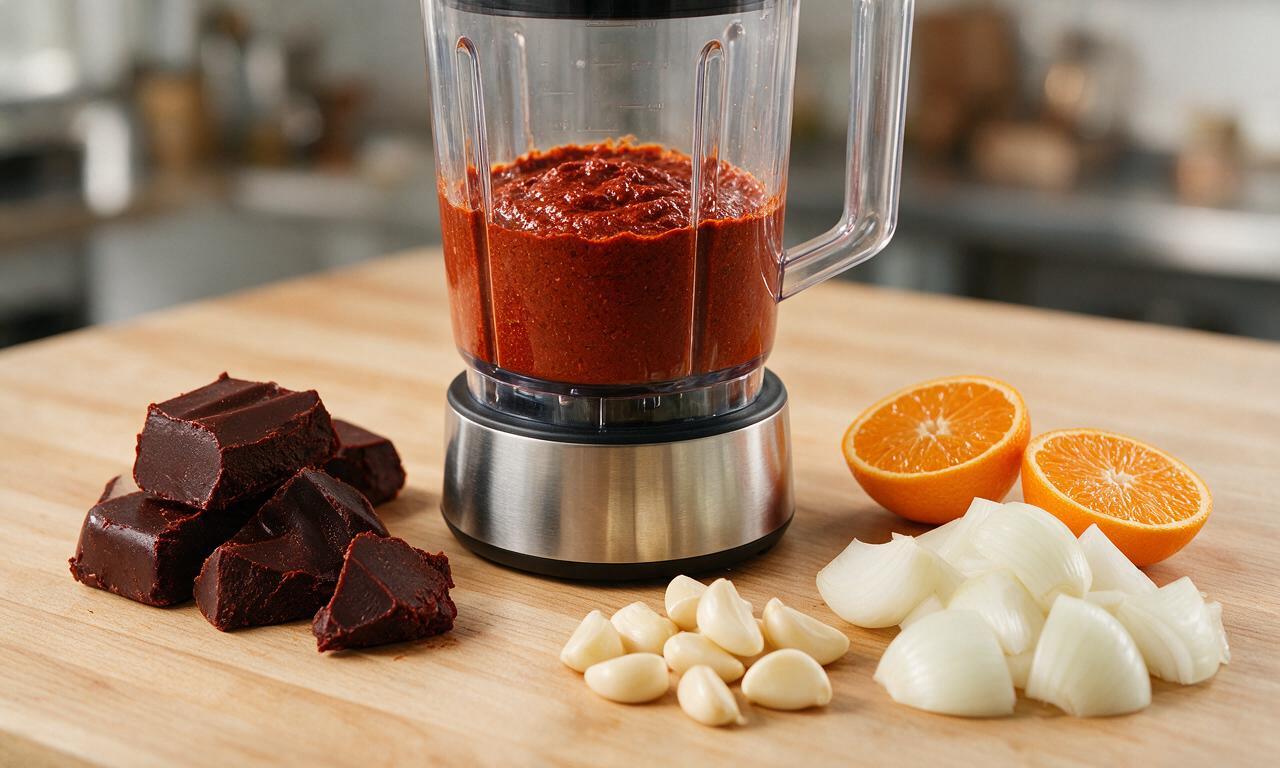
Achiote (annatto) paste is the earthy, deep red seasoning made from ground annatto seeds, warm spices, and a touch of vinegar that gives cochinita pibil its signature ruby hue and mild, peppery, slightly nutty flavor. If you can’t find pre-made paste, mix 3 tablespoons annatto powder, 1 teaspoon ground cumin, 1 teaspoon dried Mexican oregano, ½ teaspoon ground allspice, and a splash of white vinegar to form a thick, spreadable paste.
4.How long should I marinate the pork for the most authentic, well-seasoned flavor?
▾
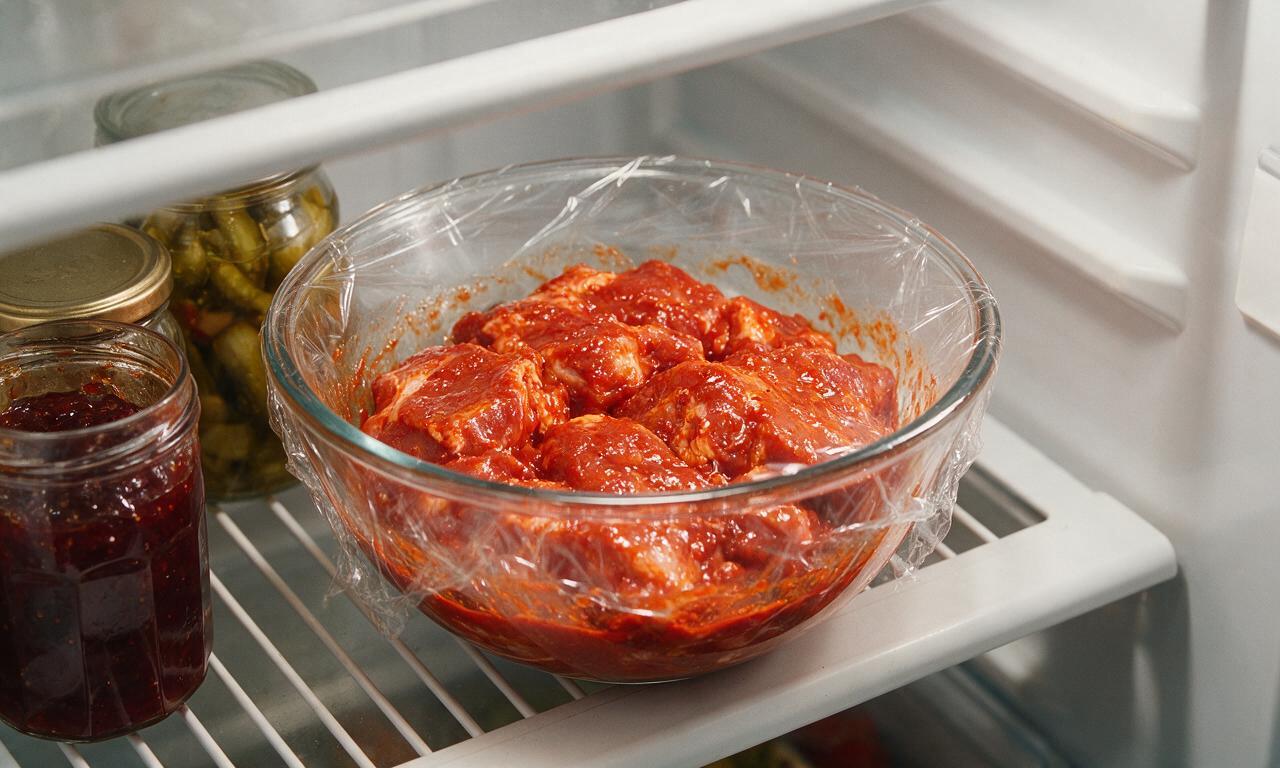
For the deepest, most evenly seasoned flavor, marinate the pork for a minimum of 4 hours, and ideally 12 to 24 hours, stored covered in the refrigerator, blended with the recipe’s white onion, garlic, and achiote paste. Don’t marinate longer than 36 hours, as the high acid content from the sour orange will start to break down the pork’s surface proteins and create an unpleasantly mushy texture.
5.Traditional recipes use banana leaves for roasting—do I need them, and what if I can’t find them?
▾
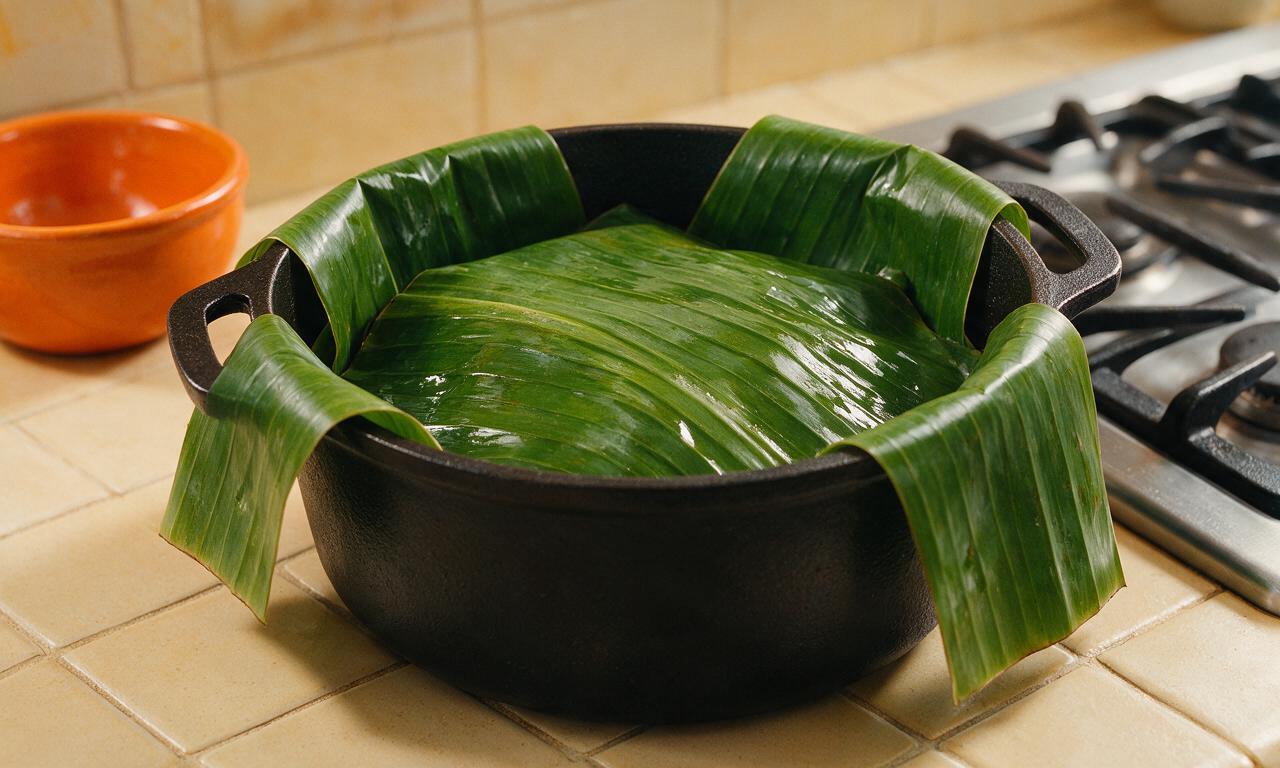
Banana leaves add a subtle, grassy, aromatic note to the roast as it steams, and help lock in moisture, but they aren’t strictly required for a delicious result. If you can’t find fresh or frozen banana leaves, wrap the marinated pork tightly in a double layer of heavy-duty aluminum foil, adding a single bay leaf under the foil to mimic a hint of that earthy wrapper aroma.
6.What oven temperature and cook time gives that fall-apart tender texture without drying the pork out?
▾
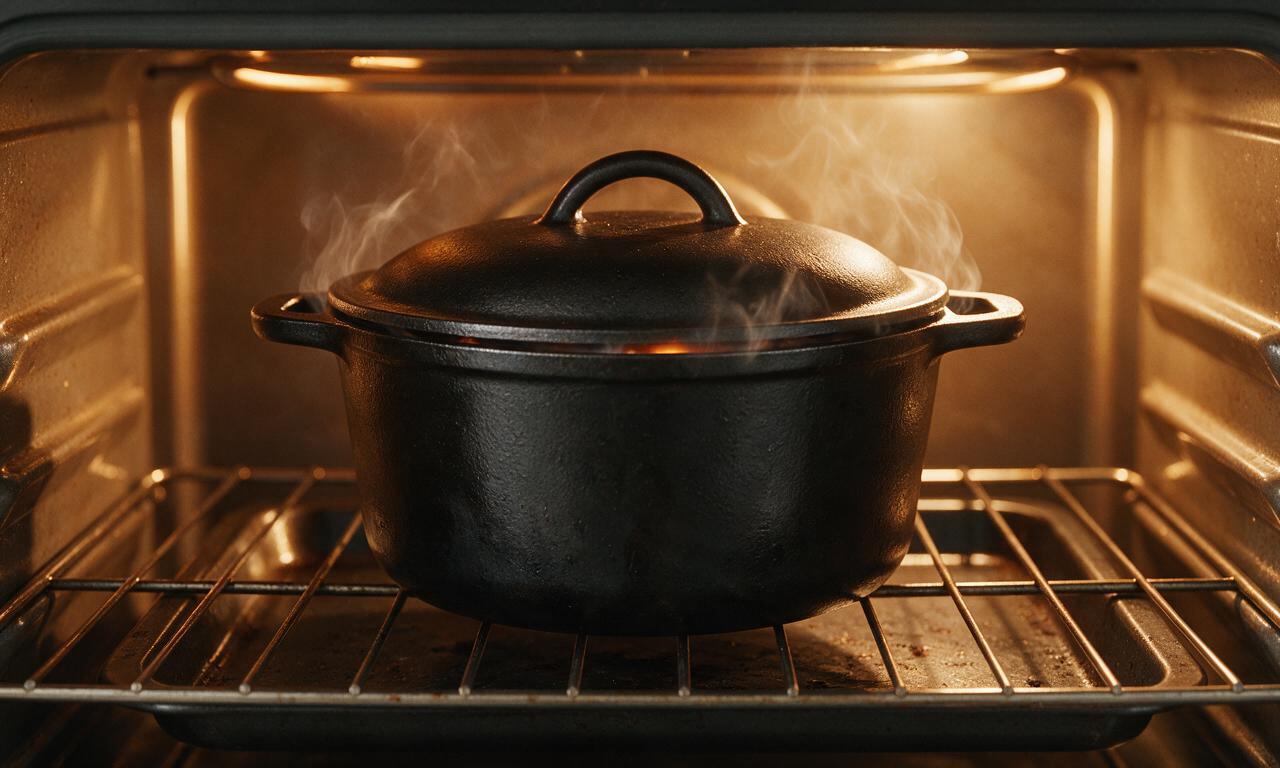
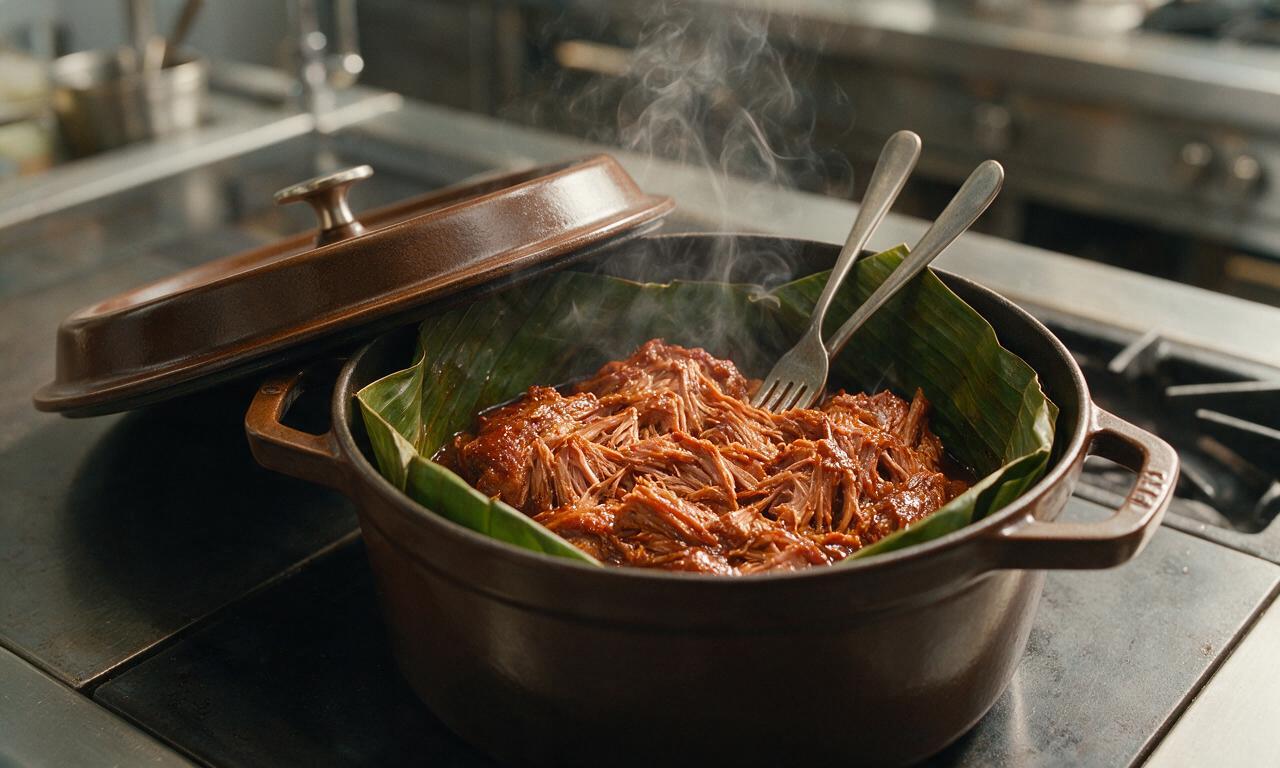
Roast the wrapped pork low and slow at 325°F for 3 to 3.5 hours for a 4-pound boneless roast, until the internal temperature hits 200°F to 205°F. At this temp, the tough connective tissue in the shoulder fully melts into rich gelatin, but the meat stays juicy—cooking too hot will make the exterior seize up and turn dry before the center softens.
7.Can I make this recipe in a slow cooker instead of roasting it in the oven?
▾
Absolutely—this recipe adapts beautifully to slow cookers. Place the marinated pork (and any excess marinade) in the slow cooker, cover, and cook on LOW for 6 to 8 hours, or on HIGH for 3 to 4 hours, until the pork pulls apart easily with a fork. Skip lifting the lid for the first 4 hours of low cooking to keep trapped steam from escaping.
8.Do I need to sear the pork before slow roasting it for extra flavor?
▾
Searing is not traditional for cochinita pibil, and you don’t need to do it to get great, deep flavor. The long, slow, wrapped cook time lets the citrus, achiote, and garlic infuse every bite, and rendered fat creates enough rich depth on its own. If you prefer a slightly crisped exterior, sear the marinated roast for 2 minutes per side over high heat before wrapping, but it’s entirely optional.
9.How do I make the classic pickled red onion served with cochinita pibil?
▾
The classic quick pickled red onion for this dish is ultra simple to make: Thinly slice 1 large red onion, cover it with boiling water for 1 minute to mellow its sharp bite, then drain and toss with 1 cup sour orange juice (or the same orange-lime substitute used for the marinade), 1 teaspoon kosher salt, and a pinch of dried Mexican oregano. Let it rest 1 hour at room temperature before serving, and store leftovers for up to 2 weeks in the fridge.
10.Can I use this achiote-citrus marinade for other proteins like chicken or beef?
▾
This bright, earthy achiote-citrus marinade works beautifully for other proteins, though you’ll need to adjust cook times to avoid overcooking. It’s fantastic on bone-in chicken thighs (roast 45 minutes at 375°F) or thinly sliced skirt steak for tacos, but skip it for very delicate fish— the strong annatto and acid will overpower mild, flaky white fish.
11.How should I store leftover cochinita pibil, and how long will it keep?
▾
Store fully cooled leftover pulled pork in an airtight container in the refrigerator for up to 4 days, or freeze it for up to 3 months. The flavor actually deepens after a day in the fridge, as the spices meld with the rendered pork fat. Reheat leftovers gently in a covered pan on the stovetop with a splash of orange juice or water to keep it from drying out.
12.The achiote paste stained my hands and countertop bright red—how do I remove those stains?
▾
Annatto, the key pigment in achiote paste, is a potent natural food dye that temporarily stains skin, plastic cutting boards, and porous countertops bright reddish-orange. Wear disposable gloves when rubbing marinade on the pork to avoid hand stains, and wipe down surfaces immediately with hot, soapy water and a sprinkle of baking soda to lift set-in discoloration.
13.Traditional cochinita pibil is pretty mild—how can I add more heat to the dish?
▾
Traditional Yucatán cochinita pibil is intentionally mild, focused on earthy achiote and bright citrus rather than sharp heat, but you can easily adjust it to taste. Toss 2 to 3 seeded, chopped habanero peppers into the marinade for authentic regional heat, or stir a pinch of cayenne or chopped pickled jalapeño into the pulled pork after roasting for a milder kick.
14.What kind of tortillas work best for serving, and how should I warm them?
▾
Warm, soft corn tortillas are the traditional, most authentic pairing—their sweet, earthy corn flavor balances the rich pork and tangy pickled onions perfectly. Warm them one at a time on a dry cast iron skillet for 30 seconds per side until soft and pliable, then wrap them in a clean kitchen towel to stay warm until serving; flour tortillas tend to overpower the dish’s subtle, balanced flavors.
15.I’ve heard authentic cochinita pibil is cooked in an underground pit—how is that different from home oven roasting?
▾
The original Mayan preparation cooks marinated pork wrapped in banana leaves in an underground stone pit lined with hot coals for 8+ hours, which infuses the meat with a subtle smoky, woody note you can’t fully replicate in a home oven. To mimic that hint of smoke at home, add ¼ teaspoon smoked paprika to the marinade, or tuck a small smoldering wood chip under the foil wrap while roasting.
16.My pork turned out tough and chewy even after 3 hours of roasting—what went wrong, and can I fix it?
▾
Tough, chewy cochinita pibil almost always means the roast didn’t reach the 200–205°F internal temperature where tough shoulder connective tissue fully melts into silky gelatin, or you cooked it at too high a heat so the exterior seized up before the center softened. Fix it easily by re-wrapping the pork tightly, returning it to a 300°F oven, and checking every 20 minutes until it pulls apart with zero resistance when prodded with a fork.

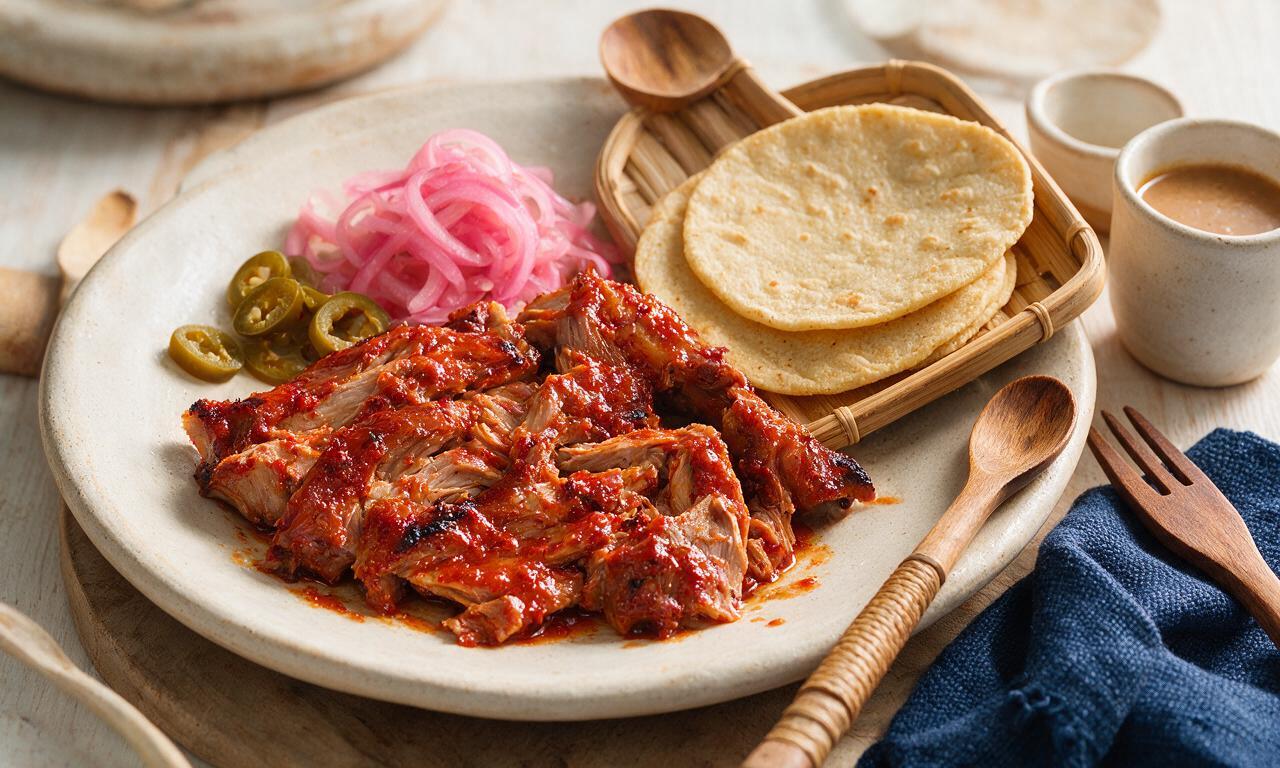
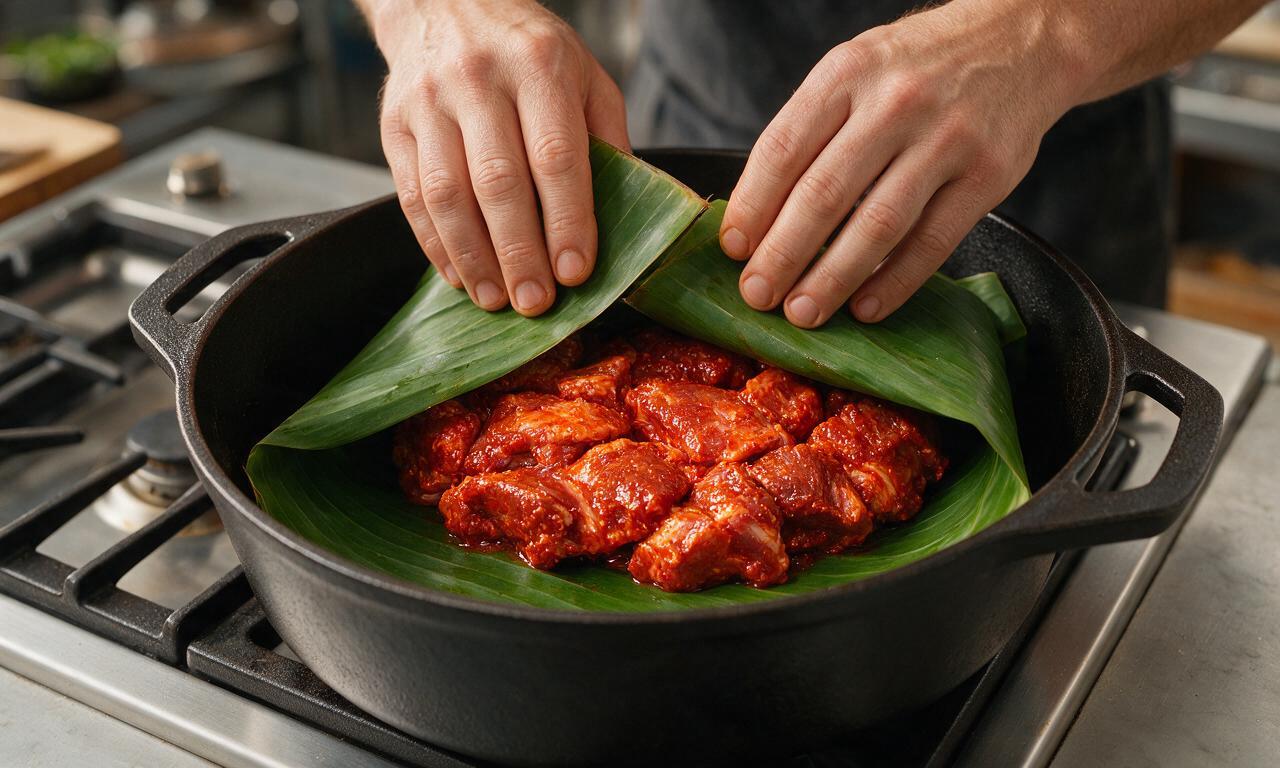
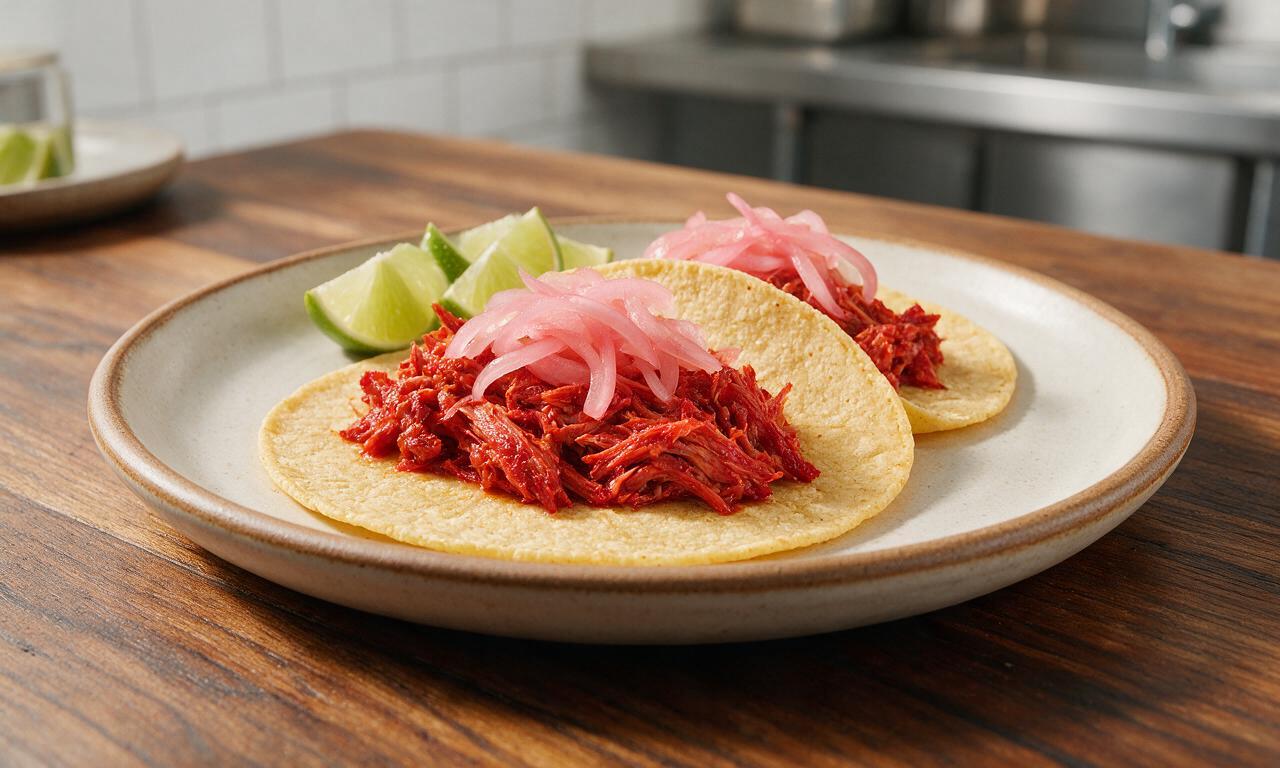
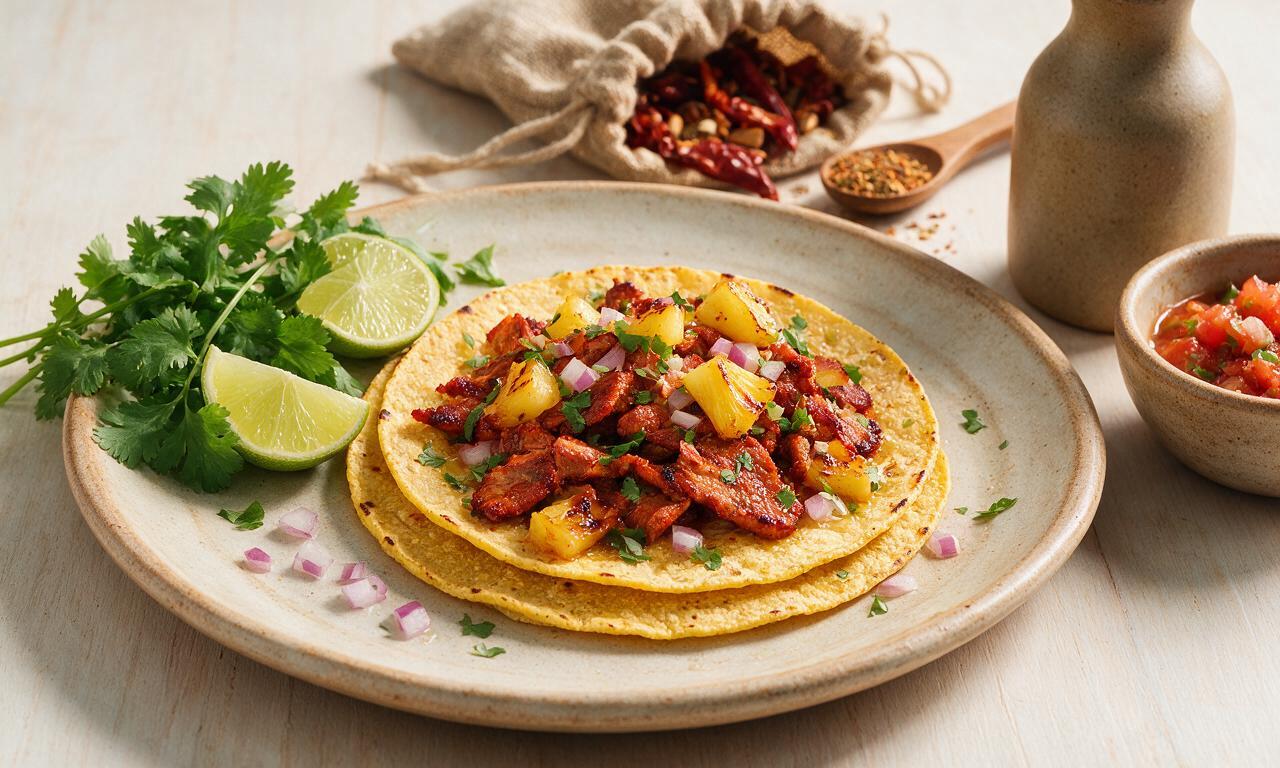
OMG, this cochinita pibil was an absolute game changer for our family dinner last Sunday! I was a little nervous about the banana leaf wrap step since I’d never worked with them before, but it turned out so juicy and flavorful, even my super picky 7-year-old asked for seconds. I served it with pickled red onions and homemade corn tortillas, and my husband said it tasted better than the spot we go to in our neighborhood that does Yucatecan food. 10/10, will be making this for our next potluck for sure!
This was SO good, I made a big batch on Sunday for meal prep for the week and it held up amazing in the fridge! The only reason I knocked a star off is the cook time—mine took almost 4 hours total instead of 3.5 because my pork shoulder was a little bigger than the size the recipe called for, oops. Still, the flavor was unreal, that achiote and citrus combo is *chef’s kiss*. Already sent the recipe to my sister in Florida who is obsessed with Yucatán food.
Made this for a small backyard get-together with friends over the weekend and everyone was raving! I was worried the medium difficulty level would mean I’d mess it up as someone who mostly sticks to super simple weeknight meals, but the steps were laid out so clearly I didn’t hit any snags at all. The smoky, tangy flavor is out of this world, and we used the leftovers to make tortas the next day which were even better, honestly. Will absolutely be adding this to my regular dinner rotation.