
Coconut Turkey Leg
intro
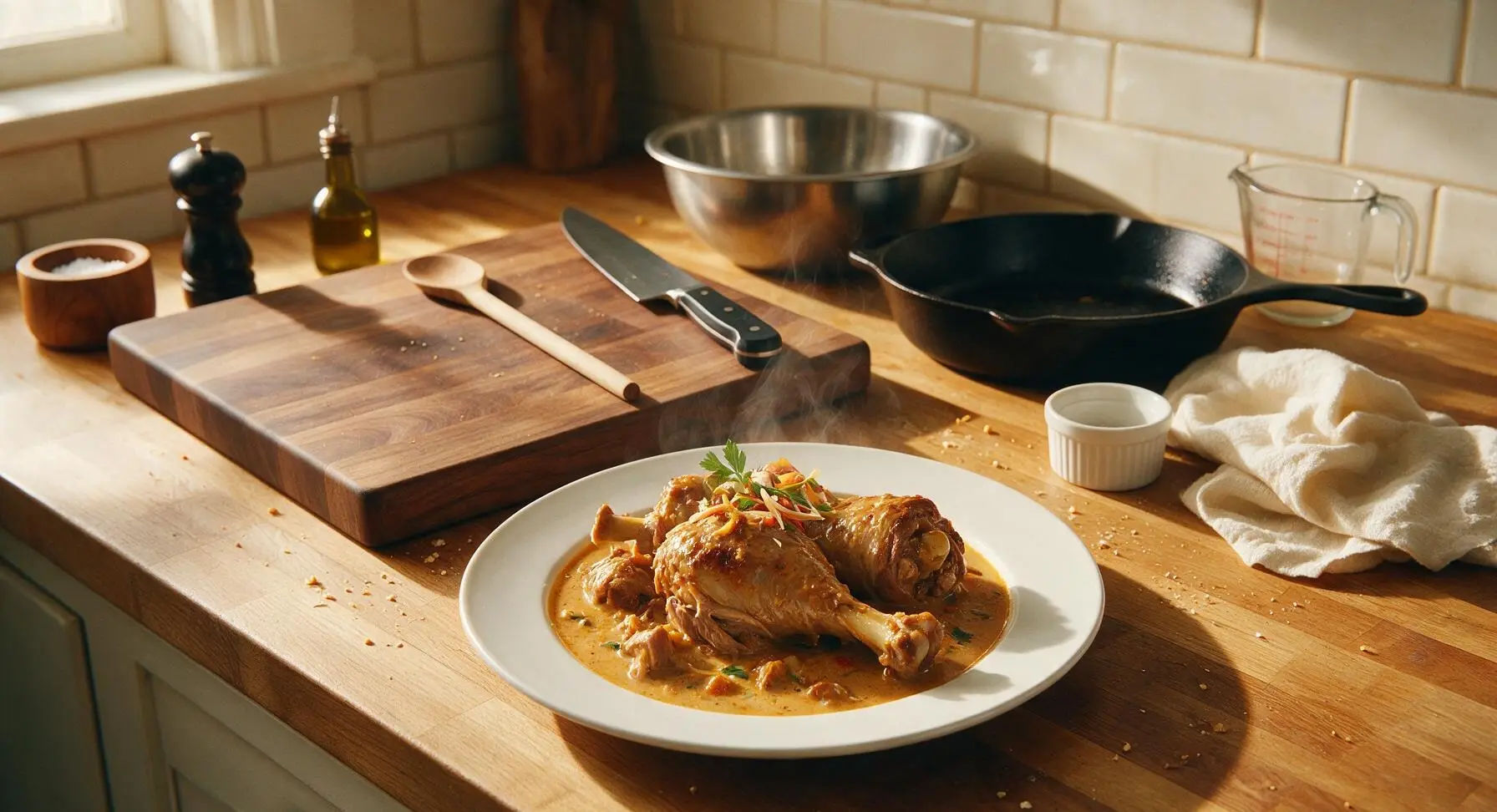
Fall-off-the-bone tender turkey legs slow-simmered in fragrant creamy coconut milk with warm Thai aromatics, boasting a rich sweet-savory golden sauce perfect for cold winter nights.
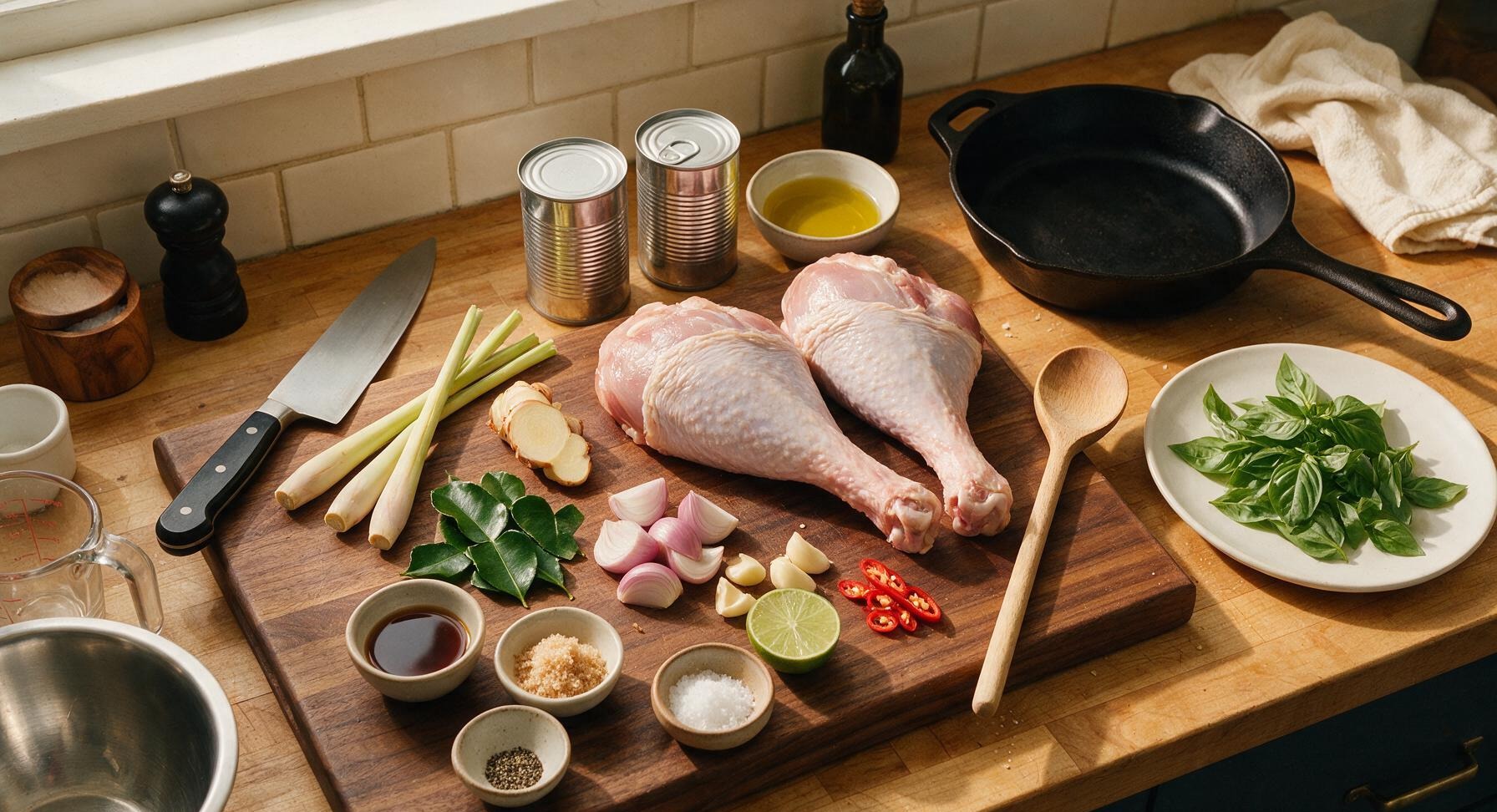
Ingredients
Steps
Prep Turkey and Aromatics
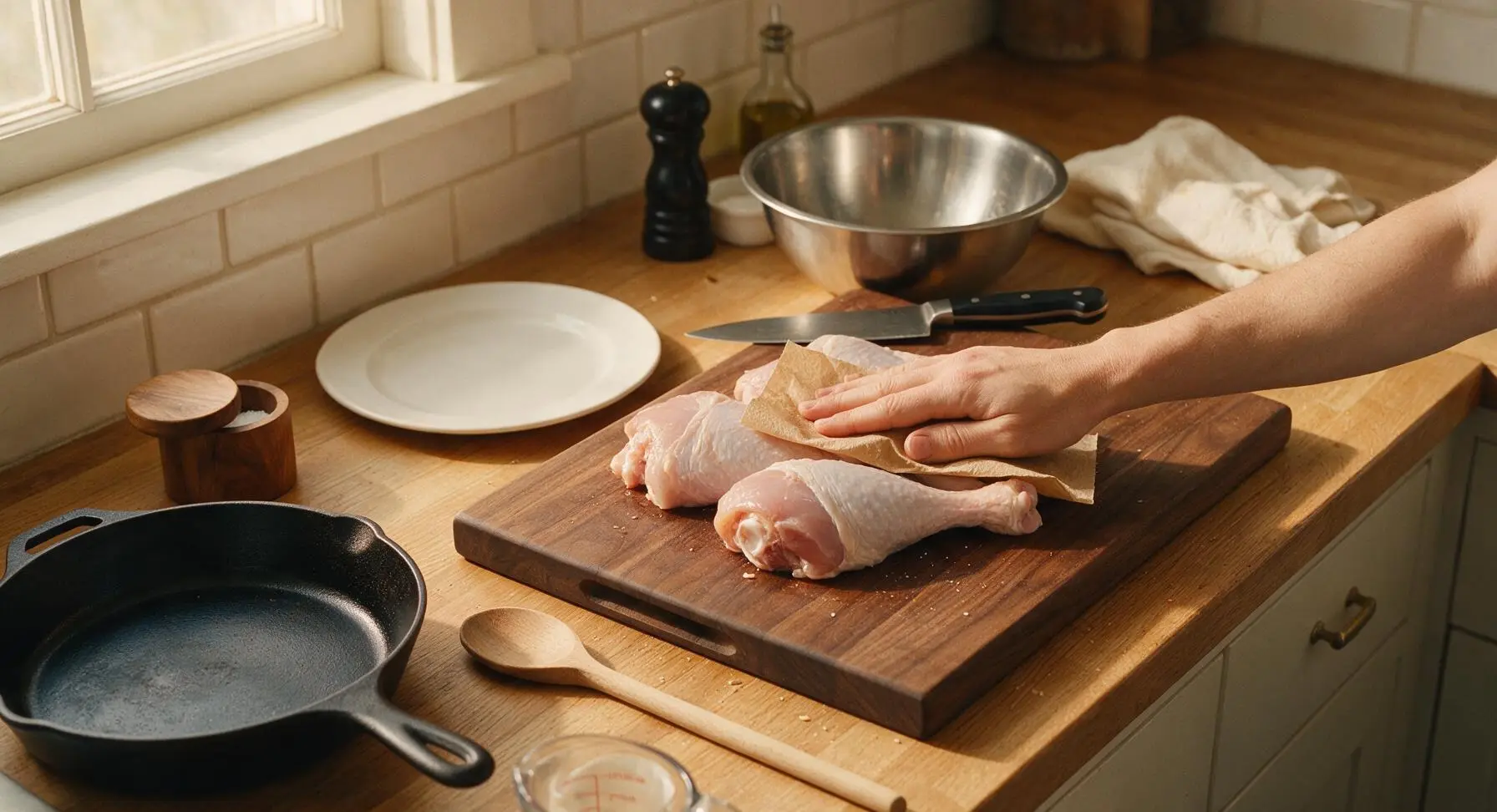
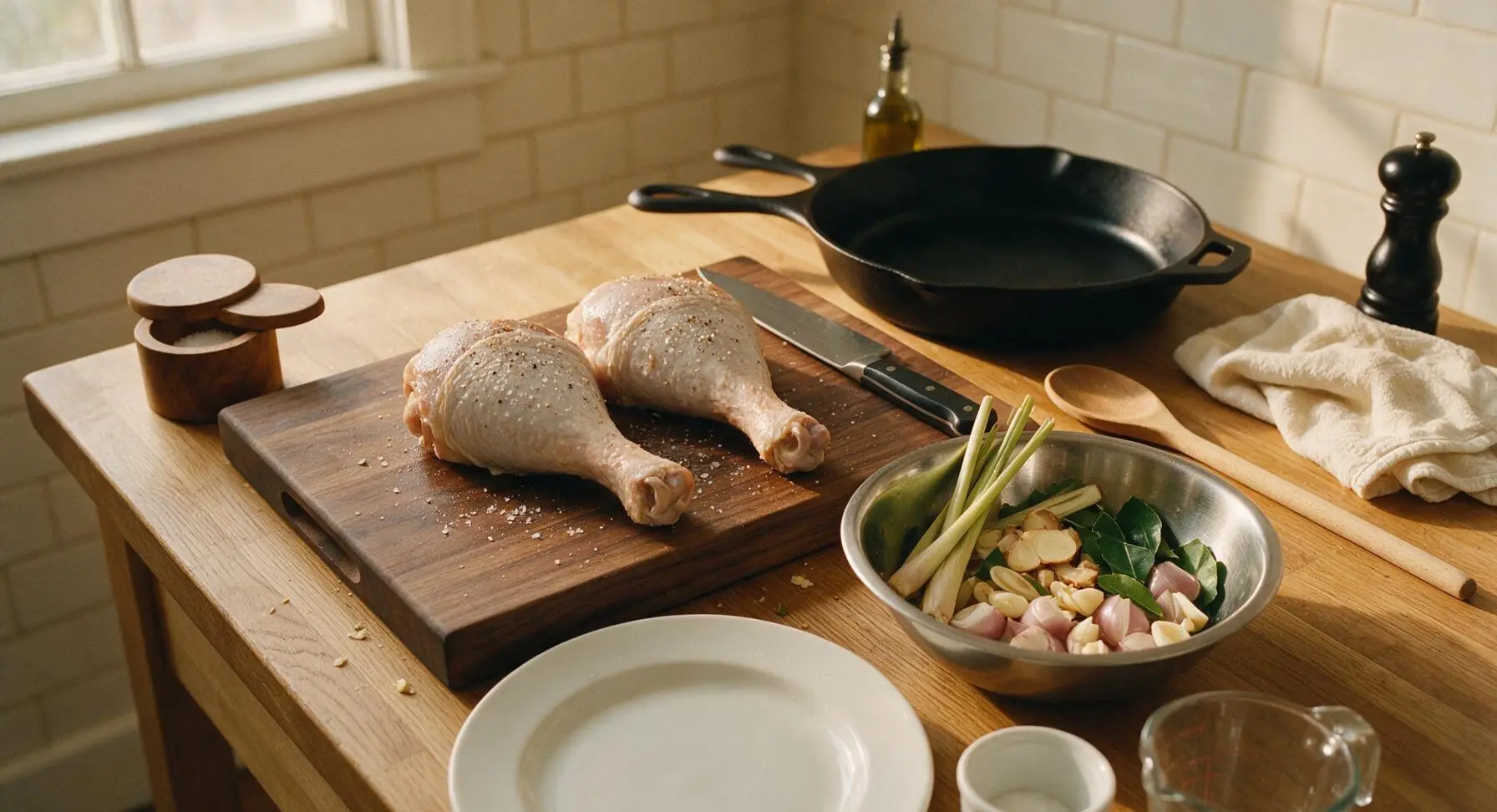
Pat turkey legs completely dry on all sides with paper towels, then season evenly with 1 teaspoon kosher salt and 1/2 teaspoon freshly ground black pepper. Set on the acacia cutting board to rest for 10 minutes at room temperature. While the turkey rests, use the chef knife to trim and bruise lemongrass, thinly slice galangal, tear kaffir lime leaves to release their aroma, quarter peeled shallots, and crush garlic cloves, placing all prepped aromatics in the stainless steel mixing bowl.
Sear Turkey Until Golden
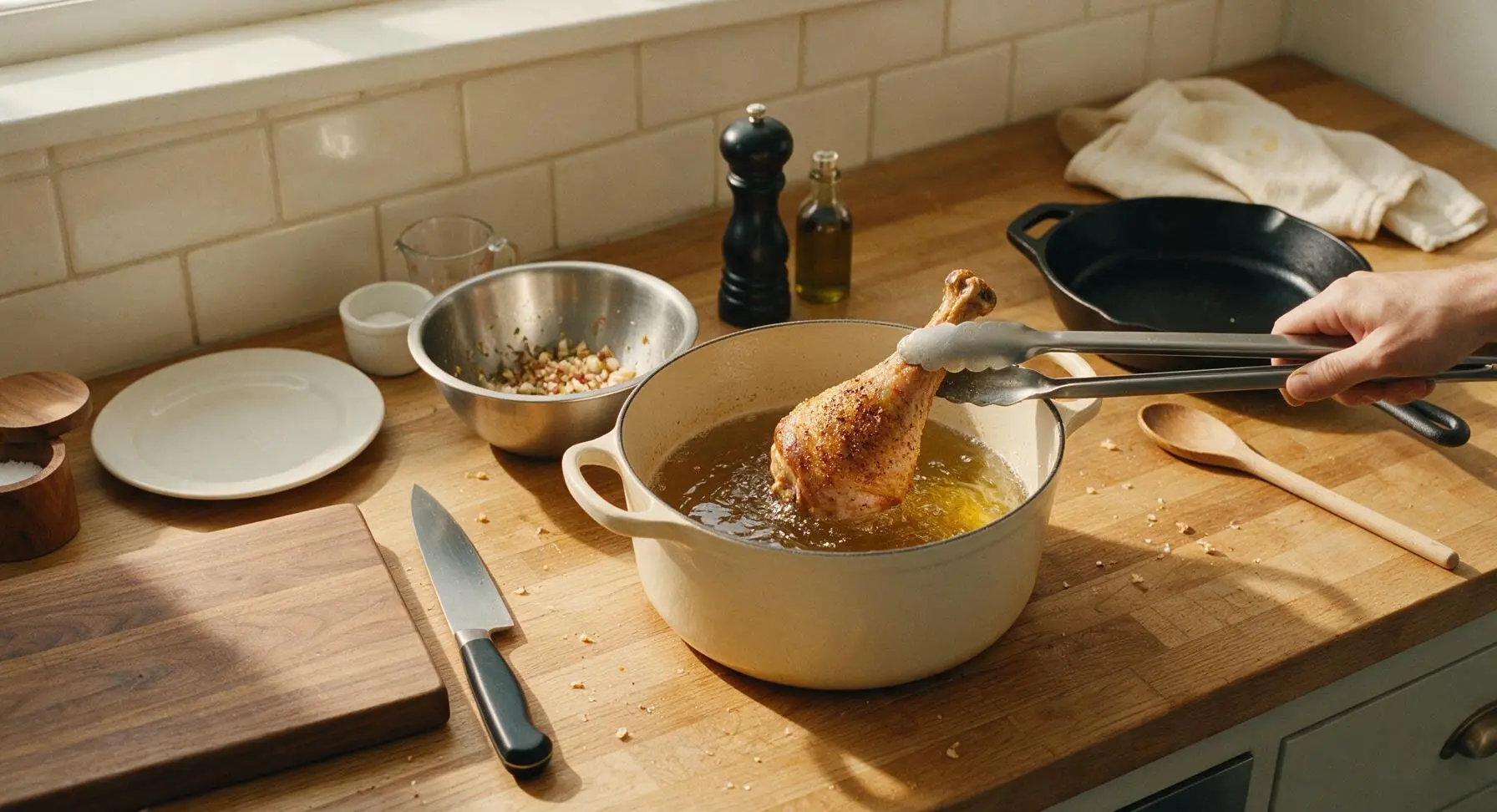
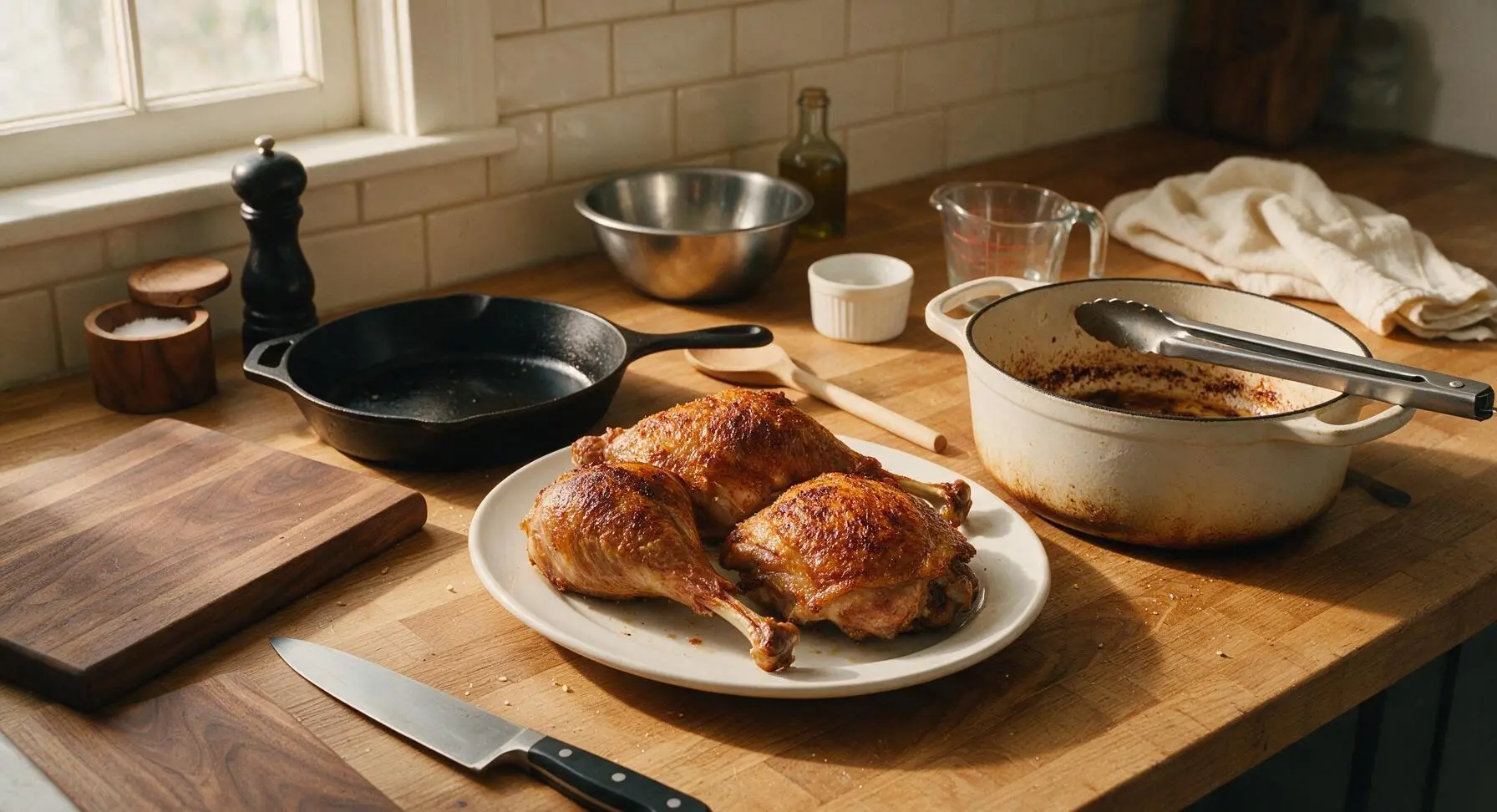
Heat 2 tablespoons canola oil in the enameled Dutch oven over medium-high heat until the oil shimmers (approximately 180C/350F). Use the stainless steel tongs to carefully place turkey legs skin-side down in the pot, working in batches if needed to avoid overcrowding (which causes steaming instead of searing). Sear for 6-7 minutes per side, until the skin is deep golden brown and crispy across all surfaces. Transfer seared turkey to a clean plate and set aside temporarily.
Sauté Aromatic Base
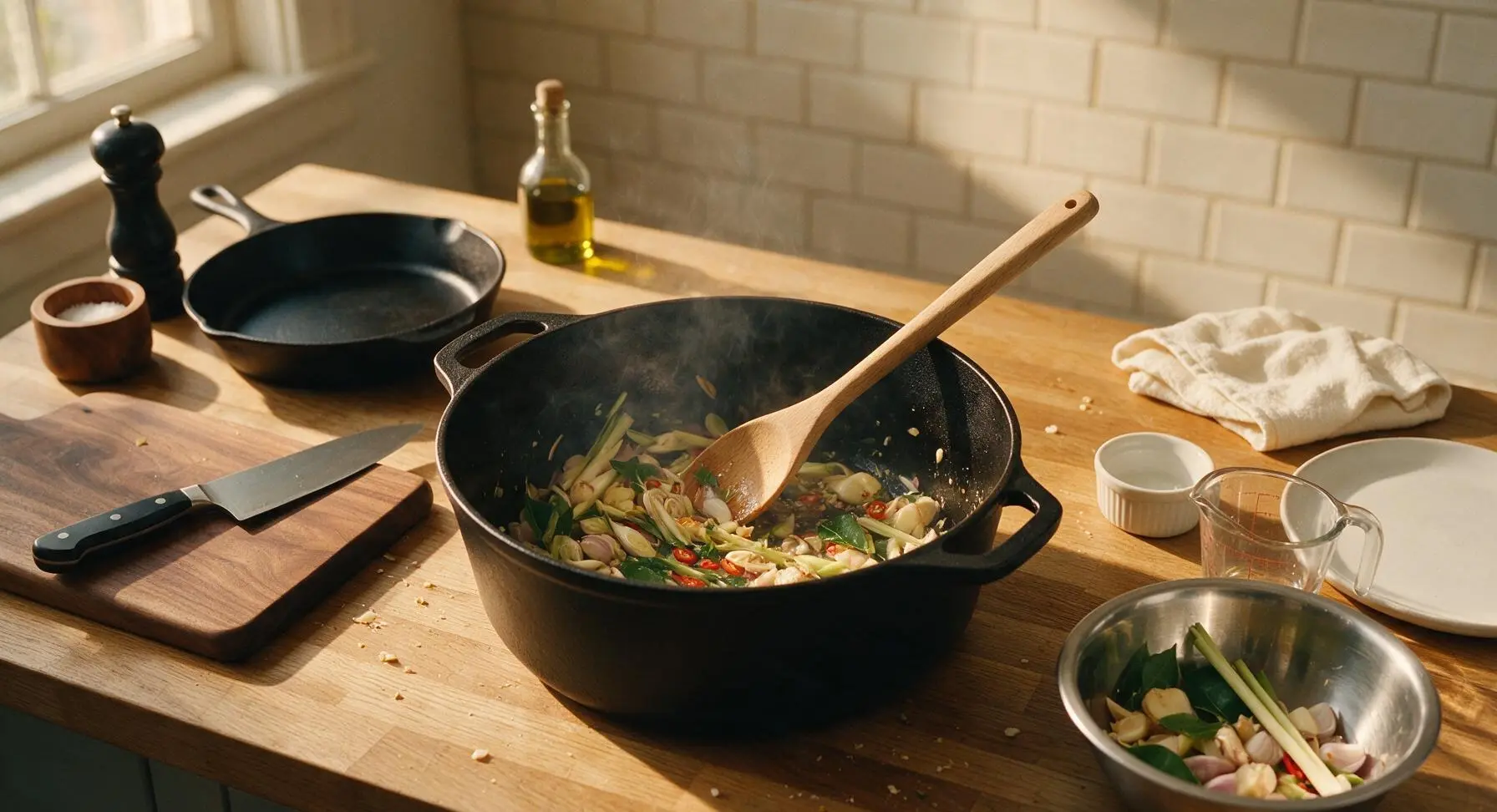
Reduce heat under the Dutch oven to medium, leaving 1 tablespoon of rendered turkey fat and oil in the pot. Add all prepped aromatics from the mixing bowl (lemongrass, galangal, lime leaves, shallots, garlic, sliced chili) to the pot. Sauté for 3-4 minutes, stirring occasionally with the beech wood basting spoon, until shallots turn soft and translucent, and the aromatics release a bright, citrusy-herbal fragrance.
Braise in Coconut Milk
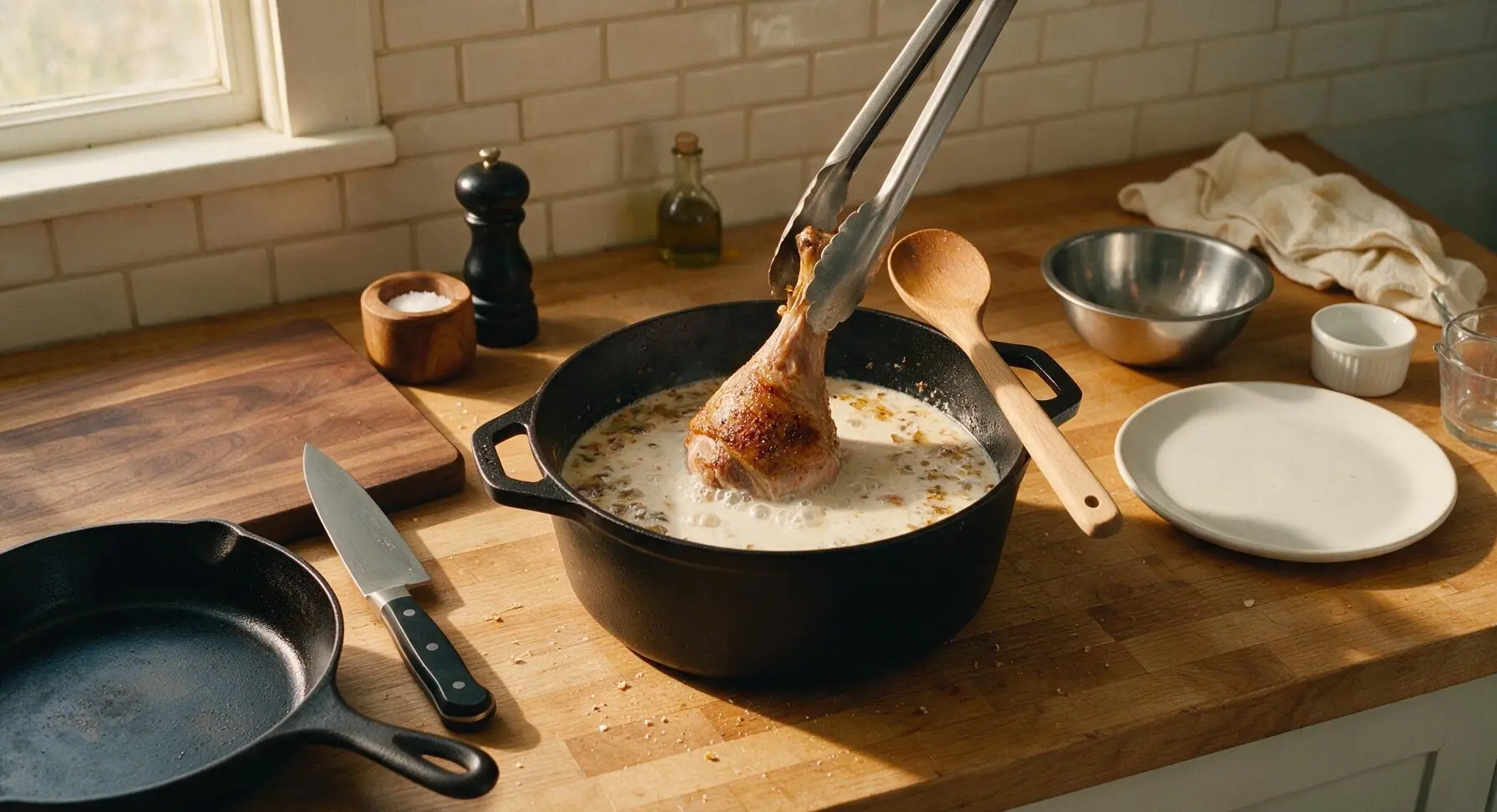
Pour 700ml of the shaken coconut milk into the Dutch oven (reserving 100ml for final sauce finishing), stirring with the basting spoon to scrape up all browned fond bits from the pot bottom. Stir in 3 tablespoons fish sauce and 2 tablespoons grated palm sugar, mixing until the sugar fully dissolves. Bring the liquid to a gentle simmer (small bubbles breaking the surface, approximately 95C/200F), then return seared turkey legs to the pot, ensuring they are three-quarters submerged in the creamy liquid.
Slow Braise Until Tender
Reduce heat to the lowest setting, cover the Dutch oven with its matching lid, and braise for 1 hour 20 minutes, checking every 30 minutes to ensure the liquid stays at a very gentle simmer (no rolling boil). The turkey is done when a fork inserted into the thickest part of the leg twists easily, and the meat pulls away from the bone with no resistance. Avoid overcooking, which will cause the meat to become dry and stringy.
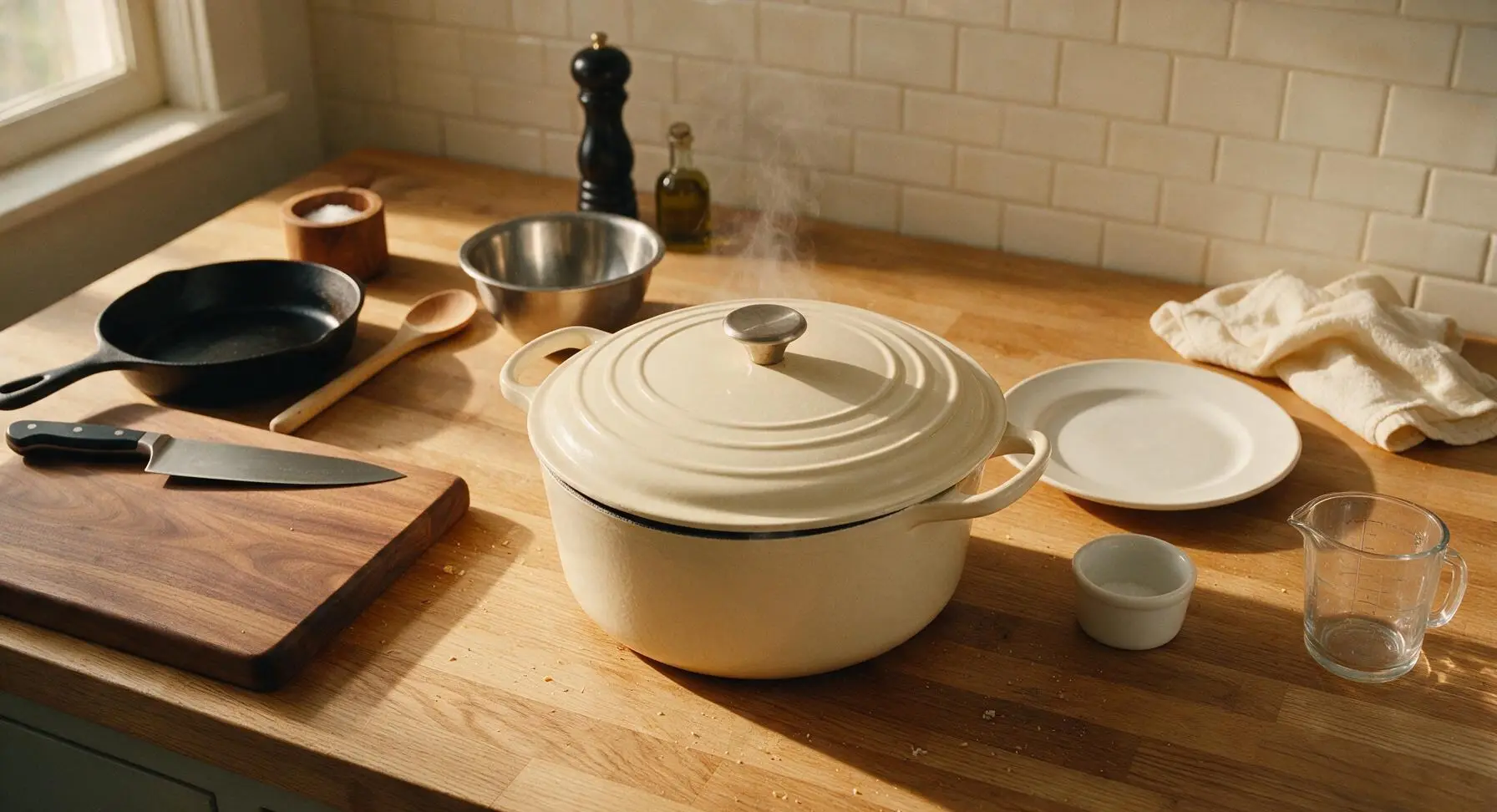
Rest Braised Turkey Legs
Use the stainless steel tongs to carefully transfer fully cooked turkey legs from the braising liquid to the acacia cutting board. Tent loosely with a small sheet of aluminum foil, and let rest for 10 minutes. This resting period allows meat fibers to reabsorb juices, ensuring every bite stays moist instead of leaking juice when cut.
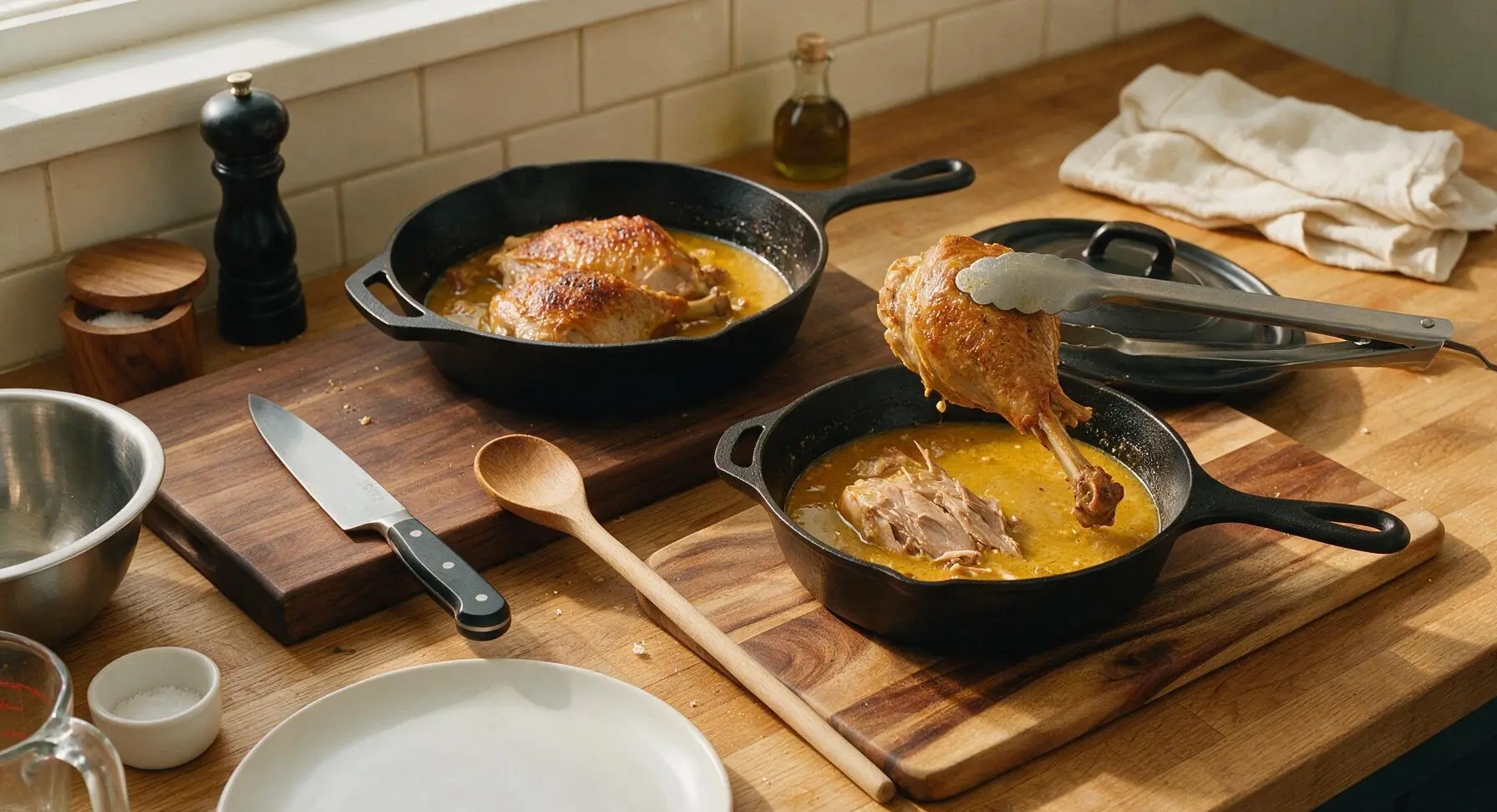
Strain and Reduce Sauce
Set the fine-mesh stainless steel strainer over the 1-quart stainless steel saucepan. Pour the remaining braising liquid from the Dutch oven through the strainer, pressing gently on the aromatics to extract all flavor before discarding the spent solids. Bring the strained liquid to a gentle simmer over medium heat, stir in the reserved 100ml coconut milk, and reduce for 8-10 minutes until the sauce is thick enough to coat the back of a spoon (nappe consistency). Stir in 1 tablespoon fresh lime juice, then taste and adjust seasoning with extra fish sauce or sugar if needed.
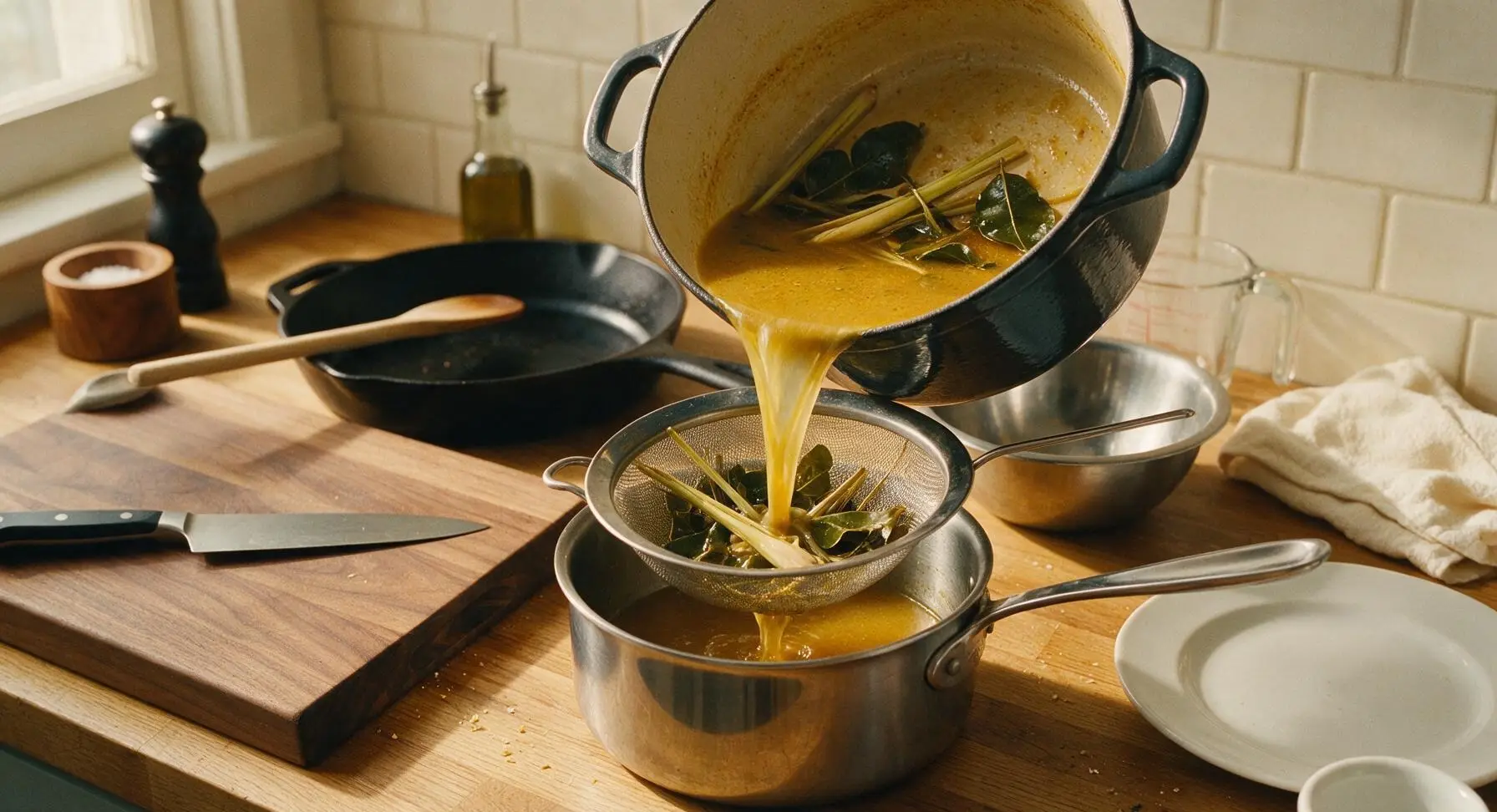
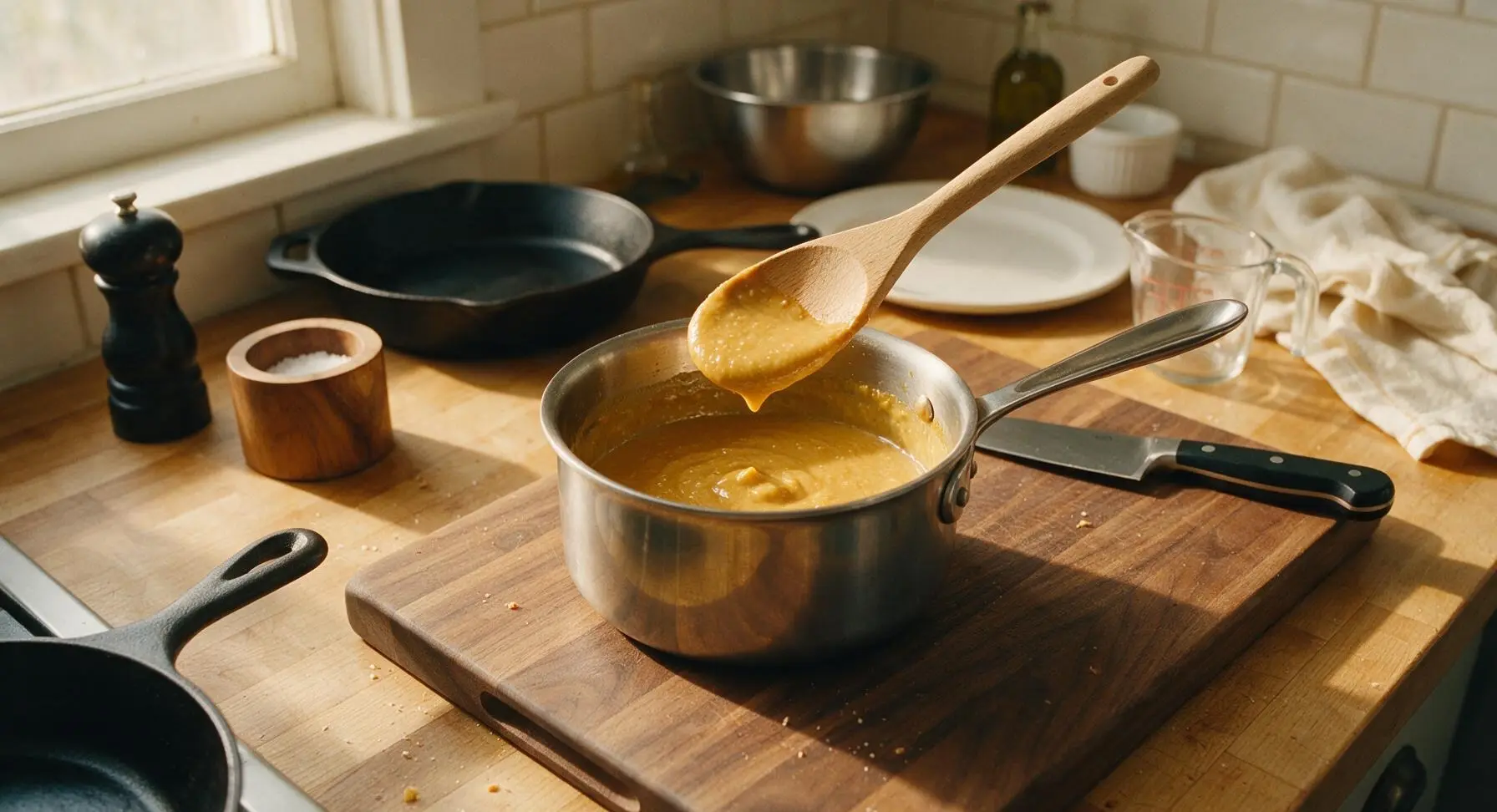
Plate and Garnish
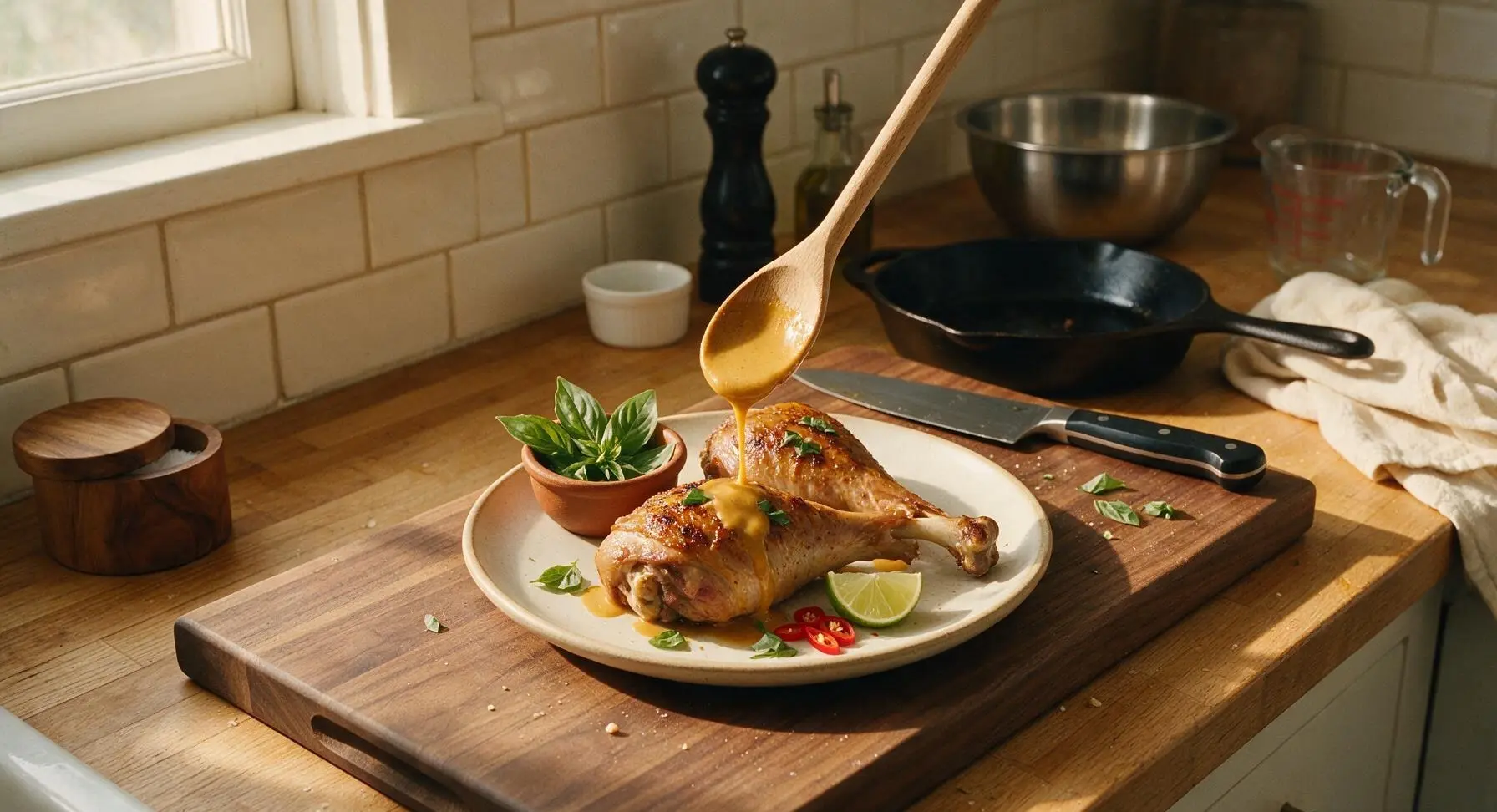
Place rested turkey legs on the matte off-white stoneware dinner plate, spoon 3-4 tablespoons of thickened coconut sauce over each leg, letting it drip naturally down the sides. Garnish with torn fresh Thai basil leaves and thin slices of red Thai chili, and tuck a lime wedge on the plate rim for squeezing over top before serving.
Tips
2.Keep the braise at a very low, gentle simmer: boiling coconut milk at high heat will cause the coconut fat to separate and turn grainy, resulting in a greasy, broken sauce instead of the smooth, creamy texture this recipe is known for.
3.Reserve a portion of fresh coconut milk to add at the end of sauce reduction: long braising mutes the bright, fresh coconut flavor, so adding a small amount of uncooked coconut milk right before serving boosts aroma and gives the sauce a glossy, luxurious finish.

Comments (0)