custard pudding

title 1
custard pudding
⏱️ cook time 40 minutes
🍽️ servings 4
⚡ Difficulty easy

intro

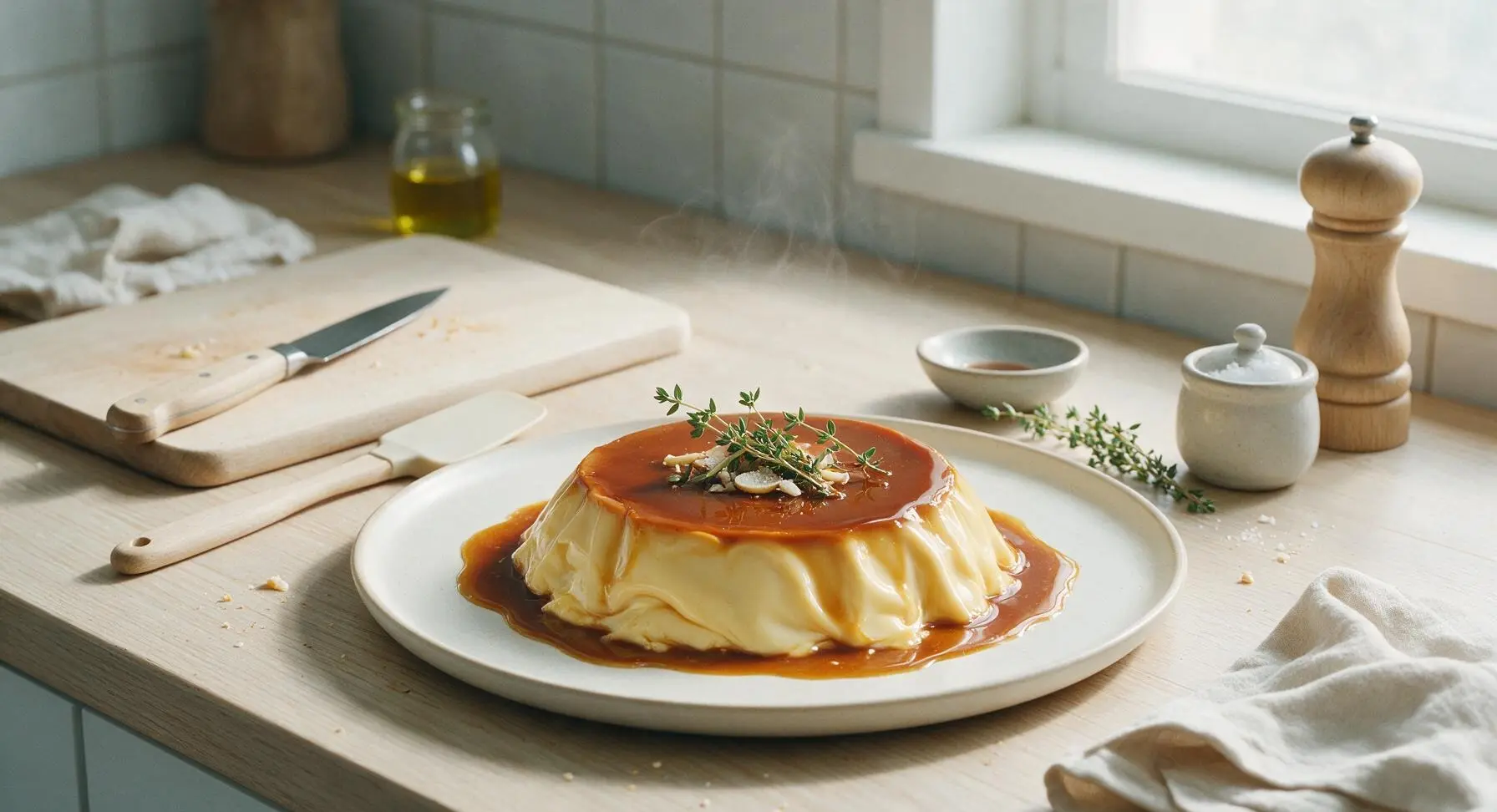
Silky, wobbly egg custard draped in glossy bittersweet caramel, this melt-in-your-mouth timeless treat is the perfect comforting finish to a cozy family meal.

Ingredients
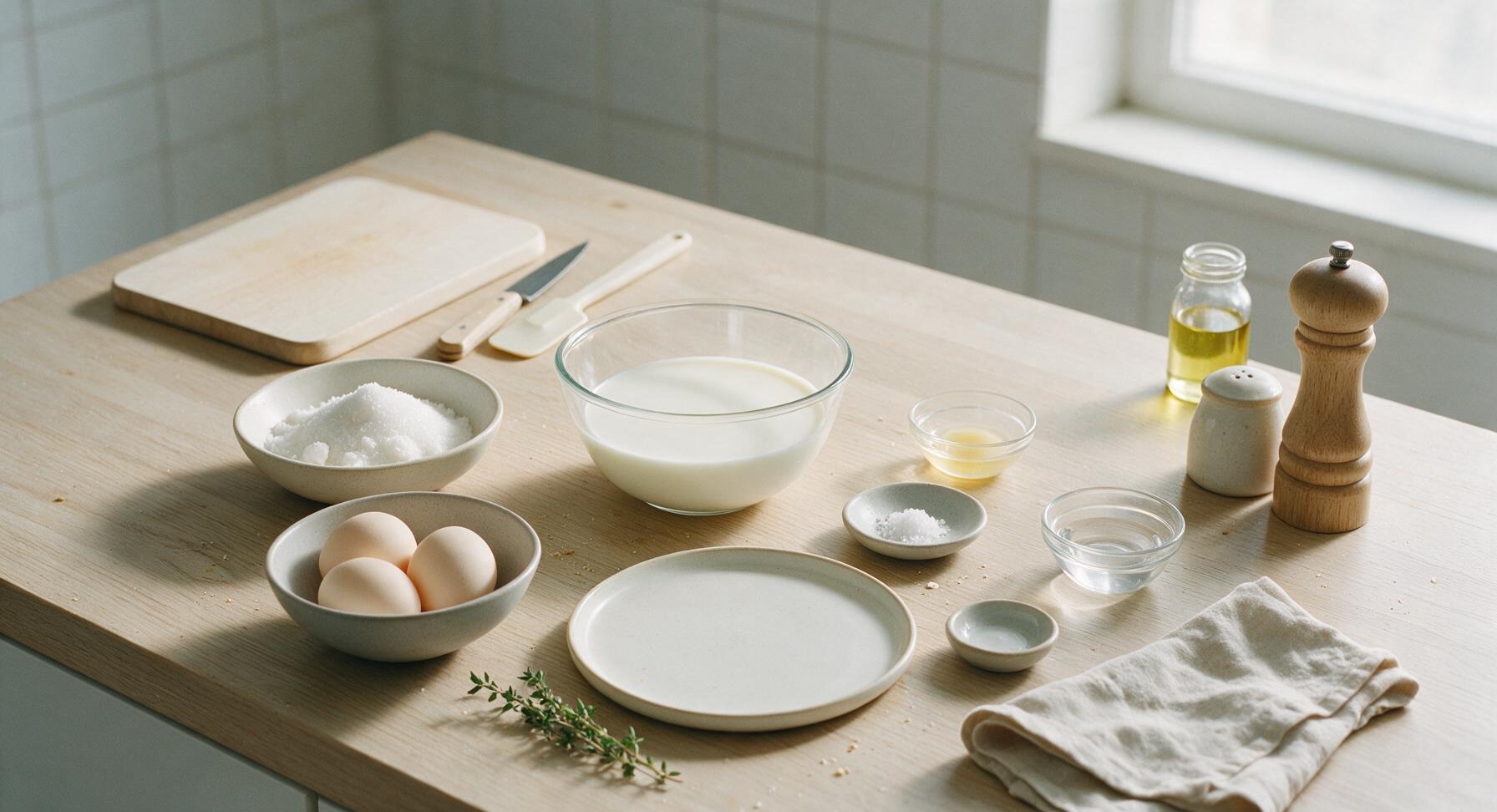
Whole milk 400ml
Large eggs 3 (about 150g total, shelled)
Granulated white sugar 100g (60g for caramel, 40g for custard)
Pure vanilla extract 1 teaspoon
Fine sea salt 1 pinch (about 0.3g)
Filtered water 2 tablespoons (for caramel)

Steps

1

Cook the golden caramel

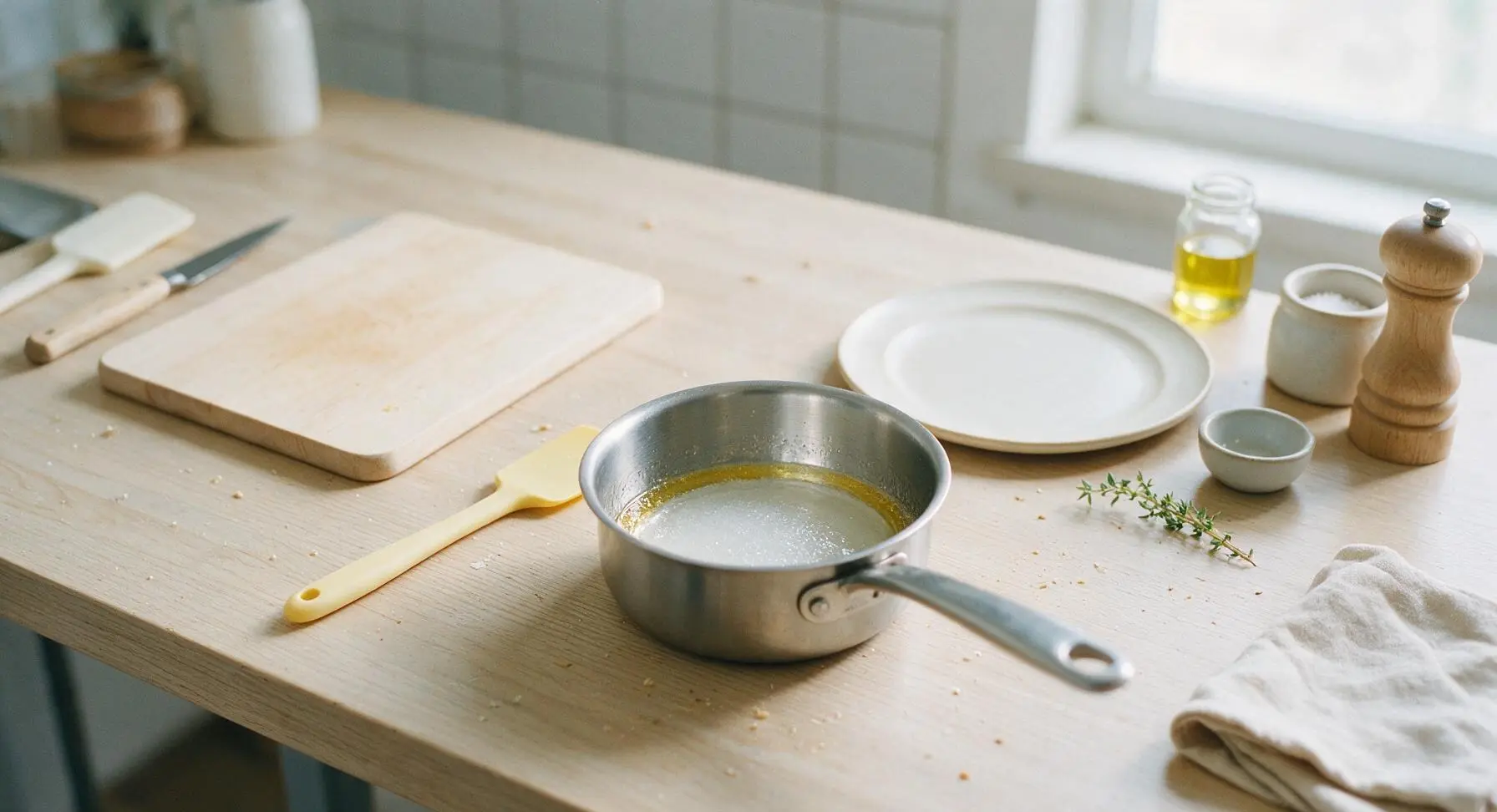
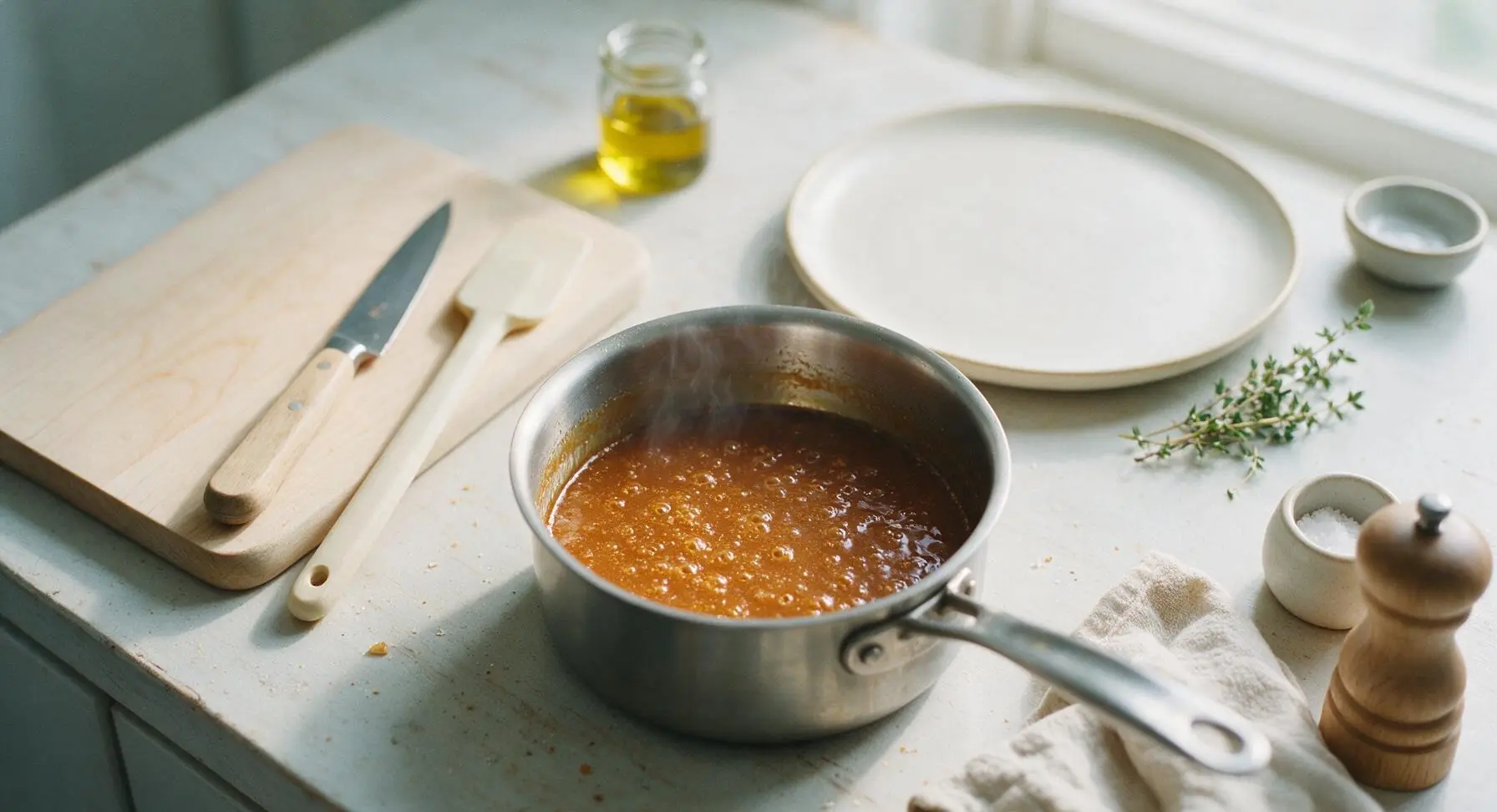
Place the stainless steel small saucepan on medium-low heat, add 60g of the measured granulated sugar and 2 tablespoons filtered water. Swirl the pan gently (do not stir with any utensil, as this causes sugar crystallization) as the sugar melts, cooking for 5-7 minutes until the syrup turns a deep golden amber color with a faint nutty aroma. Immediately remove from heat to avoid burning, which will give the caramel a harsh, bitter taste.
Step 1
step1:Cook the golden caramel
Step 1
step1:Cook the golden caramel
2

Coat ramekin bases

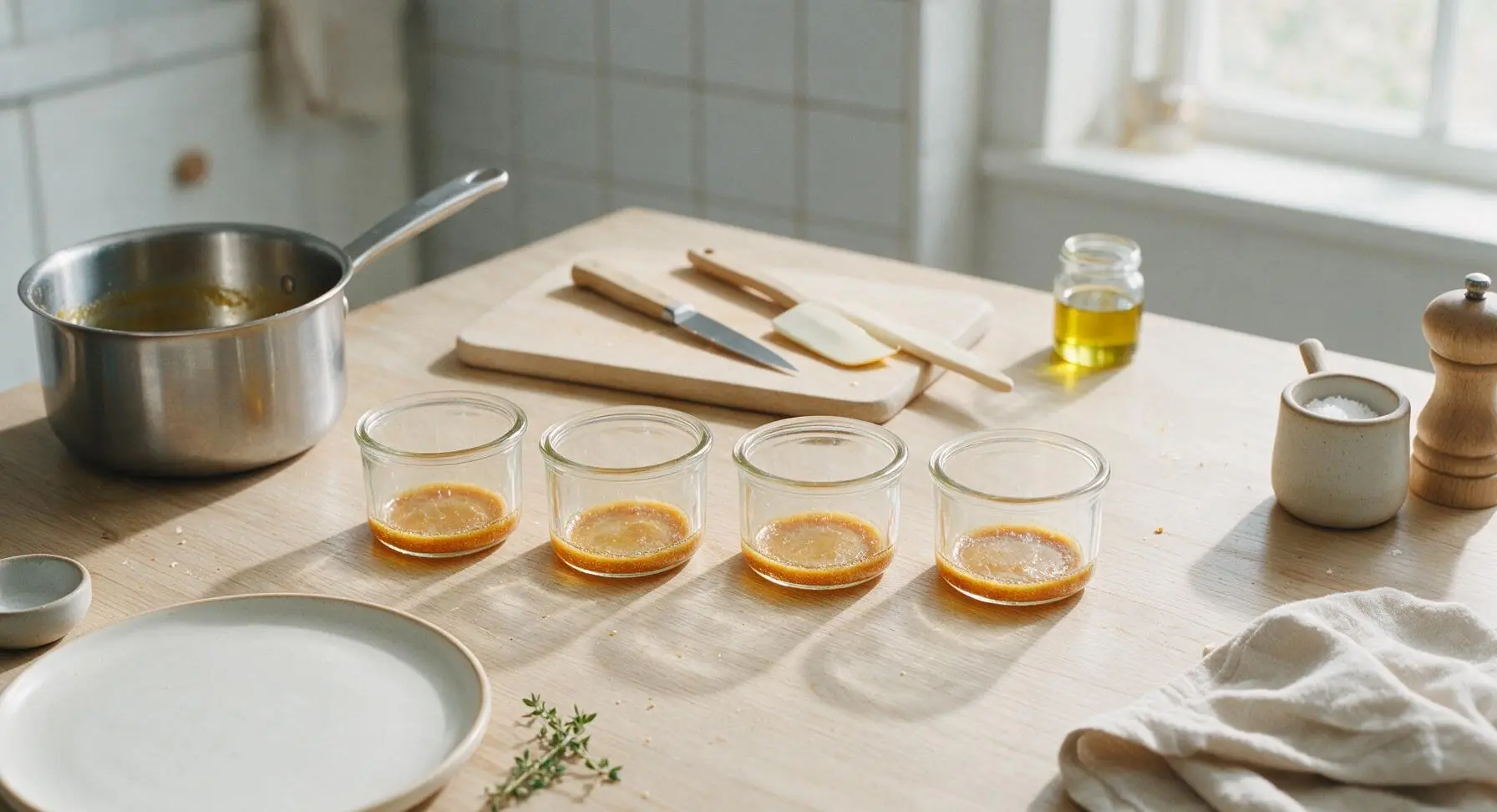
Working quickly, as hot caramel sets solid in under 1 minute, pour equal amounts of hot caramel into the base of each of the 4 clear glass ramekins, tilting each ramekin slightly to coat the bottom evenly in a thin 2mm layer. Set ramekins aside at room temperature to let the caramel harden fully for 10 minutes, until it is no longer sticky to the touch.
Step 2
step2:Coat ramekin bases
3

Mix base custard ingredients

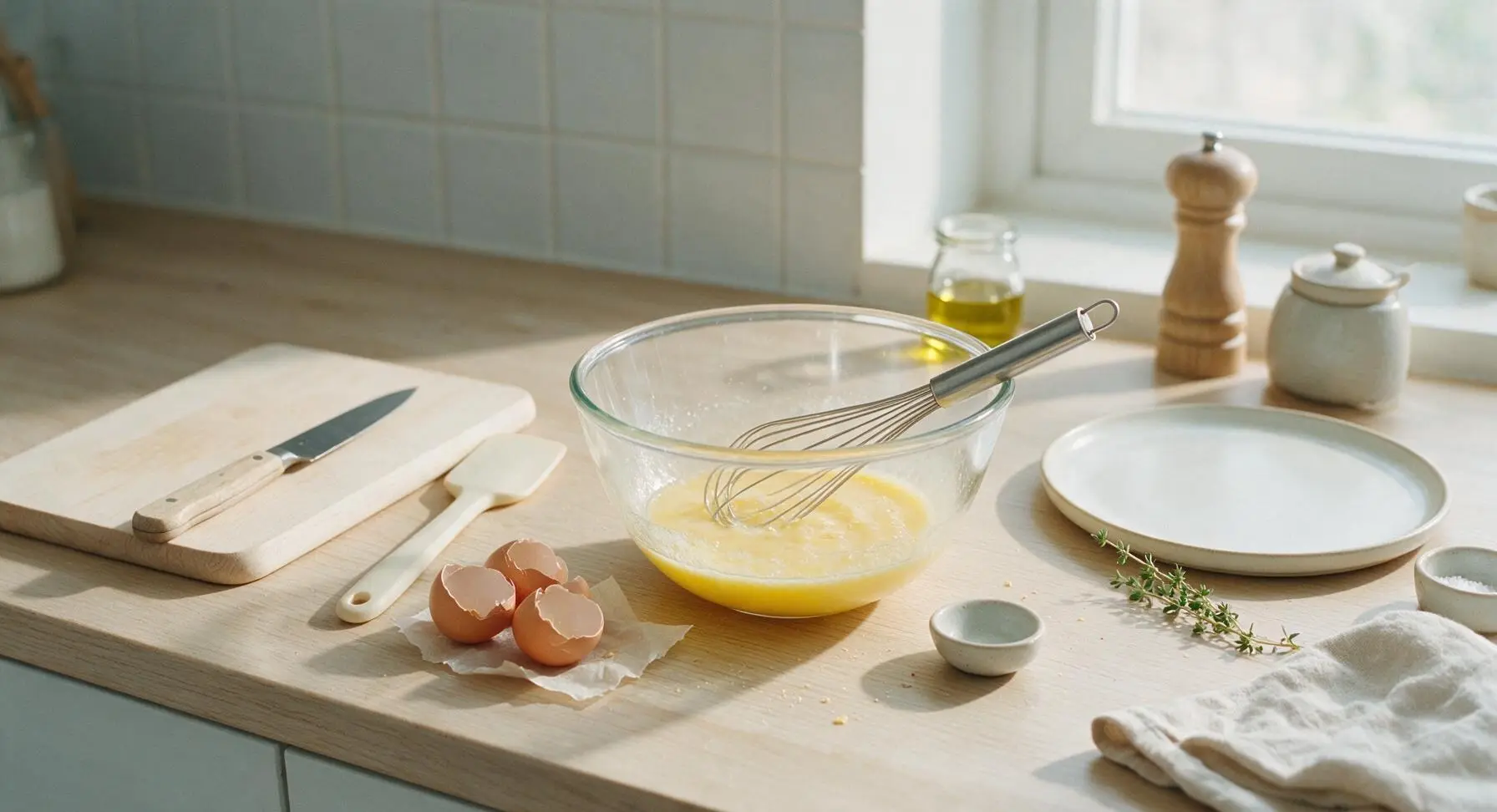
In the clear glass mixing bowl, add the 3 large eggs, remaining 40g granulated sugar, and pinch of fine sea salt. Use the stainless steel whisk to mix gently for 30 seconds, just until the eggs are fully broken up and combined with the sugar – do not whisk vigorously, as this will create unwanted air bubbles that cause holes and a porous texture in the finished custard. Stir in the 1 teaspoon of pure vanilla extract.
Step 3
step3:Mix base custard ingredients
4

Warm and temper milk

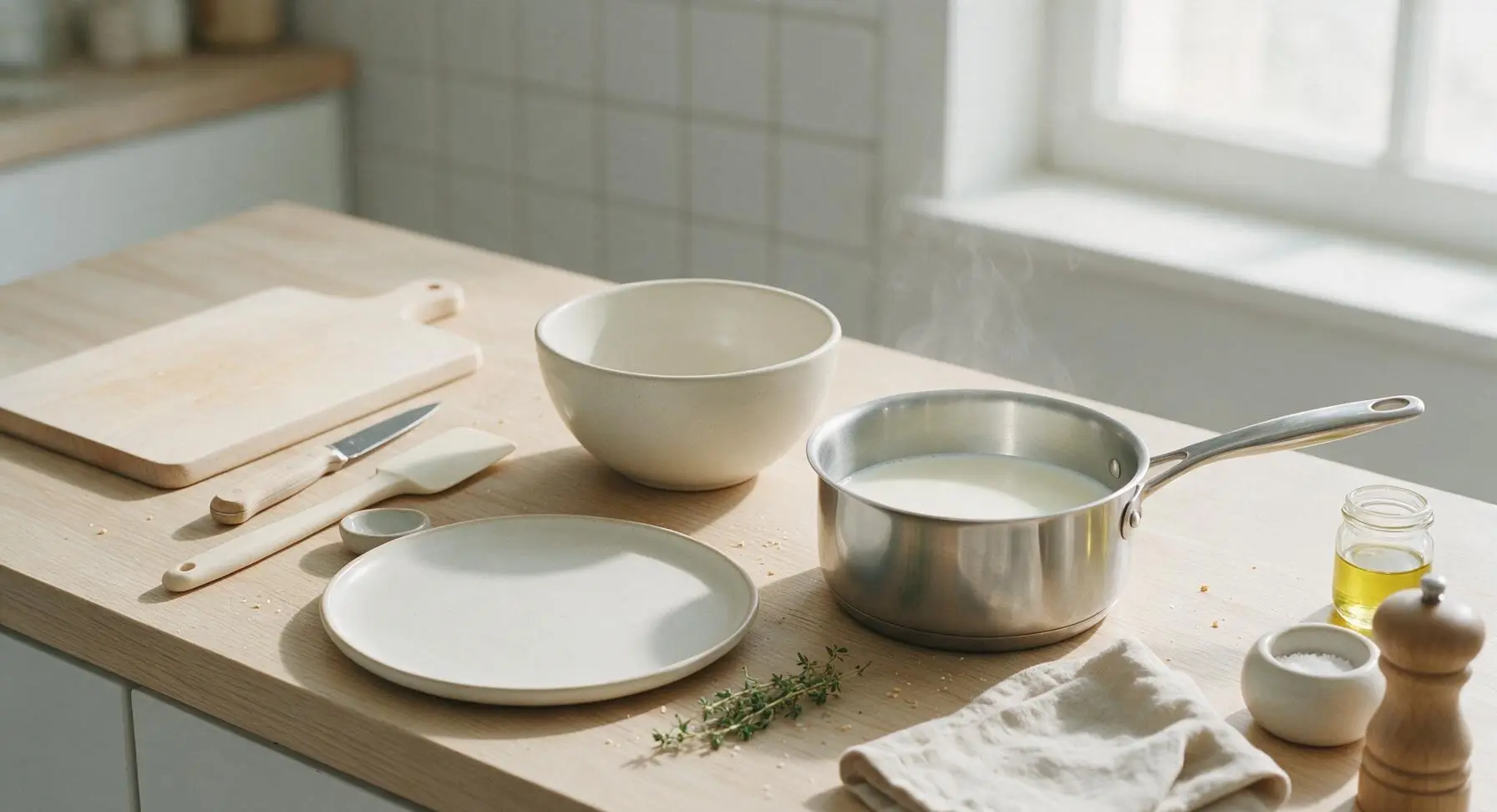
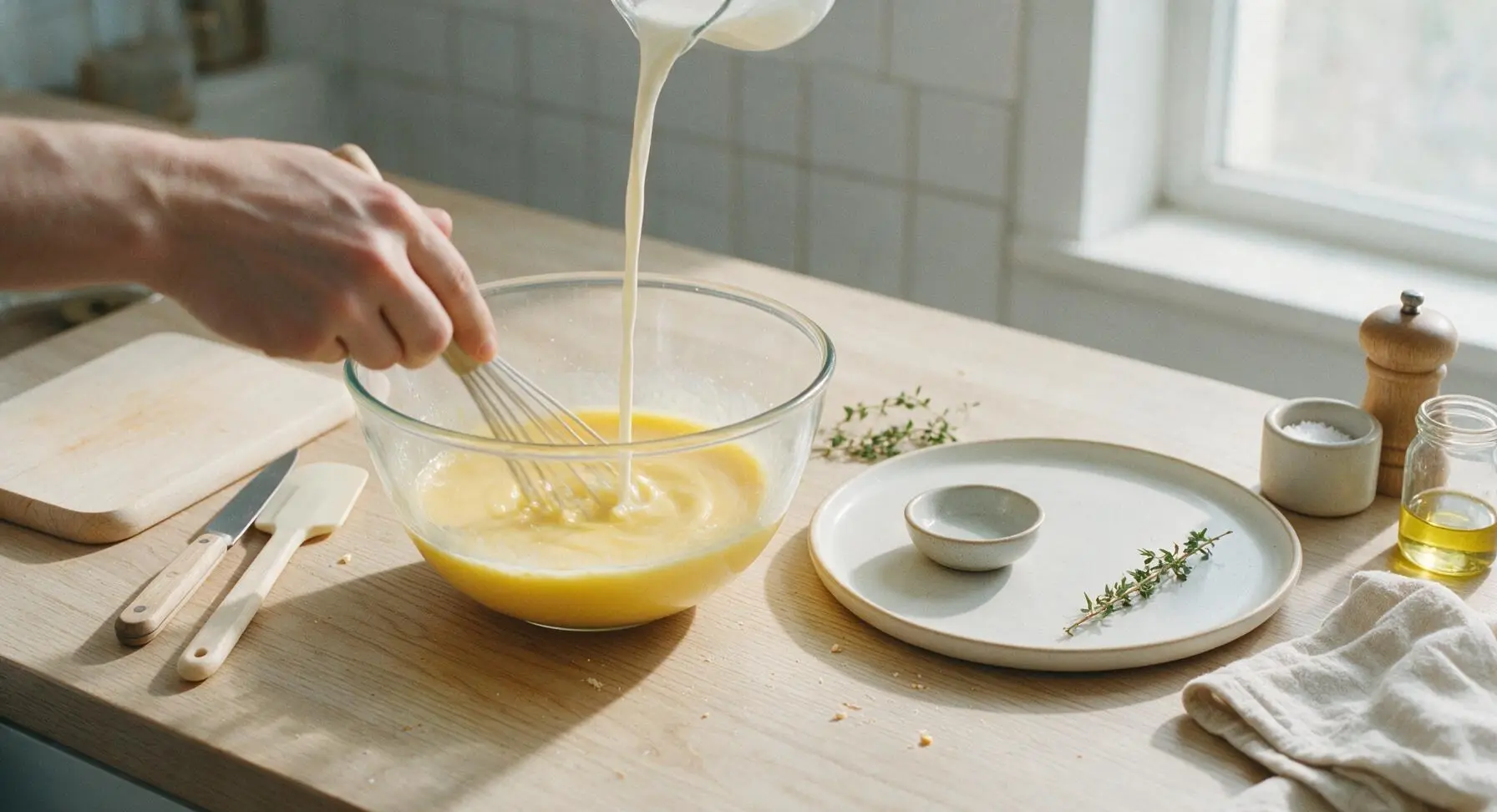
Pour the 400ml whole milk into the now slightly cooled stainless steel saucepan, heat over low heat for 3-4 minutes until it reaches 60C (140F) – it should feel warm to the touch, with only faint wispy steam, no rolling boil. Slowly pour 1/3 of the warm milk into the egg mixture while whisking constantly at low speed to gently temper the eggs and prevent curdling. Once fully combined, pour the remaining warm milk into the bowl, stirring slowly with the silicone spatula to mix evenly.
Step 4
step4:Warm and temper milk
Step 4
step4:Warm and temper milk
5

Strain for silky texture

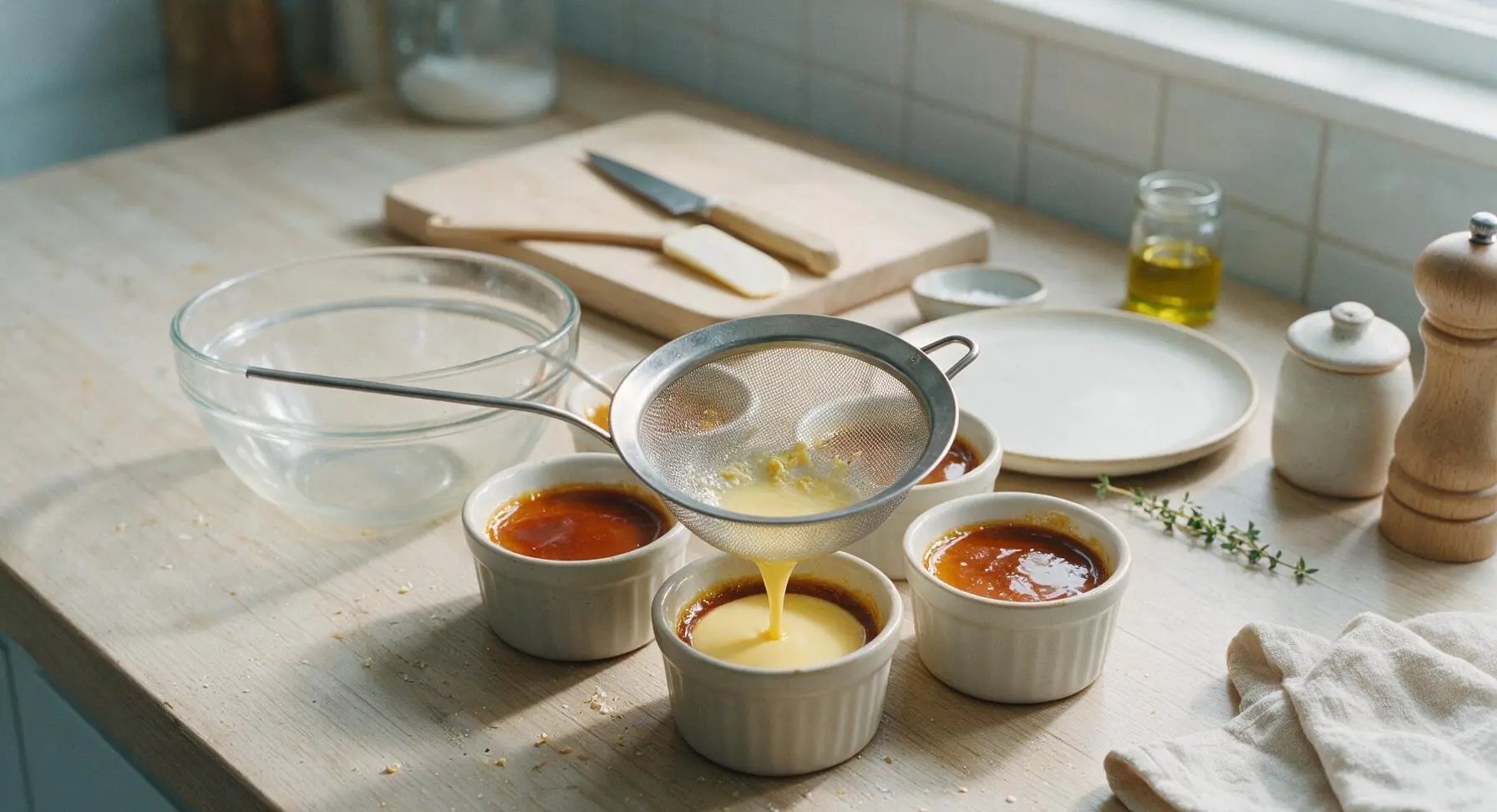
Place the fine-mesh stainless steel sieve over the row of caramel-lined ramekins, and pour the custard mixture through the sieve to catch any small egg curds or chalaza, resulting in a perfectly silky, lump-free base. After pouring, skim any tiny remaining surface bubbles from the strained custard with the edge of a paper towel for a flawlessly smooth top.
Step 5
step5:Strain for silky texture
6

Assemble water bath

Arrange the caramel-lined, custard-filled ramekins inside the square matte white ceramic baking dish. Carefully pour hot (just boiled) water into the baking dish until the water reaches exactly halfway up the sides of the ramekins, taking care not to splash any water into the custard. Cover the top of the baking dish tightly with a sheet of plain aluminum foil to prevent condensed steam from dripping onto the custard surface and creating pockmarks.
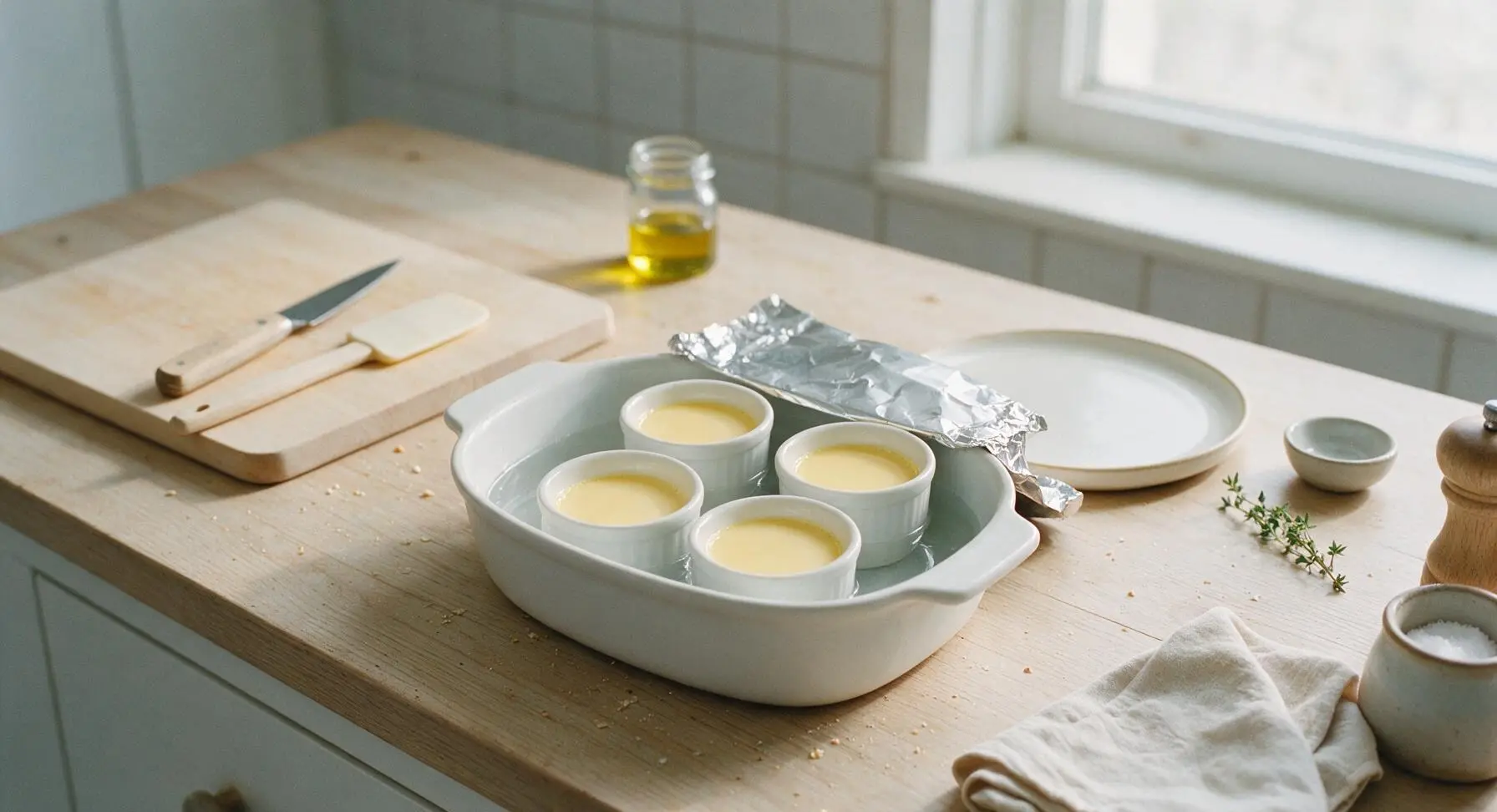
Step 6
step6:Assemble water bath
7

Bake until just set

Place the baking dish in a preheated 150C (300F) oven, bake for 35-40 minutes. The custard is perfectly done when the outer 2/3 of each pudding is fully set, but the center 2cm has a slight, jiggly wobble similar to Jell-O – it will set fully as it chills. Overbaking will result in a rubbery, curdled texture with watery separation.
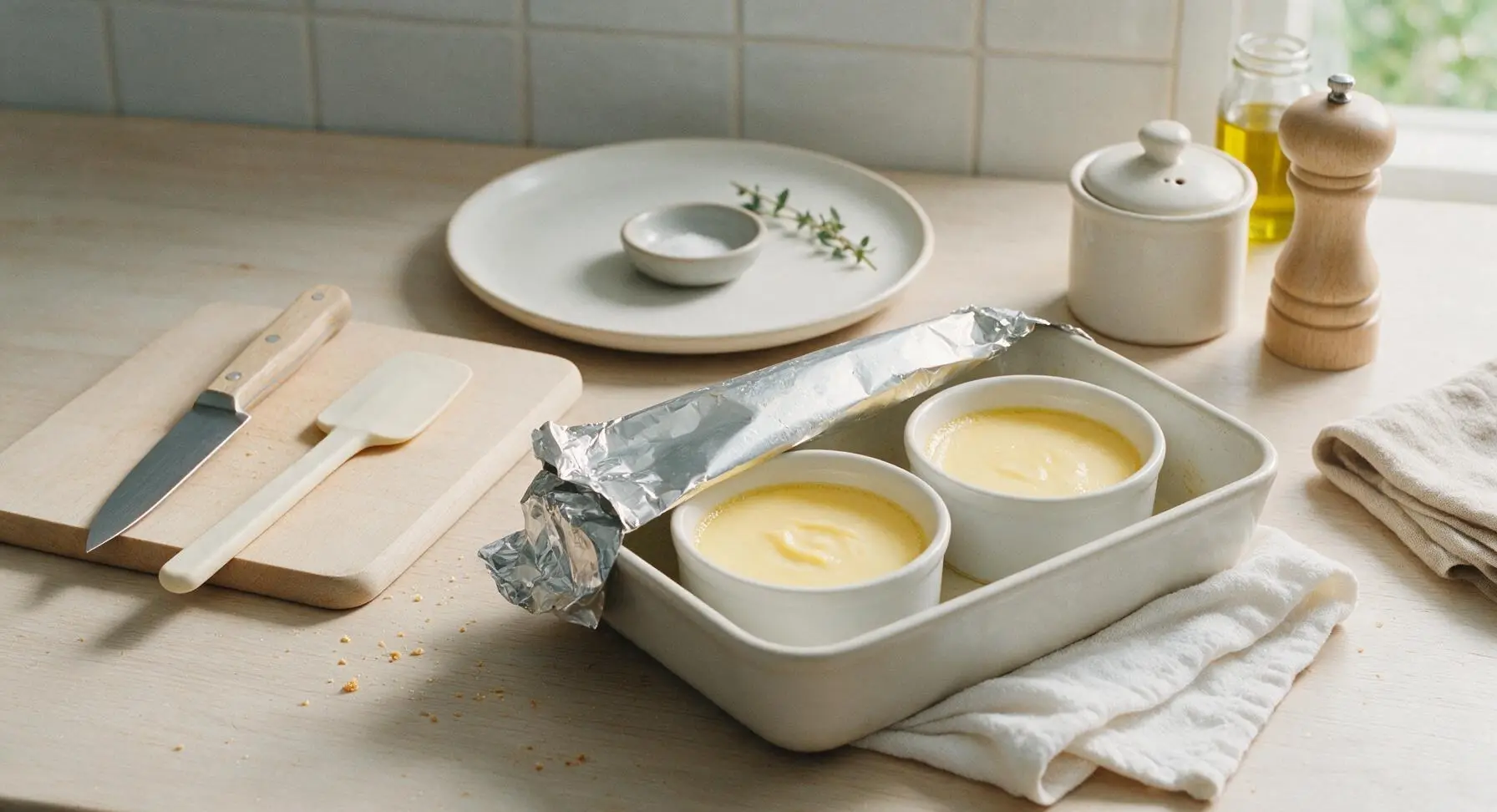
Step 7
step7:Bake until just set
8

Chill and unmold puddings

Remove the ramekins from the water bath, let them cool to room temperature for 30 minutes, then cover loosely with plastic wrap and chill in the refrigerator for at least 4 hours (or overnight, for best flavor and texture). To unmold, run the tip of the stainless steel paring knife around the inner edge of each ramekin to loosen the custard. Place a matte cream white dessert plate upside down over the top of the ramekin, hold both plate and ramekin tightly, and flip quickly in one smooth motion. Lift the ramekin gently to release the pudding, letting the caramel sauce flow freely over the custard sides.
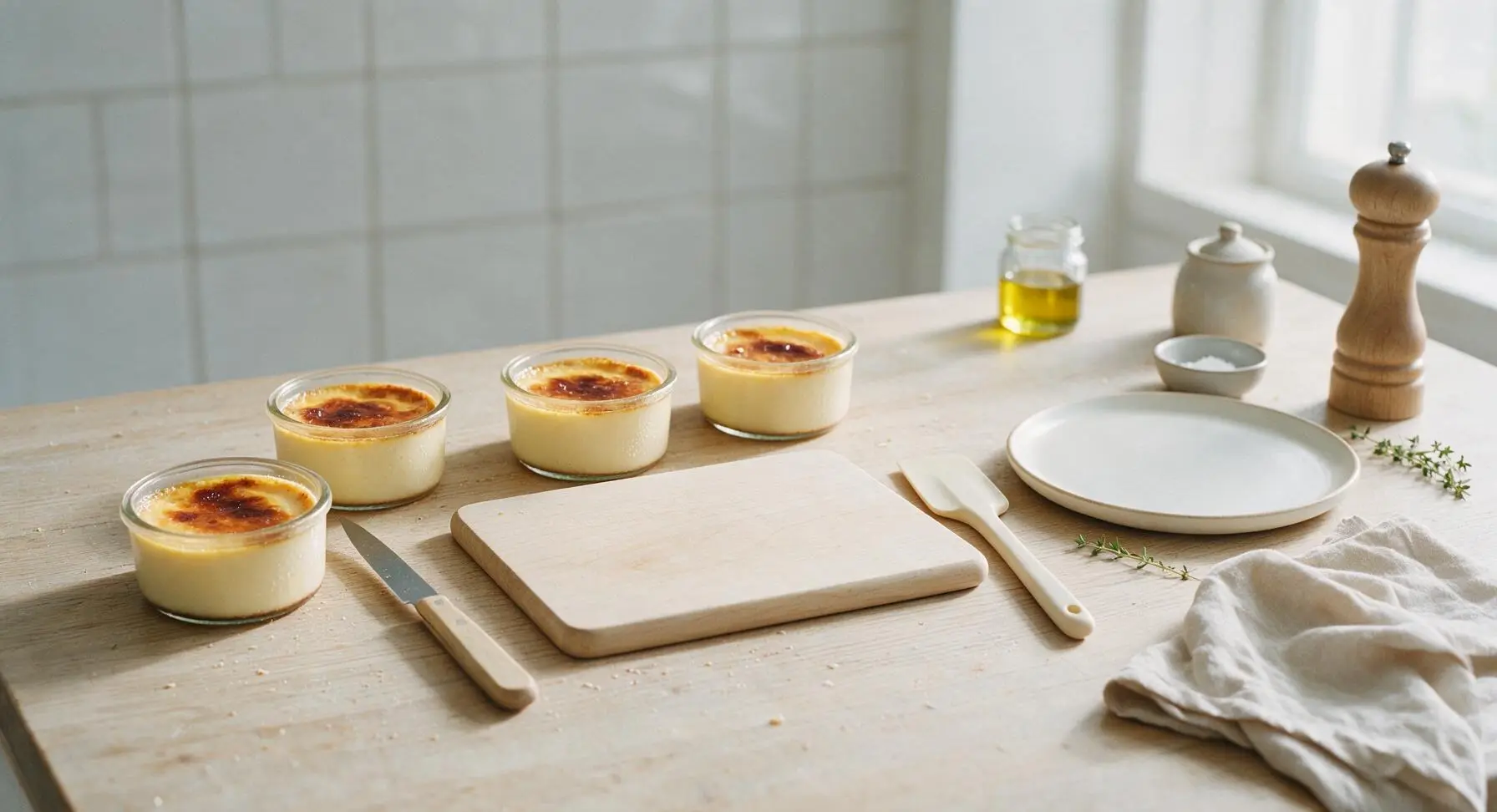
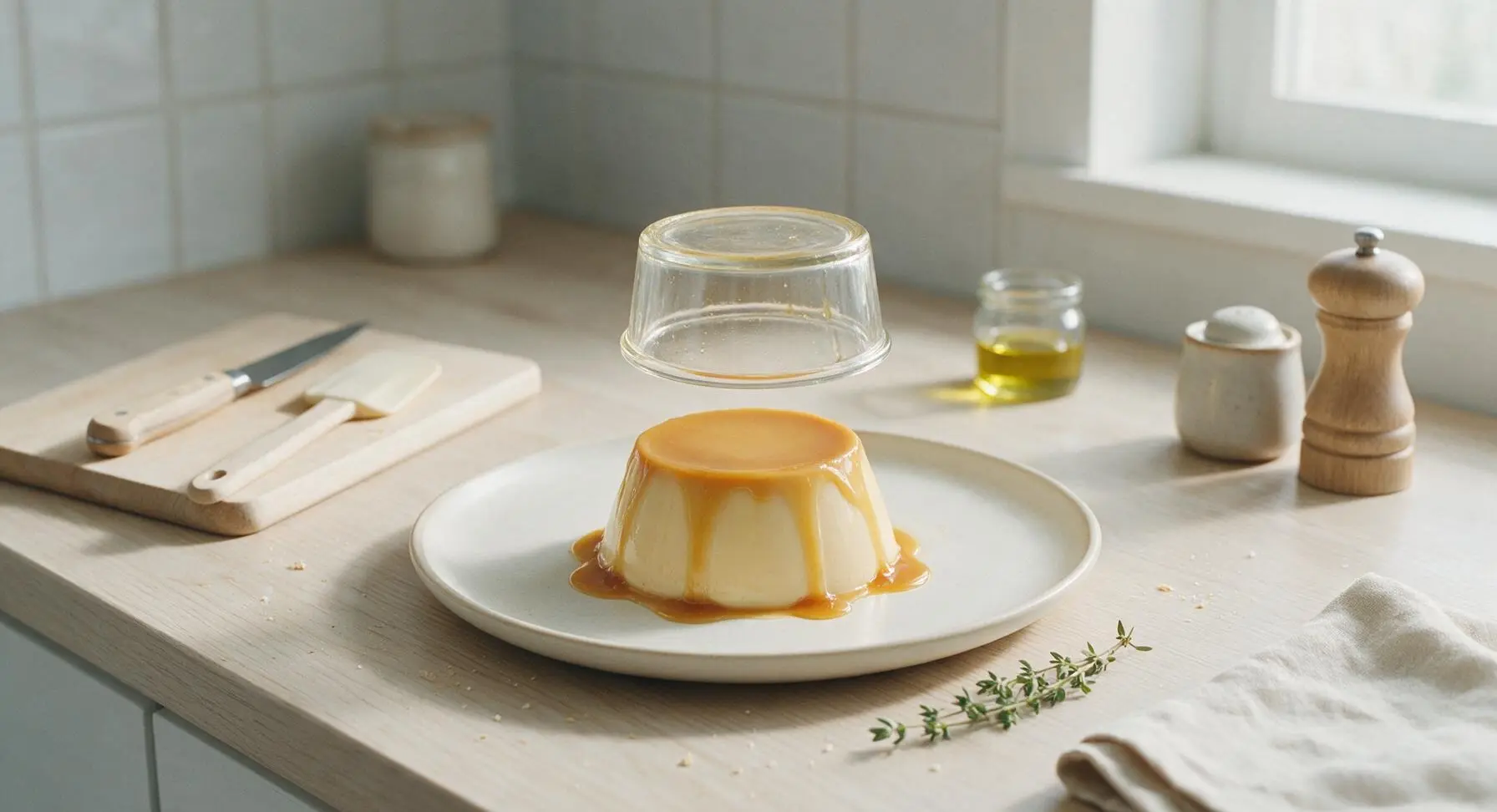
Step 8
step8:Chill and unmold puddings
Step 8
step8:Chill and unmold puddings

Tips

1.Never stir melting caramel: Stirring causes undissolved sugar crystals to seed the mixture, creating a grainy, lumpy caramel instead of a smooth, glossy sauce. Swirl the pan gently by the handle to distribute heat evenly instead.
2.Don’t skip the water bath: The moist, even, low heat of the bain-marie prevents the custard from overheating, curdling, cracking, or developing a tough rubbery texture, even if you leave it in the oven a few minutes past the recommended time.
3.Resist serving warm: The custard needs a minimum of 4 hours of chill time to fully set into its signature melt-in-your-mouth texture, and the hard caramel layer will slowly melt into a smooth, flowing sauce as it rests against the cold custard.

✨ You May Also Like

Desserts & Baking
🍜 Italy

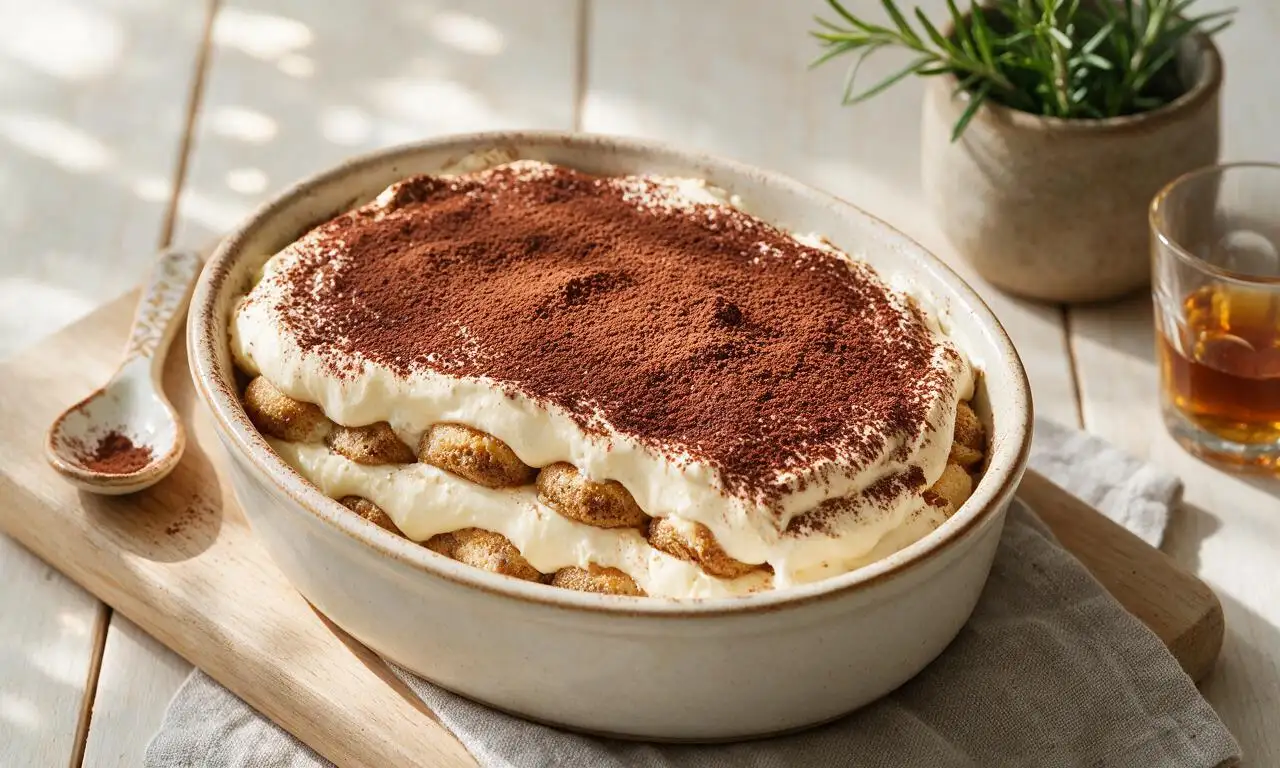
Creamy, coffee-kissed classic Northern Italian no-bake dessert, with layers of rum-spiked mascarpone cream, soft ladyfingers, and a rich cocoa dusting.

⏱️ 4 hours 3Desserts & Baking ★ 4.7
Desserts & Baking
🍜 France

Flaky, shatteringly crisp, buttery French croissants with golden exteriors and soft, airy layered interiors, perfect for pairing with coffee for a special morning treat.

⏱️ 12 hours Desserts & Baking ★ 4.5
Desserts & Baking
🍜 United States

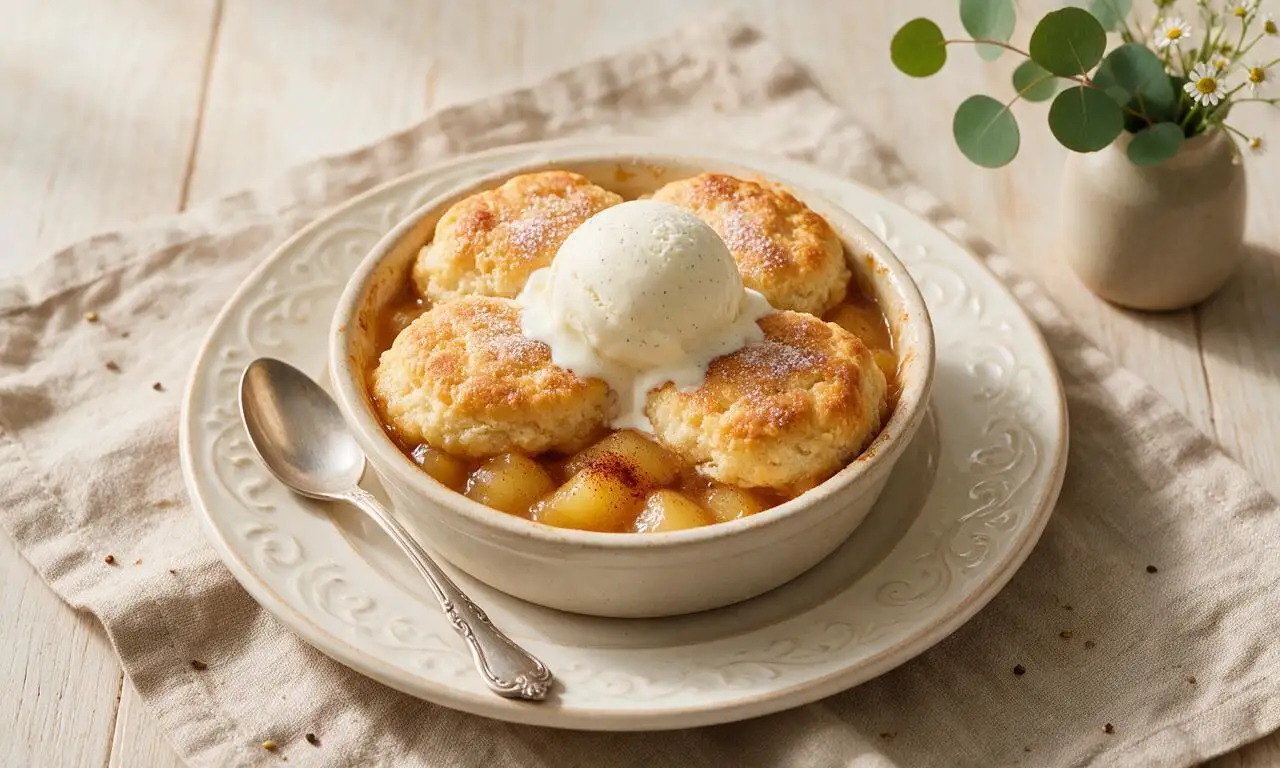
Warm, spiced baked apples topped with a fluffy golden biscuit crust, this cozy dessert pairs perfectly with vanilla ice cream for cool-weather comfort.

⏱️ 55 minuteDesserts & Baking ★ 4.6
Desserts & Baking
🍜 United States

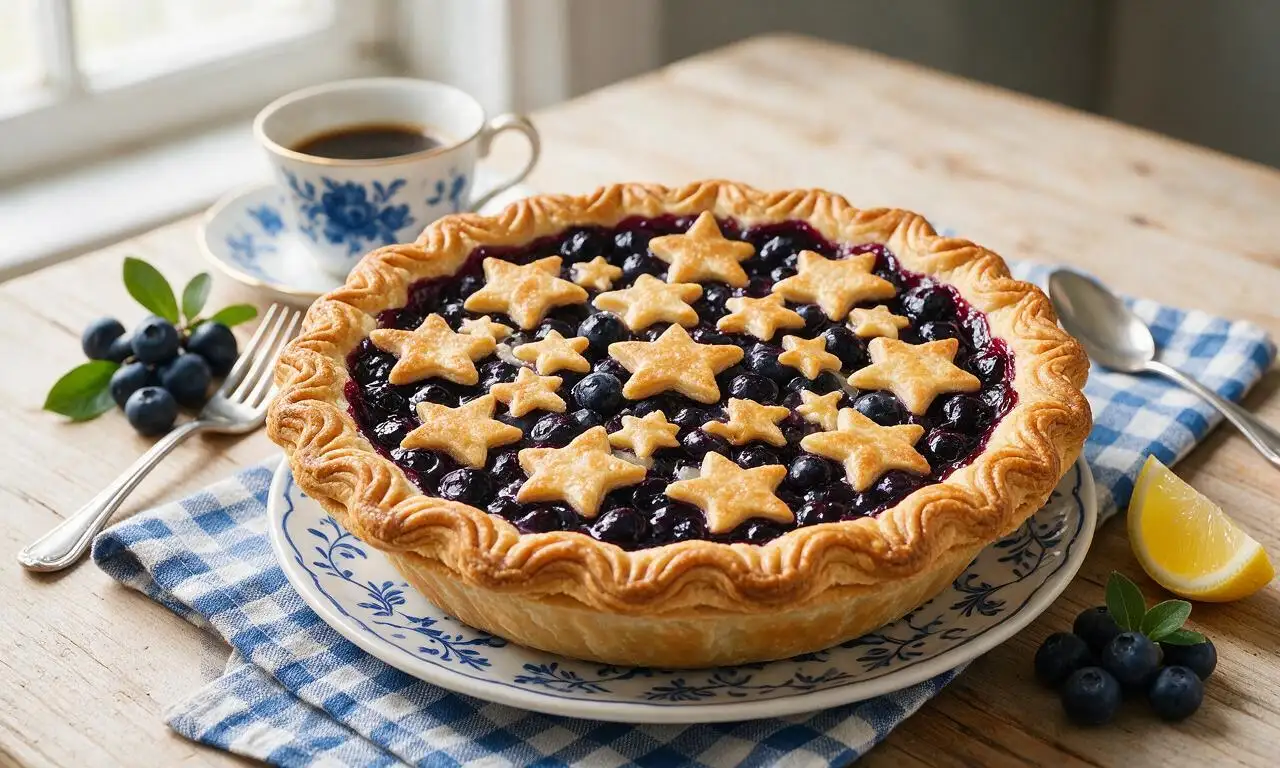
A star-spangled classic American blueberry pie with buttery flaky crust and bright sweet-tart filling, perfect for summer patriotic gatherings.

⏱️ 1 hour 25Desserts & Baking ★ 4.7
Desserts & Baking
🍜 United States

A beloved no-bake regional Maine candy with a chewy coconut-potato center coated in rich dark chocolate, a New England holiday staple since the 1870s.

⏱️ 2 hours 3Desserts & Baking ★ 4.8
Desserts & Baking
🍜 France

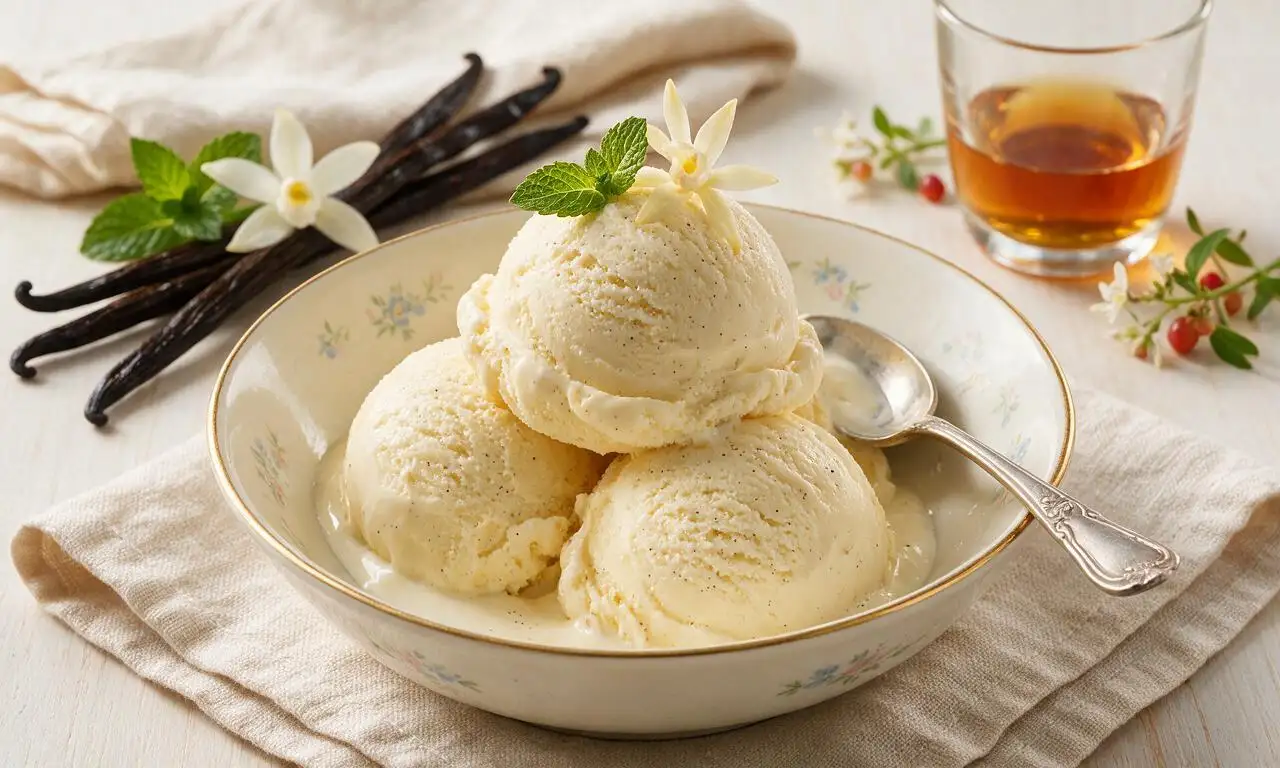
Luxuriously creamy, floral frozen custard made with aromatic Tahitian vanilla beans, boasting a smooth, rich texture that melts slowly on the tongue.

⏱️ 3 hours 3Desserts & Baking ★ 4.5

custard pudding:Frequently Asked Questions

1.Why does my caramel turn grainy instead of smooth when I make it? ▾
Oh, that’s such a common frustration! Grainy caramel forms when undissolved sugar crystals get stirred back into melted sugar, or stray crystals on pan sides re-solidify. Fix this by swirling (not stirring!) the pan as sugar melts, brushing pan sides with a wet pastry brush to dissolve stray crystals, and avoid agitating the sugar once it turns warm deep amber.
2.Can I use low-fat or skim milk instead of whole milk for this pudding? ▾
I don’t recommend it if you want that signature silky texture! Whole milk has the ideal 3.25% fat content to keep custard rich, creamy, and melt-in-your-mouth. Skim or low-fat milk produces a watery, rubbery custard that lacks that lush, velvety mouthfeel. In a pinch, mix 2% milk with 1 tablespoon of heavy cream to bump up the fat content.
3.How do I keep my custard from getting rubbery or curdled? ▾
Curdling and rubbery texture almost always come from too-high heat! Bake the custard in a water bath (bain-marie) to regulate gentle, even heat, and never let the bath water come to a rolling boil. Check for doneness early: edges should be set, but the center will have a soft, jiggly wobble, not firm all the way through.
4.Do I really need to use a water bath when baking this pudding? ▾
Yes, it’s non-negotiable for that silky, crack-free texture! A water bath surrounds the custard with gentle, uniform steam heat that prevents eggs from cooking too fast, which causes curdling, rubbery spots, and cracked tops. Set ramekins in a larger baking pan, then pour hot (not boiling) water halfway up the ramekin sides before baking.
5.Why does my custard have little air bubbles all through it? ▾
Those bubbles come from whisking the egg and milk mixture too vigorously! When you whip too much air into the custard base, those air pockets get trapped as it bakes, creating a spongy, holey texture instead of a smooth, dense one. Whisk gently just to combine ingredients, then strain the base through a fine-mesh sieve before pouring to catch lumps and bubbles.
6.Can I substitute large eggs with egg substitutes for a vegan version? ▾
This classic recipe relies on large eggs for its signature structure and silky wobble, so standard liquid egg substitutes won’t set the same way, leading to a soft, runny texture. For a vegan take, you’d need to reformulate the base with silken tofu or full-fat coconut cream and a small amount of agar agar to replicate that firm, wobbly set.
7.How long do I need to let the pudding chill before serving? ▾
I know it’s hard to wait, but you’ll need to chill fully baked, cooled custards for at least 4 hours, ideally overnight, for the best texture. That chill time lets the custard fully set, lets caramel soften into that glossy, pourable sauce, and lets the vanilla and salt flavors meld perfectly. Don’t rush this step!
8.What does the fine sea salt do in this recipe? Can I leave it out? ▾
That tiny pinch of fine sea salt is a secret weapon! It cuts through the cloying sweetness of the caramel and custard, makes the vanilla flavor pop, and balances every bite so it tastes rich instead of overly sugary. You can leave it out if you really want, but the pudding will taste noticeably flatter and sweeter without it.
9.My caramel hardened as soon as I poured it into the ramekins—did I do something wrong? ▾
That’s totally normal, no mistake there! When you pour hot, melted caramel into cool room-temperature ramekins, it hardens into a crisp, glassy layer within a minute or two. As the custard bakes and then chills, that hard caramel will slowly melt to create that glossy, runny sauce that pours out when you unmold.
10.Can I use vanilla bean paste instead of pure vanilla extract? ▾
Absolutely! Vanilla bean paste is a fantastic swap for pure vanilla extract here, and it will even add those pretty tiny vanilla seed specks throughout the custard for a fancy, artisanal look. Use the exact same measurement as you would extract, and you’ll get the same warm, rich vanilla flavor, plus that nice visual touch.
11.How do I unmold the pudding without it breaking apart? ▾
It’s easier than you think! First, run a thin, sharp paring knife around the very top edge of the ramekin to loosen the custard from the sides. Set a small dessert plate upside down over the ramekin top, hold the plate and ramekin tightly together, and give one firm, quick downward shake. Lift the ramekin straight up to reveal the caramel-draped pudding.
12.Why is my caramel too bitter after it cools? ▾
Bitter caramel means you cooked the sugar just a little too long past its ideal amber stage. Once melted sugar turns a deep, warm golden amber (the color of raw honey), take it off the heat immediately—it will keep cooking for a minute from residual pan heat. If it turns dark brown and smells acrid, it’s burnt, and you’ll need to start that batch over.
13.Can I make this pudding ahead of time for a dinner party? ▾
This is the perfect make-ahead dinner party dessert! Once baked and cooled, cover the ramekins tightly with plastic wrap and keep them in the fridge for up to 3 days before serving. Wait to unmold them until right before you serve, so the caramel stays glossy and the custard doesn’t dry out or pick up off-flavors from the fridge.
14.What size ramekins work best for this recipe? ▾
Standard 6-ounce ceramic ramekins are ideal for this recipe, as they hold the perfect single serving and conduct heat gently for even cooking. If you don’t have ramekins, use small oven-safe glass jars or one larger 1.5-quart baking dish, just add 10-15 extra minutes of bake time for the large dish to set fully in the water bath.
15.Can I add mix-ins like chocolate chips or fruit to the custard? ▾
You can absolutely customize it, but add mix-ins carefully to keep that silky texture! Toss a tiny handful of mini chocolate chips or thin slices of ripe banana on top of the hardened caramel in ramekins before pouring in the custard base. Avoid juicy fresh berries directly in the base, as their excess water will make the custard runny and create watery pockets.
16.Why does my custard have a weird skin on top after chilling? ▾
That skin forms when the top of the custard is exposed to air as it cools and chills, causing surface moisture to evaporate. Prevent this by pressing a small piece of plastic wrap directly onto the surface of each warm custard before putting them in the fridge. If a skin does form, gently scrape it off with a spoon before unmolding, no harm done.
17.Is it normal for the caramel to leak out a little when I unmold the pudding? ▾
That’s not just normal—that’s the sign of a perfect caramel custard! The caramel melts into a thin, glossy sauce as the pudding chills, so when you flip it out, that sauce will drape down the sides of the custard and pool a little on the plate. If caramel is still thick and hard, you likely didn’t chill the pudding long enough.
18.Can I use brown sugar instead of granulated white sugar for the caramel? ▾
I’d stick to granulated white sugar for the caramel for that classic clean, bittersweet flavor and clear, glossy look. Brown sugar has added molasses, which will make the caramel darker, thicker, and have a stronger, toasty, molasses-forward flavor that can overpower the delicate vanilla custard. It works for a twist, but won’t be the traditional version.
19.My custard is still runny in the center after the recommended bake time—what went wrong? ▾
A slightly jiggly center is normal right out of the oven, as custard keeps setting as it cools and chills. If it’s completely liquid even after a full chill, your oven temperature was likely too low, you underbaked it, or you used too much milk relative to your eggs. Next time, use an oven thermometer to check temp, and add 5-10 minutes of bake time if needed.

Comments (11)

2 days ago

OMG this was SO good! Made it for my kid’s after-school snack yesterday and they begged me to make a second batch before dinner. The texture is perfectly silky, no weird lumps at all, and the caramel didn’t burn even when I got distracted helping with math homework lol. 10/10 will be making this for our next potluck!

1 week ago

Super easy recipe, took barely any active time. I was worried I’d mess up the caramel since I always burn sugar, but the timing notes were spot on. Brought it to my friend’s game night and everyone asked for the link before the first quarter ended.

just now

First time making any kind of custard and this turned out perfect! I was so intimidated by water baths but the instructions were so clear. Only tiny note is I wish it was a little sweeter, but that’s just my personal sweet tooth talking. Will add a tiny extra splash of vanilla next time.

5 days ago

Wait, can I make this dairy free? My daughter is lactose intolerant and I’ve been hunting for a creamy caramel pudding that doesn’t use cow’s milk that actually tastes good, not like weird coconut aftertaste.

3 days ago

Great question! You can absolutely swap the whole milk for full-fat barista blend oat milk for the closest creamy, neutral flavor – it has none of that strong coconut aftertaste you’re worried about! If you don’t mind a subtle coconut note, full-fat coconut cream works too, just stick to unsweetened plant milks so the caramel doesn’t get overly sweet.

1 week ago

Made this for Sunday family dinner and even my super picky father-in-law who “doesn’t like sweet stuff” had two servings. Game changer dessert for when you don’t want to spend hours in the kitchen.

5 days ago

Oh my gosh same! My husband swears he doesn’t like custard but he ate half the pan when I made this last weekend, I couldn’t believe it. Total crowd pleaser even for the stubborn people in your life lol.

2 weeks ago

How long does this keep in the fridge? I want to make a batch on Sunday for weekday lunches for my team at work, but I don’t want it to get watery or weird by Wednesday.

2 weeks ago

It keeps beautifully for 3-4 days when stored correctly! Just press plastic wrap directly to the surface of the custard (not just over the top of the dish) to prevent a tough skin from forming, and it won’t get watery at all. It actually gets even richer on day two as the caramel melts more into the custard, so it’s perfect for meal prep!

30 minutes ago

Has anyone tried adding a little dark chocolate drizzle on top? I’m a total chocolate fiend and I think that would slap, but I don’t want to mess up the perfect silky vibe of the custard.

5 minutes ago

I did that last week! Let the custard cool completely in the fridge first then drizzle melted dark chocolate on top right before serving, it’s chef’s kiss, doesn’t mess with the texture at all. I added a tiny pinch of sea salt on the chocolate too, so good.

2 hours ago

This recipe is so straightforward even my 10 year old granddaughter was able to help me make it when she visited last weekend! We had such a fun time, and the end result tasted just like the flan my mom used to make when I was a kid.

30 minutes ago

That makes us so happy to hear! Getting kids in the kitchen is the best, and it sounds like you two made such a sweet memory (pun totally intended) making this recipe together. Nothing beats that nostalgic, homemade caramel flavor!

2 days ago

Help! I tried making this last night and my caramel turned into a hard crunchy rock as soon as I poured it into the ramekins, what did I do wrong? I followed the cook time exactly and I’m so sad, I was really looking forward to this :(

yesterday

Oh I did that the first time too! I realized my ramekins were ice cold straight from the dishwasher, which made the hot caramel seize up instantly. Leave your ramekins out on the counter to come to room temp while you make the caramel, it makes all the difference!

yesterday

That’s exactly the most common culprit! Cold ramekins will make hot caramel harden on contact, but don’t worry – even if it hardens at first, that layer will melt into a perfect runny caramel sauce as the custard bakes in the water bath. Next time just pull your ramekins out 10 minutes before you start the caramel, and you’ll be golden!

5 days ago

Can I use a sugar substitute for the caramel? I’m cutting back on refined sugar but I’m craving that caramel flavor so bad, I’ve tried other recipes with monk fruit sweetener and they always taste weirdly bitter or get gritty.

3 days ago

I used allulose for the caramel last month and it worked perfectly! No bitter aftertaste, it melts and browns just like regular sugar, you can barely tell the difference. Skip the erythritol blends for sure, those get super gritty when they cool.

2 days ago

Allulose is absolutely our top sugar swap for this recipe! It caramelizes at almost the exact same temperature as granulated sugar so you barely have to adjust the cook time, just keep a close eye on it since it can brown a touch faster. Monk fruit-allulose blends work too, but straight monk fruit or erythritol blends tend to get bitter or grainy just like you experienced!

3 days ago

Y’all I brought this to my neighborhood block party on Saturday and people were literally lining up for seconds. I had three neighbors knock on my door the next day asking for the recipe, I feel like a celebrity baker now lmao. I topped mine with a little fresh whipped cream and a sprinkle of flaky sea salt, 100% recommend that upgrade.

2 days ago

The flaky sea salt addition is genius! I never thought to add that, I bet it cuts the cloying sweetness perfectly. Gotta try that next time I make this, which will probably be this weekend tbh, I’m already craving it.

yesterday

We are obsessed with that flaky sea salt and whipped cream topping! The salty-sweet balance takes this already silky pudding to the next level, and we’re so stoked it was such a smash hit at your block party. That’s the kind of recipe win we live for!