1.Do I have to use Mission figs, or can I swap in another dried fig variety?
▾
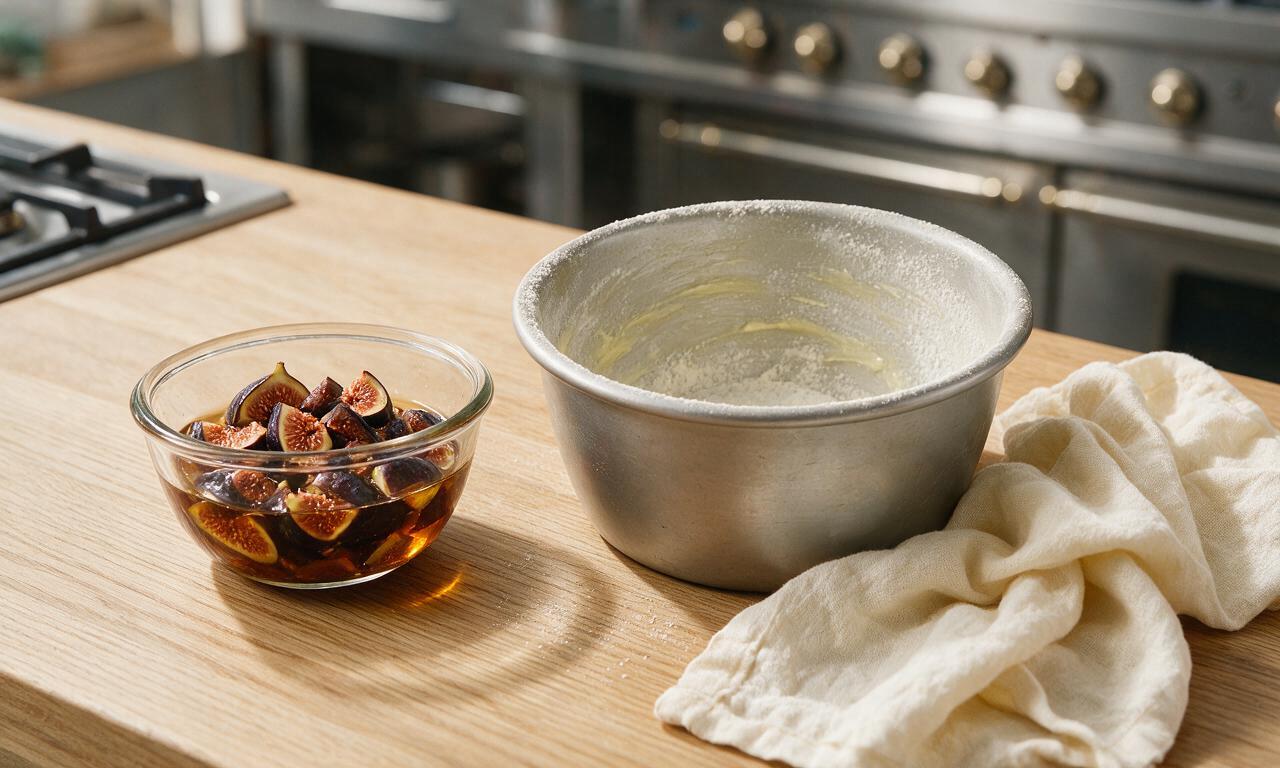
You can absolutely swap for other unsweetened dried figs like Calimyrna or Brown Turkey if Mission figs are hard to find—just skip pre-sugared or candied dried figs, as they’ll throw off the recipe’s balanced warm sweetness. Whatever fig you use, make sure they’re plump, and soak them the full recommended time in brandy so they stay tender through steaming, with no tough chewy bits.
2.How long do I need to soak the figs in brandy before making the pudding?
▾
For the deepest, most rounded flavor and perfectly soft fig pieces, soak chopped dried figs in brandy for a minimum of 2 hours at room temperature, or up to 24 hours covered in the fridge. If you’re short on time, simmer them in brandy for 5 minutes, then let rest 30 minutes to cut soak time down without losing that rich, boozy depth.
3.Can I make this pudding non-alcoholic for kids or guests who don’t drink?
▾
Definitely! Swap the brandy for fig juice, unfiltered apple cider, or strongly brewed spiced black tea for the fig soak, and skip the flaming brandy pour at serving. You’ll still get that rich, spiced, fruity depth everyone expects from figgy pudding—just add a pinch of extra nutmeg and clove to amp up that warm holiday flavor.
4.Do I need a special traditional pudding basin to steam this, or can I use regular kitchen equipment?
▾
You don’t need a fancy imported pudding basin! A 1.5-quart heatproof glass or ceramic mixing bowl works perfectly, as long as you can create a tight, sealed cover for steaming. Just make sure the bowl fits inside your large stock pot with 1 inch of space around the sides for steam to circulate evenly for consistent cooking.
5.Why does this recipe call for fresh white breadcrumbs instead of regular all-purpose flour?
▾
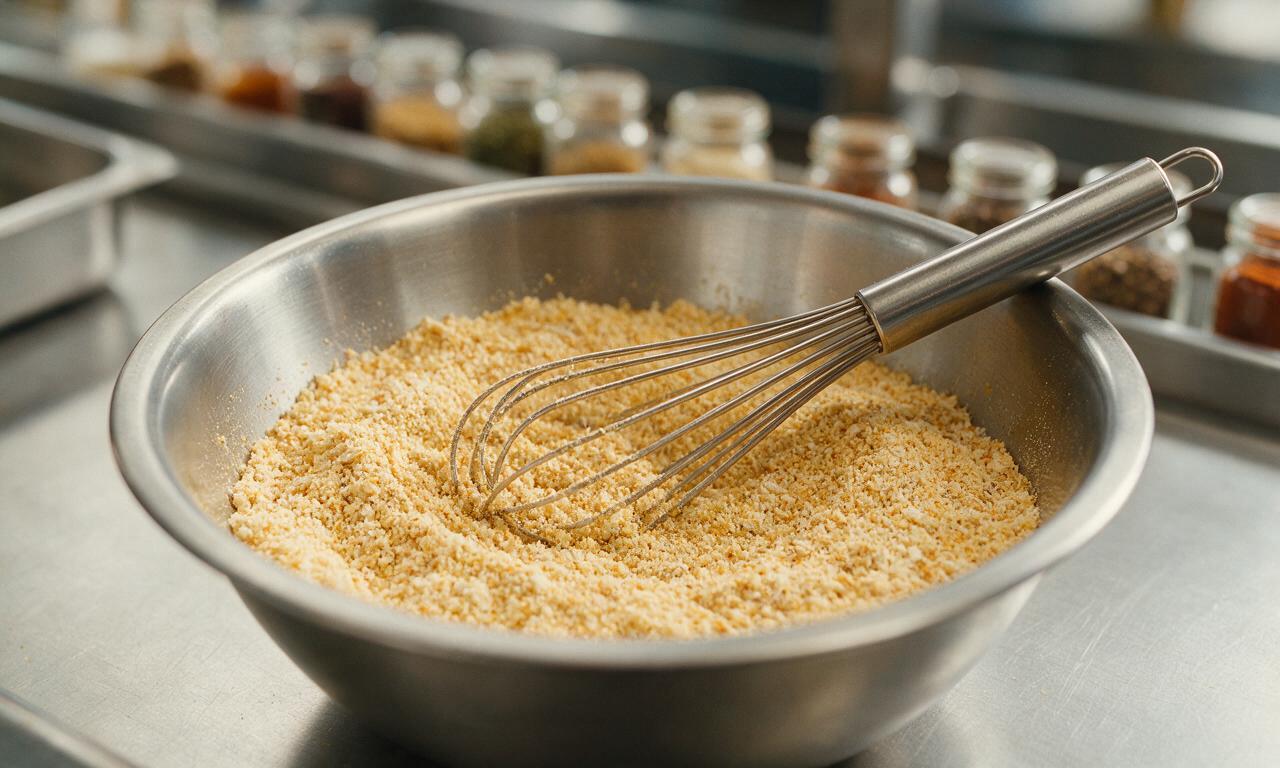
Fresh white breadcrumbs are the traditional secret to that signature tender, moist, light crumb that sets steamed figgy pudding apart from dense, heavy fruitcake. Flour would create a firmer, cakier texture that doesn’t hold up to long, slow steaming as well. Blitz soft, crustless white sandwich bread in a food processor right before mixing—skip dried store-bought crumbs, which make the texture gritty.
6.How do I keep water from getting into the pudding and making it soggy while it steams?
▾
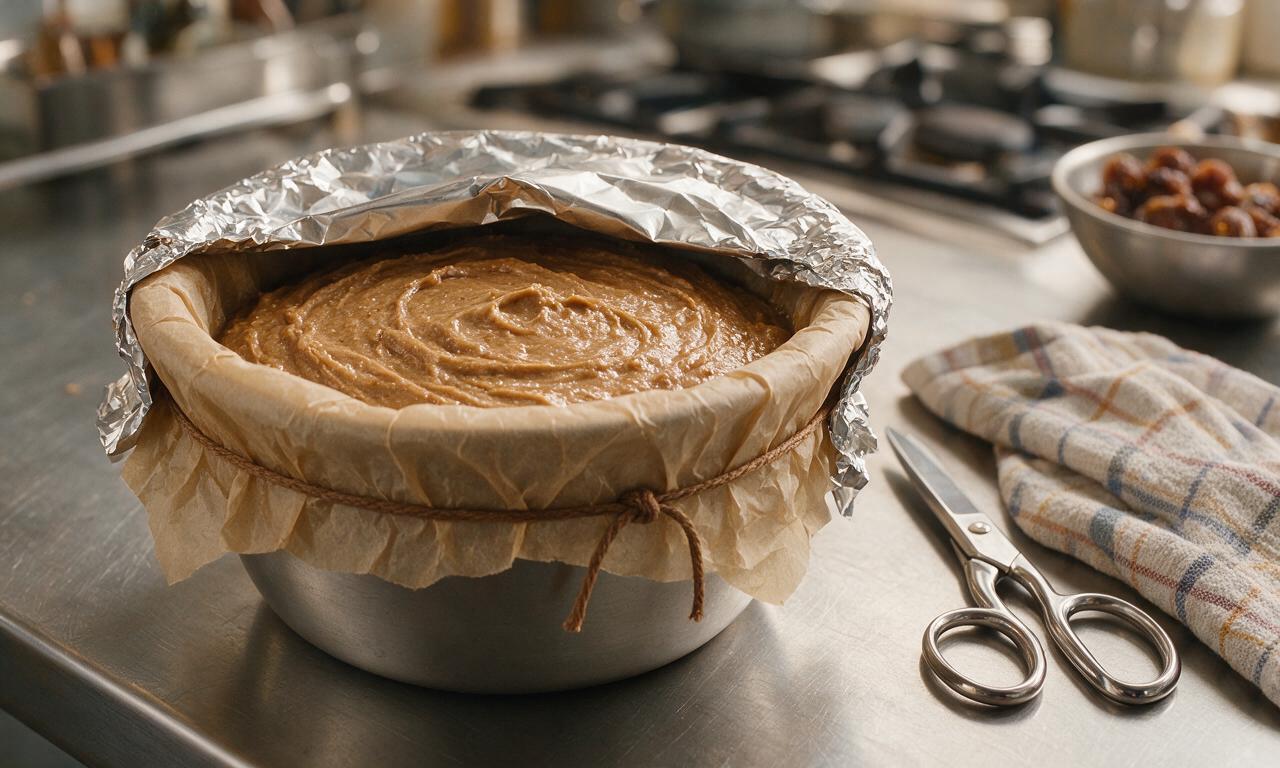
The trick to a soggy-free pudding is a tight, properly sealed cover for your basin. Top the filled pudding bowl with a double layer of buttered parchment, then a layer of aluminum foil, crimping edges tightly around the bowl rim to create a waterproof seal. Tie it with kitchen twine around the bowl lip, and keep simmering water no higher than halfway up the basin sides as it cooks.
7.How long does the pudding need to steam, and how do I know for sure it’s fully done?
▾
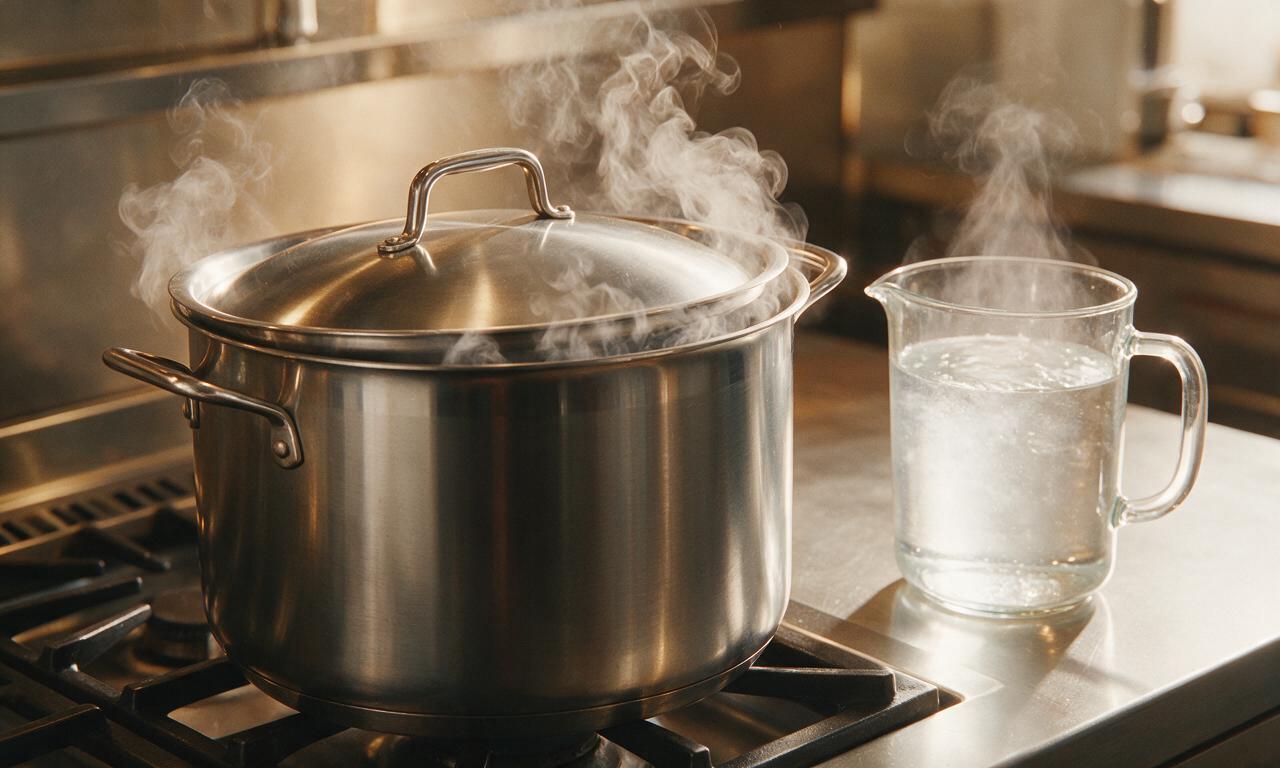
Plan for a steady 3 to 3.5 hours of gentle, constant simmering to cook the pudding all the way through. You’ll know it’s done when a long skewer inserted into the very center comes out clean, with no wet, sticky batter clinging to it. Check the pot’s water level every 45 minutes, topping up with boiling water as needed so the pot never runs dry mid-cook.
8.Can I make this pudding ahead of time, like the traditional aged British Christmas pudding?
▾
Absolutely—this figgy pudding actually gets better with a little rest! Once it’s fully steamed and cooled completely, wrap it tightly in fresh parchment and foil, and store it in a cool, dark spot (or the fridge) for up to 4 weeks before serving. Every week, brush the surface with a tablespoon of brandy to keep it moist and deepen that rich spiced flavor as it ages.
9.My pudding stuck to the bowl when I tried to turn it out—what did I do wrong?
▾
Sticking almost always comes from skipping the proper prep for your basin! Before pouring in the batter, thoroughly butter the entire interior of your steaming bowl, then dust it with a light coating of fine breadcrumbs or flour, tapping out any excess. When done steaming, let the pudding rest 10 minutes in the bowl before running a thin knife around the edge and inverting it to release cleanly.
10.What’s the easiest, safest way to do the traditional flaming brandy pour at serving?
▾
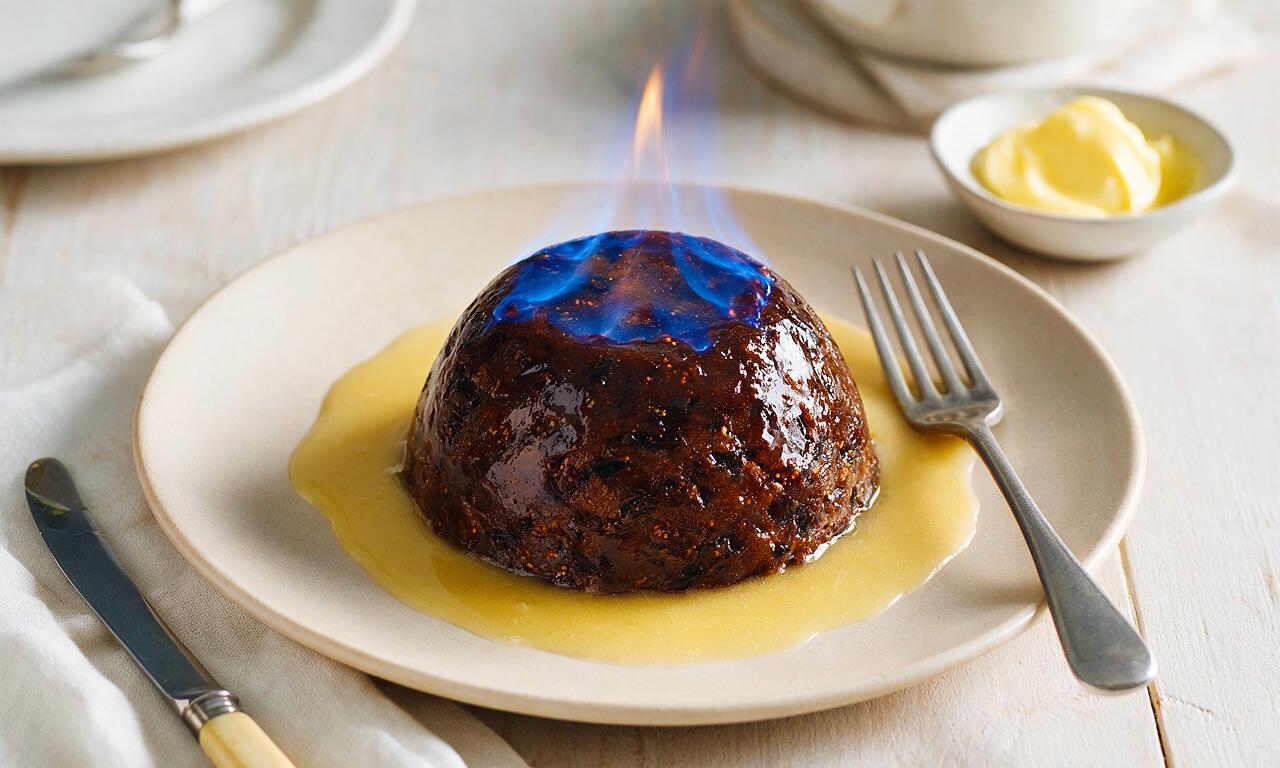
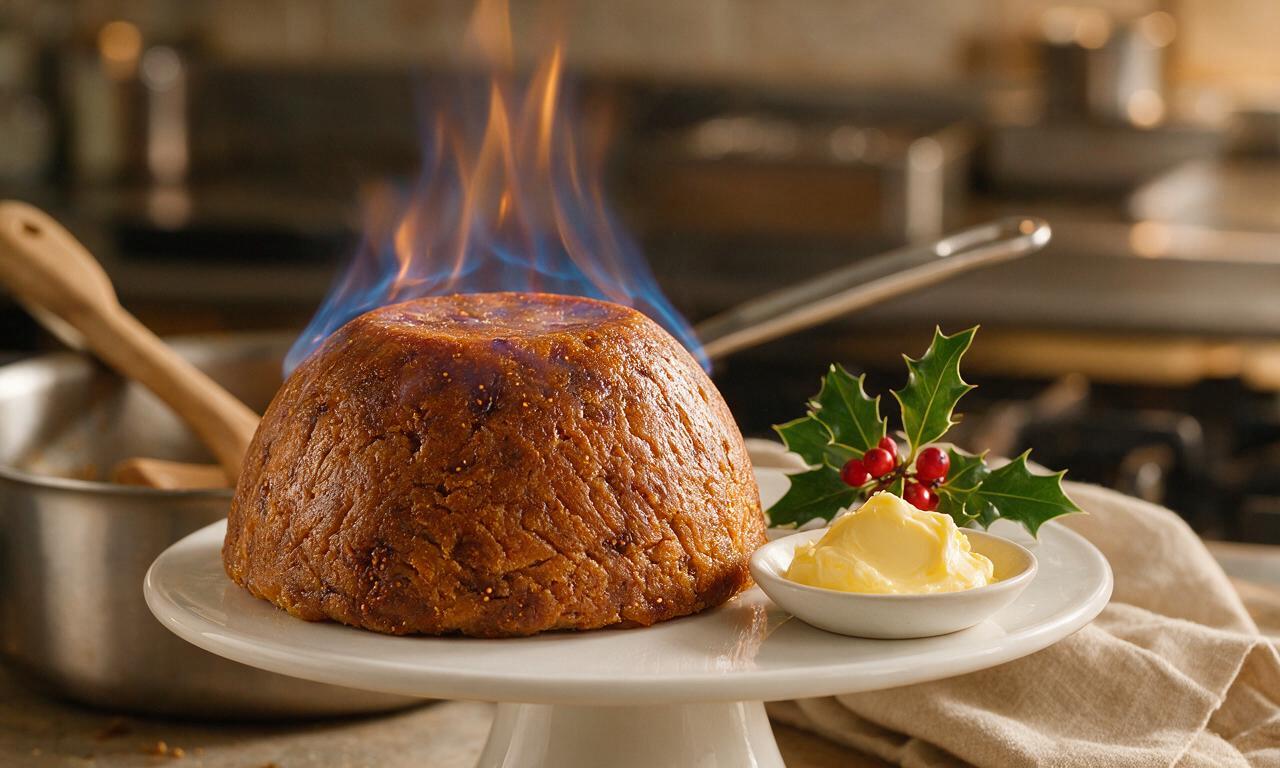
First, set your pudding on a heatproof serving platter away from loose napkins or flammable decor. Warm 3 tablespoons of brandy in a small saucepan over low heat until just barely steaming (don’t boil it), then carefully light it with a long match, and pour the flaming brandy slowly over the pudding. The flame will die out on its own in 30 to 45 seconds, so no need to blow it out.
11.Do I have to serve it with brandy butter, or are there other tasty serving options?
▾
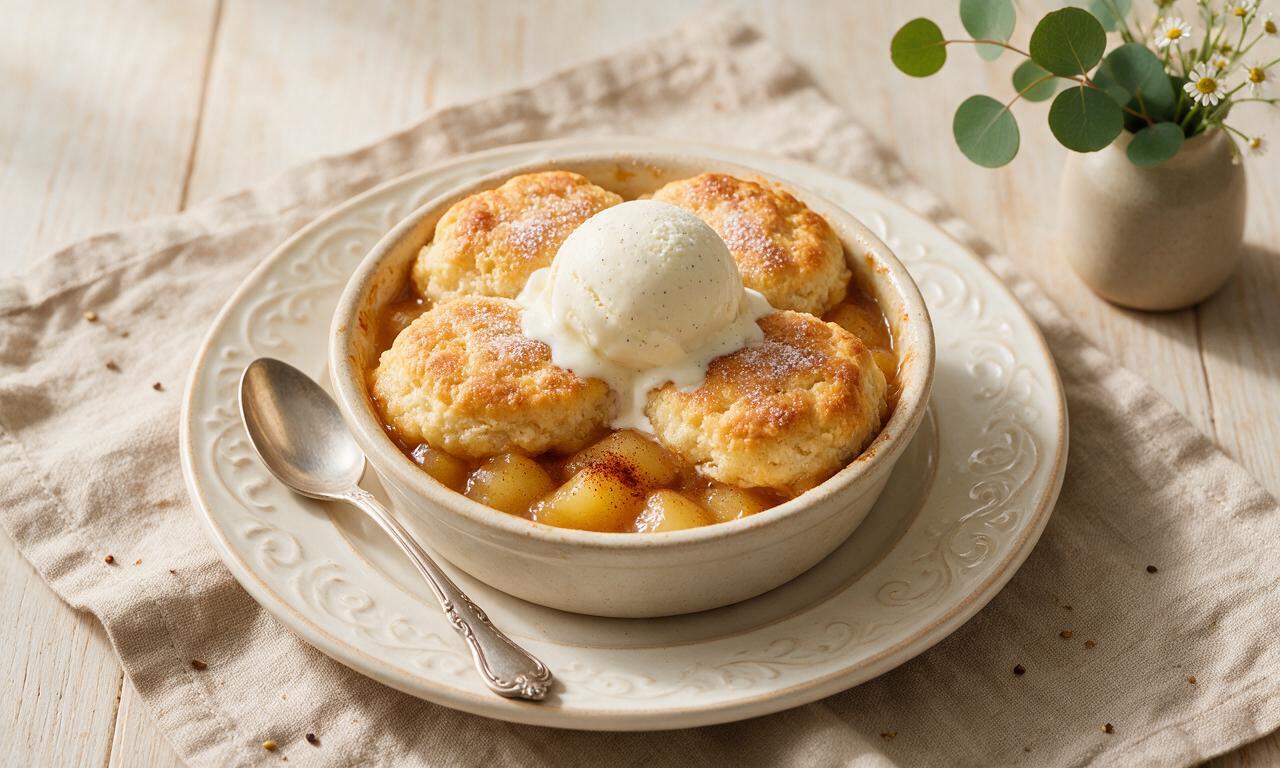
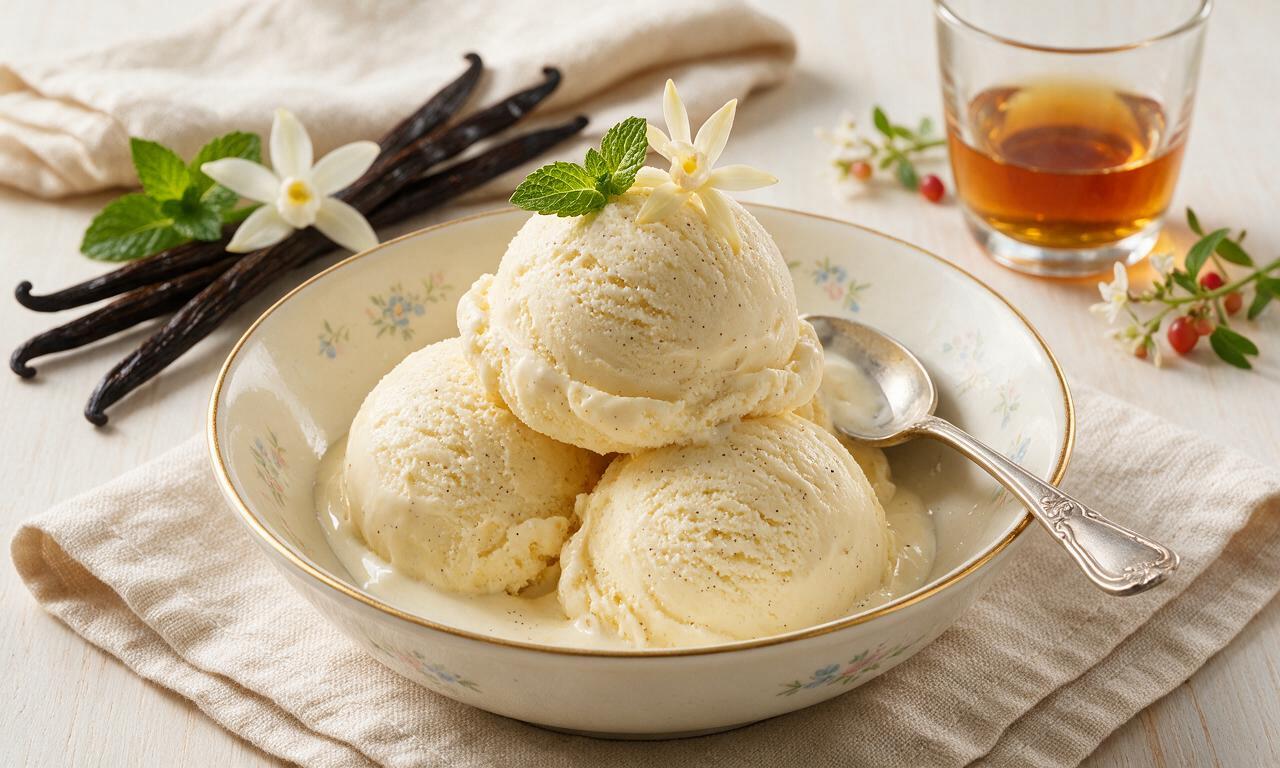
Brandy butter is the classic pairing, but you’ve got lots of great options! Homemade vanilla crème anglaise, freshly whipped heavy cream with a pinch of cinnamon, a drizzle of salted caramel, or even a scoop of vanilla bean ice cream all work beautifully. Just skip heavy, overly sweet toppings—the pudding is already rich, so you want a creamy, slightly bright counterpart to balance it.
12.Can I add other dried fruits, like raisins or currants, to the pudding mix?
▾
You can absolutely mix in up to ½ cup of additional dried fruit if you’d like—golden raisins, dried currants, chopped dried apricots, or even candied orange peel all pair beautifully with the fig and spice flavors. Just don’t add more than that total, or you’ll throw off the batter-to-fruit ratio, and the pudding won’t hold its tender, cohesive crumb when sliced.
13.Can I steam this pudding in an Instant Pot or electric pressure cooker to save time?
▾
Yes, that’s a fantastic time-saving hack! Place the sealed pudding basin on the trivet inside your Instant Pot, add 2 cups of water to the pot, then cook on high pressure for 45 minutes, followed by a 15-minute natural pressure release before venting. It will have the exact same moist, tender crumb as stovetop pudding, in a third of the cook time—just double check the center is set with a skewer before serving.
14.My last steamed pudding turned out dense and heavy, not light and tender—what went wrong?
▾
Dense pudding usually comes from one of three common missteps: packing breadcrumbs too tightly when measuring, not sealing the basin properly so steam escaped during cooking, or steaming at a rolling boil instead of a gentle, steady simmer. Next time, fluff breadcrumbs lightly when measuring, double check your foil seal, and keep water at a soft bubble so the pudding cooks gently without compression.
15.Can I adapt this recipe to be gluten-free for guests with celiac or gluten sensitivities?
▾
Absolutely! Swap the fresh white breadcrumbs for fresh crumbs made from your favorite soft gluten-free white sandwich bread, and double check that other ingredients (like dried figs and brown sugar) don’t have hidden gluten additives. The texture will be nearly identical to the traditional version, as long as you use soft fresh bread instead of dry pre-made gluten-free crumbs, which tend to be gritty.
16.How should I store leftover figgy pudding, and how long will it stay good to eat?
▾
Wrap leftover cooled pudding tightly in plastic wrap or aluminum foil, and store it in the refrigerator for up to 2 weeks. To reheat individual slices, wrap them in a damp paper towel and microwave for 20 to 30 seconds, or re-steam the whole leftover pudding for 30 minutes until heated through. You can also freeze wrapped slices for up to 3 months, thawing in the fridge before reheating.
17.Why is it called figgy pudding if it’s not the soft, creamy pudding most Americans are used to?
▾
That name gap comes from British vs. American food terminology! In traditional British cooking, “pudding” refers to any steamed, dense, boiled, or baked dessert, not the soft, custardy, spoonable pudding most Americans know. Figgy pudding gets its name from the dried figs that star in the recipe, which have been used in British holiday steamed desserts for hundreds of years.
18.Do I need to reheat the pudding before serving, or can I eat it straight from the fridge cold?
▾
While you can eat cold leftover figgy pudding straight from the fridge, it’s infinitely better served warm, when the spices are fragrant, the fig bits are soft, and the crumb is tender. If you’re serving a whole aged or make-ahead pudding, re-steam it for 1 to 1.5 hours until heated all the way through right before serving, so it’s the perfect temperature to melt dollops of brandy butter on top.



OMG, I made this for our annual family Christmas Eve dinner and it was a total hit! I was so nervous steaming a pudding for the first time (the medium difficulty rating had me sweating a little tbh) but the instructions were so clear. My kids went back for seconds, even my super picky father-in-law asked for the recipe! SO good, will be making this every holiday from now on.
Game changer! I’ve been making figgy pudding from an old family recipe for years and this version is way moister and more flavorful. The 2 hour 45 minute cook time felt long but it was 100% worth the wait. I brought it to my office holiday party last week and people were literally begging me for the link. Only hack I used: I added a tiny extra splash of brandy to the hard sauce, zero regrets 😂
Tried this for the first time this holiday season after seeing figgy pudding mentioned in A Christmas Carol, lol. I was worried the medium difficulty would be too much for me as someone who mostly sticks to meal prep and simple weeknight meals, but the step-by-step steaming instructions were super easy to follow. Turned out great! I served it with vanilla bean ice cream instead of hard sauce because that’s what I had in the freezer, and it still slapped. Only reason I’m not giving 5 stars is I wish the cook time was a little shorter, but I get that’s just how traditional steamed pudding works. Will definitely make again next year!
I tested this recipe last weekend to see if it would work for my big family Christmas dinner (12 people coming!) and it was incredible. Quick question though: has anyone tried making this ahead of time and freezing it? I’m trying to get as much meal prep done ahead as possible so I’m not stuck in the kitchen the whole day when guests are over. Would love to know if it freezes well, or if I should just make it the day before and re-steam it a little before serving!