1.What spring vegetables work best in this frittata?
▾
Stick to tender, quick-cooking spring picks: asparagus, baby spinach, sugar snap peas, thinly sliced leeks, fresh chives, and quartered baby artichoke hearts all shine here. Pat extra-wet veggies like spinach dry after sautéing to avoid a soggy final frittata, and chop all pieces bite-sized for even distribution across every slice.
2.Can I use skim or plant-based milk instead of whole milk?
▾
Whole milk delivers that signature rich, custardy texture we love, but 2% milk works fine if that’s what you have on hand. Skip skim milk, as it leads to a watery, rubbery frittata. Unsweetened oat or soy milk works for dairy-free batches, though the texture will be slightly less creamy than the classic dairy base.
3.Do I really need both Parmigiano-Reggiano and low-moisture mozzarella?
▾
The two cheeses serve very different purposes! Sharp, salty Parmigiano-Reggiano adds deep umami depth, while low-moisture mozzarella melts into that stretchy, gooey, mild cheese pull everyone loves. If you’re short one, swap fontina for mozzarella or aged Asiago for Parm, but the combo gives the most balanced flavor.
4.What size and type of pan works best for this frittata?
▾
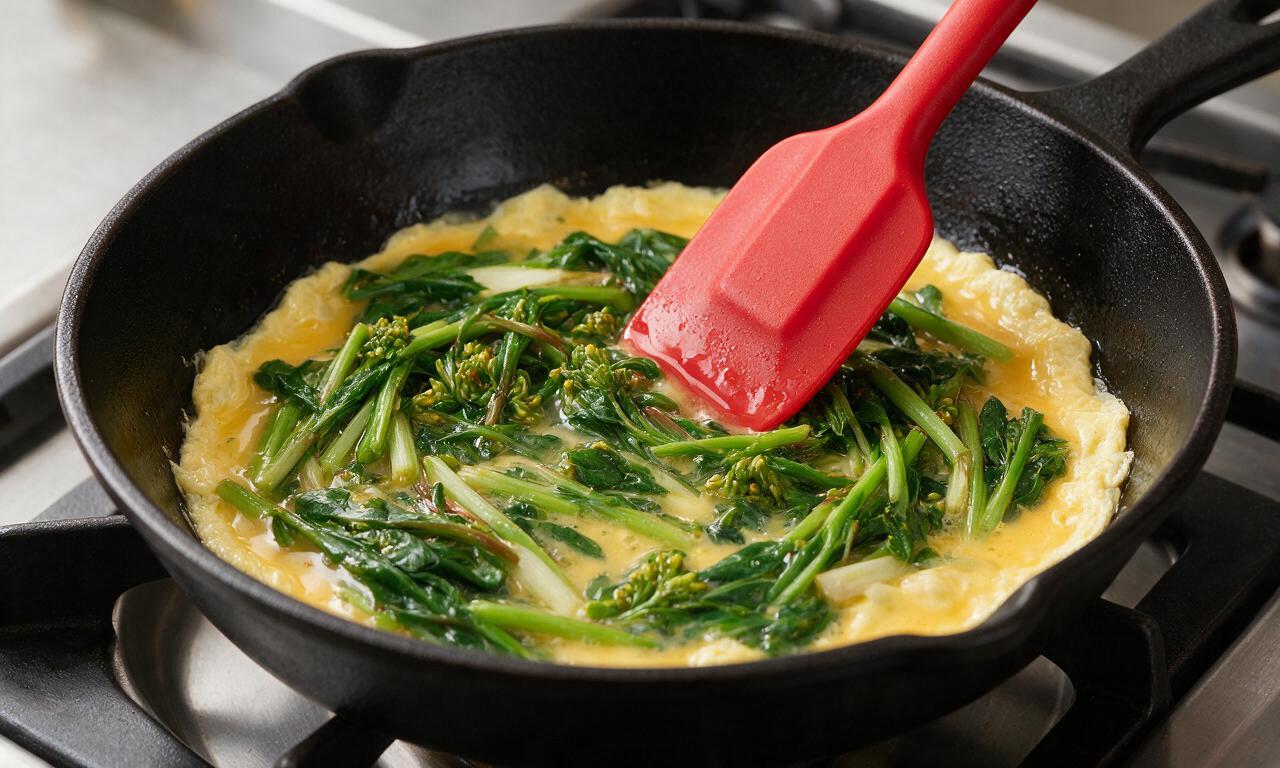
A 10-inch oven-safe nonstick or well-seasoned cast iron skillet is perfect for this recipe. It conducts heat evenly, lets you go straight from stovetop to broiler, and yields a frittata that’s 1.5 to 2 inches thick—the ideal ratio of fluffy egg to filling. Skip smaller pans, which make the egg layer too thick to cook evenly.
5.How do I keep my frittata from turning rubbery?
▾
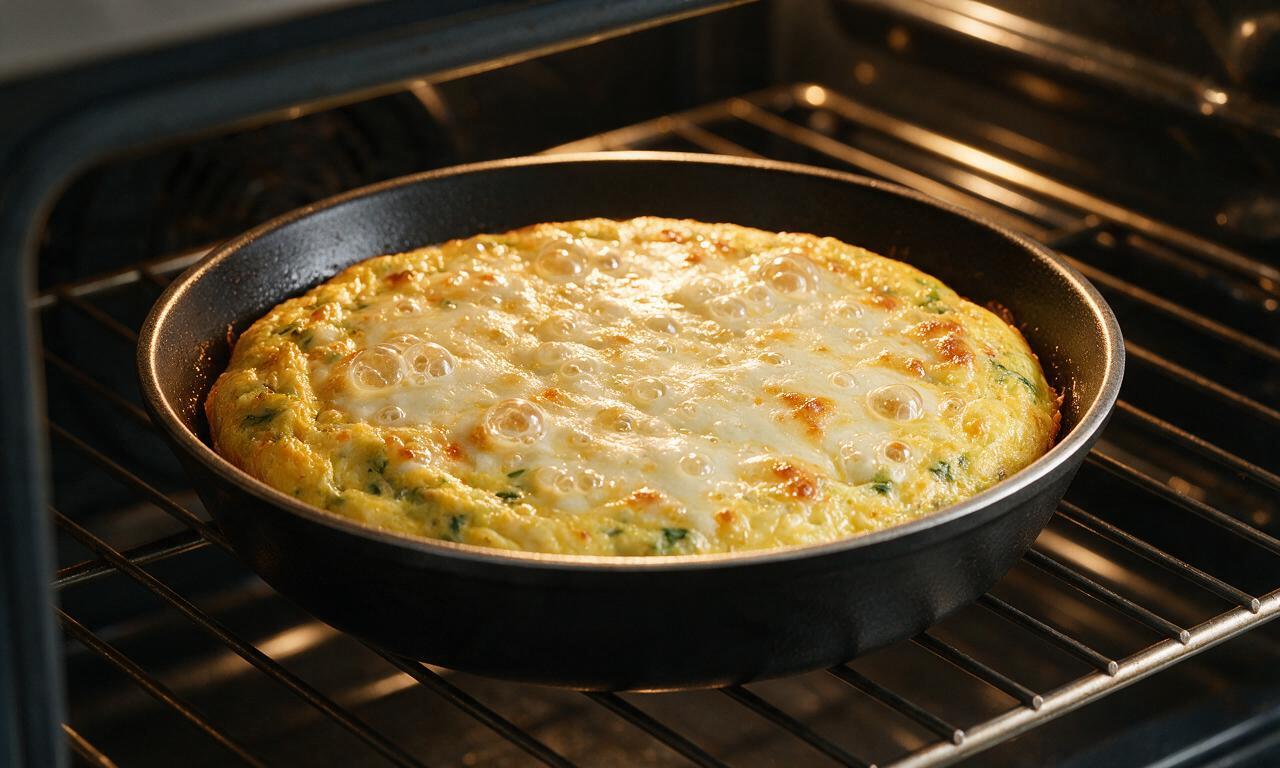
The top cause of rubbery frittata is overcooking! Cook the stovetop portion over medium-low (not high) heat just until the edges set, then finish under a low broiler for 2 to 3 minutes until the center is barely jiggly. It will keep cooking from residual pan heat as it rests. Don’t overbeat the eggs, either, as extra air deflates into a tough, dense texture.
6.Can I add meat to this otherwise vegetarian frittata?
▾
Absolutely! Crispy cooked bacon, diced pancetta, crumbled cooked Italian sausage, or diced smoked ham make delicious, savory additions. Just make sure any meat is fully cooked and patted dry of excess grease before adding it to the egg mixture, so extra fat doesn’t make the frittata greasy or throw off the delicate custard texture.
7.How do I tell when the frittata is fully done and safe to eat?
▾
The frittata is done when edges are fully set and slightly puffed, the top is lightly golden from the broiler, and the very center has a soft, subtle jiggle (not sloshy raw egg) when you nudge the pan. An instant-read thermometer inserted into the center should read 160°F, and the center will set fully as it rests for 5 minutes before slicing.
8.Is this frittata good for weekly meal prep?
▾
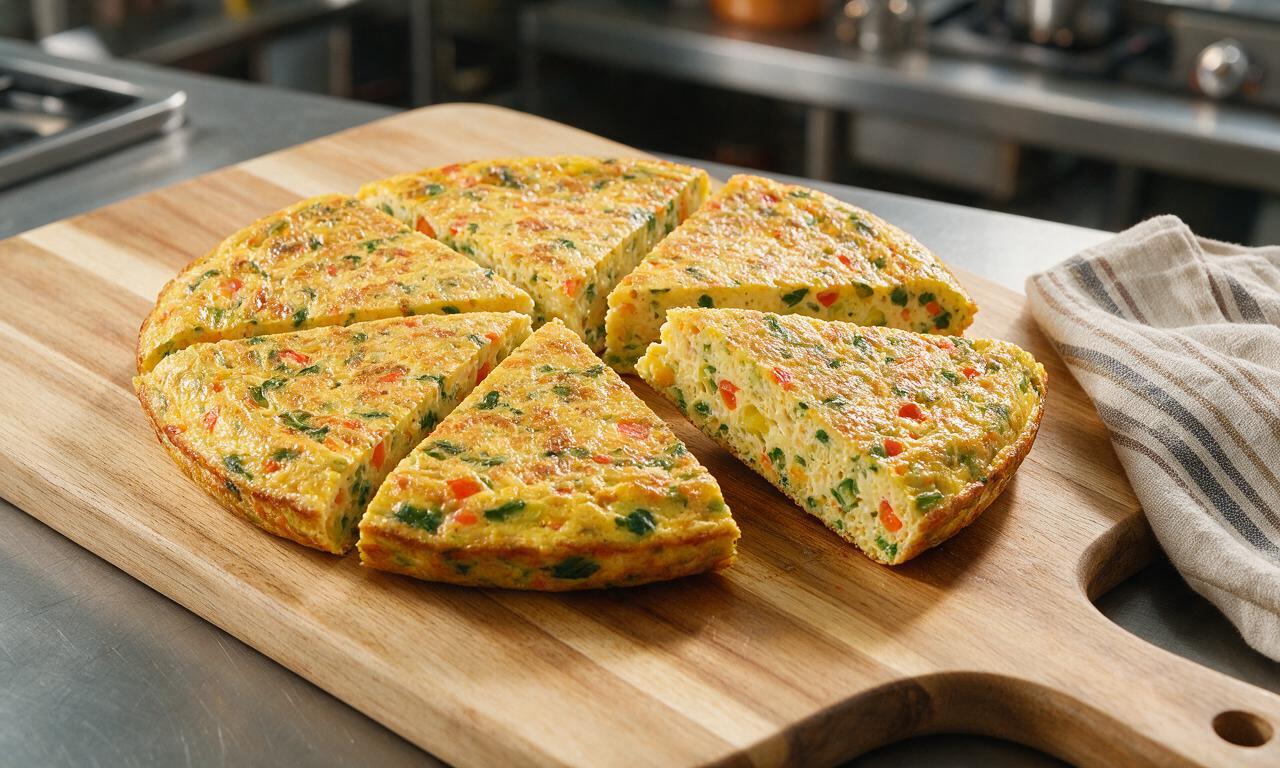
This frittata is ideal for meal prep! Let it cool fully, slice into individual portions, and store in airtight containers in the fridge for up to 4 days. Reheat slices in the microwave for 30 to 45 seconds, or in a 350°F toaster oven for 3 to 4 minutes for a crispier edge, with almost no texture loss when stored properly.
9.Why did my last frittata come out watery?
▾
Watery frittata almost always traces back to two common issues: undercooked high-moisture veggies, or overcooked eggs that curdle and leach water. Always sauté wet veggies like spinach, zucchini, or fresh tomatoes first to cook off excess moisture, and pull the frittata out right when the center is just set to avoid curdling the custard.
10.Can I freeze leftover frittata slices?
▾
Yes! Wrap individual slices tightly in plastic wrap, then tuck them into a labeled freezer bag for up to 3 months. Thaw slices overnight in the fridge before reheating, or reheat straight from frozen in a 350°F oven for 10 to 12 minutes until warmed through. Skip freezing batches with very watery veggies like fresh tomato, which turn mushy when thawed.
11.Do I have to broil the frittata, or can I cook it fully on the stovetop?
▾
Broiling gives that signature lightly golden, puffed top and ensures the center sets evenly without overcooking the bottom, but you can cook it fully stovetop if you don’t have a broiler-safe pan. Just cover the skillet with a lid over low heat for 4 to 5 minutes, checking often, until the center is just set to avoid burning the bottom layer.
12.Is pre-shredded grocery store cheese okay to use here?
▾
Pre-shredded cheese works in a pinch, but note that it’s coated in anti-caking agents like potato starch that keep it from melting as smoothly as freshly shredded cheese. For the creamiest, gooiest texture, shred your Parmigiano-Reggiano and low-moisture mozzarella fresh off the block right before mixing it into your egg base.
13.What are the best sides to serve with this frittata?
▾
This frittata is incredibly versatile! Serve warm slices for brunch alongside a simple arugula salad tossed with lemon vinaigrette, crispy roasted potatoes, or fresh seasonal berries. It also works great for quick weekday breakfasts, light lunches, or simple weeknight dinners paired with crusty sourdough to soak up cheesy bits.
14.How many eggs do I need for the perfect fluffy, custardy texture?
▾
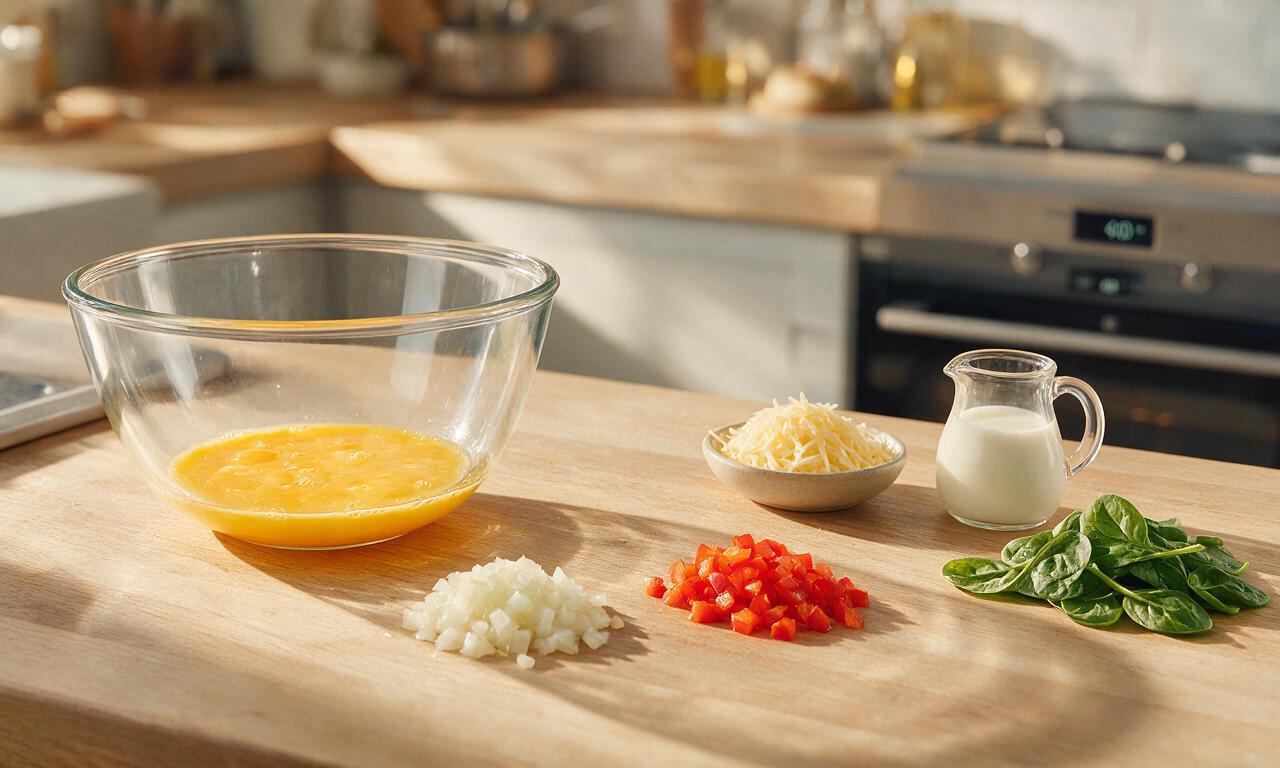
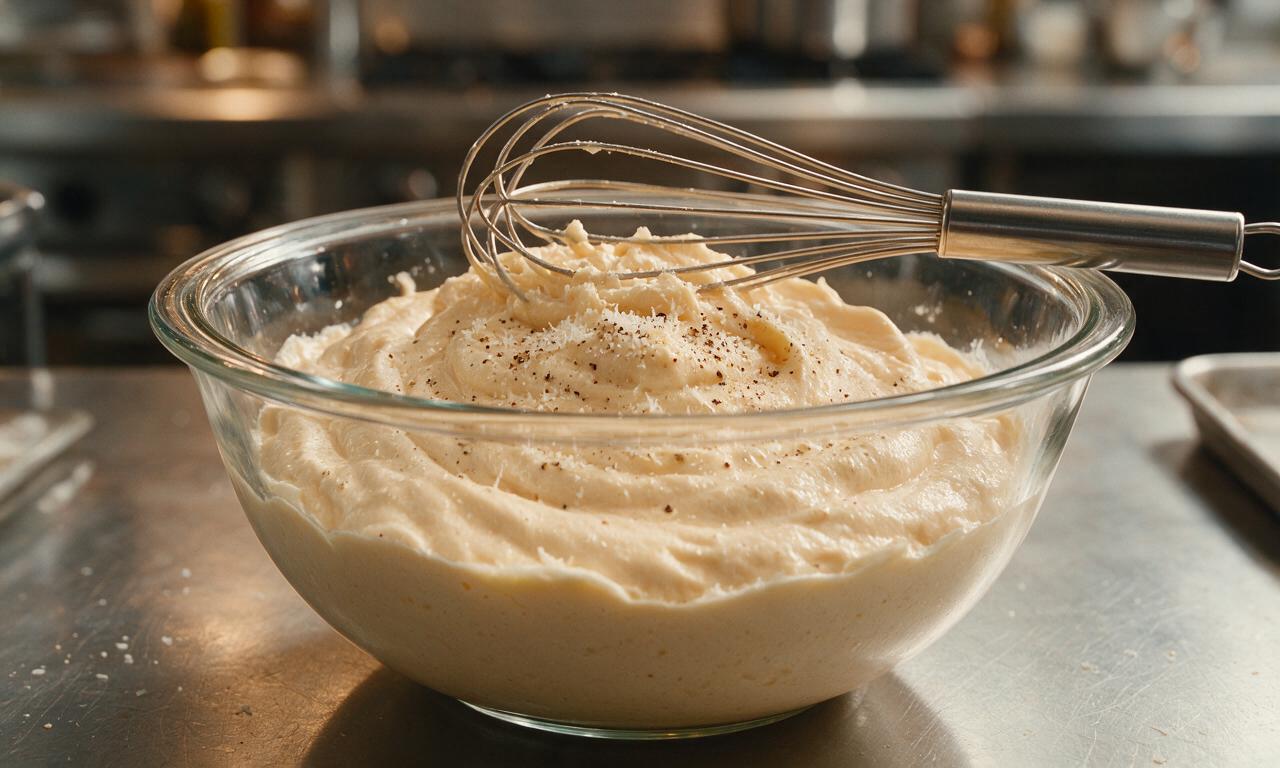
For the recommended 10-inch skillet, use 8 large eggs whisked with ½ cup whole milk to hit that ideal custard ratio. Too few eggs will make a thin, flat frittata, while too many will create a thick, dense layer that cooks unevenly and turns tough long before the center has a chance to set properly.
15.Can I make this frittata completely dairy-free?
▾
You can pull off a great dairy-free version with a few simple swaps: swap whole milk for unsweetened plain oat milk (it has the closest creamy texture to dairy), and use a dairy-free low-moisture mozzarella alternative plus nutritional yeast in place of Parmigiano-Reggiano for that salty, umami kick. Stick to the same cooking method for reliable results.
16.Do I need to sauté the vegetables before adding them to the eggs?
▾
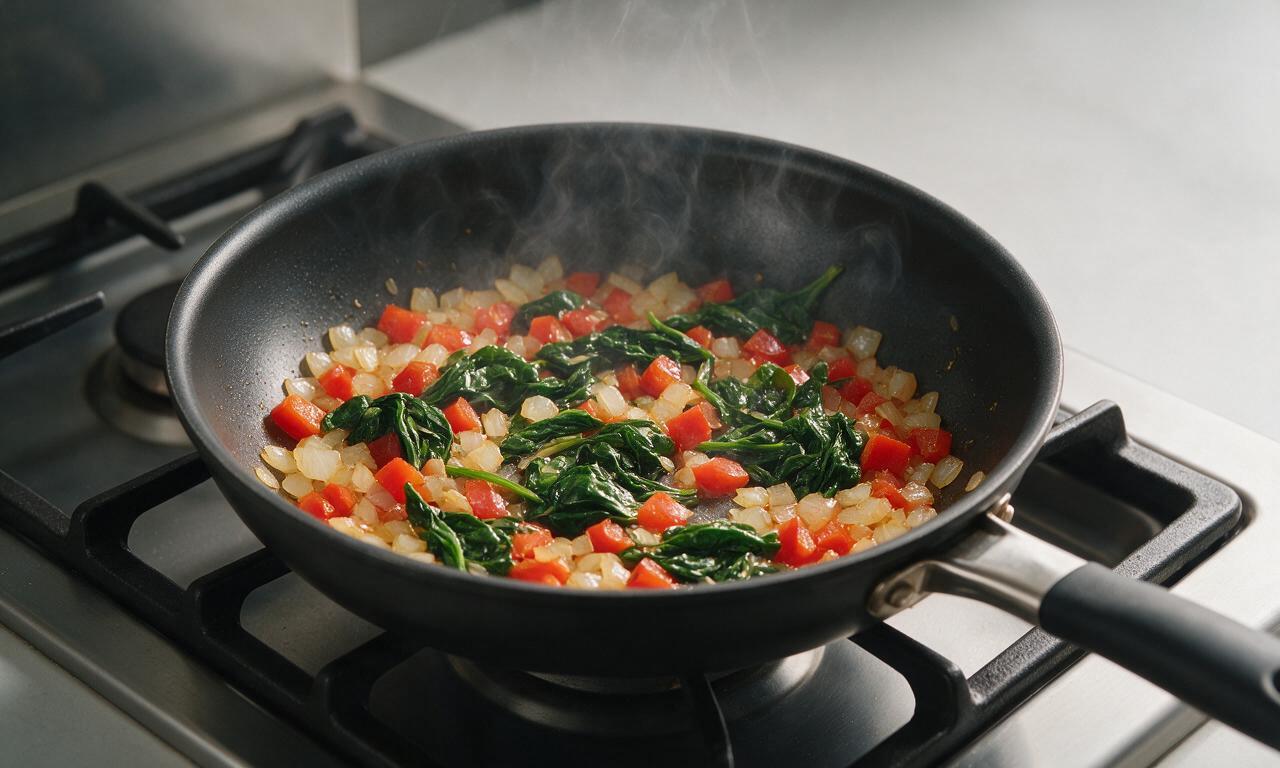
Yes, always sauté your spring vegetables for 2 to 3 minutes in the olive oil before pouring in the egg mixture! This cooks off excess moisture, tenderizes firmer veggies like asparagus and leeks, and brings out their natural sweet, bright spring flavor instead of leaving them crunchy, raw, or watery in the finished frittata.
17.Why does my frittata stick to the pan even when I use oil?
▾
Sticking usually happens if your pan isn’t a properly oven-safe nonstick or well-seasoned cast iron model, or if you try to slice the frittata too early before it sets. Let the frittata rest for 5 minutes after pulling it from the oven to let the eggs pull away from the pan sides slightly, then run a thin silicone spatula around the edge before slicing for clean, easy release.

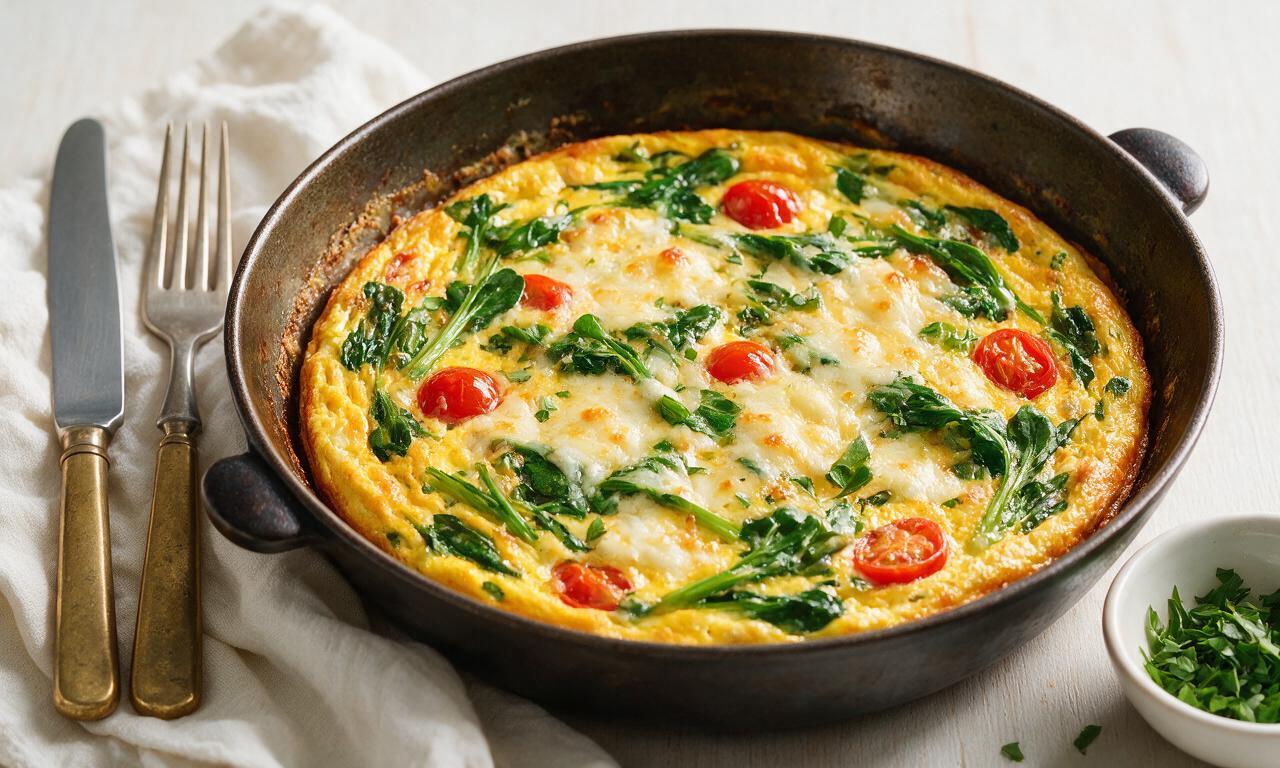
OMG this frittata was SO good! I threw it together last minute for our Sunday brunch earlier this week and even my super picky 7 year old asked for seconds. The asparagus and goat cheese combo is *chef’s kiss*—total game changer for weekend meal prep too, I sliced up the leftovers and have been grabbing a piece for quick breakfasts all week. So easy even I didn’t mess it up, and I burn toast half the time 😂
Made this for our neighborhood potluck over the weekend and it was gone in 10 minutes flat! I swapped the regular cheddar for smoked gouda because that’s what I had in the fridge, and it slapped. Super quick to throw together, no fancy equipment needed, which is perfect because I hate complicated recipes with 100 steps. Will absolutely be making this again for our next cookout.
Loved how light and fresh this frittata tasted! I’ve been making super heavy egg bakes all winter loaded with sausage and potatoes, and this spring veggie version felt like the perfect sunny reset. I used fresh sugar snap peas from my backyard garden and tossed in a little extra parmesan, and it came out so fluffy and flavorful. The 25 minute cook time is no joke—I had it on the table faster than my partner could finish setting out plates and silverware! Only tiny note for new cooks: don’t over-sauté your veggies before adding the eggs, mine got a little mushy the first test run but were perfect the second time.
This is my new go-to busy weeknight dinner! I got home from work at 5 and needed something fast that didn’t require a ton of cleanup, and this checks every box. My husband thought it was "fancy restaurant food" when I served it with a side salad a couple hours ago, little does he know it took me 25 minutes total and cost like $5 to make. 10/10, will be in our regular rotation forever.
As someone who’s gluten free and always on the hunt for easy brunch options that don’t feel like an afterthought, this frittata is a total winner. No weird substitutions needed, it’s naturally GF, packed with flavor, and didn’t leave me feeling bloated like a lot of heavy egg dishes do. I brought it to my book club brunch yesterday and everyone asked for the recipe—even the friends who say they "can’t cook"!