1.Why is this dish called huaraches?
▾
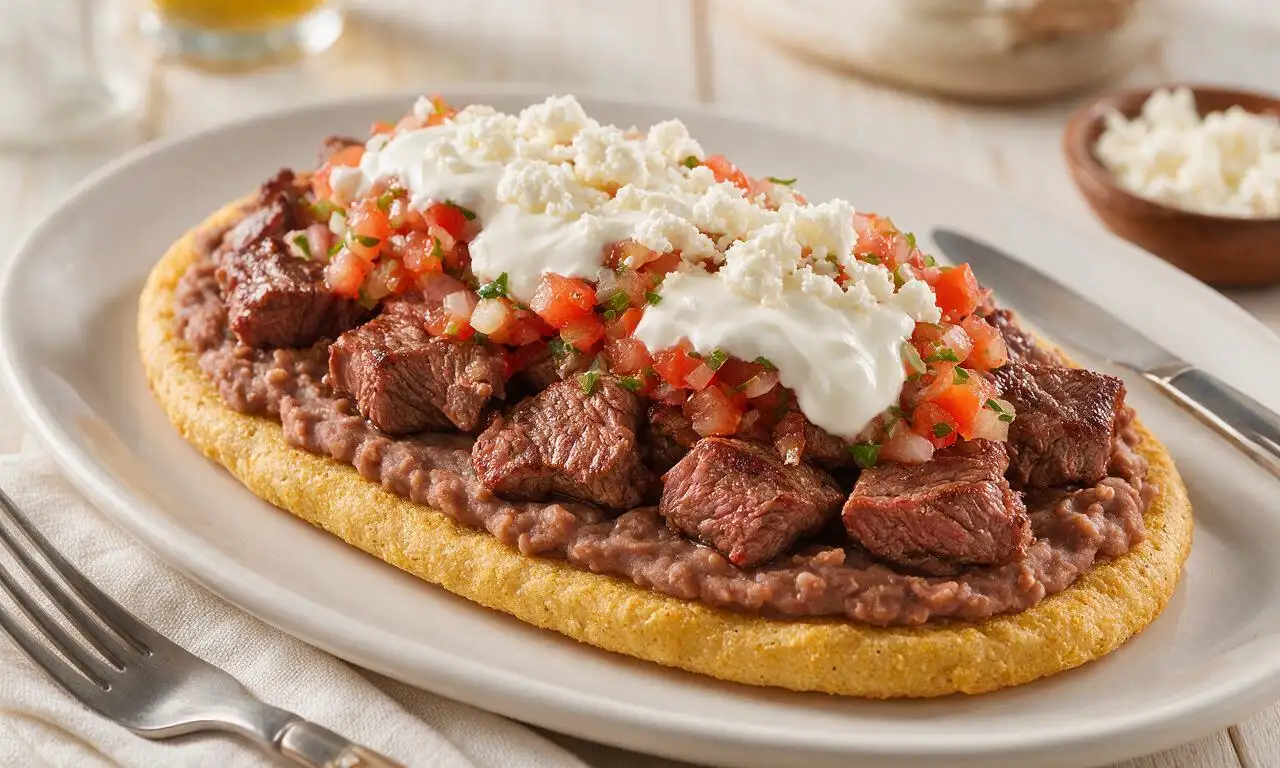
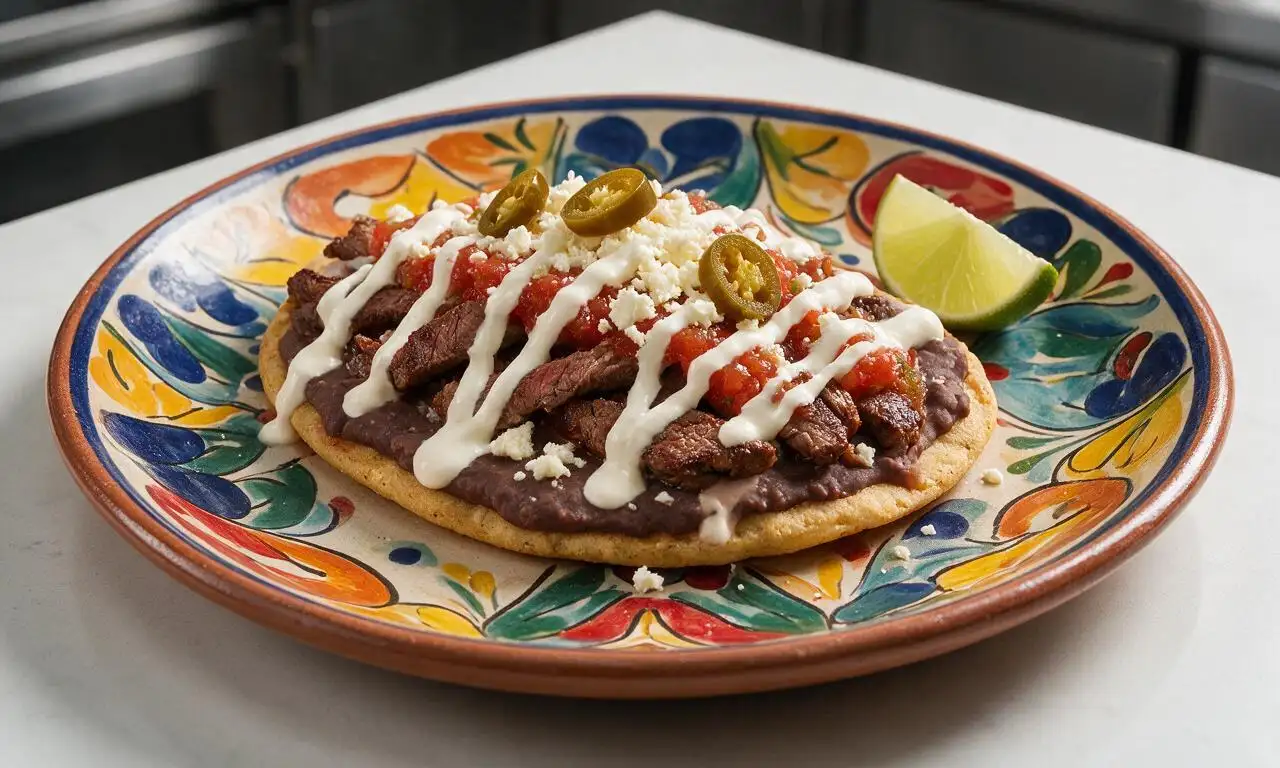
The name comes from the oblong, slightly curved thick masa cake’s shape, which closely resembles the traditional woven leather huarache sandals worn across rural and urban Central Mexico for generations. Unlike smaller round sopes, the distinct sandal shape is the signature marker of this hearty, beloved Mexico City street antojito.
2.Can I use regular cornmeal instead of masa harina for the huarache bases?
▾
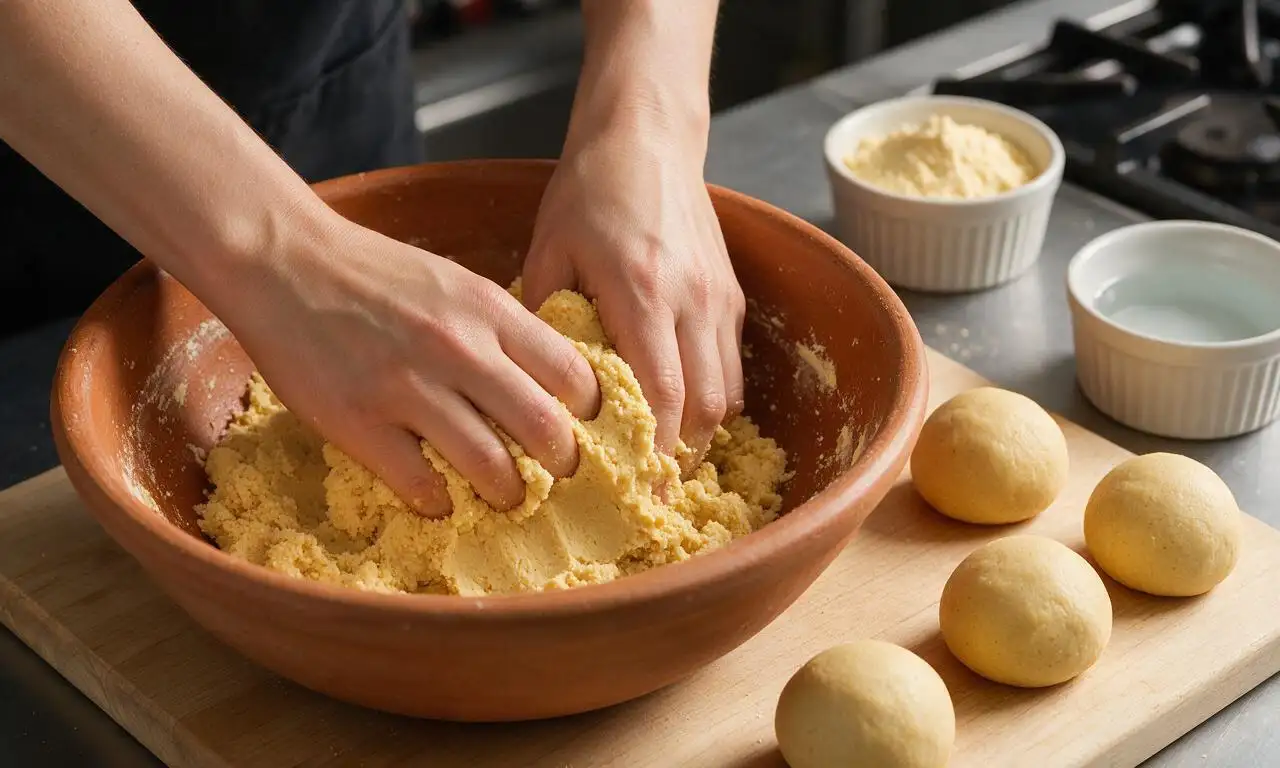
I don’t recommend it! Masa harina is made from nixtamalized corn (corn treated with food-grade lime) that creates the signature tender, slightly chewy, bindable texture you need. Regular cornmeal is just ground raw dried corn, which will turn out gritty, won’t hold its oblong shape, and will lack that classic authentic masa flavor.
3.How thick should I shape the huarache masa cakes before cooking?
▾
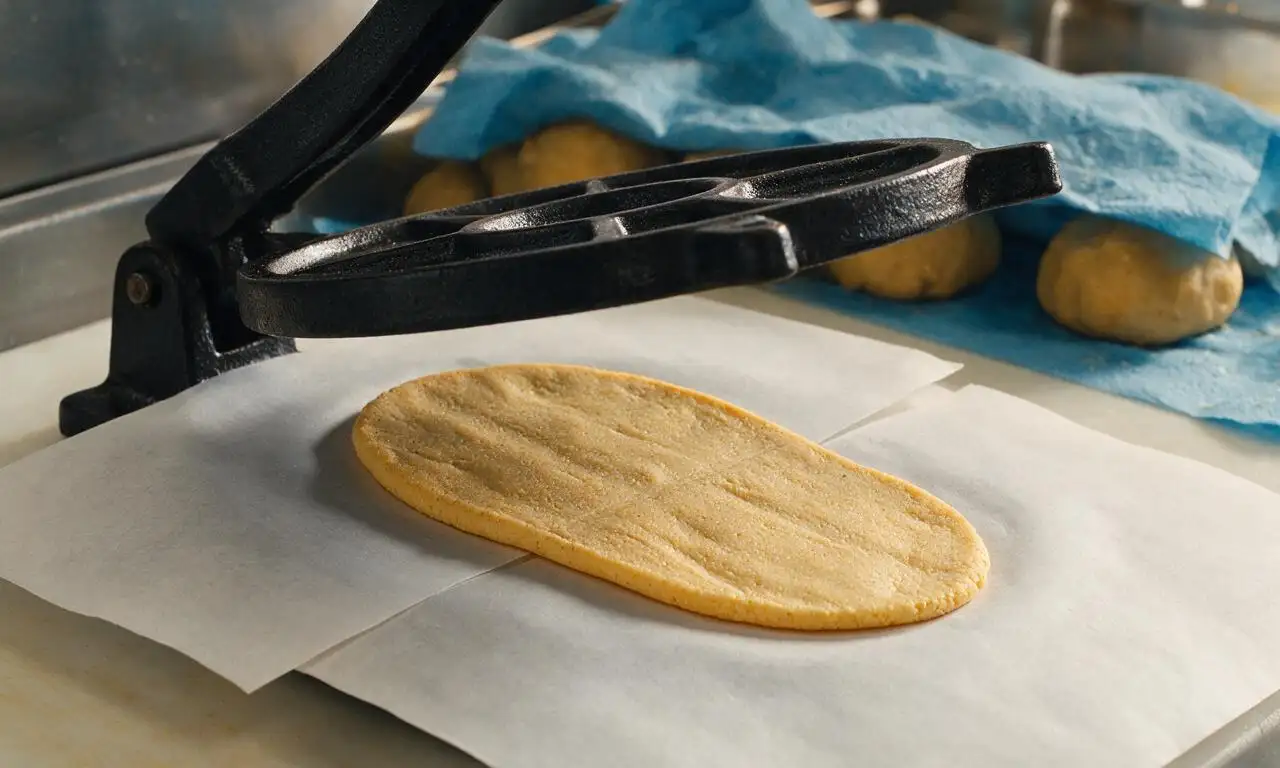
Aim for a uniform 1/4 to 1/3 inch thickness, formed into a 6 to 8 inch long oblong about 3 inches wide, with a tiny 1/4 inch raised lip around the edge to catch toppings. If they’re too thin they’ll crack when you move them; too thick and they’ll stay dense and doughy in the center. Be sure to season your masa with fine sea salt for depth, and pat by hand or press between plastic wrap for even results.
4.Can I cook the huarache masa cakes dry on a comal instead of using oil?
▾
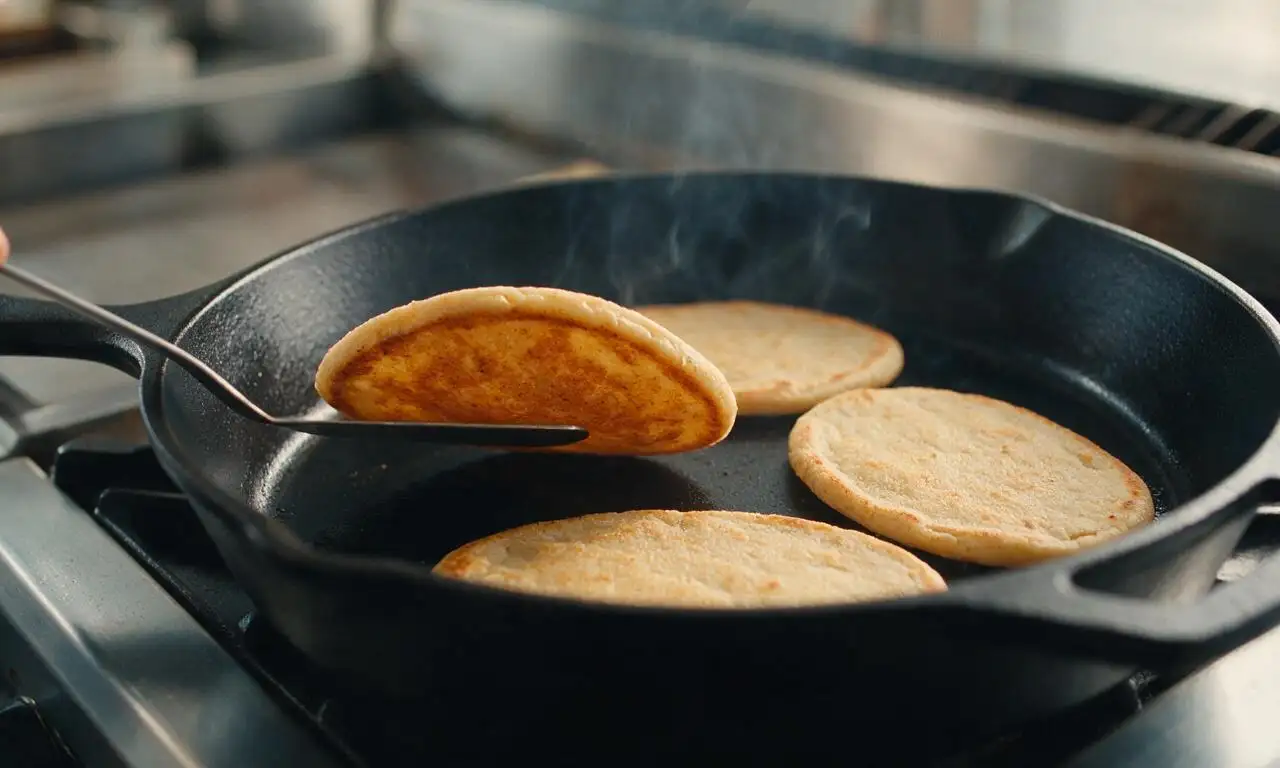
You can start them on a dry hot comal for 1 minute per side to set the masa shape, but traditional versions get a quick shallow fry in a thin layer of vegetable oil for 2 minutes per side, until lightly golden and crisp at the edges with no raw doughy center. Skipping oil entirely will leave the cakes dry, crumbly, and missing that classic rich street-food texture.
5.My masa dough cracks when I try to shape the huaraches—how do I fix that?
▾
That almost always means your dough is too dry, either from too little warm water in the initial mix or from sitting out uncovered too long. Properly mixed masa should feel like soft, pliable playdough that holds a squeeze without cracking. Knead in 1 tablespoon of warm water at a time until smooth, and keep unused dough covered with a damp towel while you work.
6.Can I make the huarache masa cakes ahead of meal time?
▾
Absolutely! You can shape uncooked masa cakes, layer them between sheets of parchment paper, and store them airtight in the fridge for up to 3 days or freeze for up to 3 months. You can also pre-cook the cakes, cool them completely, and reheat on a dry hot skillet for 1 minute per side right before topping—skip the microwave, it will make them soggy and rubbery.
7.What cut of beef works best for the carne asada topping?
▾
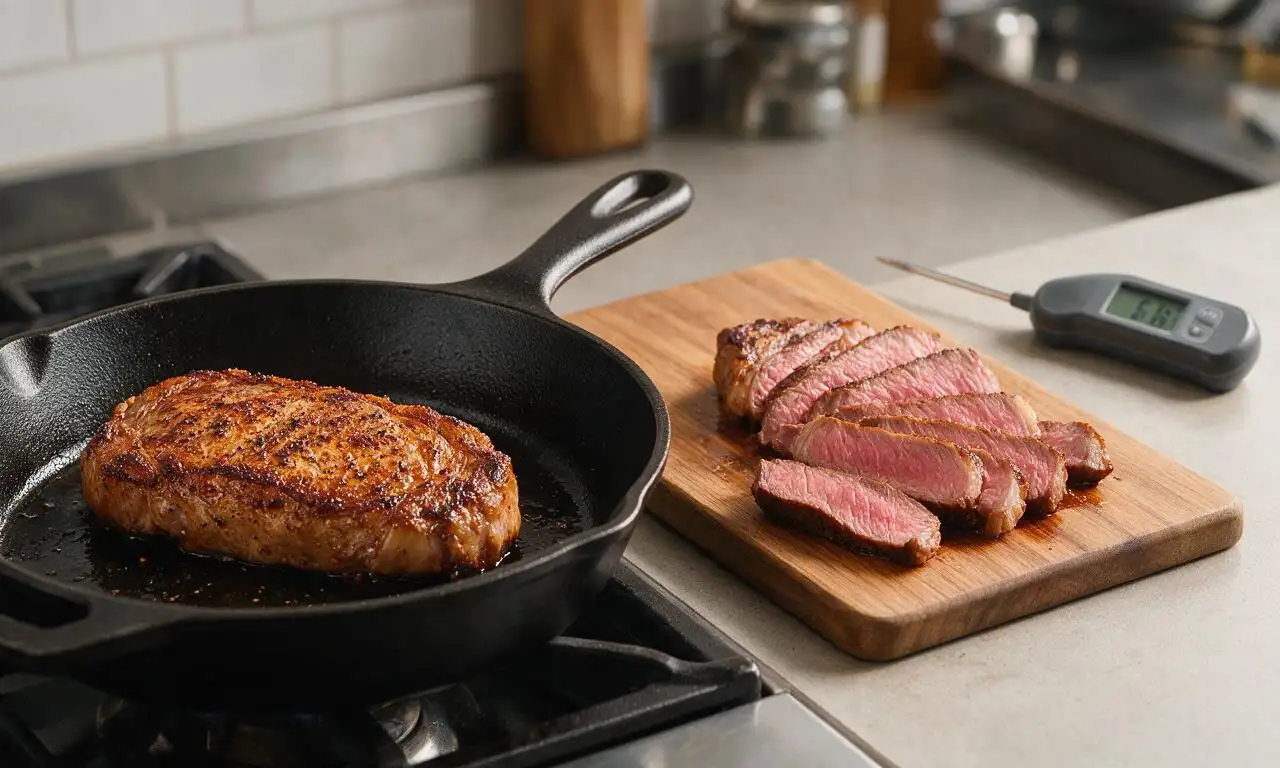
Thinly cut skirt steak is the classic Central Mexican choice, with rich, beefy flavor that gets perfectly charred and tender when cooked over high heat. Arrachera (flap steak) is another fantastic, authentic option. No matter which cut you pick, be sure to slice it thin against the grain after cooking to avoid chewy, tough bites on your huarache.
8.Can I use refried pinto beans instead of refried black beans?
▾
Authentic Central Mexican huaraches typically use refried black beans, which are the everyday staple legume in that region, but refried pinto beans work perfectly well if that’s what you have on hand or prefer. Just make sure your beans are thick, not watery or runny, so they stay put on the masa, and warm them first so they spread easily without tearing the cake.
9.How do I eat a huarache without all the toppings falling off?
▾
This is casual, messy street food, so don’t stress about perfect etiquette! Most people pick it up with both hands, folding it slightly like an extra-long soft taco as they eat from one end to the other. The small raised lip on the masa edge helps catch toppings, but avoid overloading the cake. It’s also totally fine to eat it with a fork and knife if you prefer less mess.
10.What type of salsa pairs best with these carne asada huaraches?
▾
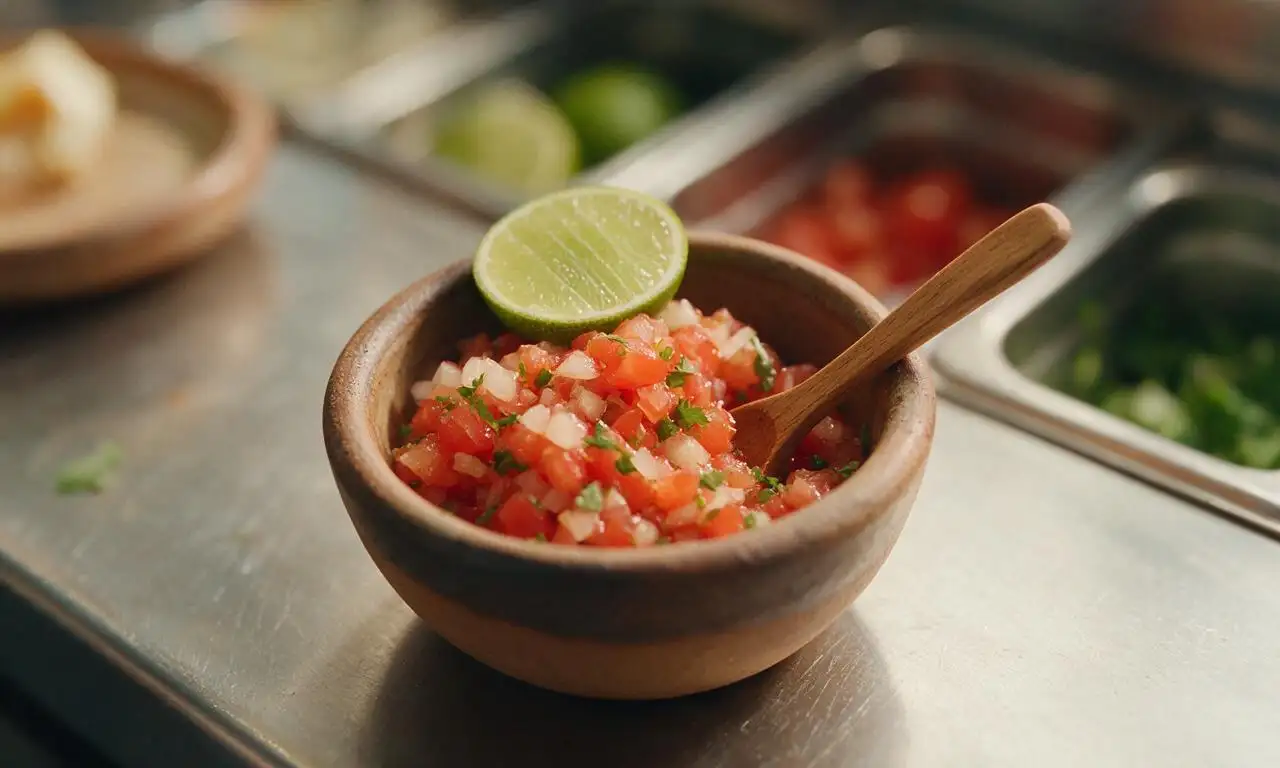
Bright, freshly made salsas work best to cut through the rich beans, beef, and crema. Go for a lightly spicy roasted salsa roja made with tomatoes and arbol chiles, or tangy roasted tomatillo salsa verde for a classic Central Mexican match. Stick to a smooth, slightly pourable consistency instead of extra-chunky salsa, which will slide right off the masa cake.
11.Can I adapt this recipe to be vegetarian?
▾
Definitely! Simply swap the carne asada for grilled sliced nopales, sautéed peppers and onions, roasted corn, or marinated grilled portobello strips for a hearty, satisfying plant-based topping. Just note that if you’re cooking for strict vegetarians, double check that your refried beans are made with oil instead of traditional lard, and keep all the classic crema, queso fresco, and salsa toppings.
12.What’s the difference between a huarache and a sope?
▾
The biggest differences are size, shape, and serving portion. Sopes are small, round, 3 to 4 inch wide masa cups with raised edges, typically served as a small appetizer or street snack. Huaraches are two to three times larger, formed into that signature oblong sandal shape, and served as a filling, full-sized meal, even though they often use similar topping combinations.
13.My carne asada came out tough and chewy—how do I fix that next time?
▾
Tough carne asada usually comes from one of two common mistakes: cooking it too long over low heat, or slicing it with the grain instead of against it. Cook thin cuts over screaming high heat on a grill or cast iron for just 2 to 3 minutes per side for medium-rare, let it rest 5 minutes, then slice thin across the muscle fibers to break up tough connective tissue.
14.Can I use store-bought fresh masa instead of mixing it from masa harina?
▾
Absolutely—fresh prepared masa from a local tortilleria or Latin market will actually give you even better, more authentic flavor and texture than mixing from instant masa harina. Just make sure you pick plain masa for tortillas, not sweet, lard-enriched masa made for tamales, which will have the wrong flavor and texture for huarache bases.
15.Do I need a tortilla press to shape the huarache masa cakes?
▾
No special tools required! While a tortilla press makes quick, evenly thick work of shaping (just press the dough between two sheets of plastic wrap), you can easily pat the masa into its signature oblong shape with clean, lightly dampened hands. Plenty of traditional Central Mexican street vendors shape huaraches entirely by hand for that perfect, rustic, homemade look.
16.What’s the best way to reheat leftover huaraches?
▾
Skip the microwave—it will turn the masa rubbery and make toppings soggy. For best results, reheat plain cooked masa cakes on a dry hot skillet over medium heat for 1 minute per side until warmed and crisp at the edges, then add warm refried beans, reheated carne asada, and fresh cold toppings right before serving. Assembled leftovers reheat well in a 350°F oven for 8 to 10 minutes.
17.Can I add extra toppings beyond the classic beans, carne asada, and crema?
▾
Absolutely! While those core toppings are the traditional standard, you’ll find Central Mexican street vendors adding extras like thin pickled jalapeño slices, diced white onion, chopped fresh cilantro, shredded crisp iceberg lettuce, or a small dollop of guacamole to their huaraches. Just avoid piling on so many toppings that the cake bends and spills when you pick it up.
18.Are these carne asada huaraches naturally gluten-free?
▾
Yes, all the core traditional ingredients are naturally gluten-free! Masa harina is made from corn, not wheat, and the beans, carne asada, crema, queso fresco, and fresh salsa all contain no gluten by default. Just double check that any store-bought refried beans or pre-marinated carne asada don’t have hidden wheat-based thickeners or soy sauce to keep the dish fully gluten-free.

OMG these huaraches were a total game changer for our weekly taco Tuesday night! My 7 and 9 year old devoured theirs and asked for seconds, even my picky husband went back for more. The carne asada marinade is chef’s kiss, I didn’t change a single thing. SO good, will be making these all summer long for backyard cookouts!
This looks incredible! I live in a pretty rural area and can’t find fresh masa anywhere near me — will dry masa harina work if I mix it according to the package directions? I really want to nail that authentic texture!
I don’t eat red meat so I swapped the carne asada for marinated portobello strips and it was SO delicious! The masa base was perfectly crispy on the edges and soft in the middle, just like the huaraches I had when I visited Mexico City a few years ago. 10/10, even my meat-loving brother didn’t complain about the mushroom swap!
First time making huaraches ever and I was worried I’d mess up the carne asada, but the timing guide on the marinade and cook time was spot on! I cooked mine on a charcoal grill for that extra smoky flavor and it was unreal. Topped with pickled red onions and queso fresco, *chef’s kiss*.
Took these to a neighborhood potluck last weekend and people were hounding me for the recipe the whole time! Full disclosure I did shortcut the masa by using store-bought fresh masa from my local Latin market instead of making it from scratch, and it still turned out perfect. Great recipe, not too fussy even for a medium difficulty cook.
Full transparency, I burned the first batch of huarache bases because I had my griddle way too hot, but once I turned it down to medium heat like the recipe says the second batch came out perfect! The char on the carne asada was exactly what I was hoping for, and the salsa verde topping paired with it so well. Don’t be like me and ignore the heat note, y’all.
Tasted amazing but I had such a hard time getting the masa to not stick to my hands when I was shaping the huaraches! I ended up with super lumpy, uneven shapes even though they still tasted good. Any tips for next time?
I’m hosting a big Cinco de Mayo party next weekend and want to serve these — can I prep the huarache bases a day ahead and reheat them, or will they get soggy? I don’t want to be stuck shaping all of them while guests are over!
Meal prepped the carne asada and masa dough on Sunday so I could throw these together for quick weeknight dinners, and they held up amazingly! Only note is I added a little extra lime to the crema topping because I love that tangy kick. Will absolutely be adding this to my regular rotation.
Made these for my son’s high school soccer team dinner after practice and the whole team raved! I doubled the recipe to feed 12 teenage boys and there were zero leftovers, that’s how you know a recipe hits. Will be making these for every team event from now on!
These are the closest thing I’ve found to the huaraches I used to get from the street cart by my college apartment in Guadalajara! I loaded mine up with refried beans, extra cotija, pickled jalapeños, and a drizzle of hot sauce, and I swear I was transported back to my college days. Absolute perfect recipe, no notes!