
lemon suet pudding

intro
Bright, zesty traditional British lemon suet pudding, with a tender fluffy suet crust and oozing tangy lemon filling, served warm with vanilla custard for cold-weather comfort.
Ingredients
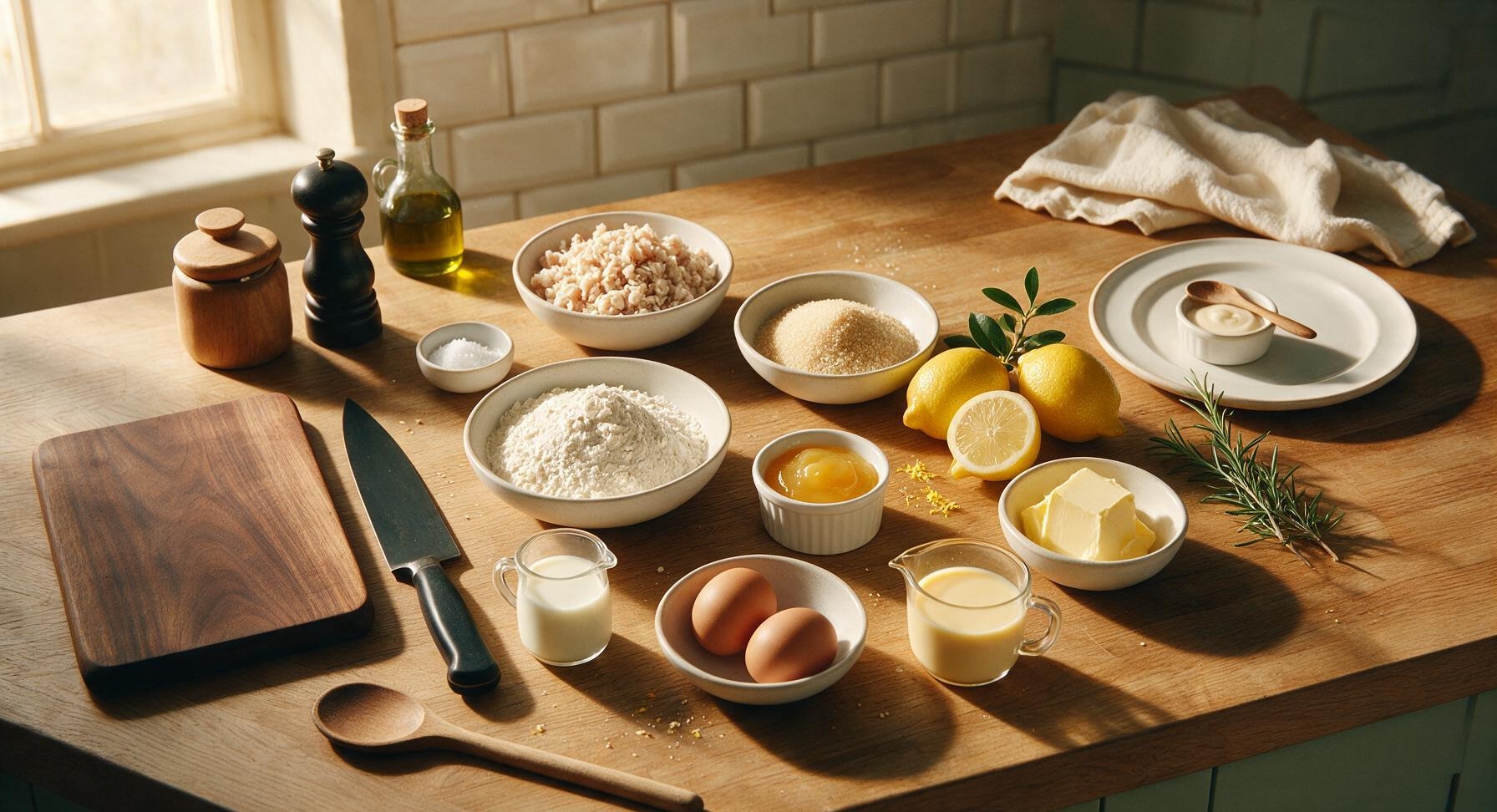
Steps
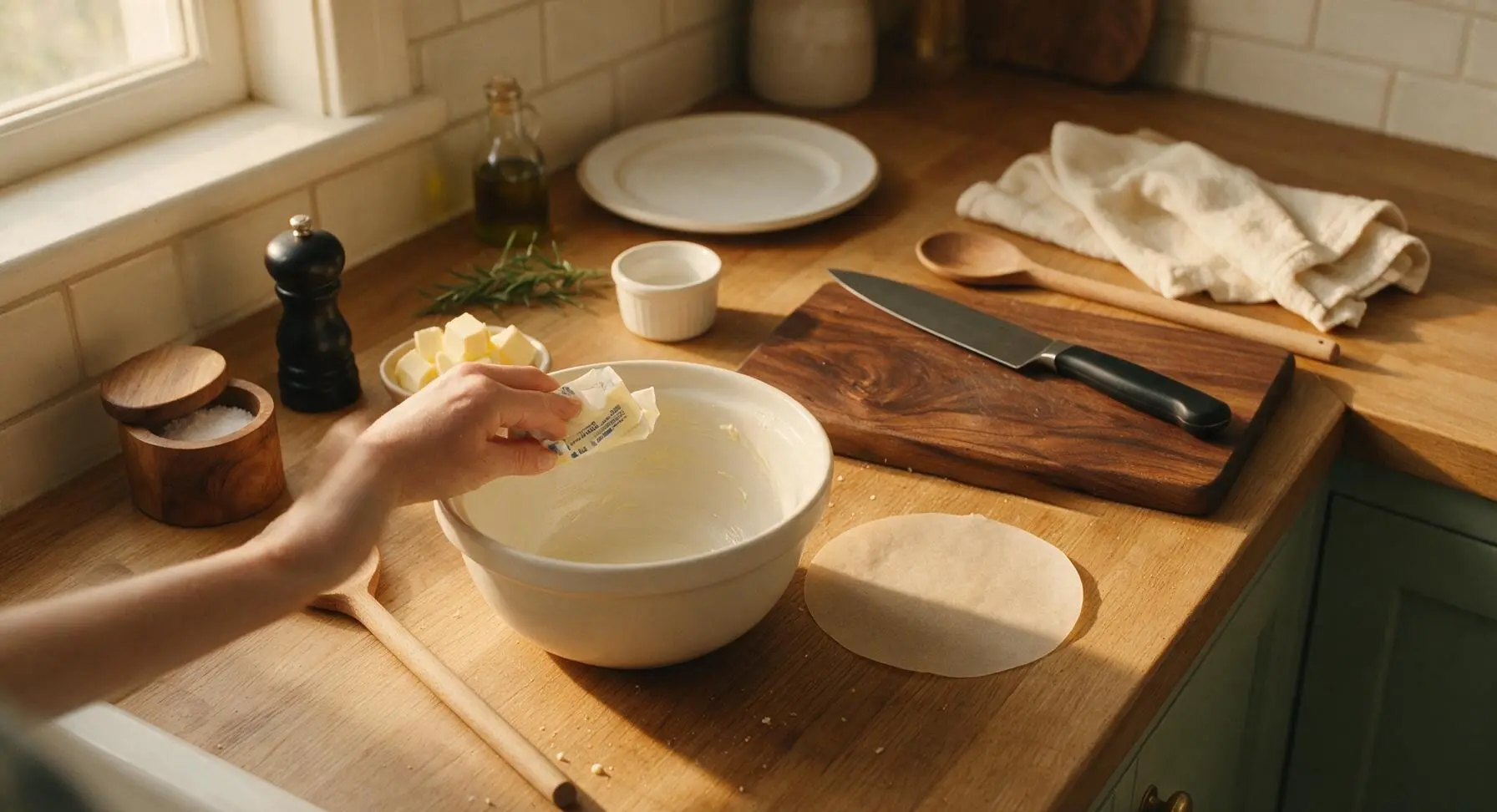
Grease and line basin
Use 5g of the unsalted butter to thoroughly grease the entire interior surface and top rim of the 1.2L ceramic pudding basin, making sure to coat every spot to prevent sticking. Cut a 16cm circle of unbleached parchment paper to fit the base of the basin, press it flat to the greased bottom, and set the basin aside. This non-stick base ensures the pudding releases cleanly after steaming.
Mix dry pastry ingredients
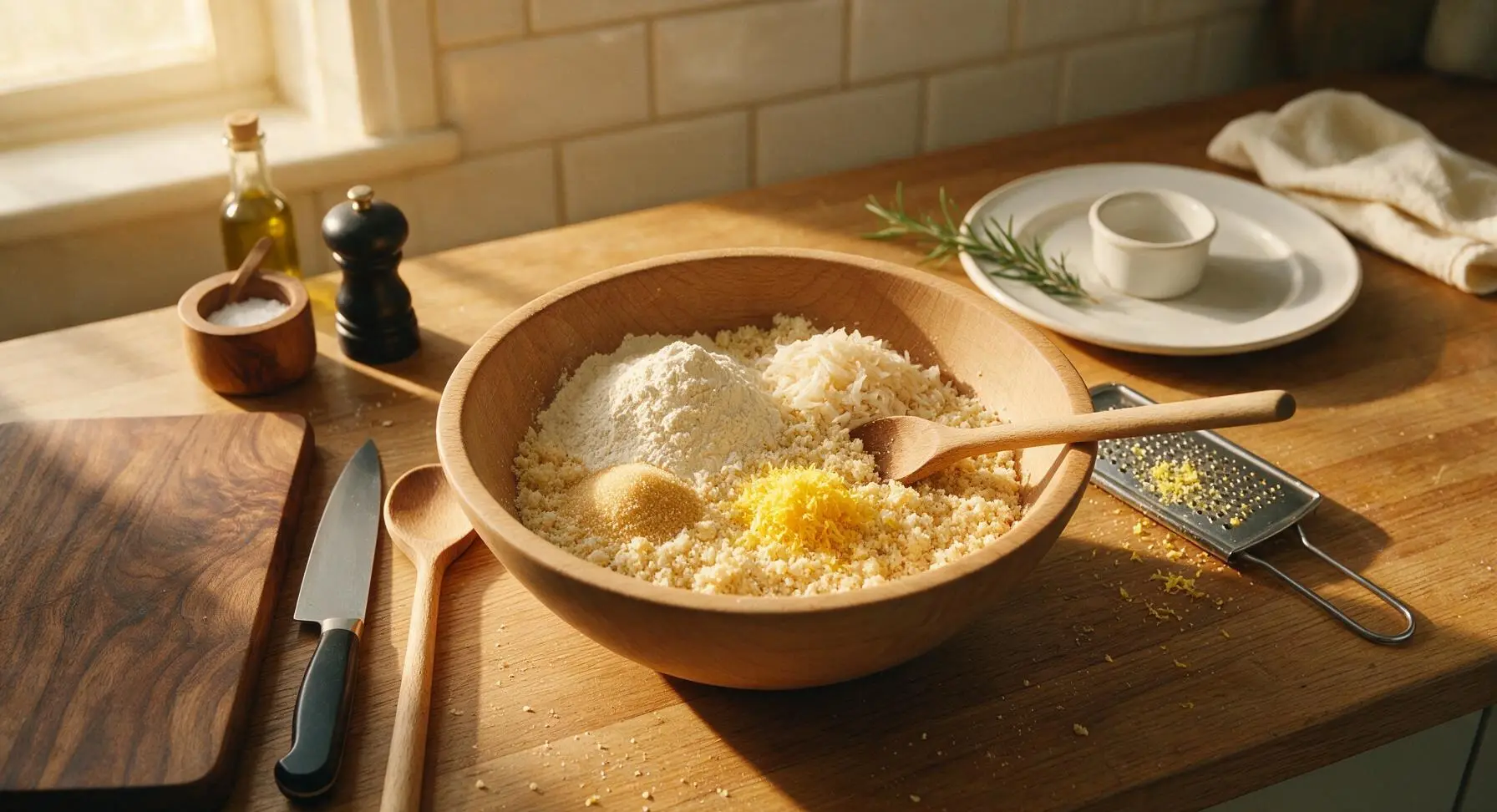
Add 225g self-raising flour, 110g shredded suet, 25g of the golden caster sugar, finely grated zest of 2 lemons, and 1/4 tsp fine sea salt to the beech wood mixing bowl. Use the 32cm beech wooden spoon to stir the ingredients until evenly combined, with no large clumps of suet remaining. The finished mixture should look like pale golden, coarse breadcrumbs.
Mix to soft dough
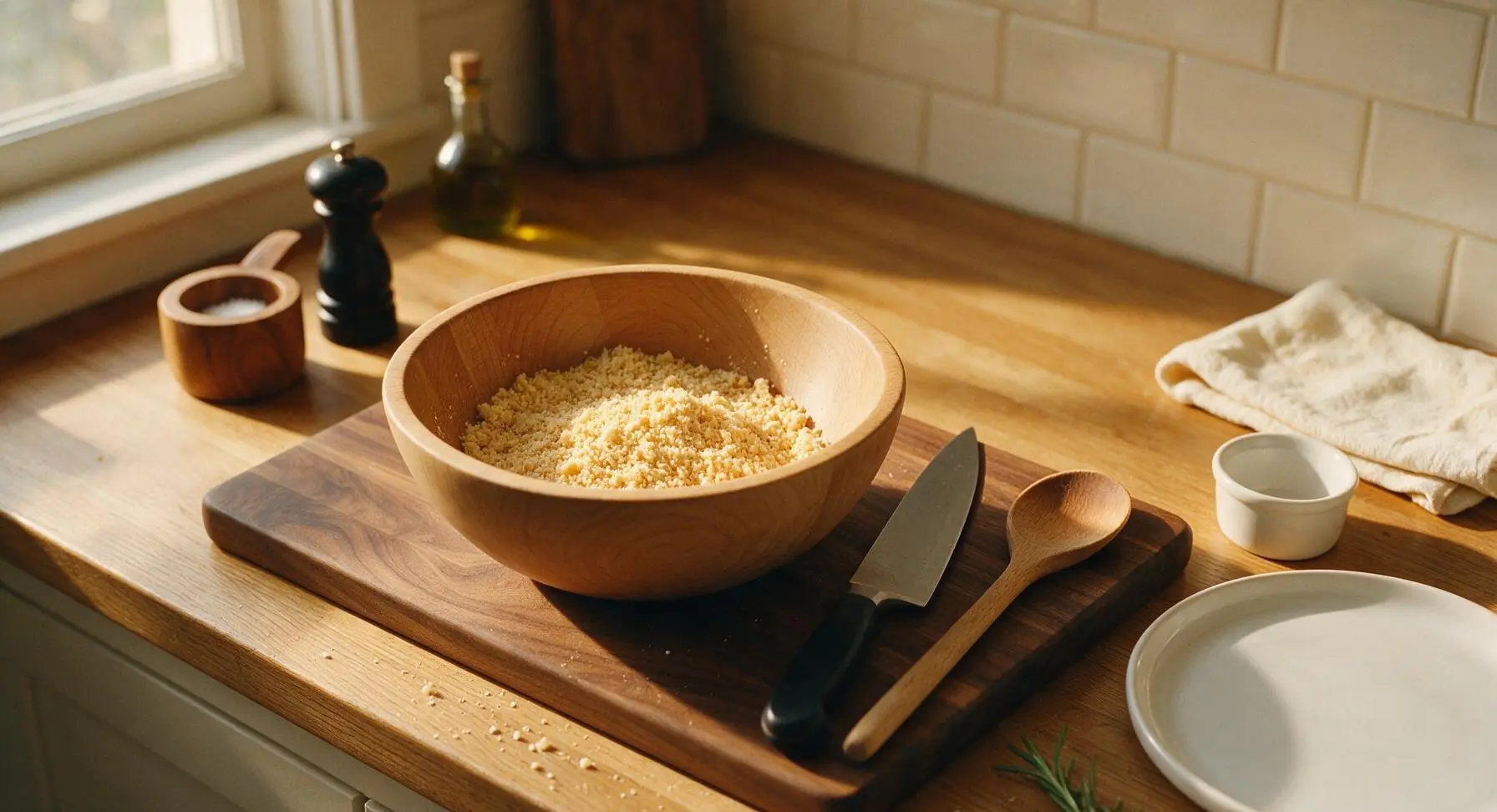
Gradually stir 120ml of the whole milk into the dry crumb mixture, adding 2 tablespoons at a time and mixing continuously with the wooden spoon. Bring the mixture together with clean hands to form a soft, pliable dough that pulls cleanly away from the sides of the bowl. Add 1-2 teaspoons extra milk if the dough feels dry and crumbly, or a pinch of flour if it is too sticky to handle.

Line prepared pudding basin
Turn the dough out onto a lightly floured clean section of the counter, then press it out into a rough 5mm thick circle. Set aside 1/4 of the dough for the pudding lid. Press the larger piece of dough into the greased pudding basin, working it up the sides to create an even 5mm thick lining that reaches all the way to the top rim. Smooth out any thin spots or holes to prevent filling from leaking out during steaming.


Layer tangy lemon filling
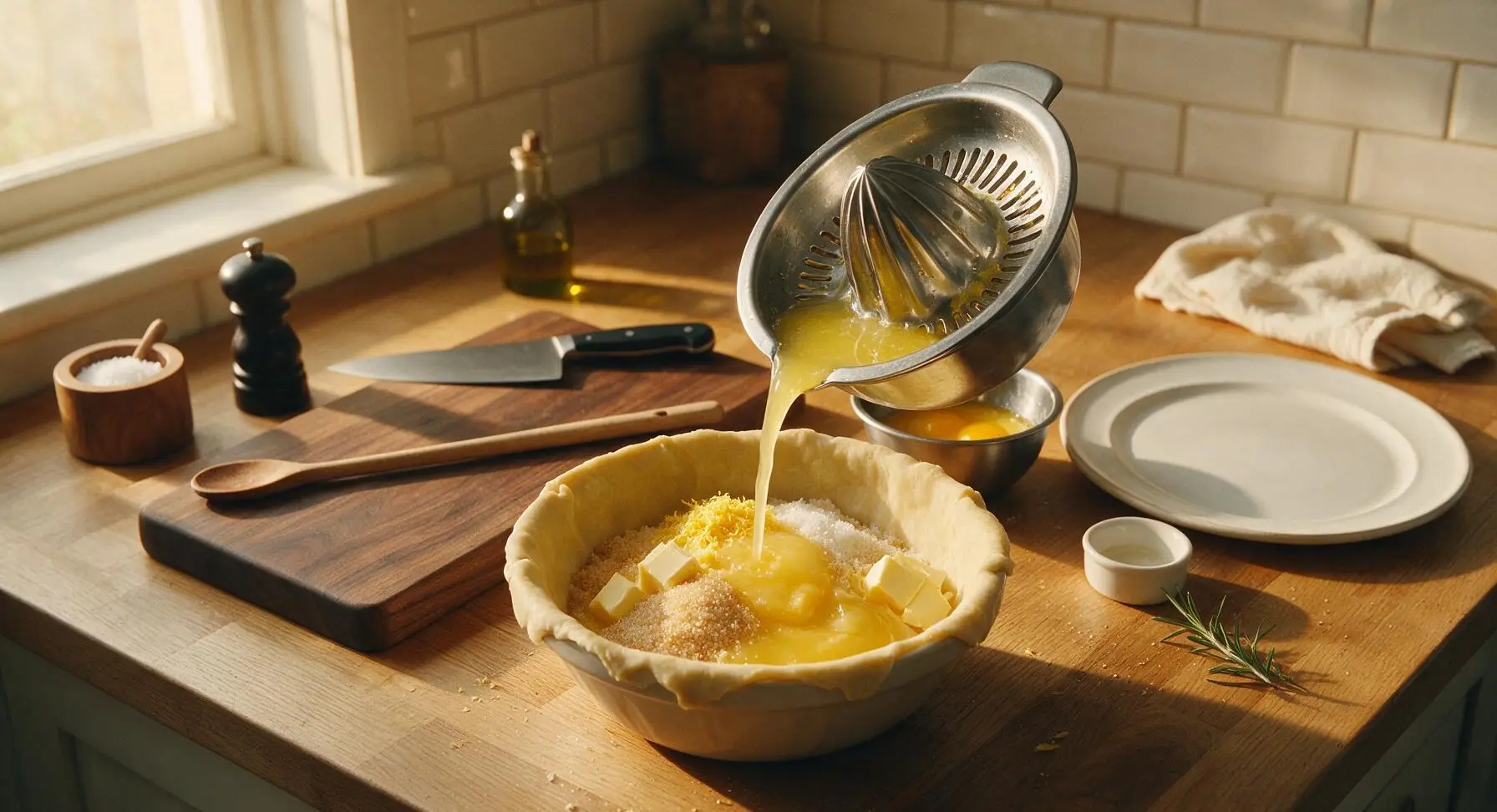
Spoon 2 tablespoons of thick lemon curd into the base of the pastry-lined basin. Top with the remaining 85g golden caster sugar, 45g cubed cold unsalted butter, finely grated zest of 1 lemon, 6 tablespoons of strained fresh lemon juice, and 2 lightly beaten large free-range eggs. Do not overstir the filling; it will melt, combine, and thicken into a silky tangy sauce as the pudding steams.
Seal pudding for steaming
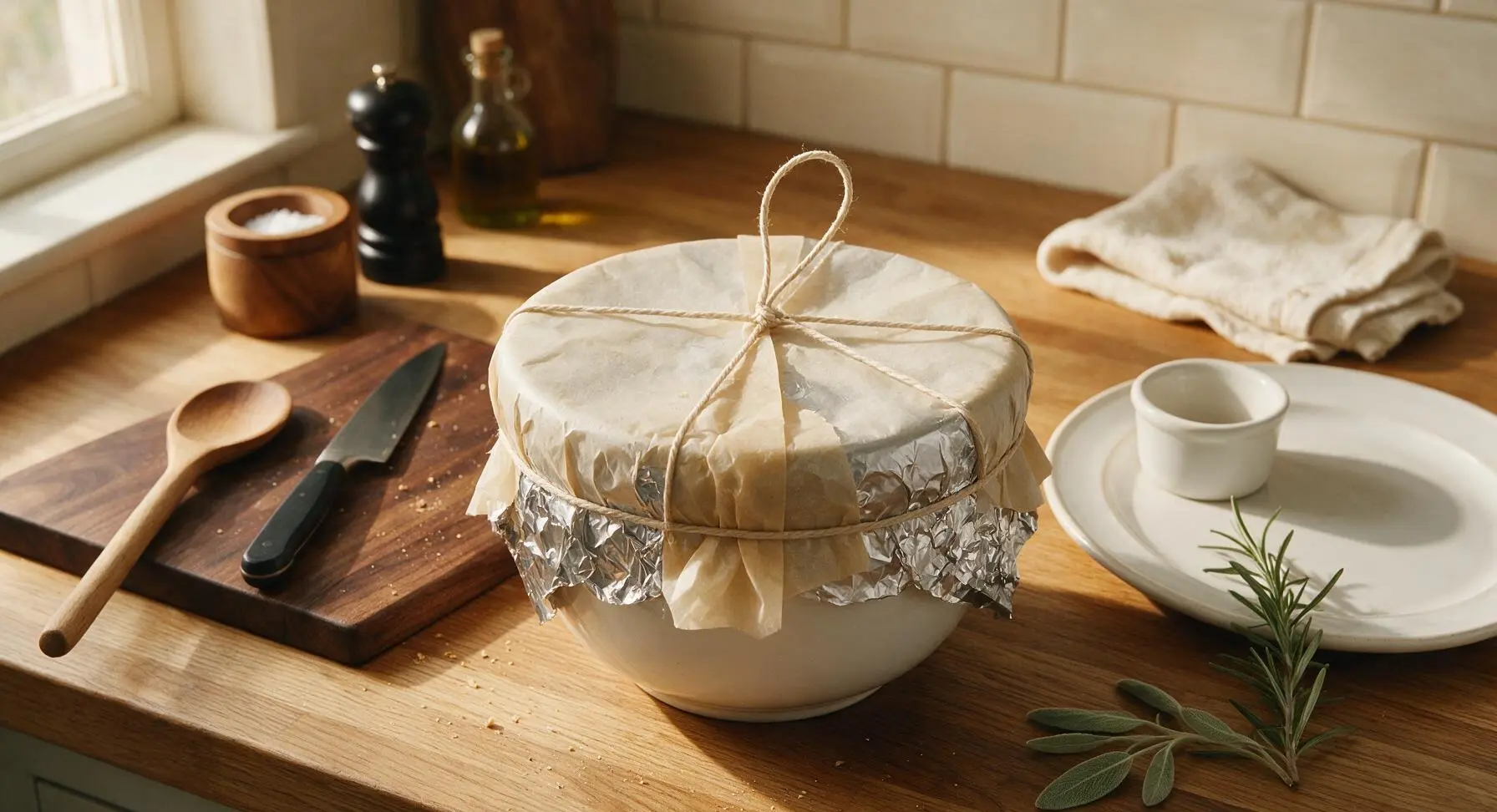
Roll the reserved 1/4 piece of dough into a circle large enough to cover the top of the basin. Brush the edge of the pastry lining with a little whole milk, then press the lid firmly into place, crimping the edges tightly to seal in the filling. Cut a 30cm square of unbleached parchment paper and a matching square of aluminum foil, fold a 5cm pleat down the center of both to allow for pudding expansion, then place over the basin top. Tie tightly around the rim with cotton kitchen twine, leaving a length of twine to create a lifting handle.

Steam pudding gently
Place a small metal trivet in the base of the large stainless steel stock pot on the back stovetop burner, then set the sealed pudding basin on top. Pour boiling water into the pot until it comes halfway up the sides of the basin, then bring the water back to a gentle simmer (small bubbles just breaking the surface, no rolling boil). Cover the pot with a tight-fitting lid, and steam the pudding for 2 full hours, checking the water level every 30 minutes and topping up with boiling water as needed to prevent the pot from boiling dry. Avoid rapid boiling, as this agitates the pudding and creates tough, dense pastry.

Rest and unmold pudding
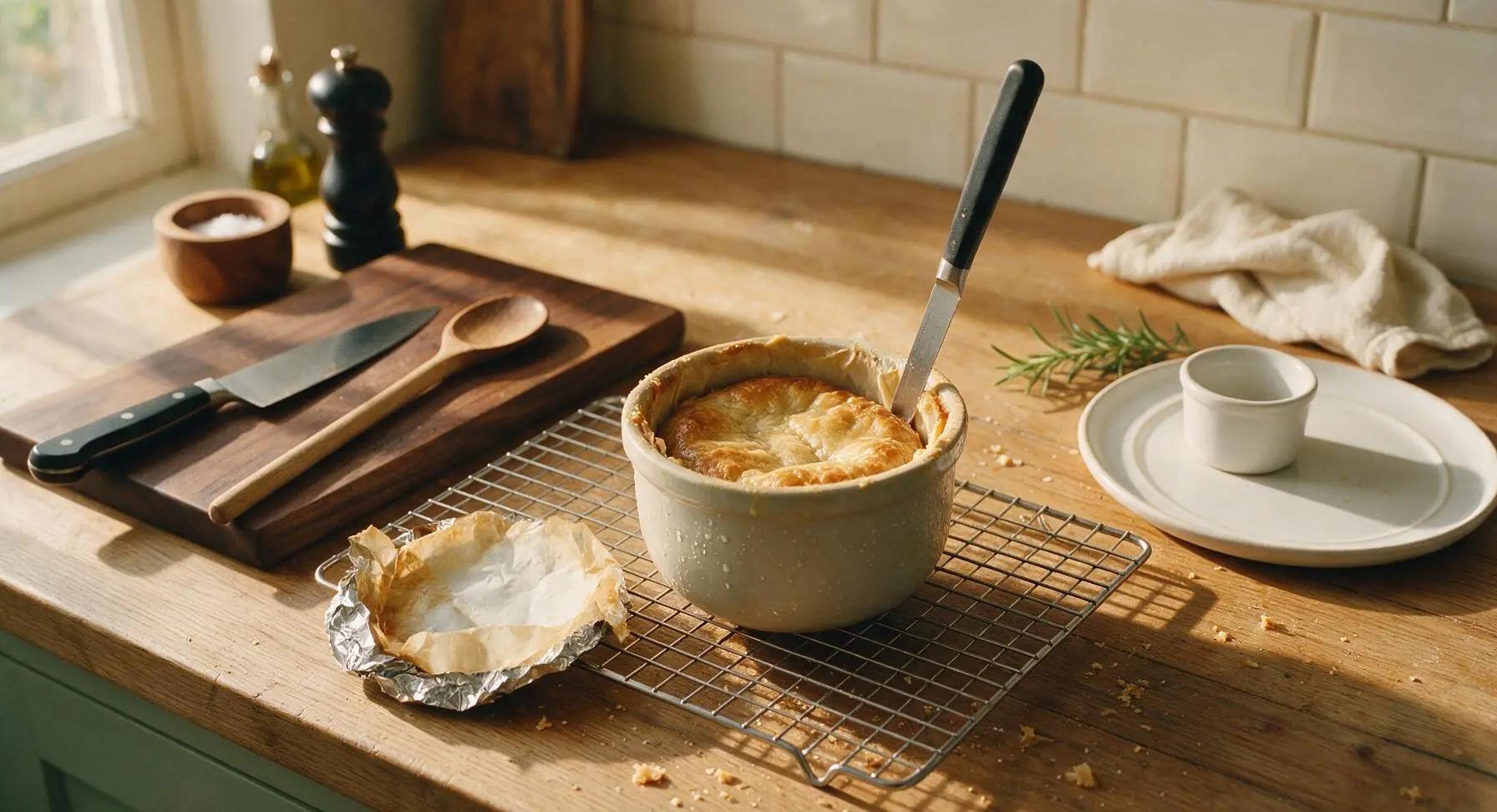
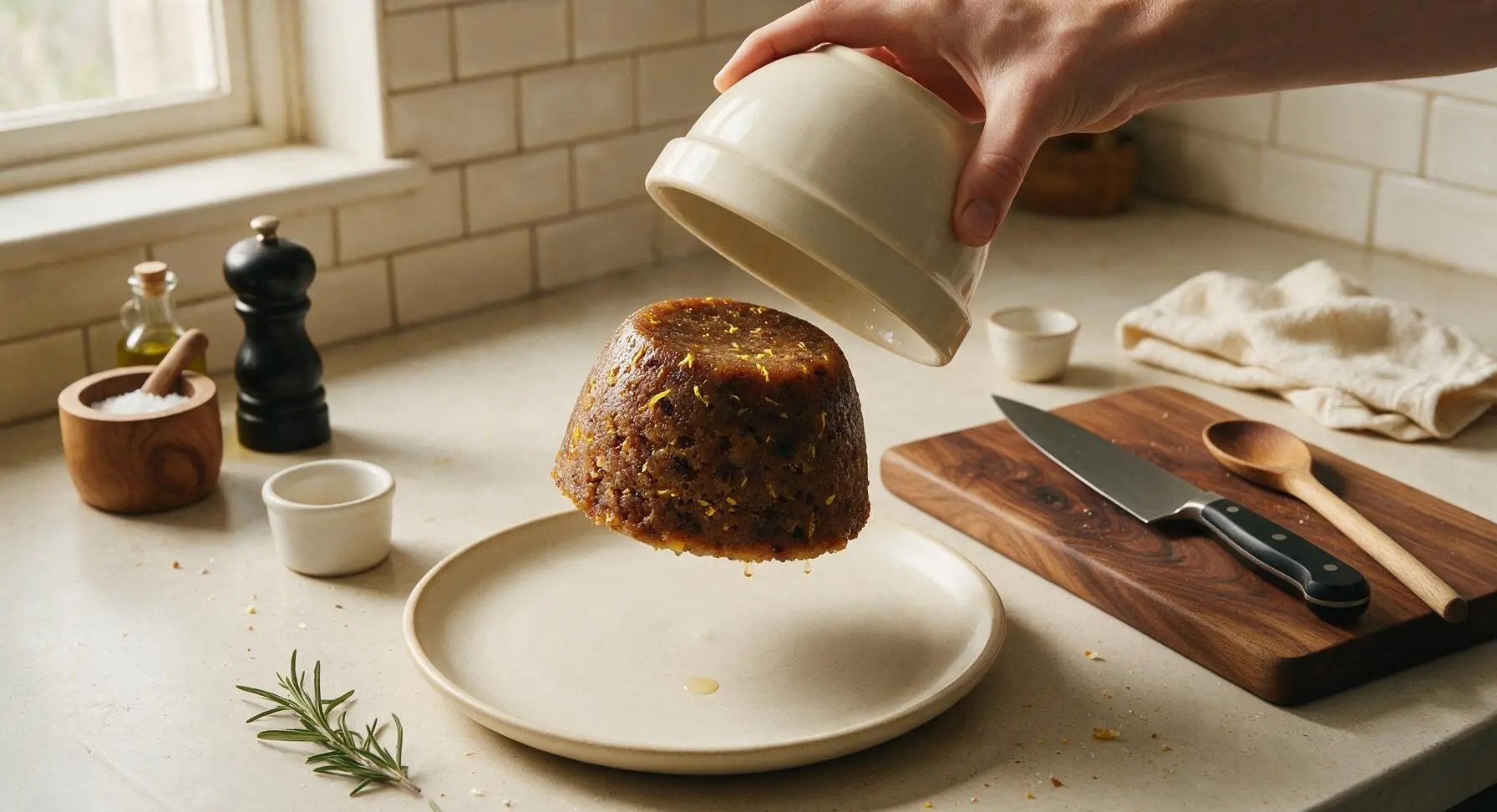
After 2 hours of steaming, carefully lift the pudding basin from the pot using the twine handle, and set it on the matte chrome wire cooling rack to rest for 10 minutes. Remove the foil and parchment lid, then run a small paring knife around the edge of the pastry to loosen it from the basin. Place the fluted matte cream ceramic dessert plate upside down over the top of the basin, hold both plate and basin tightly, and flip in one smooth motion to turn the pudding out onto the plate.
Tips
2.Top up the steaming pot with boiling water only, not cold: adding cold water drops the pot temperature rapidly, which leads to uneven cooking and a soggy, dense pudding bottom.
3.Let the pudding rest for 10 minutes after steaming before turning it out: this allows the suet crust to set slightly, so it holds its rounded shape instead of cracking or sticking to the basin during unmolding.






OMG this traditional lemon suet pudding was the star of our Sunday family dinner last night! I was nervous it’d be too heavy since suet desserts can go either way, but the bright lemon cut through everything so perfectly. My kids went back for seconds before I even finished my first slice, and my grandma asked for the recipe to make for her church potluck next month. SO good, will be adding this to our regular rotation for sure!
Really solid recipe! Cook time was spot on for me, the texture came out fluffy instead of dense which I was worried about. Knocked off one star only because I accidentally added a little too much lemon zest my first go, so it was a touch more tart than my partner likes. Next time I’ll measure the zest properly instead of eyeballing it, ha! Perfect cozy dessert for these random cold spring nights we’ve been having.
Game changer! I made this for our post-hike potluck with our trail group last weekend and every single person asked for the recipe. I prepped the suet crust the night before to save time day of, which made assembly so much easier, and it held up great even when I had to drive 45 minutes to the trailhead. The warm lemon sauce oozing out when you cut into it? *Chef’s kiss* Will be making this for every camping trip potluck from now on.
Solid recipe, but as someone who’s been making suet puddings for 40+ years, I’d recommend steaming it an extra 15 minutes if you’re at a higher altitude. I’m down here near sea level so the 2 hour cook time worked great for me, but I remember when I lived in Denver my puddings always came out gummy in the middle if I didn’t add extra time. Flavor was spot on though, the lemon ratio is way better than a lot of older recipes I’ve tried.