1.Is homemade mayonnaise safe to eat since it uses raw egg yolk?
▾
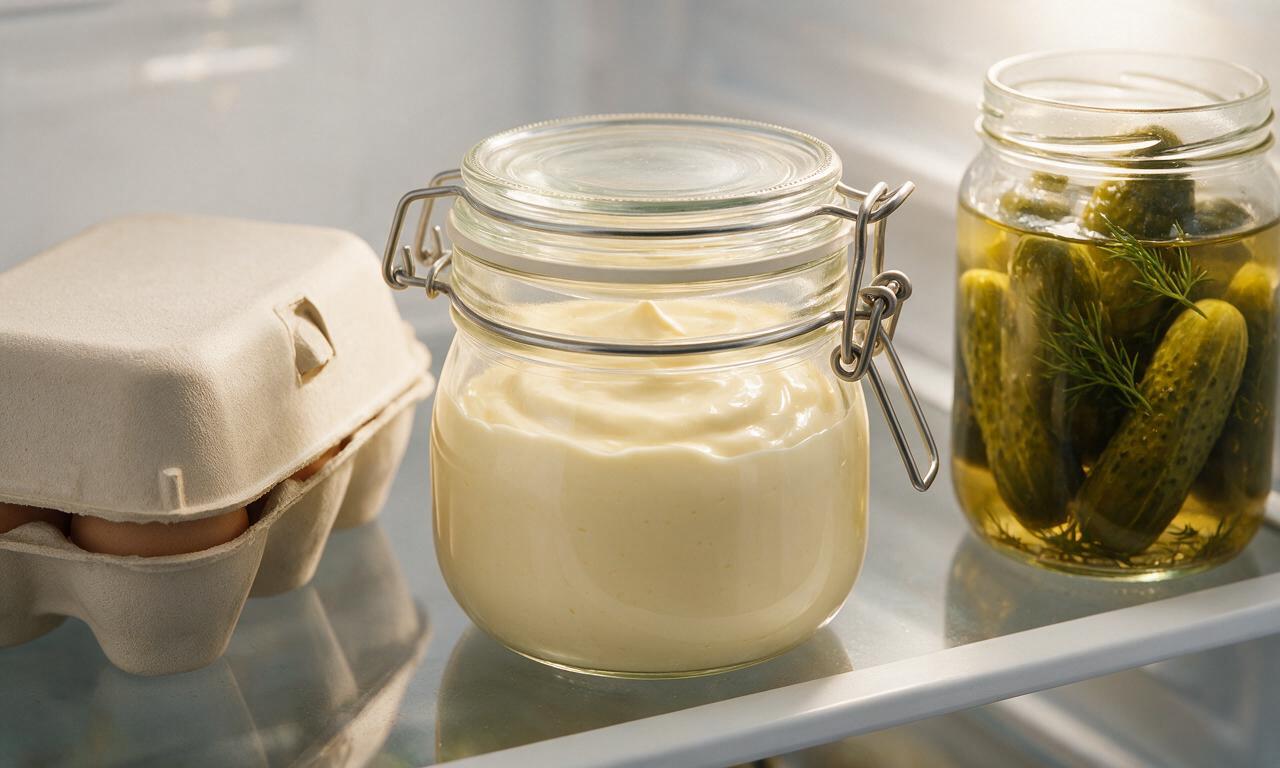
It is completely safe when made as directed with pasteurized large egg yolks, which are heat-treated to kill harmful salmonella bacteria. Always keep finished mayo stored in a sealed airtight container in the fridge at 40°F or below, and use it within 4 days for best quality and food safety.
2.Why did my mayonnaise break and turn runny instead of emulsifying?
▾
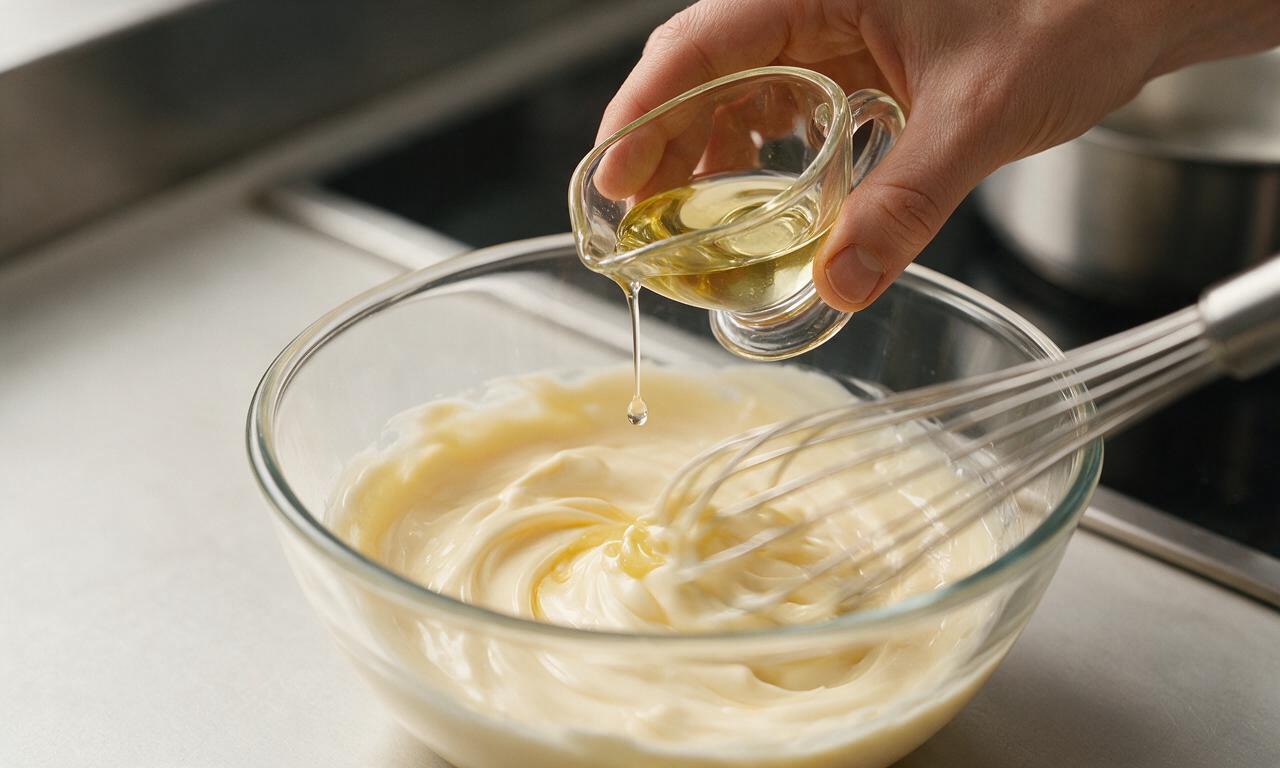
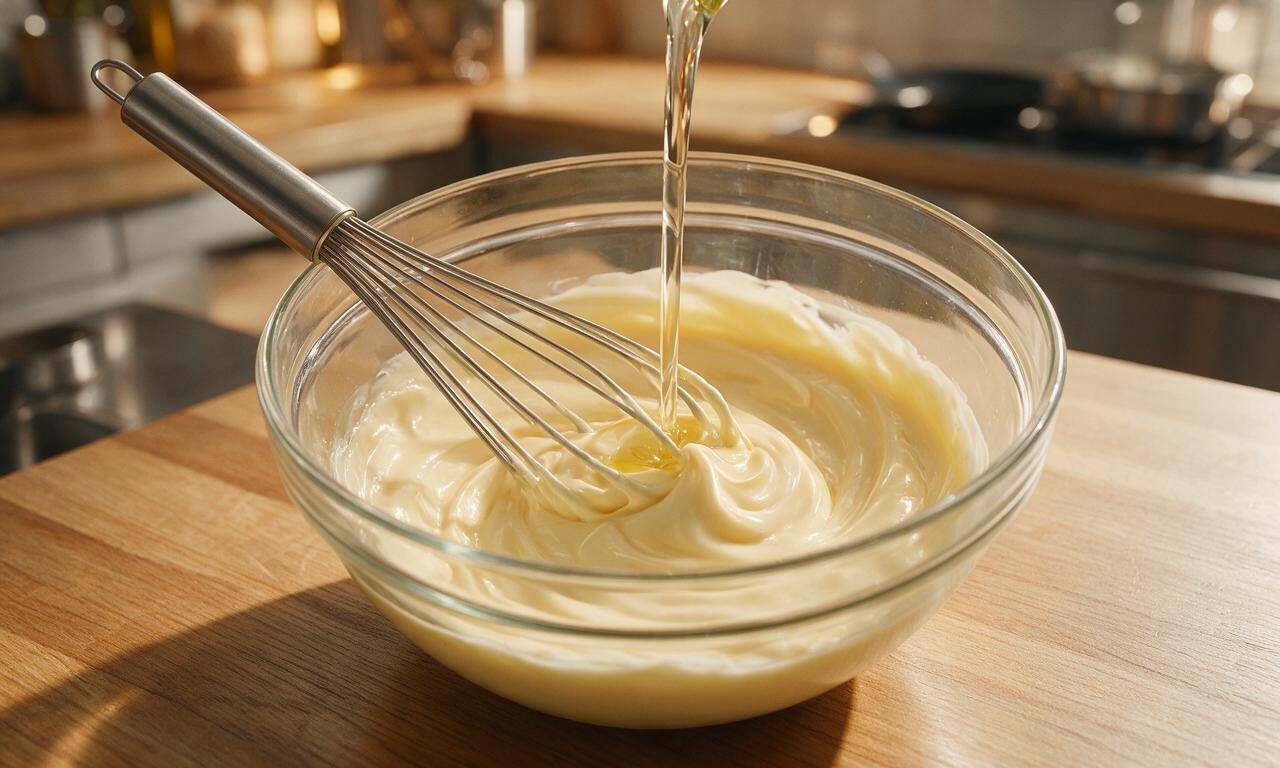
Broken mayo almost always stems from adding oil too fast at the start, or using ingredients that are drastically different temperatures. To avoid this, let all ingredients sit out for 30 minutes to reach room temperature first, and add oil one drop at a time in the first minute of mixing until the emulsion sets.
3.Can I use extra virgin olive oil instead of neutral oil for this recipe?
▾
You can, but I don’t recommend it for classic mayo. Full-flavored extra virgin olive oil has a strong, peppery, sometimes bitter profile that overpowers the mild, creamy classic flavor, and it can even make finished mayo taste slightly metallic if blended too fast. Stick to canola or light, mild olive oil for traditional taste.
4.What purpose does Dijon mustard serve in this mayonnaise?
▾
Dijon does more than add subtle tangy depth—its natural plant compounds act as an emulsifier that helps the egg yolk bind smoothly with oil to create a stable, silky texture instead of separating. You only need a small amount, so it won’t make your mayo taste strongly of mustard, I promise.
5.Can I make this mayonnaise without a food processor or immersion blender?
▾
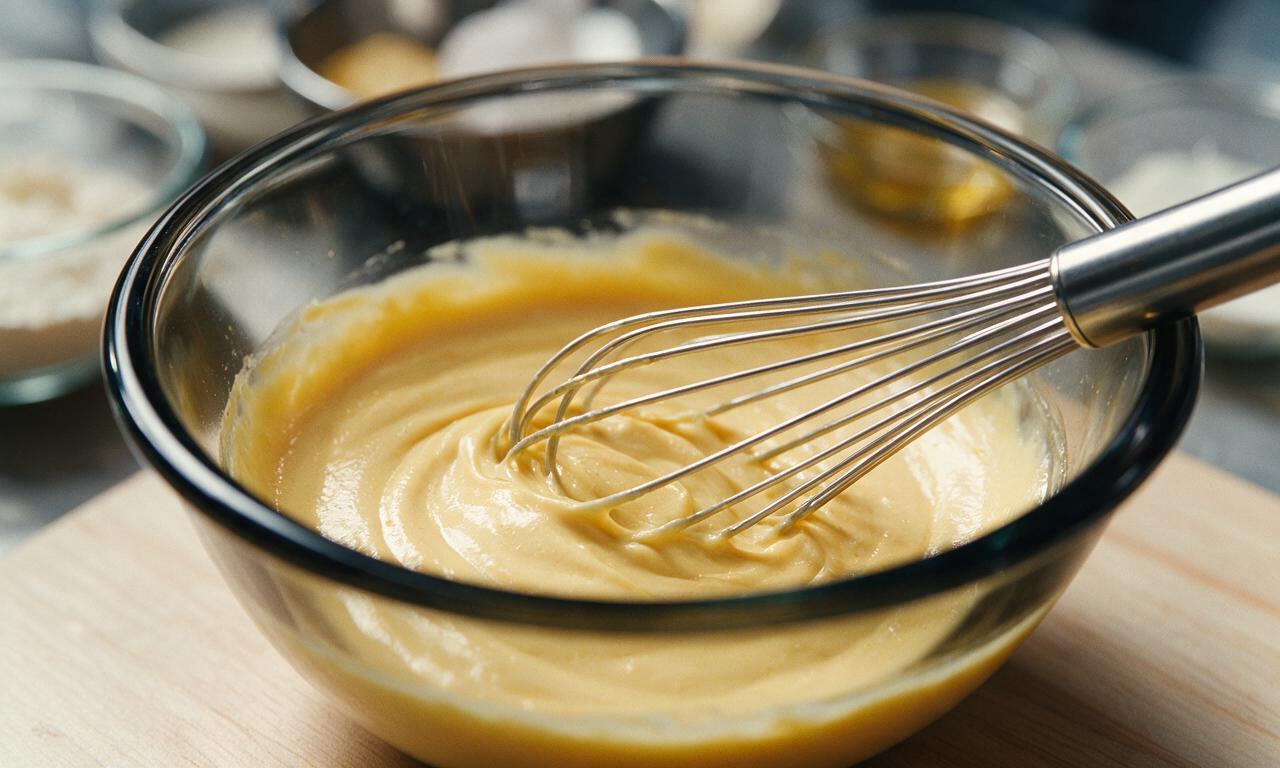
Absolutely! You don’t need fancy equipment. Just set your mixing bowl on a damp kitchen towel to keep it from sliding, use a sturdy wire whisk, and take extra care to add oil extremely slowly at the start. It takes 3 to 5 extra minutes of arm work, but the end result is just as smooth and creamy as blender-made mayo.
6.How do I fix a broken, separated batch of mayonnaise?
▾
It’s super easy to rescue broken mayo! Scoop a single teaspoon of room-temperature water or a fresh room-temperature egg yolk into a clean bowl, then slowly drizzle your broken mayo into it while whisking nonstop, just like you would add oil at the start of the recipe. It will re-emulsify in under a minute.
7.What can I substitute for white wine vinegar if I don’t have any on hand?
▾
You have a few easy, reliable swaps. Unseasoned rice vinegar works as a near-perfect 1:1 swap with the same mild tang. If you only have regular distilled white vinegar, cut it with half a teaspoon of extra lemon juice to soften its harsher bite, since distilled vinegar is sharper than white wine vinegar.
8.How long will homemade classic mayonnaise last in the refrigerator?
▾
When stored in a tightly sealed, clean airtight container at a consistent 40°F or below, this mayo will stay fresh for 3 to 4 days. Don’t leave it sitting out at room temperature for more than 2 hours total, as that can create conditions for bacteria to grow, even with pasteurized eggs.
9.Why does my homemade mayo taste greasy and oily instead of rich and creamy?
▾
That greasy, oily taste usually means either you added oil too quickly so it didn’t fully emulsify, you used an oil with too strong a flavor, or you over-blended the mayo once it was fully set. If it’s slightly oily, try whisking in a teaspoon of cold water a drop at a time to tighten the emulsion.
10.Can I use whole eggs instead of just egg yolks for this recipe?
▾
You can, but it will change the final texture. Whole egg mayo is thinner, lighter, and less rich than the classic yolk-only version. If you do use a whole egg, reduce your total oil by about 2 tablespoons to keep the texture balanced, and make sure the egg is fully pasteurized just like standalone yolks.
11.How can I adjust this recipe to taste more like familiar store-bought mayo?
▾
Sure! Most store-bought mayo is slightly sweeter and tangier than basic homemade. To match that profile, add a tiny pinch of white sugar (about 1/8 teaspoon) and an extra 1/4 teaspoon of white wine vinegar when you add the lemon juice, and use a super neutral oil like expeller-pressed canola.
12.Can I freeze homemade mayonnaise to extend its shelf life?
▾
I don’t recommend freezing this mayo. The high oil and egg content means the emulsion will break completely when it thaws, leaving you with a lumpy, separated, watery texture that won’t return to its original silky state even if you try to re-whisk it. Stick to small batches if you don’t use mayo often.
13.When is the best time to season this mayonnaise to my taste?
▾
Always taste and adjust seasoning once the emulsion is fully formed, since flavors mellow as the mayo sets. Start with a small pinch of fine sea salt and a crack of white pepper, add a squeeze more lemon for brightness, or a pinch of garlic powder for savoriness—add seasonings in tiny increments to avoid overdoing it.
14.Why do recipes say to use room temperature ingredients for mayonnaise?
▾
Cold ingredients cause the fat in the egg yolk to firm up, which makes it much harder to bind with oil to form a stable emulsion. When all your ingredients are around 65 to 70°F (cool room temperature), the egg yolk’s emulsifying compounds work far better, cutting your risk of a broken batch almost entirely.
15.How thick should properly made classic mayonnaise be?
▾
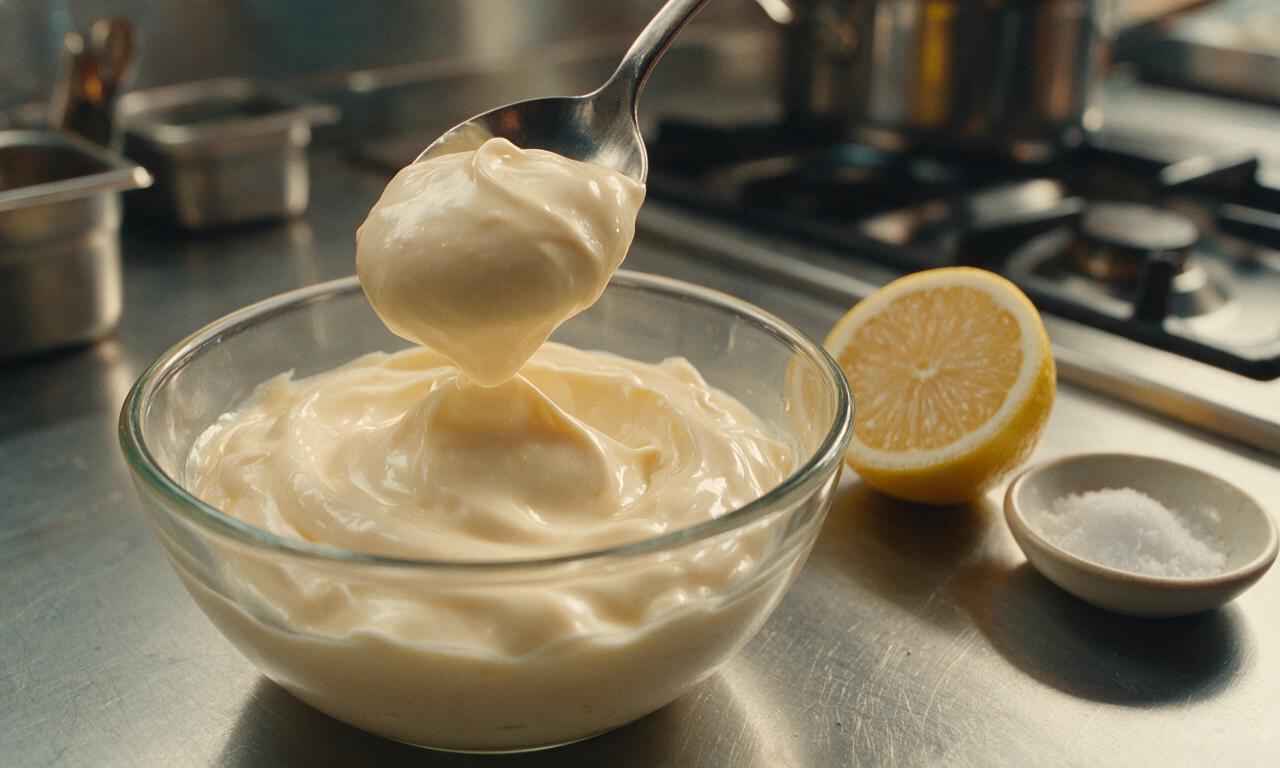
Perfectly made classic mayo should be thick enough to hold a soft peak when you lift your whisk or blender out of the bowl, and it should slowly spread instead of running off a spoon. If it’s too thick for your liking, whisk in a teaspoon of cold water or lemon juice a drop at a time to thin it.
16.Can I use bottled lemon juice instead of fresh for this recipe?
▾
I strongly recommend fresh lemon juice for the brightest, cleanest flavor. Bottled lemon juice has a flat, slightly metallic, preserved taste from added sulfites and shelf stabilizers that will make your mayo taste dull. It only takes half a small lemon to get the juice you need, so it’s worth squeezing fresh.
17.What are the best ways to use this homemade classic mayonnaise?
▾
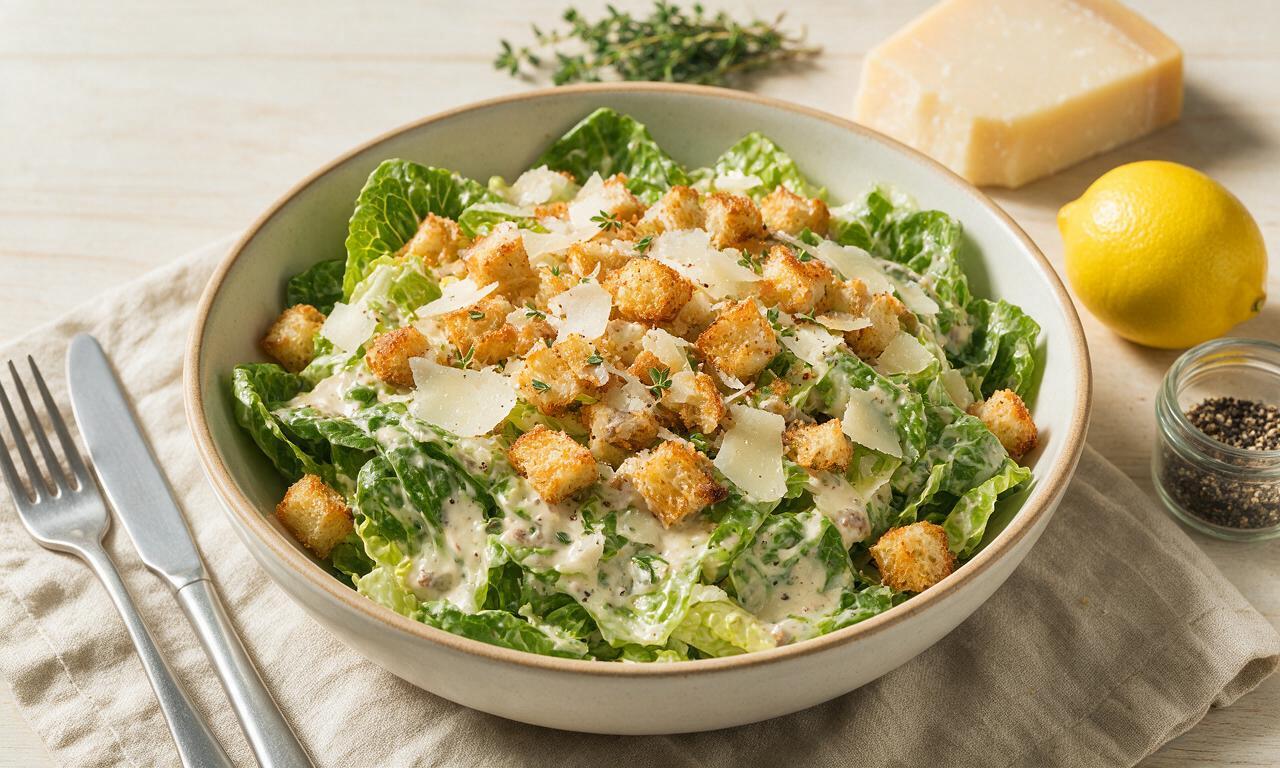
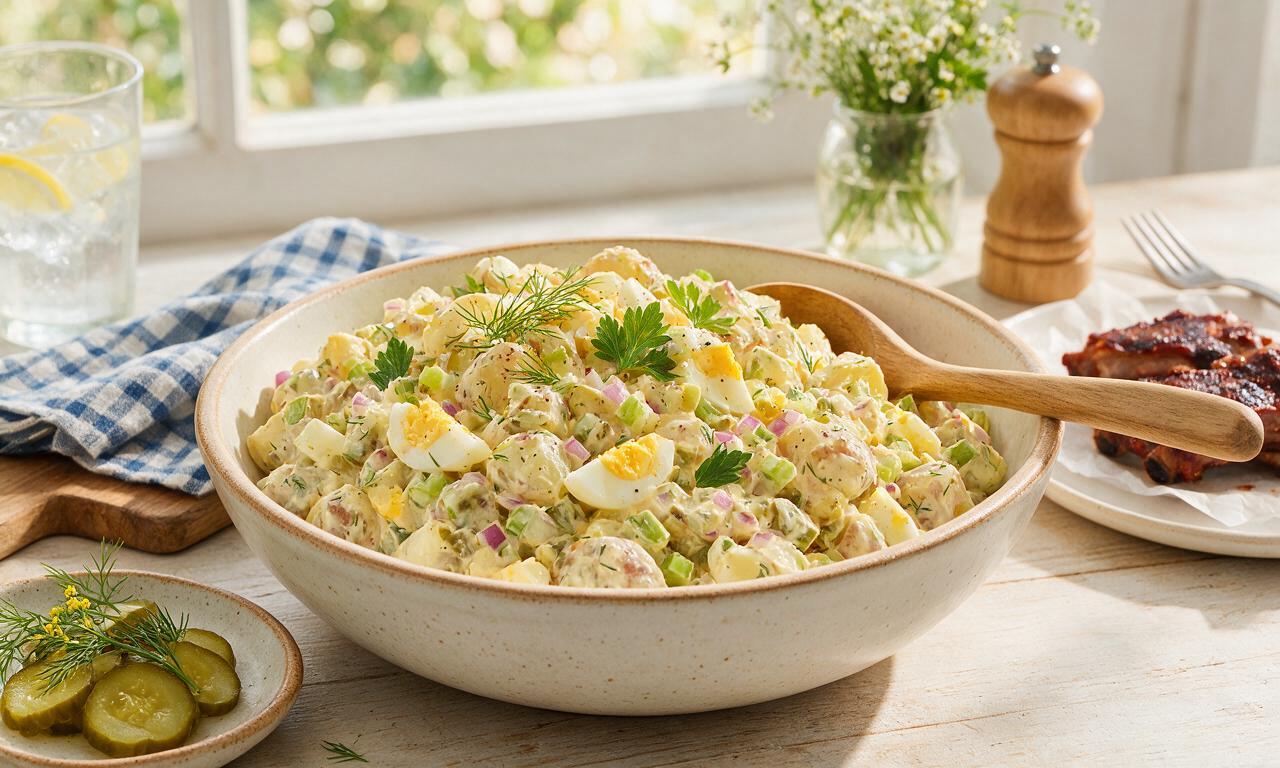
This silky, rich mayo is incredibly versatile! Use it as a spread for sandwiches and burgers, as the creamy base for potato salad, coleslaw, or egg salad, thin it with a little extra lemon and herbs for a quick salad dressing, or mix in garlic and paprika for a fast veggie or fry dip.
18.Why does my finished mayonnaise have a weird bitter aftertaste?
▾
Bitter mayo almost always comes from one of two culprits: either you used a strongly flavored, bitter oil (like unrefined extra virgin olive oil blended at high speed), or you over-processed the mayo once it was fully emulsified, which breaks down oil compounds to create off-flavors. Stick to mild neutral oil and stop mixing as soon as it thickens.
19.Can I scale this recipe up or down to make more or less mayo?
▾
Absolutely, the core ratios scale perfectly as long as you keep the basic proportion of 1 large pasteurized egg yolk per 1 cup of neutral oil. For small batches, an immersion blender works great to avoid over-mixing, and for double batches, add oil just as slowly as you would for a single batch to keep the emulsion stable.
20.Can I use this classic mayonnaise as a base for flavored spreads and dressings?
▾
It makes an ideal base for almost any creamy flavored spread or dressing! Stir in roasted garlic for a quick aioli, add chopped pickles and dill for tartar sauce, mix in hot sauce for a spicy sandwich spread, or thin it with extra vinegar and herbs for creamy ranch or blue cheese dressing.

OMG this homemade mayo is SO good! I made it for our family burger night last night and everyone was asking what I did different. Way better than the store-bought junk I usually grab, and it only took 10 minutes like the recipe said. Total game changer for my summer cookouts!
Tried this for the first time yesterday and my mayo came out super runny? Did I add the oil too fast? I followed the measurements exactly but it never thickened up like the photos show. Bummed because I was really excited to use it for potato salad for our potluck this weekend.
My kids loved this mayo! I stirred a little garlic powder and paprika into half the batch to make a quick aioli for dipping sweet potato fries, and they ate every last bite. Already added this to my weekly meal prep rotation, it’s so much cheaper than buying the fancy organic stuff at the grocery store.
Used this as the base for my homemade ranch dressing for our neighborhood block party last weekend and people were literally asking me for the recipe left and right. Nobody believed it was made from scratch in 10 minutes! 10/10 will be making this every other week from now on.
Is there a way to make this without raw eggs? I’m pregnant and I’ve been avoiding raw egg products, but I’m dying to make homemade mayo for my BLT lunches this week.
Took me two tries to get the emulsion right, but once I did? Wow, this is so much creamier than any mayo I’ve ever bought. I used avocado oil instead of canola because it’s what I had in the pantry, and it turned out amazing. Worth the little extra effort for sure.
Made this for tuna salad for my work lunches this week and it is *chef’s kiss*. I added a tiny extra squeeze of lemon and a pinch of dill, and it tastes just like the deli tuna salad I pay $12 a pound for. Why did I wait so long to make homemade mayo?!
How long does this keep in the fridge? I made a big batch yesterday for our Memorial Day cookout and I have about half a jar left, don’t want it to go to waste!
I was so intimidated to make mayo from scratch because I heard it’s super easy to mess up, but this recipe walked me through every step so clearly! Mine came out perfect on the first try, even with my cheap old hand whisk. I’m so proud of myself lmao
Made this to go on sliders for our Sunday football watch party and it was a total hit. I mixed in a little buffalo sauce to a portion of it for a spicy spread, and my friends were putting that stuff on everything — burgers, chips, even the veggie platter. Will be making double batches from now on.
I’ve been making mayo the same way my mom taught me for 60 years, and this recipe is almost identical! I add a tiny pinch of dry mustard like she always did, and it comes out perfect every time. It’s so nice to see a classic, no-fuss recipe online instead of all the fancy trendy stuff.
I used light olive oil for this and it had a really strong, bitter aftertaste — did I do something wrong? I thought all oils worked for mayo, but this was kind of unpleasant.
This mayo was the perfect base for my deviled eggs for Easter dinner this year. Everyone was raving about how creamy and tangy they were, and nobody could tell I didn’t use the store-bought mayo I usually grab. Total win!
Does this work with an immersion blender? I hate whisking for 10 minutes straight, my arm gets so tired lol. I’ve seen people make mayo in a jar with an immersion blender in like 30 seconds, does that method work with these ratios?
Made this in my dorm room with a fork and a mason jar because I don’t have any fancy kitchen gear, and it actually worked! I ate it on a turkey sandwich for dinner and it was way better than the cafeteria food. 10/10, cheap and easy enough for a broke college student.
Can I use apple cider vinegar instead of white vinegar for this? My kid has a sensitivity to white vinegar and I need a swap that won’t mess up the texture.
Bro this mayo is insane. I put it on my fried chicken sandwich last night and it tasted like something I’d pay $15 for at a fancy lunch spot. I added a little hot sauce and pickle brine to it and *chefs kiss* no more store-bought for me ever.
I love that this recipe doesn’t have all the weird preservatives and added sugar that store-bought mayo has. I’ve been trying to cut out processed foods and this is such an easy swap to make for meal prep. It tastes way fresher too, I’ll never go back.
Made this for our family picnic at the park over the weekend, and it held up great even in the 85 degree heat for a couple hours (we kept the cooler closed mostly, obviously). Used it for coleslaw and egg salad, and everyone said it was the best coleslaw I’d ever made.