1.What makes montanara different from regular baked Neapolitan pizza?
▾
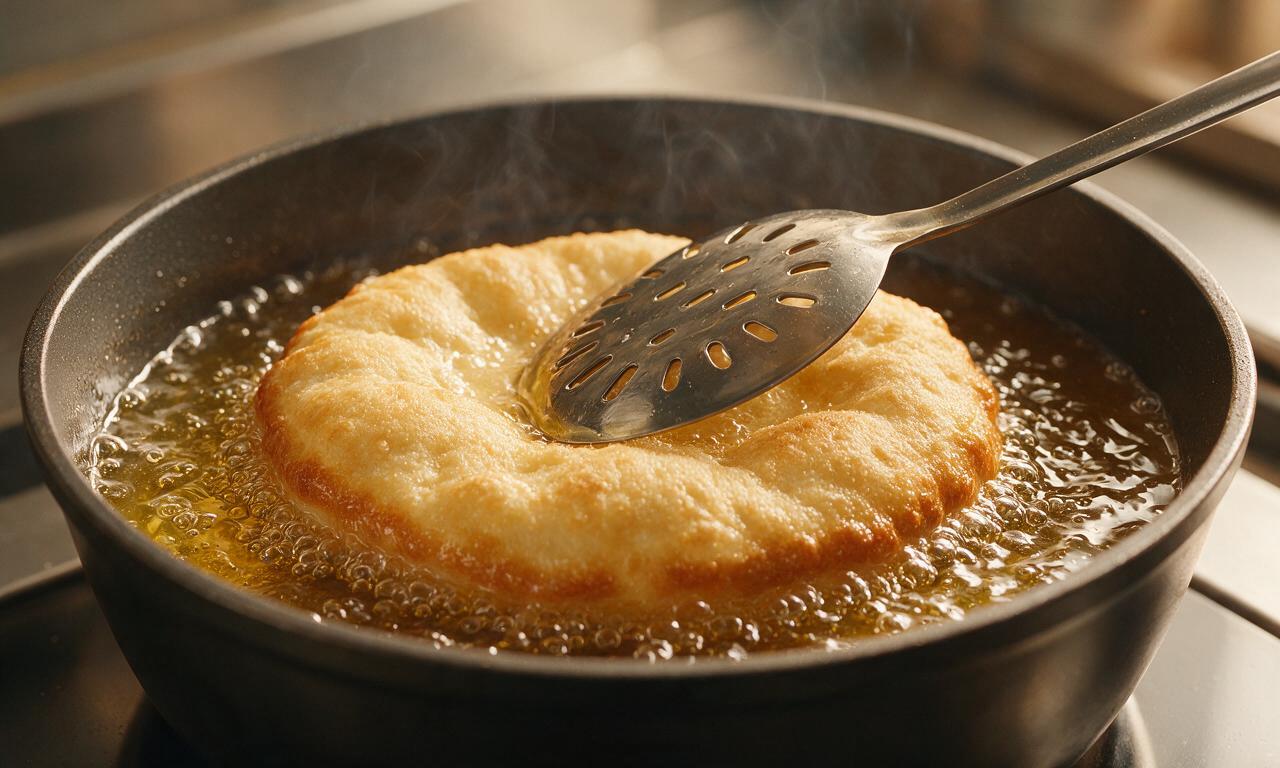
The biggest difference is the cooking method: montanara dough is deep-fried instead of baked in a super-hot wood-fired oven. This creates a shatteringly crisp, golden outer crust with an ultra-light, pillowy, airy center, rather than the lightly charred, chewy edge of baked Neapolitan pizza. Toppings are added post-fry to keep flavors bright and fresh.
2.Can I use all-purpose flour instead of 00 pizza flour for the dough?
▾
You can substitute all-purpose flour in a pinch, but 00 flour is ideal for that signature light, tender, non-greasy crust. All-purpose has higher protein content that can make fried crust chewier and denser. If you do swap, use 2 tablespoons less AP flour per cup of 00 called for to avoid a tough, heavy dough that absorbs too much frying oil.
3.What’s the right water temperature for the dough, and do I need to activate the instant dry yeast?
▾
Instant dry yeast doesn’t require pre-activation, but you’ll get the most consistent rise if you stir it into lukewarm (90°F to 100°F) water for 5 minutes before mixing with flour and fine sea salt. Water over 110°F will kill yeast and prevent rise, while too-cold water will slow fermentation dramatically and lead to dense, heavy crusts.
4.Do I really need to let the montanara dough rise before frying?
▾
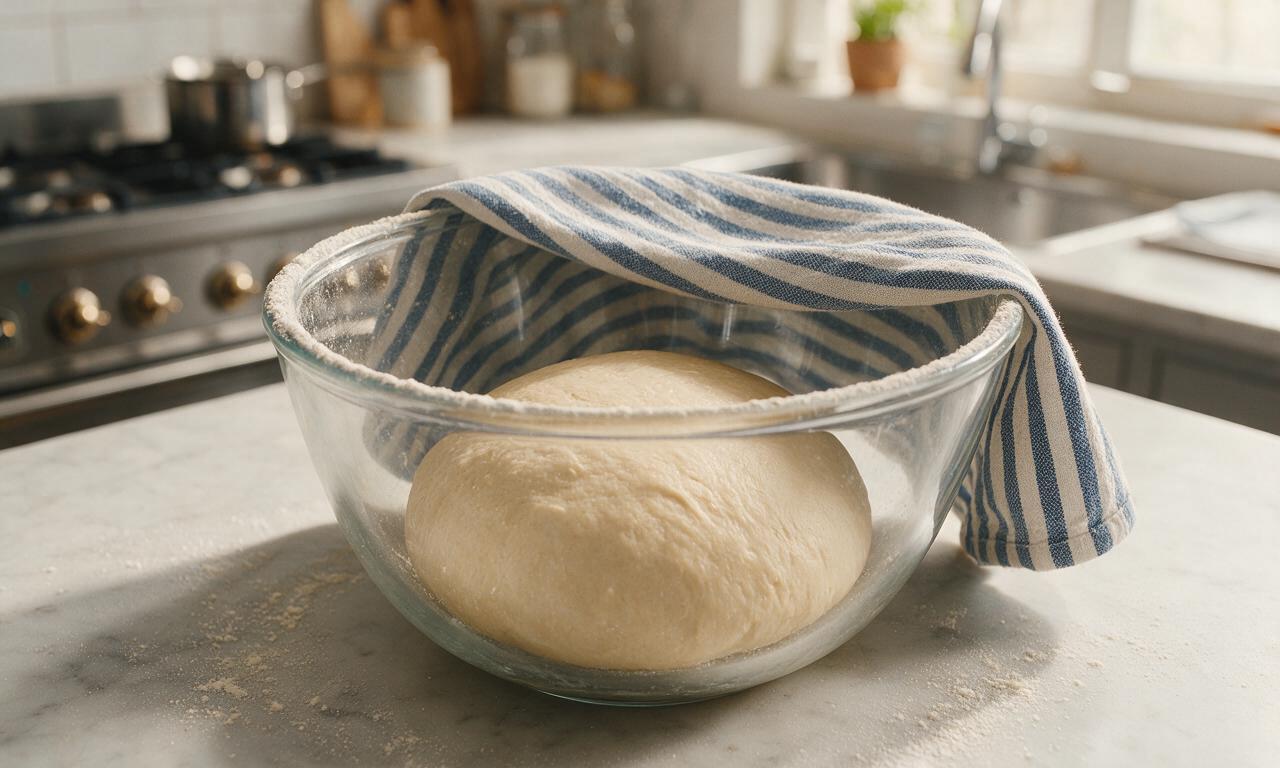
Absolutely—proper rise is non-negotiable for that light, airy, non-greasy texture. After mixing your flour, yeast-water mixture, salt, and small splash of extra-virgin olive oil into a smooth dough, let it rise in a covered, oiled bowl for 1.5 to 2 hours at room temp until doubled, then portion into 4-ounce balls and rest 30 minutes before stretching. Skipping rise leads to tough, dense crust.
5.What oil should I use for frying, and where does extra-virgin olive oil come in?
▾
Reach for a neutral, high-smoke-point oil like refined avocado or canola oil for frying, since these can hold steady 350°F+ heat without burning. Extra-virgin olive oil is too delicate for high-heat frying, so reserve it for mixing into the dough and a light finishing drizzle on cooked montanara, where its bright, grassy flavor can shine.
6.How hot should the frying oil be to avoid a greasy, heavy crust?
▾
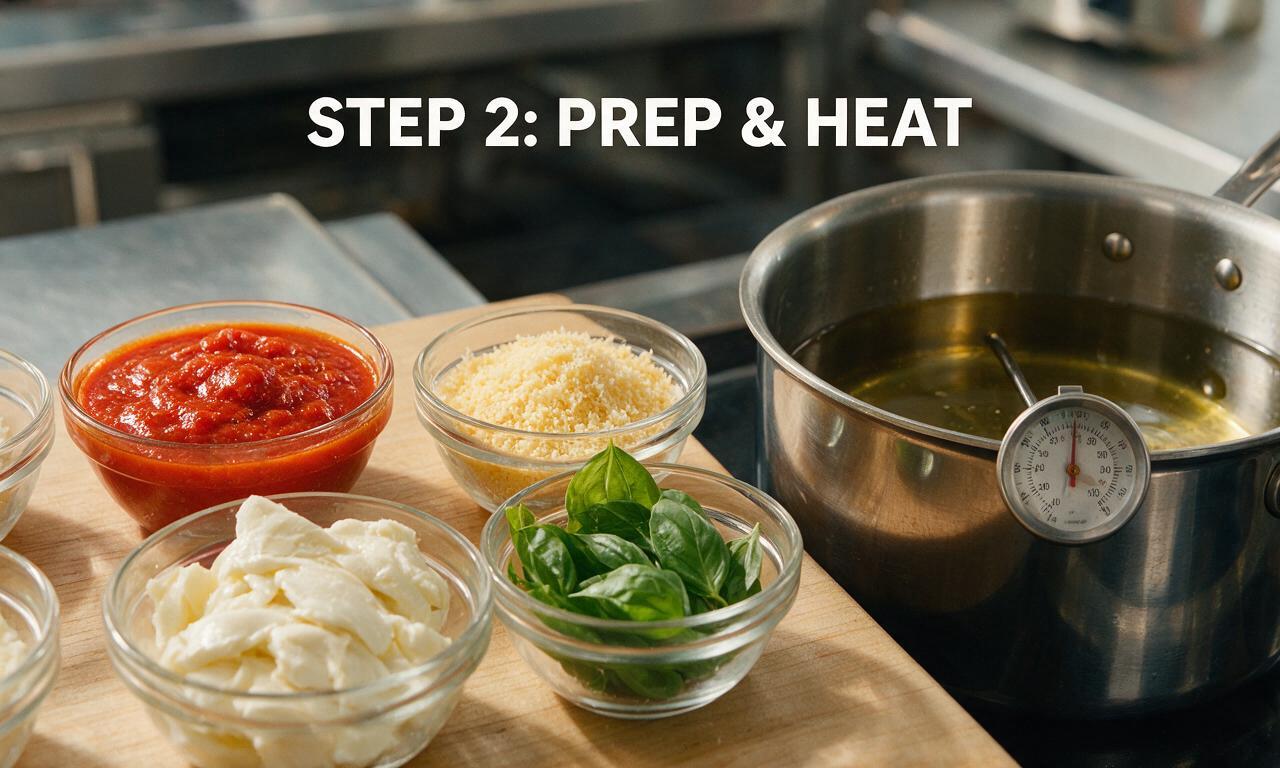
Aim for a steady 350°F to 365°F, measured with a clip-on candy thermometer, for perfect results. If the oil is too cool, the dough will soak up excess oil and turn heavy and soggy; if it’s too hot, the outside will burn before the center cooks through. Let the oil temperature recover for 30 seconds between frying each round.
7.How long do I fry each dough round to cook it all the way through?
▾
Each 6 to 7-inch stretched dough round only needs 1.5 to 2 minutes total frying time. Flip it once halfway through, when the first side is deep golden and puffed, to cook the second side evenly. It’s done when both sides are evenly golden, crisp, and the dough has no raw, doughy spots in the soft, airy center.
8.Do I add the tomato sauce and cheese before or after frying the dough?
▾
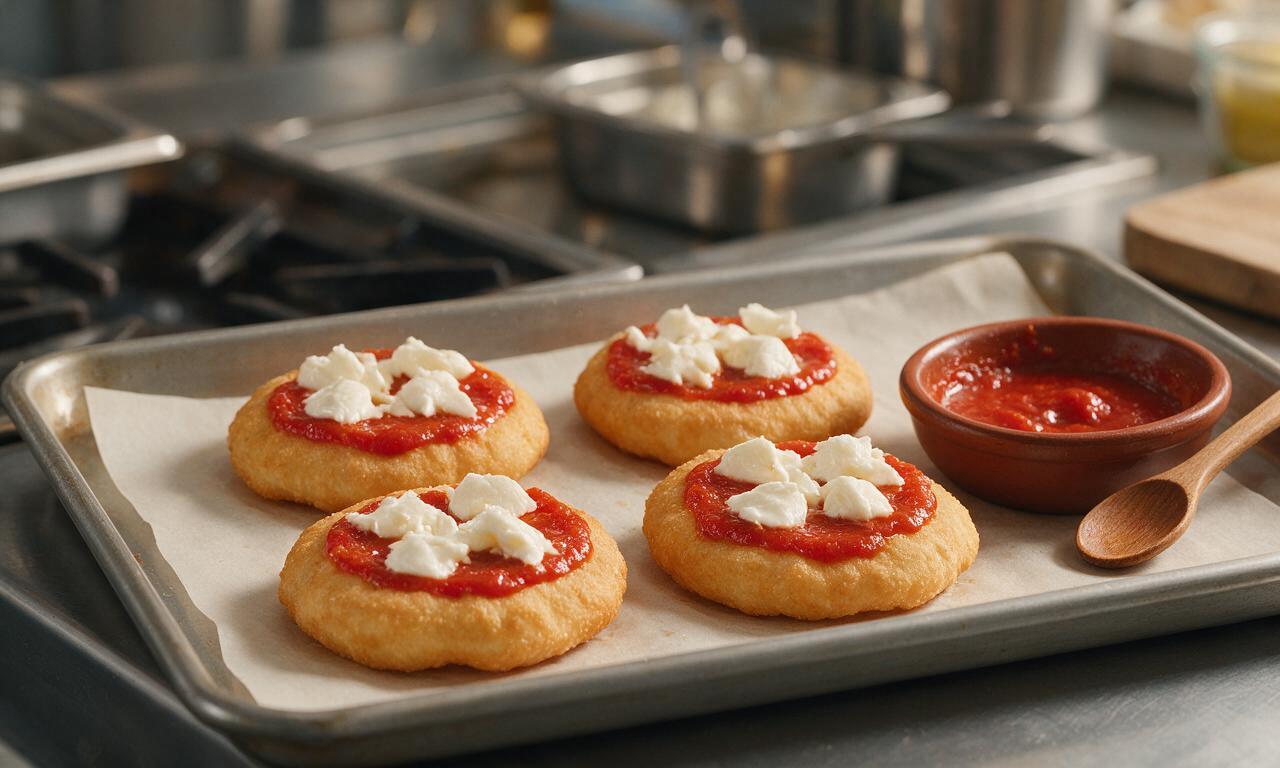
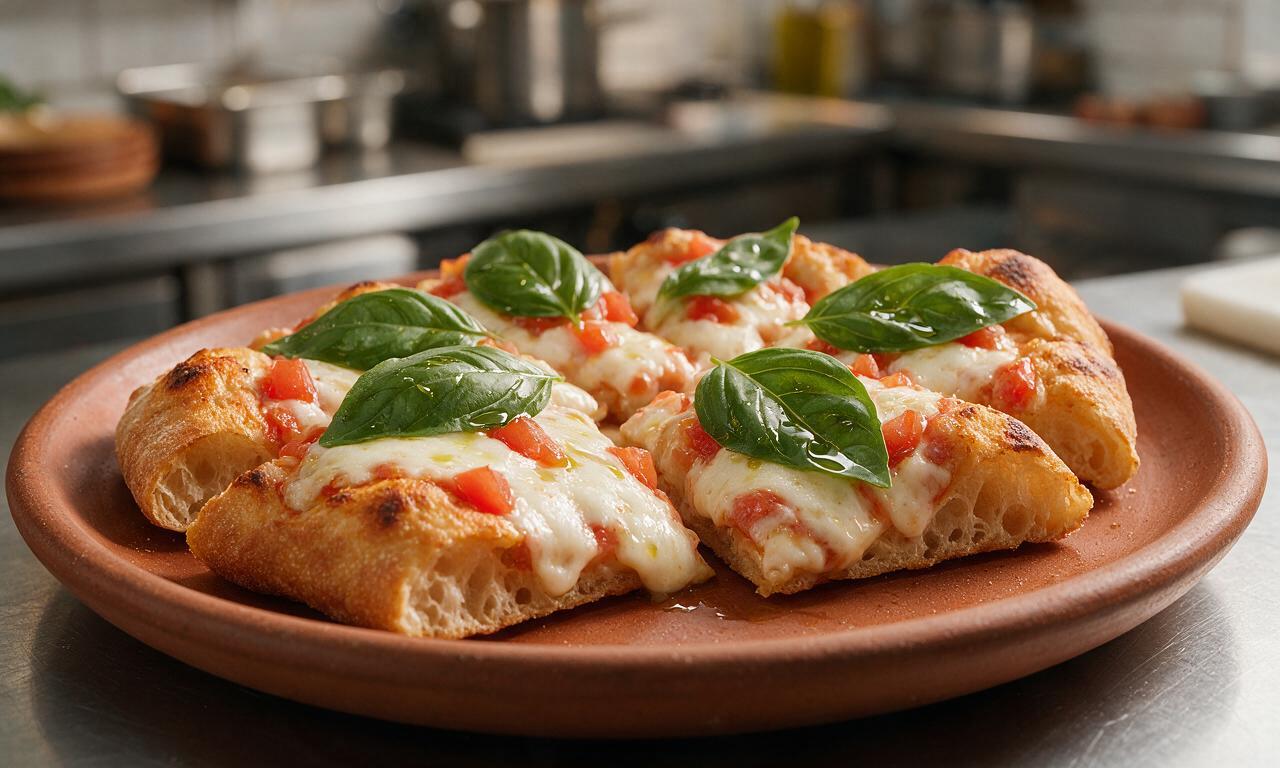
Always add toppings after frying! Unlike baked pizza, montanara is fried plain first, then transferred to a wire rack to drain for 30 seconds before topping with warmed San Marzano tomato, torn fresh mozzarella, and fresh basil. Adding toppings pre-fry will make them burn, sink into the dough, and leave you with a soggy, greasy mess.
9.Do I need a dedicated deep fryer to make montanara at home?
▾
No fancy deep fryer is required! You can use a heavy-bottomed Dutch oven or deep cast-iron skillet, filled with 2 to 3 inches of oil, clipped with a candy thermometer to track temperature. Just make sure you don’t fill the pot more than halfway full with oil, to avoid dangerous hot oil boil-over when you add dough rounds.
10.Why does my fried dough puff up unevenly when I cook it?
▾
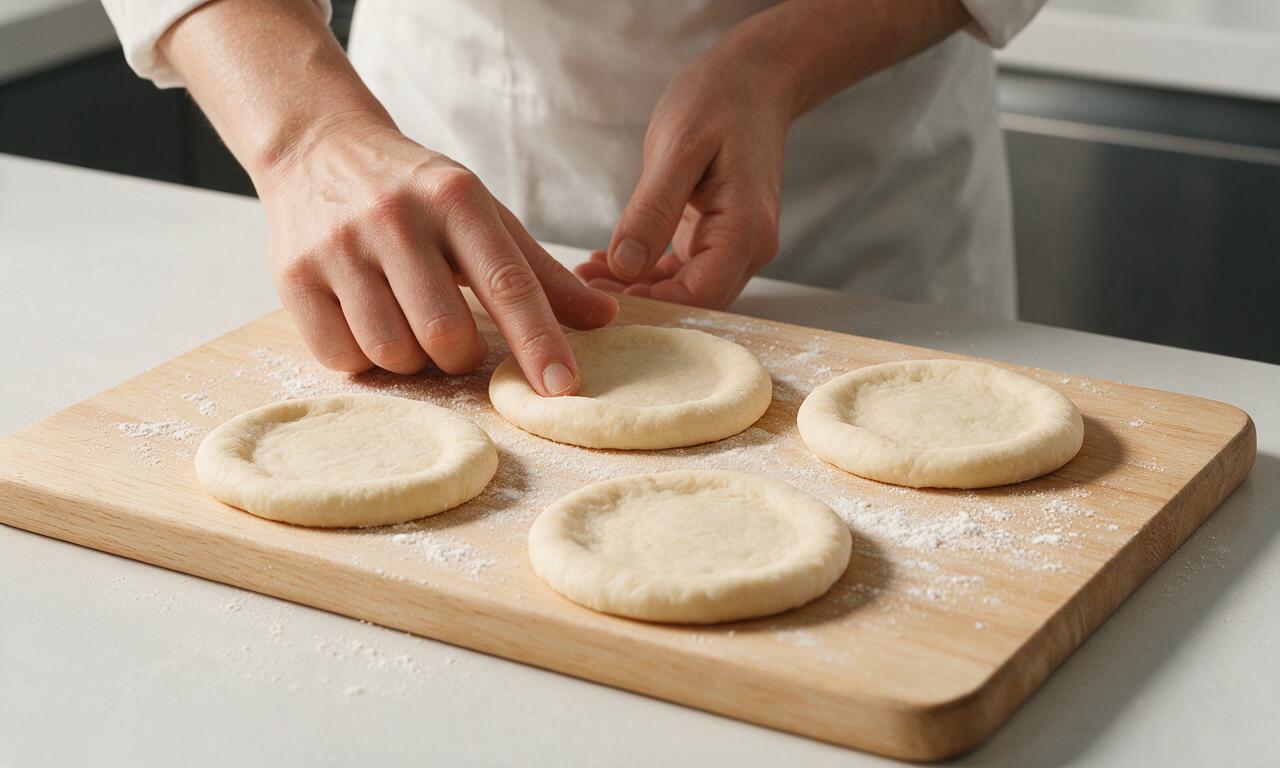
Uneven puffing usually happens when you stretch the dough too thin in spots, or leave thick, un-stretched sections in the center. It can also happen if you don’t let portioned dough balls rest long enough before stretching, making the gluten tight and springy. Stretch gently to an even ¼-inch thickness, leaving a slightly thicker ½-inch crust edge.
11.How do I keep the montanara crust from getting soggy after I add toppings?
▾
First, drain fried dough on a wire rack (not paper towels, which trap steam against the crust) for 30 seconds before topping. Use low-moisture fresh mozzarella, patted dry with paper towels to remove excess whey, and don’t over-sauce—you only need a thin, even layer of tomato. Serve immediately after topping, as crust softens as it sits.
12.What’s the best way to stretch montanara dough without using a rolling pin?
▾
Skip the rolling pin entirely, as it presses out all the precious air bubbles that make the fried crust light and fluffy. Gently press a rested dough ball flat with your fingertips, working from the center out to leave a slightly thicker edge. Lift and stretch the dough gently, rotating as you go, until it forms an even 6 to 7-inch round with no tears.
13.Why is San Marzano tomato recommended for the montanara topping?
▾
San Marzano tomatoes, grown in nutrient-dense volcanic soil near Mount Vesuvius, have a bright, sweet, low-acid flavor and firm, less watery pulp that makes the perfect light sauce for montanara. You don’t even need to cook them down—just crush by hand with a pinch of salt, and warm slightly to melt mozzarella without sogginess.
14.Can I prep the montanara dough ahead of time for easier serving?
▾
Definitely! For make-ahead prep, mix the dough, let it do its first 30-minute bulk rise at room temperature, then seal it airtight and store it in the fridge for up to 3 days. Pull it out 2 hours before you plan to fry to let it come to room temperature and finish rising, so it stretches easily and fries up light.
15.Can I freeze extra uncooked montanara dough for later use?
▾
Yes, portioned dough balls freeze beautifully for up to 3 months. After portioning fully risen dough into 4-ounce balls, place them on a parchment-lined tray, freeze solid, then transfer to a sealed freezer bag. Thaw them in the fridge overnight, then let them come to room temp for 1 hour before stretching and frying, no extra kneading needed.
16.Can I add extra toppings like pepperoni or mushrooms to my montanara?
▾
Traditional montanara is kept very simple to let the crisp fried crust shine, but you can add small amounts of pre-cooked, well-drained toppings like crispy pepperoni or sautéed mushrooms if you like. Skip raw, high-moisture toppings that will release water and make the crust soggy, adding toppings right after frying while the dough is still hot enough to melt cheese.
17.How do I store leftover cooked montanara and reheat it so it stays crisp?
▾
Leftover montanara is best eaten right away, but you can store cooled, un-topped fried crusts in an airtight container in the fridge for up to 2 days. Reheat them directly on a wire rack in a 400°F oven for 3 to 4 minutes until crisp again, then add toppings fresh—microwaving will make the crust rubbery and soggy, so skip that method.

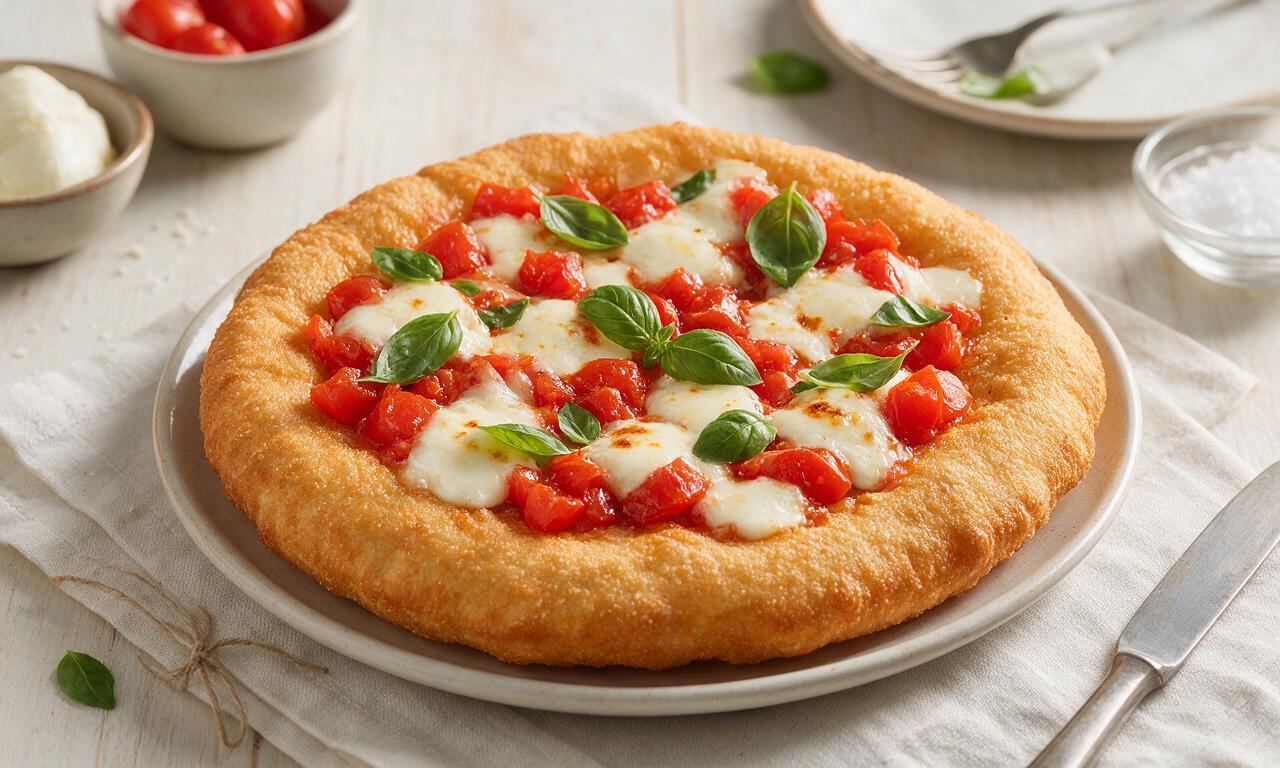
OMG this montanara was a total game changer for our Friday family pizza night! I was nervous about frying the dough at first since I’ve only ever baked pizza, but the instructions were so clear even with medium difficulty. My kids went crazy for the crispy puffy crust, even my super picky 7 year old asked for seconds. I topped ours with fresh mozz, a little basil, and a drizzle of hot honey and it was SO good. Already planning to make a batch for our neighborhood potluck next weekend!
Really solid montanara recipe! Took me a tiny bit longer than the listed 1 hour 15 minutes because I let my dough rest an extra 20 minutes for extra puff, but the end result tasted exactly like the fried pizza I got on a trip to Naples a few years back. Only note is I wish there was a note about what oil works best for high-heat frying—I used canola and it worked fine, but I was curious if avocado oil would give a cleaner taste?
Obsessed!!! I made a double batch of these on Sunday for meal prep and they held up way better than I expected. I fried the dough rounds, let them cool completely, and stored them in the fridge, then added toppings and broiled for a minute when I was ready to eat during the work week. Total game changer for quick weeknight dinners, no sad delivery pizza for me anymore! 10/10 will be on regular rotation in our house.