1.What’s the best cut of pork to use for homemade moo shu pork?
▾
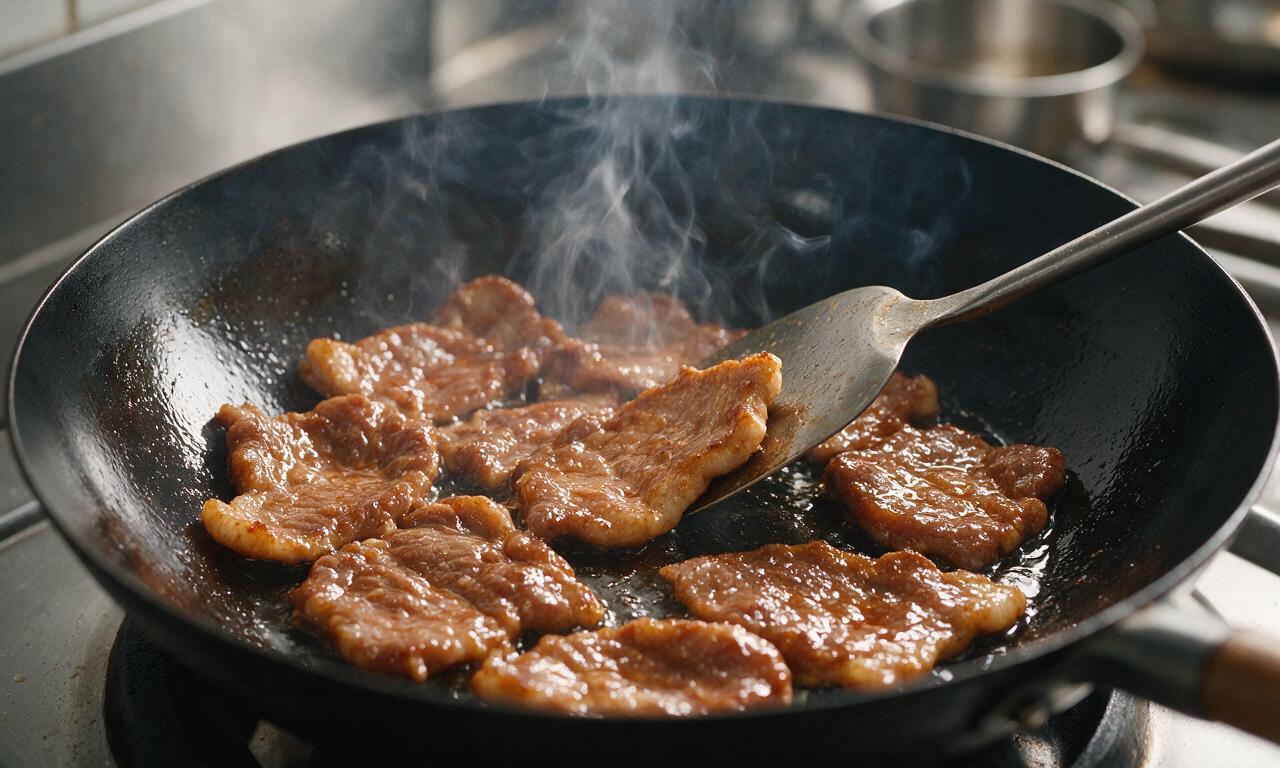
Pork tenderloin is the top pick here, as it’s ultra-lean, tender, and free of tough connective tissue that gets chewy when stir-fried. Always slice it thinly against the grain to shorten muscle fibers, which guarantees every bite stays soft instead of stringy, even if you accidentally cook it a touch too long.
2.Can I prep the pork ahead of time to make weeknight cooking faster?
▾
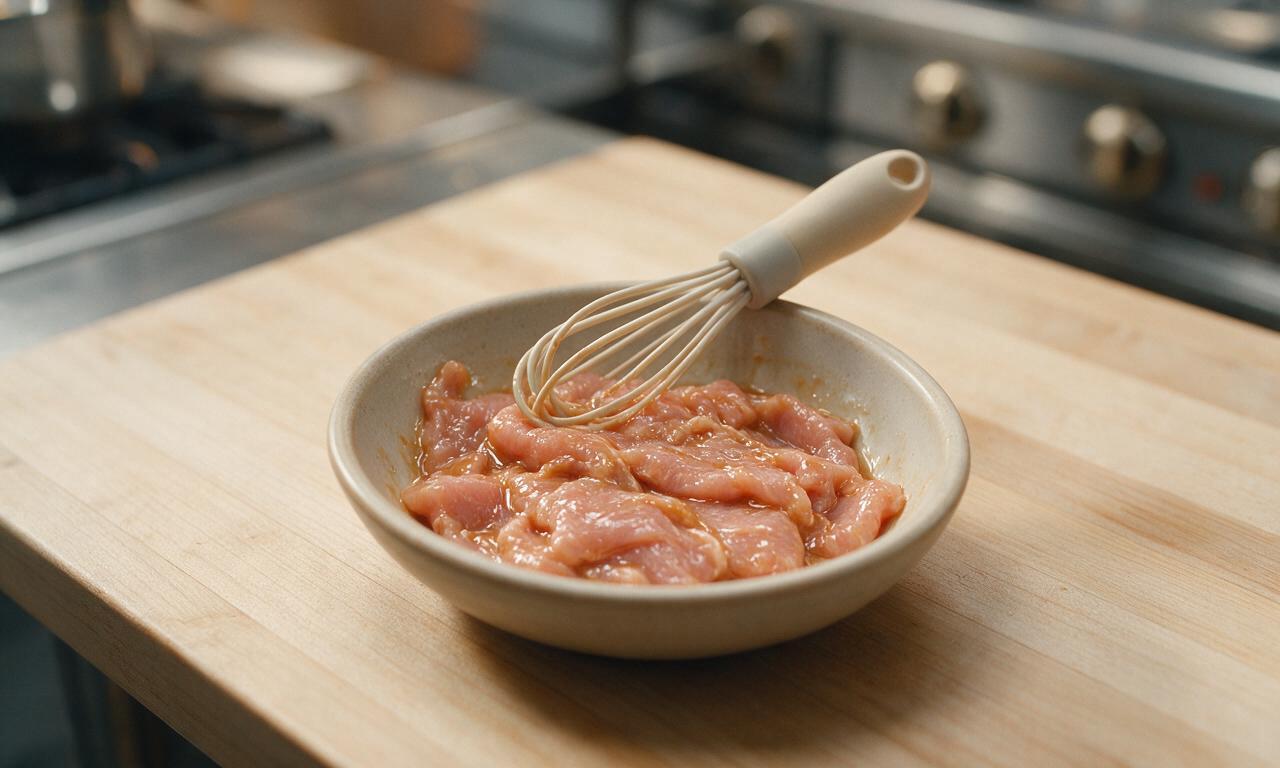
Absolutely! Slice the tenderloin against the grain, toss it with a simple marinade of 1 tsp soy sauce, 1 tsp cornstarch, and a pinch of white pepper, then store it in an airtight container in the fridge for up to 24 hours. The cornstarch creates a light coating that locks in moisture when you stir-fry, so the pork stays extra tender.
3.What are Mandarin pancakes, and where can I find them if my local grocery store doesn’t carry them?
▾
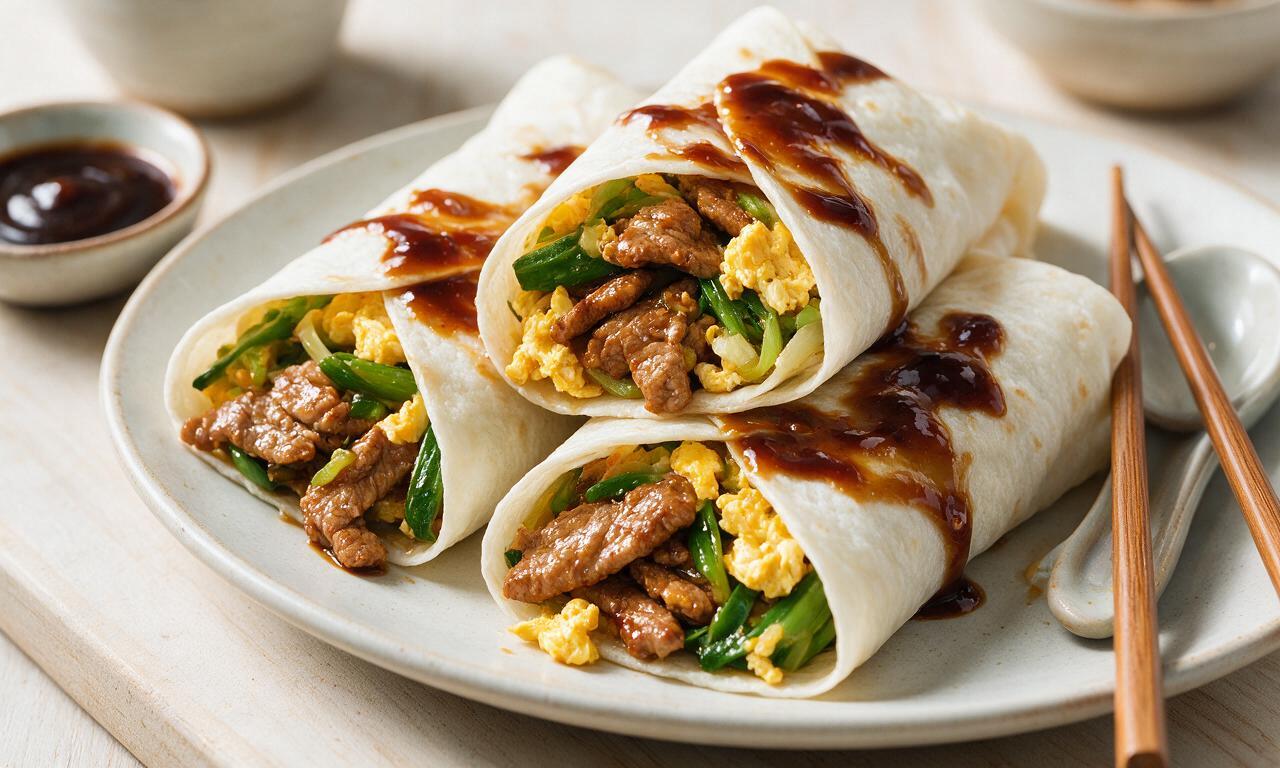
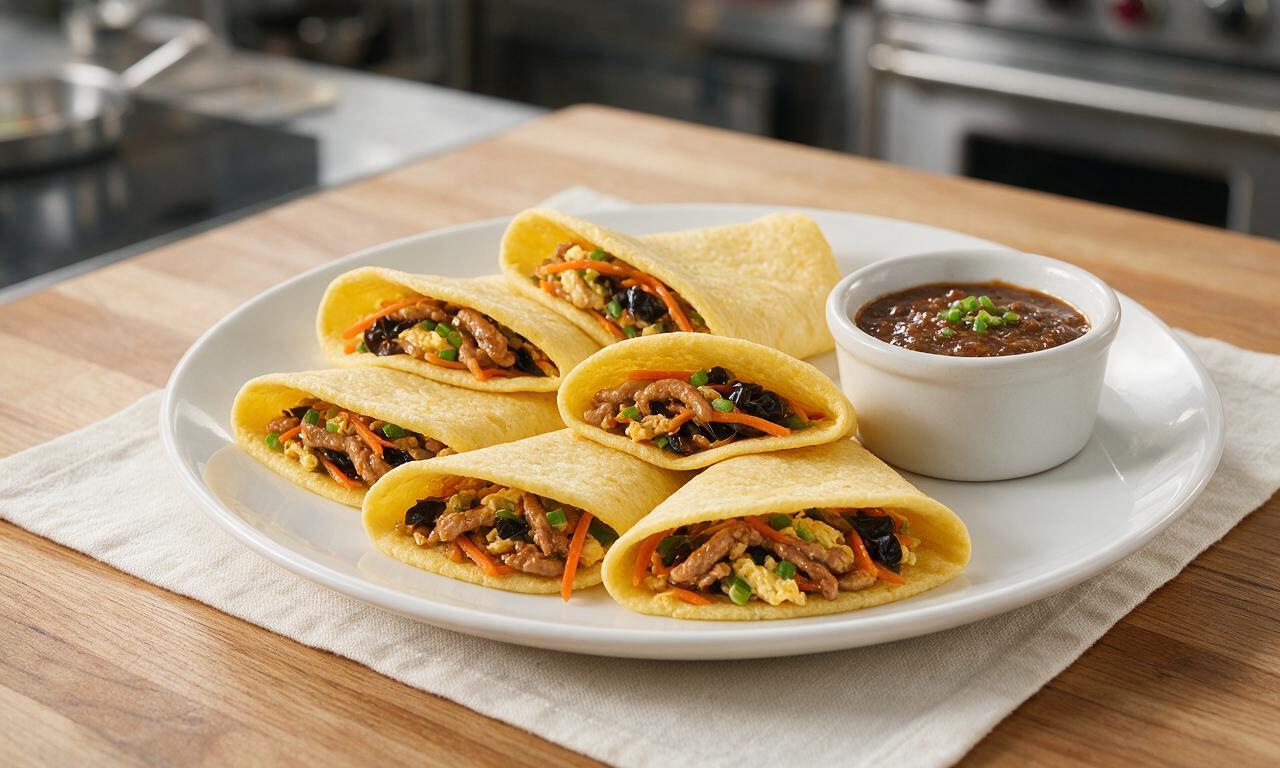
Mandarin pancakes (the official moo shu wrappers) are thin, soft, wheat-based wrappers designed to hold fillings without tearing. Most mainstream grocery stores stock them frozen in the Asian food aisle, but if you can’t find them, 6-inch flour tortillas lightly warmed make a perfectly acceptable, easy substitute.
4.Do I have to use dried wood ear mushrooms, or can I swap them for fresh mushrooms?
▾
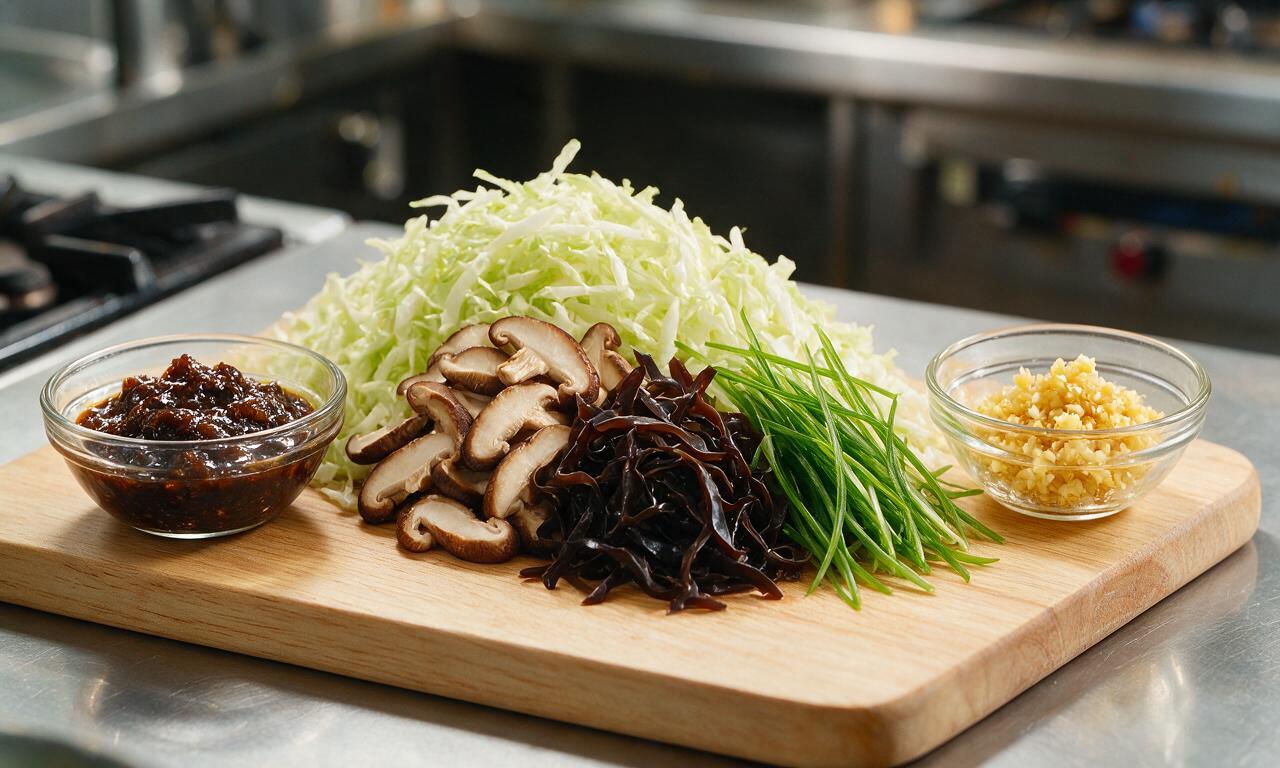
Dried wood ears have a uniquely crisp, snappy texture and mild earthy flavor that’s classic for moo shu, but if you don’t have them, swap in thinly sliced fresh shiitake mushrooms. Just note fresh shiitakes have a chewier, more pronounced mushroom flavor, so you won’t get that signature subtle, snappy crunch rehydrated wood ears bring.
5.How do I properly rehydrate dried wood ear mushrooms so they aren’t gritty?
▾
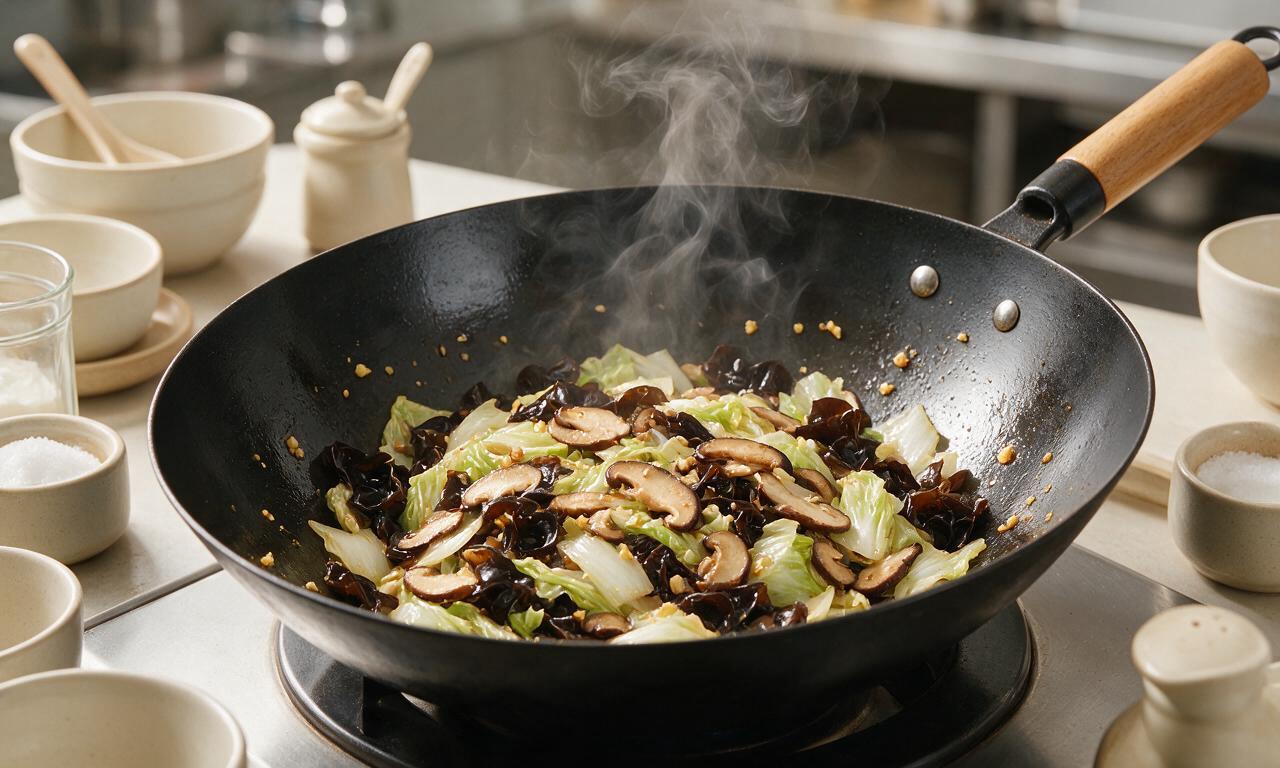
Place dried wood ears in a heatproof bowl, pour boiling water over them, and let them soak for 15 to 20 minutes until they’re fully plump and tender. After soaking, rinse them thoroughly under cool running water, rubbing gently to dislodge trapped grit from their crinkled surfaces, then trim off any tough, woody stems before slicing.
6.My stir-fried eggs always turn rubbery—how do I get fluffy, tender eggs for moo shu?
▾
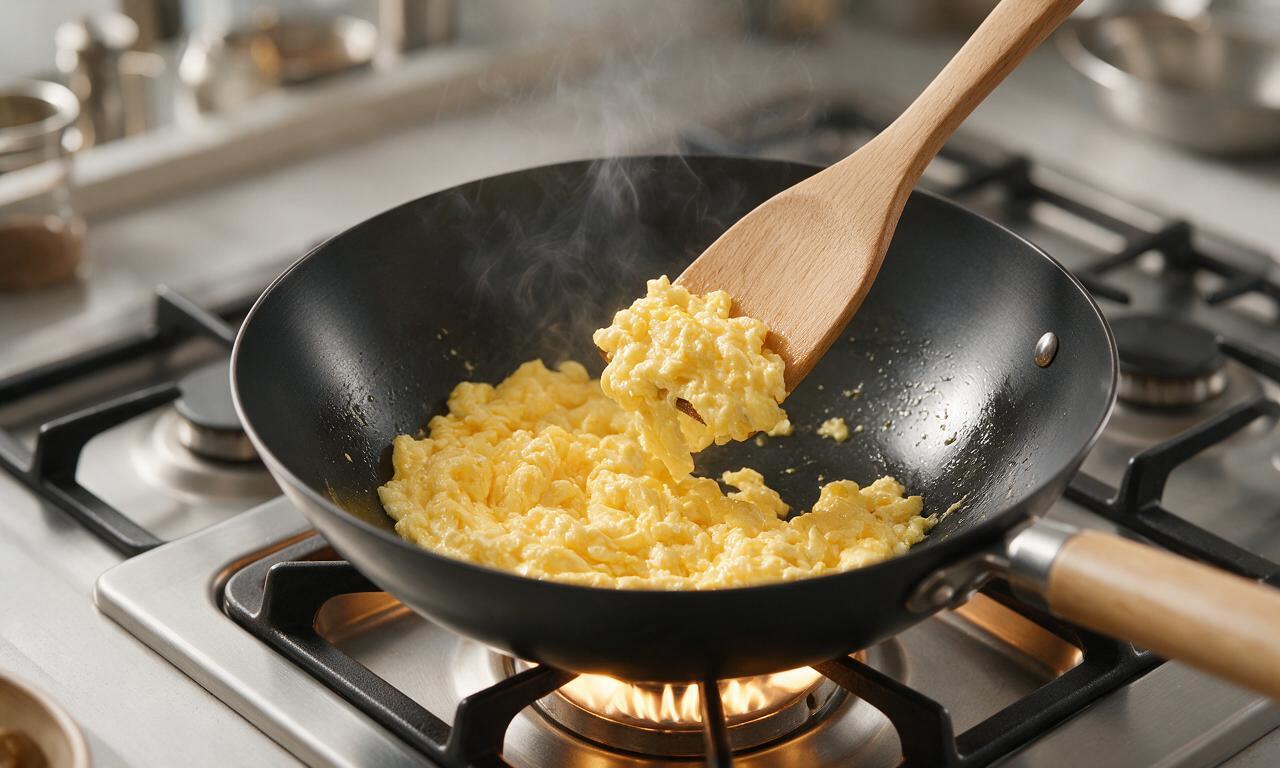
The trick is to cook the eggs low and slow first, before stir-frying the rest of the filling. Beat eggs with a tiny splash of water, scramble them in a lightly oiled pan over medium-low heat until just set into soft curds, then scoop them out. Add them back at the very end of cooking so they don’t overcook and turn rubbery.
7.Can I use regular green cabbage instead of Napa cabbage in this recipe?
▾
You can, but there will be a noticeable texture difference. Napa cabbage is tender, slightly sweet, and softens quickly to a delicate crisp-tender bite, while regular green cabbage is denser, more fibrous, and sharper in flavor. If you use green cabbage, shred it extra fine and cook it 1 to 2 minutes longer to soften it up.
8.What’s the right order to stir-fry the moo shu filling so nothing gets overcooked?
▾
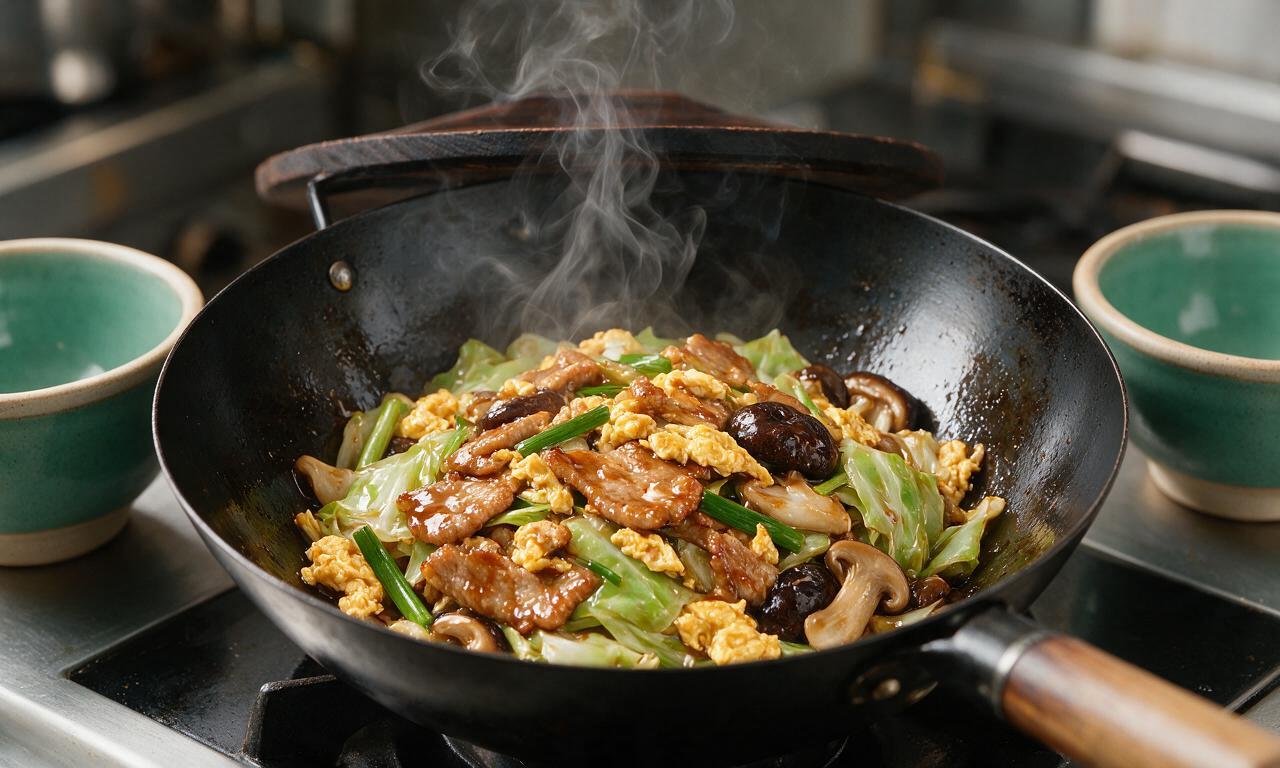
Always cook the fluffy eggs first, set them aside, then sear the marinated pork over high heat until just cooked through, and set that aside too. Next, stir-fry your vegetables (cabbage, wood ears, any aromatics) until crisp-tender, then toss the pork and eggs back in to combine right before serving for perfect texture.
9.Do I need a wok to make good moo shu pork at home?
▾
You don’t! A large, heavy-bottomed skillet (preferably cast iron or carbon steel) works perfectly as long as you preheat it properly before adding ingredients. The key is to cook in small batches if your pan is crowded, so ingredients sear instead of steaming, keeping pork tender and vegetables crisp instead of soggy.
10.How do I warm Mandarin pancakes so they’re soft and pliable, not stiff or dried out?
▾
The easiest method is to stack the pancakes between damp paper towels, then microwave them in 30-second bursts until soft and flexible, usually 60 to 90 seconds total. You can also steam them for 3 to 4 minutes in a bamboo steamer if you prefer; just don’t overheat them or they’ll turn gummy and stick together.
11.Is hoisin sauce mandatory for serving, or can I use a different sauce?
▾
Hoisin is the classic sweet, savory, umami-rich spread that gives moo shu its signature takeout flavor, so it’s highly recommended. If you don’t have hoisin, make a quick substitute by mixing 3 parts oyster sauce, 1 part honey, a pinch of five-spice powder, and a tiny splash of soy sauce to mimic that deep, sweet-savory profile.
12.My moo shu filling always comes out watery and soggy—what am I doing wrong?
▾
Soggy filling usually comes from overcrowding the pan, which makes vegetables release excess moisture and steam instead of searing, or salting the cabbage too early, which draws out water. Cook ingredients in batches if needed, don’t salt vegetables until the very end, and drain any excess liquid from the pan before serving.
13.Can I make this recipe vegetarian, and what swaps work best for the pork?
▾
Absolutely! Swap the pork tenderloin for thinly sliced extra-firm pressed tofu, seared until golden and crisp around the edges, or store-bought vegetarian pork strips for a closer texture match. Keep all the vegetable, egg, and hoisin components exactly the same, and you’ll get a similarly satisfying, savory wrap filling.
14.How thin do I need to slice the pork for it to cook quickly and stay tender?
▾
Aim for slices that are roughly 1/8-inch thick, cut against the natural grain of the tenderloin. If you struggle to slice raw pork that thin, pop the tenderloin in the freezer for 20 to 30 minutes first until firm but not frozen solid—this makes it much easier to cut clean, even, ultra-thin slices without squishing the meat.
15.Are there any classic add-ins I can mix in to make my moo shu taste more like takeout?
▾
Most takeout versions add a small amount of thinly sliced bamboo shoots for extra crunch, a teaspoon of grated fresh ginger and minced garlic for aromatic depth, and a tiny splash of Shaoxing wine tossed in with the stir-fry for nutty, savory depth. Just don’t overload the filling, or it will be too hard to wrap neatly.
16.How long will leftover moo shu pork stay good in the fridge, and what’s the best way to reheat it?
▾
Store leftover filling in an airtight container in the fridge for up to 3 days, and keep leftover pancakes stored separately in a sealed bag to prevent them from getting soggy. Reheat the filling in a dry skillet over medium heat for 2 to 3 minutes until warmed through, and rewarm pancakes using the damp paper towel microwave method.
17.Can I freeze homemade moo shu pork for later meals?
▾
The cooked pork and vegetable filling freezes really well for up to 2 months if stored in a freezer-safe, airtight bag with all excess air pressed out. I don’t recommend freezing Mandarin pancakes long-term, as they tend to get dry and crack when thawed; keep fresh or frozen pancakes on hand separately instead.
18.Why do some moo shu recipes call for cornstarch on the pork, and is that step necessary?
▾
That light cornstarch coating (called velveting) creates a thin, protective barrier around the pork slices that locks in moisture as it sears over high heat, keeping the meat ultra-tender instead of tough and dry. It only takes 10 minutes to toss sliced pork with a teaspoon of cornstarch before cooking, and it makes a massive texture difference, so don’t skip it.
19.How much filling should I put in each pancake to avoid making a mess when I wrap it?
▾
Stick to roughly 1/4 cup of filling per standard 6-inch Mandarin pancake, plus a thin swipe of hoisin sauce spread on the pancake first. Overstuffing will make the pancake tear and cause filling to fall out as you eat; fold the bottom edge up first, then fold the sides in like a burrito to keep everything contained neatly.
20.Can I make this recipe gluten-free without losing that classic moo shu flavor?
▾
You can! Swap regular soy sauce for gluten-free tamari, use certified gluten-free hoisin sauce (many mainstream brands have hidden wheat), and either use gluten-free Mandarin pancakes or swap them for lightly softened large rice wrappers, or lettuce wraps for a lower-carb option. Double-check wood ear packaging for hidden gluten-containing additives too.

OMG this moo shu pork is SO good! I was so intimidated to make takeout favorites at home but this was genuinely easy, even on a chaotic weeknight. My kids devoured every bite, kept asking for seconds and said it’s way better than our usual local takeout spot. Used pre-shredded coleslaw mix to save even more time, total game changer for quick family dinners.
Brought this to my neighborhood potluck last weekend and people were hounding me for the recipe the whole time! Cooked the pork ahead for meal prep so it came together super fast day of, total cook time was exactly what the recipe said even with me running around late. Only thing I added was a tiny extra splash of hoisin because I’m obsessed with that sweet-savory flavor.
Solid easy recipe, perfect for when you’re craving takeout but don’t want to spend the money or wait for delivery. The only note I have is I didn’t have the mandarin pancakes on hand so I served it over rice, and it was still chef’s kiss. Will pick up the pancakes next time to do it proper, but even the rice version slapped.
Made this last night for me and my partner, swapped the pork for extra firm tofu (pressed and marinated first!) and it came out incredible. So easy to adapt for vegetarians without losing that classic moo shu flavor, we ate every last bite. Will be adding this to our regular weekly rotation for sure.