1.Why is 00 flour required for authentic Neapolitan pizza, and can I substitute all-purpose flour if I can’t find it?
▾
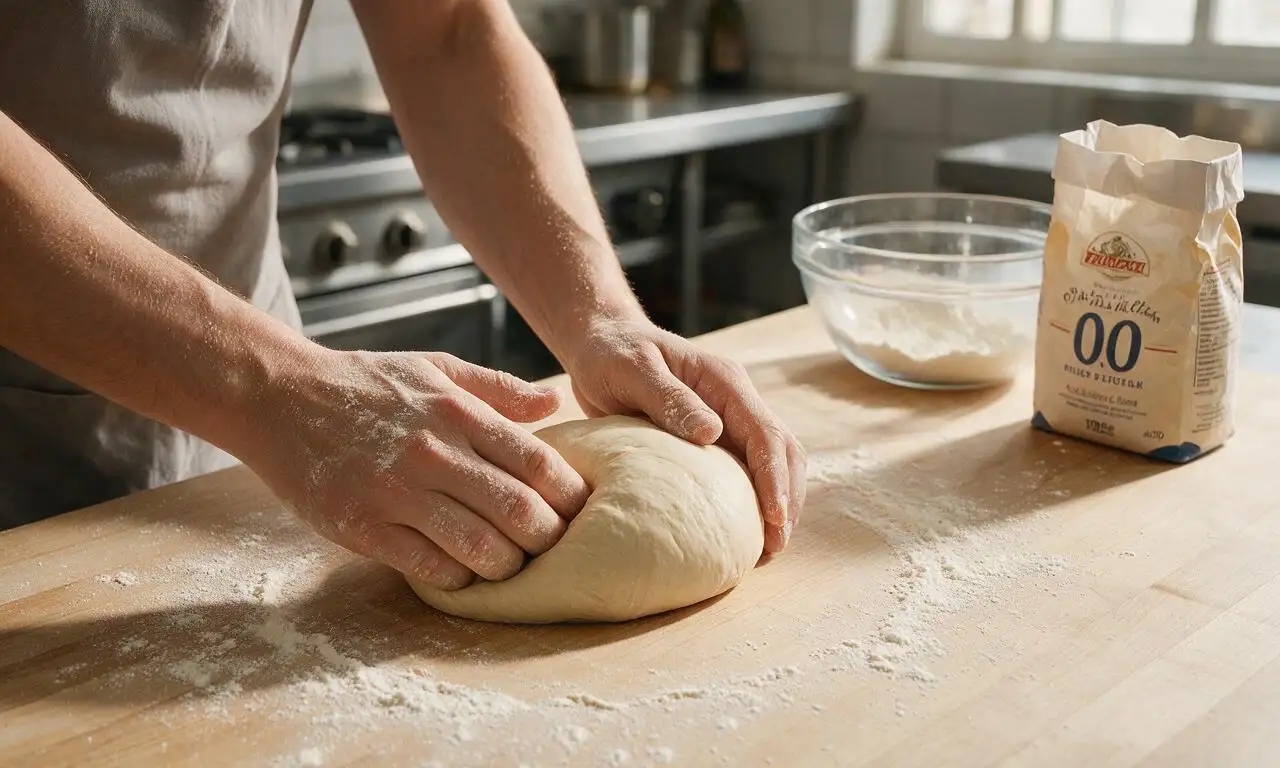
00 flour is ultra-finely milled with a 12-12.5% protein content that creates that signature soft, elastic, puffy crust with a tender, open crumb and crisp, lightly charred edge. If you’re in a pinch, substitute 75% unbleached all-purpose flour mixed with 25% cake flour to mimic its fine texture, though results won’t be perfectly traditional.
2.Do I really need fresh baker’s yeast, or can I use active dry yeast instead?
▾
Fresh baker’s yeast delivers the mild, slightly tangy, slow rise that defines classic Neapolitan crust, but you can absolutely substitute instant or active dry yeast if needed. Use 1/3 the weight of fresh yeast called for, and activate active dry in lukewarm water for 5 minutes before mixing to confirm it’s alive and ready to work.
3.What temperature should my dough water be, and why is filtered water recommended?
▾
Aim for lukewarm water between 95-100°F, which is warm enough to wake up yeast without killing it (water over 110°F will damage yeast and lead to flat, dense crust). Filtered water removes chlorine and off-flavors that can inhibit yeast or make your dough taste flat or chemically, throwing off the clean, simple crust profile.
4.Why do Neapolitan pizza recipes call for San Marzano tomatoes specifically?
▾
San Marzano tomatoes are grown in the mineral-rich volcanic soil near Mount Vesuvius, giving them a bright, sweet, low-acid flavor with a thick, pulpy texture that isn’t watery. Unlike regular canned tomatoes, they don’t require cooking down, so you get a fresh, bright tomato layer that won’t make your pizza soggy at high heat.
5.Do I need to cook the San Marzano tomato sauce before putting it on the pizza?
▾
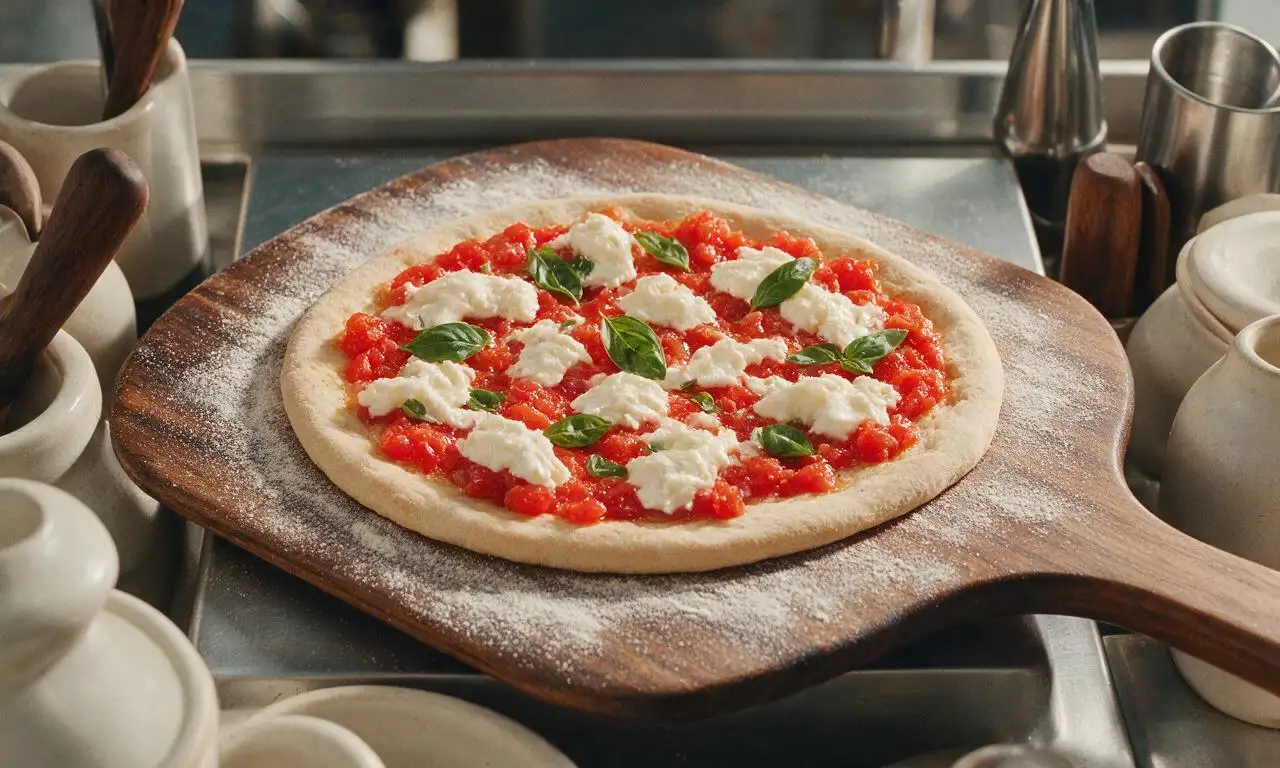
No, traditional Neapolitan sauce is completely uncooked! Just hand-crush the canned San Marzano tomatoes, drain off a small amount of excess watery juice, and add a pinch of fine sea salt. Cooking the sauce makes it too thick and concentrated, and it will overcook during the fast, high-heat bake, losing that bright, fresh flavor.
6.How long should I let my Neapolitan pizza dough rise for the best texture?
▾
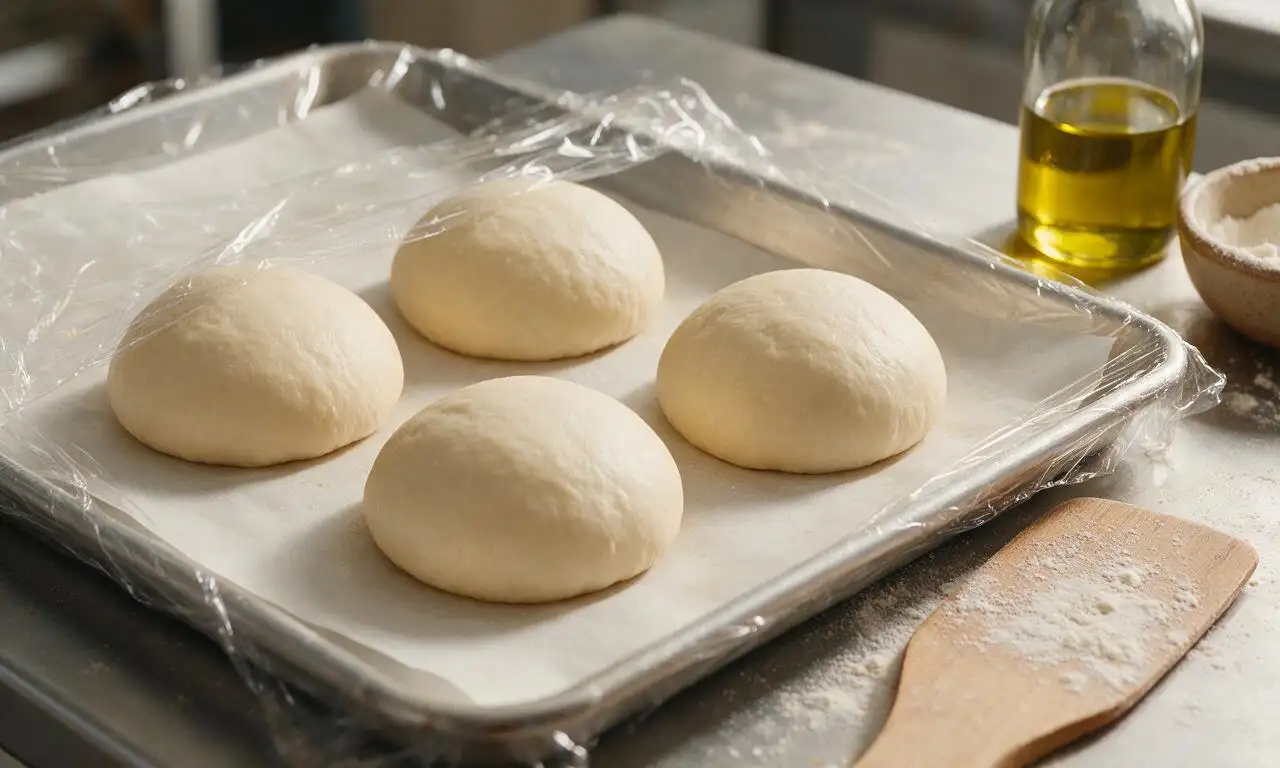
For the most authentic, airy, flavorful crust, do a slow, cold rise in the refrigerator for 24-48 hours after an initial 2-hour room temperature bulk ferment. This slow rise develops deep, mild wheat flavor, creates large, open air pockets in the crust, and makes the dough far easier to stretch without shrinking back.
7.Can I roll my pizza dough out with a rolling pin to make shaping easier?
▾
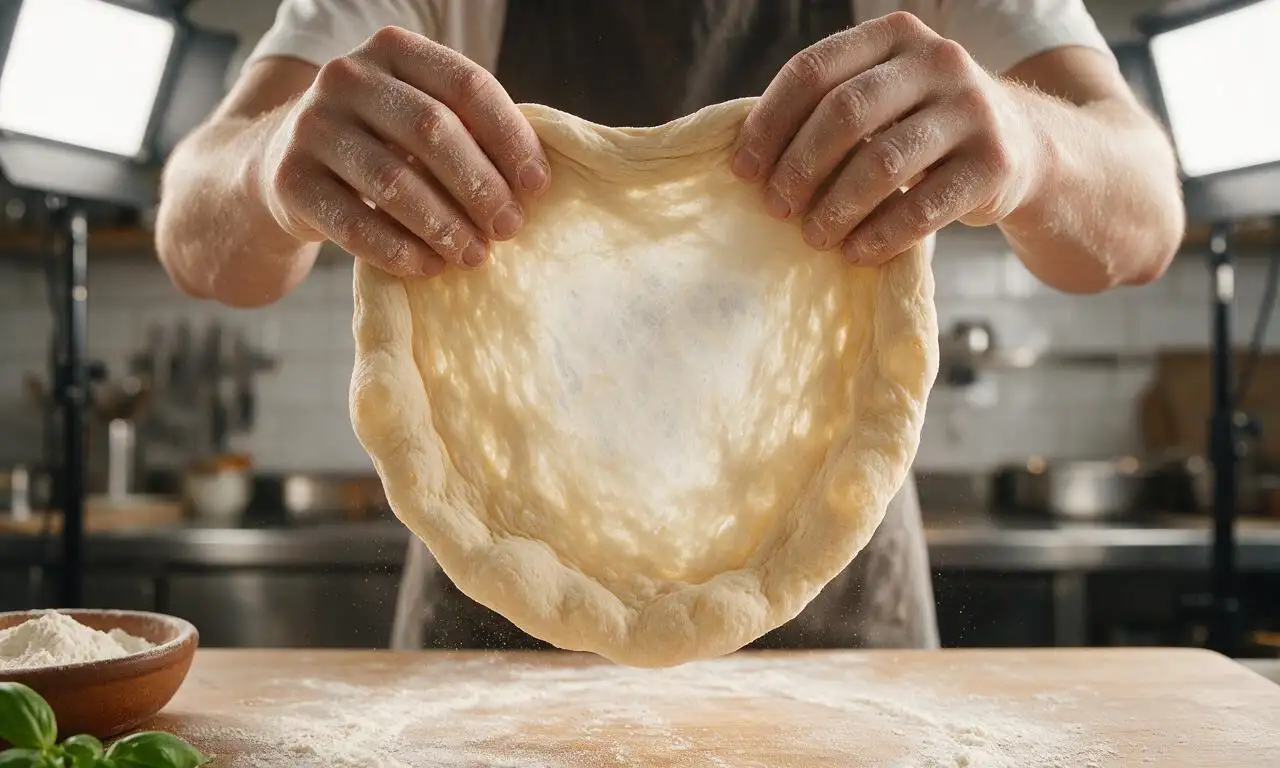
Skip the rolling pin! Rolling presses out all the delicate air pockets you built up during the long rise, which kills that signature puffy, light cornicione (raised edge) and leads to a flat, dense crust. Instead, gently stretch the dough by hand, pressing from the center out to leave a 1-inch thicker border for the crust.
8.What kind of mozzarella should I use to avoid a soggy pizza center?
▾
Reach for fresh mozzarella packed in water (or traditional fior di latte), and tear it into 1-inch chunks 15 minutes before topping. Pat the chunks dry with paper towels to remove excess whey—if you skip this step, excess water will pool on the pizza as it cooks, leaving you with a mushy, soggy center instead of a crisp base.
9.How hot does my home oven need to be to make authentic Neapolitan pizza?
▾
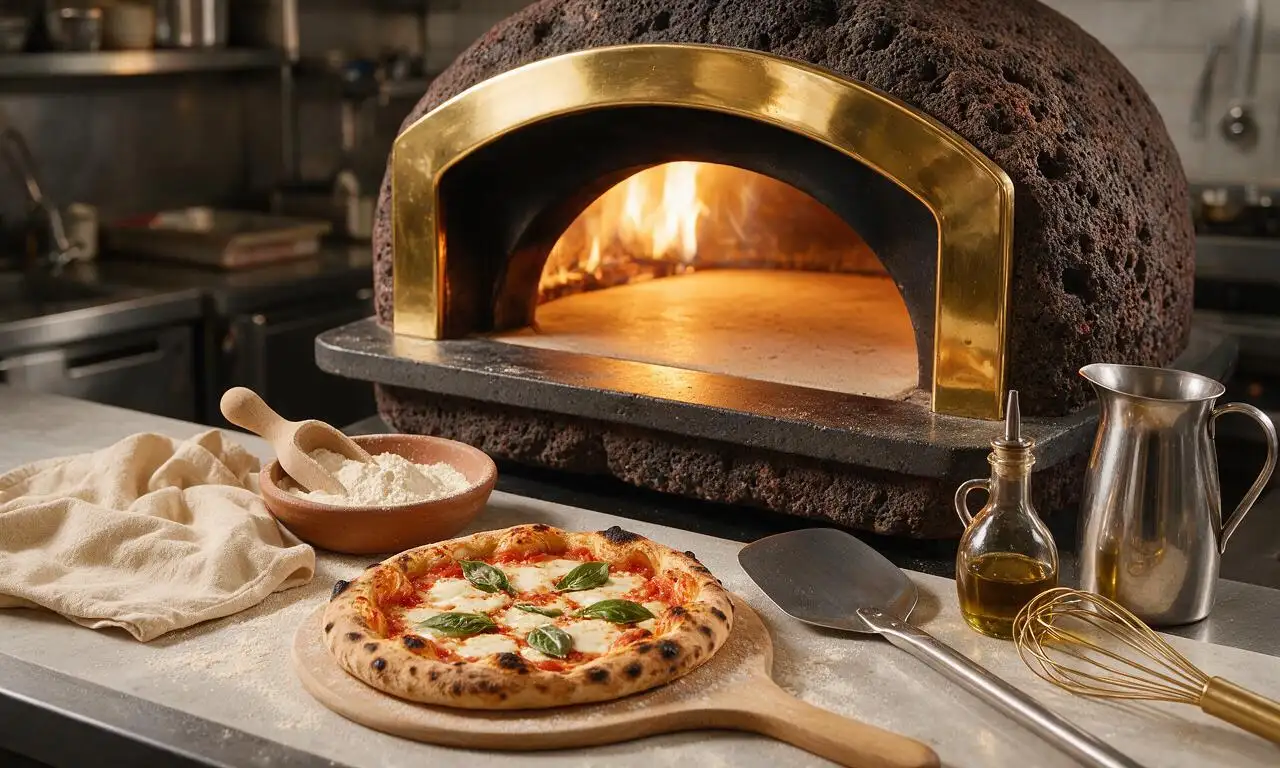
Authentic Neapolitan pizza cooks in 60-90 seconds in a wood-fired oven around 800°F, but for home ovens, crank it to the highest setting (usually 500-550°F) with a pizza stone or steel preheated for at least 45 minutes. At that temperature, your pizza will cook in 6-8 minutes, with a nicely charred puffy edge and crisp bottom.
10.Do I need a wood-fired oven to make real Neapolitan pizza at home?
▾
You don’t! While wood-fired ovens deliver that iconic subtle smoky char and super fast cook time, you can get very close at home with a preheated pizza steel on your oven’s top rack, or a portable outdoor pizza oven that hits 700-800°F. The key is a super hot preheated cooking surface for that fast, high-heat bake.
11.Why does my dough keep shrinking back when I try to stretch it?
▾
Shrinking dough almost always means your gluten is too tight, either because you didn’t let it rest long enough after mixing, or you skipped the long slow rise. If it springs back while stretching, set it aside on a floured surface for 10-15 minutes to let the gluten relax, then try again—don’t force it, or you’ll tear the dough.
12.How much sauce and cheese should I add to keep the pizza authentic?
▾
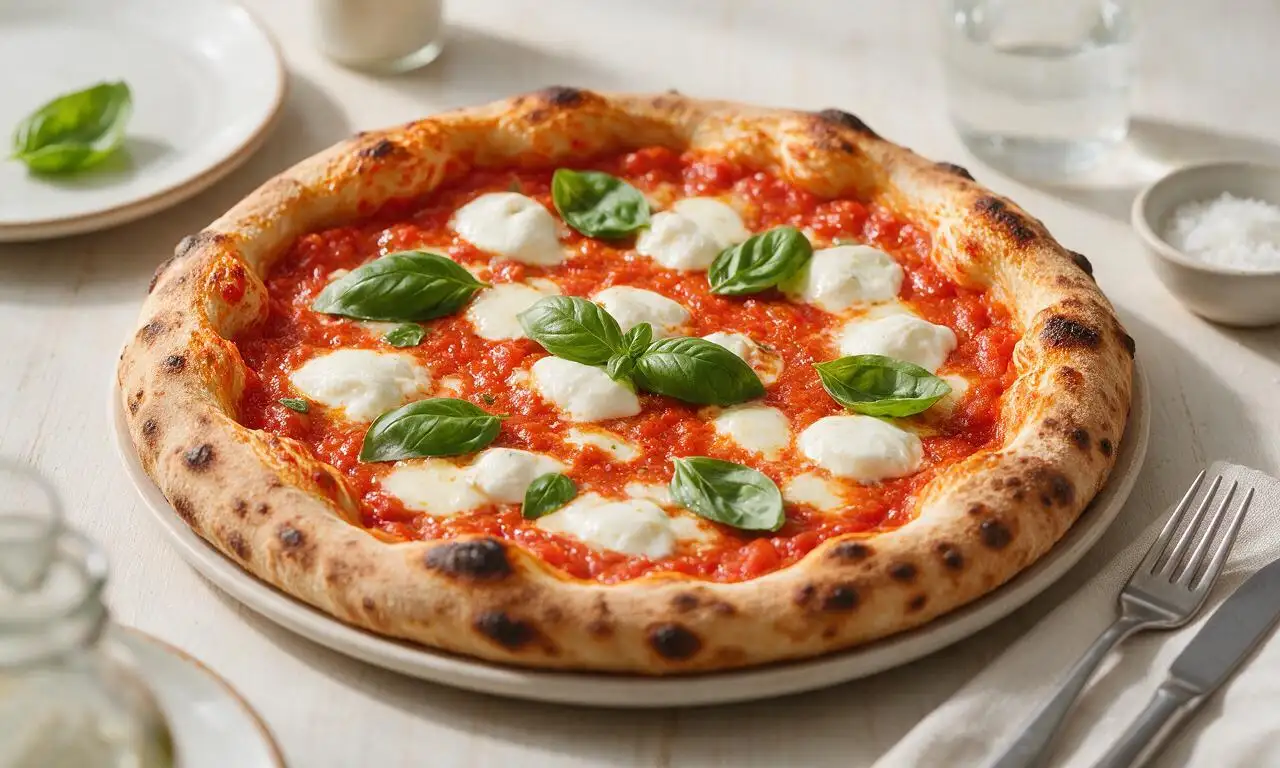
Neapolitan pizza is intentionally light on toppings to keep the crust crisp and let each ingredient shine. Use about 1/3 cup of hand-crushed tomato spread in a thin layer, 3-4 ounces of torn, patted-dry fresh mozzarella, and a handful of fresh basil. Piling on too many toppings will weigh down the crust and make it soggy.
13.When do I add the basil to the pizza, and do I need to cook it?
▾
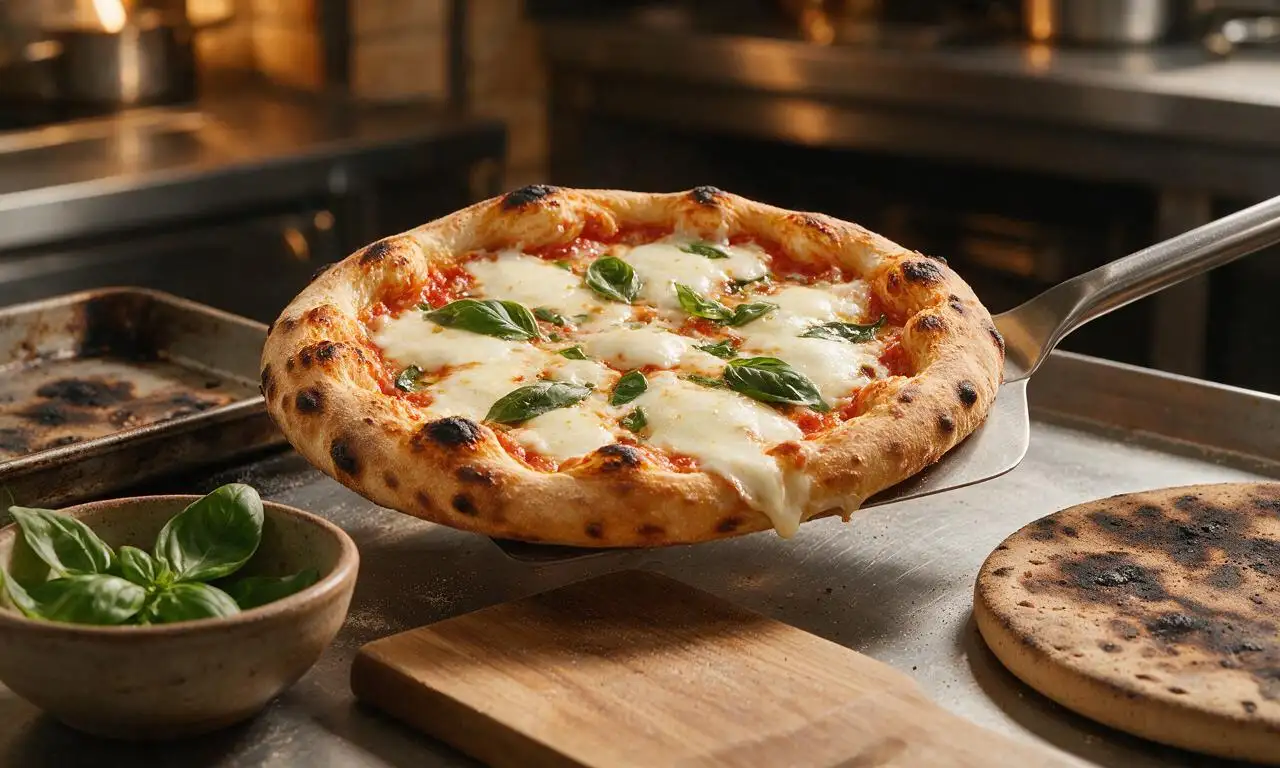
Add fresh whole basil leaves immediately after you pull the pizza out of the oven, right before serving. If you add basil before baking, the super high heat will burn it to a crisp, turn it bitter, and destroy its bright, fragrant aroma. Residual heat from the freshly baked pizza will gently wilt the basil just enough to release its flavor.
14.What is the cornicione, and what texture should it have on a proper Neapolitan pizza?
▾
The cornicione is the 1-inch raised, puffy rim around the edge of the pizza, which should be full of small air pockets, lightly dotted with dark “leopard spot” char, and chewy but tender. The base under the toppings should be thin, soft, and just crisp enough to hold toppings without flopping, not thick or cracker-like.
15.Can I add extra toppings like pepperoni or mushrooms to my Neapolitan pizza?
▾
Traditional Pizza Napoletana has protected designation of origin (PDO) rules that only allow a small set of classic toppings, but you can add small amounts of extra toppings at home if you’d like. Just cook watery veggies like mushrooms first to remove moisture, and go light—heavy, wet toppings will make the thin crust soggy.
16.How much fine sea salt should I add to the dough, and when is the best time to add it?
▾
Use about 2-3% of the total weight of your flour in fine sea salt, which translates to roughly 1 teaspoon per 2 cups of flour. Add the salt after you’ve mixed the yeast and water into the flour for a few minutes—adding salt directly to fresh yeast can kill a portion of it, leading to a slower rise and less airy crust.
17.Why does my crust come out tough and chewy instead of light and tender?
▾
Tough crust usually comes from over-kneading the dough, using too high-protein flour (like 14%+ protein bread flour), or not letting the dough rise long enough. Knead just until the dough is smooth, not elastic to the point of being tough, and stick to the long cold rise to develop a tender, open crumb instead of a dense, bready texture.
18.What’s the best way to reheat leftover Neapolitan pizza so it doesn’t get soggy or rubbery?
▾
Skip the microwave, which turns the crust rubbery and the cheese mushy. Instead, reheat slices on a preheated skillet over medium-low heat for 2-3 minutes, or on a baking sheet in a 400°F oven for 4-5 minutes, until the crust is crisp again and the cheese is melted. This brings back the crisp base and puffy edge almost as good as fresh.

OMG, this recipe is a total game changer! I made it for our weekly family dinner last night and my kids devoured two slices each before I even got to sit down. The chewy crust with that little char on the edges? Tastes exactly like the pizza we got on our trip to Naples a couple years ago. 10/10 will be making this every Friday from now on!
Tried this for the first time today and ran into an issue — my crust came out super tough and didn’t puff up at all in the oven. I followed the measurements exactly, used 00 flour, even preheated my pizza stone for a full hour like the recipe said. Any idea what I did wrong? Flavor was still great, just the texture was off.
Brought this to our neighborhood potluck last weekend and people were asking me for the recipe before I even set the platter down! I did a classic margherita version like the recipe says, plus a half with pepperoni for the folks who don’t love fresh basil. SO good, I felt like a total pro pulling it out of the oven.
My whole family is obsessed! I added a little sprinkle of parmesan on the crust before baking and it gave the edges the perfect salty, crispy bite. Even my super picky teen asked when we’re making this again.
Quick question — I don’t have 00 flour on hand right now, can I get away with using regular all-purpose flour for this? I’ve been craving good pizza all week and don’t want to run to the specialty store if I don’t have to.
I was so intimidated to try homemade pizza because I thought it would be way too hard, but this recipe broke every step down so clearly! The cook time listed was totally accurate too, no surprise extra steps that dragged things out. My first pie wasn’t perfect looking but it tasted insane.
Game. Changer. I’ve been making homemade pizza for years with store bought dough and this is a whole other level. The slow rise gives the crust so much depth of flavor I didn’t even know was possible. My roommate said it’s better than our local fancy pizza place, which is high praise.
Made this for date night with my partner last night and we both agreed it’s the best at-home date meal we’ve ever made. We paired it with a bottle of chianti and felt like we were at a little sidewalk cafe in Italy. 10/10, will be doing this monthly.
Anyone tried making this on a grill instead of in the oven? I don’t have a pizza stone that can handle super high oven temps but my grill gets up to 600°F easy, wondering if that would work for that charred edge.
SO good! I did a little meal prep on Sunday and made the dough ahead, then baked pies for lunch all week. The dough holds up great in the fridge for 3 days, fyi for anyone looking to prep ahead.
Took a couple tries to get the stretching right without making holes in the dough, but once I got the hang of it? Unreal. Way better than any frozen pizza I’ve ever had, worth every minute of the 2+ hour cook time.
Was worried medium difficulty would be too much for me as a total beginner cook, but the steps are so straightforward. I didn’t burn a single pie! The only thing I messed up was putting too much sauce on the first one, which made the middle a little soggy, but that was my bad.