
Orange IPA
intro
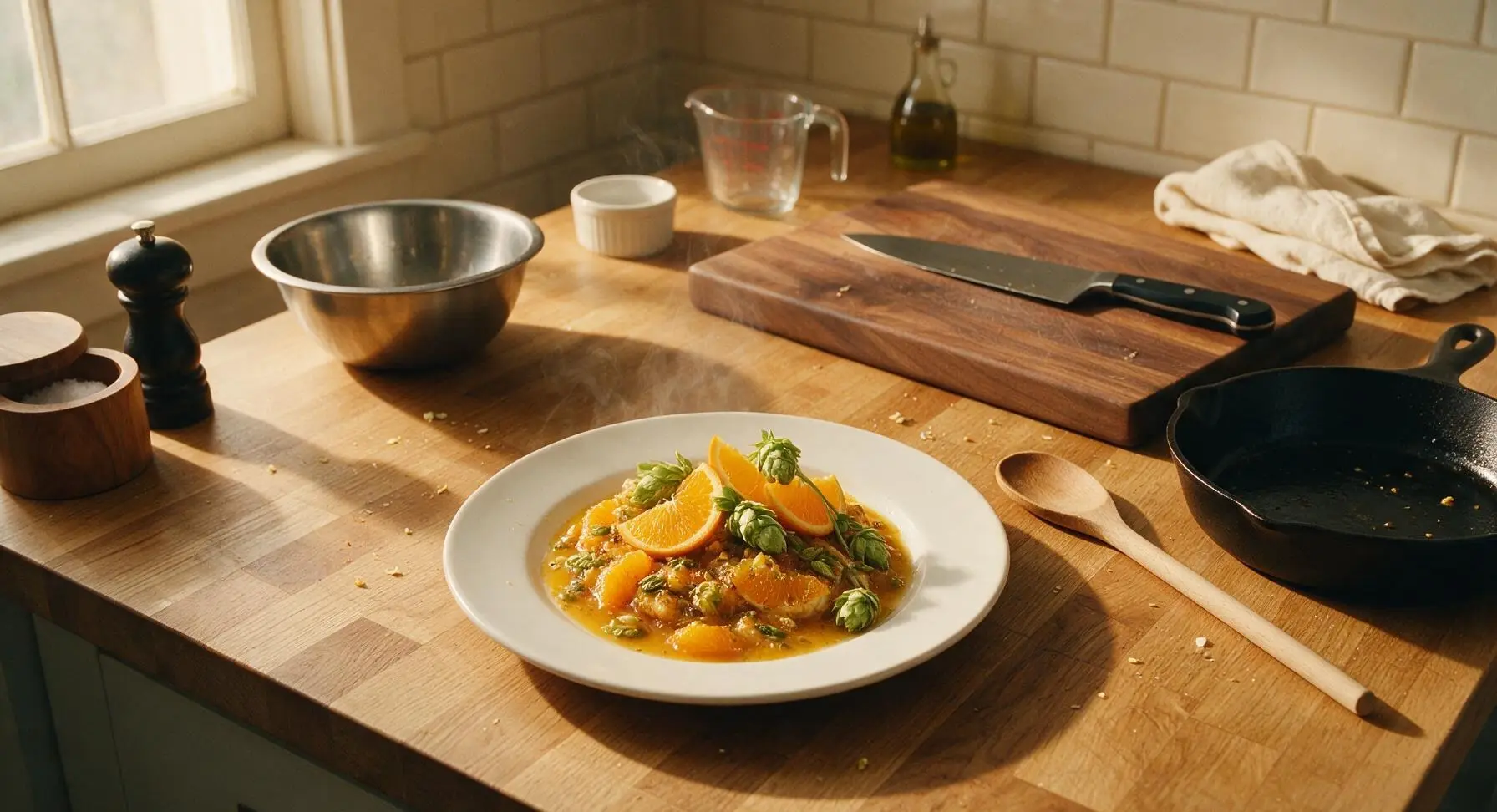
Bright, zesty small-batch Orange IPA with fresh citrus aroma, balanced piney hop bite, and crisp bubbly finish, perfect for easy home brewing.
Ingredients
Steps
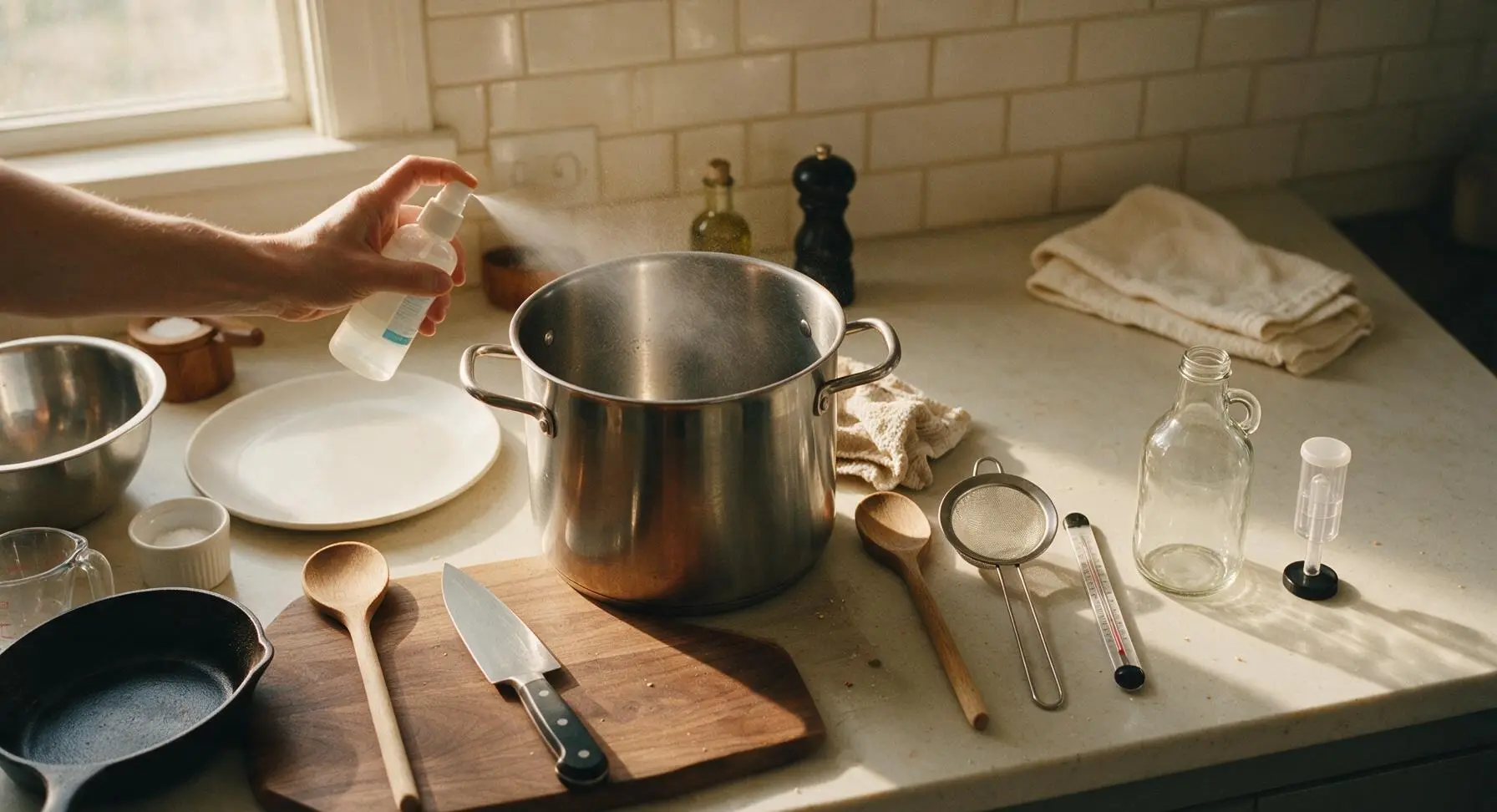
Sanitize All Equipment
First, spray all contact surfaces of the 5L brew pot, stirring spoon, strainer, fermentation jug, airlock, and thermometer with the no-rinse food-grade sanitizer. Let sit for 60 seconds, then wipe excess sanitizer with the clean cotton tea towel. Any equipment that touches cooled wort must be fully sanitized to avoid off-flavors or spoiled beer; do not use regular dish soap on brewing equipment, as it leaves residue that ruins beer flavor.
Boil Malt Extract Base
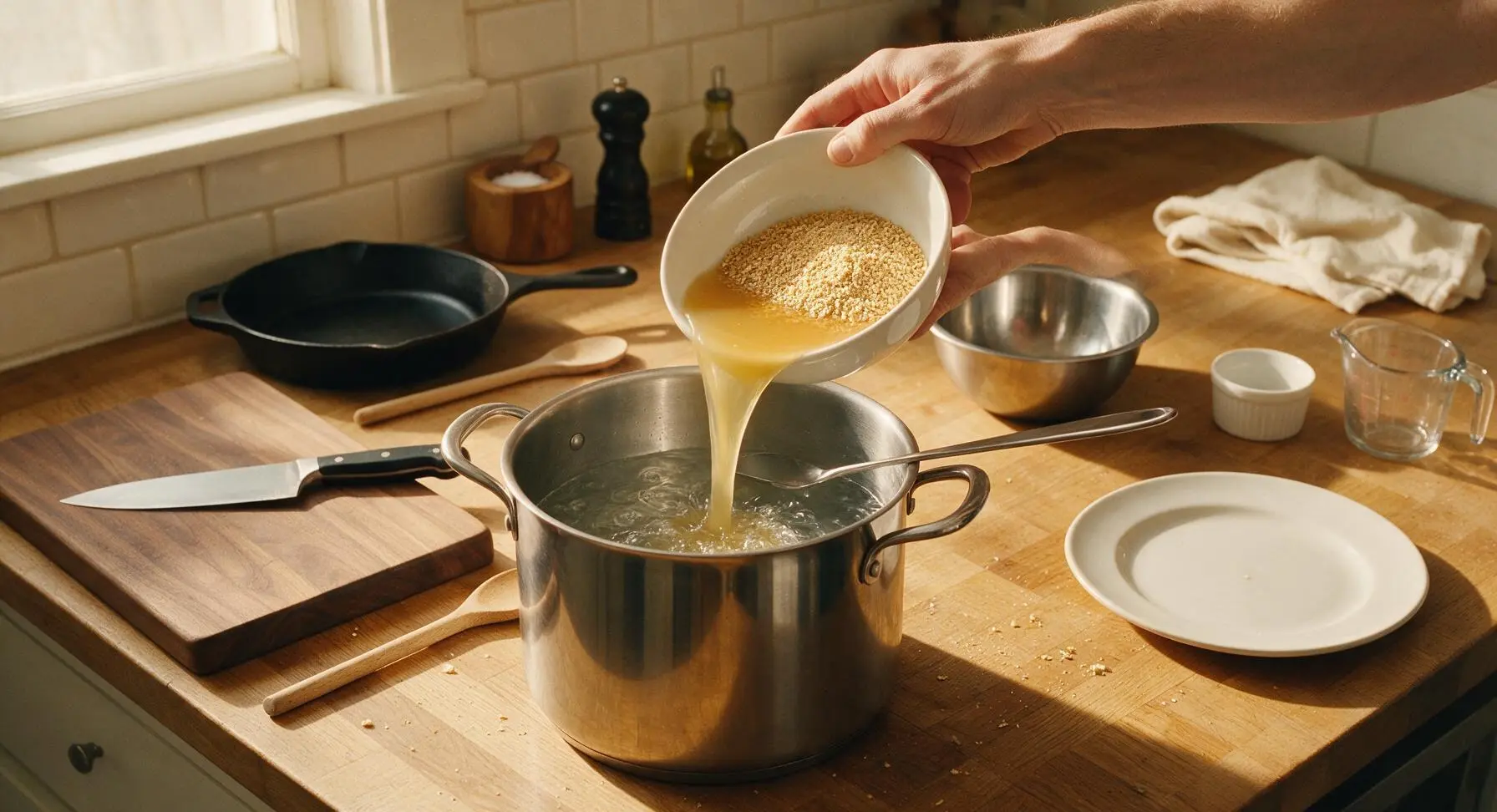
Pour 2L of cold filtered water into the sanitized 5L brew pot, set over medium heat to bring to a gentle rolling boil (100°C/212°F). Slowly stir in all 450g of light dried malt extract with the stainless steel stirring spoon until fully dissolved, with no dry clumps remaining. Hold the wort at a gentle rolling boil for 30 minutes, adjusting heat as needed to prevent sticky boil-overs that make a mess and reduce yield.
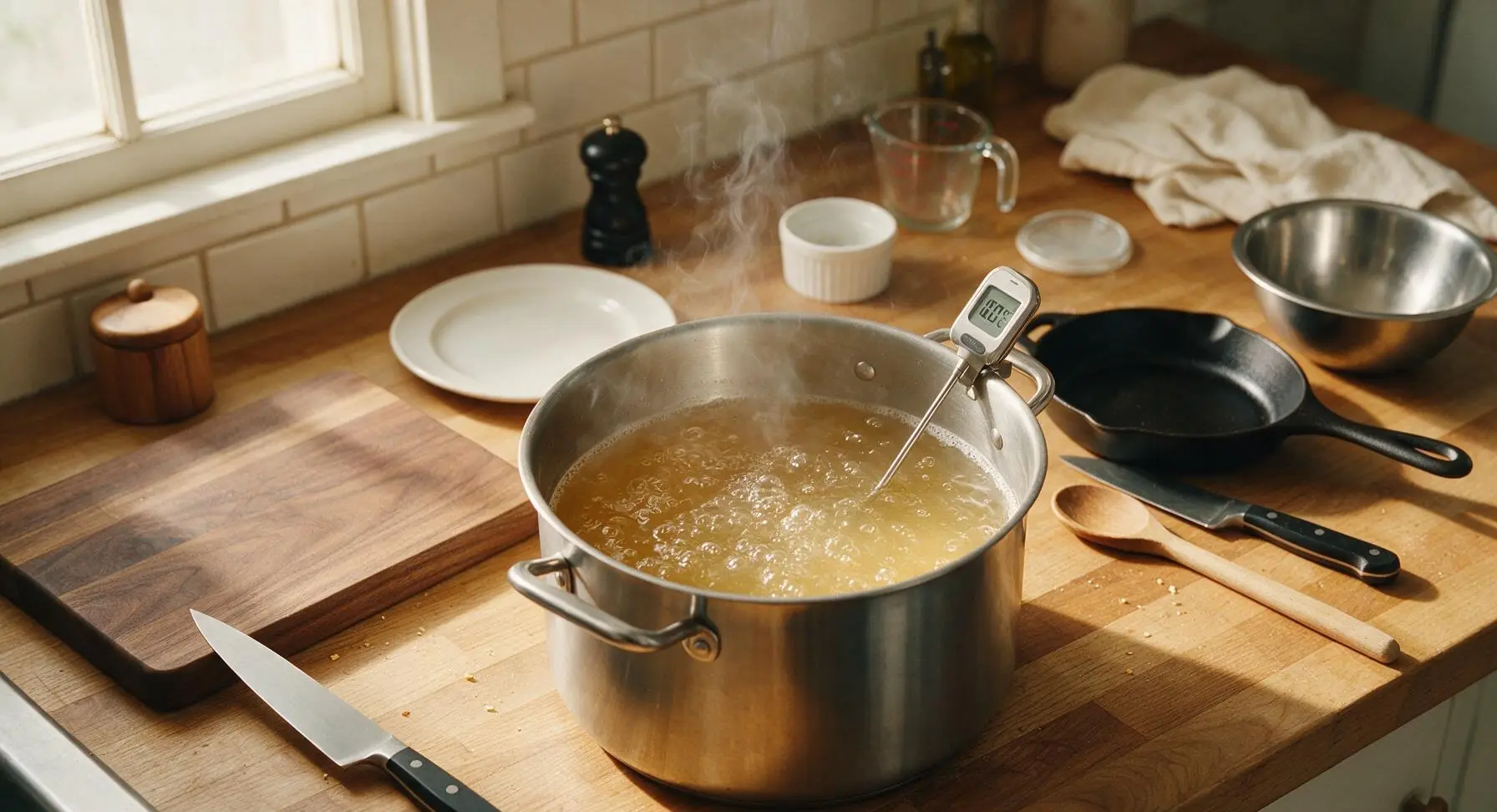
Add Bittering Hops
Once the wort has boiled for a full 30 minutes, add 10g of the Cascade hop pellets to the pot, stirring gently to fully submerge the pellets. Set a timer for 15 minutes of additional boiling; this early hop addition creates the beer’s balanced, piney bitter backbone. Keep the pot uncovered during boiling to allow harsh, vegetal off-flavor compounds to evaporate away.
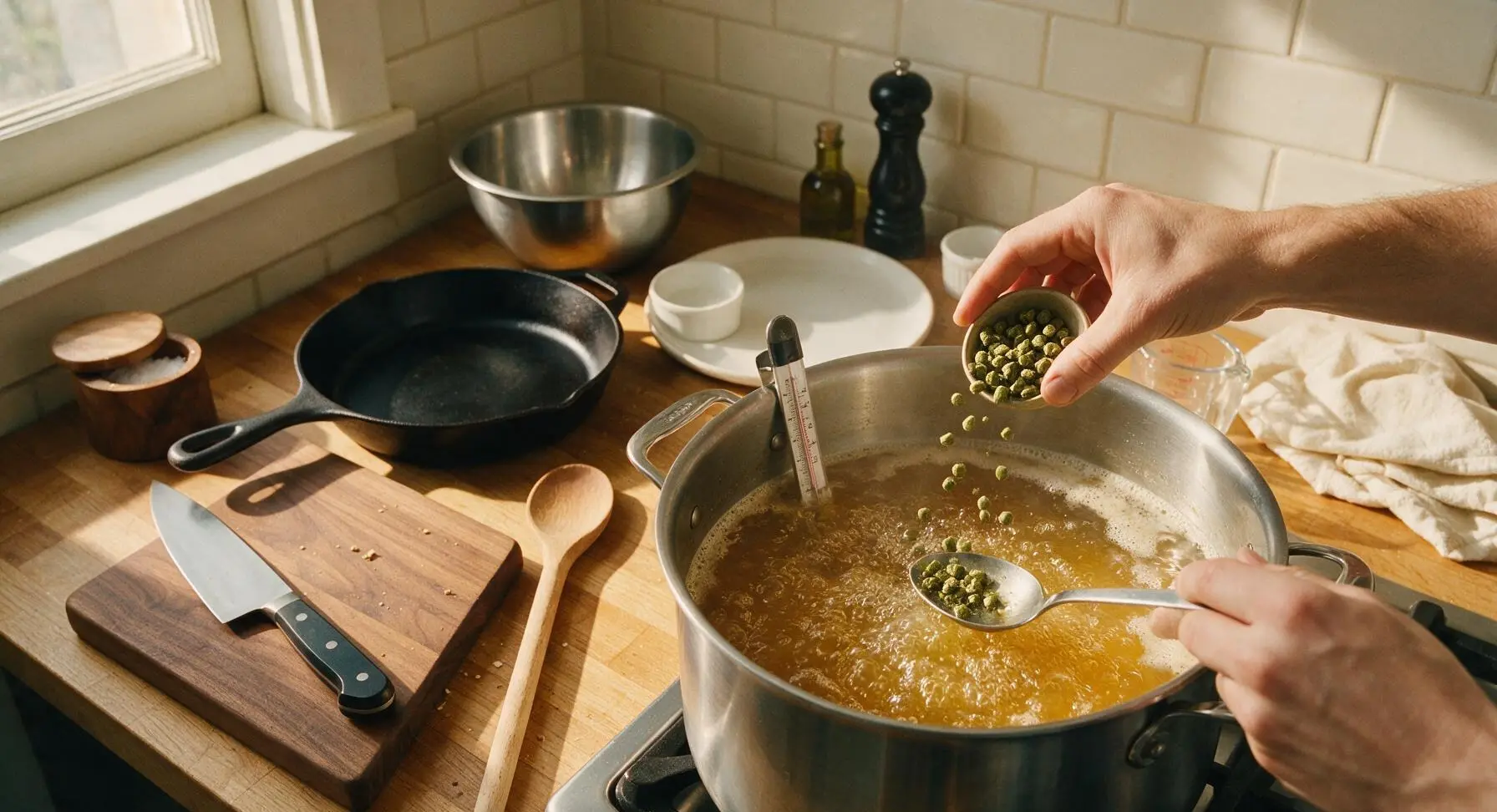
Zest Fresh Oranges
While the hops boil, use the citrus zester to remove the thin, bright orange outer zest from both navel oranges, applying light pressure to avoid scraping the bitter white pith underneath. Collect approximately 2 tablespoons of fine, fragrant orange zest in a clean small prep bowl; set aside. The peeled whole oranges can be juiced for another recipe or discarded, as only the zest is used for this brew.
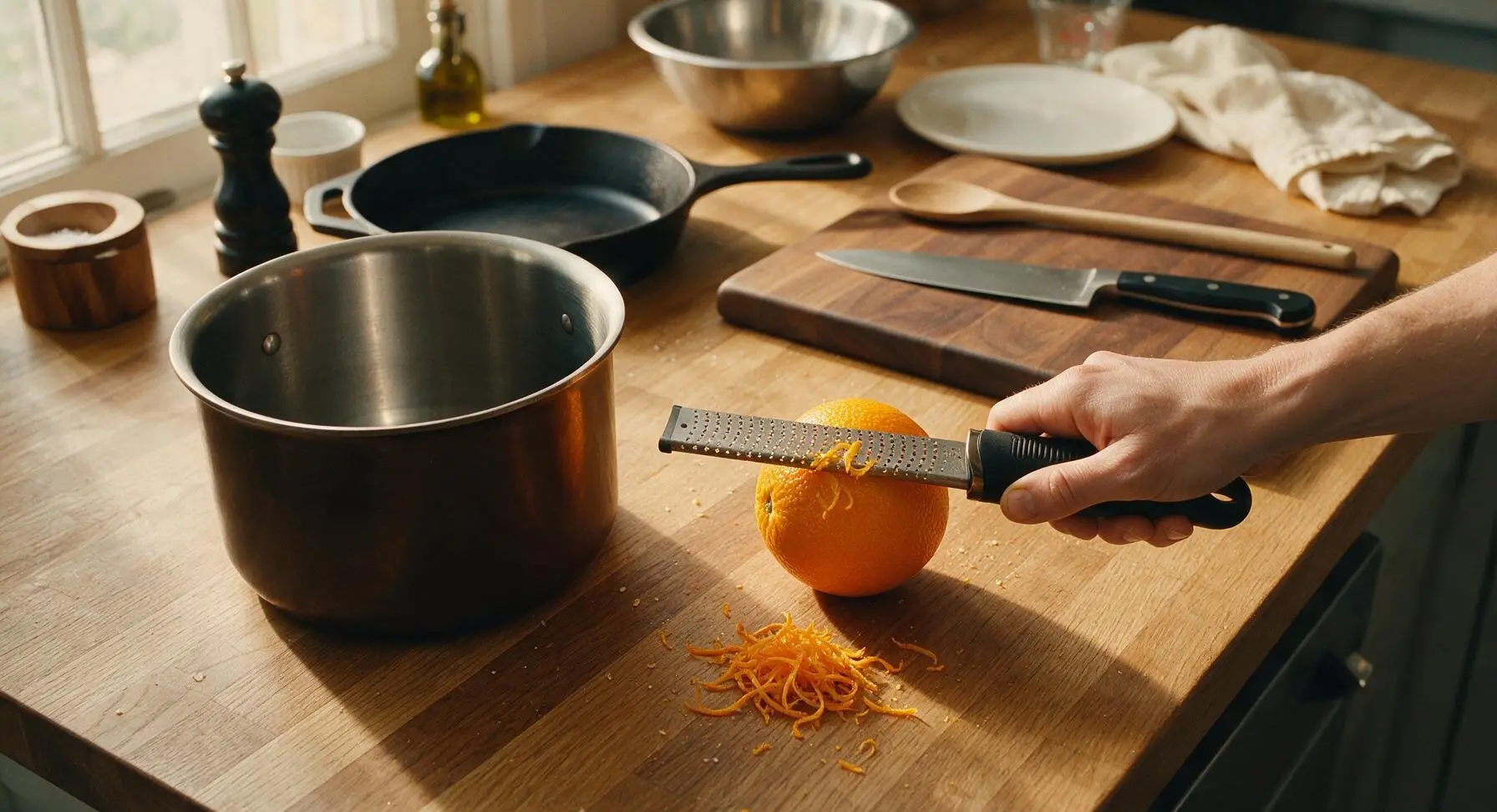
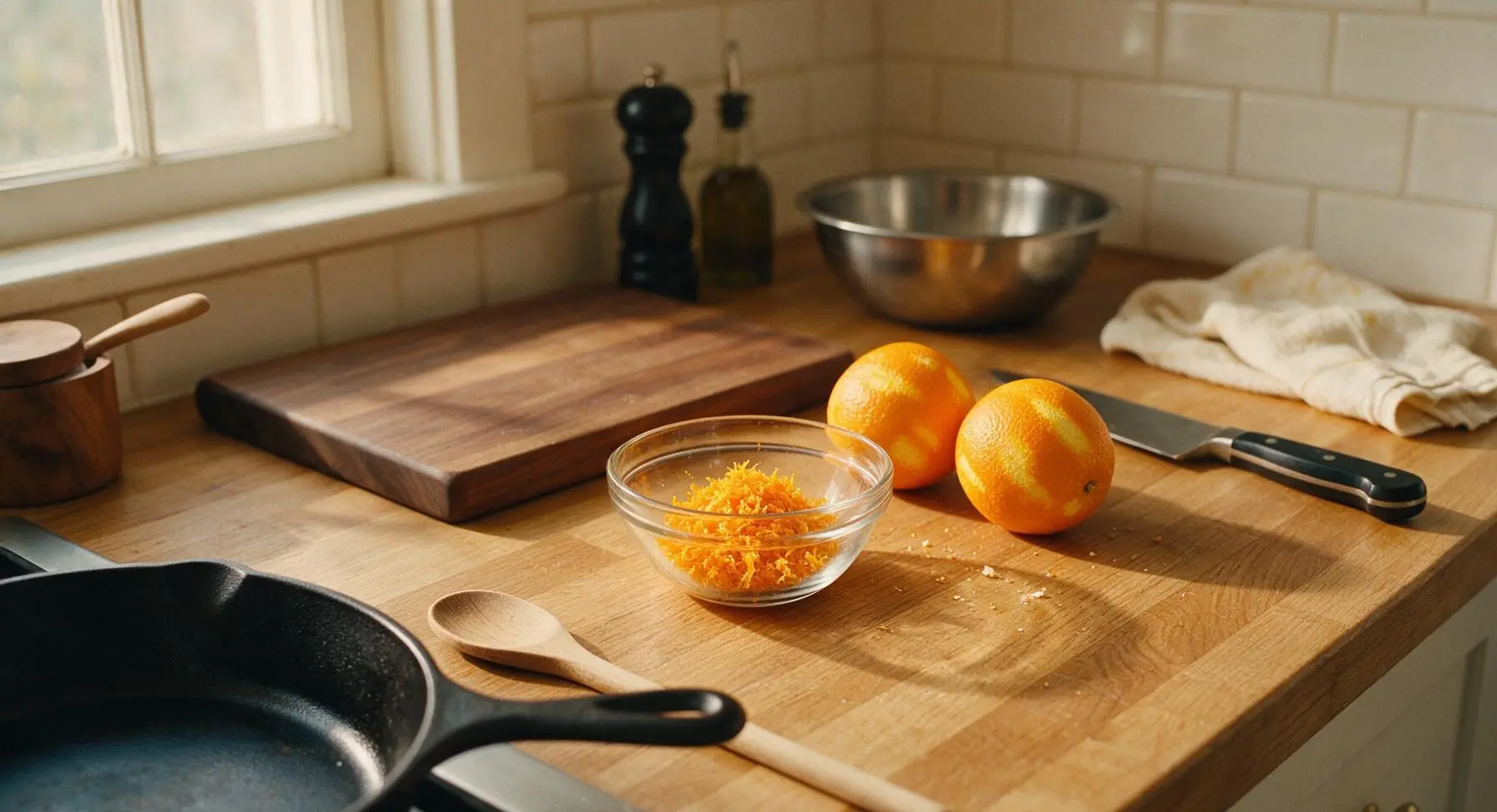
Steep Aroma Additions
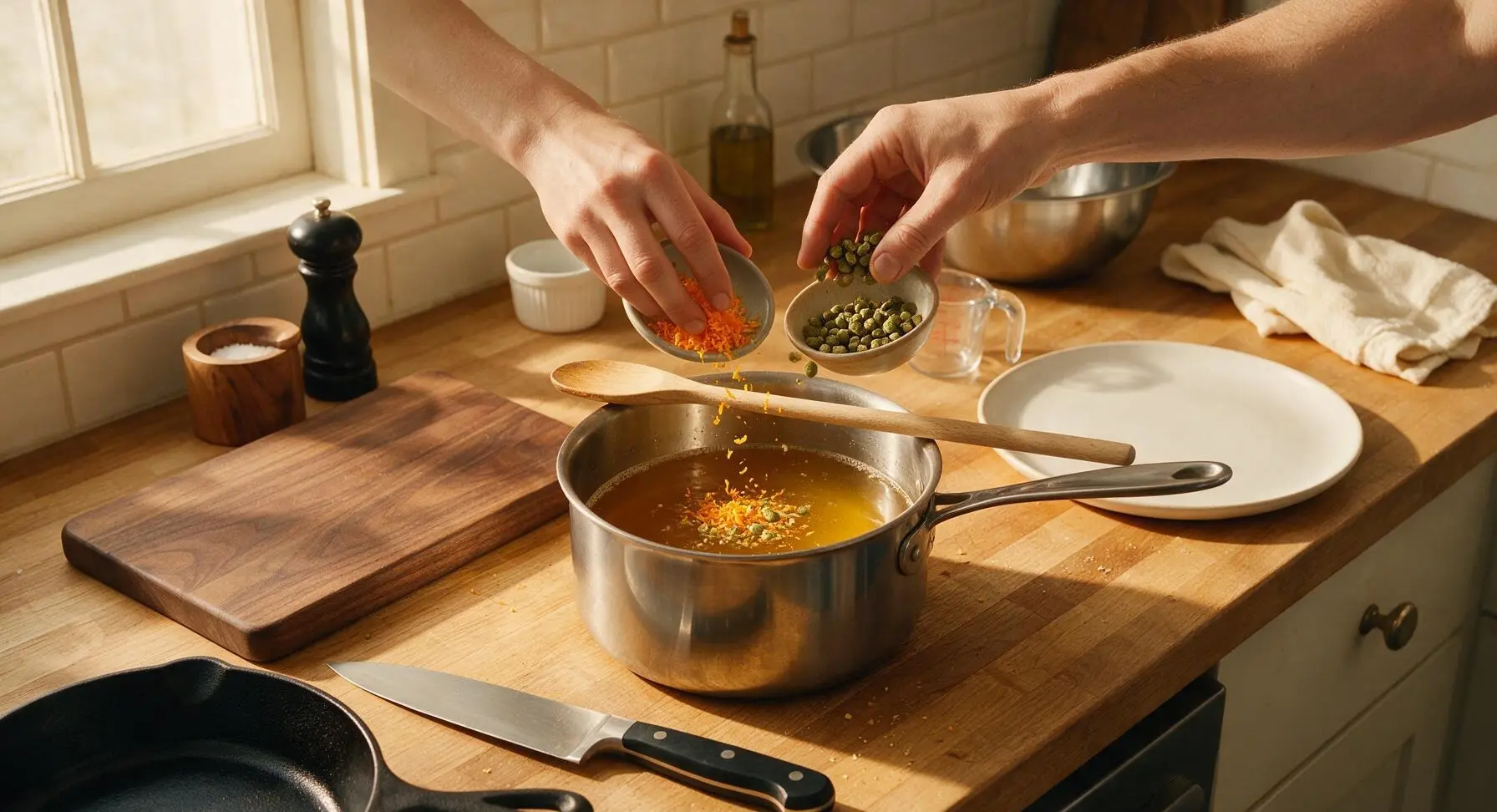
When the 15 minute bittering hop boil timer goes off (total wort boil time of 45 minutes), turn off the heat completely. Add the remaining 5g of Cascade hop pellets and all of the reserved orange zest to the hot wort, stirring once to combine. Cover the pot and let the mixture steep for 10 minutes to extract bright citrus and fresh hop aroma without adding harsh extra bitterness.
Cool Wort Quickly
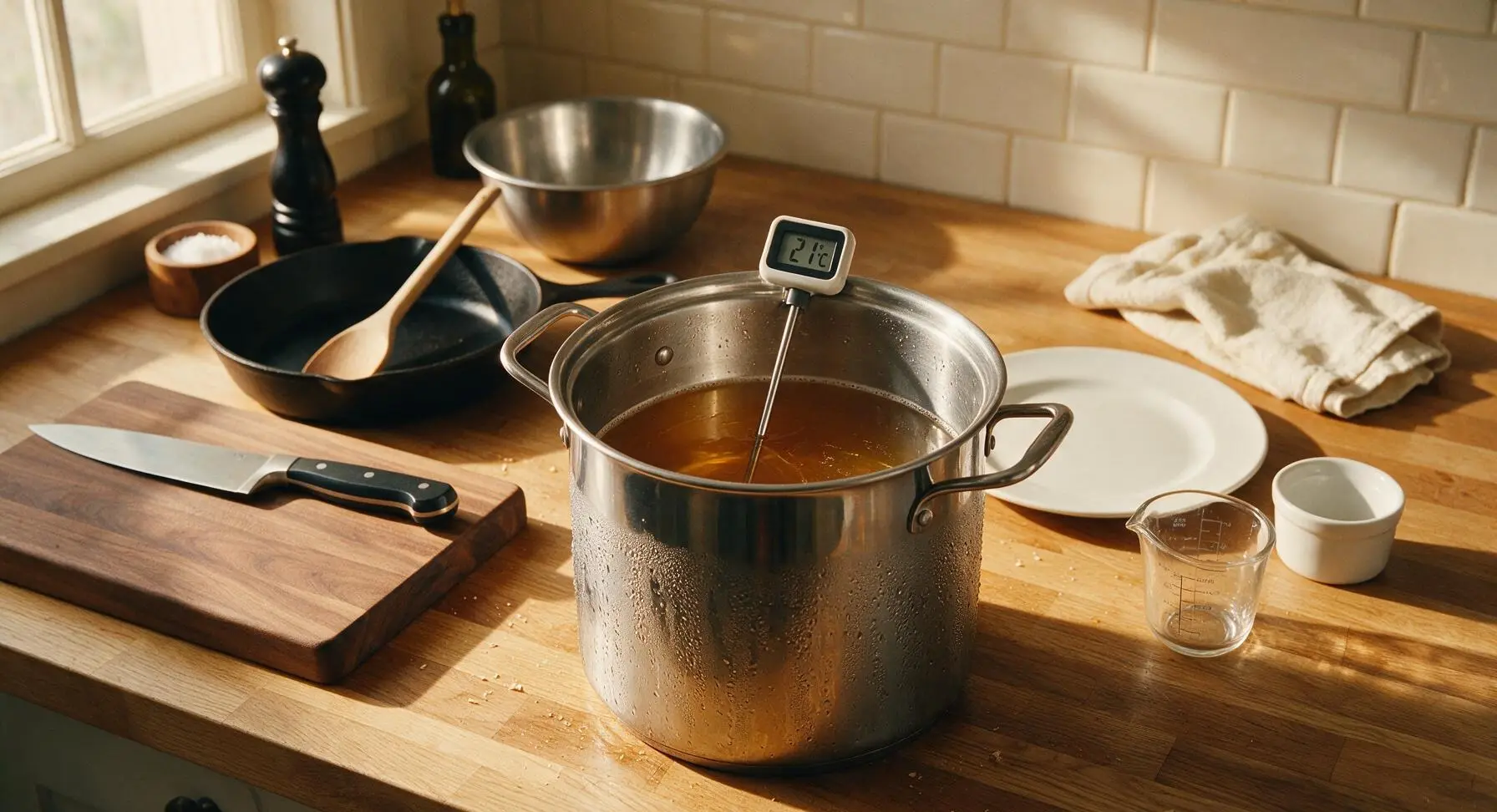
Move the covered brew pot to an ice bath in the adjacent sink to cool the wort rapidly to 21°C/70°F, which takes approximately 15 minutes. Return the pot to the counter once cooled, stirring the wort gently every 3 minutes to speed even cooling. Use the digital thermometer to confirm the wort temperature is below 24°C/75°F before proceeding, as higher temperatures will kill the ale yeast and prevent fermentation.
Strain Into Fermenter
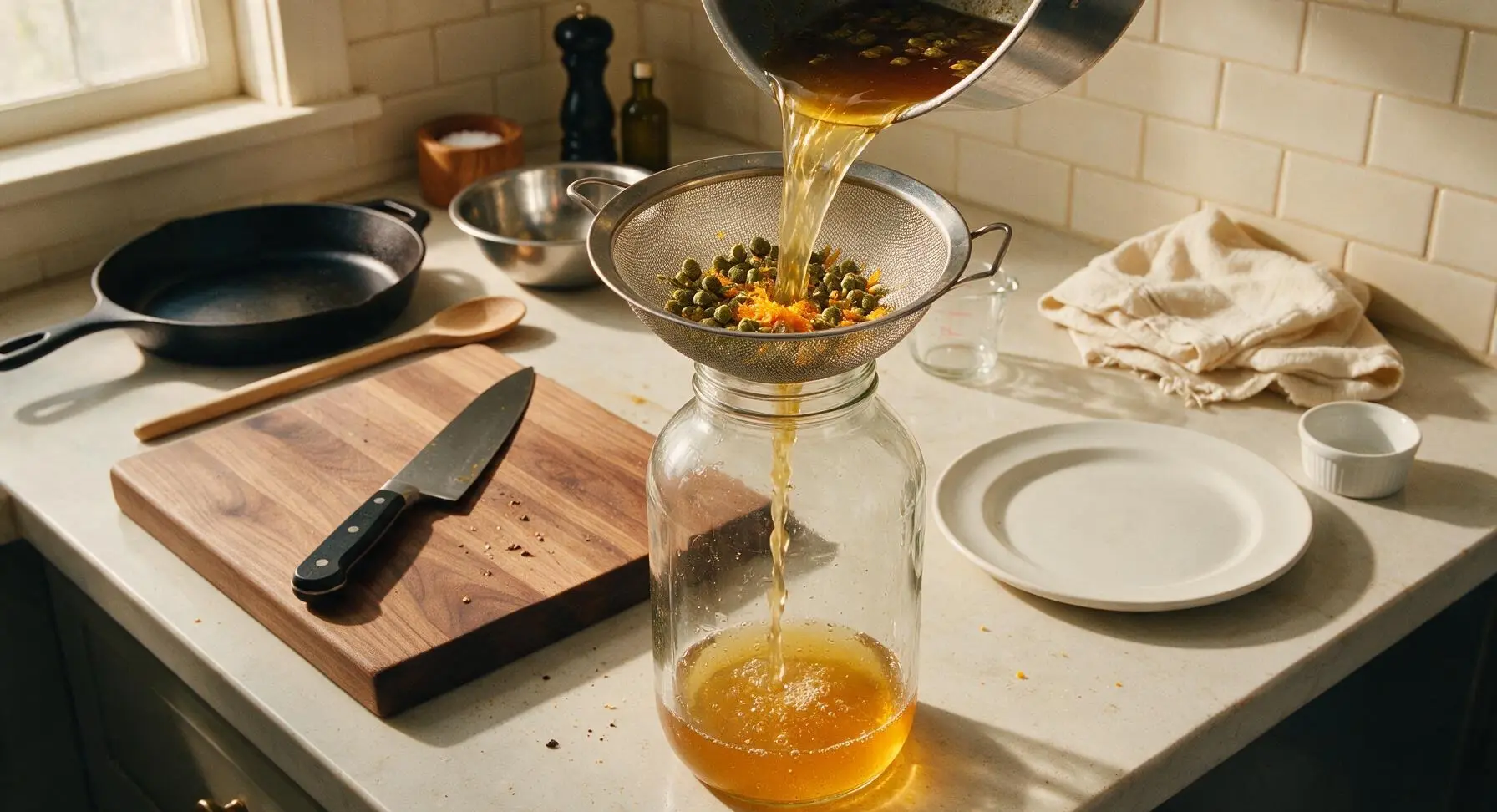
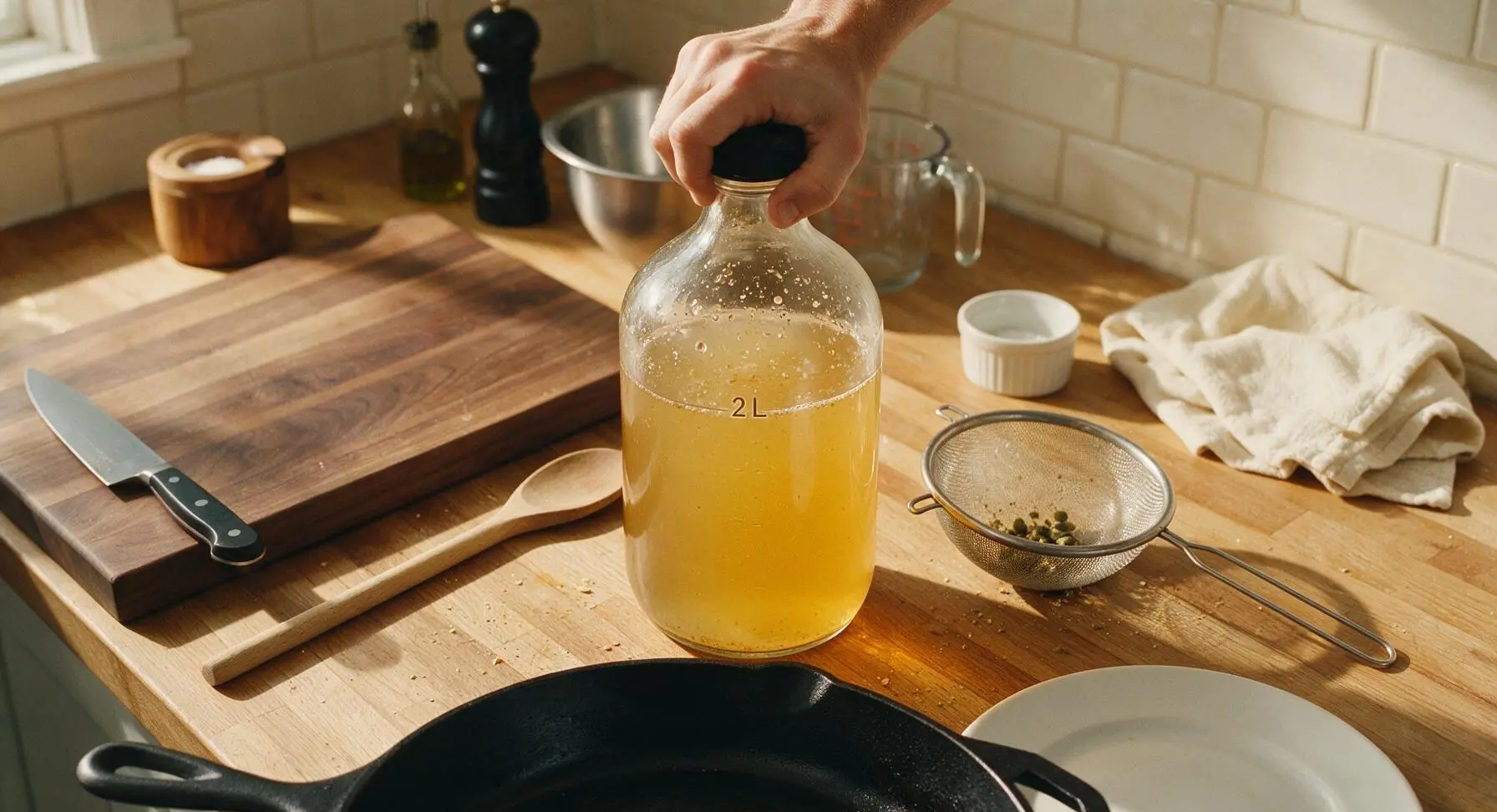
Place the fine mesh stainless steel strainer over the mouth of the sanitized 2L glass fermentation jug. Pour the cooled wort through the strainer to catch all spent hop pellets and orange zest solids. Top the jug up with additional cold filtered water to reach the marked 2L total volume line, then seal the jug tightly with a sanitized cap and shake vigorously for 30 seconds to aerate the wort, which helps yeast start fermentation quickly.
Pitch Ale Yeast
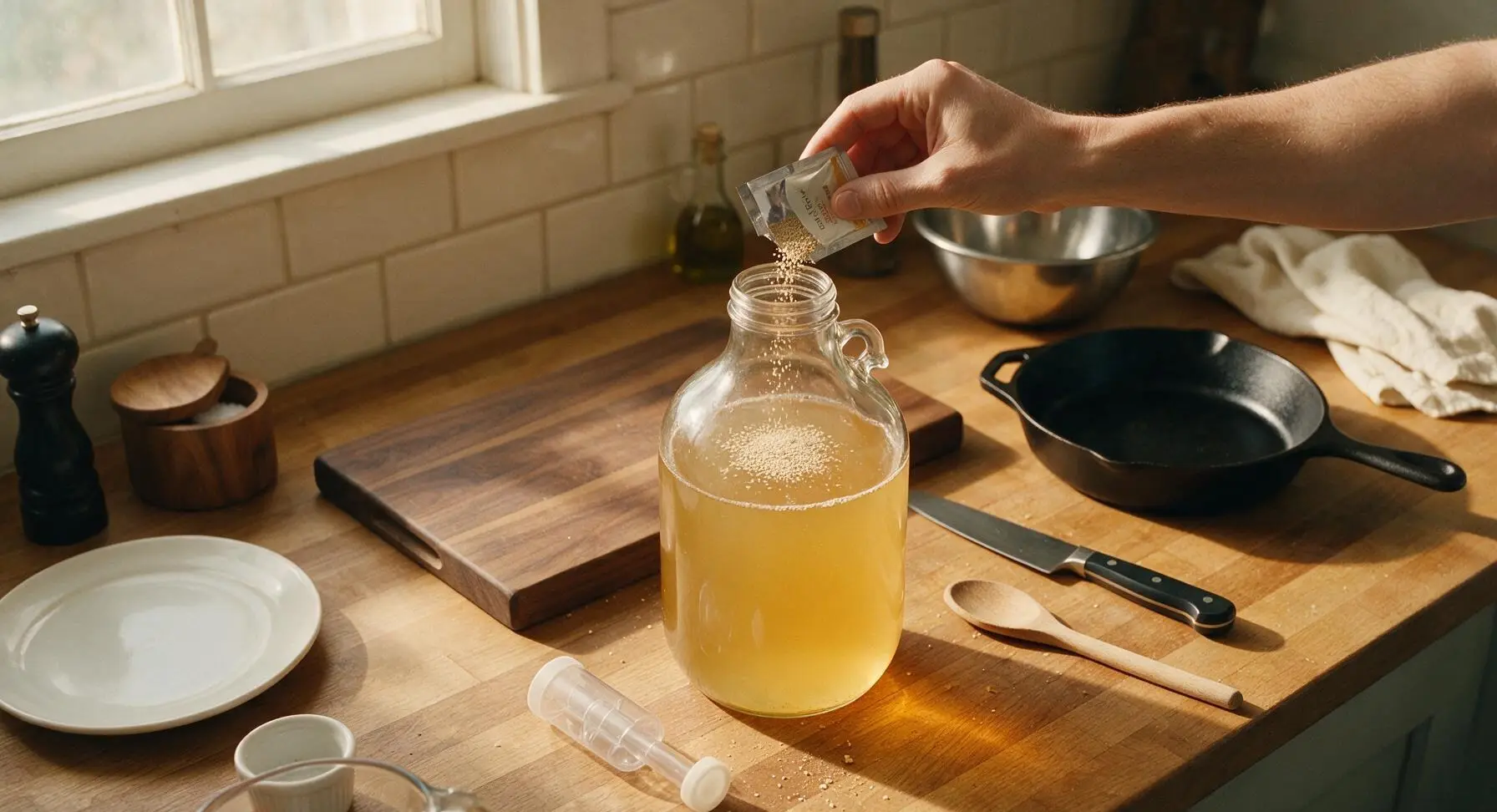
Remove the cap from the fermentation jug, sprinkle the entire 7g packet of American ale yeast evenly across the surface of the cooled, aerated wort. Do not stir the yeast in. Insert the sanitized silicone airlock into the jug mouth, filling the airlock halfway with clean cool water to create a one-way gas seal. Move the jug to a dark, temperature-stable spot (18-22°C/65-72°F) to ferment for 7 days, until bubbling in the airlock stops completely, indicating fermentation is complete.
Bottle And Carbonate
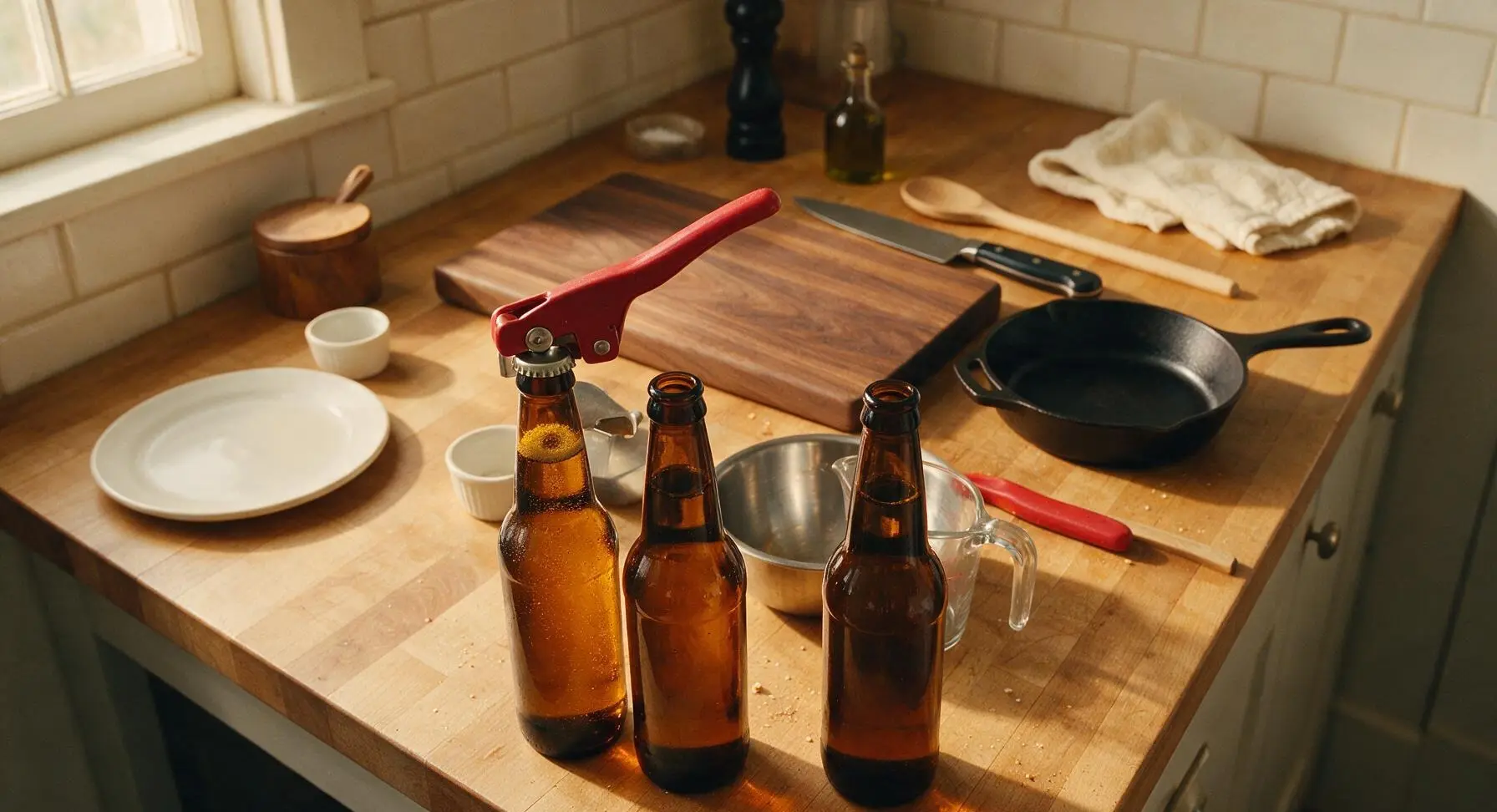
After 7 days of fermentation, dissolve the 30g of corn priming sugar in 50ml of boiling water, cool completely, and divide evenly between the three sanitized amber glass beer bottles. Siphon the finished fermented beer into the bottles, leaving 2cm of empty headspace at the top of each bottle to allow for carbonation. Use the red bottle capper to crimp a metal bottle cap tightly onto each bottle, then let the sealed bottles sit at room temperature out of direct sunlight for 10-14 days to naturally carbonate before chilling and serving.
Tips
2.Never skip sanitizing every piece of equipment that touches cooled wort: wild yeast and bacteria on unwashed tools create sour, off-flavors or can ruin the entire batch, and no-rinse brewing sanitizer leaves no residual taste so it will not alter your beer’s flavor.
3.Resist the urge to chill the beer immediately after bottling: the yeast needs 10-14 days at room temperature to eat the priming sugar and produce crisp, long-lasting carbonation; chilling early will stall this process and leave you with flat, uncarbonated beer.






OMG, this small-batch orange IPA was such a game changer for my weekend backyard cookout! I was nervous because I’ve only done simple extract brews before and thought the medium difficulty rating might be too far over my head, but the step-by-step instructions were so straightforward. The orange zest comes through perfectly without being overpowering—none of that weird artificial citrus aftertaste you get from a lot of mass-produced citrus IPAs. All my buddies begged me for the recipe by the end of the night, and I’m already planning to make a second batch next month for our annual group camping trip. Quick question for anyone who’s made this a couple times: has anyone tried swapping a little of the orange peel for a splash of fresh tangerine juice? Curious if that would throw off the fermentation process.
Super happy I stumbled on this small-batch recipe! I don’t have space for a huge 5-gallon brew setup in my tiny Brooklyn apartment, so 1 gallon batches are exactly my speed. The 90 minutes of active time was way more manageable than I expected too—I knocked the whole process out on a Sunday morning while my partner made pancakes for brunch. Only quick note for new brewers: I would recommend zesting the oranges extra carefully to avoid scraping the bitter white pith underneath. My first test sip had a tiny harsh, bitter edge because I got a little overzealous with the zester. It’s still totally drinkable, obviously, but that’s an easy fix for my next batch.
Made this for my brother’s birthday last weekend since he’s totally obsessed with hazy citrus IPAs, and it was a massive hit! Even my dad who only drinks cheap domestic macro lager tried a glass and said he’d gladly drink it again. The fresh orange aroma hits you the second you pop the bottle cap, and the hop bitterness is just right—not so strong it makes your face pucker, but enough to actually taste like a proper IPA. I already have all the ingredients pulled out to make another batch for our neighborhood block party next month, and three of my neighbors already texted asking me to save them a bottle.