
American Wild Ale
intro
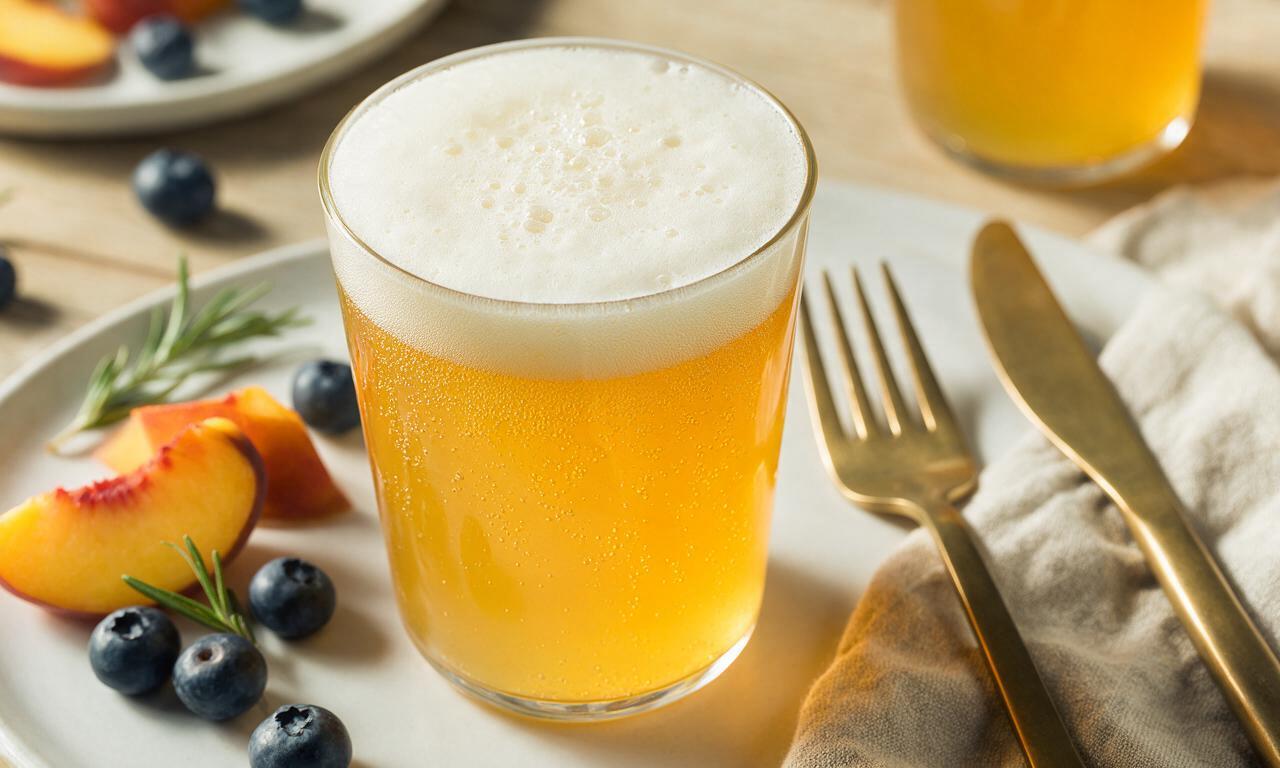
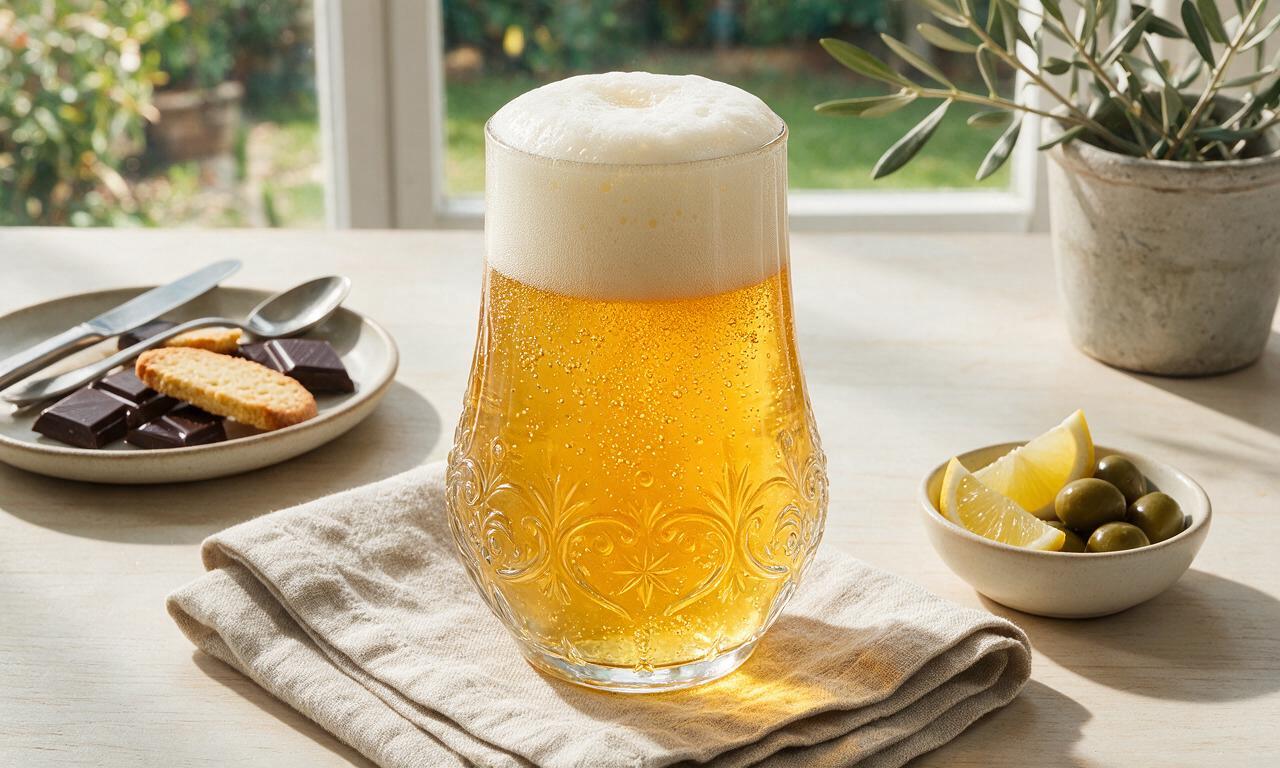
Tart, funky, effervescent American Wild Ale is a complex fruity craft beer brewed with wild yeast, delivering bright, zesty notes perfect for warm-weather sipping.
Ingredients
Steps
Sanitize All Brewing Equipment
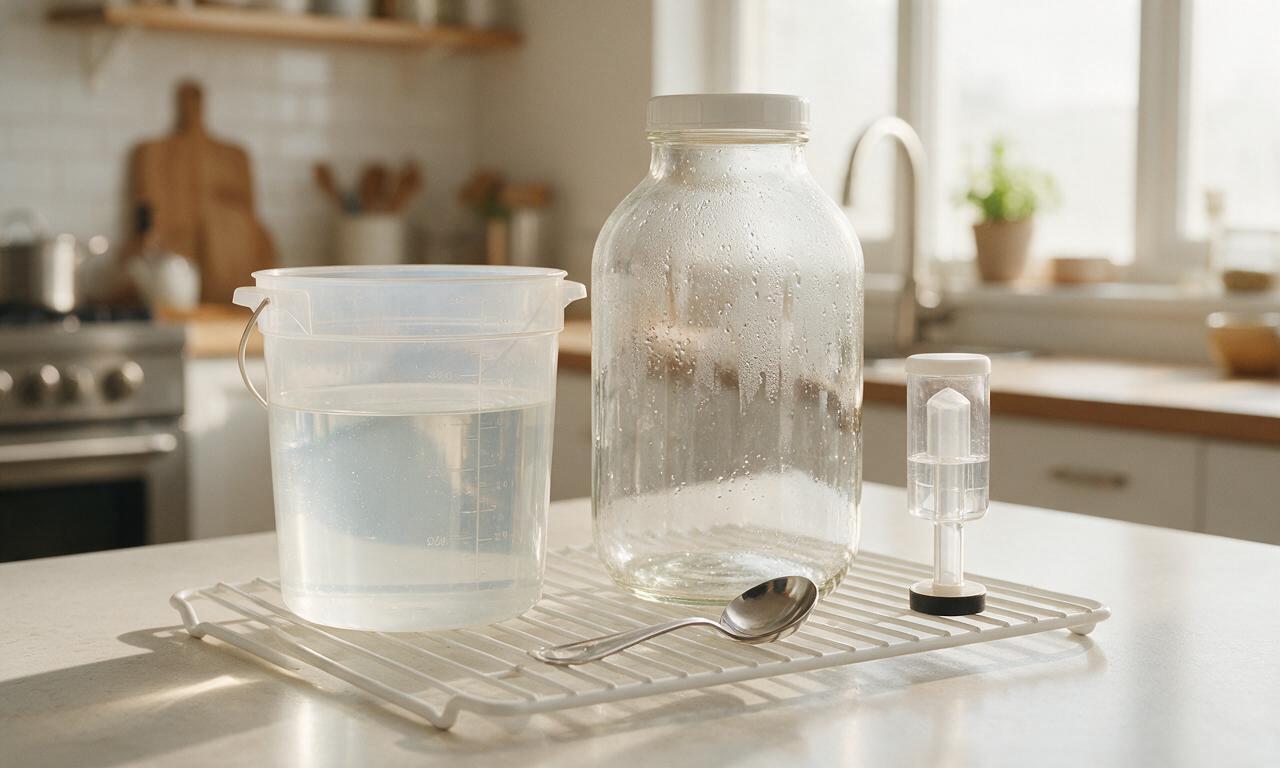
Mix 15 ml (1 tbsp) of no-rinse brewing sanitizer with 3785 ml (1 gallon) of cool water in a clean food-grade bucket. Submerge all brewing equipment (1-gallon glass fermenter, airlock, siphon, stirring spoon, thermometer) for 60 seconds, then remove and air-dry completely on a clean wire rack; do not wipe dry with cloth to avoid introducing unwanted bacteria. Keep your workspace clear of food debris throughout the brewing process.
Mash the Crushed Wheat Malt
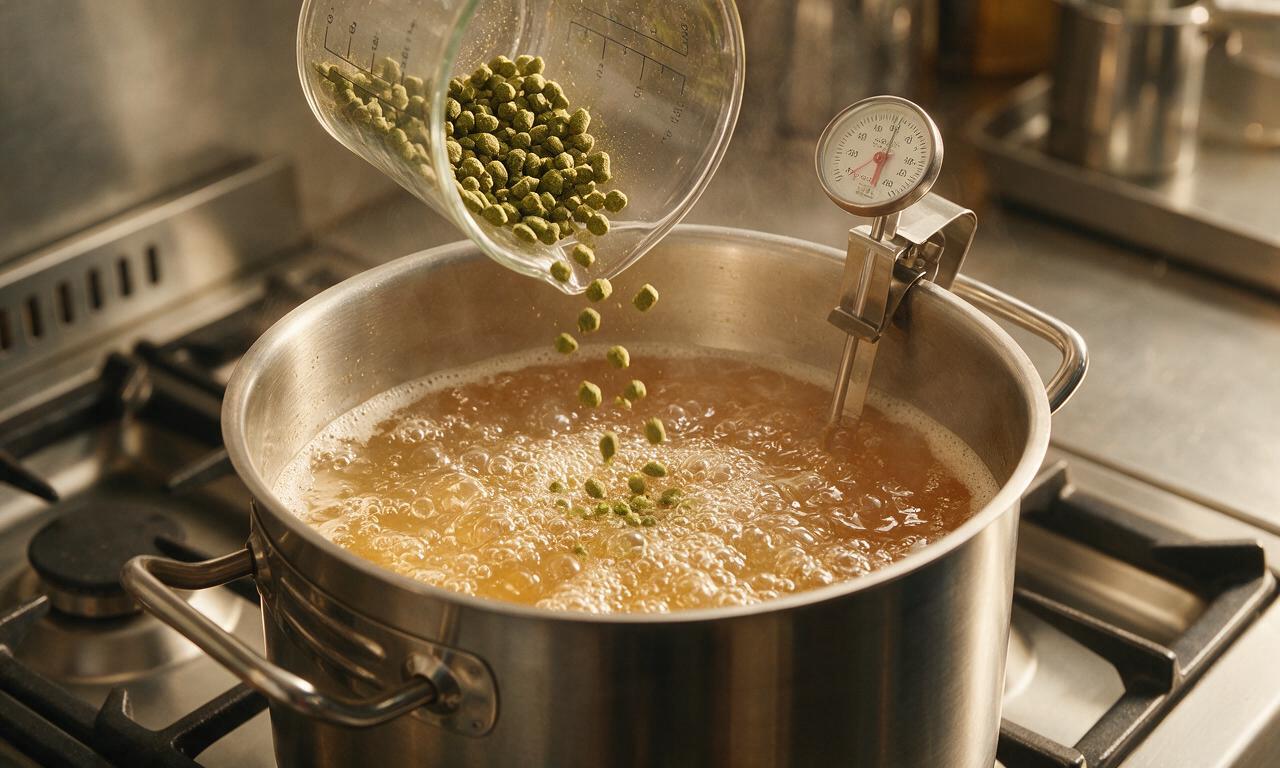
Pour 1893 ml (2 quarts) of filtered water into a 5L stainless steel stockpot, heat over medium heat to 68°C (155°F). Add crushed wheat malt, stir to fully submerge, and hold temperature steady at 65–68°C (150–155°F) for 30 minutes, stirring every 5 minutes to prevent scorching; do not exceed 71°C (160°F) to avoid extracting harsh, bitter tannins from the grain. Strain out the grain, stir in dried pale malt extract until fully dissolved, then increase heat to medium-high to reach a gentle rolling boil (100°C / 212°F at sea level). Set a 45-minute boil timer: add 7 g (0.25 oz) of Cascade hops at the start of the boil, add the remaining 7 g (0.25 oz) of Cascade hops with 10 minutes left on the timer, adjusting heat as needed to prevent boilovers.
Cool the Wort Rapidly
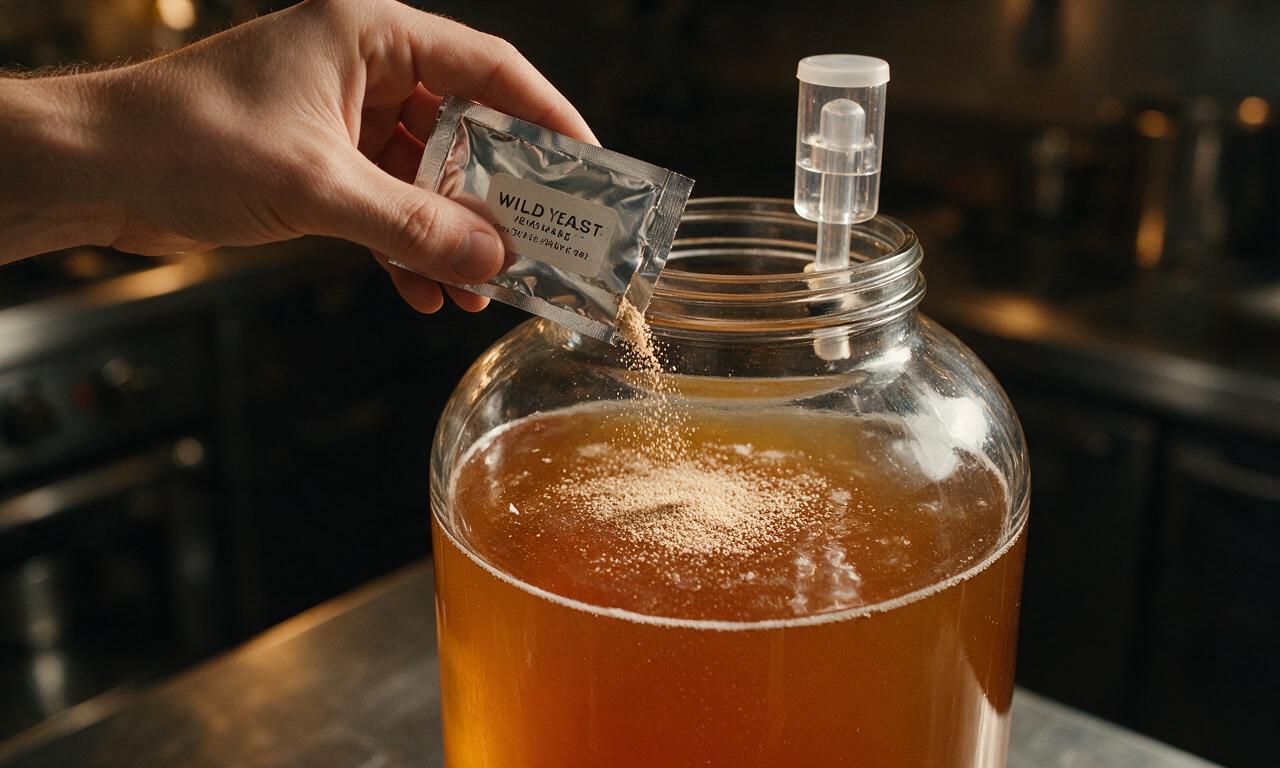
When the 45-minute boil ends, turn off the heat, cover the pot, and set it in a sink filled with ice water to cool the wort rapidly to 21°C (70°F), which takes approximately 20 minutes. Pour the cooled wort into the sanitized 1-gallon glass fermenter, top off with the remaining filtered water to reach the full 3785 ml (1 gallon) volume mark, then sprinkle the entire 10 g packet of Brettanomyces wild yeast over the wort surface. Seal the fermenter with a sanitized rubber stopper and airlock filled halfway with sanitizer solution, then move the fermenter to a dark, temperature-stable space held at 18–22°C (65–72°F).
Monitor Primary Fermentation Daily
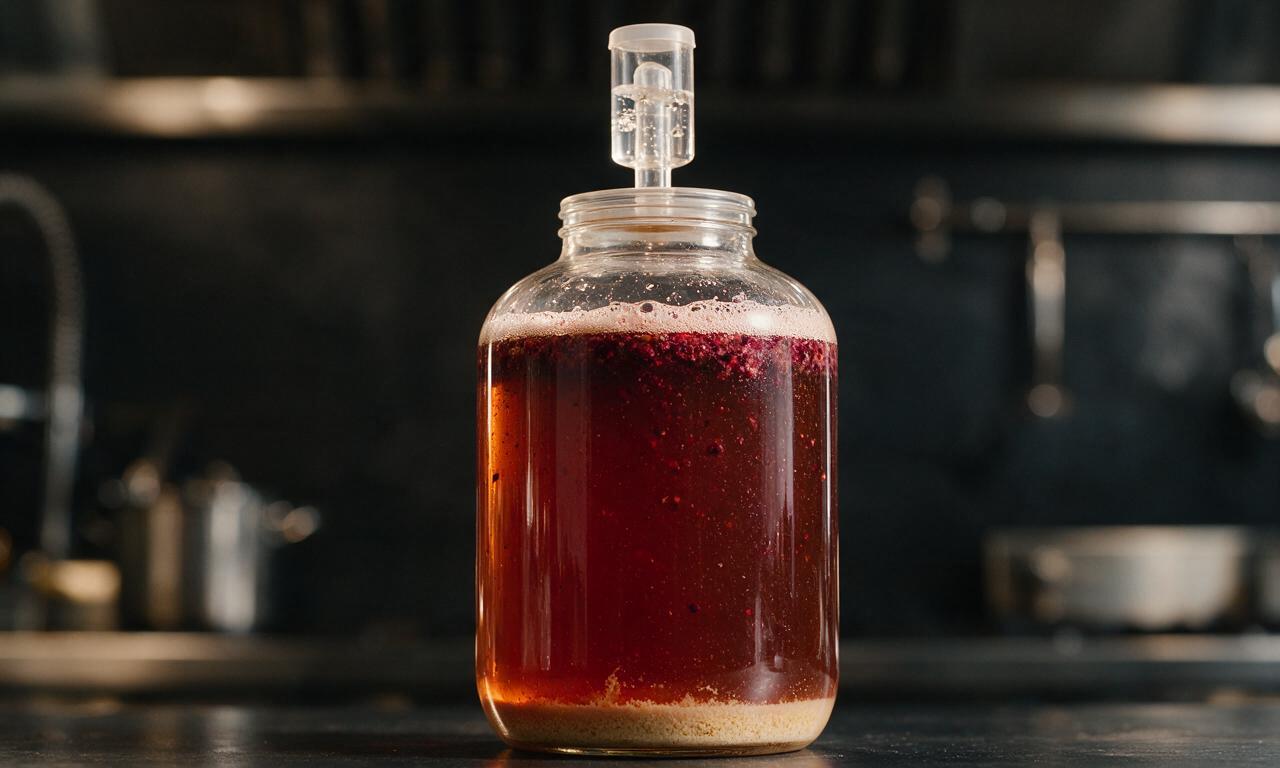
Allow primary fermentation to proceed for 7 days, checking the airlock daily to confirm consistent bubbling that signals active yeast activity. After 7 days, sanitize a small funnel, then pour the 240 g (1 cup) of unsweetened mixed berry puree into the fermenter, reseal the airlock, and return the fermenter to its dark, temperature-stable spot. Let the beer continue fermenting for 3 more weeks, until bubbling in the airlock stops completely, the beer appears clear, and a thin layer of pale settled yeast is visible at the bottom of the fermenter.
Sanitize All Bottling Equipment
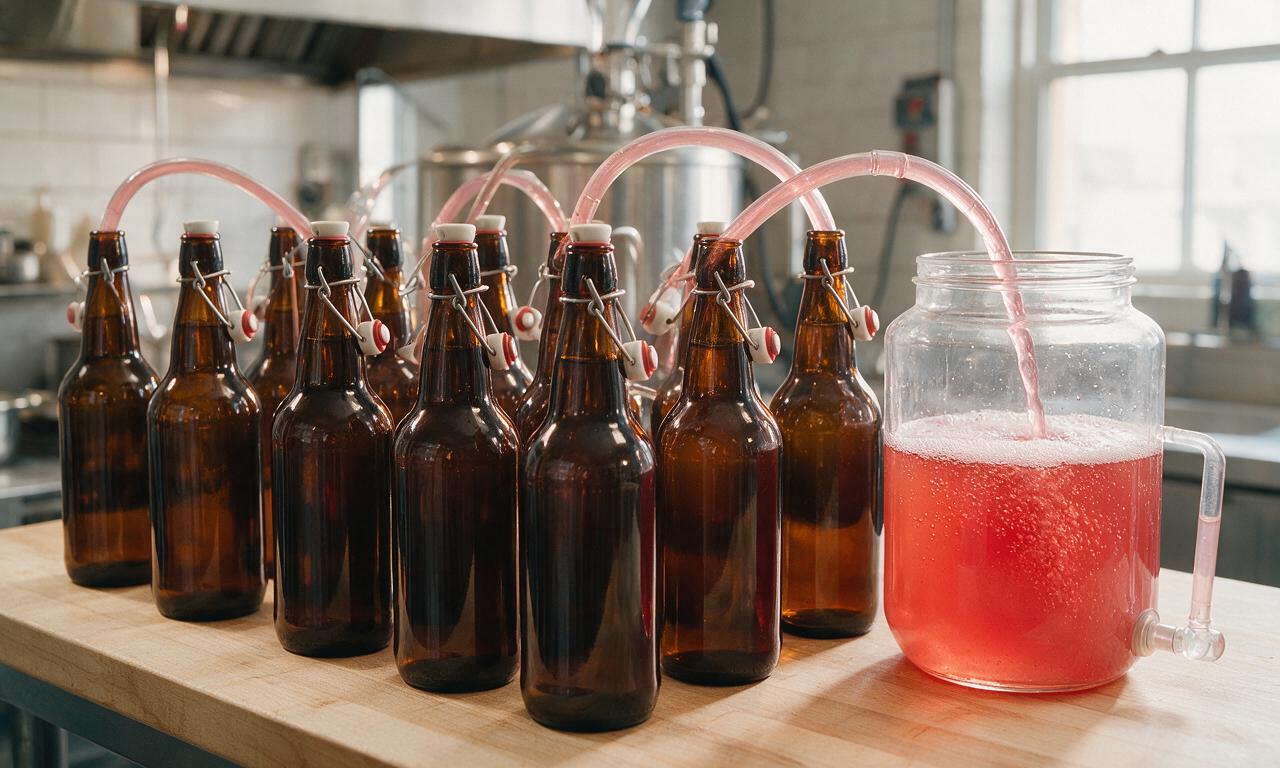
Once fermentation is complete (no airlock bubbles for 3 consecutive days, hydrometer reading stable at 1.008–1.012 for 2 straight days), sanitize your siphon, bottling wand, and 8 swing-top 473 ml (16 oz) glass bottles. Dissolve 25 g (2 tbsp) of corn sugar in 60 ml (1/4 cup) of boiling water, cool to 21°C (70°F), and add the solution to a sanitized food-grade bottling bucket. Siphon the fully fermented beer into the bottling bucket gently to avoid splashing, which introduces oxygen that causes stale, papery off-flavors, then stir slowly to evenly mix the priming sugar solution with the beer.
Fill, Seal, and Store Bottles
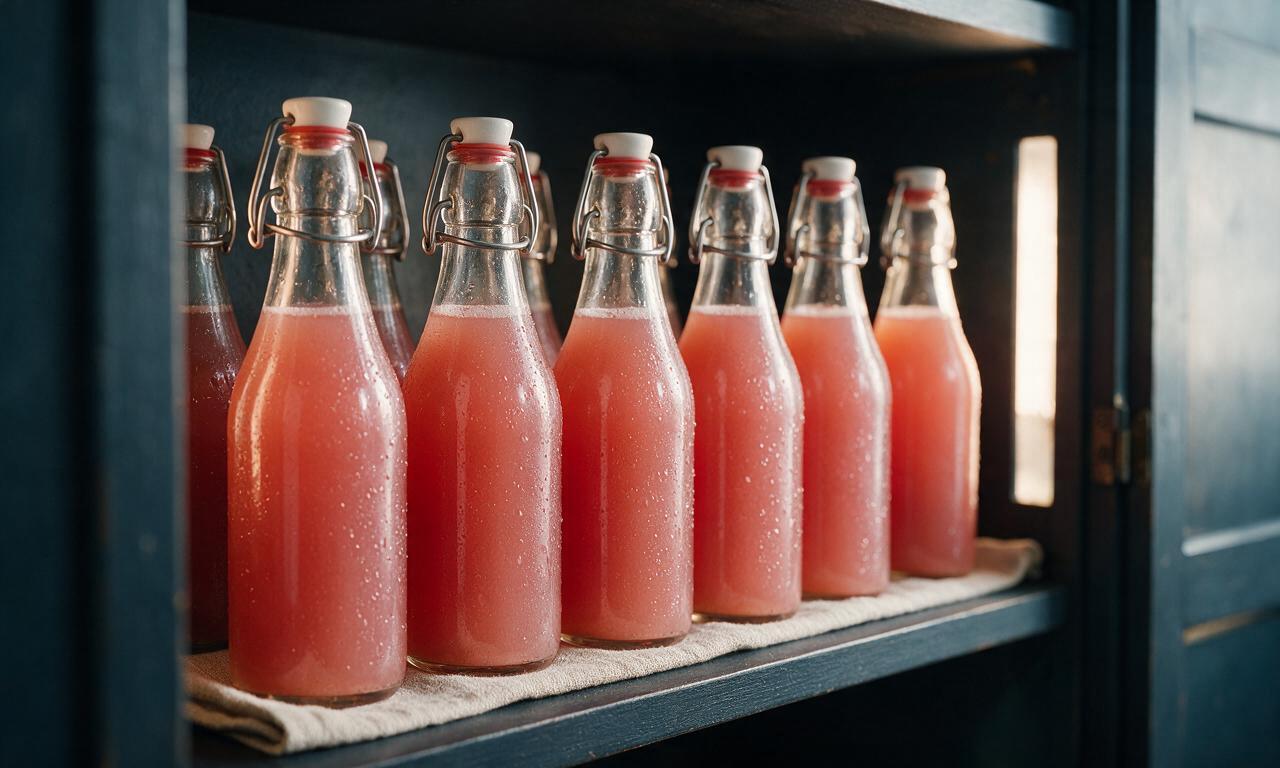
Use the sanitized siphon and bottling wand to fill each bottle to 2.5 cm (1 inch) below the rim, then clamp the swing-top seals tightly to create a fully airtight seal. Store the sealed bottles upright in the same dark, 18–22°C (65–72°F) space for 10 days to allow carbonation to develop as remaining yeast consumes the priming sugar. After 10 days, chill one bottle for 24 hours in the refrigerator to test carbonation; if properly bubbly, move all bottles to the refrigerator to halt conditioning, where they will keep for up to 6 months.
Tips
2.Keep fermenting and bottled beer away from direct sunlight at all times; UV light reacts with hop compounds in as little as 10 minutes to create a skunky, unpleasant flavor.
3.Customize flavor by swapping the mixed berry puree for 240 g (1 cup) of diced ripe peach, apricot, or foraged elderberry, or omit fruit entirely for a classic earthy, barnyard-forward funky wild ale.
OMG, I was so intimidated by how hard this recipe looked at first, but the step-by-step for the sour mash made it totally doable! My first batch finished conditioning last weekend and I brought it to our neighborhood potluck, everyone was begging for refills. That bright, tart berry note is SO good, total game changer for my homebrew setup. 10/10 will make again for our fall camping trip.
Took a swing at this last month, cracked the first bottle last night. Got that perfect funky, citrusy zing I’ve been chasing in commercial wild ales for years! My wife who normally hates sours even said it’s way smoother than the over-tart stuff we get at the liquor store. Already prepping my second batch this weekend to age for a few extra months.
Help! I’m on week 2 of fermentation and it smells like rotten eggs? Did I completely mess up my batch? I followed all the temp instructions but I’m panicking because I spent so much on ingredients for this.
Made this for our monthly friend cookout and it was the star of the show! I added a half pound of fresh raspberry puree during secondary fermentation and the tart fruit paired perfectly with that classic wild ale funk. Even my cousin who only drinks cheap light lager had three glasses. Worth every minute of the 5 week wait, no cap.
First off, don’t skip the step where you sanitize EVERYTHING. Learned that the hard way on my first attempt, got a mold bloom on top at week 3 and had to dump the whole 5 gallon batch. Second attempt I was religious about sanitizer and it’s currently bubbling away in the closet, smelling amazing already. Can’t wait to crack the first bottle in a few weeks.
I’ve been homebrewing for 8 years and this is easily the best wild ale recipe I’ve ever tried. The balance of funky brett notes, soft tartness, and that subtle grainy malt backbone is spot on, just like the expensive craft drafts I drive 45 minutes to get. Saved this to my permanent recipe folder for sure.
As a mom of two toddlers, I was worried the 2 hour active prep would be impossible to carve out, but I split the prep over two nights after the kids went to bed and it worked like a charm! The finished beer is crisp, tart, and so refreshing after a long day. My husband said it tastes better than the $18/bottle wild ale we bought for our anniversary last year.
Quick question — I’m at the bottling stage, can I use regular crown caps instead of the swing top bottles the recipe recommends? I have a ton of regular 12oz bottles left over from store bought beer and I don’t wanna drop cash on new bottles if I don’t have to.
Just cracked my first bottle last night and WOW. I was nervous about the hard difficulty rating because I’ve only done basic IPAs before, but the instructions were so clear I barely even had to look up homebrew terms as I went. That dry, funky finish is chef’s kiss, I’m already planning to bring a six pack to my office holiday party next month.
Solid recipe! My only note is that the 5 week timeline worked for me, but my apartment stays pretty warm (75F most days) so it was fully carbonated and ready at 4 weeks instead. Got a little extra tartness from the warmer temp but it was still super tasty, my roommates demolished half the case in one weekend. Will definitely make again, just adjust for my kitchen temp next time.
Wait has anyone tried adding oak chips to this? I love that oaky, vanilla note in commercial wild ales and I’m curious if it would work with this recipe, or if it would overpower the subtle wild yeast flavors. Also, huge props for the temp control tips, my last wild ale batch was so vinegary I could barely drink it, so I’m being extra careful this go around.