Oyster Char Kway Teow

title 1
Oyster Char Kway Teow
⏱️ cook time 10 minutes
🍽️ servings 4
⚡ Difficulty medium

intro

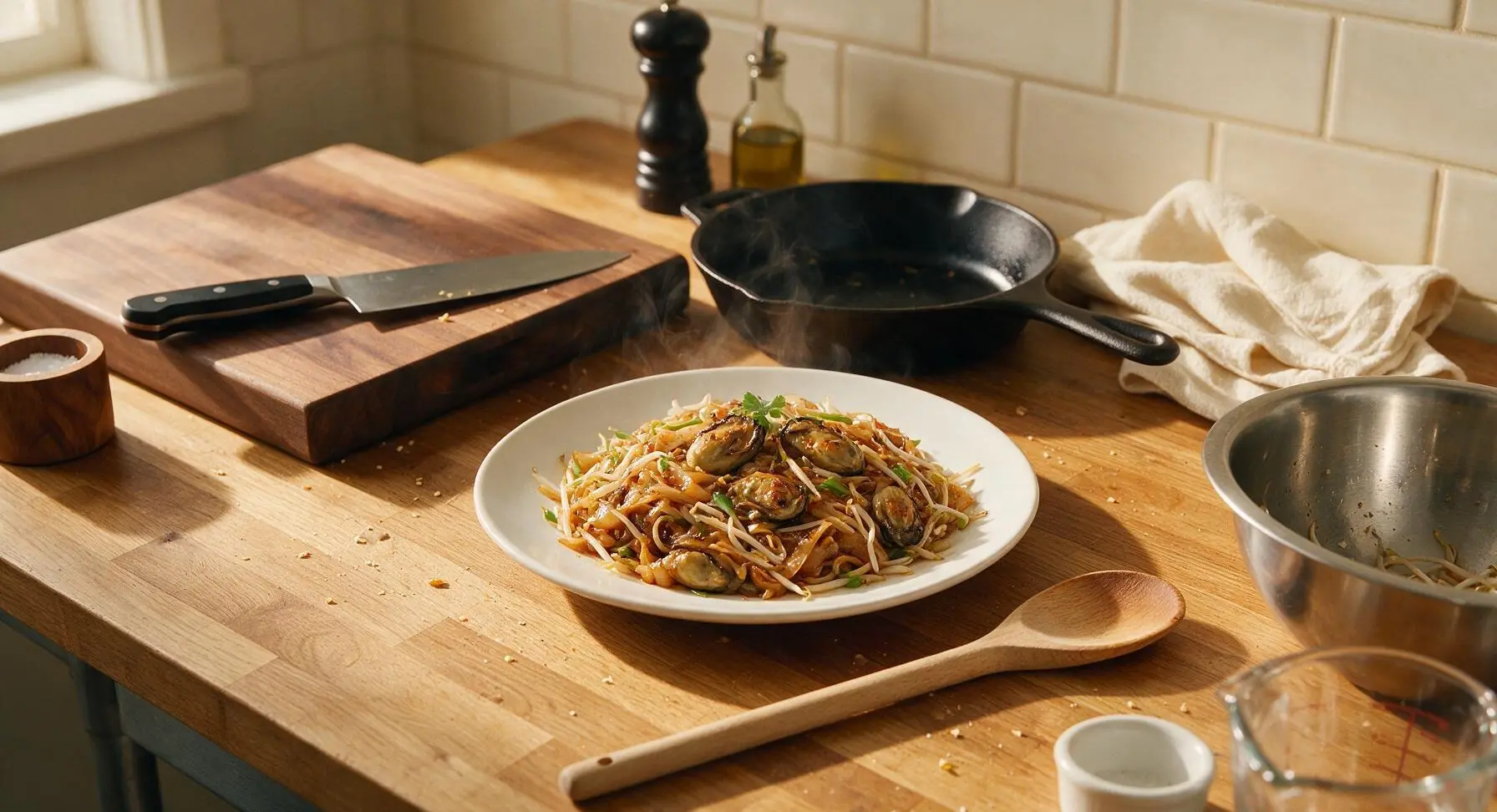
Smoky wok-charred flat rice noodles tossed with briny seared oysters, crisp bean sprouts, and savory umami sauce, a beloved Teochew street food staple with signature wok hei aroma.

Ingredients
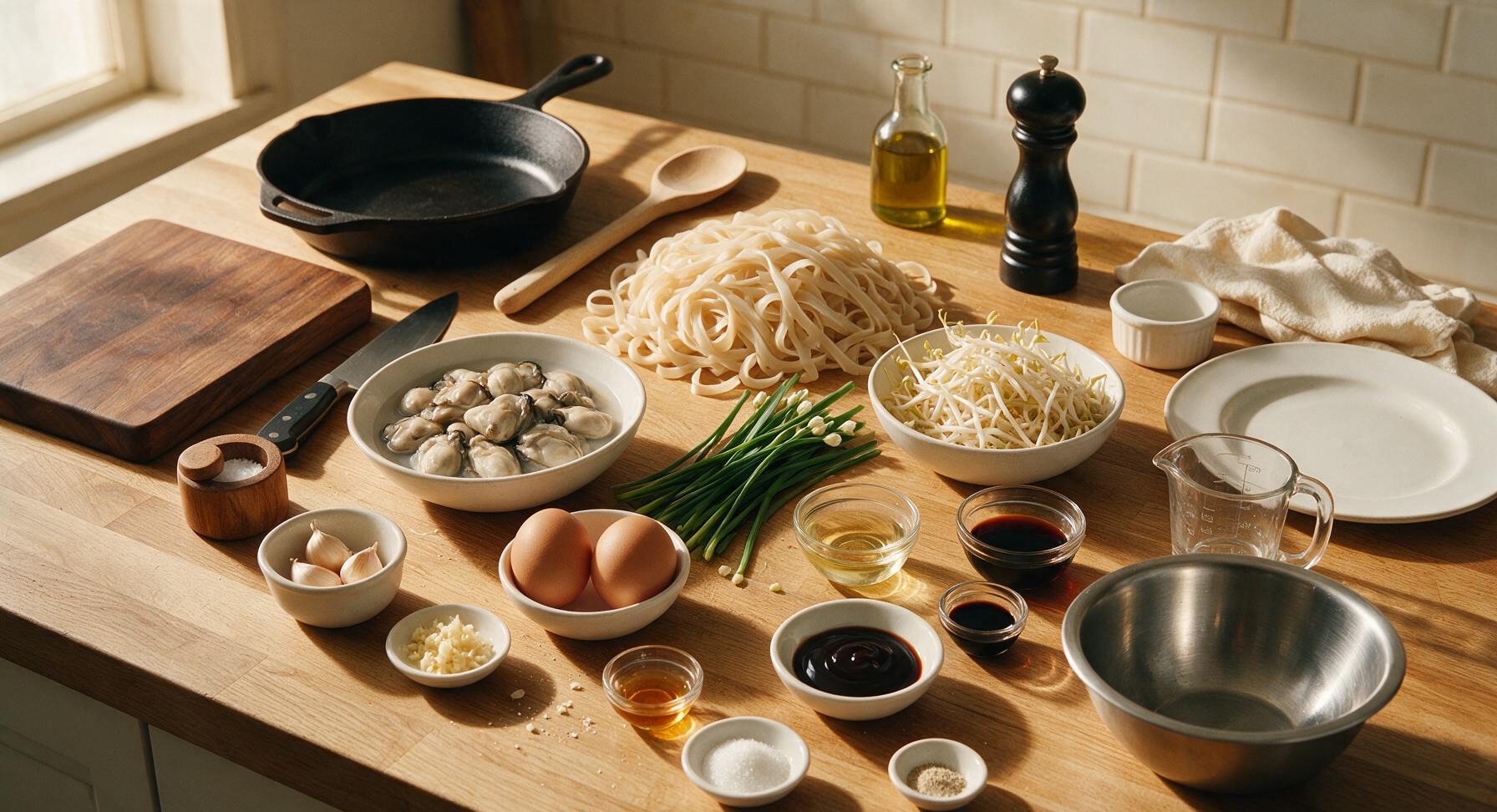
Fresh flat rice noodles (kway teow) 400g
Shucked fresh oysters 300g
Mung bean sprouts 150g
Garlic chives 50g
Large eggs 2
Garlic cloves 3 (15g)
Neutral peanut or canola oil 3 tablespoons
Light soy sauce 2 tablespoons
Dark soy sauce 1 tablespoon
Premium oyster sauce 1.5 tablespoons
Shaoxing rice wine 1 tablespoon
Granulated sugar 1 teaspoon
Ground white pepper 1/4 teaspoon

Steps

1

Prep All Ingredients

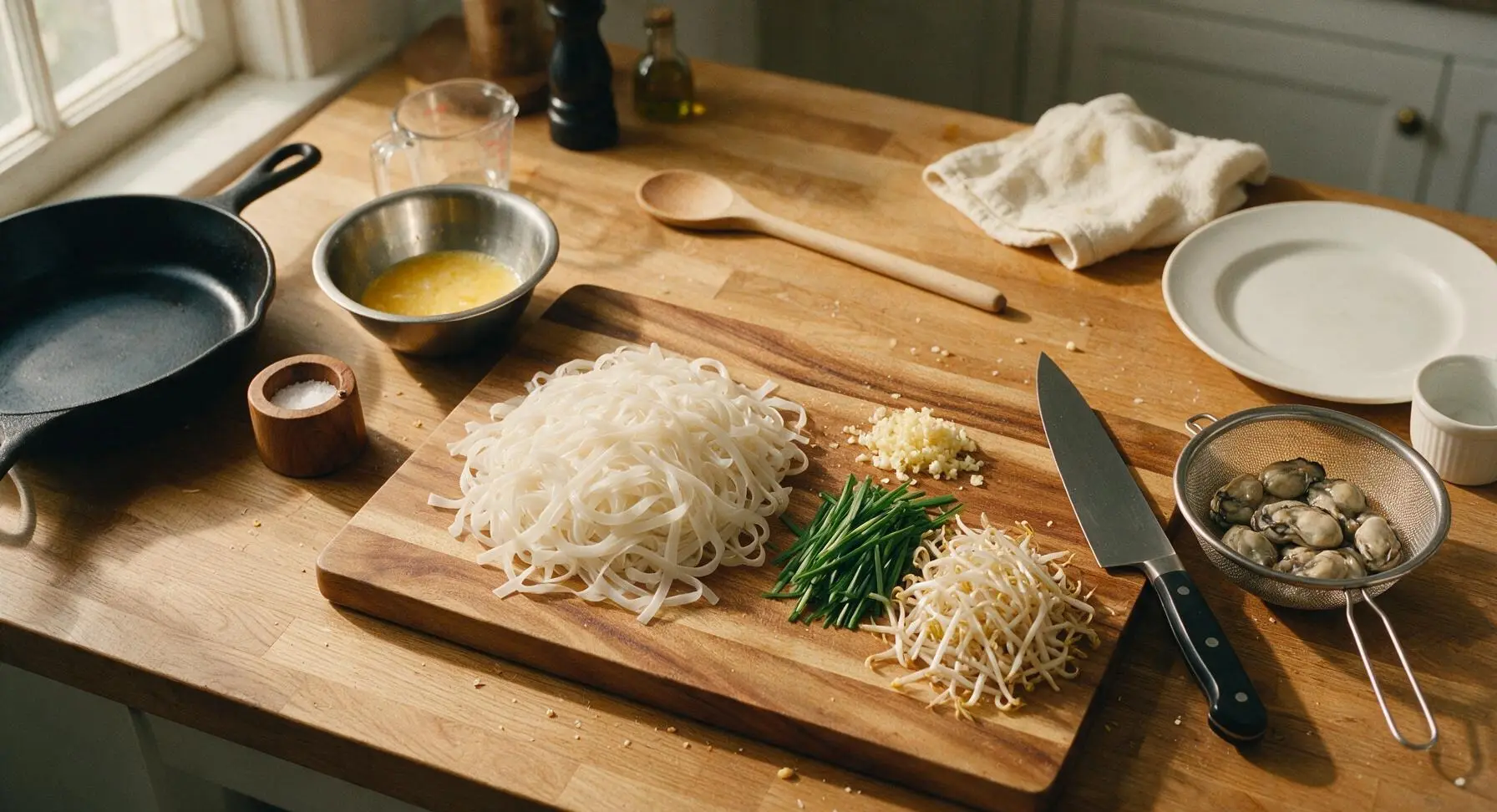
First, separate the fresh flat rice noodles into loose individual strips, discarding any dry, clumped hard sections. If using dried flat rice noodles, soak in room-temperature water for 15 minutes until fully pliable, then drain completely. Mince the 3 garlic cloves finely, cut garlic chives into 5cm lengths, and rinse bean sprouts thoroughly, spinning dry to remove all excess moisture. Lightly beat the 2 eggs in the small stainless steel bowl with a pinch of white pepper. Pat drained oysters dry with paper towel to remove excess surface brine, which prevents dangerous oil splatter during high-heat cooking.
Step 1
step1:Prep All Ingredients
2

Mix Stir-Fry Sauce

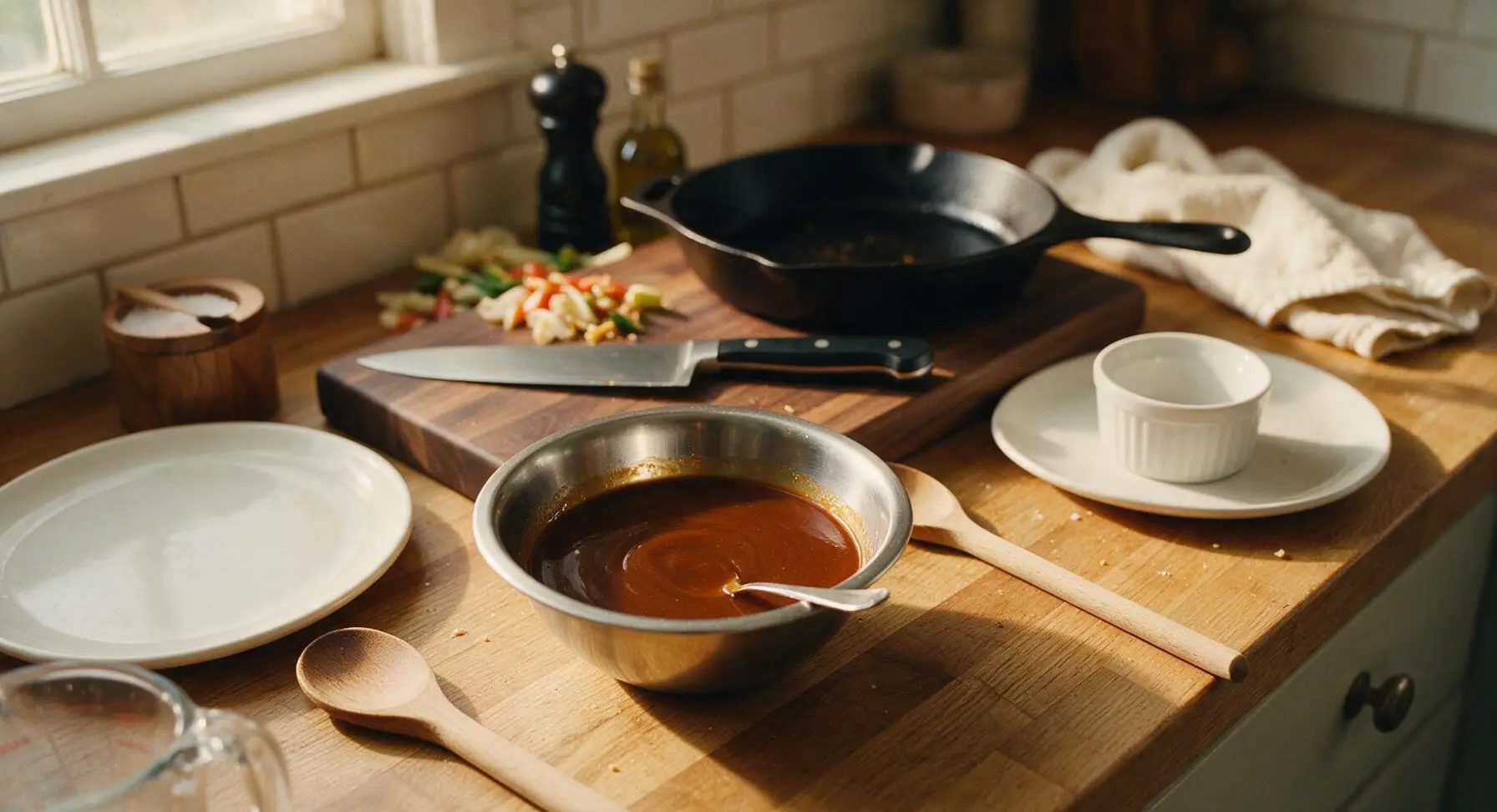
In the small stainless steel mixing bowl, combine 2 tablespoons light soy sauce, 1 tablespoon dark soy sauce, 1.5 tablespoons oyster sauce, 1 tablespoon Shaoxing rice wine, 1 teaspoon granulated sugar, and 1/4 teaspoon ground white pepper. Stir thoroughly with a small spoon until the sugar fully dissolves and the sauce is a uniform deep amber-brown color, with no visible streaks of separate soy or oyster sauce. Set the bowl within arm’s reach of the induction cooktop to avoid fumbling during the fast-paced stir-fry process.
Step 2
step2:Mix Stir-Fry Sauce
3

Heat Wok to High Heat

Place the 14-inch carbon steel wok centered on the induction cooktop, turn heat to the highest 2000W setting, and heat empty for 2 minutes until faint heat haze rises from the wok surface. Add 1 tablespoon of neutral cooking oil, swirling the wok to coat the entire inner surface evenly. The oil is ready when it shimmers and sends up thin wispy trails of smoke, reaching approximately 200C/390F – the high temperature required to build signature smoky wok hei flavor.
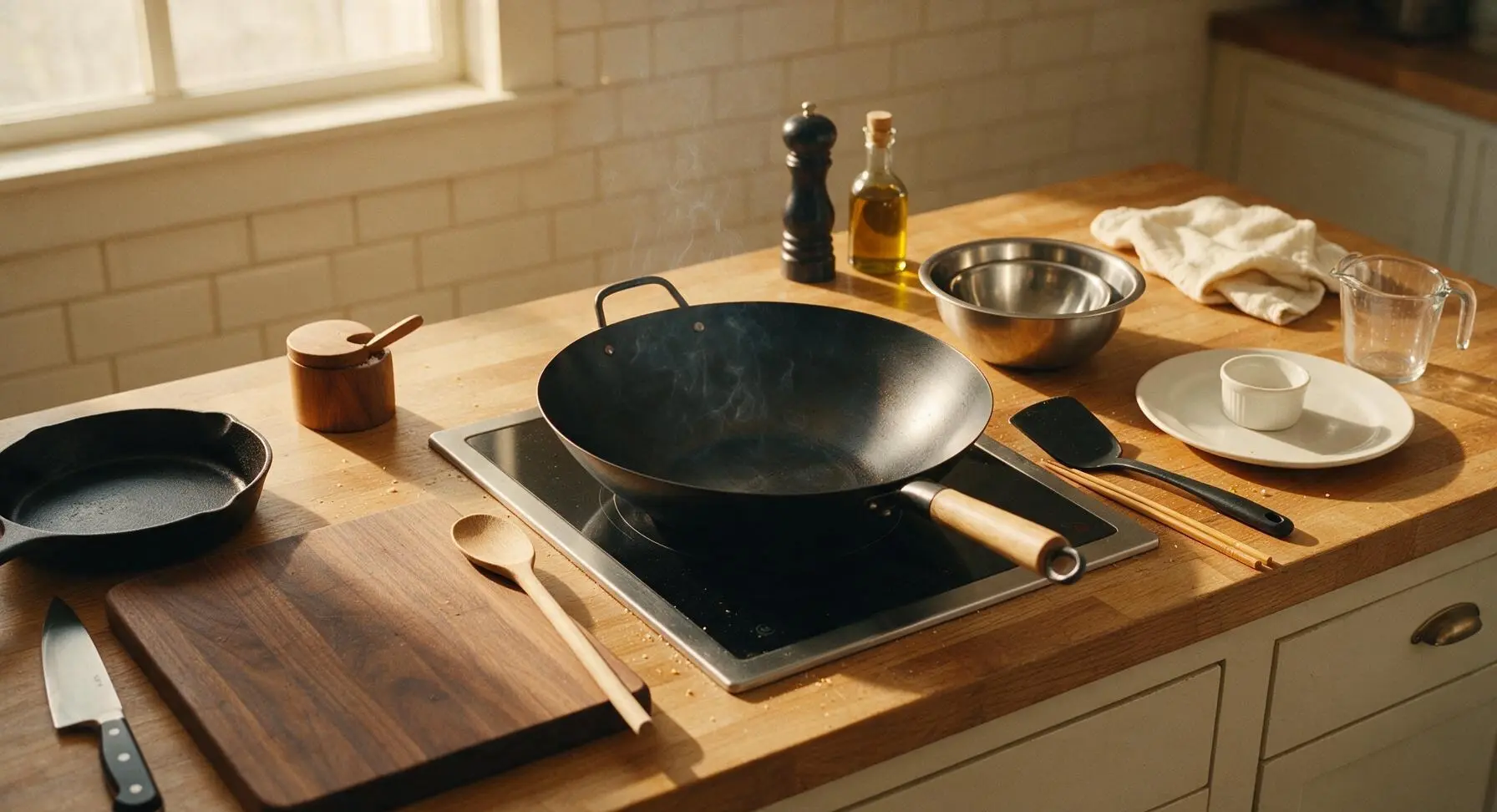
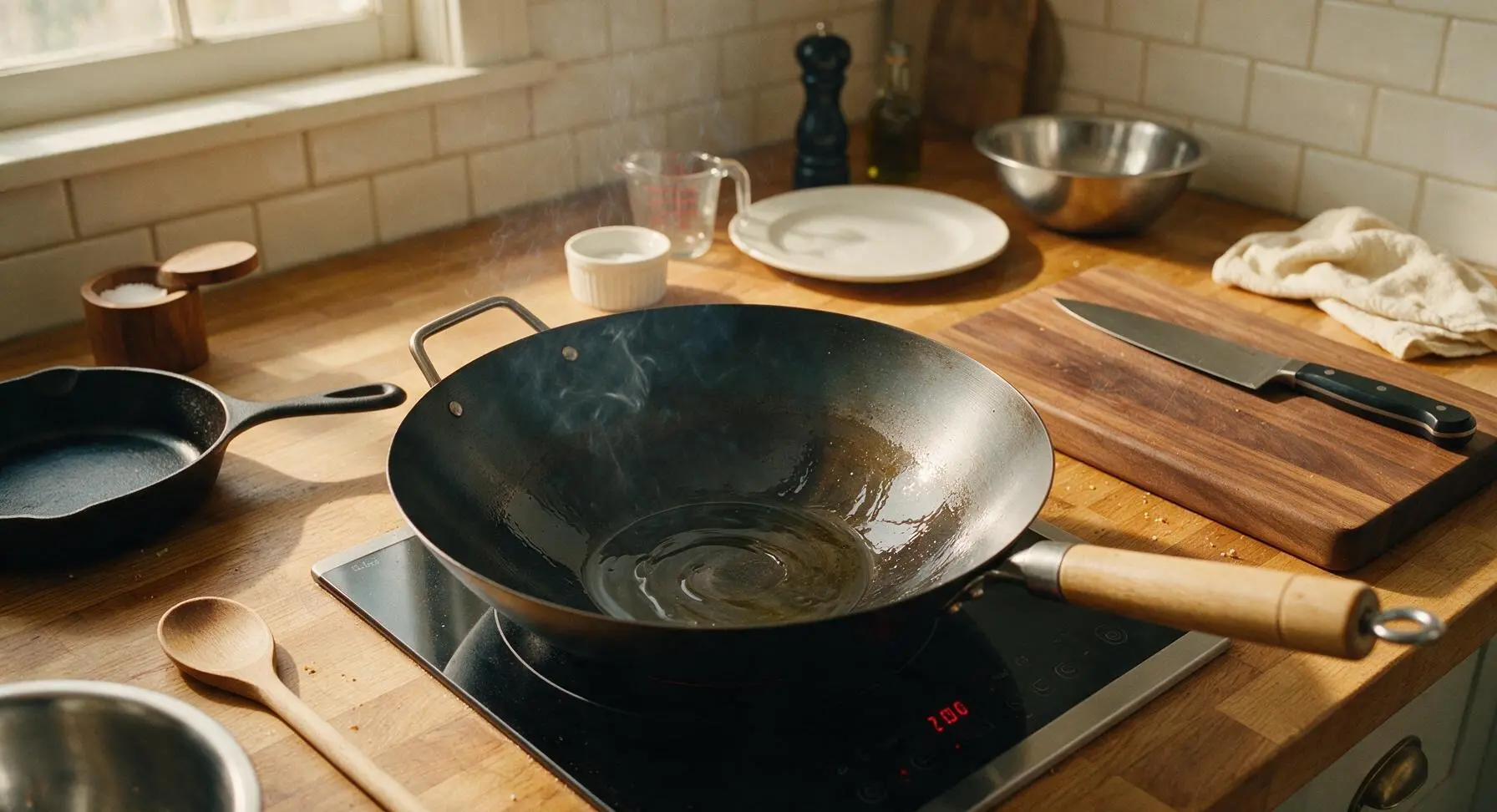
Step 3
step3:Heat Wok to High Heat
Step 3
step3:Heat Wok to High Heat
4

Sauté Garlic and Egg

Toss the minced garlic into the hot oil, stir-frying continuously with the wok spatula for exactly 10 seconds until fragrant and pale golden, taking extreme care not to burn the garlic (burnt garlic will turn the entire dish bitter). Pour the beaten eggs into the center of the wok, scrambling lightly for 20 seconds until eggs are 70% set, forming soft golden curds that are still slightly runny in the center. Push the egg and garlic mixture to the cooler sloped side of the wok, away from the direct high-heat center, to prevent overcooking.
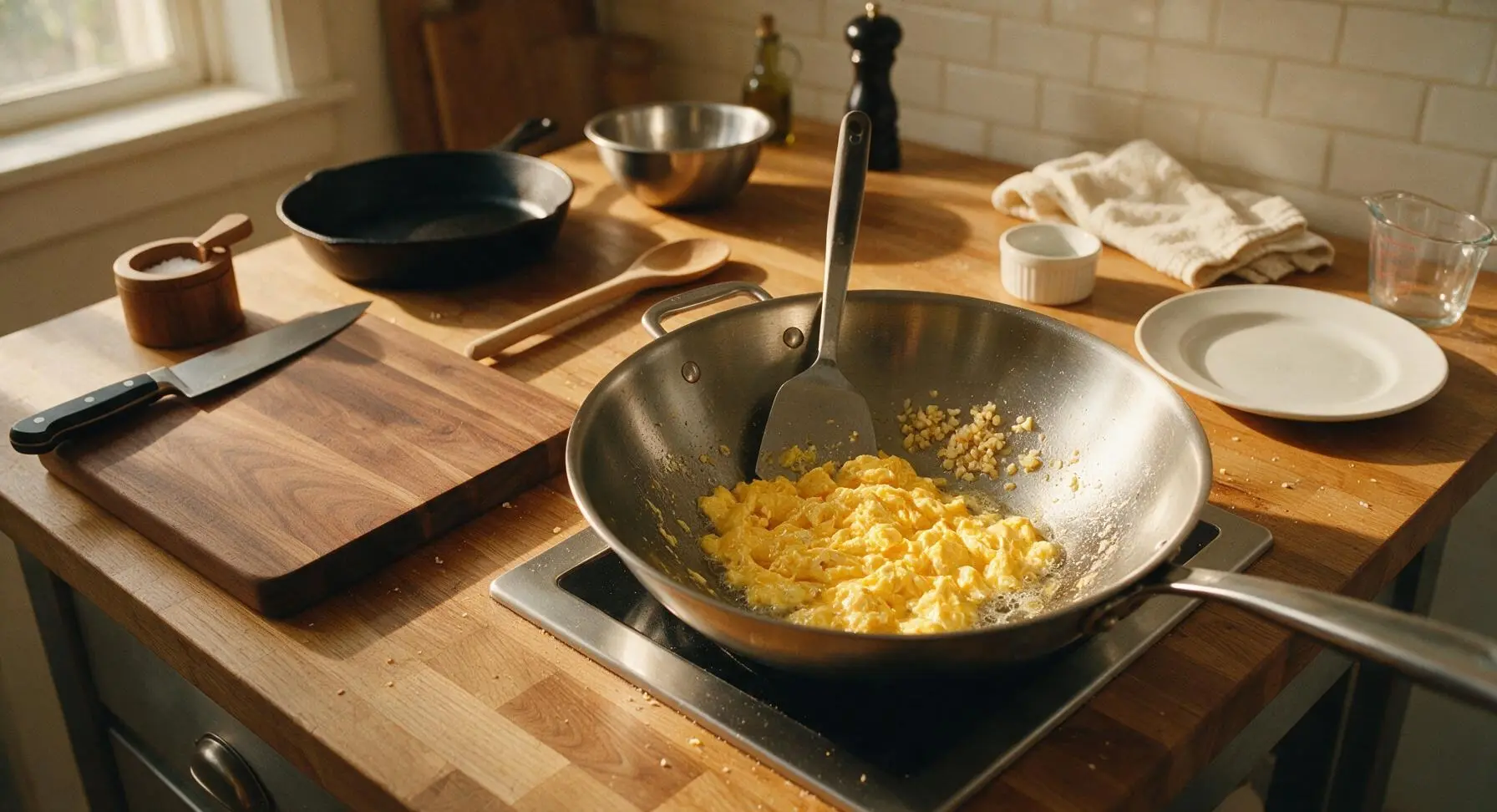
Step 4
step4:Sauté Garlic and Egg
5

Sear Oysters and Noodles

Add the patted-dry oysters to the high-heat center of the wok, searing for 30 seconds on the first side until edges turn slightly opaque and pale golden, then flip gently with the spatula. Add all of the loose flat rice noodles to the wok, using the bamboo chopsticks to lift and gently separate noodle strands while stir-frying for 1 full minute, coating them in oil and egg mixture. Never press down on the noodles with the spatula, as this will cause them to break, clump, and turn mushy.
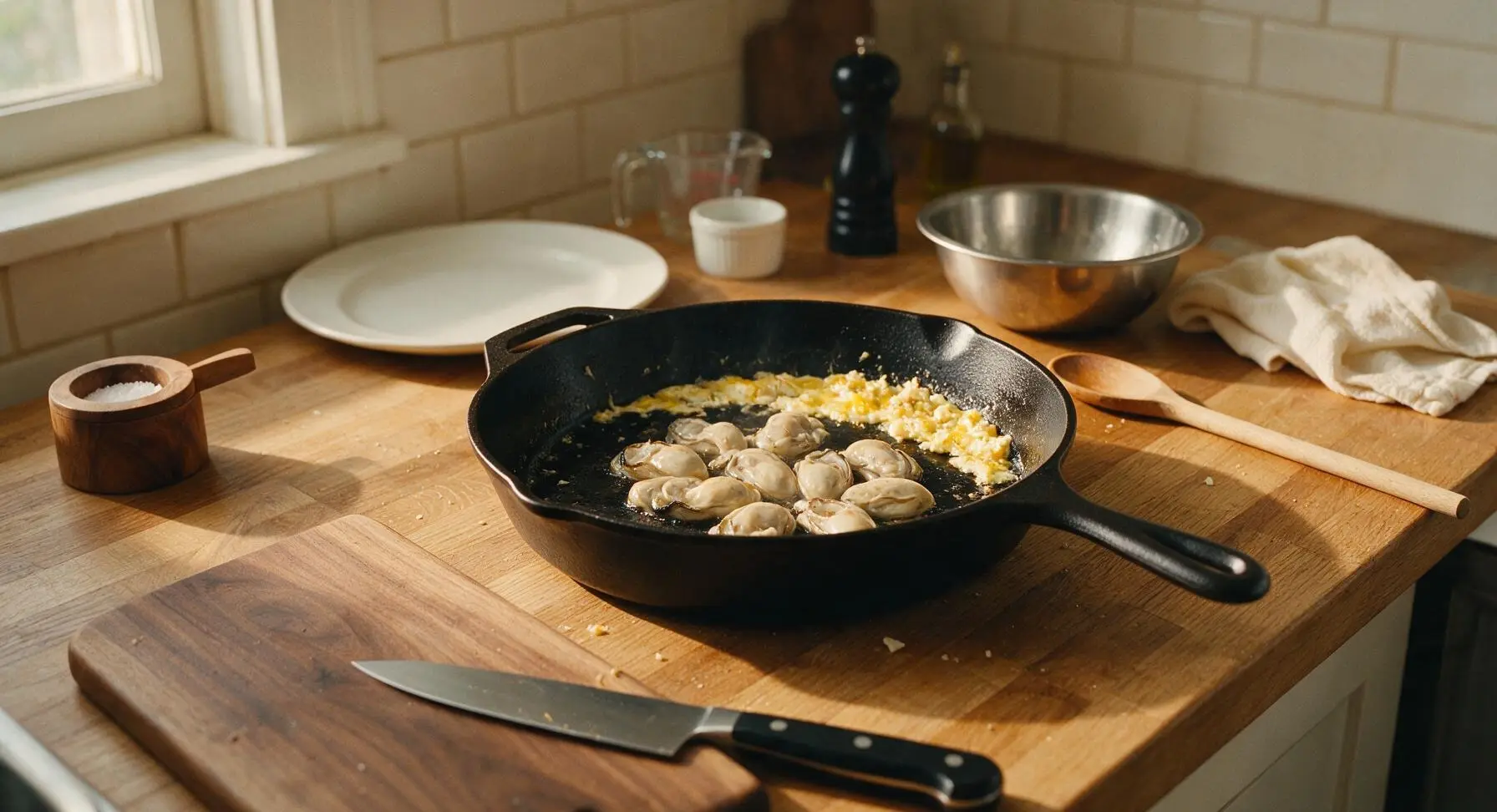
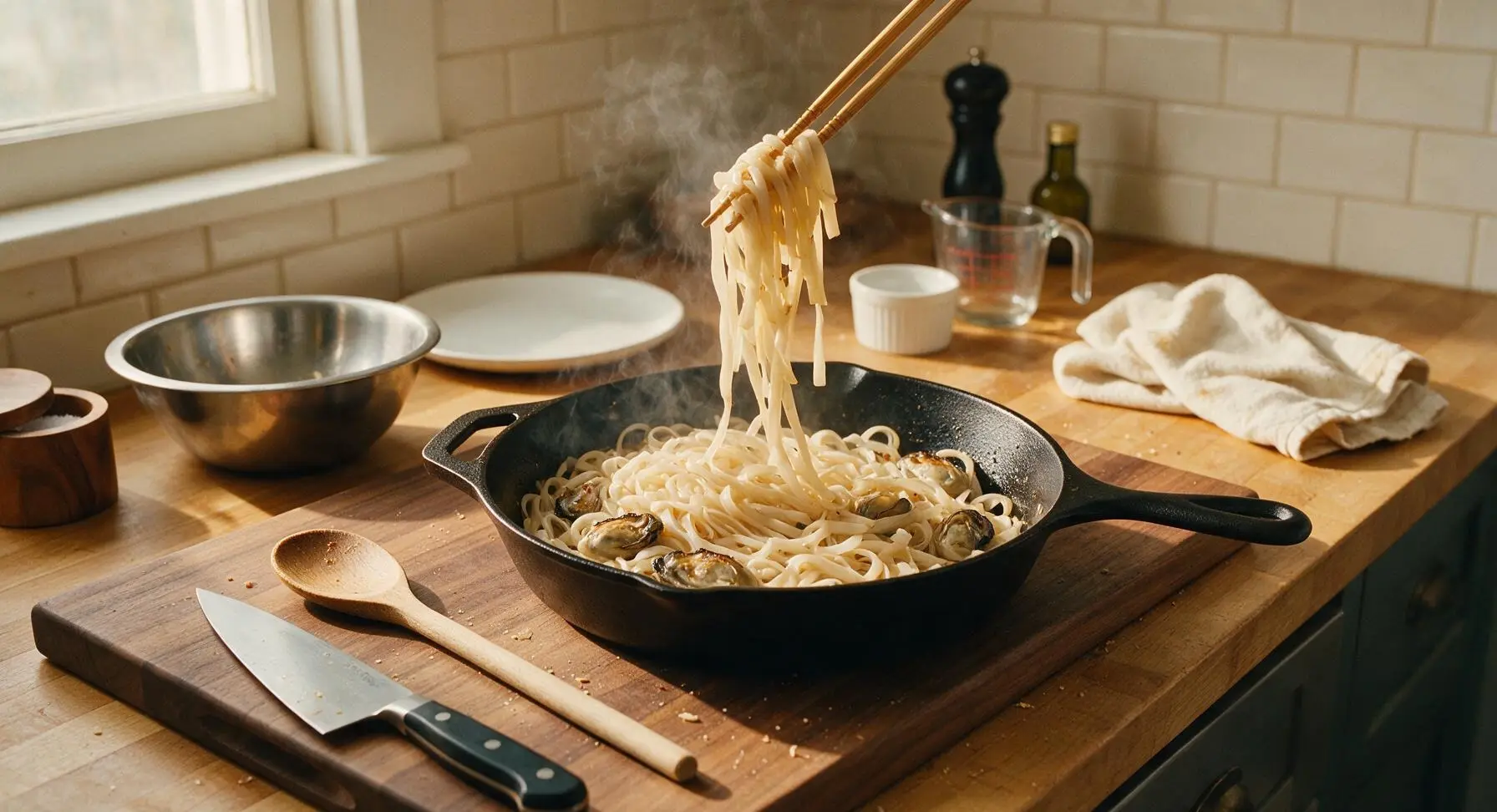
Step 5
step5:Sear Oysters and Noodles
Step 5
step5:Sear Oysters and Noodles
6

Toss Sauce and Vegetables

Pour the pre-mixed stir-fry sauce evenly over the top of the noodles, tossing continuously with the wok spatula and bamboo chopsticks for 45 seconds, until every noodle strand is evenly coated in deep brown sauce, with faint charred edges on some noodle strands (the signature wok hei char). Add the bean sprouts and 3/4 of the cut garlic chives, tossing for a final 30 seconds only – the vegetables should stay crisp-tender, bright, and not fully wilted. Turn off the heat immediately once vegetables are incorporated, to retain their fresh crunch.
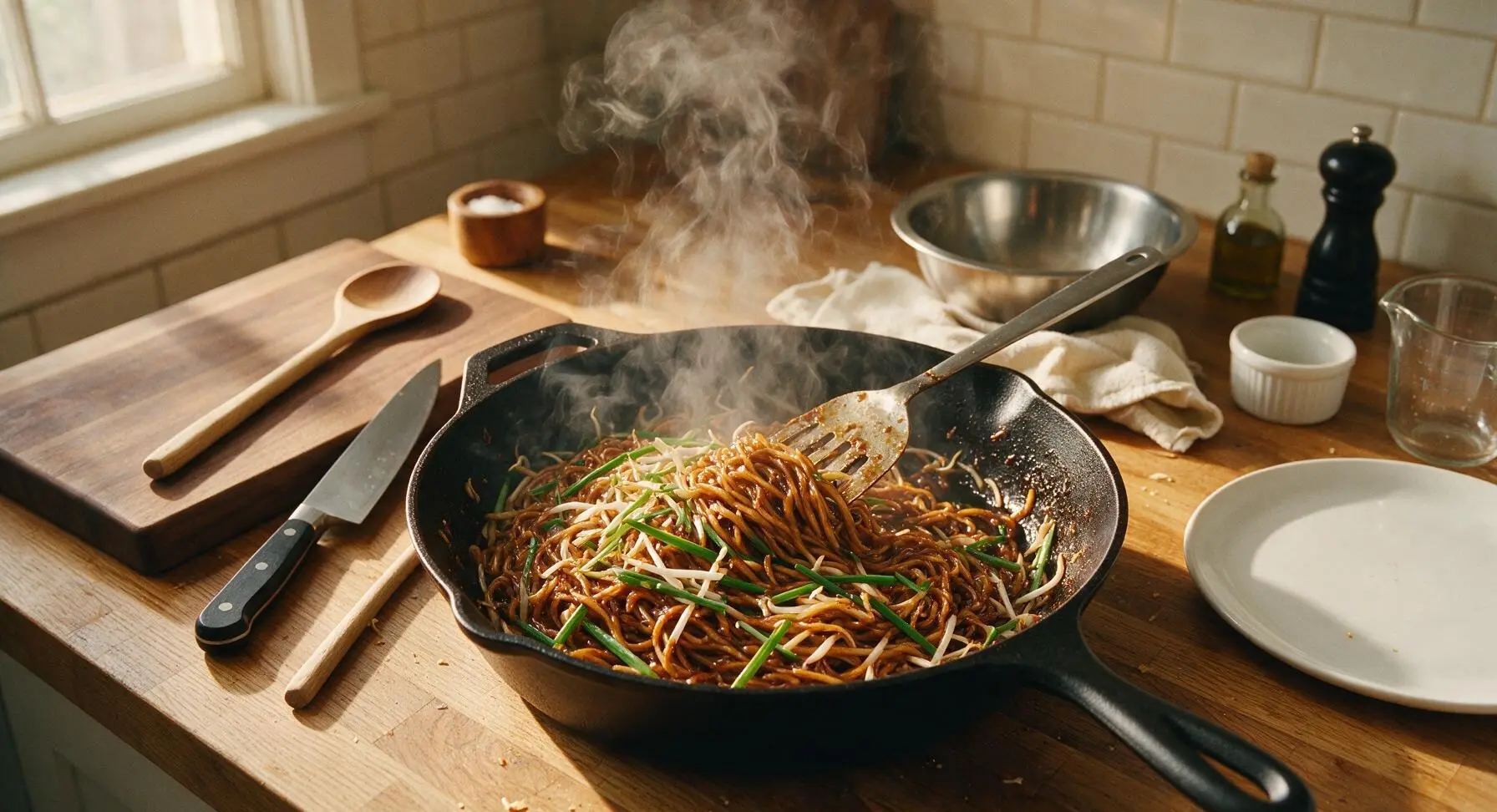
Step 6
step6:Toss Sauce and Vegetables
7

Plate and Garnish

Transfer the finished char kway teow immediately to the matte off-white ceramic dinner plate, piling noodles loosely in the center rather than pressing them flat. Arrange seared oysters so they are visible on top of the noodle mound, then top with the remaining fresh garlic chives and a light extra pinch of ground white pepper. Serve immediately, while the noodles are hot and the smoky wok aroma is at its strongest.
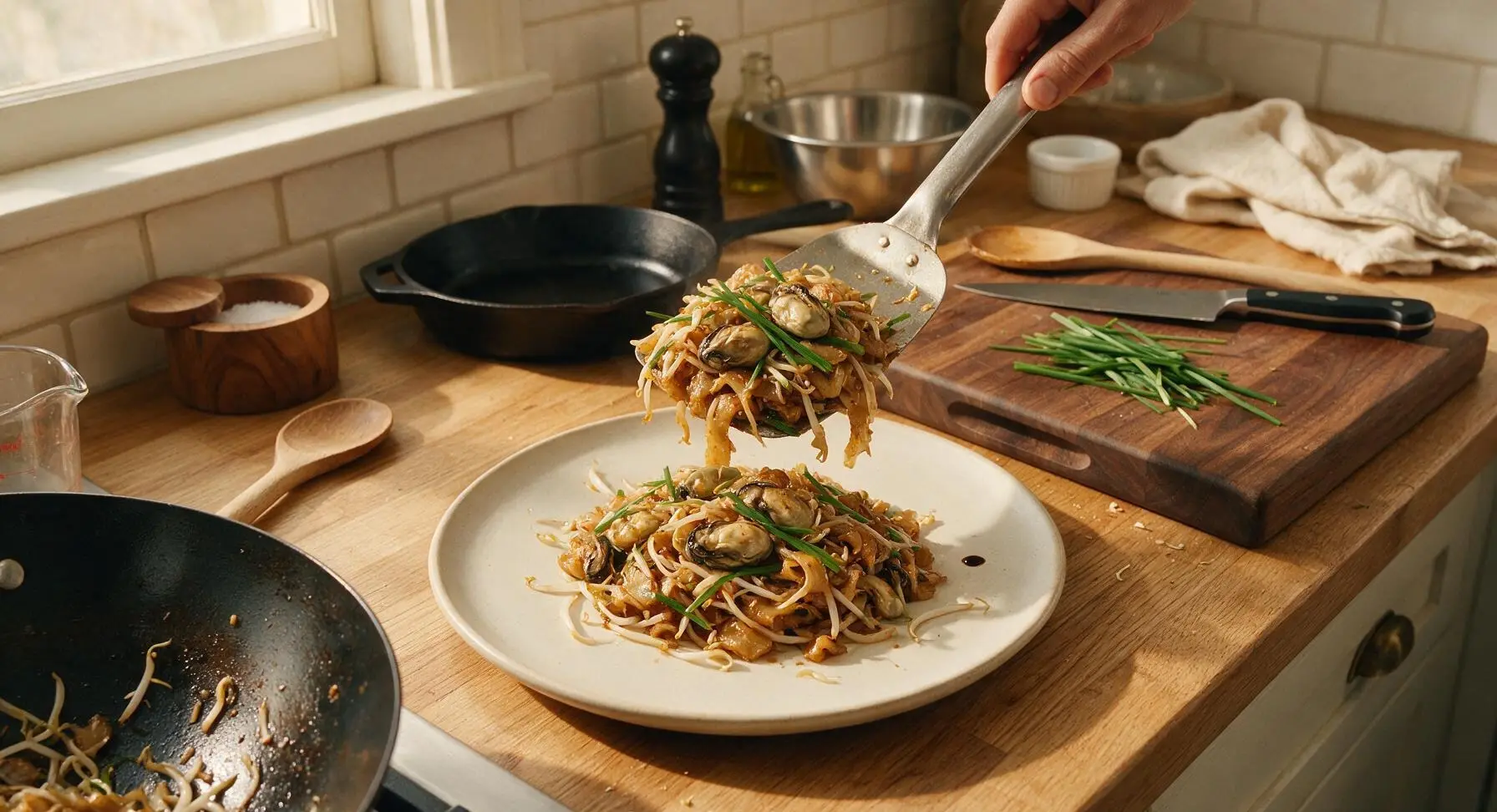
Step 7
step7:Plate and Garnish

Tips

1.Always pat oysters completely dry before searing: excess surface brine will lower the wok temperature dramatically, cause hot oil to splatter dangerously, and make oysters steam instead of developing a rich, flavorful golden seared edge.
2.Use high heat and work quickly: Char Kway Teow relies on fast, high-temperature cooking to develop wok hei; cooking too slowly will result in mushy, broken noodles and rubbery, overcooked oysters. Have all ingredients prepped and within arm’s reach before turning on the heat.
3.Add bean sprouts and chives at the very last 30 seconds of cooking: these delicate vegetables only need brief contact with heat to soften slightly while retaining their bright, snappy texture; adding them earlier will lead to soggy, limp veggies that lose their fresh contrast to the rich, savory noodles.
✨ You May Also Like

Main Course
🍜 United Kingdom

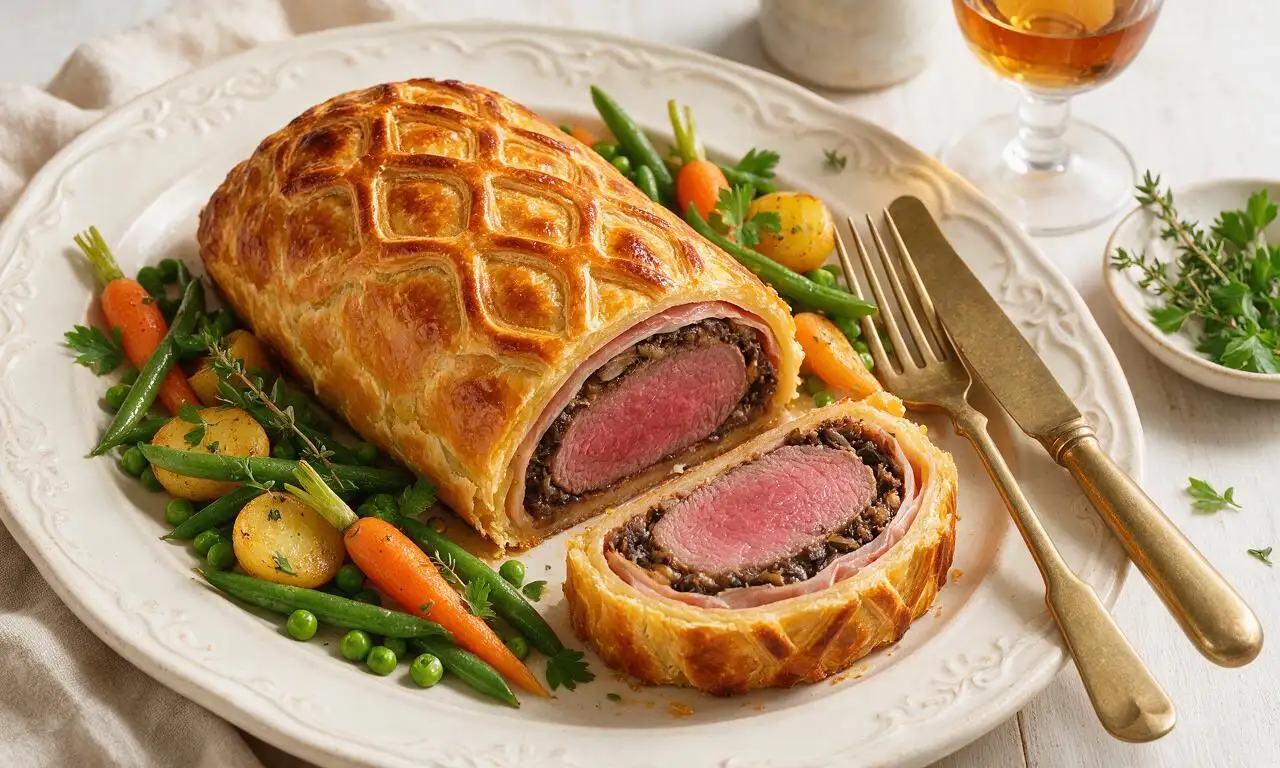
A showstopping classic of tender seared beef, savory mushroom duxelles, and crisp prosciutto wrapped in flaky golden puff pastry, baked to juicy perfection.

⏱️ 2 hours 1Main Course ★ 4.7
Main Course
🍜 India

Tender charred marinated chicken simmered in a rich, spiced creamy tomato sauce, this iconic Anglo-Indian curry pairs perfectly with basmati rice or warm naan.

⏱️ 50 minuteMain Course ★ 4.6
Main Course
🍜 Thailand

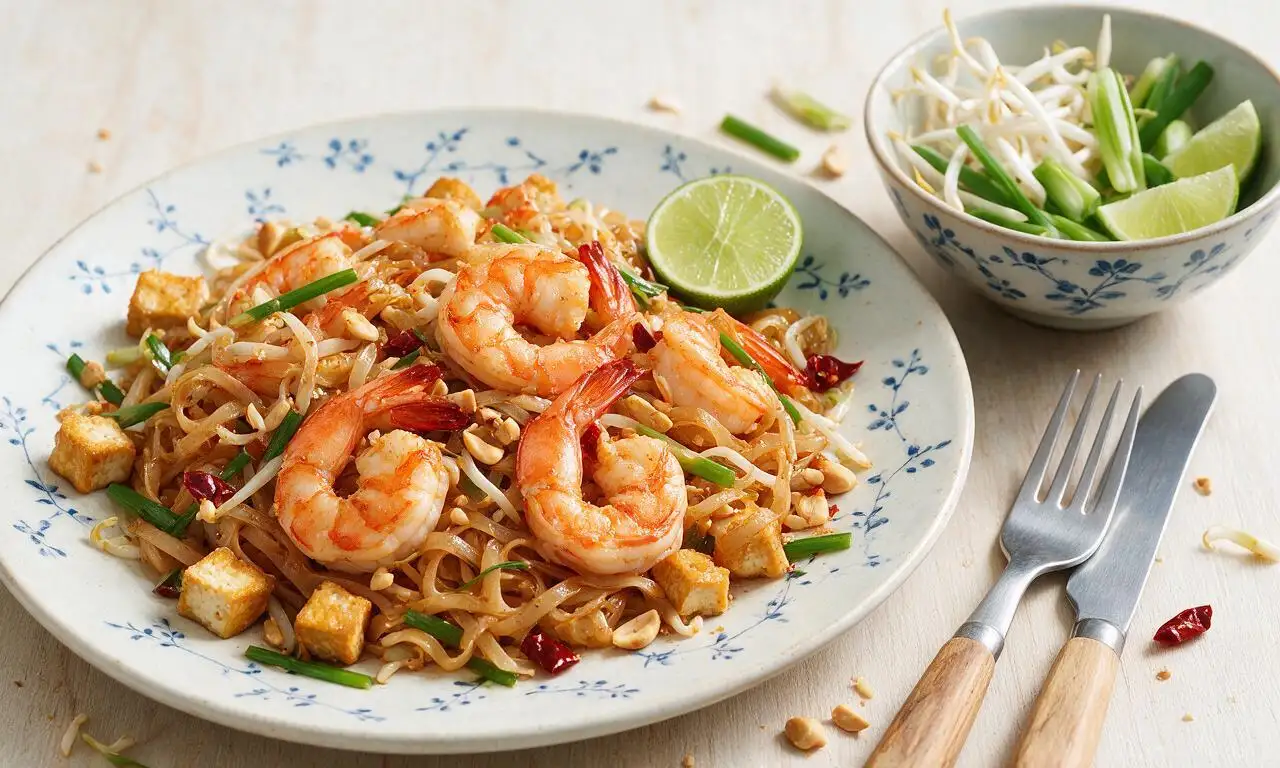
Classic tangy, sweet, and savory Thai stir-fried rice noodles with shrimp, tofu, and crunchy garnishes, balancing all five core Thai flavor profiles.

⏱️ 30 minuteMain Course ★ 4.5
Main Course
🍜 United Kingdom

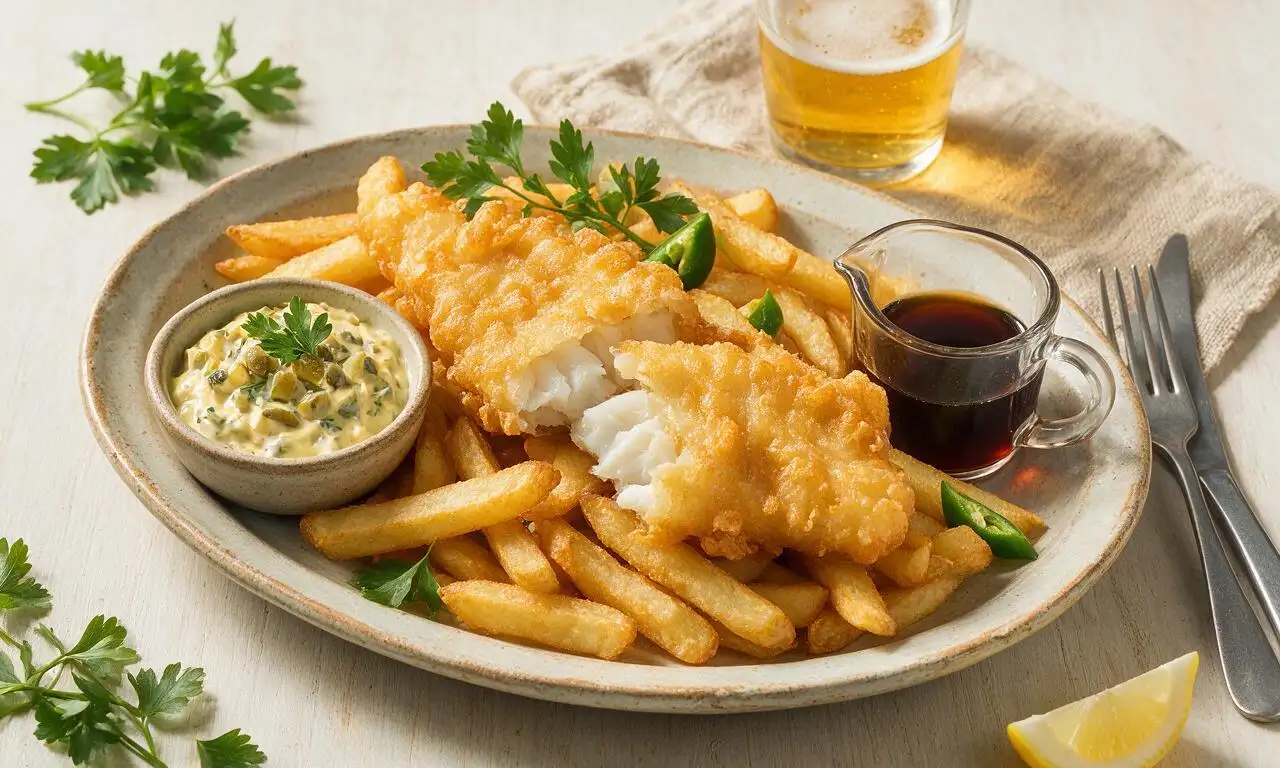
Crispy golden beer-battered cod and fluffy double-fried chips, served with tangy tartar sauce and malt vinegar: the timeless, beloved British pub comfort classic.

⏱️ 45 minuteMain Course ★ 4.7
Main Course
🍜 Mexico

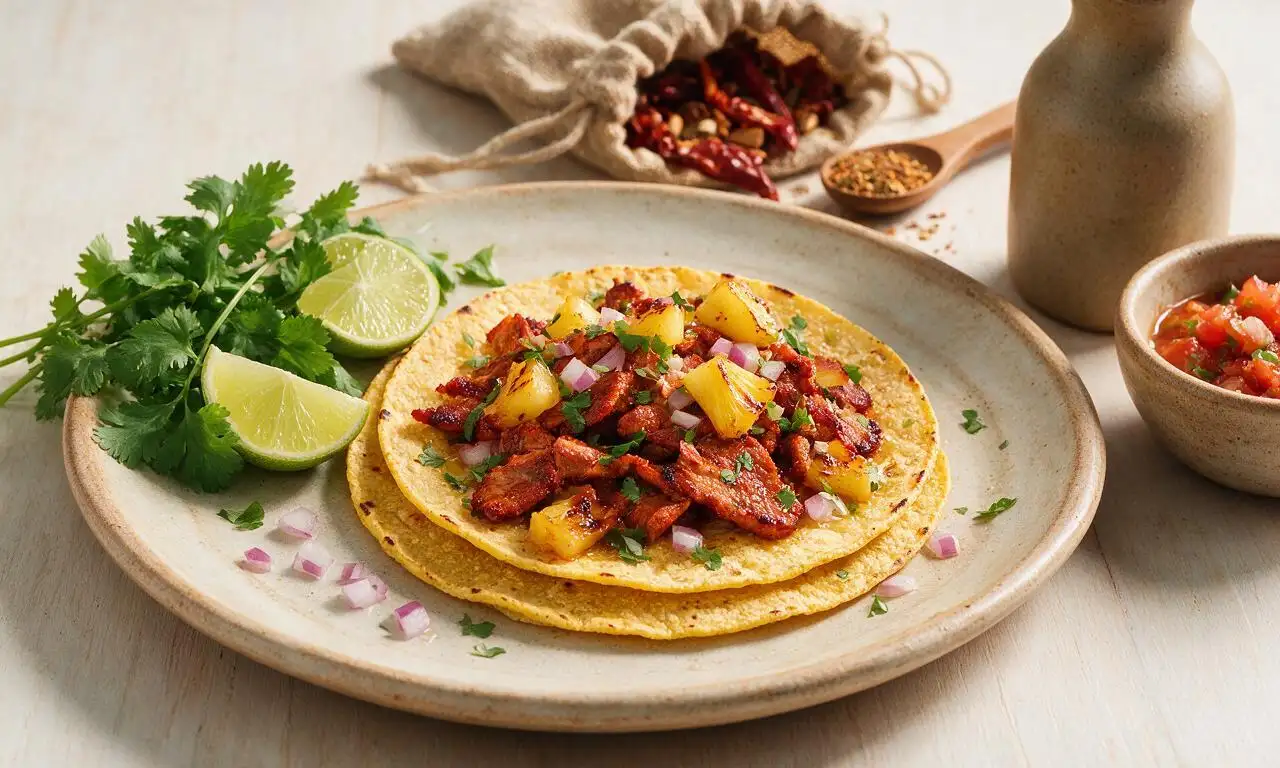
Smoky, chile-marinated pork tacos with caramelized pineapple, fresh cilantro, and lime: a beloved classic Mexican street food perfect for casual summer gatherings.

⏱️ 1 hour 45Main Course ★ 4.8
Main Course
🍜 United States

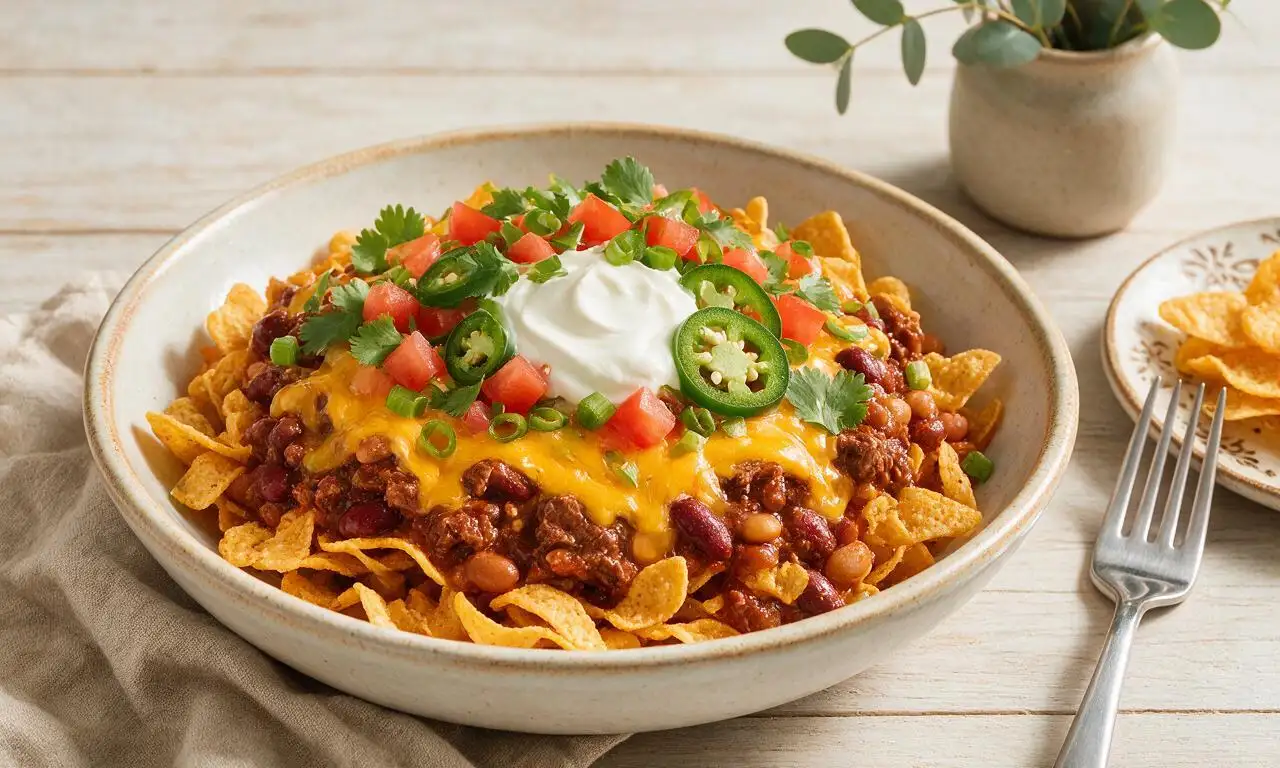
Crunchy Fritos corn chips layered with savory beef chili and melted cheddar, topped with cool, zesty fixings for a beloved, cozy Tex-Mex comfort food.

⏱️ 35 minuteMain Course ★ 4.8

Oyster Char Kway Teow:Frequently Asked Questions

1.What sets oyster char kway teow apart from regular char kway teow? ▾
This Teochew street food variant swaps the usual Chinese sausage and shrimp for briny, lightly seared fresh oysters that add bright, oceanic umami instead of heavy cured meat notes. It leans into crisp, fresh vegetable texture and bright wok hei to balance oyster brininess, rather than the heavier, sweeter sauce common in Penang-style versions.
2.Can I use pre-packaged refrigerated flat rice noodles instead of fresh ones? ▾
You absolutely can, with one quick prep step. Separate cold noodle clumps by soaking them in warm (not boiling) water for 2 to 3 minutes, then drain thoroughly before stir-frying. Skip over-soaking, which makes noodles mushy—they should hold their shape and have a slight chewy bite when they hit the hot wok.
3.How do I keep oysters from getting rubbery when stir-frying? ▾
The key is high heat and very short cook time. Pat shucked oysters completely dry first, then sear them for just 30 to 45 seconds per side on the hottest part of the wok before setting them aside. Toss them back into the noodles only in the final 10 seconds of cooking to warm through, so they stay plump and tender.
4.Do I need a carbon steel wok to get the signature wok hei aroma? ▾
A carbon steel wok is ideal for that classic smoky flavor, but you can get close with a heavy-bottomed cast iron skillet if you don’t have one. Preheat your pan for 3 to 4 minutes until it just starts to smoke, cook in small batches to avoid steaming food, and avoid over-stirring to let ingredients char slightly at the edges.
5.What’s the best substitute for garlic chives if I can’t find them? ▾
If you can’t find flat-leaf garlic chives, use a 3:1 mix of regular sliced green onions (mostly the green tops) and finely minced fresh garlic. This mimics the mild garlicky, oniony bite of garlic chives pretty closely. Skip curly chives, which are too mild and grassy to stand up to the rich sauce and smoky noodles.
6.How do I prevent rice noodles from sticking to the wok while cooking? ▾
First, make sure your wok is fully preheated before adding any oil—this is the core of the "hot wok, cold oil" non-stick trick. Add a thin layer of high-smoke-point oil right before adding noodles, and avoid stirring the noodles for the first 30 seconds, so they form a slight seared crust that releases easily from the metal.
7.Can I use frozen shucked oysters for this recipe? ▾
Frozen shucked oysters work if fresh isn’t available, but take two key prep steps: thaw them completely in the fridge overnight, then pat them extremely dry with paper towels before searing. Drain off all excess oyster liquor first, as extra moisture will make them steam instead of sear, watering down the dish’s smoky wok hei flavor.
8.What’s in the classic umami sauce for oyster char kway teow? ▾
The classic balanced sauce mixes light soy sauce for saltiness, a tiny splash of dark soy for deep color, a pinch of white pepper, a small amount of oyster sauce for depth, and just a pinch of sugar to cut brininess. Skip heavy additions like hoisin or sweet soy, which will overpower the delicate briny flavor of seared oysters.
9.Why do street vendors cook this dish over such high heat? ▾
Ultra-high heat does two critical things: it creates the signature smoky wok hei aroma from rapid caramelization and slight charring of ingredients, and it cooks components fast enough to keep bean sprouts crisp, oysters tender, and noodles chewy instead of soggy. Low heat steams ingredients instead of searing them, leading to flat, mushy results.
10.Can I make this dish gluten-free? ▾
Yes, you can easily adapt it to be gluten-free. Swap regular soy sauce for tamari or certified gluten-free soy sauce, use a gluten-free oyster sauce (or substitute a small amount of fish sauce mixed with a pinch of sugar for depth), and double-check that pre-packaged rice noodles don’t have hidden wheat-based additives.
11.How crisp should the mung bean sprouts be in the finished dish? ▾
You want bean sprouts to be about 70% cooked, with a bright, snappy crunch still intact when you bite into them. That means adding them in the last 45 seconds of stir-frying, just long enough to take the raw edge off but not so long that they turn limp and watery. Their crispness cuts through rich noodles and briny oysters.
12.Should I beat the eggs before adding them to the wok? ▾
Don’t pre-beat the eggs for the most authentic texture. Crack them directly into a well in the center of the wok once your aromatics are fragrant, scramble them lightly for 10 to 15 seconds until just softly set, then toss them with the noodles. This creates uneven, tender egg curds that coat noodles better than thin, uniform egg strips.
13.How do I store and reheat leftover oyster char kway teow? ▾
Store leftovers in an airtight container in the fridge for up to 2 days—oysters don’t hold up as long as other stir-fry components, so don’t keep them longer. Reheat in a very hot, dry skillet (not the microwave) with a tiny splash of oil, tossing constantly for 1 to 2 minutes, and add a small handful of fresh sprouts to bring back crunch.
14.What type of oil works best for that authentic smoky flavor? ▾
Use a neutral, high-smoke-point oil like refined avocado oil, canola oil, or peanut oil if you don’t have nut allergies. Avoid olive oil, toasted sesame oil, or butter, all of which have low smoke points that burn before the wok gets hot enough for wok hei, leaving a bitter, off flavor.
15.Why is my finished dish soggy instead of dry and smoky? ▾
Sogginess almost always comes from one of three issues: your wok wasn’t hot enough, you overcrowded the pan with too many ingredients at once, or you didn’t pat oysters and noodles dry enough before cooking. Cook in two small batches on a home stove, which doesn’t match street vendor burner heat, to avoid steaming food.
16.Can I add other ingredients like Chinese sausage to this oyster version? ▾
You absolutely can, but keep add-ins minimal to let the oysters be the star. If you add Chinese sausage, slice it paper-thin and render it first before removing it from the wok, so it doesn’t leach too much greasy fat into the noodles. Skip heavy add-ins like fried tofu or thick shrimp, which overpower delicate oyster flavor.
17.Do I need to wash mung bean sprouts before cooking? ▾
Yes, always give mung bean sprouts a quick rinse in cold water right before cooking, then spin them dry in a salad spinner or pat them with paper towels to remove excess moisture. Pick out any brown, mushy sprout ends as you rinse—extra water from wet sprouts will steam noodles and kill the wok hei flavor you’re building.
18.What’s the right way to cut and add garlic chives for this dish? ▾
Cut garlic chives into 2-inch long segments, separating the thicker, firmer white bottom ends from the tender green tops. Add the white segments 10 seconds before the green tops, since they take slightly longer to cook. This ensures every piece of chive is perfectly tender-crisp, with no tough raw bits or wilted mushy greens.
19.Is traditional oyster char kway teow supposed to be spicy? ▾
Traditional Teochew oyster char kway teow is not spicy, designed to highlight the clean brininess of the oysters and smoky wok hei instead of heat. If you want a little kick, serve a small dish of chili oil or white pepper on the side for diners to add to taste, but don’t cook chili directly into the wok, as it will overpower the dish’s delicate core flavors.

Comments (8)

2 days ago

OMG this oyster char kway teow is a total game changer! I’ve been chasing the flavor I had at a hawker stall in Singapore back in 2019 and this is so close it made my whole family do a double take at dinner last night. Cook time really is only 10 minutes once you have all your ingredients prepped, perfect for busy weeknights. My 8 year old even asked for seconds, which never happens with noodle dishes that aren’t buttered pasta! Only note is I added a little extra chili crisp because we love heat in our house.

yesterday

Wait did you use fresh oysters or the jarred ones? I’ve only got jarred in my fridge right now and I’m wondering if it’ll still taste good!

yesterday

Great question! Jarred oysters work totally fine as long as you pat them dry before tossing them in the wok so they don’t make the noodles soggy. Extra chili crisp is always a call we support 100% — so glad your family loved it!

3 days ago

Solid recipe, I made this for my Sunday meal prep this week and it held up way better than I thought it would for lunch all week. My only complaint is I overcooked the rice noodles my first go ‘round so they got mushy, definitely follow the tip to soak them instead of boiling! It’s medium difficulty for sure, you gotta have all your mise en place ready before you turn the heat on because it cooks so fast.

2 days ago

So glad you gave it a shot! The mushy noodle mistake is super common — soaking them in room temp water for an hour before cooking makes all the difference, no boiling needed. Hope it makes your work lunches way less boring this week!

1 week ago

Brought this to our neighborhood block potluck last weekend and people were hovering over the platter asking for the recipe before I even set it down! I used a mix of regular oysters and fried oyster toppings for a little extra crunch, and it was chef’s kiss. SO good, I’ll be adding this to my regular rotation for sure.

2 hours ago

Wait, 10 minute cook time? I was skeptical but I timed it last night and I was done plating in 9 minutes flat, no cap. The oyster flavor comes through so well without being fishy, which is my biggest pet peeve with seafood noodle dishes. My partner who hates shellfish even picked at my plate and said it was tasty!

30 minutes ago

Wait no fishy aftertaste? I’ve been scared to cook oysters at home because I always mess them up and they taste briny in a bad way. Any tips?

5 minutes ago

The key to no fishy flavor is to not overcook the oysters! Toss them in for the last 1-2 minutes of cook time just until they plump up, and make sure you’re buying oysters that smell clean and briny, not sour or overly fishy to begin with. You’ve got this!

5 days ago

I messed up the dark soy sauce ratio my first try and it was way too salty for my taste, but I dialed it back the second time and it was perfect! Wish the recipe listed the exact noodle brand to use because I grabbed the wrong width rice noodles and they were too thin, kind of fell apart while stir frying.

3 days ago

I use the wide rice noodles from the frozen section at my local Asian market, they hold up way better than the dried ones for stir fry! Don’t even thaw them, just toss straight in the wok, game changer.

2 weeks ago

Made this on my flat top griddle out on the patio last weekend instead of a wok and it came out insane! That high heat gives the noodles that perfect char you can’t get on a regular stovetop. Threw in a handful of bean sprouts and some Chinese chives from my garden, tasted just like the street food I got when I visited NYC last summer. 10/10, will make again for the next game day hang.

yesterday

As someone who grew up eating char kway teow at every family dim sum outing, I can confirm this recipe is the real deal even with the added oysters! I was worried the oysters would overpower the classic wok hei flavor, but they complement it so nicely. Cook time is no joke, it’s so fast, I made it between work meetings the other day.

2 hours ago

That means the world coming from someone who grew up with the classic version! Wok hei is all about that high heat and fast cook time, so we’re stoked the oyster addition landed well for you. Perfect workday lunch win!

30 minutes ago

My kids are OBSESSED with this! I was worried the oysters would be a hard sell for my picky 6 and 10 year old, but I chopped them up into tiny pieces so they didn’t look ‘slimy’ (their words, not mine) and they gobbled up two servings each. We had it for our weekly Friday family dinner and it’s already been requested for next week. Only swap I made was using regular chives instead of garlic chives because my grocery store was out, still slapped.

5 minutes ago

Oh the tiny chop trick is genius! My kid refuses anything that looks ‘weird’ so I’m definitely going to do that when I make this this weekend. Thanks for the tip!

just now

We love the kid-approved stamp of approval! Chopping the oysters small is such a smart hack for picky eaters, and regular chives work totally fine as a swap when garlic chives are hard to find. Hope your crew loves it as much as Emma’s did!