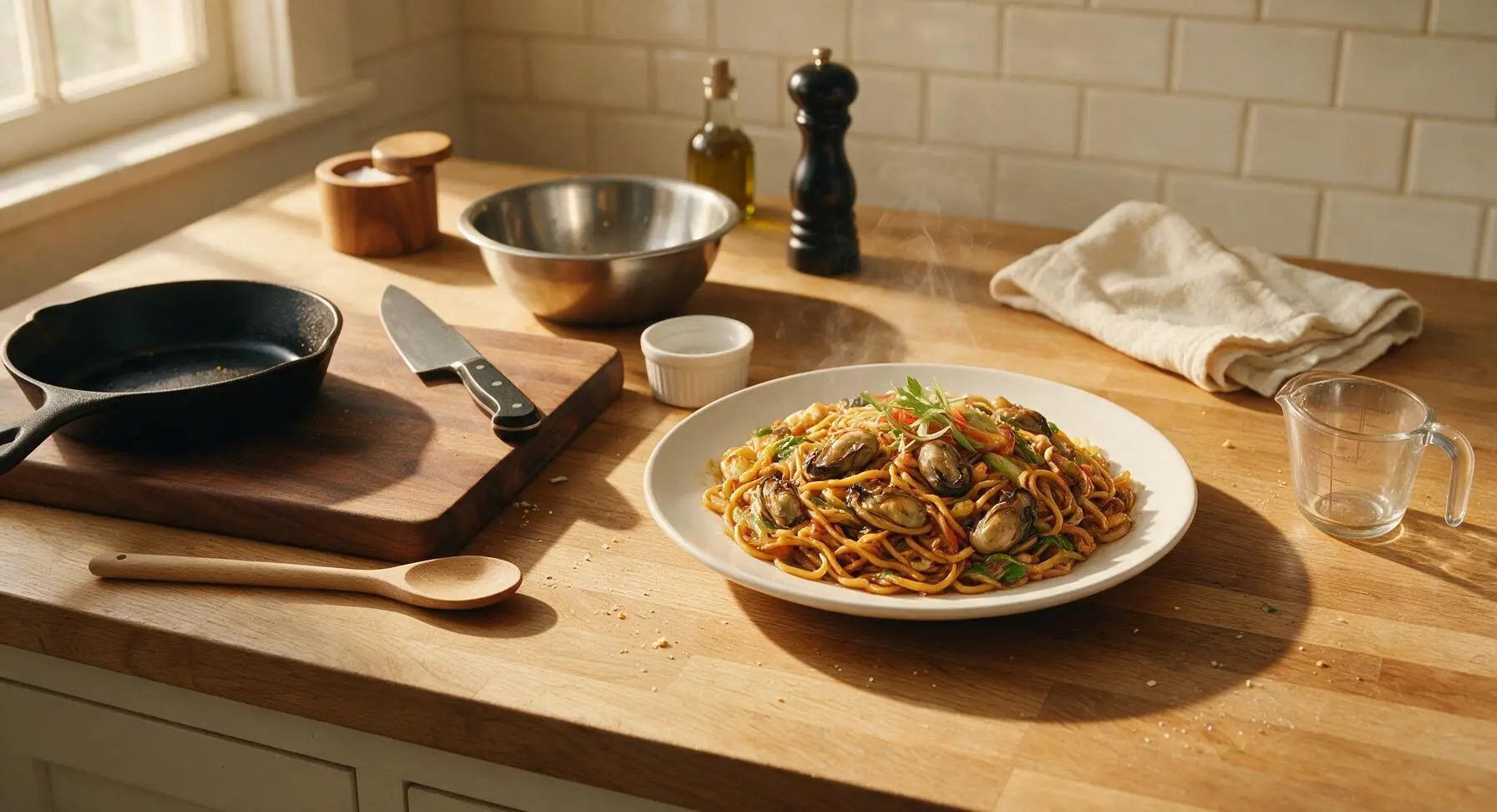
Oyster Hokkien Mee

title 1
Oyster Hokkien Mee
⏱️ cook time 12 minutes
🍽️ servings 4
⚡ Difficulty medium

intro

Smoky, umami-dense stir-fried thick yellow noodles tangled with plump briny oysters, crisp vegetables, and savory seafood glaze, a beloved classic Hokkien street food.

Ingredients
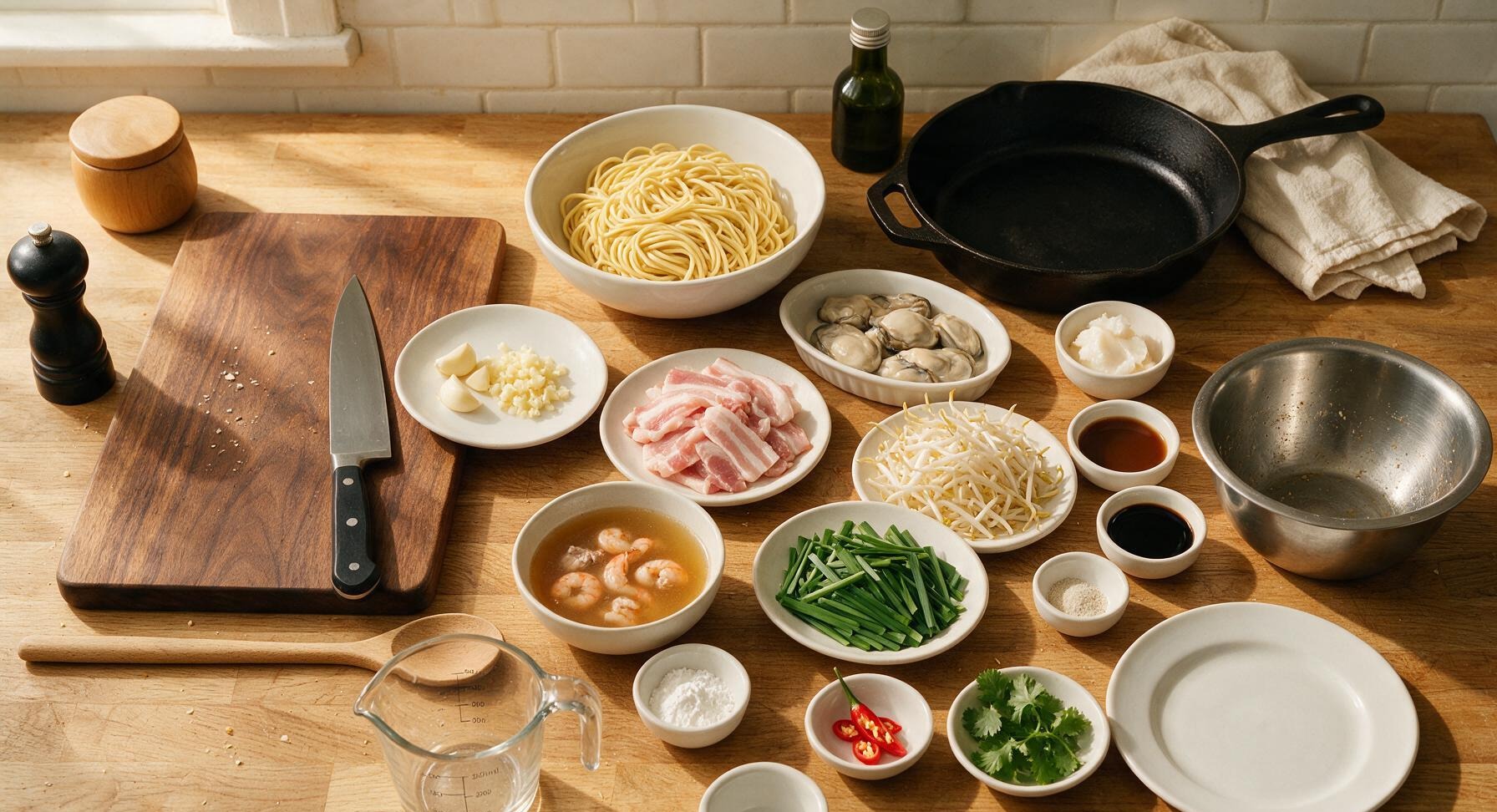
Fresh thick yellow Hokkien noodles 400g
Shucked fresh medium oysters, drained 200g
Thinly sliced skin-on pork belly 100g
Garlic cloves, minced 15g (3 cloves)
Fresh bean sprouts, tailed and rinsed 150g
Garlic chives, cut into 5cm lengths 80g
Prawn and pork bone seafood stock 250ml
Rendered pork lard 2 tbsp
Light soy sauce 1.5 tbsp
Dark soy sauce 1 tsp
Ground white pepper 1/4 tsp
Cornstarch (for cleaning oysters) 1 tsp
Fresh red chili, sliced (for garnish) 10g (1 piece)
Fresh coriander sprigs (for garnish) 5g

Steps

1

Prep Fresh Oysters

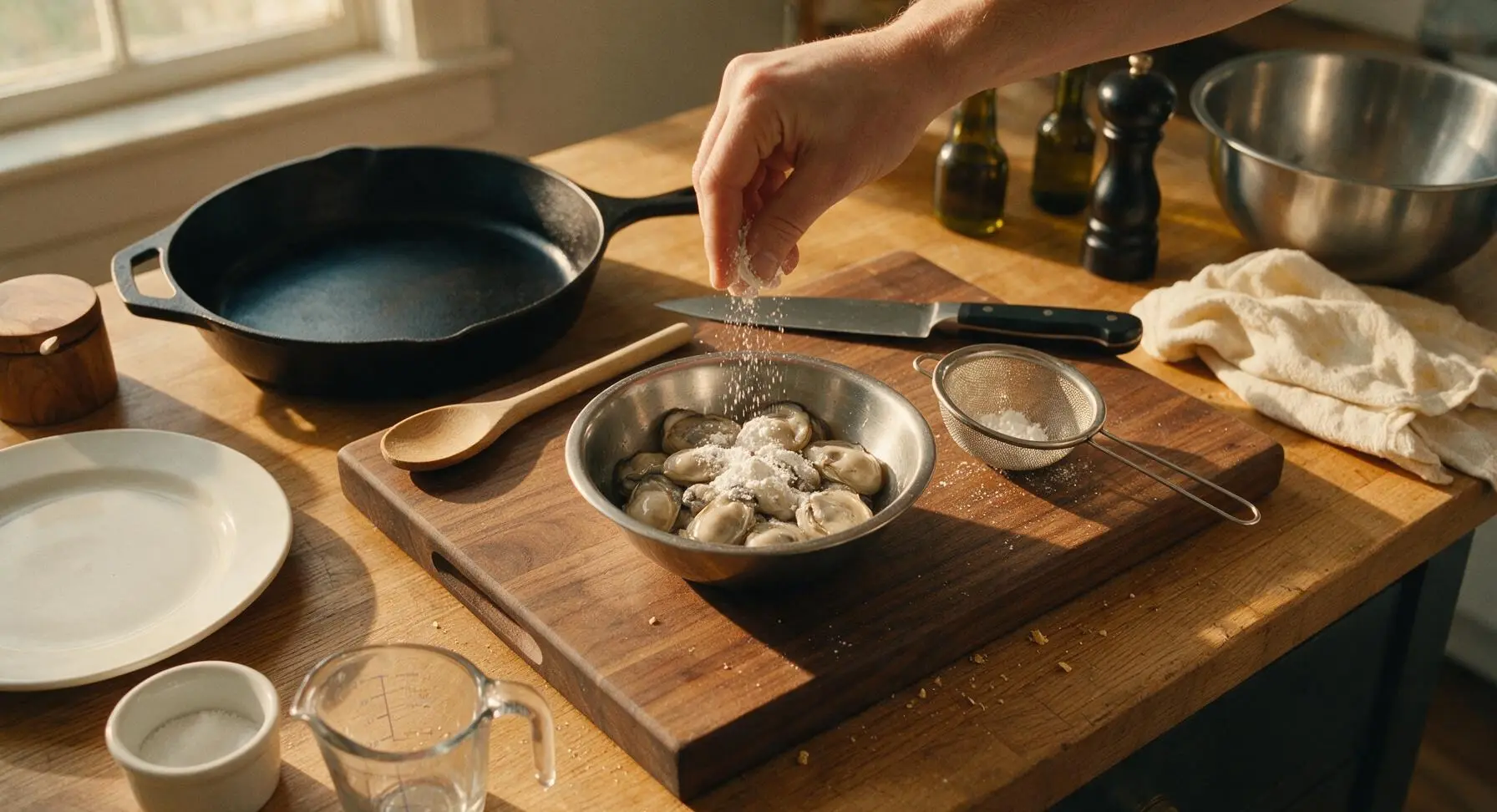
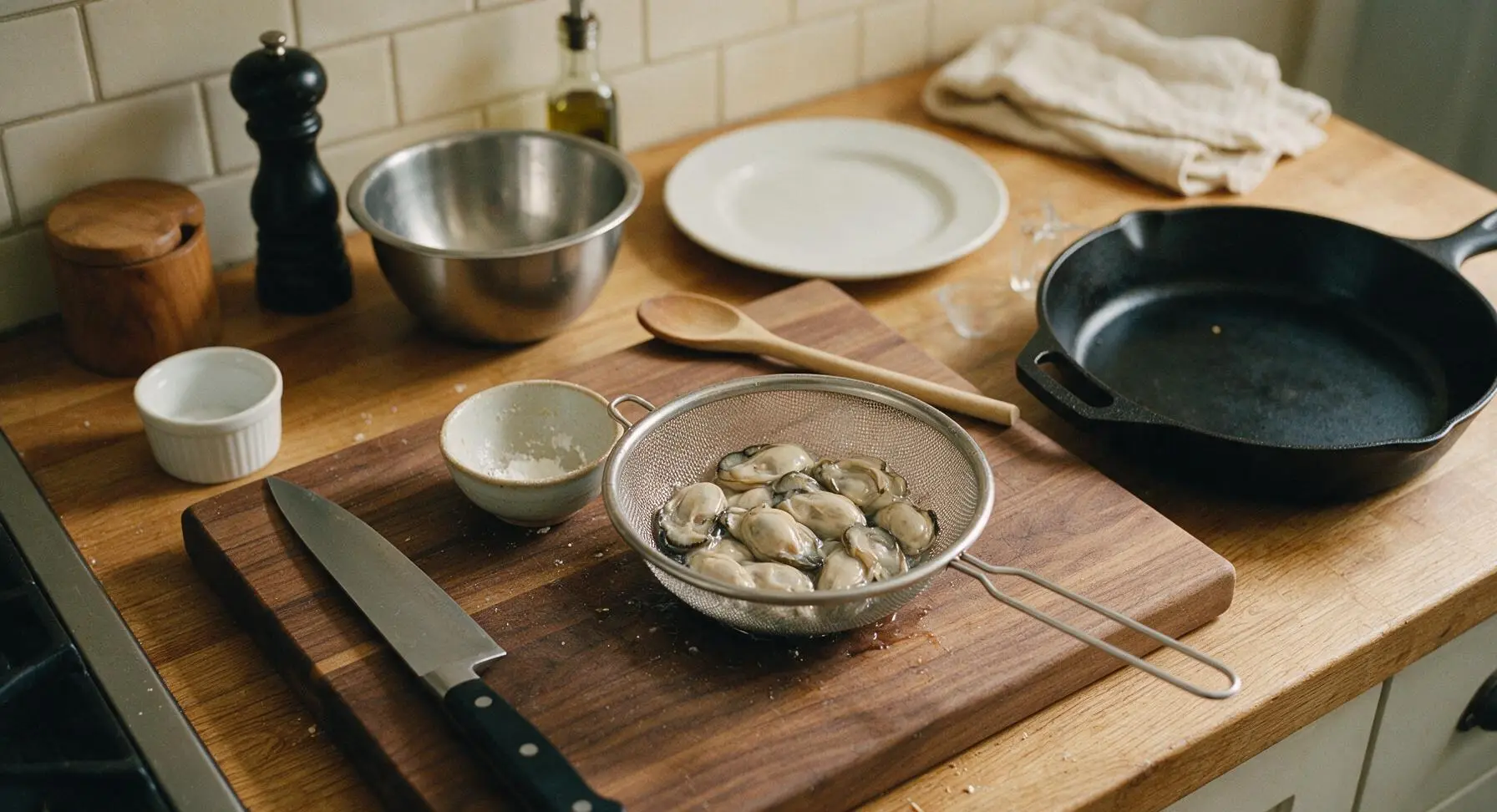
Place shucked oysters in the small stainless steel prep bowl, add 1 tsp cornstarch, and toss gently to coat every oyster. Rinse under cold running water in the fine-mesh strainer to remove grit and excess cornstarch, then pat very lightly with the corner of the linen towel to remove excess moisture. Set aside. This step prevents oysters from releasing too much water during stir-frying and removes any remaining shell grit.
Step 1
step1:Prep Fresh Oysters
Step 1
step1:Prep Fresh Oysters
2

Prep Aromatics and Noodles

Keep the acacia cutting board positioned center-left on the counter. Use the chef knife to mince garlic cloves finely, slice pork belly into thin 3mm strips, and cut garlic chives into 5cm lengths. Place each prepped ingredient into separate small stainless steel prep bowls. Loosen fresh Hokkien noodles gently with your fingers, blanch in boiling water for 30 seconds, then drain well in the fine-mesh strainer to remove excess surface starch. Rinse bean sprouts and drain thoroughly.
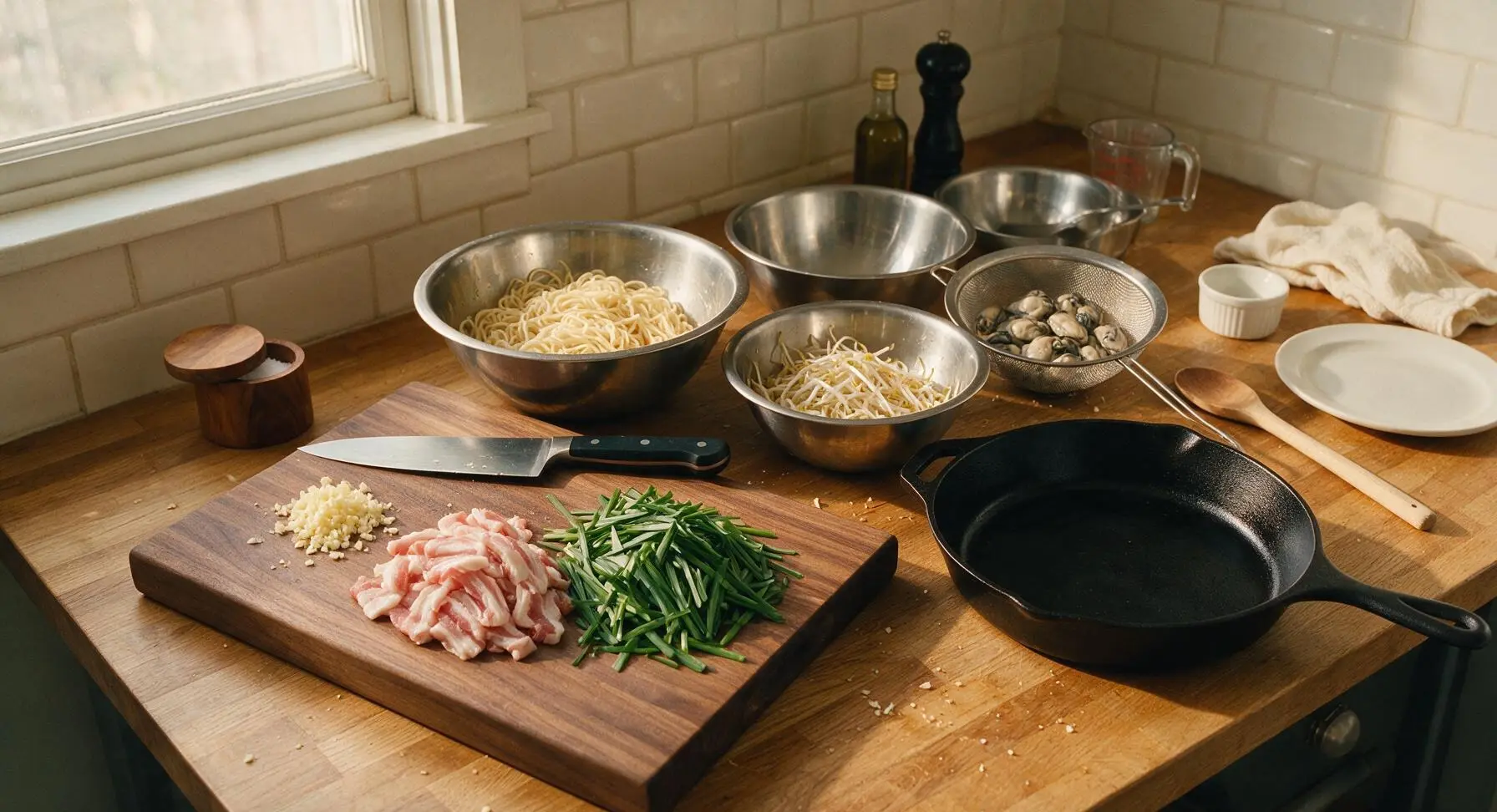
Step 2
step2:Prep Aromatics and Noodles
3

Heat Wok and Render Fat

Position the 14-inch carbon steel wok on the center-back gas burner, turn heat to high. Add 2 tbsp rendered pork lard, and heat until the lard shimmers and just starts to send up a thin wisp of smoke (around 1 minute, reaching 190C/375F, the ideal temperature for good wok hei). Carefully swirl the lard to coat the entire inner wok surface evenly.
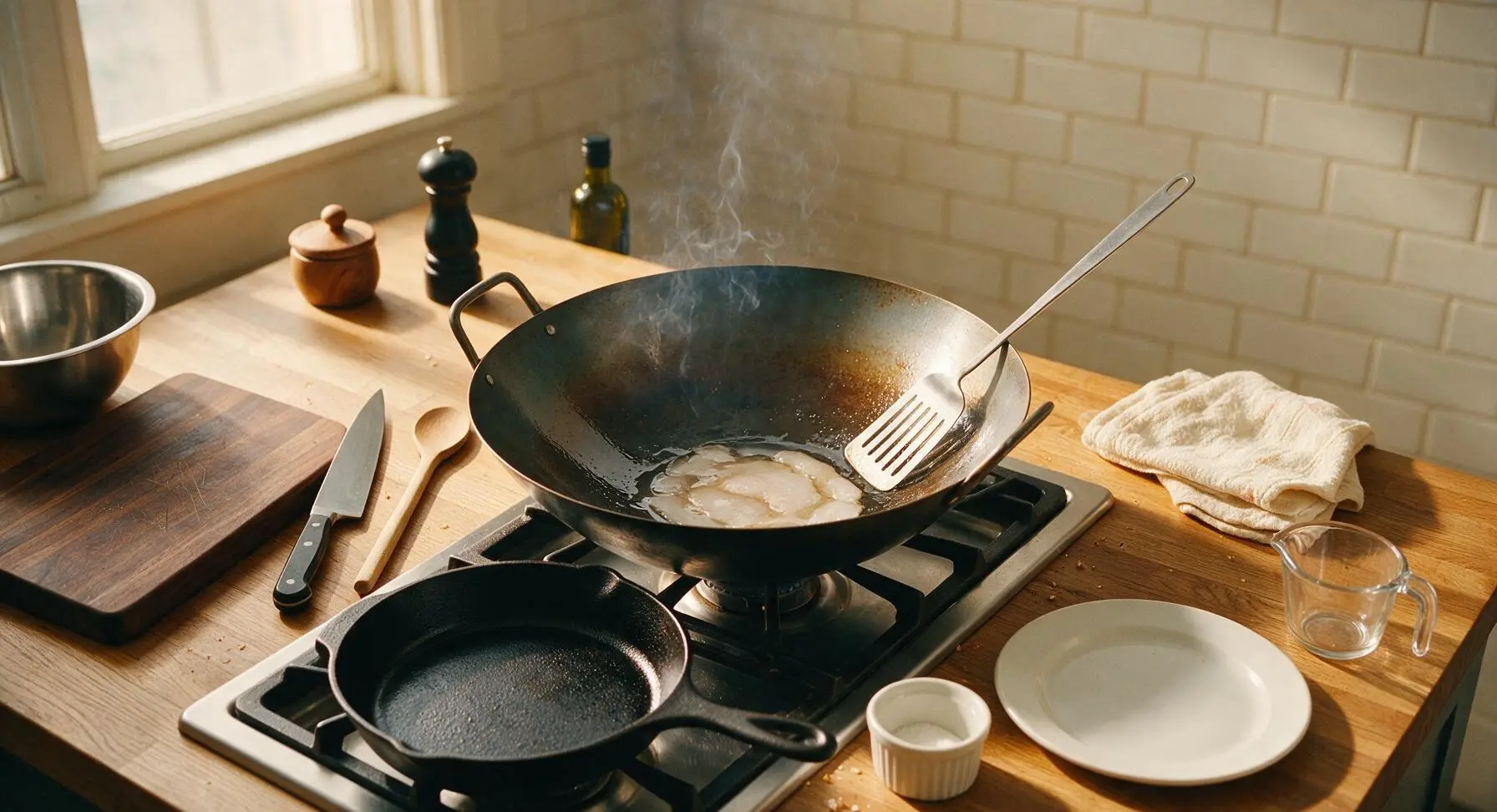
Step 3
step3:Heat Wok and Render Fat
4

Stir-Fry Aromatics and Pork

Add minced garlic to the hot lard, stir-fry with the slotted wok spatula for 15 seconds until fragrant (do not let it burn, the garlic should turn pale golden, not dark brown). Add sliced pork belly, stir-fry for 2 minutes until the pork turns opaque and the edges turn slightly crisp and light golden brown.
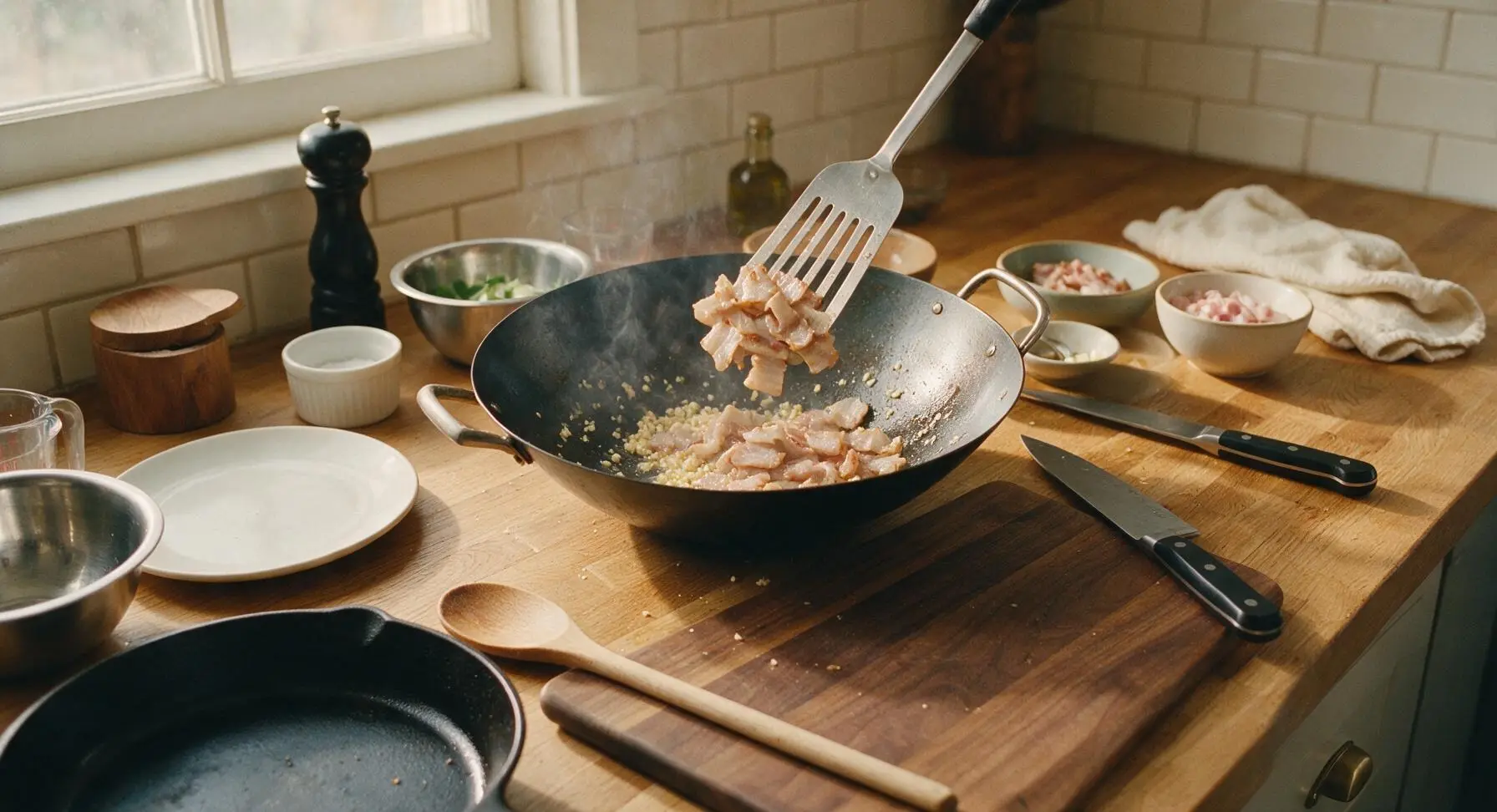
Step 4
step4:Stir-Fry Aromatics and Pork
5

Toss Noodles with Seasonings

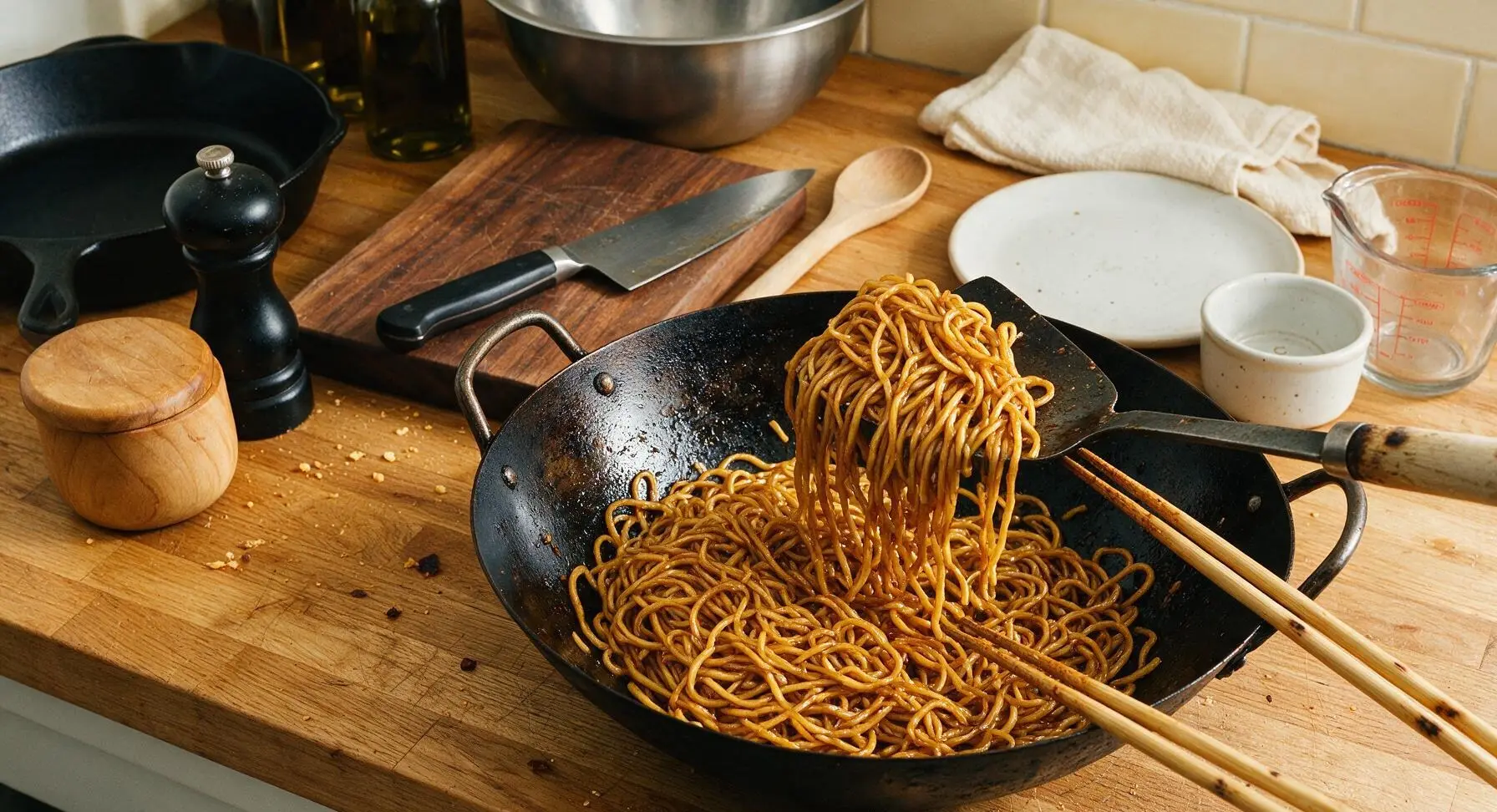
Add the drained blanched Hokkien noodles to the wok, use the bamboo cooking chopsticks and wok spatula to toss the noodles continuously for 1 minute to coat them in lard and rendered pork fat. Drizzle in 1.5 tbsp light soy sauce and 1 tsp dark soy sauce, toss for another 30 seconds until every noodle strand is evenly coated in a glossy, deep golden-brown color, with no pale unseasoned patches remaining.
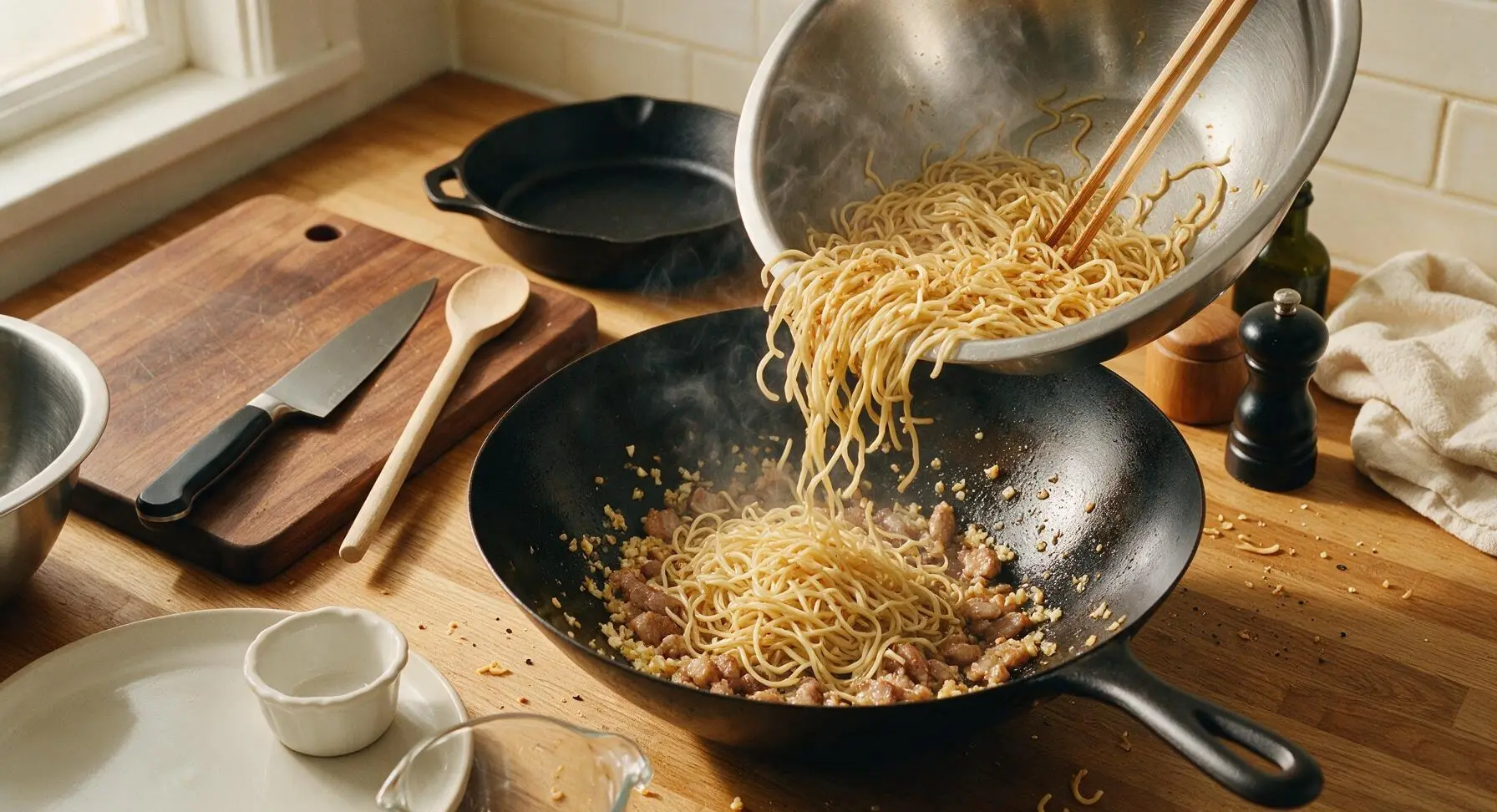
Step 5
step5:Toss Noodles with Seasonings
Step 5
step5:Toss Noodles with Seasonings
6

Simmer with Seafood Stock

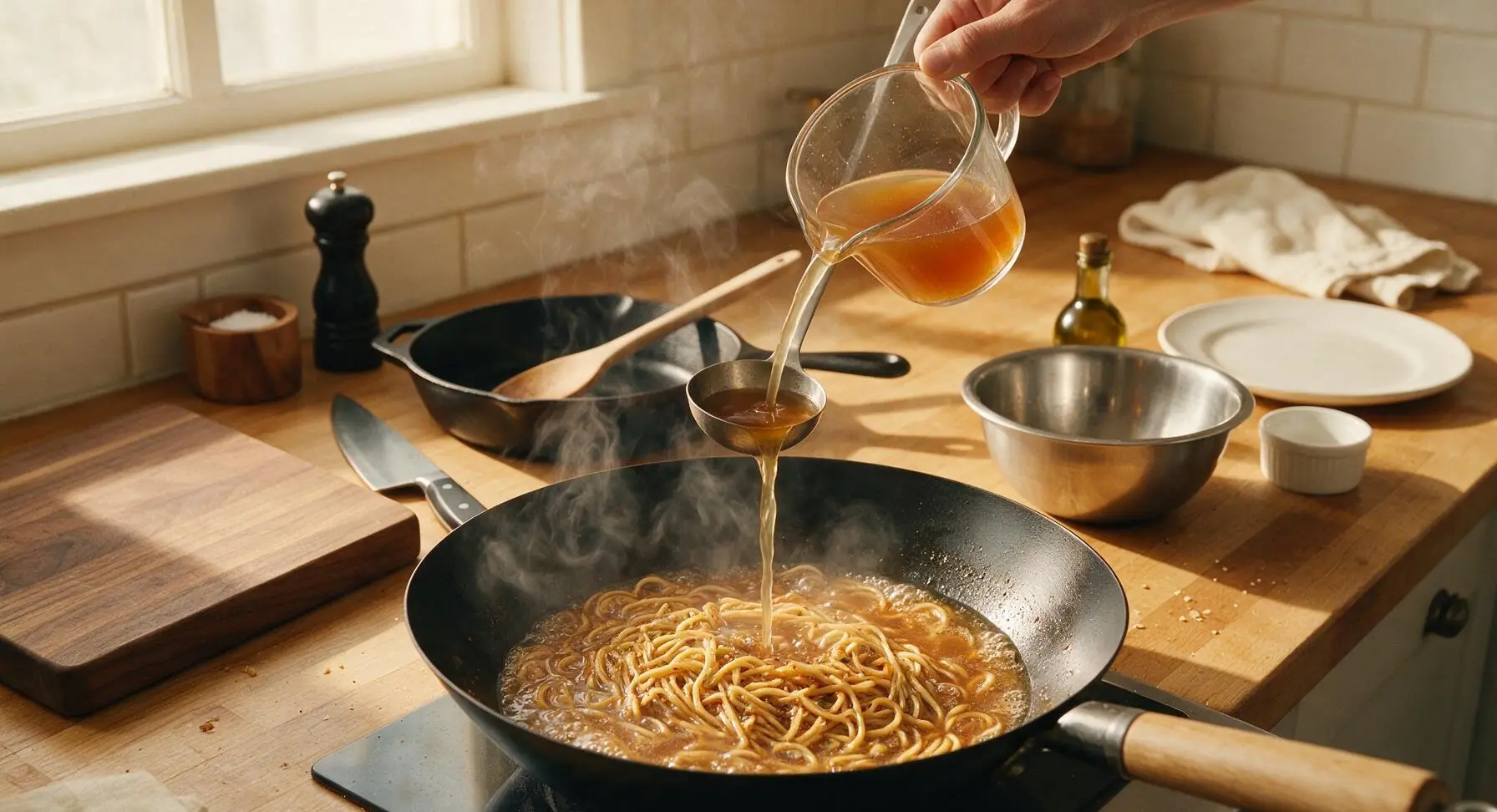
Pour 250ml amber seafood stock from the clear glass measuring cup into the wok, bring to a gentle simmer. Reduce heat to medium, let the noodles cook for 3 minutes, stirring occasionally, until the stock reduces by about two-thirds, coating the noodles in a thick, savory glaze. The noodles should be tender but still have a slight springy bite, not soft or mushy.
Step 6
step6:Simmer with Seafood Stock
7

Add Oysters and Vegetables

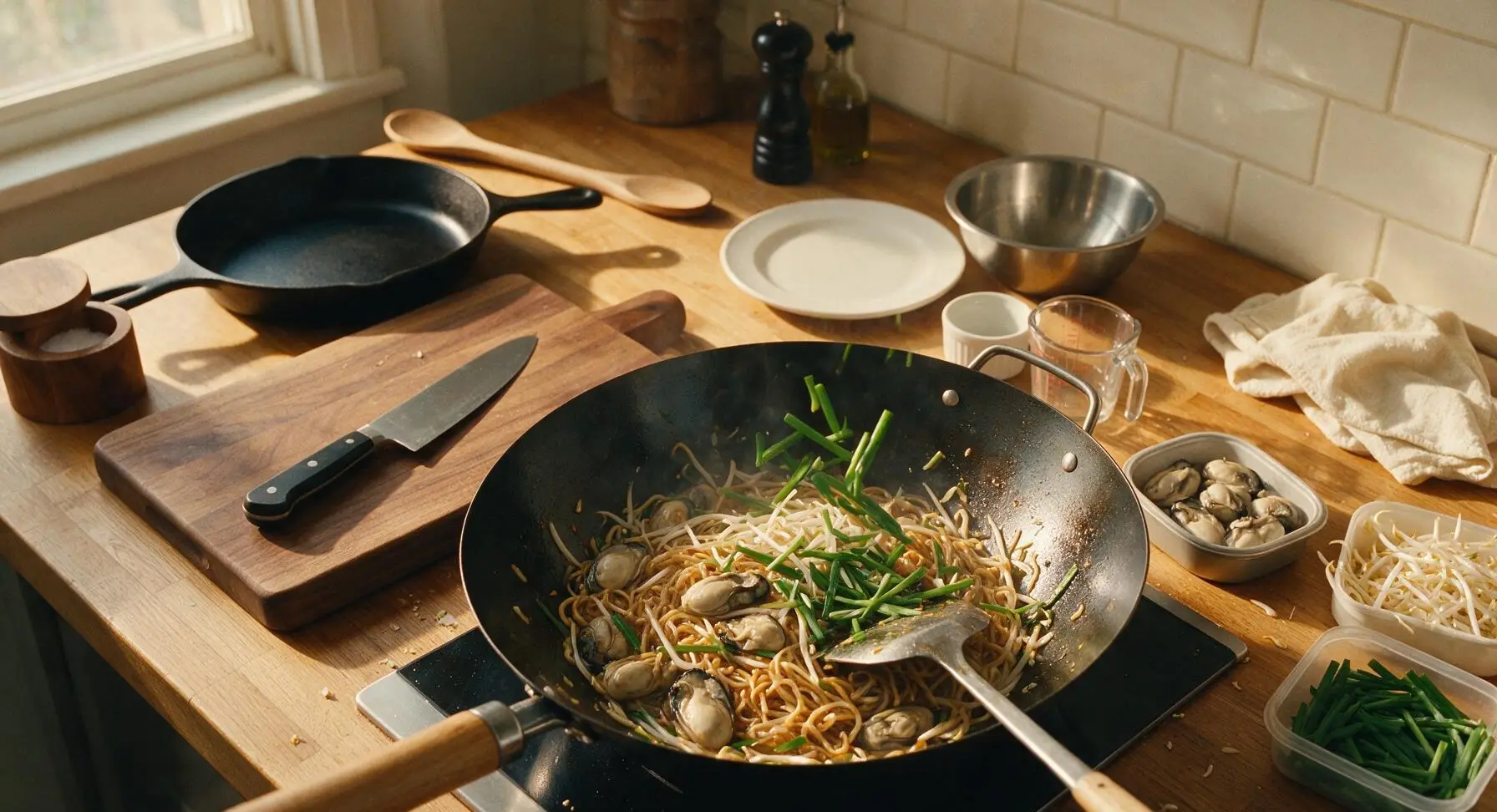
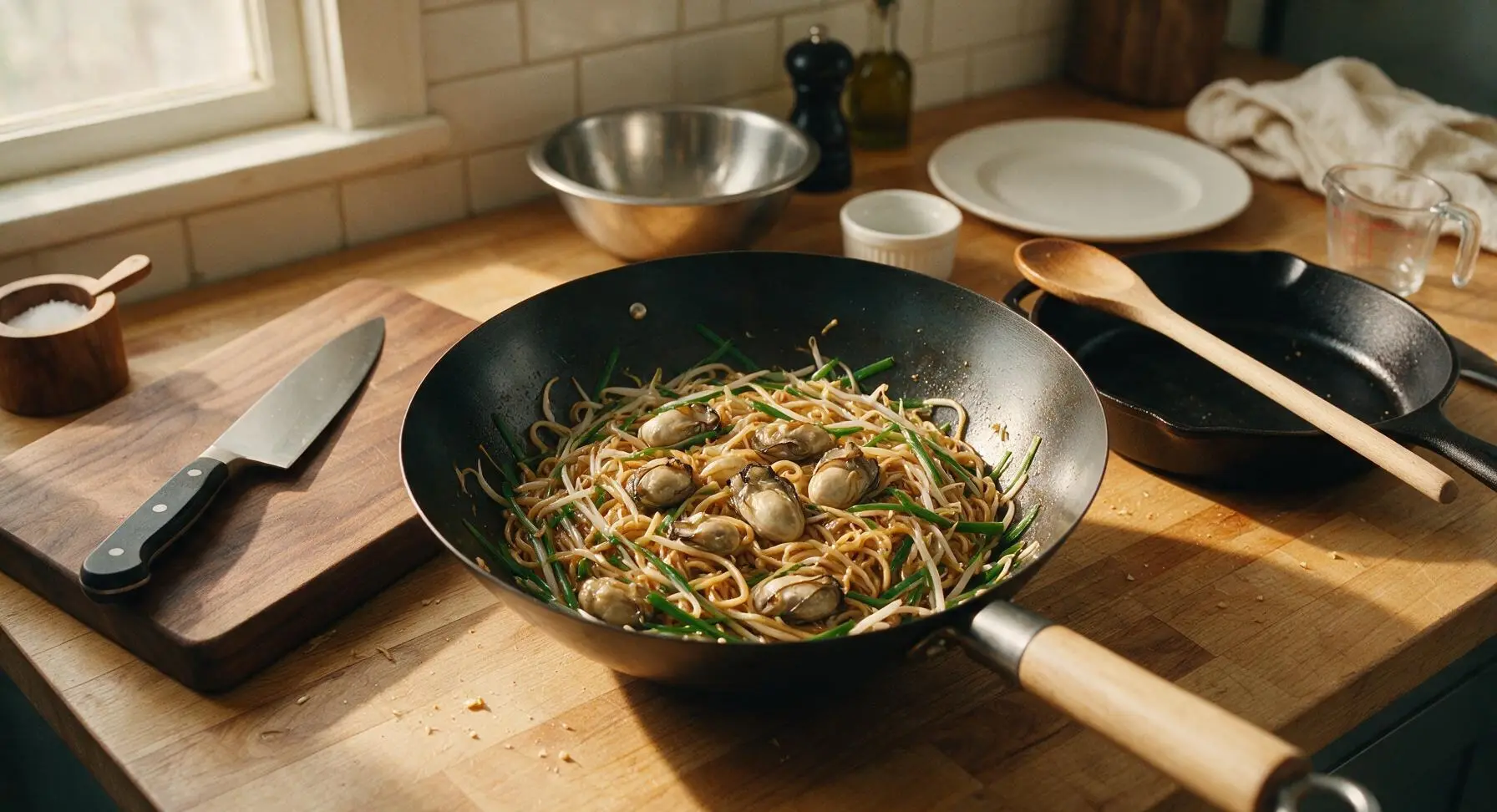
Turn heat back to high, add the drained cleaned oysters, bean sprouts, and garlic chives to the wok. Toss continuously with the wok spatula and bamboo cooking chopsticks for exactly 1 minute, until the bean sprouts are just slightly wilted but still crisp, the chives turn bright green, and the oysters are just cooked through (plump, opaque, not shrunken or rubbery). Sprinkle with 1/4 tsp ground white pepper, toss once more to combine.
Step 7
step7:Add Oysters and Vegetables
Step 7
step7:Add Oysters and Vegetables
8

Plate and Serve Hot

Turn off the heat, use the wok spatula to divide the noodles evenly between the 4 off-white ceramic dinner plates. Garnish each plate with a small sprig of fresh coriander, and serve with a small side of sliced red chili in the matching dipping dish for guests who prefer extra heat. Serve immediately, while the noodles are hot and glossy, with the characteristic light smoky wok hei aroma.
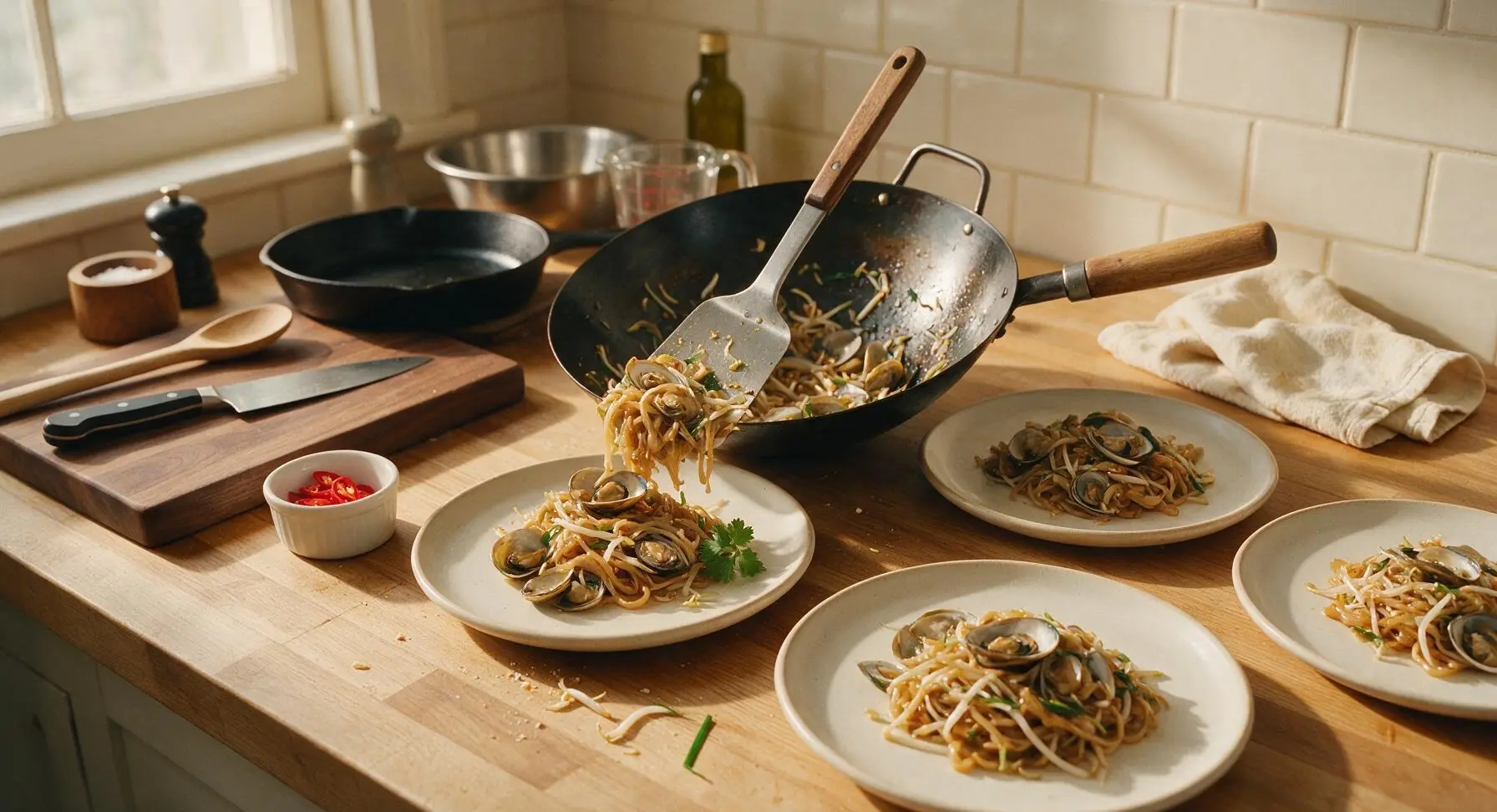
Step 8
step8:Plate and Serve Hot

Tips

1.Do not overcook the oysters: they only need 60 seconds of high-heat tossing to cook through. Overcooked oysters shrink, turn rubbery, and lose their signature sweet briny flavor, so always add them as the last ingredient right before finishing the stir-fry.
2.Keep wok heat consistently high once the lard is hot to achieve the signature 'wok hei' smoky aroma. If heat is too low, the noodles will steam instead of stir-fry, turning mushy and sticky rather than glossy and springy.
3.Drain all ingredients thoroughly before adding them to the wok: excess water from blanched noodles, rinsed bean sprouts, or cleaned oysters will dilute the savory soy and stock glaze, resulting in soggy, flavorless noodles instead of the desired glossy, evenly coated texture.
✨ You May Also Like

Main Course
🍜 United Kingdom

A showstopping classic of tender seared beef, savory mushroom duxelles, and crisp prosciutto wrapped in flaky golden puff pastry, baked to juicy perfection.

⏱️ 2 hours 1Main Course ★ 4.7
Main Course
🍜 India

Tender charred marinated chicken simmered in a rich, spiced creamy tomato sauce, this iconic Anglo-Indian curry pairs perfectly with basmati rice or warm naan.

⏱️ 50 minuteMain Course ★ 4.6
Main Course
🍜 Thailand

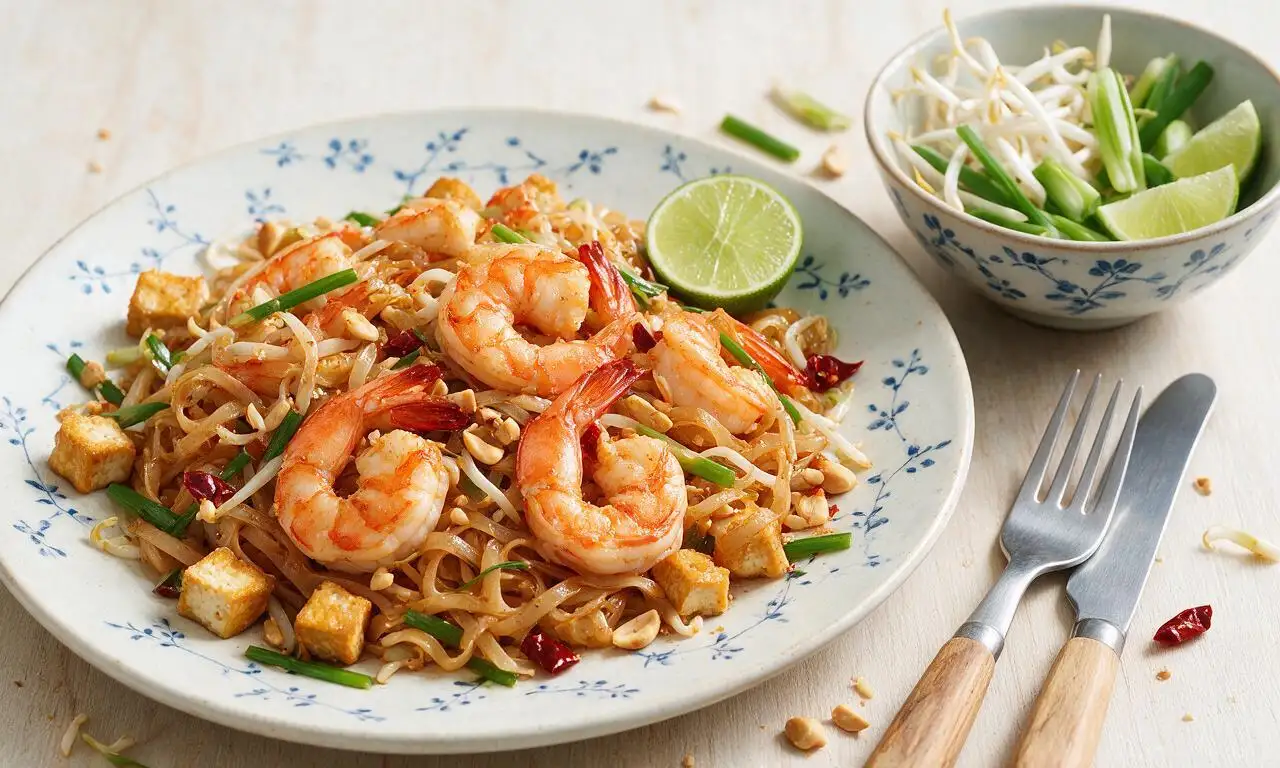
Classic tangy, sweet, and savory Thai stir-fried rice noodles with shrimp, tofu, and crunchy garnishes, balancing all five core Thai flavor profiles.

⏱️ 30 minuteMain Course ★ 4.5
Main Course
🍜 United Kingdom

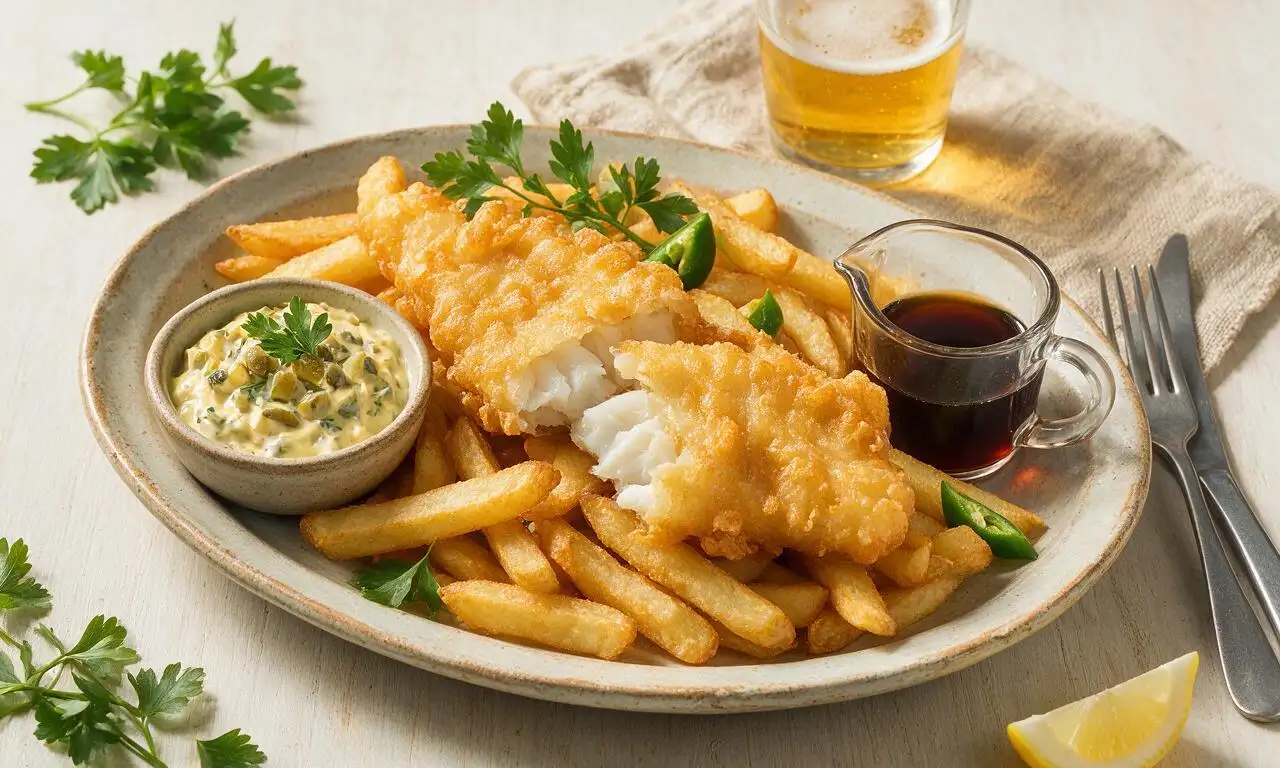
Crispy golden beer-battered cod and fluffy double-fried chips, served with tangy tartar sauce and malt vinegar: the timeless, beloved British pub comfort classic.

⏱️ 45 minuteMain Course ★ 4.7
Main Course
🍜 Mexico

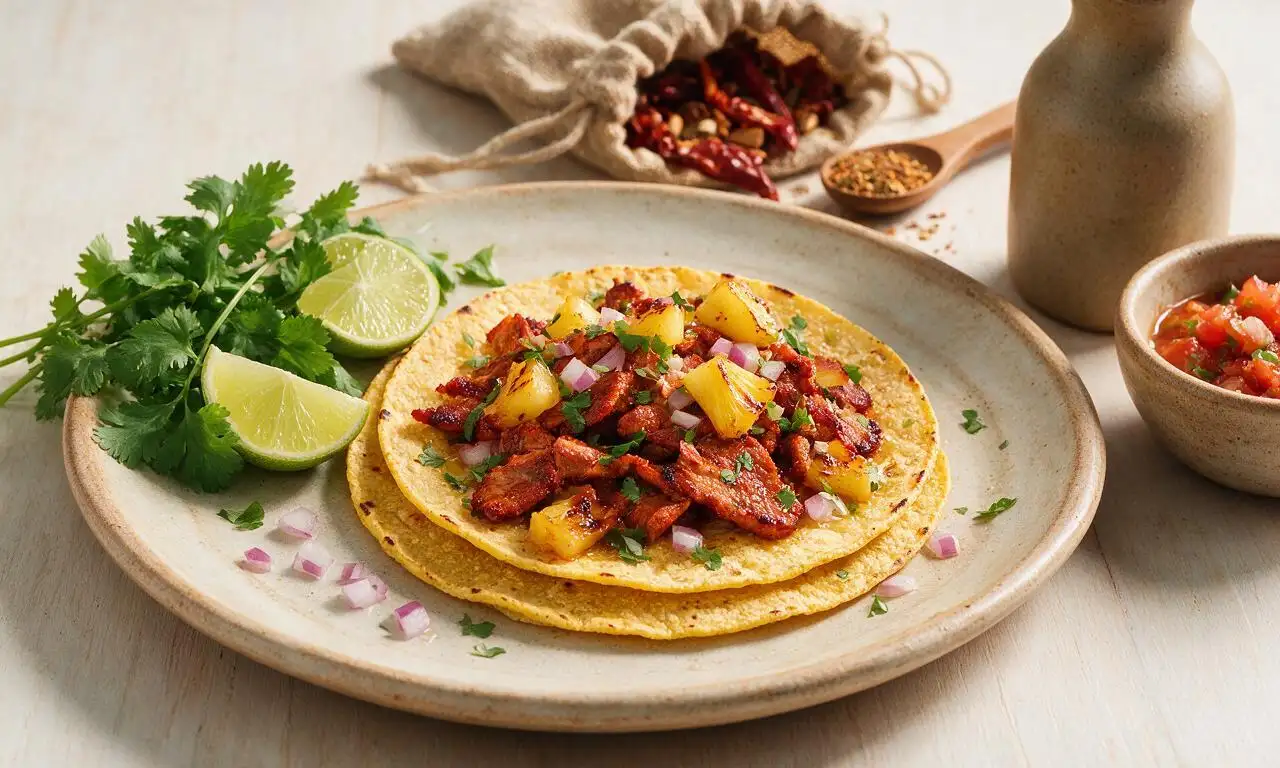
Smoky, chile-marinated pork tacos with caramelized pineapple, fresh cilantro, and lime: a beloved classic Mexican street food perfect for casual summer gatherings.

⏱️ 1 hour 45Main Course ★ 4.8
Main Course
🍜 United States

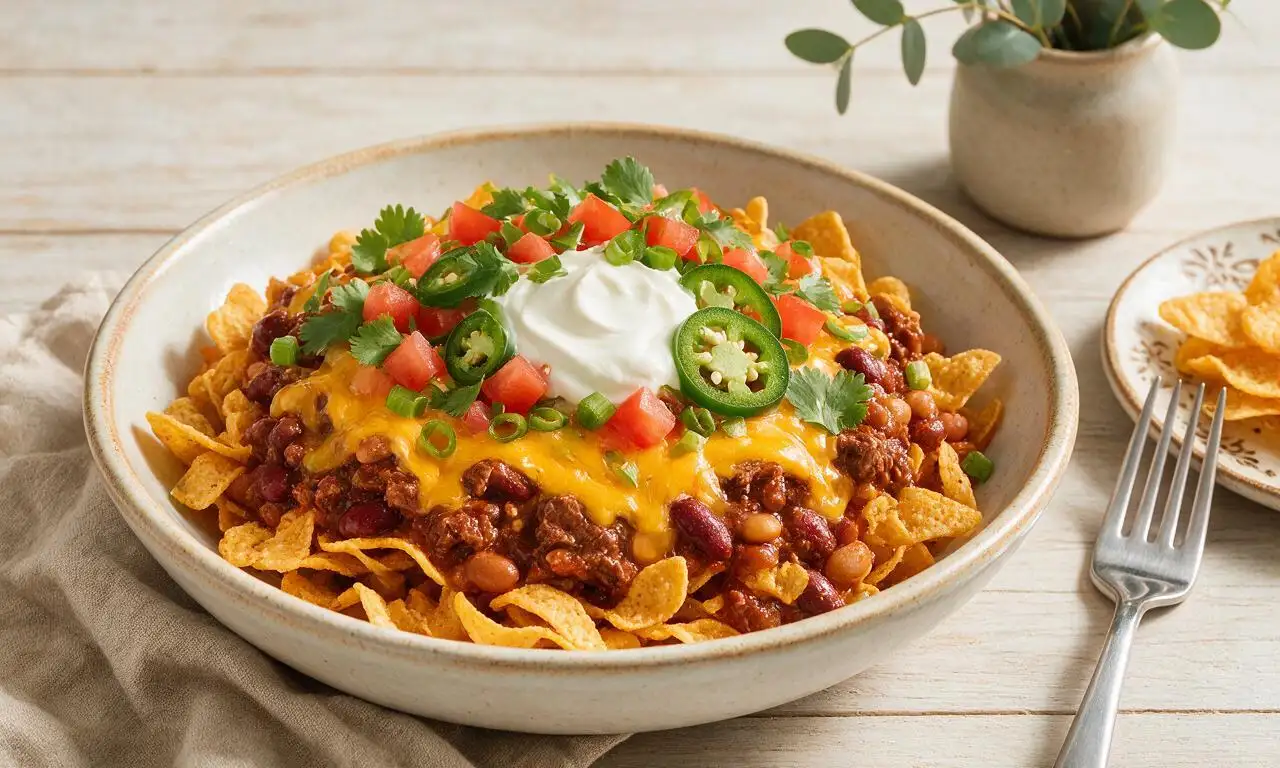
Crunchy Fritos corn chips layered with savory beef chili and melted cheddar, topped with cool, zesty fixings for a beloved, cozy Tex-Mex comfort food.

⏱️ 35 minuteMain Course ★ 4.8

Oyster Hokkien Mee:Frequently Asked Questions

1.Can I use dried or pre-packaged thick yellow noodles instead of fresh Hokkien noodles for this recipe? ▾
Fresh Hokkien noodles are ideal for that signature chewy, springy texture, but dried versions work as a backup. Rehydrate dried noodles per package directions, give them a quick 10-second boil, then drain and pat fully dry to avoid soggy stir-fry. Be careful not to overcook them, as they’ll continue softening while they toss in the hot wok with glaze.
2.How do I keep the oysters from turning rubbery when I stir-fry them? ▾
Oysters cook extremely quickly, so never toss them in at the start of the stir-fry. Add them during the last 60 to 90 seconds of cooking, gently folding them into the noodles so they just plump up and turn opaque. Overcooking is the number one cause of tough, rubbery oysters, so resist the urge to stir them roughly or leave them on high heat too long.
3.Do I have to use skin-on pork belly, or can I swap it for a leaner cut? ▾
Skin-on pork belly adds rich, rendered fat and subtle crispy texture that makes this street noodle taste authentic, but you can swap for thinly sliced pork shoulder if you prefer less fat. Skip ultra-lean cuts like pork loin, though—they’ll dry out fast on high wok heat and won’t contribute the savory fat base the glaze needs to coat noodles evenly.
4.How do I get that signature smoky restaurant-style wok hei flavor at home? ▾
That iconic smoky note, called wok hei, comes from cooking on searing high heat with a well-seasoned carbon steel wok. Get your wok lightly smoking before adding any ingredients, avoid overcrowding the pan (cook in batches if you have a small home stove), and toss quickly instead of letting ingredients sit and steam. A tiny splash of Shaoxing wine poured down the hot wok edge amplifies that smoky note.
5.Can I make this recipe without a wok, using a regular frying pan? ▾
You absolutely can, though you’ll get slightly less of that classic smoky wok hei. Use the heaviest, largest cast iron or stainless steel skillet you own, crank heat to the highest setting, and cook in smaller batches to avoid steaming noodles instead of searing them. Skip nonstick pans for this—most can’t handle the required high heat without releasing fumes or damaging their coating.
6.How do I prep fresh oysters so they don’t make the final dish watery? ▾
After draining shucked oysters, lay them gently on a double layer of paper towels for 5 minutes before cooking to pat off excess brine. Don’t rinse them under running water, as that washes away their delicious briny, ocean-forward flavor. If your oysters are extra large, cut them in half so they distribute evenly without leaving watery pockets in the noodle pile.
7.How do I prep bean sprouts so they stay crisp instead of turning mushy? ▾
Tailed bean sprouts hold up great to high heat if you add them at the right time. After rinsing, spin them dry in a salad spinner to remove all excess surface water, then toss them into the wok during the last 30 to 45 seconds of cooking. They’ll barely wilt, keeping that bright, snappy crunch that cuts through rich noodles and fatty pork, rather than turning limp and watery.
8.Can I use frozen oysters if fresh shucked oysters aren’t available locally? ▾
Frozen oysters work as a solid backup when fresh isn’t an option! Thaw them completely in the fridge overnight, then pat very dry with paper towels to remove excess thaw liquid before adding them to the wok. They’ll be slightly less plump than fresh, but still deliver that signature briny seafood flavor—just take extra care not to overcook them, as they turn rubbery faster than fresh oysters.
9.What’s in the classic savory seafood glaze for this dish? ▾
The traditional umami-heavy glaze mixes light soy sauce for saltiness, a tiny splash of dark soy for warm golden color, oyster sauce for depth, a pinch of ground white pepper, a splash of Shaoxing wine, and a small amount of seafood or chicken stock to help it coat noodles evenly. Skip adding extra sugar—most oyster sauce has just enough sweetness to balance salty, briny notes without making the dish cloying.
10.How do I keep thick yellow Hokkien noodles from clumping together during stir-fry? ▾
If fresh Hokkien noodles are stuck straight out of the package, give them a quick 30-second blanch in boiling water, then drain and toss with a tiny drizzle of neutral oil to separate strands before stir-frying. Don’t overblanch them, as you want them to stay chewy, not soft. Use long chopsticks or tongs to gently toss and separate strands as they coat in glaze, instead of prodding them with a rigid spoon.
11.Can I add other seafood like shrimp or squid to this oyster Hokkien Mee? ▾
Absolutely! This is a flexible street food recipe, so adding peeled, deveined shrimp or thinly sliced squid is totally traditional across many Hokkien Mee variations. Sear any extra seafood quickly first, set it aside, then toss it back in during the last minute of cooking so it doesn’t overcook and turn tough. Don’t overload the wok with too many add-ins, or you’ll throw off the ideal noodle-to-topping ratio.
12.How long do leftovers keep, and what’s the best way to reheat them? ▾
Leftover Oyster Hokkien Mee keeps well in an airtight container in the fridge for up to 2 days. The best way to reheat it is in a hot skillet or wok with a tiny splash of stock or water, tossing quickly for 2 to 3 minutes until heated through—this brings back that fresh stir-fried texture. Skip the microwave, as it will turn noodles mushy and make oysters unpleasantly rubbery.
13.What kind of oil works best for stir-frying this dish? ▾
Reach for a neutral, high-smoke-point oil like canola, avocado, or refined peanut oil—these can handle super high wok heat without burning or turning bitter. Save toasted sesame oil for a tiny drizzle at the very end if you like, but don’t use it as your main cooking oil, as it has a low smoke point and burns fast. Rendered fat from the pork belly will add tons of extra savoriness to your oil base, too.
14.What can I use instead of pork belly if I don’t eat pork? ▾
If you skip pork, swap in thinly sliced skinless chicken thigh (skip breast, it dries out far too fast) or extra-firm pressed tofu cut into thin strips. Add a tablespoon of extra oil to make up for missing rendered pork fat, and toss in a pinch more white pepper and a splash more oyster sauce (or vegetarian oyster sauce for plant-based diets) to keep that deep, rich umami base.
15.Why do my stir-fried noodles always turn out soggy instead of chewy like restaurant versions? ▾
Soggy noodles almost always stem from three common mistakes: not drying ingredients well before adding them to the wok, overcrowding the pan so ingredients steam instead of sear, or adding too much sauce or stock at once. Cook on the highest heat your stove can manage, pat noodles, veggies, and oysters dry before cooking, and add glaze a little at a time, tossing constantly, so it coats noodles instead of pooling.
16.What traditional garnishes pair best with Oyster Hokkien Mee? ▾
Classic street stall garnishes include a small squeeze of fresh calamansi or lime juice right before eating for a bright, tart kick, a sprinkle of chopped fresh cilantro, thin slices of red chili for heat, and a side of sambal belacan for anyone who wants extra spicy, funky depth. That bright pop of acid is the most critical addition, as it cuts through the rich, umami-heavy noodles perfectly.
17.How should I prep and cook the garlic to avoid burning it? ▾
Mince garlic to a fine, even consistency so it distributes evenly without leaving harsh, raw chunks. Add it right after you finish rendering the pork belly, and stir it constantly for only 10 to 15 seconds until it smells fragrant—don’t wait for it to turn brown, as it burns extremely fast on high wok heat. Burnt garlic adds a bitter, unpleasant flavor that will overpower the entire dish, so keep it moving once it hits the pan.
18.Can I use thin wheat noodles or rice noodles if I can’t find thick yellow Hokkien noodles? ▾
Thick yellow Hokkien noodles have that signature chewy, springy texture that holds up to heavy glaze and high heat, but in a pinch, thick udon noodles make a close swap. Thin rice noodles or regular spaghetti don’t work as well—they’re too delicate, get mushy fast, and won’t hold glaze the same way. If using udon, blanch it first to separate strands, then drain very well before stir-frying.

Comments (10)

2 days ago

OMG this Oyster Hokkien Mee is a total game changer! I was intimidated at first because I thought stir fried noodle dishes with seafood were super fussy, but 12 minutes cook time? No way! Threw this together for last night’s family dinner and my husband and two kids went back for seconds. The oysters were so buttery and the noodle sauce had that perfect umami kick I’ve been chasing from our local Malaysian spot. 10/10 will be adding this to our weekly meal prep rotation!

1 day ago

Wait did you use fresh or frozen oysters? I only have frozen on hand and don’t wanna mess it up!

1 day ago

Great question! Frozen shucked oysters work totally fine here — just pat them dry really well before tossing them in the pan so they don’t make the noodles soggy. Happy cooking!

3 days ago

Tasted SO good, but I definitely messed up the noodle texture my first go around. I oversoaked the hokkien noodles so they got a little mushy once I stir fried them. Flavor was spot on though, even with the mushy noodles my roommates devoured half the pan before I could even grab a plate for our potluck pre-game.

2 days ago

So glad the flavor hit for you! Quick tip for next time: soak the noodles in warm (not boiling) water for 2-3 minutes less than the package says, since they’ll keep cooking when you stir fry them with the sauce and oysters. That’ll keep them nice and chewy!

1 week ago

Brought this to our neighborhood potluck last weekend and people were asking me for the recipe before I even set the platter down! I added a little extra chili crisp on top for heat and it was chef’s kiss. Who knew a medium difficulty recipe could come together that fast? Total weeknight win.

5 days ago

My kids loved it! I swapped the regular oysters for the smaller, brinier ones I picked up from the seafood counter and it worked perfectly. Only note is I wish there was a little more guidance on how high to crank the heat for the wok hei, but I winged it and it turned out great.

4 days ago

I did high heat the whole time once the oil started shimmering! Got that perfect smoky wok taste just like the takeout places, you should try it next time.

3 days ago

Love that swap for smaller oysters — they’re such a great briny bite! SeafoodSally is totally right, high heat is key for that classic wok hei flavor, just make sure you have all your ingredients prepped ahead so nothing burns!

yesterday

Tasty but I’m not sure I’d call this medium difficulty? I felt like I was scrambling the whole 12 minutes to get all the ingredients in the pan at the right time, ended up slightly overcooking the oysters. Might give it another shot when I have more time to prep everything first.

2 hours ago

Oh girl mise en place is NON negotiable for this one! I chopped all my garlic, measured out the sauce, patted the oysters dry all before I even turned the stove on, and it was so smooth. Definitely give it another go, it’s worth it!

just now

Game. Changer. I’ve been paying $18 a plate for this at my local Hokkien restaurant for years and I can make it at home for a fraction of the cost in 12 minutes? Insane. The oysters don’t get rubbery at all if you add them last like the recipe says, chef’s kiss.

just now

That’s what we love to hear! So stoked you’re able to recreate your restaurant favorite at home — saving that takeout cash for something fun is always a win.

2 weeks ago

Made this for my partner’s birthday dinner since it’s his favorite noodle dish and he said it was better than the version we had on our trip to Singapore last year! I topped it with extra fried shallots and a squeeze of lime, just how he likes it. Will absolutely be making this again for special occasions and random Tuesday nights alike.

30 minutes ago

Super solid recipe! I made a half portion for my lunch today since I’m only cooking for one, and it came together so fast. I skipped the oysters (not a huge texture fan) and added shiitake mushrooms instead, but the sauce base was so flavorful I didn’t even miss them. Would love a veggie-only version of this!

15 minutes ago

Ooh the shiitake swap sounds chef’s kiss! I might try that for my sister who’s vegetarian next time I make this, thanks for the idea!

10 minutes ago

So glad the sauce base worked for you! The shiitake swap is a great call — we’re actually testing a fully vegetarian version of this recipe right now, so stay tuned for that drop in a couple weeks!

2 hours ago

SO good. I was a little worried because I’ve never cooked with fresh oysters before, but the recipe steps were so clear I didn’t mess it up at all! The balance of savory, sweet, and briny is exactly what I look for in a good Hokkien mee. Already texted the recipe link to all my friends in our dinner group chat.

5 minutes ago

Wow, 12 minute cook time? That’s a lifesaver for weeknights when we’re running between soccer practice and piano lessons! I prepped all the components during nap time on Sunday so all I had to do was toss it all in the wok tonight, and the whole family cleaned their plates. Even my pickiest eater who hates seafood asked for seconds!

2 minutes ago

The prep ahead hack is so smart! I did the same thing last week and made the sauce ahead of time, it cut down on the weeknight chaos so much. My picky kid ate three servings too, it’s magic!