Pasta Cacio e Pepe

title 1
Pasta Cacio e Pepe
⏱️ cook time 20 minutes
🍽️ servings 4
⚡ Difficulty medium

intro

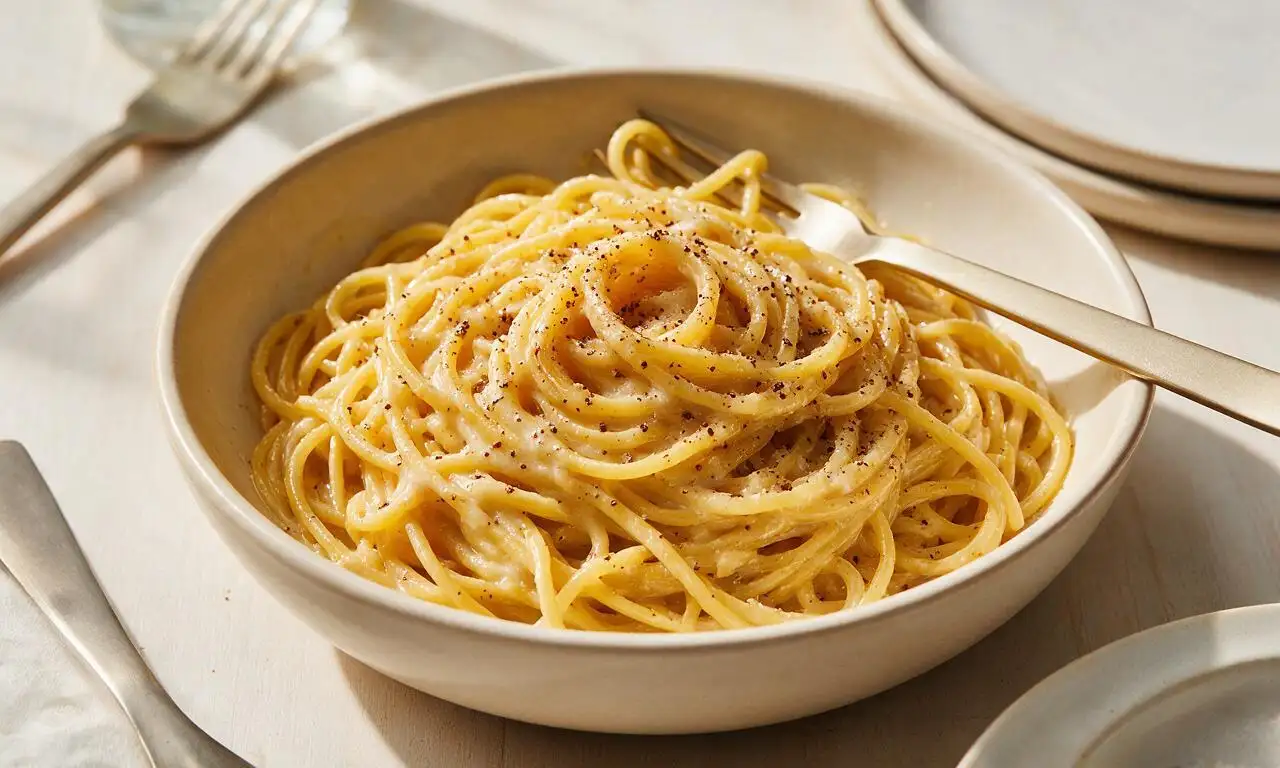
Silky, classic Roman pasta made with pecorino, cracked black pepper, and starchy pasta water—no cream required, ready in 20 minutes for a rich, satisfying meal.

Ingredients

Dried tonnarelli (square spaghetti) pasta 400g (approx 4 cups)
Freshly grated Pecorino Romano cheese 150g (approx 1.5 packed cups)
Whole black peppercorns 2 tablespoons
Fine sea salt 1 tablespoon

Steps

1

Boil salted pasta water

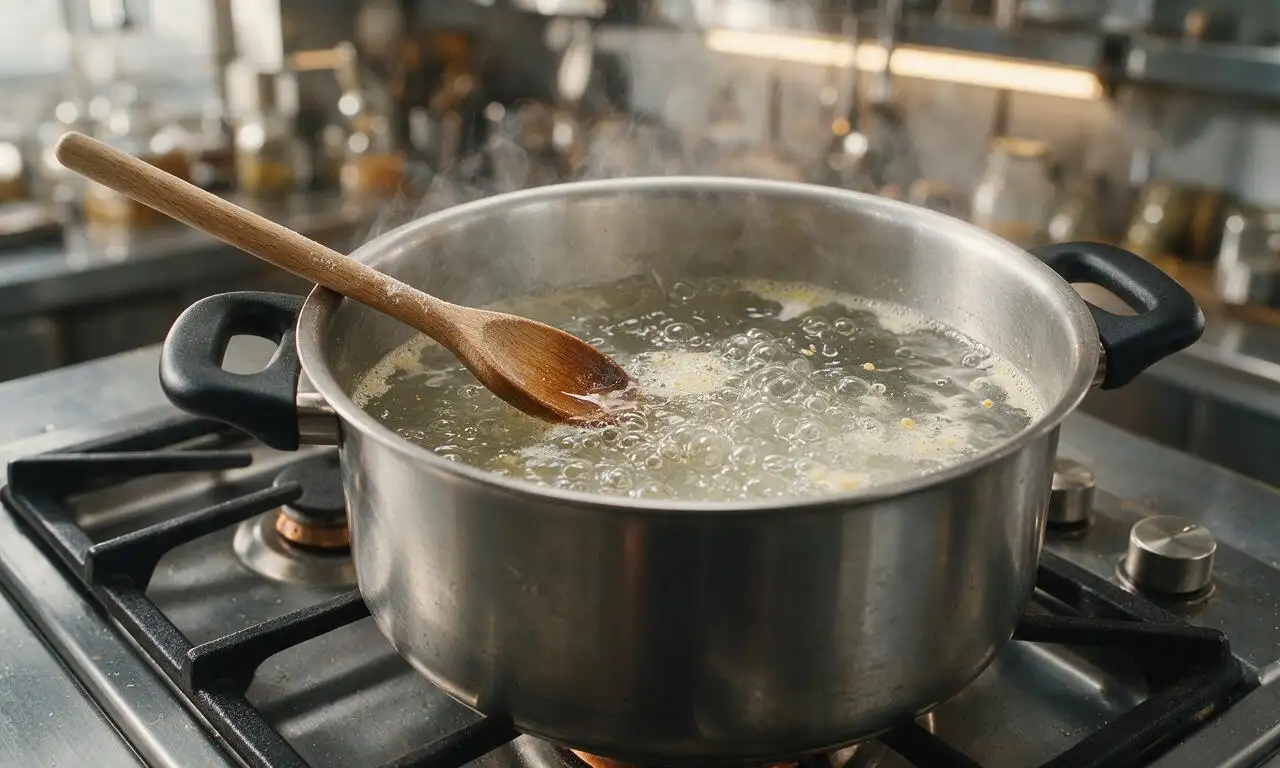
Fill a large 6-quart stockpot with 4 liters (1 gallon) of cold water, set over high heat, and bring to a rolling boil. Add 1 tablespoon of fine sea salt, stirring to dissolve— the water should taste as salty as seawater. Do not add oil to the water, as it prevents sauce from clinging to noodles.
Step 1
step1:Boil salted pasta water
2

Toast and crush pepper

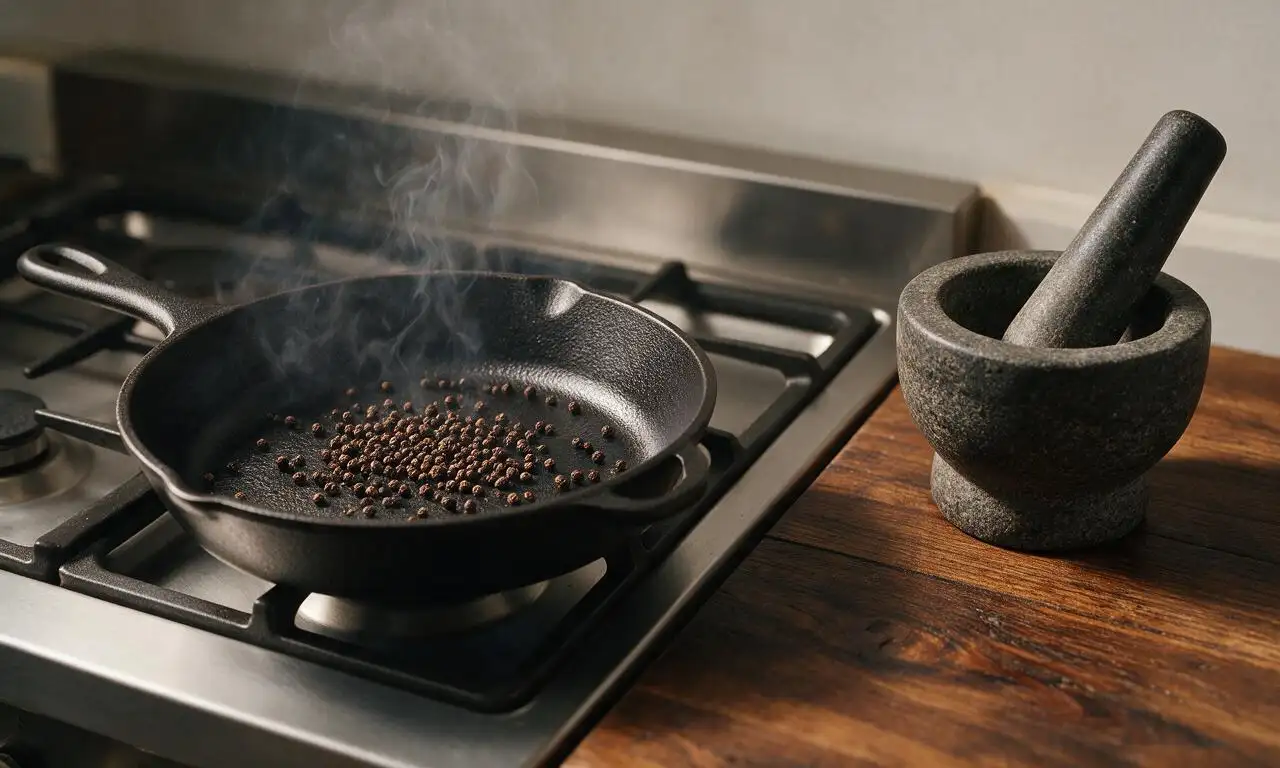
While waiting for water to boil, place 2 tablespoons of whole black peppercorns in a dry 12-inch heavy-bottomed skillet over medium-low heat. Toast for 2 to 3 minutes, swirling the pan frequently, until peppercorns release a warm, spicy aroma. Transfer to a mortar and pestle, and crush to a coarse, uneven grind (not fine powder); set aside.
Step 2
step2:Toast and crush pepper
3

Cook pasta partially

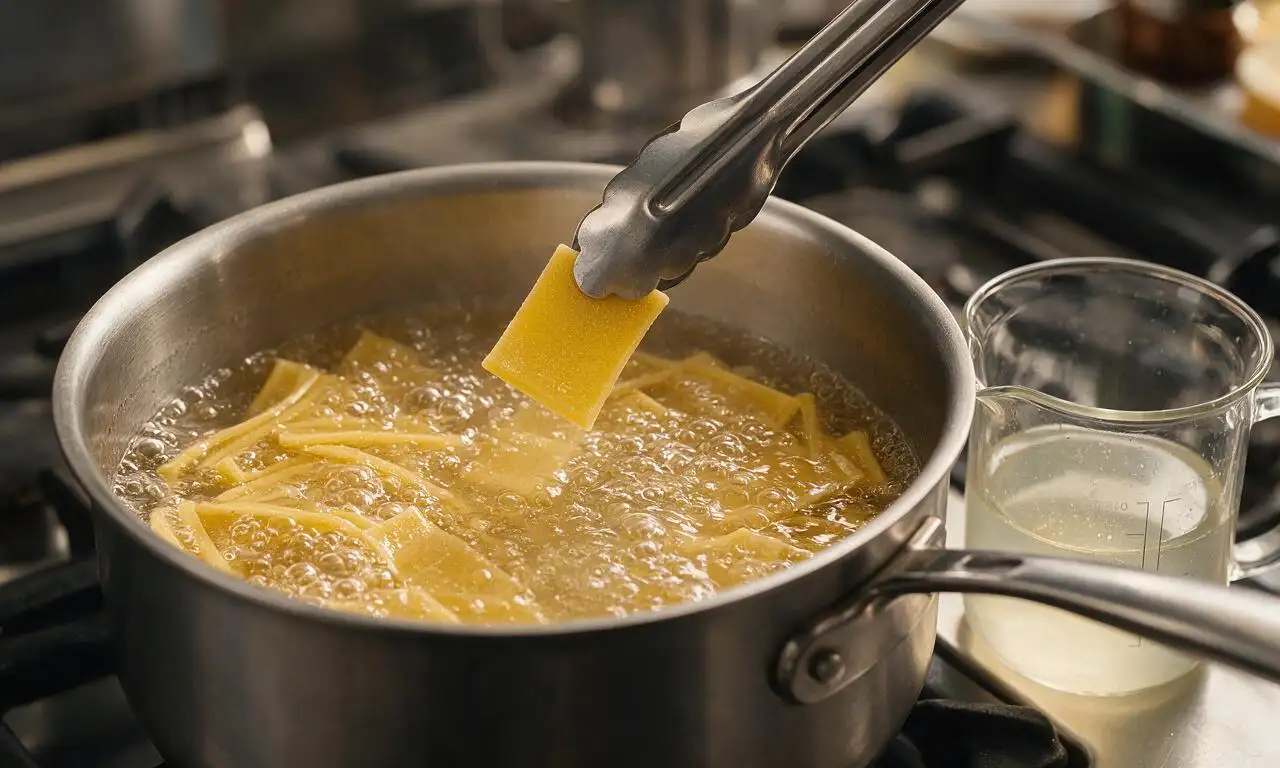
Once water reaches a rolling boil, add 400g of dried tonnarelli, stirring immediately with tongs to prevent sticking. Cook for 8 minutes, which is 2 minutes less than the package’s recommended al dente time, as pasta will finish cooking in the sauce. Reserve 1.5 cups (360ml) of starchy hot pasta water before draining; do not rinse pasta after draining, as starch is critical for sauce emulsion.
Step 3
step3:Cook pasta partially
4

Combine pasta and pepper

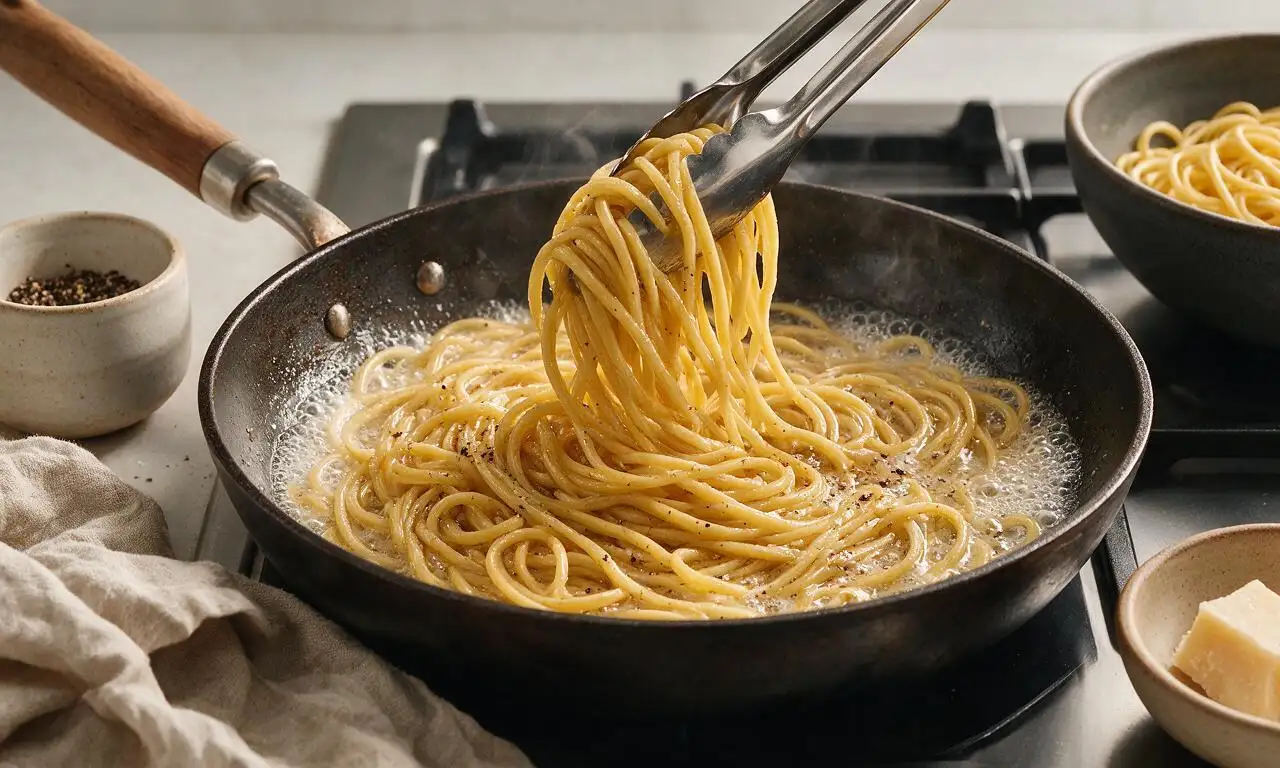
Return the 12-inch skillet with residual crushed pepper to medium-low heat. Pour in 1 cup (240ml) of the reserved starchy pasta water, and bring to a gentle simmer. Add drained, undercooked pasta directly to the skillet, tossing continuously with tongs for 2 minutes as the pasta finishes cooking and the water reduces by roughly one-third, coating noodles in starchy pepper liquid.
Step 4
step4:Combine pasta and pepper
5

Emulsify cheese sauce

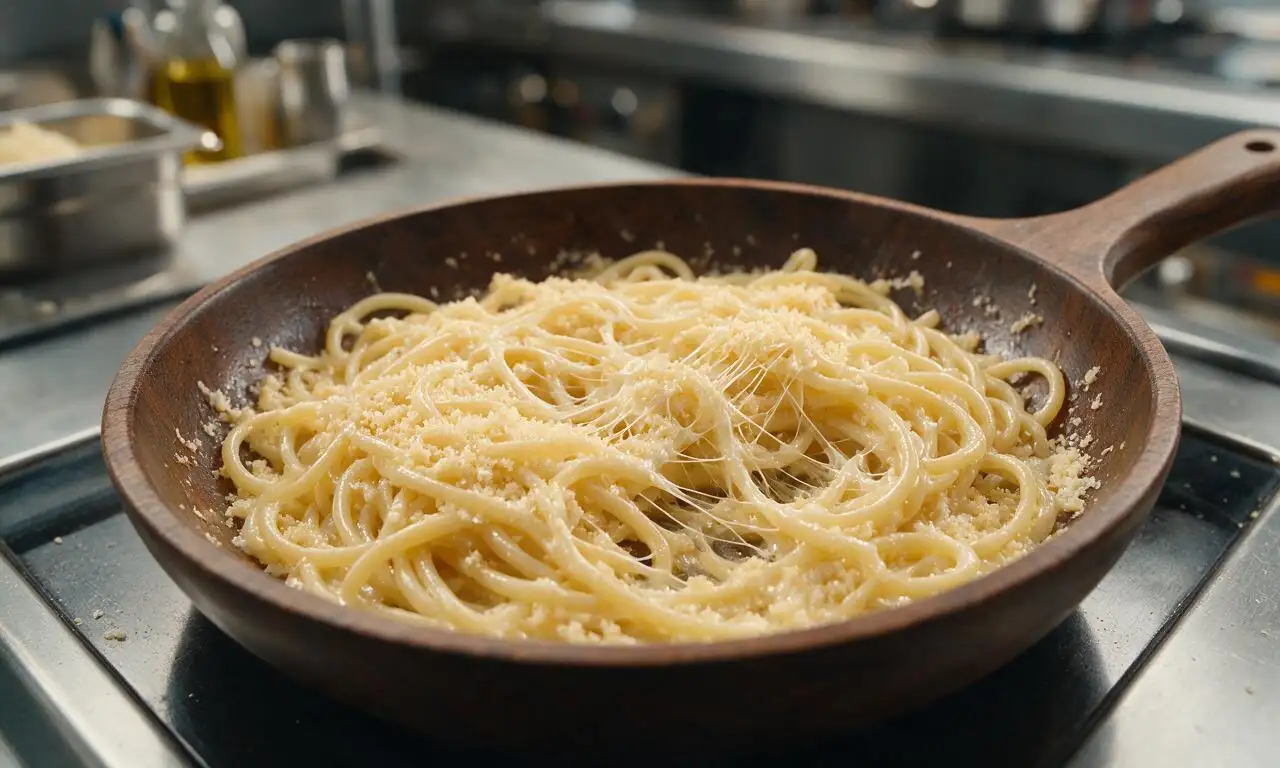
Turn the stovetop heat to the lowest setting, or remove the skillet from the burner for 30 seconds to cool slightly (overheating will curdle the cheese). Add 150g of freshly grated Pecorino Romano in 3 equal small batches, tossing vigorously and continuously with tongs between each addition. Add splashes of remaining reserved pasta water 1 tablespoon at a time as needed, until the sauce forms a silky, glossy coating that clings to every noodle, about 2 minutes of total tossing.
Step 5
step5:Emulsify cheese sauce
6

Rest and serve immediately

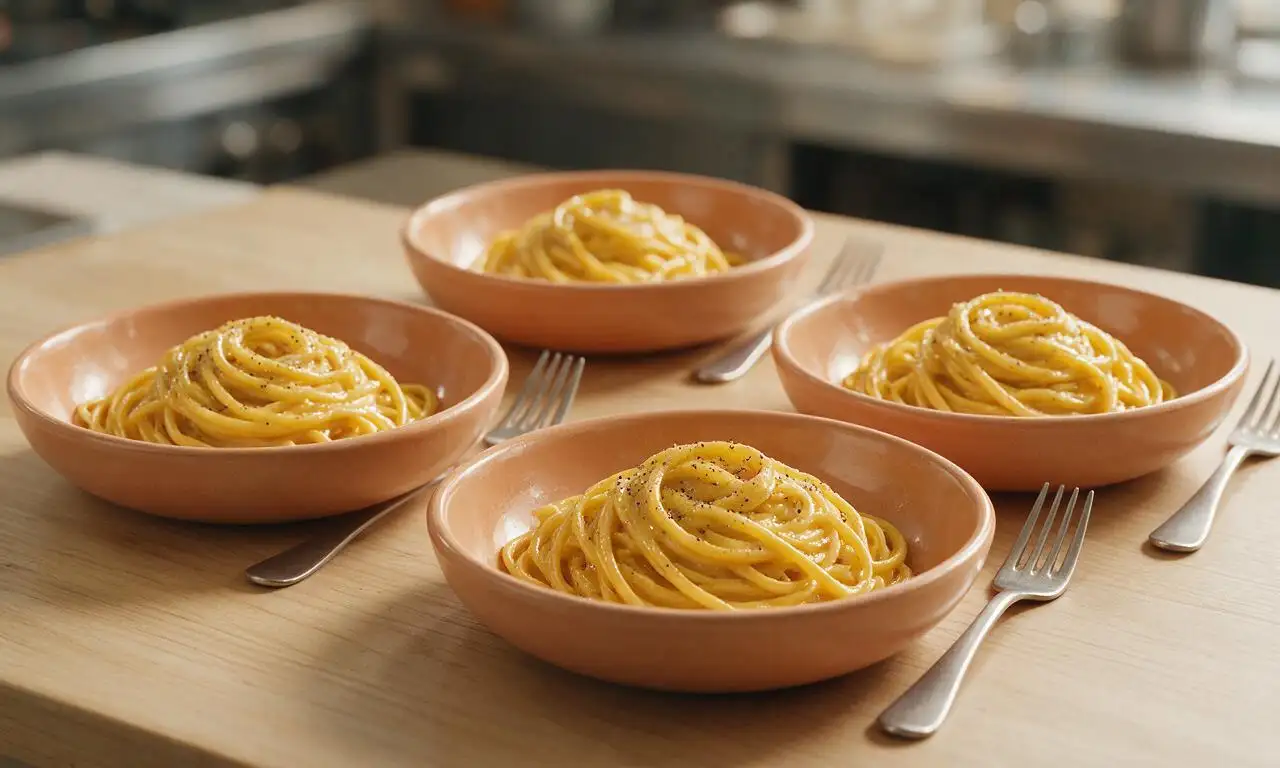
Remove the skillet from heat, let pasta rest for 1 minute to allow the sauce to thicken slightly, then give one final toss. Divide evenly between 4 pre-warmed pasta bowls, topping each portion with a pinch of extra crushed black pepper and light sprinkle of Pecorino if desired. Serve right away, as the sauce will thicken and clump as it cools.
Step 6
step6:Rest and serve immediately

Tips

1.Never use pre-grated Pecorino Romano for this recipe: pre-grated cheese is coated with anti-caking agents like potato starch that prevent a smooth emulsion and cause lumpy sauce. Always grate cheese fresh right before cooking.
2.Do not add cream to Cacio e Pepe, even if some recipes suggest it. The traditional silky texture comes entirely from the emulsion of starchy pasta water and melted cheese, and cream masks the bright, salty, nutty flavor of Pecorino.
3.Work quickly once adding cheese, and never use high heat during the emulsification step. High heat causes cheese proteins to separate and curdle, leaving a greasy, clumpy sauce instead of the signature smooth coating.

✨ You May Also Like

Main Course
🍜 United Kingdom

A showstopping classic of tender seared beef, savory mushroom duxelles, and crisp prosciutto wrapped in flaky golden puff pastry, baked to juicy perfection.

⏱️ 2 hours 1Main Course ★ 4.7
Main Course
🍜 India

Tender charred marinated chicken simmered in a rich, spiced creamy tomato sauce, this iconic Anglo-Indian curry pairs perfectly with basmati rice or warm naan.

⏱️ 50 minuteMain Course ★ 4.6
Main Course
🍜 Thailand

Classic tangy, sweet, and savory Thai stir-fried rice noodles with shrimp, tofu, and crunchy garnishes, balancing all five core Thai flavor profiles.

⏱️ 30 minuteMain Course ★ 4.5
Main Course
🍜 United Kingdom

Crispy golden beer-battered cod and fluffy double-fried chips, served with tangy tartar sauce and malt vinegar: the timeless, beloved British pub comfort classic.

⏱️ 45 minuteMain Course ★ 4.7
Main Course
🍜 Mexico

Smoky, chile-marinated pork tacos with caramelized pineapple, fresh cilantro, and lime: a beloved classic Mexican street food perfect for casual summer gatherings.

⏱️ 1 hour 45Main Course ★ 4.8
Main Course
🍜 United States

Crunchy Fritos corn chips layered with savory beef chili and melted cheddar, topped with cool, zesty fixings for a beloved, cozy Tex-Mex comfort food.

⏱️ 35 minuteMain Course ★ 4.8

Pasta Cacio e Pepe:Frequently Asked Questions

1.Why do so many cacio e pepe recipes use cream if the classic version doesn’t? ▾
Cream is a common shortcut to avoid sauce breakage, but it mutes the bright, salty, sharp bite of Pecorino Romano that defines the Roman original. The classic silky texture comes entirely from emulsifying freshly grated cheese, starchy pasta water, and toasted pepper—no heavy cream needed for that light yet rich, perfectly coated noodle you can pull together in 20 minutes flat.
2.Can I use pre-grated Pecorino Romano from the grocery store? ▾
Skip pre-grated cheese if you can—it’s coated in anti-caking agents like potato starch that prevent it from melting smoothly into the silky emulsion we want. Grate your Pecorino fresh right before making the sauce, using the smallest holes on a box grater or microplane, for the creamiest, clump-free result.
3.What if I can’t find tonnarelli (square spaghetti) for this recipe? ▾
Tonnarelli’s square, rough texture is ideal for clinging to the thin, cheesy pepper sauce, but you can swap it for other dried, bronze-cut pasta shapes if needed. Spaghetti, bucatini, or rigatoni all work well—just avoid smooth, cheap pasta that won’t hold sauce, and skip fresh pasta, which doesn’t release enough starch for the emulsion.
4.Why do I need to use whole black peppercorns instead of pre-ground pepper? ▾
Pre-ground black pepper is stale, flat, and lacks the bright, spicy, woody kick that makes cacio e pepe sing. Crack whole peppercorns to a coarse texture with a mortar and pestle, or crush them with the bottom of a heavy skillet right before toasting to unlock their aromatic oils for deep, layered flavor.
5.My sauce always clumps up and gets stringy—how do I fix that? ▾
Clumping happens when cheese gets too hot too fast, causing its proteins to seize up. Fix this by taking your pan completely off the heat before adding cheese, tossing constantly, and splashing in small amounts of hot (not boiling) starchy pasta water a tablespoon at a time to build a smooth, glossy emulsion.
6.Can I use Parmesan instead of, or in addition to, Pecorino Romano? ▾
Parmesan has a nuttier, milder, less salty profile than sharp, tangy Pecorino Romano, the traditional star of this dish. If you find straight Pecorino too sharp, you can swap up to 1/3 of it for freshly grated Parmigiano-Reggiano, but using more will make the sauce taste flat and less authentic to the Roman original.
7.How salty should my pasta water be for this recipe? ▾
Your pasta water should taste as salty as seawater—about 1 tablespoon of fine sea salt per 4 quarts of water. This is the only chance you get to season the pasta itself, and that starchy, salty water is a core sauce ingredient, so undersalting will leave your final dish bland no matter how much cheese you add.
8.Do I need to toast the black pepper before adding it to the pasta? ▾
Toasting cracked peppercorns in a dry, warm skillet for 30 to 60 seconds right before adding pasta and pasta water is a total game-changer. It gently activates the pepper’s aromatic oils, mutes any harsh bitter notes, and leaves a warm, rounded spicy flavor that evenly coats every noodle.
9.Can I make cacio e pepe ahead of time for meal prep? ▾
Cacio e pepe is best served immediately right after tossing, because the cheese emulsion breaks as it cools, turning clumpy and greasy. If you have leftovers, reheat them gently in a skillet over low heat with a splash of hot water, tossing constantly—skip the microwave, which turns cheese rubbery and separated.
10.How much starchy pasta water do I actually need to reserve? ▾
Always reserve at least 1 full cup of starchy pasta water right before you drain your noodles—you won’t use all of it, but having extra on hand means you can adjust sauce consistency if it gets too thick or clumpy. Start with 1/3 cup when building the emulsion, adding more a tablespoon at a time as needed.
11.Is there a non-dairy swap for Pecorino that works for this recipe? ▾
Traditional cacio e pepe relies on sheep’s milk cheese for its signature flavor and melt, but if you need a dairy-free version, use a high-quality, finely grated aged vegan parmesan designed to melt smoothly. Skip soft vegan cheeses, which won’t emulsify properly, and add a tiny pinch of nutritional yeast to mimic Pecorino’s tangy bite.
12.Why do recipes say to not rinse pasta after draining it for this dish? ▾
Rinsing pasta washes off all the starchy coating on the outside of the noodles—that starch is the magic ingredient that binds cheese and pepper into a silky, clinging sauce. Rinsed pasta leaves you with a runny, separated sauce that slides right off noodles instead of coating them evenly, so drain well but never rinse.
13.Can I add extra ingredients like bacon, vegetables, or chicken to this? ▾
Classic Roman cacio e pepe is intentionally simple, with just three core flavors to let Pecorino and pepper shine, but you can add mix-ins if you’d like. Crispy guanciale, roasted broccoli, or seared chicken work well, but add them after you emulsify the base sauce so they don’t throw off the delicate balance.
14.What’s the ideal pasta doneness for cacio e pepe? ▾
Cook your pasta to just barely al dente, about 1 to 2 minutes less than the package’s recommended cook time, because you’ll finish cooking it directly in the pan with pepper and starchy water. This lets noodles absorb a little sauce flavor as they finish, and keeps them from getting mushy when you toss everything together.
15.Why does my cacio e pepe turn out greasy instead of silky and smooth? ▾
Greasy cacio e pepe usually happens when you add cheese to a pan that’s too hot, which causes the cheese to separate into fat and solid curds instead of emulsifying. Avoid this by turning the heat off completely before adding grated Pecorino, tossing fast, and using starchy pasta water to bind everything into a glossy, light sauce.

Comments (9)

2 days ago

OMG this cacio e pepe is a total weeknight game changer! I’ve botched so many homemade versions before where the pecorino clumps up into weird rubbery globs, but the tip about tossing off the heat and slowly adding starchy pasta water? *Chef’s kiss.* My two super picky kids ate two full bowls each and asked if we can have it for their birthday dinner (lol, wild). Already planning to make a big batch for our block potluck next month!

yesterday

This makes me so happy to hear, Mia! That off-heat toss really is make-or-break for that silky, glossy sauce, no clumps allowed. So stoked your kids are fans—hope it’s a hit at the potluck too! Pro tip: save an extra cup of pasta water if you’re making a big batch, it makes reheating a breeze.

3 days ago

Pretty solid cacio e pepe! Took me a minute to get the sauce consistency right on my first go—added the cheese too fast at first and got a little clumping, but course corrected and it turned out SO good. Only tweak I made was adding an extra heavy pinch of cracked black pepper because I love that spicy, warm kick. Perfect for quick work-from-home lunches, comes together so fast even on busy days.

5 days ago

Wanted to love this, but my sauce broke completely when I tried to make it last night! I followed the steps exactly as written, but ended up with a greasy, separated mess instead of the creamy sauce in the photos. Bummed because cacio e pepe is my favorite restaurant order and I was so excited to make it at home. Any idea what I might have done wrong?

3 days ago

Oh I had the exact same issue my first try! Turns out my pan was still way too hot when I added the cheese, even after taking it off the burner. Let it cool for a full minute off heat before you start tossing, and add the pasta water a tablespoon at a time—worked like a charm on my second go!

2 days ago

So sorry your first batch didn’t turn out, Sarah! @PastaLover99 is totally right—residual pan heat is the #1 culprit for broken sauce. Also, make sure you’re using freshly grated pecorino, not the pre-shredded kind that has anti-caking coating (it will never melt smoothly!). Give it another shot, I promise it’s worth it!

1 week ago

I made this for my boyfriend’s birthday dinner last week and he swore I ordered it from our favorite little Italian spot downtown! The cook time is no joke, 20 minutes start to finish, which is perfect for date nights when I don’t want to be stuck in the kitchen for hours. We paired it with a crisp arugula salad and a bottle of red wine, total chef’s kiss. 10/10, will make again and again.

5 days ago

Date night win! Love that you paired it with arugula, the peppery bite of the greens goes so perfectly with the salty cheese and black pepper in the pasta. Happy belated birthday to your boyfriend!

2 weeks ago

Absolute staple for my Sunday meal prep! I was worried this wouldn’t hold up for weekday lunches, but if you undercook the pasta just a touch and save a little extra pasta water to toss in when you reheat, it stays perfectly creamy. Way cheaper than grabbing pasta takeout for lunch every day, and it’s so simple even I can’t mess it up. Already made this three times this month!

1 week ago

Thanks for the reheating tip! I tried meal prepping this last month and it got all gummy and clumpy when I microwaved it for lunch, can’t wait to try your undercook + extra pasta water trick next time!

5 days ago

Mark’s reheating tip is spot on! The only thing I’ll add is to reheat it in 30 second bursts in the microwave, stirring in between, instead of heating it all at once, for the creamiest results. So glad this is a meal prep staple for you!

yesterday

Wait why did I sleep on making cacio e pepe at home for so long?? This recipe is so simple but tastes like something you’d pay $25 for at a fancy Manhattan restaurant. I added a tiny sprinkle of lemon zest at the end and it popped so hard, highly recommend that little hack if you have a lemon lying around!

2 hours ago

Ooh the lemon zest addition sounds chef’s kiss! I usually top mine with a little crispy pancetta but I’m definitely trying the zest next time I make it this weekend.

30 minutes ago

Both of these hacks sound amazing! Bright lemon zest and salty crispy pancetta are such perfect upgrades to the classic recipe—love when people add their own little spins to make it their own.

2 hours ago

Really solid recipe, came together exactly as described even though I’m usually terrible at simple pasta dishes. The only reason I’m not giving 5 stars is I wish the recipe noted how important it is to use freshly cracked pepper instead of the pre-ground stuff in the shaker—pre-ground tasted flat when I tried it first, had to run to the store for whole peppercorns to grind fresh and it made all the difference.

30 minutes ago

Great feedback! You’re so right—freshly cracked pepper has way brighter, spicier flavor than pre-ground, which is why it’s such a core part of the dish. I’ll add a note about that to the recipe tips right away, thanks for the heads up!

just now

Just finished making this for lunch and WOW. I’ve been intimidated to try cacio e pepe for years because I’ve heard how easy it is to mess up, but the step-by-step directions were so clear I had zero issues. So creamy, so peppery, so cheesy—what more could you want? My roommate walked through the kitchen, stole a bite, and immediately asked for the recipe. Win all around.

5 minutes ago

Made this for our Sunday family dinner last night and every single plate was clean! I loved that it only used a handful of ingredients I already had in the pantry, no random fancy grocery run needed. My 10 year old even helped me grate the cheese, which made it even more fun. 10/10, will be a staple in our house from now on.

just now

Same! I made this with my 8 year old last week and she had so much fun helping stir the pasta, it’s such a great recipe to get kids involved in the kitchen. So glad your family loved it too!